














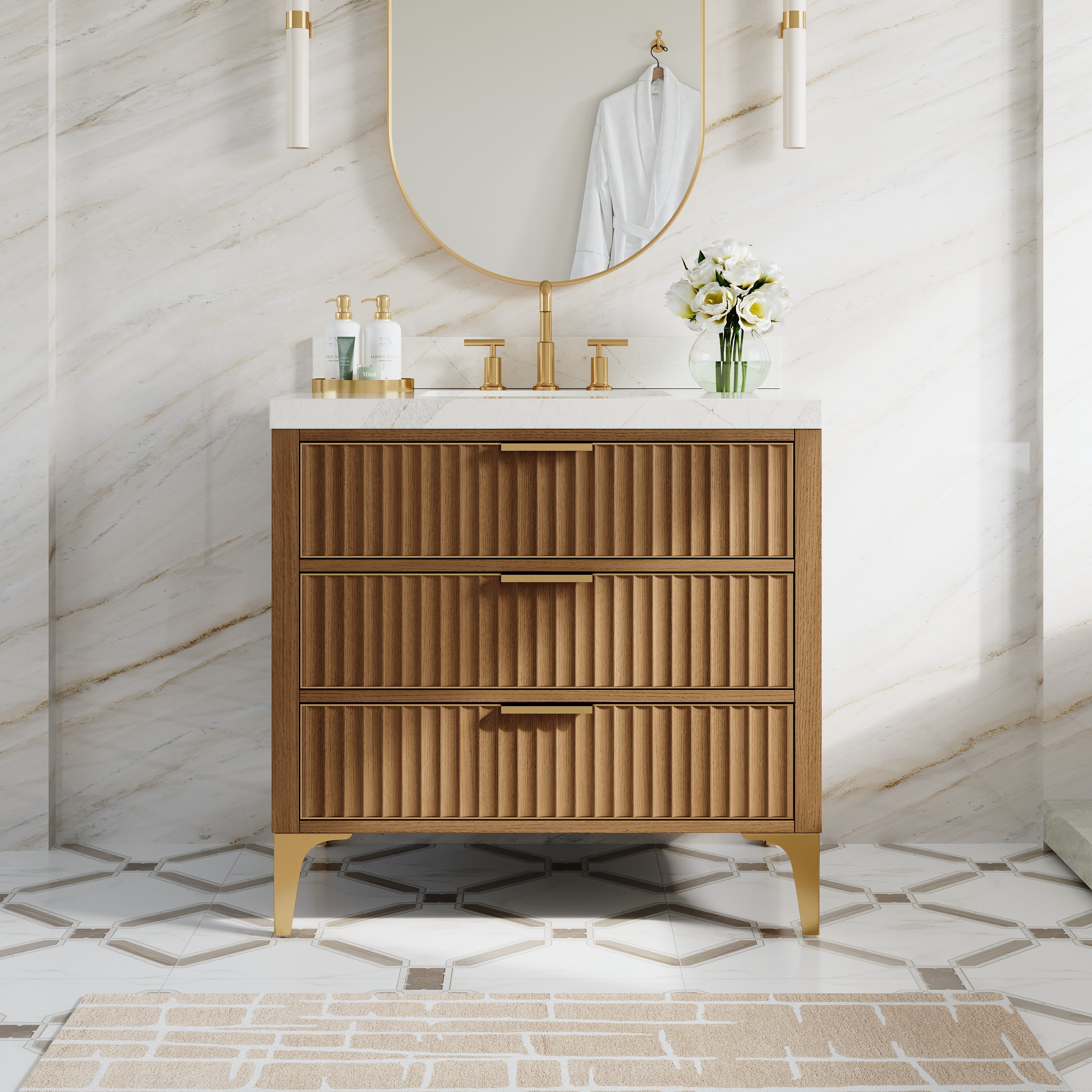
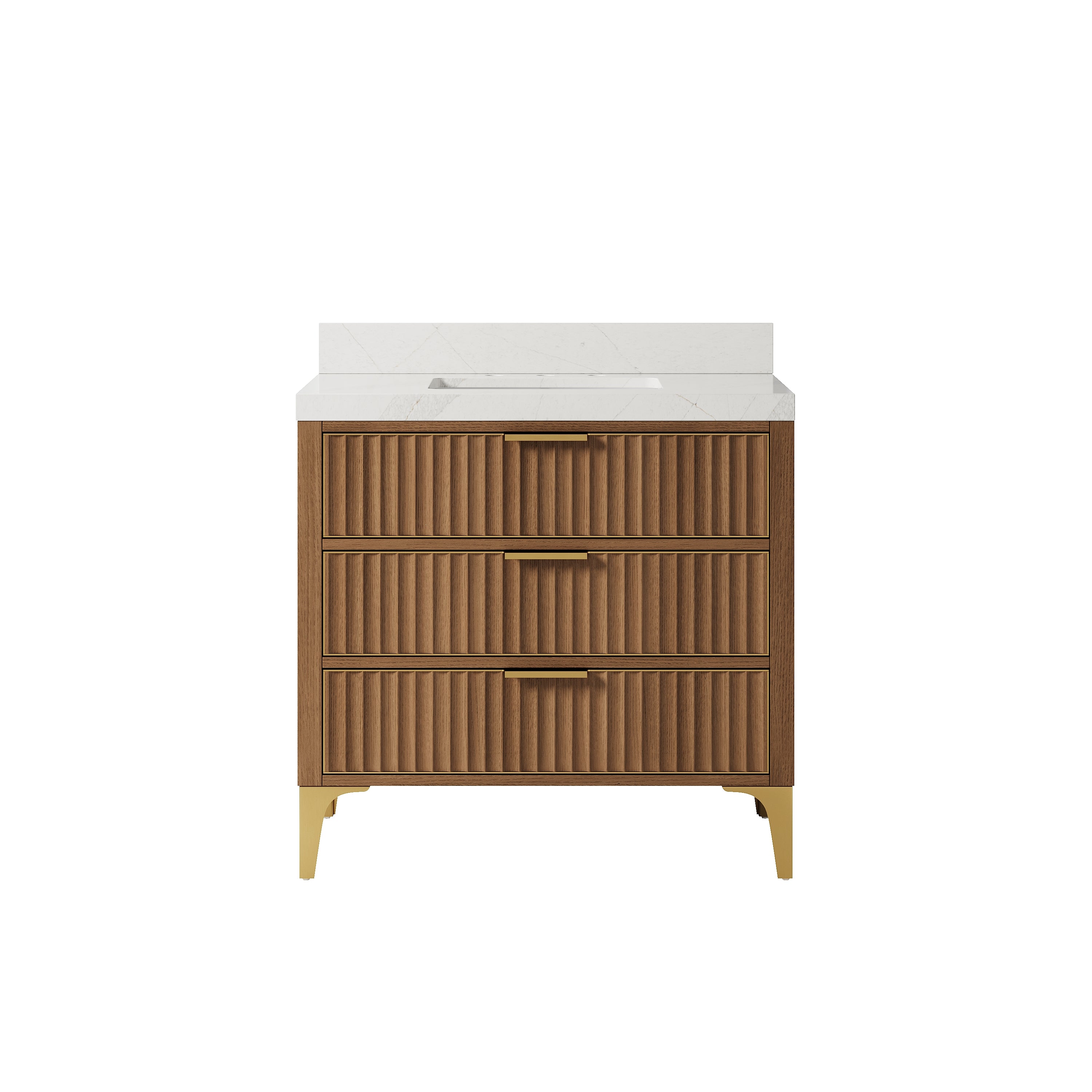
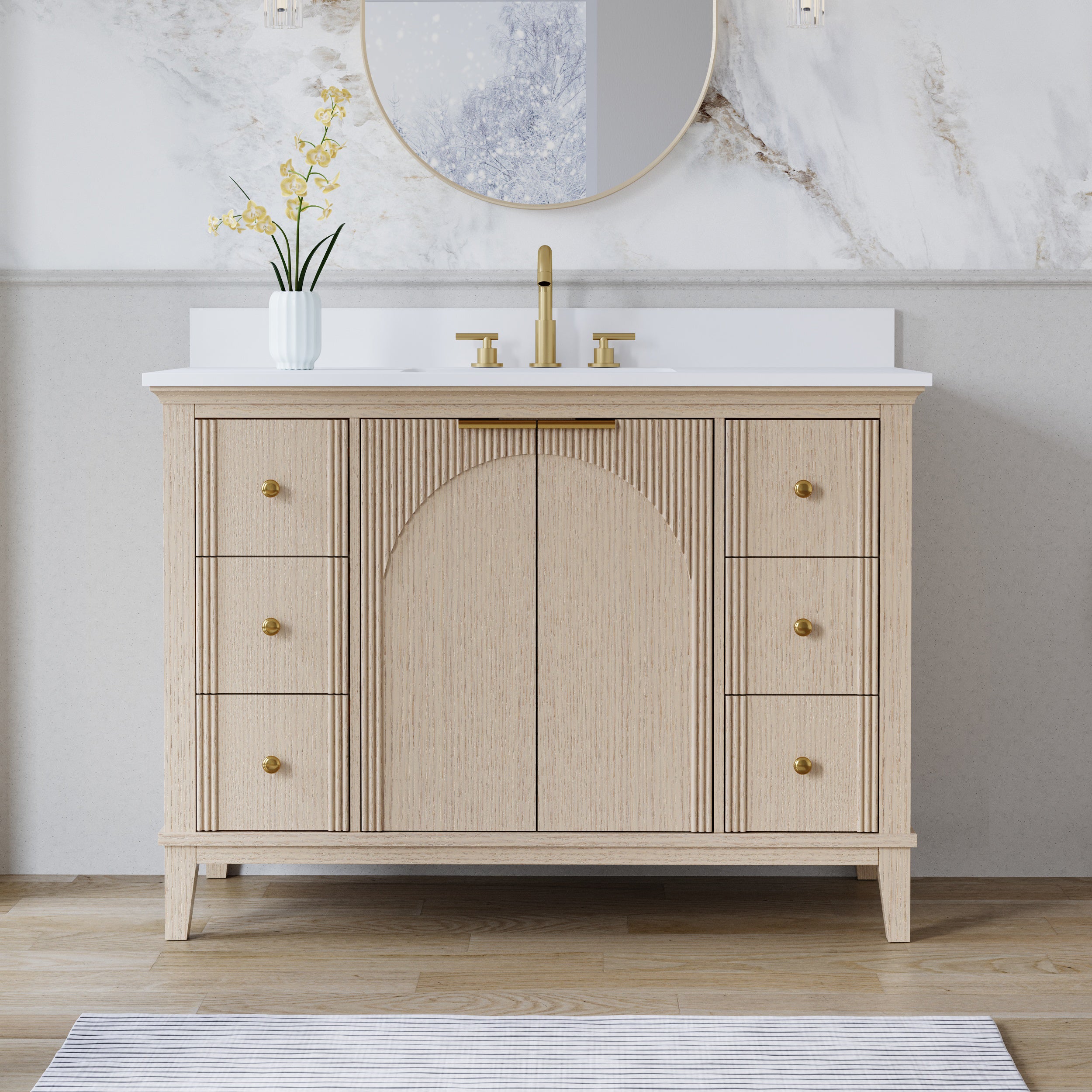
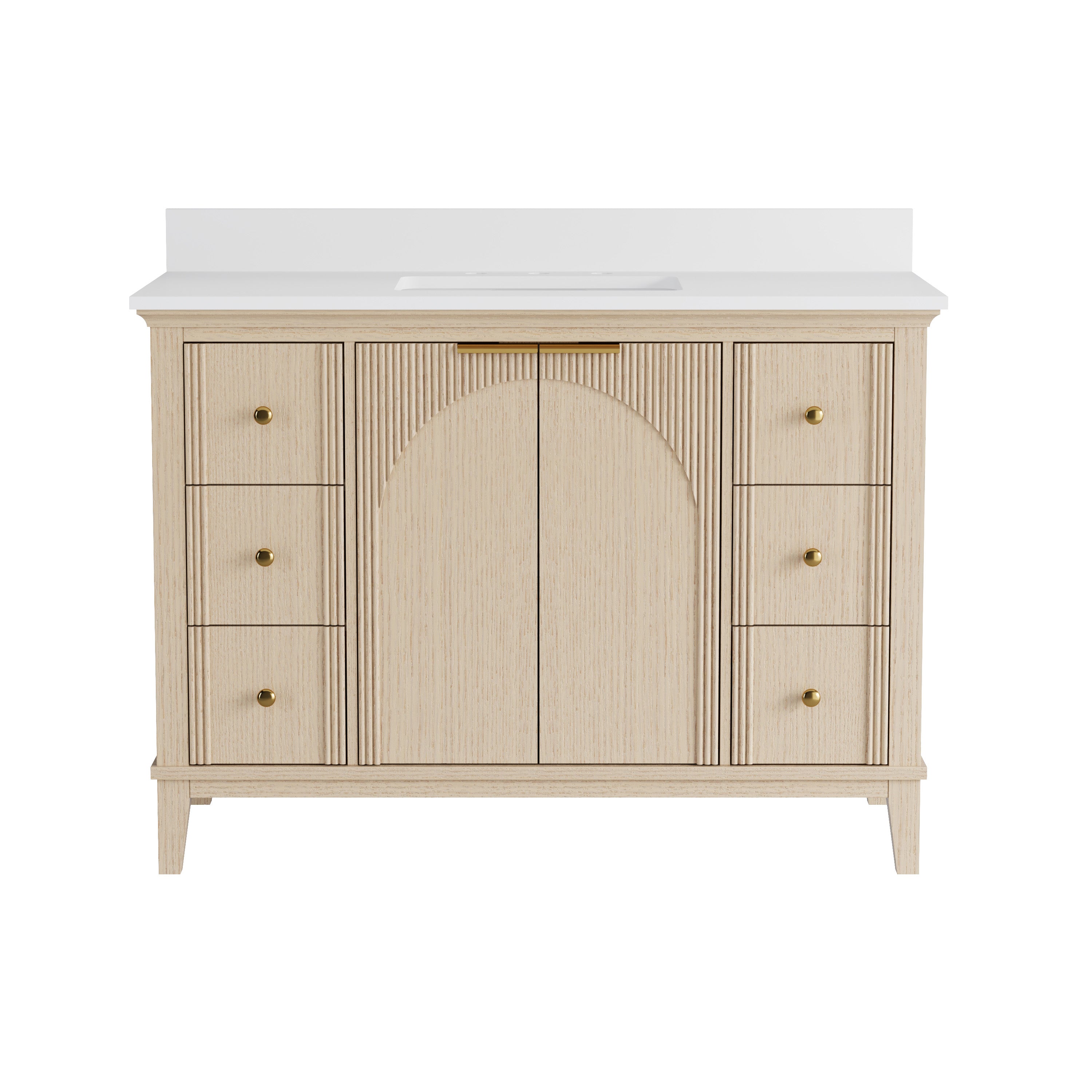


When clients ask me about the top 10 double sink bathroom vanities for master bathrooms, they are usually asking the wrong first question. The real question is which double vanity will still feel practical after six months of daily use, shared routines, wet countertops, crowded drawers, and rushed mornings.
A double sink vanity can absolutely improve a master bathroom. It creates personal space, reduces small daily friction, and often makes the room feel more complete. Still, not every master bath needs one, and not every double vanity is worth the floor space it takes up.
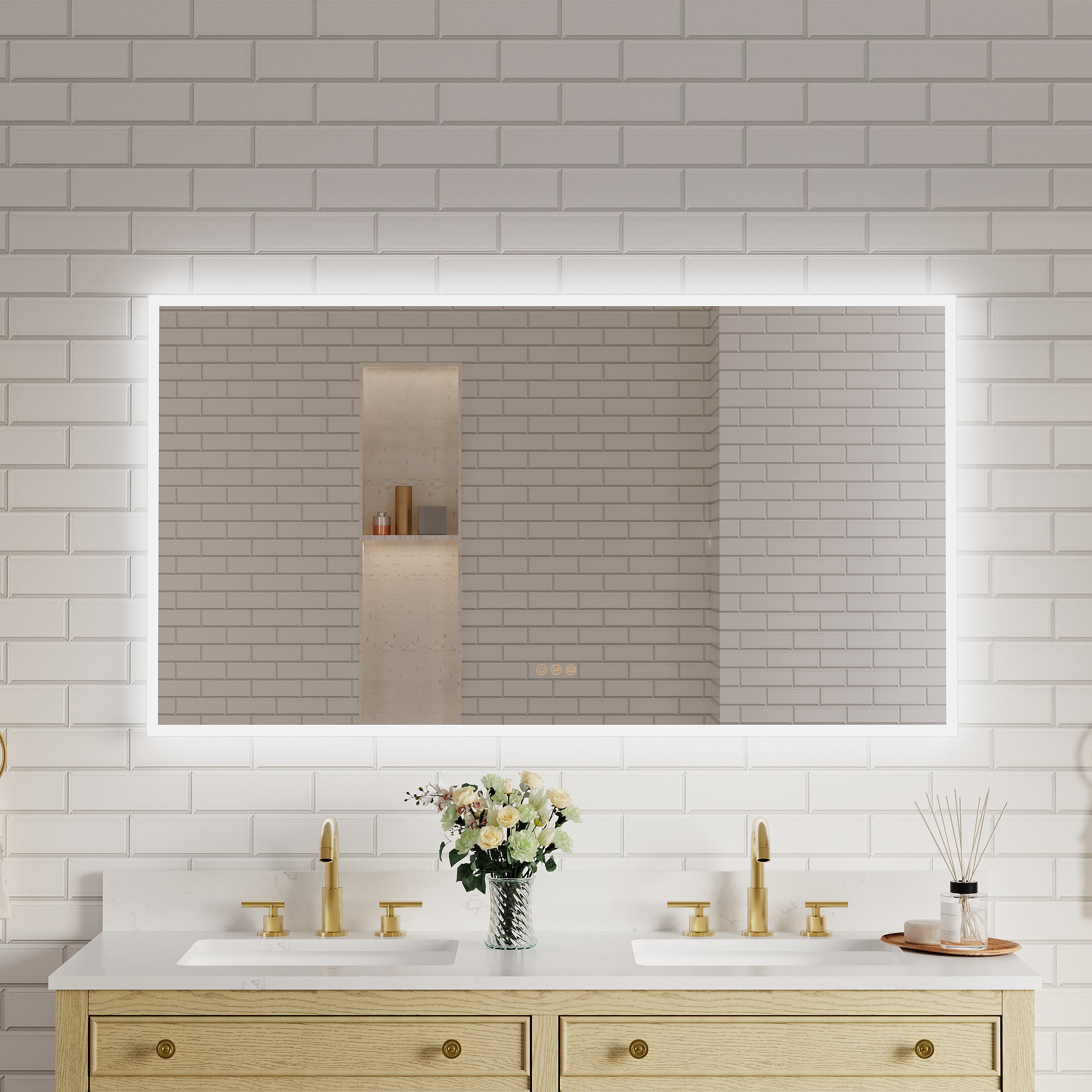
I have seen homeowners choose a beautiful 72-inch unit that looked perfect online and felt oversized the moment it was installed. I have also seen couples live very happily with a well-planned 60-inch vanity because the storage layout was smarter and the traffic flow was better.
The strongest choice is rarely just about style. It is about width, depth, drawer design, countertop durability, and how two people actually use the room.
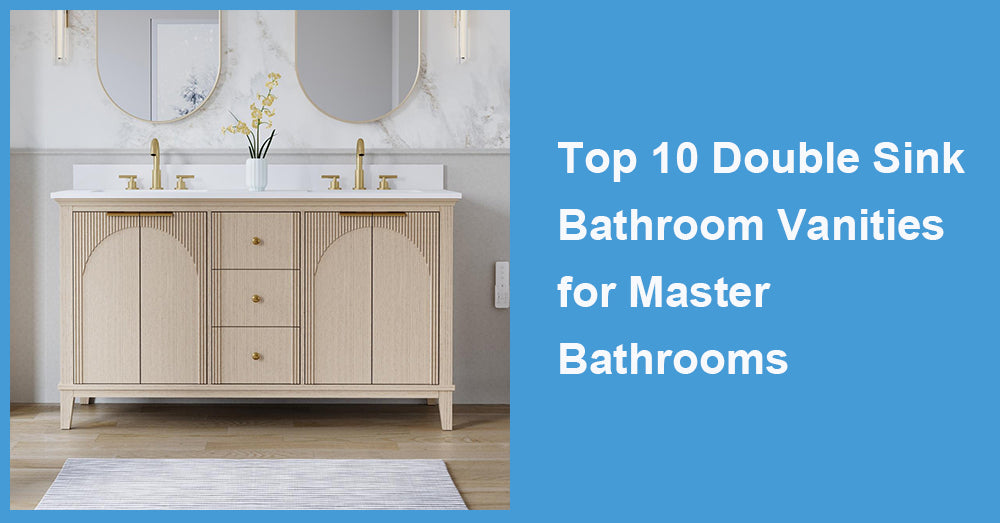
Top 10 Double Sink Bathroom Vanities for Master Bathrooms
The best double vanities are not always the most expensive or the most dramatic. These are the ten formats I recommend most often because they solve real problems in master bathrooms.
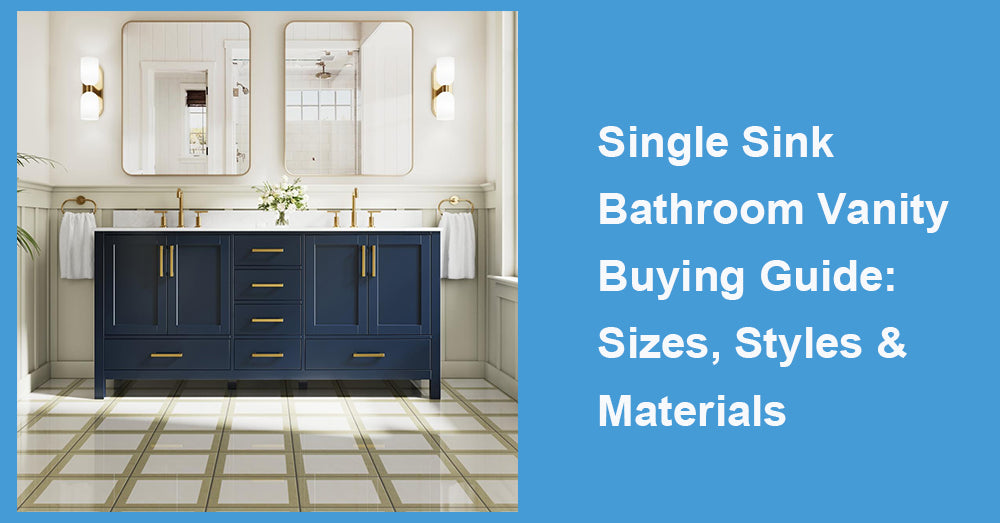
1. The 60-inch freestanding shaker vanity
This is the safest choice for many homes. It usually gives each person a sink, enough drawer space for daily essentials, and a look that works with modern, transitional, or classic bathrooms.
Its biggest advantage is balance. Its main weakness is counter space between sinks, which can feel tight if both users keep a lot on the surface.
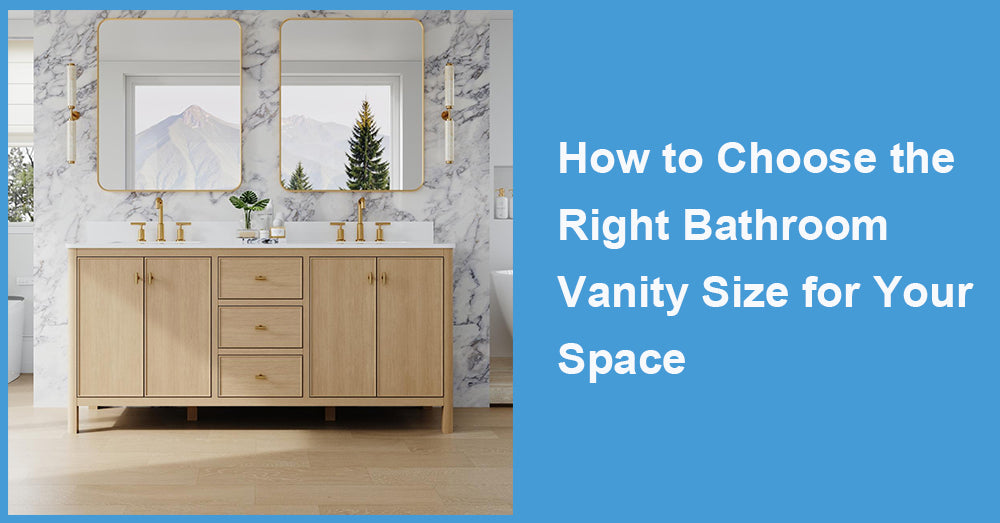
2. The 72-inch storage-first vanity
If the room has the width, this is one of the most comfortable formats to live with. You get more elbow room, more drawer volume, and better countertop separation.
This works especially well in busy primary bathrooms where both users get ready at the same time. The downside is obvious: it needs a genuinely large wall, not just one that barely fits it.
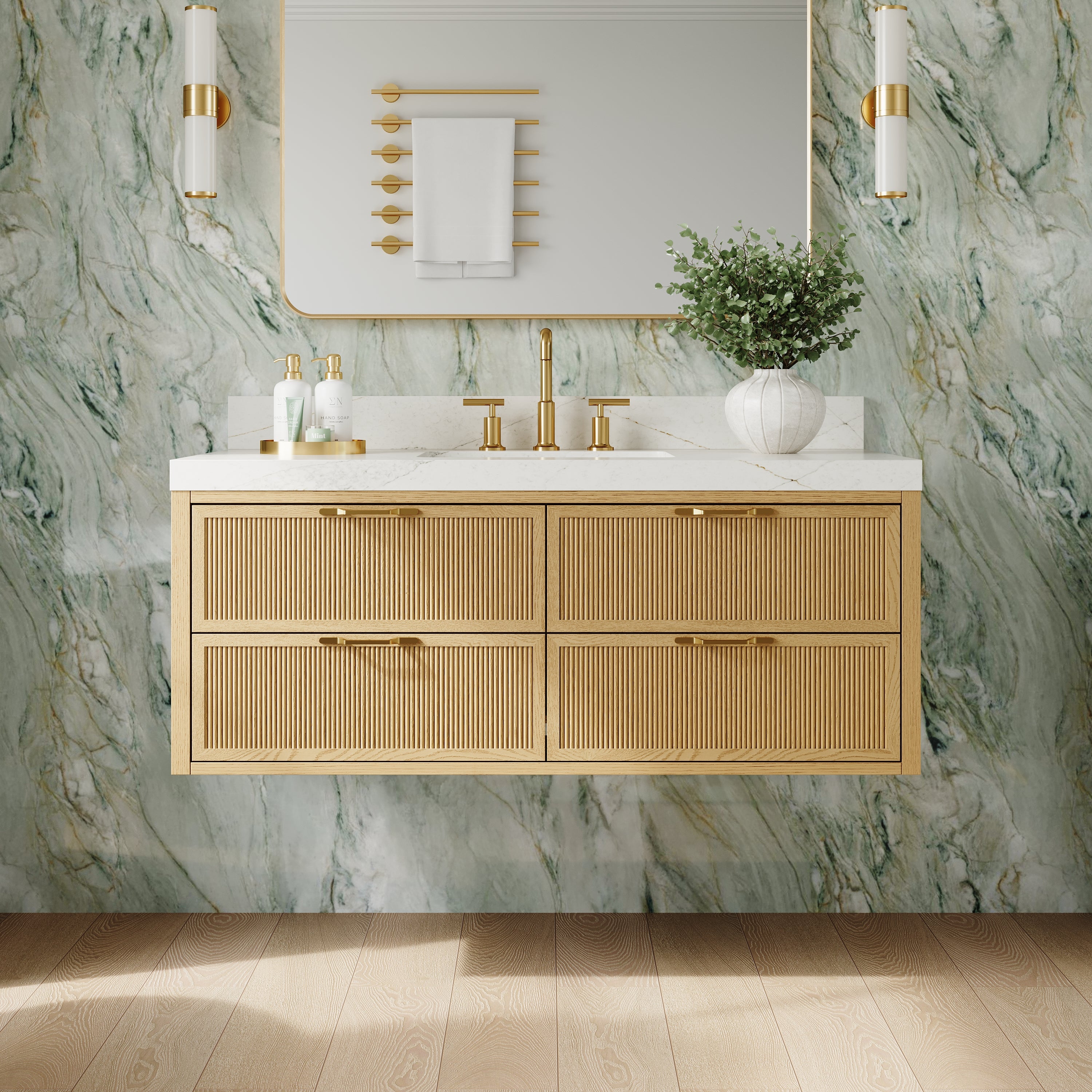
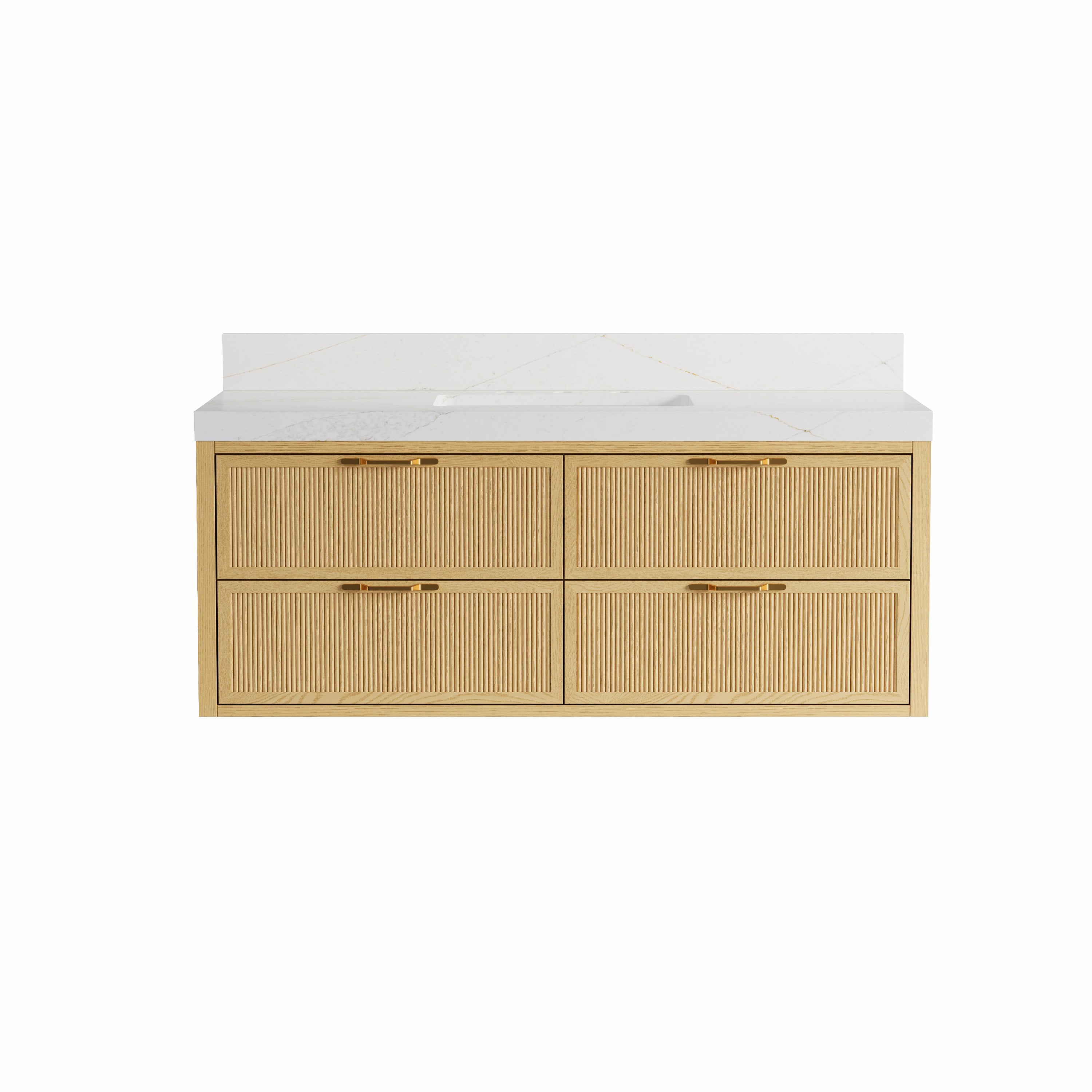
3. The floating double vanity
For modern master bathrooms, a floating vanity can be excellent. It lightens the room visually and makes the floor line feel longer, which helps larger bathrooms stay clean-looking instead of heavy.
It is not always the easiest installation. Wall support matters, and storage can be slightly less generous depending on the design.
4. The solid wood double vanity
When buyers want something that feels more substantial, solid wood or wood-dominant construction is usually where the conversation goes. It brings warmth, ages better visually, and often feels more furniture-like.
The trade-off is weight, price, and maintenance. In poorly ventilated bathrooms, even good wood construction needs sensible care.
5. The bridge-center double vanity
This format places a seating or makeup area between the two sink zones. It is one of the smartest choices for couples who want shared space without losing personal function.
According to Houzz, several of the most popular new bathrooms in 2025 featured wood double vanities with a lower bridge section used as a dressing or makeup area. That detail is gaining attention because it makes a master bathroom feel more tailored and more useful.
(Source: Houzz)
Its limitation is storage density. That center bridge often reduces cabinet volume compared with a full-bank drawer layout.
6. The quartz-top double vanity
If low maintenance matters, quartz is hard to ignore. It handles everyday mess well, cleans easily, and works in almost any style direction.
I often recommend this for households that want a polished look without babying the countertop. It is less ideal for buyers who want the softer visual movement of natural stone.
7. The furniture-leg double vanity
This style works beautifully in master bathrooms that lean traditional, coastal, or transitional. It feels elevated and less boxy than many standard cabinet-base vanities.
Still, the pretty silhouette can come at a cost. Furniture-leg designs sometimes sacrifice enclosed storage, and dust collects more easily underneath.
8. The drawer-heavy double vanity
This is one of my personal favorites for real daily use. Deep drawers with organizers usually outperform large hollow cabinets because small items stop getting lost around plumbing.
For couples with skin care, grooming tools, and backup supplies, this layout is often more practical than it looks. The only caution is plumbing interference. Not all drawer boxes are designed equally well around drain placement.
9. The narrow-depth double vanity
Some master bathrooms are wide enough for two sinks but not especially deep. In those cases, a narrow-depth vanity can save the room.
You keep the double-sink function without making the walkway feel cramped. The compromise is reduced interior volume, so this is better for minimalists than for storage-heavy households.
10. The easy-care family-friendly double vanity
This is less about style and more about finish choices: durable top, easy-to-wipe fronts, dependable hardware, and enough closed storage to keep the bathroom from looking chaotic.
It is ideal for busy homes where one or both users want the master bath to stay tidy without constant effort. It is not the best fit for someone chasing a highly custom, editorial look.
According to NKBA, larger primary bathrooms continue to prioritize features like double basins, better organization, and layouts that support individual routines. That lines up with what I see in the field. Buyers are looking for convenience, but they also want the vanity to reduce visual clutter.
(Source: NKBA)
What Most Buyers Get Wrong Before Choosing a Double Vanity
The first mistake is assuming bigger is always better. It is not.
A double vanity should make the room easier to use, not harder to move through. If the vanity eats up too much floor space, crowds the shower entry, or makes drawer clearance awkward, it is the wrong size no matter how attractive it looks.
The second mistake is focusing too much on the front elevation. Buyers often compare only door style, finish color, and countertop pattern. They forget to look at drawer depth, sink spacing, center storage, and where electrical grooming tools will actually go.
Another common mistake is forcing a double vanity into a bathroom that would work better with one large sink and more counter area. Two basins sound ideal until both people realize they have nowhere to set anything down.
When a Double Sink Vanity Is Not the Right Choice
Not every master bathroom should have one.
If the room is narrow, if one partner barely uses the bathroom, or if storage matters more than separate sinks, a single-sink vanity can be the better answer. I would also hesitate in older bathrooms where plumbing relocation becomes expensive and the layout is already tight.
This is where honest planning matters. A double vanity is useful when two people truly need parallel sink access. It is less useful when the bathroom routine is staggered and the second sink mostly becomes decorative square footage.

Installation and Maintenance Advice Before You Buy
Before buying, measure the full wall, the doorway clearance, the toilet zone, and the walking space in front of the vanity. Then check plumbing locations. Do not assume every 60-inch or 72-inch vanity uses the interior the same way.
If you are buying a floating model, confirm wall reinforcement before ordering. If you are buying a freestanding unit, check floor level and the final depth with countertop included. Small measurement mistakes become expensive very quickly in vanity projects.
Maintenance is simpler when materials match the household. Quartz tops, sealed wood finishes, and easy-clean hardware make life easier. Open shelves, high-gloss dark fronts, and delicate finishes can look impressive but demand more attention.
For Wellfor shoppers, I would pay closest attention to three things: usable storage, countertop durability, and whether the vanity scale truly matches the room. Those decisions matter more than trend language.
What I Would Choose for Different Master Bathrooms
For a medium-size master bath, I would usually start with a 60-inch freestanding drawer-heavy vanity.
For a spacious primary suite, I would look hard at a 72-inch model with better sink separation and more center storage.
For a modern renovation where the goal is visual lightness, I would consider a floating double vanity, but only if the wall and plumbing conditions make sense.
For households that care more about function than drama, I would stay with practical finishes and closed storage every time.
Conclusion
The right pick is not the vanity that photographs best. It is the one that supports two routines without making the room feel crowded, messy, or harder to maintain.
That is how I would approach the top 10 double sink bathroom vanities for master bathrooms. Choose for movement, storage, and real daily comfort first. Style should still matter, but it should never be doing all the work.













Leave a comment
This site is protected by hCaptcha and the hCaptcha Privacy Policy and Terms of Service apply.