
















Introduction
A good Single Sink Bathroom Vanity Buying Guide should start with one simple truth: the best vanity is not always the biggest one, the most expensive one, or the one with the prettiest finish. It is the one that fits your bathroom, your routine, and the way you actually store things. After years of working with homeowners, remodelers, and product selections, I have seen single-sink vanities outperform larger setups simply because they used space better.
That is one reason single-sink vanities still make so much sense. According to Houzz, 47% of renovating homeowners choose vanities that are 48 inches wide or less, which shows how many bathrooms still depend on compact, efficient layouts rather than oversized cabinetry.
According to Houzz,
(Source: Houzz)
A single-sink vanity is often the smarter choice for powder rooms, guest bathrooms, smaller primary baths, and even some shared bathrooms where counter space matters more than adding a second basin. It can give you better flow, cleaner sightlines, and more usable surface area if the layout is planned well.

Single Sink Bathroom Vanity Buying Guide: Start With Size, Not Style
Size is where most buying mistakes begin.
People usually shop by finish color first, then sink shape, then hardware. The dimensions get checked later, almost as an afterthought. That is backwards. A vanity can look perfect online and still make the bathroom harder to use once the door swing, toilet clearance, and walking space come into play.
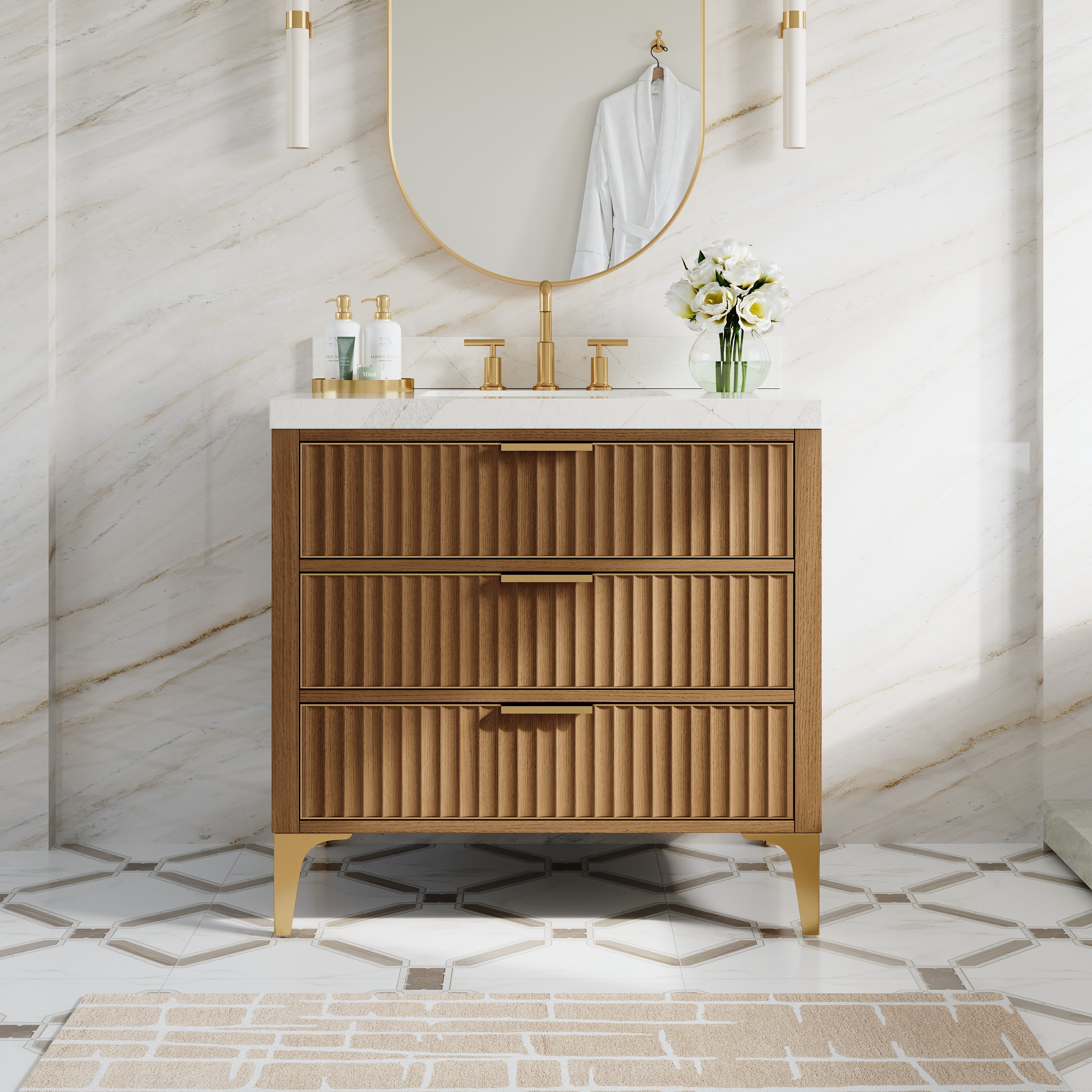
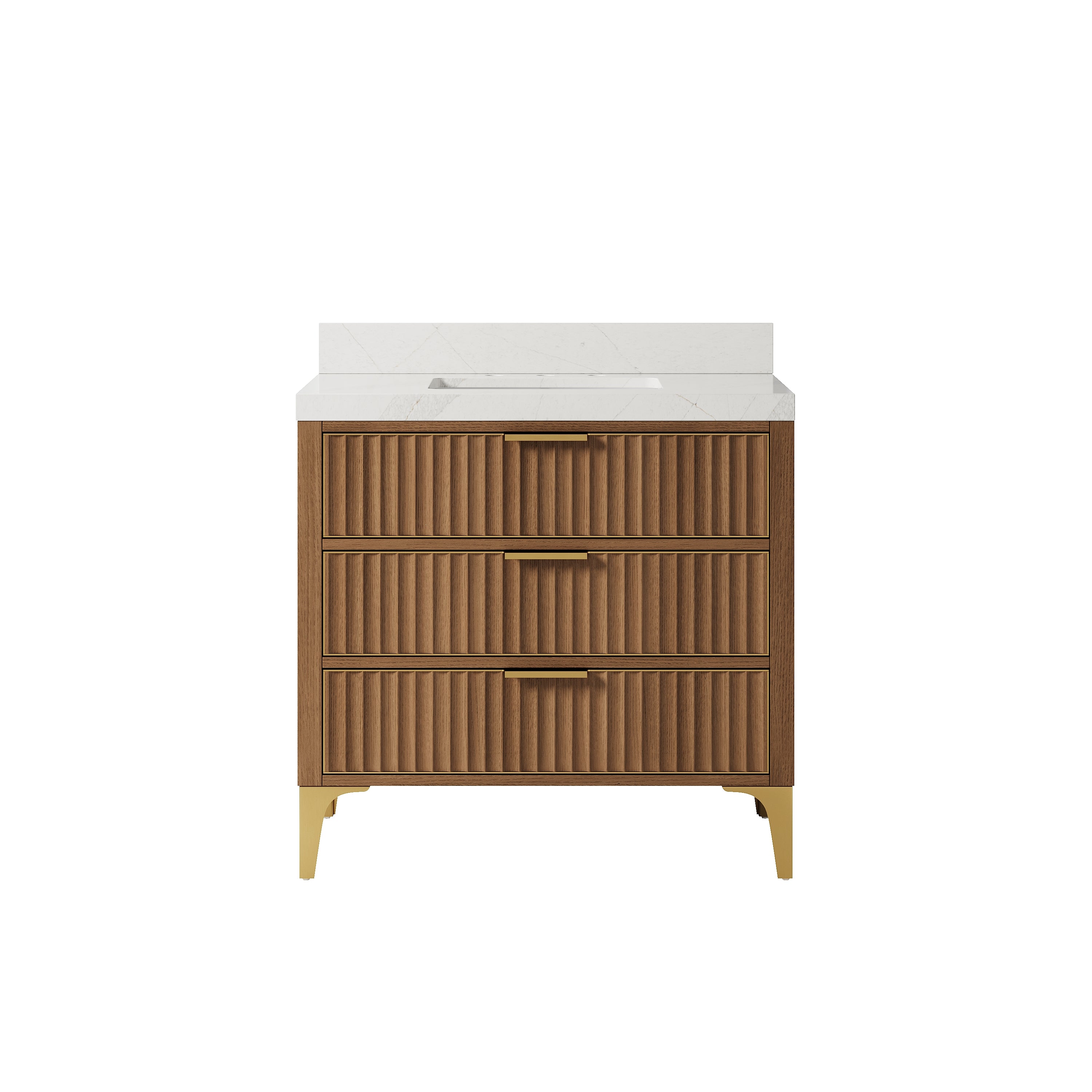
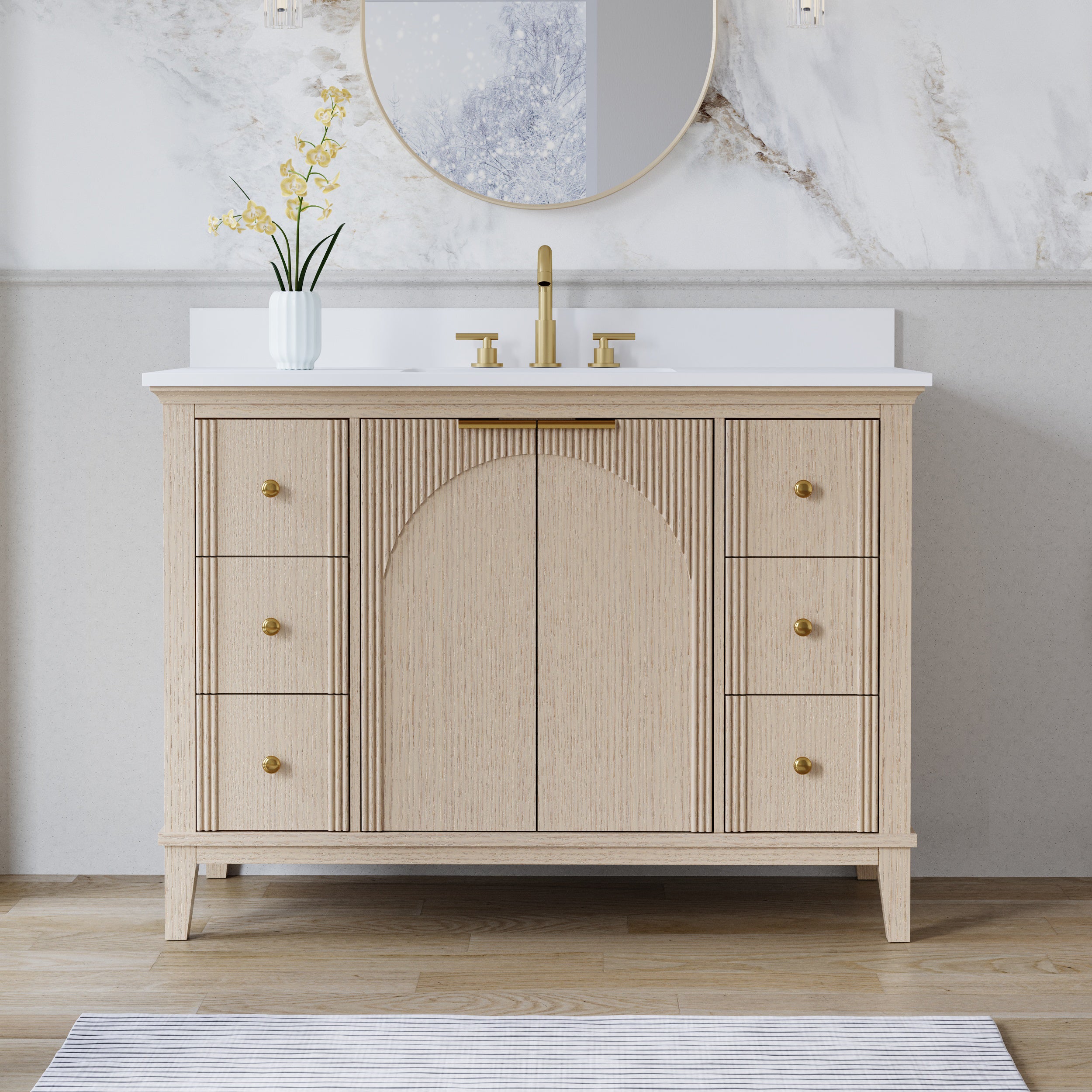
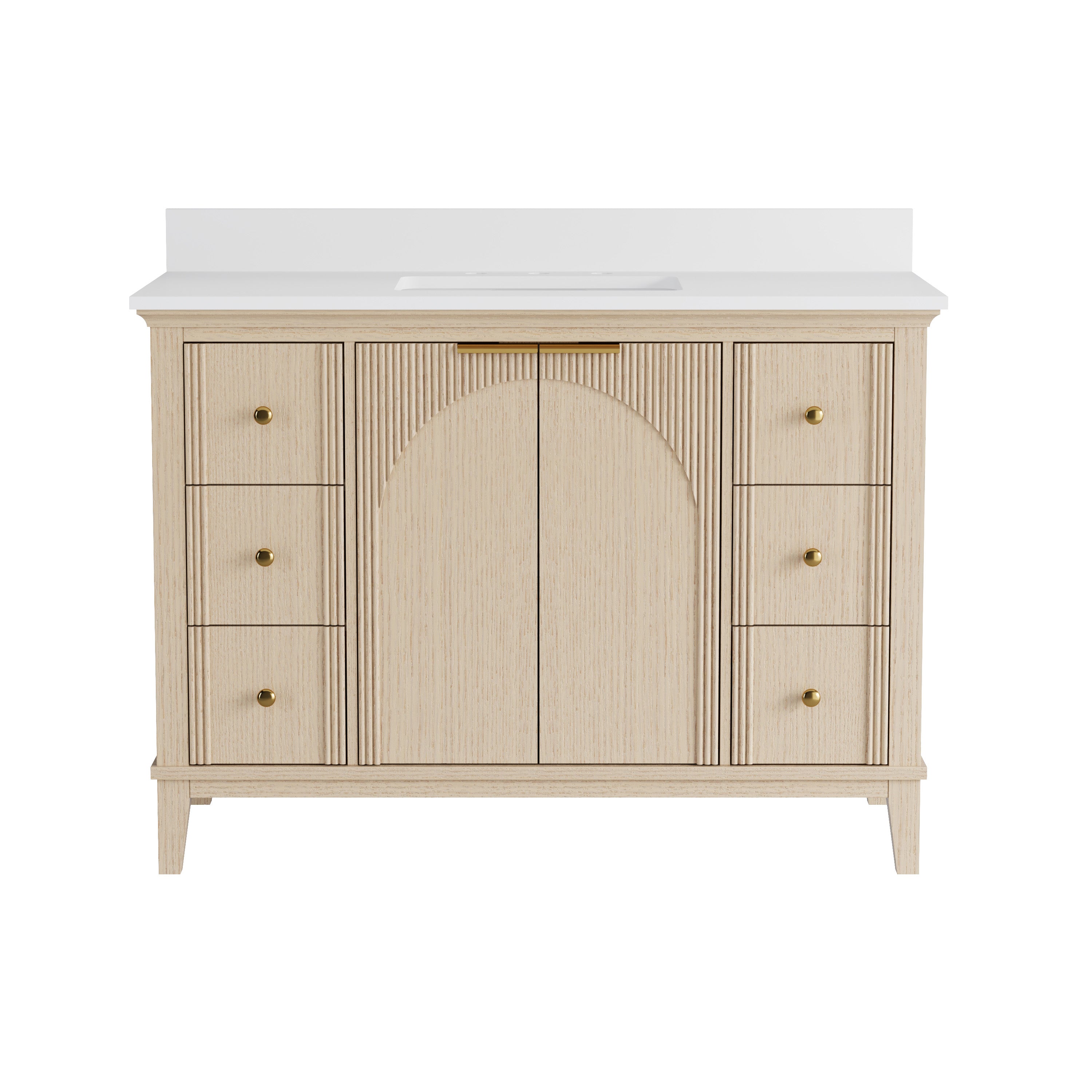
For small bathrooms, a vanity in the 18-inch to 24-inch range can work well, especially in a powder room. In a standard guest bath or compact primary bath, 30 to 36 inches is often the most comfortable range. A 48-inch single-sink vanity can be excellent when you want more storage and counter space without going to a double-sink layout.
Depth matters just as much. A standard vanity depth often works fine in a full bathroom, but it can crowd a narrow room quickly. I have seen a shallower vanity save an entire layout. You lose some interior storage, yes, but you gain easier movement and a room that feels less pinched.
Height should be part of the conversation too. Comfort-height vanities tend to feel better for adults in daily use, especially in primary bathrooms. They are less ideal in kids’ bathrooms or rooms used by a wide range of ages.
A single-sink vanity works best when the bathroom is modest in size, when one person uses it most of the time, or when storage and countertop space matter more than having two basins. It is a weaker choice when two people genuinely need to get ready at the same time every morning and neither wants to give up sink access.
Styles That Work in Real Homes
The market is giving buyers more style options than it did a few years ago. According to Houzz, built-in vanity styles remain the most common choice among renovating homeowners at 58%, with freestanding vanities at 30% and floating styles at 11%. That split makes sense in practice: built-in and freestanding vanities usually deliver dependable storage, while floating vanities appeal to people who want a lighter visual footprint.
According to Houzz,
(Source: Houzz)
Freestanding vanities are still the easiest recommendation for many homes. They are forgiving during installation, usually offer practical storage, and suit a wide range of bathroom styles. If the room is transitional, classic, or simply needs something easy to live with, this is often the safest pick.
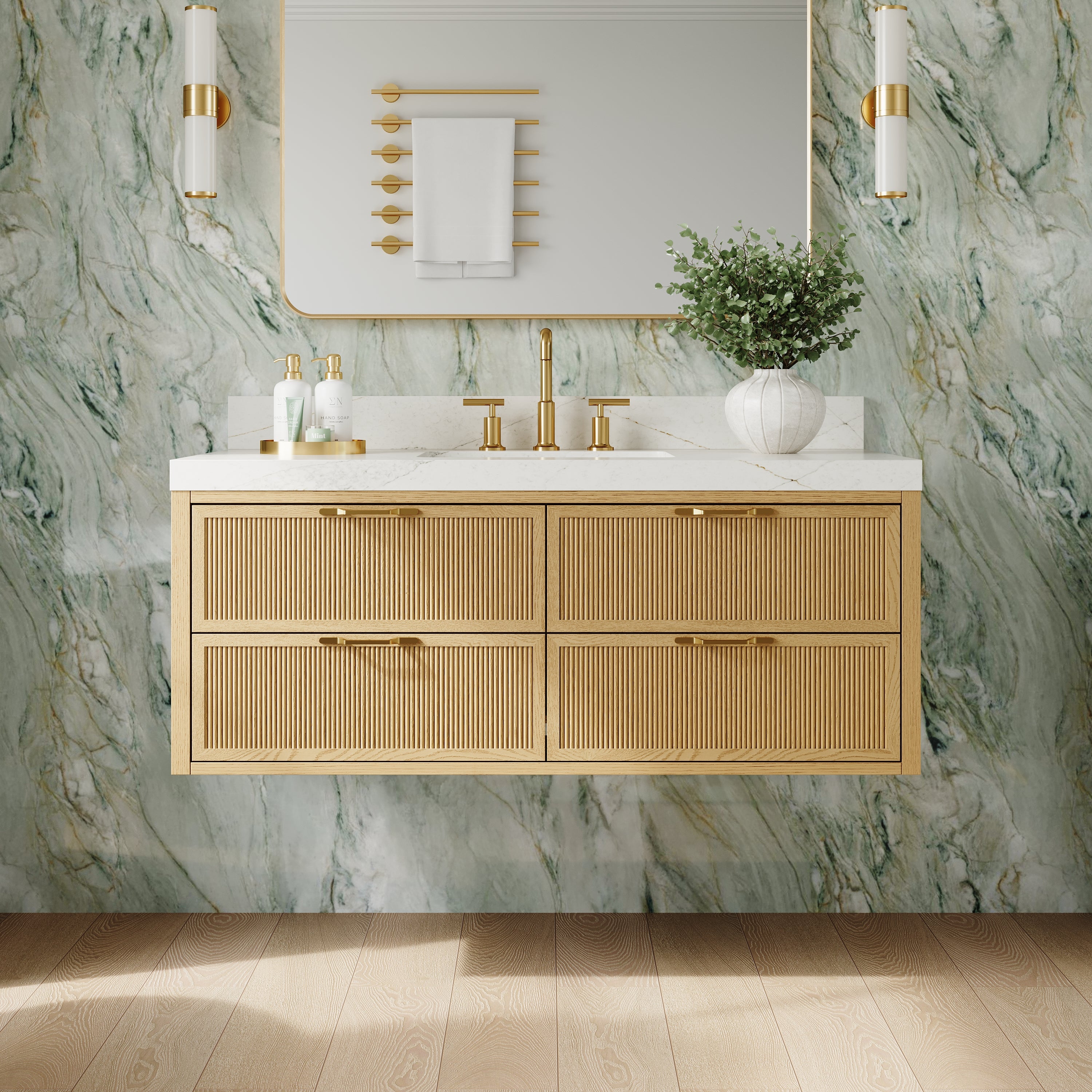
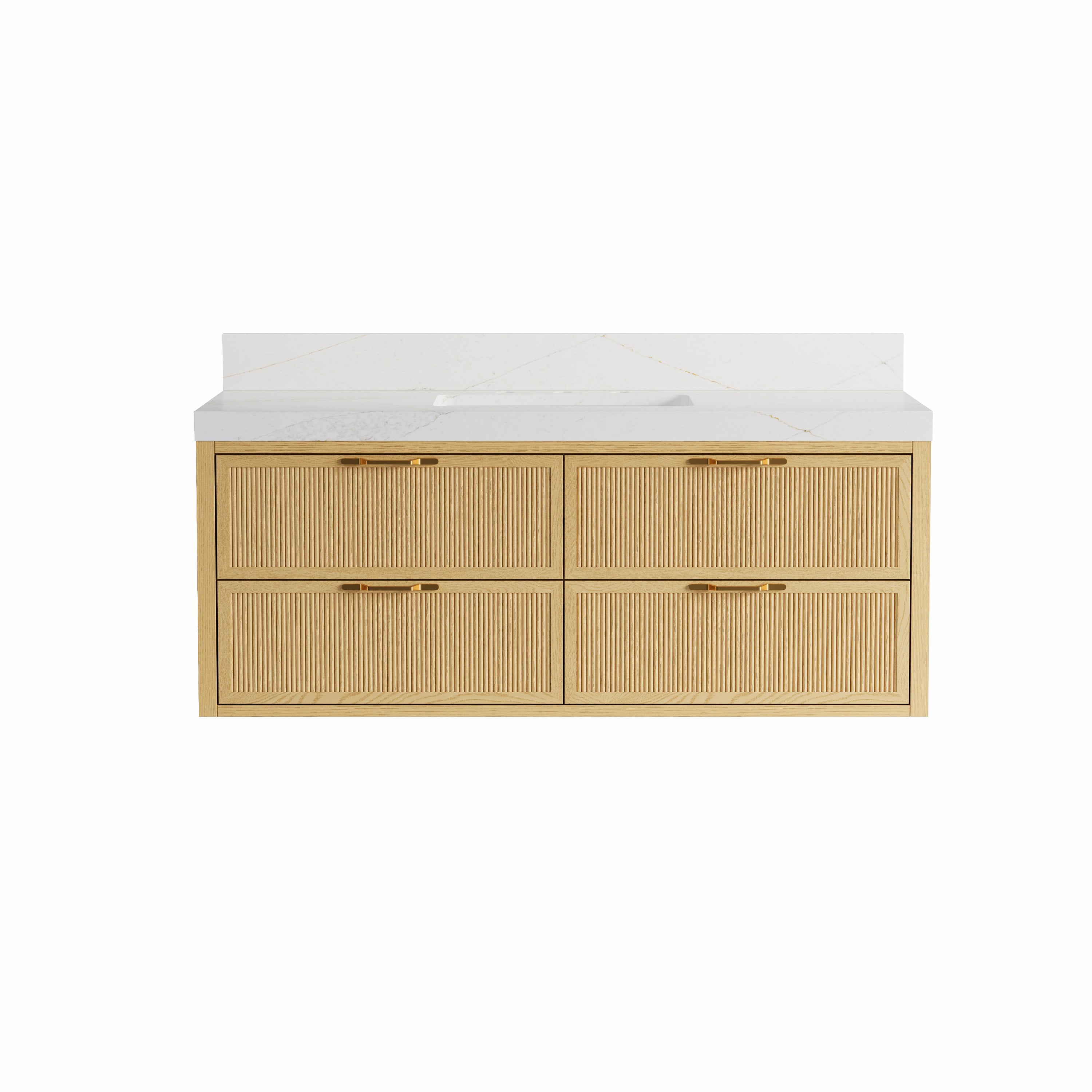
Floating vanities have a different kind of appeal. They make the room look more open because more floor remains visible, and they are easier to clean underneath. In a small bathroom, that visual lift can matter. The limitation is storage volume and installation complexity. The wall has to support the unit properly, and not every bathroom is ready for that without extra work.
Furniture-style vanities can be beautiful, especially in traditional or softer contemporary spaces. They feel less boxy and more decorative. They also tend to collect more dust under the legs and sometimes give up enclosed storage for the sake of appearance.
Common Style Mistakes Buyers Make
One mistake I see often is choosing a floating vanity because it looks more expensive, even when the bathroom really needs closed storage.
Another is buying a furniture-leg vanity for a household that wants easy cleaning and low maintenance. It photographs beautifully. It may also turn into a dust trap.
There is also the issue of proportions. A vanity style that works in a large showroom wall display may feel heavy in a narrow bathroom. The cleaner the room, the easier it is to see whether the vanity actually belongs there.
Materials: What Looks Good, What Lasts, and What Needs More Care
Material choice matters more than most people expect because the bathroom is one of the hardest-working rooms in the house. Steam, splashes, cleaning products, and repeated use all test the finish.
Wood is still one of the most attractive options, especially when buyers want warmth. According to NKBA, wood-faced vanities now outrank painted ones in popularity, with 62% of design professionals favoring wood-faced looks versus 53% for painted finishes. That tracks with what many of us are seeing in showrooms and remodels: bathrooms are moving away from cold, flat finishes and leaning into warmer, more furniture-like cabinetry.
According to NKBA,
(Source: NKBA)
That does not mean every buyer should rush into solid wood. Solid wood can look excellent and age well visually, but it also costs more, weighs more, and needs sensible moisture management. For many bathrooms, a well-made engineered wood vanity with a durable finish is the more practical choice.
MDF and particleboard get dismissed too quickly sometimes. Low-quality versions do have obvious weaknesses, especially around seams and edges exposed to moisture. But a properly finished engineered cabinet can perform perfectly well in a well-ventilated bathroom. The bigger issue is not the label on the material. It is the quality of the sealing, joinery, hardware, and finish.
Countertop material matters too. Quartz is one of the easiest choices to live with. It is consistent, durable, and simple to maintain. Cultured marble can be cost-effective and attractive, though finish quality varies. Ceramic tops are easy to clean and especially useful in smaller bathrooms where you want a neat, compact look.
Installation and Maintenance Advice I Give Most Often
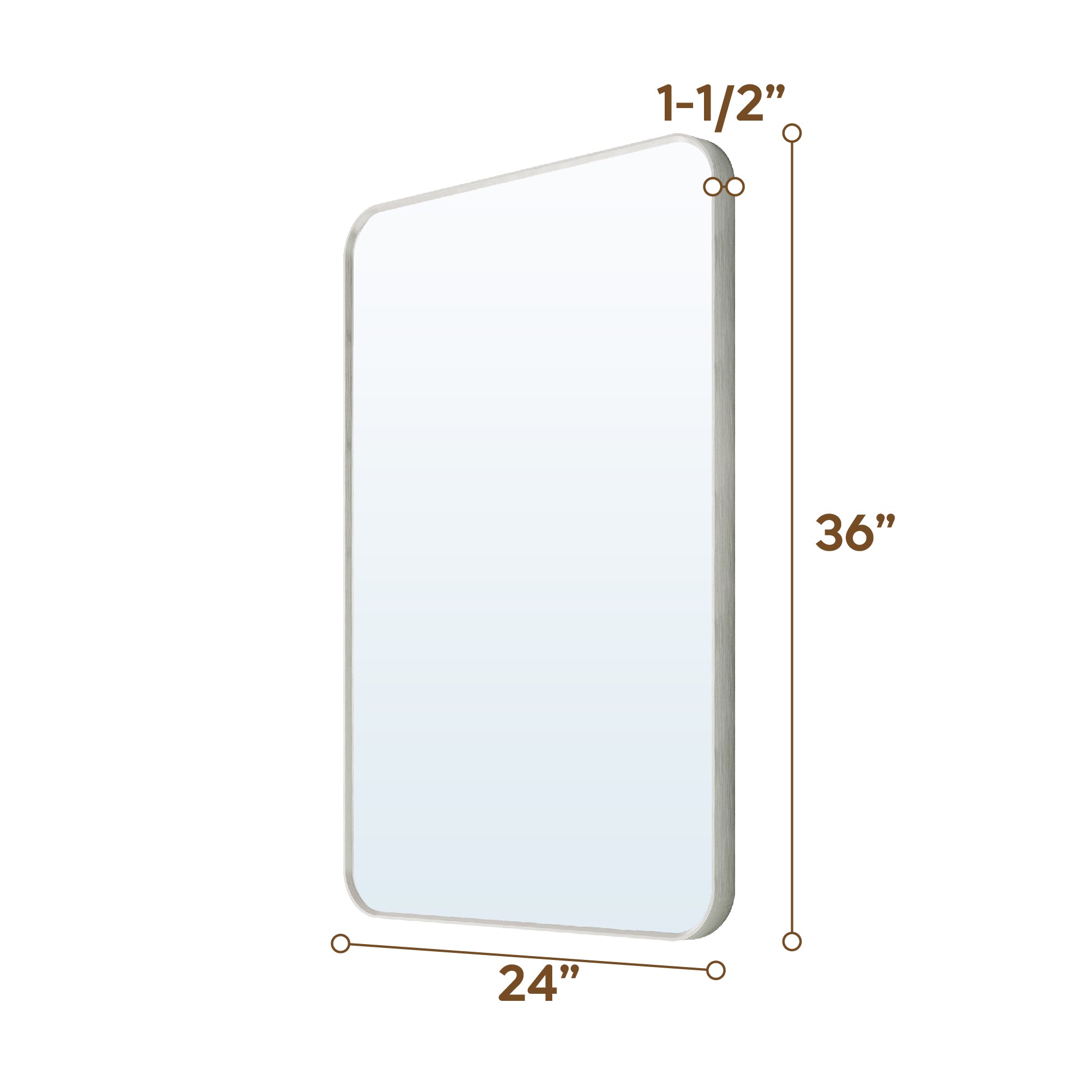
Before ordering, check the finished dimensions, not just the marketing size. A “36-inch vanity” may end up slightly wider once the countertop overhang is included. In tight bathrooms, that small difference can create a big headache.
Look at the plumbing location before falling in love with drawer layouts. I have seen buyers choose a vanity with beautiful deep drawers, then discover the drain and shutoff valves interfere with the storage they thought they were getting.
Maintenance depends on the finish and how the room is used. If the bathroom has weak ventilation, be realistic. Choose materials that can handle moisture. Wipe standing water. Do not let soaked bath mats stay pressed against the vanity base. Tighten hardware once in a while. These small habits make a noticeable difference over time.
According to NKBA’s 2026 bath trends reporting, vanity design is becoming more storage-driven, with stronger attention to organizers, electrical integration, and personalized daily-use features. That is exactly why I tell buyers to think beyond appearance. The vanity has to support routine, not just style.
According to NKBA,
(Source: NKBA)
Conclusion
The right vanity is usually the one that disappears into your routine in the best possible way. It fits the wall, opens without conflict, stores what you need, and does not ask for constant attention.
That is the real value of a Single Sink Bathroom Vanity Buying Guide. Start with size. Then choose the style that suits the room. Then pick materials based on how the bathroom is actually used, not just how you want it to look in a product photo. If you shop that way, a Wellfor single-sink vanity is far more likely to feel right on installation day and still feel right long after the remodel is done.













Leave a comment
This site is protected by hCaptcha and the hCaptcha Privacy Policy and Terms of Service apply.