














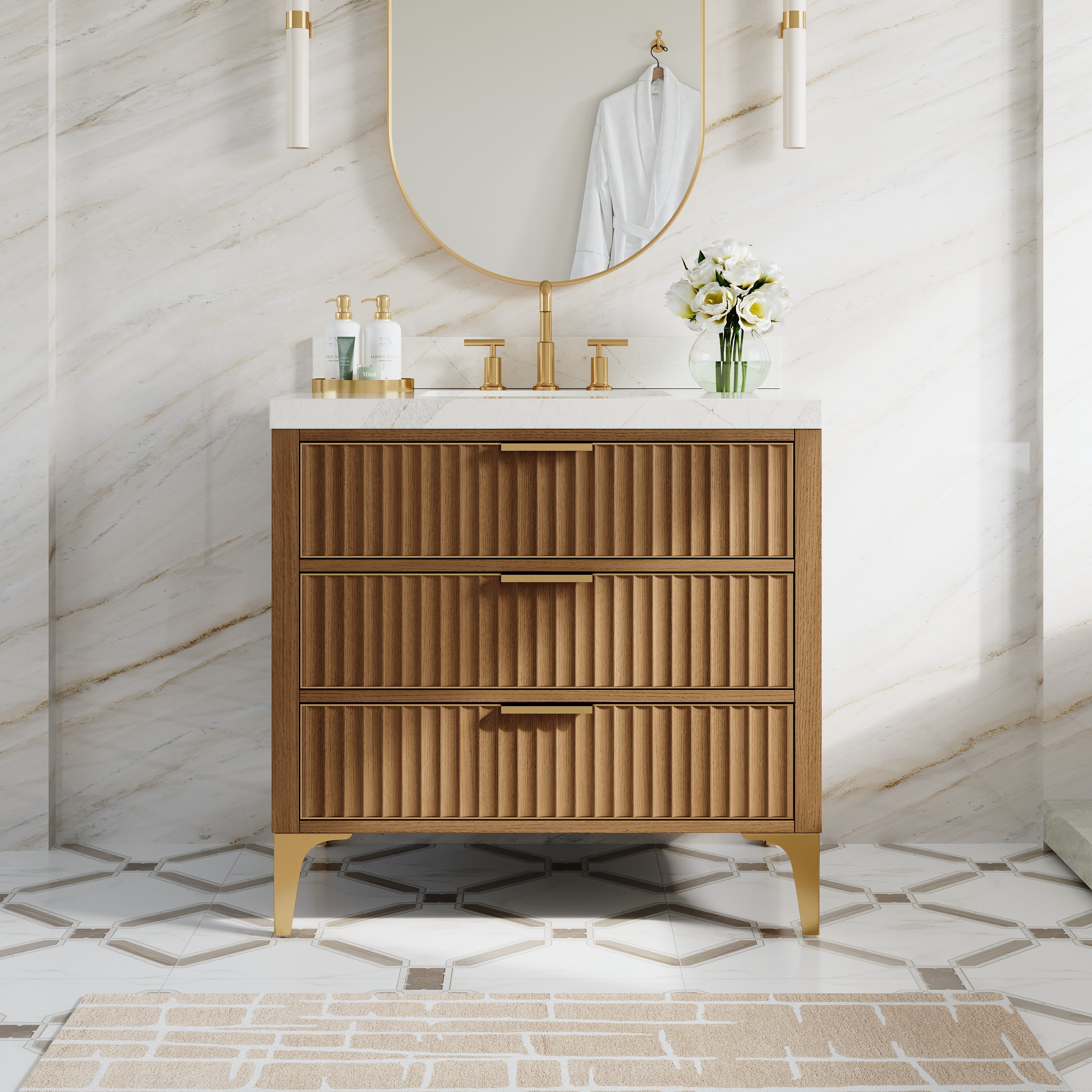
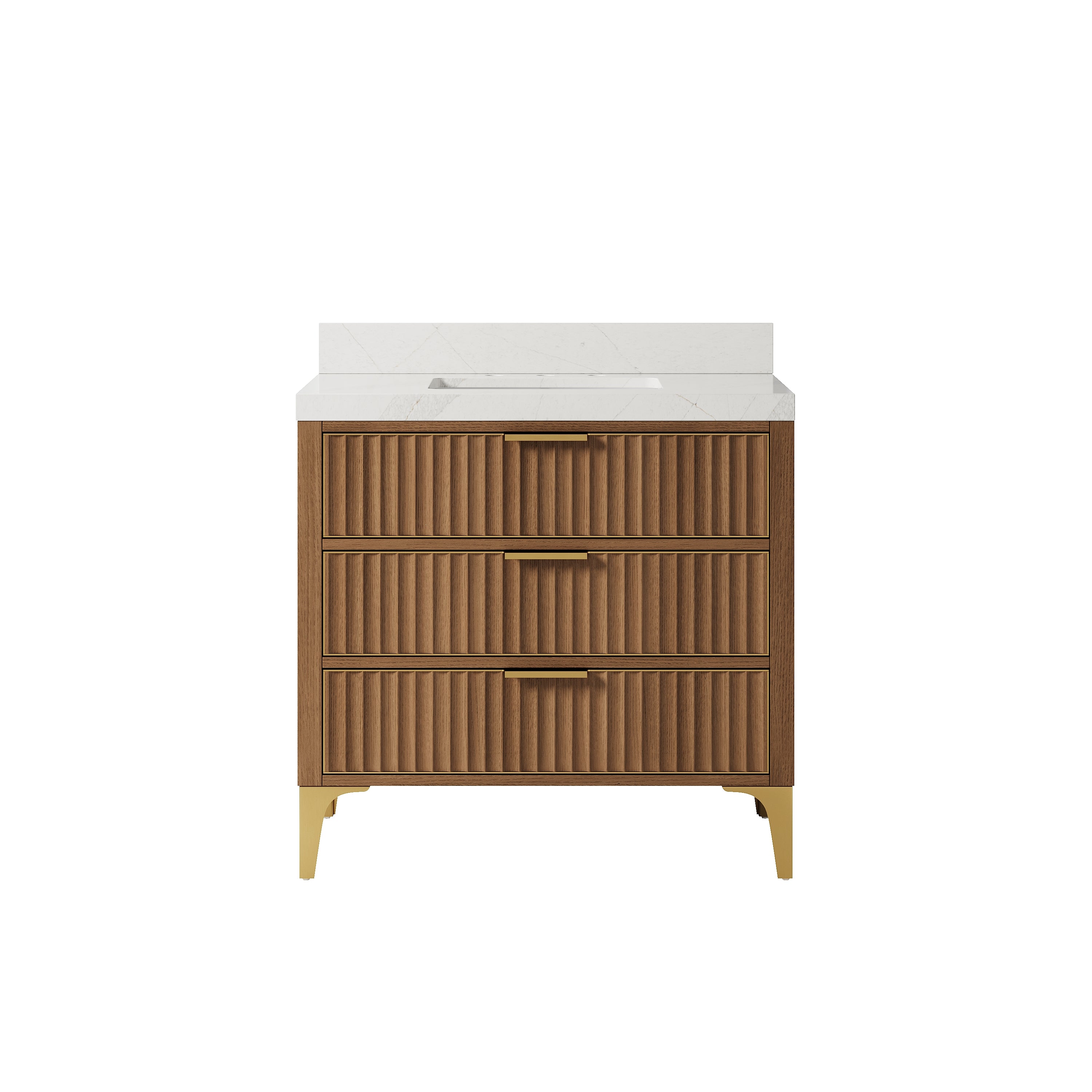
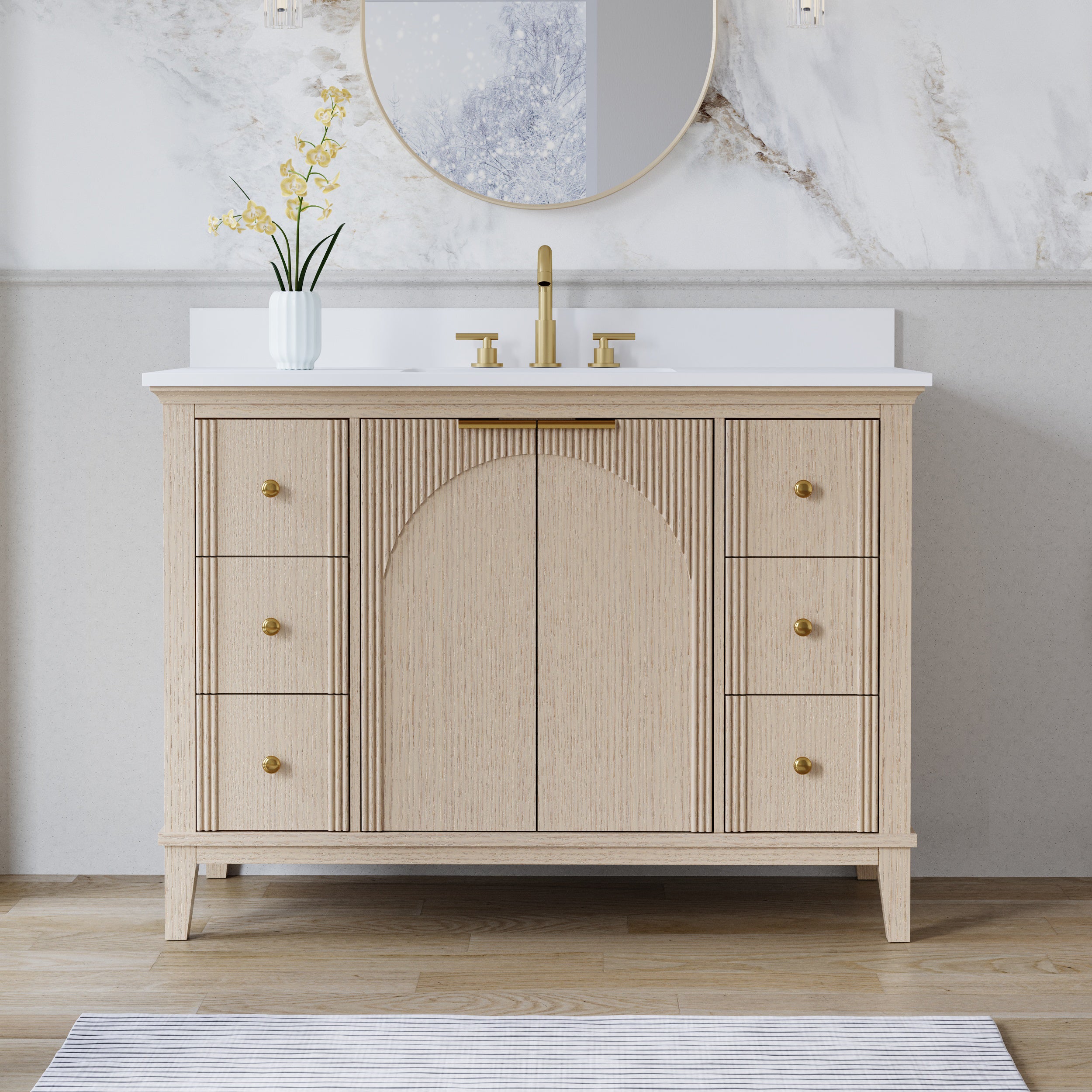
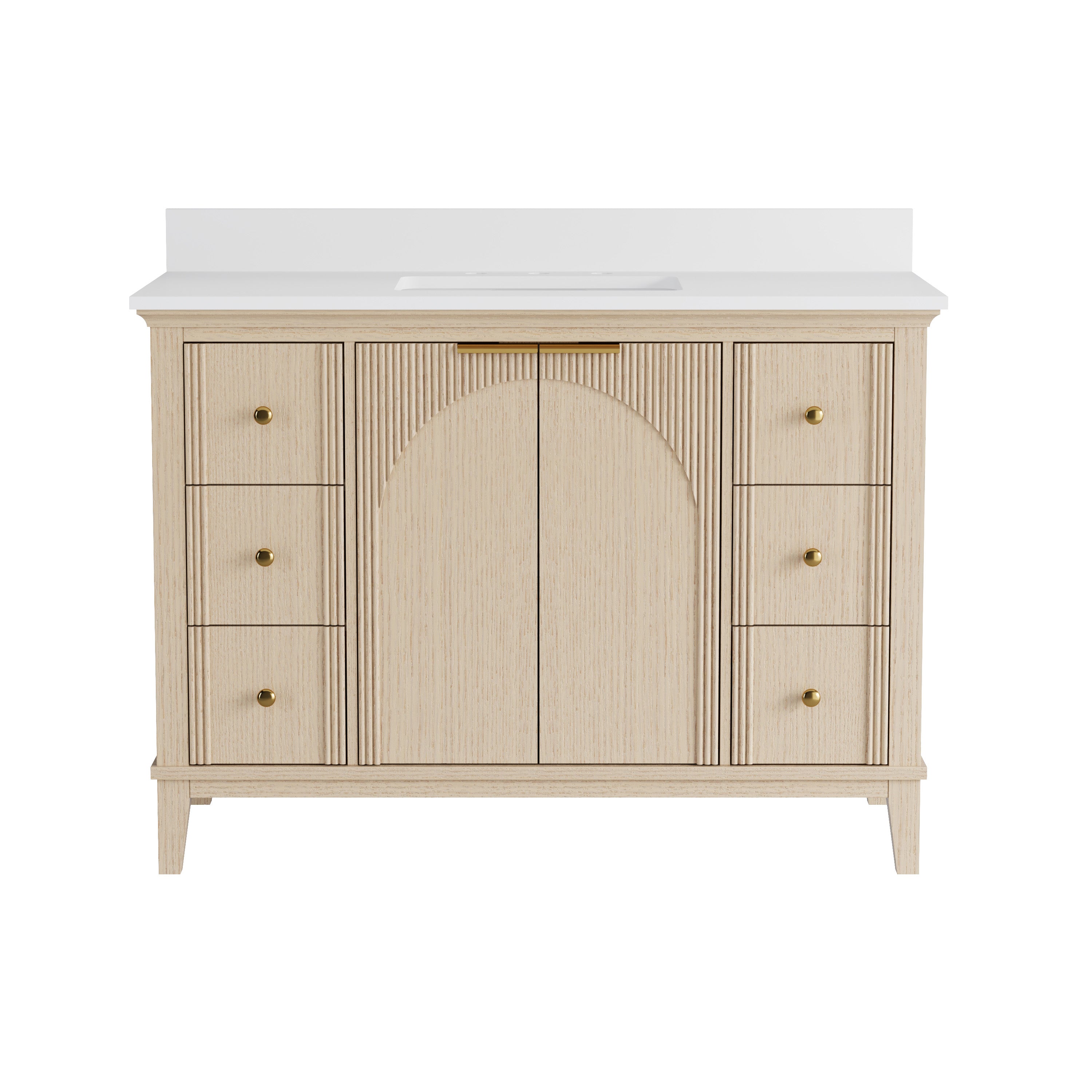


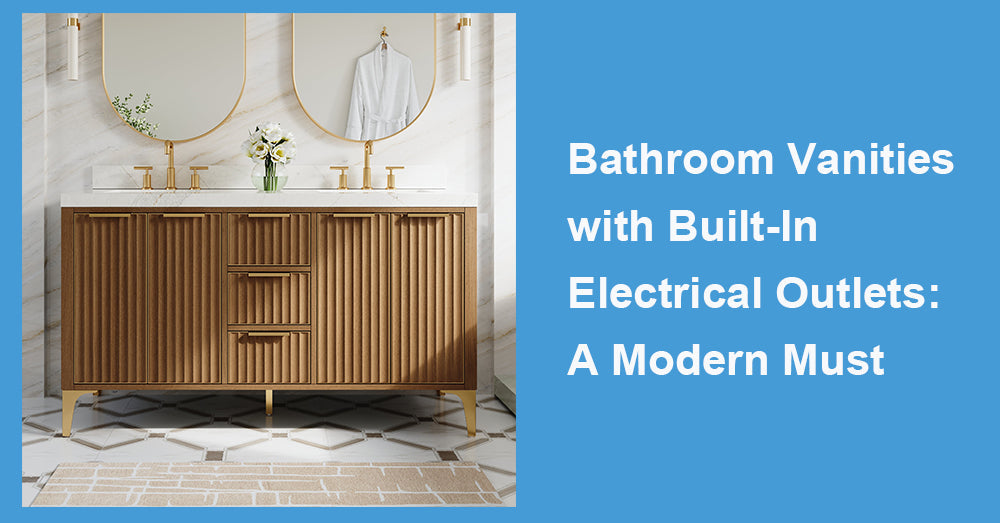
In modern bathroom design, vanities with built-in electrical outlets are quickly becoming standard rather than a luxury upgrade. As daily routines increasingly rely on powered grooming tools—hair dryers, electric razors, styling devices, and smart accessories—the vanity is no longer just storage and sink support. It is turning into a functional power hub. This shift aligns with broader renovation activity, with total homeowner improvement spending projected to reach about $518 billion by 2026, showing continued investment in upgraded, convenience-focused interiors.
Why is electrical integration becoming essential in vanities
Bathrooms are among the most frequently used rooms in any home, yet historically, they have offered the least convenient access to power. Extension cords, countertop clutter, and limited outlet placement near mirrors have long been pain points.
Today’s design response is integration. Built-in outlets in vanities or mirrored cabinets reduce reliance on wall sockets and keep cords organized and hidden. This trend aligns with broader renovation priorities, where functionality upgrades—like improved storage, lighting, and electrical convenience—are increasingly prioritized alongside aesthetics.
The safety and code-driven reason behind built-in outlets
Electrical features in bathrooms are tightly regulated because of moisture exposure. According to general electrical safety standards for residential construction, outlets in wet areas must comply with strict protection guidelines, such as GFCI (Ground-Fault Circuit Interrupter) requirements and specific placement distances from water sources.
Built-in vanity outlets are typically designed to:
l Keep plugs away from direct splash zones
l Reduce exposed wiring in humid environments
l Improve compliance with bathroom electrical safety layouts
l Minimize extension cord use near sinks
This is especially important in small bathrooms where clearance zones are limited, and devices are frequently used near water.
How built-in outlets improve daily workflow efficiency
A major reason for the rise of integrated outlets is workflow efficiency. Modern grooming routines often involve multiple devices used in sequence: toothbrushes, electric razors, hair tools, skincare devices, and even portable speakers or lighting accessories.
With built-in outlets, users can:
l Charge devices inside the vanity rather than on countertops
l Keep cords out of sink splash zones
l Reduce countertop clutter
l Maintain a cleaner visual layout around mirrors and sinks
Renovation behavior data show a strong emphasis on functional upgrades in vanity design, with 78% of homeowners selecting soft-close drawers and 75% choosing soft-close doors, reflecting a broader shift toward convenience-driven improvements in bathroom hardware.
Electrical integration fits directly into this same “ease-of-use first” mindset.
Design formats: where outlets are being integrated
Built-in electrical outlets are not limited to one format. They are appearing across several vanity design types:
Mirror-integrated outlets
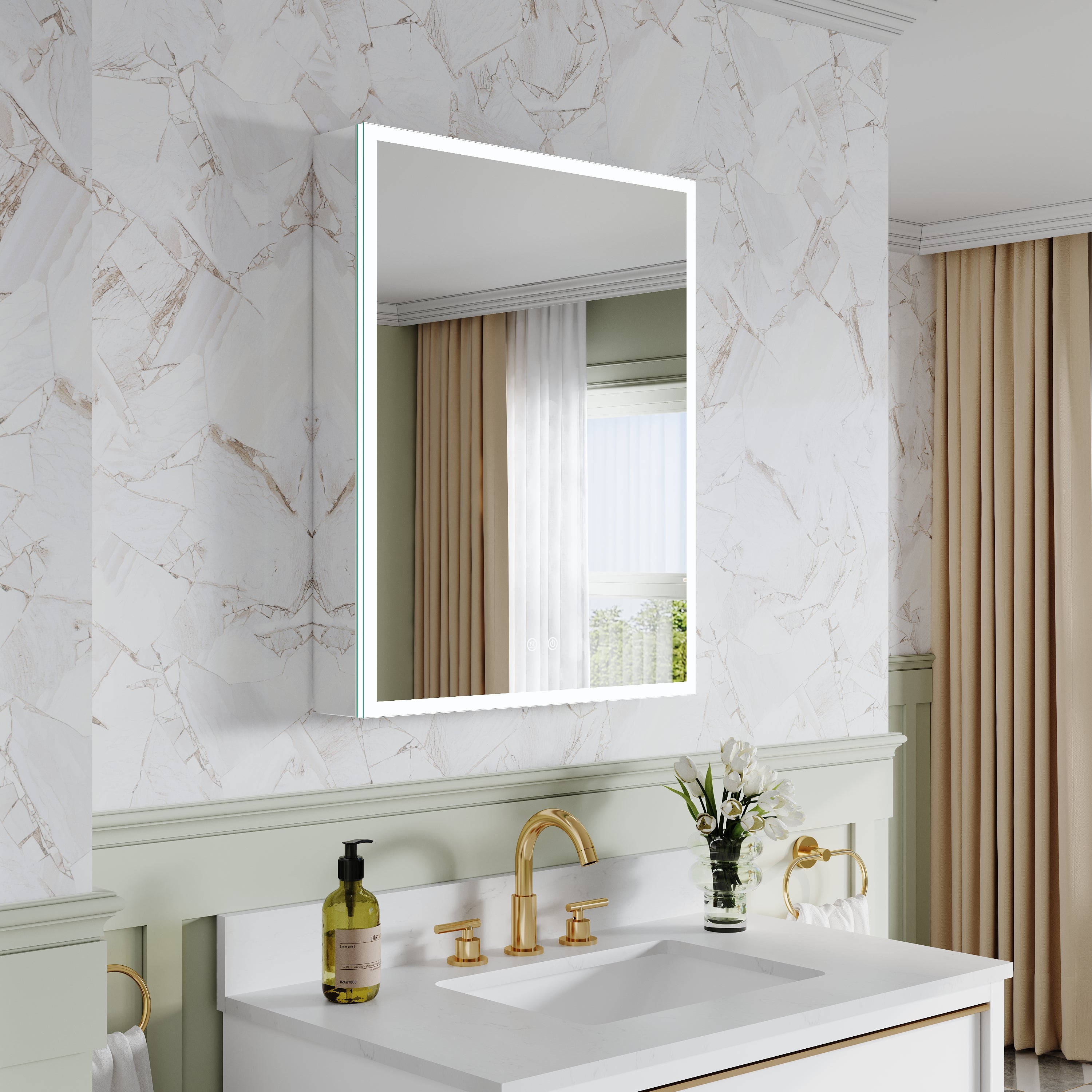
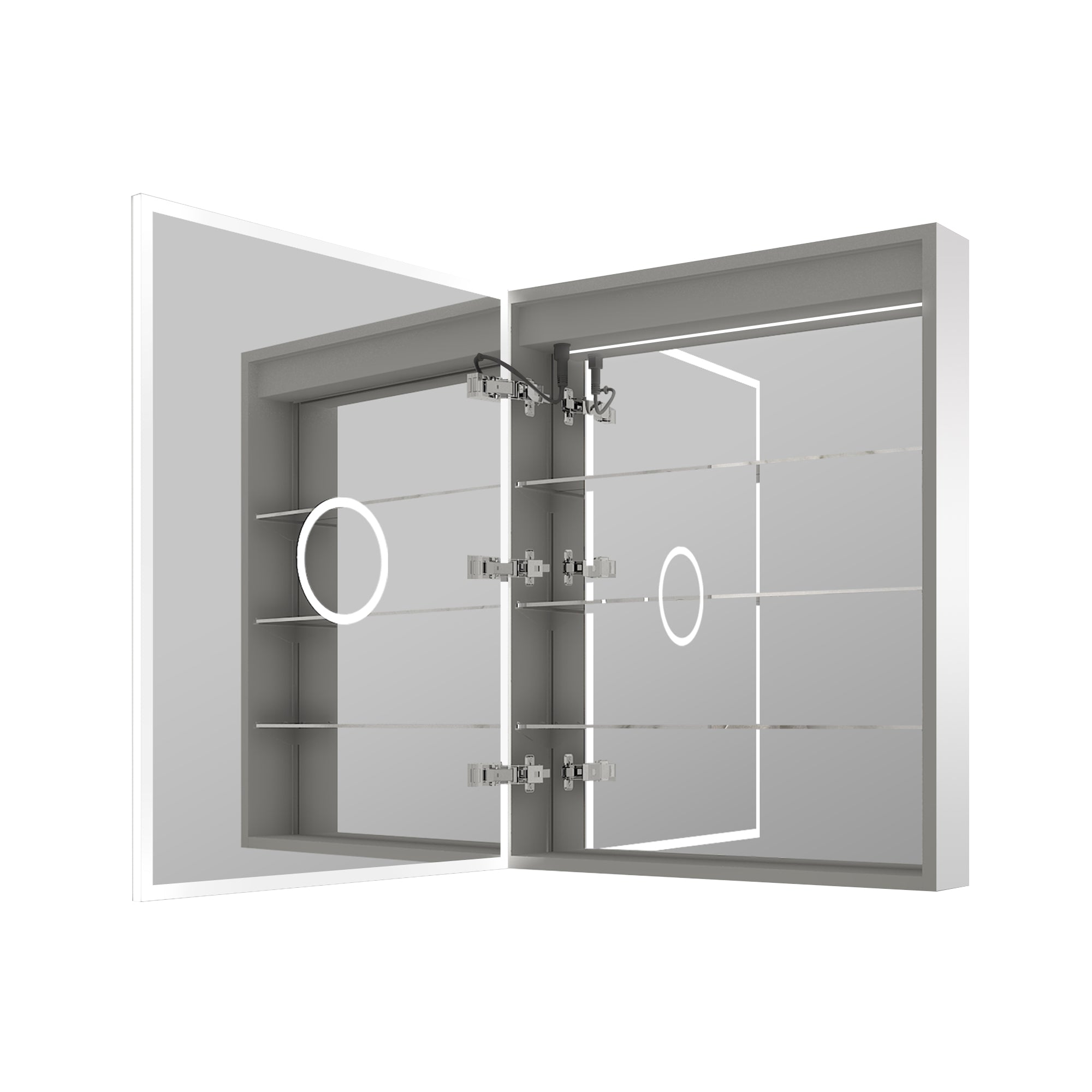
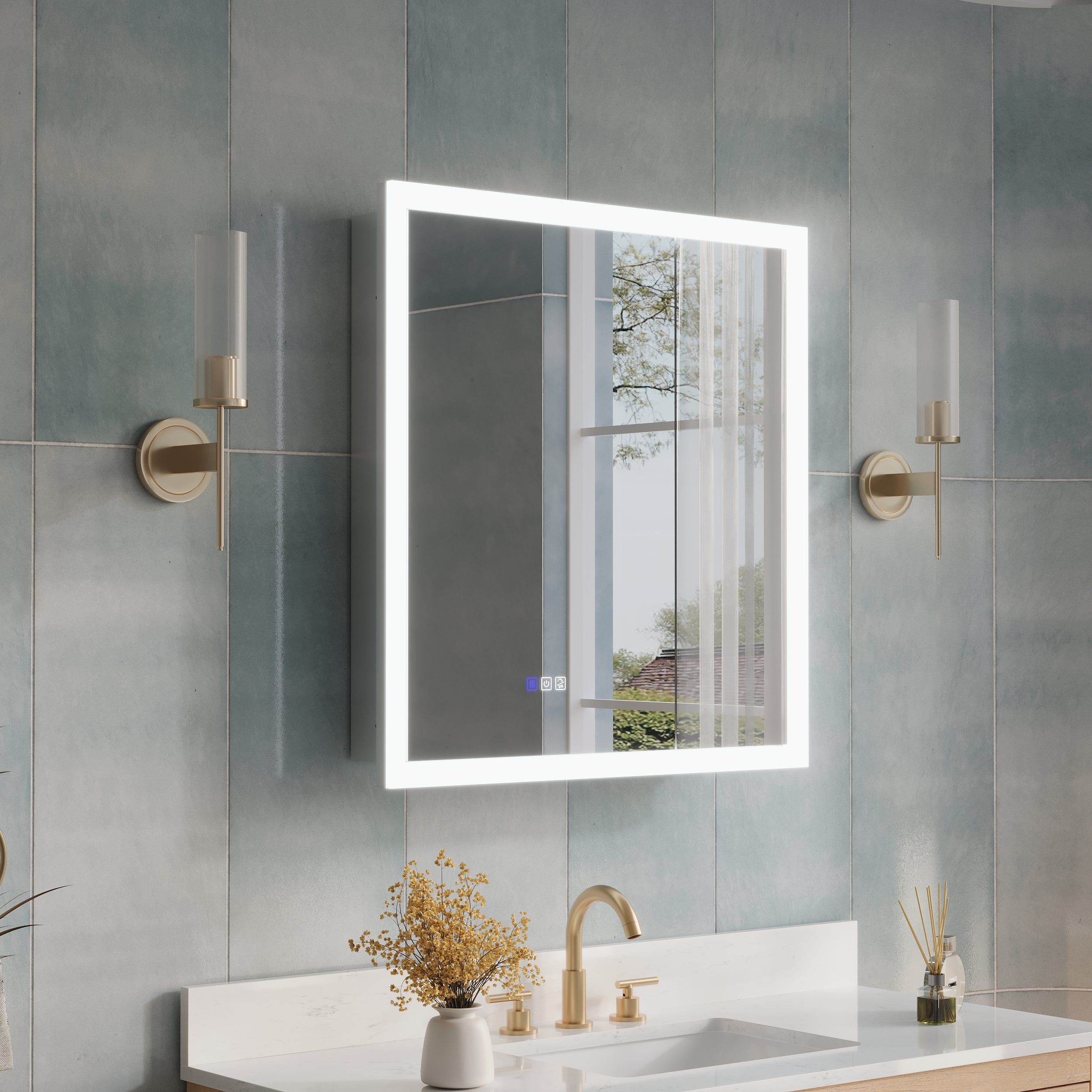
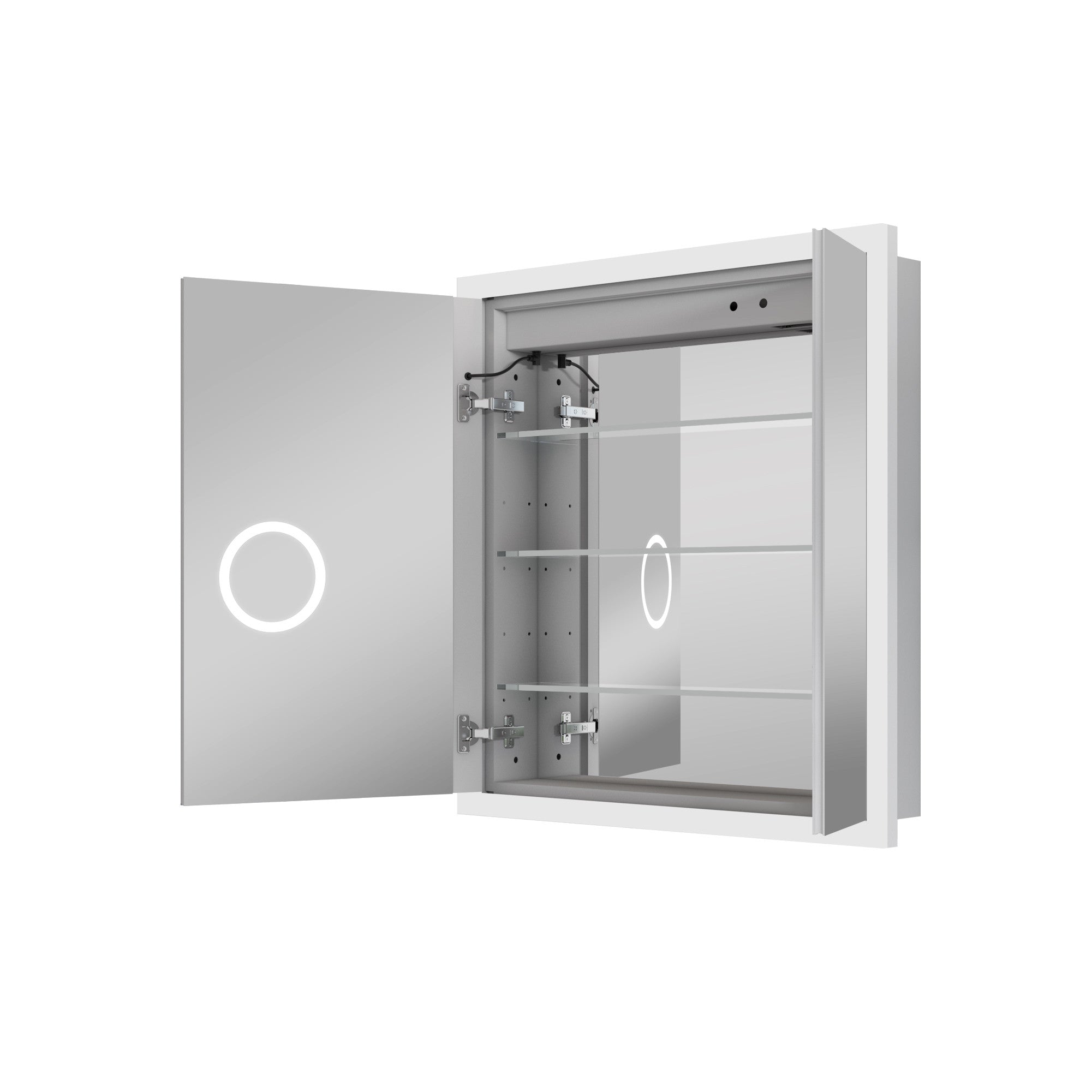
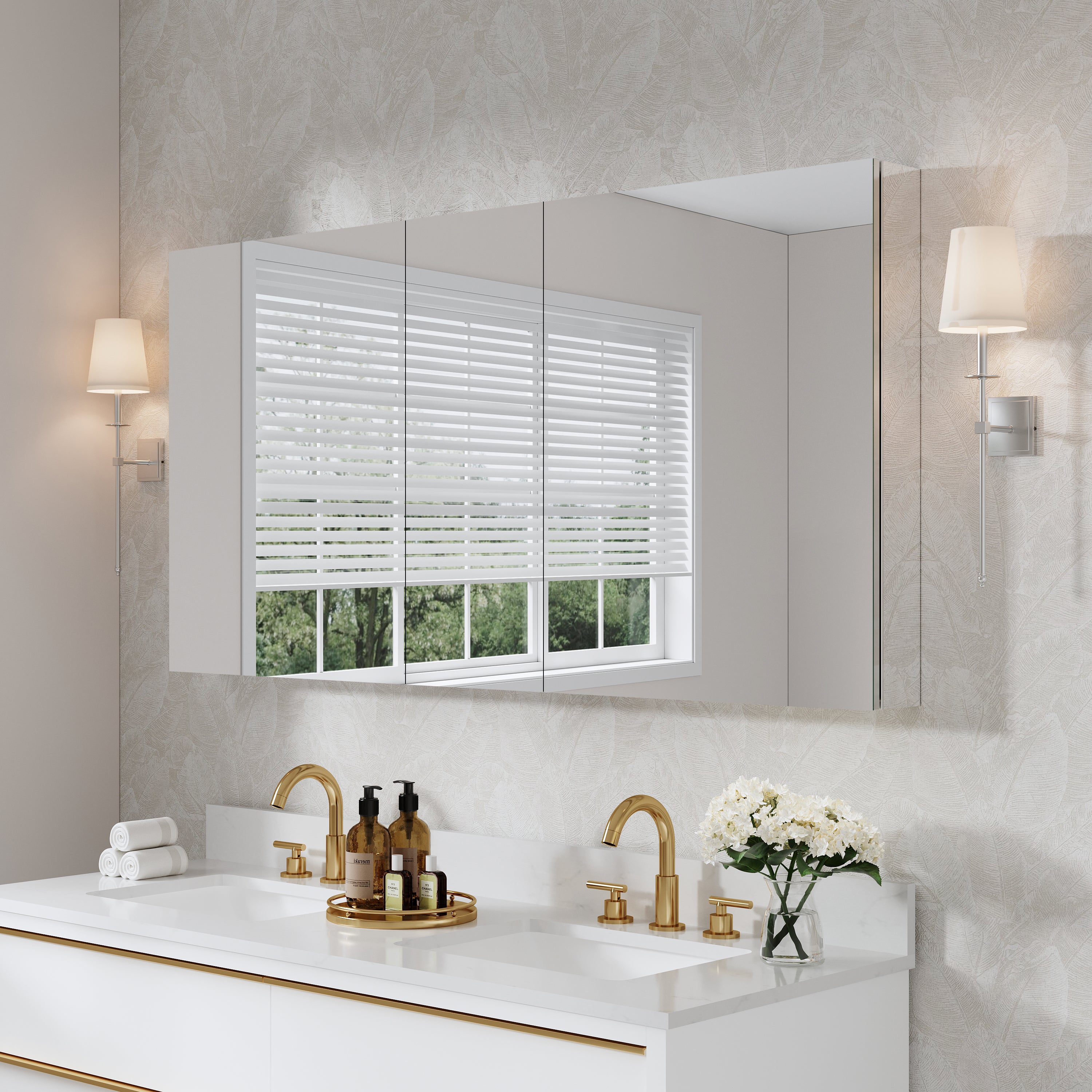
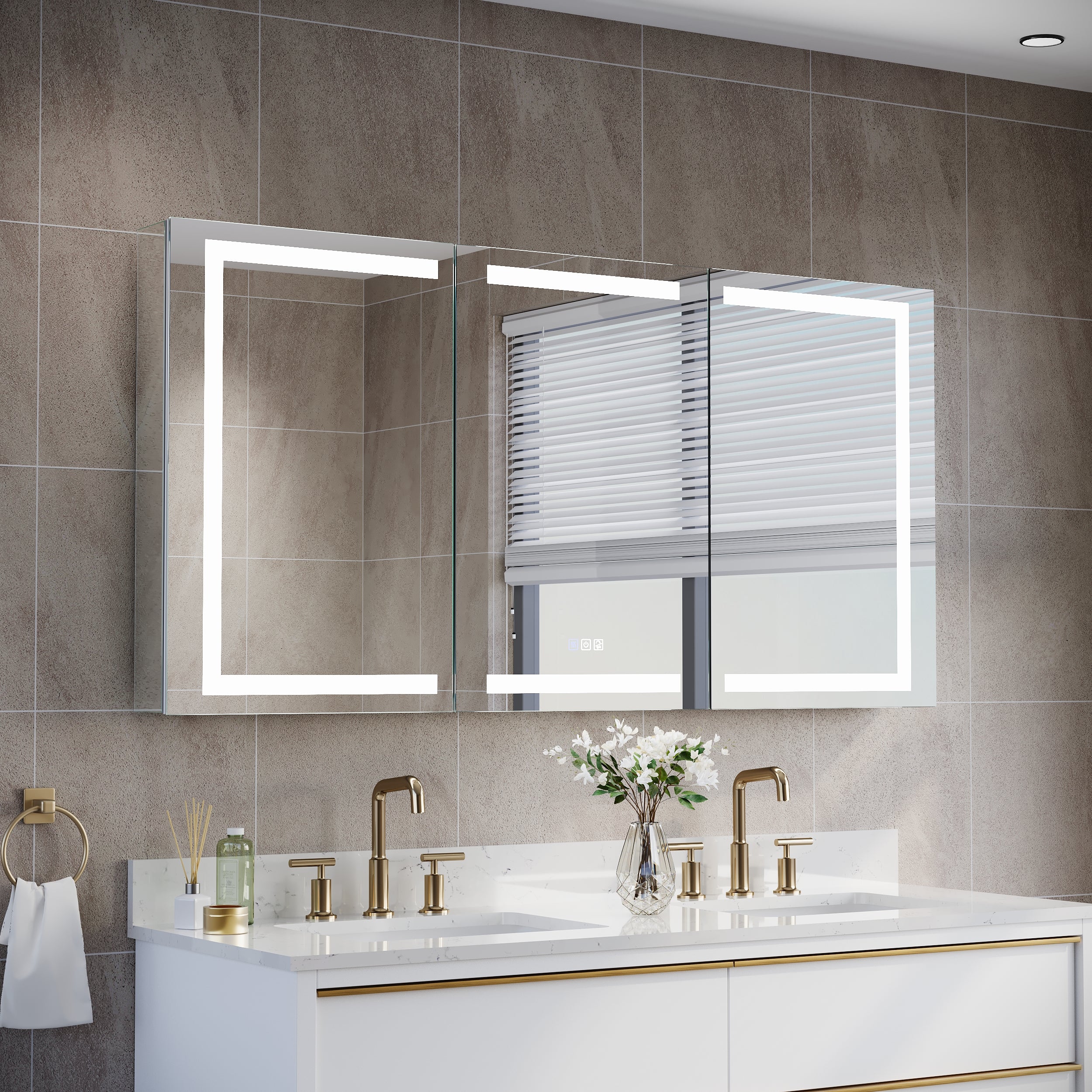
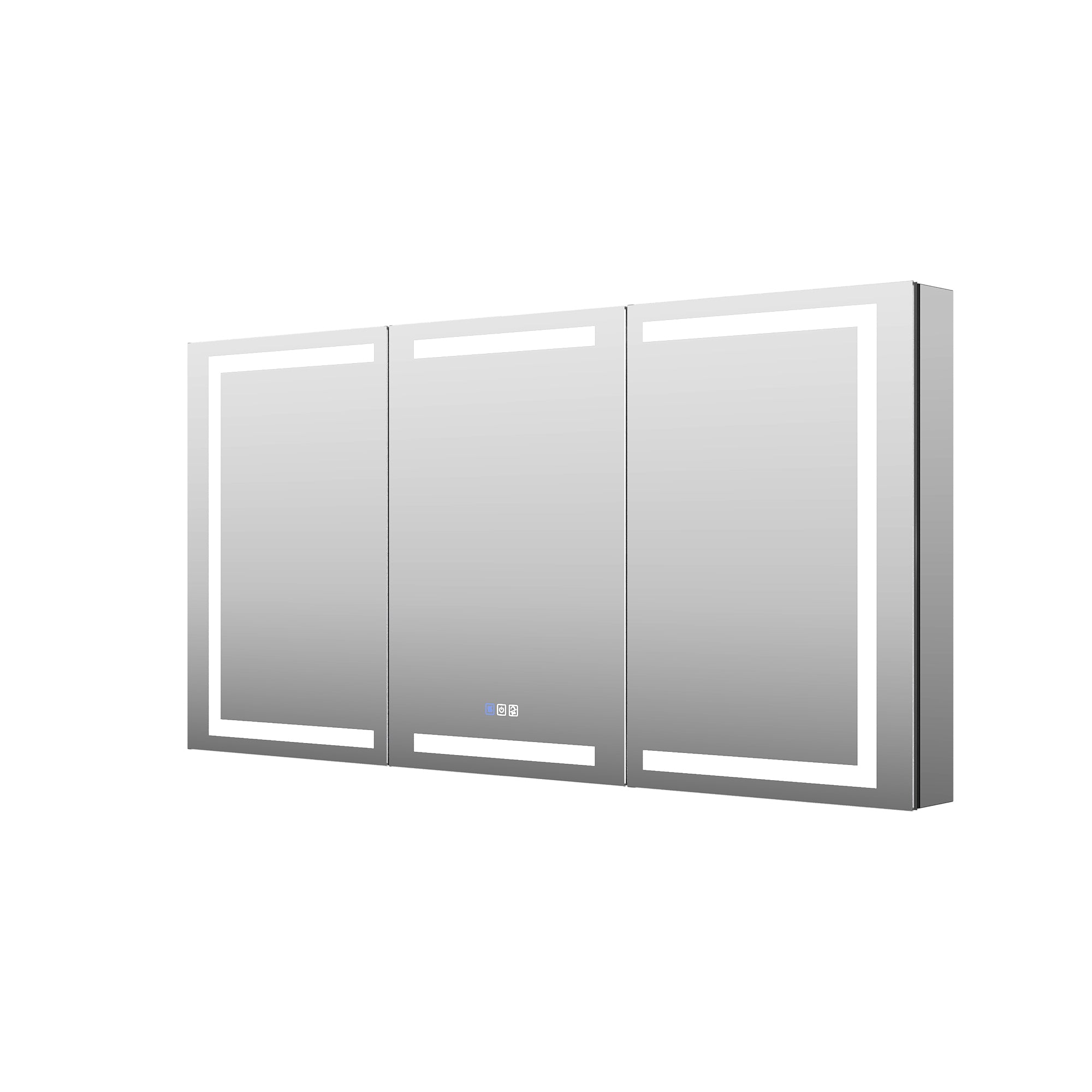
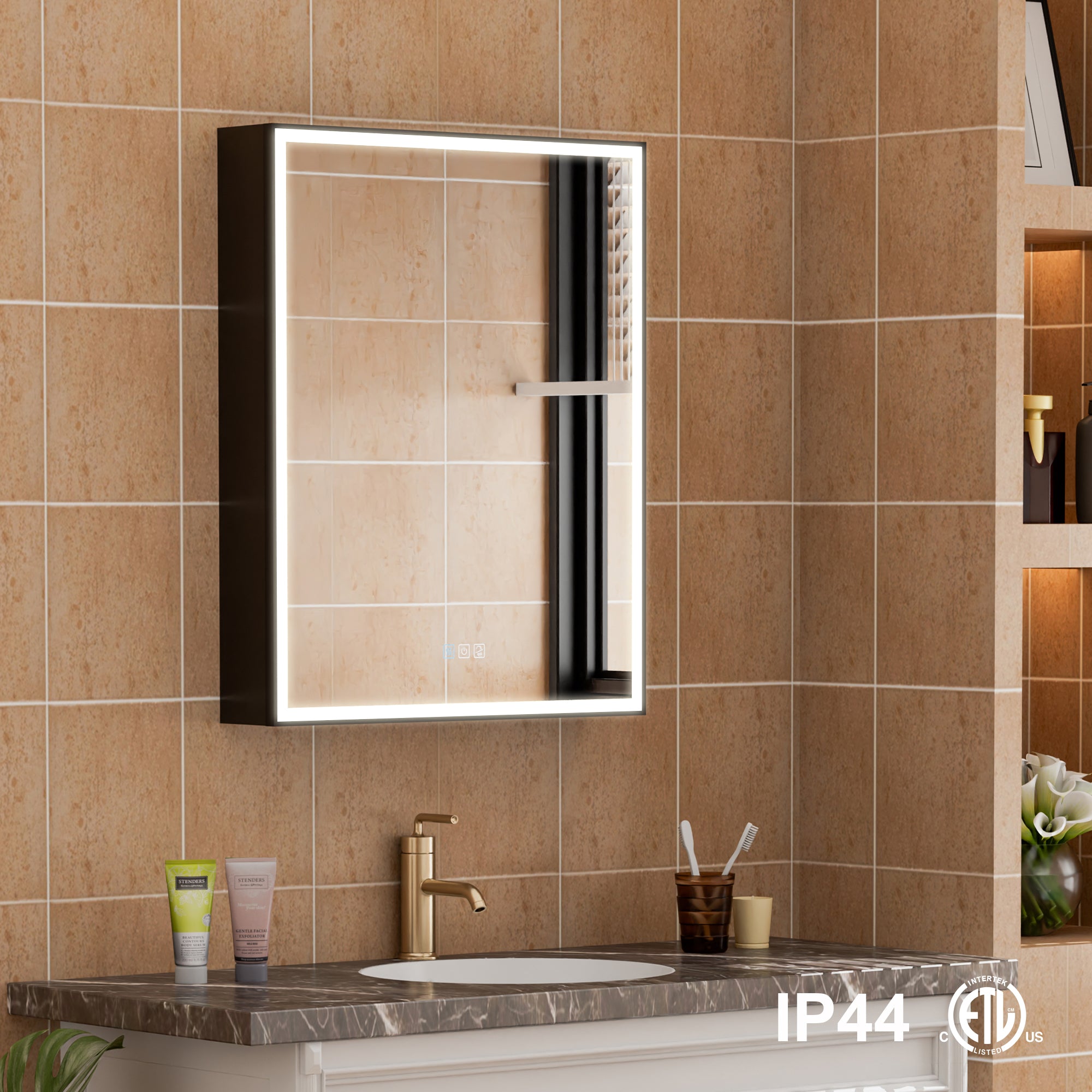
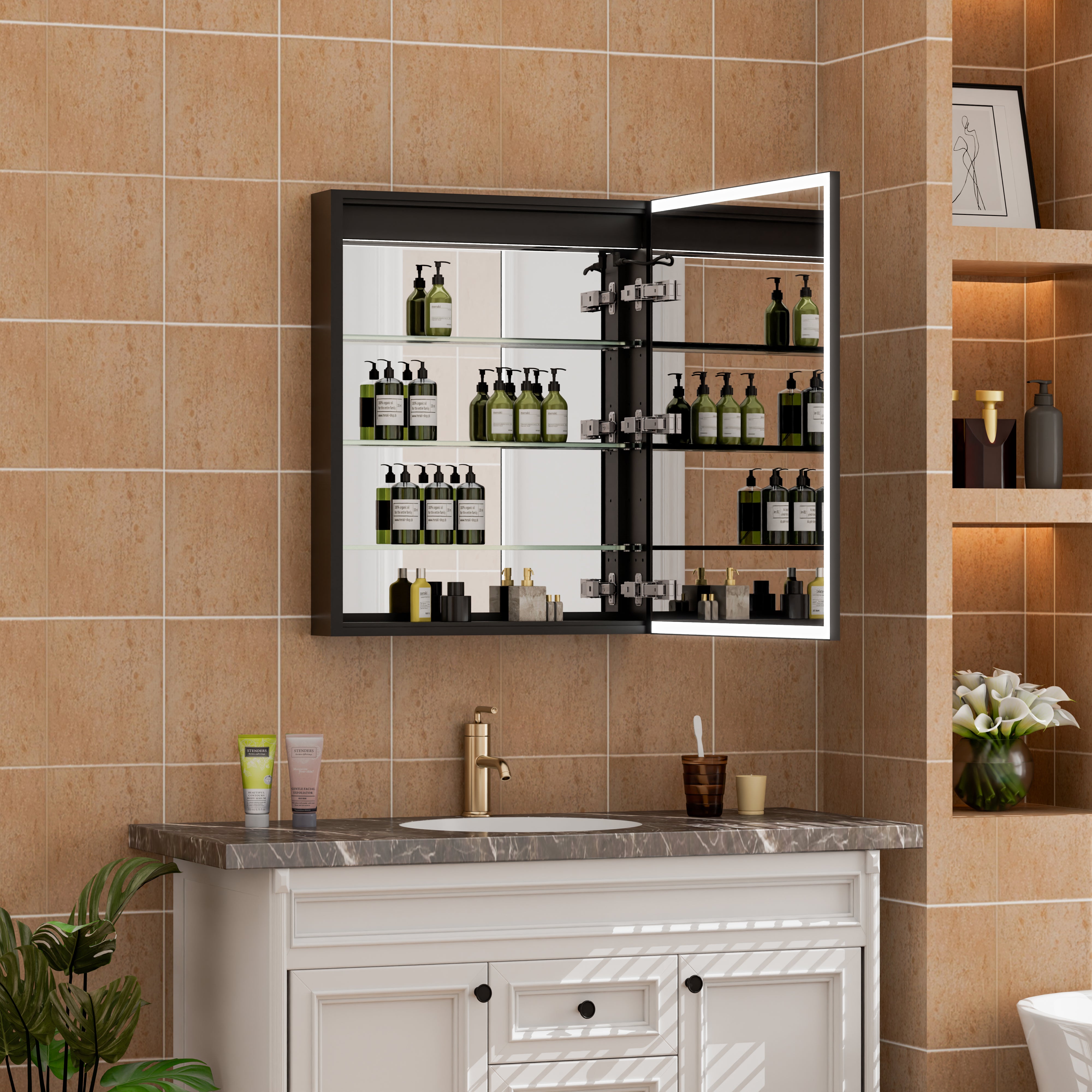
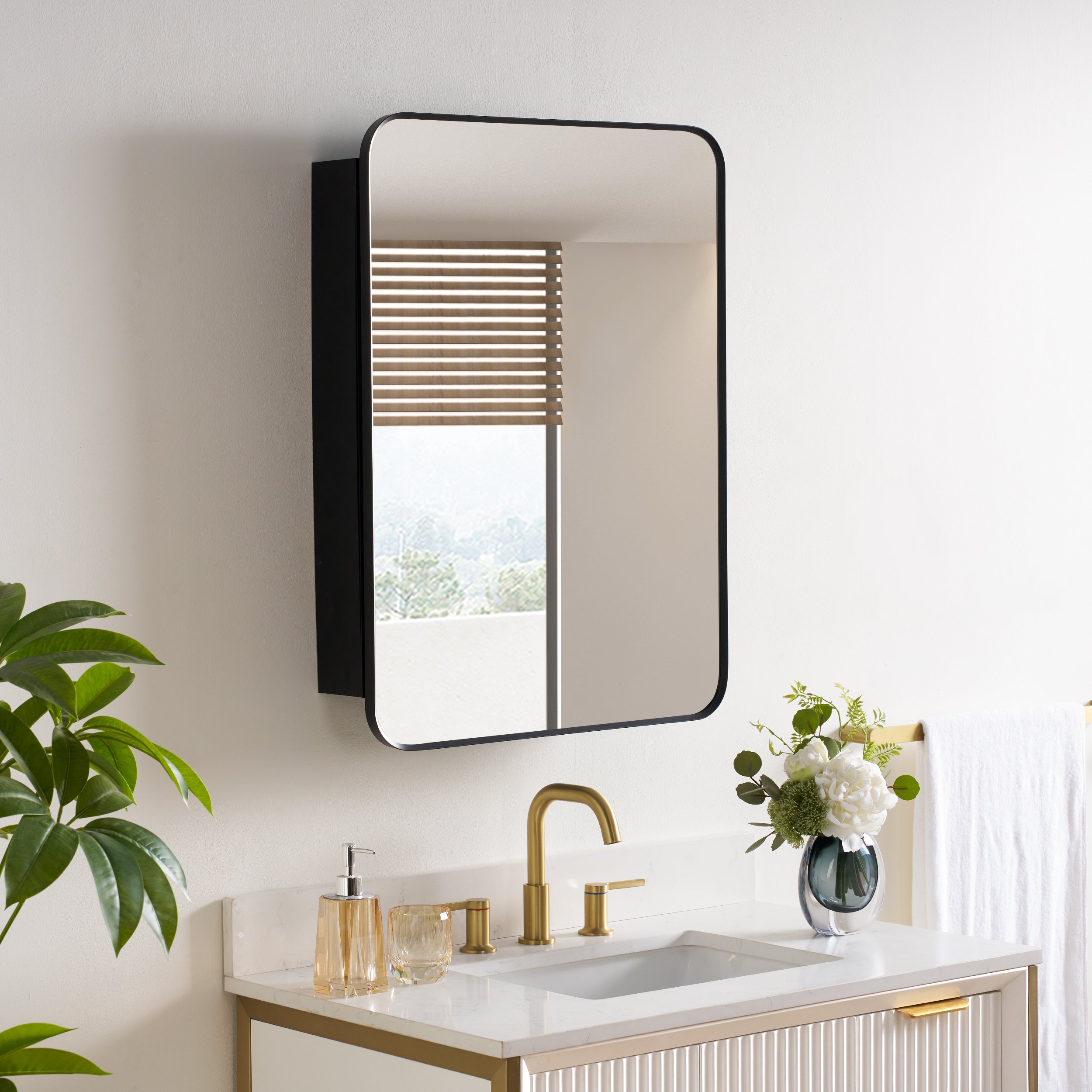
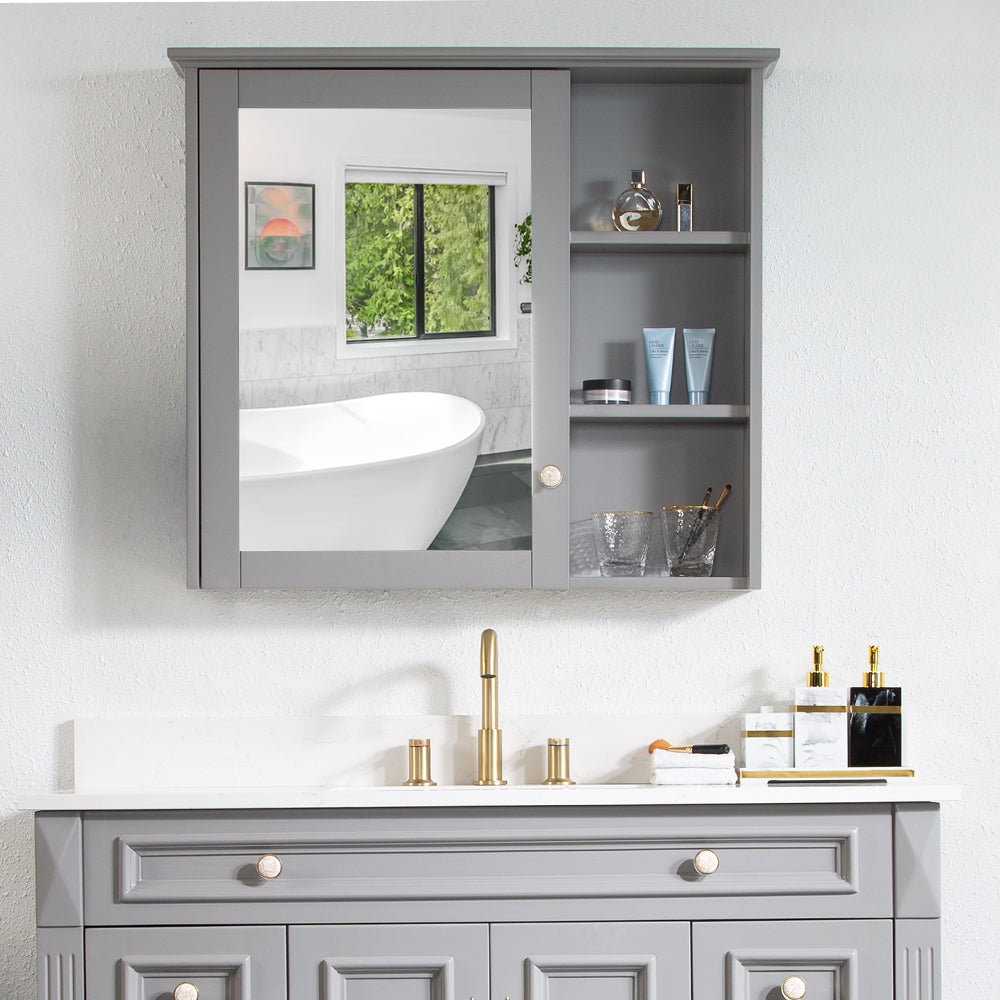
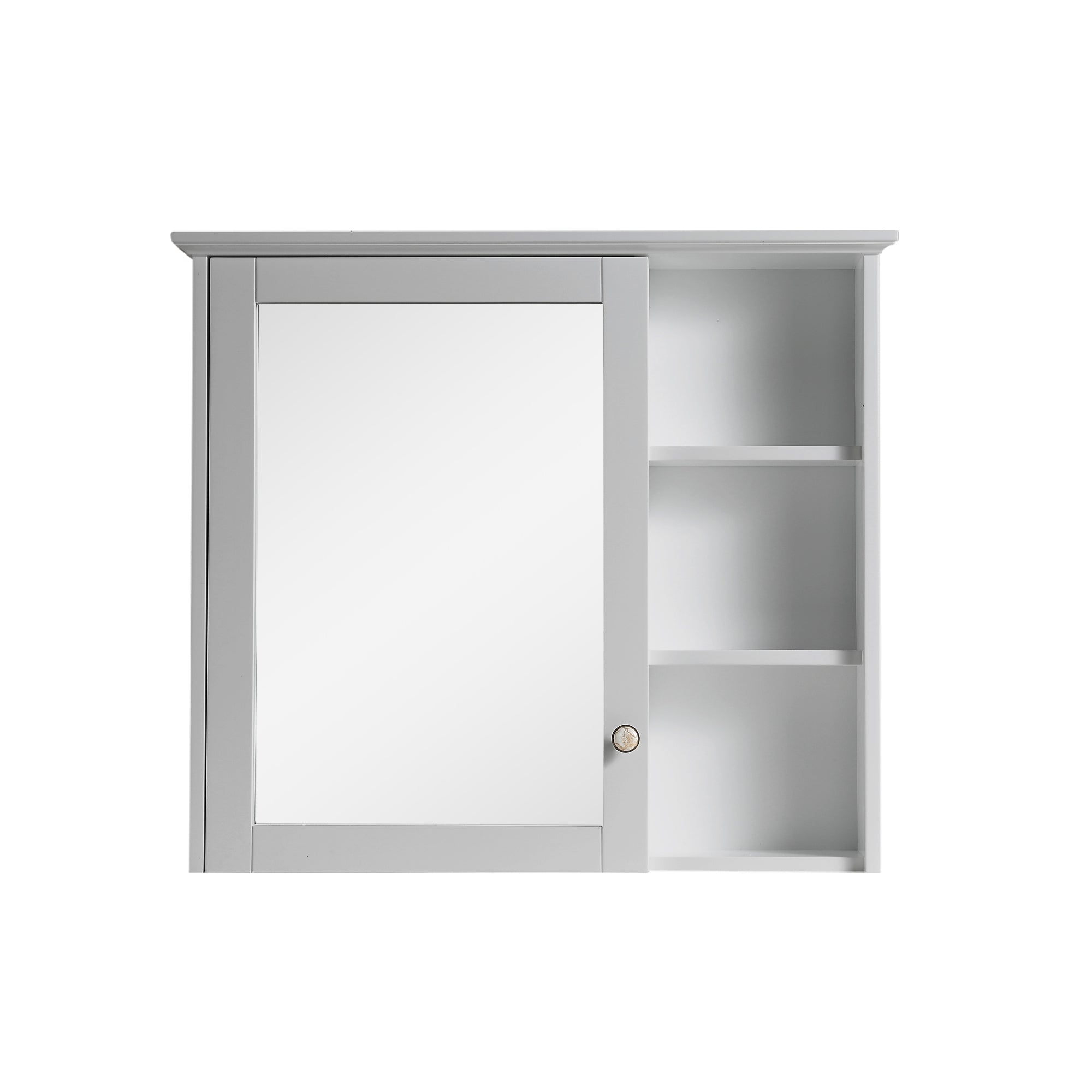
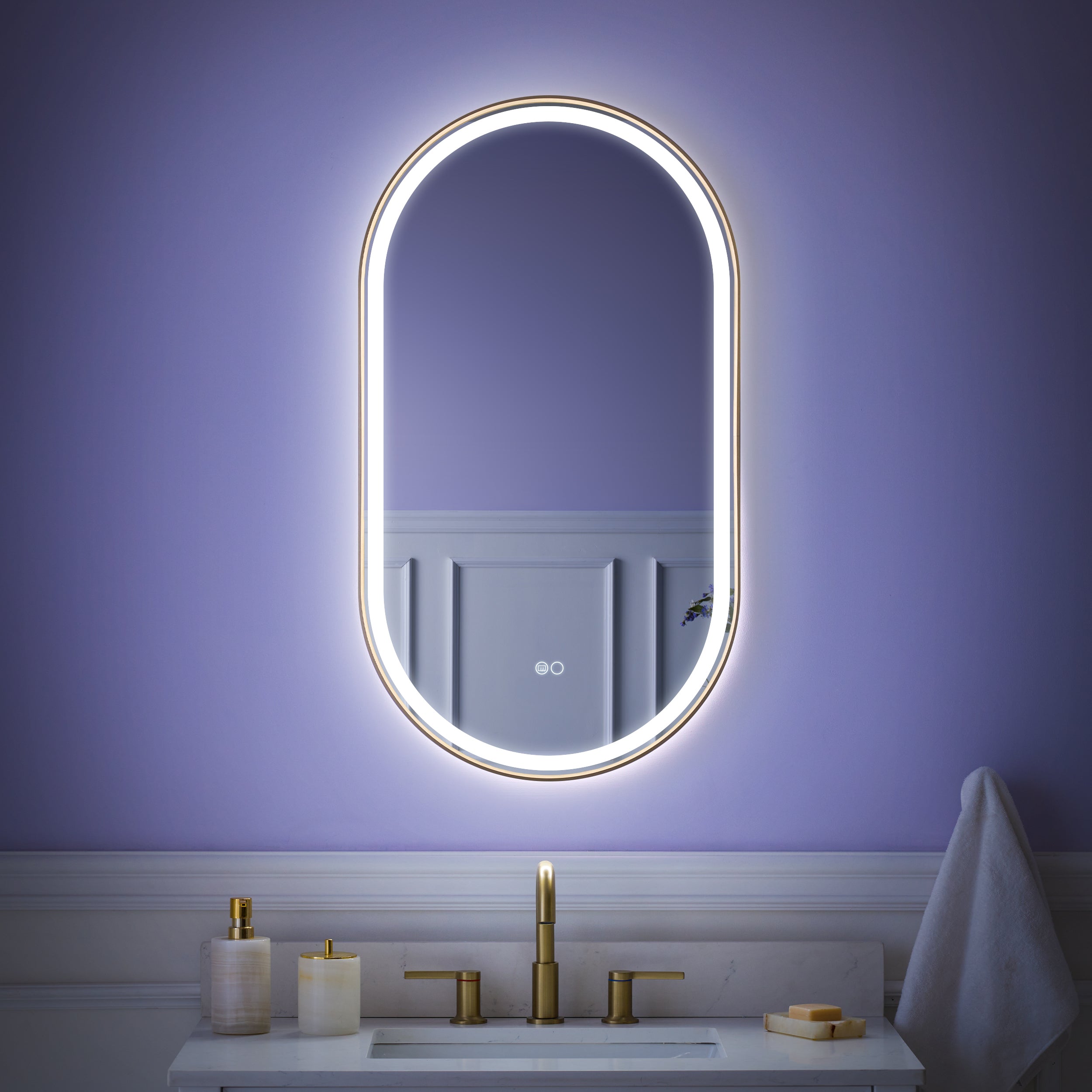
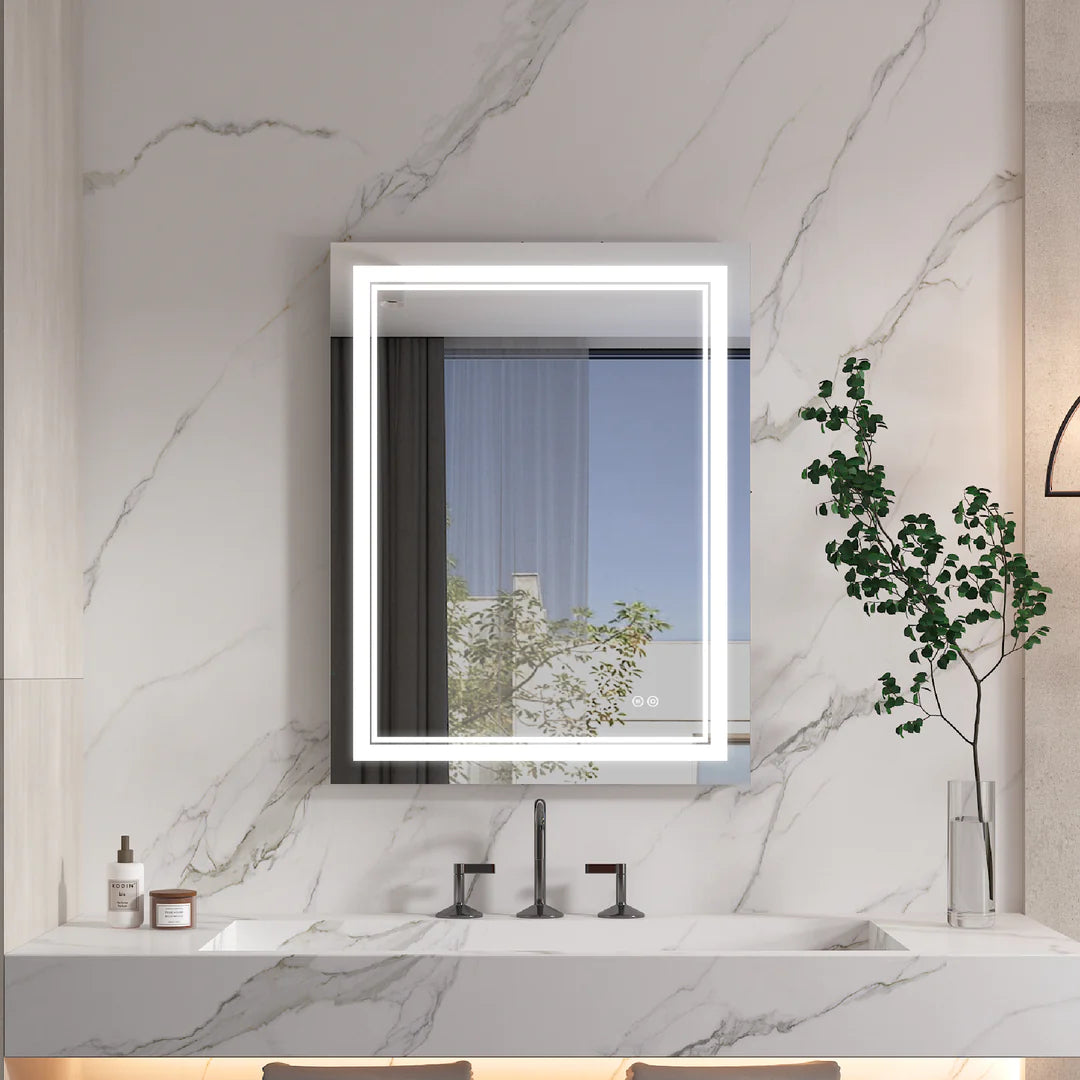
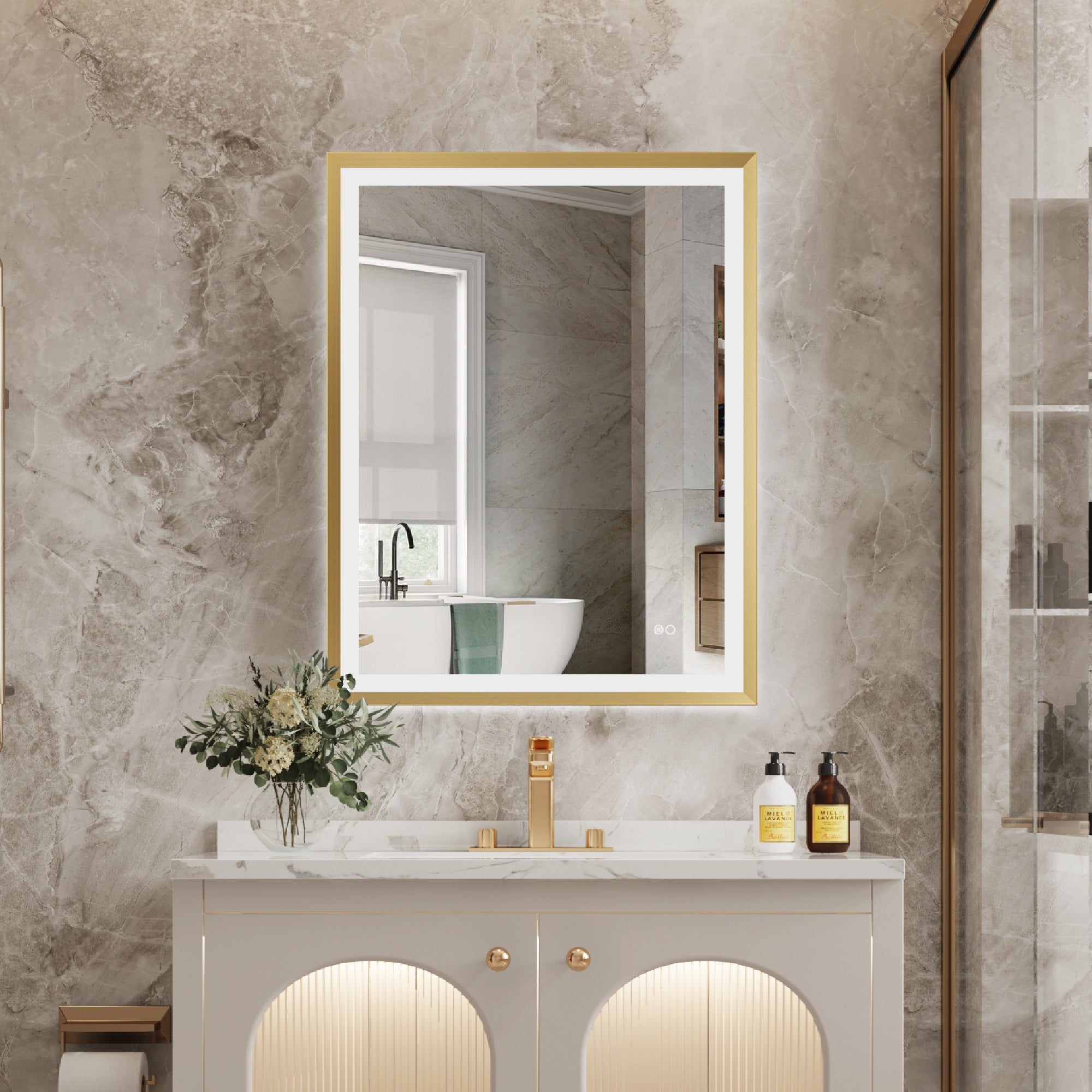
Often placed inside mirrored cabinets or LED mirror units, these units allow devices to be plugged in at eye level, reducing bending and keeping cords off wet surfaces.
Drawer-integrated outlets
These are designed for be placed in upper drawers, charging grooming tools while keeping them hidden when not in use.
Side-panel outlets
Mounted on the interior side of the vanity cabinet, these provide access for hair dryers or larger tools without disrupting countertop space.
Counter-adjacent outlets
Some designs integrate pop-up or concealed outlets near the sink area, though these are more carefully engineered due to the proximity of water.
Each configuration reflects a balance between accessibility and moisture protection.

Why is this feature especially relevant in compact bathrooms
In smaller bathrooms and powder rooms, counter space is already limited. Industry data show that nearly 47% of bathroom vanities are 48 inches or less, meaning compact layouts dominate installations.
In these tighter layouts:
l Countertop clutter becomes more visually disruptive
l Outlet access is often blocked by sink placement
l Wall sockets may be poorly positioned for mirror use
Built-in electrical solutions remove the need to compete for space, allowing the vanity to function as a combined grooming and utility station.
Material and moisture considerations in electrical vanities
Integrating electricity into bathroom furniture introduces additional design constraints. Moisture control becomes critical, especially in enclosed cabinetry.
Many modern vanities use engineered materials combined with sealed compartments to isolate electrical components from humidity. At the same time, engineered quartz remains a leading countertop material in bathroom upgrades, with around a 45% share, followed by natural stones like granite and marble.
These hard, non-porous surfaces pair well with integrated electrical systems because they are easier to clean and less prone to water absorption around outlet zones.
Safety expectations and user confidence
A key reason built-in outlets are becoming mainstream is trust in standardized safety design. In modern bathroom planning, electrical systems are expected to be:
l Hidden from splash zones
l Properly insulated and grounded
l Installed with moisture-resistant housings
l Designed for short-duration, high-frequency device use
This is not just about convenience—it is about reducing risk in a room where water and electricity constantly intersect.
Impact on home value perception and renovation priorities
Bathrooms consistently rank among the most important renovation areas because they combine utility, daily frequency, and visual impact. Reports on remodeling behavior indicate that bathroom upgrades are among the most common improvement projects, reinforcing their importance in overall home functionality and perceived condition. Features like built-in outlets contribute to a “finished” impression:
l No visible extension cords
l Cleaner mirror and sink area
l More modern, integrated look
l Better alignment with current lifestyle habits
When built-in outlets are most valuable—and when they are not
This feature is most valuable when:
l Multiple grooming devices are used daily
l Counter space is limited
l Multiple people use the bathroom
l A clean, minimal countertop look is desired
It may be less necessary when:
l The bathroom has abundant wall outlet access
l Electrical device use is minimal
l Simplicity is preferred over feature integration
The bottom line: the vanity is becoming a utility hub
Bathroom vanities with built-in electrical outlets reflect a broader shift in interior design: furniture is no longer passive storage—it is becoming active infrastructure. As grooming routines become more device-dependent and bathrooms become more compact, integrated power access moves from convenience to expectation.
In practical terms, the modern vanity is evolving into a controlled environment for storage, grooming, and charging. The addition of built-in outlets is not just a feature upgrade—it is a response to how bathrooms are actually used every day.











Leave a comment
This site is protected by hCaptcha and the hCaptcha Privacy Policy and Terms of Service apply.