














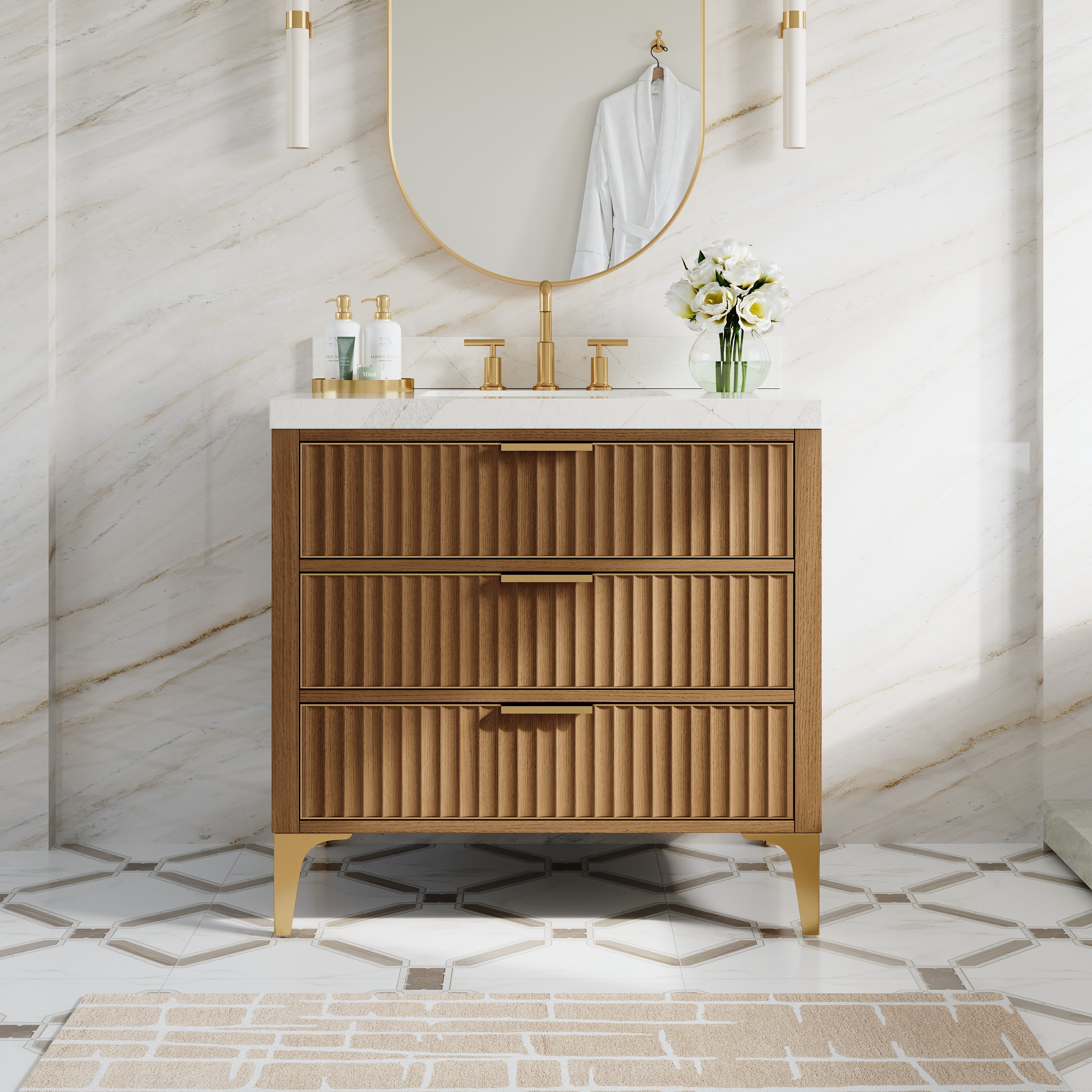
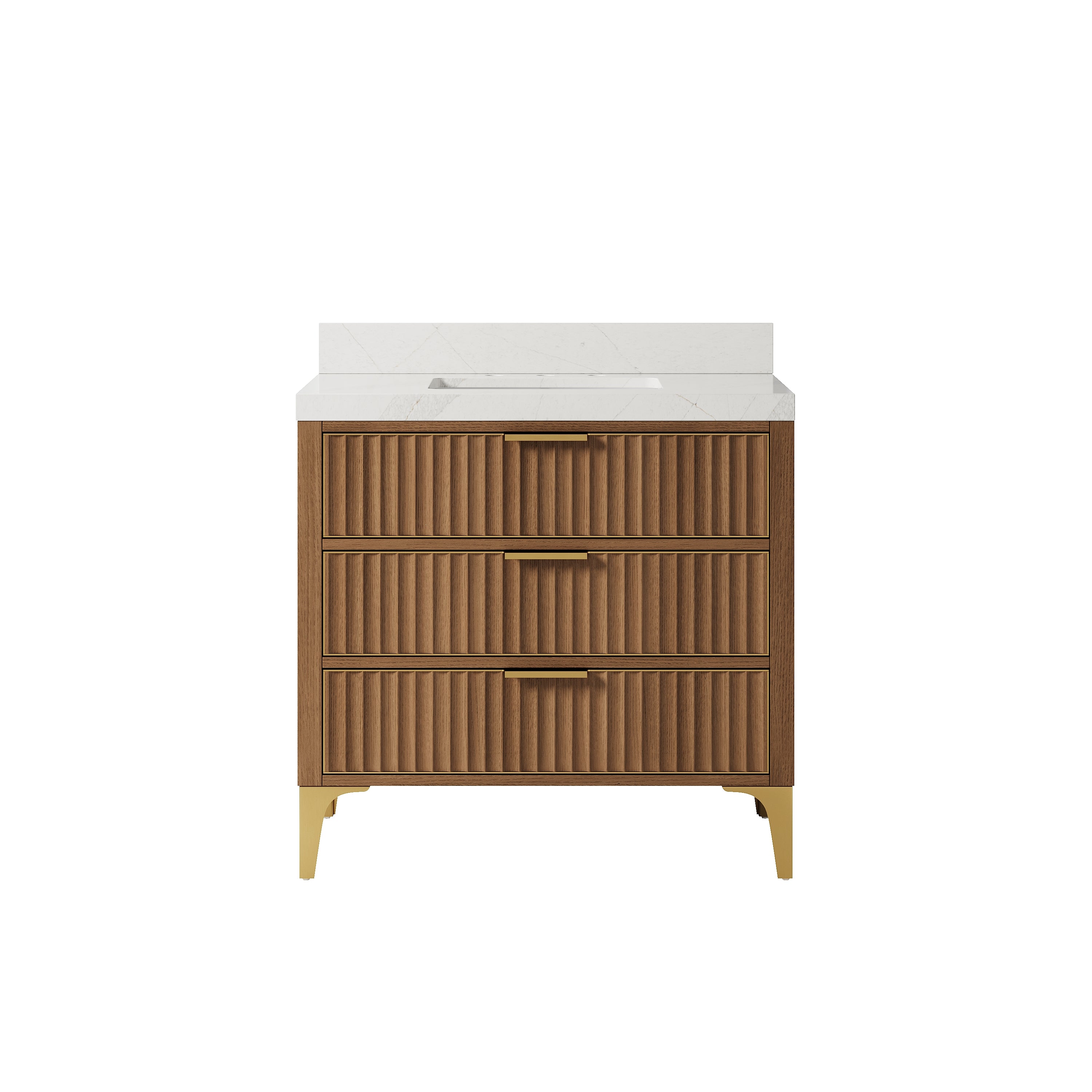
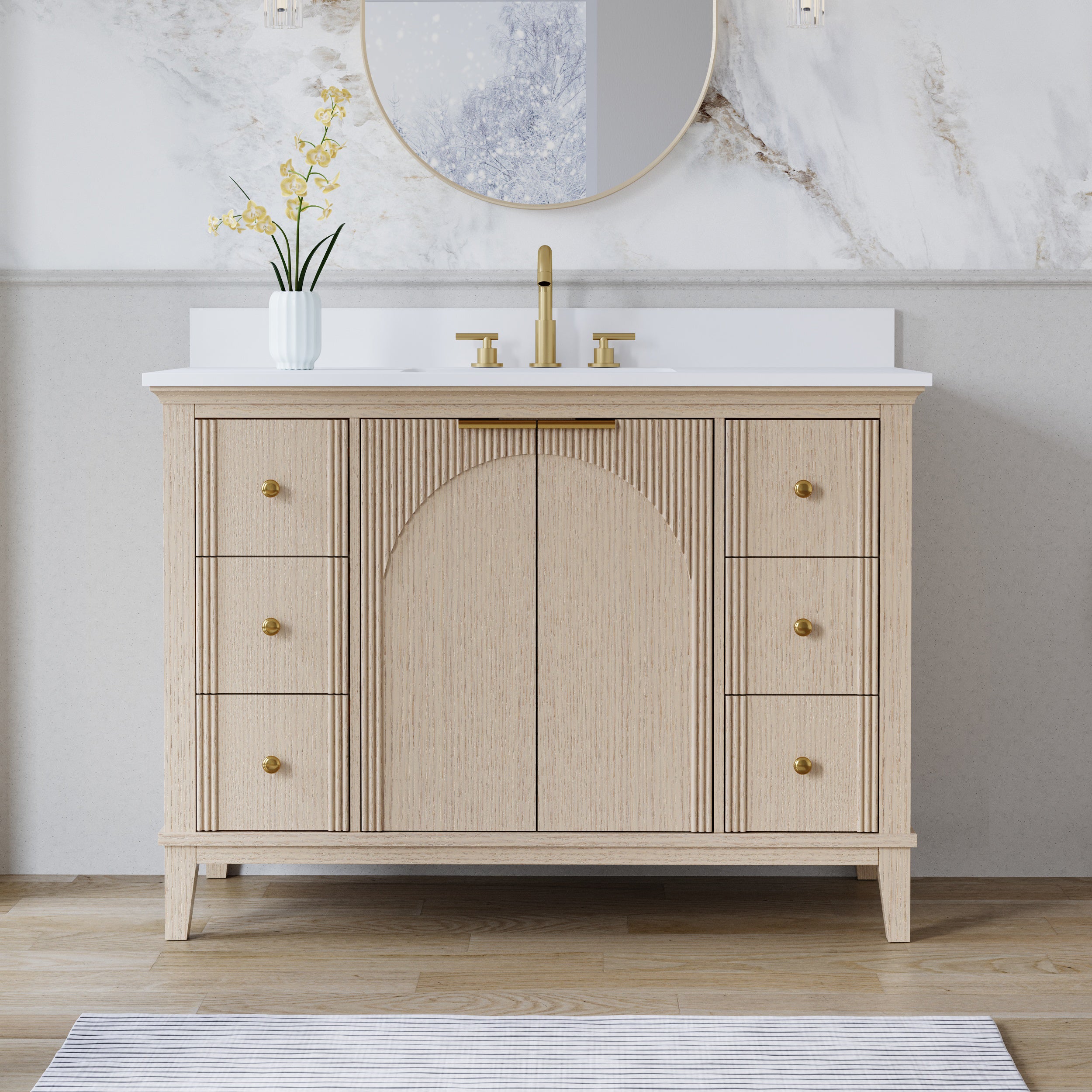
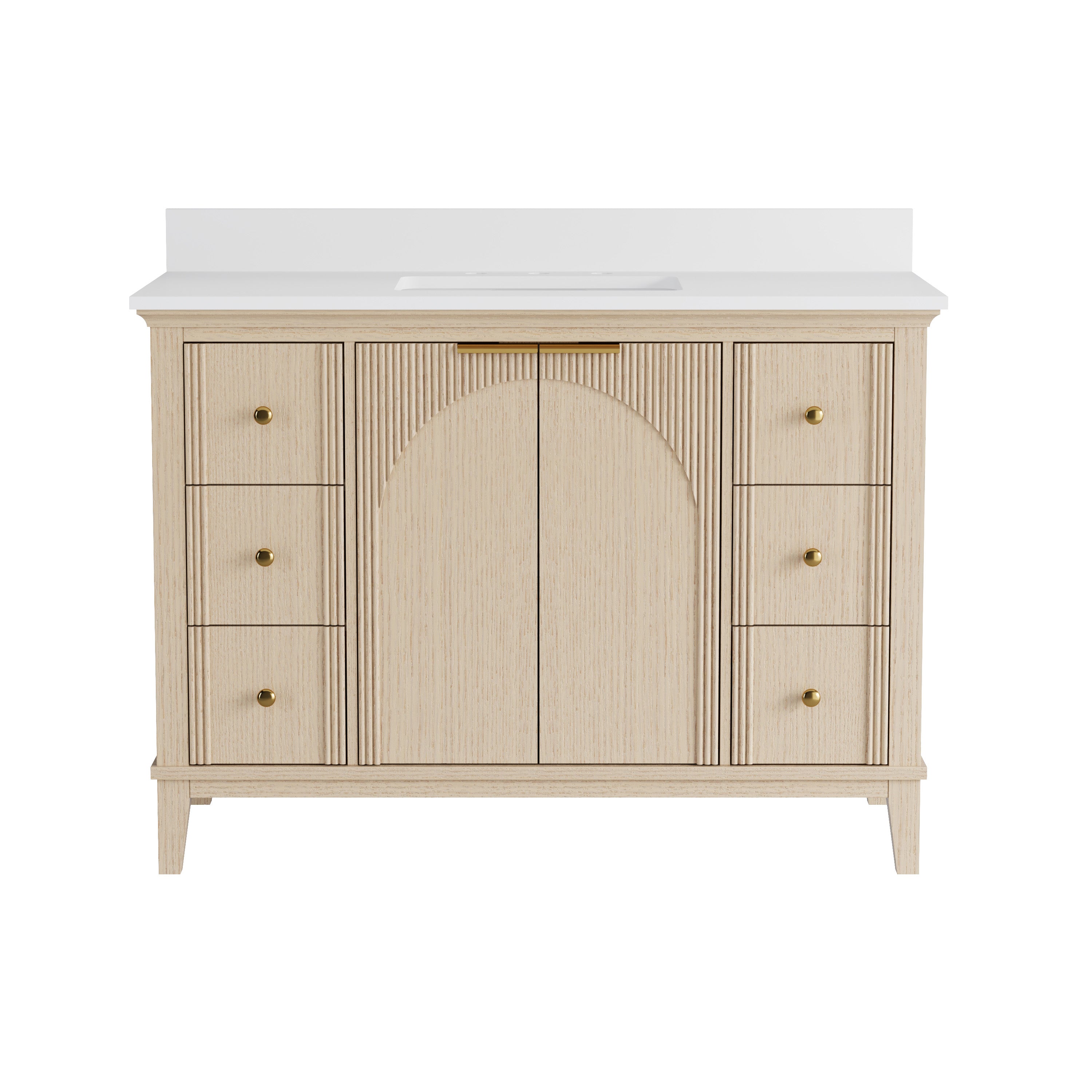


If you are trying to figure out how to choose the right bathroom vanity size for your space, start with layout before style. After years of working with bathroom remodels, product selection, and installation planning, I can say this with confidence: a vanity that is too large will make the room harder to use, and one that is too small will leave you short on storage, counter space, or both.
A lot of homeowners shop by appearance first. They fall for the finish, the sink shape, or the hardware, then try to make the dimensions work afterward. That is usually where problems begin.
A bathroom vanity affects traffic flow, storage, cleaning, and how comfortable the room feels during daily use. In a tight bathroom, even a few extra inches can make a noticeable difference.
According to Houzz, nearly half of homeowners renovating bathrooms choose vanities that are 48 inches wide or smaller, which shows how much demand there is for practical, right-sized solutions instead of oversized statement pieces.
(Source: Houzz)
How to Choose the Right Bathroom Vanity Size for Your Space Without Making Common Mistakes
The first job is measuring correctly. Not just the wall width.
You need the usable width, the comfortable depth, the location of the toilet, the door swing, and the clearance in front of the vanity. A cabinet can technically fit the wall and still be the wrong size for the room. I see this often in smaller bathrooms where the vanity looks fine on paper but makes the walkway feel cramped once installed.
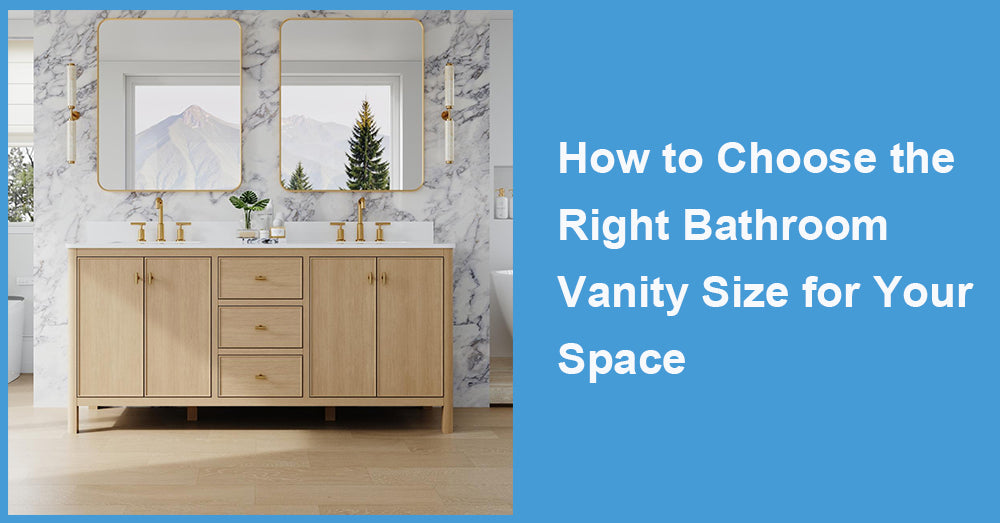
Width is the measurement most people focus on first, and for good reason. In general, an 18-inch to 24-inch vanity works in a powder room or very small guest bath. A 30-inch to 36-inch vanity is often the best range for a standard single-sink bathroom. A 48-inch vanity can work beautifully in a larger bathroom, but only if the space around it still feels comfortable.
Depth deserves just as much attention.
Many standard vanities are around 21 inches deep. That works well in a lot of bathrooms, but in narrow layouts it can feel oversized very quickly. A shallower vanity can improve movement and make the room feel more open. The downside is reduced storage, especially for taller or bulkier items.
Height matters too. Comfort-height vanities feel better for many adults, especially in a primary bathroom. Still, they are not ideal for every household. In a kids’ bathroom or a guest bath used by different age groups, the best height depends on who is actually using the space.
What Really Determines the Right Vanity Size
The right size is not just about dimensions. It is about use.
A powder room does not need the same vanity as a shared family bathroom. In a powder room, you can choose a smaller footprint because the sink is used briefly and storage needs are minimal. In a primary bathroom, that same vanity may feel too small within days.
Storage habits change the answer too. If you like a clear countertop and want everything hidden away, you probably need more cabinet or drawer space. If you keep only the basics nearby, you may be able to size down and let the room breathe a little more.
According to NKBA, 72% of designers say bathroom footprints are increasing as bathrooms become more focused on storage, accessibility, and daily function. That lines up with what many of us see in real projects: people are choosing layouts that support routines, not just looks.
(Source: NKBA)
Plumbing also plays a bigger role than many buyers expect. A vanity may seem like the right size until the drain line or shutoff valves interfere with the drawer layout. That is why I never like choosing based only on photos or front-facing dimensions.
And bigger is not always better. A larger vanity can give you more storage, but only if the internal layout is useful. A well-designed 30-inch vanity with drawers can easily outperform a wider unit with one large, awkward cabinet below the sink.
Common Sizing Mistakes to Avoid
The biggest mistake is ignoring clearance.
You need enough room to open drawers and doors without hitting the toilet, shower glass, or entry door. That sounds basic, but it gets missed all the time.
Another mistake is assuming a bigger vanity automatically adds value. Sometimes it does. Sometimes it just steals floor space and makes the room feel heavy. In smaller bathrooms, a vanity with better proportions often works better than the largest one you can squeeze in.
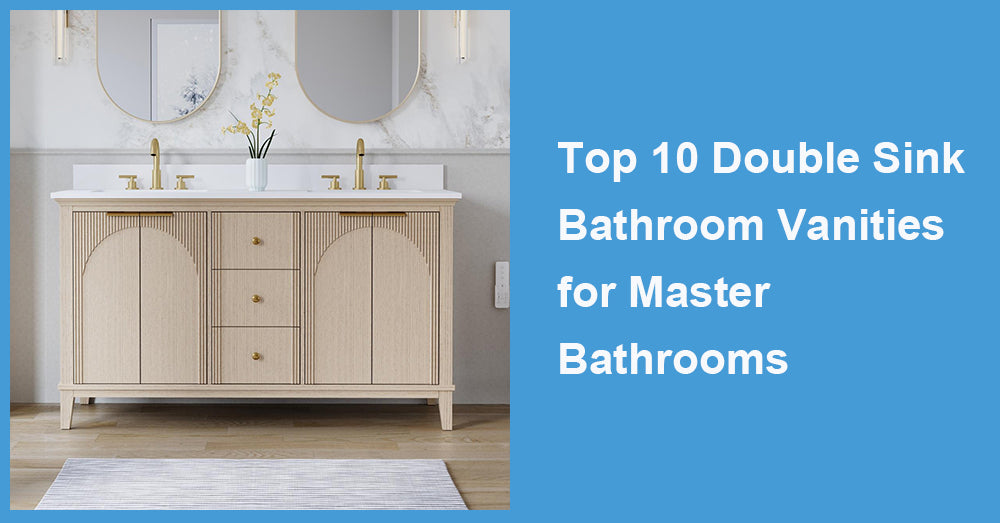
I also see homeowners force in double-sink vanities where they do not belong. In many mid-size bathrooms, two sinks reduce counter space and compromise storage. Unless two people genuinely need to use the vanity at the same time every day, a well-planned single-sink setup is often the smarter choice.
Then there is the opposite mistake: choosing a very small vanity for a cleaner look, only to discover there is nowhere to store daily essentials.
Installation, Maintenance, and What I Usually Recommend
Before ordering, check the finished dimensions carefully. A vanity labeled “36 inches” may not measure exactly 36 inches once the countertop edge or trim is included. Small differences matter in tight spaces.
Look at the wall and the floor too. Uneven floors may need shimming. Slight wall irregularities can create gaps or affect how flush the vanity sits. These are normal conditions, but they should be part of the planning process.
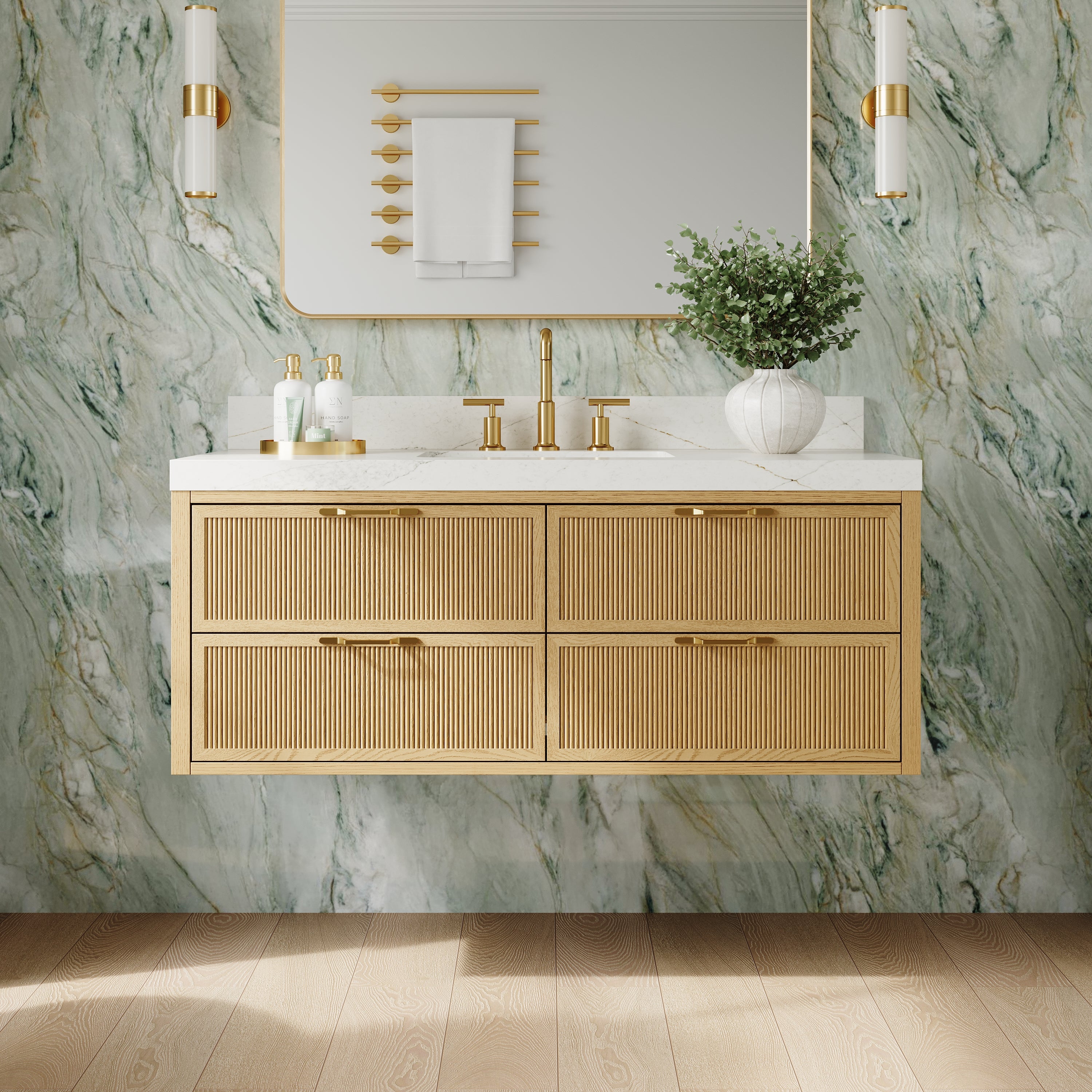
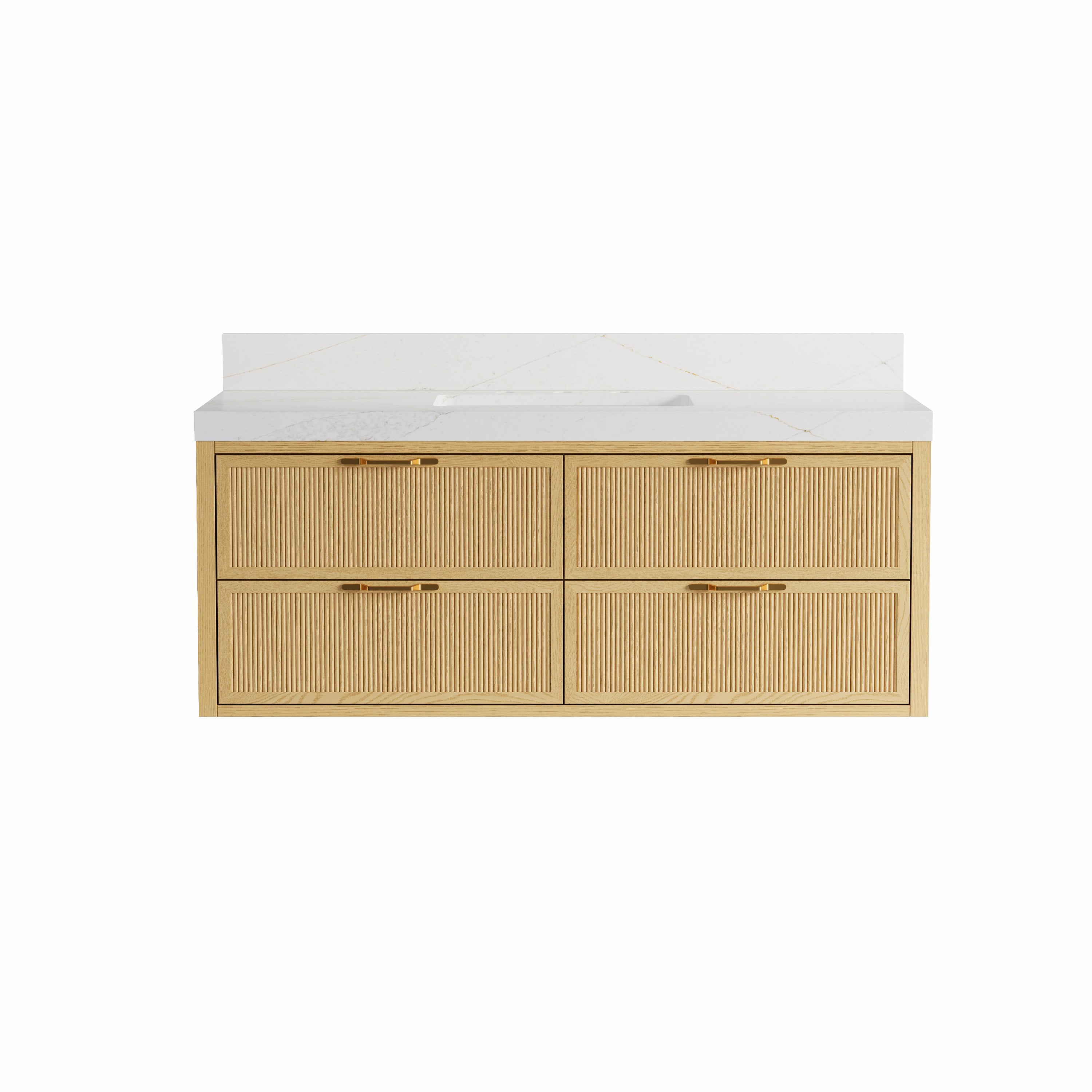
If you are choosing between floating and floor-mounted styles, sizing works a little differently. Floating vanities can make a bathroom feel larger because more floor remains visible. That can let you choose a slightly wider model without making the room feel crowded. Floor-mounted vanities often offer more enclosed storage and a more grounded feel, but they need careful proportioning in tighter spaces.
Maintenance is part of the size conversation as well. A larger vanity gives you more room to store and spread out, but it also creates more surface area to clean and more material exposed to moisture. A smaller vanity is easier to maintain, though it may push clutter onto the countertop if storage is too limited.
According to Houzz, its 2025 bathroom trends study surveyed 1,737 homeowners, reflecting how strongly renovation decisions are now shaped by layout, usability, and daily function rather than appearance alone.
(Source: Houzz)
What Size Works Best for Different Bathrooms?
In a very small powder room, I usually recommend staying compact and protecting clearance first.
In a guest bathroom, a 24-inch to 30-inch vanity often gives a good balance between function and space.
For a primary bathroom with one user, 30 inches to 36 inches is often a reliable range. In a shared bathroom, 48 inches or wider can make sense if the layout allows it. Even then, I would rather see a good single-sink vanity with strong storage than a cramped double-sink setup that sacrifices usability.
If the room is narrow, focus on depth before width. That one decision can save the layout.
For many Wellfor shoppers, the best choice comes down to three things: movement space, storage needs, and proportion. If one of those is off, even a beautiful vanity can feel wrong after installation.

Conclusion
The best vanity size is the one that lets the room function naturally. You should be able to stand comfortably at the sink, open drawers without obstruction, and store what you actually use without crowding the countertop.
That is the real answer to how to choose the right bathroom vanity size for your space. Measure more carefully than you think you need to, think honestly about how the bathroom is used, and choose a size that supports the room instead of dominating it. That is usually what leads to a bathroom that still feels right long after the remodel is done.










Leave a comment
This site is protected by hCaptcha and the hCaptcha Privacy Policy and Terms of Service apply.