

















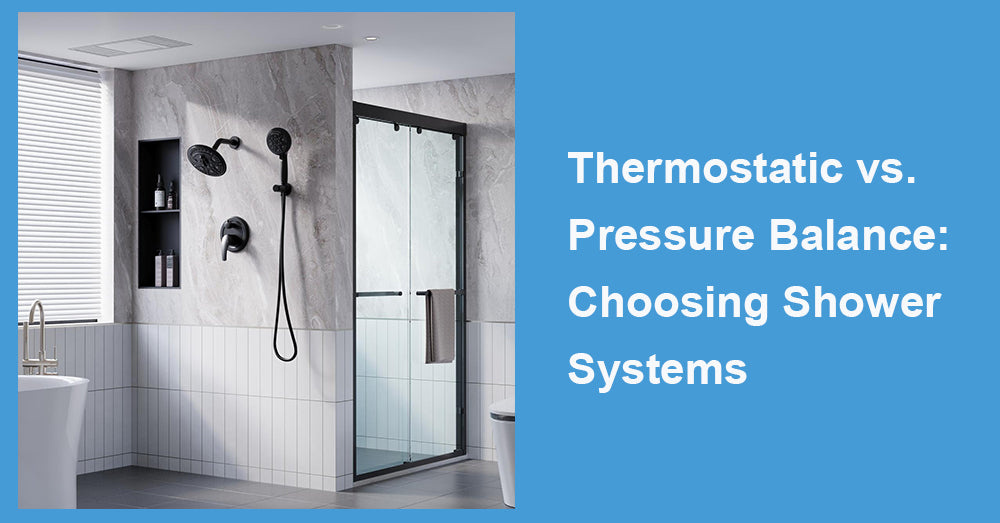
In modern bathroom upgrades, the core values of shower systems are no longer just about "water output"; they now focus on stability, comfort, and safety.
Among numerous configurations, Thermostatic valves and Pressure Balance valves are two technical options that all shower systems must use.
They may appear to prevent sudden changes in water temperature, but there are fundamental differences in their working principles, user experience, and applicable scenarios.
Choosing the wrong type is often not "not easy to use", but "just making do with it every day".
1. Why is the type of valve core so important
One of the most uncomfortable experiences in a shower is when the water temperature suddenly changes.
In industry accident statistics, the leading cause of minor burns in bathrooms is the instantaneous temperature difference caused by changes in water pressure or supply.
Therefore, one of the core design goals of modern shower systems is to maintain stable effluent temperature as much as possible when water supply conditions change.
Thermostatic valves and pressure-balancing valves are two different solutions designed to achieve this goal.
2. Pressure Balance: Basic Protection Solution
The working logic of the pressure-balancing valve is relatively intuitive.
When the water pressure on one side of the hot and cold water changes, the valve core adjusts the flow ratio on the other side to reduce water temperature fluctuations.
This mechanism effectively prevents extreme, sudden overheating during daily use.
Industry data shows that pressure-balancing valves are widely used in medium-sized residential buildings due to their relatively simple structure, controllable cost, and low maintenance difficulty.
However, it should be noted that the core goal of a pressure-balancing valve is to "maintain proportion" rather than "lock temperature".
When the overall pressure of hot and cold water changes simultaneously, the outlet temperature may still experience a slow deviation, but there will not be a drastic jump.
3. Thermal: an advanced solution centered around temperature
The thermostatic valve's working mode is closer to "set value control".
Users can preset a target water temperature, and the temperature-sensing element inside the valve core continuously monitors the water outlet temperature and adjusts the ratio of hot and cold water in real time to maintain the water temperature within the set range as much as possible.
Industry tests have shown that in environments with significant fluctuations in water supply conditions, thermostatic valves provide significantly better temperature stability than pressure-balancing valves.
Even when using water at multiple points simultaneously, the effluent temperature change remains within a small range.
In addition, thermostatic valves usually allow for independent adjustment of water volume and temperature, which means that when changing the water output intensity, there is no need to search for the "appropriate temperature" again.
The overall user experience is therefore more coherent.
4. The difference in user experience is often reflected in the details
From actual feedback, the difference between the two systems is often not "whether they can be used", but "whether they are easy to use".
When starting the shower, the pressure-balancing system usually requires adjusting both water volume and temperature simultaneously by rotating the handle.
The operation logic is relatively simple, but it may need to be readjusted each time it is turned on.
The constant temperature system is closer to "set once, long-term use".
At typical showerhead discharge distances of 8–12 inches, the constant-temperature system can quickly reach a stable state, reducing initial adjustment time.
This advantage is especially evident in frequently used bathrooms.
5. Differences in security aspects
Both systems can provide basic anti-scald protection, but the implementation methods are different.
Pressure-balancing valves reduce risks by limiting the magnitude of temperature differences.
The thermostatic valve adds an active safety barrier by directly altering the maximum outlet temperature.
Industry data shows that in scenarios requiring higher security redundancy, the risk control performance of constant-temperature systems is more stable.
6. Consideration of installation and system complexity
From an installation perspective, the pressure balance valve's structure is more concise, with relatively straightforward pipeline requirements.
This makes it suitable for standard renovation projects.
Thermostatic systems typically require more precise piping planning, especially in multi-outlet configurations, to fully demonstrate their advantages.
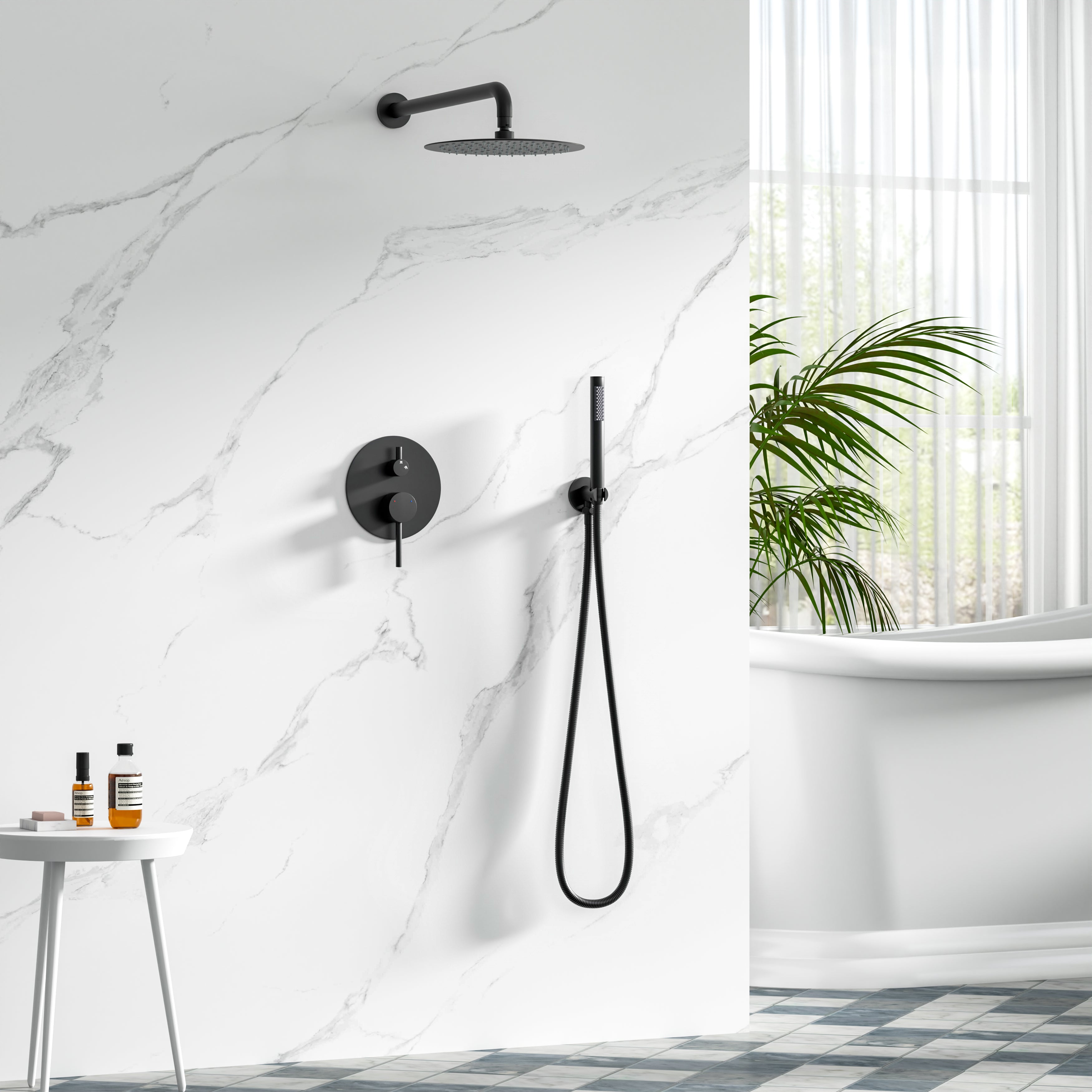
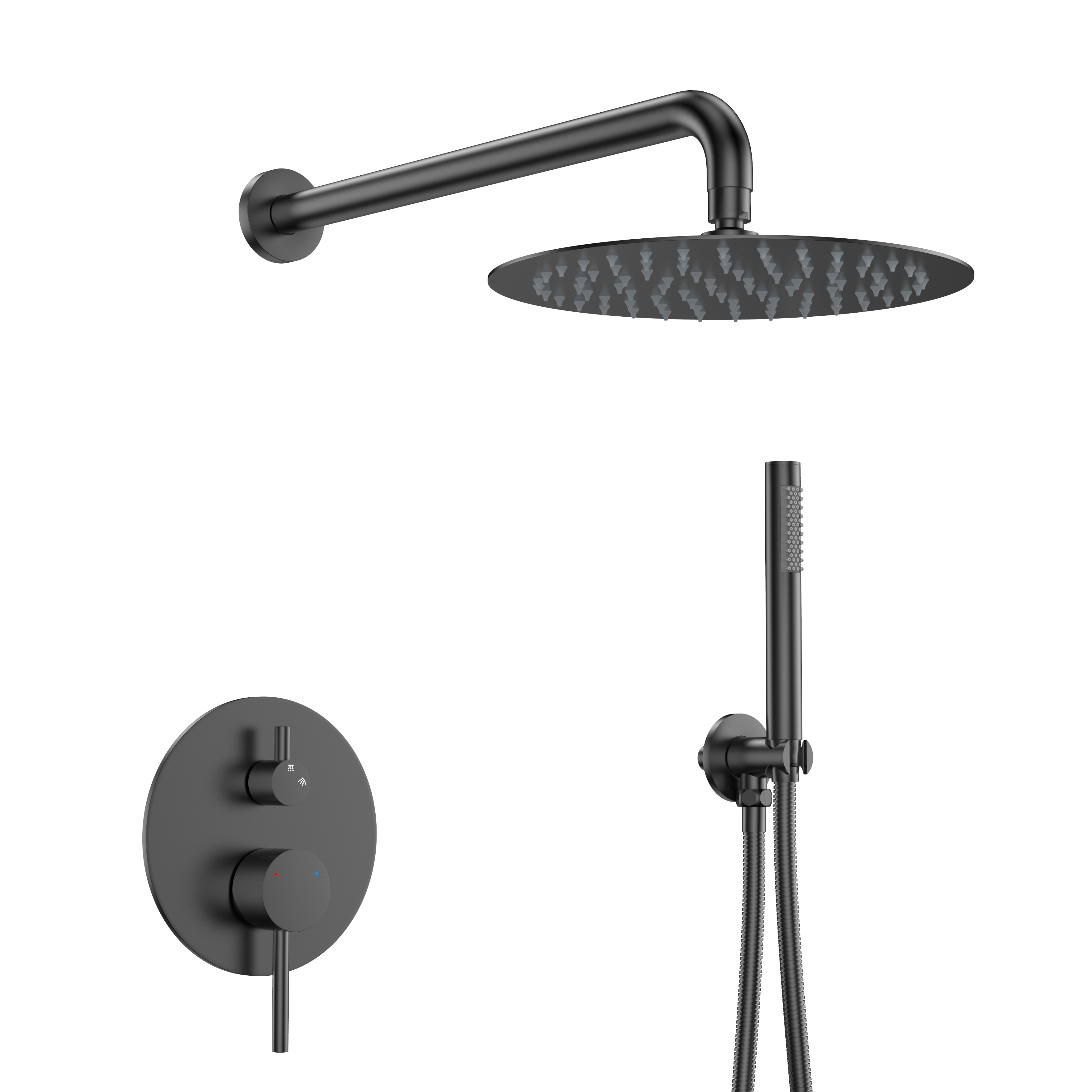
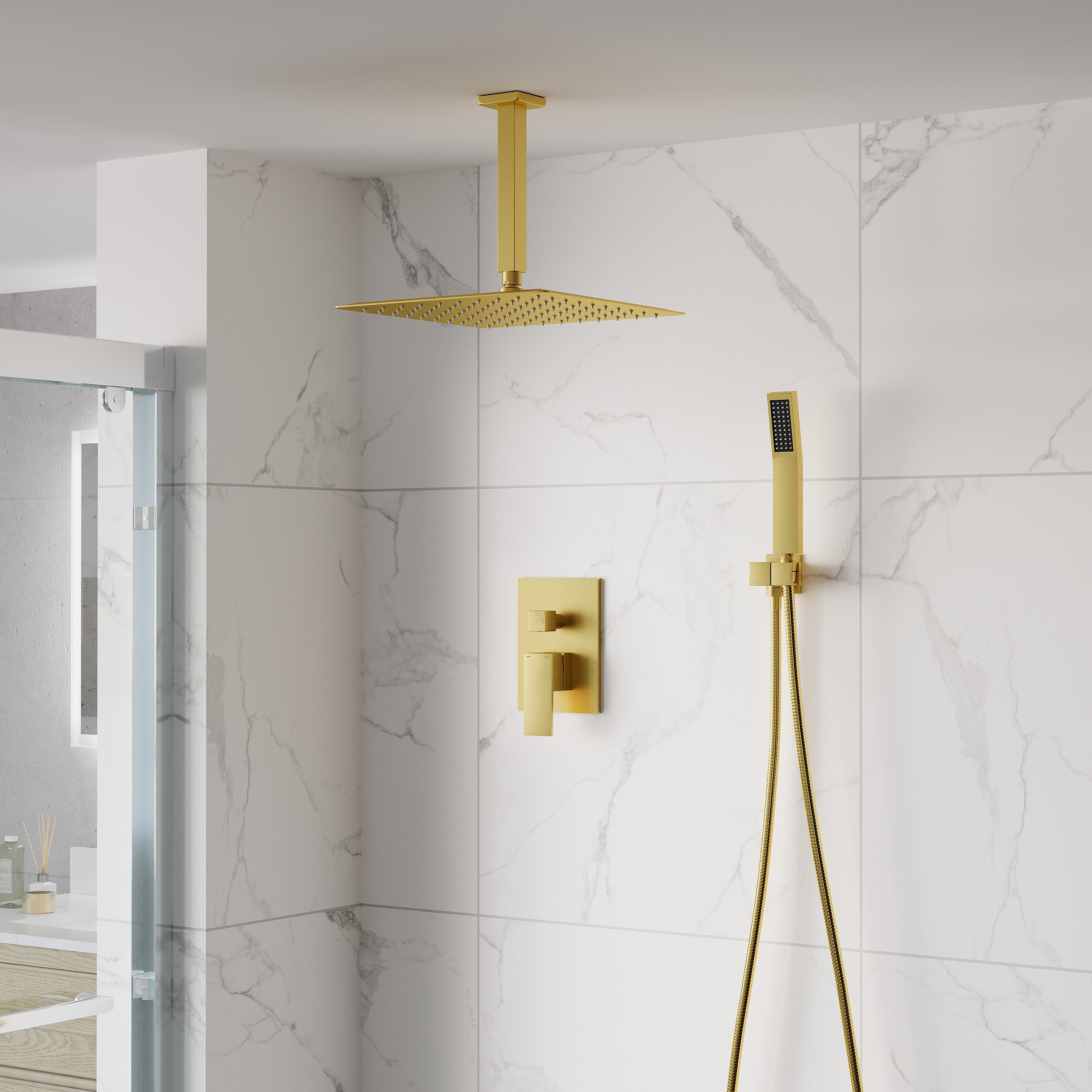
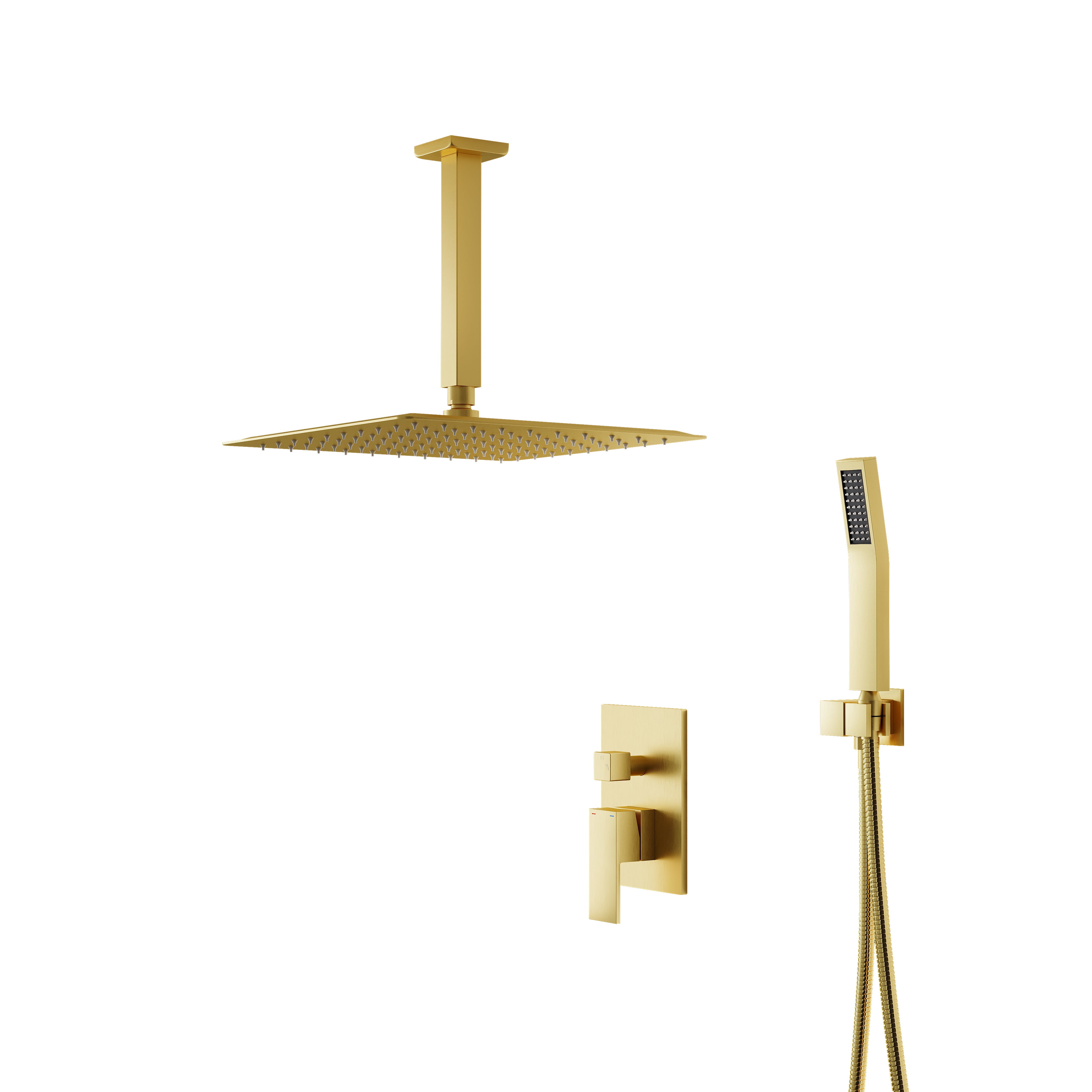
For example, when controlling top spray, handheld spray, and side spray simultaneously, the constant temperature system performs more consistently in terms of flow and temperature coordination.
7. Balance between cost and long-term value
From an initial investment perspective, the cost advantage of the pressure-balancing system is obvious, and this is also an essential reason for its long-term widespread adoption.
However, from a long-term user experience perspective, the advantages of a constant-temperature system in terms of comfort and operational efficiency become increasingly pronounced with high-frequency use.
Industry feedback shows that users are generally more satisfied with constant-temperature systems in main baths or high-frequency spaces.
In guest baths or low-frequency spaces, pressure-balancing systems remain a rational choice.
8. How to determine which one is more suitable for you
If the usage scenario is relatively simple, the water supply conditions are stable, and budget control is strict, the pressure-balancing system can already meet basic needs.
If greater emphasis is placed on water temperature stability, ease of operation, and consistent performance across multi-outlet systems, a constant-temperature system is better aligned with long-term usage expectations.

9. Conclusion: Choosing not technology, but lifestyle
In the selection of shower systems, Thermal and Pressure Balance are not "high and low", but "oriented differently".
The former emphasizes precise control and sustained stability, while the latter focuses on basic security and structural simplification.
The truly reasonable choice is not to follow technical labels, but to combine usage frequency, spatial configuration, and expectations for comfort.
When the system aligns with the lifestyle, every shower becomes a moment of relaxation, not adjustment.
















Leave a comment
This site is protected by hCaptcha and the hCaptcha Privacy Policy and Terms of Service apply.