
















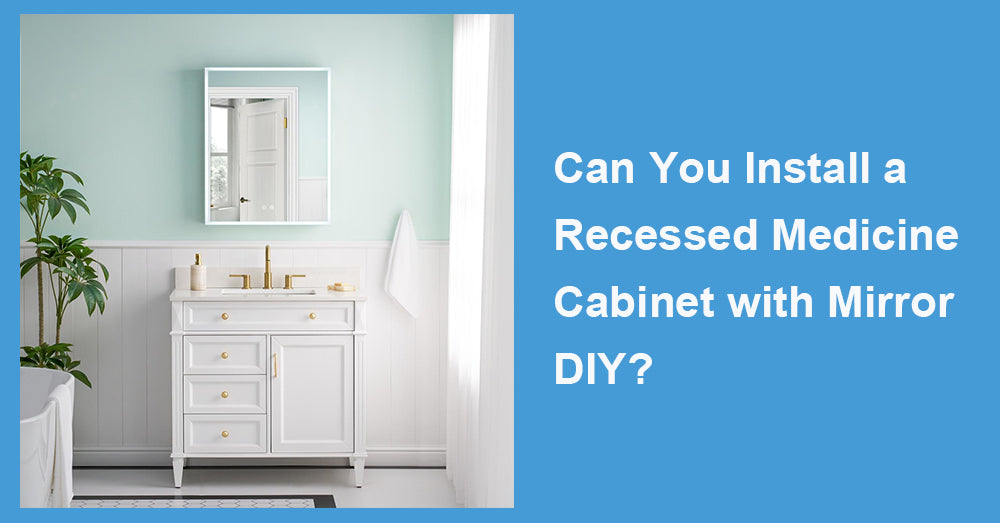
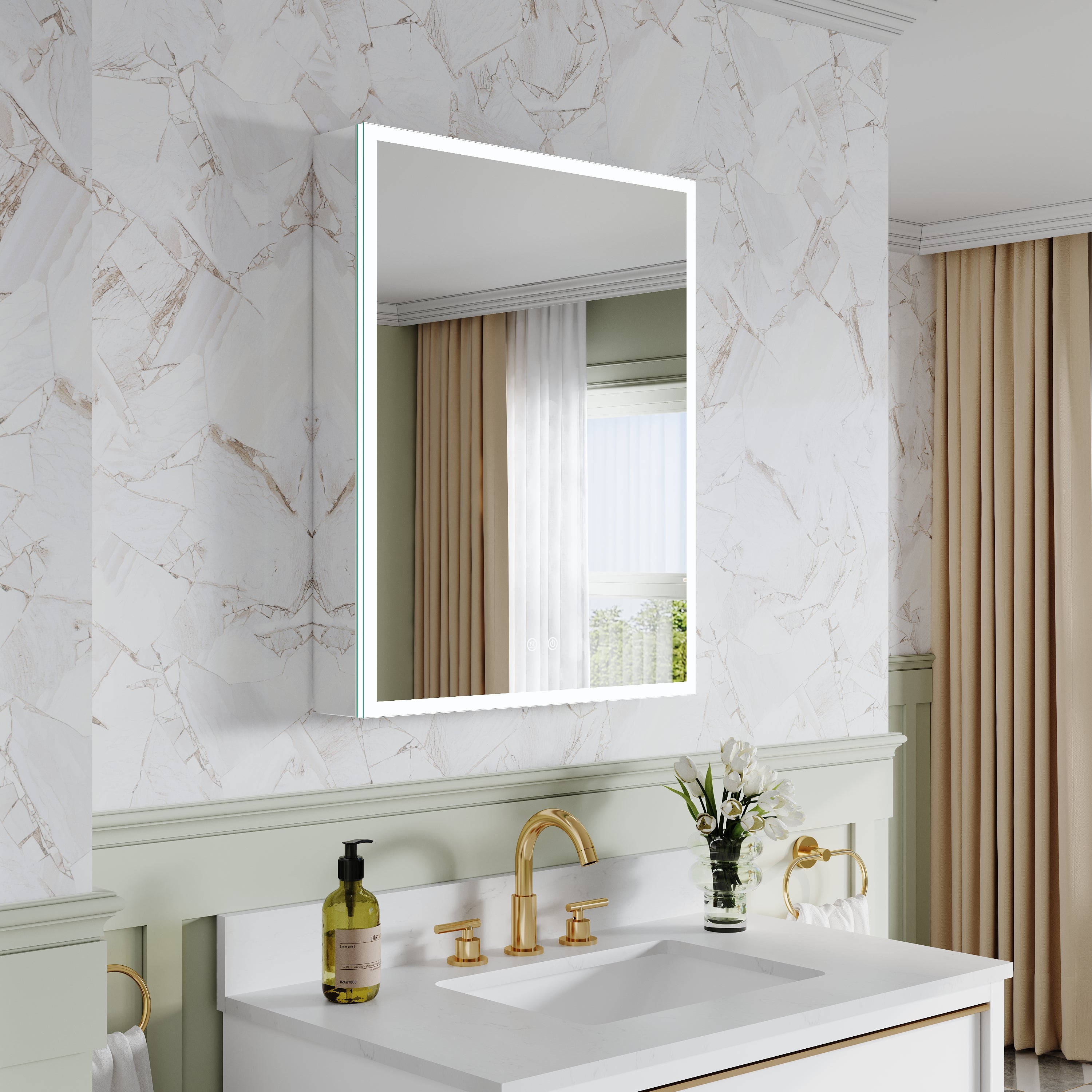
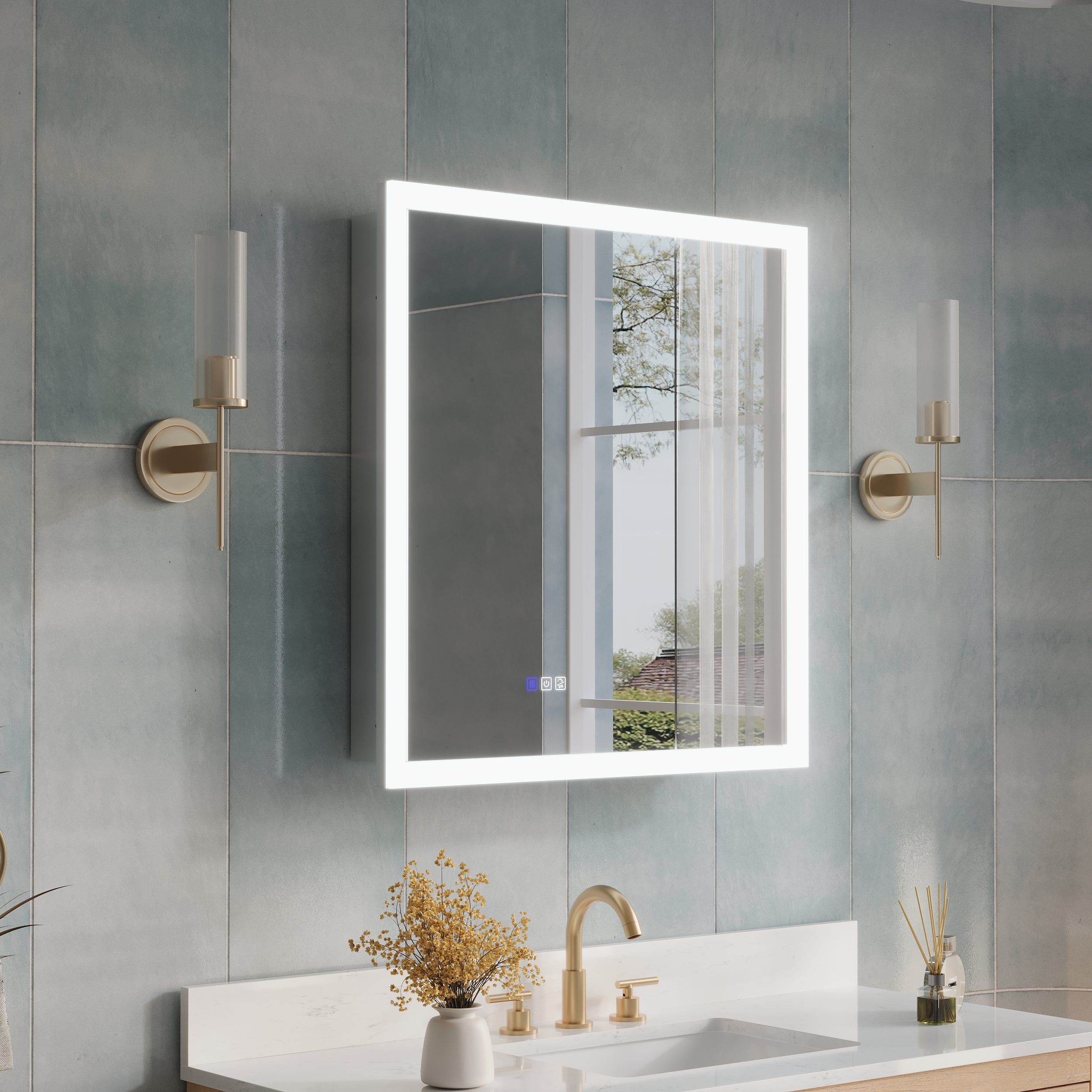
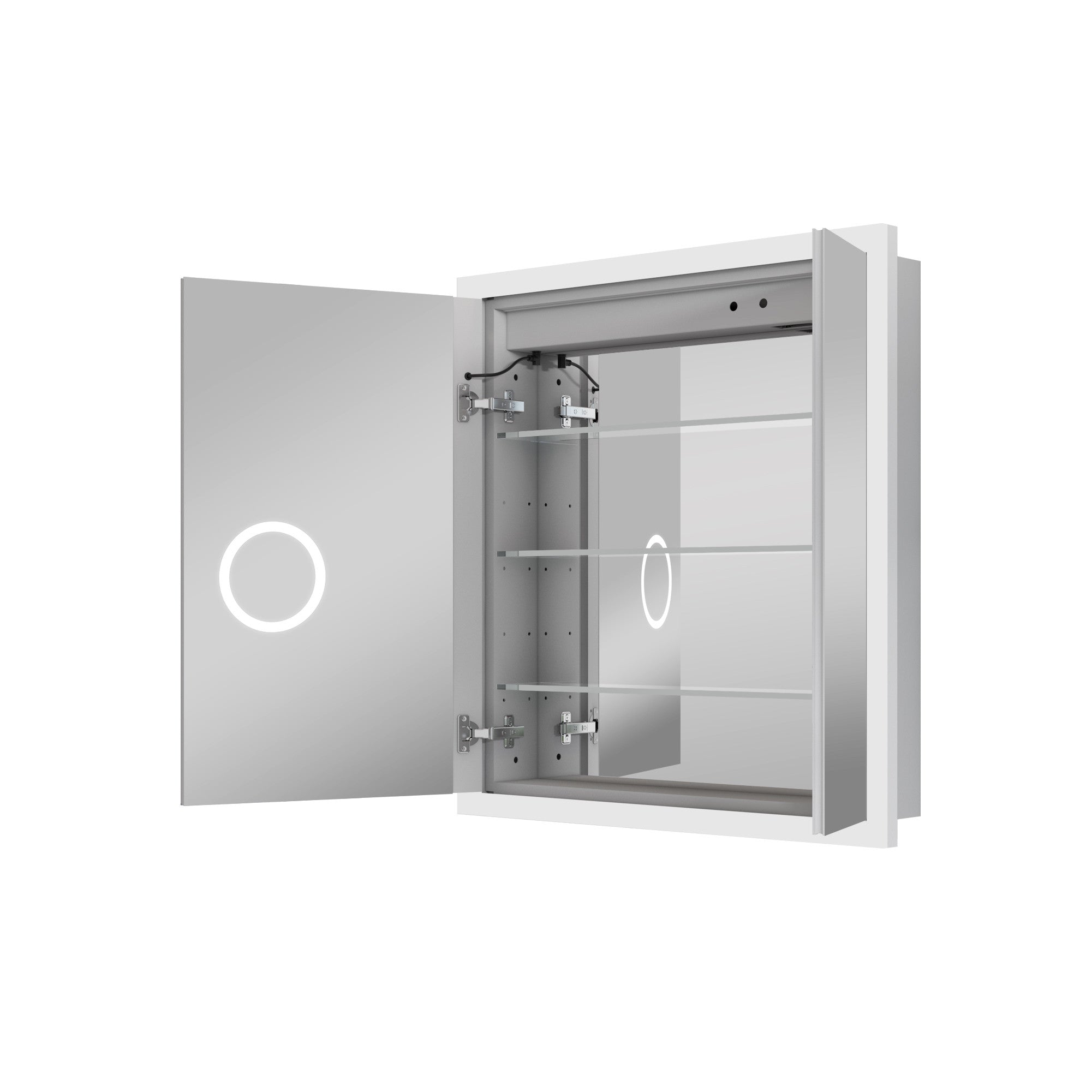
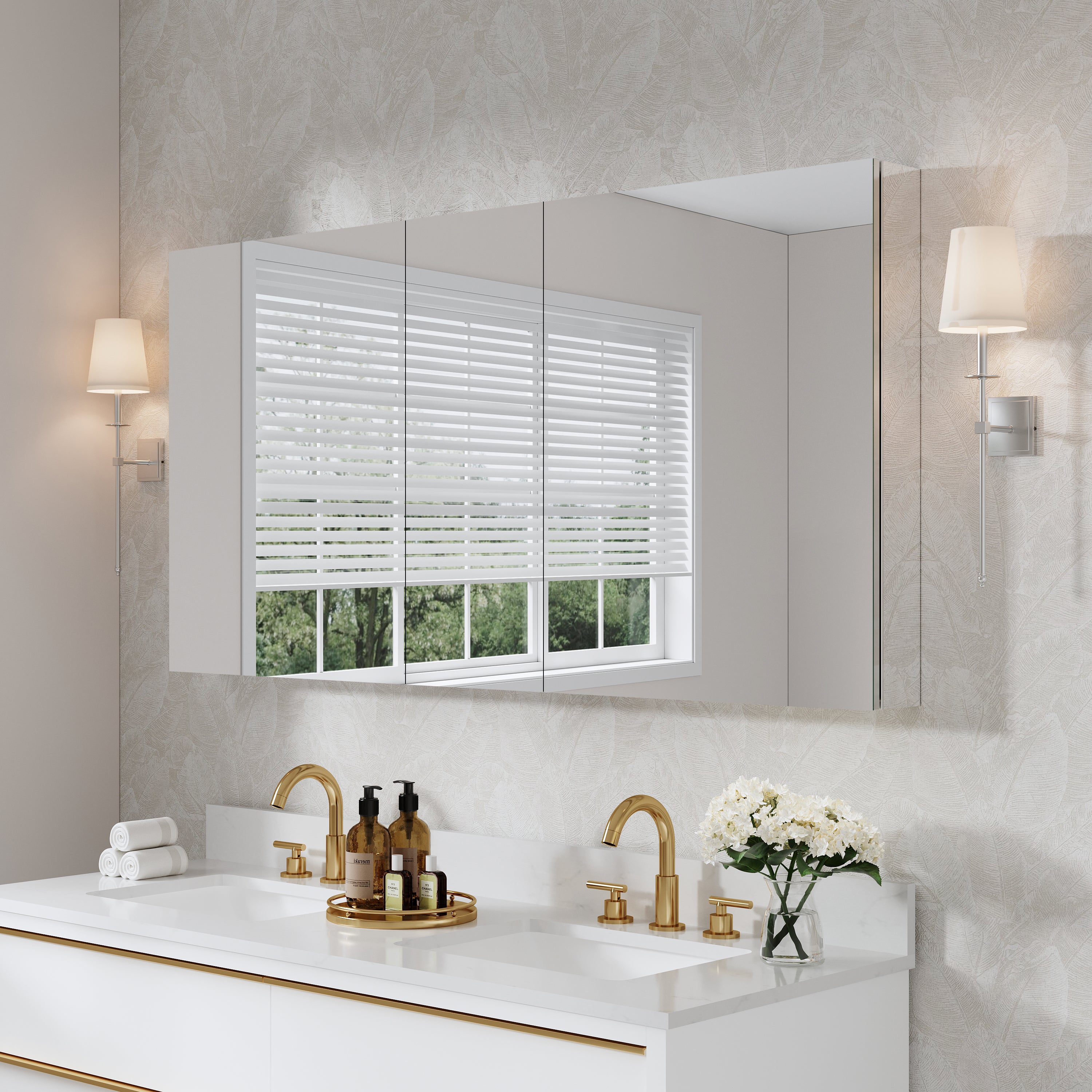
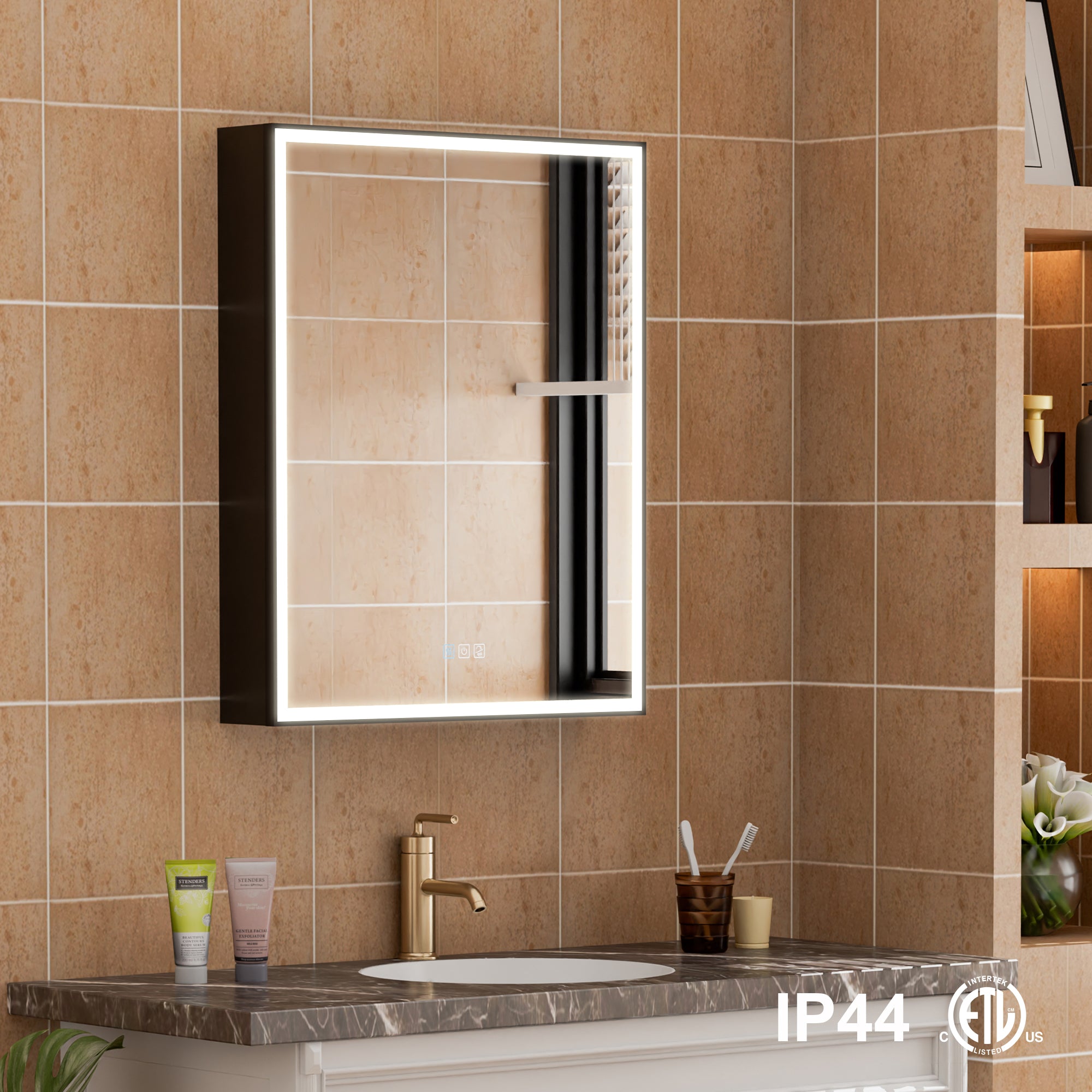
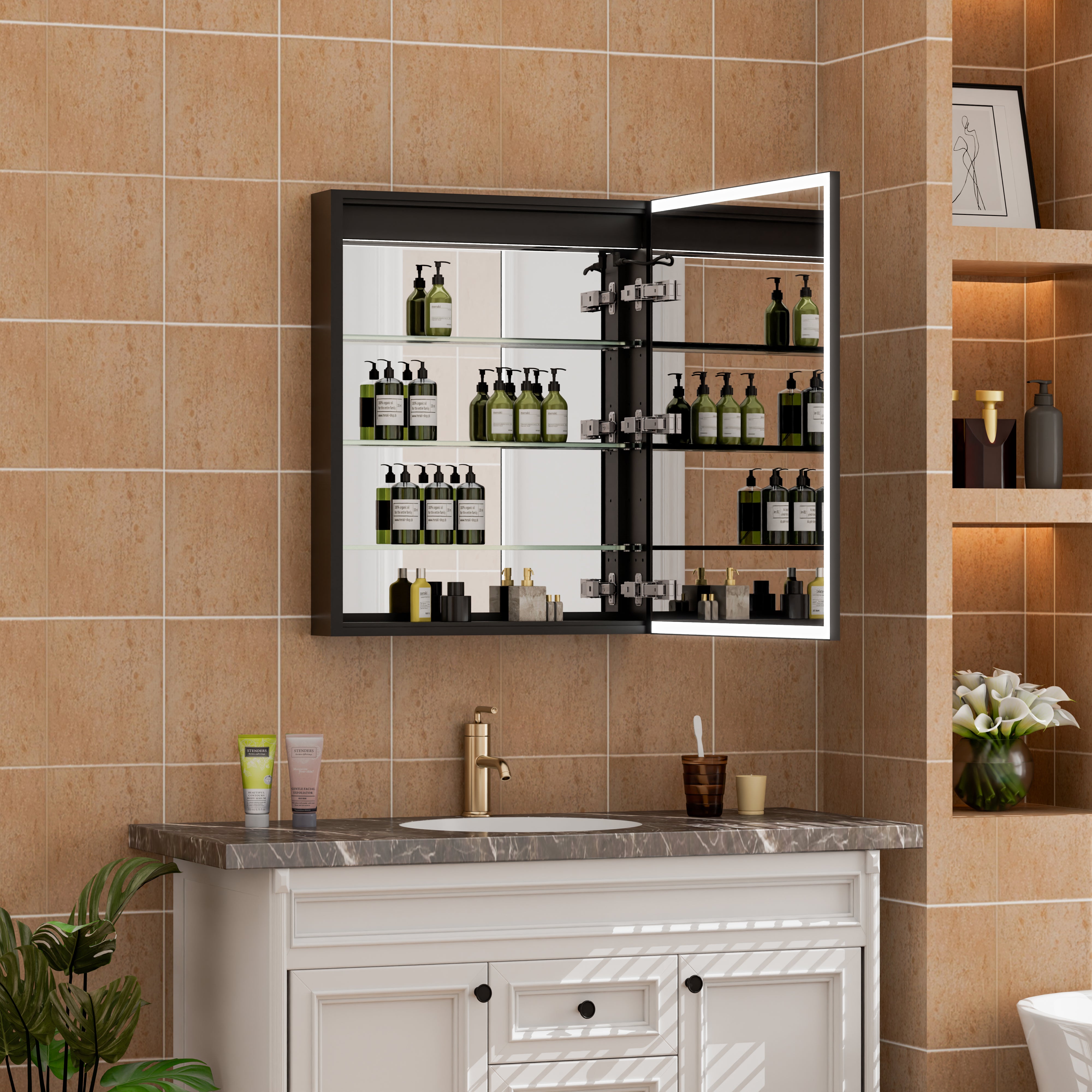
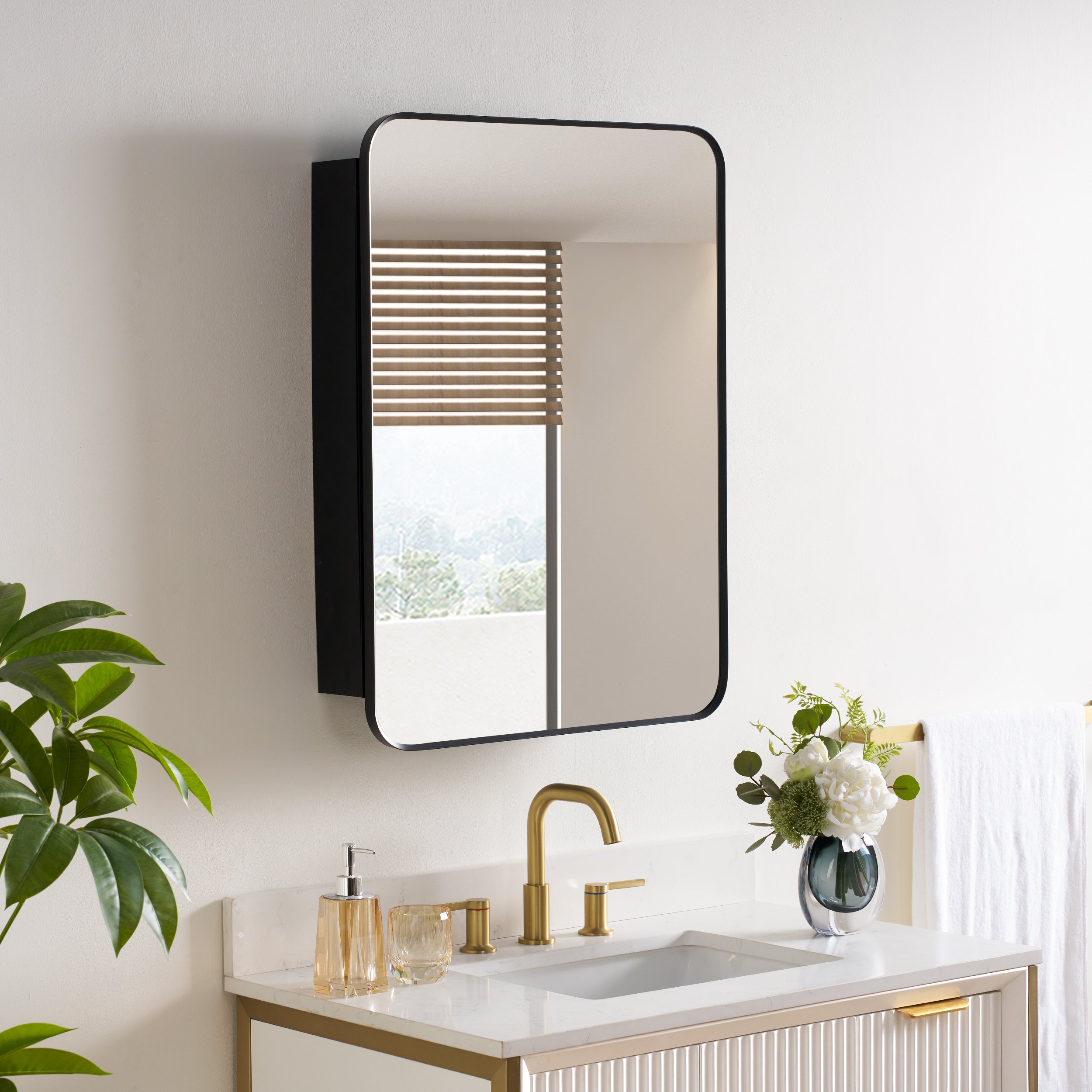
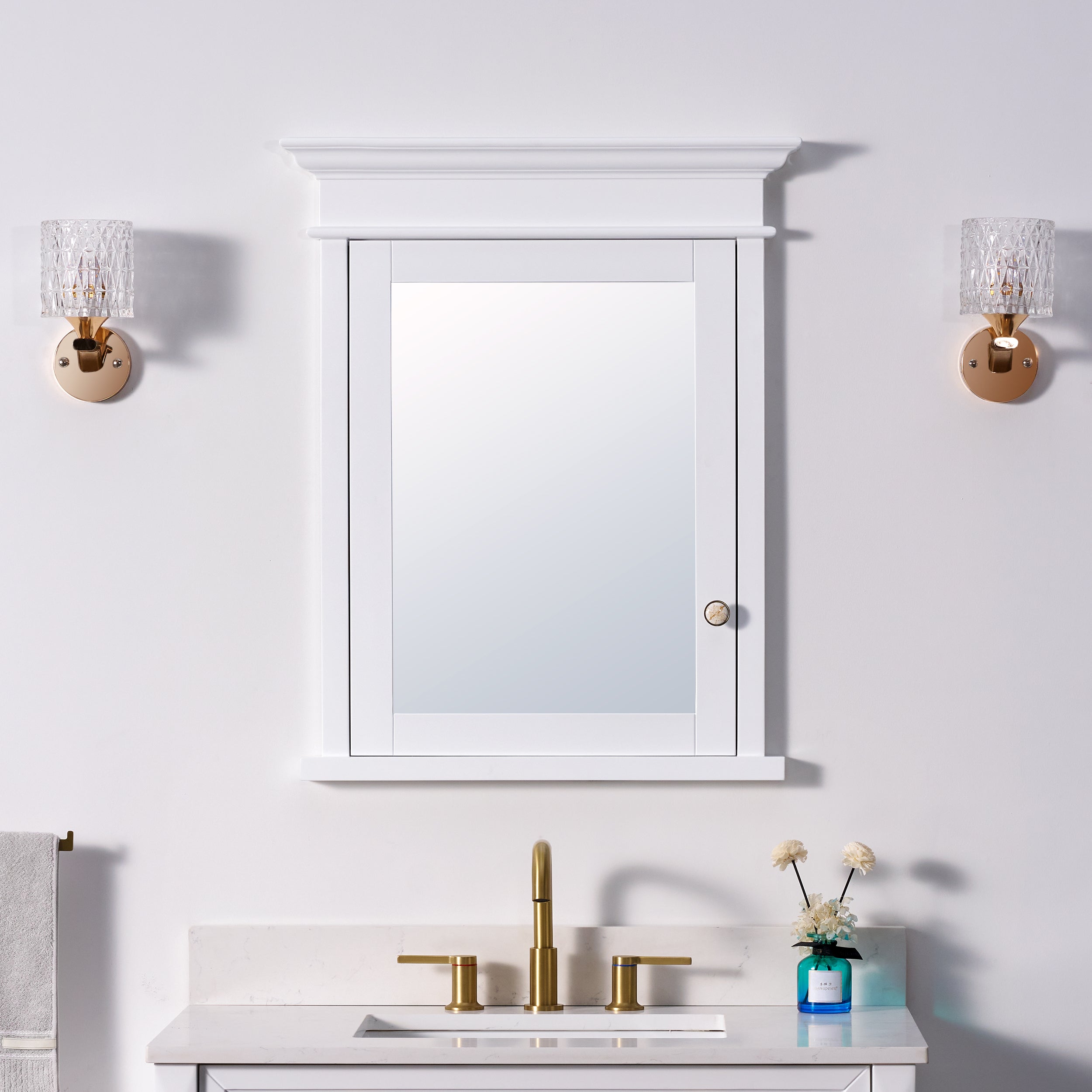
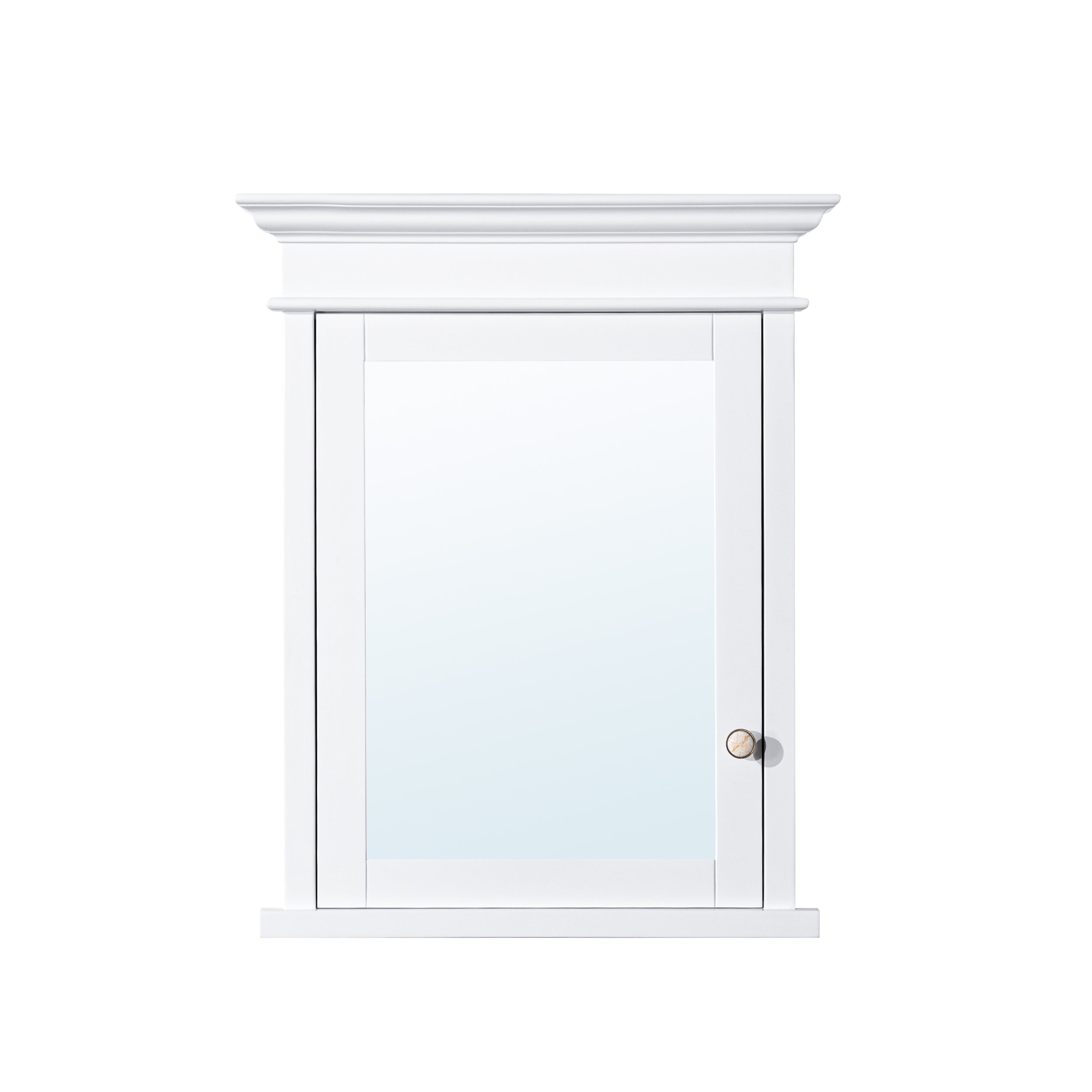
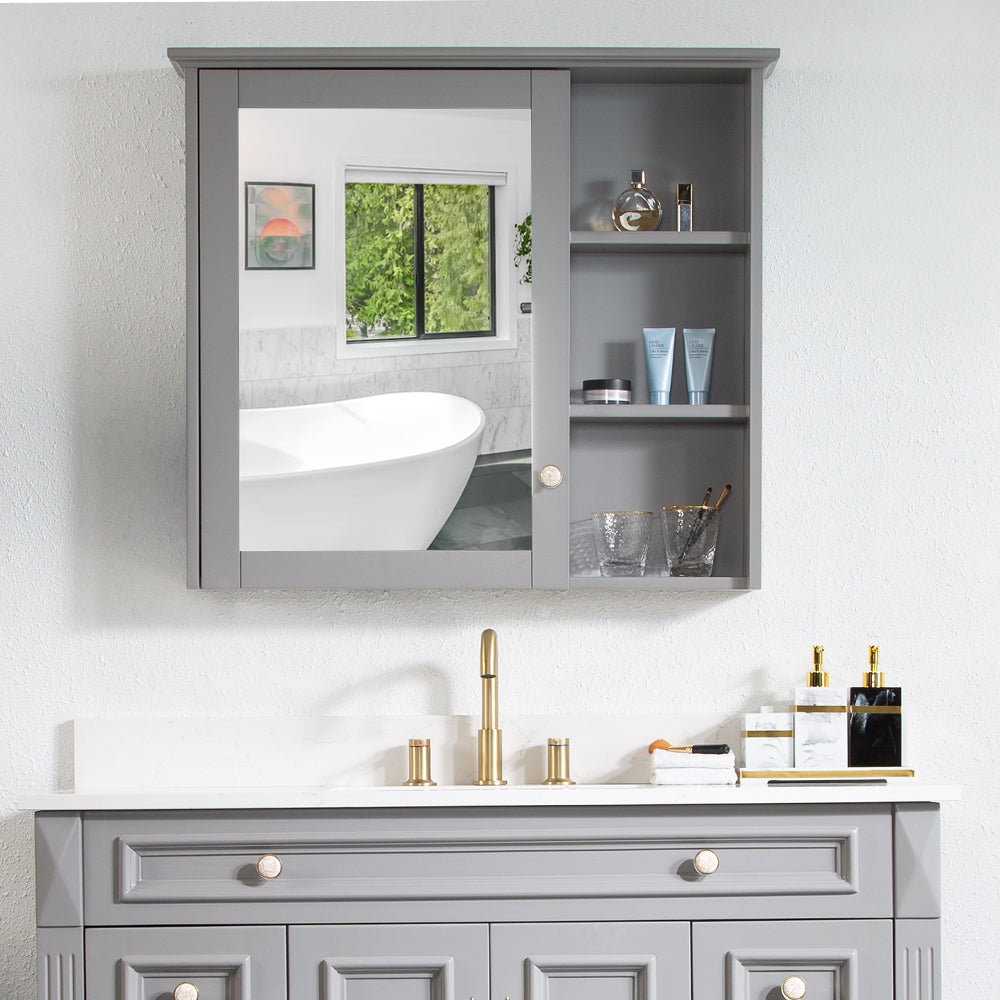
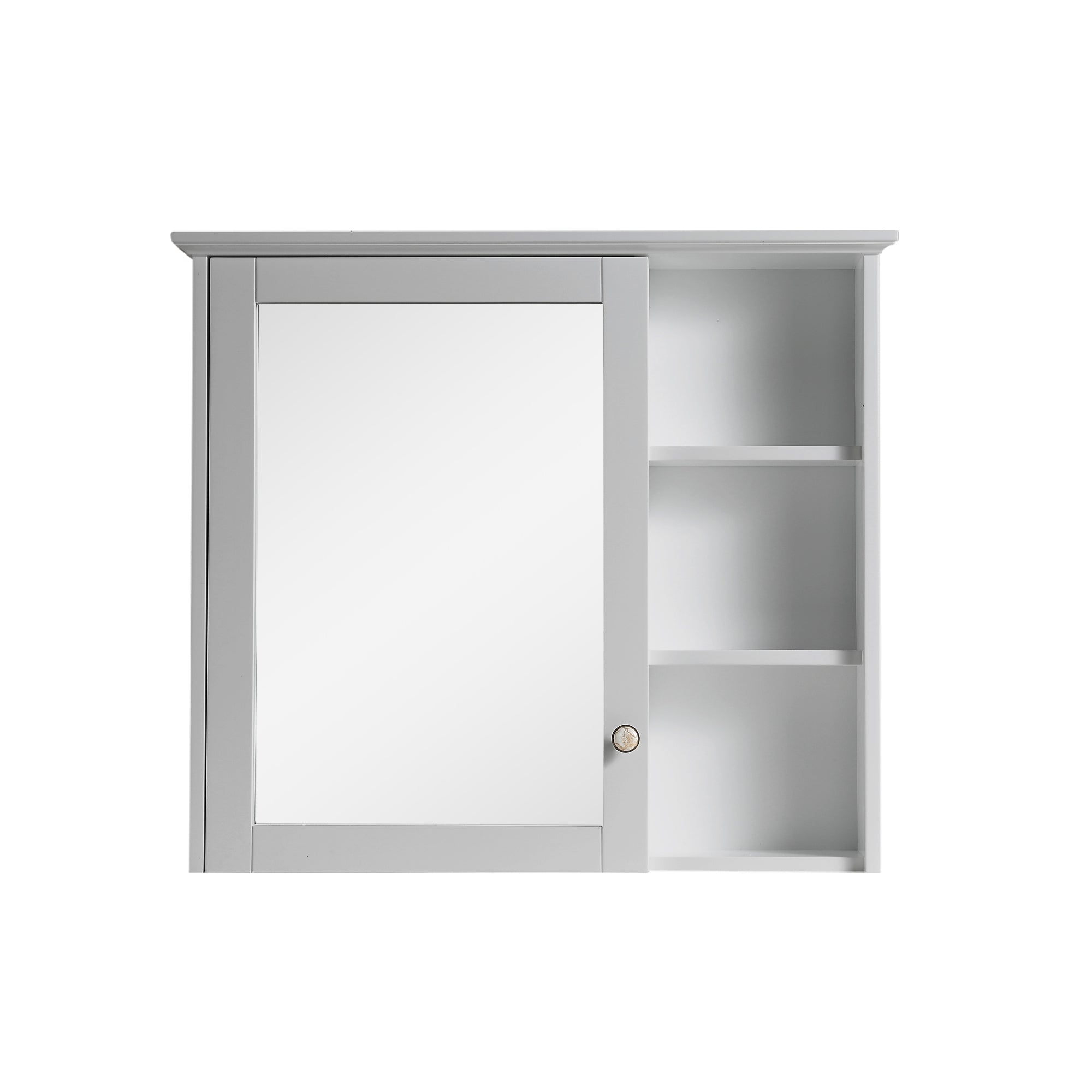
In compact bathroom and modern renovation projects, the recessed medicine cabinet with mirror is considered an ideal solution to improve storage efficiency and visual cleanliness simultaneously.
But a practical question arises: Is this embedded mirror cabinet really suitable for self-installation?
From industry experience and a large number of renovation cases, the answer is not simply "yes" or "no", but depends on structural conditions, tool preparation, and level of risk awareness.
1. Conclusion: DIY is "feasible," but not "without barriers."
Industry data shows that the proportion of DIY installations of embedded mirror cabinets is increasing in light bathroom renovations, especially in smaller projects with simpler structures.
However, cases of rework due to misjudgment are not uncommon.
The most significant difference between embedded mirror cabinets and surface-mounted mirror cabinets is that the former are not just "hanging on the wall"; they need to "enter the wall".
This step determines the difficulty level of DIY.
2. The first step in determining whether DIY is possible: your wall conditions
Before starting, it is necessary first to understand the wall structure.
Industry experience shows that this is the watershed of success or failure.
Standard keel wall
If the bathroom wall is a standard keel structure with about 16-inch spacing between keels, this is one of the most ideal DIY scenarios.
Many reviewed medicine cabinets are designed to have a width within the 14–16 inch range, allowing for installation without cutting the keel.
Solid walls or special structures
If the wall is made of concrete or brick, or has complex plumbing, the DIY risk will increase significantly.
In such cases, embedded installation often requires professional tools and experience, and simply "trying it yourself" can easily cause irreversible damage.
3. Size determines difficulty, not just whether it looks good or not
Many people focus only on the appearance and Size of the mirror cabinet, overlooking the importance of "embedding depth".
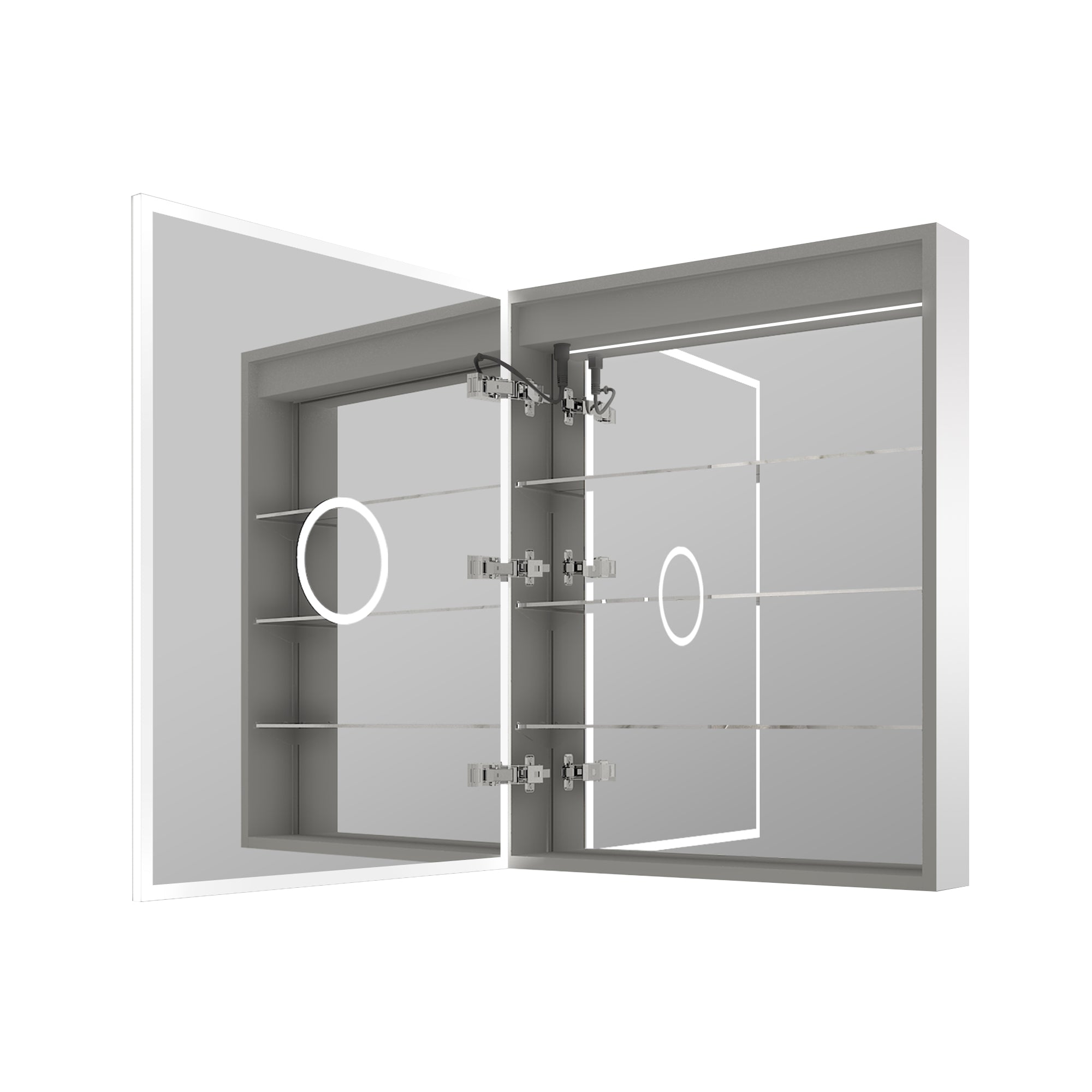
Industry data shows that the embedding depth of most received medicine cabinets is between 4 and 6 inches.
This means there must be sufficient space inside the wall, and neither wires nor water pipes can occupy it.
If internal obstacles are only discovered after cutting the wall, the rework cost will increase significantly.
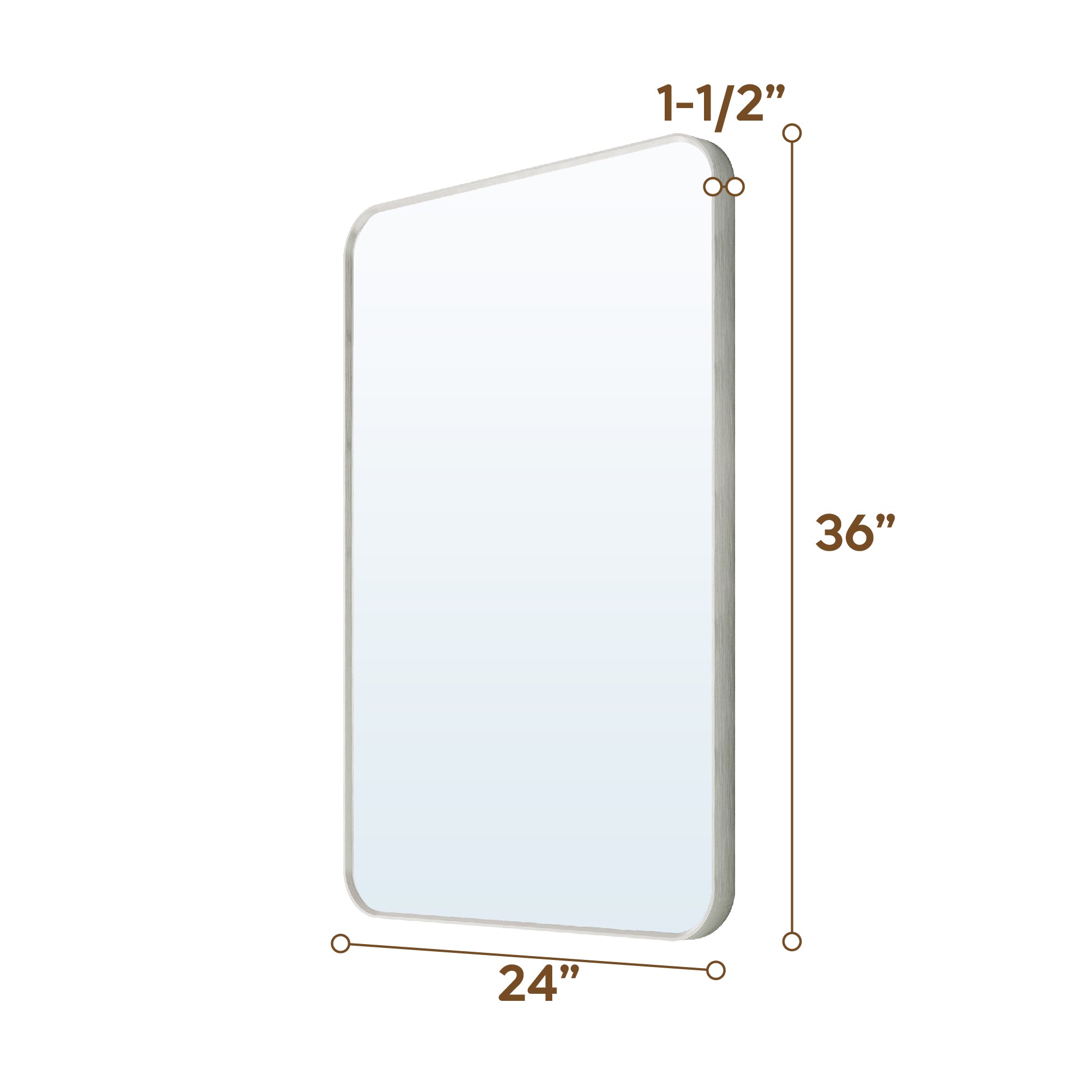
In terms of width, 24 and 30 inches are the intervals with the highest DIY success rates.
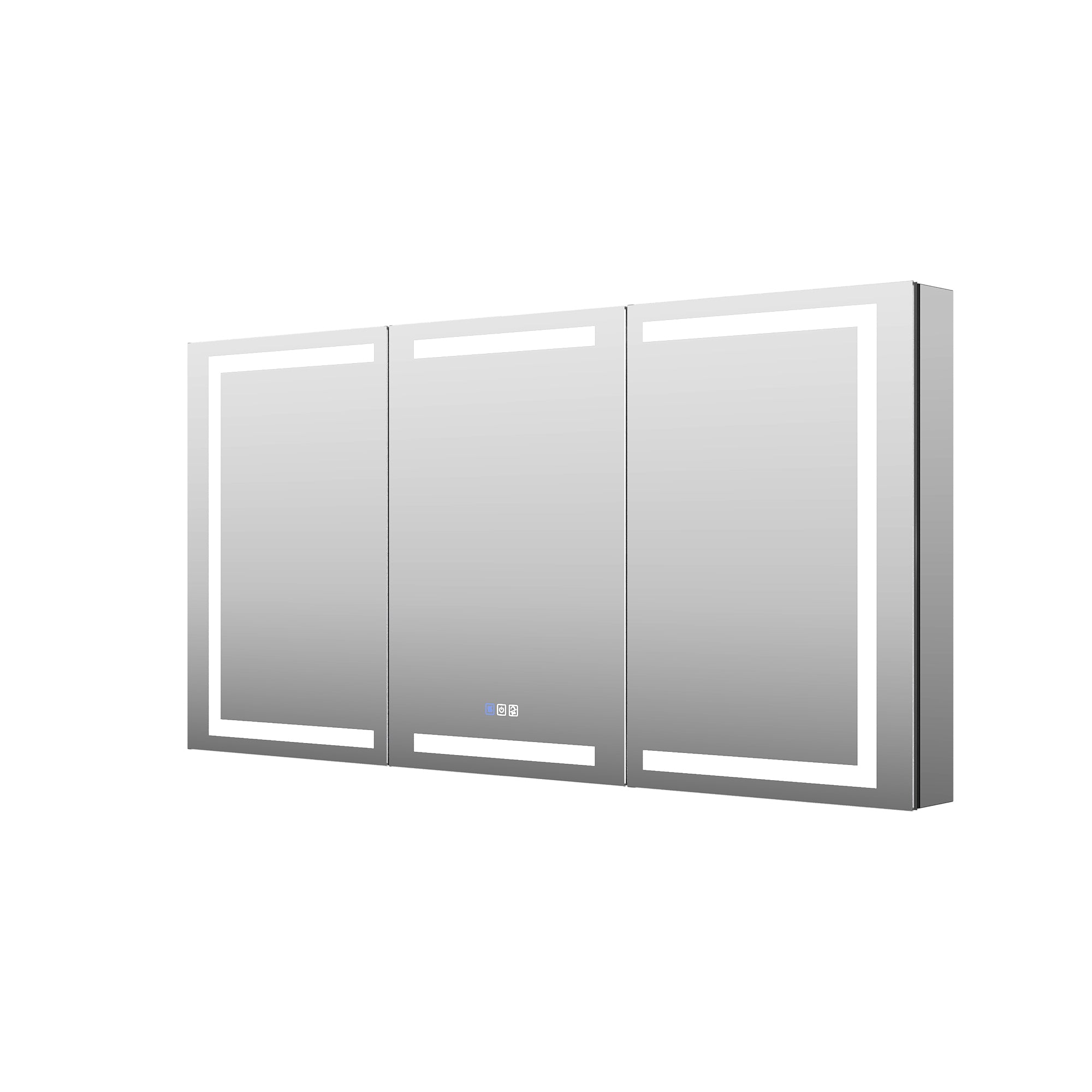
Mirror cabinets over 36 inches often require keel adjustment, which significantly increases the difficulty and risk.
4. The step of drilling is the most easily underestimated
In practical cases, the most common reason for DIY failure is not the installation itself but rather errors during the wall-opening stage.
A slight deviation in the cutting position may prevent the mirror cabinet from leveling.
Improper edge treatment can also affect subsequent fixation and sealing.
Industry advice is to repeatedly confirm the horizontal line, centerline, and mirror cabinet size before any cutting, and reserve at least 1/8 inch of fine-tuning space.
This may seem subtle, but it directly determines whether the final effect is "like a professional installation".
5. Fixed and load-bearing: embedded ≠ does not require support
A common misconception is that since it is embedded, there is no need to consider load-bearing capacity.
In fact, it's quite the opposite.
Medicine cabinets with mirrors are usually heavier than regular cabinets, especially those with lighting or double-layer mirrors.
Industry feedback indicates that, even for embedded installations, it is necessary to ensure a reliable connection between the cabinet and the keel or reinforced structure, rather than relying solely on the wall panels.
If the mirror cabinet is 24–30 inches tall and the weight is concentrated in the door panel area, the lower support is equally essential and cannot be limited to the top.
6. Electrical and functional modules make DIY difficulty "skip levels."
If the received medicine cabinet only has basic mirror and storage functions, the DIY controllability is relatively high.
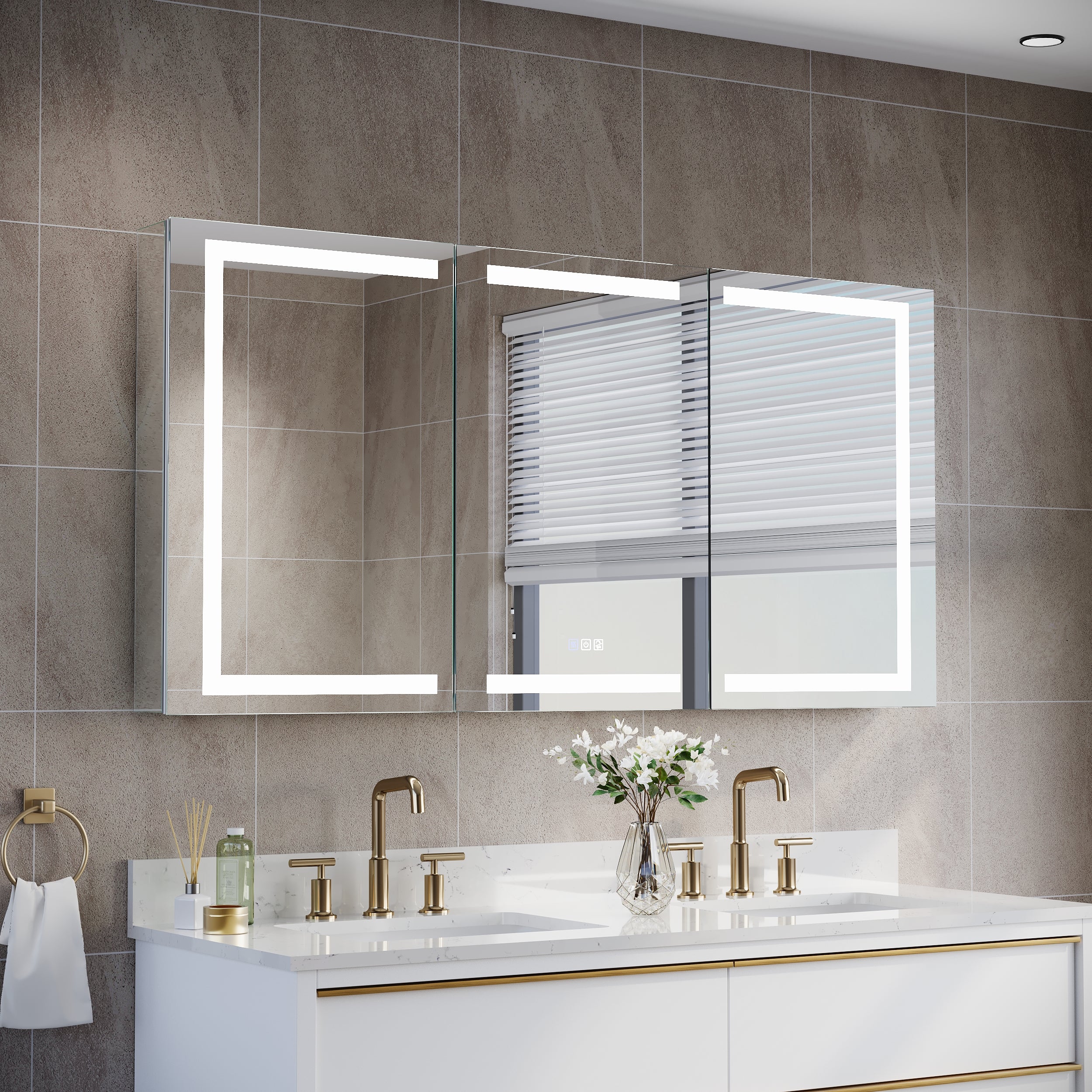
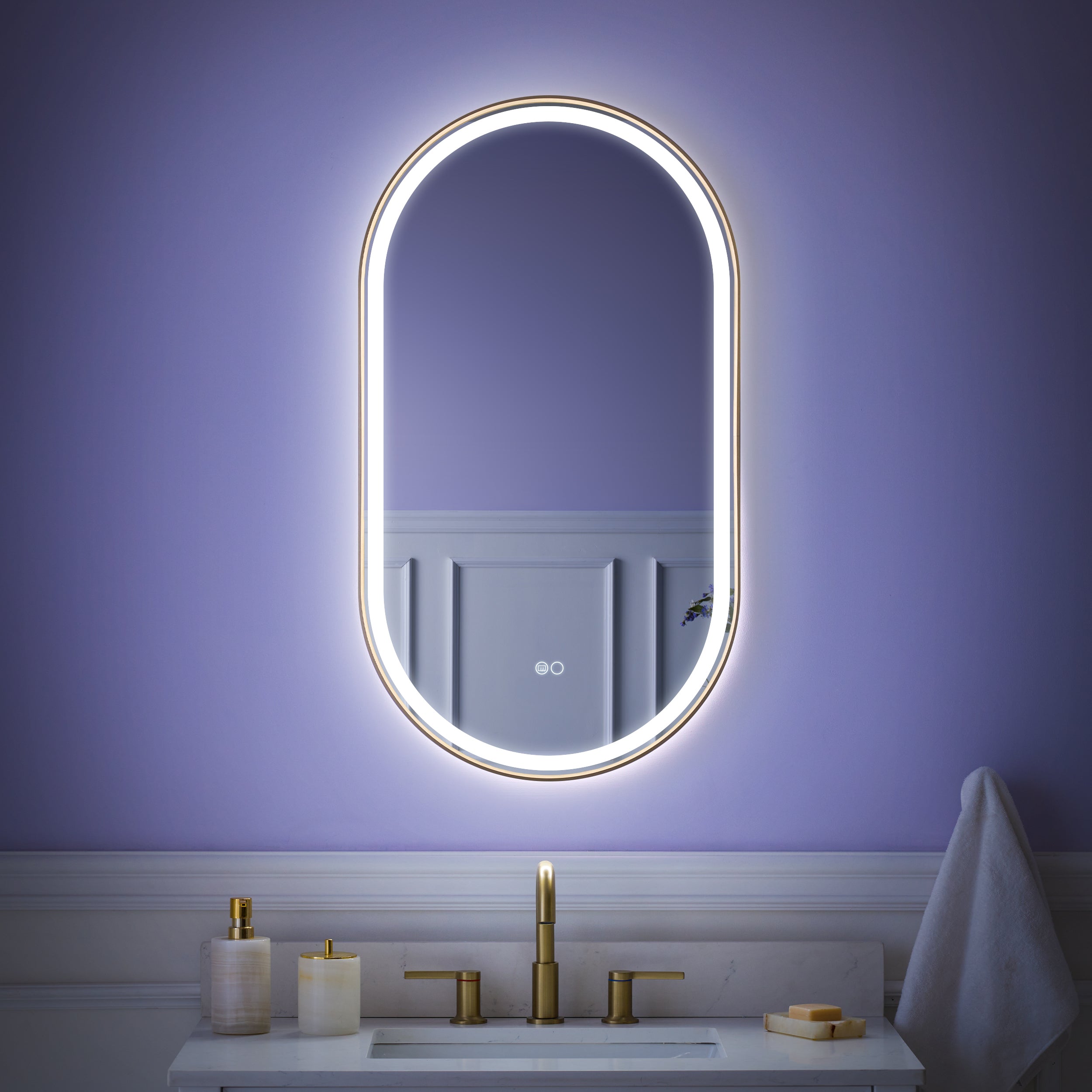
But once LED lighting, anti-fog, or socket modules are involved, the installation complexity will significantly increase.
In industry statistics, a considerable proportion of rework cases for embedded mirror cabinets are related to improper electrical reservations.
For example:
The power supply position does not match the mirror cabinet interface.
The junction box cannot be hidden entirely.
Insufficient space for later maintenance.
Once this type of problem occurs, it often requires re-drilling or dismantling the mirror cabinet, which is much more troublesome than the initial installation.

7. Which situations are more suitable for "doing it yourself"
Based on industry experience, the following situations are more suitable for DIY:
The wall adopts a standard keel structure, with clear internal space.
The width of the mirror cabinet is 16–30 inches.
Not involving complex electrical modifications.
Having basic tools and experience in horizontal measurement.
Acceptable time cost and learning process.
Under these conditions, the success rate and completion quality of DIY are relatively controllable.
8. Which situations should be handed over to professionals
On the contrary, if the following situations occur, the industry generally recommends not forcing DIY:
The mirror cabinet exceeds 36 inches wide, and the keel needs to be cut or adjusted.
There are uncertain water pipes or wires inside the wall.
Involving wiring within the wall or the construction of new power sources.
The bathroom is a high-humidity, frequently used main bath.
In these scenarios, professional installation often significantly reduces long-term risks.
9. Conclusion: The key to DIY is not "saving money", but "judgment."
Whether a received medicine cabinet with a mirror is suitable for DIY does not depend on how strong an individual's hands-on ability is, but on whether they can clearly judge the boundaries before starting.
Truly successful DIY projects often start with the question, "Should I do it myself?"
When the Size, structure, and functional complexity are within a controllable range, DIY is not only feasible but also offers a high sense of achievement.
But once these boundaries are exceeded, choosing a professional solution promptly is a more mature and safer decision.











Leave a comment
This site is protected by hCaptcha and the hCaptcha Privacy Policy and Terms of Service apply.