
















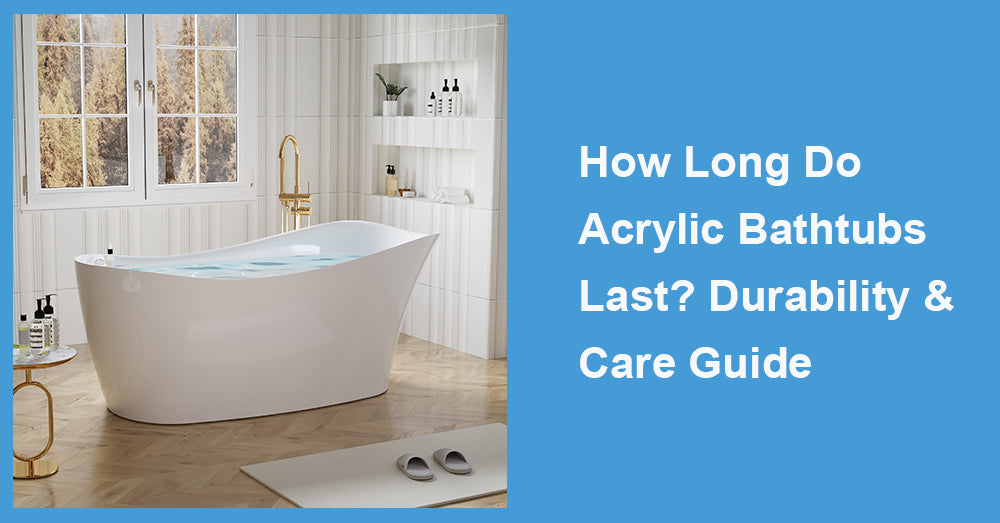
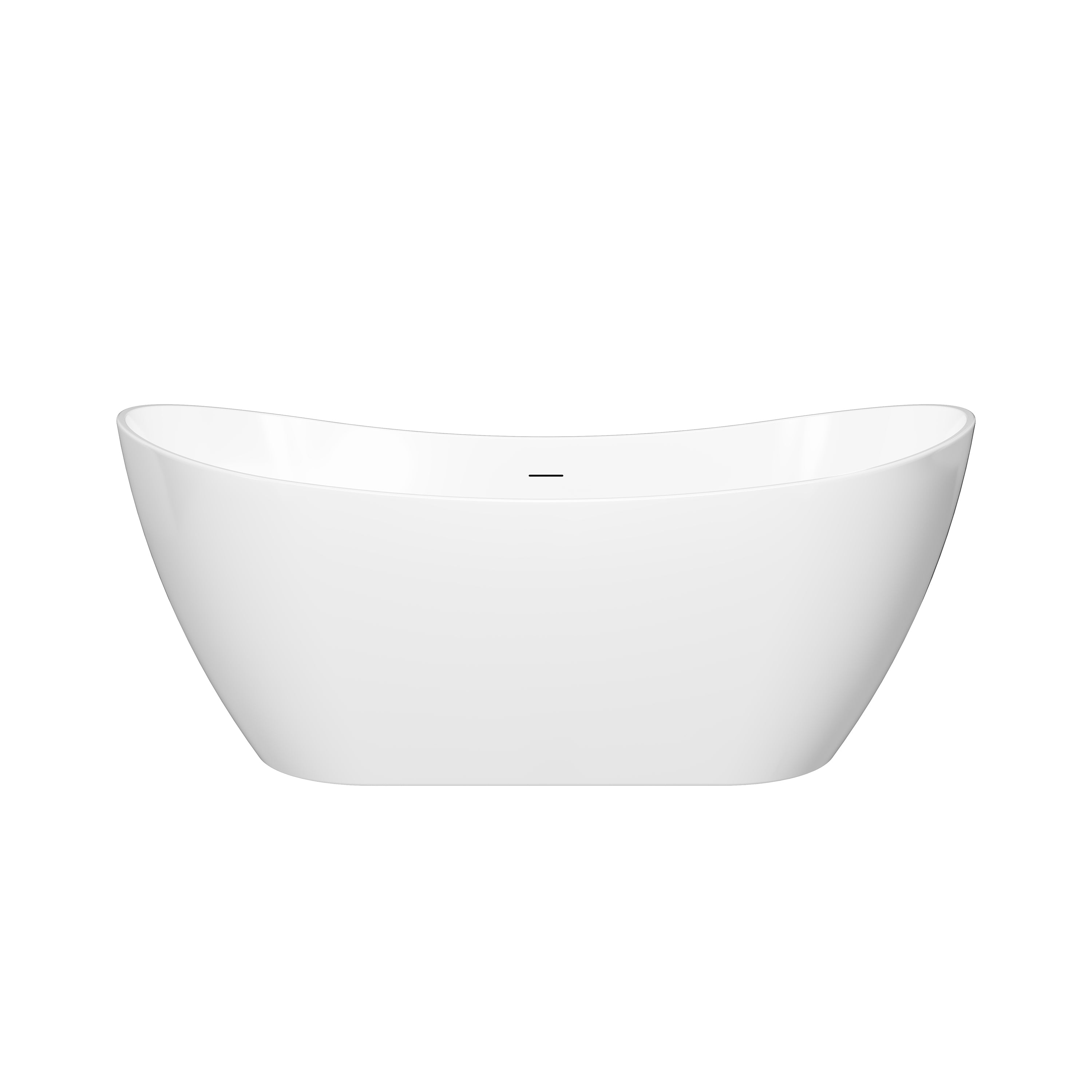
In selecting bathroom materials, an acrylic bathtub is often seen as a representative of "lightweight, modern, and cost-effective".
But there is always an unavoidable question: how long can an acrylic bathtub last?
Based on long-term industry usage data and maintenance feedback, the lifespan of acrylic bathtubs does not depend on a single indicator; instead, it is determined by material thickness, structural design, installation method, and daily usage habits.
1. From an industry perspective, the "normal lifespan" range of acrylic bathtubs
Based on tracking results from a large number of residential projects and renovation cases, acrylic bathtubs with stable quality generally have a service life of 10–15 years under normal household use conditions.
With proper maintenance and low usage intensity, it is not uncommon for the service life to be further extended.
It should be clarified that "service life" here does not mean structural failure, but rather refers to the condition in which appearance, comfort, and functionality remain acceptable.
Acrylic bathtubs rarely suddenly become unusable, and their surface condition gradually changes over time.
2. Material structure determines the basis of durability
Not all acrylic bathtubs are equally durable.
Industry data shows a significant difference in performance between single-layer thin acrylic and multi-layer reinforced structures over the long term.
High-quality acrylic bathtubs usually adopt a multi-layer structure: the surface is made of acrylic, and a glass fiber or resin reinforcement layer is stacked in the middle.
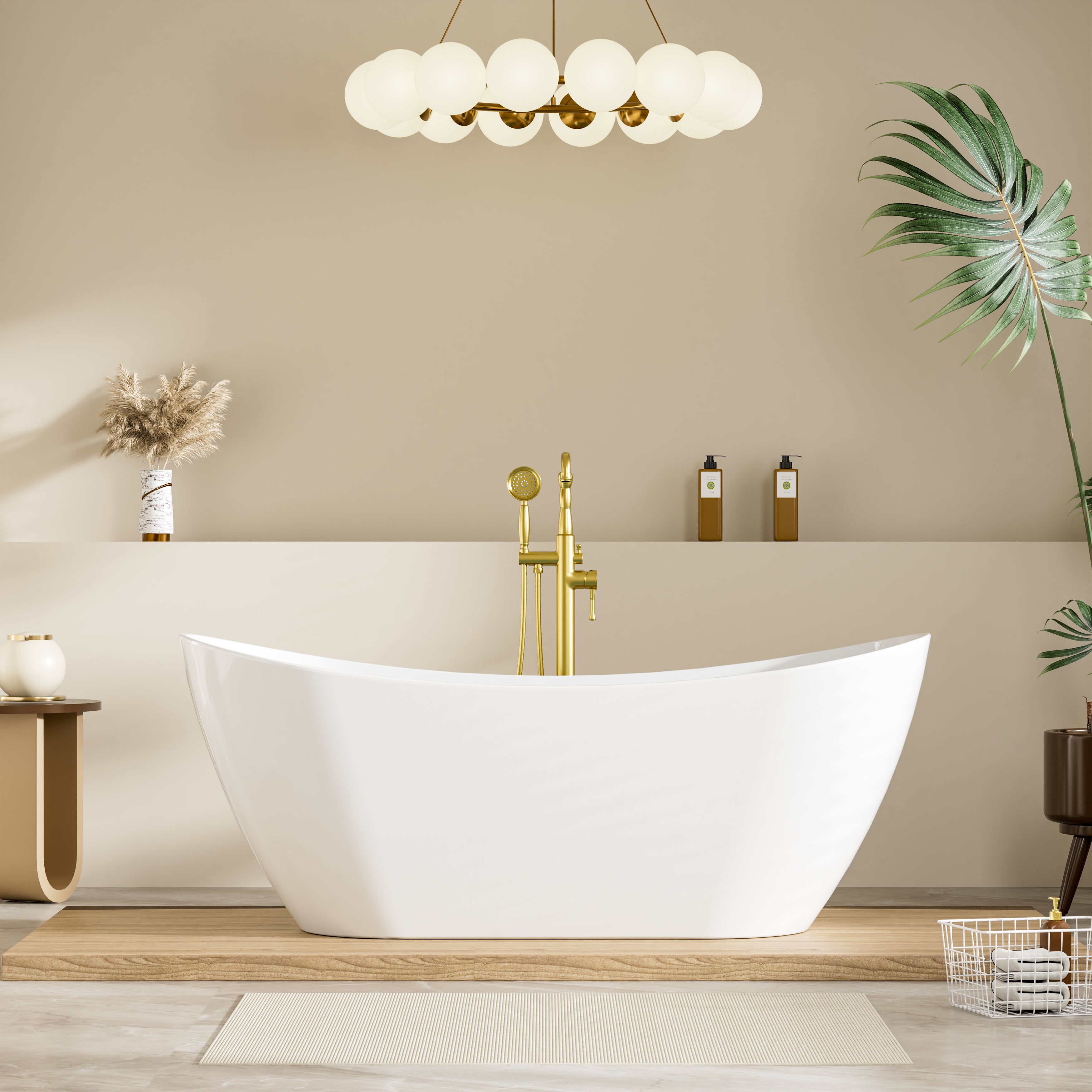
This structure can effectively disperse stress and reduce stress concentration caused by repeated entry and exit in a standard bathtub measuring around 60 inches.
On the contrary, products with insufficient structural support are more prone to slight sinking or localized elastic changes over time, which can affect the overall experience.
3. The implicit impact of weight and size on lifespan
The lightweight nature of acrylic bathtubs is an advantage, but it also means higher requirements for structural design.
Industry experience shows that a reasonable bottom support system is crucial for durability within the standard bathtub length range of 59–67 inches.
If only the edge force is relied upon during installation and the overall support at the bottom is ignored, acrylic bathtubs are more prone to slight deformation after several years.
This type of problem may not immediately manifest, but it will gradually escalate over the long term.
4. Surface durability: the most commonly misunderstood aspect of acrylic acid
The most common concern about acrylic bathtubs is whether they are prone to scratching.
According to industry test results, the surface wear resistance of modern acrylic materials has significantly improved.
Under regular use, slight scratches will not affect the structure or waterproof performance.
More importantly, the acrylic surface has reparability.
Unlike enamel or composite materials, small-scale surface wear can be repaired by polishing, which is one of the reasons it is considered a "long-term maintainable material".
5. The impact of insulation and comfort on long-term usage intention
Whether a bathtub can still be used depends not only on whether the structure is intact, but also on whether the user experience is still satisfactory.
Industry data shows that acrylic bathtubs have significantly better insulation performance than metal bathtubs.
Under the same water temperature conditions, the heat loss rate of acrylic material is lower, allowing it to maintain a good bathing experience over the long term.
This indirectly extends its "psychological lifespan" and reduces the need for early replacement due to decreased experience.
6. Daily care is more crucial than imagined
From a large number of repair and replacement cases, it is often not the material itself that truly shortens the service life of the acrylic bathtub, but improper cleaning methods.
The nursing principles recommended by the industry are evident:
Avoid using strong abrasive cleaning tools.
Avoid long-term exposure to highly corrosive cleaning agents.
Cleaning of the thoroughly cleaned residue to prevent accumulation of even local differences.
Data show that bathtubs that use gentle cleaning methods can maintain a stable surface condition for many years, whereas excessive cleaning is more likely to accelerate aging.
7. When should we consider replacing it
Acrylic bathtubs are rarely replaced due to structural damage.
In more cases, the reasons for replacement include:
Large areas of irreparable scratches appear on the surface.
Significant and uneven aging of color.
The aging of the installation structure affects stability and safety.
These situations usually occur in bathtubs with high-intensity use or relatively simple product processes in the early days.

8. Conclusion: The lifespan of acrylic bathtubs is determined by their use
From an industry perspective, an acrylic bathtub is not a "short-lived material".
Under the premise of reasonable design, proper installation, and gentle use, it can serve as a stable, reliable long-term choice.
What truly determines its service life is not a single parameter, but a complete system from structure to maintenance.
When these factors align, the durability of acrylic bathtubs often exceeds initial expectations.













Leave a comment
This site is protected by hCaptcha and the hCaptcha Privacy Policy and Terms of Service apply.