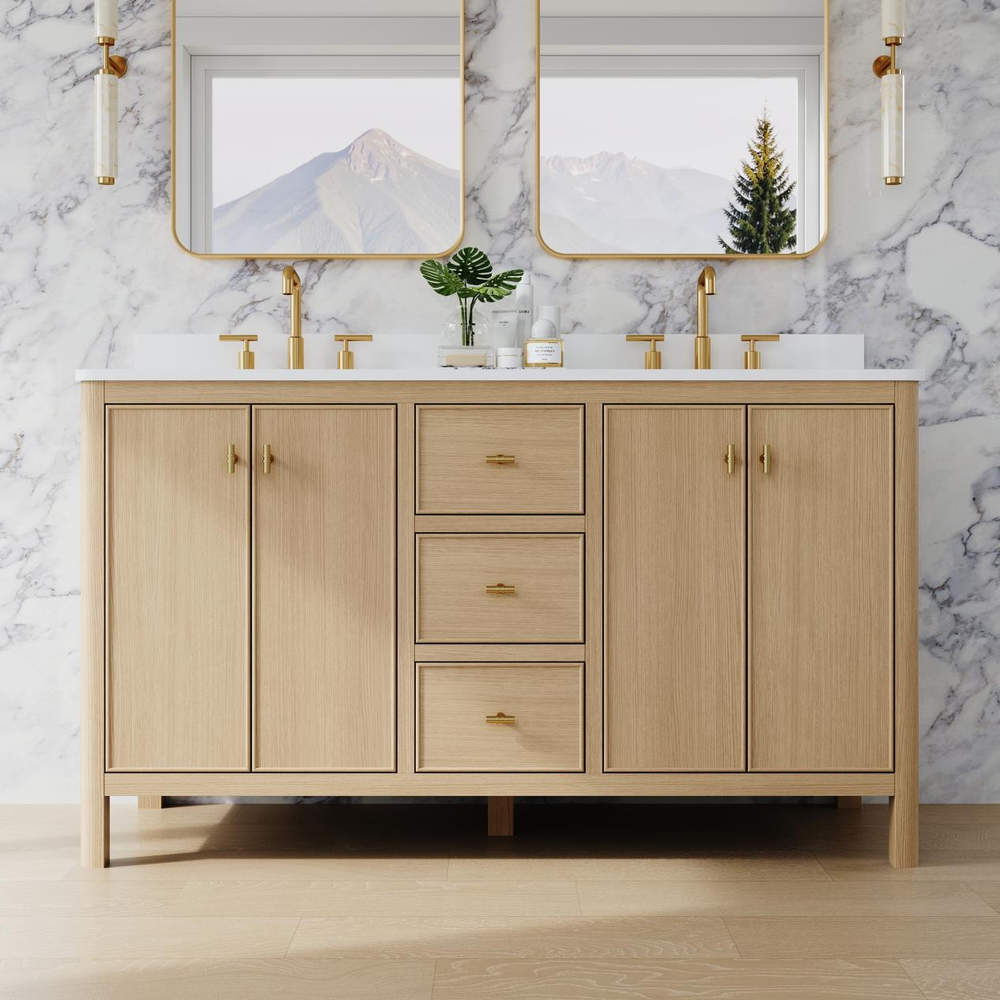
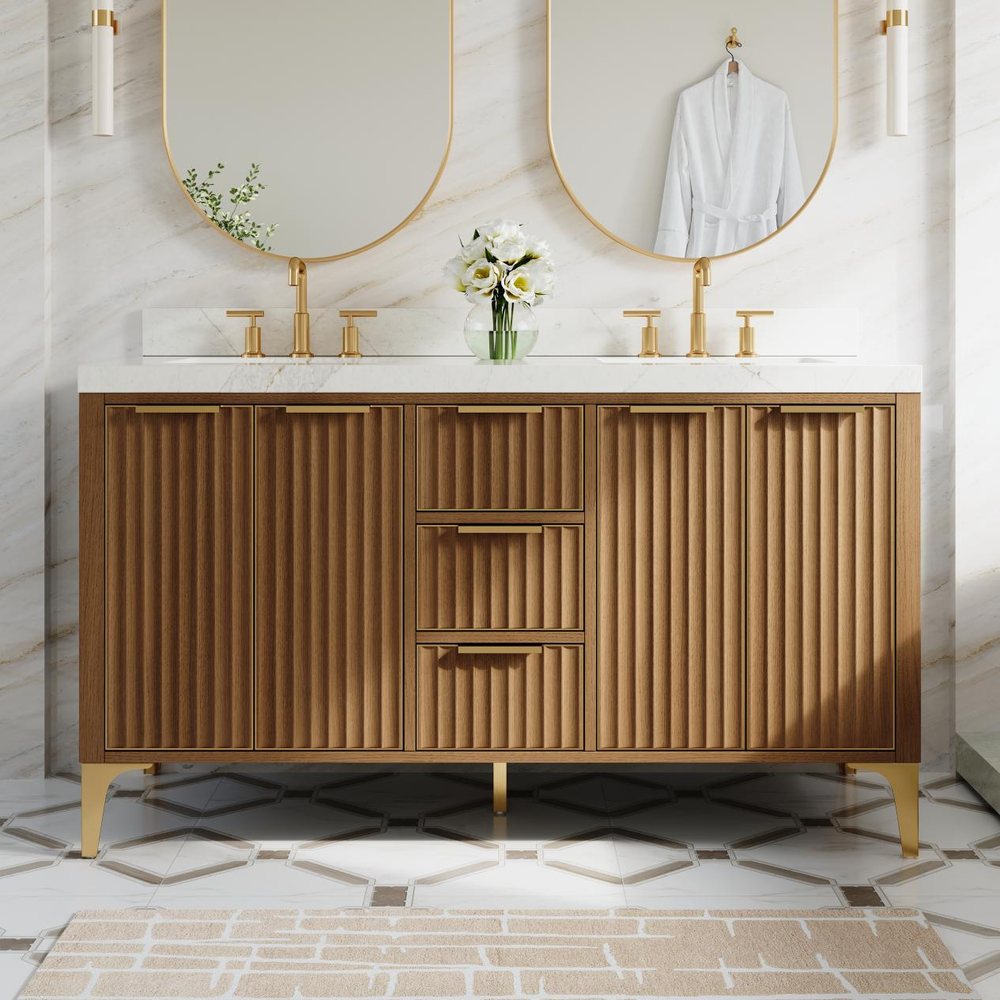
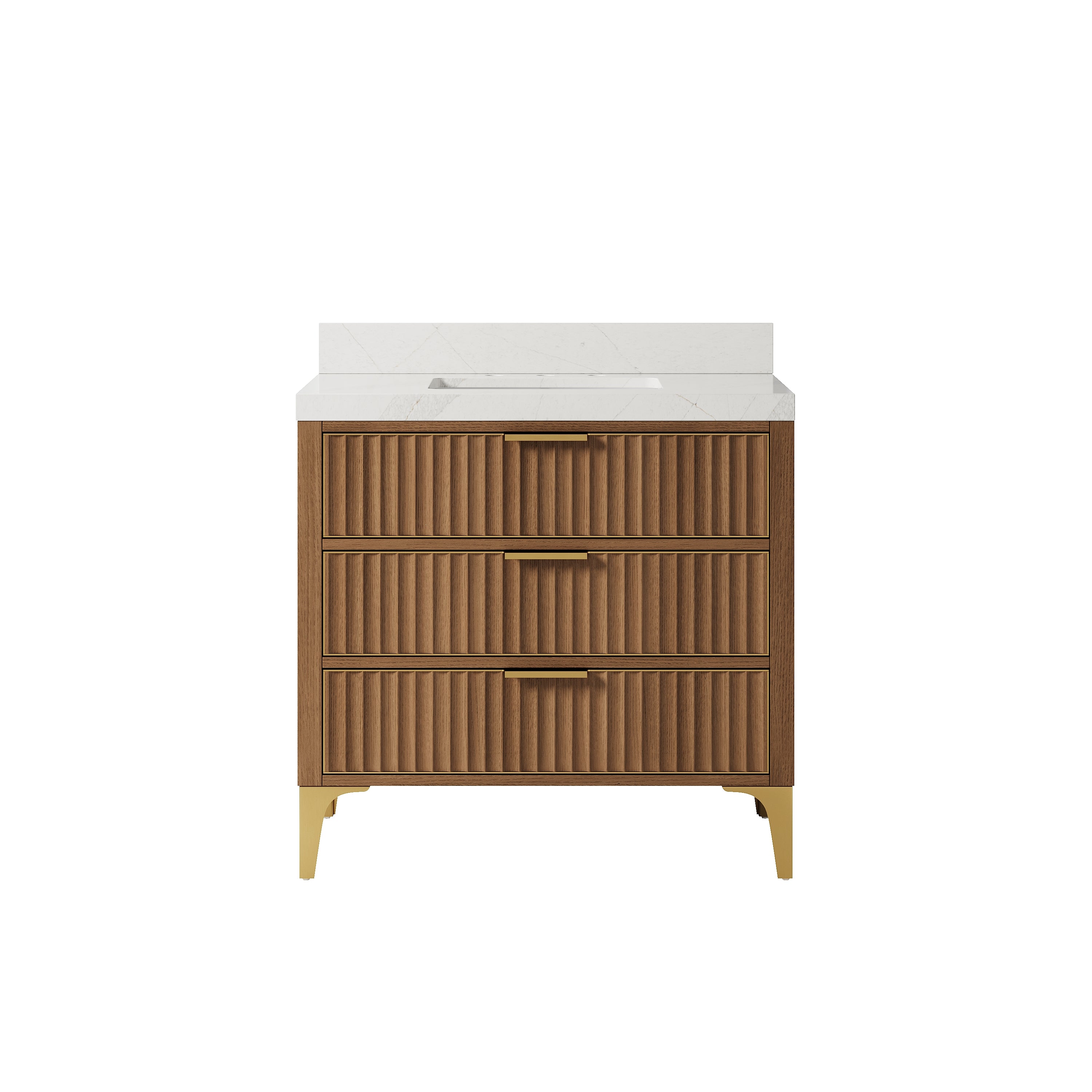
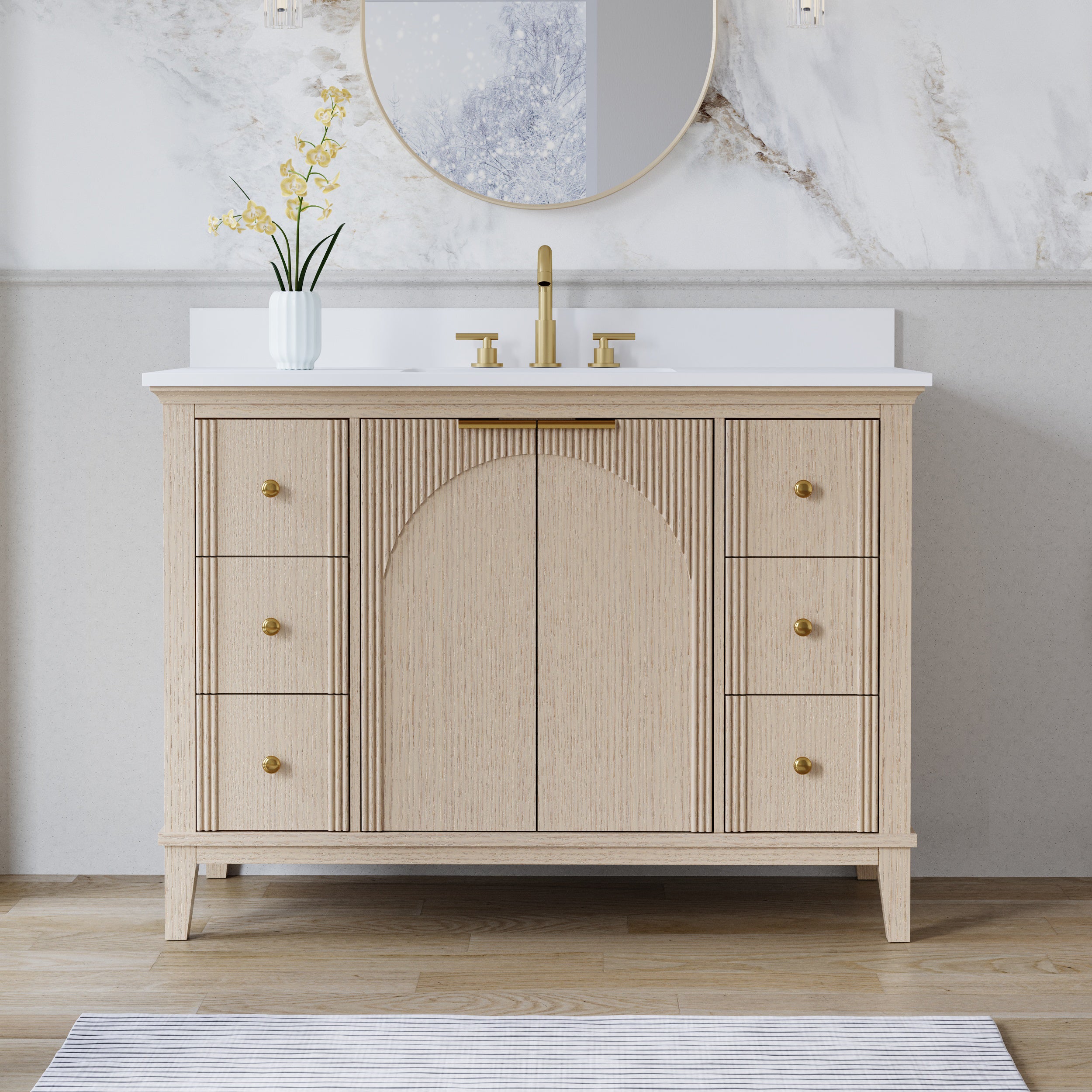
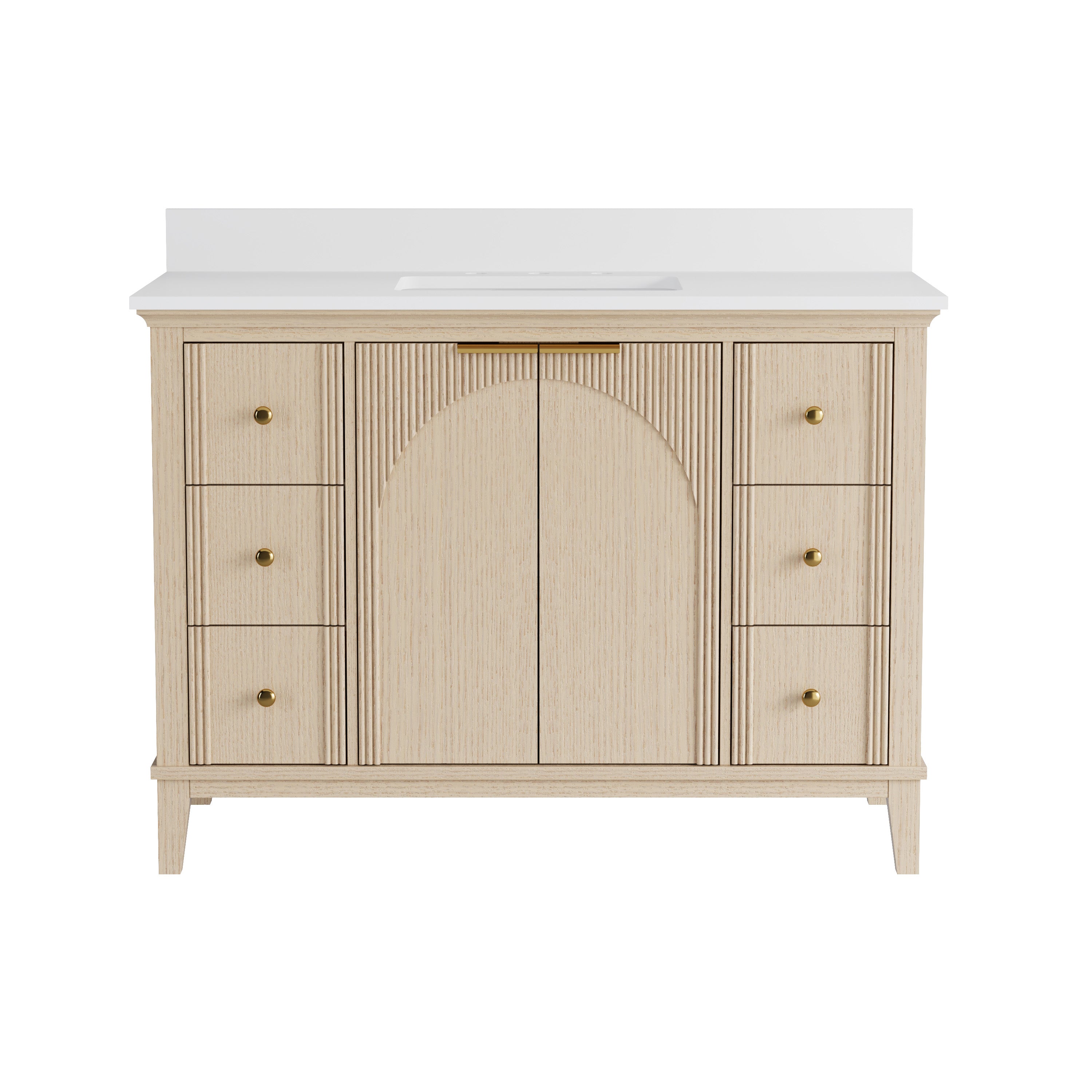
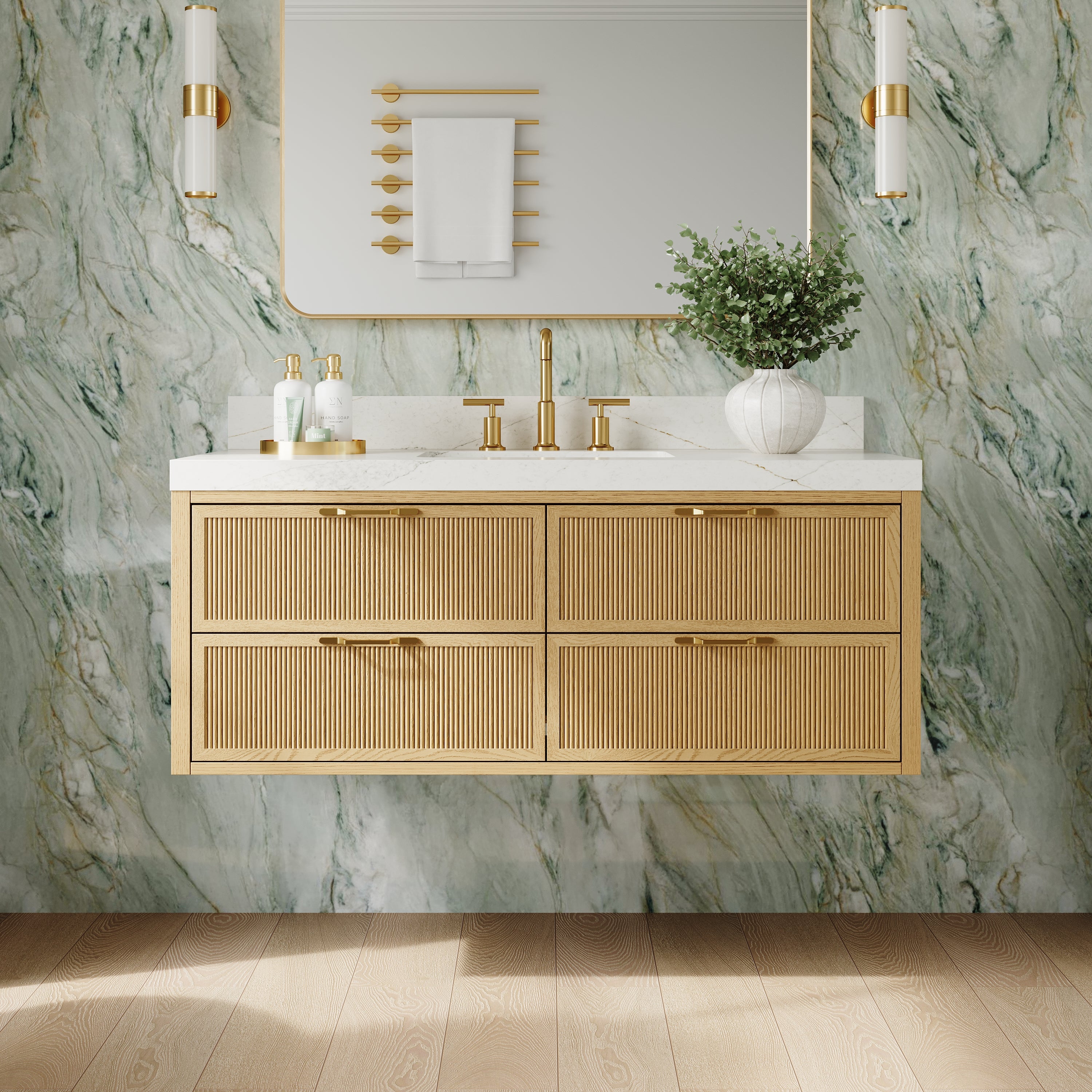
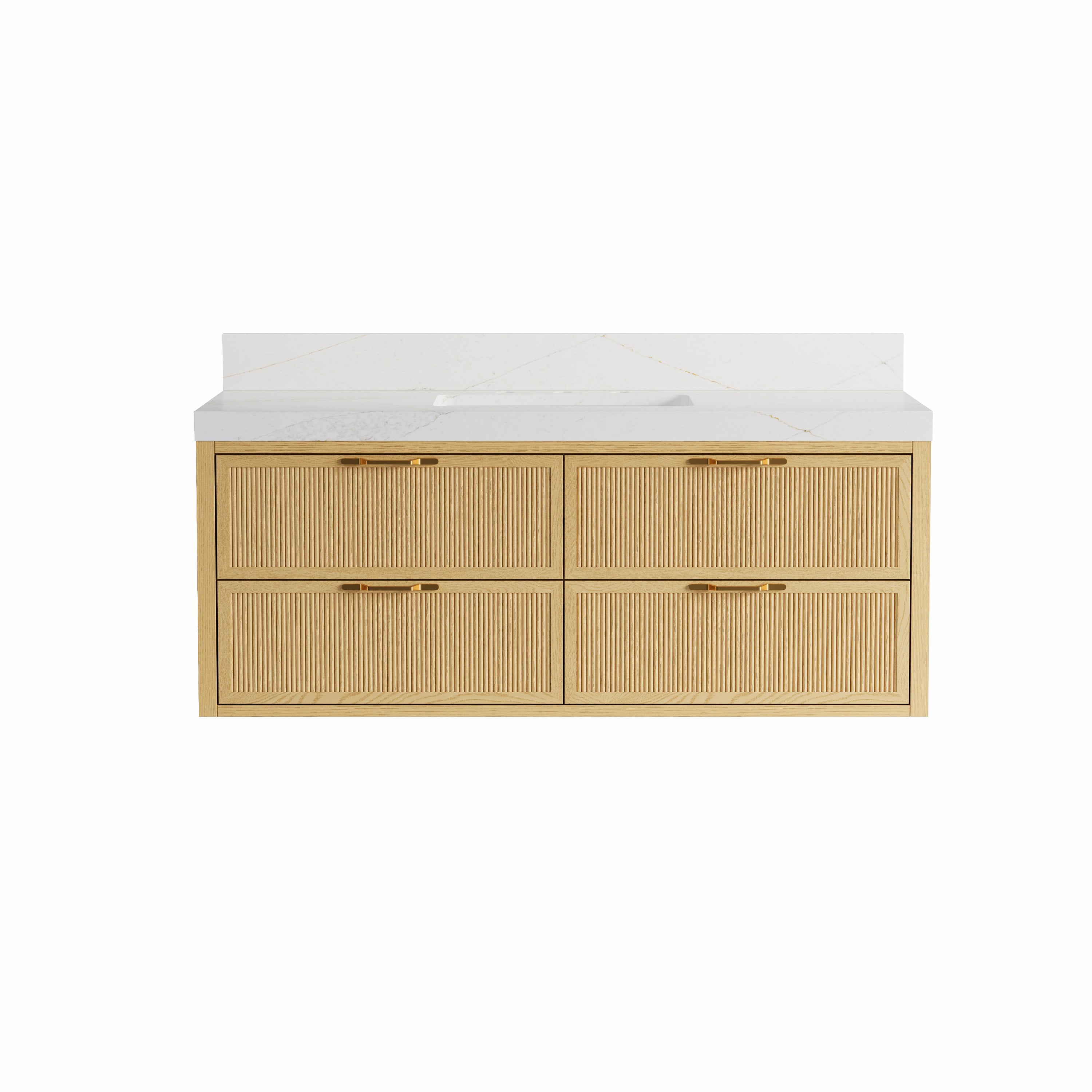
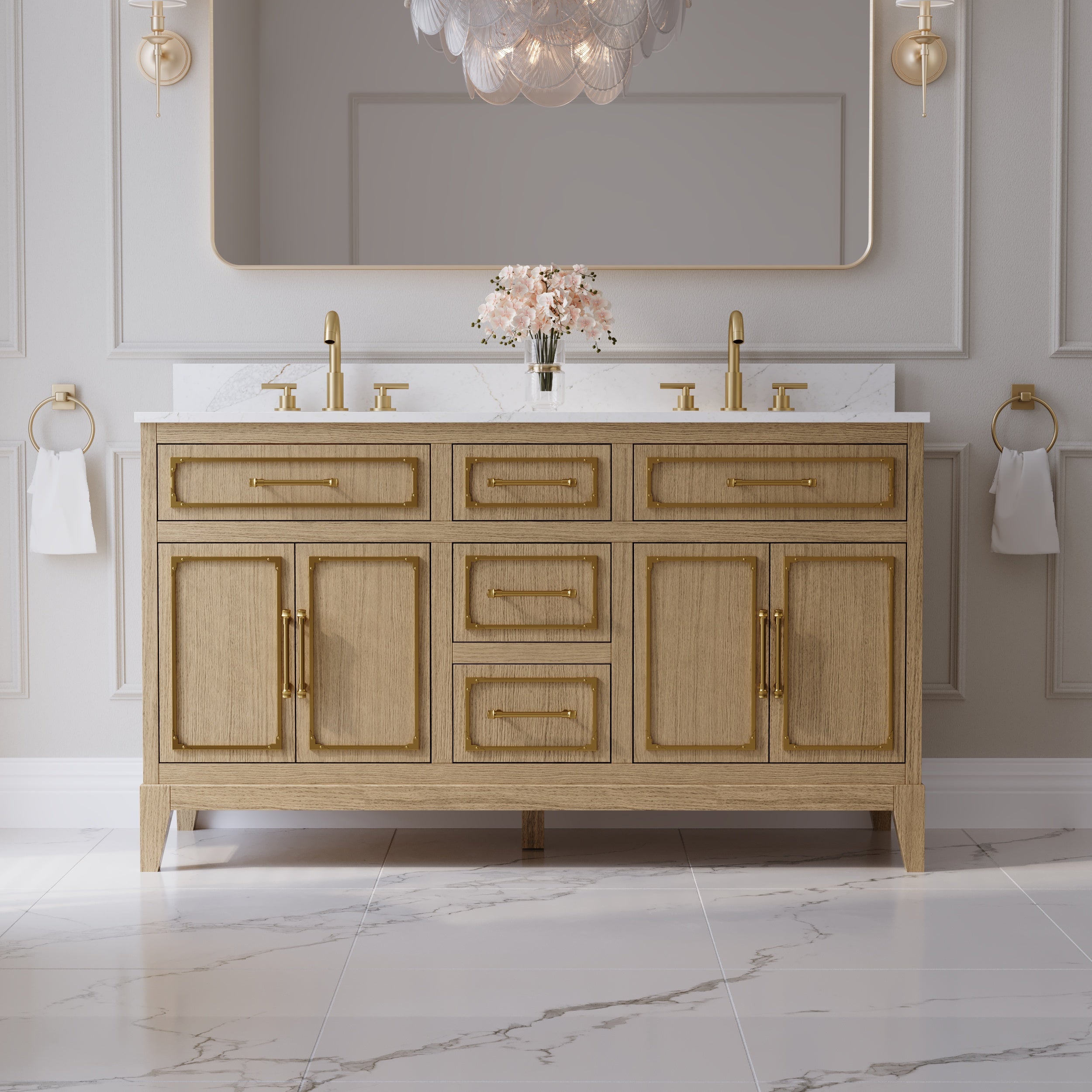
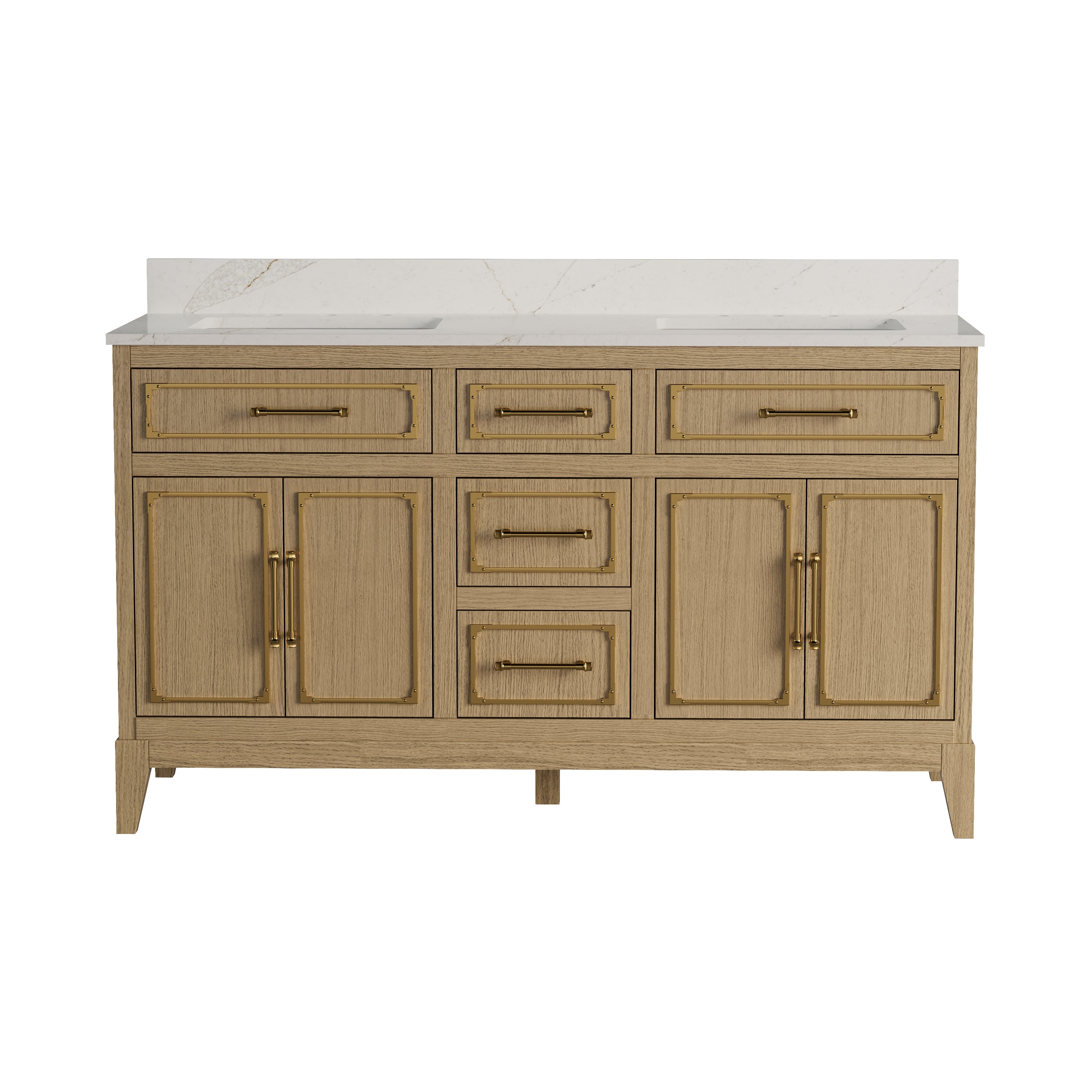
In the 2026 urban residential renovation and customized bathroom market, the selection of bathroom vanity materials has always been the core decision that determines the project's overall lifespan. The bathroom, as an extreme environment that combines high humidity, frequent temperature changes, and daily physical wear and tear, places almost stringent requirements on the durability of furniture substrates.
Among various materials, solid wood and MDF (medium-density fiberboard) dominate the market. Solid wood retains the traditional luxurious texture and natural aesthetics, while MDF, enhanced by modern technology, has become a rising star for its physical stability and extremely high cost-effectiveness. Owners often fall into the misconception of "natural means high-quality" or "artificial means fragile" when facing these two aspects. Who can ultimately laugh in the true dimension of durability? This article will delve into the hardcore game of durability from seven professional perspectives, including moisture resistance, deformation resistance, structural mechanics, and surface technology.
1. Moisture resistance and anti-expansion performance: physical anomalies under water vapor erosion
Humidity changes are the biggest 'invisible killer' of bathroom cabinets.
Natural respiration of solid wood: Solid wood (such as oak, walnut, and birch) is a natural material with a cellular structure that "breathes" as environmental humidity changes. In a consistently high-humidity environment, solid wood absorbs moisture from the air, causing it to expand, while it shrinks during the dry season. This cyclic volume change can easily lead to visible gaps or paint cracking at the joints of the cabinet if encountering poorly dried wood or inferior coatings.
Isotropic MDF: MDF is an artificial board made by mixing wood fibers with resin adhesive and pressing them under high temperature and pressure. Due to its uniform internal structure and lack of anisotropy in tree rings and wood grain, MDF exhibits much higher uniformity in overall expansion and contraction when faced with humidity fluctuations compared to solid wood. This means that in a bathroom with normal wet-and-hot cycles, the external stability of high-quality MDF tends to be more robust than that of solid wood in the short term.
2. Anti-cracking and anti-deformation ability: a game of long-term internal stress
In addition to volume expansion, the bending and cracking of the board directly determine whether the door panel can be aligned for a long time.
The risk of cracking in solid wood: There are natural growth stresses inside solid wood. For bathroom cabinet door panels or side panels with large spans, without scientific Dovetail joints or splicing techniques, they are prone to warping or longitudinal cracking along the grain direction under repeated impacts from hot steam (high humidity) generated during bathing and air conditioning (drying).
High warpage resistance of MDF: MDF completely breaks the original fiber structure of the wood inside, eliminating internal stress. No matter how large the flat door panel is, it will not bend or warp due to climate change. This is also the core reason why many White Bath Vanities in 2026 that pursue a minimalist, flat aesthetic prefer MDF as their door panel substrate.
3. Structural load-bearing and screw holding force: hardcore support for tabletop weight
Bathroom cabinets typically need to support heavy quartz stone, marble countertops, and ceramic countertop basins.
The fiber toughness of solid wood: In terms of mechanical structure, solid wood has incomparable advantages. The natural interweaving of wood fibers endows solid wood with excellent bending strength and outstanding screw holding power. The hinges and guide rails are repeatedly opened and closed, secured to solid wood, and there is rarely any sagging of the door panels due to loose wood.
The reorganization limitations of MDF: MDF has a powdery or fine fibrous structure inside, and its screw holding force is significantly inferior to that of solid wood. If the hinges are frequently disassembled or the cabinet carries overweight double-sink countertops, the compactness of the MDF screw holes may be compromised by long-term shear forces. Therefore, when installing heavy-duty countertops, MDF cabinets typically require denser steel reinforcement to support the load.
4. The defense power of surface technology: wear resistance test of paint film and coating film
No matter how good the substrate is, it still requires surface finishing protection.
The topcoat process for solid wood: Solid wood is usually finished with open or closed paint (multi-layer PU paint or UV paint) to showcase its beautiful natural wood grain. These paint films are not only aesthetic but also the primary barrier to water vapor. However, the local creep of natural wood may cause the paint film to crack, and once water vapor penetrates through the cracks, the wood will undergo local discoloration.
The surface diversity of MDF: The MDF surface is extremely smooth and flat, with almost no natural defects such as knots, making it an excellent surface stage for high-gloss or Velvet Matte paint. In addition, MDF can be seamlessly wrapped 360 degrees using modern PVC vacuum forming or melamine hot-pressing film-coating processes. As long as the edge-sealing process meets the industry-leading PUR industrial-grade seamless edge-sealing standard by 2026, MDF can form an almost perfect "waterproof hard shell" to block external moisture.
5. Post-disaster manifestations under extreme disasters: irreversibility after immersion in water
When evaluating durability, we must consider extreme water-leakage incidents.
The self-healing ability of solid wood: If there is a slight leak from a water pipe in the bathroom, the solid wood cabinet will expand after being soaked in water for a short time. After thorough ventilation and drying, re-polishing, and painting, it has a high chance of restoring its original state and a certain "post-disaster self-healing and repair ability".
The expansion of MDF is an irreversible problem: it is the most fatal weakness of MDF. Once the external waterproof coating or edge sealing is damaged, the wood fibers inside MDF will absorb water like a sponge after direct contact with liquid water, causing the volume to rapidly expand by 20% -50% and be unable to recover after drying. After absorbing water, the internal structure of MDF will become as soft as waste cardboard, completely losing its load-bearing capacity. Therefore, the durability of MDF is facing severe challenges under pipeline joints with water leakage hazards.
6. Specification adaptation and structural matching: the industry's highly regarded "hybrid solution."
Faced with the advantages and disadvantages of both, the high-end customization industry in 2026 is no longer popular with a one-size-fits-all approach using a single material.
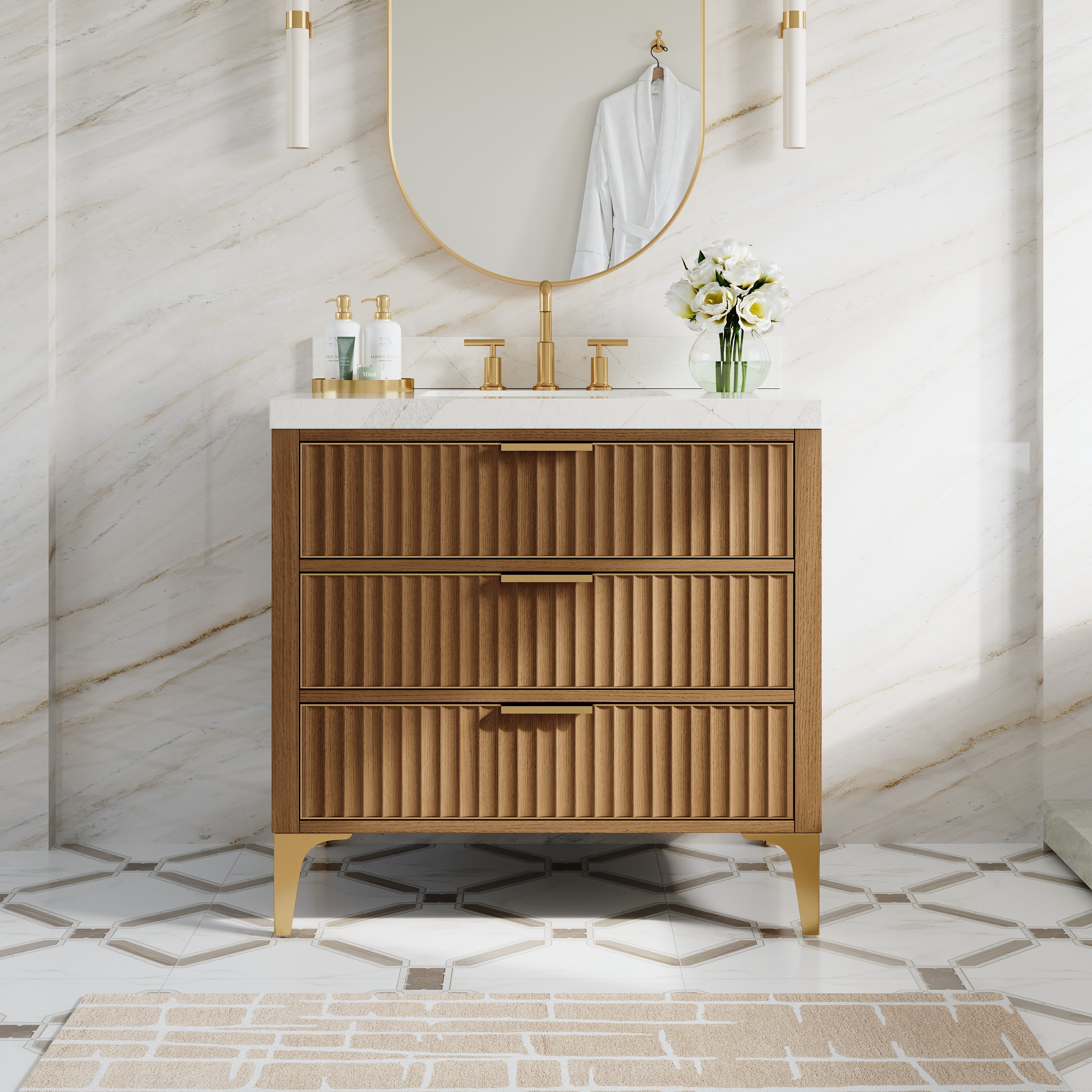
To achieve optimal durability and cost-effectiveness, when paired with 36-inch vanities (36-inch bathroom cabinets) or larger cabinets, the industry-popular hybrid design of "solid wood skeleton+MDF door panels":
Frame&Legs: Made of solid wood, utilizing its strong structural rigidity and screw grip force to support the quartz stone countertop and overall framework stably.
Doors&Drawers: Made of MDF with fine carving or baked paint coating, utilizing its anti-deformation and high flatness to ensure seamless opening and closing all year round. This structural division of labor and collaboration maximizes the durability of both.
7. Environmental protection level and long-term life cycle
Durability is not only related to the furniture itself, but also to the healthy lifecycle of the home living environment.
The long-term asset properties of solid wood: As long as high-quality solid wood bathroom cabinets are properly maintained (such as regular waxing, combined with the soft water environment and good ventilation system mentioned in our shower room selection and gold sanitary ware maintenance), their service life can be as long as 20 years or more, with extremely high asset preservation properties.
Environmental iteration of MDF: In the past, people were concerned about the release of formaldehyde from MDF glue, but under the new standards in 2026, mainstream high-end brands have adopted formaldehyde-free MDI glue without adding formaldehyde, making MDF meet the highest level of environmental standards (such as P2 or NAF certification). This ensures that in the bathroom's humid, hot environment, the cabinet will not release harmful gases due to temperature rise, thereby protecting the home's long-term health and durability.

Summary:
The durability comparison between solid wood and MDF bathroom cabinets is a comprehensive competition between natural fiber toughness and modern restructuring process stability. Solid wood has overwhelming advantages in structural load-bearing, screw grip, and water immersion repair, making it the preferred choice for high-end asset preservation; MDF, on the other hand, surpasses solid wood in terms of anti-warping deformation, large-area door panel flatness, and adaptability to modern seamless baking technology, thanks to its homogeneous structure without internal stress. In the context of renovation in 2026, the hybrid structure design of "solid wood frame load-bearing+MDF door panel anti deformation" combined with high-quality moisture-proof edge coating is the best engineering solution to achieve long-term durability and visually noise-free bathroom cabinets in humid and hot environments.








Leave a comment
This site is protected by hCaptcha and the hCaptcha Privacy Policy and Terms of Service apply.