














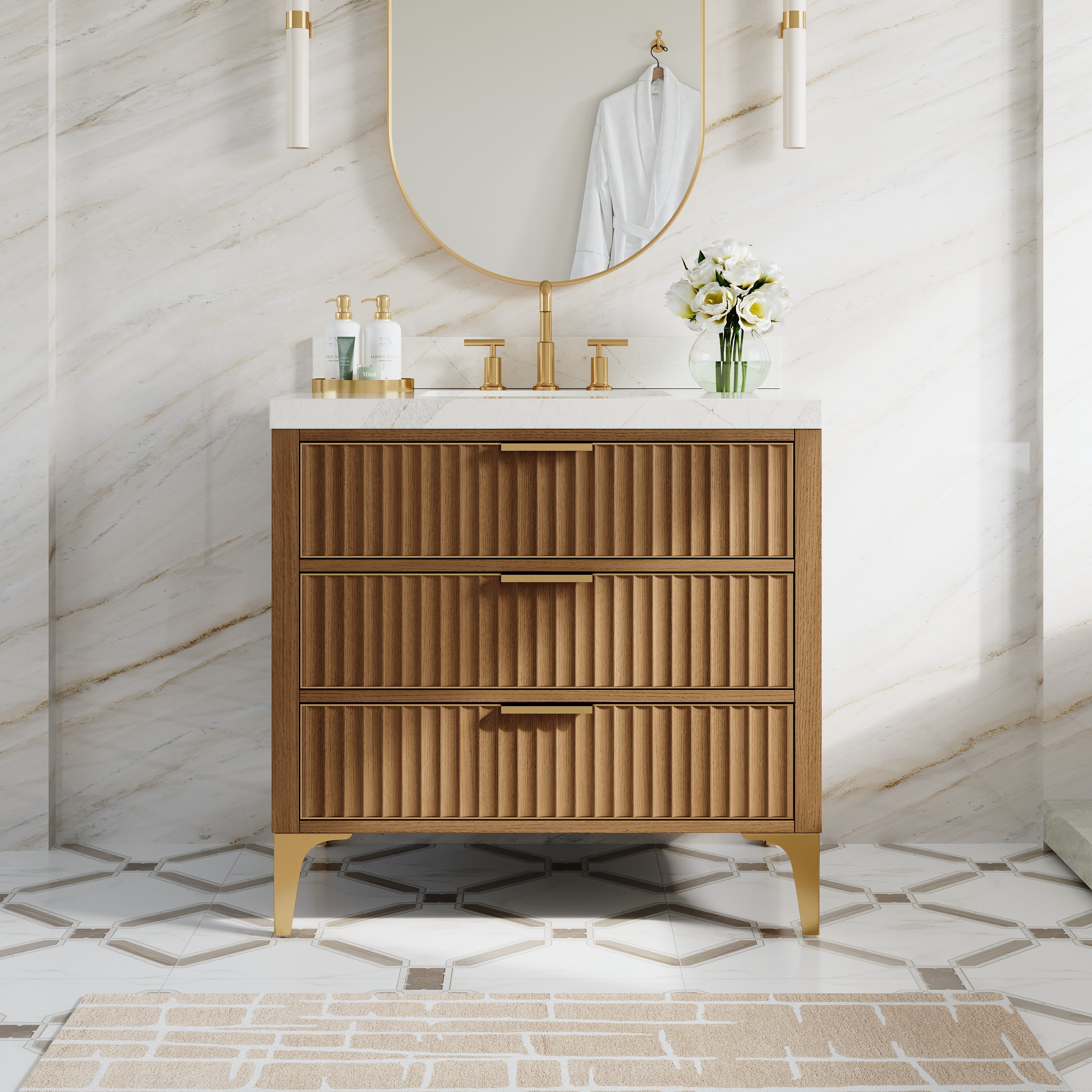
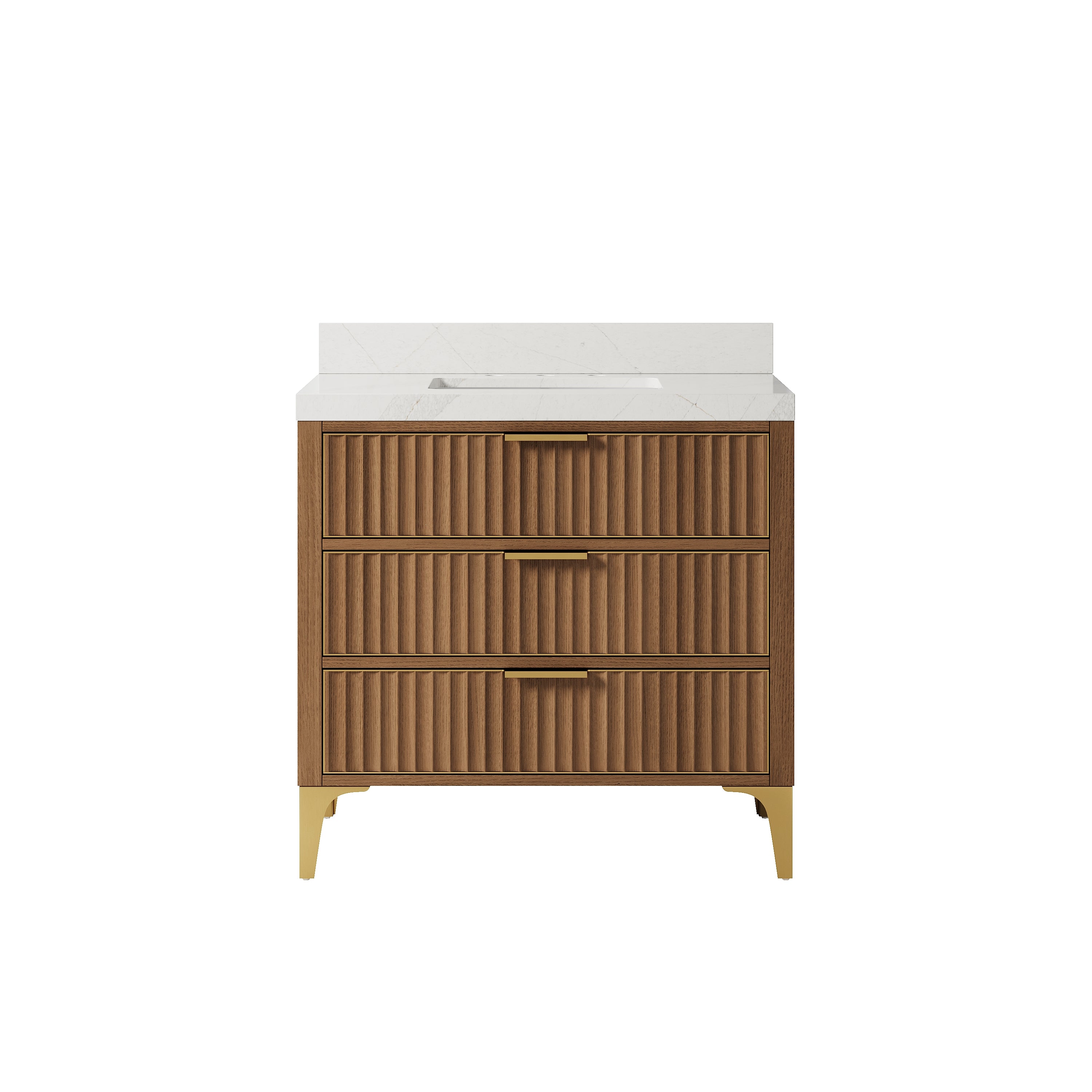
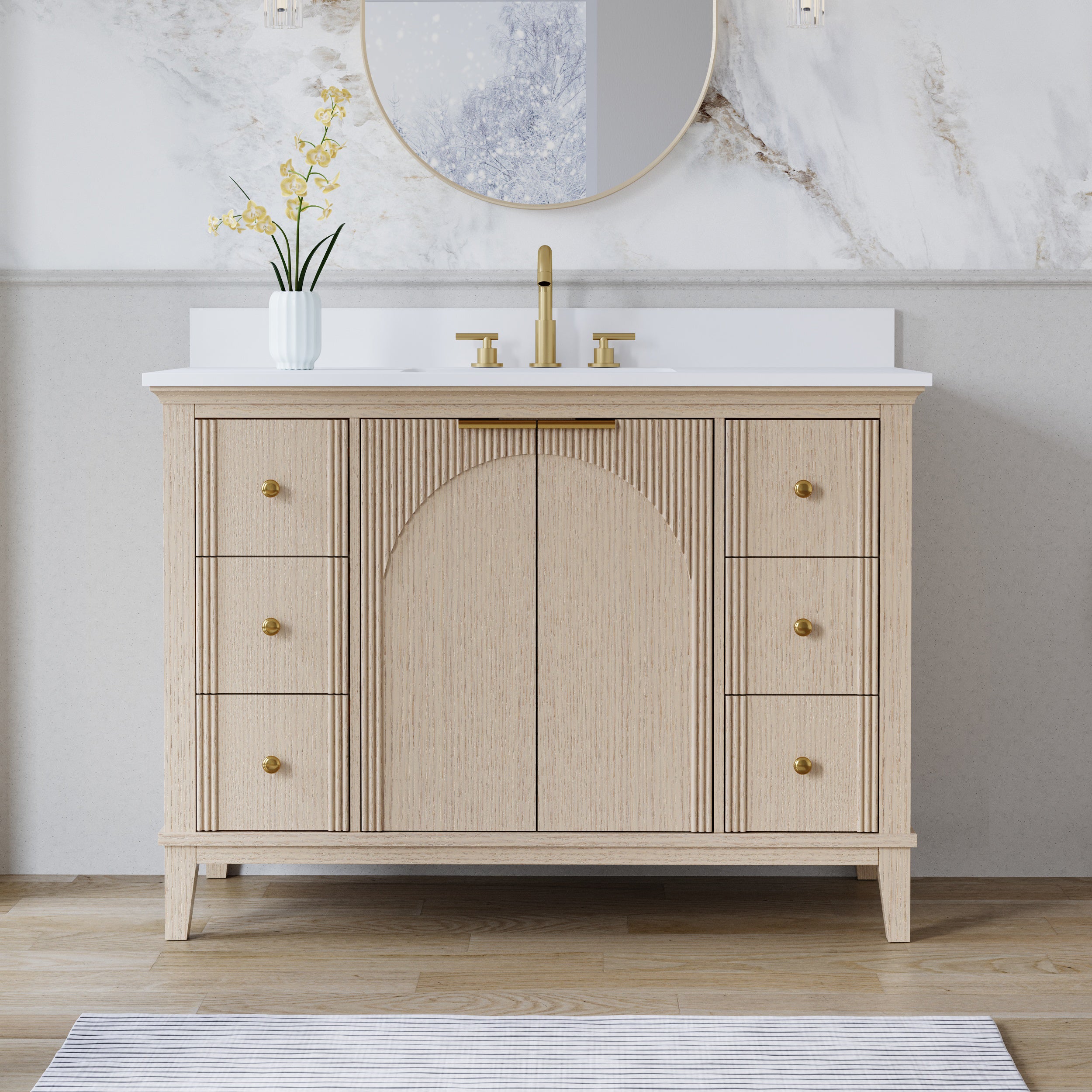
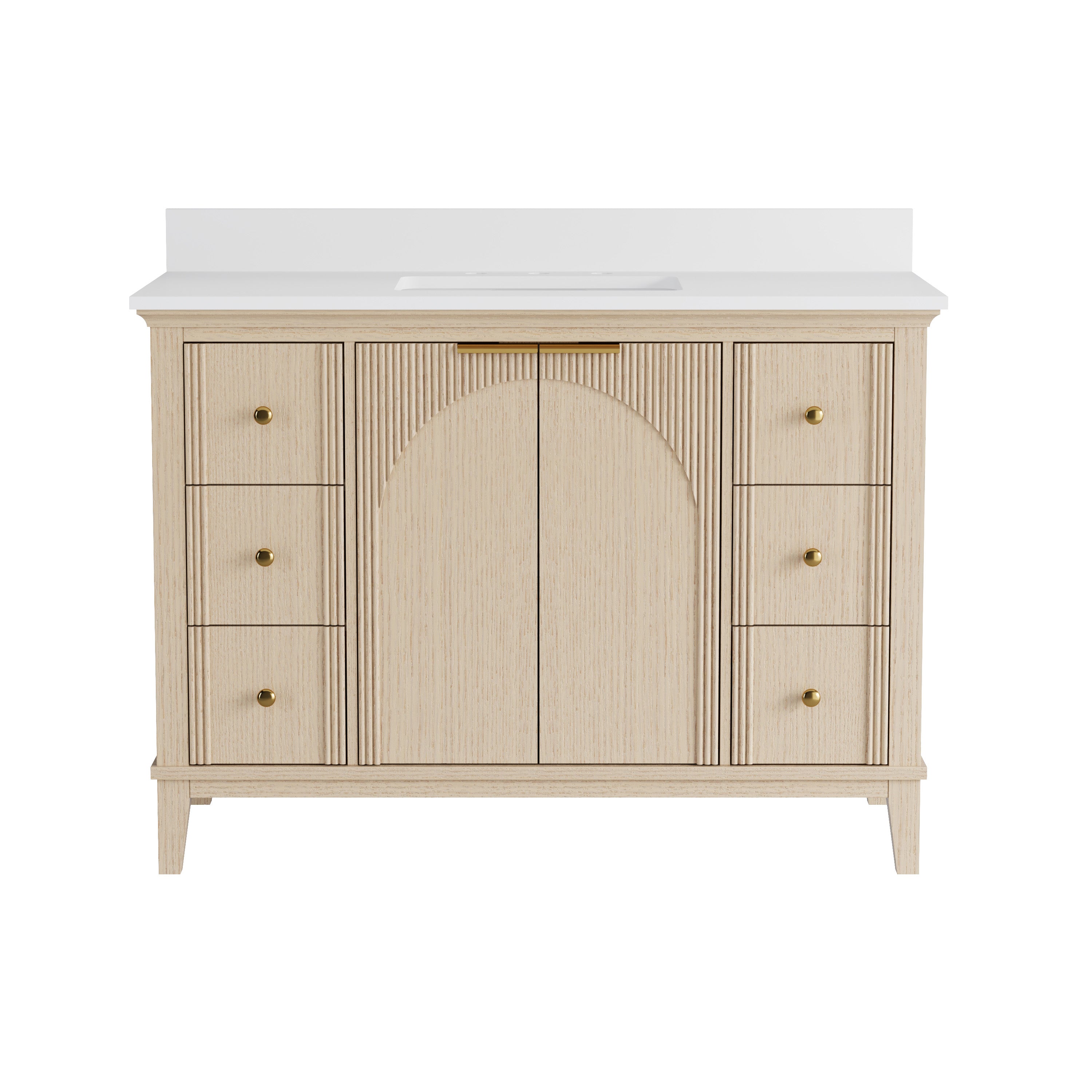
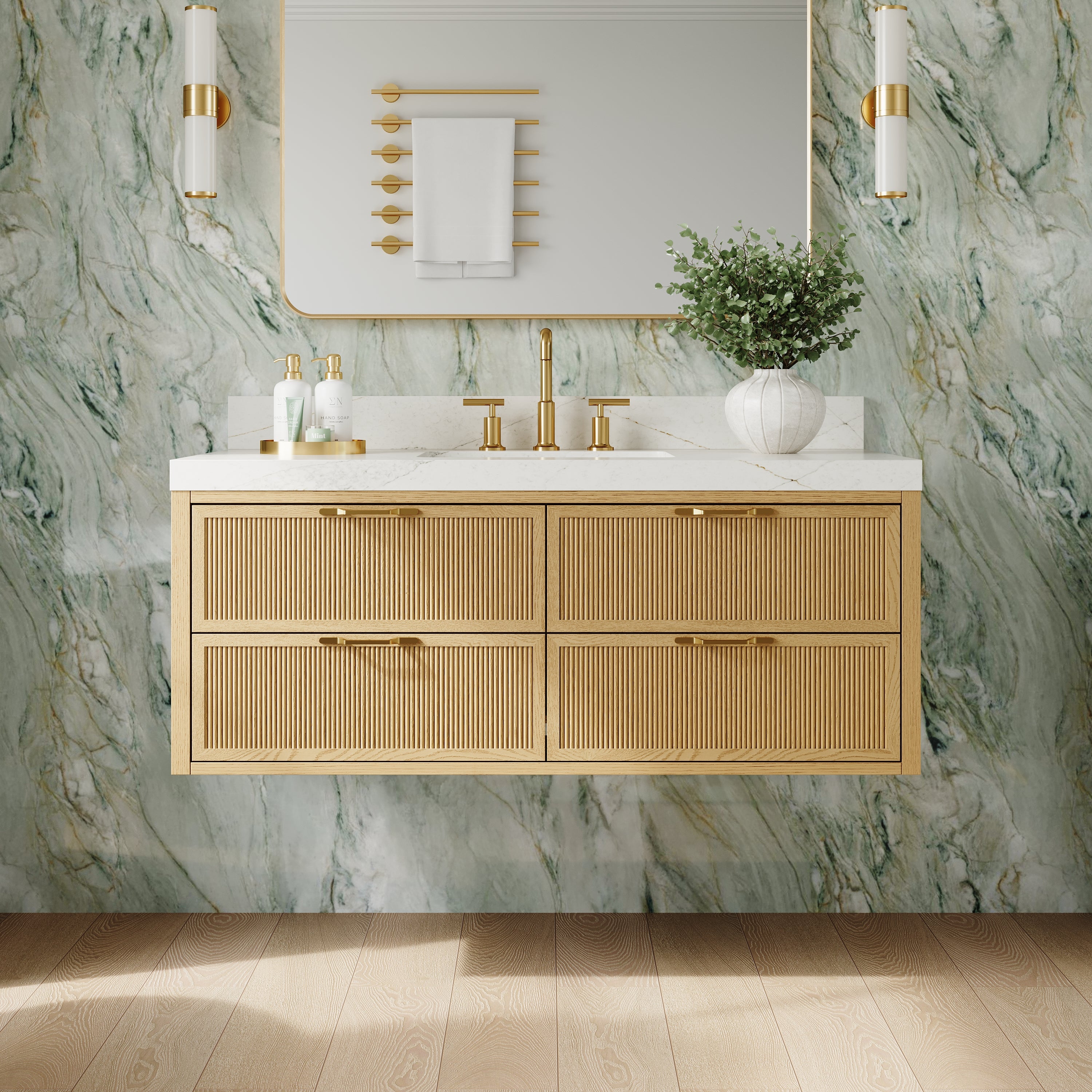
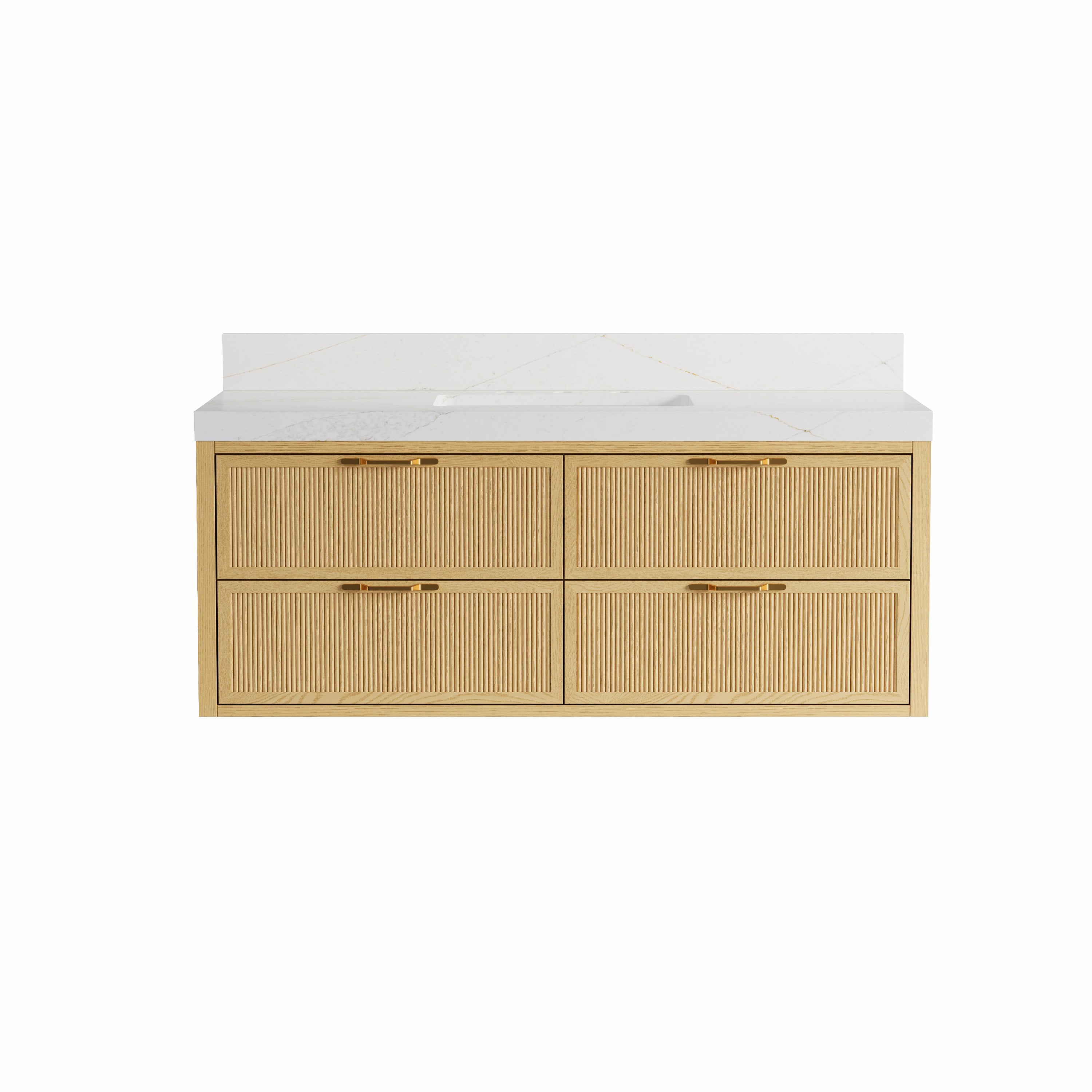


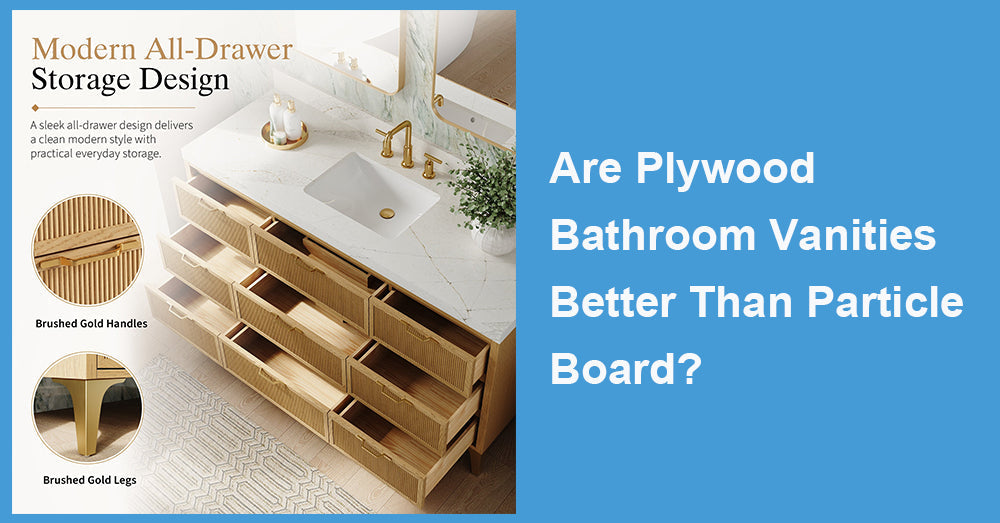
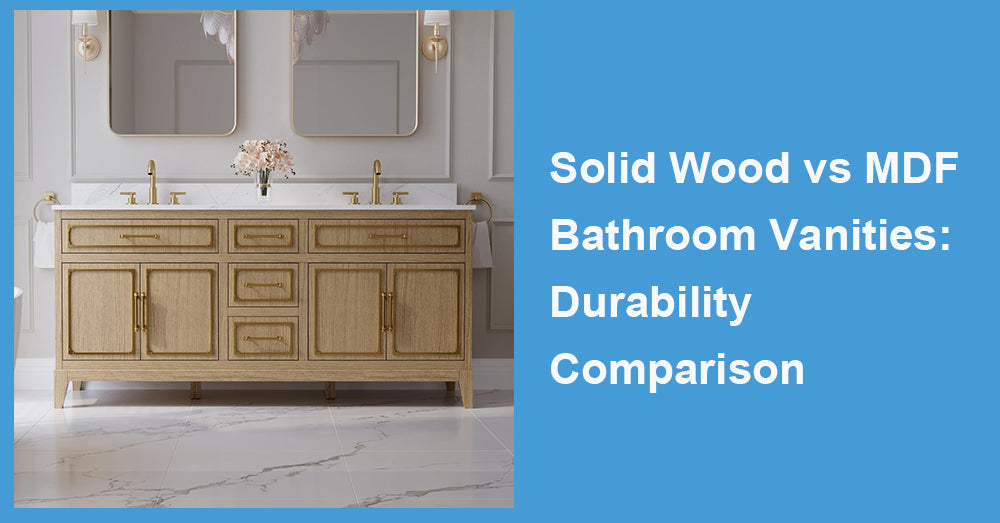
In the high-end residential bathroom renovation and customized bathroom decoration market in 2026, consumers' sensitivity to materials has reached an unprecedented level. As the core furniture in the washing area, the stability of the bathroom vanity's base material directly determines the entire life cycle of the bathroom. Among many artificial boards, the feud between plywood (often referred to as a multi-layer solid wood board) and particle board (often referred to as particleboard) has lasted for many years.
For a long time, traditional concepts and some decorative guidelines have tended to label both as either black or white: "plywood is high-end and durable, while particleboard is easy to rot at the low-end". However, with the breakthrough in polymer adhesive technology in 2026 and the popularization of industrial-grade fully automatic edge-sealing technology, the physical properties of modern particleboard are no longer the same as before. Are plywood bathroom cabinets really better than particleboard in all dimensions? This article will stand at the forefront of the industry, delving into the hardcore game of bathroom substrates across seven core dimensions: moisture-resistant structure, flexural strength, engineering processability, and long-term cost-effectiveness.
1. Structural mechanics and resistance to expansion: the competition at the microscopic level of water vapor
The high humidity in the bathroom is a natural touchstone for testing the density and internal stress of the board.
The cross-structure of plywood: Plywood is made by stacking multiple layers of thin veneers in a criss-cross pattern along the direction of the wood grain, then pressing them together. This unique geometric structure causes the internal fiber tensions to cancel out, resulting in excellent isotropic properties. When moisture attempts to invade, the staggered wood grain effectively limits each other's physical expansion, so in sustained high-humidity environments, plywood rarely undergoes overall deformation.
Particle water absorption characteristics of particleboard: particleboard is made by pressing wood chips, shavings, or sawdust mixed with adhesive. Because the interior is composed mostly of fine particles, its porosity is relatively high. In unprotected, high-humidity environments, the edges of particleboard will quickly absorb water like a sponge due to the capillary effect, causing local edge expansion (the edge expansion rate is usually higher than that of plywood). However, it cannot be ignored that, in 2026, industry-leading moisture-proof-grade particleboard (such as MR-grade or large factory green-core board) has added a paraffin moisture-proof additive during production, greatly delaying the penetration of moisture.
2. Gripping force and bending strength: long-term support force of the overweight tabletop
The bathroom cabinet not only needs to face water vapor, but also needs to stably support heavy quartz stones, rock countertops, and a bottom basin filled with water.
Fiber rigidity of plywood: Due to the preservation of the integrity of the long fibers of wood, plywood exhibits overwhelming advantages in bending strength and screw holding power. Whether it is a hanging bathroom cabinet (Floating Vanity) hanging on the wall or a hinge fixing point for daily high-frequency opening and closing, plywood can tightly bite metal screws. Even after tens of thousands of opening and closing cycles, the connection is rarely loose or the door panel droops.
The reorganization limitation of particleboard: The fragmented structure inside the particleboard results in lower shear strength. If used for large double-sink cabinets with spans exceeding 42 inches, irreversible buckling may occur in the middle of the board under long-term pressure from the countertop. At the same time, its grip on screws is weak. Once the hinge rusts and loosens due to erosion, the holes in the particleboard are prone to local crushing and collapse, making secondary maintenance much more difficult than plywood.
3. Repair power under extreme flooding disasters: the ultimate test for pipeline leaks
When evaluating the durability of furniture, we must consider extreme bathroom leakage accidents.
The post-disaster recovery ability of plywood: If the bathroom cabinet is soaked in liquid water for a short period of time due to the rupture of the angle valve or the return of water from the drain pipe, although the plywood will undergo a certain degree of lateral expansion, its internal structure usually does not undergo powdery disintegration after the accumulated water is drained, thoroughly ventilated, and dried. Through local polishing and repainting in the later stage, the cabinet can still be used and has strong "post-disaster self-healing and repair elasticity".
Irreversible disintegration of particleboard: This is the most fatal weakness of particleboard in bathroom spaces. Once the waterproof finish and edge sealing are damaged, allowing water to penetrate the internal core layer directly, the bonded wood chips will undergo irreversible, violent expansion, and the board will quickly soften, delaminate, and even peel off like waste cardboard. This kind of water-absorption expansion cannot be reversed after drying, which means that once serious water leakage occurs, the particleboard bathroom cabinet often ends up being scrapped as a whole.
4. Surface flatness and high-end craftsmanship adaptability: a reversal of visual aesthetics
A bathroom cabinet should not only be durable, but also aesthetically pleasing. In this dimension, the advantages of both have reversed.
The smoothness talent of particleboard: The surface of particleboard is made of extremely fine wood powder that is pressed under high pressure, and its surface smoothness is close to perfect, with almost no natural defects or texture fluctuations. This makes it an excellent stage for piano high-gloss paint, Velvet Matte, and ultra-thin melamine hot-press finish. When paired with the modern minimalist visual of White Bath Vanities, particleboard can present a mirror-like texture without any ripples.
Potential unevenness of plywood: Due to the use of natural wood veneer on the surface, even after fine polishing, the natural wood texture and cell pores of plywood may still have small indentations or "orange peel patterns" after being coated with high gloss paint. Therefore, plywood is usually more suitable for using open paint to showcase the texture of raw wood. At the same time, its performance is slightly inferior to particleboard in pursuing the ultimate smoothness of pure color modern baking paint technology.
5. Empowering industrial edge banding technology: the "moisture-proof defense line" of particleboard in 2026
Exploring the pros and cons of both is inseparable from modern industrial manufacturing processes.
In the design context of 2026, 'substrate determines the lower limit, edge sealing determines the upper limit'. The reason particleboard is so popular in today's mainstream renovation projects is largely due to the popularity of PUR (polyurethane) hot-melt seamless edge-sealing technology or laser edge banding technology.
This industrial-grade edge banding can completely wrap the six sides of the particleboard in a seamless "polymer protective hard shell", completely blocking the path for water vapor in the air to penetrate the inner core layer. As long as the edge is not damaged, even if the interior is ordinary particles, its durability is sufficient to support for more than 10 years. On the contrary, if plywood bathroom cabinets use traditional edge banding from low-end handmade workshops, their sides will still become a high-risk area for moisture invasion.
6. Tailored space specifications and installation forms: measured in 36 inches
In an actual bathroom renovation, the selection of materials must be deeply linked with specific spatial specifications (such as 36-inch vanities) and installation forms (surface-mounted, suspended).
Floating must choose plywood: If you choose to hang a 36-inch bathroom cabinet as a whole on the wall for simplicity and easy cleaning, then plywood must be the preferred substrate for the cabinet. Suspended structures require the anchorage points between the back plate and the wall to withstand significant tensile and shear forces, and the tensile strength of particleboard cannot provide long-term safety guarantees.
Floor-mounted optional particleboard: If you choose a 36-inch standard sink with independent support legs or a solid floor, gravity is transmitted directly to the ground. In this case, high-quality moisture-proof particleboard with PUR edge sealing is selected for the cabinet, ensuring the absolute flatness of the door panel and significantly optimizing the budget.
7. Cost-benefit ratio and intelligent allocation of asset preservation
In the 2026 renovation logic, how to allocate the budget at the cutting edge is an art.
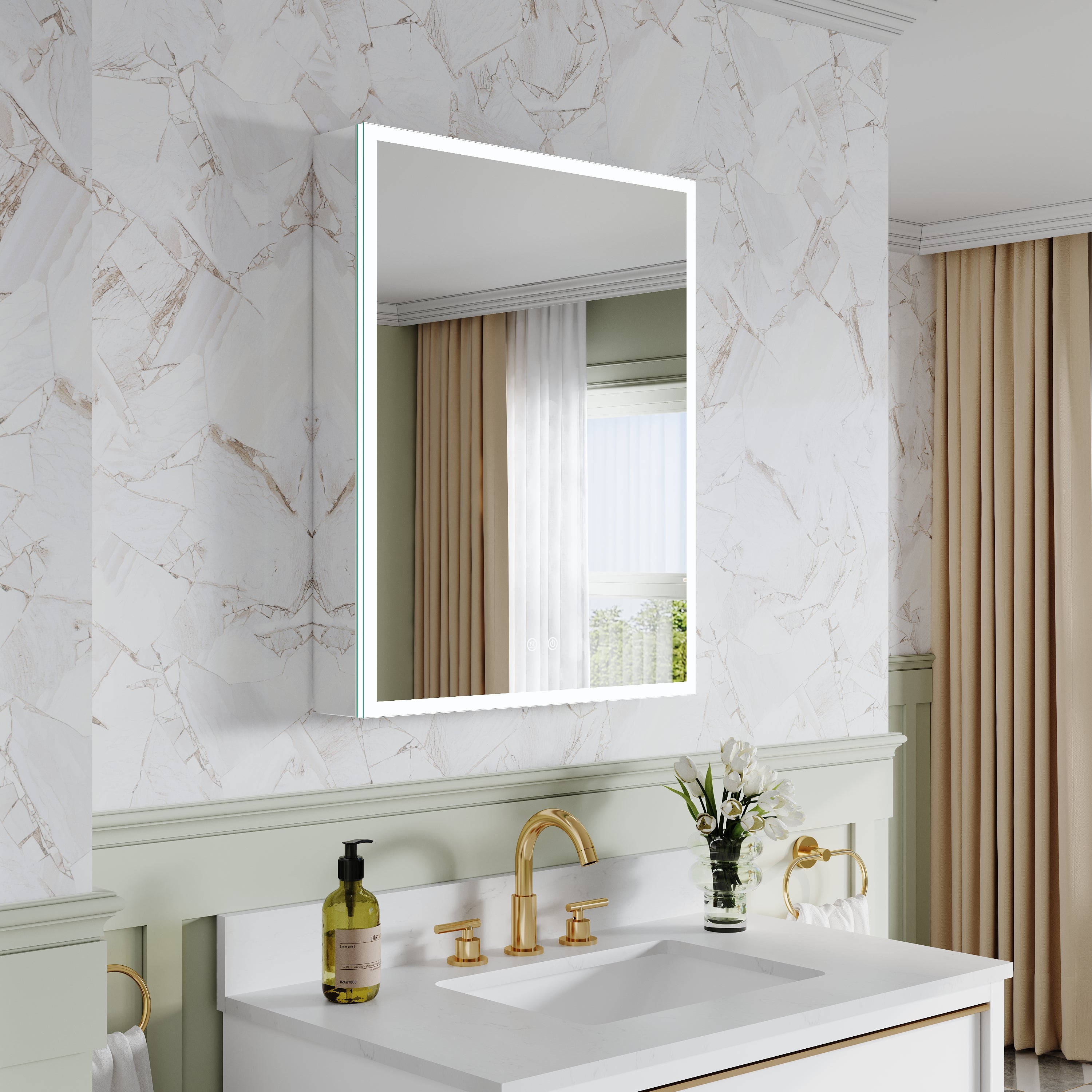
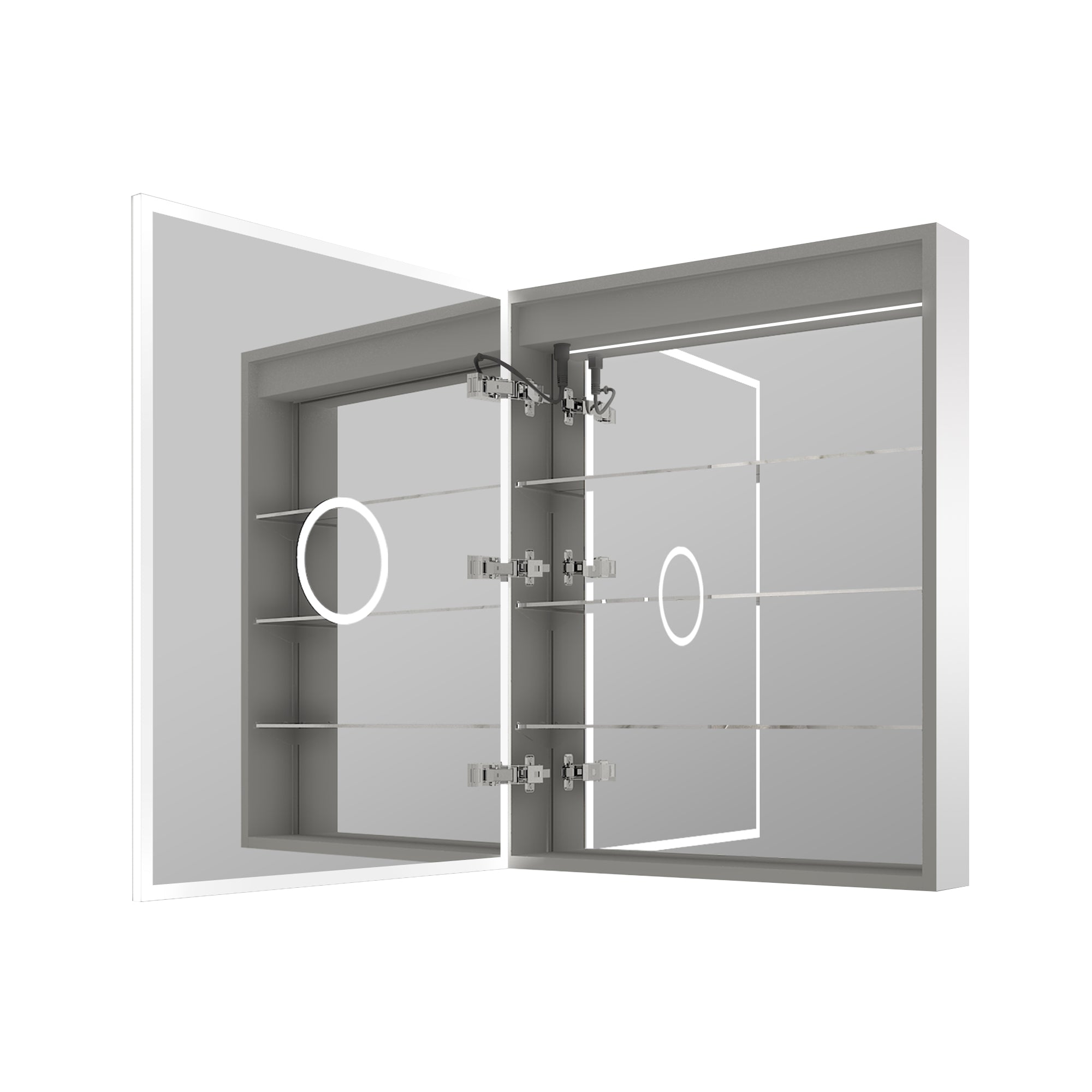
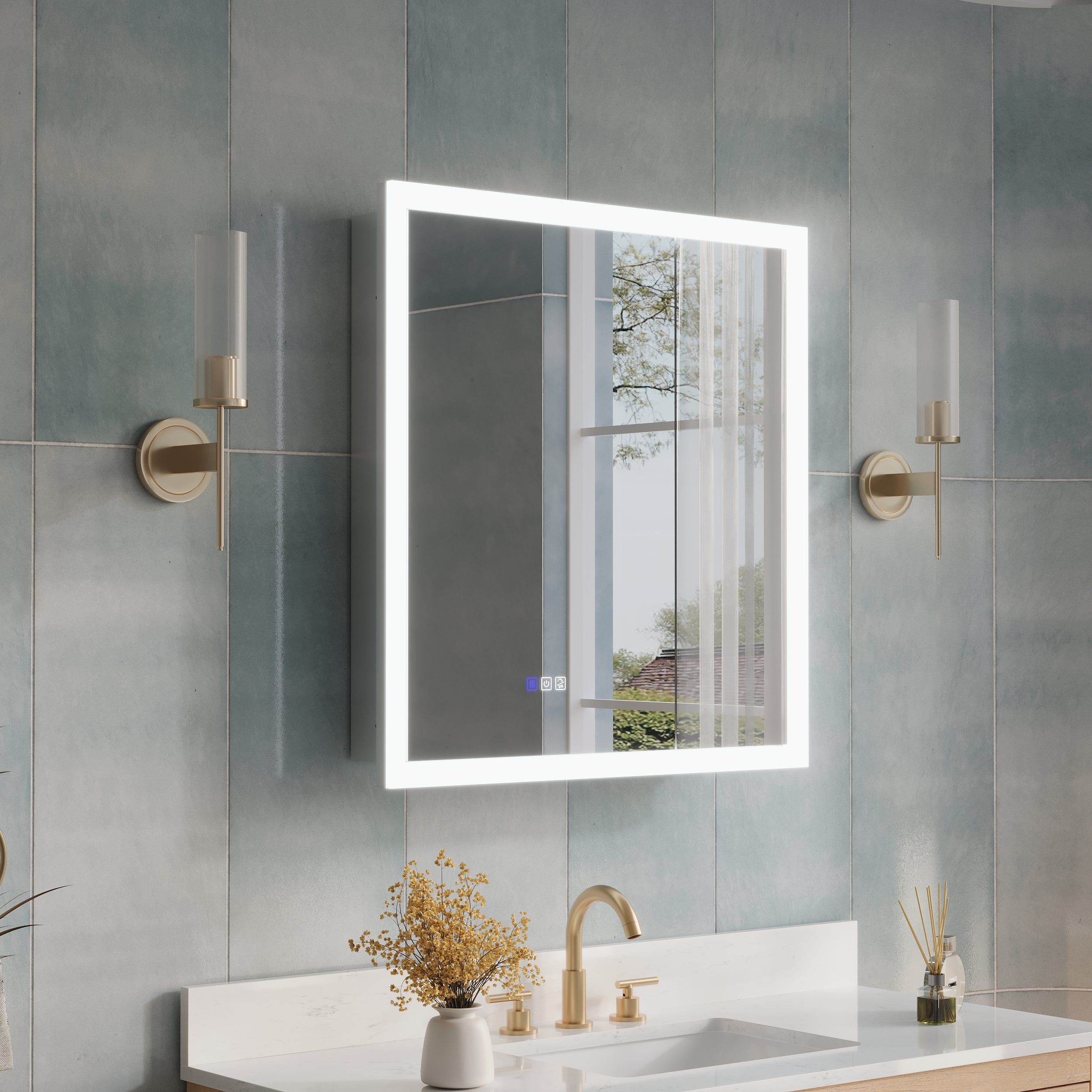
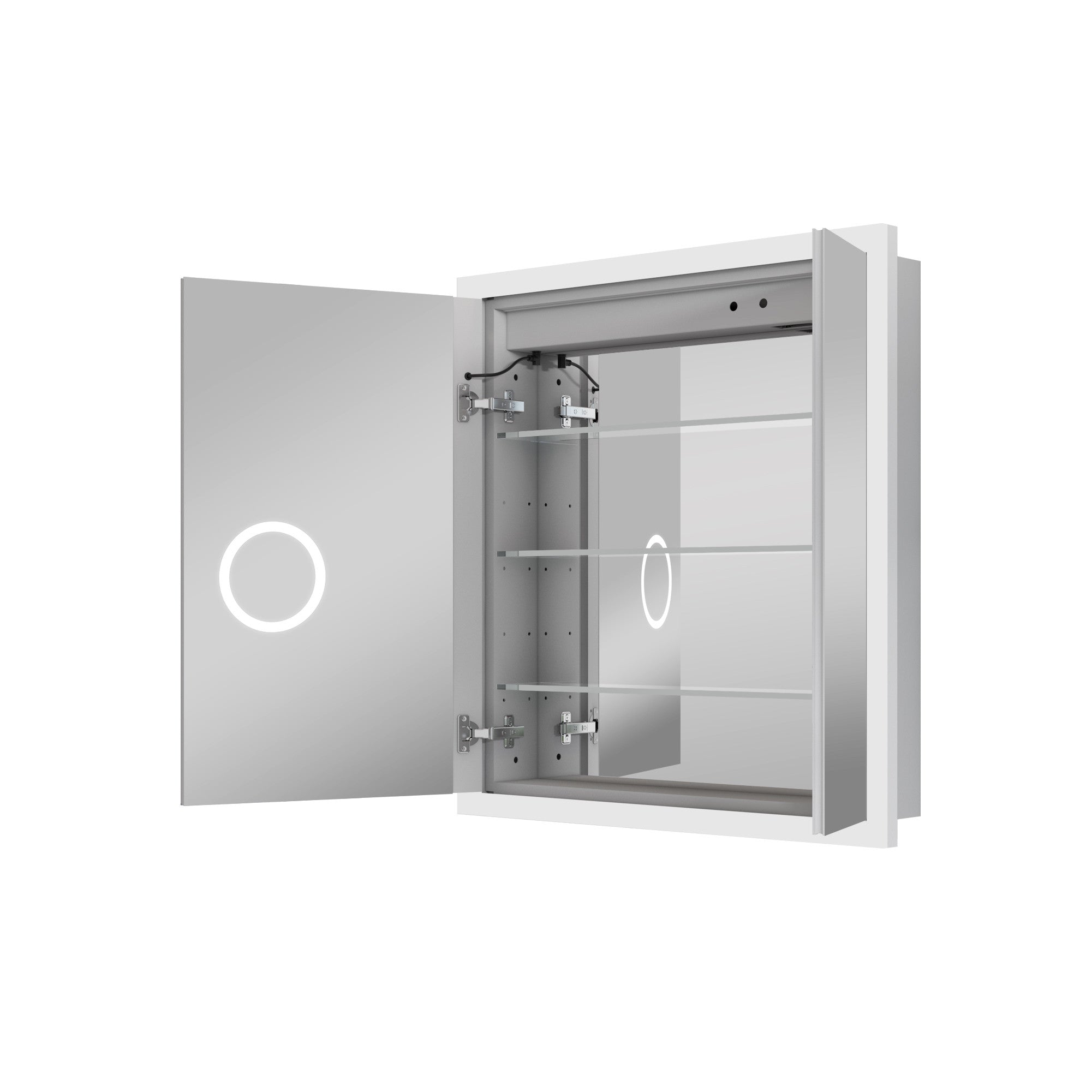
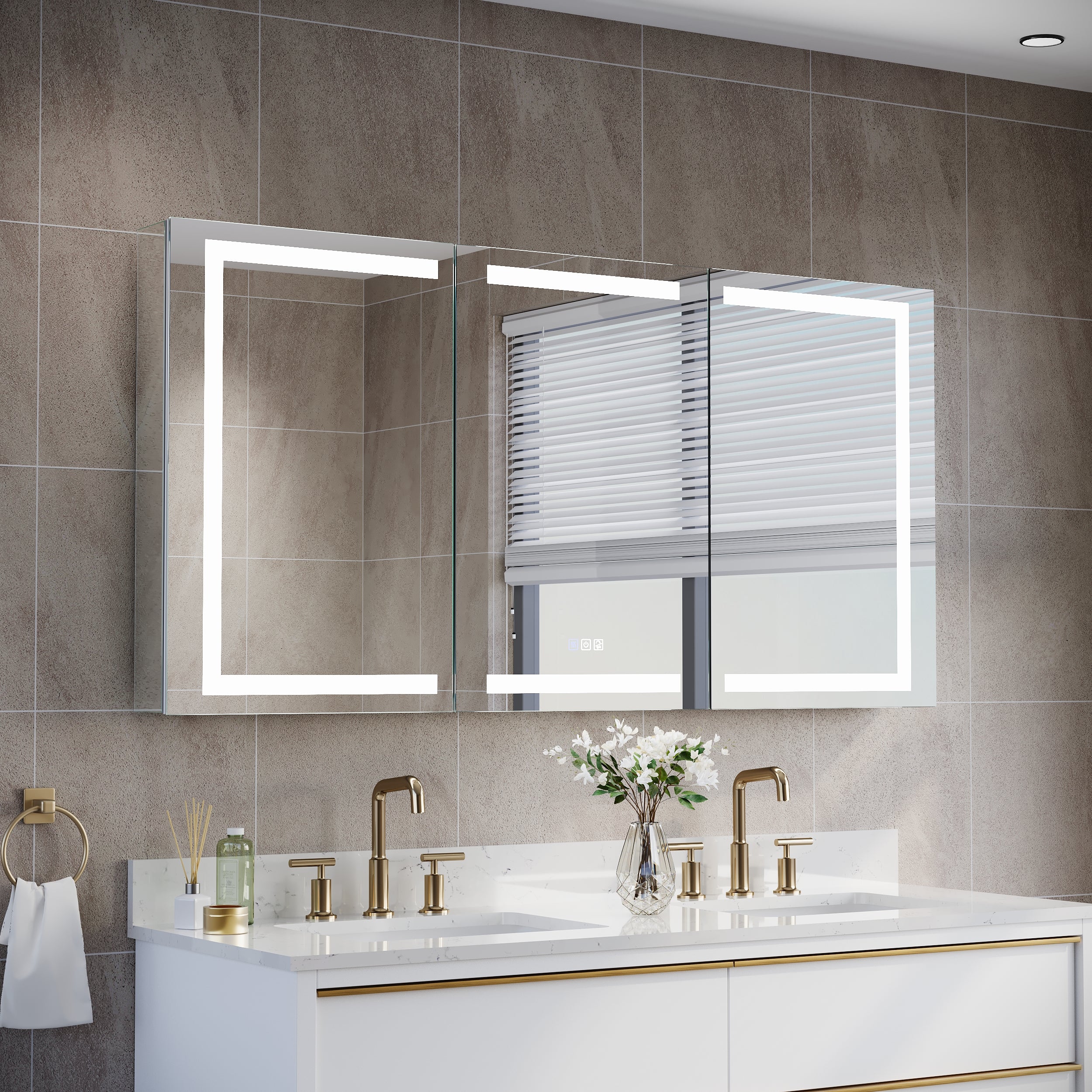
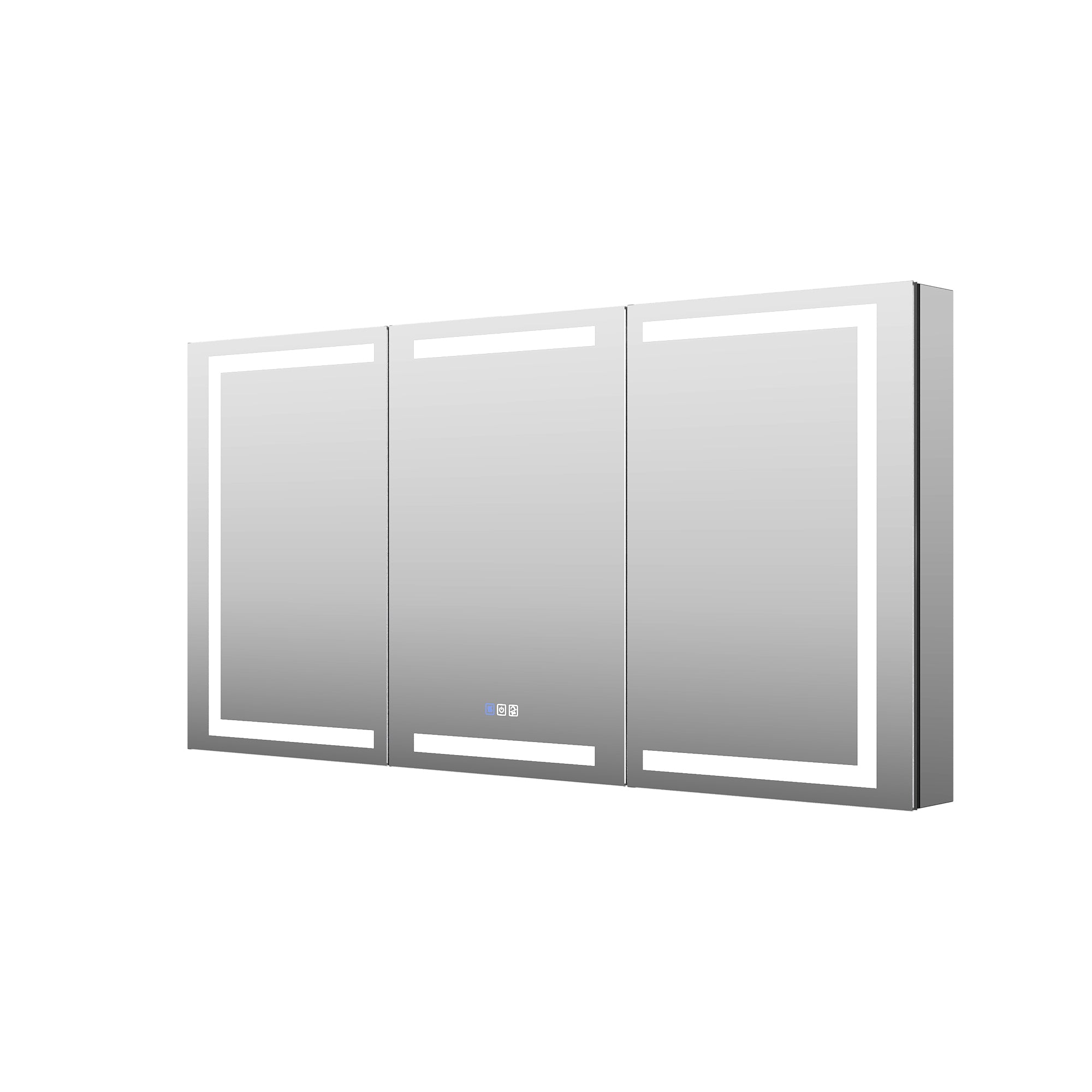
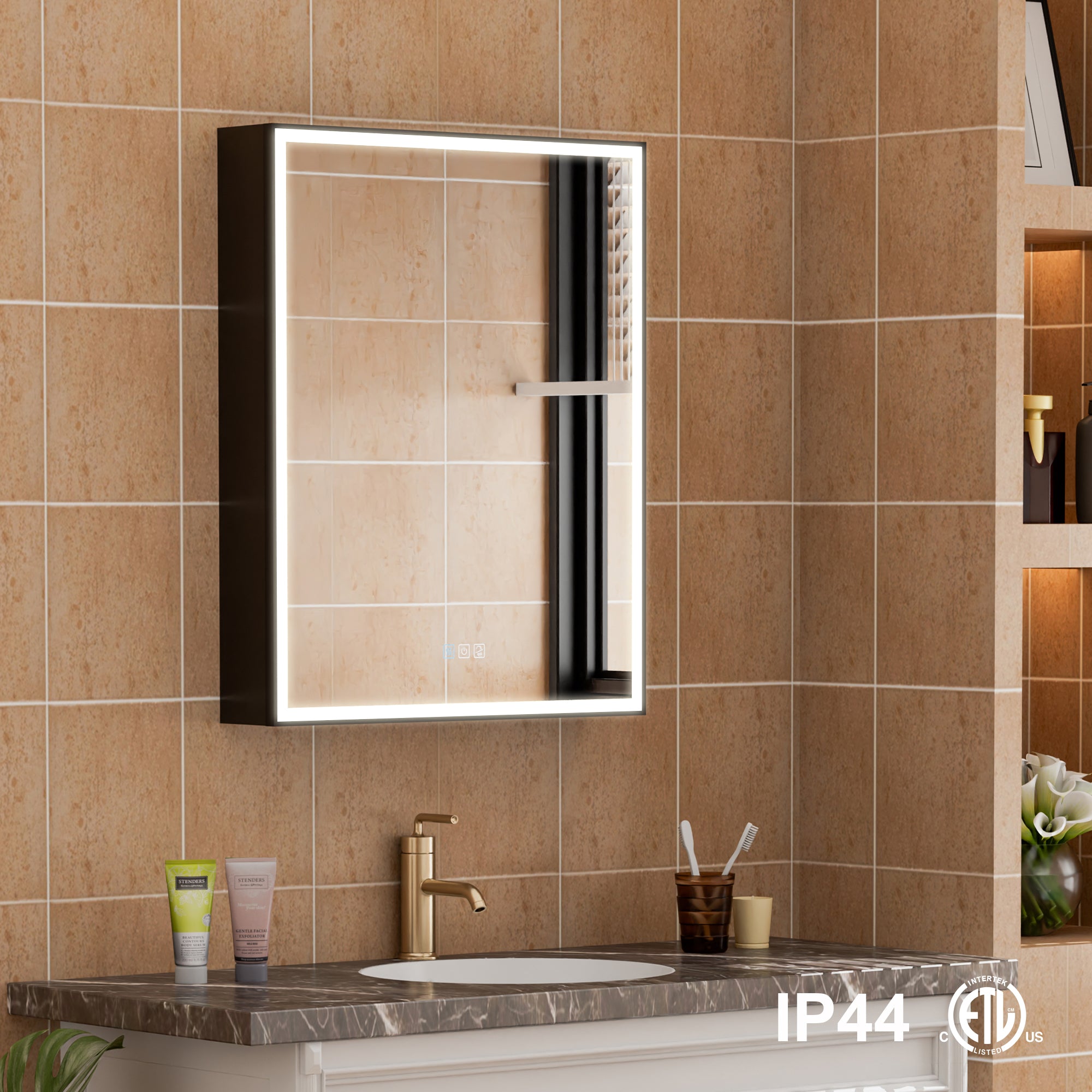
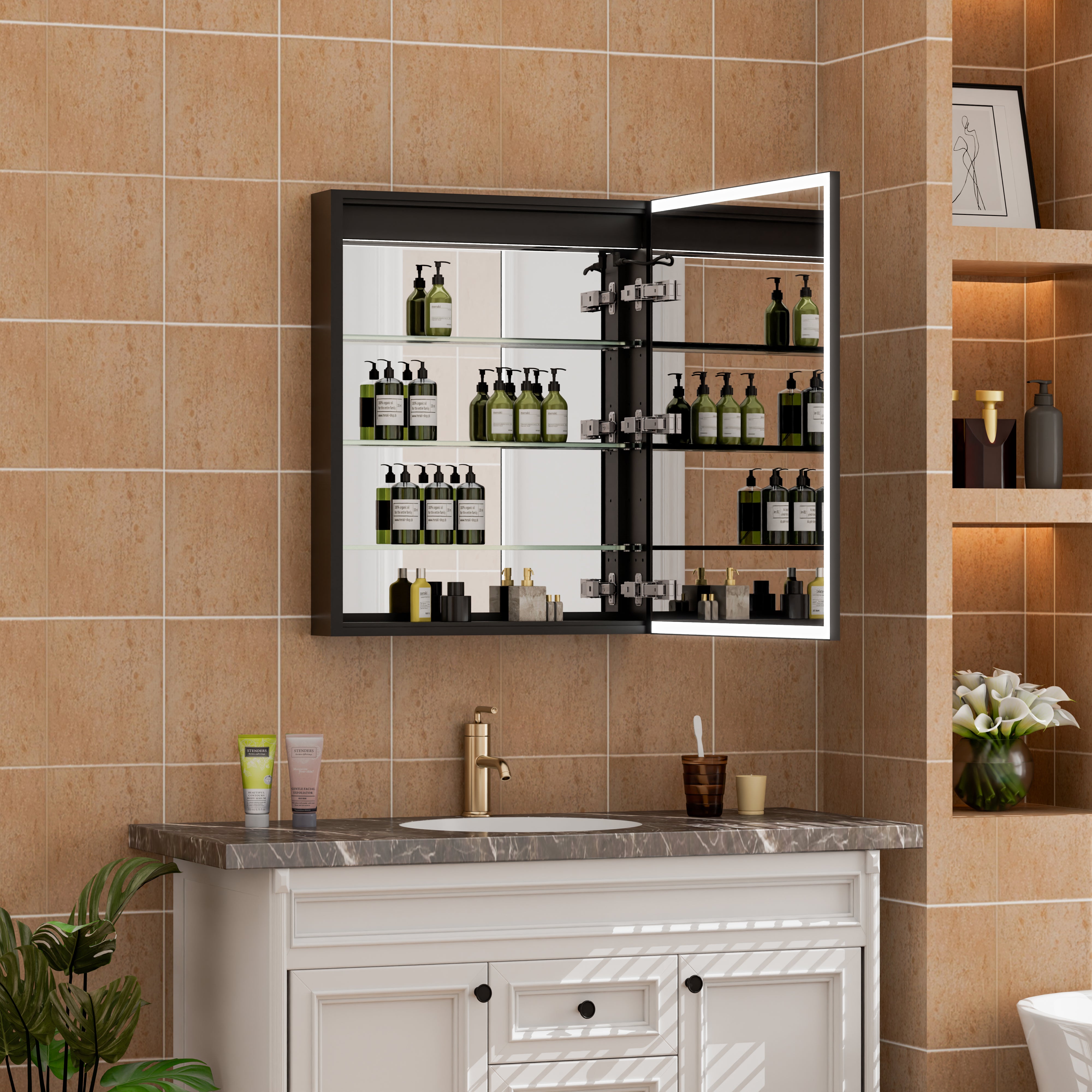
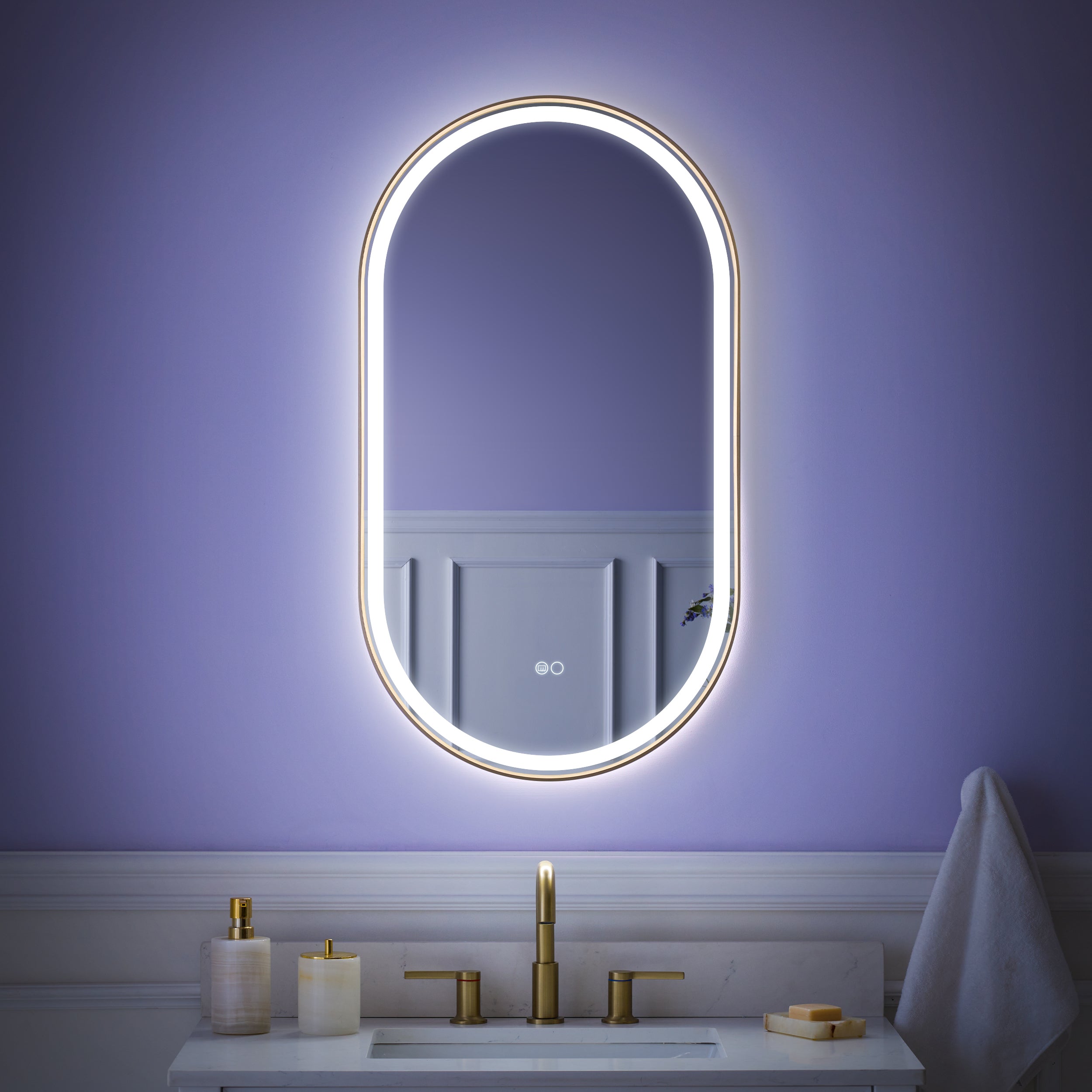
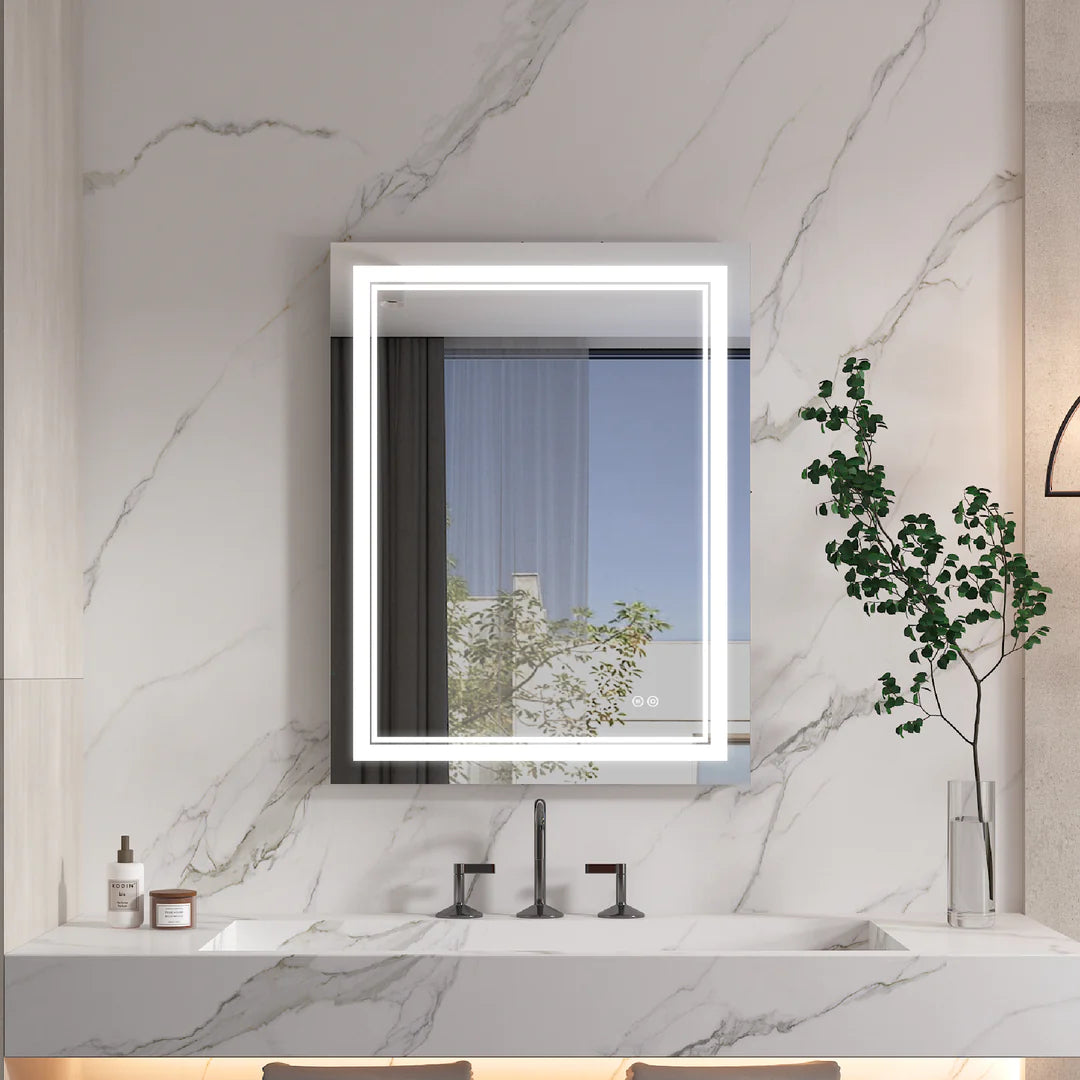
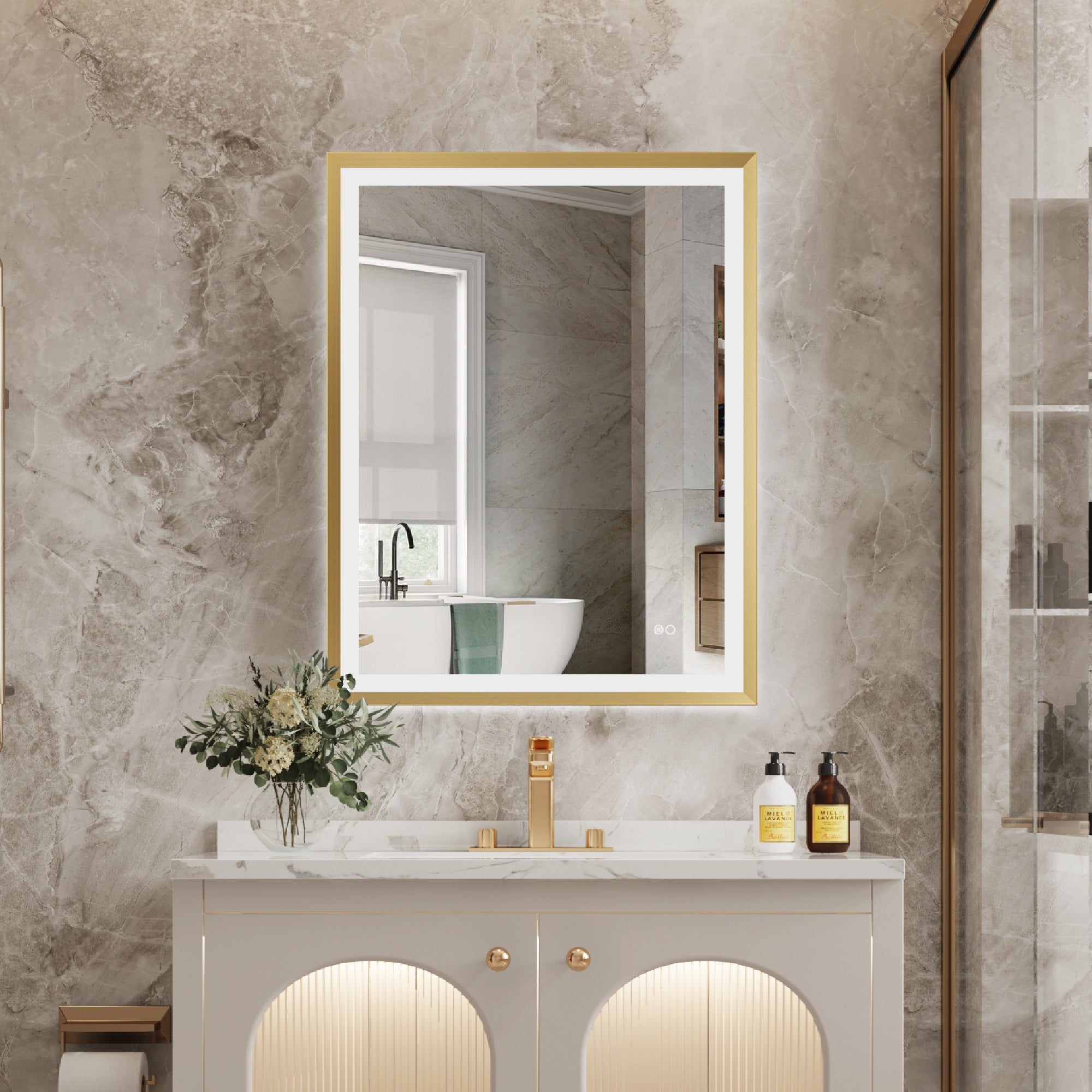
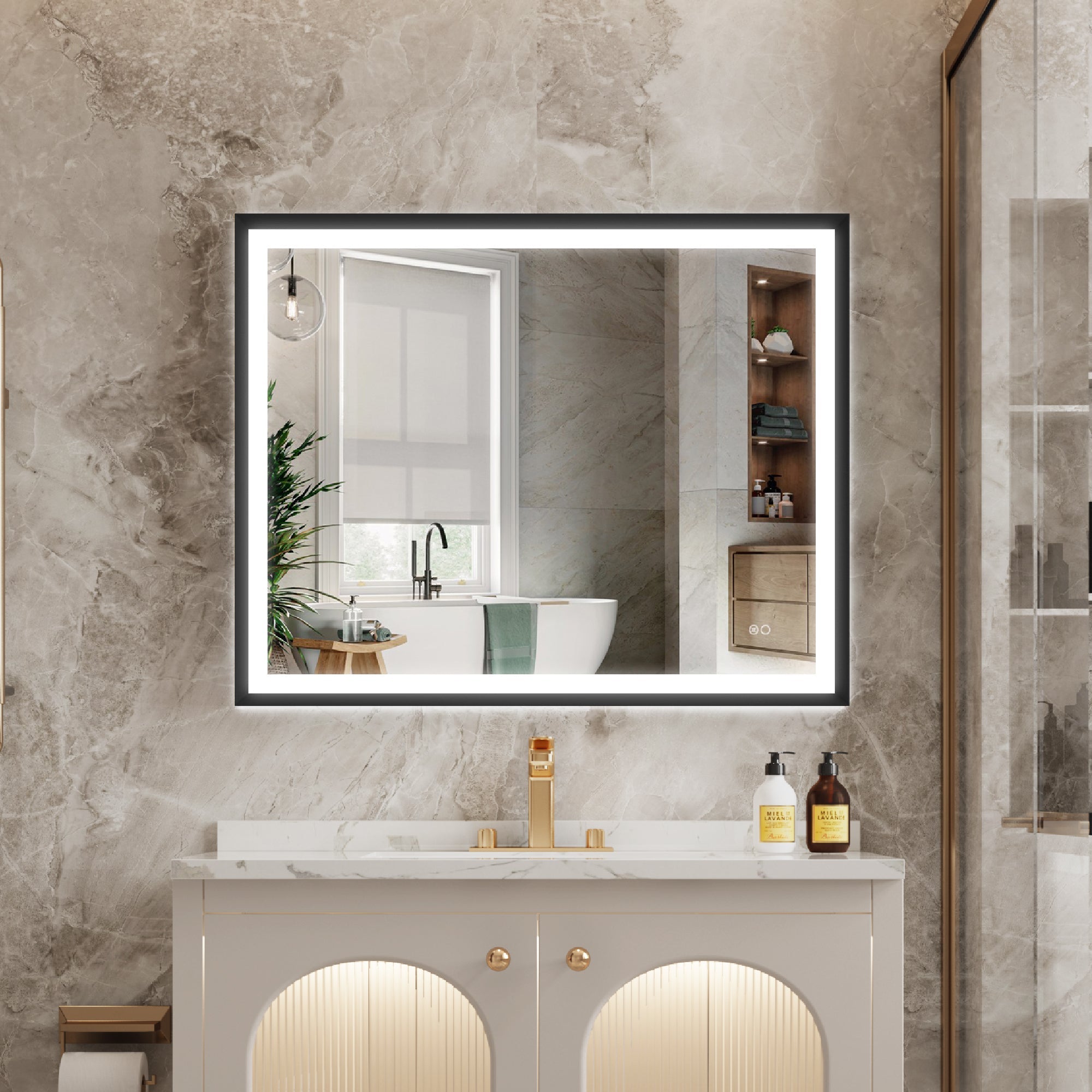
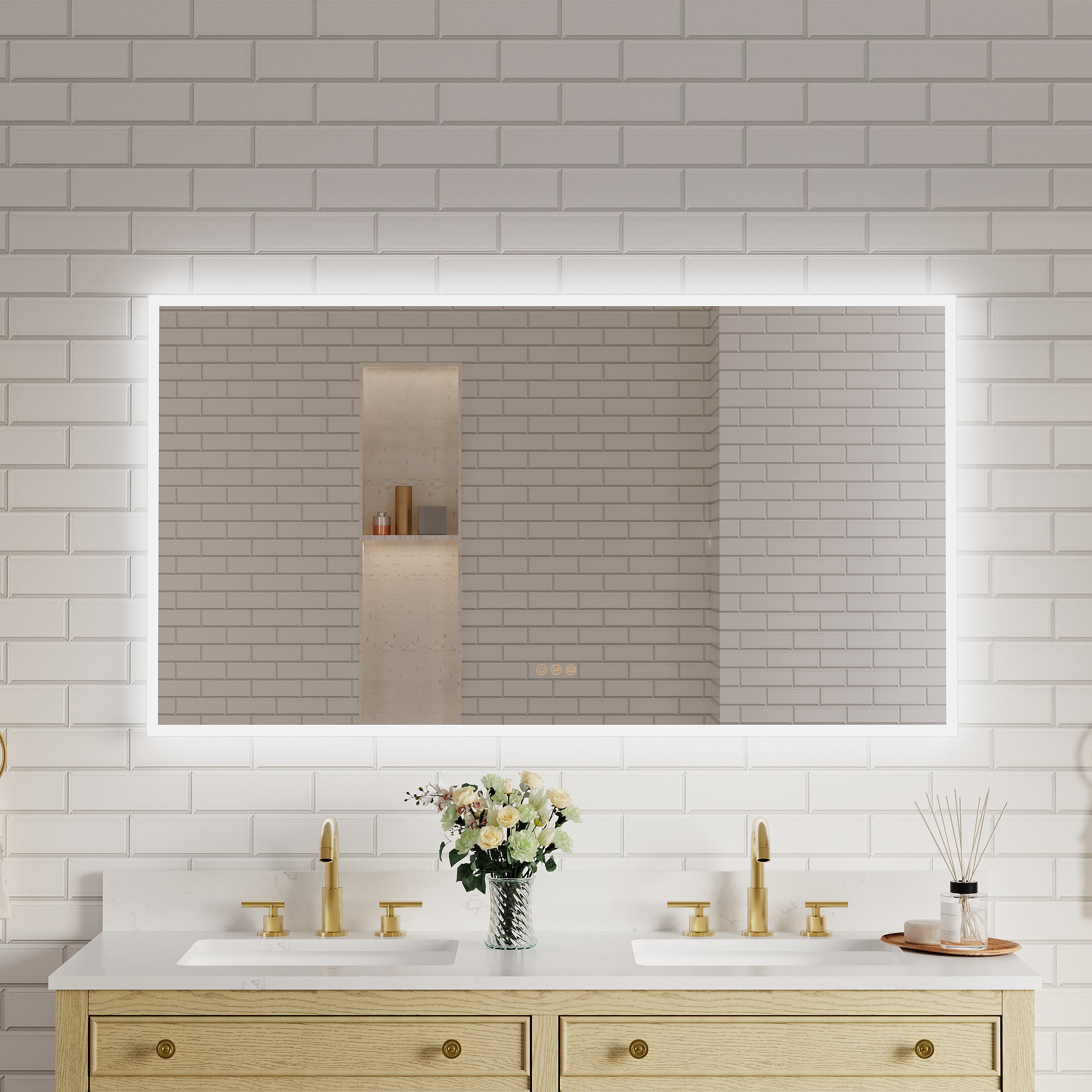
Budget release: The raw material and processing costs of plywood are usually 30% -50% higher than those of particleboard. The budget saved by choosing high-quality moisture-proof particleboard allows homeowners to easily upgrade peripheral hardware with more technological and aesthetic value, such as configuring smart mirrors with LED Lights or Smart Medicine Cabinets with an electric defogging function, thereby enhancing the overall intelligence of the washing and rinsing area.
Asset preservation: Nevertheless, from a long-term perspective of resale value, "Solid Plywood" (full plywood cabinet) is still considered synonymous with high quality and light luxury in real estate appraisal.

Summary:
The comparison between plywood and particleboard bathroom cabinets is not simply a matter of superiority or inferiority, but a rational choice between the physical toughness of natural large fibers and the aesthetic of modern artificial homogeneous structures. Plywood surpasses particleboard in structural bending resistance, nail-holding strength, suspension safety, and repairability after extreme water immersion. It is the cornerstone of long-term asset preservation and high-load-bearing bathroom cabinets, and particleboard, with its flawless surface flatness, perfect adaptation to minimalist baking technology, and extremely high cost-effectiveness, has become the efficient choice for modern compact bathroom spaces when combined with PUR industrial-grade seamless edge sealing. In the renovation project, a hybrid structure is customized according to the cabinet specifications and load-bearing flow lines in order to construct the highest life cycle return rate of the grooming core island within the wet-dry boundary of alternating humidity.









Leave a comment
This site is protected by hCaptcha and the hCaptcha Privacy Policy and Terms of Service apply.