














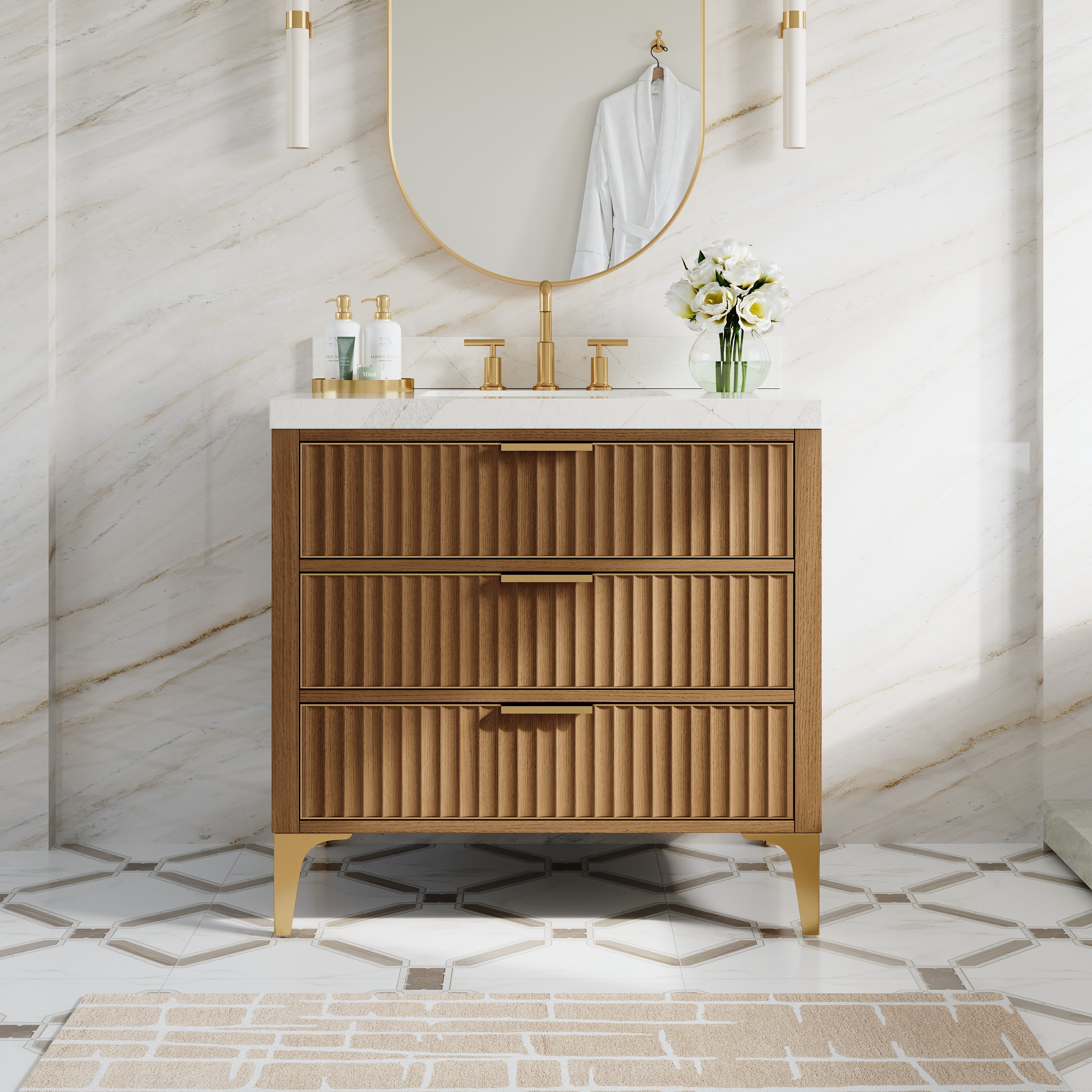
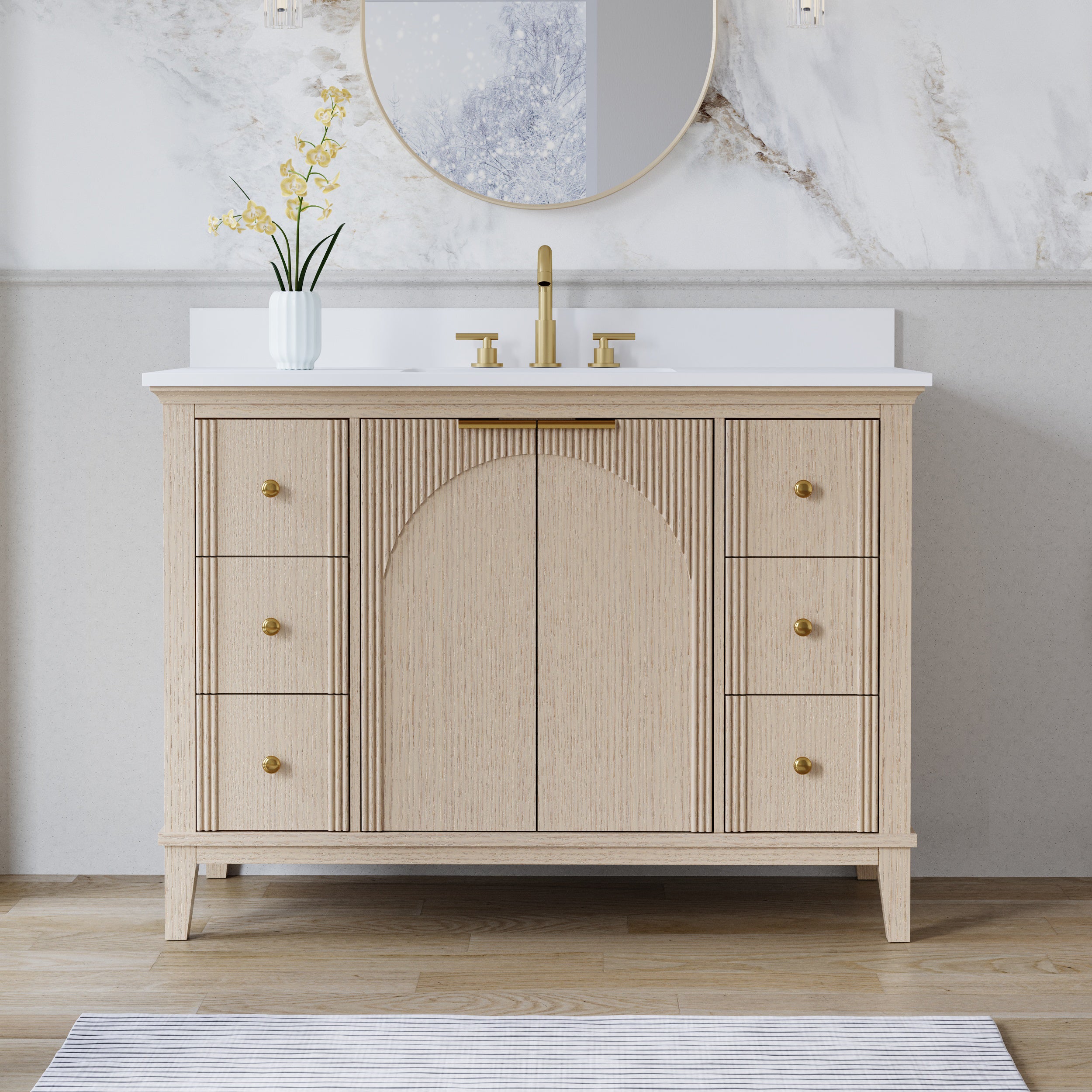
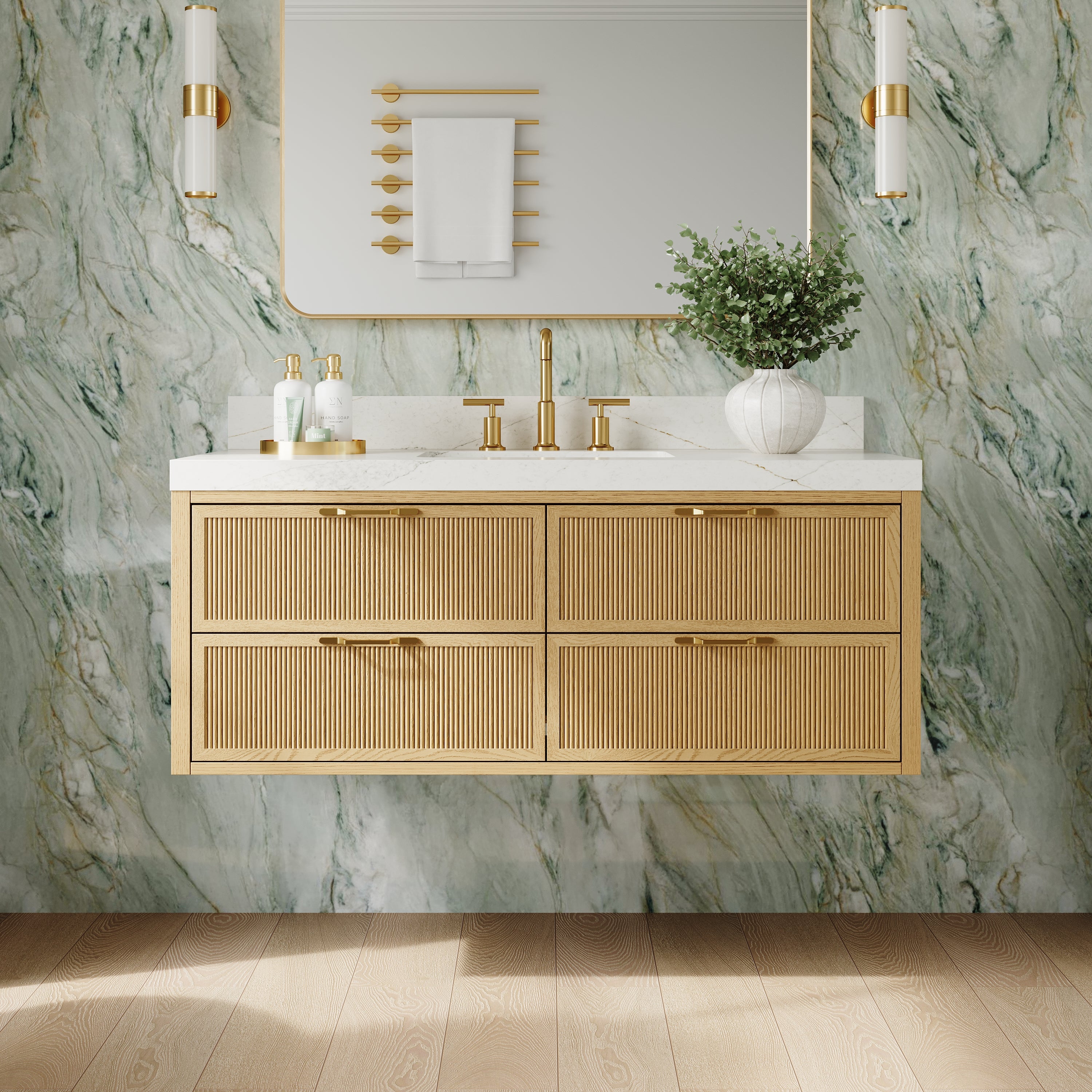
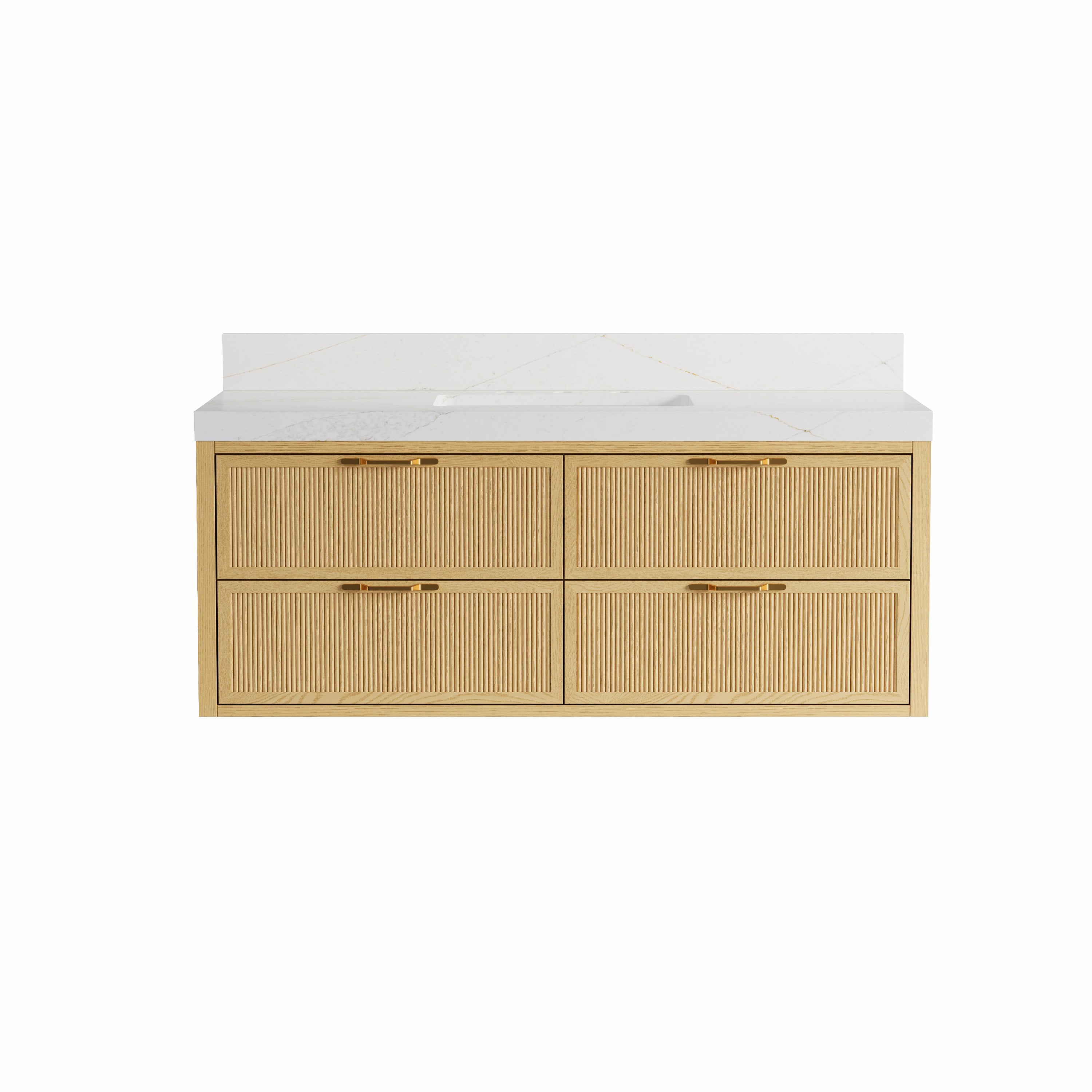


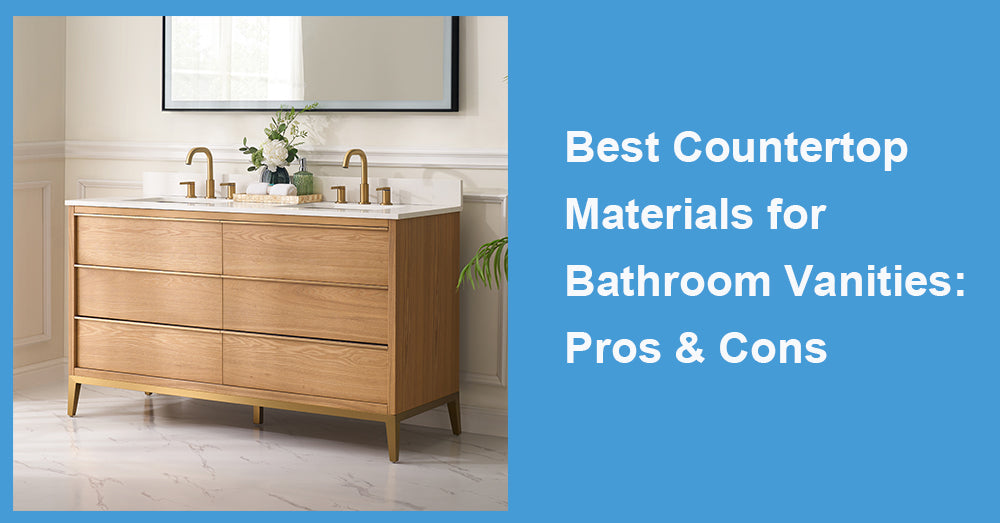
In the high-end residential renovation and customized bathroom market in 2026, the importance of selecting materials for bathroom vanity tops has risen to an unprecedented level. It is not only the largest horizontal visual surface in the washing area, directly determining the aesthetic grade of the entire bathroom, but also the "hardest hit area" subjected to daily water stains, chemical corrosion, physical impacts, and high-temperature contact with blunt objects.
An excellent countertop material must find the perfect balance between extremely high ergonomic touch, long-lasting physical durability, and extremely low household maintenance costs. Faced with the constantly emerging materials such as quartz stone, slate, marble, artificial stone, and ceramics on the market, which one is the most suitable "best answer" for your family? This article will provide you with a deep analysis of the advantages and disadvantages of the toughest countertop materials from 7 professional dimensions.
1. Quartz: The undisputed 'all-around champion.'
As the absolute mainstream with the highest market share in the household market in 2026, quartz stone is composed of about 90%- 93% natural quartz crystals and resin pigments, compounded under high pressure.
Advantages:
Extremely low water absorption rate: The surface of quartz stone is dense and pore-free, with a water absorption rate close to zero. This means that if shampoo, cosmetics, or even dark hair dye is accidentally spilled onto it, there will never be any "color eating" or staining.
Amazing hardness: With a Mohs hardness of up to 7 levels, it is extremely difficult to scratch and leaves no marks when placing razors or metal shelves in daily life.
Color controllable: Due to its industrial nature, it can perfectly simulate various high-end marble textures without the color-difference defects of natural stone, making it extremely suitable for the minimalist modern style of White Bath Vanities.
Disadvantages:
Splicing marks: If it is a super-long, large double sink countertop, there will still be slight splicing gaps at the corners.
Not resistant to extremely high temperatures: The internal resin components may develop localized yellowing or burn marks when in direct contact with uncooled electric curling irons or straightening clips that exceed 150 °C.
2. Sintered Stone: The 'Ceiling' of Technological Aesthetics
Rock slabs are a revolutionary material that has emerged in recent years. They are made by compressing natural stone powder and clay under over 10,000 tons of pressure and sintering them at temperatures above 1,200 °C.
Advantages:
Pure physical defense: The rock slab contains no resin and has extremely high heat resistance. It can be easily thrown onto a recently powered hair dryer or curling iron without any pressure.
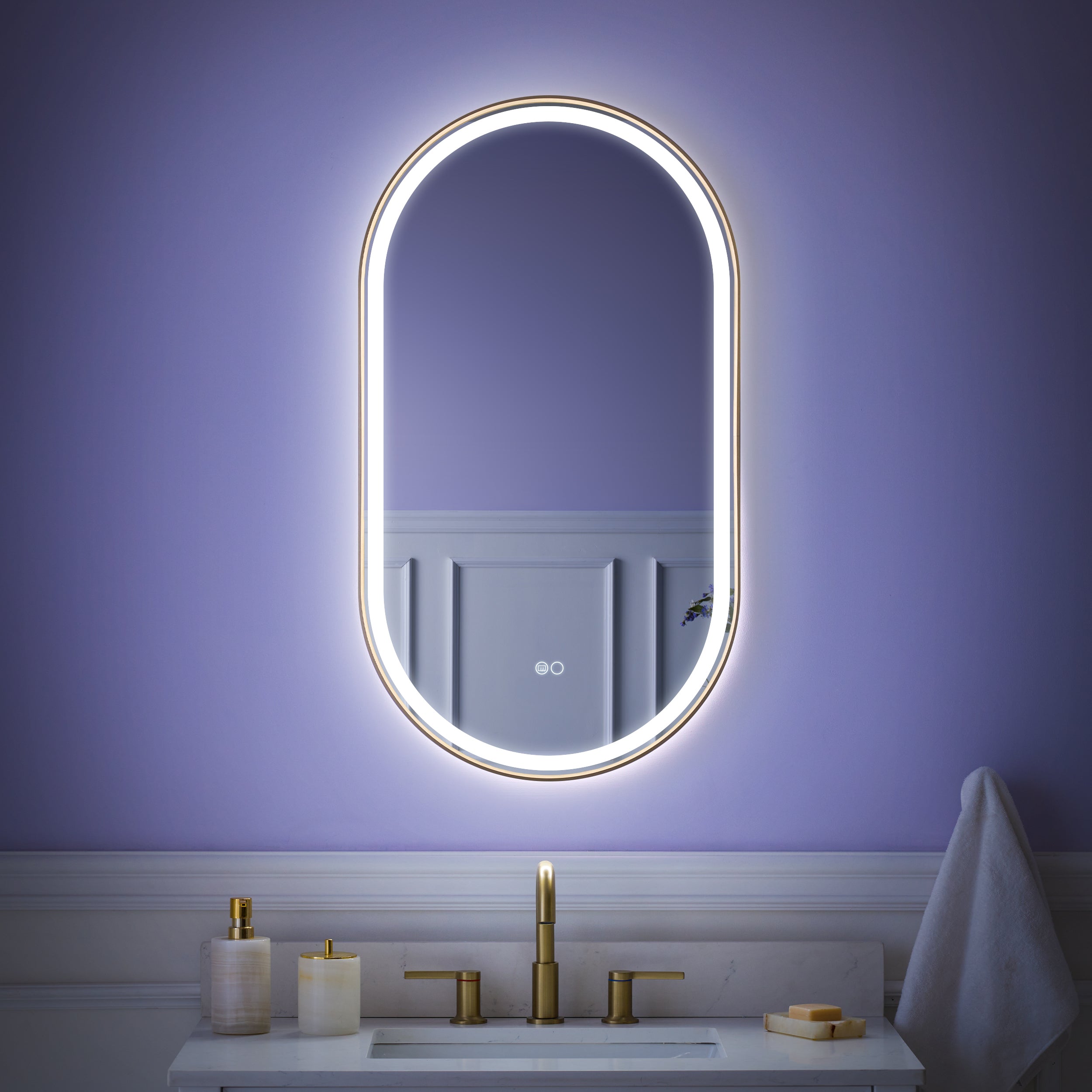
Ultra-thin and integrated: The rock slab can be made extremely thin (even 3-6mm) and can create extremely tough, sharp, minimalist right-angle lines with the integrated basin, making it an excellent choice for creating modern industrial style or Italian minimalist bathrooms. It creates a strong geometric contrast in beauty with the roundness of the Round Mirror.
Zero permeability and antibacterial properties: The structure is more compact than quartz, making it impossible for bacteria and mold to grow on the surface.
Disadvantages:
Brittle and prone to edge breakage: This is the most significant material defect of rock slabs. Although it is extremely hard and resistant to scratches, its impact toughness is poor. If a heavy object (such as a heavy perfume bottle) accidentally hits the edge of the countertop, it is very likely to cause irreversible local edge collapse.
The processing cost is extremely high: the requirements for cutting and drilling processes are extremely strict, and even a slight mistake can cause the entire board to break during the processing, resulting in a high cost of manual installation.
3. Natural Marble: The 'Texture Belief' of Legendary Luxury Houses
For top-level renovation projects that pursue ultimate luxury and unique natural textures such as Carrara white and Jazz white, natural marble still holds an irreplaceable position.
Advantages:
Unreplicable luxury: Each natural marble pattern is unique, with a deep sense of scenery and a noble, cool touch, which is the spiritual core that no artificial technology can perfectly replicate.
Timeless: With proper maintenance, natural marble will produce a charming physical luster (Patina) over time, possessing extremely high asset preservation properties.
Disadvantages:
The delicate and difficult to cultivate "water absorbing monster": Marble is essentially a calcium carbonate structure with microporous characteristics. Very easy to absorb moisture and colored liquids; once seepage (discoloration) occurs, ordinary cleaning agents are completely powerless.
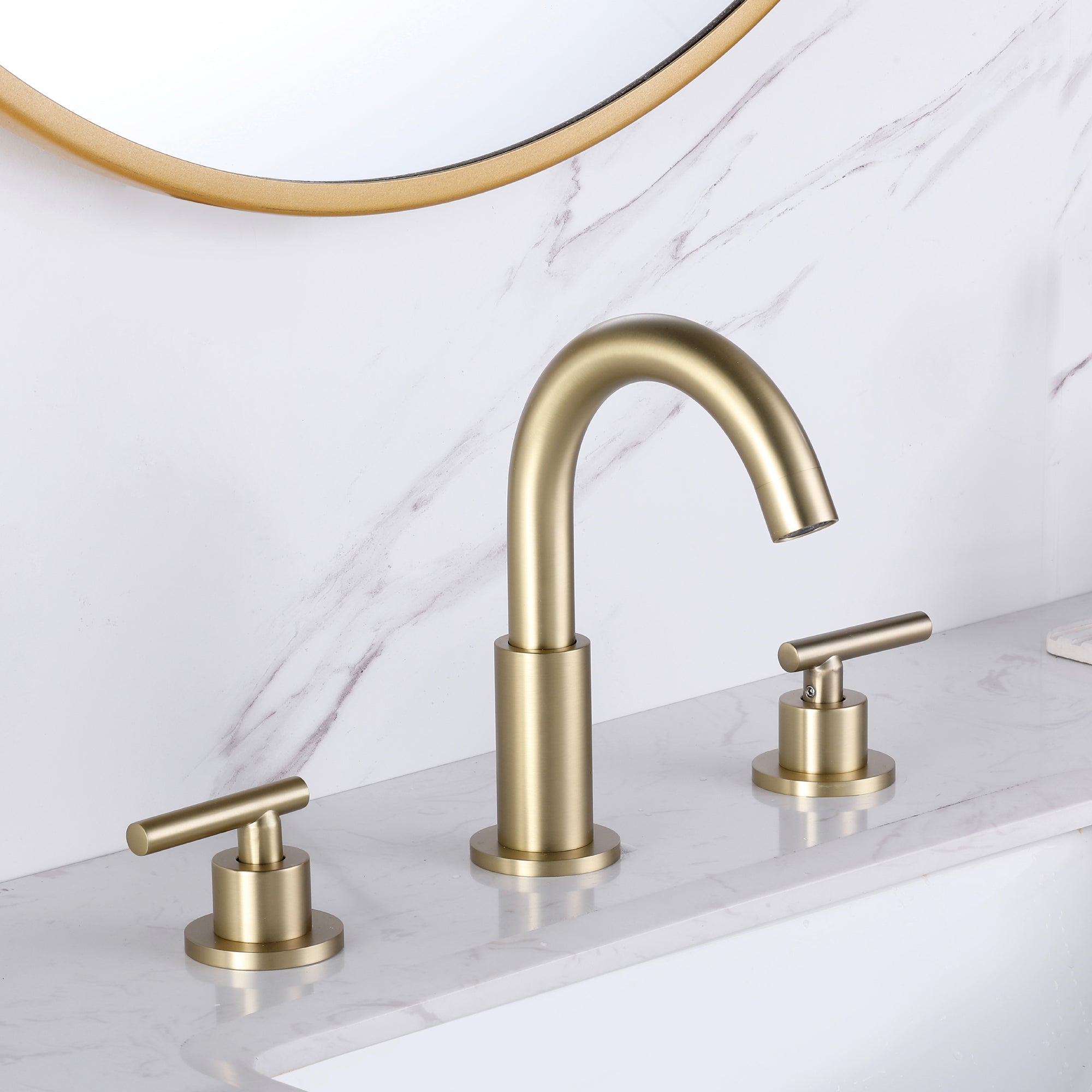
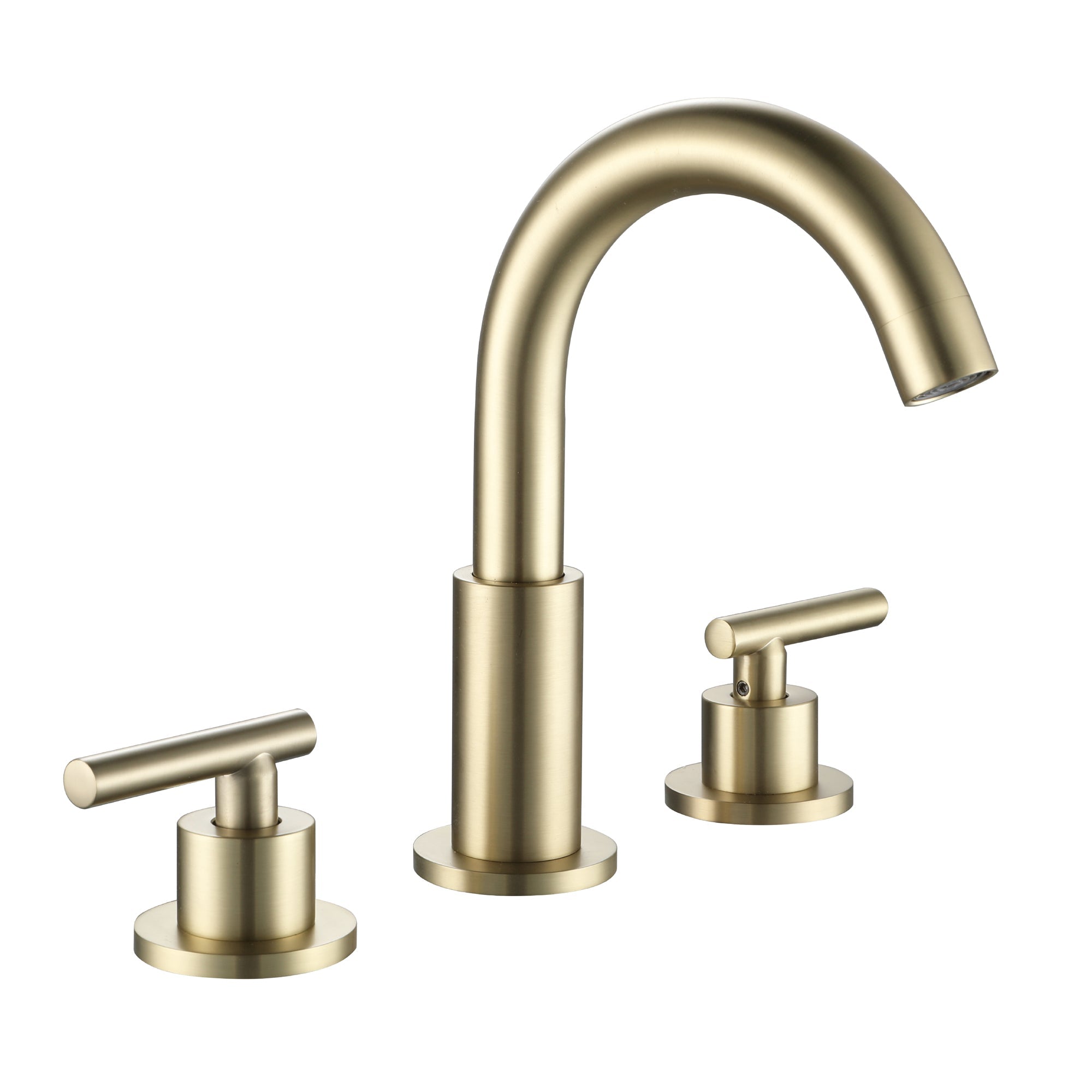
Extremely afraid of acid: Some weakly acidic cleansers, exfoliants, and even acidic gases emitted by toilet cleaners commonly found in bathrooms can quickly etch marble, causing it to lose its luster and develop white spots. Professional coating and sealing must be carried out regularly (every six months), just like maintaining Gold Bath Fixtures.
4. Solid artificial stone/acrylic (Solid Surface): seamless integrated "styling master."
Solid artificial stone, such as DuPont Corinne, is made by mixing a high-performance resin with mineral powder.
Advantages:
Truly seamless: This is the only material that can achieve seamless integration between the countertop and sink. Not only is it visually extremely healing, but it also eliminates the century-old pain points of blackening, mold, and dirt accumulation at the seams of traditional under-stage pots.
100% repairability: If the surface is accidentally scratched by sharp objects or even burned by cigarette butts, simply use fine sandpaper to polish and re-polish, and it can miraculously recover as new, with strong "self-healing power".
Warm Touch: It is a non-cold material with a softer, more delicate touch than stone.
Disadvantages:
Low hardness: extremely prone to small scratches from everyday objects such as ceramic cup bottoms and metal nail clippers (especially dark colored countertops).
Weak heat resistance: The high resin content makes its heat resistance the lowest among stones; high-temperature hairdressing tools must be strictly avoided.
5. Ceramic Integrated Top: The pragmatic "king of cost-effectiveness."
Ceramic countertop and basin integrated item fired from high-temperature clay and glazed as a whole.
Advantages:
Ultimate durability and worry-free: The ceramic glaze is extremely mature, acid and alkali-resistant, scratch-resistant, non-absorbent, and not afraid of heat. Daily cleaning only requires a cloth to wipe, and can even be directly brushed with a steel wire ball, making it the most worry-free choice for households with frequent use and children.
Extremely cost-effective: Compared to custom stone countertops that often cost thousands or tens of thousands, ceramic integrated basins with standard specifications (such as compatibility with 36-inch vanities) are very affordable.
Disadvantages:
Size rigidity: It is molded and cannot be customized to personalized dimensions.
Aesthetic singularity: Most designs tend to lean towards traditional curved or fixed rectangular shapes, lacking the high-end and luxurious customization of marble or rock slabs, which can easily lead to visual fatigue of "uniformity".
6. The engineering wisdom of material and space ratio: how to break through according to the specifications of the washbasin?
In the design logic for 2026, the selection of countertop materials must be closely tied to cabinet specifications (such as 36-inch vanities).
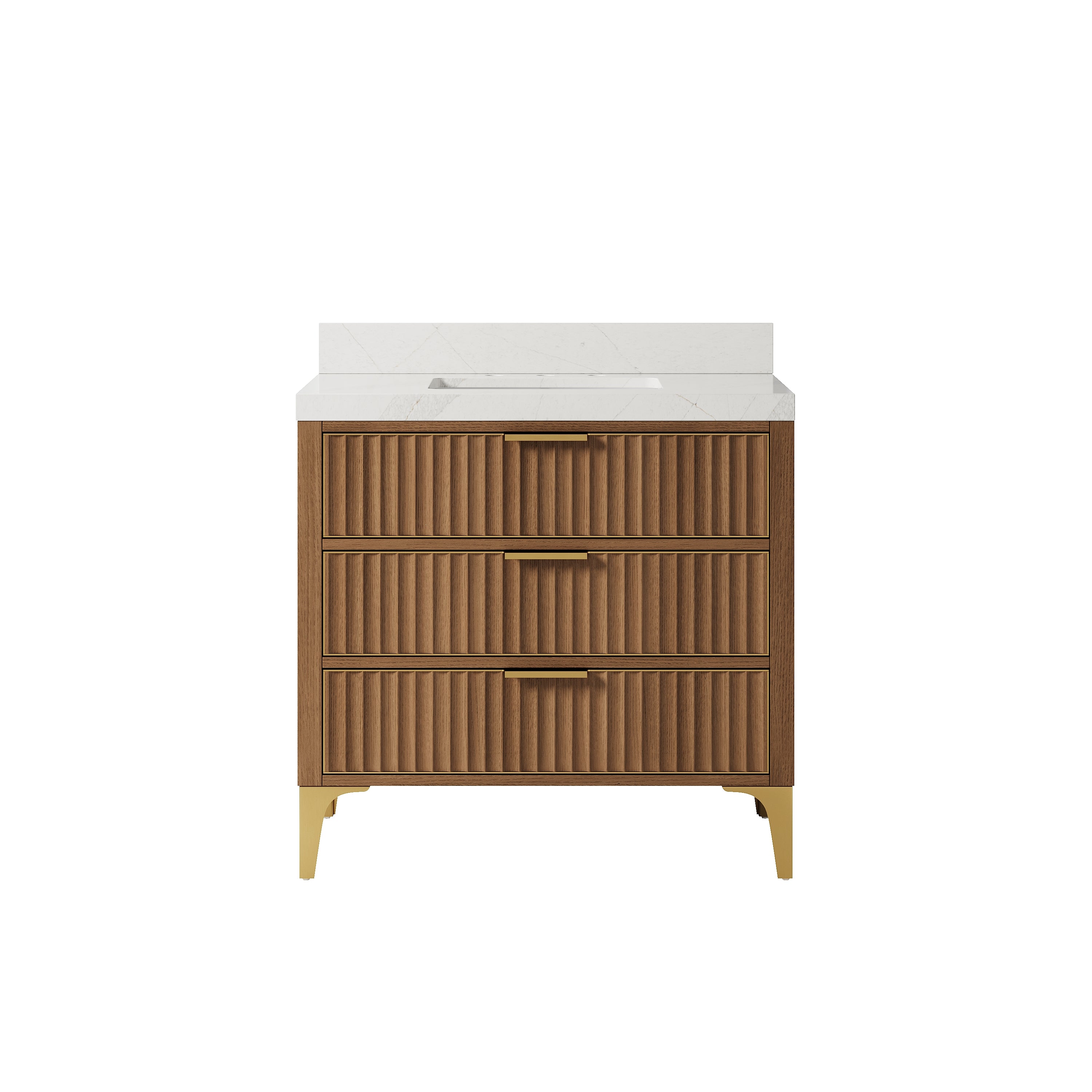
Golden ratio: For medium-sized 36-inch cabinets, there is limited white space on both sides of the countertop. At this time, the industry prefers to use quartz stone countertop offset sinks or solid artificial stone seamless sinks. This can free up a complete, non-permeable, and easy-to-maintain storage platform within a limited physical scale of 36 inches.
Weight load: If you insist on choosing a heavy natural marble or thick rock slab countertop, be sure to refer to our conclusion in "Comparison of Durability between Solid Wood and MDF Bathroom Cabinets": the cabinet frame must have a high-rigidity solid wood load-bearing structure, and long-term heavy pressure will cause deformation of the cabinet structure below or misalignment of the door panels.
7. The synergy between technological empowerment and long-term maintenance
The future countertop is not just a stone; it is becoming an extension of the smart bathroom.
Invisible wireless charging: The high-end renovation trend in 2026 is to use the non-metallic properties of quartz or artificial stone to embed wireless charging coils under the countertop. When washing up, simply place your phone in the designated area on the countertop to charge it, completely bidding farewell to the era of scattered bathroom wires.
Cooperate with soft water: Regardless of which countertop is chosen, the secret to maintaining high glossiness for a long time still lies in whether the household end is equipped with a soft water system. Without the continuous torment of calcium and magnesium ions (scale), even the cleaning frequency for extremely difficult-to-serve natural marble can be significantly reduced.

Summary:
The selection of bathroom countertop materials is a comprehensive material game involving impermeability, hardness, heat resistance, and design freedom. Quartz stone has become a standard for comprehensive performance due to its zero permeability and high hardness; Rock slabs define modern minimalist aesthetics with their ultimate high temperature resistance and slim lines, but caution should be taken against edge collapse; Acrylic artificial stone excels in seamless repair, but its hardness is relatively low; Natural marble is used as the top accessory for luxury homes with its unparalleled texture, but the maintenance cost is extremely high. In the renovation project, based on the specifications of cabinets such as 36-inch washbasins, the mechanical matching of material weight and load-bearing skeleton is scientifically calculated, and combined with intelligent electrical integration, such as invisible charging, in order to construct the most life cycle return rate bathroom core functional island within the limited dry and wet boundaries.









Leave a comment
This site is protected by hCaptcha and the hCaptcha Privacy Policy and Terms of Service apply.