














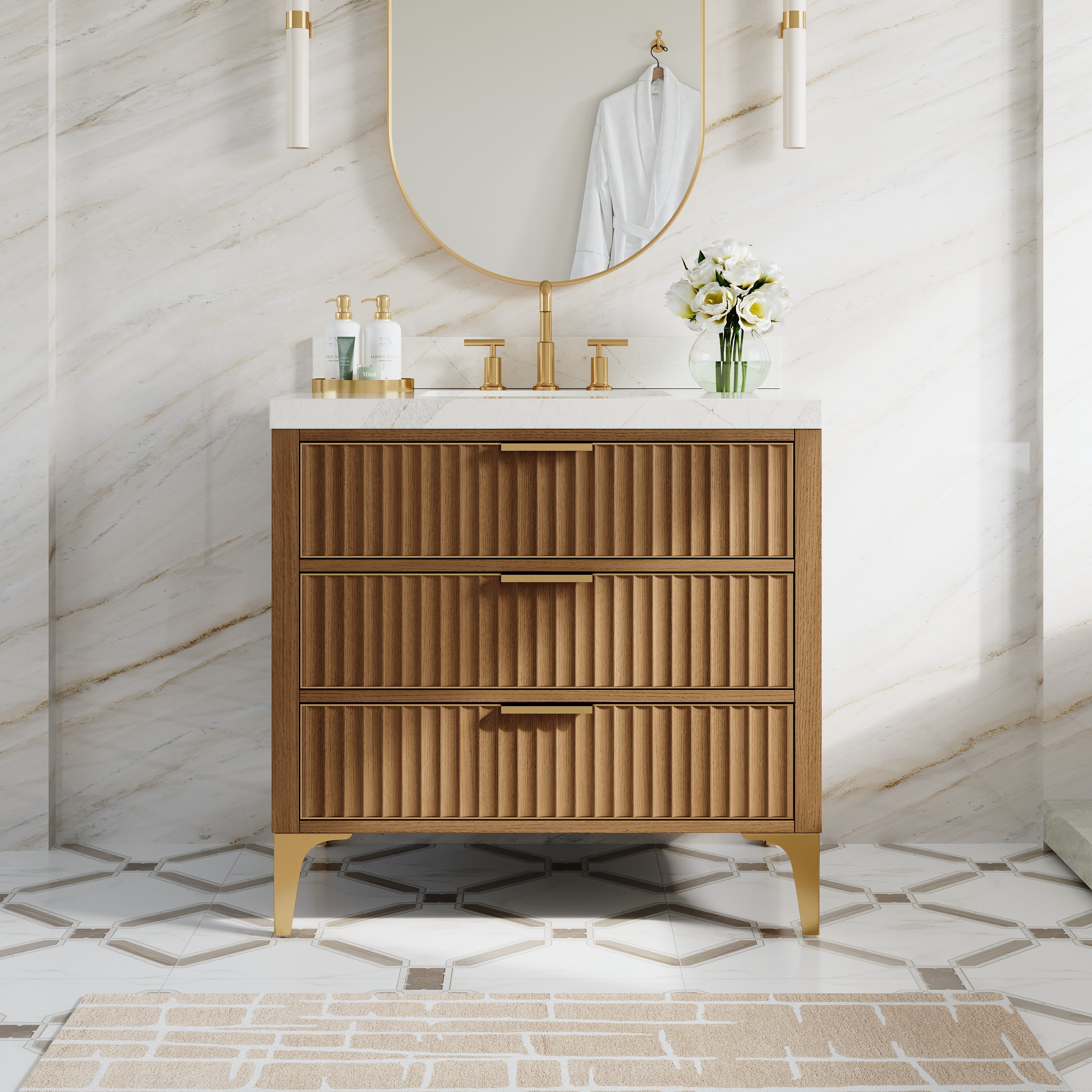
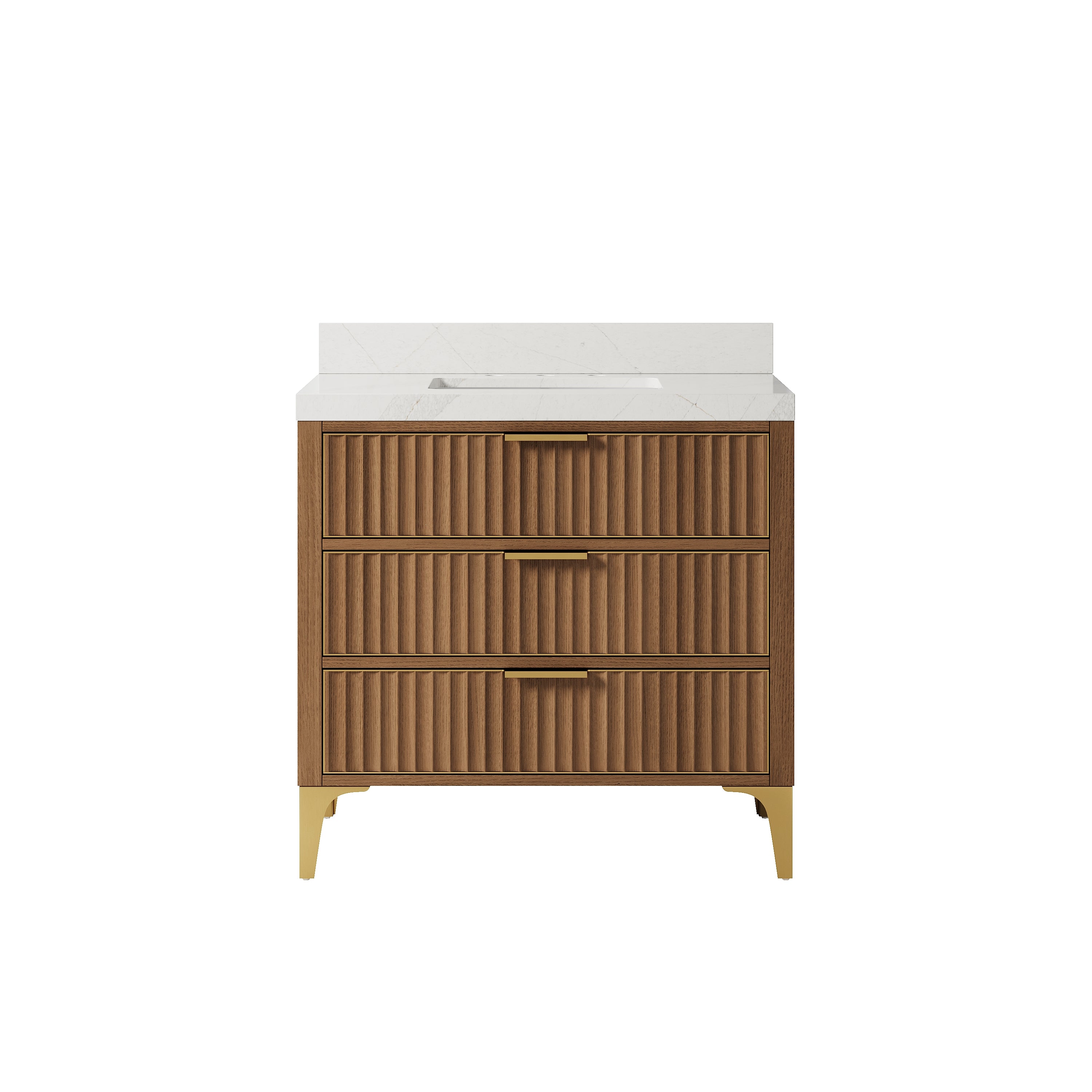
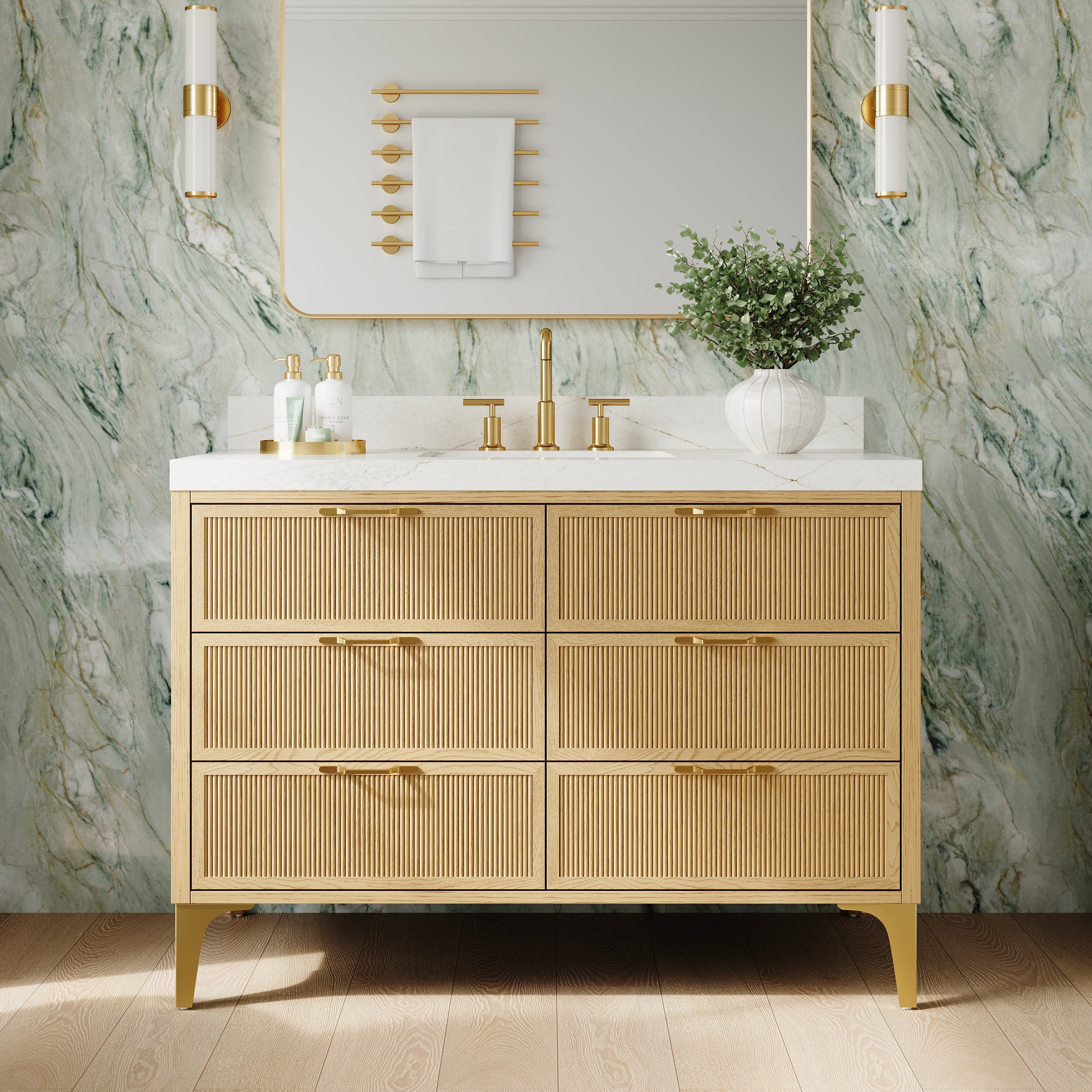
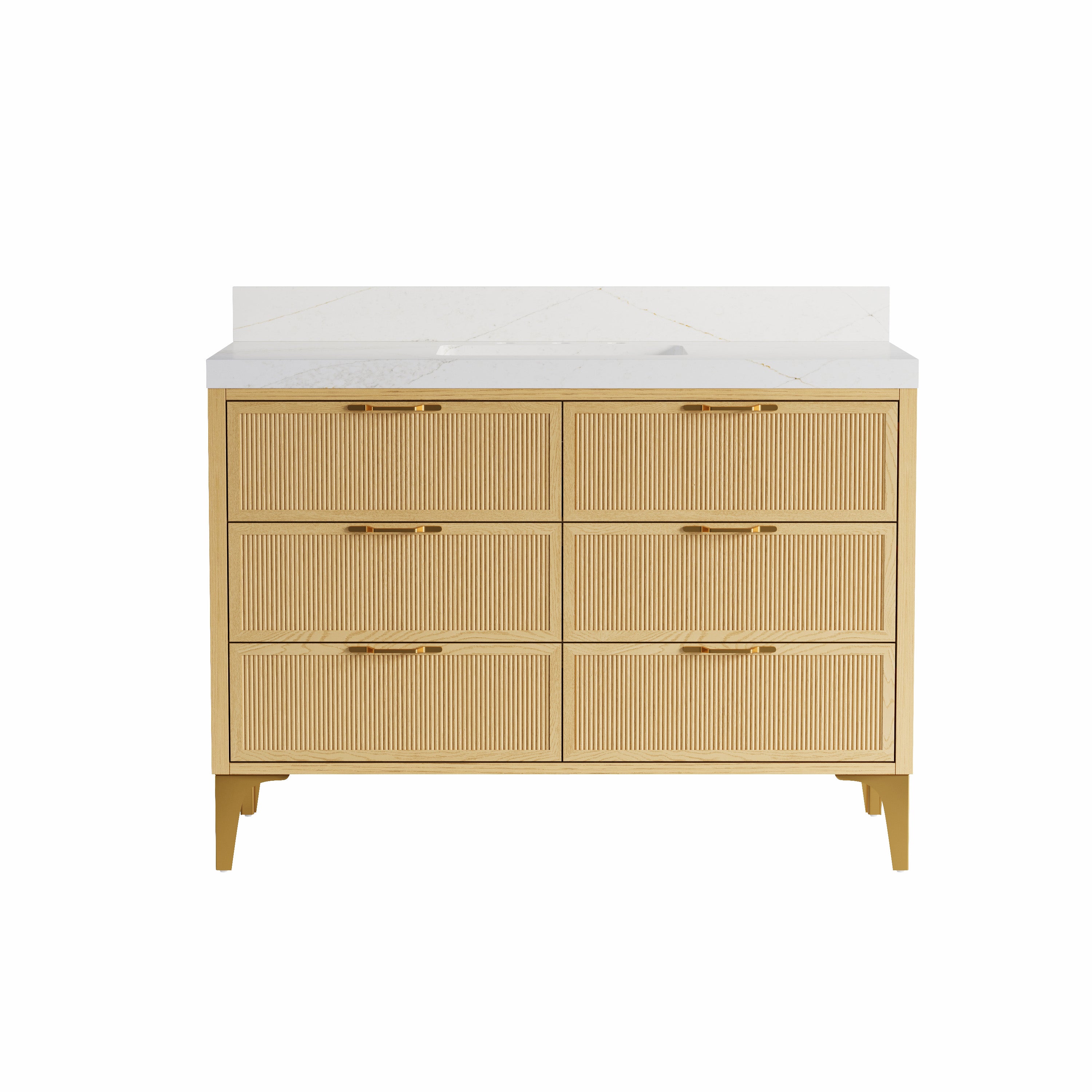


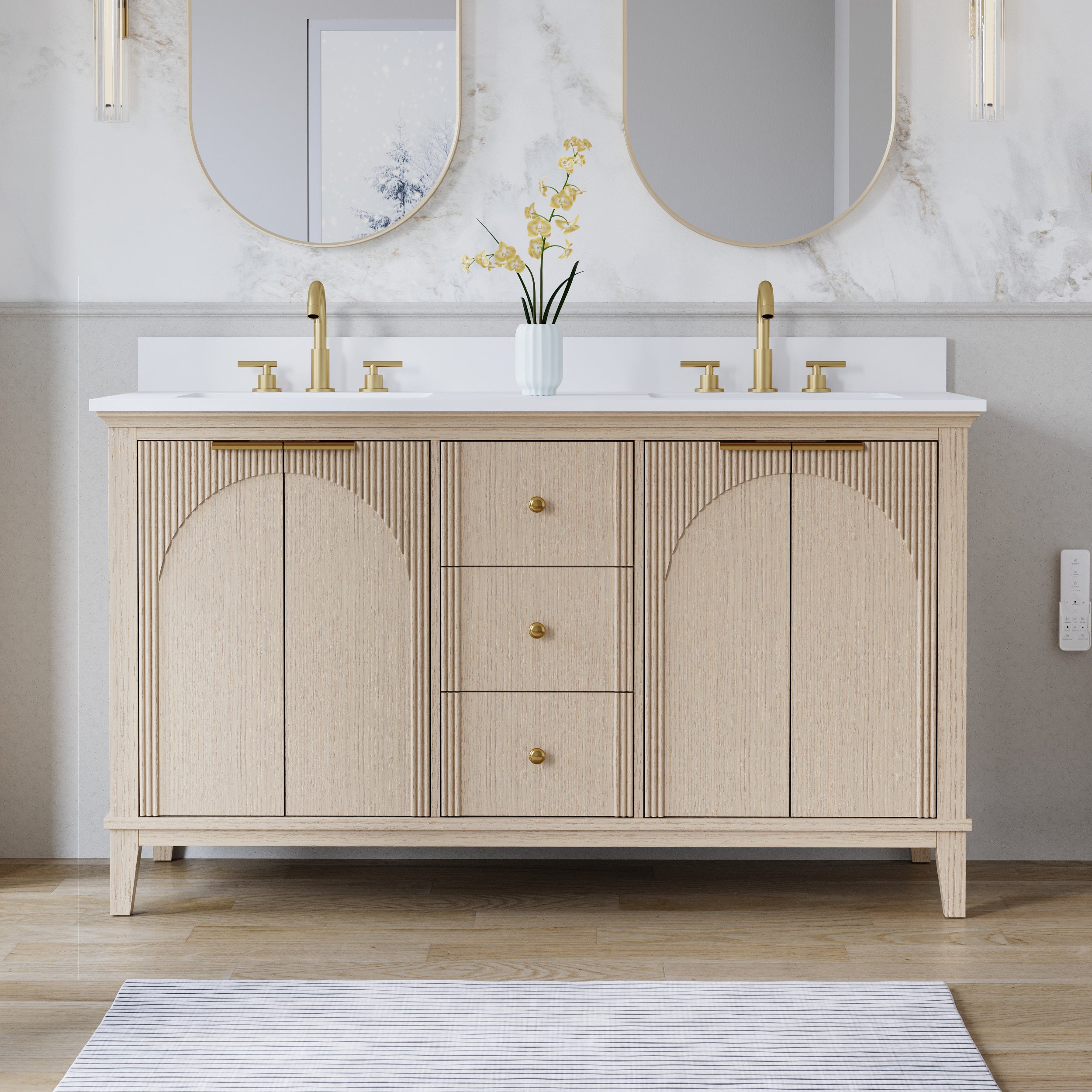
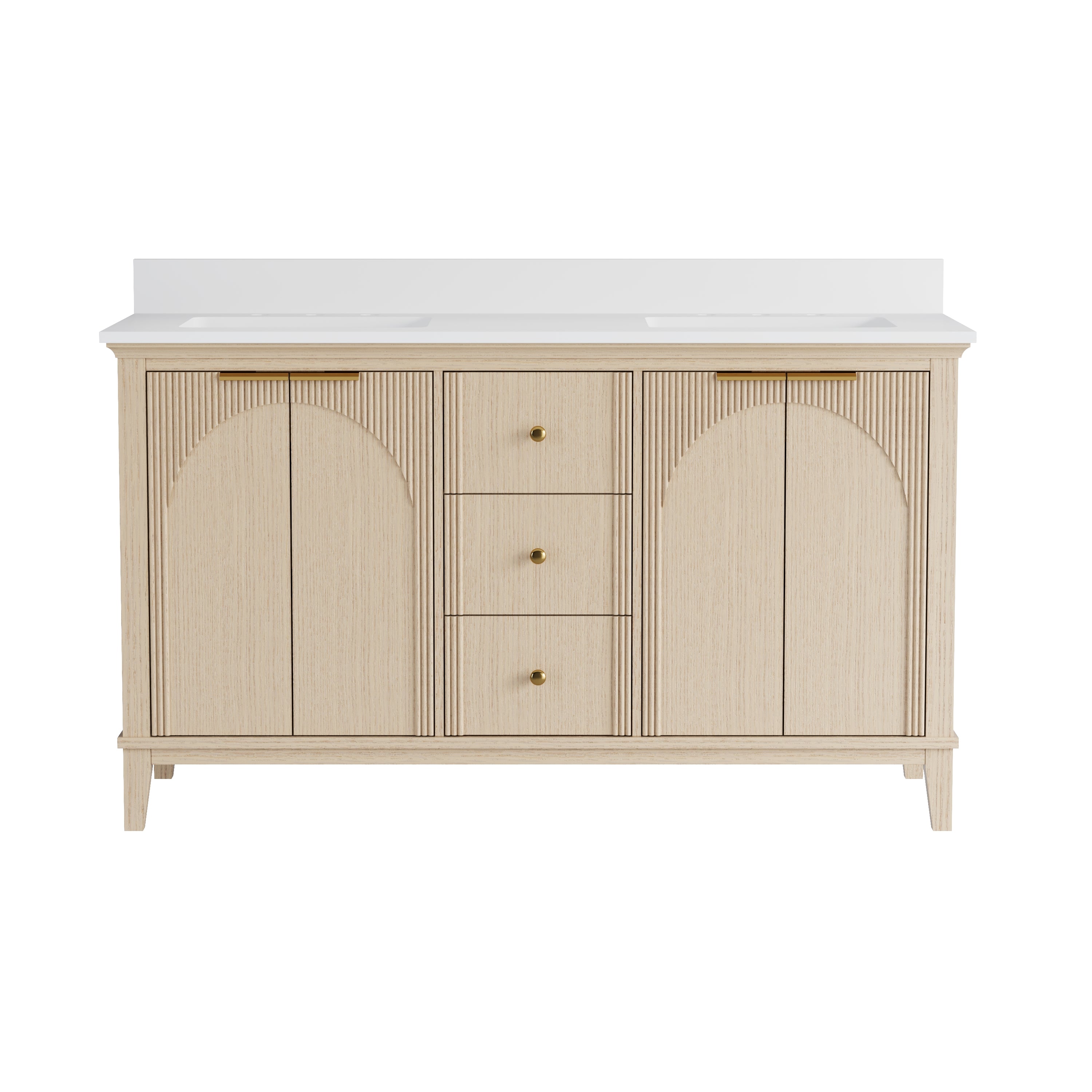
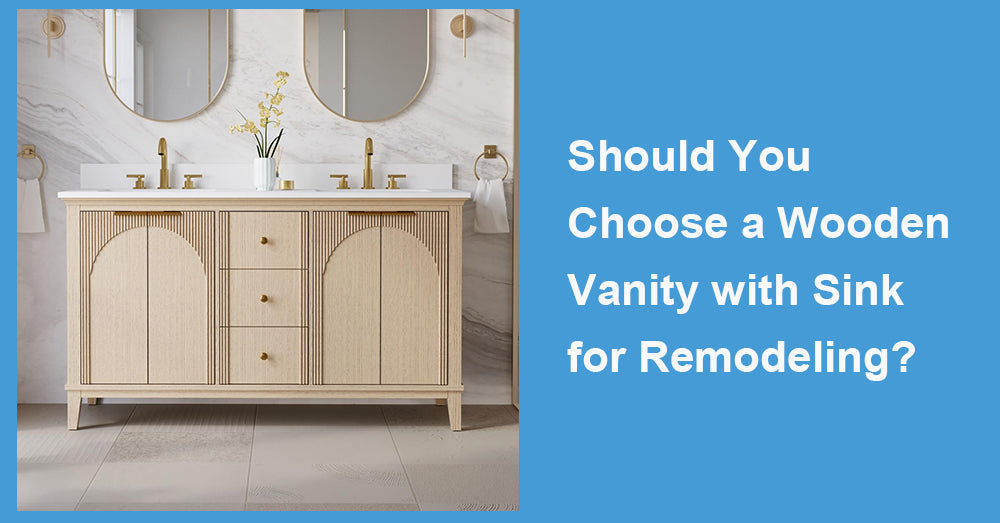
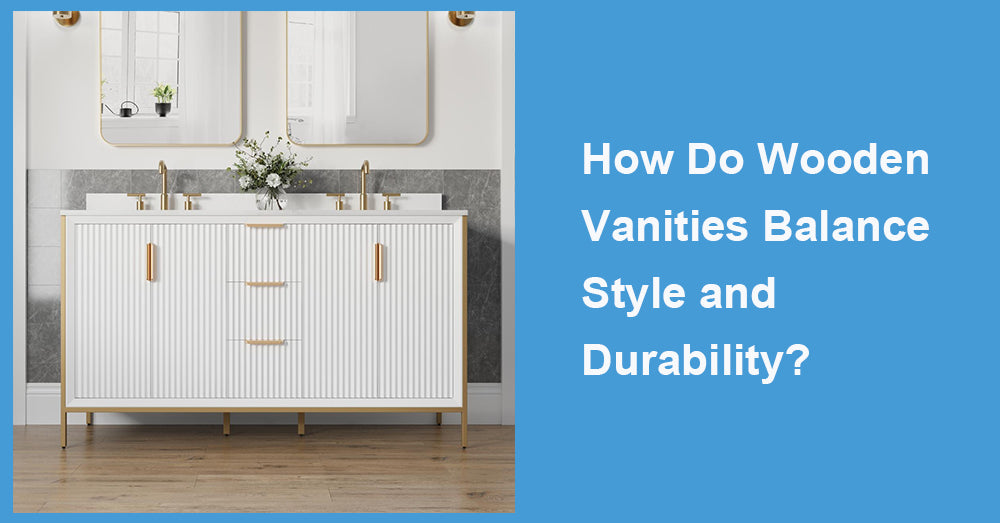
A remodel is full of choices that look small but shape your daily routine. One of the most practical decisions is whether to buy a wooden vanity with sink as a complete set or source the cabinet, sink, and countertop separately. For many bathrooms, a wood vanity set is a smart option because it simplifies compatibility, speeds up purchasing, and gives you a cohesive look that feels warm and “finished.” The best results, however, depend on construction quality, moisture protection, and whether the sink and top configuration truly fit your plumbing and layout.
1. What “Wooden Vanity With Sink” Actually Includes
A vanity-with-sink bundle can mean a few different packages:
· Cabinet + sink only (you still choose the countertop or top material).
· Cabinet + countertop + sink (the most common all-in-one).
· Cabinet + integrated top (with built-in sink) such as cultured marble or solid-surface.
Before you commit, verify what is included and what is not. Faucets, drains, and P-traps are often not included, and the faucet hole drilling style (single-hole vs. widespread) can be a deal-breaker if it does not match your faucet plan.
2. Why a Wood Vanity Set Can Be a Great Remodel Shortcut
A. Fewer Compatibility Surprises
When the sink and top are already matched to the cabinet, you reduce common headaches:
· Sink opening mismatch.
· Countertop overhang issues.
· Basin depth and cabinet clearance conflicts.
This is especially helpful for first-time remodelers or projects with tight timelines.
B. A More Cohesive Design With Less Guesswork
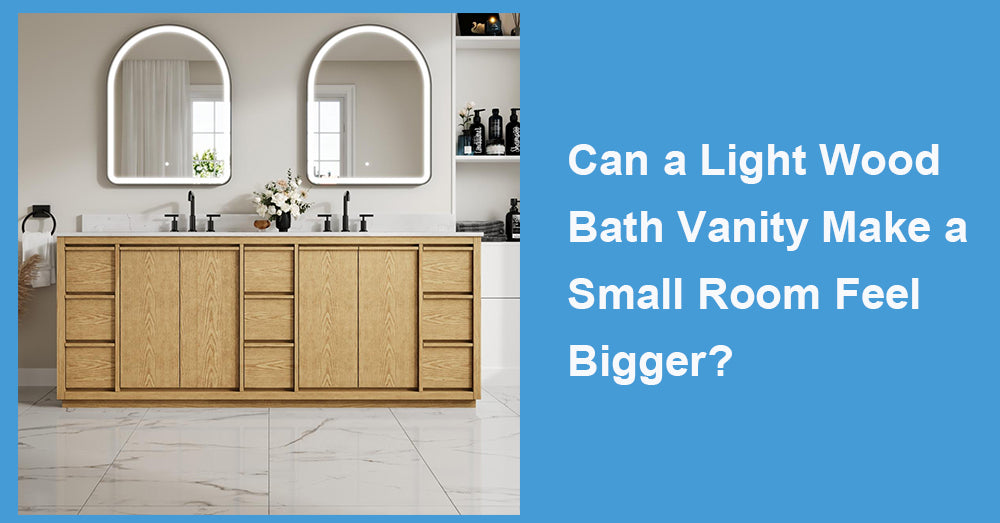
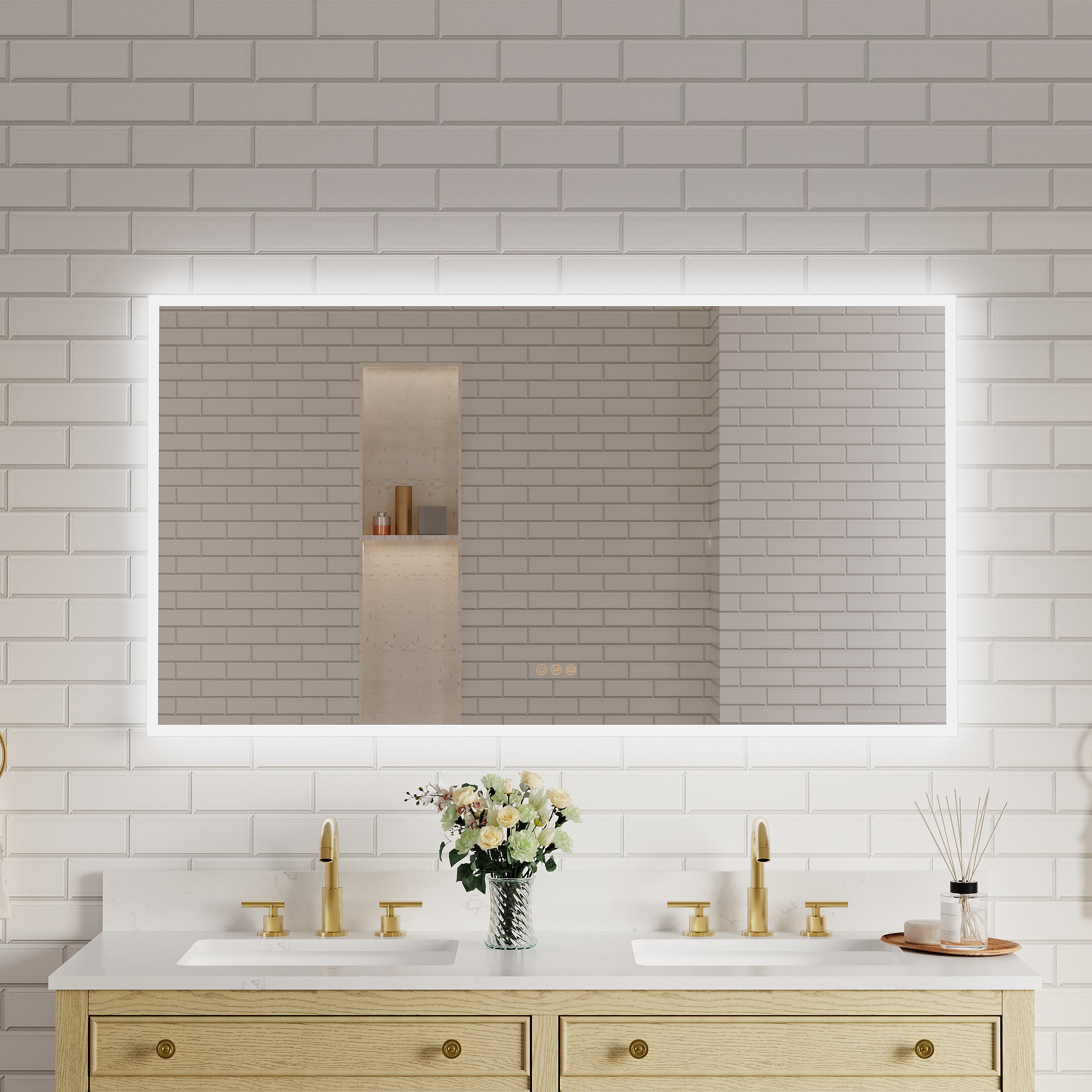
Wood brings warmth and texture to a bathroom dominated by tile, glass, and metal. Renovation data shows wood tones remain the most frequently chosen vanity color at 28%, reflecting how often people use wood to anchor a bathroom design (Source: 2025 U.S. Houzz Bathroom Trends Study). That popularity is not only about trend, it is about versatility: wood works in modern, transitional, and classic spaces with simple hardware and countertop tweaks.
C. Storage Planning Gets Easier
Many bundled vanities are designed around usable storage, especially drawers. Soft-close features have become widely expected in renovated bathrooms: 78% choose soft-close drawers and 75% choose soft-close doors (Source: 2025 U.S. Houzz Bathroom Trends Study). That matters for daily use and durability because soft-close reduces slamming stress on hinges, slides, and joints over time.
3. The Durability Reality: Wood Can Be Great, but Moisture Must Be Managed
Bathrooms are humid rooms. Wood is hygroscopic, meaning it exchanges moisture with the surrounding air, and that moisture relationship influences performance and dimensional movement (Source: USDA Forest Service, Forest Products Laboratory, Wood Handbook: “Moisture relations and physical properties of wood”). A well-built wood vanity anticipates this behavior with stable construction and a protective finish.
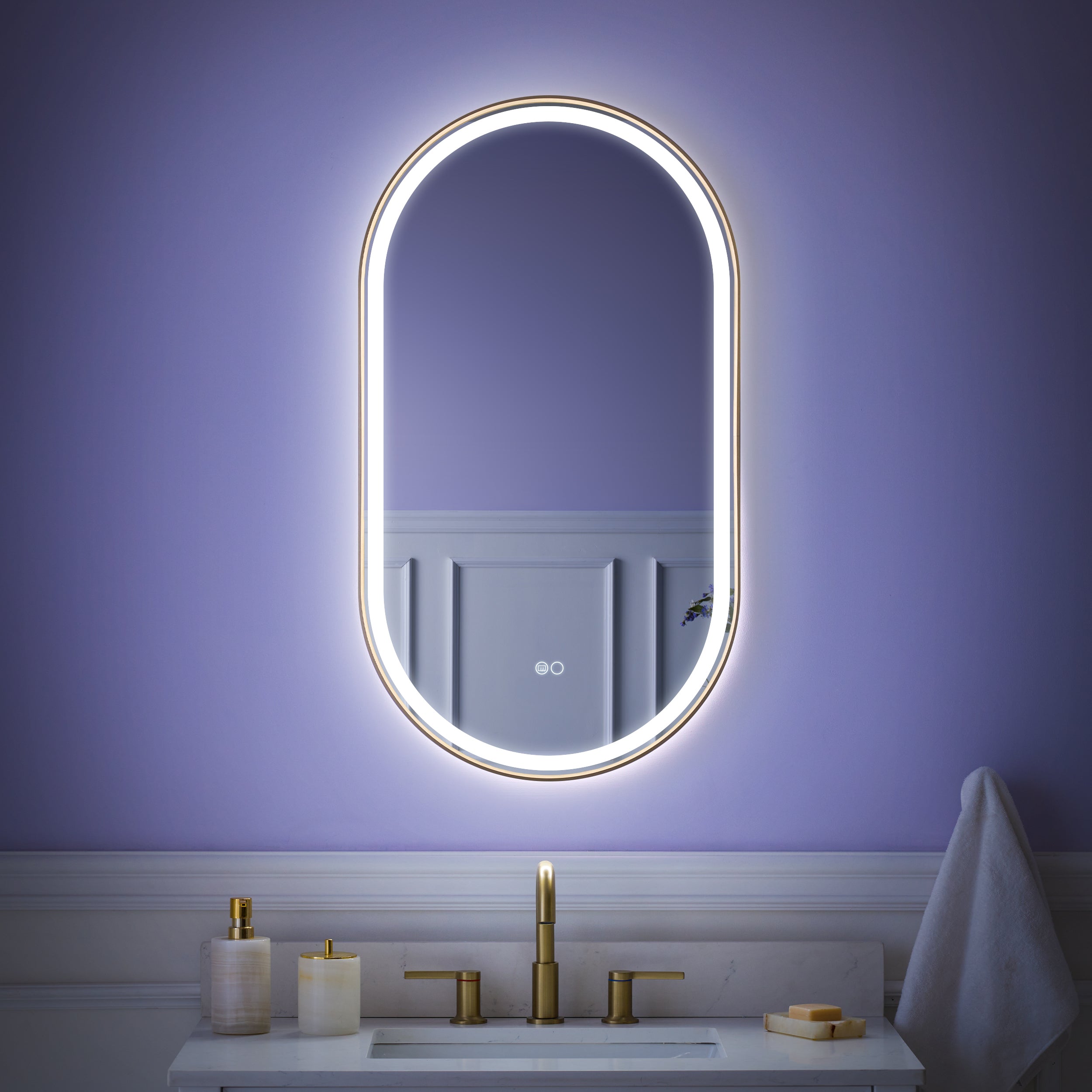
A simple environmental target helps protect any vanity: EPA guidance commonly recommends keeping indoor relative humidity below 60%, ideally between 30% and 50%, to reduce moisture problems and mold risk (Source: U.S. Environmental Protection Agency, moisture and mold guidance). Better ventilation and consistent fan use help the vanity, the mirror, and the whole room.
4. Why Construction Matters More Than “Wood” as a Label
Not all “wood” vanities are built the same. The cabinet box is the backbone, and it decides whether doors stay aligned and drawers keep gliding smoothly.
One important reason to be picky: MDF and particleboard can swell after moisture exposure. A Composite Panel Association technical bulletin explains that when particleboard or MDF swells and expands beyond its original dimensions due to exposure to high humidity or water, that change is not reversible upon re-drying (Source: Composite Panel Association, “Dimensional Stability of Particleboard and MDF” Technical Bulletin). That is why toe-kicks and cabinet bottoms are common failure points in damp bathrooms.
What to look for in a remodel-friendly wood vanity set:
· Solid wood doors and face frame (high-touch, hinge-stress zones).
· A stable cabinet box with clear material disclosure.
· Finished interior surfaces and sealed edges, especially around sink and plumbing cutouts.
5. Sink Options: Which One Fits Your Remodel Goals?
A wooden vanity with sink is only as good as the sink configuration. Here is how to compare the most common types.
Undermount sink
Pros:
· Cleaner look.
· Easier countertop wipe-down because there is no rim sitting above the counter.
Considerations:
· Requires a compatible countertop material and proper installation.
Drop-in sink
Pros:
· Often easier to install.
· Can be a practical option for quick swaps.
Considerations:
· The rim can trap grime and water if not cleaned regularly.
Integrated top (sink molded into the countertop)
Pros:
· Seamless cleaning.
· Fewer joints where water can seep.
Considerations:
· If the top is damaged, replacement can be more involved than swapping a separate sink.
Renovation data shows engineered quartz is a leading countertop choice, and white countertops are the most common color direction in updated bathrooms (Source: 2025 U.S. Houzz Bathroom Trends Study). Wood plus a bright countertop is a proven combination that keeps the room feeling clean and open.
6. Layout and Measurement: The Checks That Prevent Expensive Regrets
Before buying a set, confirm these practical details:
· Overall width and depth: ensure door swings and drawers will not collide with the toilet or wall.
· Height: many vanities sit in the 30 in. to 36 in. range; comfort height is often preferred for daily use.
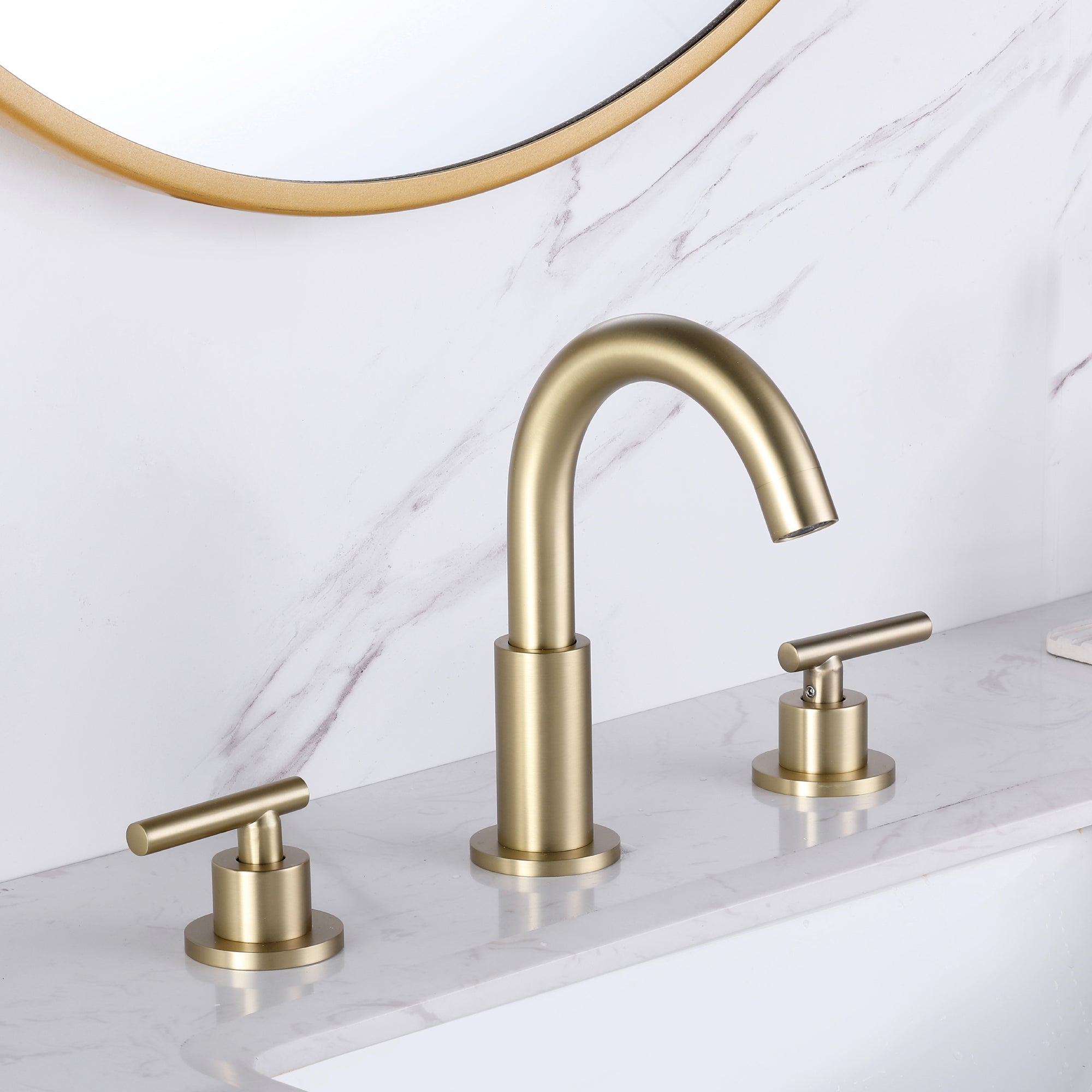
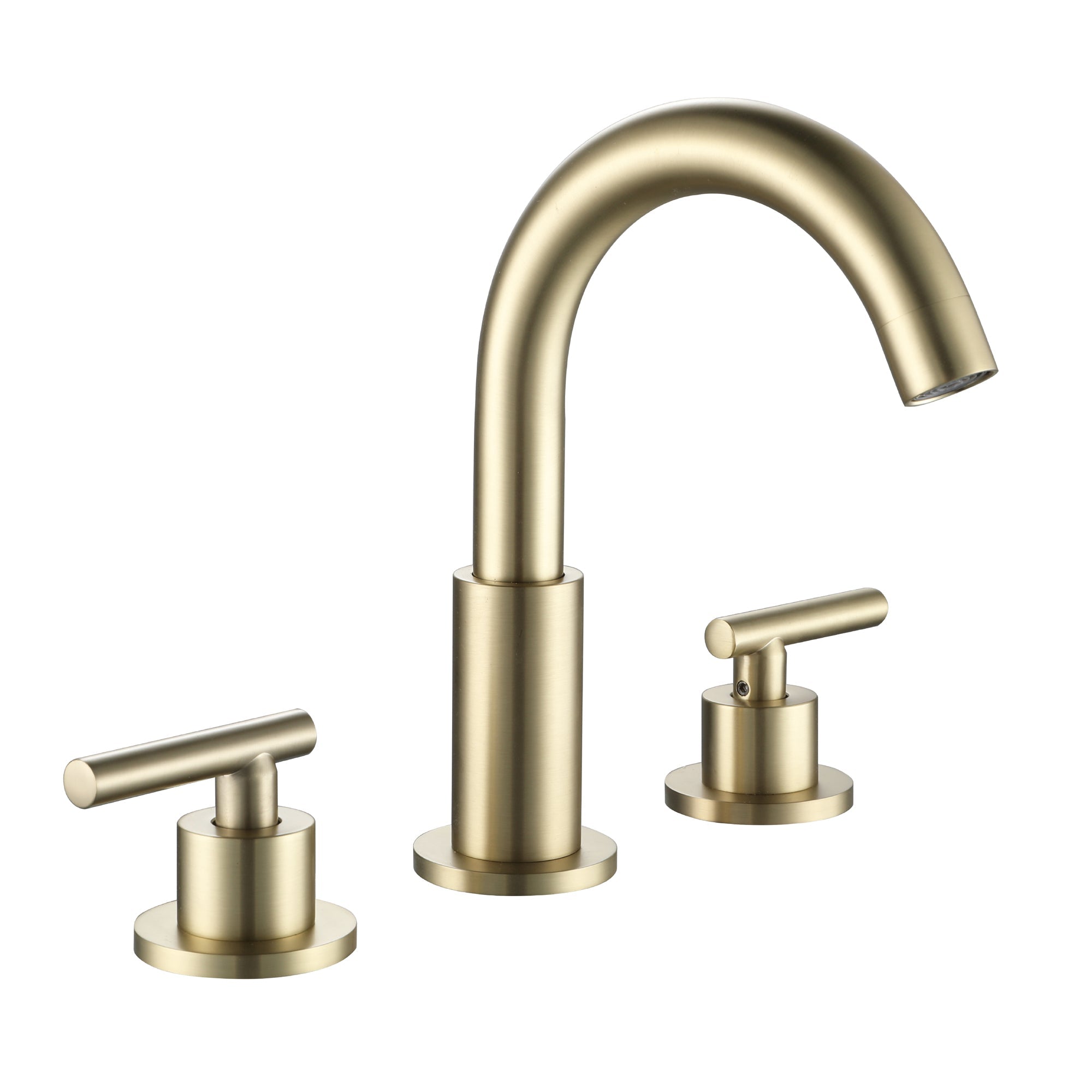
· Faucet drilling: single-hole vs. 4 in. centerset vs. 8 in. widespread.
· Plumbing access: does the cabinet have an open back or cutout for your drain and shutoff valves?
· Countertop overhang: too much overhang can reduce clearance in tight bathrooms.
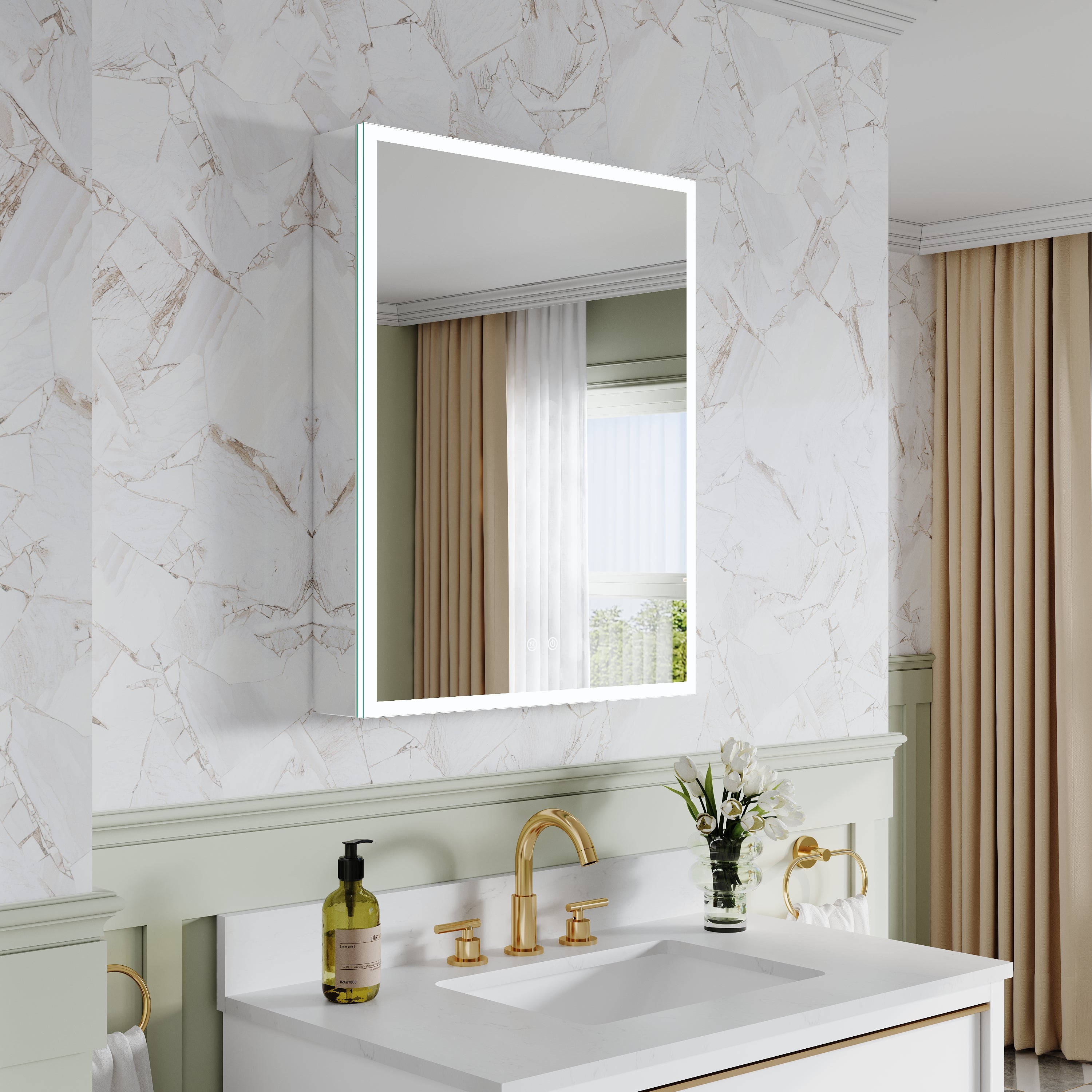
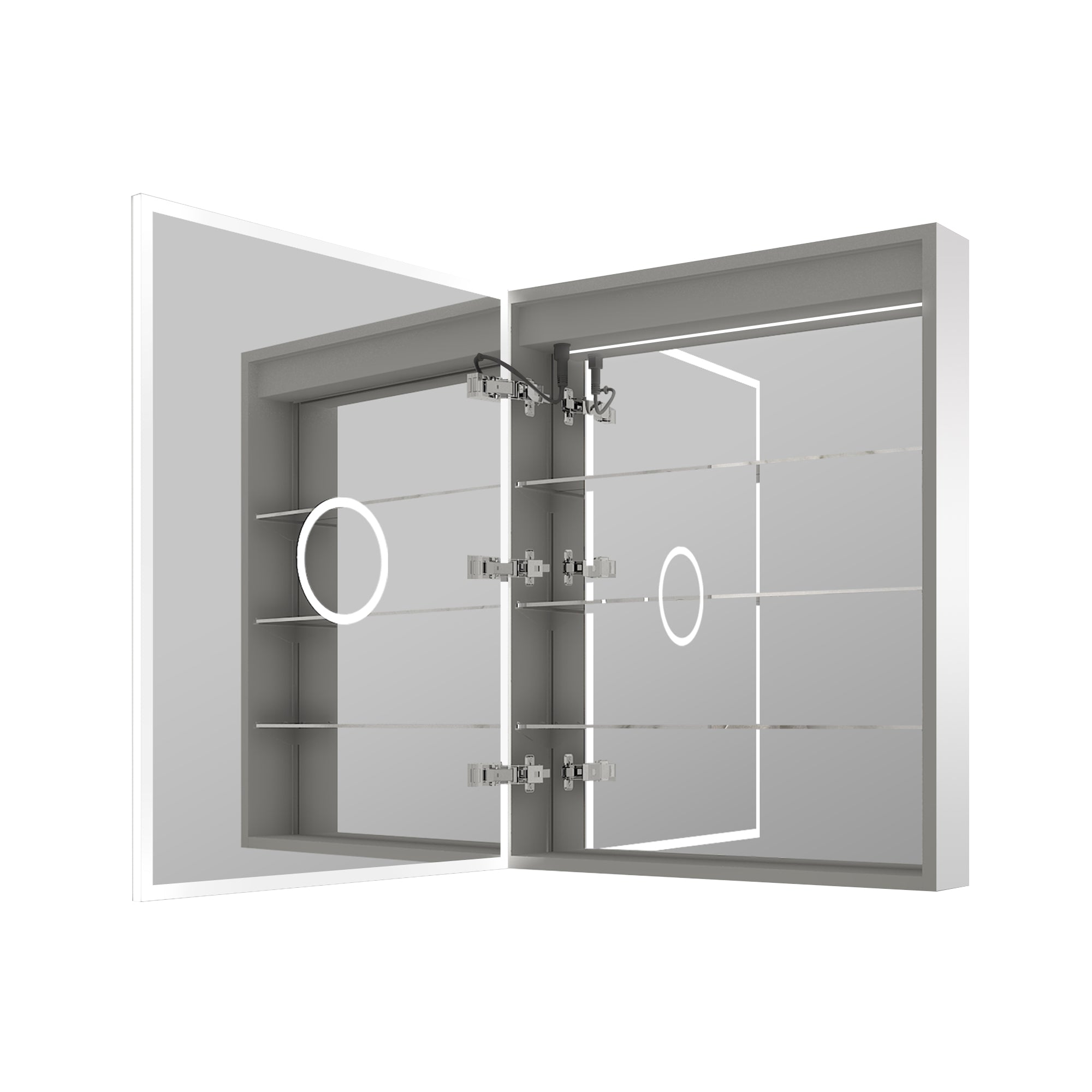
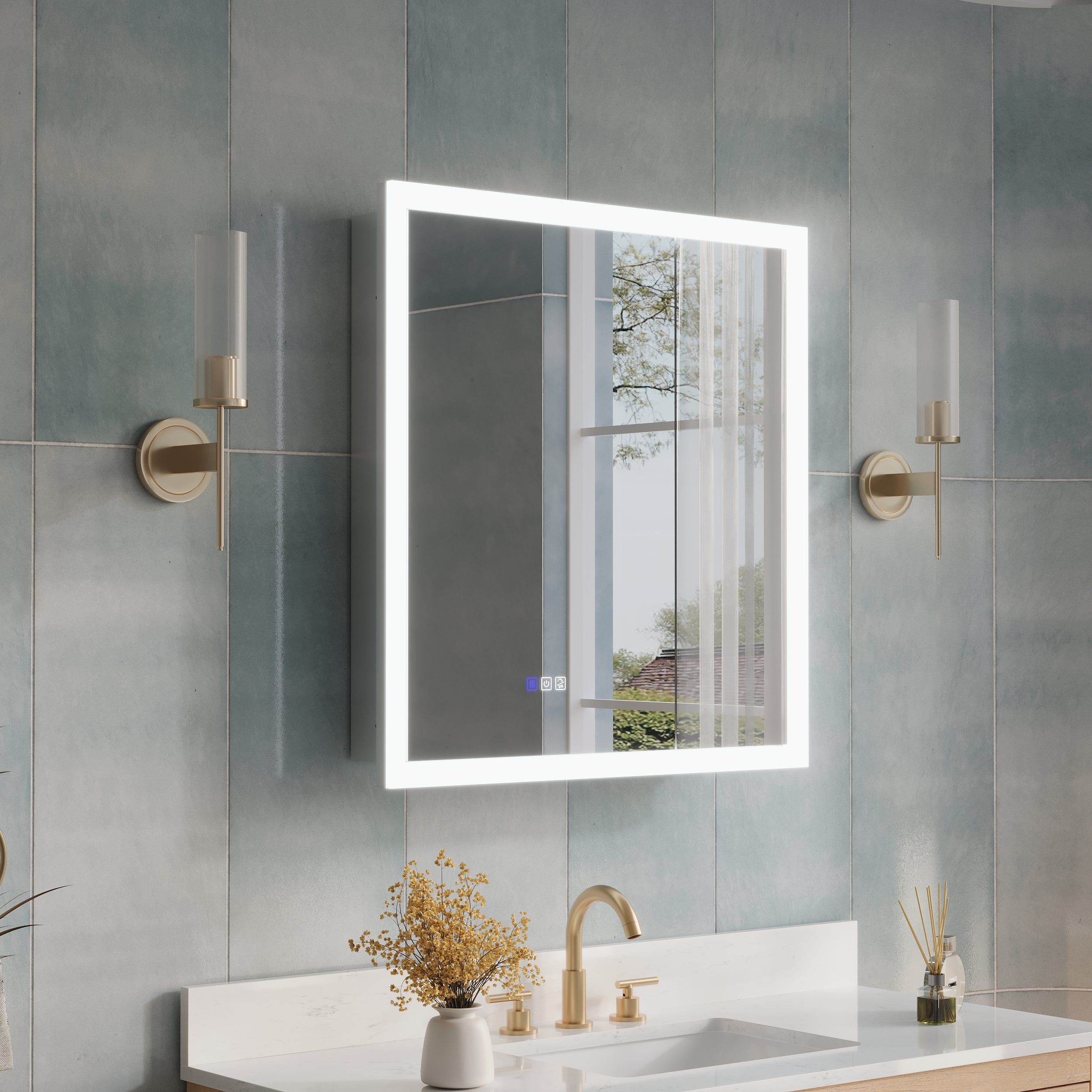
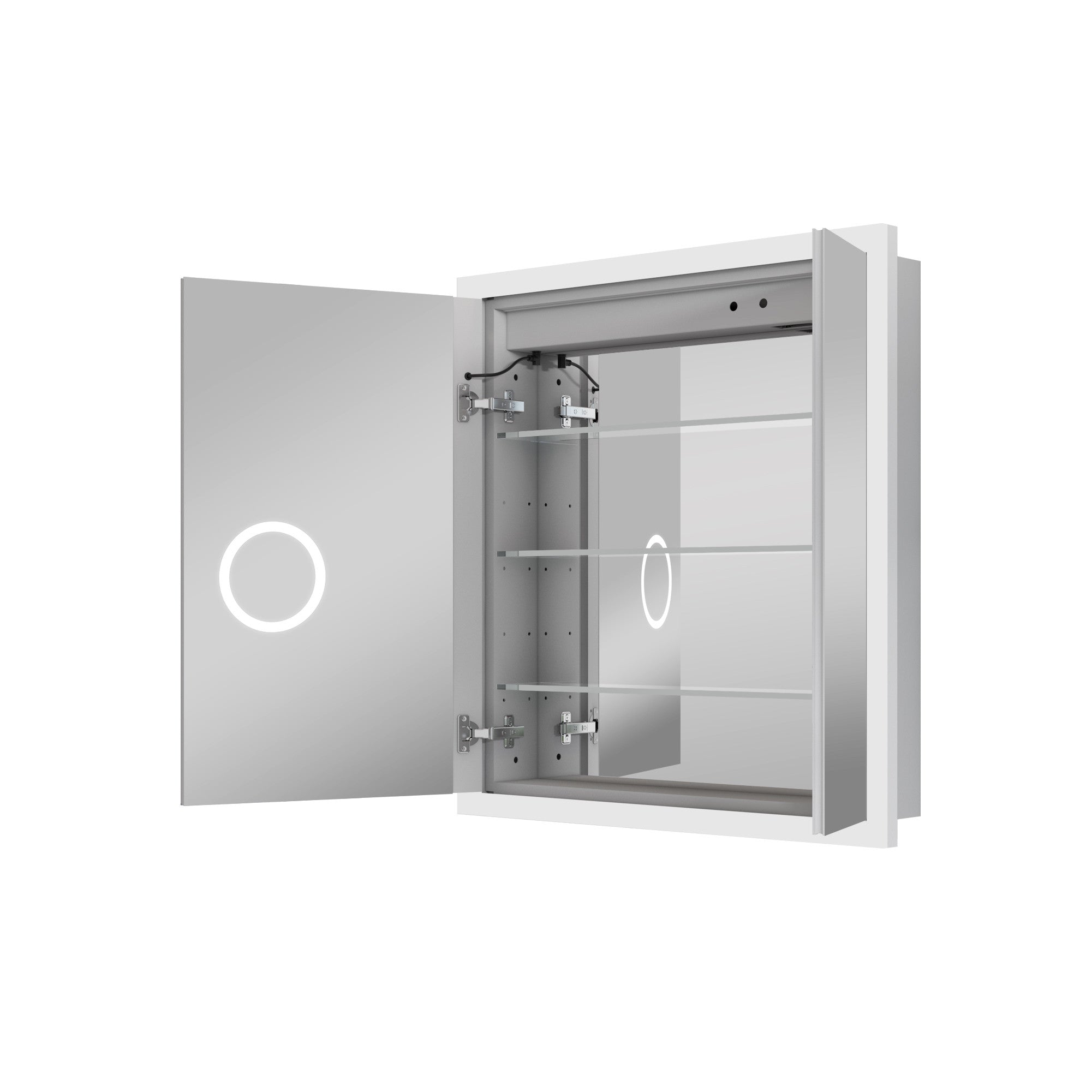
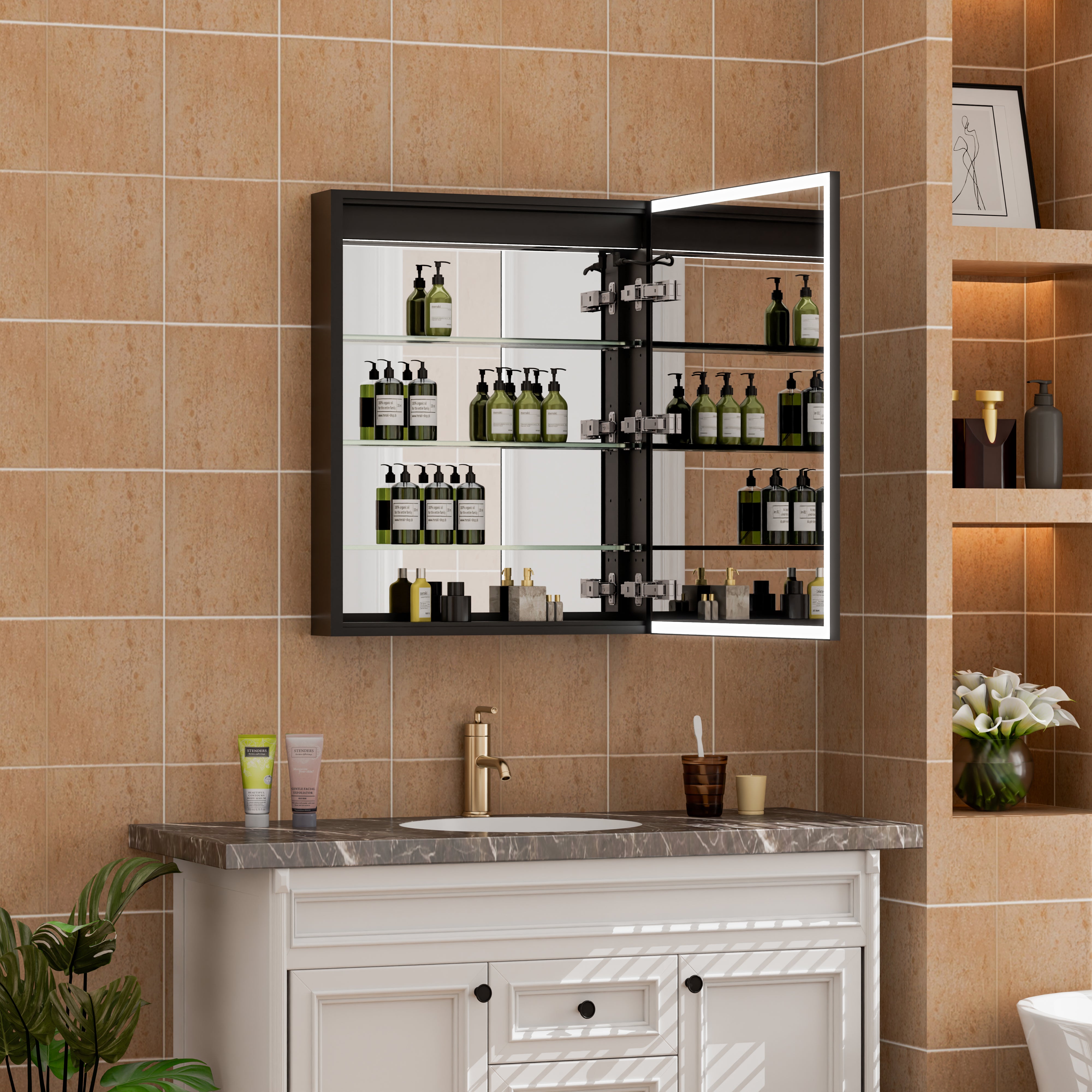
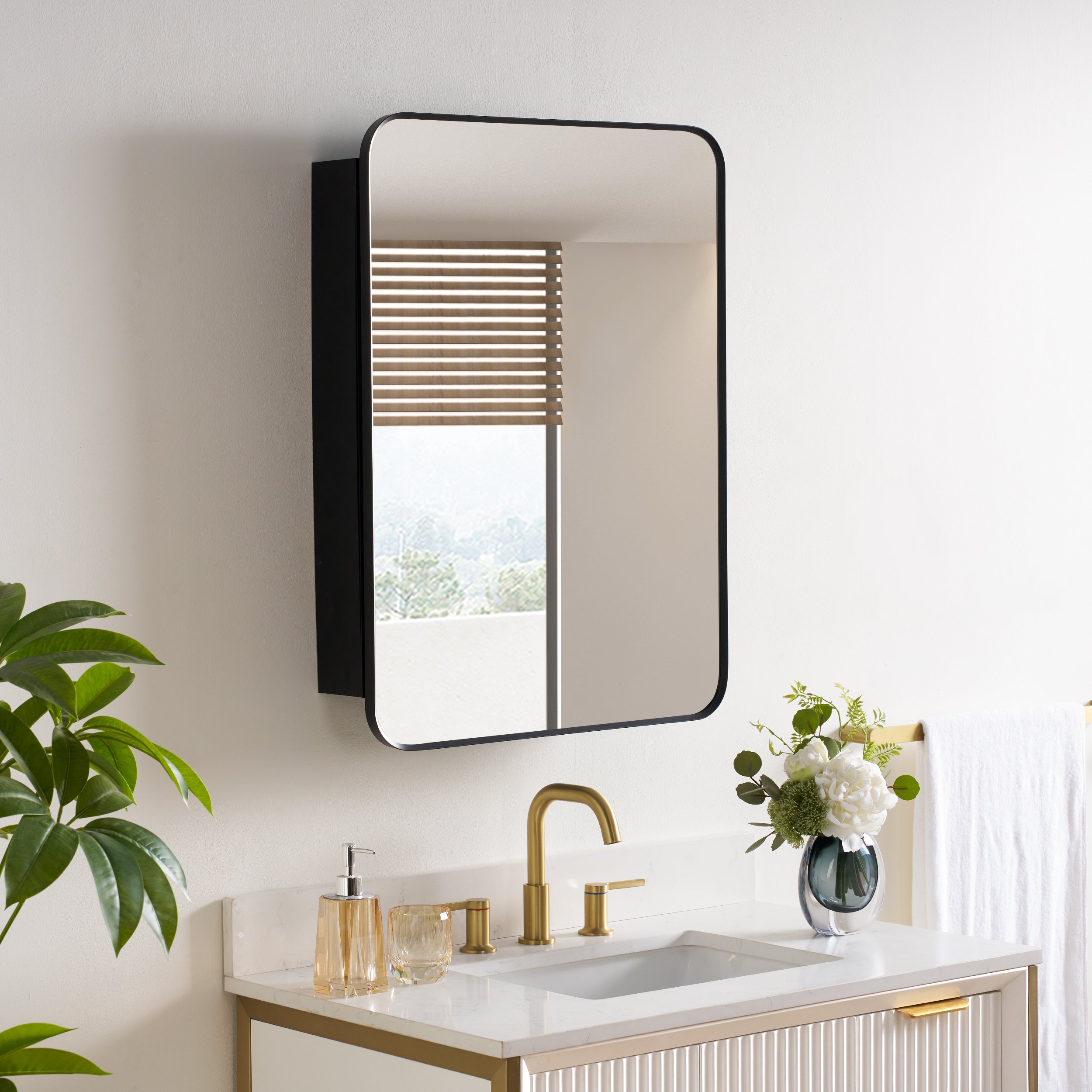
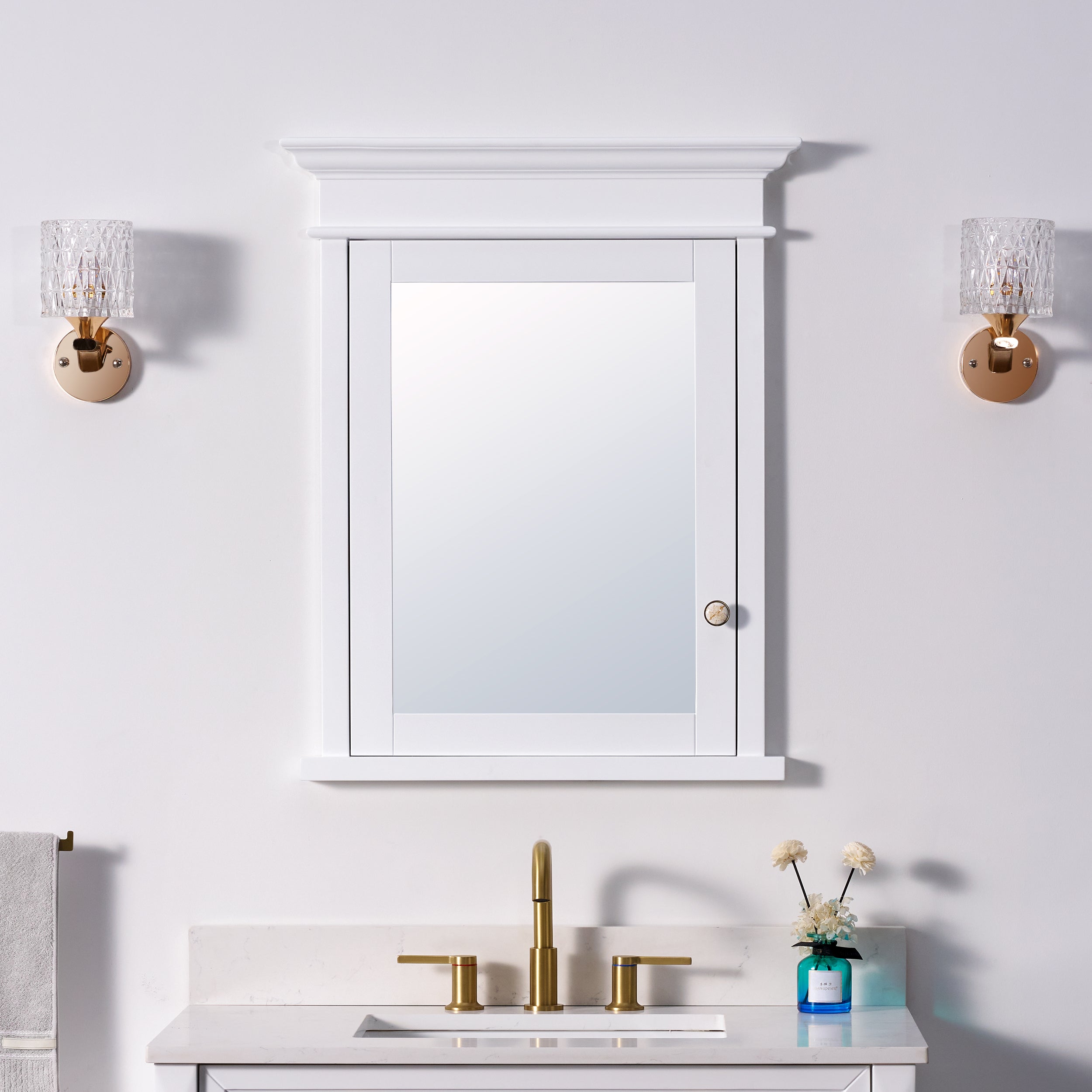
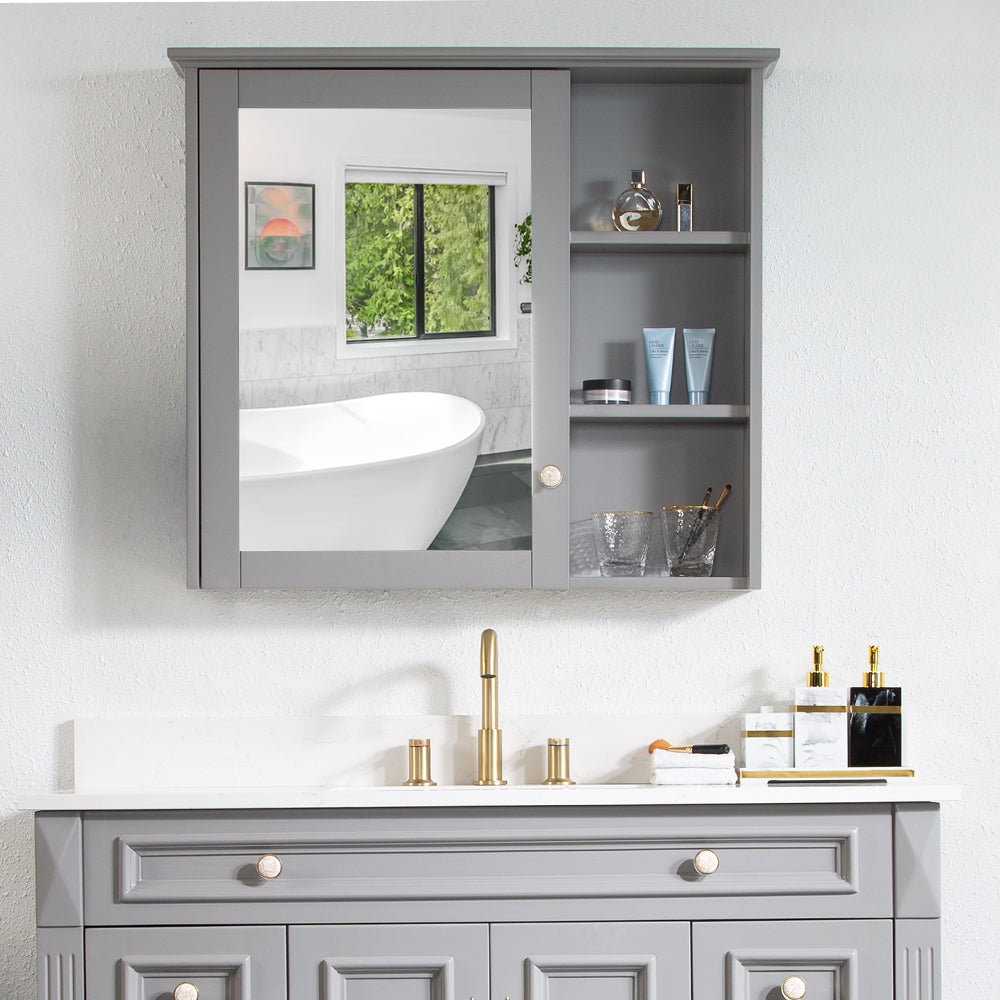
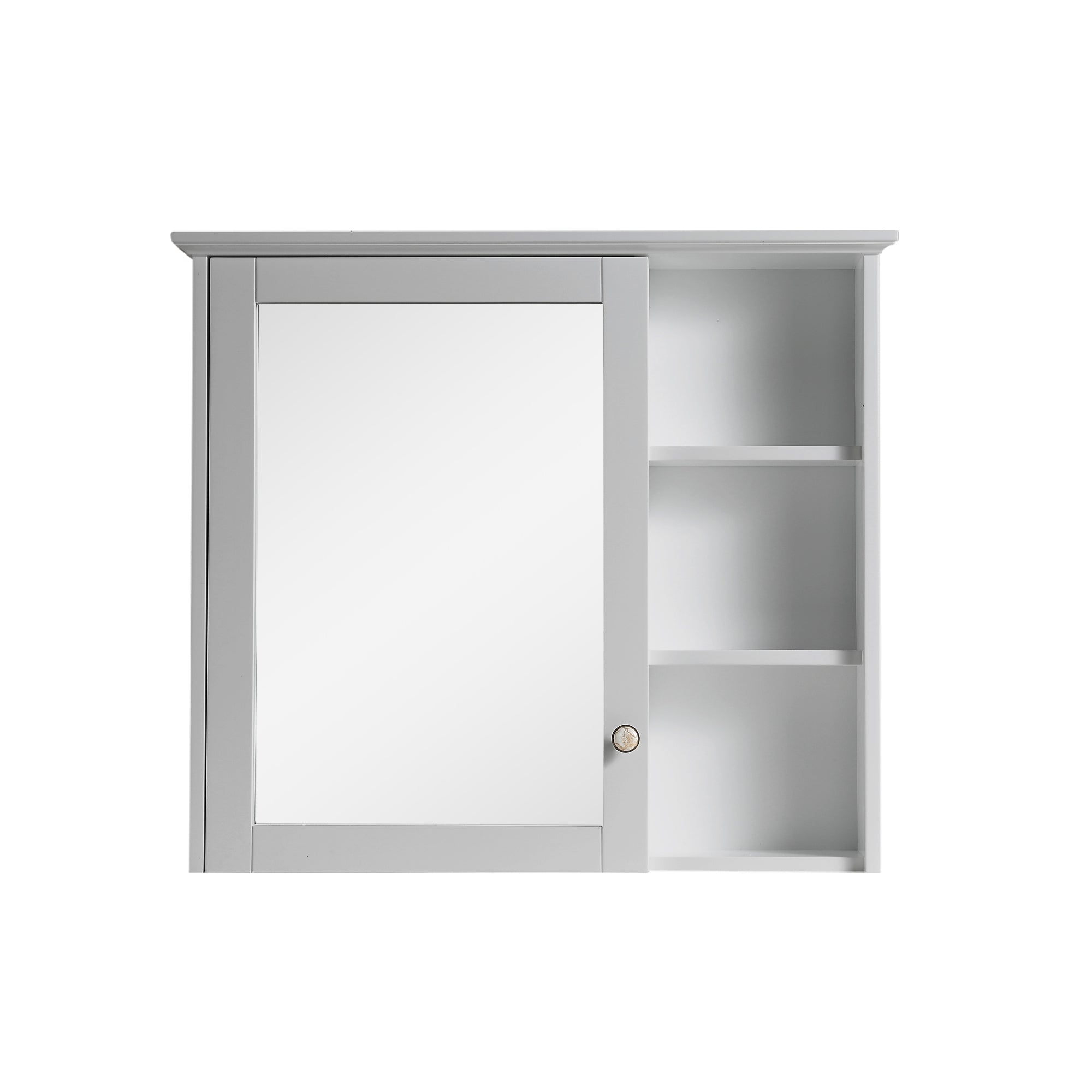
If your bathroom layout is compact, keep your “standing space” protected first and then maximize storage with drawers and vertical solutions like a medicine cabinet.
7. When a Vanity-With-Sink Bundle Is the Best Choice
A wood vanity set is usually the best choice when:
· You want to reduce compatibility risk and decision fatigue.
· You are working with a contractor schedule and need faster ordering.
· You prefer a cohesive look (cabinet + top + sink matched by design).
· You want a clear return and replacement process from a single seller.
It is also a smart option for second bathrooms where you want a dependable refresh without custom-level complexity.
8. When You Should Consider Buying Pieces Separately
Sourcing cabinet, sink, and top separately can be better when:
· You need a very specific sink shape or depth due to plumbing constraints.
· You want a specialty countertop material or custom fabrication.
· Your bathroom has unusual dimensions, and you need a non-standard overhang or cutout.
· You are matching existing finishes in an adjacent room and need precise coordination.
In these cases, the extra complexity can be worth it, but plan for more lead time and more decision points.
9. A Remodel-Friendly Checklist for Choosing the Right Set
Use this quick checklist to compare options:
Construction and moisture readiness
· Cabinet box feels rigid; materials are clearly disclosed.
· Finished interior surfaces and sealed edges.
· Protected toe-kick and cabinet bottom edges.
Hardware and daily usability
· Soft-close doors and drawers (Source: 2025 U.S. Houzz Bathroom Trends Study).
· Full-extension drawer slides if drawers are included.
Sink and countertop fit
· Faucet hole drilling matches your faucet plan.
· Sink type matches your cleaning preference (undermount, drop-in, integrated).
· Countertop material fits your style and maintenance expectations.
Room conditions
· Ventilation plan to keep humidity below 60%, ideally 30% to 50% (Source: U.S. EPA).
· Plan to wipe standing water and address leaks quickly.

Conclusion
Yes, choosing a wooden vanity with sink can be a smart remodeling move. It simplifies compatibility, speeds up the shopping process, and creates a cohesive bathroom focal point that aligns with what many renovators prefer today, including wood tones and soft-close function (Source: 2025 U.S. Houzz Bathroom Trends Study). The long-term success comes down to build quality and moisture readiness: wood’s moisture behavior is well understood (Source: USDA Forest Service, Forest Products Laboratory), and a well-sealed vanity paired with sensible humidity control can stay solid for years. If you verify construction details, sink configuration, and measurements before purchase, a vanity-with-sink set can deliver both style and practicality without the usual remodel stress.













Leave a comment
This site is protected by hCaptcha and the hCaptcha Privacy Policy and Terms of Service apply.