














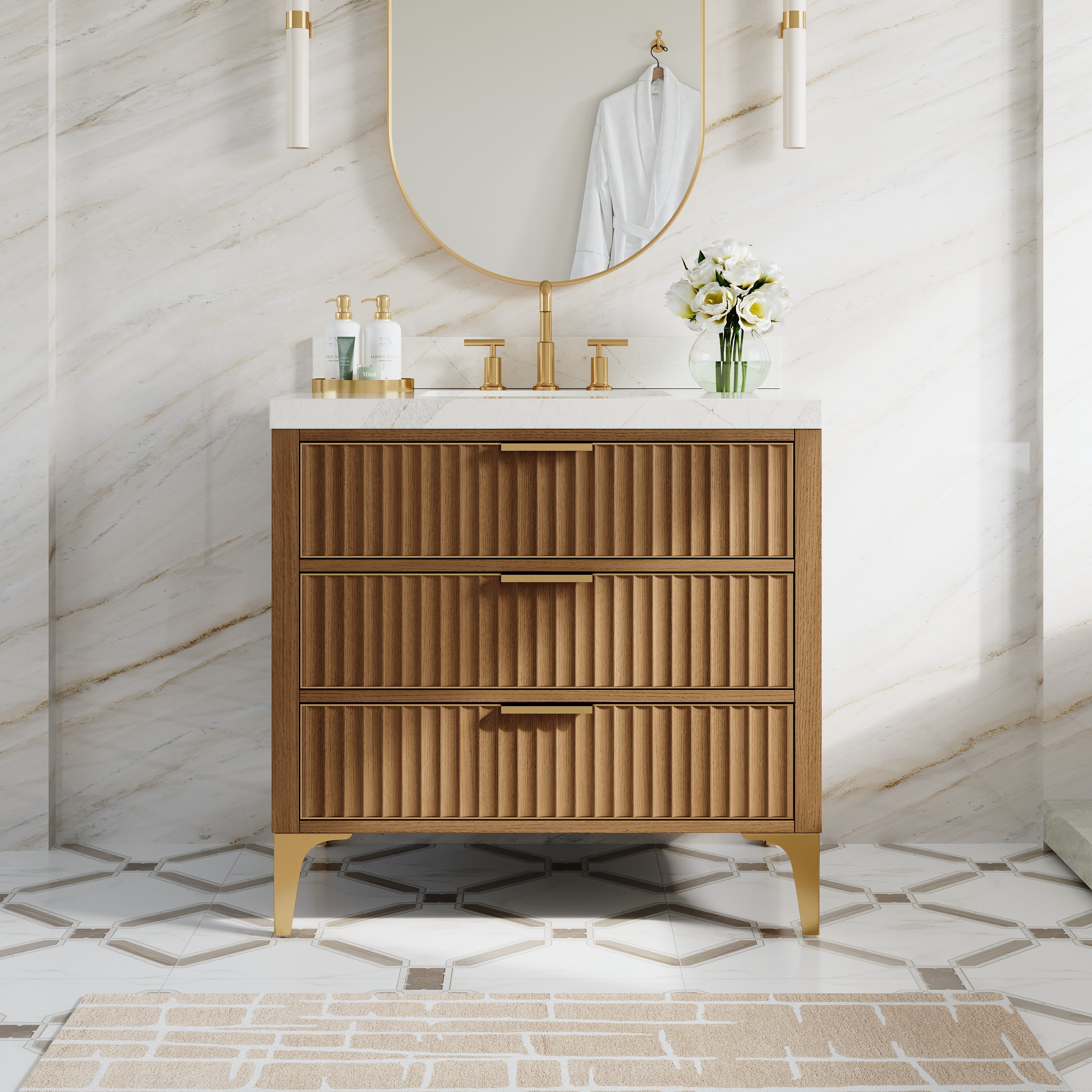
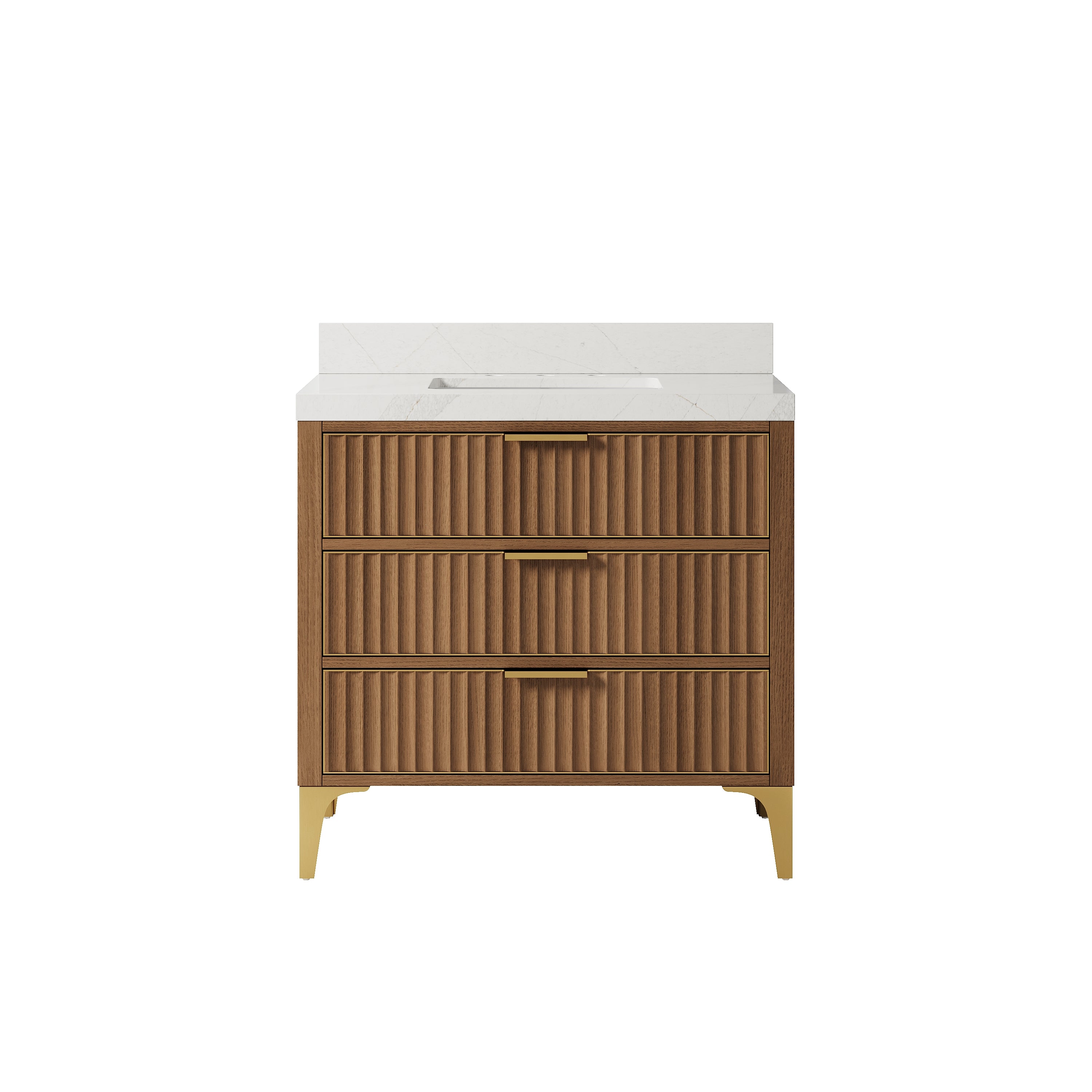
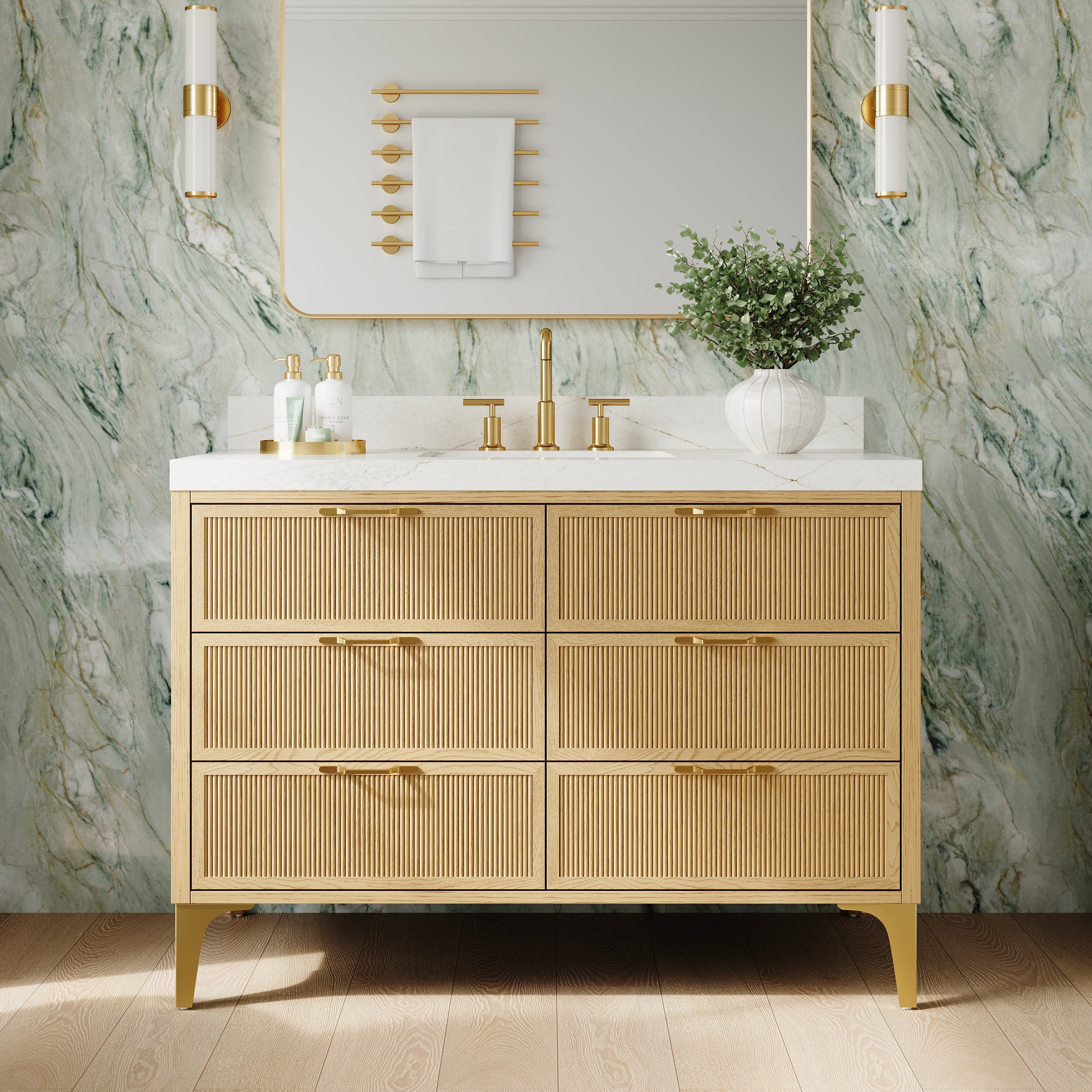
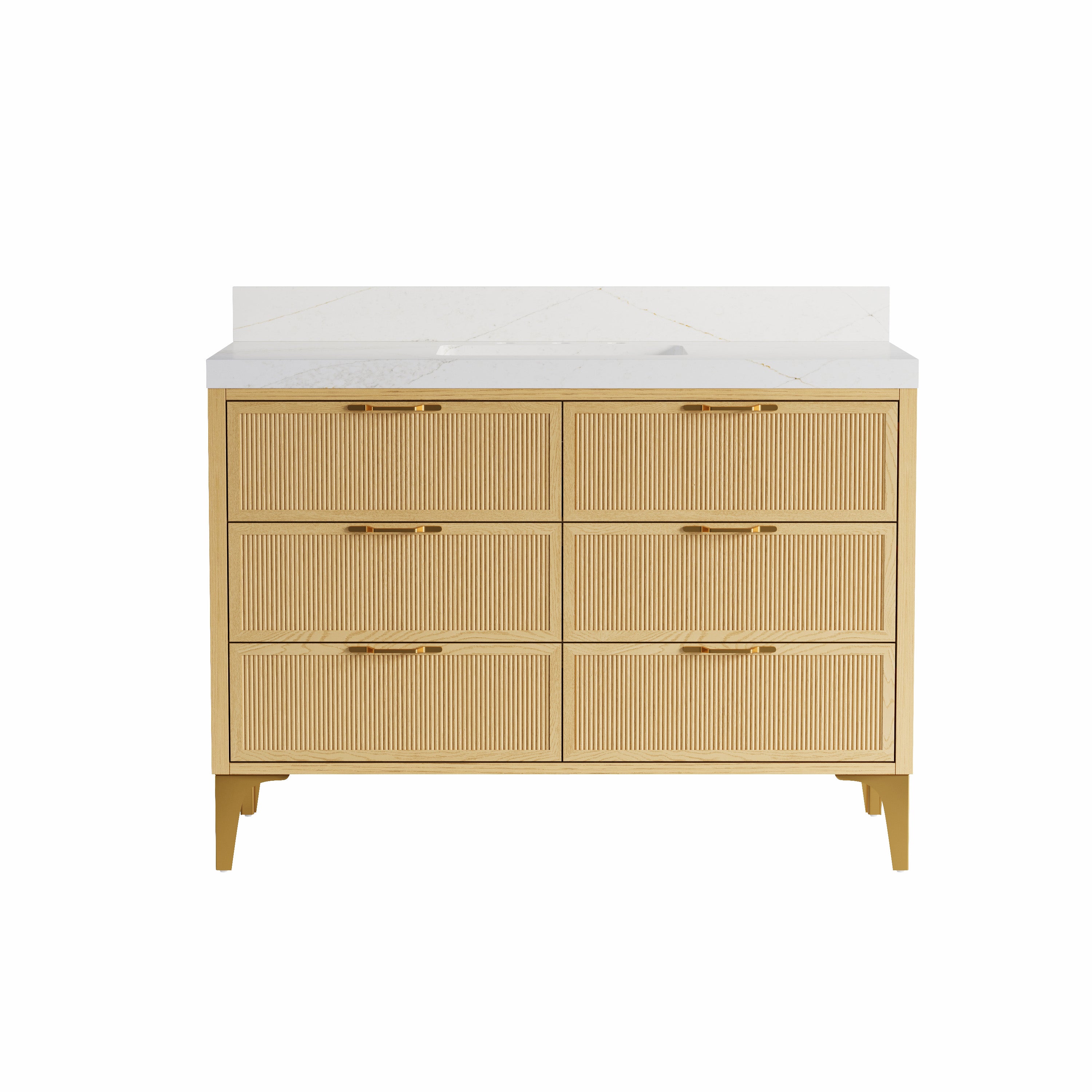


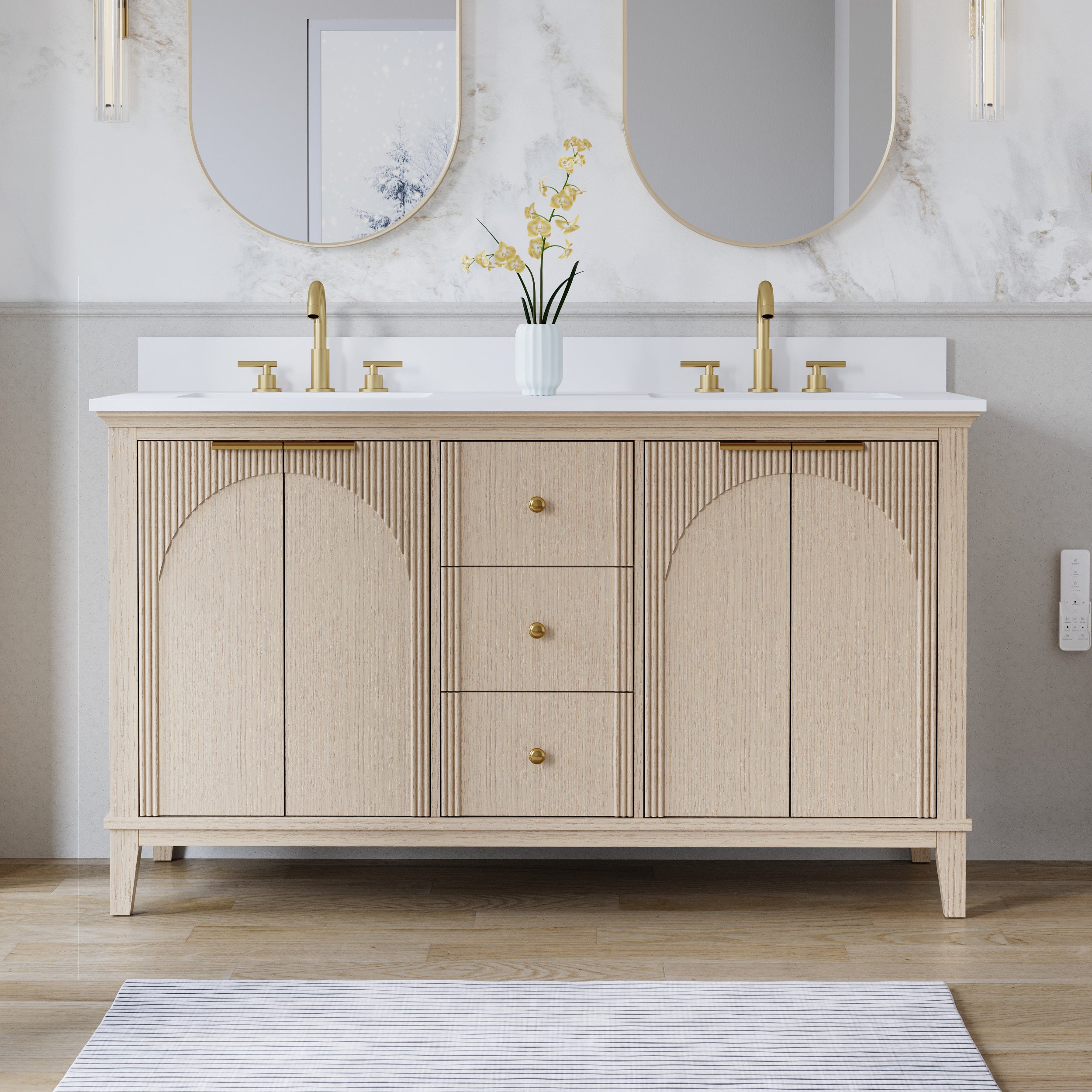
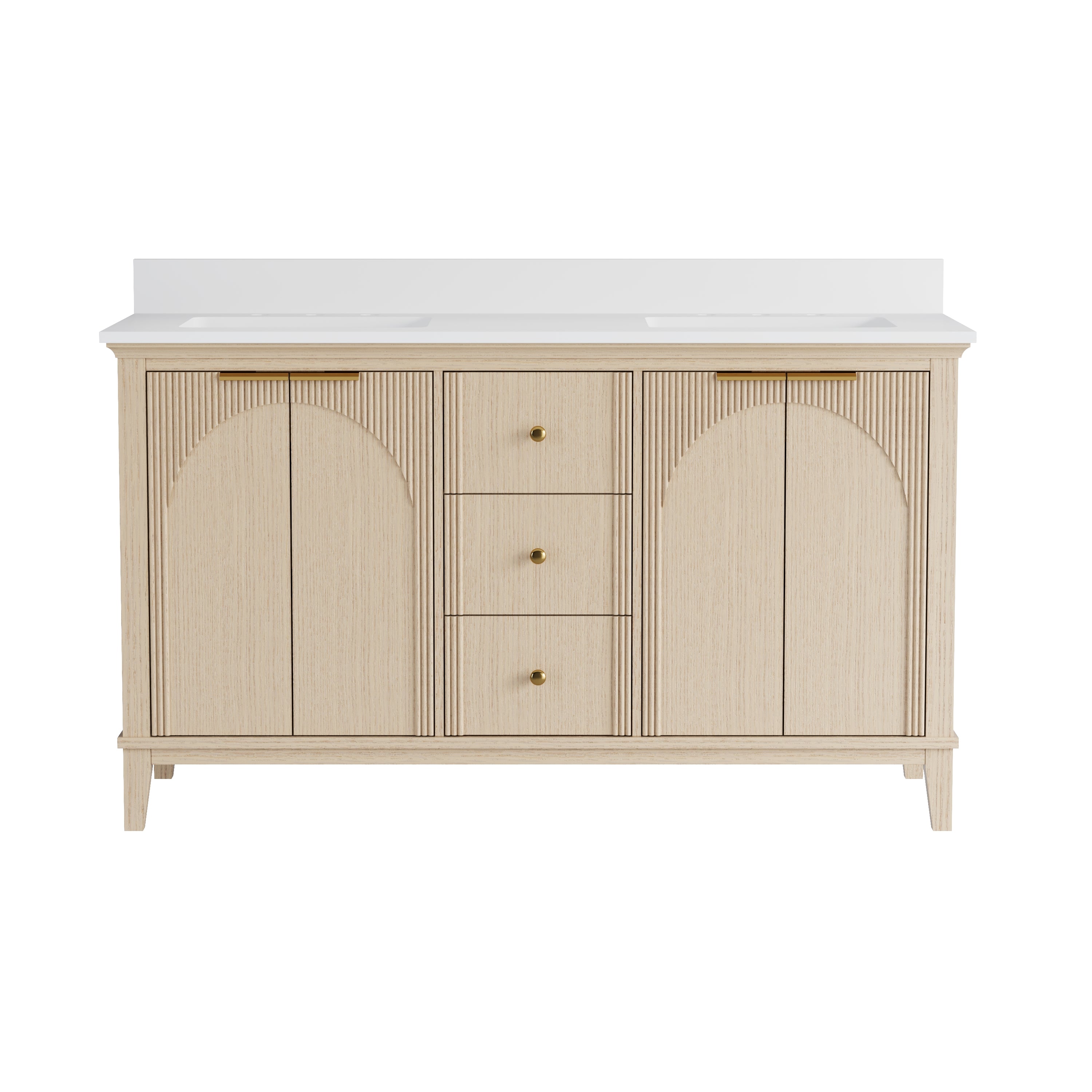
wooden bathroom vanity have always been a favored choice in bathroom design that emphasizes natural texture and a high-quality lifestyle. Whether it's a 36-inch36-inch single-basin structure or a 60-inch60-inch double-basin design, natural wood can bring warm, delicate visual effects to the space. However, if the bathroom is kept in a humid environment for a long time, water vapor, splashing water droplets, and residual cleaning agents can damage the wood. Industry research on materials shows that when wood is exposed to environments with humidity exceeding 65% for a long time, the risk of surface coating aging and internal fiber expansion increases by about 35% or more without effective sealing protection. Therefore, proper sealing treatment of wooden bathroom cabinets is an important step in preventing water damage and extending their service life.
1. Why do Wooden Bathroom Cabinets Need to Be Sealed
Natural wood is a material with "breathability," which absorbs or releases moisture as environmental humidity changes. When air humidity increases, wood fibers expand; when the environment is dry, they shrink again. This change is particularly evident in the bathroom environment.
Material testing data shows that when humidity increases from 40% to 70%, a solid wood panel may experience a width change of approximately 1/16 inch to 1/8 inch. If there is no effective sealant on the wood surface, moisture is more likely to enter the wood's internal fibers, which may lead to cabinet door deformation, drawer jamming, and even structural looseness in the long run.
Therefore, sealing is not only a surface protection, but also an important measure to stabilize the wood structure.
2. Common Wood Sealing Methods
At present, there are three main types of sealing technologies used for bathroom cabinets:
The first type is polyurethane varnish sealing. This method can form a strong, transparent protective film on the surface of wood with good waterproofing and wear resistance. Experimental data show that a multi-layer polyurethane coating can improve the water vapor resistance of wood by about 30%.
The second type is water-based moisture-proof paint. This coating is more environmentally friendly while maintaining the wood's natural texture, making it suitable for modern matte-style designs.
The third type is a natural oil wax protective layer. Oil wax can penetrate the interior of wood fibers, providing some moisture resistance and retaining a natural touch. However, its waterproof ability is slightly low and requires regular maintenance.
In practical applications, high-quality wooden bathroom cabinets often use a multi-layer coating system to achieve a more durable, waterproof finish.
3. Key Areas for Sealing Treatment
Not all areas have the same water risk when installing or maintaining wooden bathroom cabinets. Some locations are more susceptible to moisture and require special protection.
For example, the area around the basin opening. The distance between the basin's edge and the tabletop is usually only a few inches. If the sealing is insufficient, water droplets may seep into the wood structure.
Next is the faucet base area. Water stains often accumulate around the faucet, and if not wiped in time, they may cause local coating aging.
In addition, the bottom edge of the cabinet door and the edge of the drawer panel are prone to moisture contact. These detailed areas are often the first places where wood damage occurs.
4. Correct Sealing Construction Steps
If additional protection is required for the new wooden bathroom cabinet, the following steps can be followed:
First, clean the cabinet surface to ensure there are no dust or oil stains. Then gently sand with fine sandpaper to ensure better adhesion of the sealing coating.
Then evenly apply waterproof sealant. Each layer of coating should maintain a uniform thickness and be allowed to dry completely according to the instructions.
It is usually recommended to apply two to three layers of protective paint. A multi-layer structure can form a more complete waterproof barrier while improving wear resistance.
After construction is completed, the environment should be kept ventilated and contact with moisture should be avoided for 24 hours.
5. Daily Maintenance is Equally Important
Even if the cabinet has been sealed, daily habits remain crucial.
After washing hands or cleaning the countertop, it is necessary to promptly dry off any water droplets, especially around the basin. Long-term waterlogging is one of the main causes of wood damage.
It is recommended to use mild, neutral cleaning agents. Cleaning agents containing strong acids or bases can accelerate coating aging and potentially shorten the protective layer's lifespan by about 15%.
For bathroom cabinets with a width of 36 inches or 60 inches, countertops are frequently used and need to be kept dry.
6. Control Bathroom Humidity
Humidity management is an important factor in protecting wooden bathroom cabinets. The ideal humidity in the bathroom is usually between 40% and 60%.
It is recommended to run the exhaust system for at least 20 minutes after showering to reduce peak humidity. Research shows that good ventilation can reduce water vapor accumulation by about 20%.
In windowless bathrooms, efficient exhaust fans are almost essential equipment.
7. Regular Inspection and Supplementary Protection
Over time, the surface-sealing layer may gradually thin due to friction or cleaning. Therefore, it is recommended to inspect the cabinet's surface every 2-3 years.
If local loss of luster or minor scratches are found, protective oil or waterproof coating can be reapplied. Proper maintenance can extend the overall service life by about 20%.
For large cabinets with a width exceeding 60 inches, the structural stability and support parts should also be checked for firmness.

Conclusion
Wooden bathroom cabinets are popular for their natural texture and warm feel, but they also require more sophisticated protective measures. With proper sealing treatment, a stable humidity environment, and reasonable daily maintenance, moisture can be effectively prevented from damaging wood.
A wooden bathroom vanity is not unsuitable for damp spaces, but it does require a more scientific approach to use. As long as waterproof measures are taken during installation and maintenance, these natural materials can maintain stability and beauty in the bathroom environment for a long time.










Leave a comment
This site is protected by hCaptcha and the hCaptcha Privacy Policy and Terms of Service apply.