














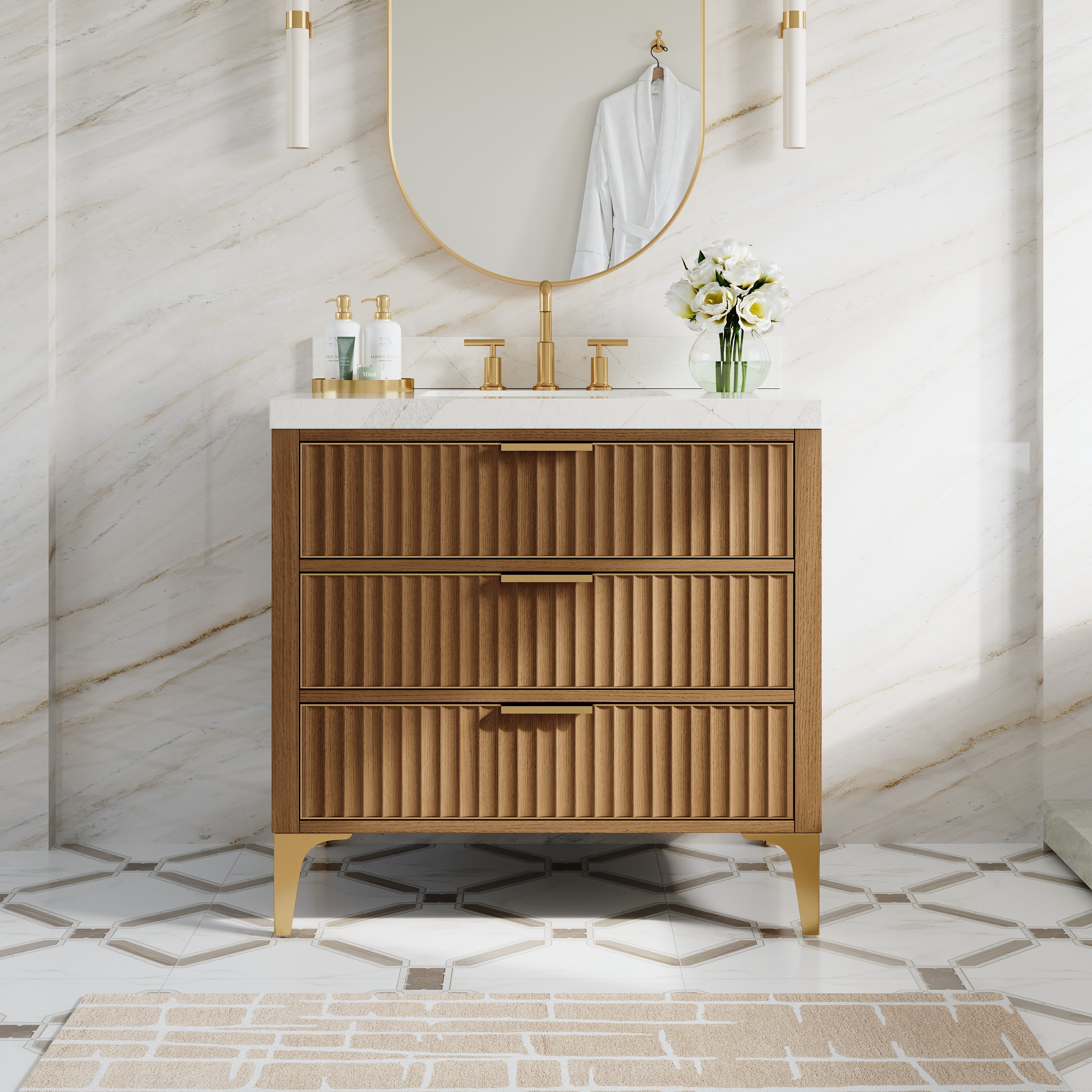
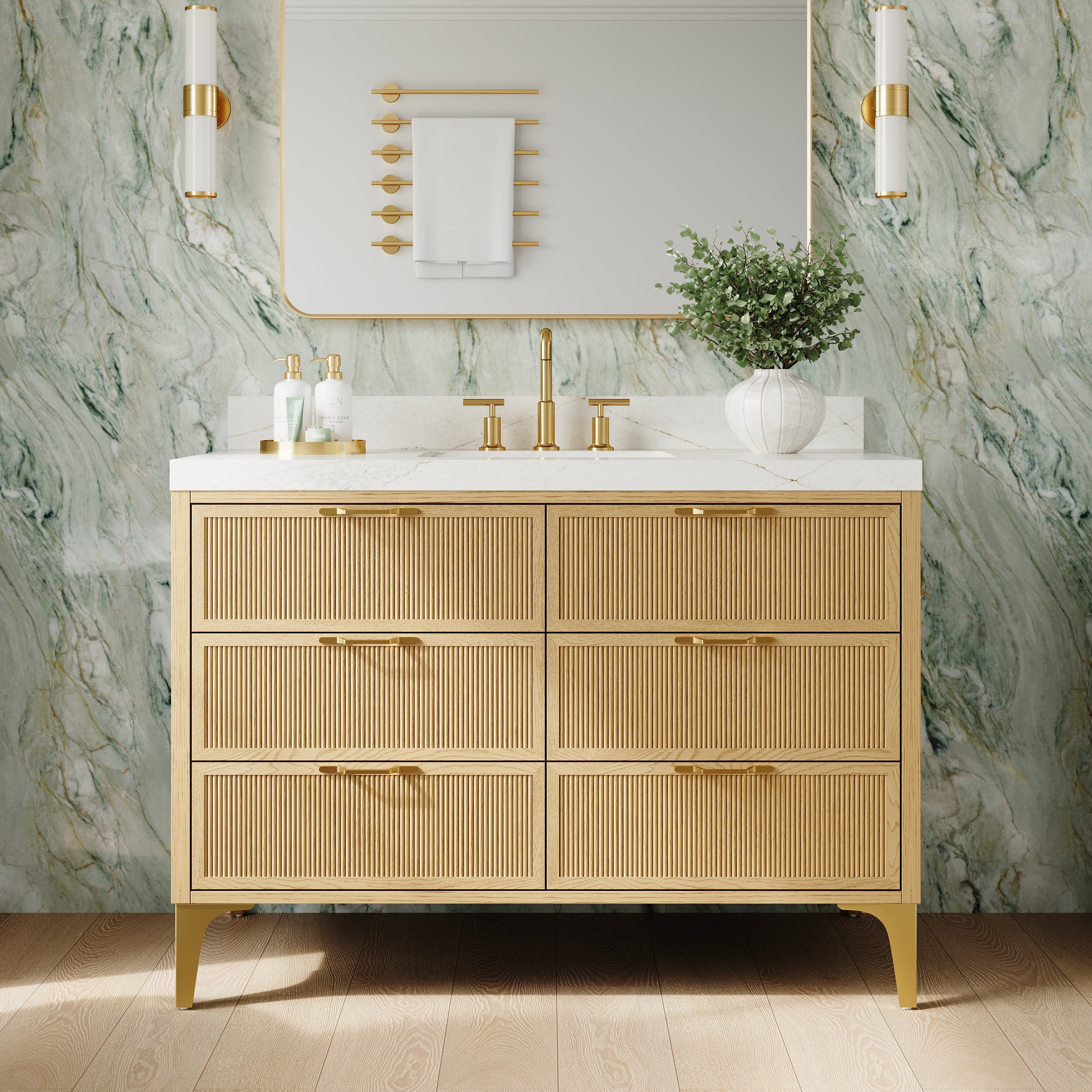


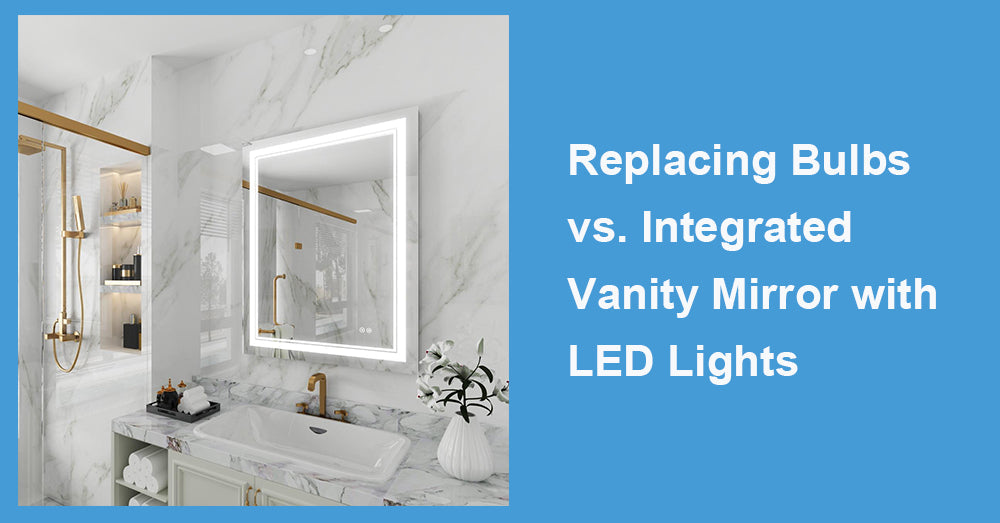
In modern bathroom design, vanity mirror with led lights are becoming increasingly common. From traditional mirror headlights that replace light bulbs to integrated LED light mirrors, changes in lighting methods not only affect the user experience but also impact maintenance costs, energy efficiency, and overall space design. As demand for residential renovations and bathroom upgrades continues to grow, the comparison between "replaceable bulb lighting" and "built-in LED light mirrors" is becoming an important topic for designers, manufacturers, and installers.
1. The Structure and Characteristics of Traditional Bulb Mirror Headlights
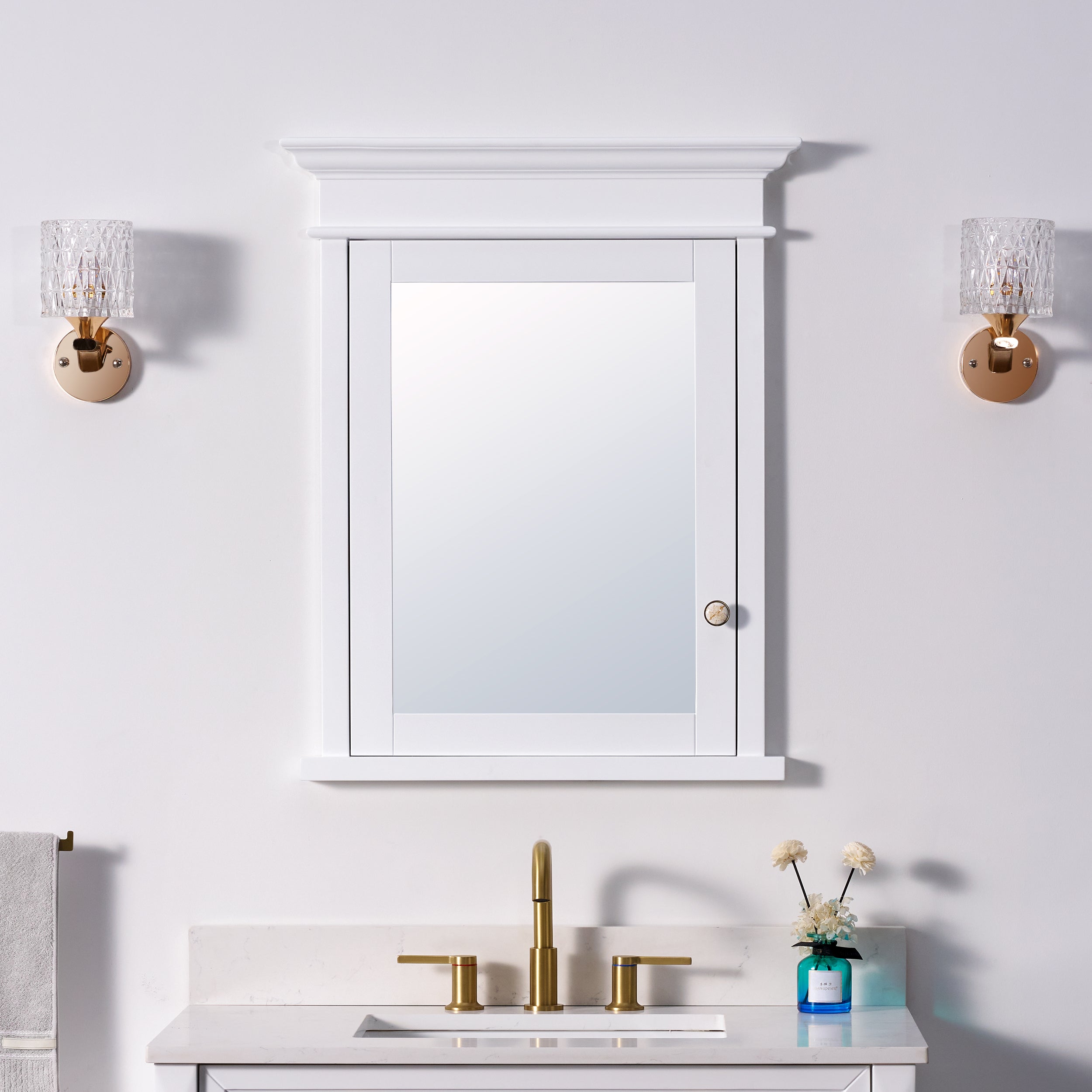
In more traditional bathroom lighting systems, lamps are usually installed above the mirror, such as in a 3-light or 4-light bar. The width of common lighting fixtures ranges from 24 to 36 inches, matching the width of bathroom cabinets that are 30 or 36 inches.
The biggest feature of this design is that the light bulb can be replaced separately. Common types of light bulbs include LED, halogen, and early incandescent bulbs. The standard bulb size is usually A19 specification, with a diameter of about 2.4 inches and a height of about 4 inches.
The advantage of replaceable light bulbs is that they are easy to maintain. When a light bulb's lifespan ends, simply replacing a single bulb can restore lighting without replacing the entire lighting system.
However, this design also has certain limitations. For example, exposed light bulbs may cause glare and uneven distribution of light. In addition, color temperature and brightness may vary among different light bulbs. If different brands of light bulbs are replaced, the overall lighting effect may not be consistent.
2. The Development Trend of Integrated LED Light Mirrors
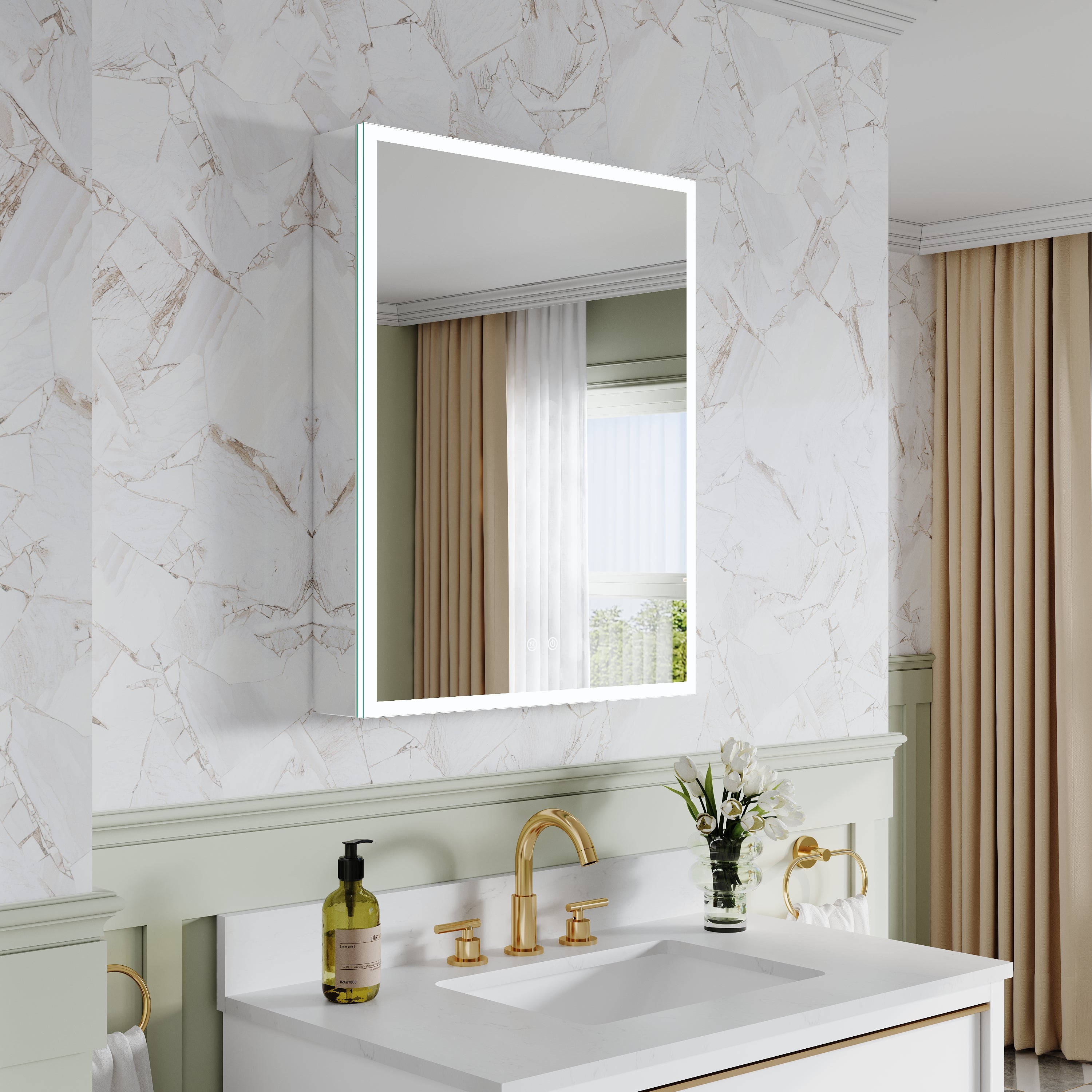
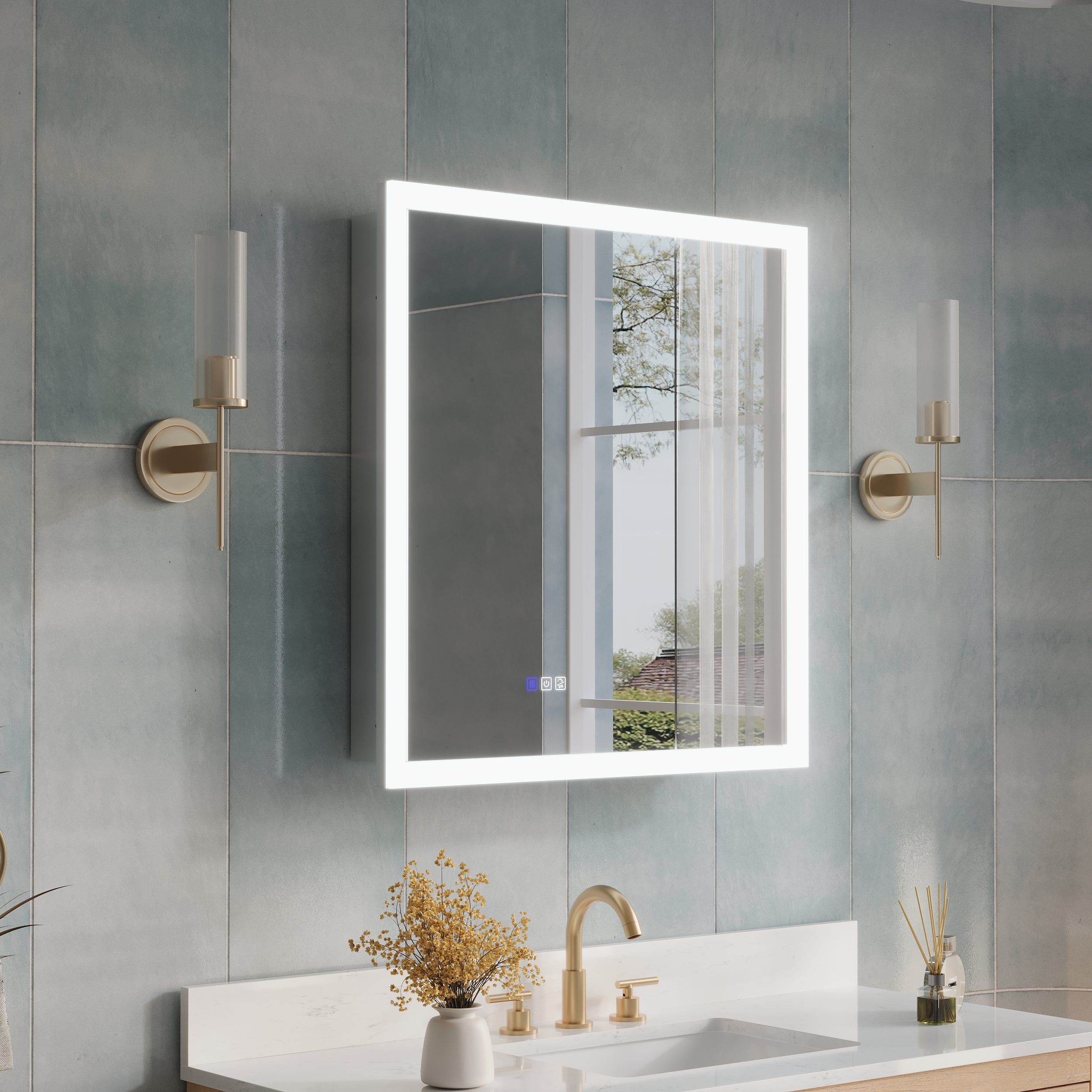
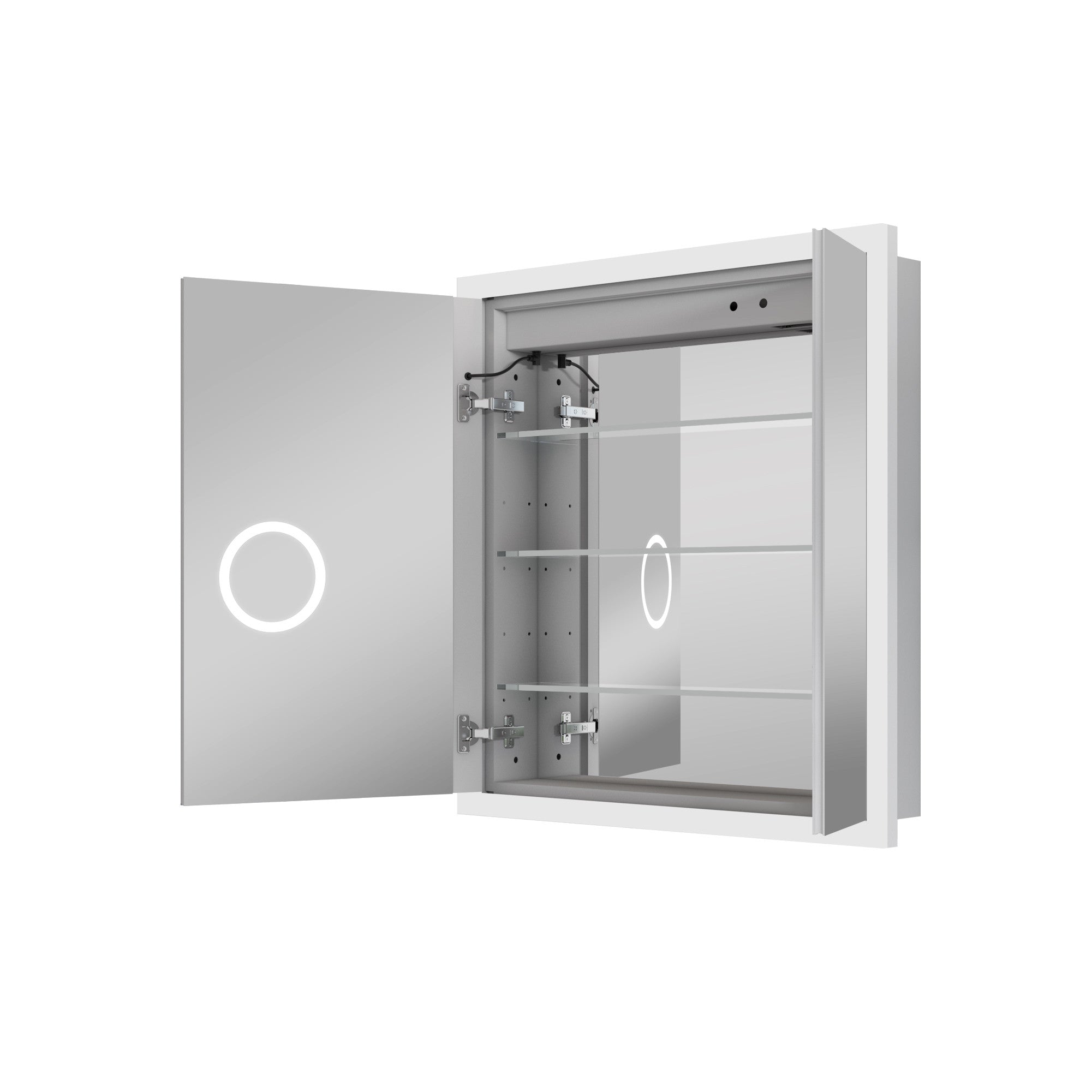
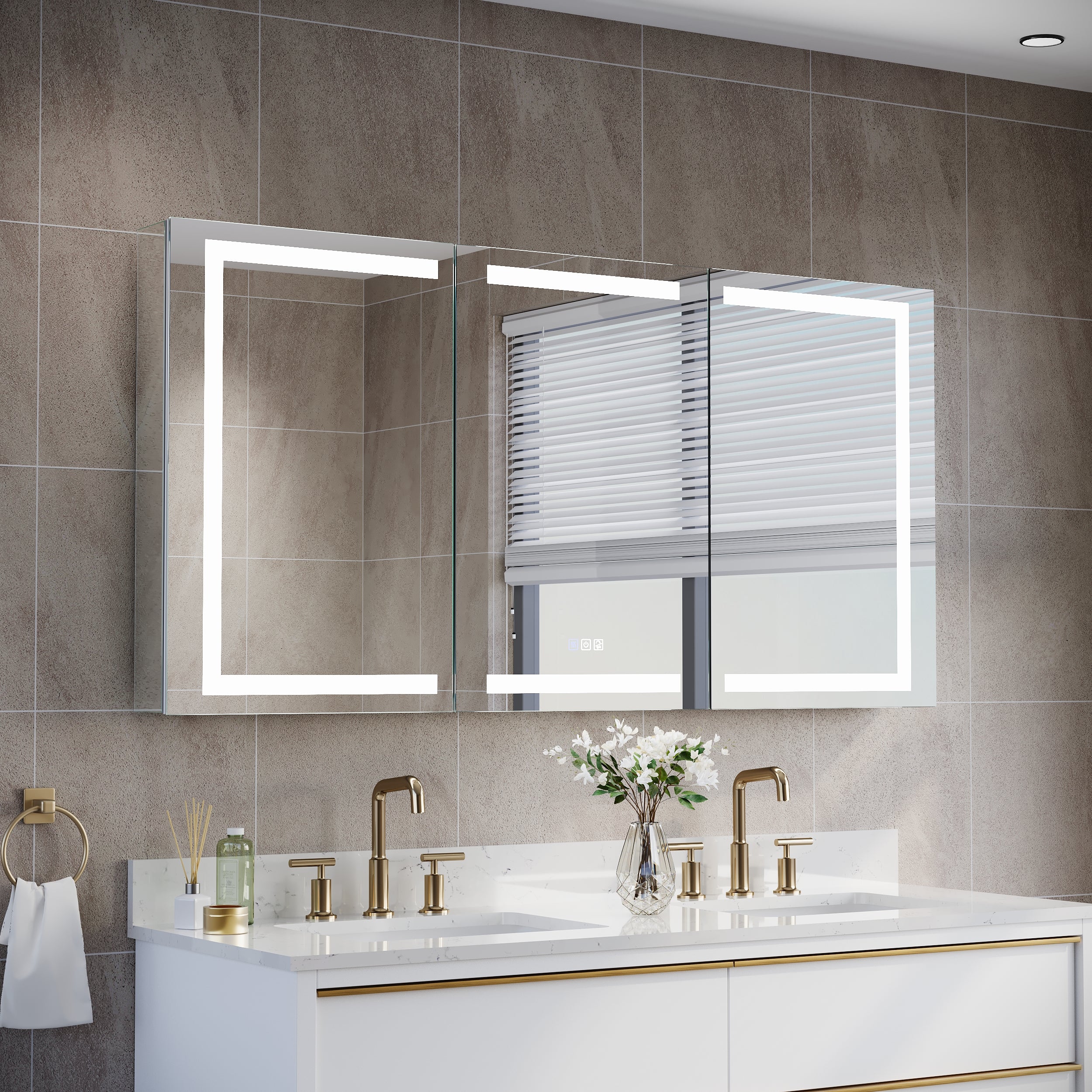
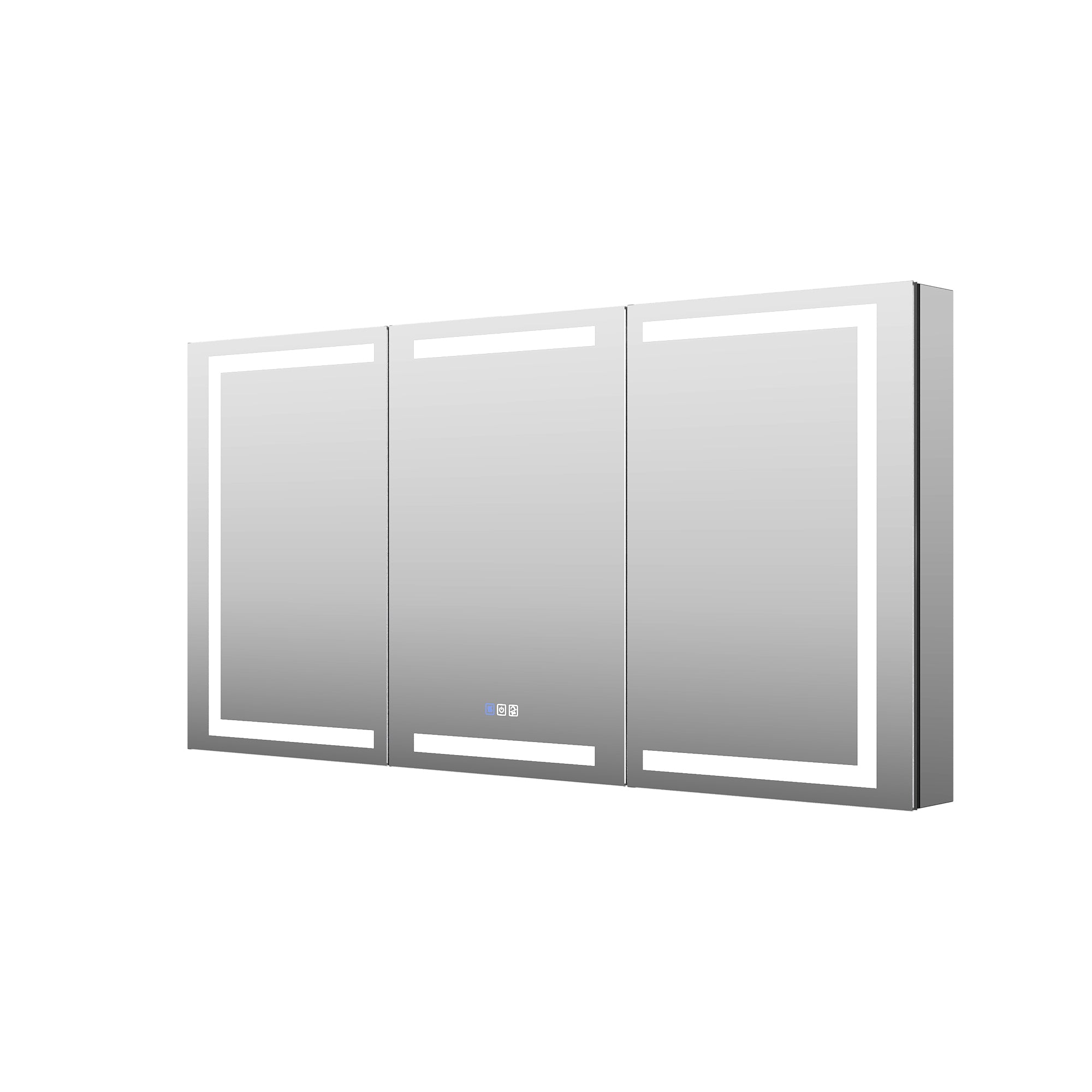
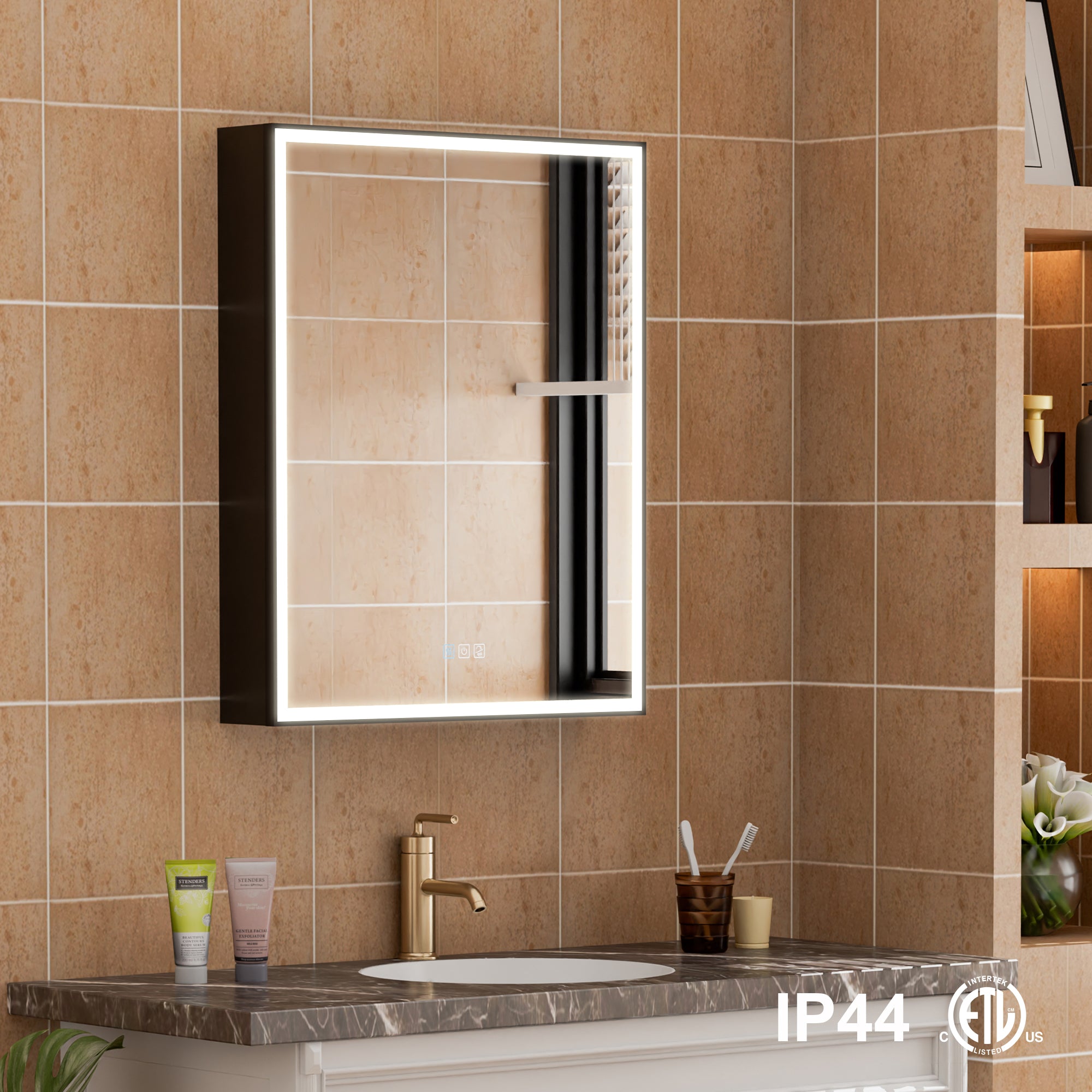
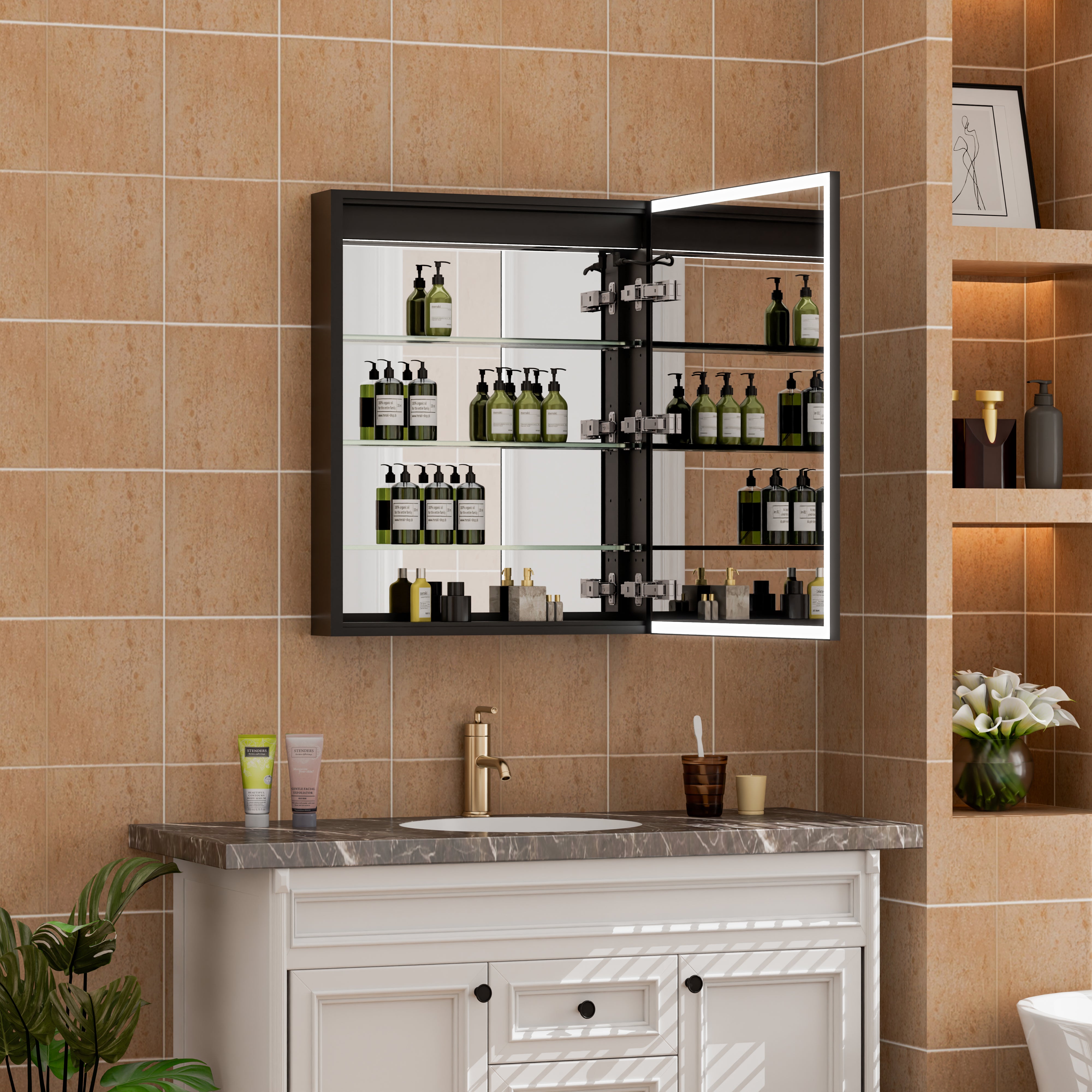
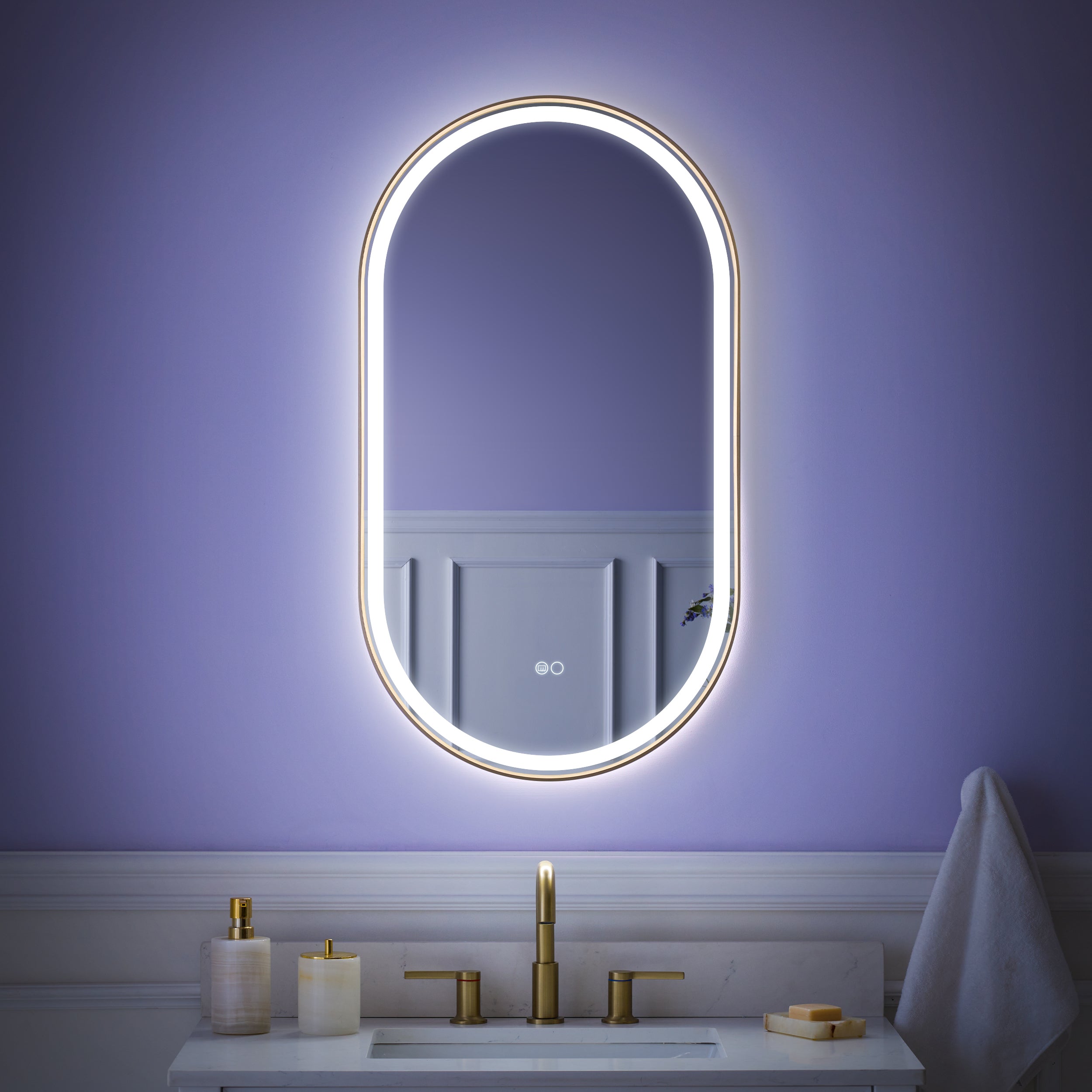
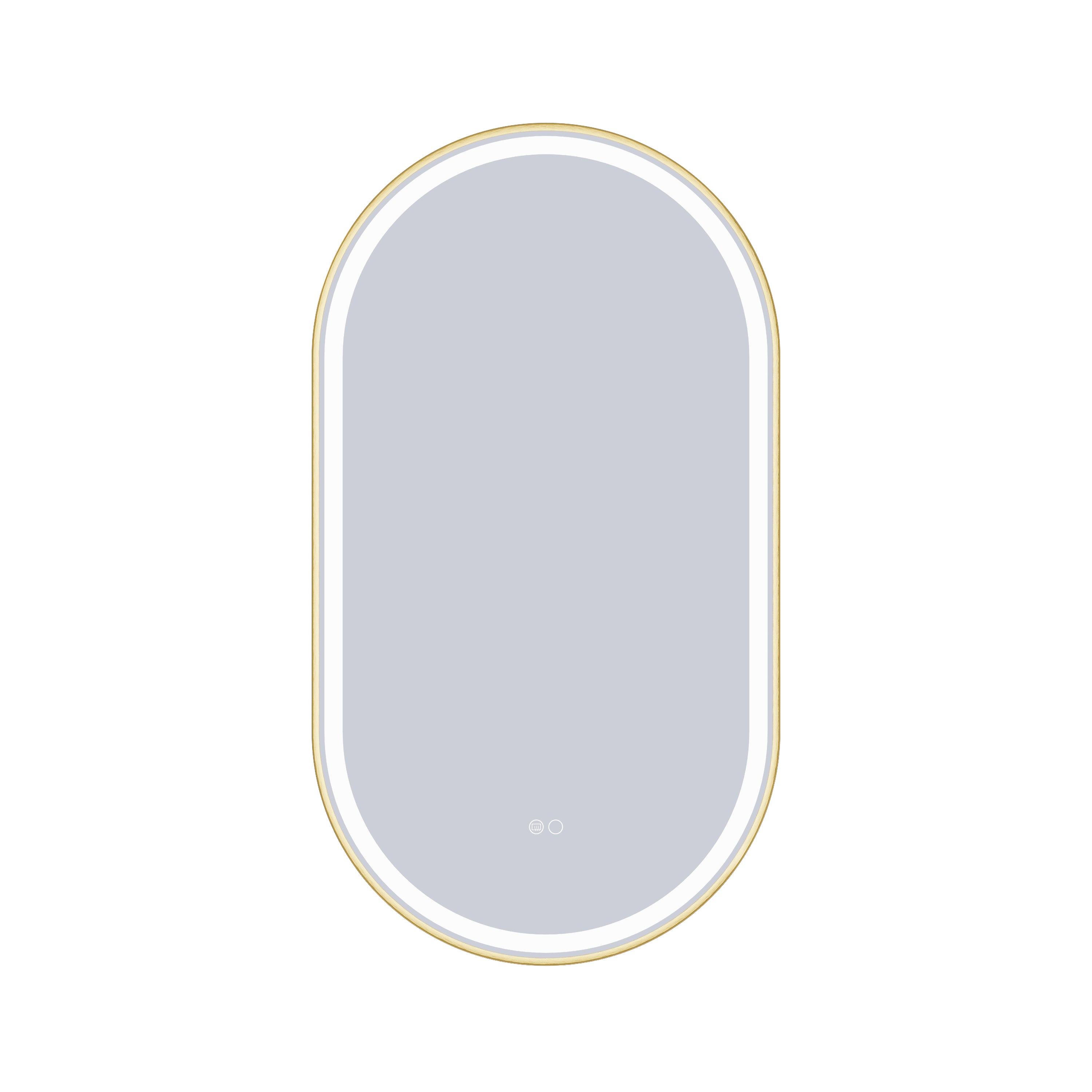
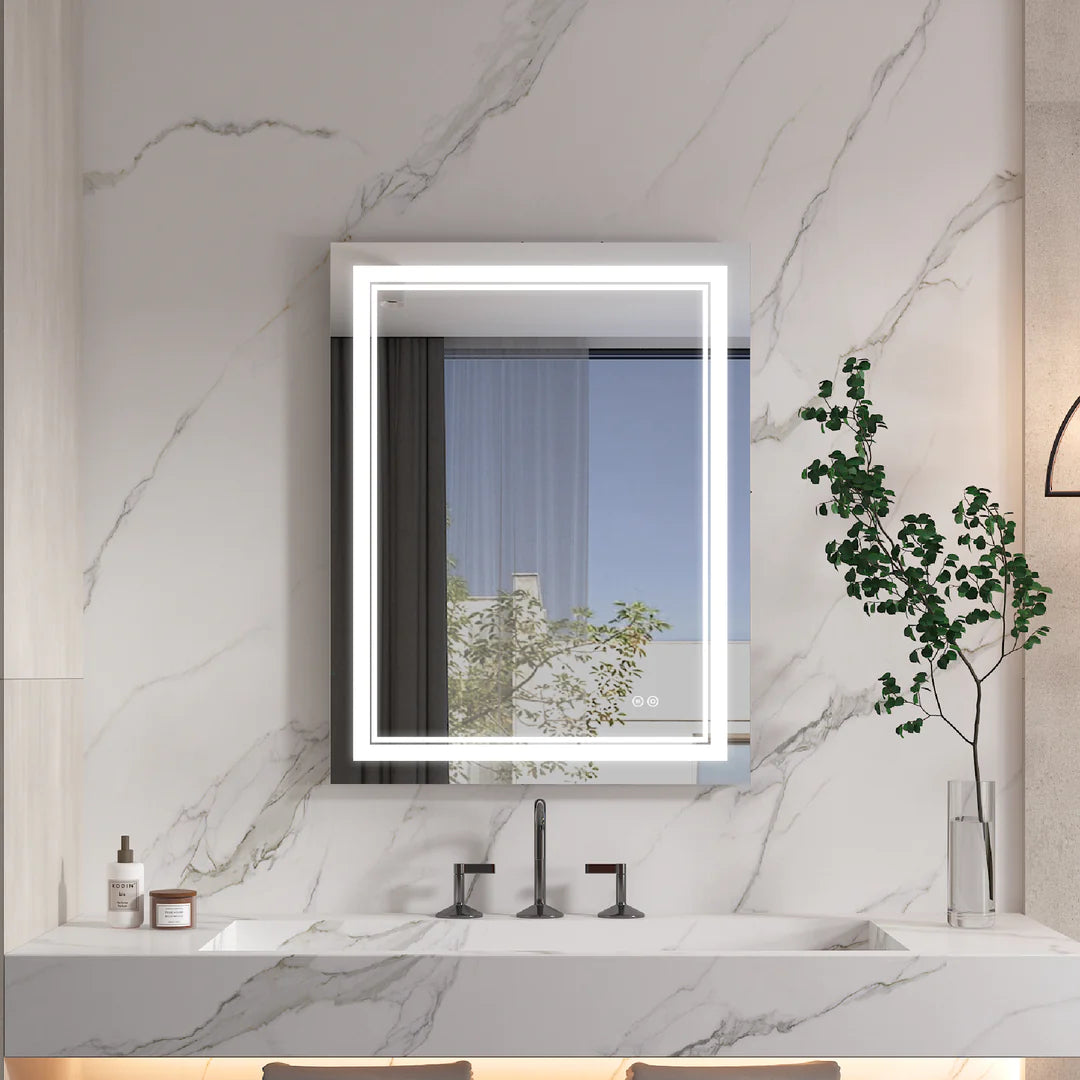
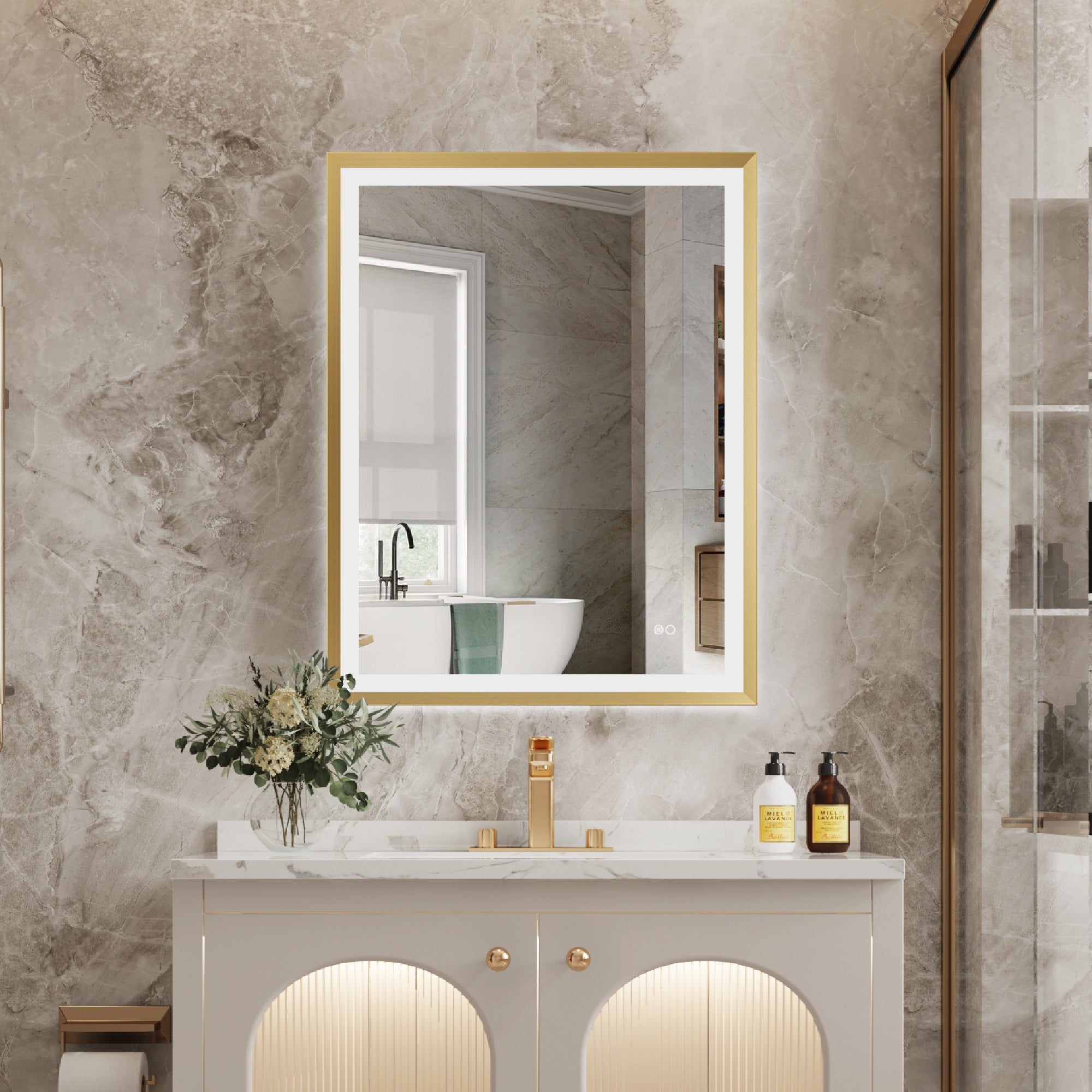
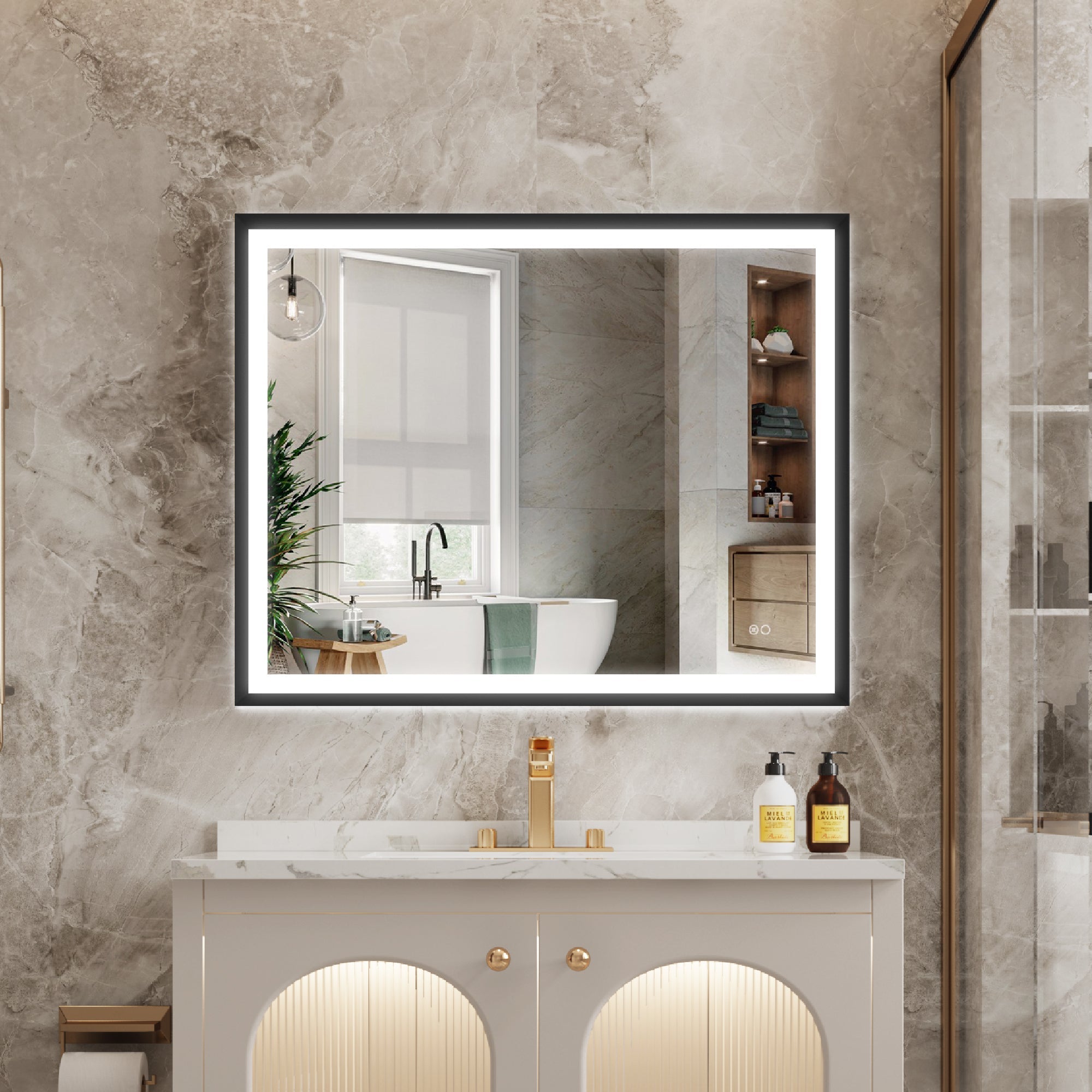
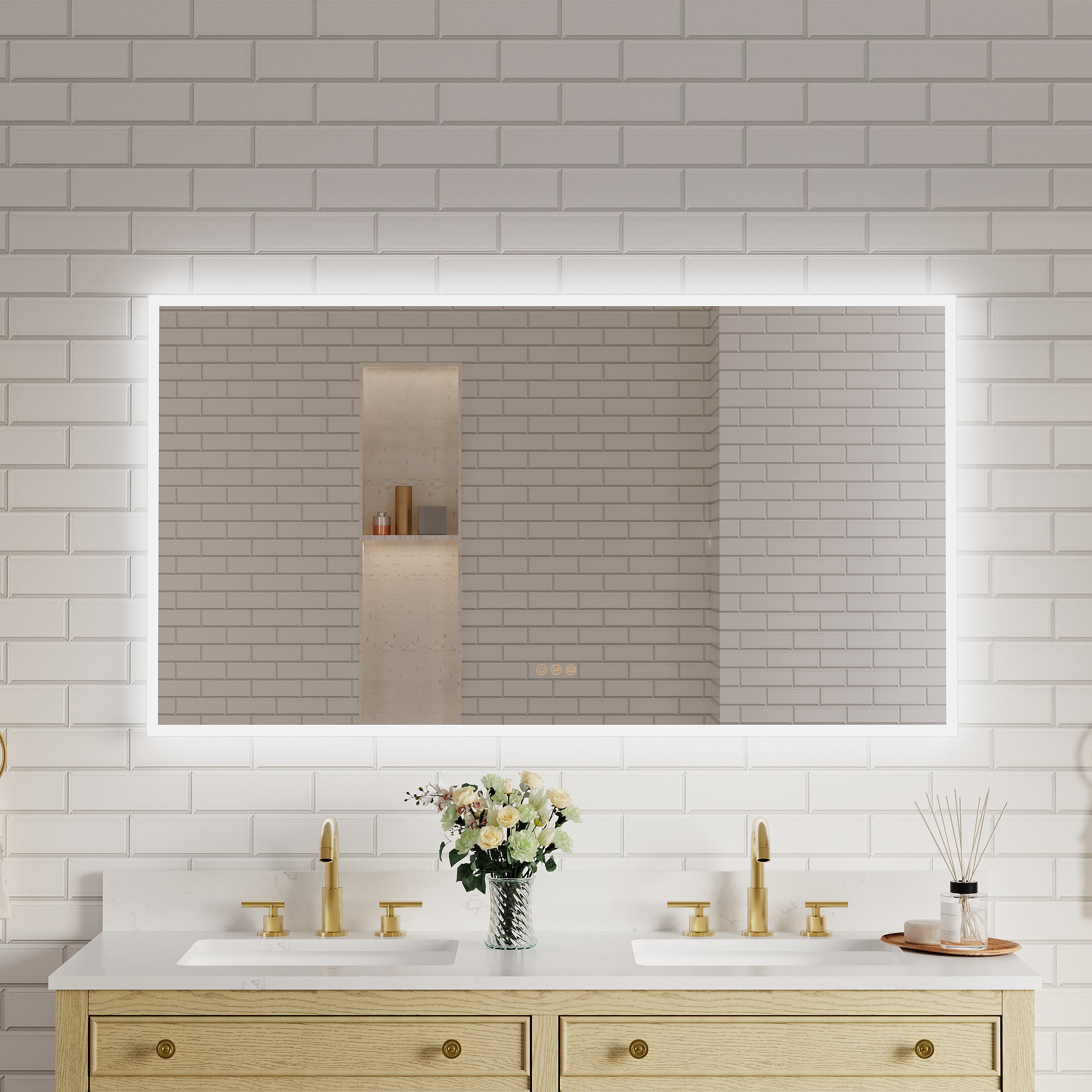
Compared to traditional lighting structures, integrated LED light mirrors have experienced significant growth in recent years. The so-called integrated design embeds the LED light source directly into the interior or edge structure of the mirror, thereby forming uniform surrounding illumination.
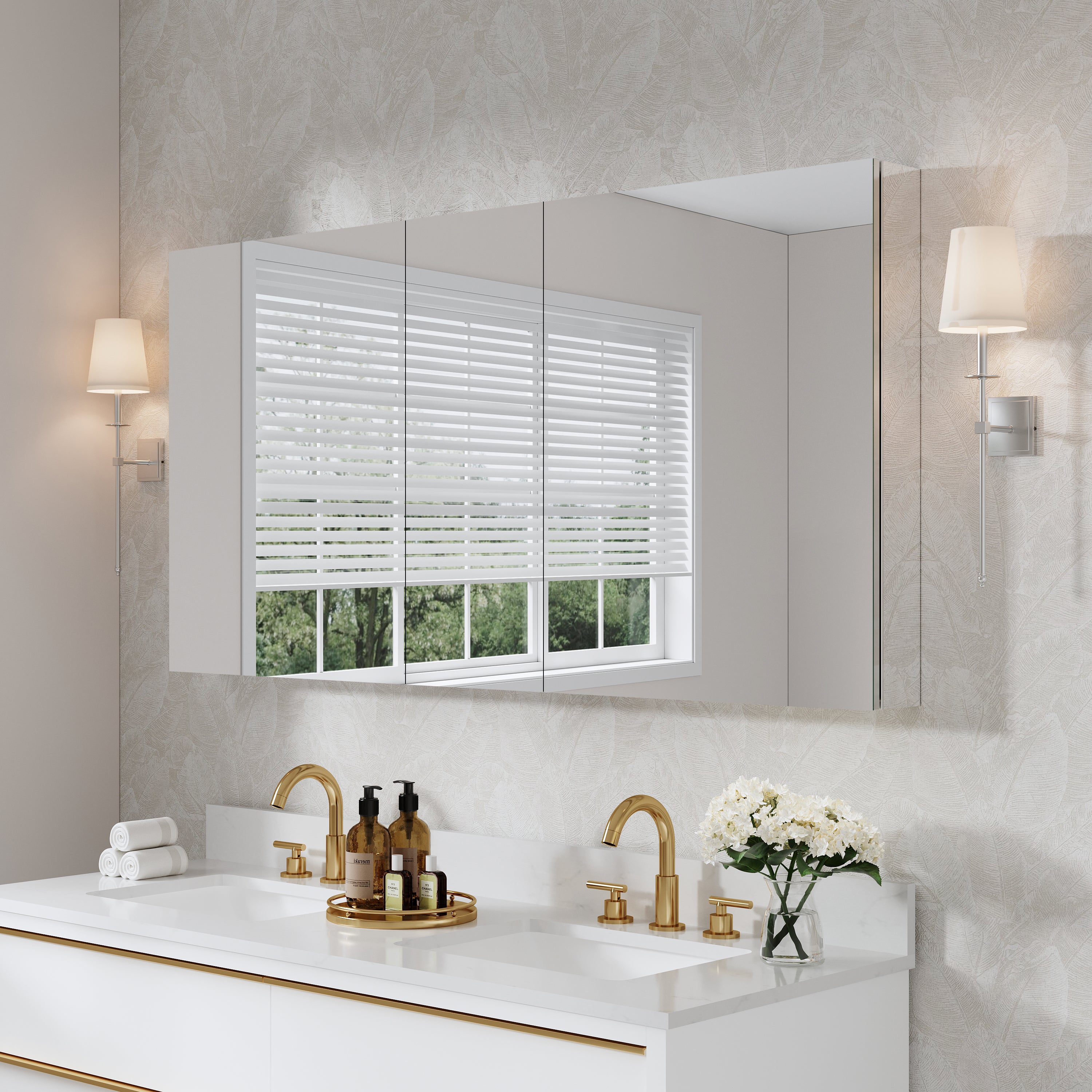
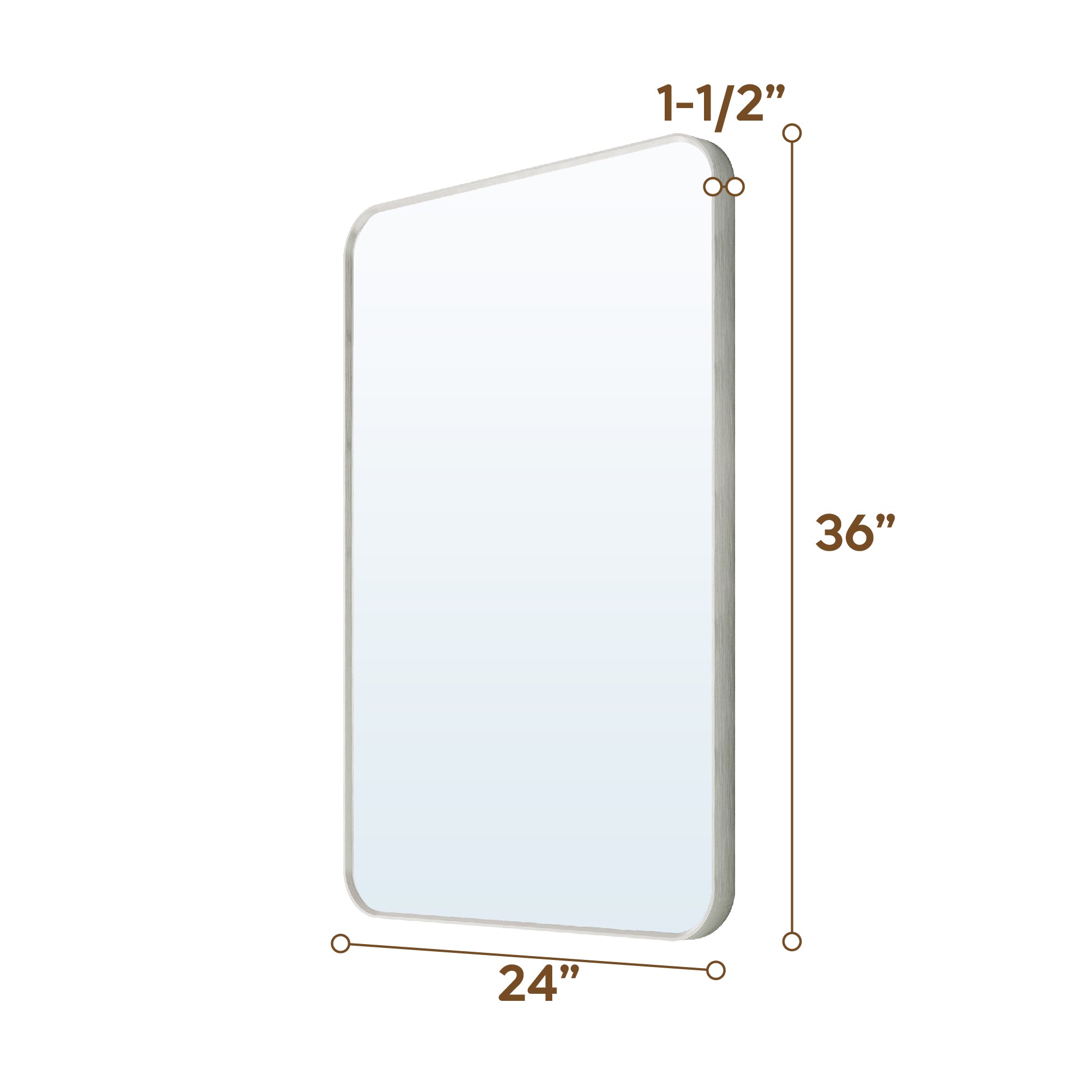
Common sizes include 24-inch, 32-inch, 36-inch, and 48-inch widths, which can match different specifications of bathroom cabinets. For example, 36-inch bathroom cabinets are usually paired with 30-inch or 32-inch mirrors, while 60-inch double basin bathroom cabinets may use two 32-inch mirrors or one 48-inch mirror.
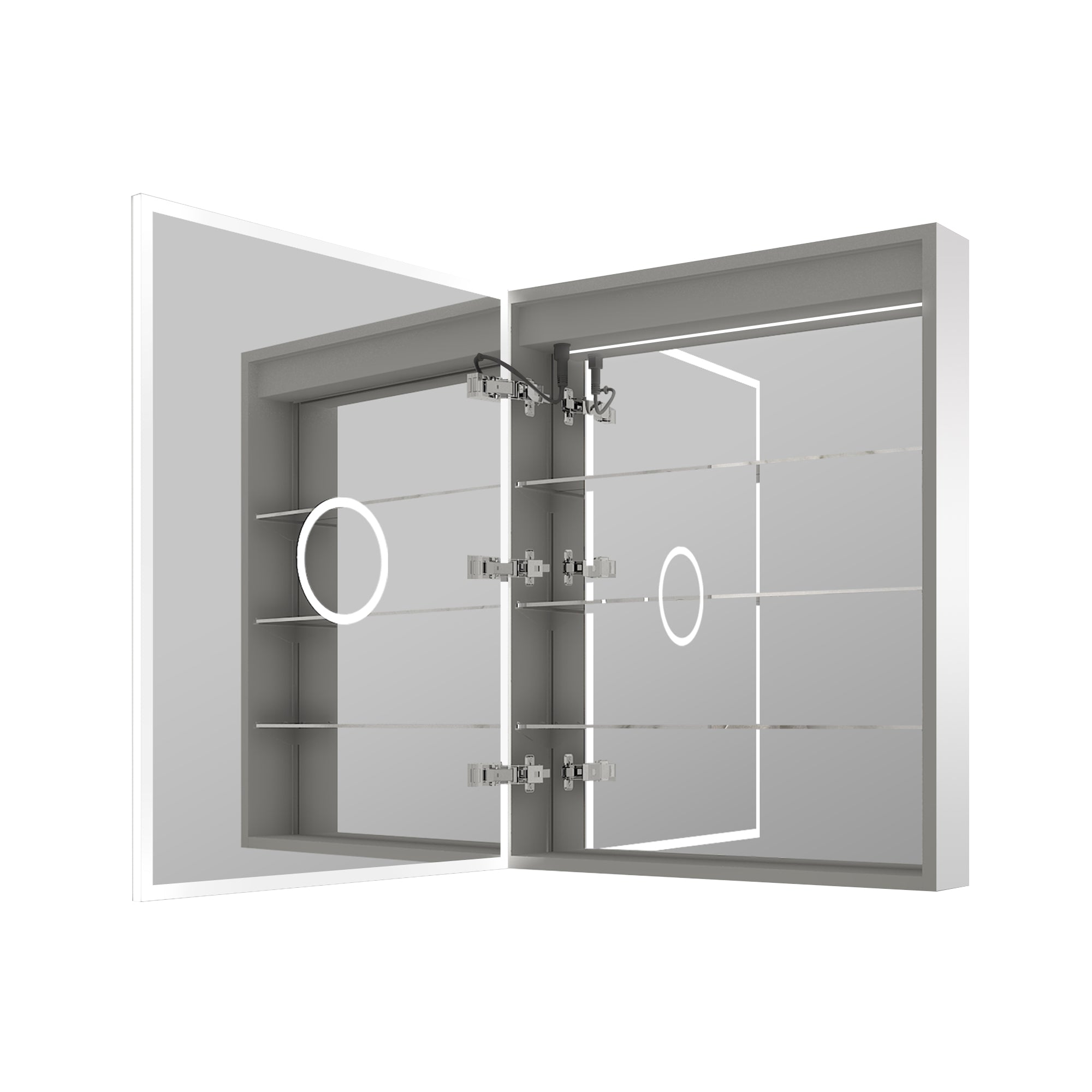
LED light strips are usually hidden behind the mirror, diffusing light through a frosted light guide plate to make the illumination softer and more uniform. This structure can reduce shadows and is more friendly to makeup, shaving, and skincare operations.
Industry lighting research data shows that uniform surrounding light can reduce facial shadows by about 40%, thereby improving the quality of mirror lighting.
3. Energy Consumption and Efficiency Comparison
Energy efficiency is one of the important factors driving the popularization of LED light mirrors.
If a traditional light bulb fixture uses three LED bulbs, each with about 8 watts, the total power is about 24 watts. If older halogen bulbs are used, each bulb may draw up to 35 watts, and the total power may exceed 100 watts.
The integrated LED light mirror usually has a power of 18-30 watts, but because light is distributed more evenly, the lighting effect is often better than with traditional light bulb fixtures.
The lighting efficiency test shows that LED lamps can achieve 90 to 110 lumens per watt, while early halogen lamps typically had 15 to 20 lumens per watt. Therefore, under similar brightness conditions, LED systems can save over 70% of energy.
4. Service Life and Maintenance Cost
The lifespan of light bulbs is one of the biggest maintenance issues for traditional lighting fixtures.
The average lifespan of a regular LED bulb is usually around 15000 hours. If used for about 3 hours a day, it would take approximately 13 to 14 years to reach the theoretical lifespan. However, in practical use, light bulbs may fail prematurely due to voltage fluctuations or frequent switching.
In contrast, the lifespan of integrated LED light mirrors is typically 30000 to 50000 hours. If calculated based on a daily usage of 3 hours, the theoretical usage time can exceed 25 years.
However, it should be noted that once the light source of the integrated LED light mirror fails, the entire mirror module usually needs to be replaced rather than just the light bulb. Therefore, in rare cases, maintenance costs may be higher.
5. Differences in Installation and Space Design
From an installation perspective, there are also significant differences between the two lighting systems.
Traditional lighting fixtures are usually installed above mirrors, with heights ranging from 4 to 6 inches. A separate power box is required for installation.
The integrated LED light mirror is usually connected to the back power supply. The mirror is usually 1 to 2 inches thick and can be installed directly on the wall for a more cohesive overall visual experience.
In modern minimalist design, this "mirror as lamp" approach can reduce visual elements and make the wall look cleaner and more uniform.
6. Light Quality and User Experience
The core goal of mirror illumination is to provide real and uniform light.
Traditional light bulbs usually illuminate the face from above, which can create shadows on the chin and eyes. LED light mirrors usually use side or surround lighting to illuminate the face from multiple directions.
The lighting experiment data shows that lateral or surround lighting can reduce the shadow area by about 30% to 50%, making it closer to natural light effects.
In addition, many LED light mirrors offer color temperature adjustment, including 3000K warm light, 4000K natural light, and 5000K cool white light, which is difficult to achieve with traditional light bulb systems.
7. Future Development Direction
With the continuous advancement of LED technology, integrated light mirrors are adding more intelligent functions, such as touch switches, anti-fog heating, and brightness adjustment.
Some high-end products also integrate ambient light-sensing systems that automatically adjust light output based on the bathroom's brightness. These technologies further enhance the convenience of use.
At the same time, traditional light bulb fixtures still have demand in many renovation projects, especially when low-cost maintenance or compatibility with existing circuit systems is required.

Conclusion
From an industry perspective, vanity mirrors with LED lighting are gradually becoming an important solution for bathroom lighting. Compared to traditional replaceable light bulb fixtures, integrated LED light mirrors have significant advantages in energy efficiency, light uniformity, and spatial design.
However, both lighting methods have their own characteristics. For spaces that require long-term stable lighting and modern design styles, integrated LED light mirrors provide a more advanced solution; For environments that require high flexibility in maintenance, traditional light bulb fixtures still have certain advantages.
With the continuous advancement of technology, future bathroom lighting systems will become more intelligent, efficient, and more closely integrate mirror and light-source designs.










Leave a comment
This site is protected by hCaptcha and the hCaptcha Privacy Policy and Terms of Service apply.