














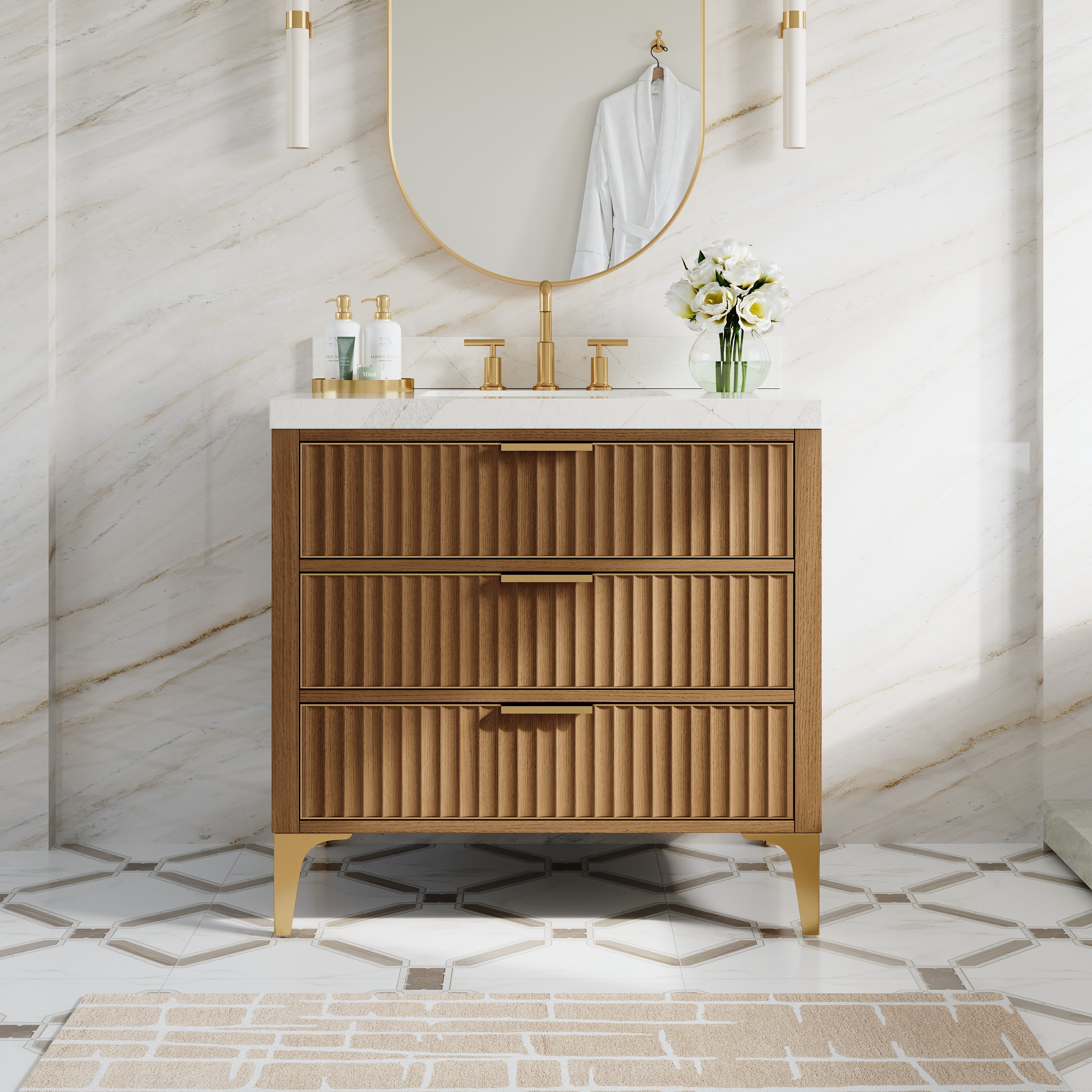
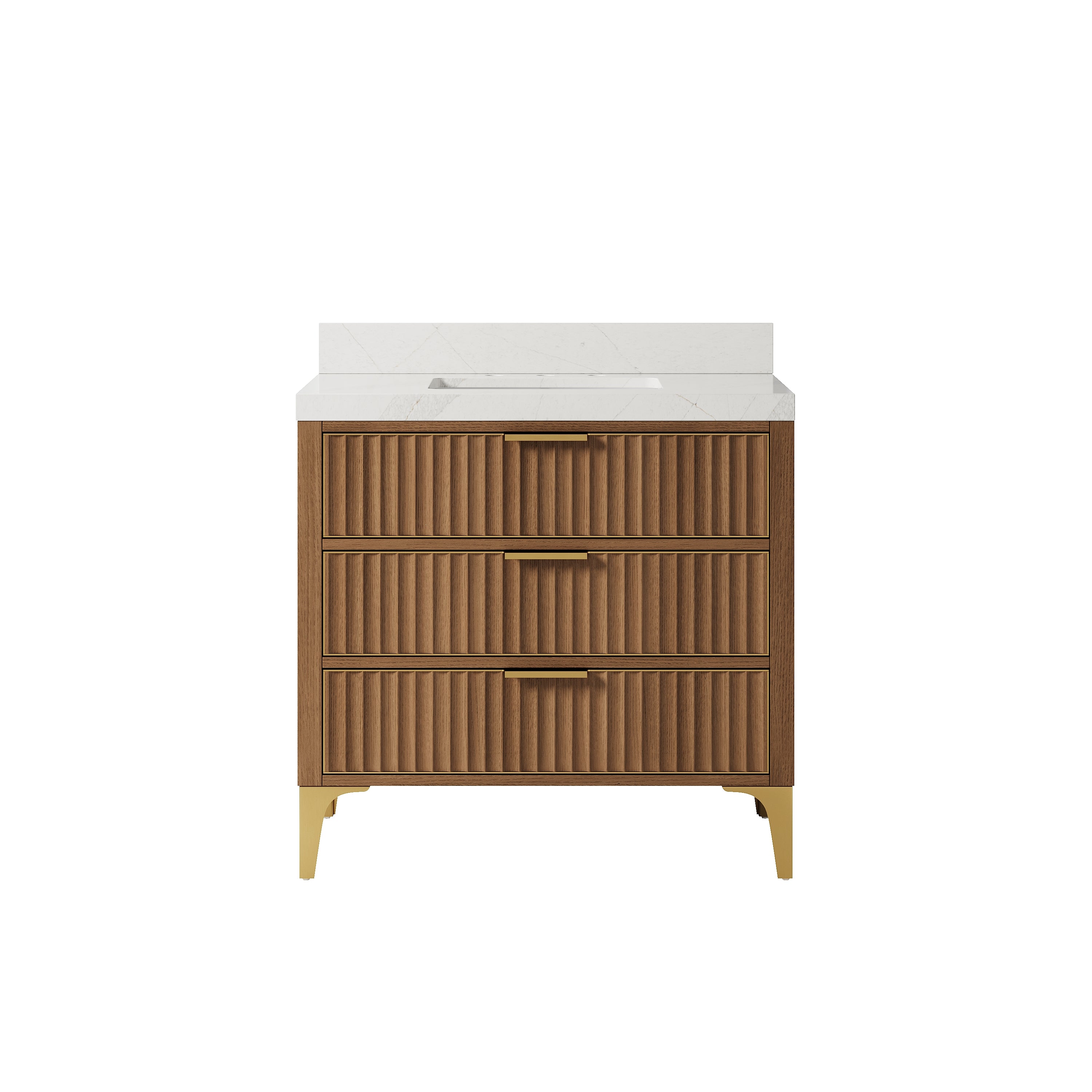
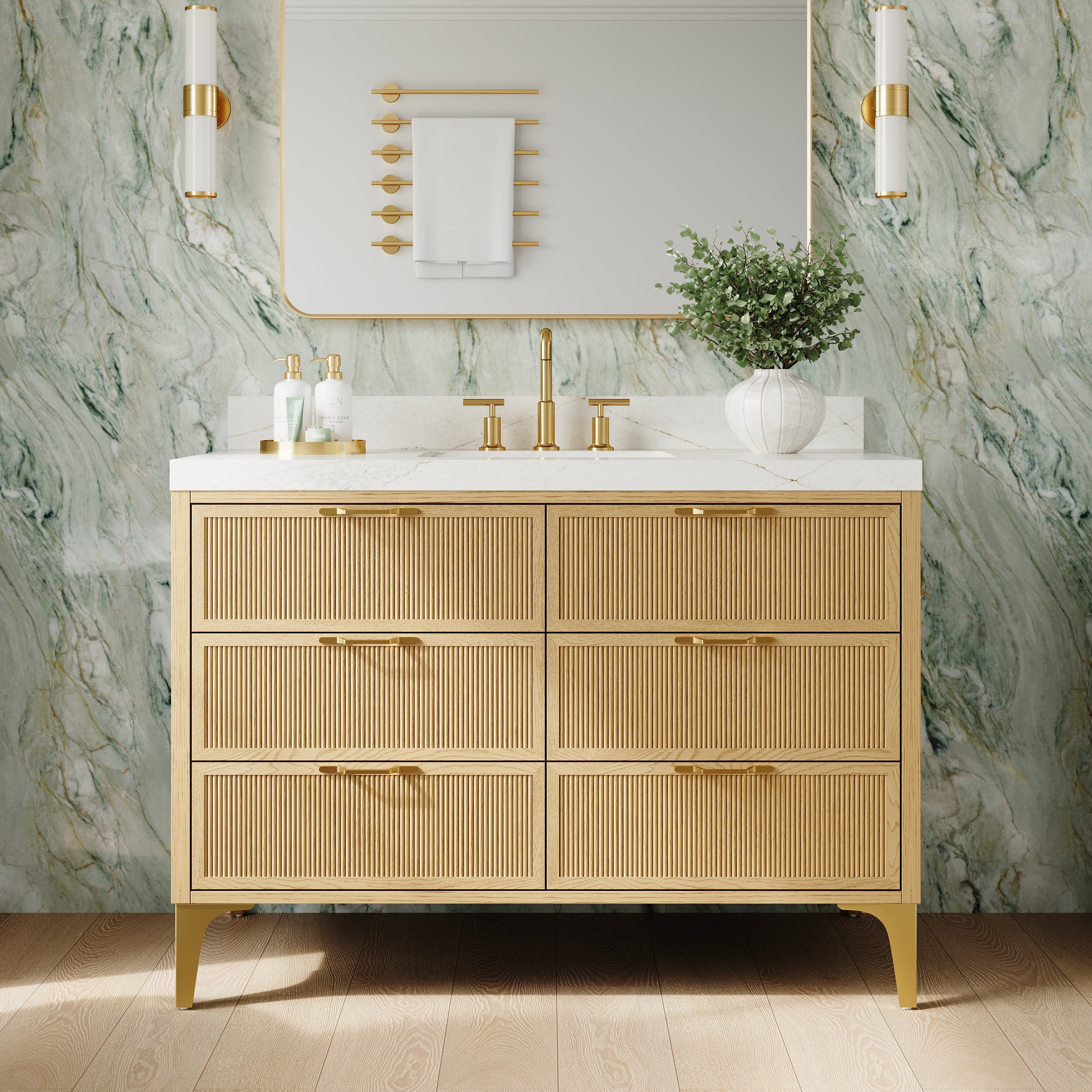
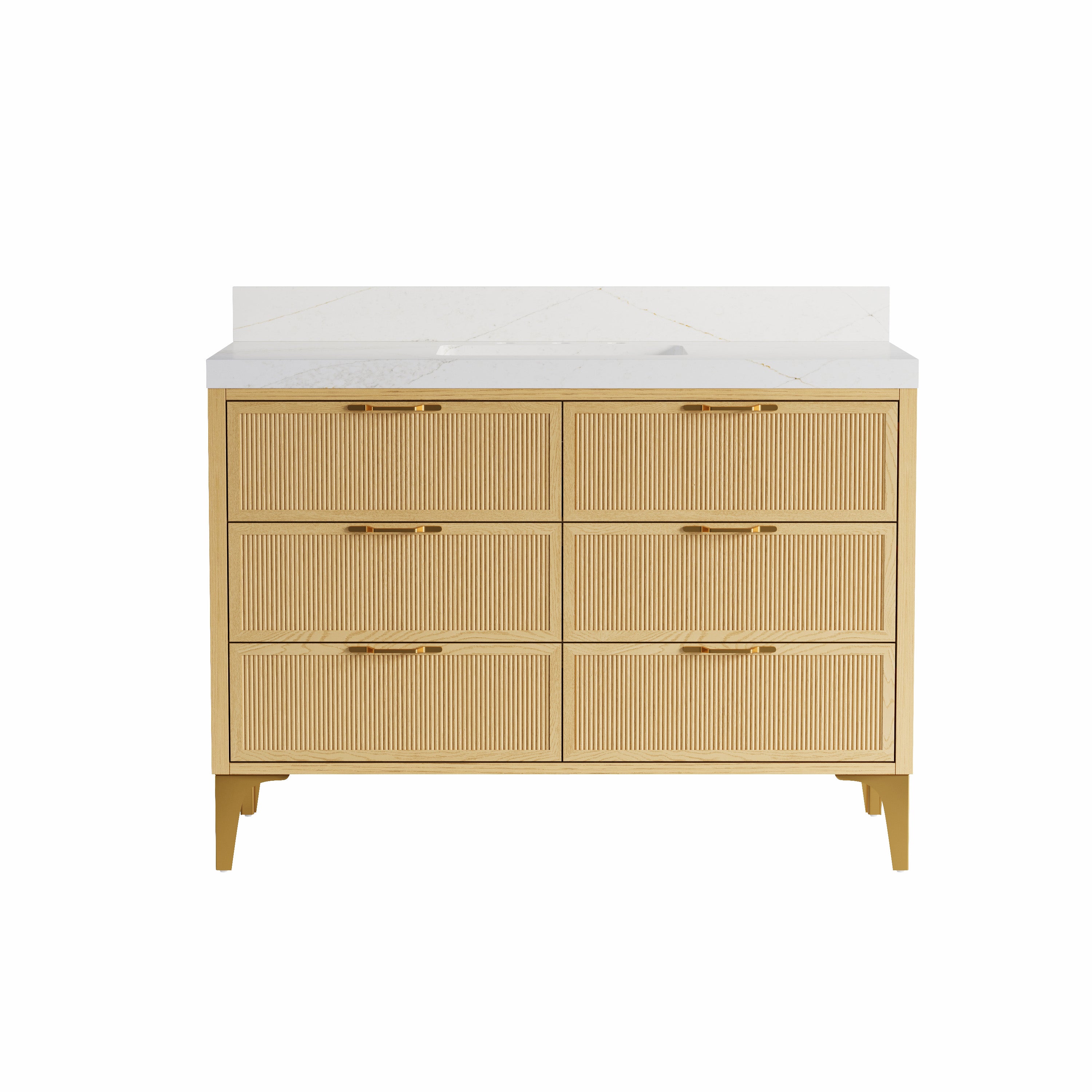


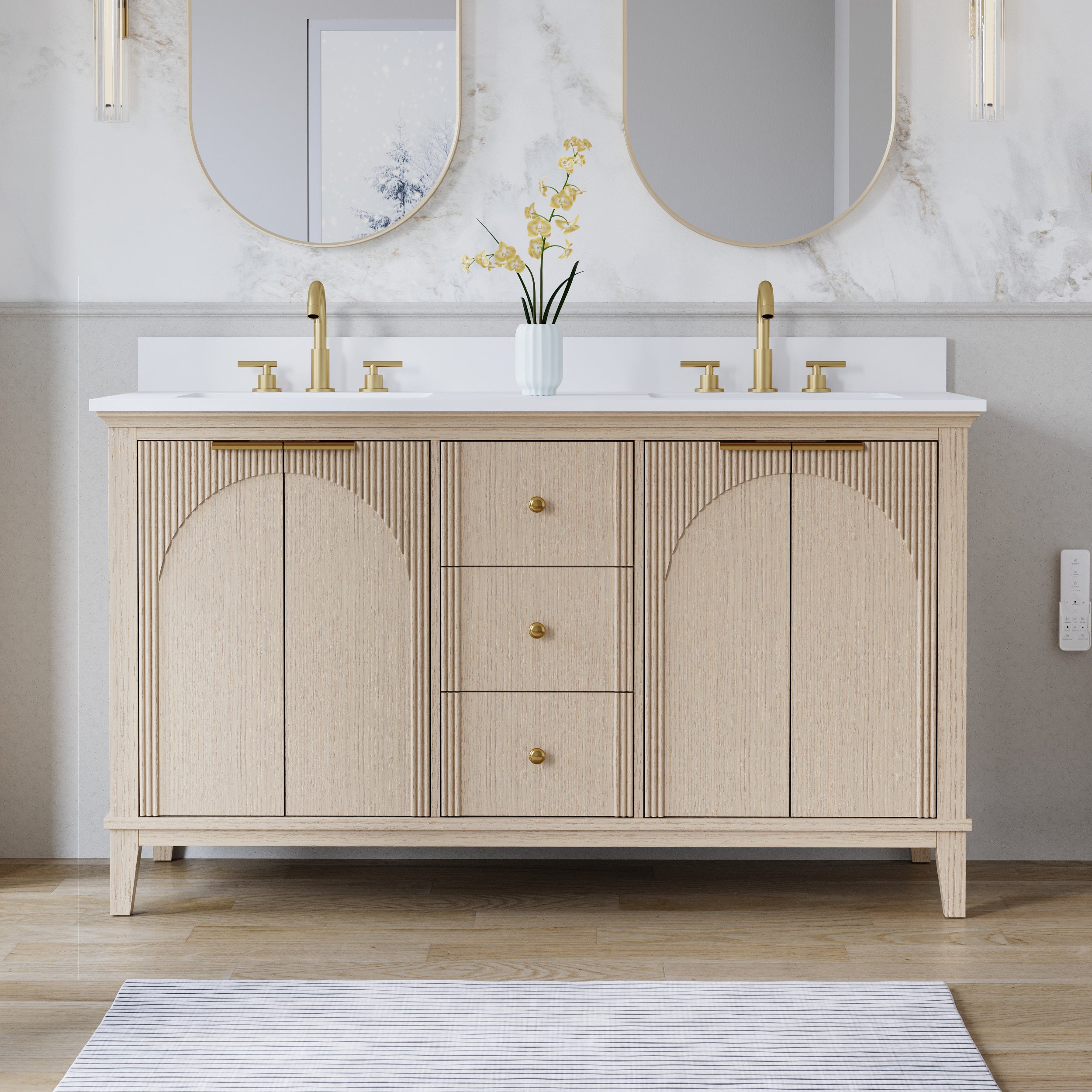
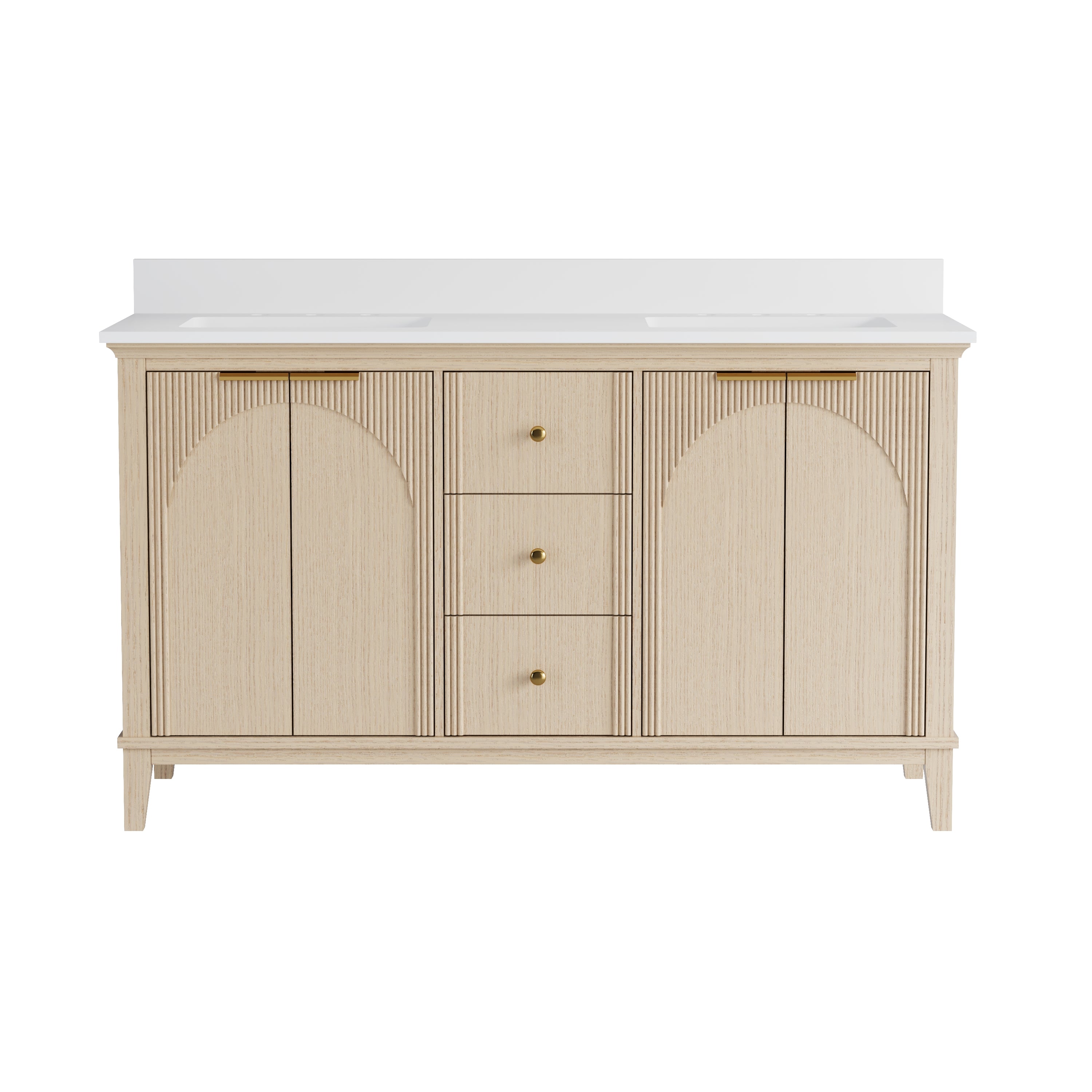
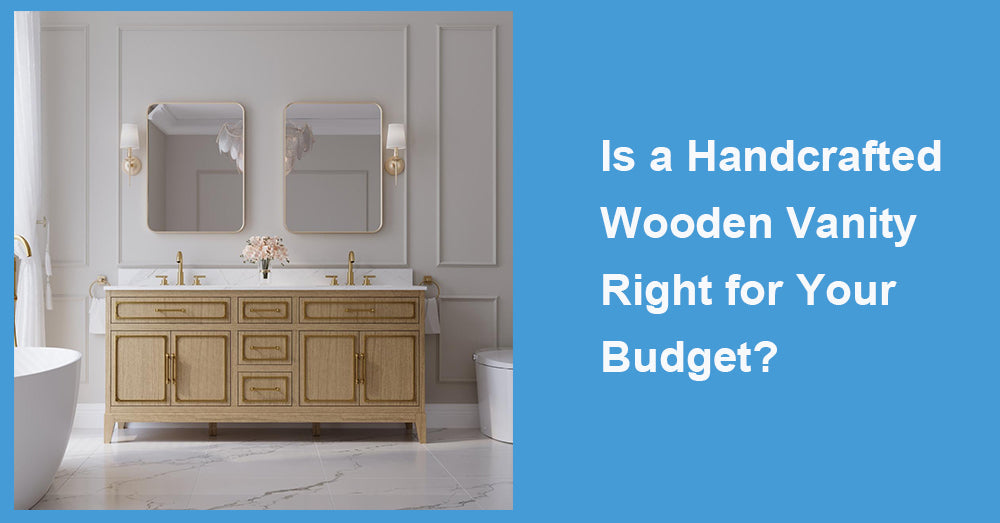
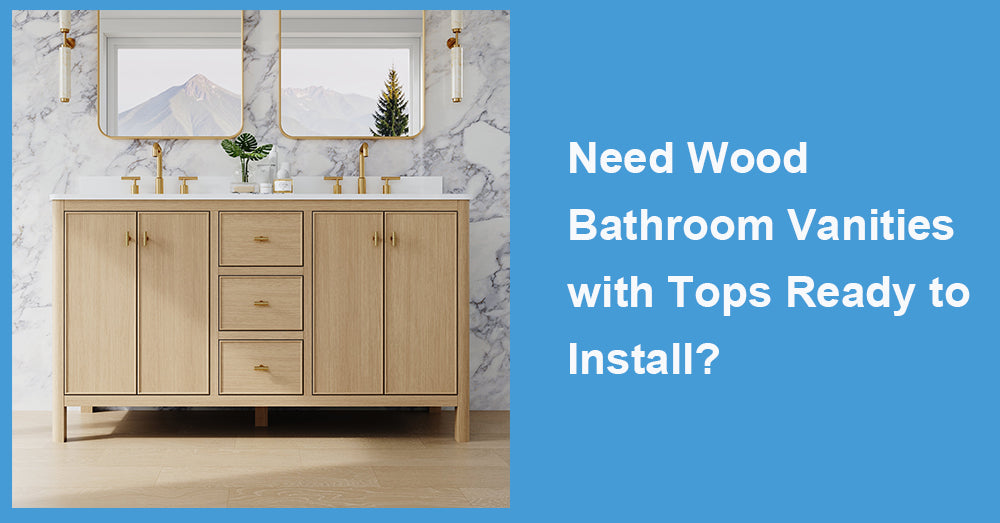
A wooden vanity has shifted from a “nice-to-have upgrade” to a centerpiece purchase in many bathroom refreshes, especially as homeowners focus spending on high-touch, high-visibility components. The real budget question isn’t only the cabinet price. It’s how materials, craftsmanship, countertop choices, and installation conditions add up—and whether the vanity reduces future replacement or repair costs.
1. Remodel spending is rising, but budgets are being targeted
Recent industry research shows steady upward pressure on bathroom project costs. The Houzz 2024 Bathroom Trends Study reports median spending for bathroom remodels increased from $13,500 to $15,000, while median spending for minor remodels (keeping the shower area as-is) rose from $8,000 to $8,500.
That trend matters because it suggests buyers are not just spending more—they’re allocating more carefully, prioritizing durable storage, reliable hardware, and finishes that hold up under daily use.
2. Benchmark reports show where “midrange” and “upscale” diverge
The JLC 2024 Cost vs. Value report helps frame how vanity selection fits inside typical project scopes. It lists a midrange bath remodel at $25,251, and an upscale bath remodel at $78,840—a gap large enough that one or two premium decisions (like cabinetry and stone) can change the project tier.
In practical terms, a handcrafted vanity tends to land in the category of “structural upgrades” (materials, joinery, hardware) rather than purely decorative changes, which is why it can feel more defensible in a midrange plan than in a scope already approaching upscale territory.
3. Why handcrafted vanities cost more: structure and labor, not just looks
Handcrafted pricing is usually driven by two things: better build fundamentals and more production time. Common cost drivers include solid-wood frames, furniture-grade plywood panels, thicker doors, and upgraded drawer boxes (often with stronger joinery). Add soft-close hinges, full-extension slides, and multi-step finishing, and the labor hours climb fast.
The difference becomes obvious over time: doors stay aligned longer, drawers carry weight without racking, and finishes are more likely to resist everyday wear. A cheaper cabinet can still look good on day one, but cost-cut construction often shows up later as sagging drawer fronts, loose hinges, or swollen panels around high-moisture zones.
4. Size changes the total cost, not just the cabinet line item
Vanity width is the fastest way to estimate budget impact. Moving from 36-inch to 60-inch isn’t a simple linear step. Larger sizes typically trigger bigger countertop slabs, more hardware, heavier packaging, and more complex delivery and handling. Double-sink configurations add a second basin cutout, more plumbing connections, and more installation time.
Depth and height matter too. Many designs sit around 21 inches deep, and comfort-height builds commonly land between 34 and 36 inches high, depending on the top and sink. Those dimensions sound standard—until they collide with door swings, tight walk paths, or drawers that can’t fully open.
5. Clearance planning can prevent expensive “it doesn’t fit” mistakes
A handcrafted vanity can be a great investment—unless it compromises movement or usability. The NKBA Bath Planning Guidelines recommend planning a minimum 30-inch by 48-inch clear floor space centered at each fixture, plus maneuvering space.
Using that guideline early helps you avoid paying for a larger cabinet that makes the room feel cramped. It also reduces the risk of last-minute redesigns (and contractor change orders) when installers discover clearance conflicts.

6. Installation conditions can quietly add hundreds or thousands
Budget blowups often come from the room, not the product. The most common hidden cost is plumbing alignment. If the existing supply lines or drain position doesn’t match the vanity’s opening and sink centerline, a plumber may need to move connections, modify shutoff placement, or adjust the drain wall stub-out.
Other recurring costs include:
· Wall flatness and finish repairs behind the vanity and backsplash
· Floor leveling (especially with heavy stone tops)
· Delivery constraints, such as narrow hallways and stair turns for 60-inch-plus cabinets
A handcrafted vanity is heavier, so access planning matters. If it can’t make the turns, the job can shift into partial uncrating, reboxing, or extra labor—none of which improves the final vanity.
7. Market signals suggest remodeling demand remains resilient
Broader remodeling sentiment has stayed positive, which helps explain why premium categories like cabinetry remain active. The NAHB/Westlake Royal Remodeling Market Index (RMI) posted a reading of 64 for Q4 2025, with NAHB noting conditions consistent with continued moderate growth and demand supported by aging housing stock and homeowner equity.
For buyers, this matters because sustained remodeling activity tends to keep interest high in durable, long-life components—especially cabinetry that shapes the room’s look and daily function.
8. When a handcrafted wooden vanity is most likely to pay off
A handcrafted wooden vanity is typically a stronger budget fit when:
· The bathroom is used daily (primary bath or main guest bath)
· Storage quality matters (deep drawers, full-extension access, better organization)
· You want fewer maintenance headaches (sturdier construction, better finishes)
· The vanity is intended as the visual anchor of the room
It’s usually a tougher sell for short-hold properties, quick refresh projects, or rooms with poor moisture control and no planned ventilation upgrades.
9. Three practical ways to keep the budget under control
1. Choose size based on layout first, not aesthetics. A right-sized 36-inch or 48-inch vanity can outperform an oversized 60-inch that ruins clearances.
2. Price the full package, not just the cabinet alone: top, sink, backsplash, hardware, faucet, and drain (often separate), delivery and handling, and any plumbing adjustments.
3. Pay for the parts that prevent future replacement: stable box construction, durable finish system, and reliable hinges/slides often matter more than decorative door profiles.
If you share your target width (for example, 36-inch or 60-inch), whether you want a single or double sink, and whether the install is freestanding or wall-mounted, I can give you a clean, itemized “total project cost” checklist tailored to that setup—still in inches and without tables.











Leave a comment
This site is protected by hCaptcha and the hCaptcha Privacy Policy and Terms of Service apply.