














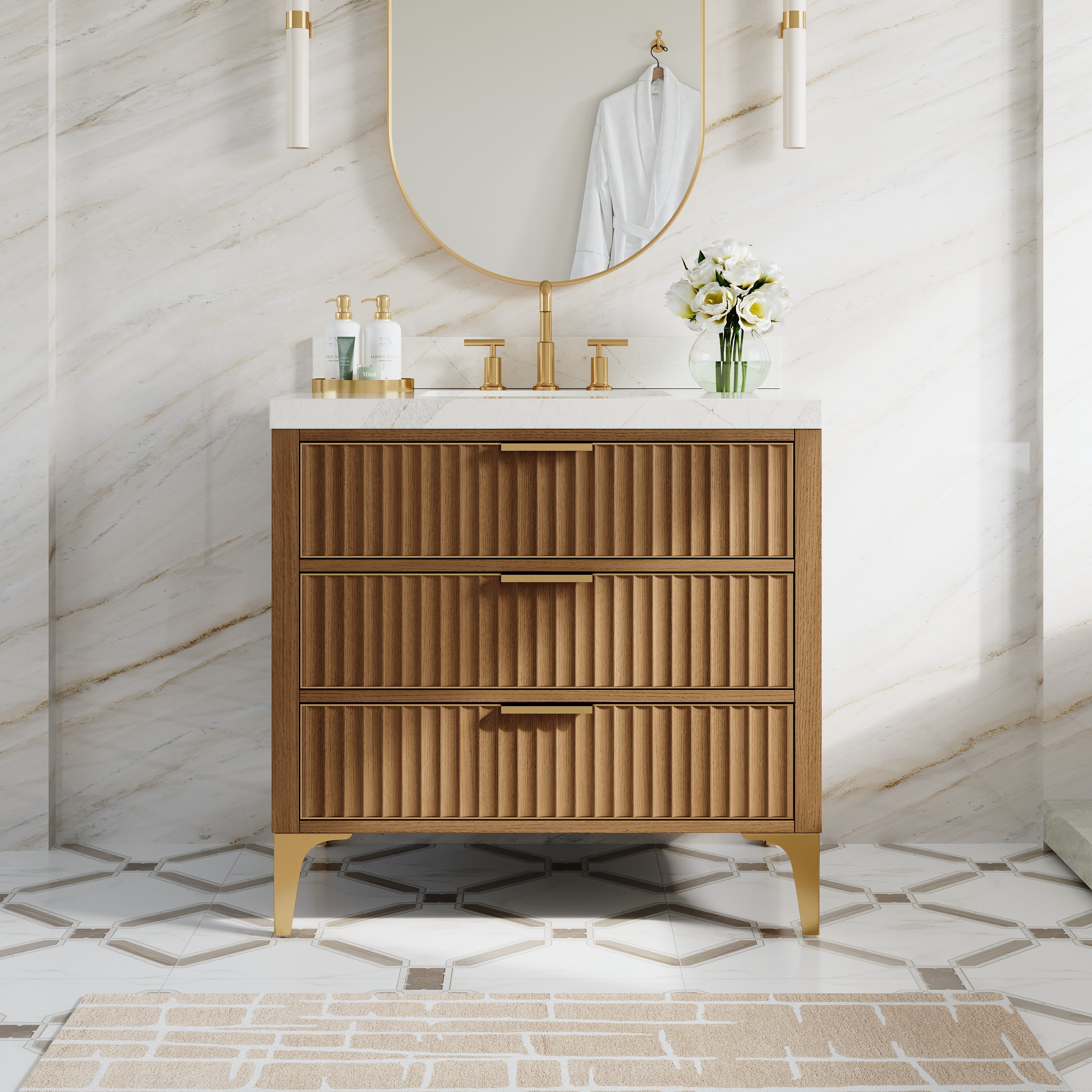
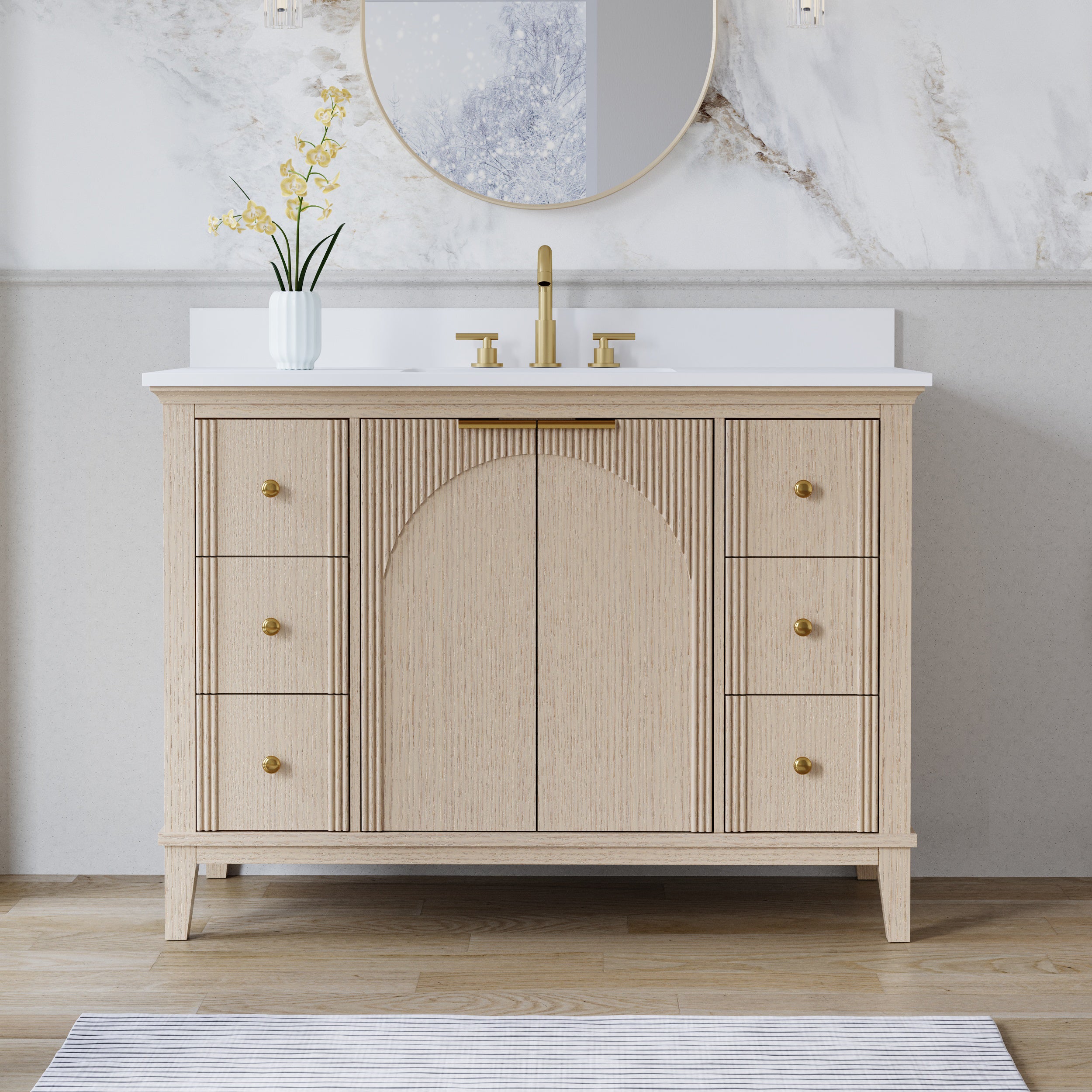


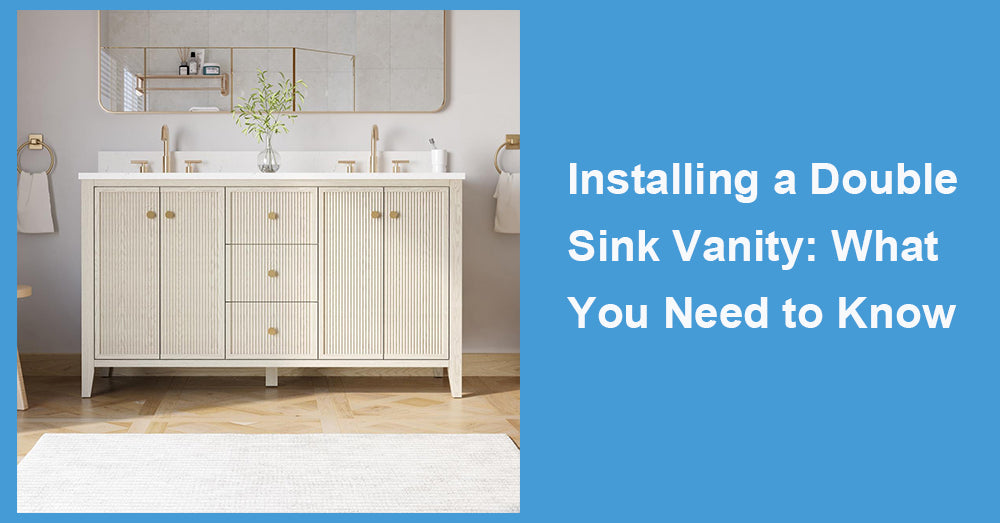
Installing a double sink vanity sounds straightforward until the cabinet is in the room, the plumbing is exposed, and you realize you are not just setting a bigger box against the wall. You are dealing with two basins, more drain and supply coordination, more countertop weight, and much less room for sloppy measuring. Done well, a double vanity can make a primary bathroom feel calmer and more functional. Done badly, it creates daily annoyances that never quite go away.
According to Houzz, nearly 2 in 3 renovating homeowners, or 65%, choose double sinks in their bathroom projects. According to NKBA, double basins remain a recommended feature for larger-footprint bathrooms. That matches what I see in real homes: the appeal is not just visual symmetry. It is about reducing friction during shared routines.
(Source: Houzz)
(Source: NKBA)
A double sink vanity is a smart upgrade when two people genuinely use the bathroom at the same time, when the wall length can support the cabinet properly, and when the plumbing layout is cooperative. It is a weaker choice in tight rooms, in bathrooms that need more counter space than sink space, or in remodels where the second drain and supply setup will trigger more invasive work than the homeowner expects.
Installing a Double Sink Vanity Starts Before the Cabinet Arrives
The real work starts long before the vanity is carried into place. Home Depot’s installation guide points out that a double vanity requires more space and plumbing considerations than a standard single-sink setup, and Lowe’s buying guide makes the same point when advising homeowners to measure carefully before upgrading from one sink to two. That advice may sound basic, but it is where many projects go wrong.
(Source: The Home Depot)
(Source: Lowe’s)
In practice, I care about four things first: wall length, plumbing location, floor level, and how the room actually moves. A double vanity should make the room easier to use, not harder to navigate. If the cabinet crowds the door swing, tightens the path to the shower, or steals too much usable counter area between sinks, the extra basin stops feeling like a luxury pretty quickly.
You also need to think honestly about the cabinet itself. Two sinks do not automatically mean better storage. Quite often, they mean less central drawer space, more cutouts around plumbing, and less flexibility inside the base. The upside is obvious: two people can use the vanity at once, and the bathroom tends to feel more complete in a primary suite. The downside is just as real. You are paying in space, weight, and installation complexity.
What Changes When You Move From One Sink to Two
A single vanity replacement is often a clean swap. A double vanity is usually more demanding, even when the plumbing wall stays the same. Home Depot recommends measuring the area carefully, then checking the manufacturer’s instructions because the cabinet may need drilled openings for drain and supply lines. Lowe’s installation guide adds another crucial step: mark the studs, mark the pipe locations, and cut holes in the cabinet back only after those measurements are confirmed.
(Source: The Home Depot)
(Source: Lowe’s)
That sequence matters. In real-world terms, a double vanity gives you less forgiveness. If one drain lands slightly off, you may still manage. If both sides are off, the cabinet back can turn into a patchwork of oversized cutouts, and the inside storage suffers immediately. I always tell people to dry-fit the cabinet before they commit to drilling, fastening, or sealing anything. A cabinet that looks perfect on paper can still fight the plumbing once it is physically in the room.
There is also a weight issue that homeowners underestimate. A wider cabinet with a double top and two sinks is simply harder to maneuver. The Home Depot installation guide literally illustrates two people installing the vanity, and that is not just for comfort. It is often the cleaner, safer way to avoid twisting the cabinet, scraping finished walls, or stressing plumbing connections during positioning.
(Source: The Home Depot)
Common Mistakes That Cause Trouble Later
The first mistake is assuming the old plumbing will line up just because the new vanity is the same nominal width. It may not. Basin spacing, drawer boxes, backsplash depth, and the cabinet back design can all change how the plumbing needs to sit.
The second mistake is securing the vanity before it is properly leveled. Both Lowe’s and The Home Depot stress leveling and shimming before fastening to the wall. If the cabinet is twisted even slightly, the countertop fit, sink alignment, and drain connections can all end up under strain.
(Source: Lowe’s)
(Source: The Home Depot)
The third mistake is treating the second sink as a pure upgrade without thinking about daily use. I have seen homeowners force in a double vanity only to realize they preferred one large sink with more uninterrupted counter space. That is especially true when one person dominates the morning routine and the second sink mainly serves as an occasional extra.
The Installation Process and What I Would Not Rush
The cleanest install usually follows a predictable rhythm. First, shut off the water, disconnect the old trap and supply lines, cut the caulk, remove the existing vanity, and repair any wall damage before the new cabinet goes in. Lowe’s guide lays out this sequence clearly, and it is good advice because rushing the tear-out is one of the easiest ways to create more work than necessary.
(Source: Lowe’s)
Next, place the new double vanity in position and trace or mark where it belongs. Use a stud finder. Mark the studs. Check level front to back and side to side. Home Depot advises measuring, marking, and drilling holes for drain and supply pipes only after the vanity is positioned and leveled, and Lowe’s says to drill pilot holes into the nearest studs once the cabinet is sitting correctly.
(Source: The Home Depot)
(Source: Lowe’s)
After the cabinet is secured, trial-fit the countertop before final caulk or adhesive. That is the moment to catch wall bows, poor overhang, or slight cabinet twist. Then install the faucets, connect the drains, reconnect the supply lines, and test slowly. I always prefer a slow leak test with both faucets running, then each sink draining separately, then both together. A double vanity gives you twice as many places for a small problem to hide.
From a usability standpoint, the best installation is not the fastest one. It is the one that leaves both users with a vanity that feels balanced, opens cleanly, and does not force awkward reaching around faucets or crowding around mirror placement.
After the Install: Maintenance and Buying Advice
Once the vanity is in, maintenance is simple but worth taking seriously. Keep the caulk line clean, wipe standing water from the backsplash and faucet bases, and check the plumbing again after the first few days of use. Two sinks mean more splash zones and more chances for a quiet drip to go unnoticed.
For Wellfor shoppers, my buying advice is straightforward: choose the double vanity only after the room proves it can support it. Start with layout, then plumbing, then storage design, then finish. If the bathroom is truly shared and has the wall space, a double vanity can be a great investment. If the room is tight or the second sink costs you too much counter space, the smarter choice may still be a very well-planned single vanity.

Conclusion
The success of installing a double sink vanity has less to do with the cabinet style and more to do with whether the room is ready for it. Good measuring, honest plumbing planning, careful leveling, and a dry-fit mindset will save more headaches than any premium finish or trendy hardware.
If the bathroom has the width, the right plumbing conditions, and two real daily users, a double vanity can absolutely make the space work better. If those pieces are not in place, forcing the second sink rarely feels worth it. The right Wellfor vanity should solve the room first and impress you second.















Leave a comment
This site is protected by hCaptcha and the hCaptcha Privacy Policy and Terms of Service apply.