
















As the residential renovation market continues to heat up, the functionality and safety of bathroom spaces are becoming a focus of consumer attention. In recent years, bathroom vanities, as one of the most frequently used pieces of furniture in daily life, not only serve the functions of storage and decoration, but also affect the stability of the entire bathroom environment. However, many families have found that after years of use, bathroom cabinets have slight shaking, tilted cabinets, or loose countertops. Industry experts point out that if a shaking bathroom vanity is left untreated for a long time, it may cause wall damage, loose water pipe connections, and even shorten the service life of washbasins and countertops.

In response to this common issue, the bathroom decoration industry is promoting faster, more economical maintenance solutions and encouraging consumers to pay closer attention to structural design and installation quality when choosing bathroom cabinets.
Analysis of common causes of bathroom cabinet shaking
Residential maintenance data shows that unstable bathroom vanities are usually not caused by a single factor. Among them, insufficient installation and fixation are one of the most common problems. Many traditional bathroom cabinets rely on simple screws to fix them to walls or floors. With long-term load-bearing, moisture effects, and vibrations generated by daily switch cabinet doors, the connection parts may gradually loosen.
In addition, uneven ground is also an important factor causing cabinet shaking. After years of use, some old bathrooms may have slight height differences in the floor tiles or the underlying structure, which can cause uneven stress on the cabinet legs. When the cabinet carries items such as toiletries, towels, cleaning products, etc., the imbalance will become more pronounced.
Another easily overlooked issue is material moisture. The bathroom environment has a long-term presence of water vapor. If the moisture resistance of the cabinet board is insufficient, the bottom or connection area may expand and deform, ultimately affecting the overall stability.
Quick repair step one: Check and re-fix
Industry maintenance personnel suggest that when a bathroom vanity is found to be shaking, the first step is to check the connection position between the cabinet and the wall. Consumers can open the cabinet door to check if the internal fixing screws are loose. If screws are found to be slipping or loose, they can be replaced with longer, more suitable fasteners for the wall structure.
For bathroom cabinets installed on gypsum-board walls, relying solely on ordinary screws is often insufficient for long-term support. Professional installations typically use wall anchor bolts or reinforced fixed structures to enhance load-bearing capacity.
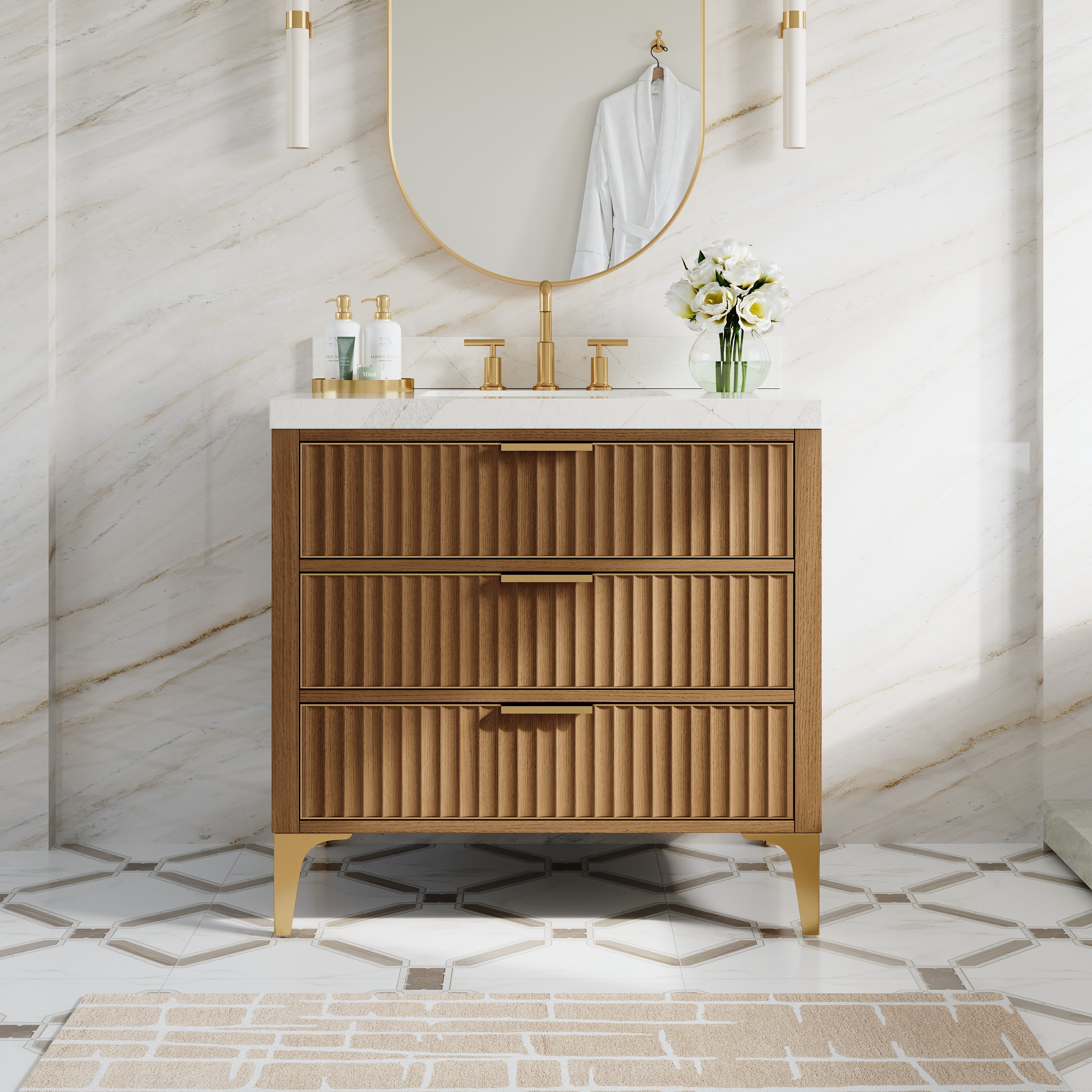
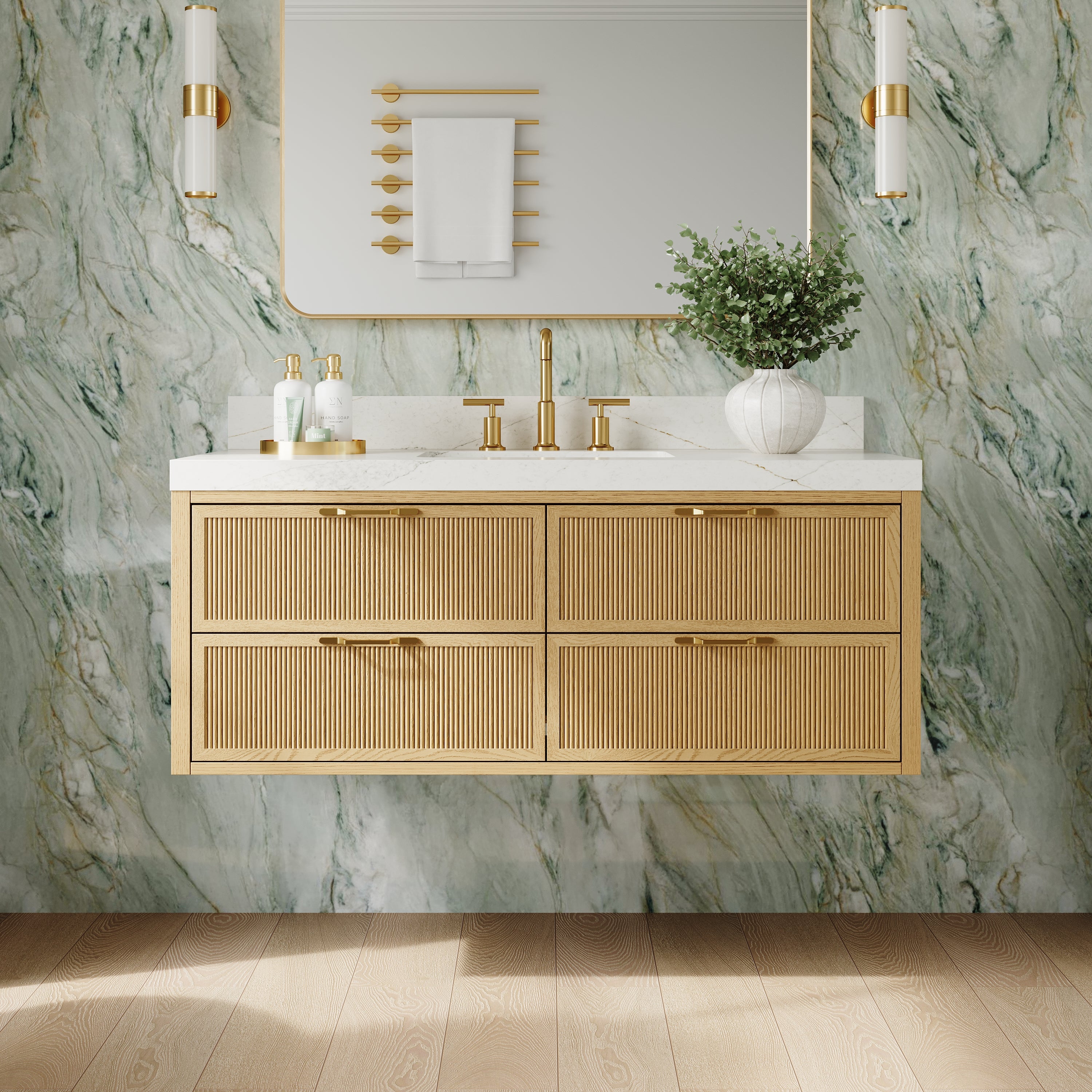
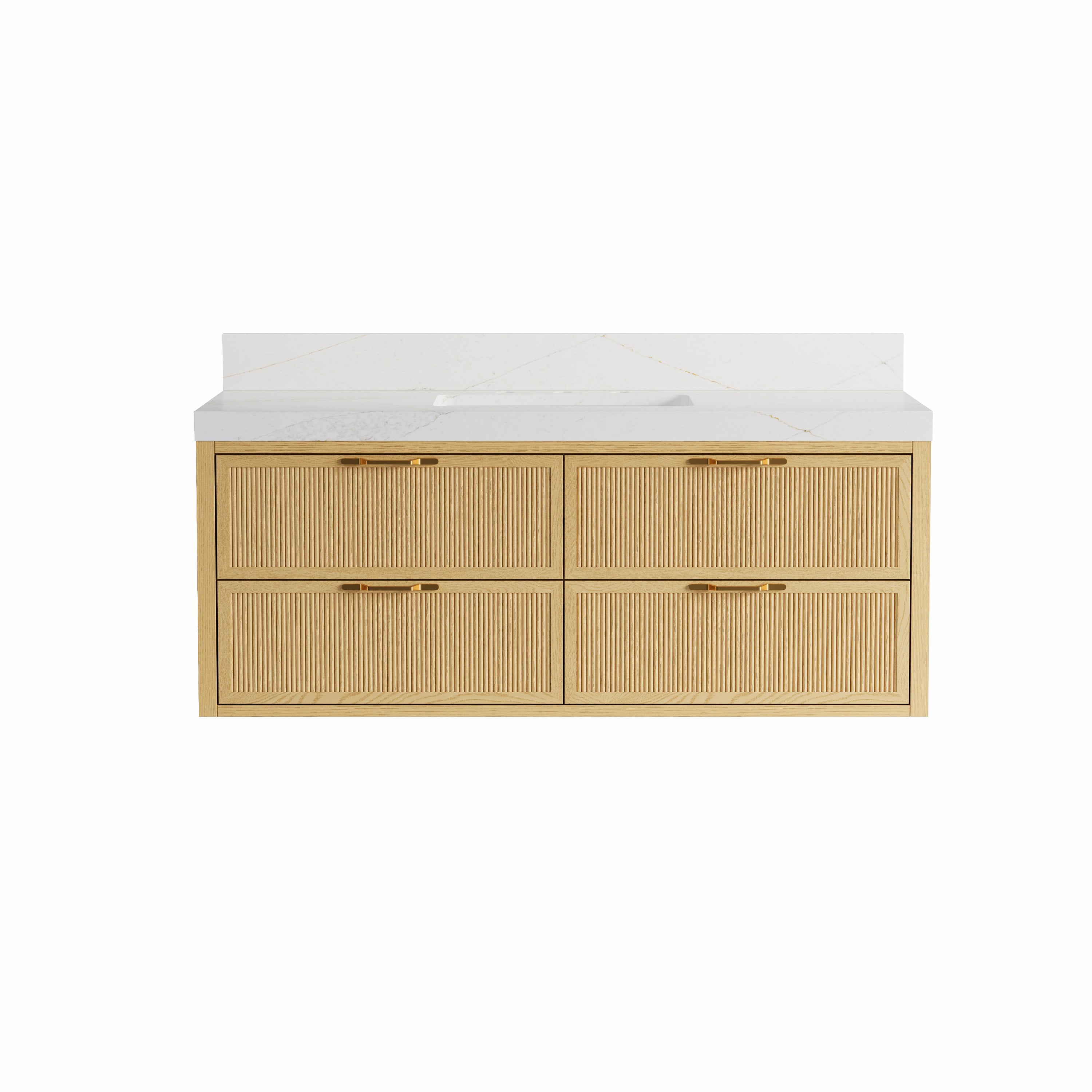
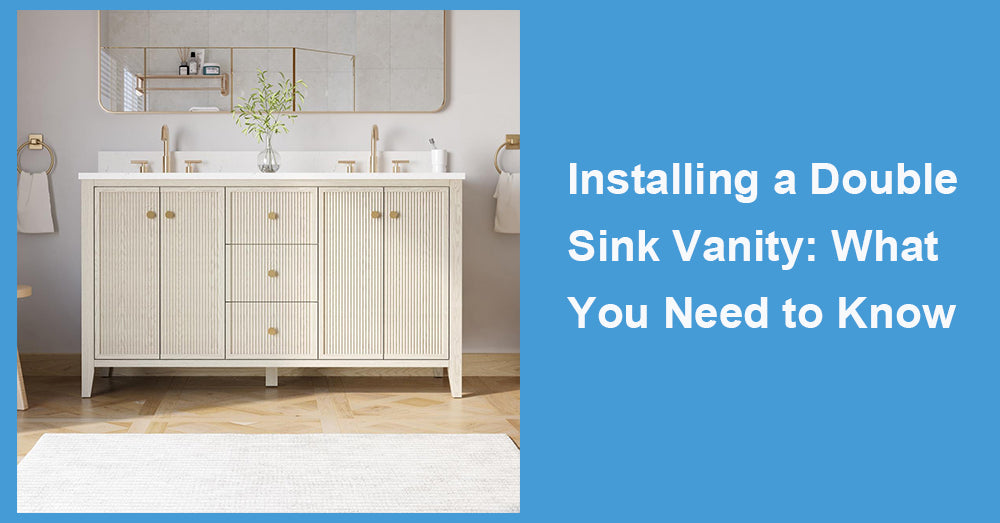
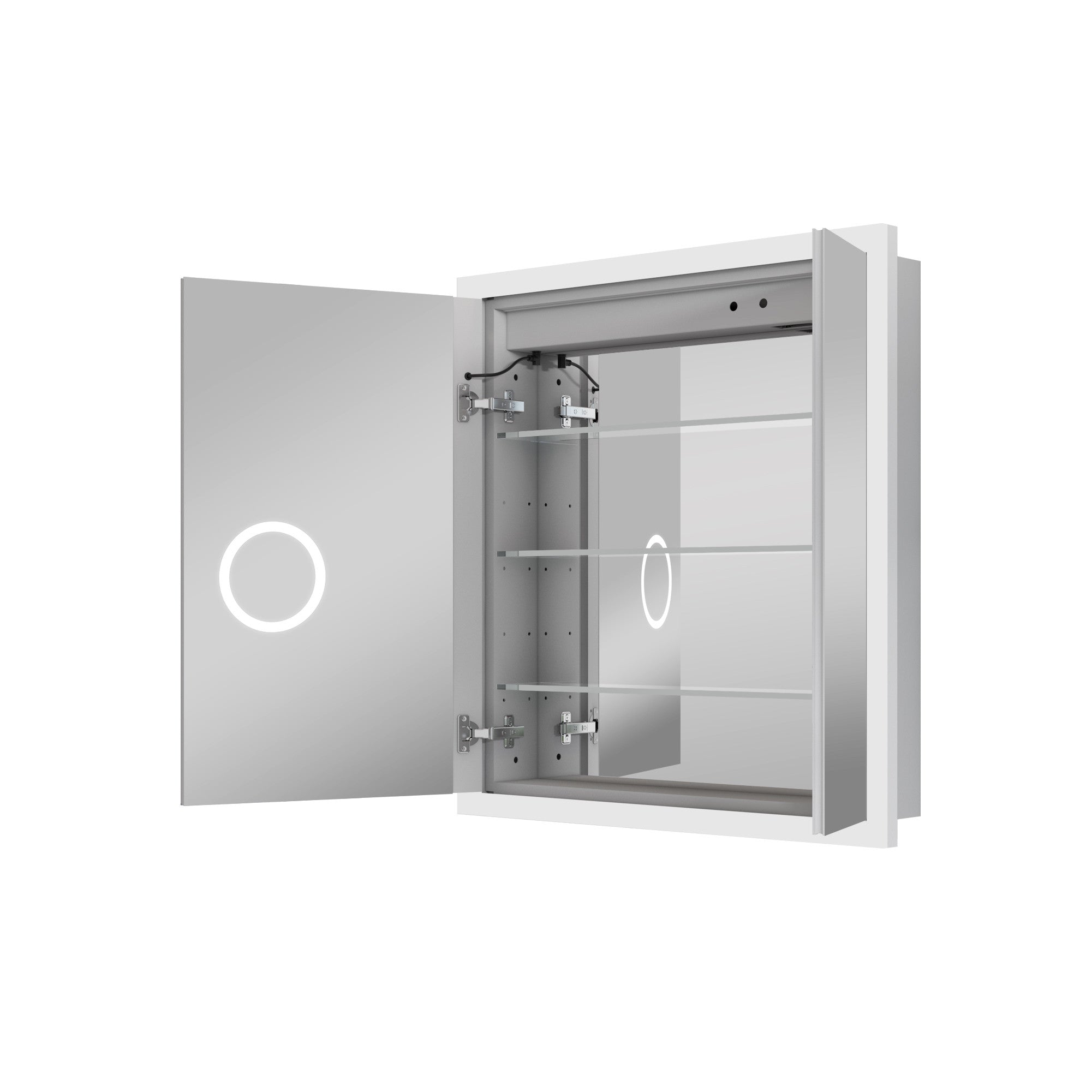
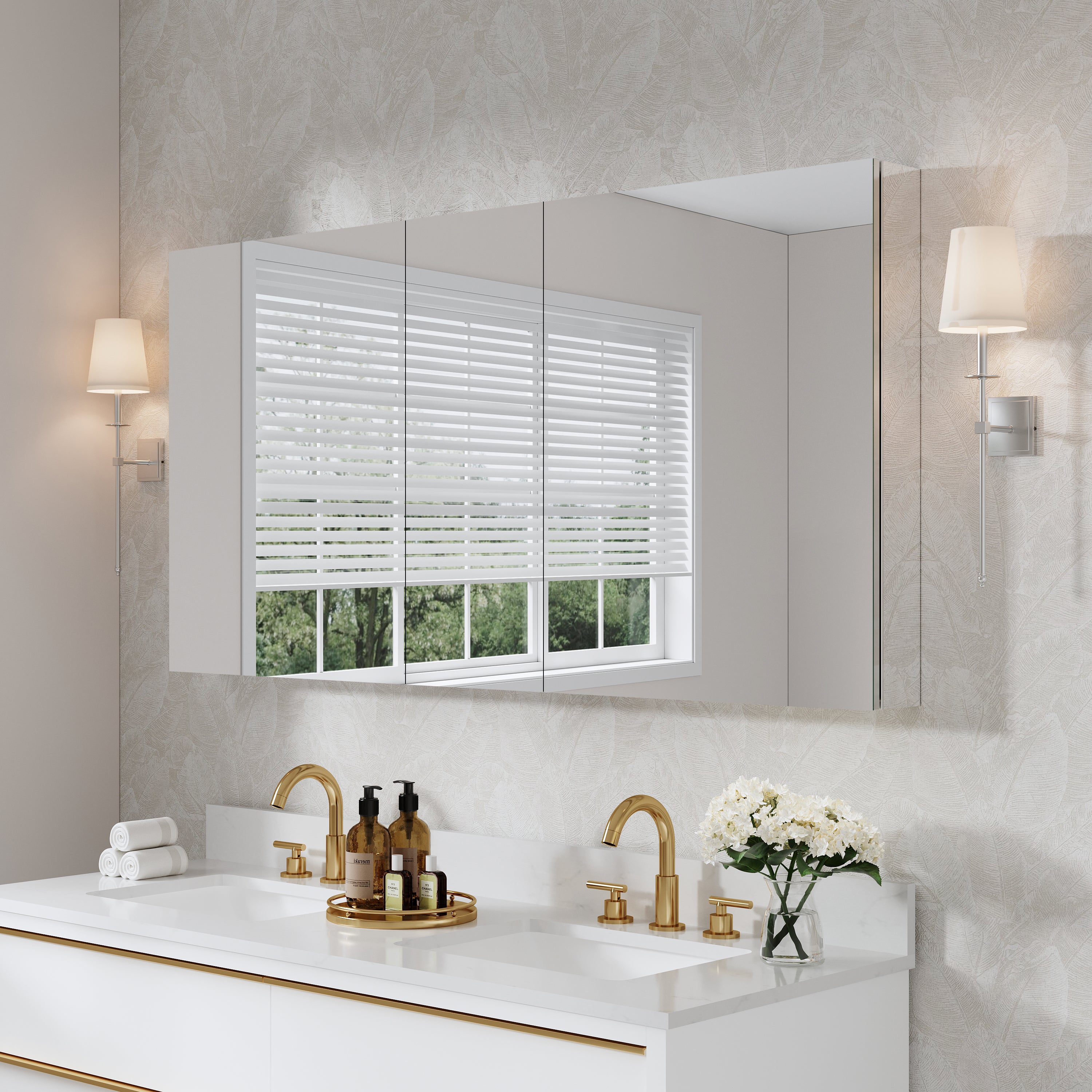
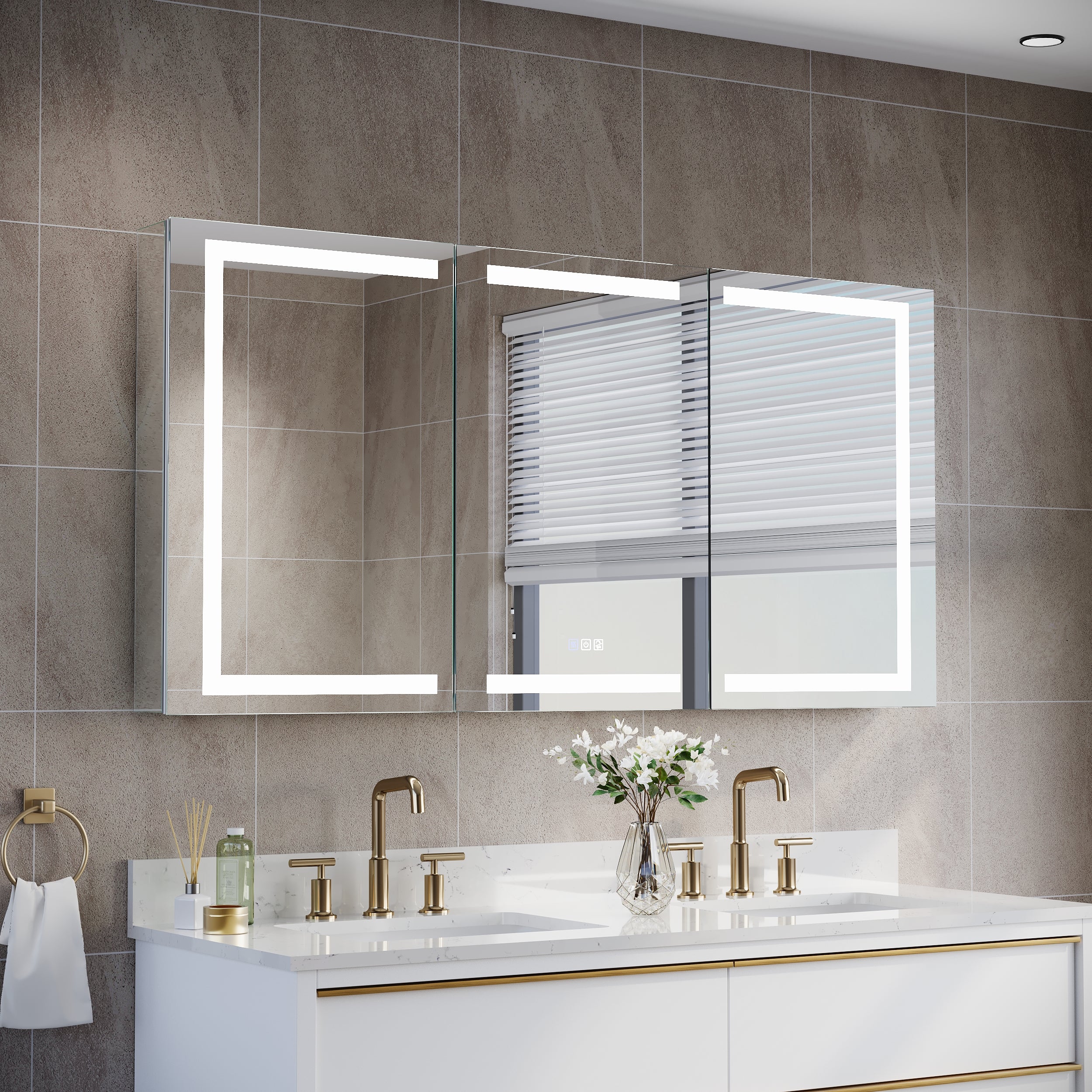
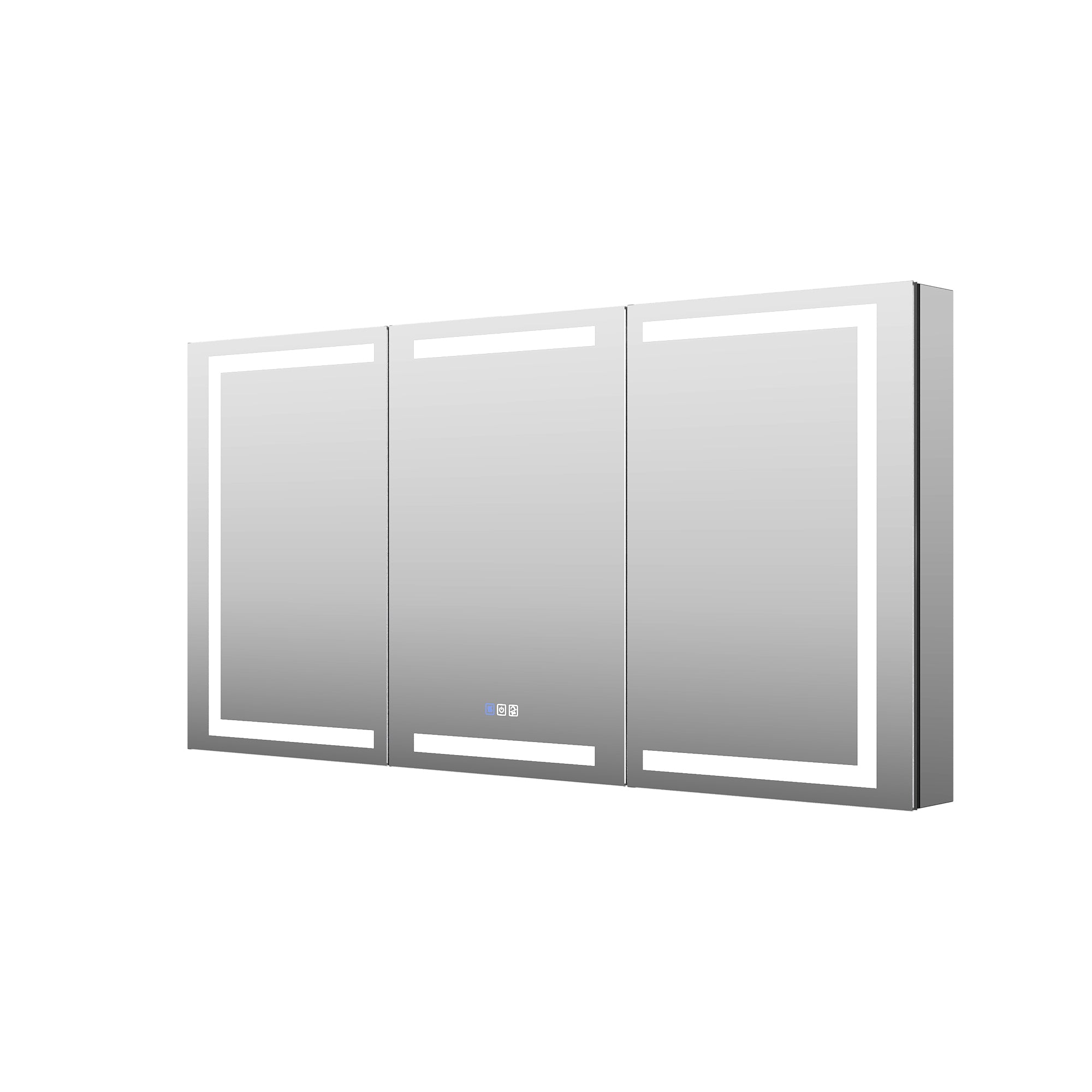
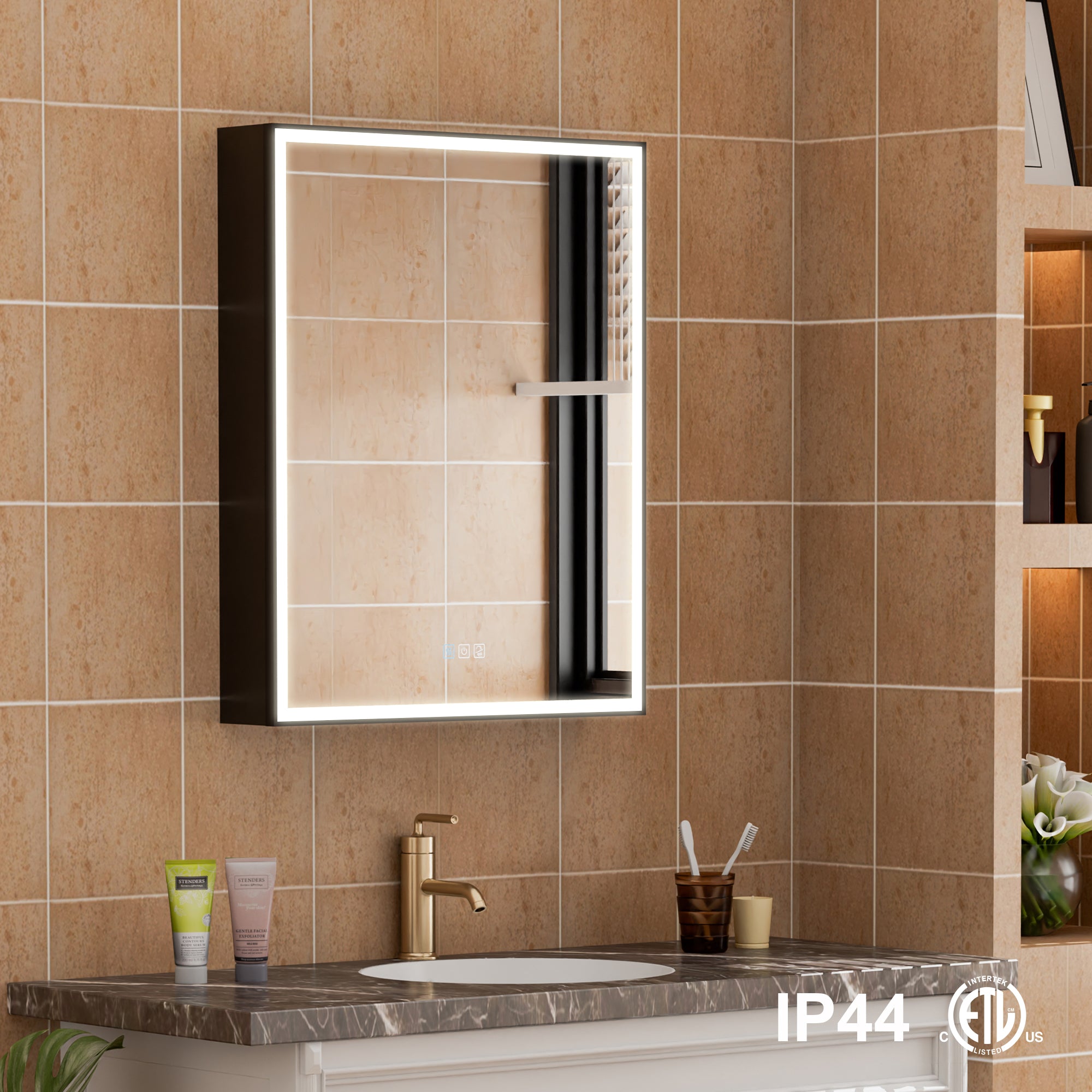
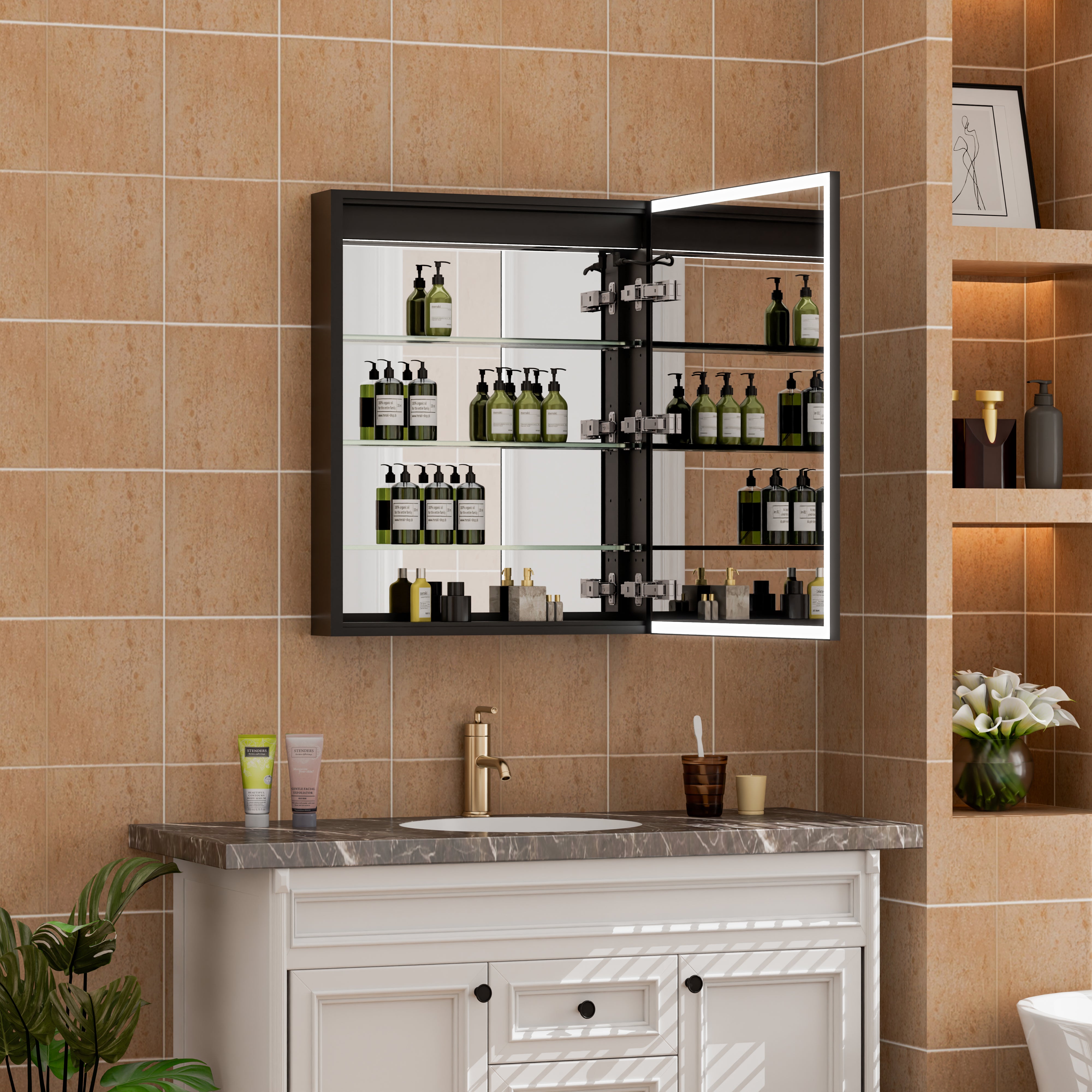
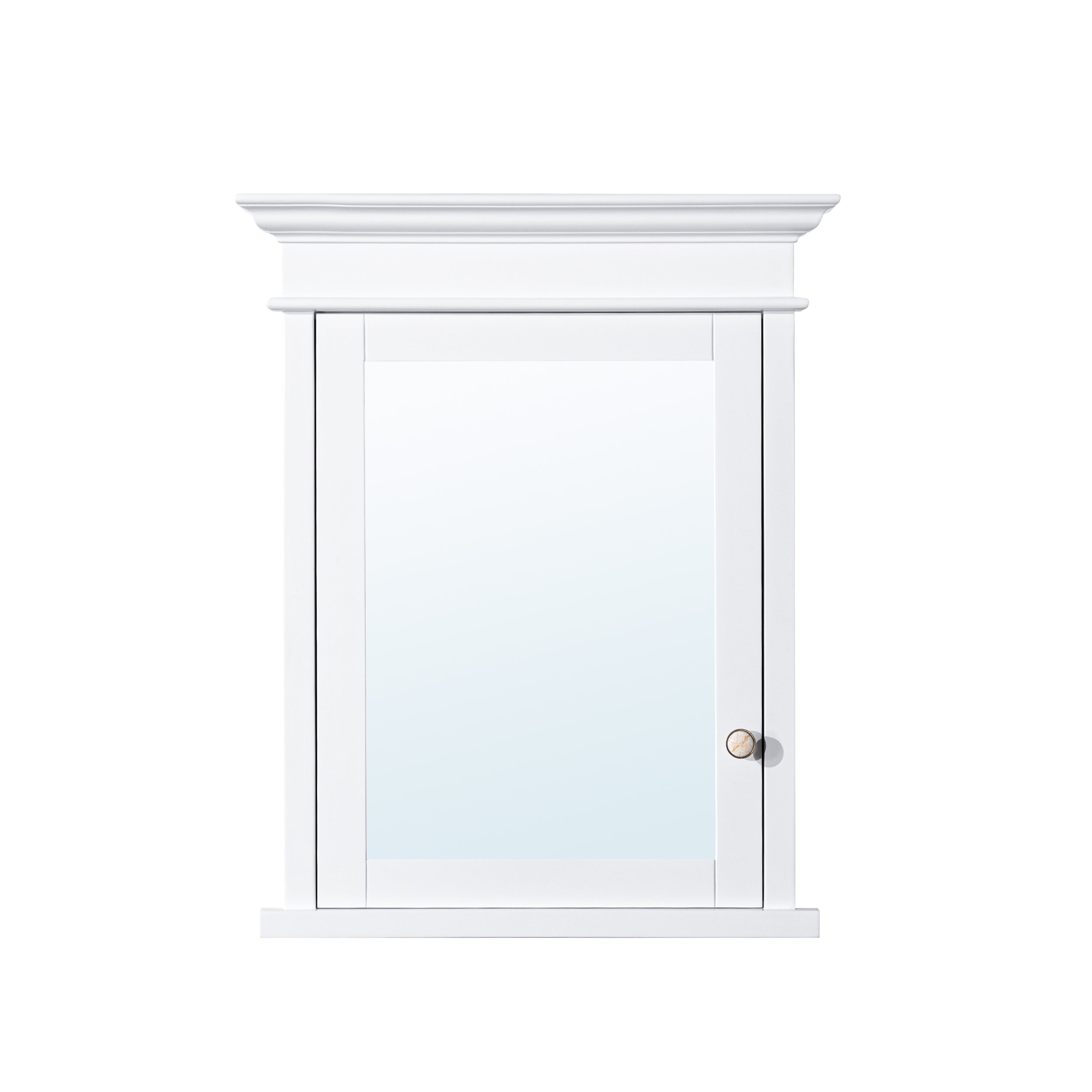
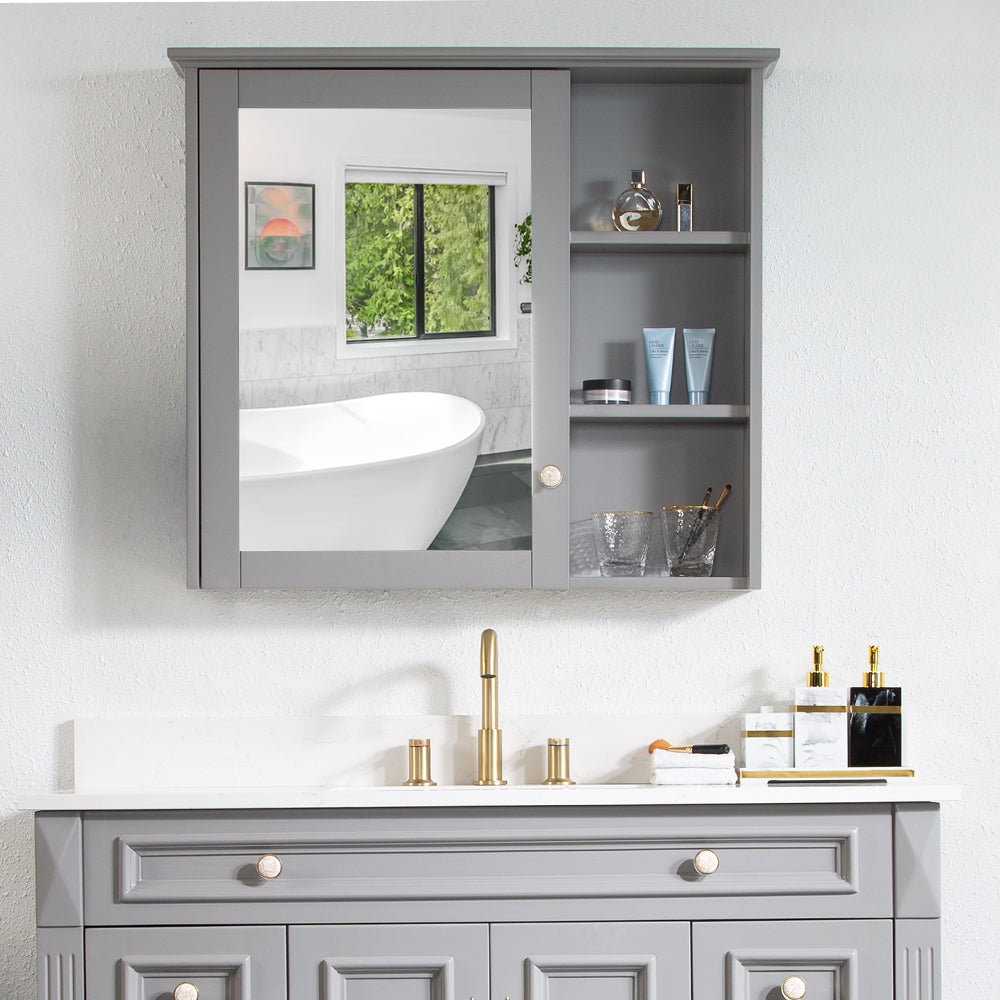
Some modern bathroom vanity brands have begun to address this issue by optimizing their installation systems. For example, the Wellfor brand has launched multiple bathroom cabinet products in recent years, emphasizing the combination of stable frames and wall fixation in structural design to help users reduce the risk of long-term shaking. The suspended bathroom cabinet series features a reinforced installation bracket design that improves the cabinet's load-bearing capacity while saving space, making it suitable for modern American bathroom decor.
Adjusting cabinet legs to solve uneven ground
If the main problem with the bathroom cabinet comes from uneven flooring, adjusting the cabinet legs is usually the fastest repair method.
Many modern floor-standing bathroom cabinets are equipped with adjustable cabinet legs, allowing users to rotate the bottom support structure to level the cabinet. During maintenance, a level can be used to check if the countertop is flat and gradually adjust the height of the cabinet legs.
For old bathroom cabinets without an adjustment function, waterproof gaskets or pressure-resistant cushion layers can be added at the bottom of the cabinet. However, it should be noted that ordinary wood chips or highly absorbent materials are not suitable for bathroom environments; otherwise, they may become unstable again due to moisture.
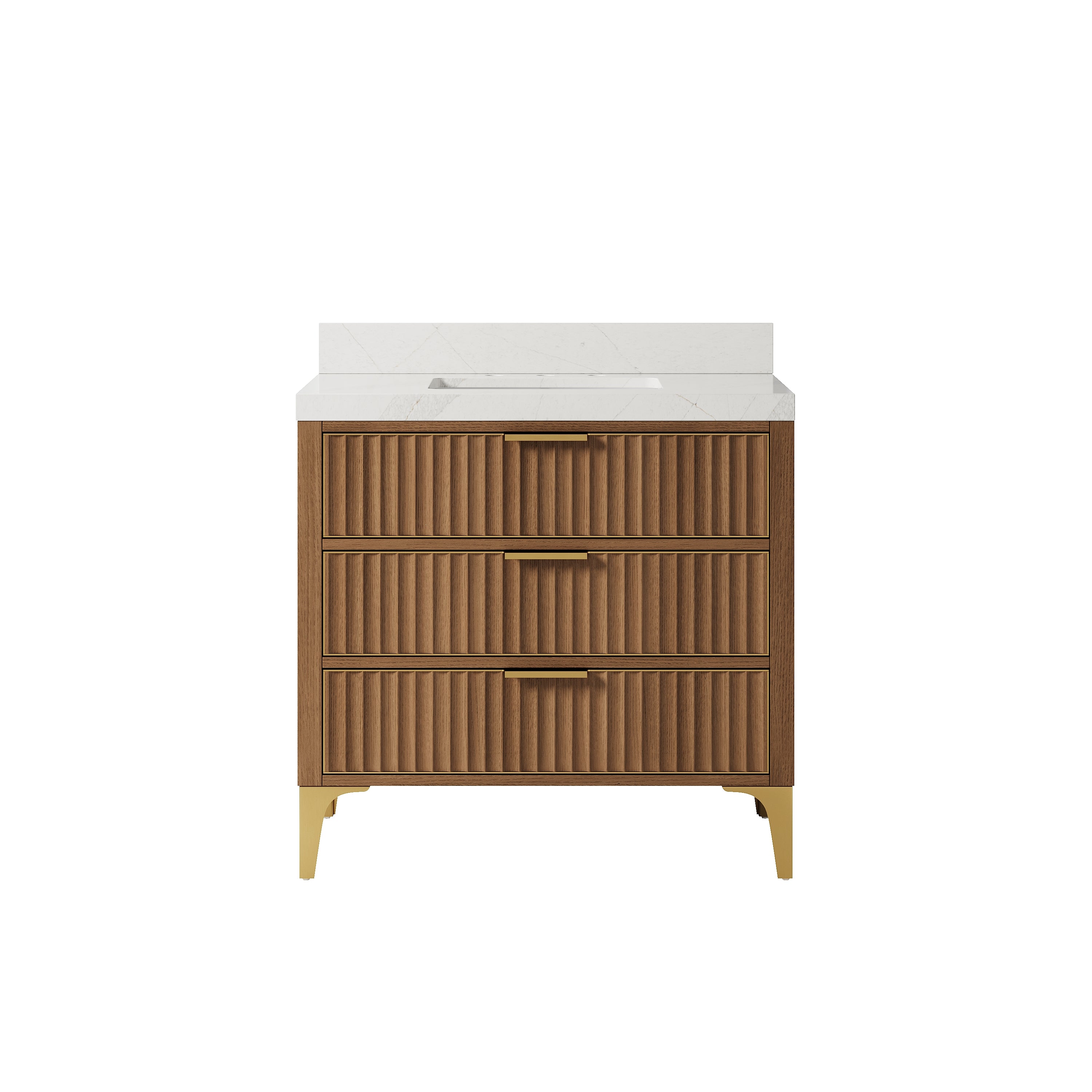
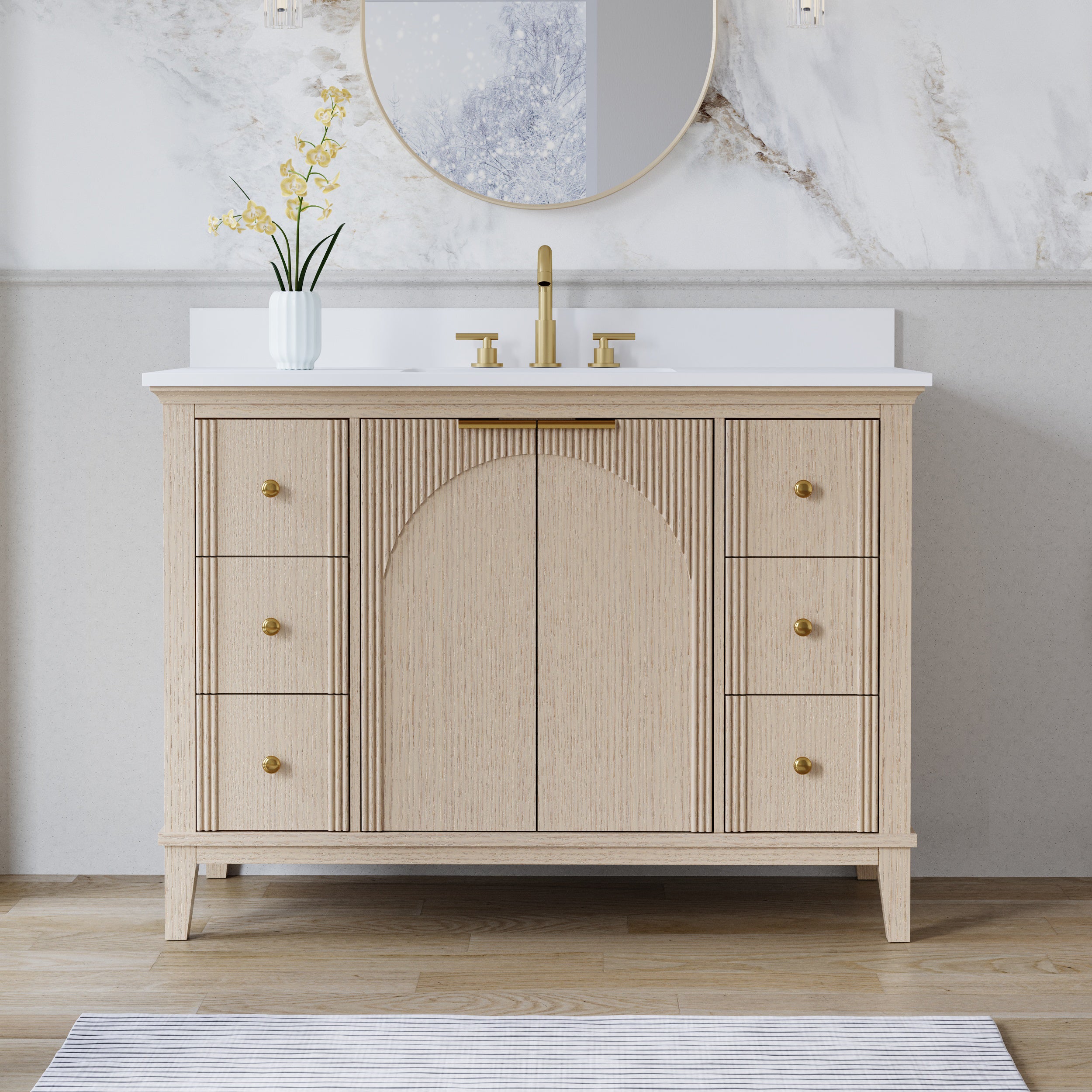
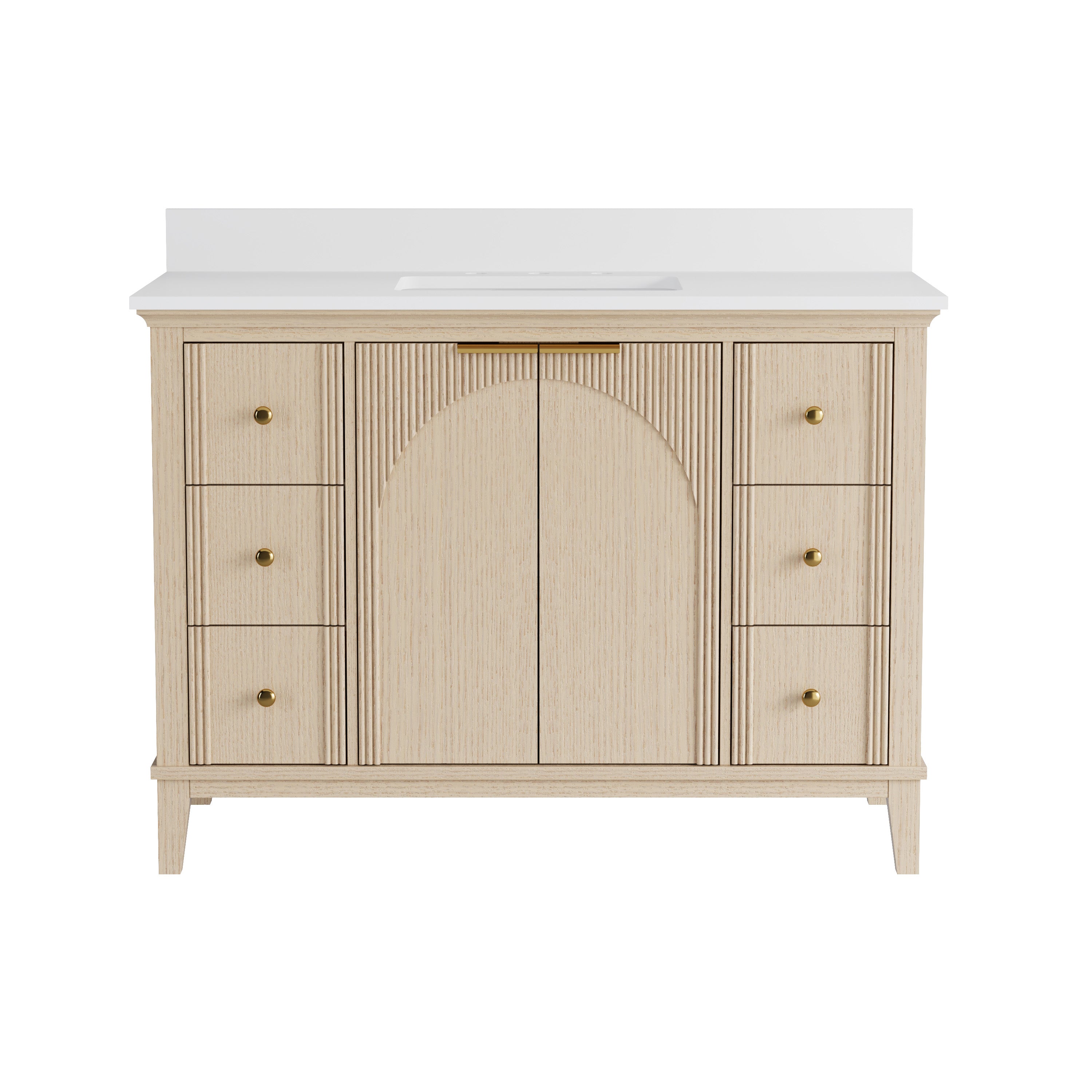
Wellfor's floor-to-ceiling bathroom vanity products feature a stable base structure and are constructed from moisture-resistant materials to maintain stability in humid environments. Its product line covers different size schemes, providing corresponding storage combinations from compact bathroom spaces to home master bathroom layouts.
Strengthening connection points: enhancing long-term stability.
In addition to re-tightening the screws, professional maintenance personnel also recommend checking the cabinet's internal connections. The shaking of some bathroom cabinets is not due to external fixation, but rather the loosening of the cabinet frame after long-term use.
During maintenance, you can check:
The connection between the cabinet side panel and the bottom panel;
The joint position between the washbasin and the cabinet;
Back panel fixing area;
Structure near the door panel hinge.
If loose connections are found, reinforcement materials suitable for furniture maintenance can be used for address them, such as adding corner brackets or strengthening connectors.
In recent years, the bathroom furniture market has also placed greater emphasis on structural durability. Consumers no longer only focus on the appearance, color, and design style when purchasing bathroom cabinets, but also begin to pay attention to the board, moisture-proof treatment, hardware accessories, and overall load-bearing capacity.
Prevent shaking: Pay attention to design details when purchasing.
Although repairs can solve short-term problems, industry trends suggest that choosing a structurally sound bathroom cabinet can reduce maintenance costs over time.
At present, consumers are more inclined to choose products with the following characteristics:
Firstly, a stable framework design. The more solid the cabinet's internal structure, the less likely it is to deform during long-term use.
Secondly, high-quality hardware accessories. Drawer slides, door hinges, and mounting brackets determine the daily user experience of bathroom cabinets.
Thirdly, moisture resistance. Bathroom cabinets are exposed to humid environments for extended periods, and high-quality boards and surface treatments can extend their service life.
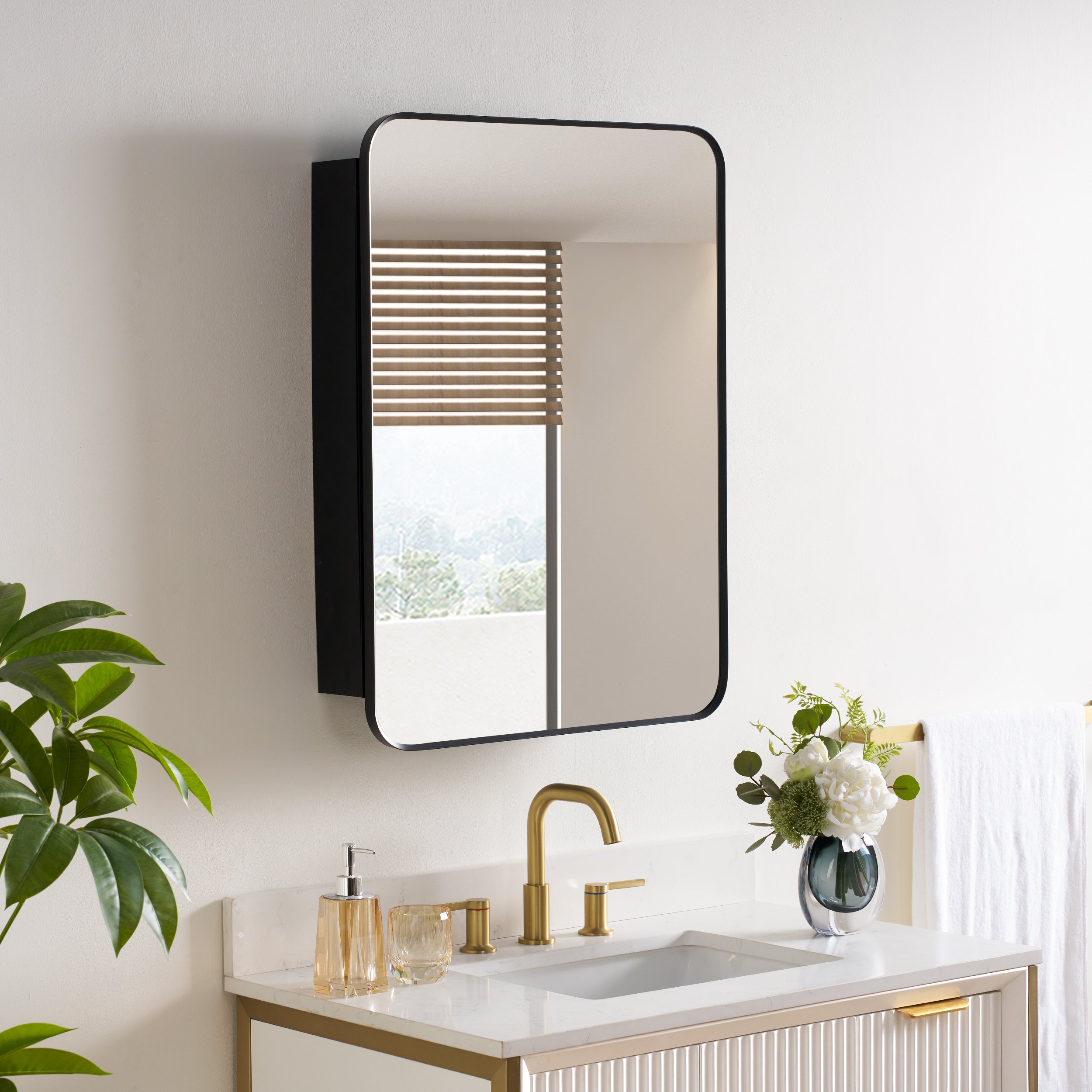
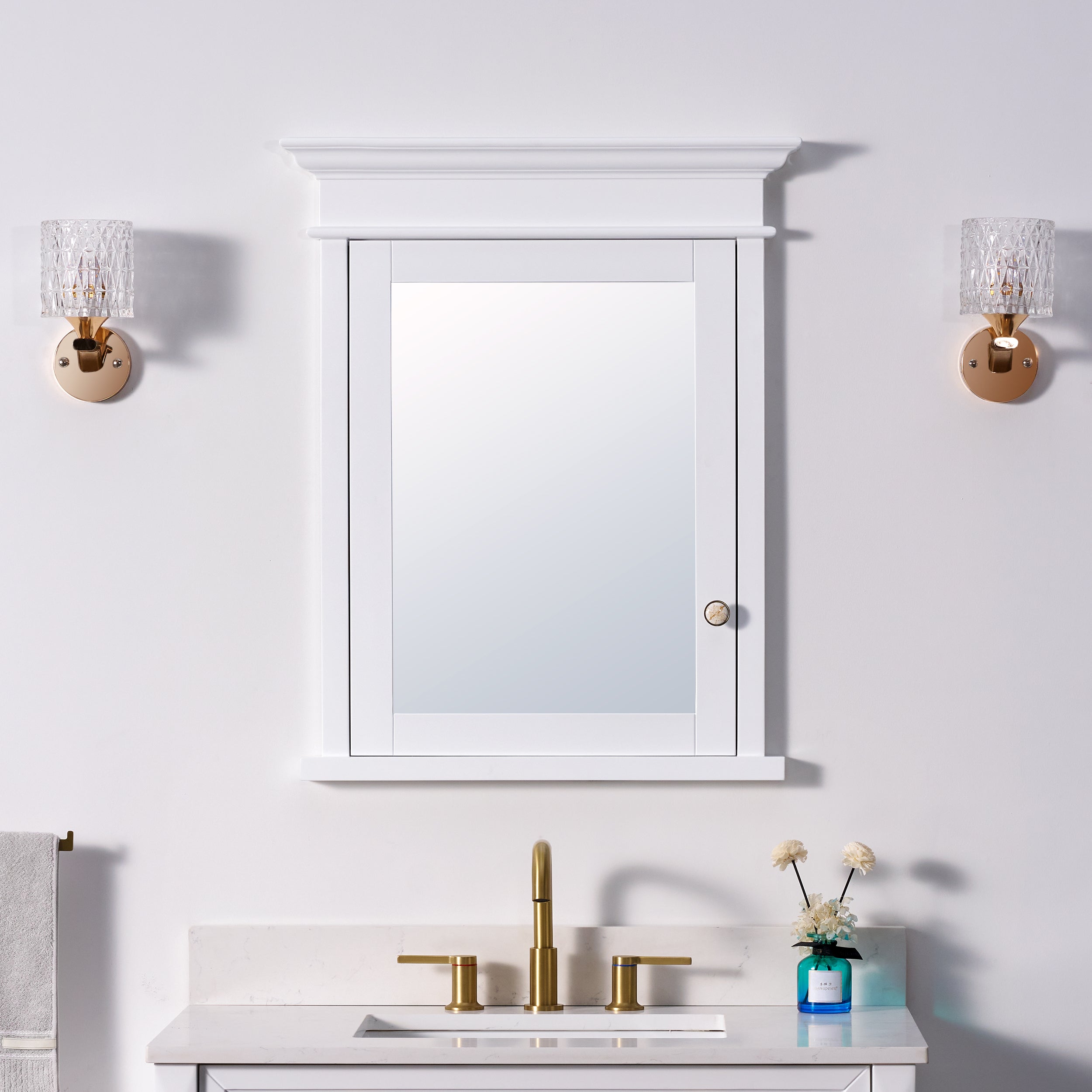
Wellfor brand has continuously launched diverse designs in the bathroom furniture market in recent years, including modern minimalist style, natural wood-grain style, and a bathroom cabinet series with a drawer storage function. Some products combine large storage space with moisture-resistant surface treatment to meet the dual needs of practicality and aesthetics in households.
Industry Trend: Bathroom Vanities Move from "Furniture" to "Space Systems"
As consumers' demand for home quality upgrades increases, bathroom cabinets are transforming from simple storage furniture to a part of complete bathroom space solutions.
Industry insiders believe that in the future, bathroom cabinet design will place greater emphasis on installation convenience, structural stability, and intelligent experience. Modular design, concealed fixed systems, and application of moisture-proof materials will all become important directions for industry development.
For bathroom vanities that have already experienced slight shaking, timely maintenance can usually avoid more serious problems. For consumers who are currently renovating or planning to upgrade their bathrooms, choosing products with reliable construction and complete installation systems is an important step toward creating a safe and comfortable bathroom environment.
From quick repair techniques to new product designs, the bathroom furniture industry is upgrading its technology to give bathroom vanities not only a better appearance but also longer-lasting stability.










Leave a comment
This site is protected by hCaptcha and the hCaptcha Privacy Policy and Terms of Service apply.