
















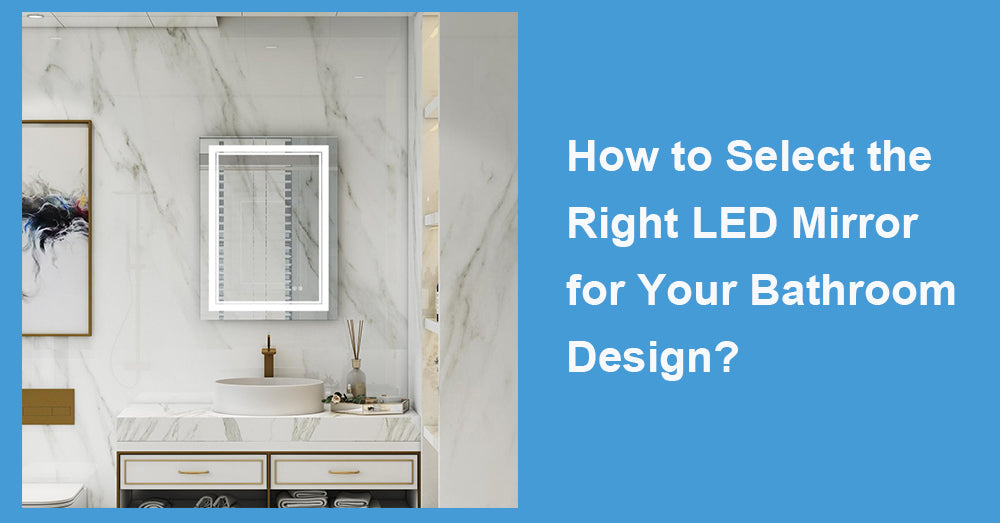
In modern bathroom design, LED mirror have evolved from simple lighting aids to essential components that balance functionality, aesthetics, and spatial proportions.
Industry data shows that the quality of mirror lighting has a much higher impact on daily satisfaction than many decorative elements.
Choosing the right LED mirror not only improves the washing and makeup experience but also visually reshapes the overall layering of the bathroom space.
1. Start with spatial proportions instead of lighting functions
Many people prioritize brightness and function buttons when choosing LED mirrors, but overlook the most critical factor - size.
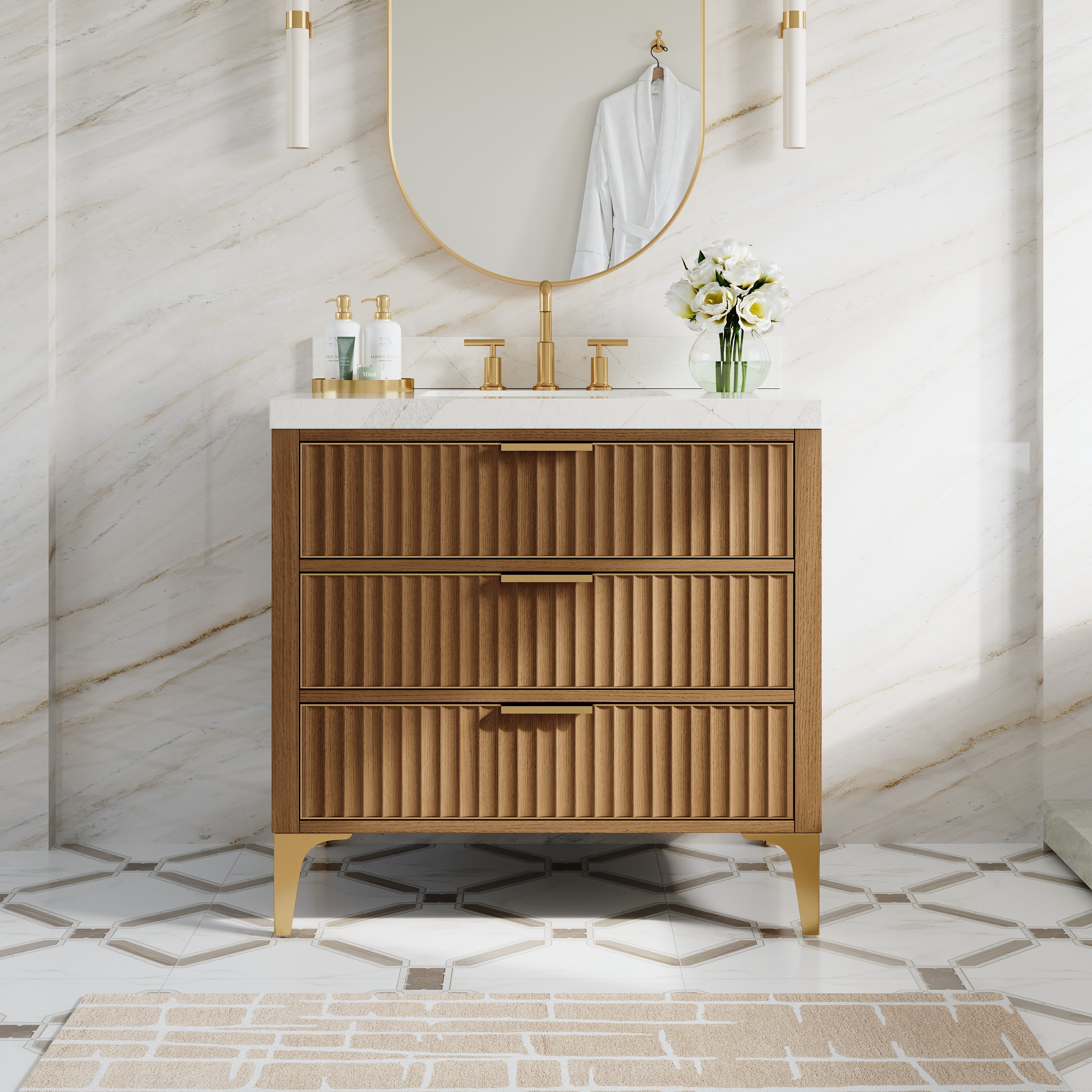
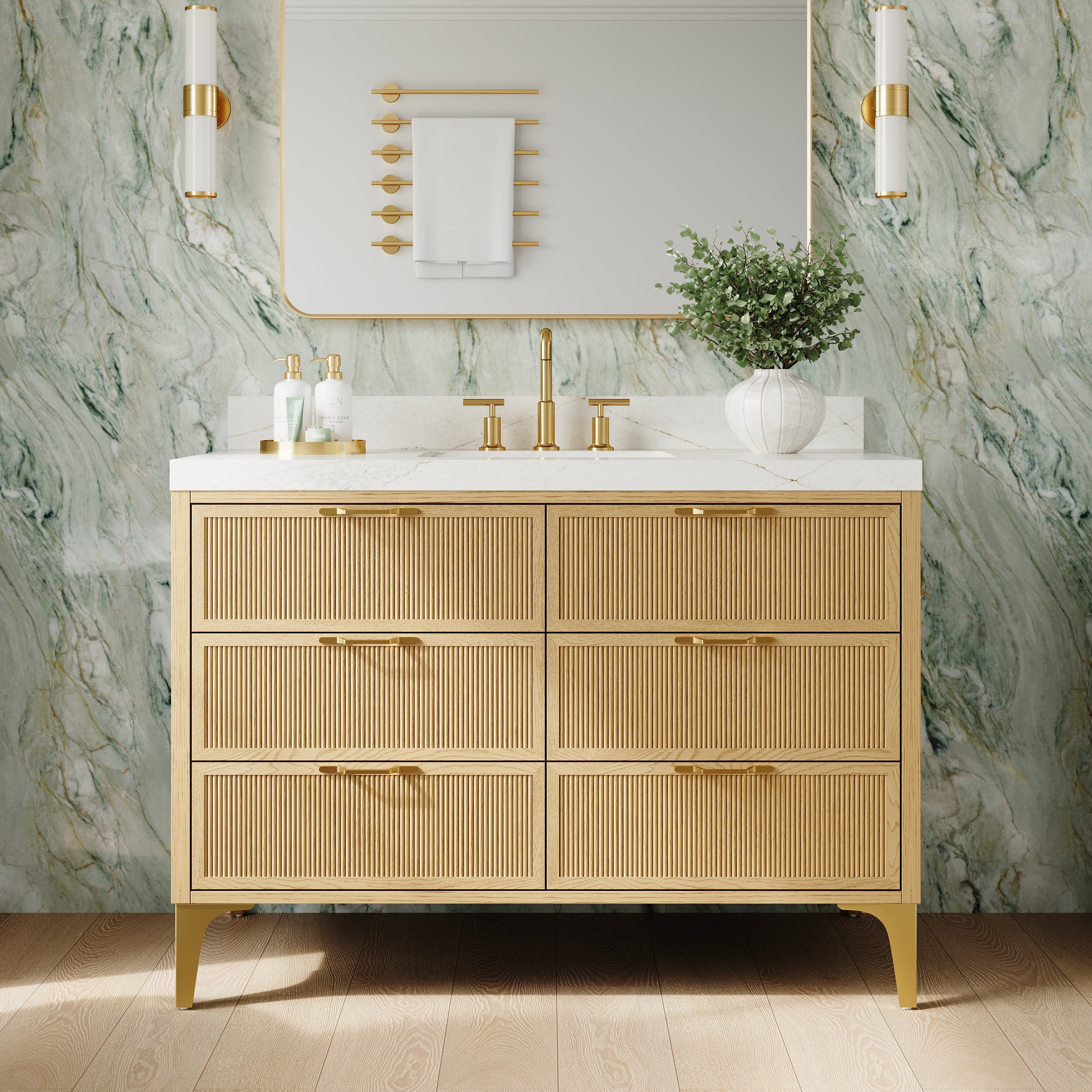
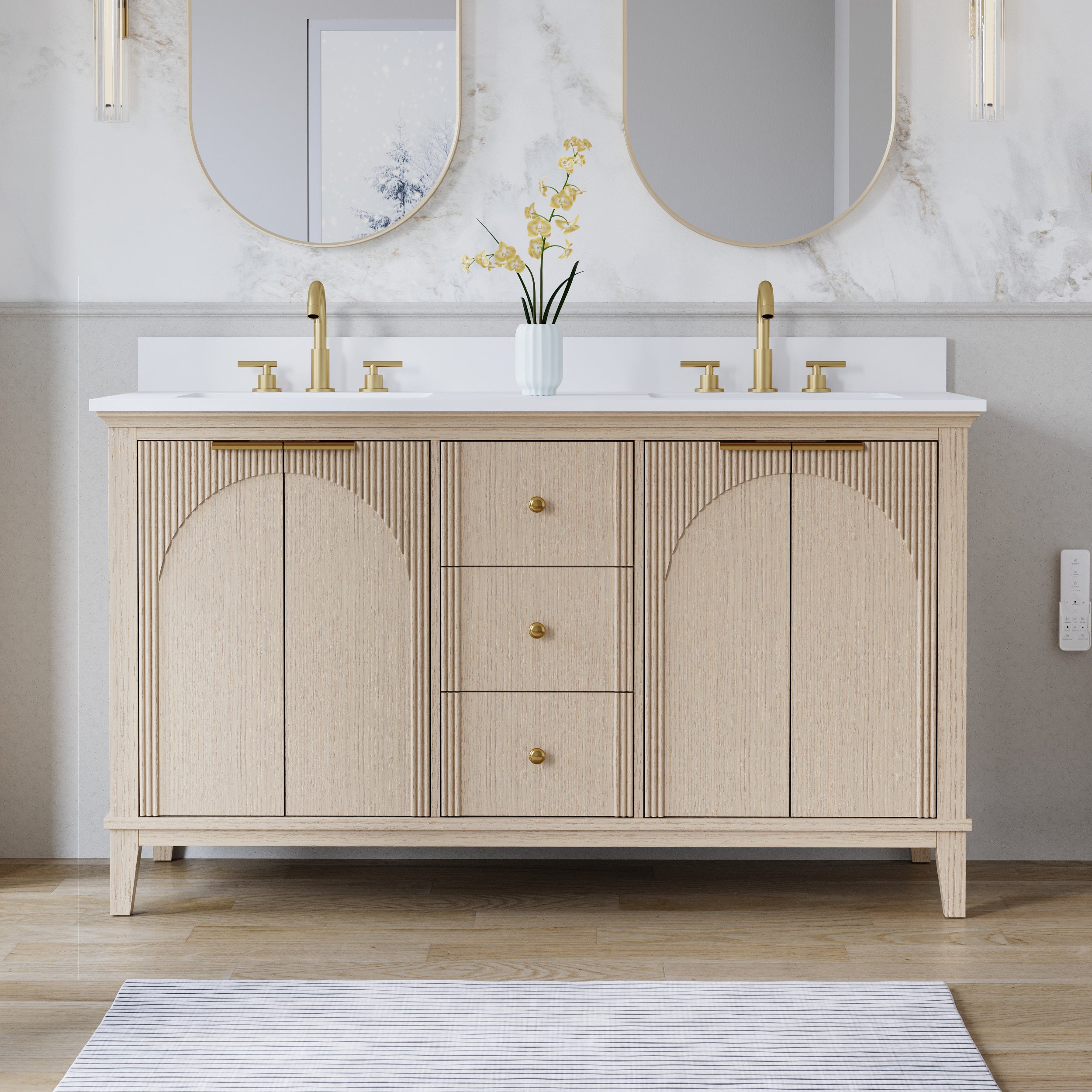
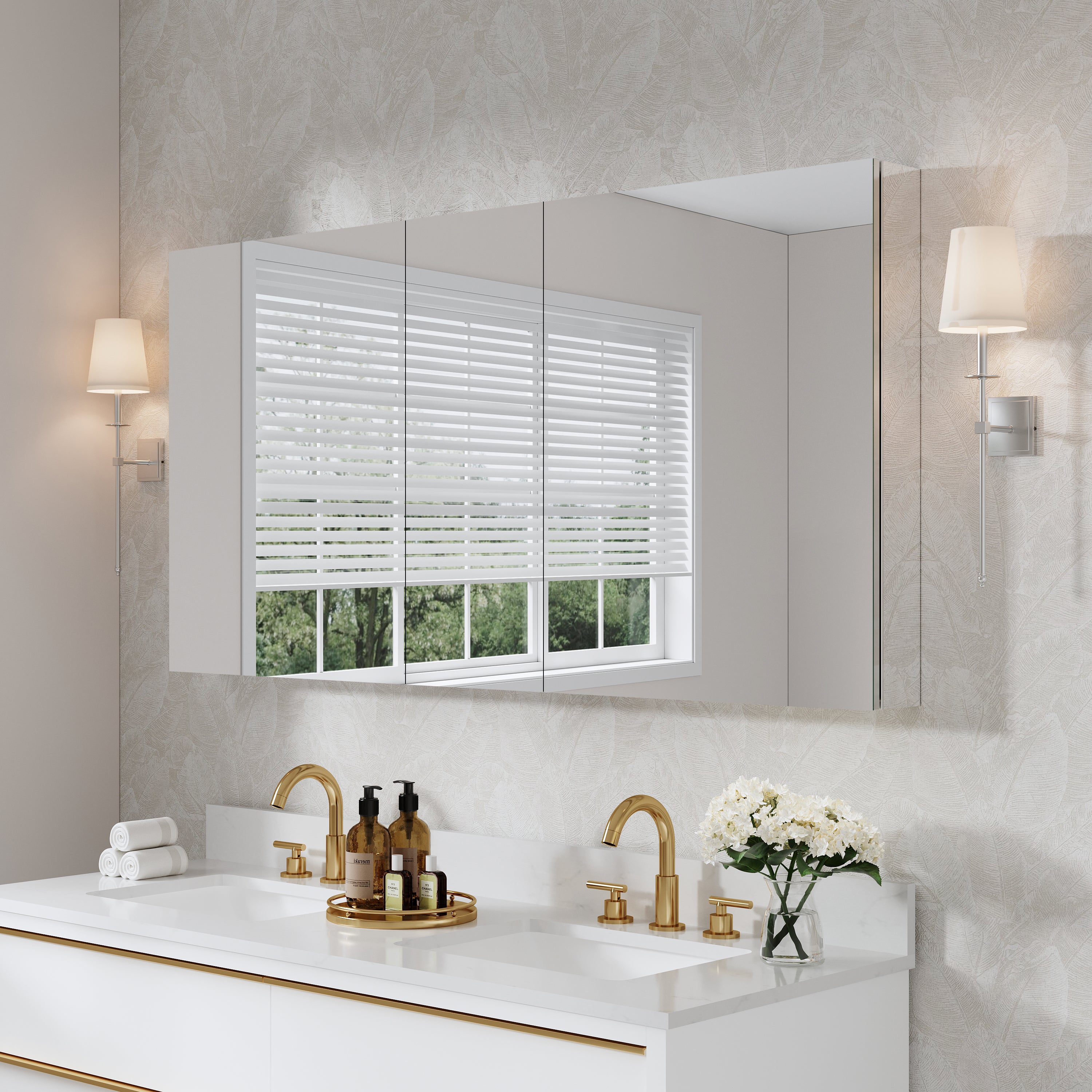
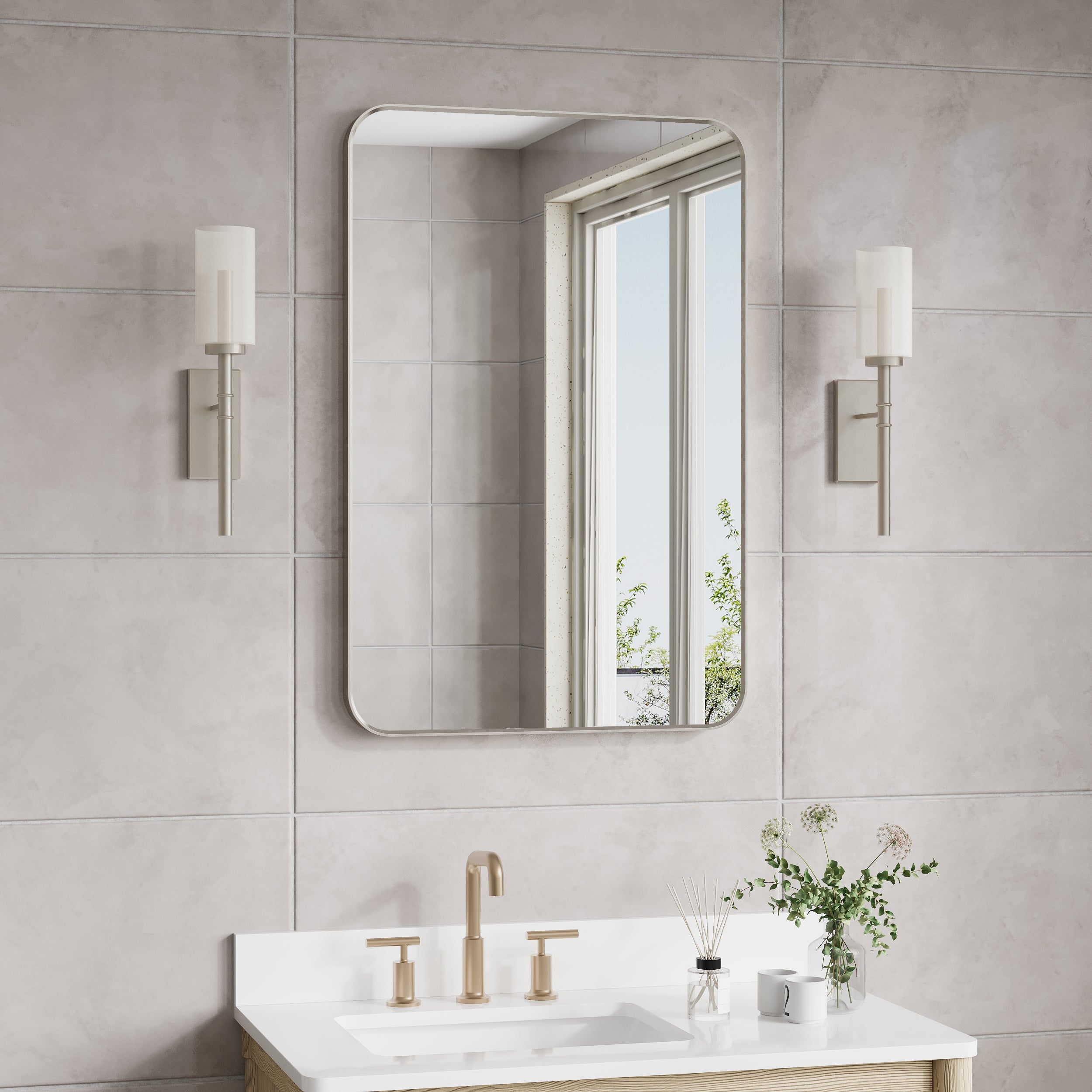
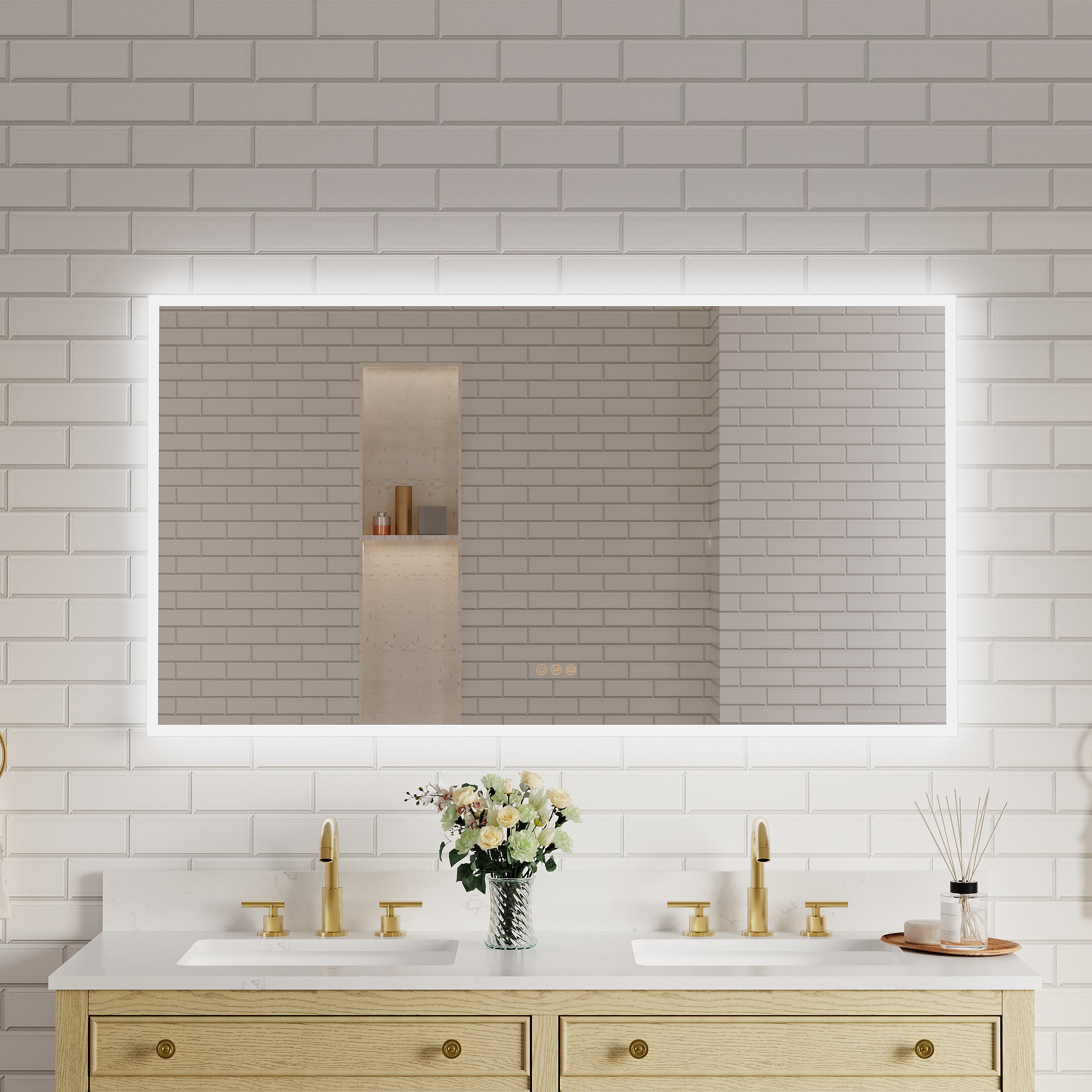
Industry design experience shows that when the mirror's width is close to the width of the bathroom cabinet, the overall visual stability is at its peak.
The width of standard bathroom cabinets is concentrated around 24, 30, 36, 48, and 60 inches, and the corresponding LED mirror sizes are also mostly within these ranges.
In compact bathrooms, 24-30-inch mirrors meet usage needs without compressing wall space.
In medium-sized bathrooms, 36-48 inches is the most balanced range.
In the spacious main bath, a nearly 60-inch mirror can significantly enhance the integrity of the space.
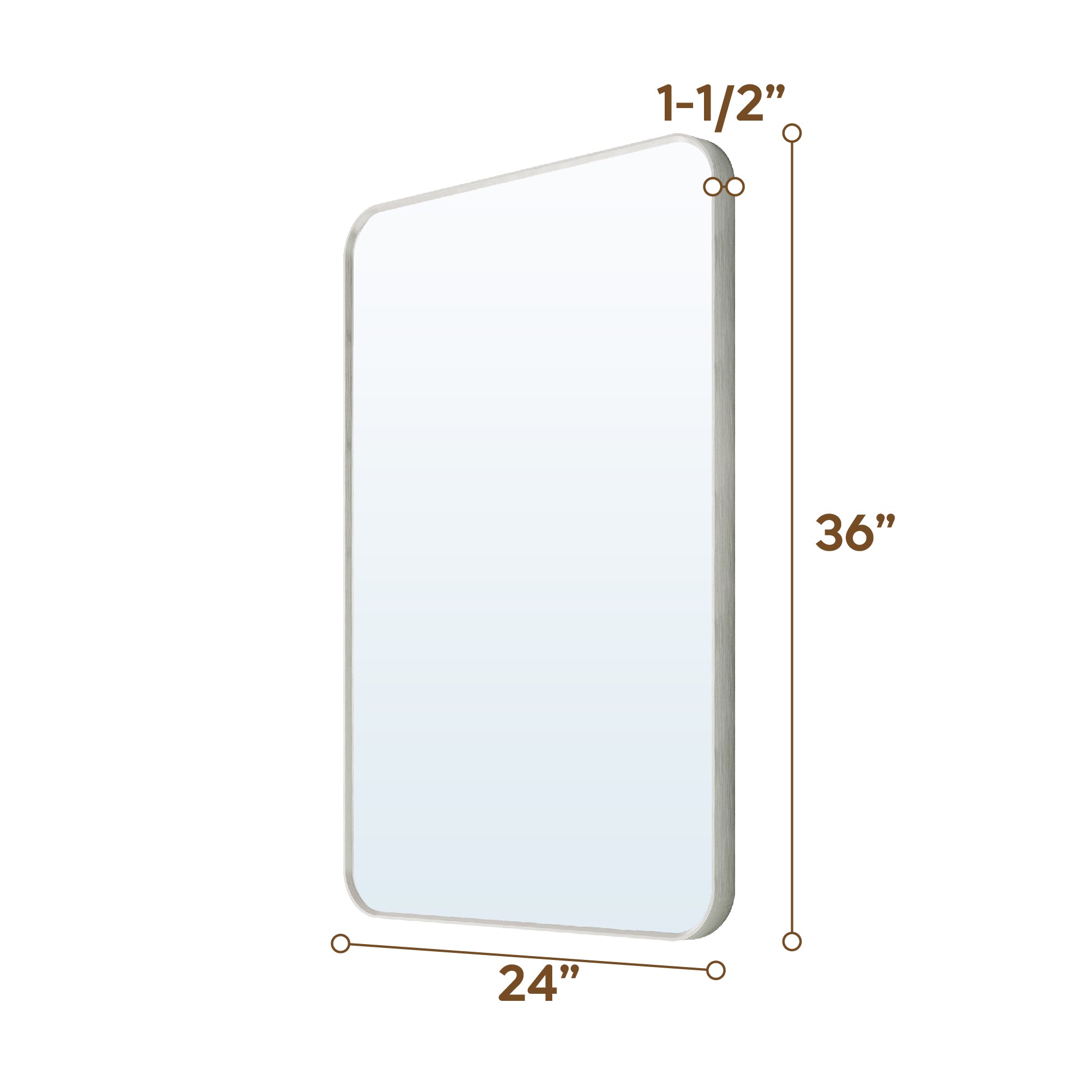
In terms of height, most LED mirrors are concentrated at 28-36 inches, with the mirror center close to the line of sight height, which is the most comfortable ratio for long-term use.
2. Light distribution is more important than brightness parameters
Industry lighting tests have repeatedly proven that uniform lighting is more critical than high brightness.
Many early LED mirrors used dot-shaped light sources, which, although sufficiently bright, could easily cast shadows on the face.
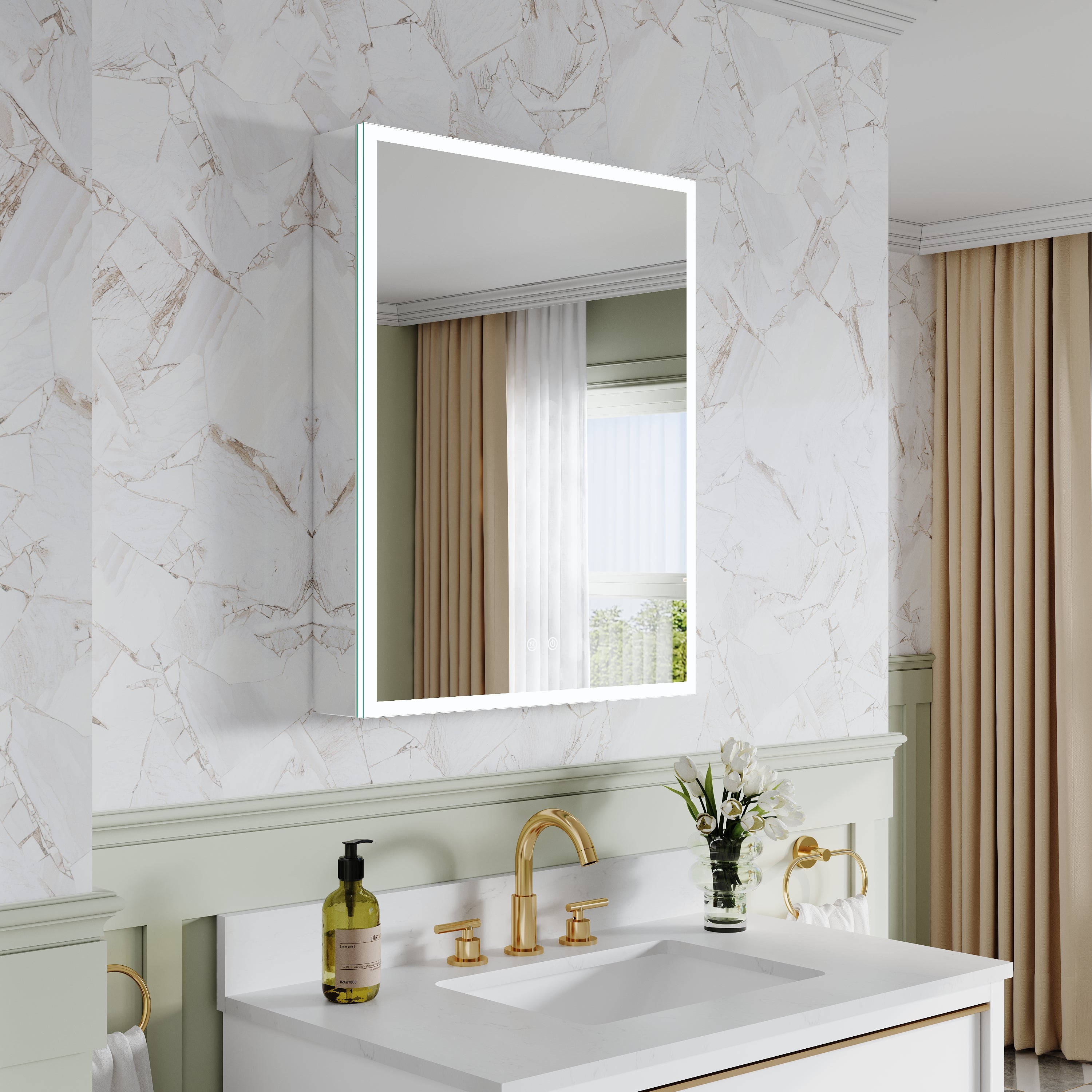
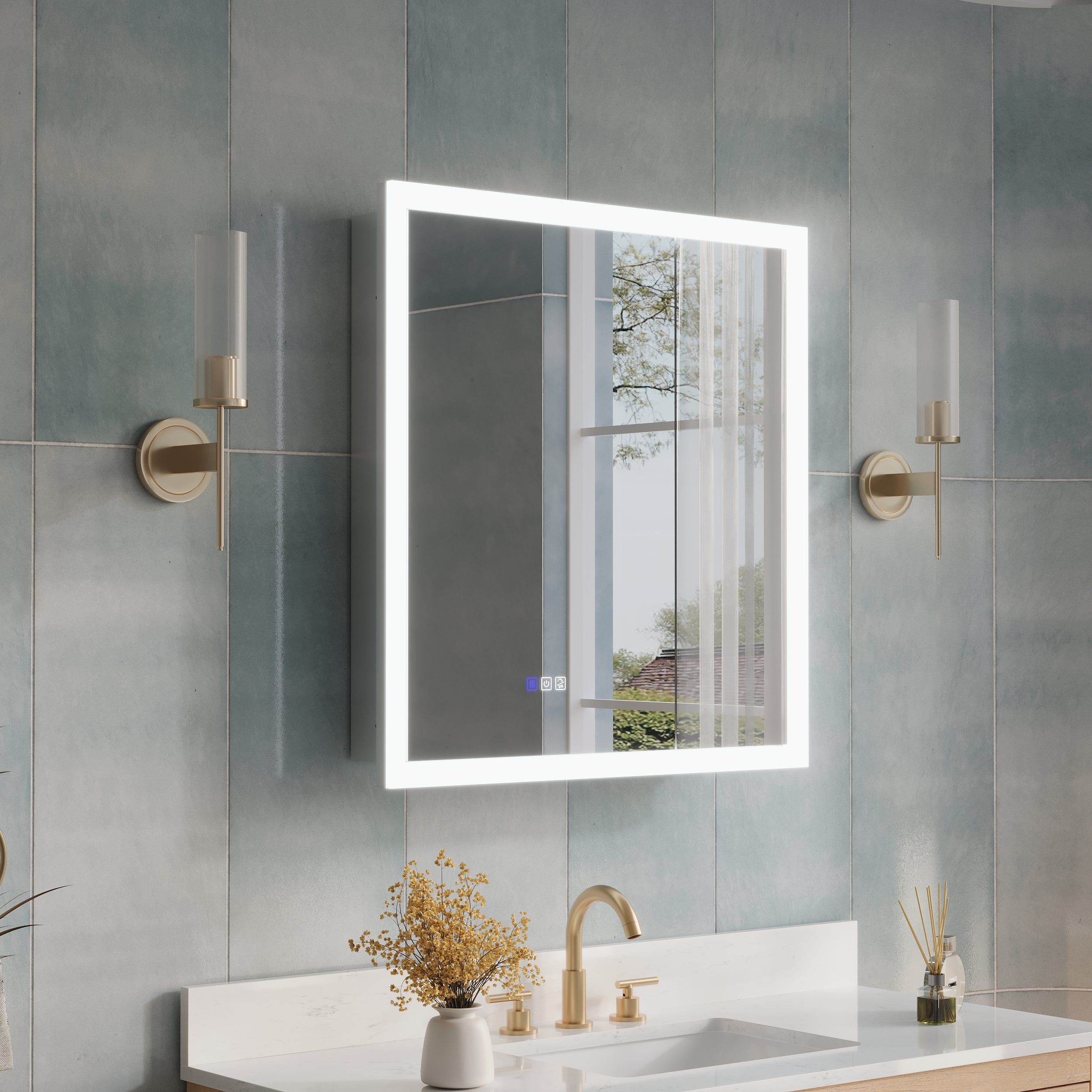
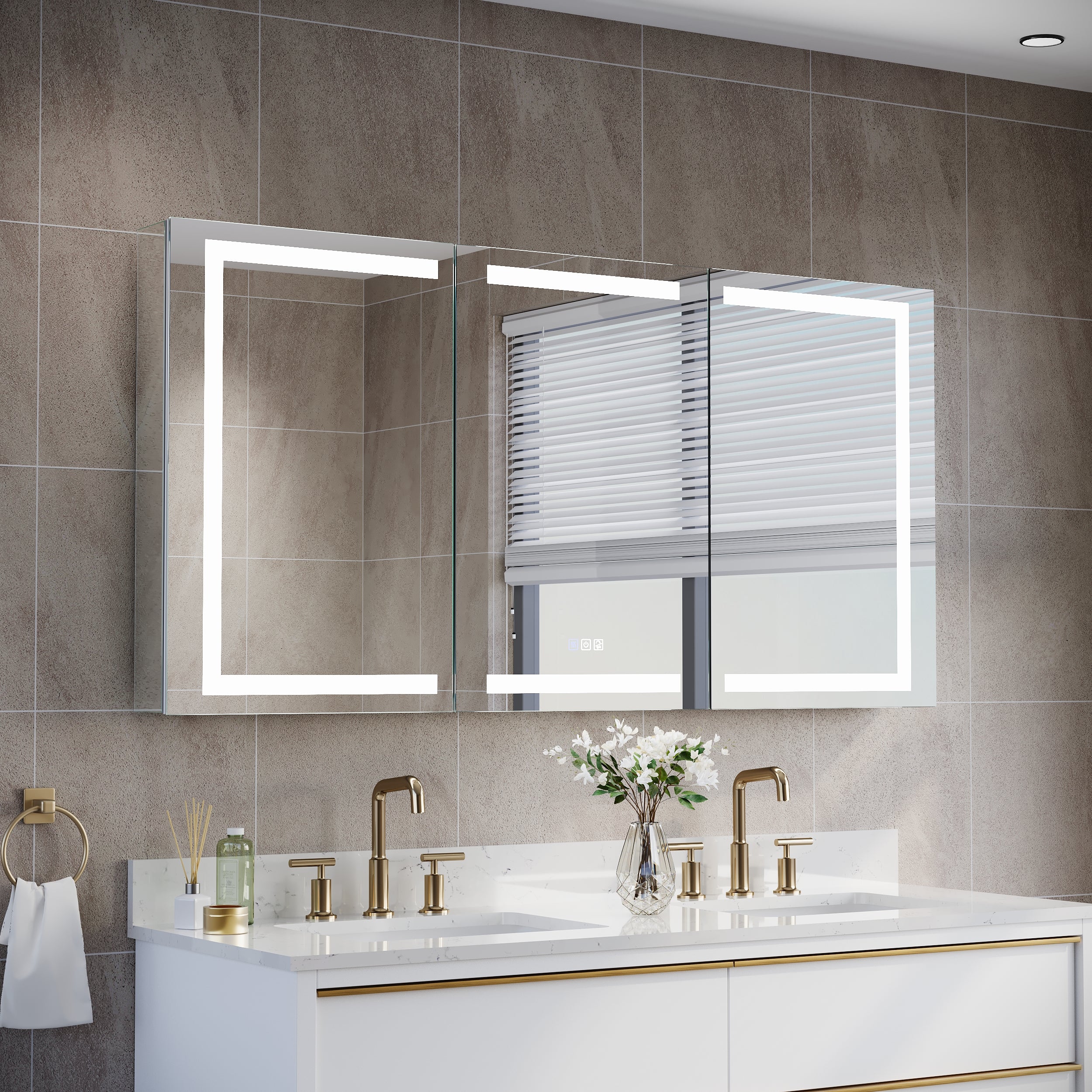
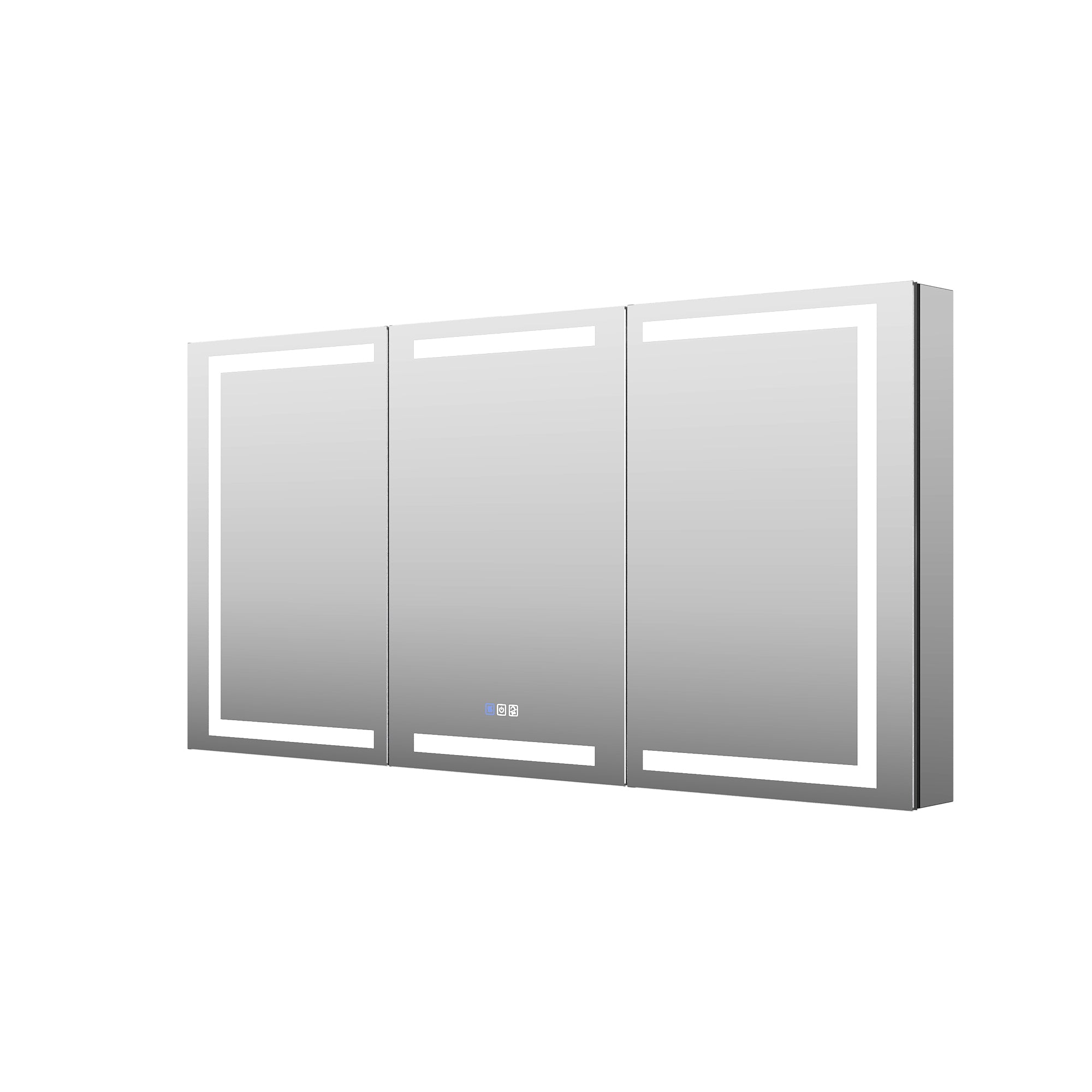
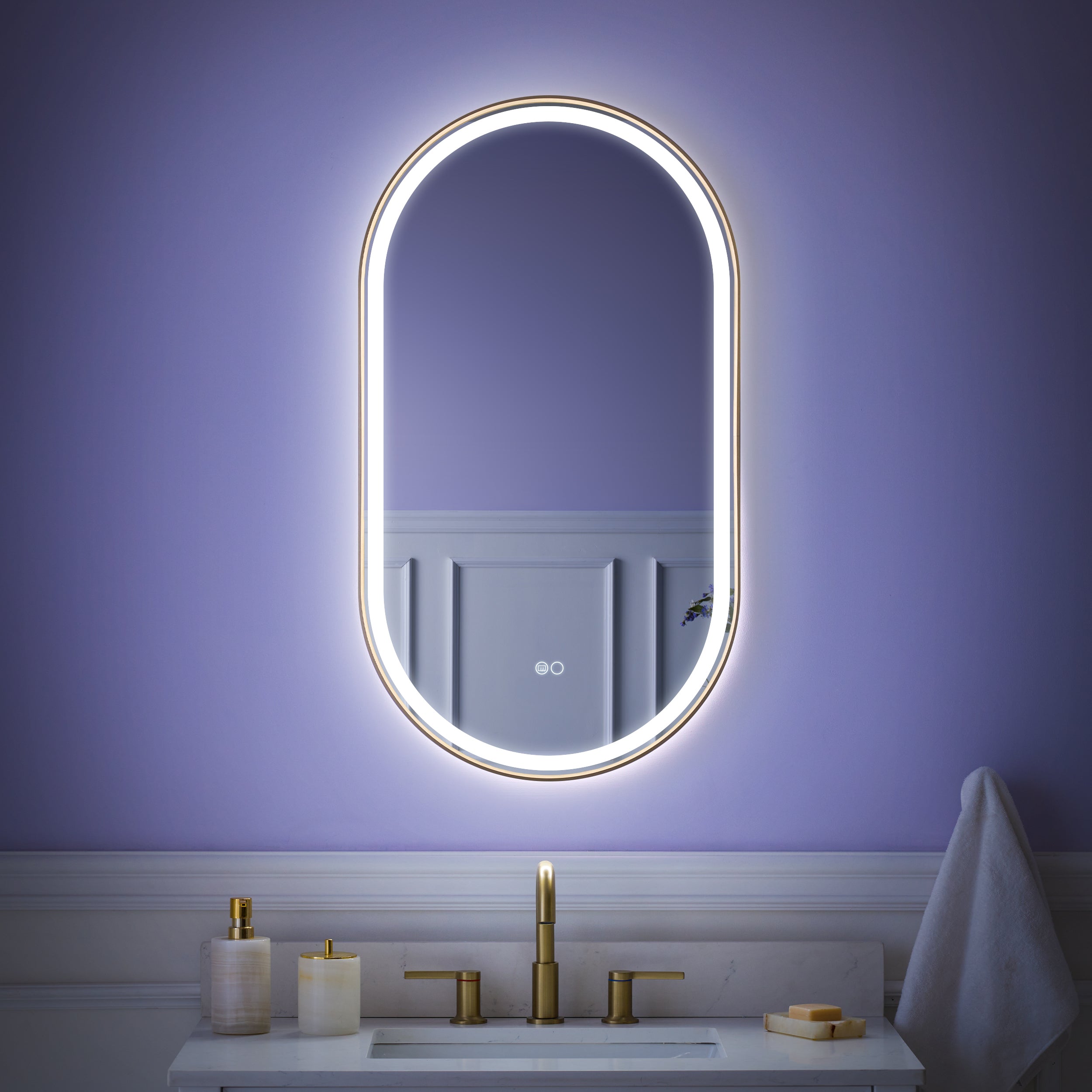
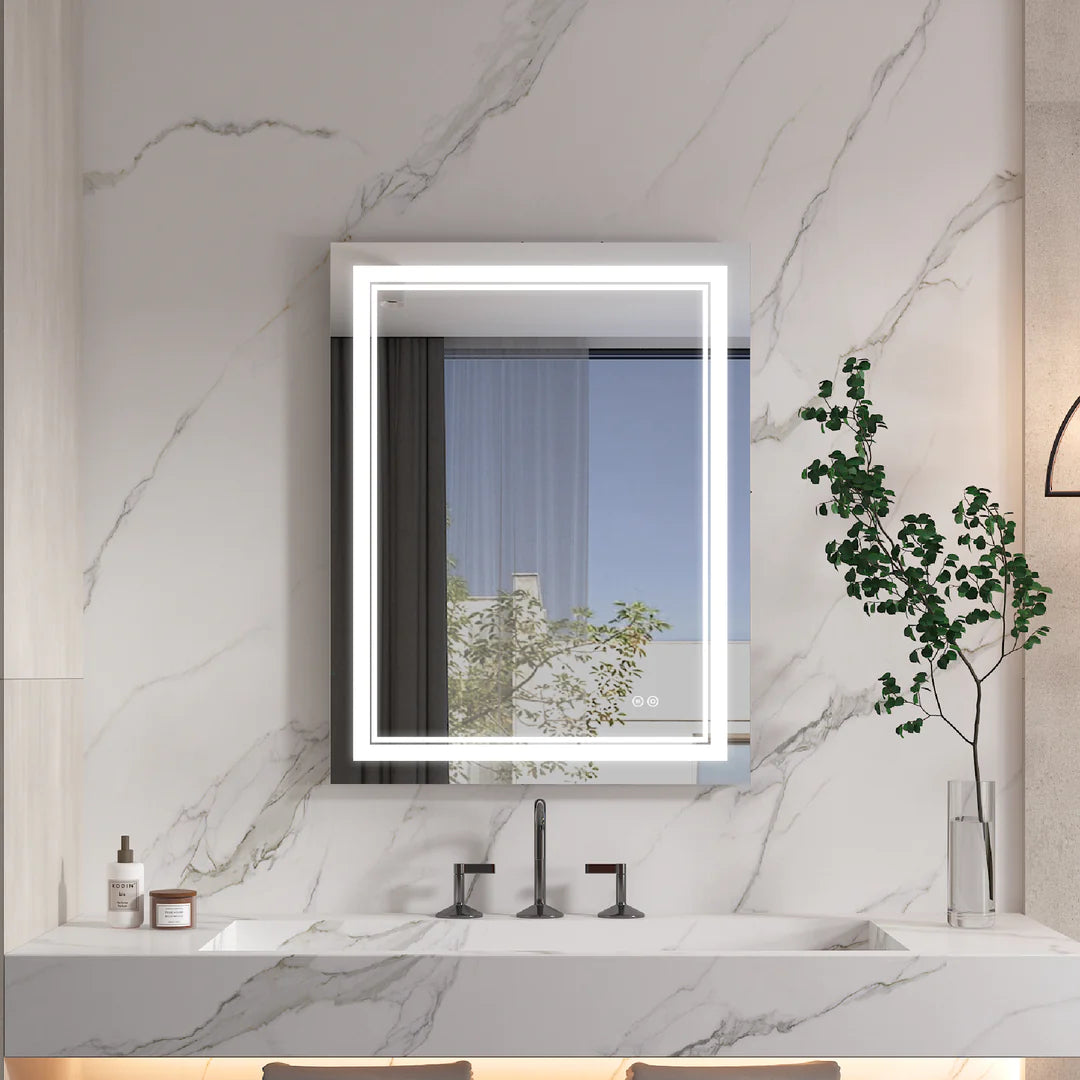
Modern design tends to favor continuous light strips or full circle fill lighting, allowing light to cover the face from multiple angles and achieve a natural light effect.
This distribution pattern can significantly reduce the contrast between light and dark in daily washing and makeup, making the skin tone appear more realistic.
3. Color temperature selection determines whether the user experience is "overturned."
Color temperature is one of the most critical technical parameters in LED mirrors.
Industry application data shows that a neutral color temperature range close to natural sunlight (approximately 4000K-5000K) is most suitable for bathroom use.
The light within this range neither appears too warm nor too yellowish, nor too cold nor too gray, making it the most stable for judging skin color.
The adjustable color temperature function is becoming a mainstream feature, allowing users to switch lighting modes for different usage scenarios, such as skincare, makeup, or nighttime use, to achieve lighting effects that better meet their needs.
4. Brightness adjustment to adapt the mirror to different time periods
The bathroom usage environment changes significantly throughout the day.
In the morning, natural light is stronger, while at night, it relies almost entirely on artificial lighting.
Industry feedback shows that LED mirrors with smooth dimming function have significantly higher long-term satisfaction.
Users can adjust brightness based on ambient light to avoid situations where it is too bright or too dim, resulting in blurriness.
This feature not only enhances comfort but also extends visual adaptability and reduces fatigue.
5. The anti-fog function has changed from a "bonus item" to a "practical configuration."
In high-humidity environments, ordinary mirrors are prone to temporary loss of usability due to water vapor.
Industry tests have shown that LED mirrors with integrated anti-fog technology can significantly shorten visual recovery time after showering, mainly when used frequently in the morning and evening.
With advances in technology, the energy consumption and maintenance requirements of anti-fog modules have been significantly reduced, making them increasingly common as standard configurations for high-quality LED mirrors.
6. Frame and edge design influence the overall style direction
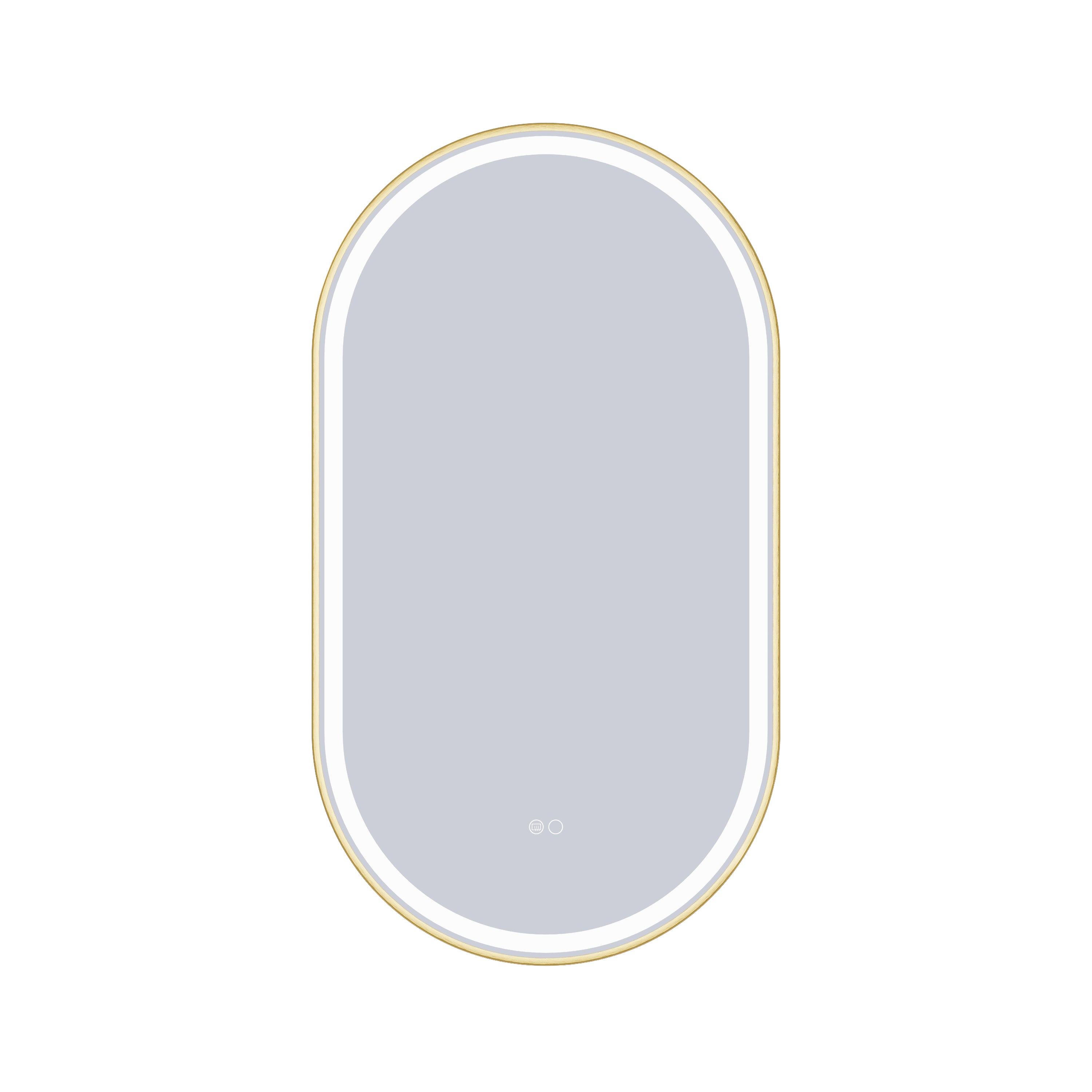
The appearance design of LED mirrors directly influences bathroom style.
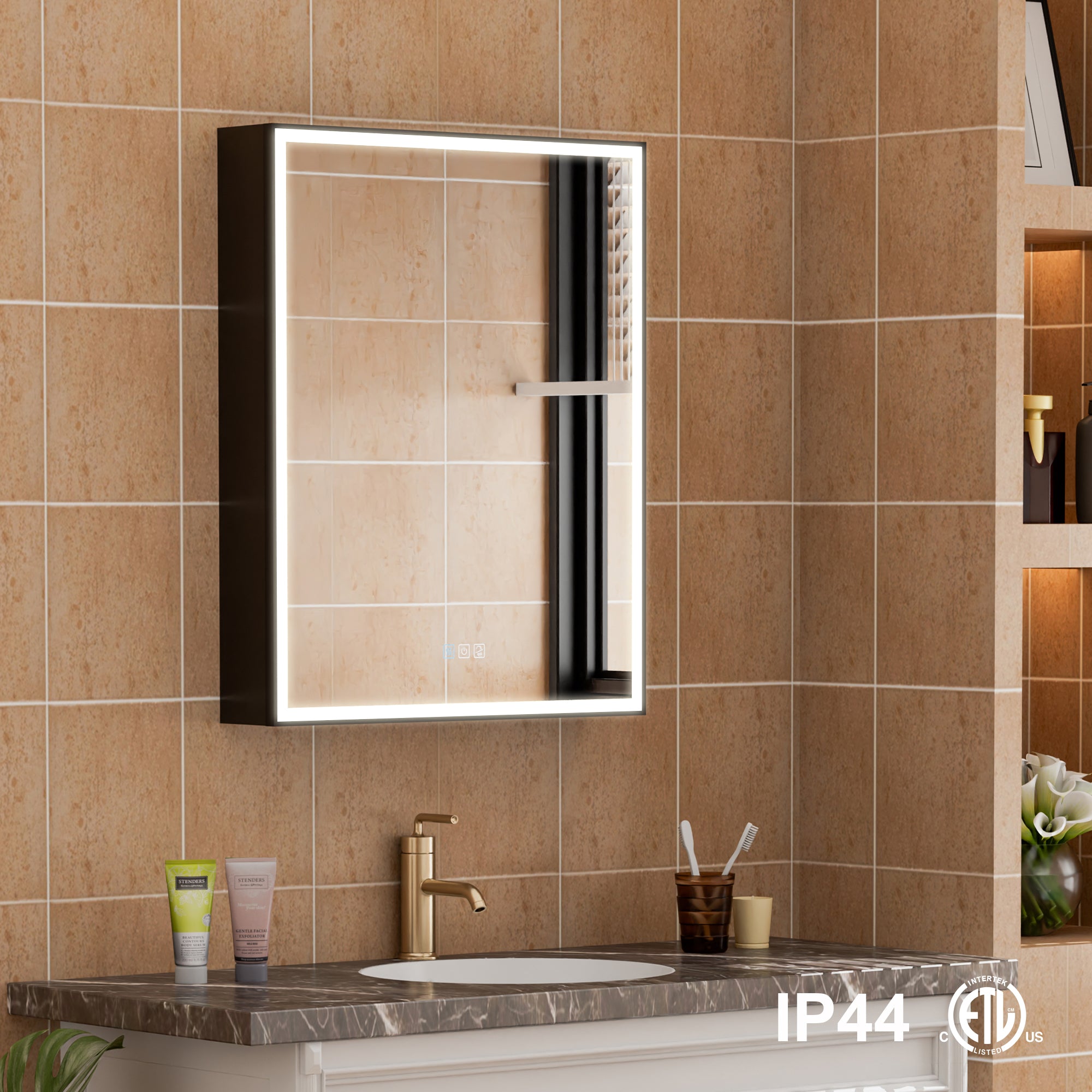
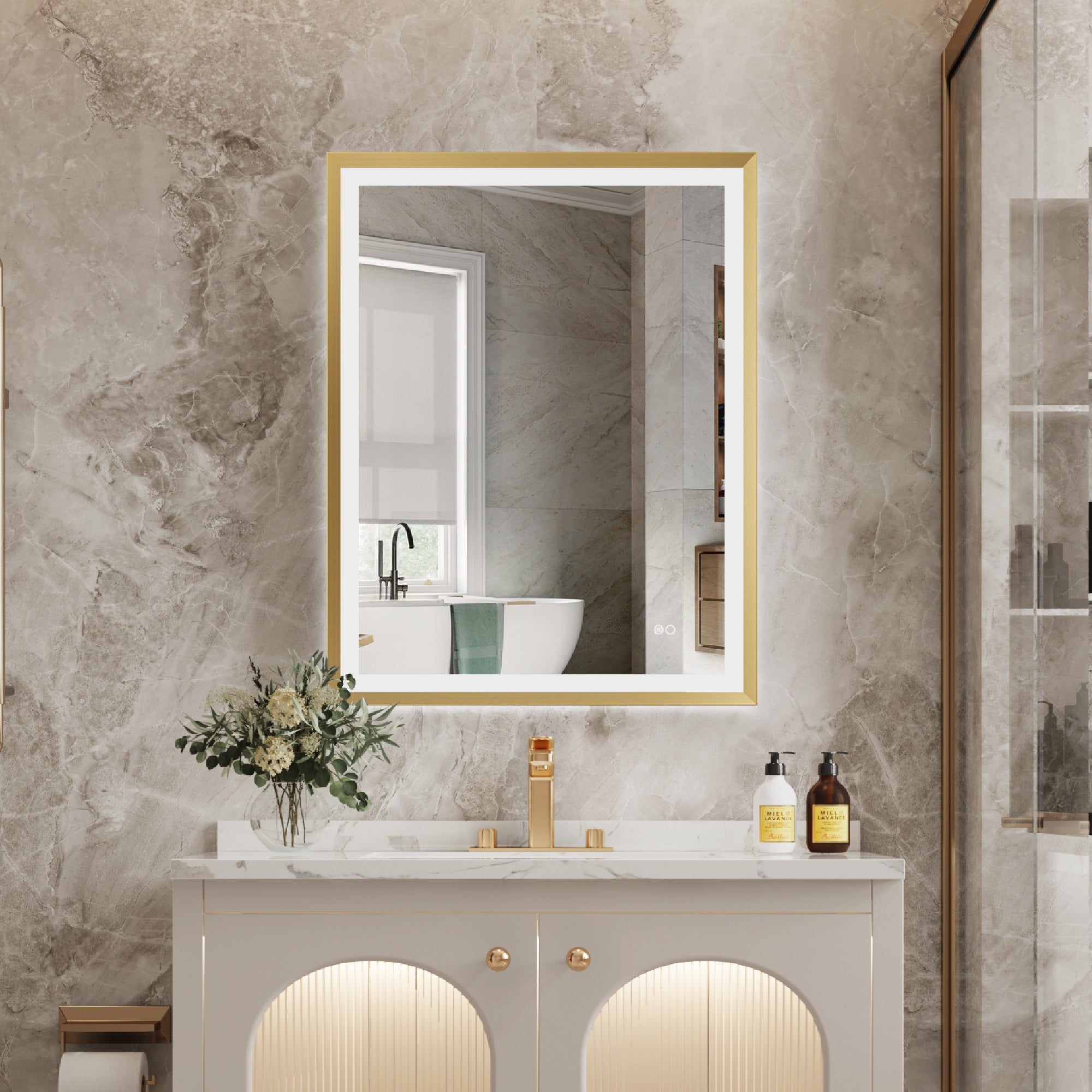
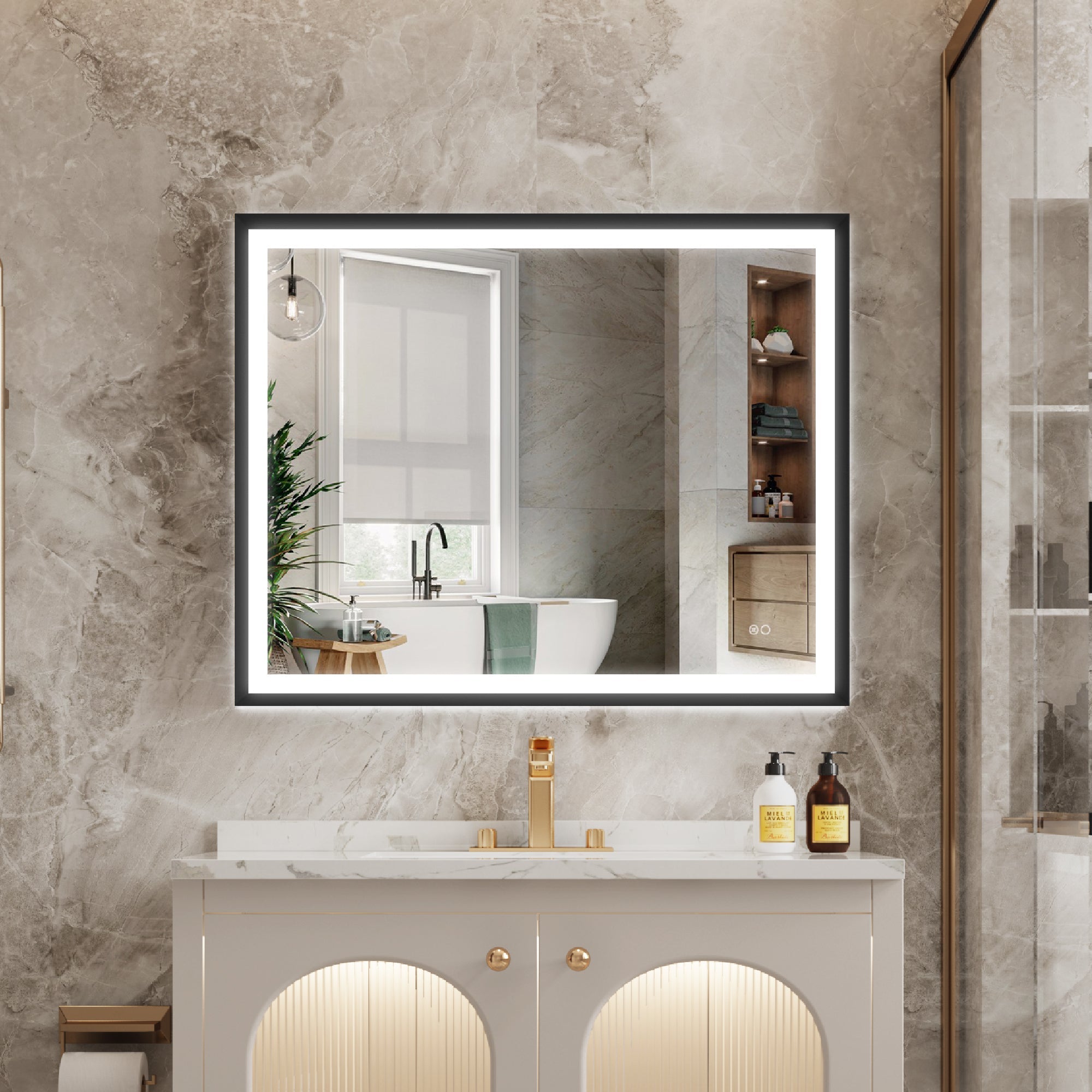
Frameless design emphasizes modernity and lightness, suitable for minimalist or modern spaces.
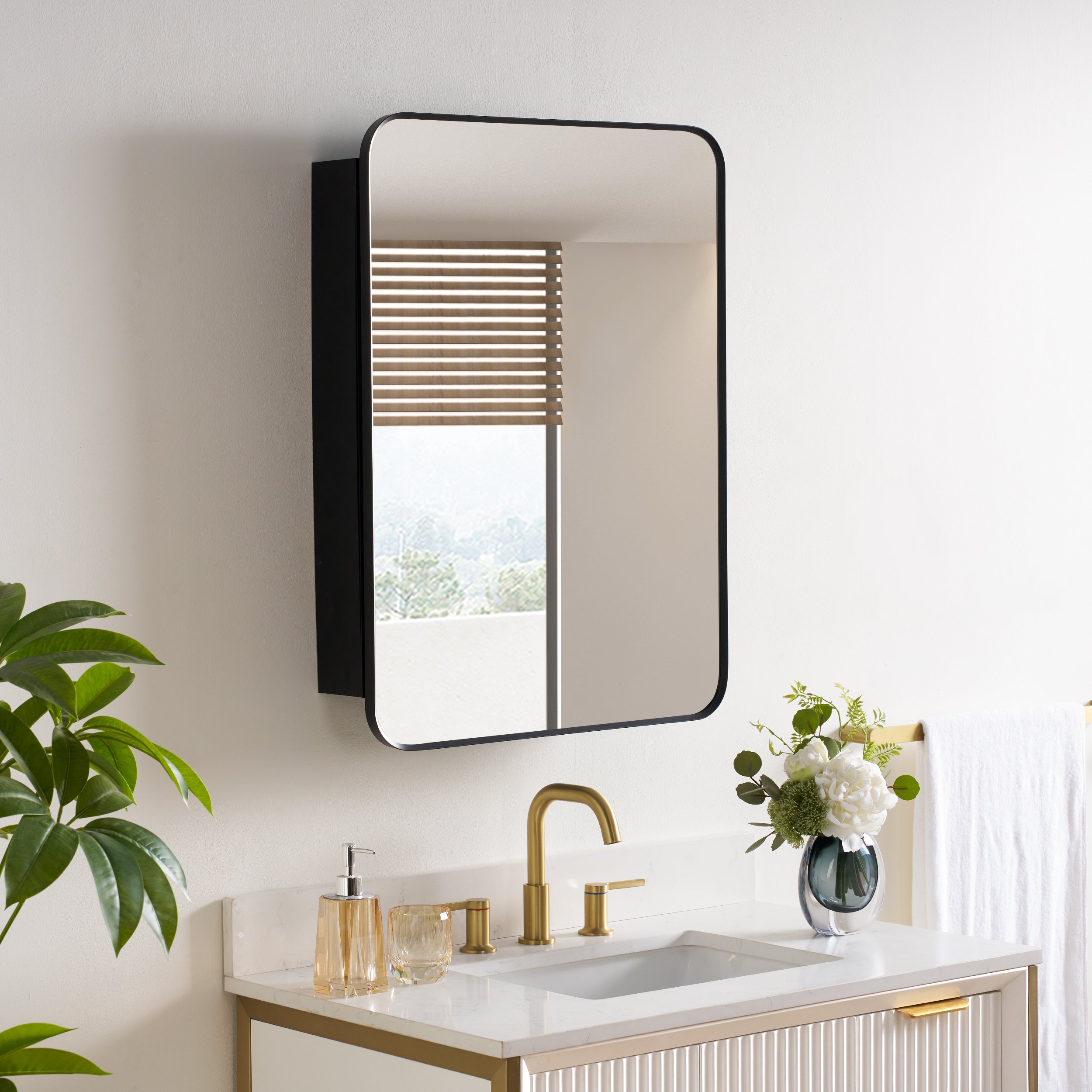
Thin border design adds a certain sense of structure while maintaining simplicity.
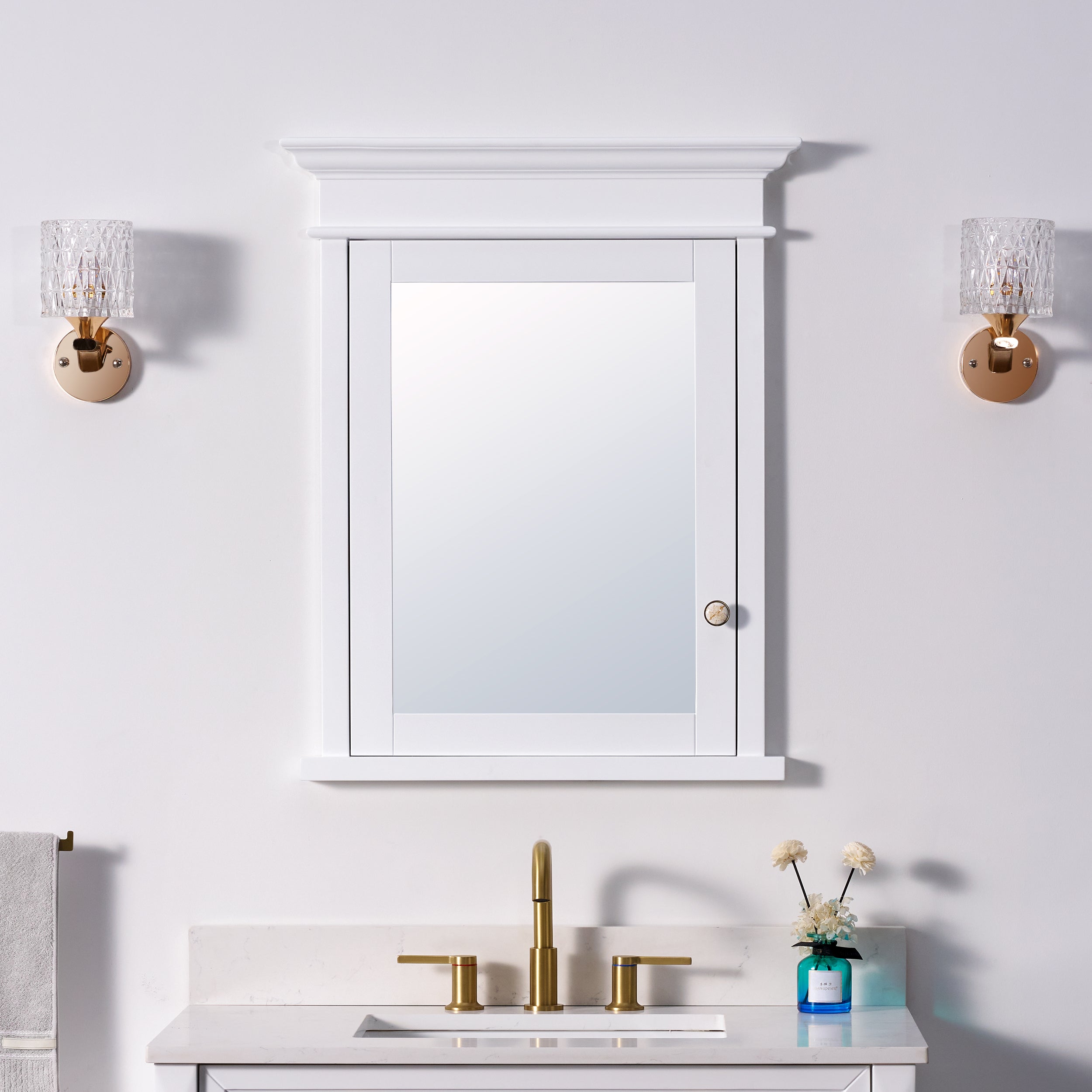
Thicker borders are more ideal for bathrooms with classic or transitional styles.
Industry design trends show that the simpler the edges, the easier it is to maintain long-term aesthetics and the less likely they are to look outdated as styles change.
7. The installation method and thickness have a significant impact on spatial perception
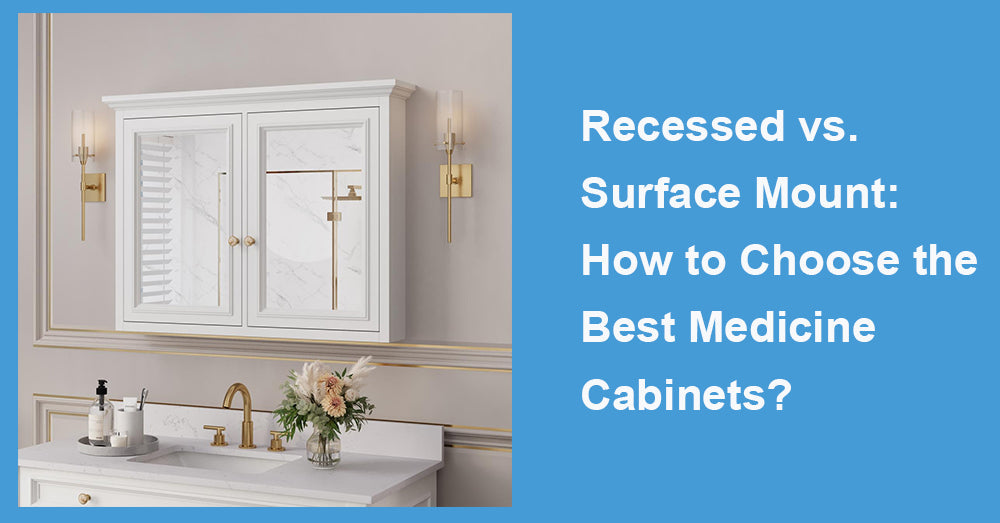
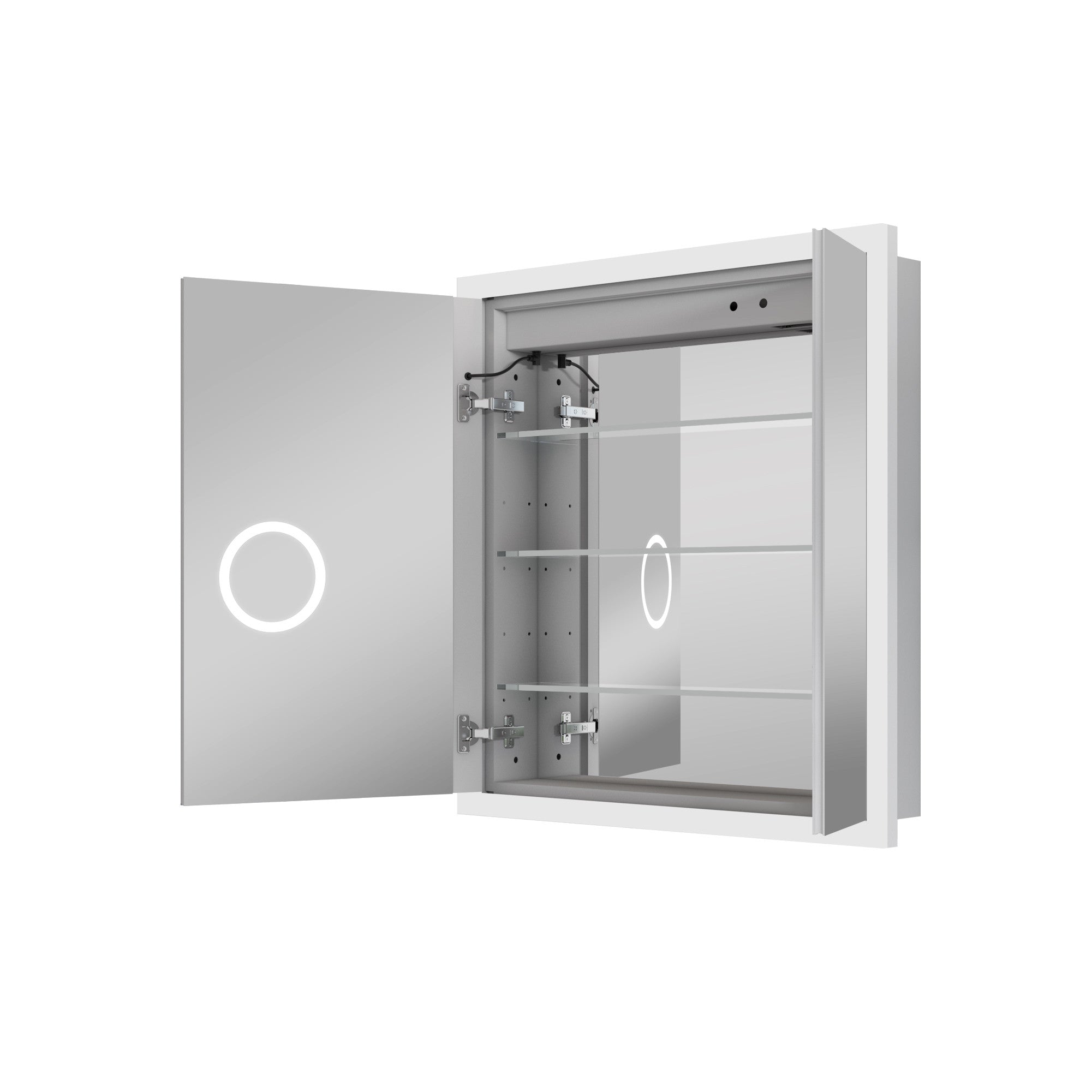
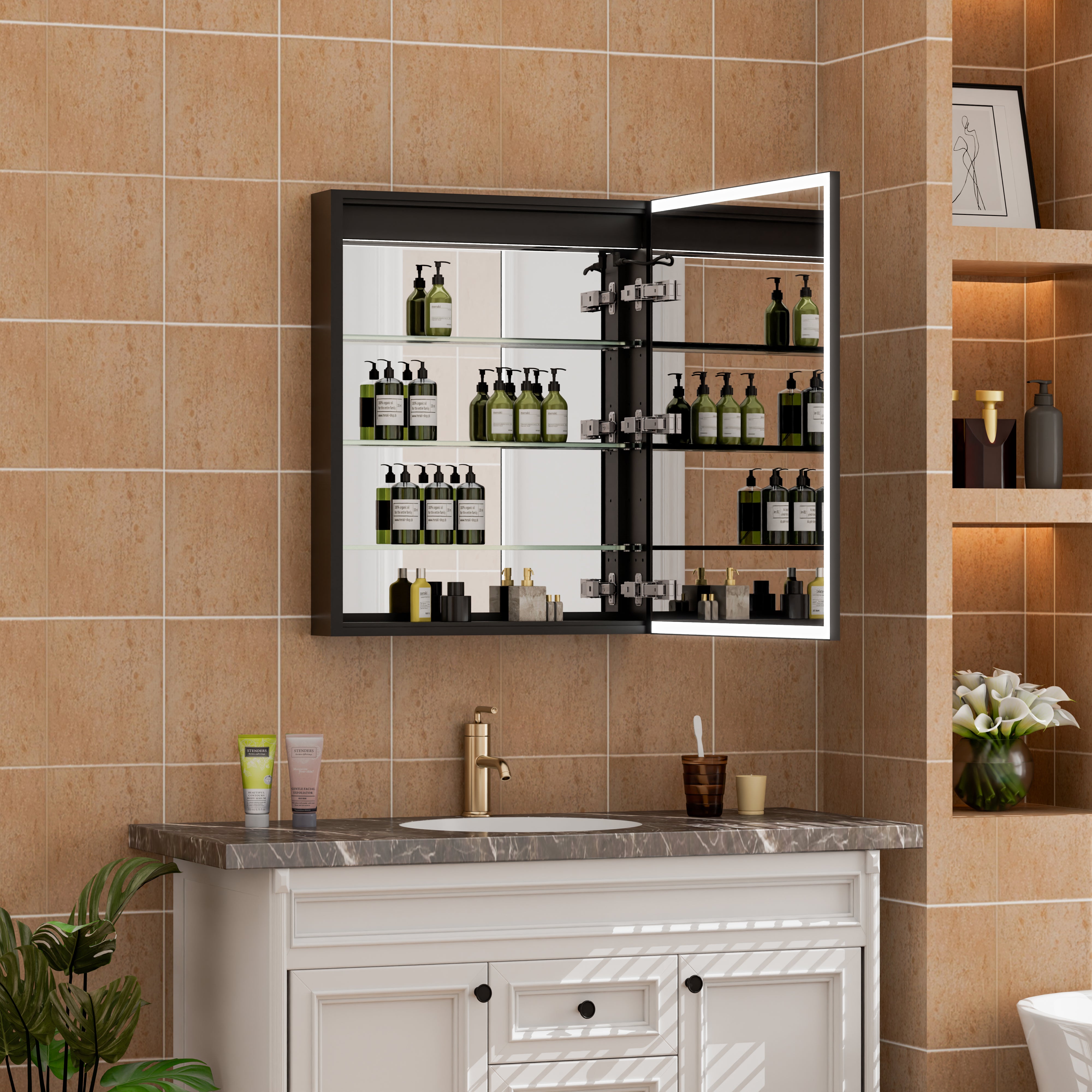
LED mirrors are usually installed in two ways: wall-mounted and embedded.
Embedded technology can reduce the thickness of the mirror body and make the wall surface smoother.
Wall-mounted installation is more flexible.
Industry feedback shows that mirrors with a thickness controlled at around 1.5-2 inches are more likely to maintain a lightweight visual effect in small spaces.
8. Durability and electrical safety should not be ignored
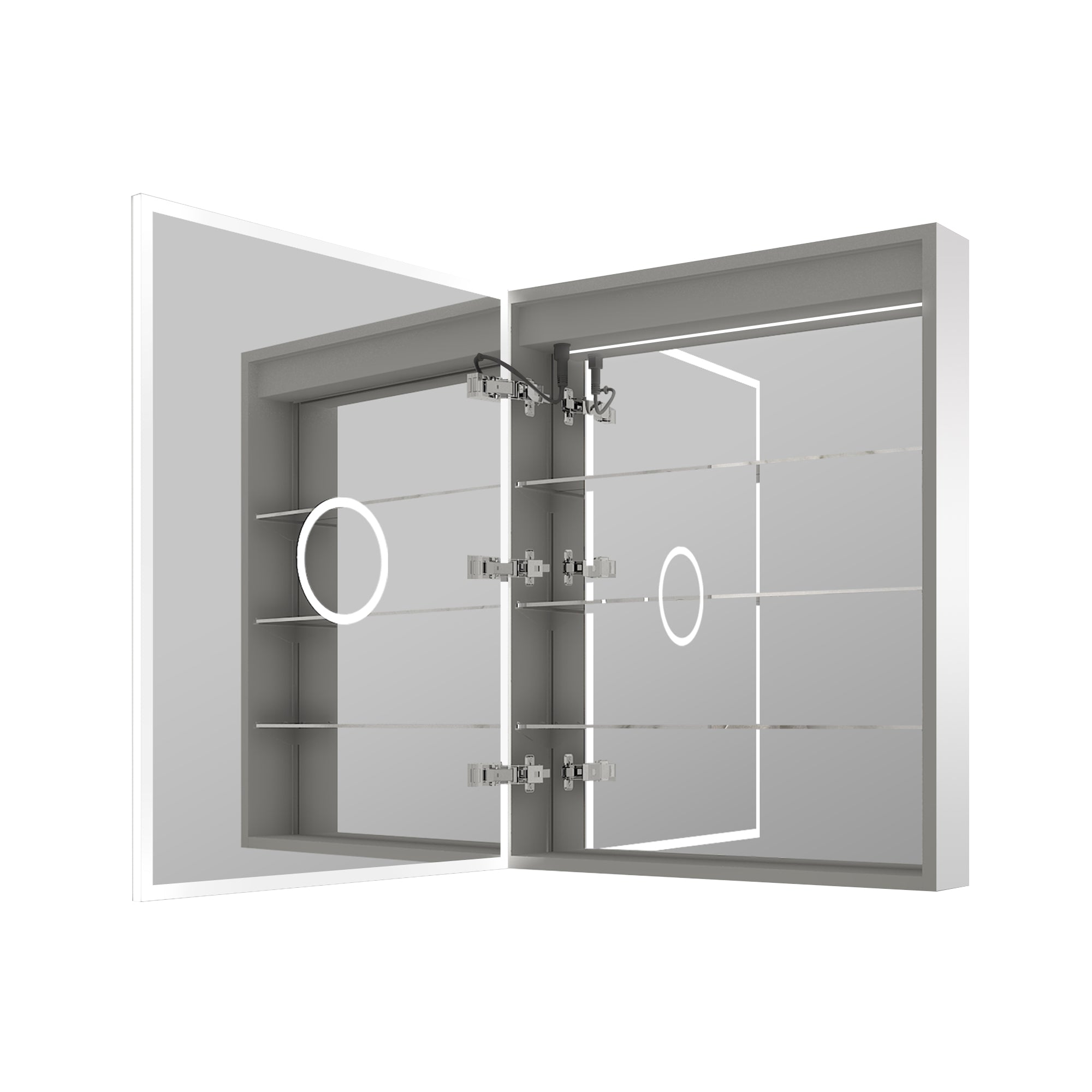
High-quality LED mirrors usually require more processes for electrical protection and heat dissipation.
A stable power module, a moisture-proof structure, and a reasonable heat-dissipation path directly affect service life.
Industry maintenance data shows that the vast majority of problems stem from inadequate electrical protection, rather than damage to the light bulbs themselves.

9. Conclusion: A good LED mirror is a part of the design, not an accessory
Choosing the appropriate LED mirror balances size ratio, light quality, and spatial style.
When the mirror's width is coordinated with the bathroom cabinet, the lighting is uniform and natural, the color temperature is close to the daily environment, and the functions are not overly stacked.
It not only provides lighting but also continuously enhances the spatial experience in daily use.
The truly successful bathroom design often does not rely on complex decorations to win, but on seemingly fundamental yet crucial choices that, together, form a long-term, comfortable, and durable spatial quality.










Leave a comment
This site is protected by hCaptcha and the hCaptcha Privacy Policy and Terms of Service apply.