
















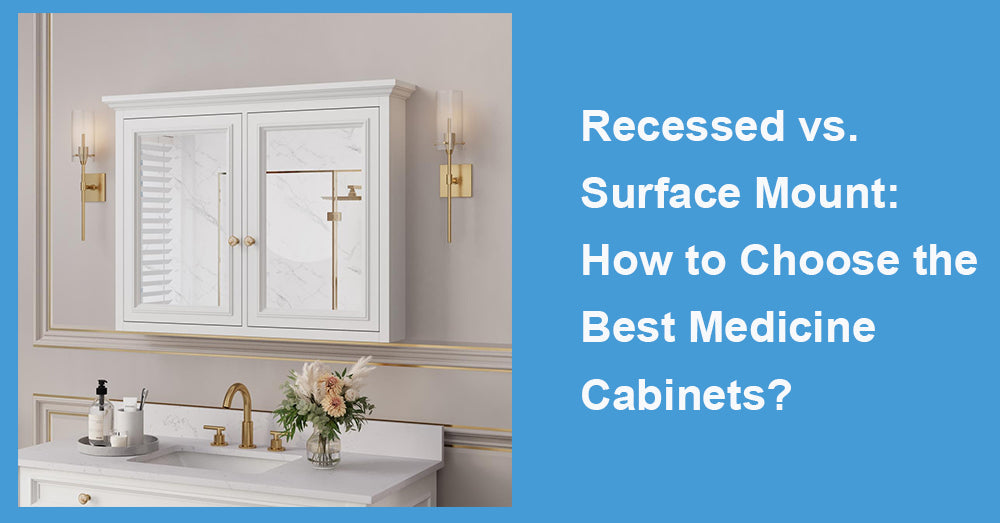
In modern bathroom storage design, medicine cabinets have evolved from a single functional component to an essential element that affects the cleanliness and visual proportion of the space.
The most common decision-making difficulty in the purchasing process is choosing between Recessed and Surface Mount.
There are significant differences between the two installation methods in terms of appearance, capacity, construction difficulty, and long-term user experience.
The truly reasonable choice does not depend on which "higher level" it is, but on whether the spatial conditions match the usage needs.
1. Why does the installation method directly affect the user experience
Many people tend to focus on the external dimensions and internal capacity when choosing a mirror cabinet, but overlook the shaping effect of the installation method itself on the sense of space.
Research on industry space utilization shows that in compact bathrooms, the prominent sense of wall volume is one of the key factors contributing to visual pressure.
As a core element located at eye level, the thickness and contour of the medicine cabinet have a particularly significant impact on spatial comfort.
Therefore, the difference between embedding and surface installation is not just about whether to enter the wall, but about a fundamental change in spatial hierarchy and the smoothness of use.
2. Embedded mirror cabinet: a visual amplifier for small spaces
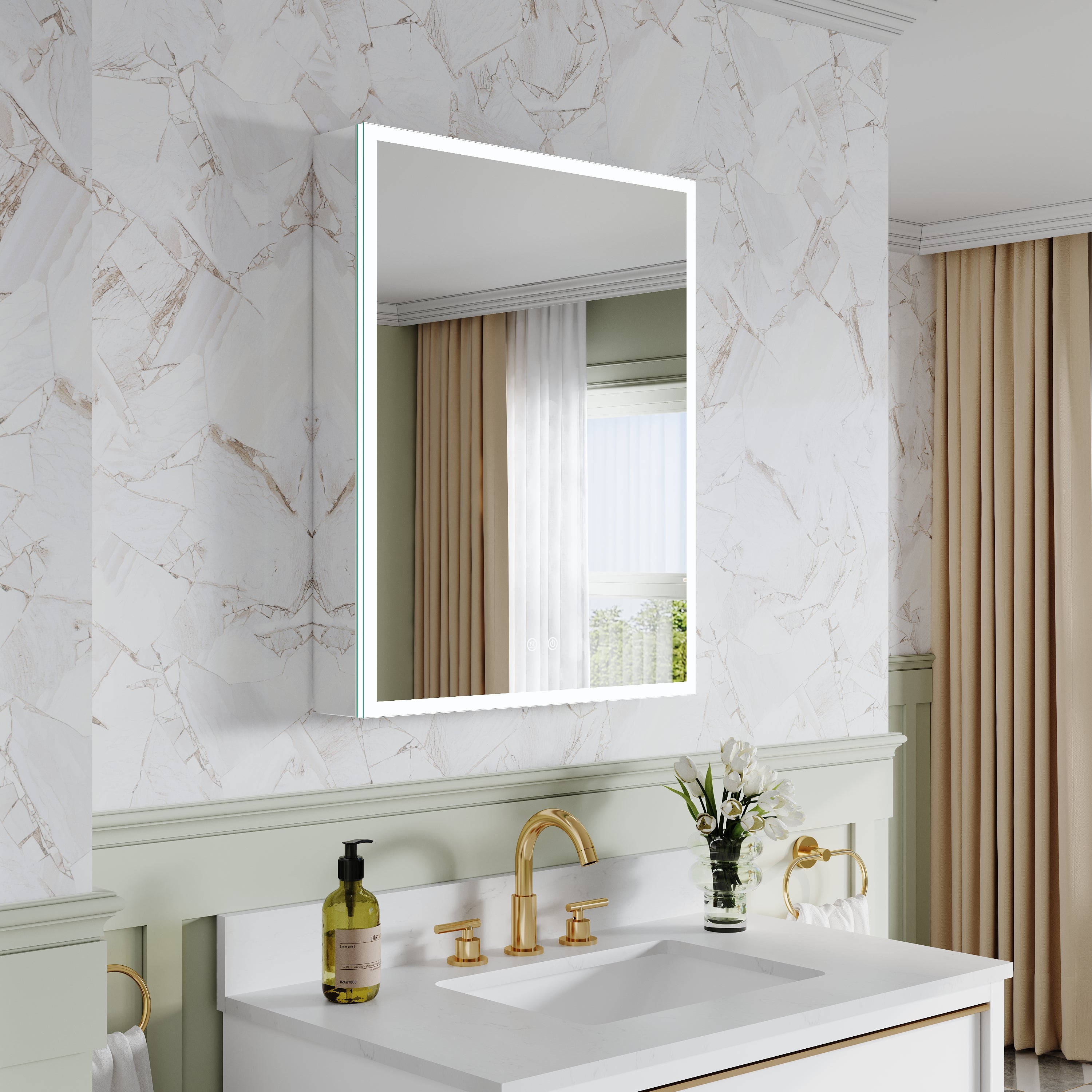
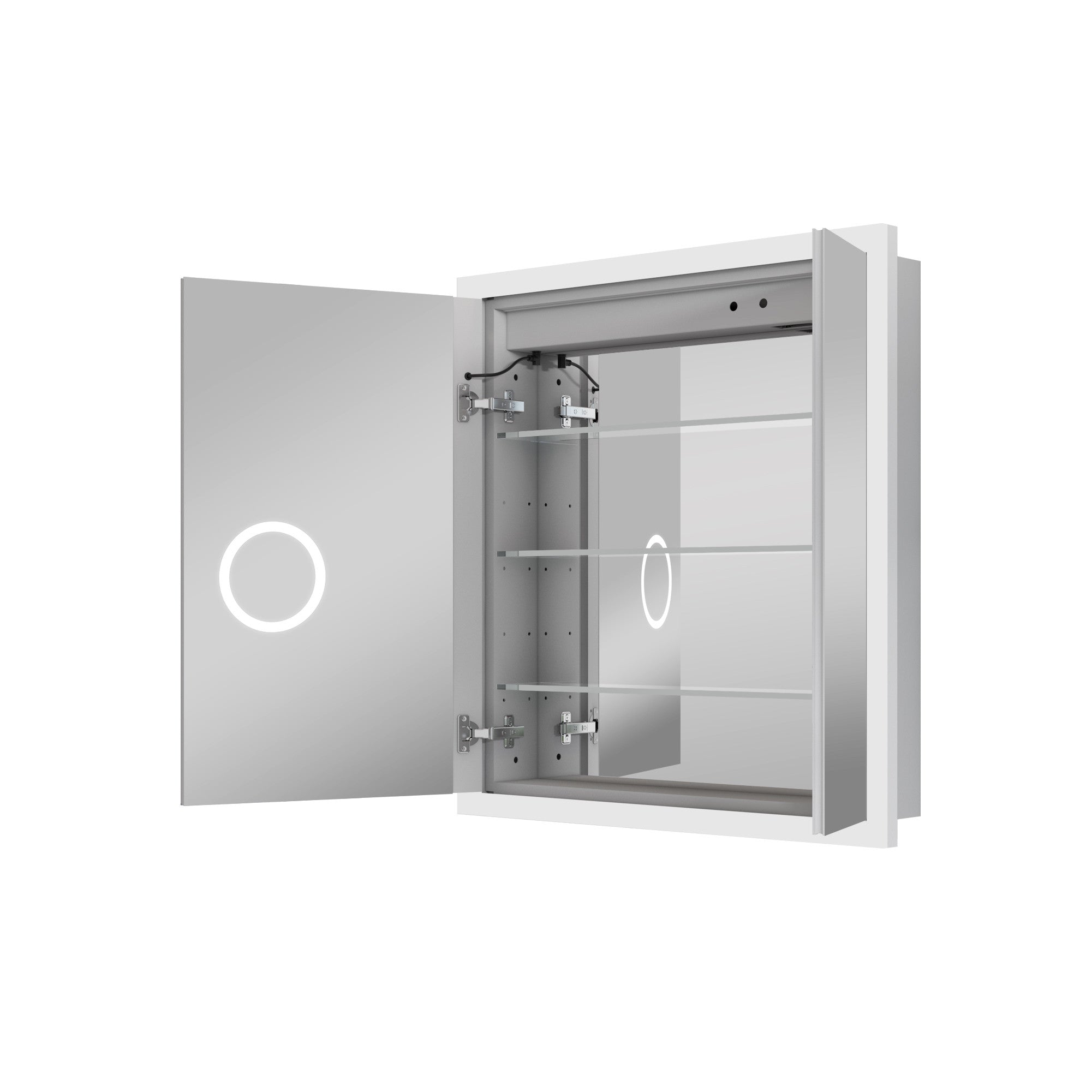
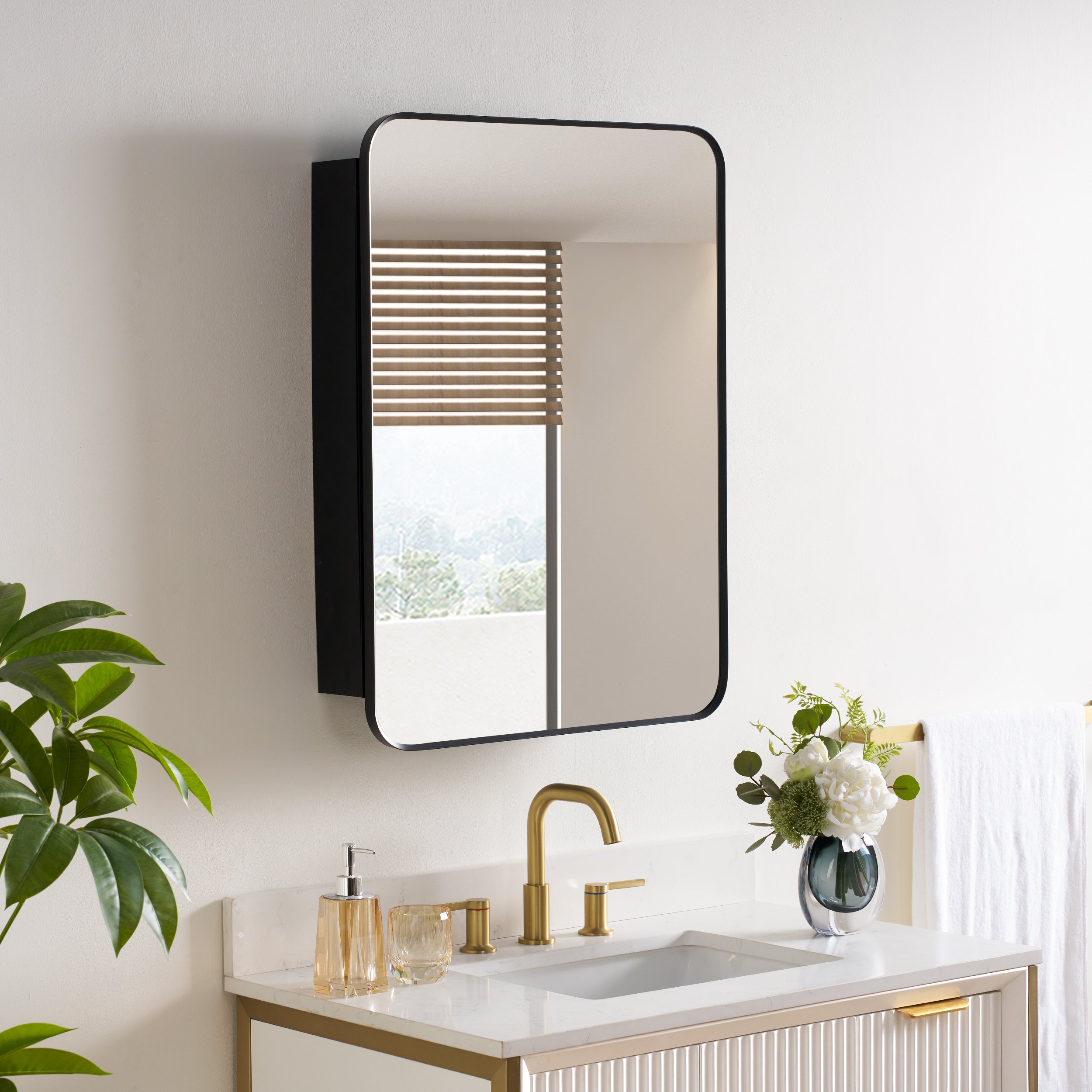
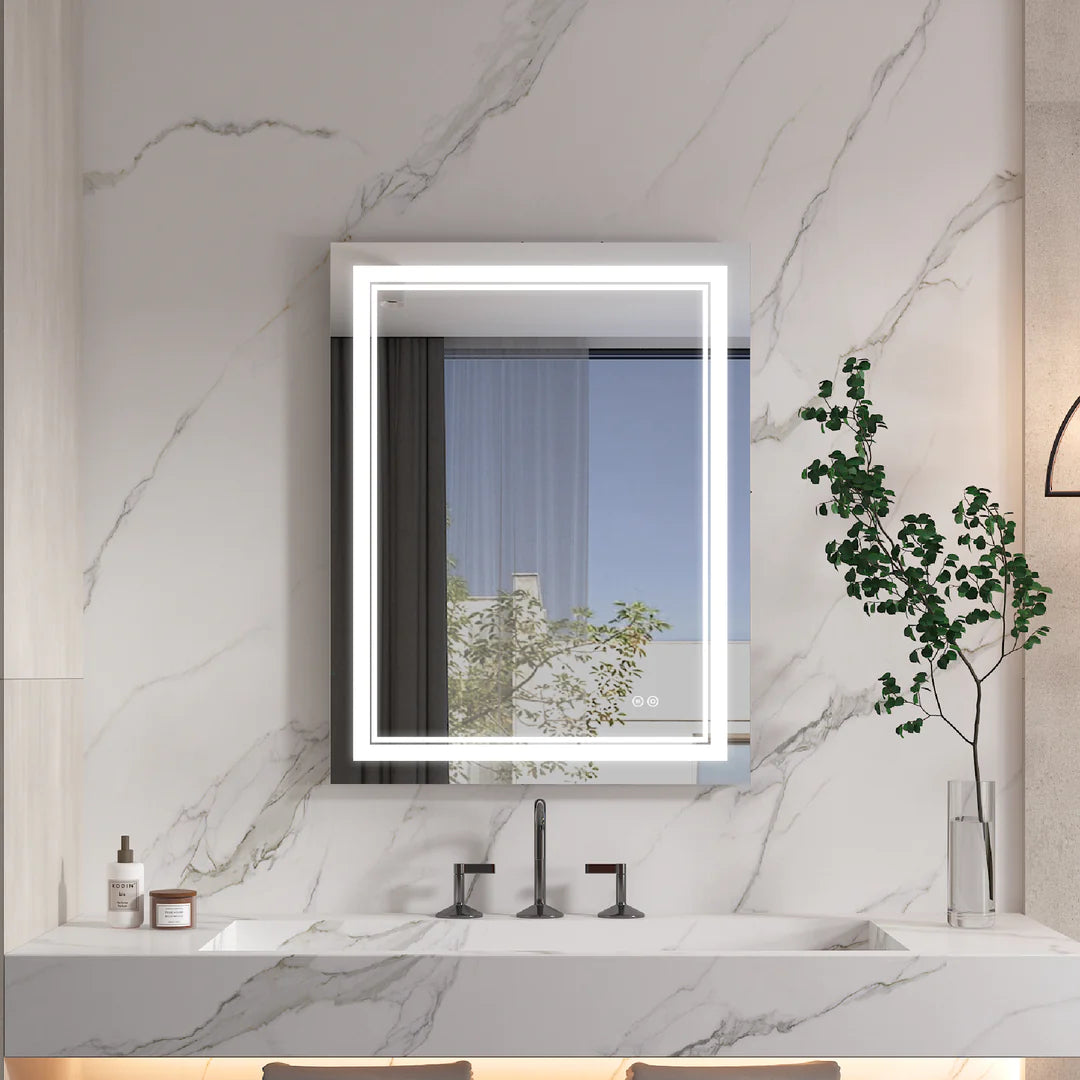
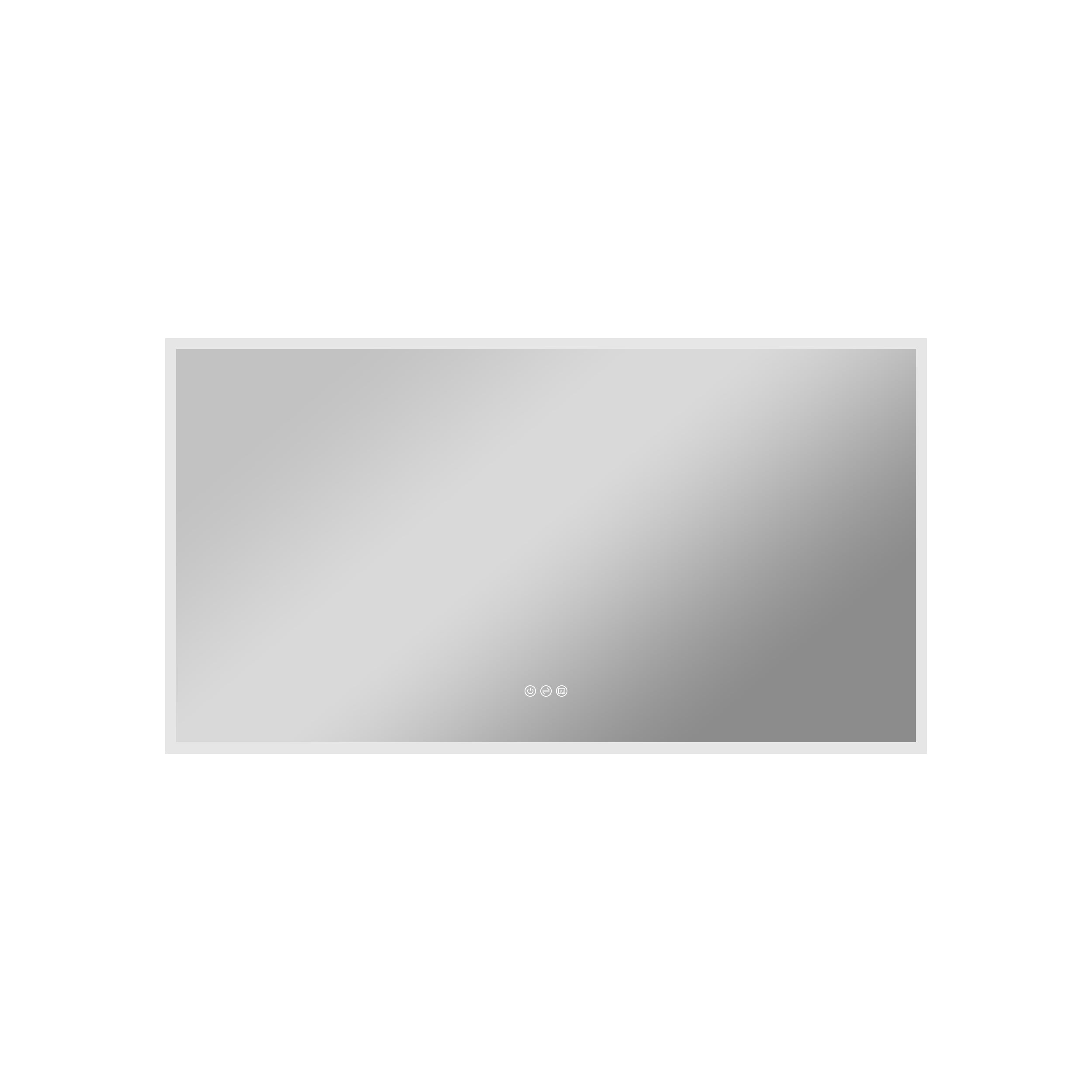
The most significant advantage of an embedded medicine cabinet is that it hides the cabinet body within the wall, leaving only the mirror and ultra-thin frame visible.
Industry data shows that embedded designs can typically free up 4-6 inches of wall space while being almost as visually appealing as a regular mirror.
This makes it one of the most popular solutions in bathrooms with a width range of 24-36 inches.
In a compact layout, the effect of reducing protrusion is pronounced:
The flow is smoother.
More spacious standing space in front of the mirror.
The overall space looks cleaner.
However, the premise is that the wall structure allows for embedding, and there are no complex pipelines or load-bearing components inside.
3. Surface-mounted mirror cabinet: advantages of flexibility and capacity
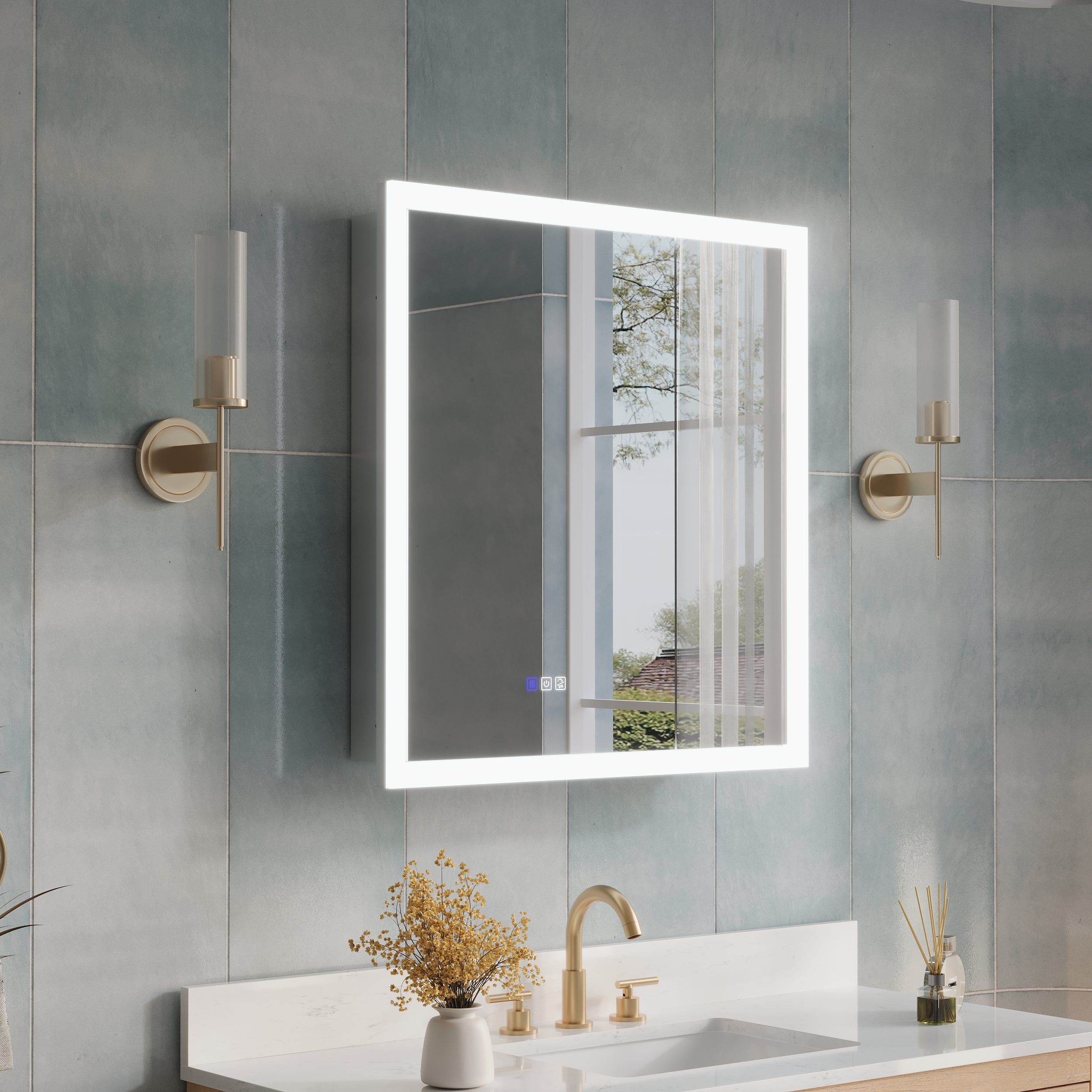
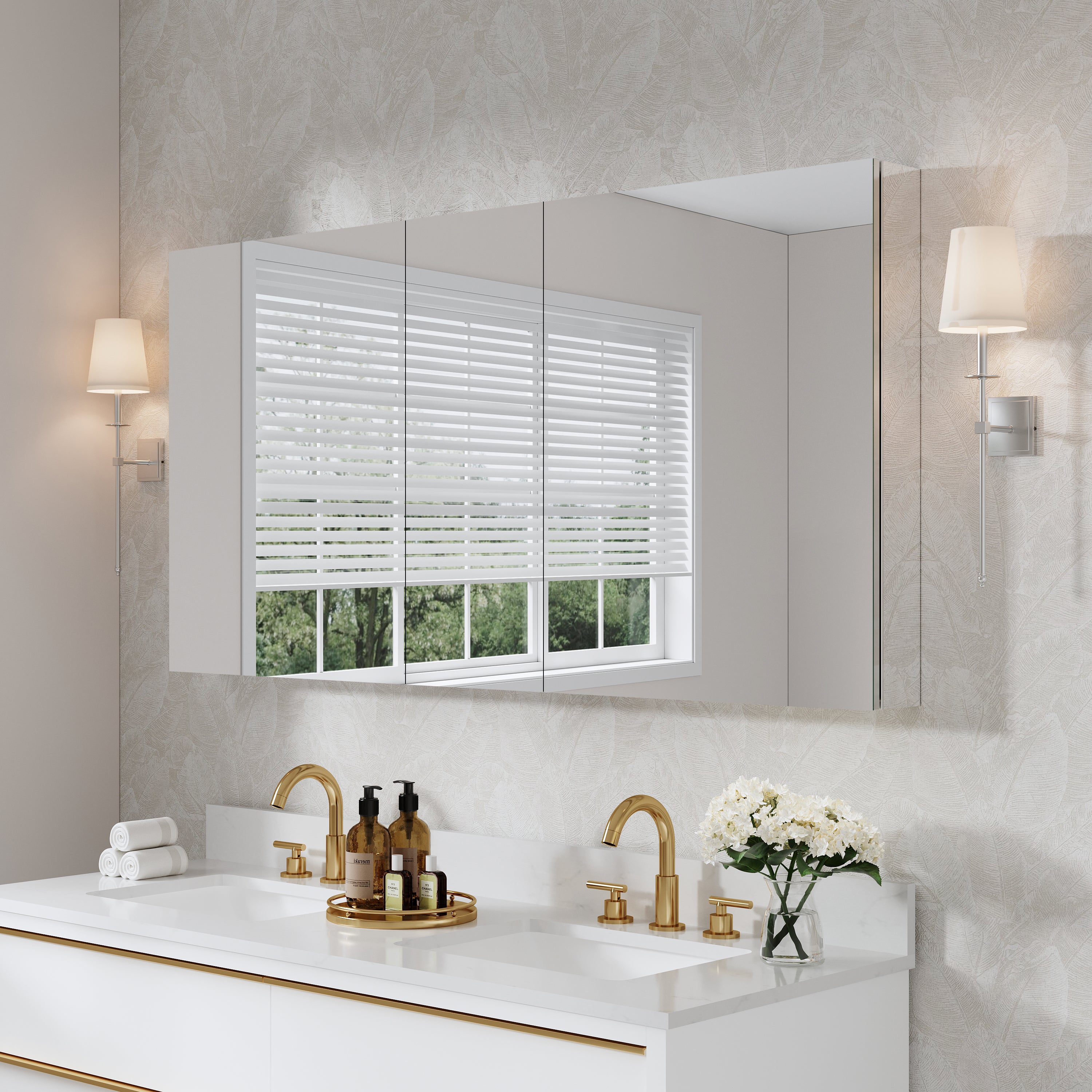
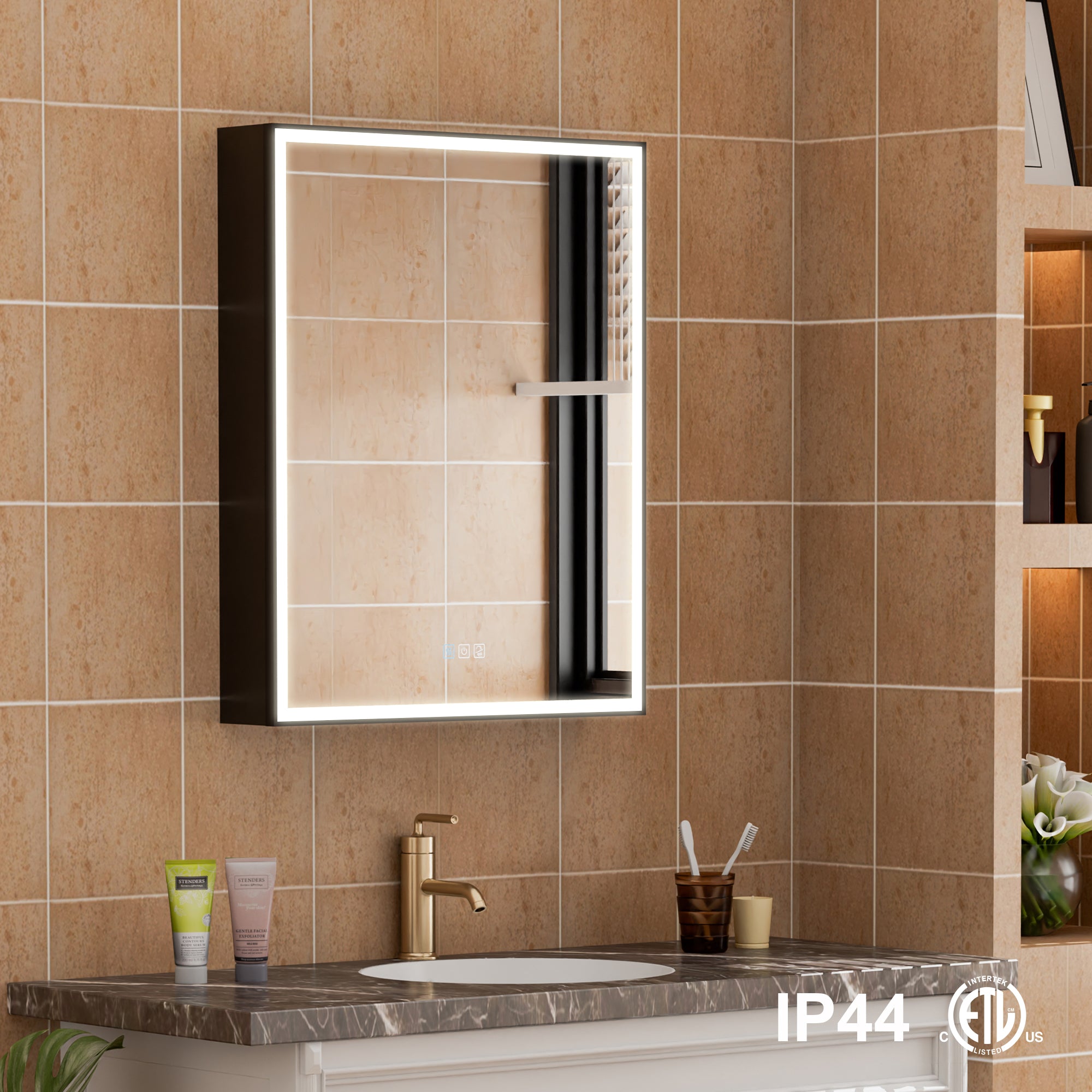
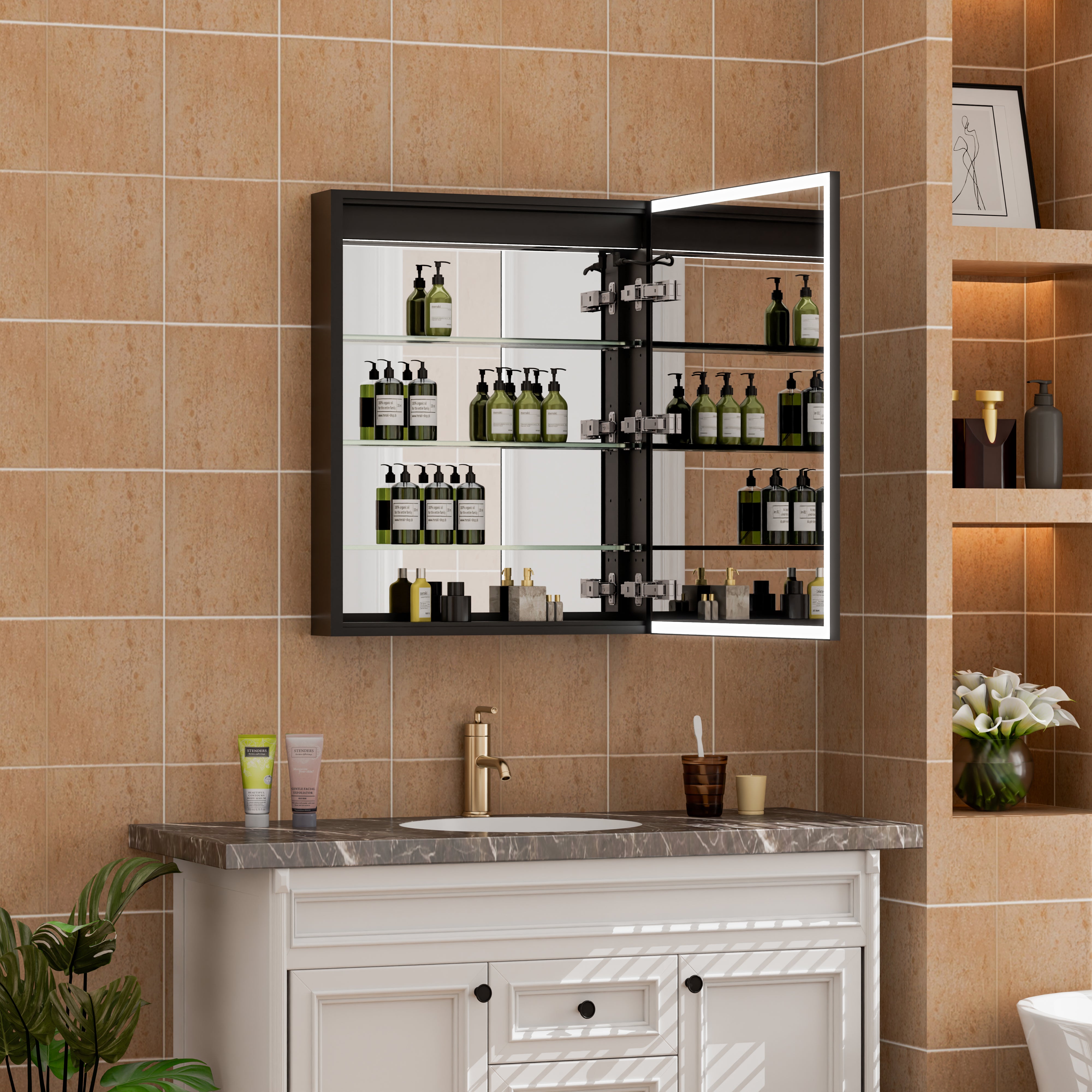
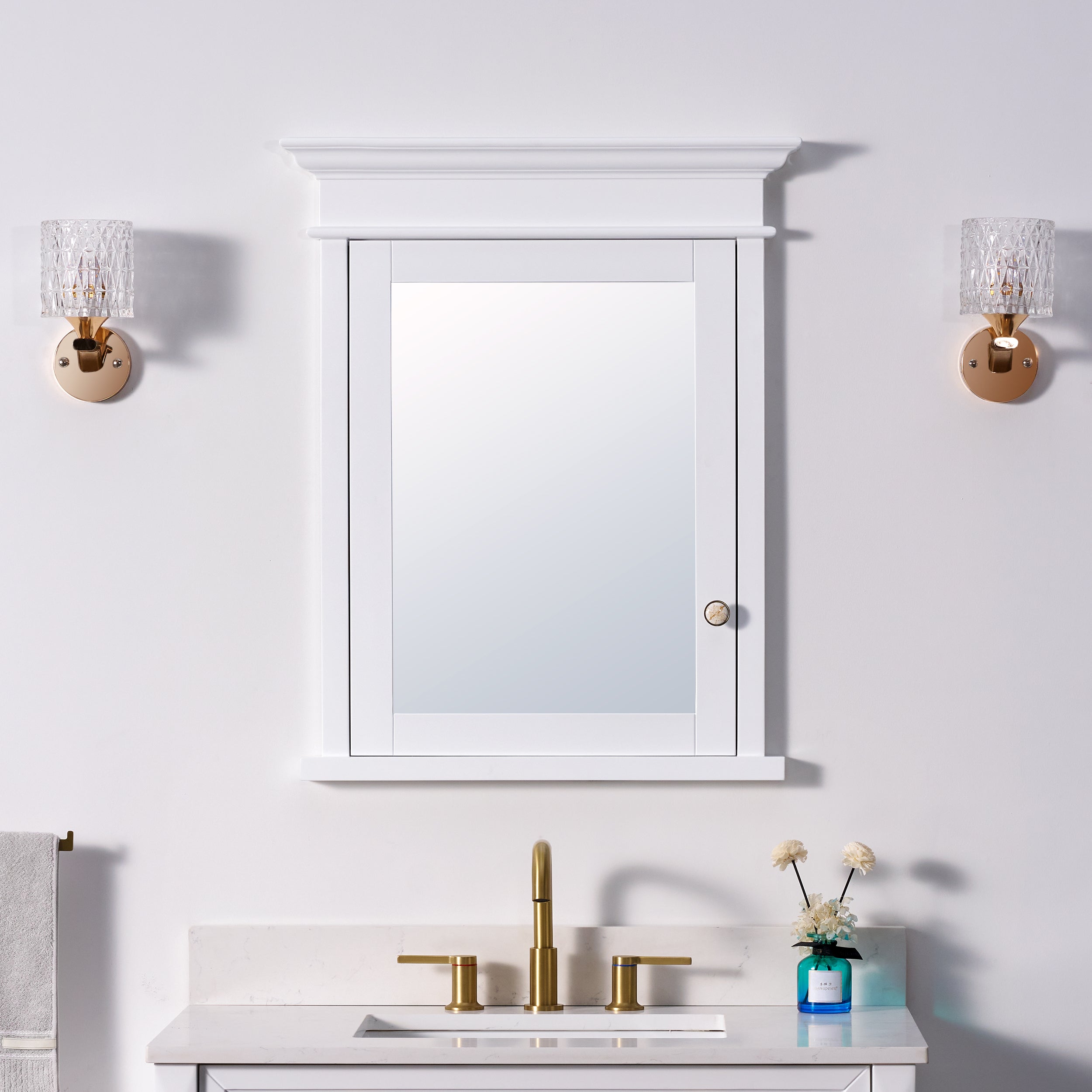
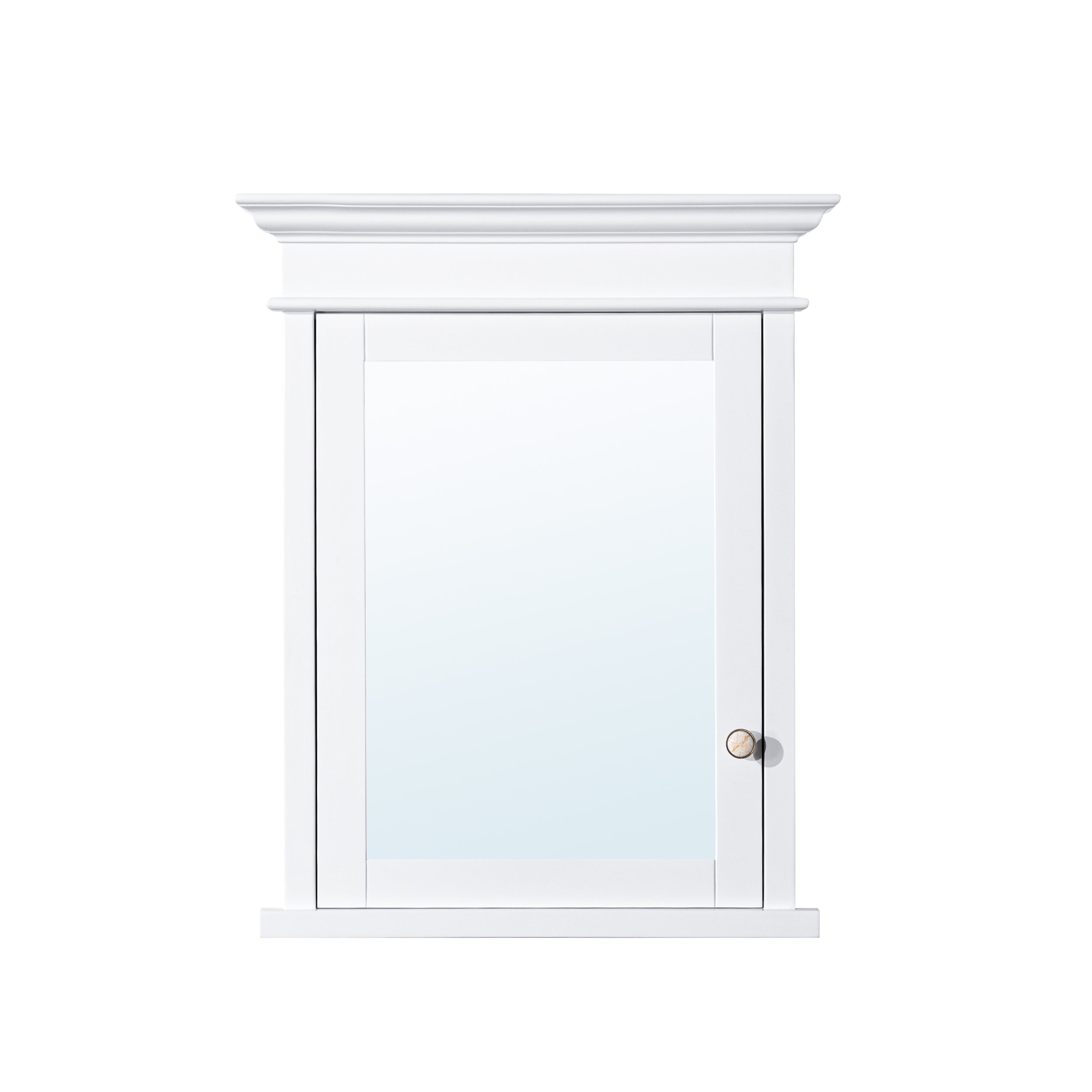
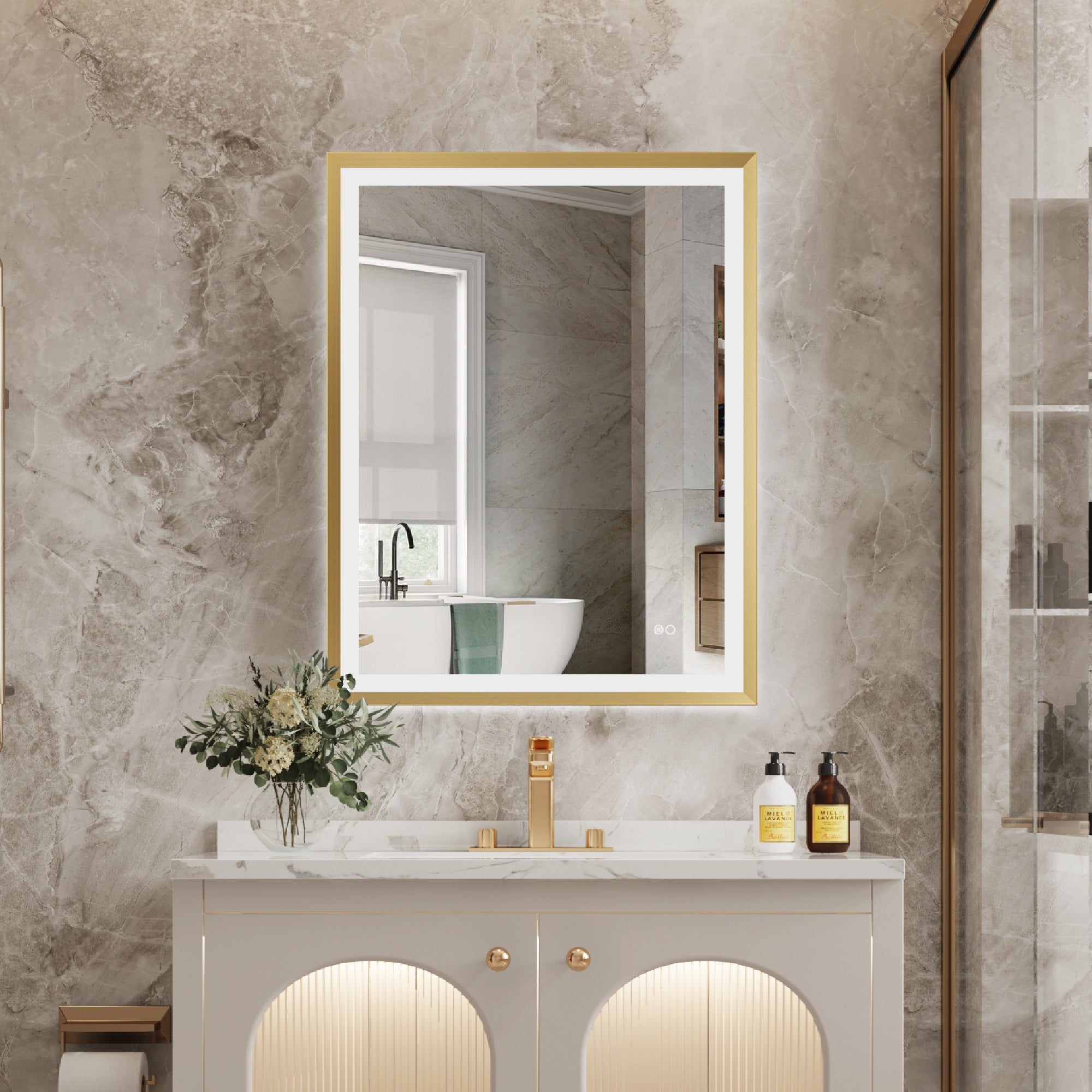
Compared to embedded systems, the most significant advantage of Surface Mount mirror cabinets is their flexible installation and more complete internal space.
It can be installed without opening the wall, making it very friendly in renovation projects.
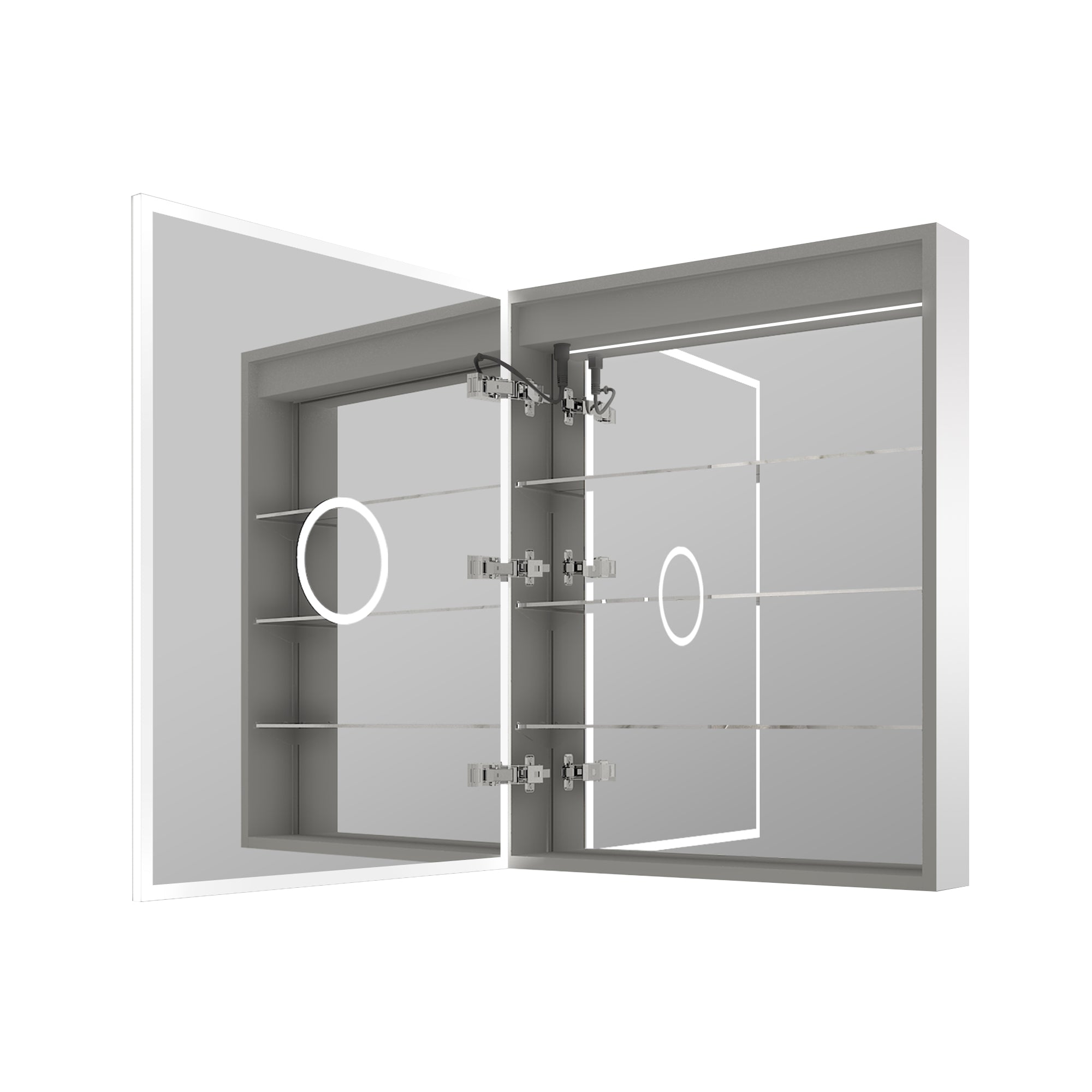
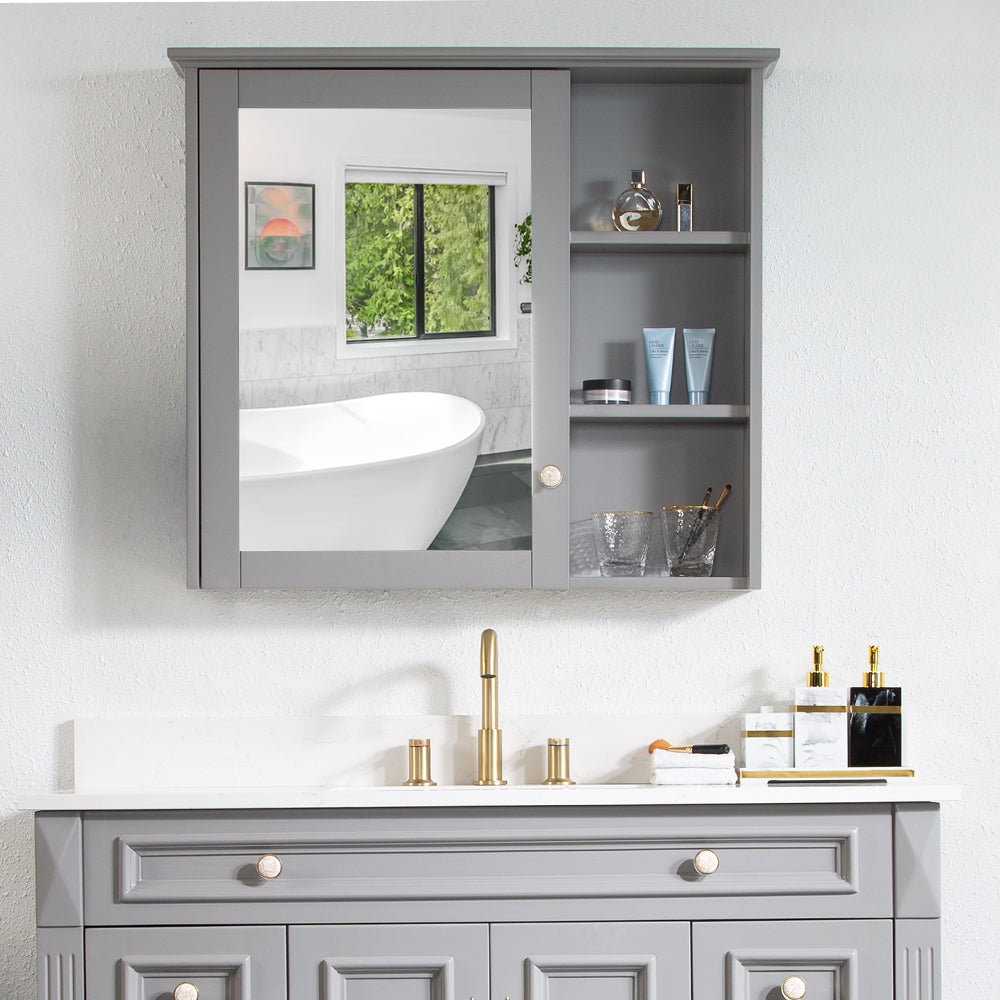
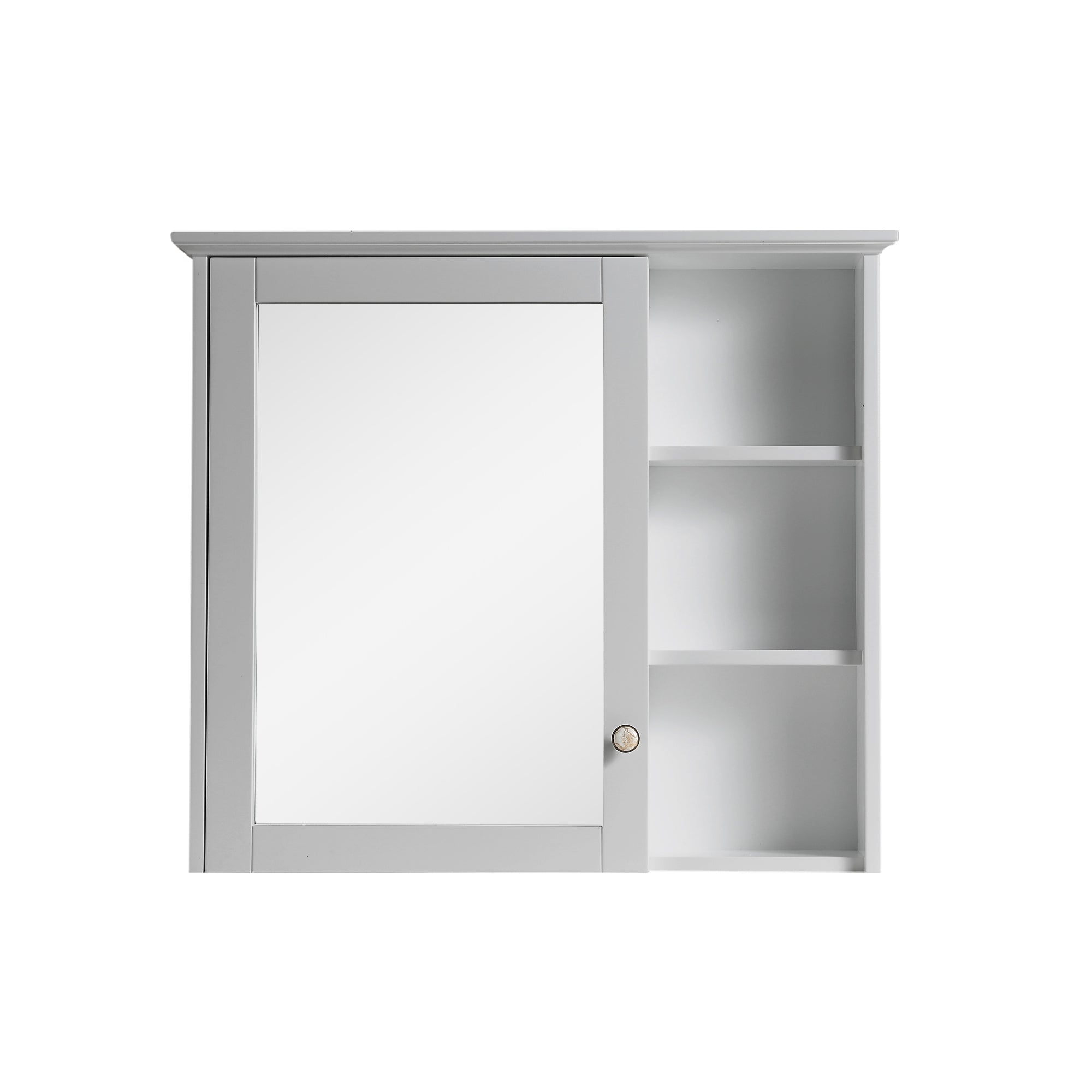
Meanwhile, surface-mounted structures typically provide complete 4-6-inch-deep storage space, unrestricted by walls.
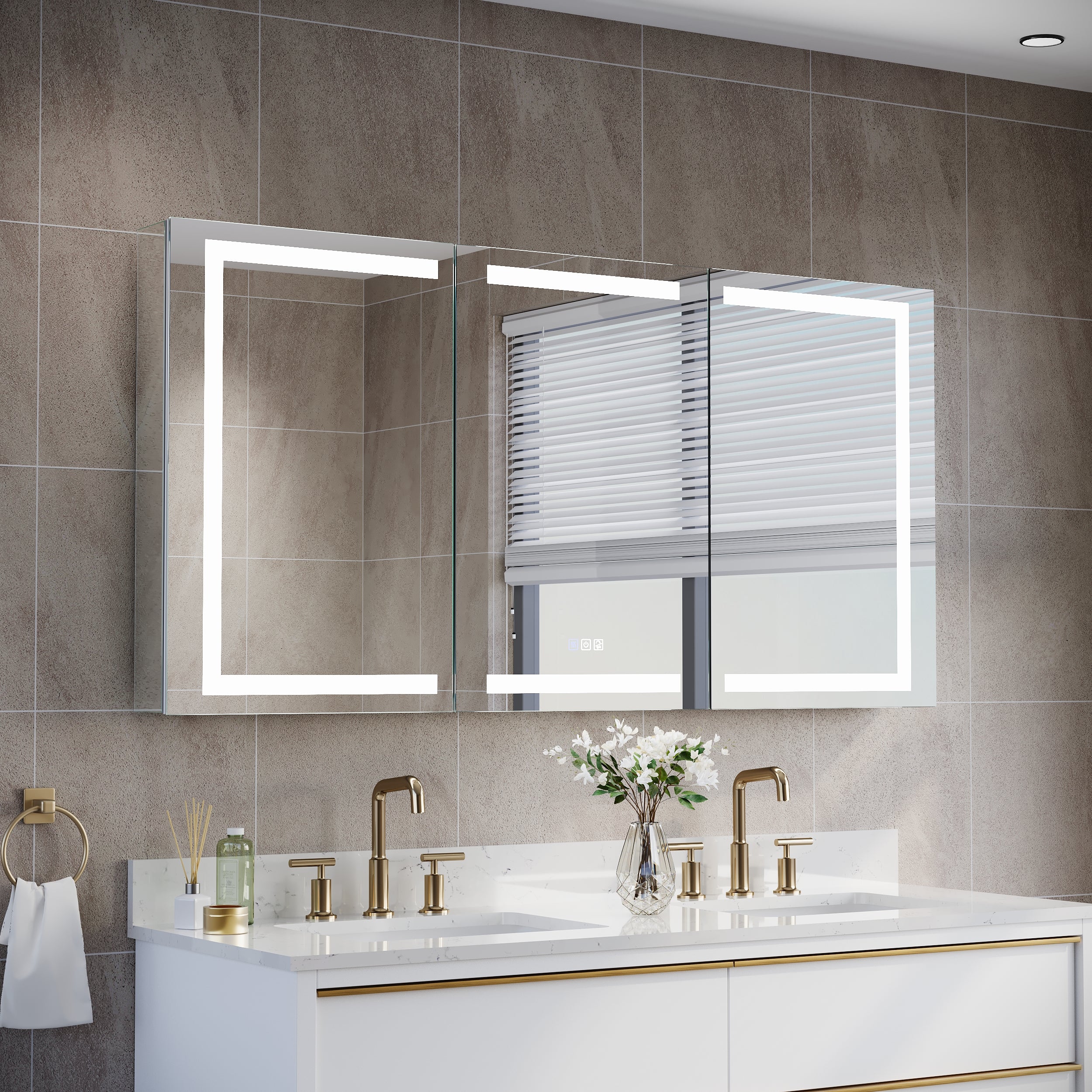
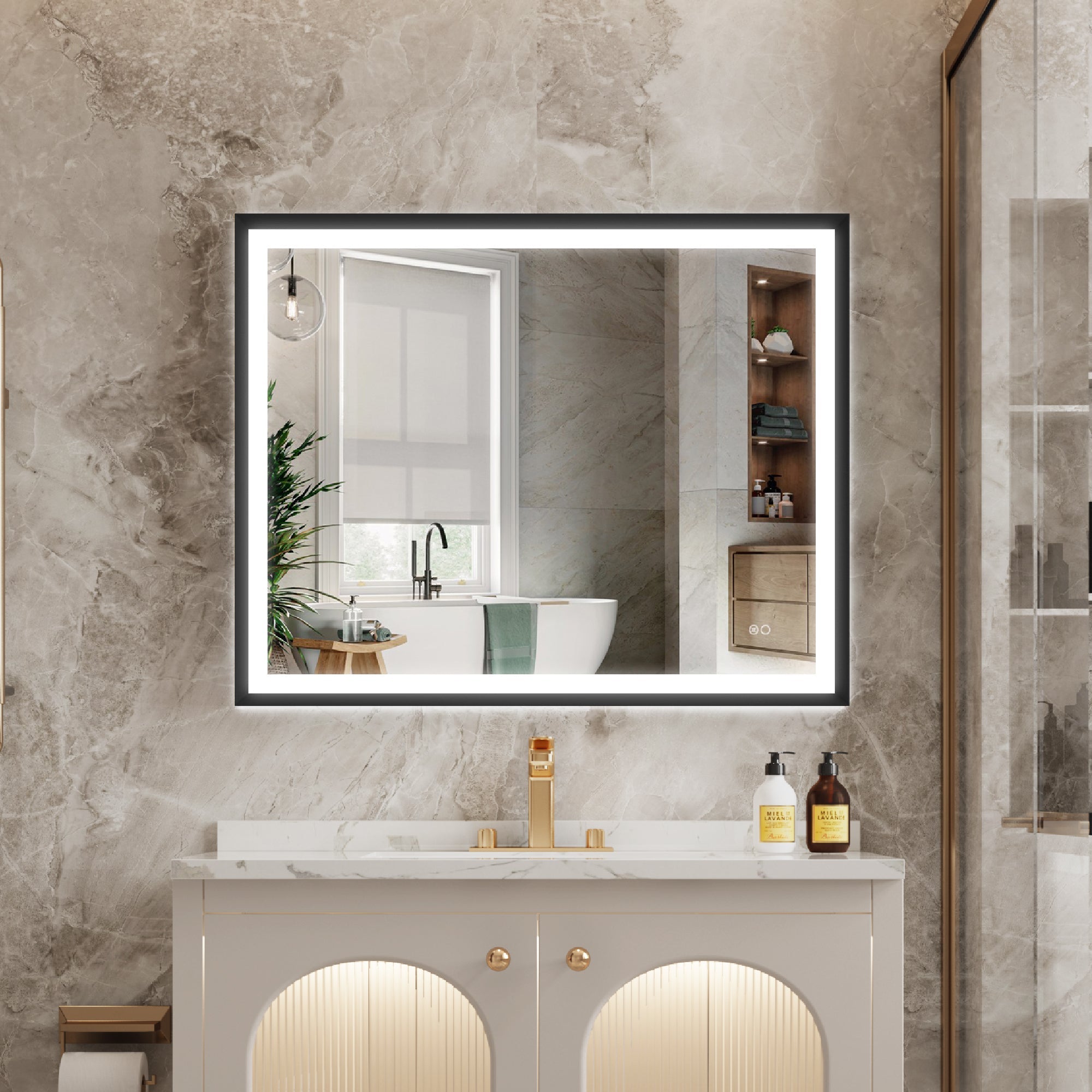
Industry feedback shows that, for medium- to large-size mirror cabinets (36-48 inches), surface-mounted cabinets are easier to achieve multi-layer storage planning, making them especially suitable for households with a wide variety of items.
But its disadvantages are also obvious: the protruding cabinet has a more pronounced visual presence, making it appear heavier in bathrooms with smaller spaces.
4. Size selection has different logic in the two structures
In embedded mirror cabinets, the width is usually closely related to the spacing between the keels.
The industry-standard spacing between wall structures is about 16 inches, which also serves as the basis for the width design of many embedded mirror cabinets.
24-inch and 30-inch are the most common successful embedding intervals.
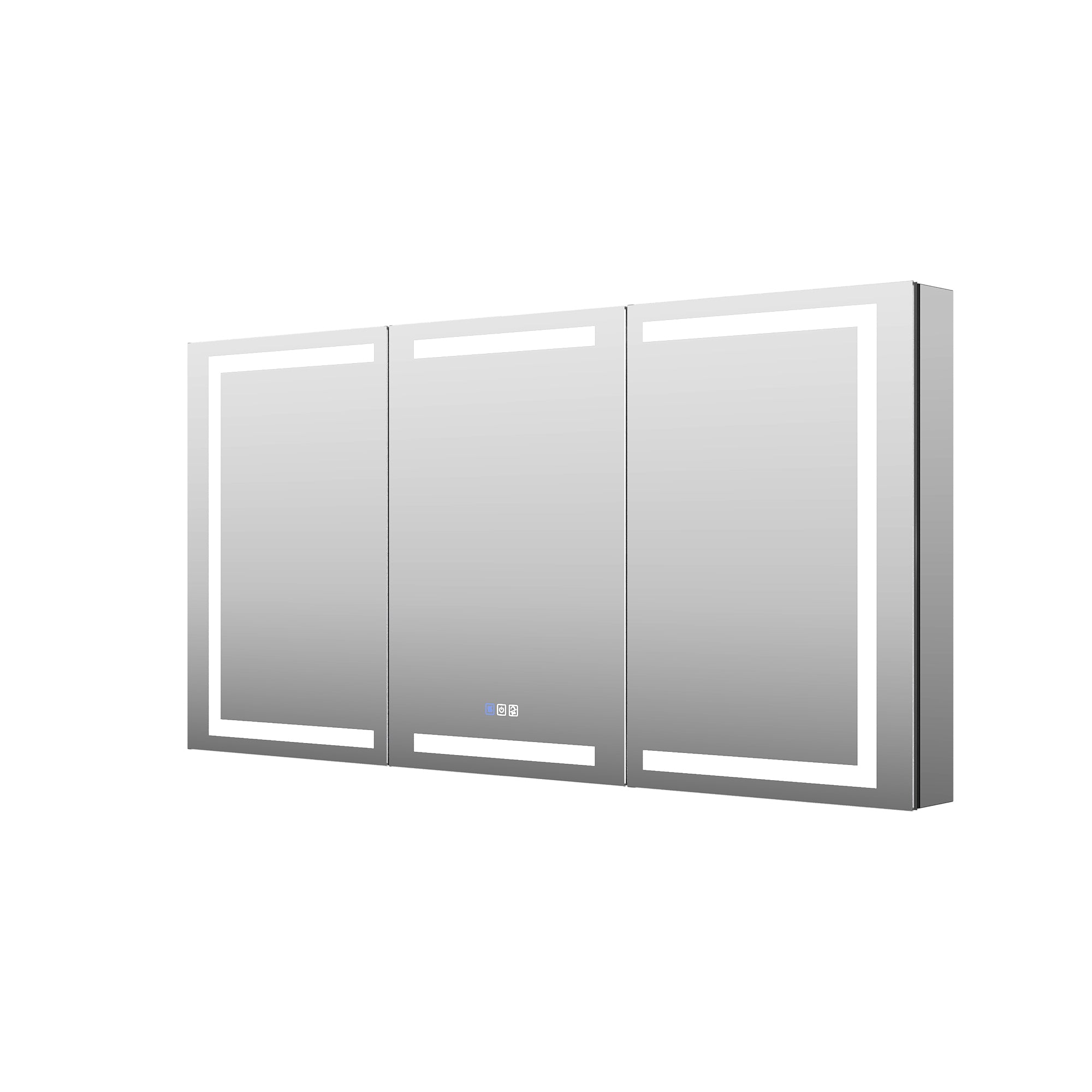
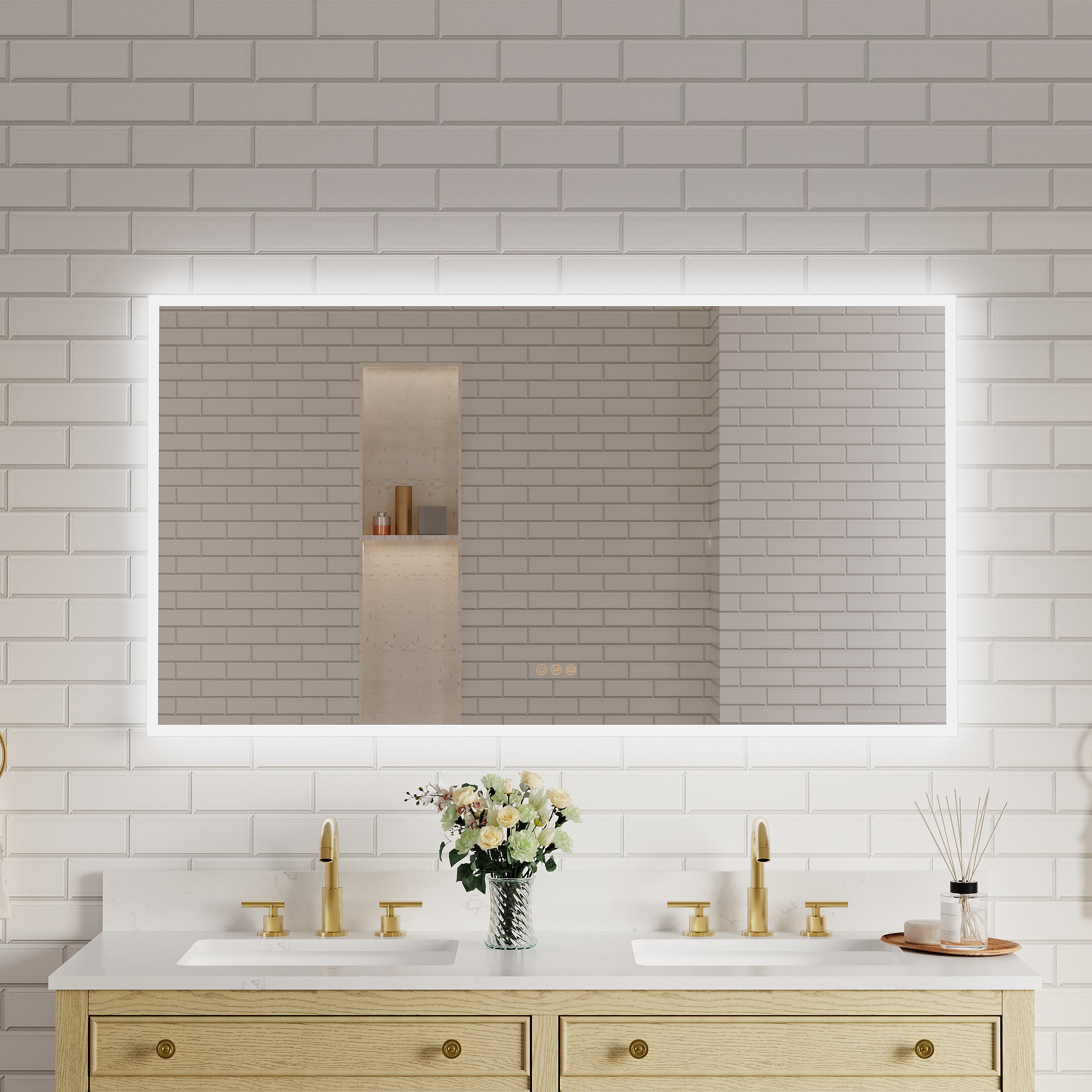
In the surface-mounted mirror cabinet, the width selection is more flexible, and large-sized solutions such as 36 inch, 48 inch, and even 60 inch are more common, used to match wide-body bathroom cabinets and double-basin configurations.
In terms of height, the two structures are primarily concentrated in the 24-30 inch range to cover the core usage area for grooming and makeup.
5. The practical differences between construction and cost levels
From a construction complexity perspective, embedded systems are significantly more complex than surface-mounted systems.
Embedded systems typically involve drilling, keel adjustment, moisture-proof treatment, and edge decoration.
Industry experience shows that their installation time and cost are often higher than those of simple hanging solutions.
The surface-mounted design can be installed without damaging the wall, making it suitable for projects that want to quickly upgrade bathroom functionality.
However, if the wall conditions allow for embedding, the return on the long-term spatial value of embedding is often higher.
6. Different tendencies of style adaptation
From a design perspective, embedded mirror cabinets tend to lean towards modern and minimalist styles, emphasizing wall flatness and visual lightness.
Surface-mounted mirror cabinets are more common in classic, transitional, and pragmatic spaces, emphasizing presence and storage capacity.
But with the narrowing of borders and simplification of lines, the problem of visual heaviness in modern surface-mounted mirror cabinets is gradually being weakened.
7. Durability and moisture-resistant design are equally crucial
No matter which structure is chosen, a moisture-proof design is the core factor that determines the long-term user experience.
Industry maintenance data shows that problems are most likely to occur on mirror cabinets with inadequate back-panel and edge-sealing treatments.
High-quality mirror cabinets usually undergo sealing of all seams to slow the rate of water vapor infiltration.
Embedded mirror cabinets require special attention to the moisture-proof environment inside the wall, while surface-mounted cabinets require attention to the strength and stability of the backboard.
8. How to make the most reasonable choice
If the bathroom space is small and the wall structure allows for embedding, embedded medicine cabinets can significantly improve comfort and cleanliness.
If you pursue convenient installation, larger storage capacity, or complex wall conditions, the surface-mounted design is more realistic and flexible.

9. Conclusion: There is no "best", only "most suitable."
There is no absolute superiority or inferiority between embedded and surface-mounted medical cabinets.
They are just two solutions designed for different spatial conditions and usage needs.
When the size (accurately planned in inches), wall structure, and storage requirements align, choosing either one can be an essential factor in enhancing bathroom functionality and aesthetics.
The truly successful choice lies not in the form itself, but in whether it makes the space smoother, more comfortable, and more durable.









Leave a comment
This site is protected by hCaptcha and the hCaptcha Privacy Policy and Terms of Service apply.