
















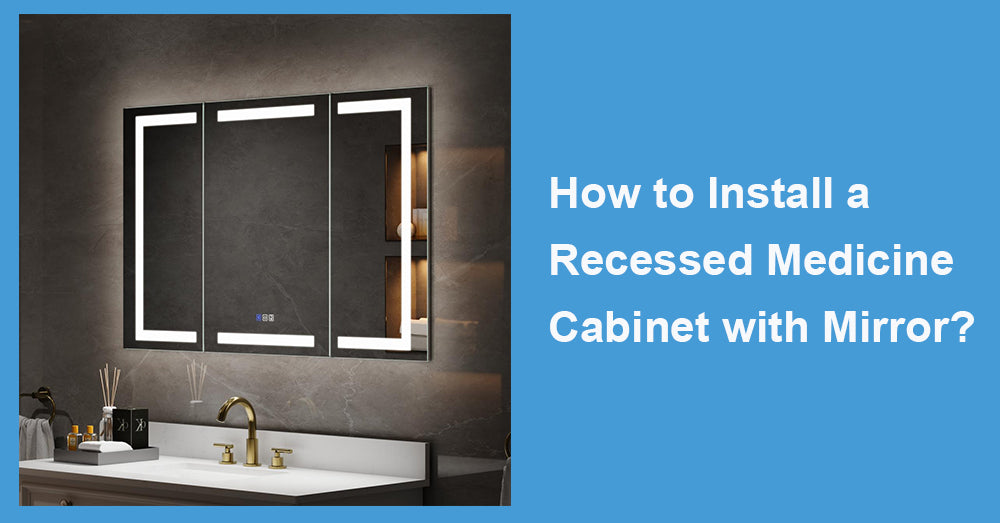
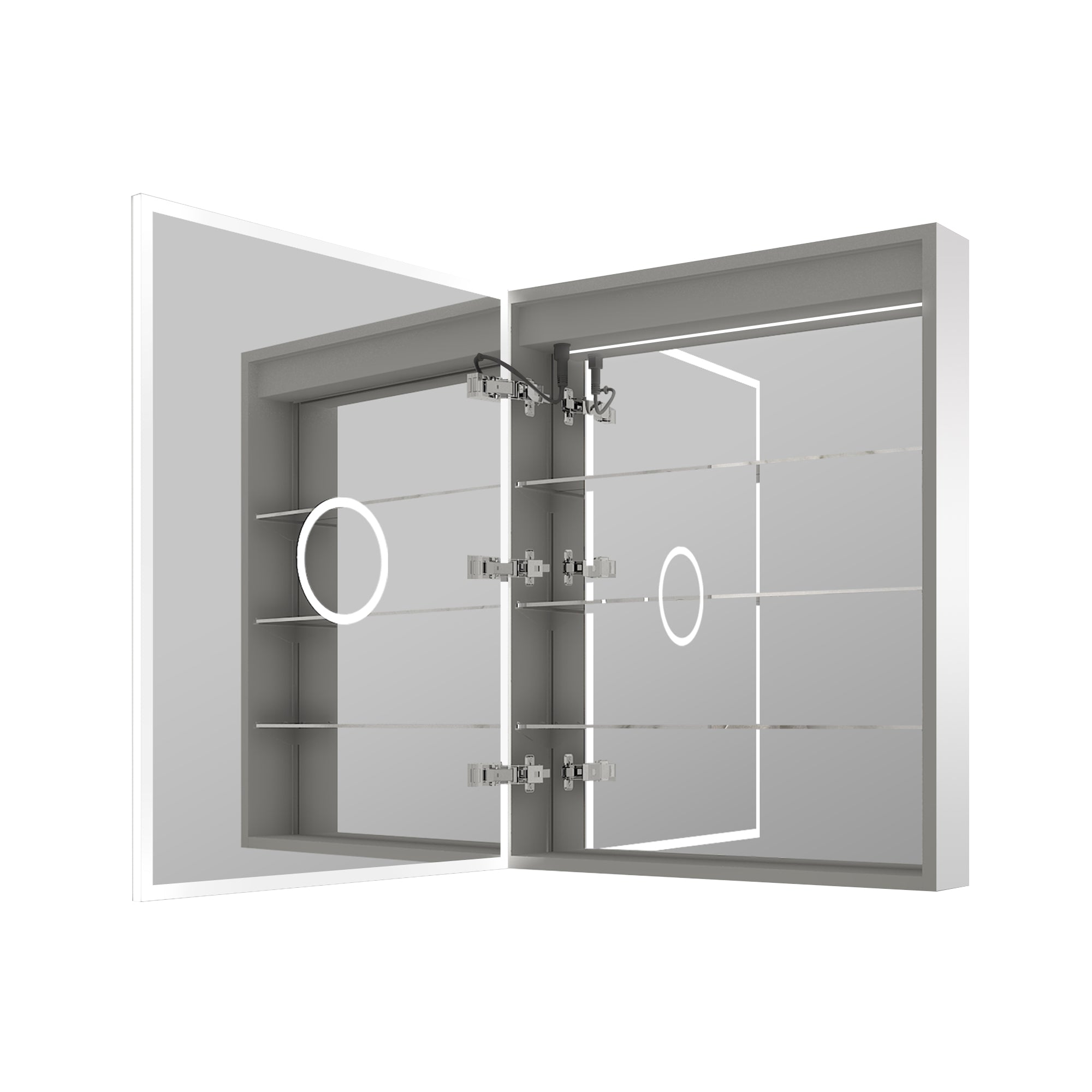
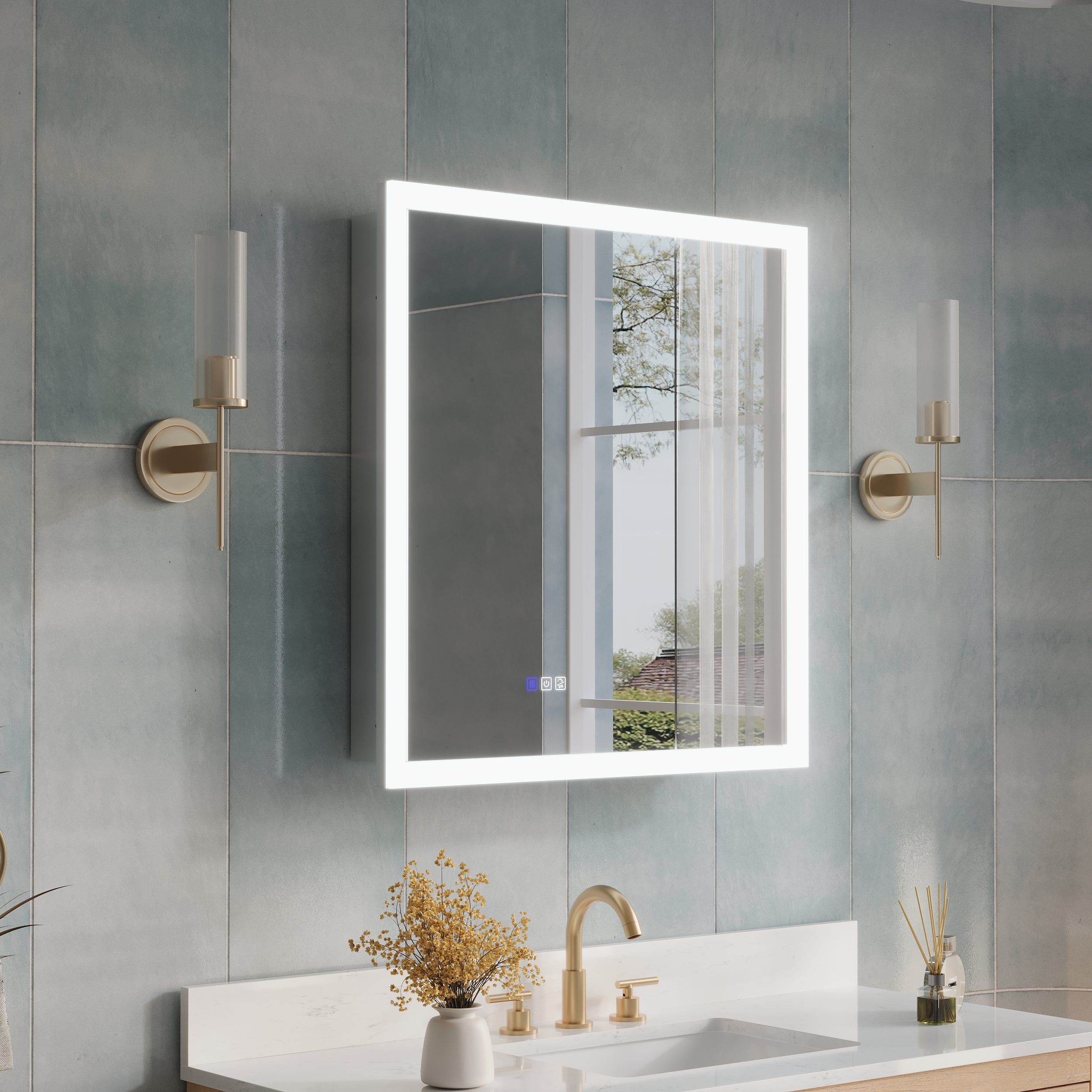
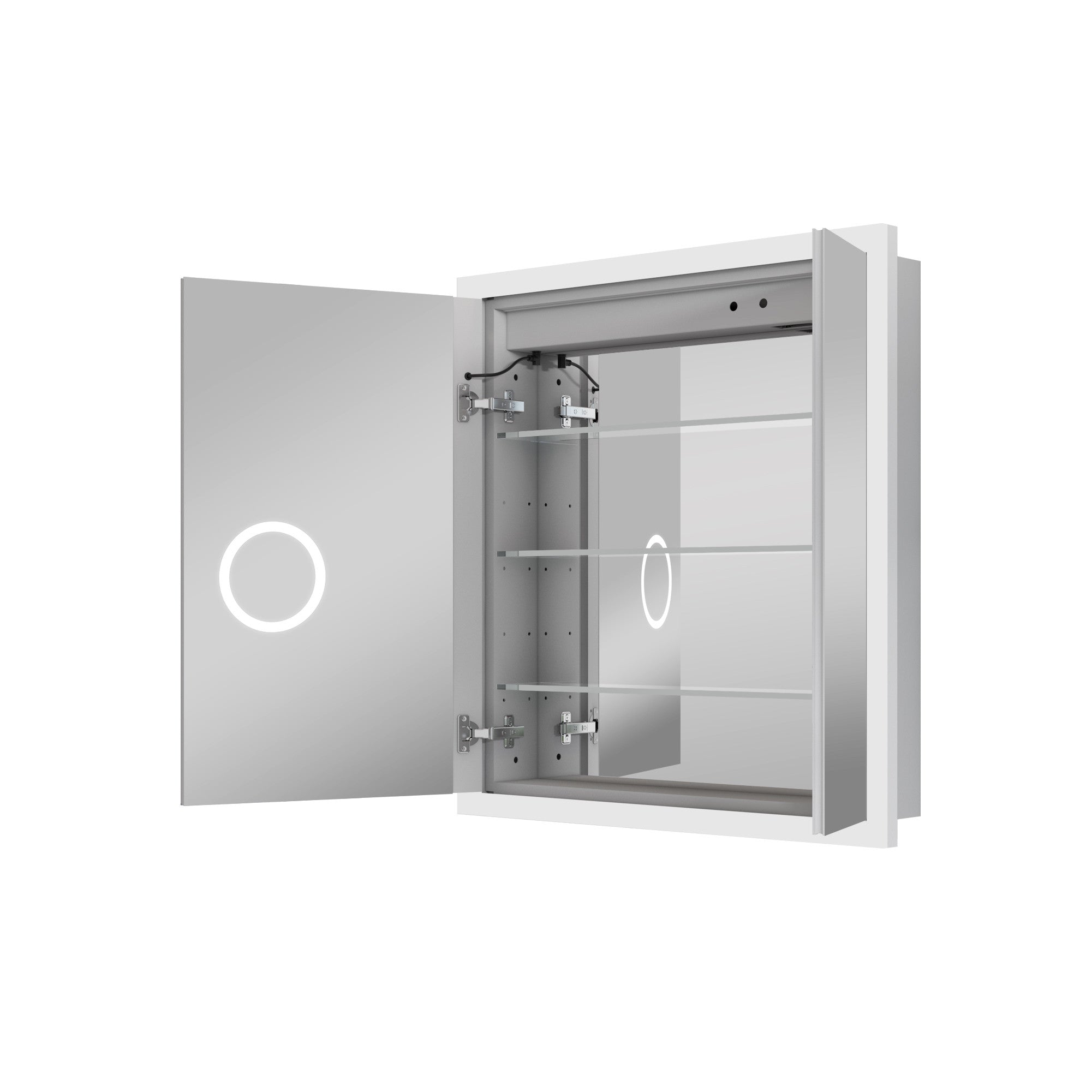
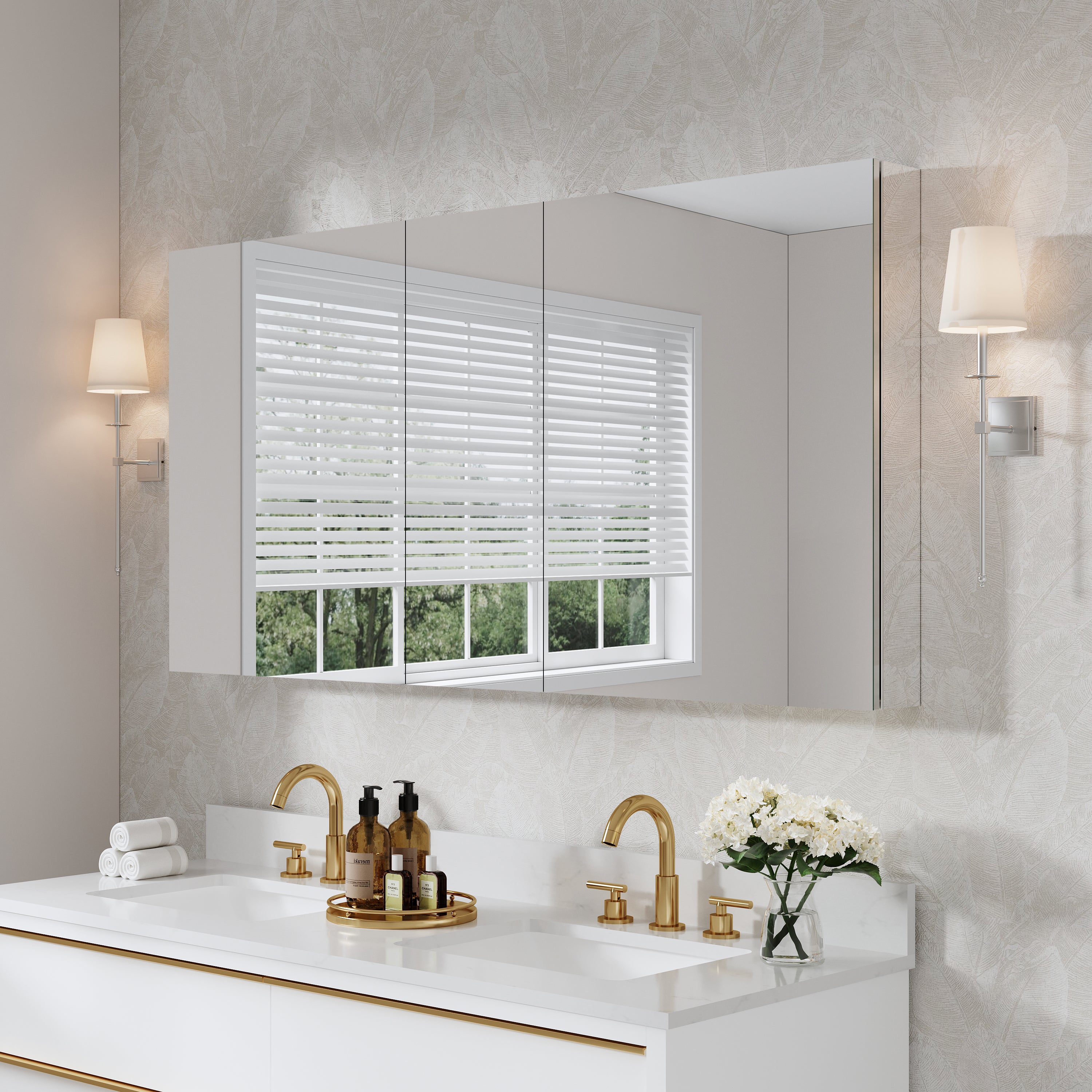
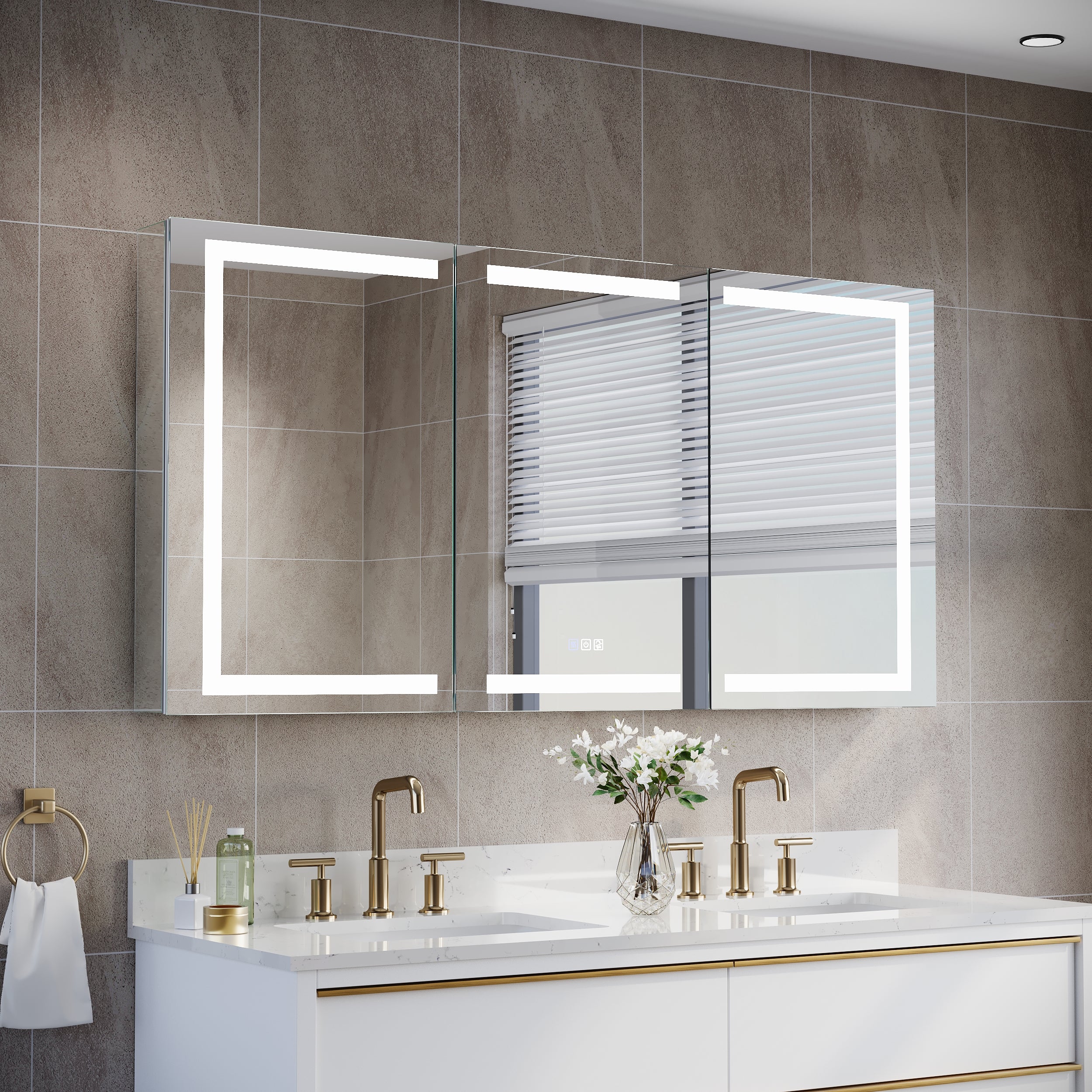
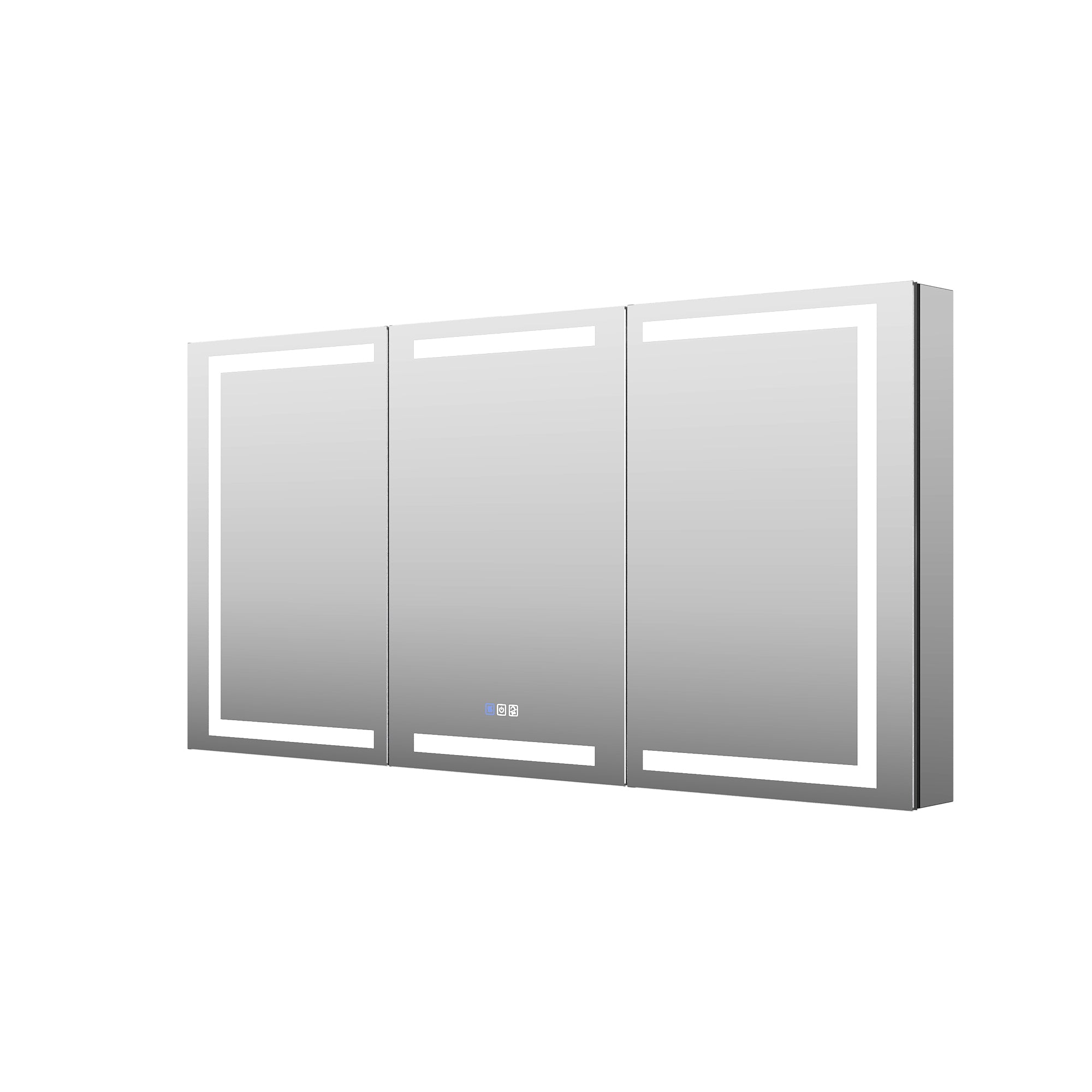
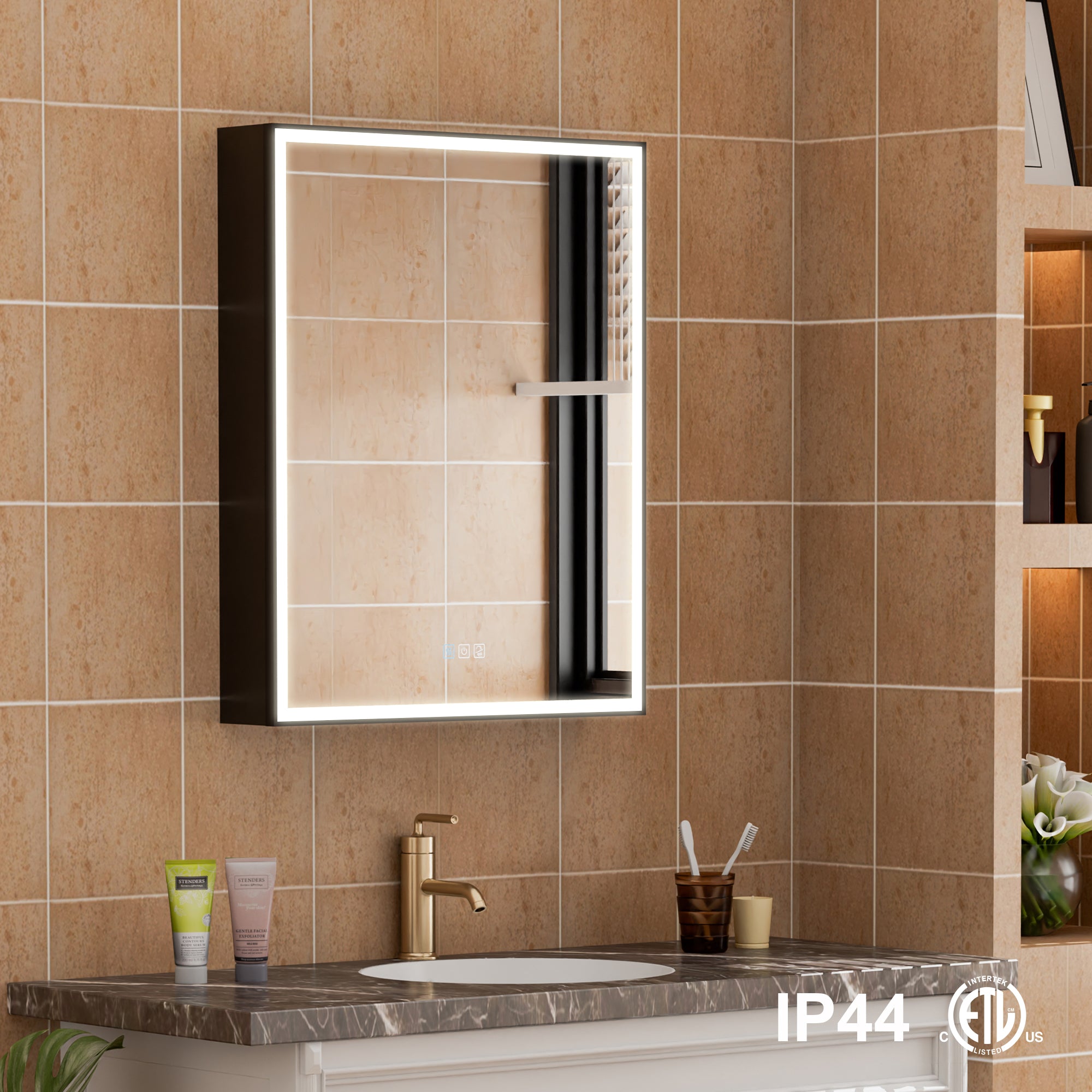
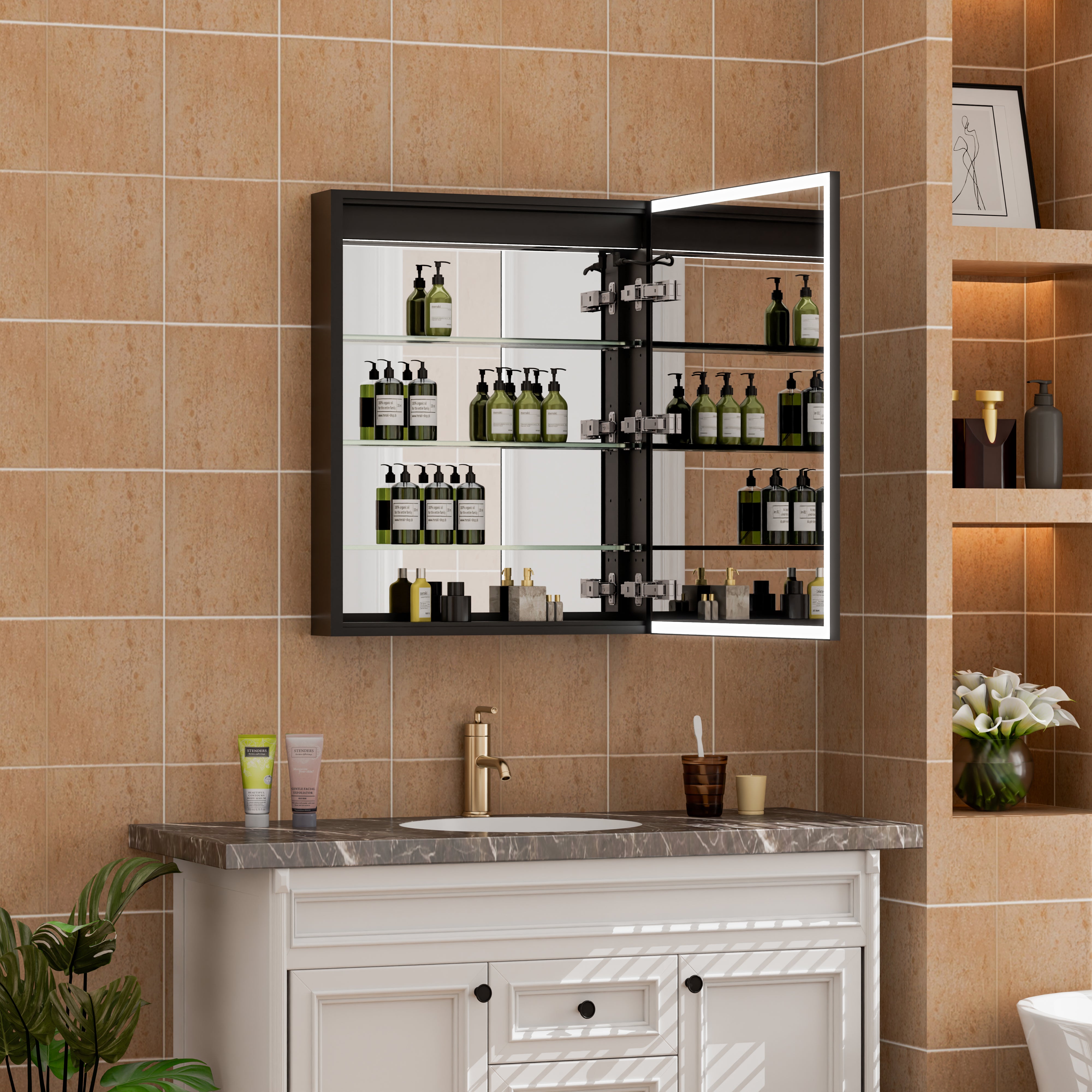
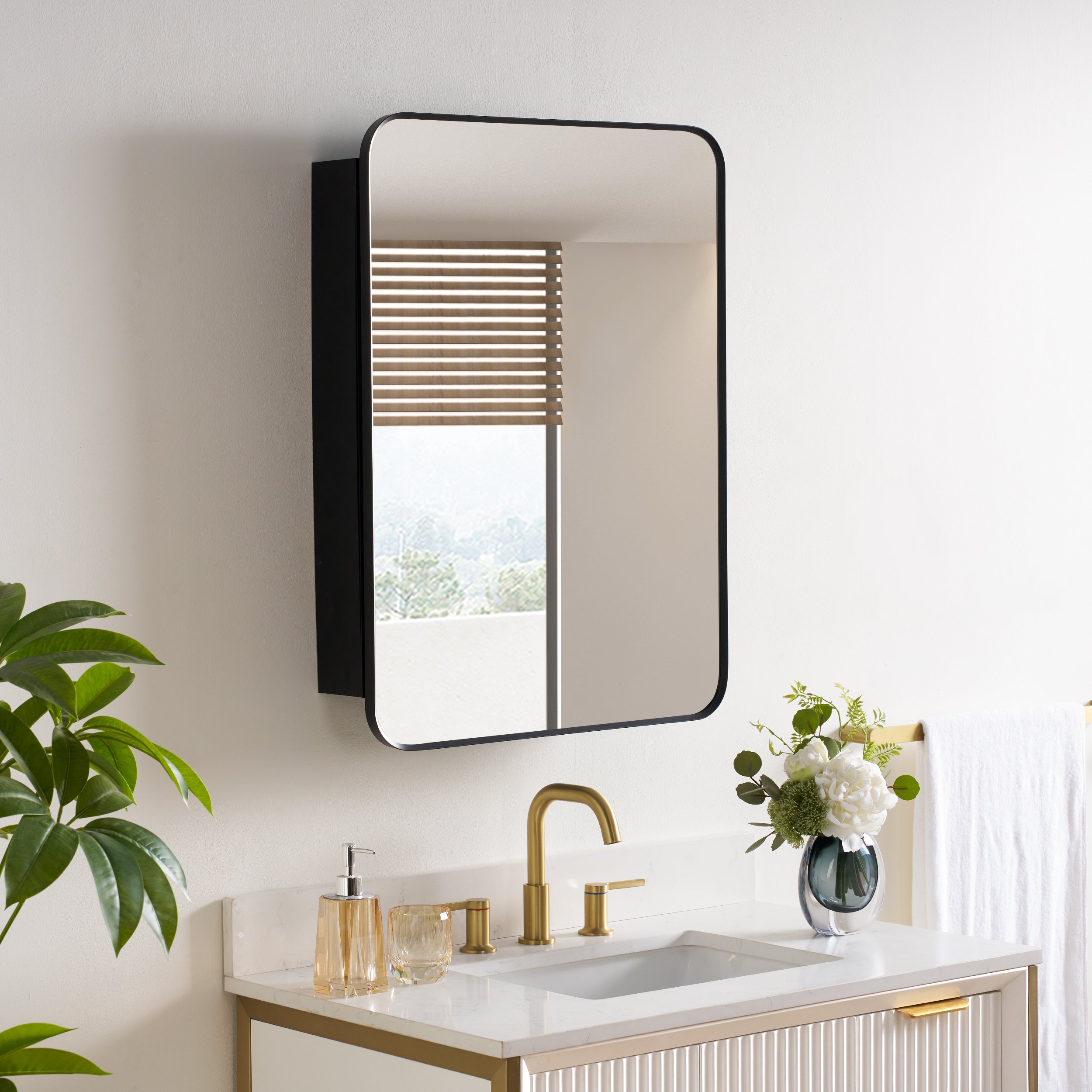
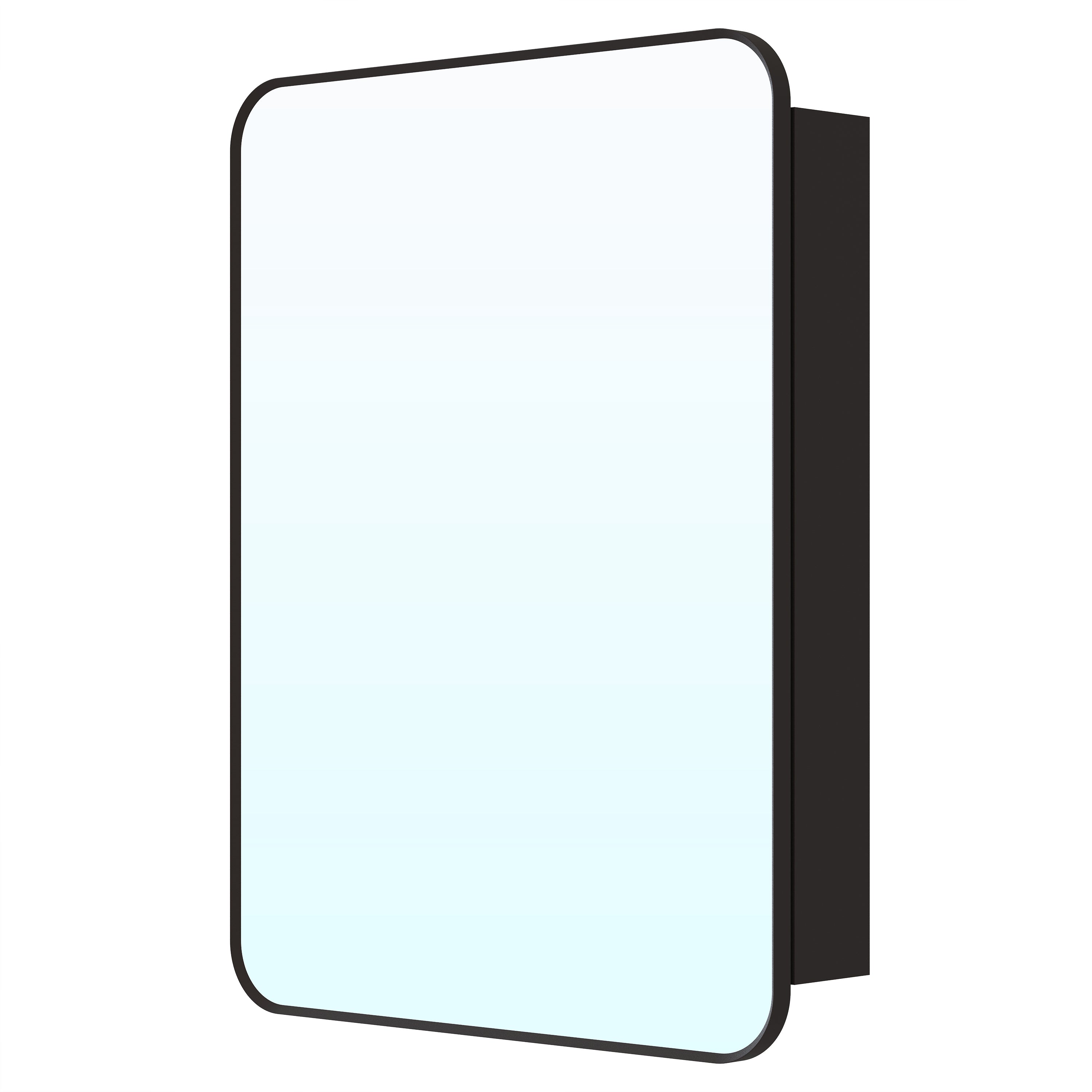
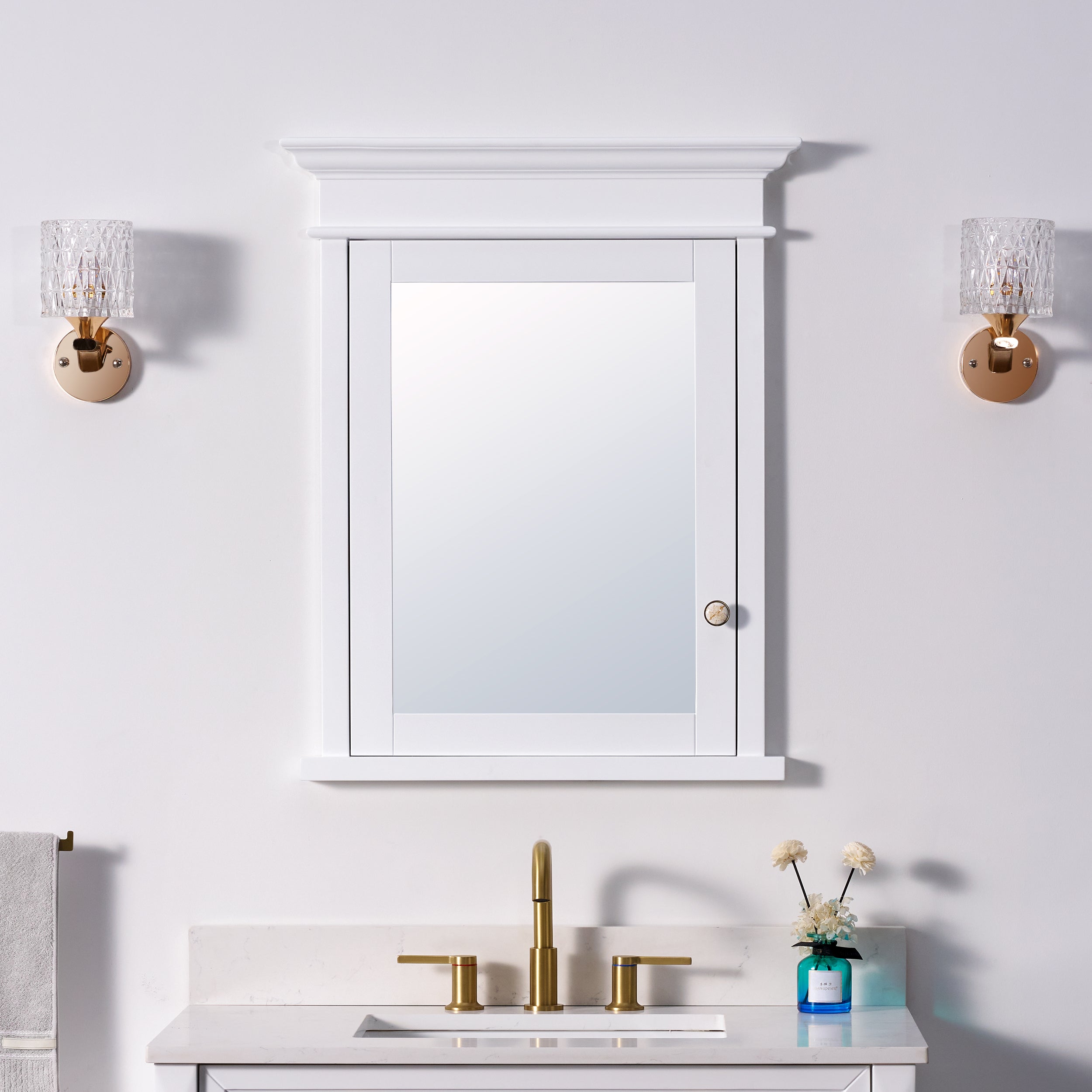
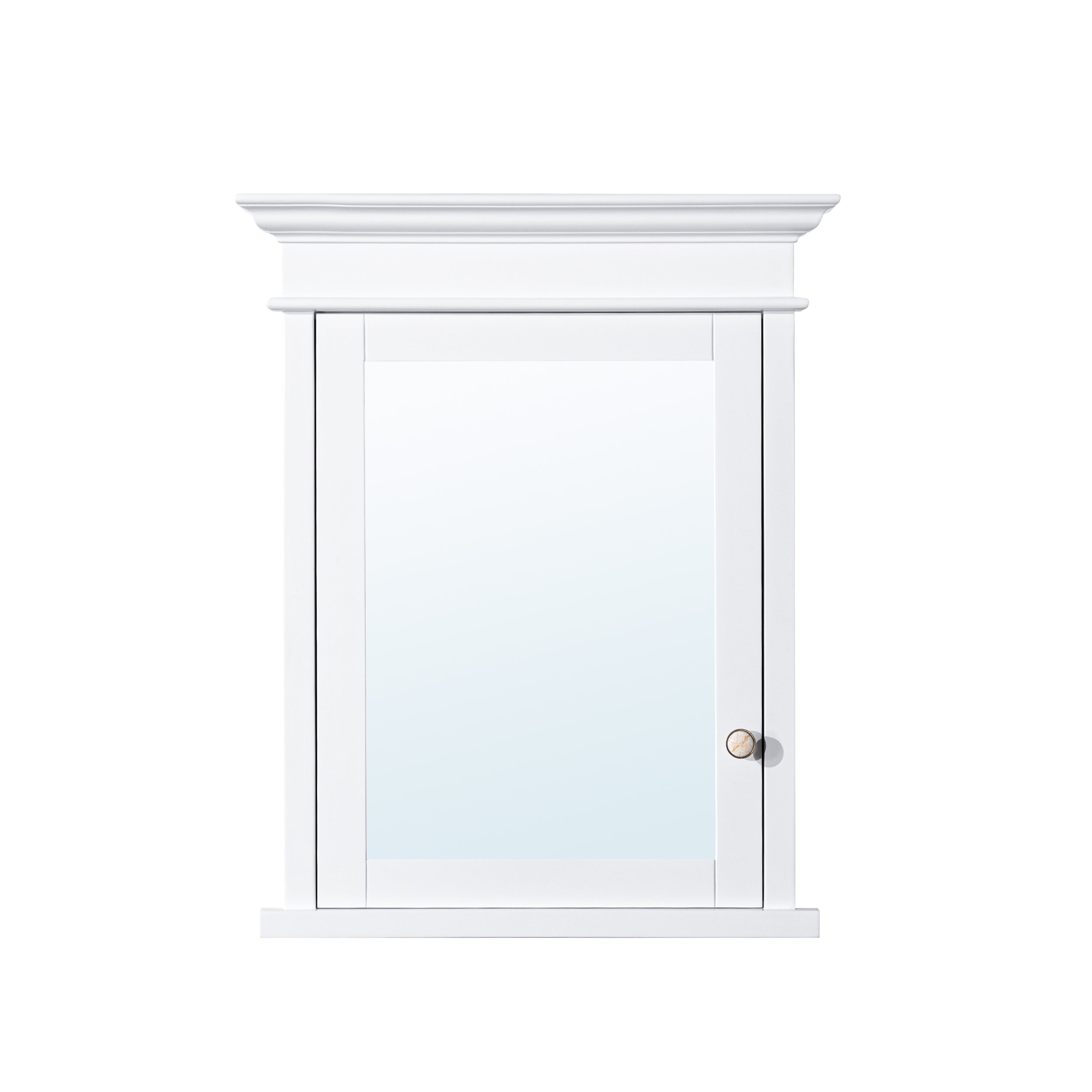
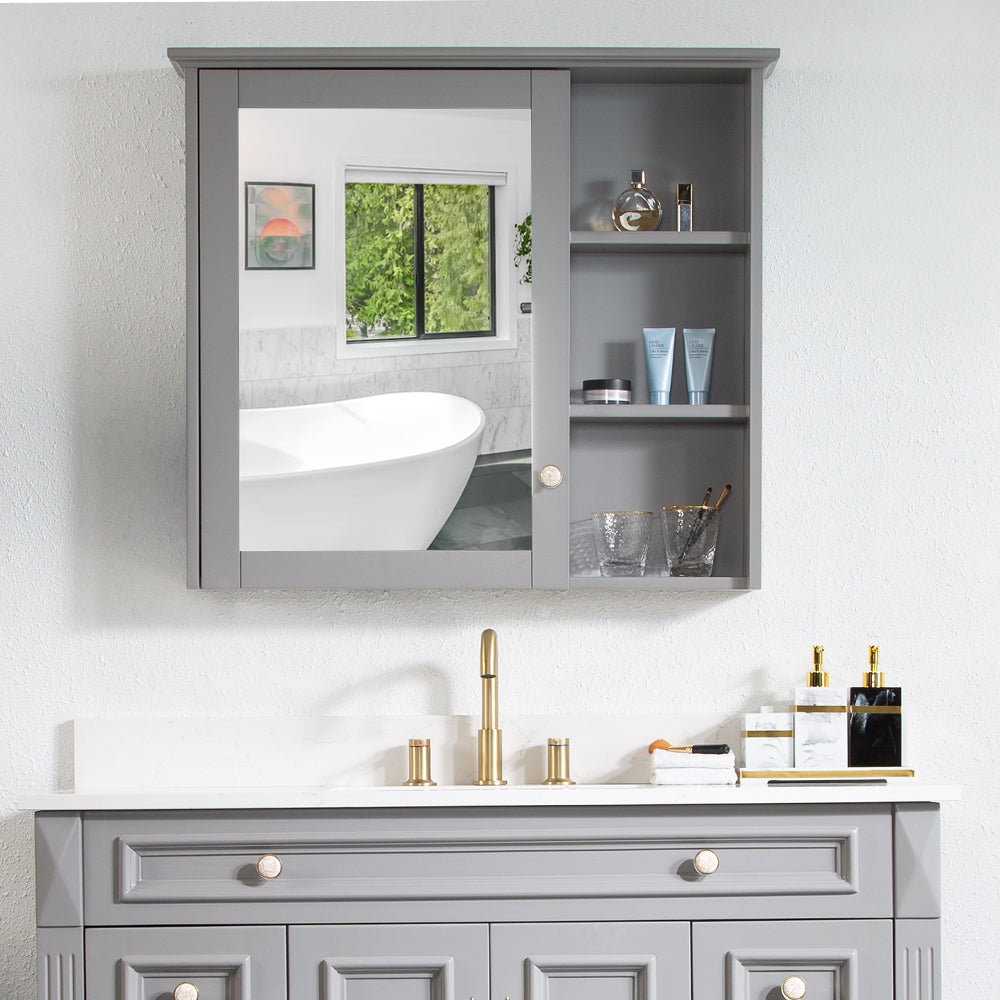
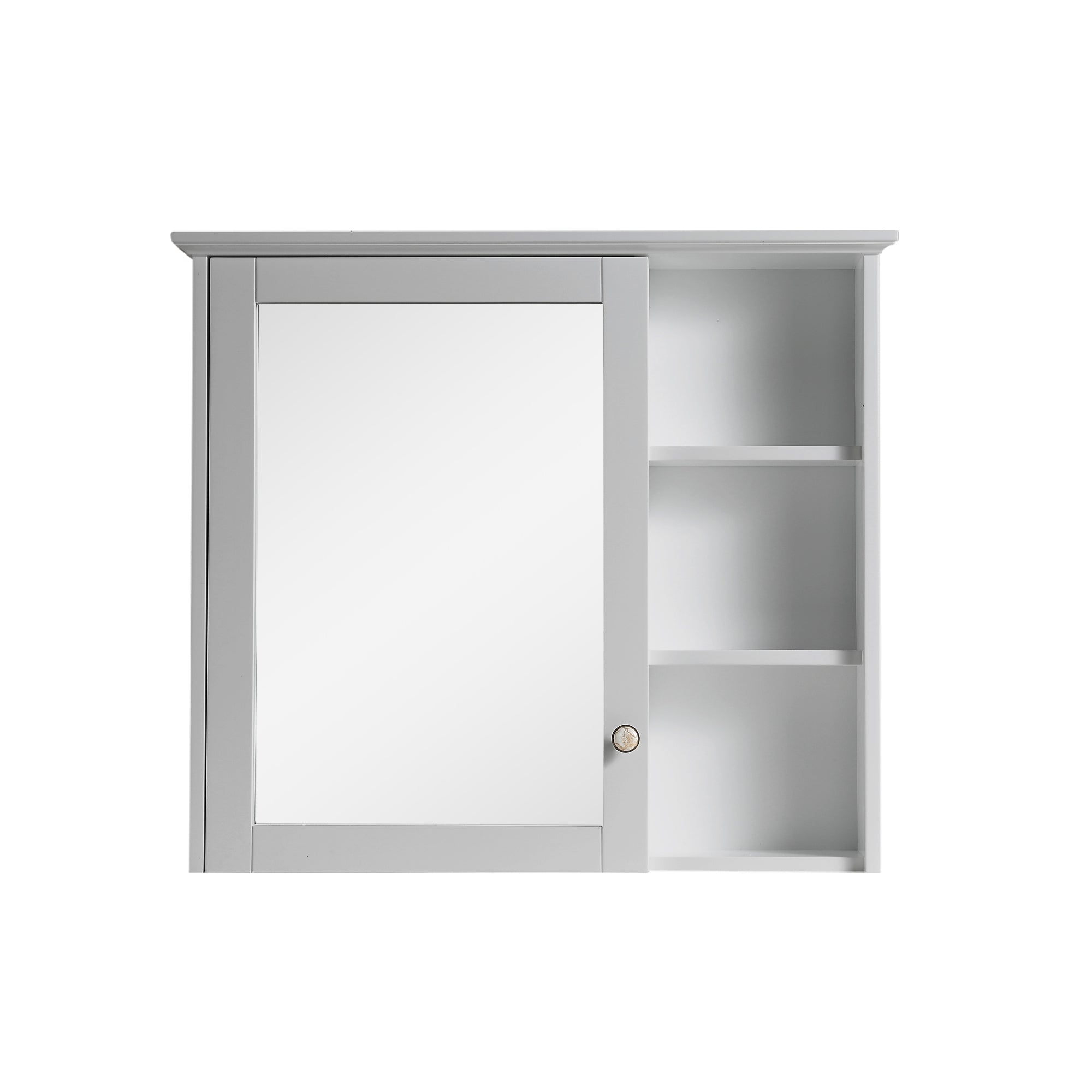
In bathroom renovations, the recessed medicine cabinet with mirror is highly favored for its flush-with-the-wall aesthetic and space-saving benefits. Compared to the Surface Mount structure, the embedded mirror cabinet can reduce the outward protrusion depth by about 3 inches to 5 inches, which is particularly important in spaces with limited passage width. Data shows that in bathrooms with an area less than 100 square feet, reducing wall overhang by more than 2 inches can significantly improve the sense of openness and flow comfort. However, embedded Installation involves wall-opening construction and structural positioning, requiring more precise planning and execution.
The following will systematically outline the installation process from preparation, measurement, cutting, and fixation to the final steps.
1. Confirm the wall structure and available depth
Most residential walls are 2x4 construction, and the actual depth of the internal cavity is about 3.5 inches. This means the depth of the mirror cabinet body must be between 3 inches and 4 inches to embed into the wall fully.
Before Installation, use a detector to confirm whether there are columns, water pipes, or wires inside the wall. Data shows that during wall renovation, about 20% of installation locations will encounter pipeline interference.
If the width of the mirror cabinet is between 24 inches and 30 inches, it can usually be installed between two columns with a center distance of 16 inches. But if the size exceeds 30 inches, local reinforcement or structural adjustment may be required.
2. Determine the installation height and position
The installation height of the mirror cabinet should be considered in relation to ergonomics and the countertop height. The standard vanity height is 34 to 36 inches. The lower edge of the mirror cabinet is usually installed between 5 inches and 10 inches above the tabletop.
Meanwhile, it is recommended to position the mirror's center at a height of about 60 to 65 inches from the ground. Taking a 30-inch-high mirror cabinet as an example, if the lower edge is 6 inches from the tabletop, the overall height is usually between 72 and 76 inches, and the proportions are relatively coordinated.
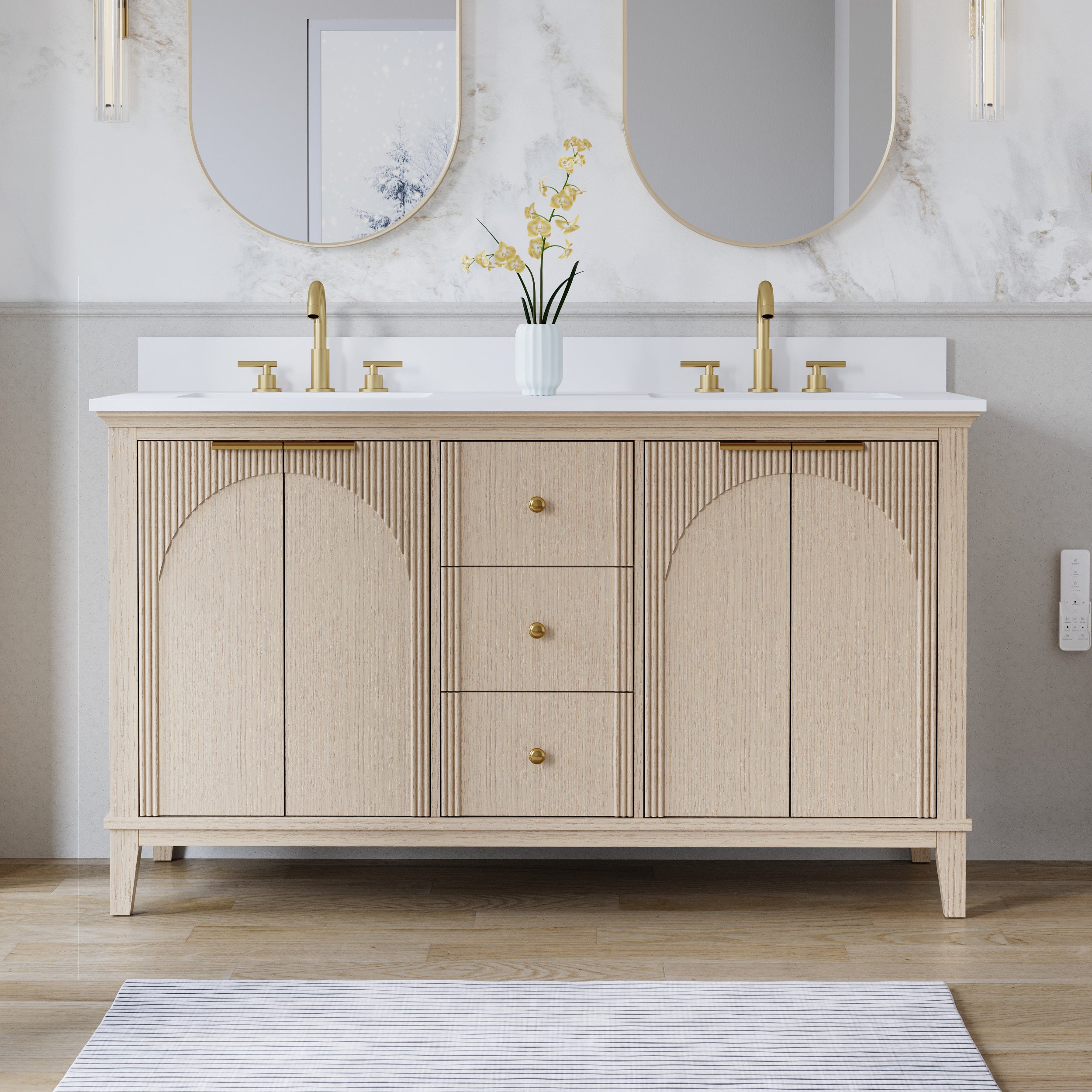
In a 60-inch dual basin layout, two 24-inch to 30-inch independent mirror cabinets can be selected to maintain identical heights and avoid visual deviations exceeding 1/2-inch.
3. Mark and cut wall openings
Mark the opening range on the wall according to the installation dimensions on the back of the mirror cabinet. The opening should be about 1/8-inch larger than the main body of the mirror cabinet for adjustment.
Use a spirit level to ensure that the markings are straight. It is recommended to use a drywall saw or a multifunctional cutting tool.
The data show that the most common error in DIY wall-opening operations is an incision deviation exceeding 1/4-inch, which can make subsequent fixation difficult.
After cutting, check for any obstacles inside and clean the edges.
4. Frame reinforcement and support
If the width of the mirror cabinet exceeds the spacing between the columns, horizontal support plates need to be added inside. The common practice is to add 2x4 crossbeams at the upper and lower edges to provide stable fixing points.
Even if the mirror cabinet is located between two pillars, it is recommended to add support bars at the top or bottom to enhance its load-bearing capacity.
The standard 24-inch to 30-inch mirror cabinet typically weighs between 15 lbs and 35 lbs, and may be even heavier if it is a light structure. Strengthening the structure contributes to long-term stability.
5. Installation and fixing of the mirror cabinet
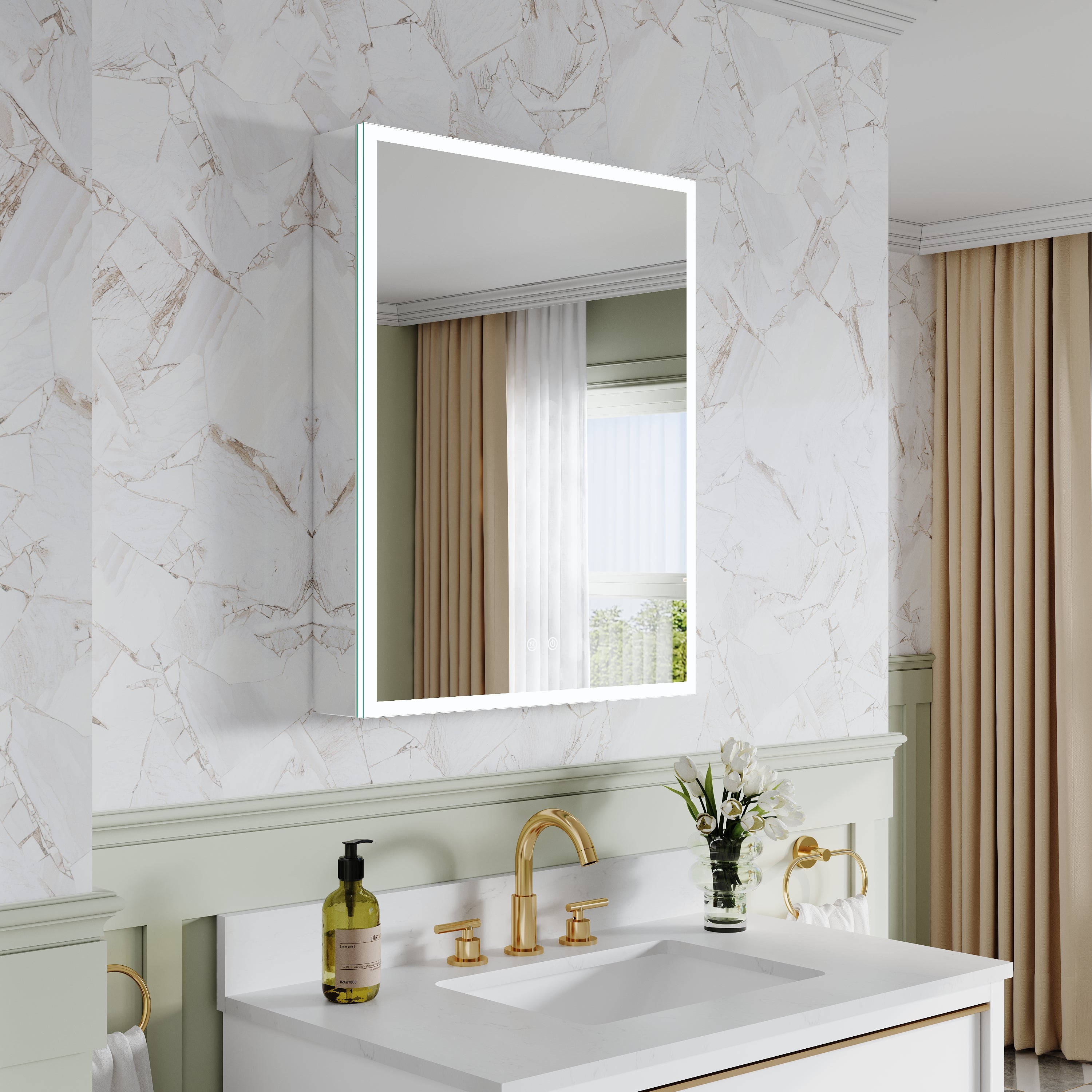
Insert the mirror cabinet into the opening, ensuring it is flush with the wall. Use a spirit level to confirm vertical and horizontal again.
Fix the mirror cabinet on the column or support plate by drilling holes on the side or top. Screws should penetrate wooden structures by at least 1 inch.
After fixing, check if the door opens and closes smoothly.
The data show that the incidence of door deflection problems exceeds 15% without level calibration.
6. Seam treatment and finishing
After installation, thin decorative frames or joint filling materials can be used at the edges to cover subtle gaps.
If the wall is constructed with ceramic tiles and requires greater cutting accuracy, it is usually recommended to install the mirror cabinet before tiling.
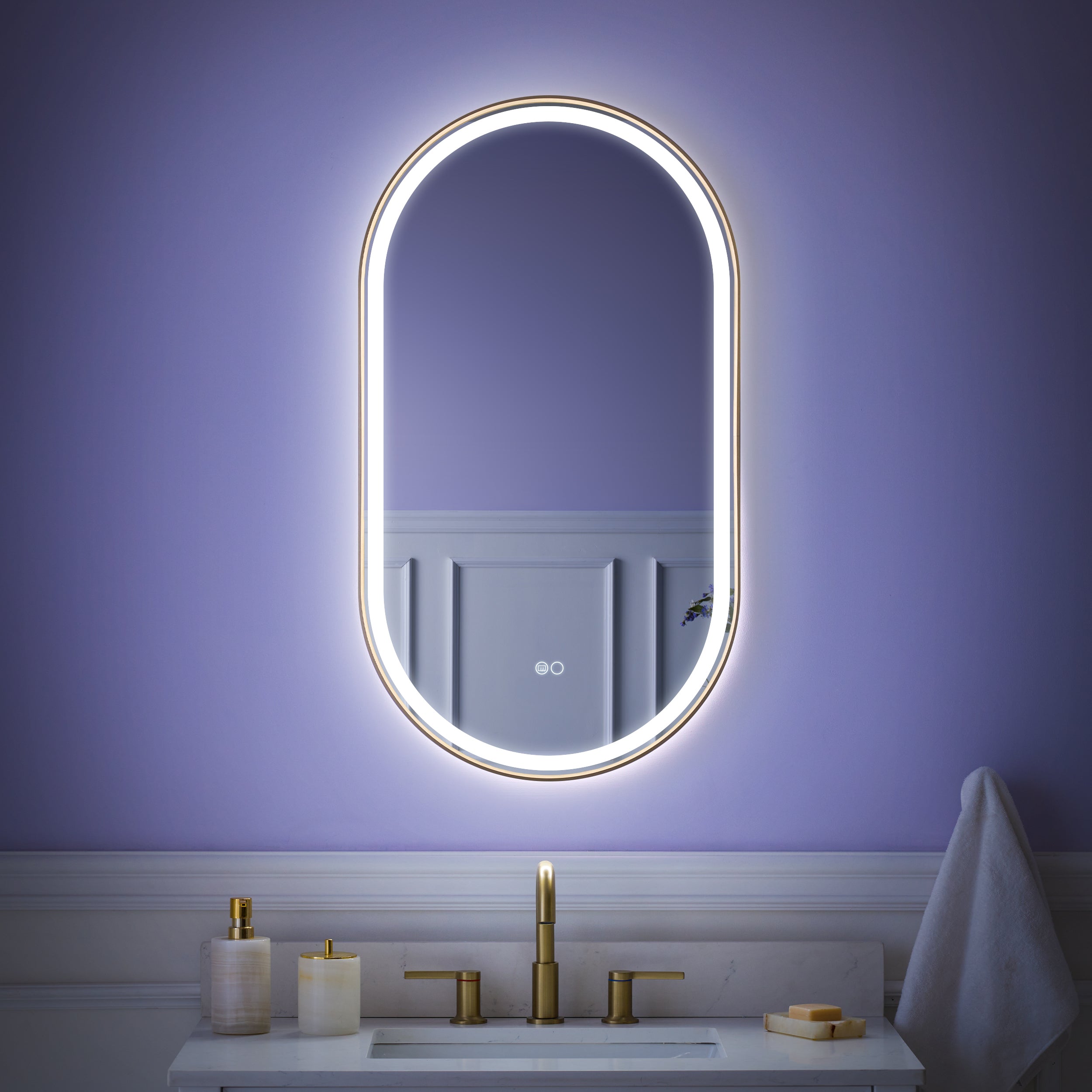
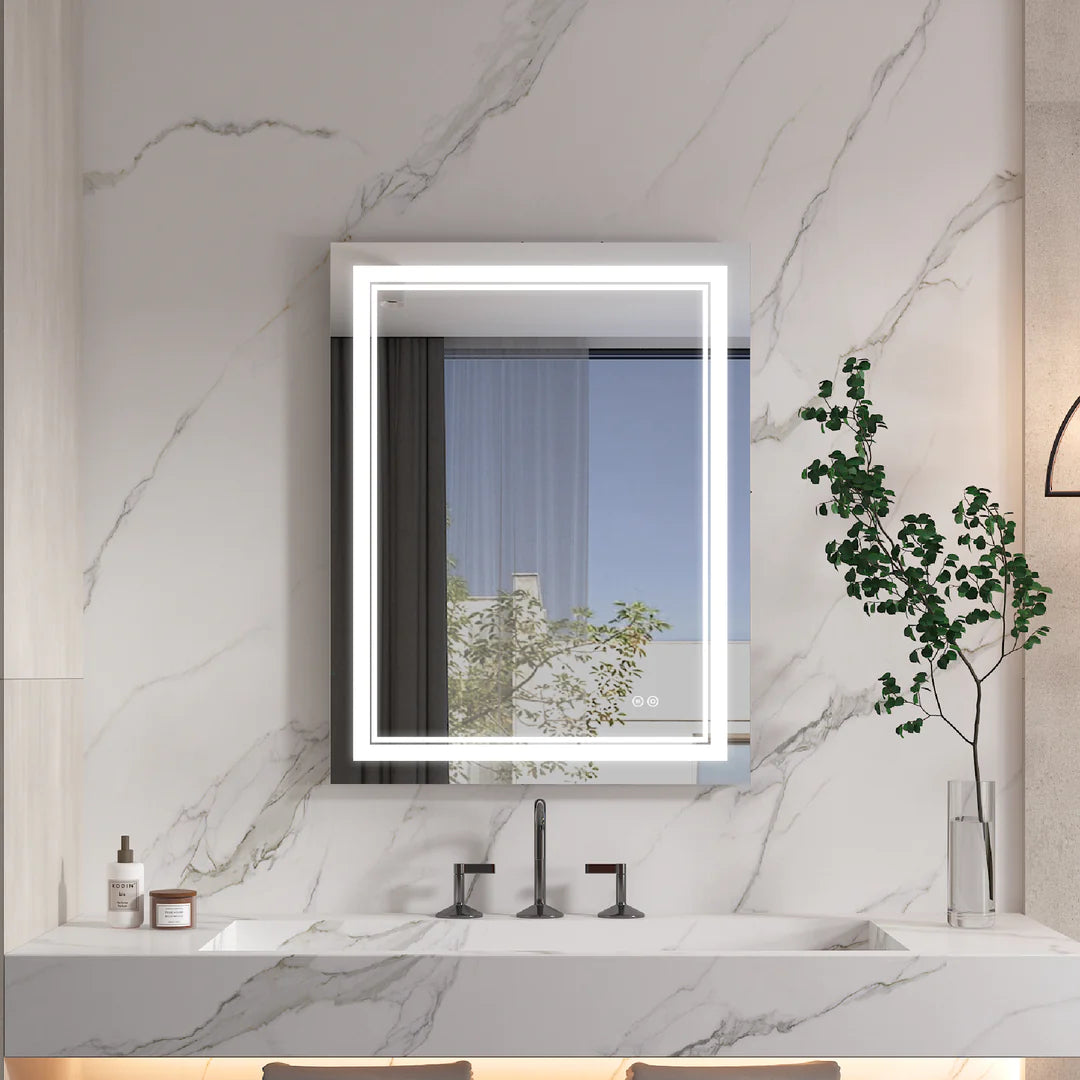
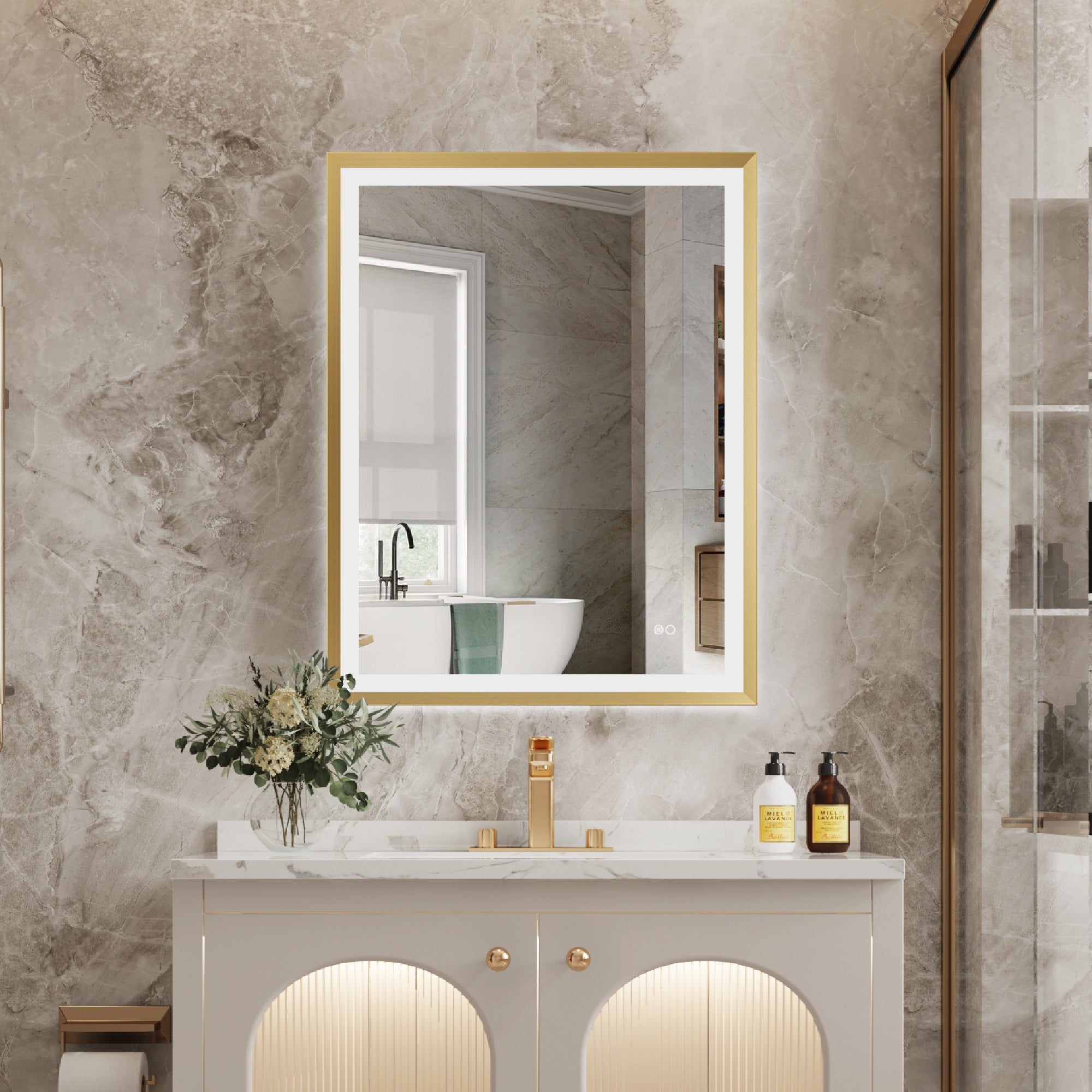
If it is a structure with LED lighting, it is necessary to reserve power lines before Installation and ensure that the power supply complies with safety regulations. The common 36-inch mirror cabinet with lights has a power range of 30W to 60W.
7. Installation cost comparison between embedded and surface-mounted systems
The labor cost of embedded Installation is usually 20% to 40% higher than that of surface installation. However, during the comprehensive renovation phase, the walls have not yet been sealed, and the additional cost of adding embedded structures is relatively low.
The data shows that the proportion of embedded mirror cabinets used in new construction projects is increasing year by year, especially in mid to high-end decoration.
8. Common problems and precautions
• Ensure sufficient wall thickness and do not recommend Installation in load-bearing walls or areas with complex pipelines.
• Before Installation, confirm that the depth of the mirror cabinet does not exceed the wall cavity.
• The mirror cabinet with lights must be connected to the power supply by a qualified electrician.
• When cutting drywall, avoid enlarging the opening by more than 1/4 inch.
Data shows that planning the location and size can reduce the rework rate by about 30%.

9. Conclusion
Installing a reviewed medicine cabinet with a mirror is not a simple wall fixing operation, but a comprehensive project involving structure, size, and safety. From the 3.5-inch wall depth limit to the common 24-inch or 30-inch sizes, every detail determines the final effect. Embedded structures offer significant advantages in visual cleanliness and space utilization, but they require accurate measurement and appropriate reinforcement. For those who are renovating their bathroom, sufficient planning and standardized Installation are necessary to make the mirror cabinet both beautiful and durable.










Leave a comment
This site is protected by hCaptcha and the hCaptcha Privacy Policy and Terms of Service apply.