
















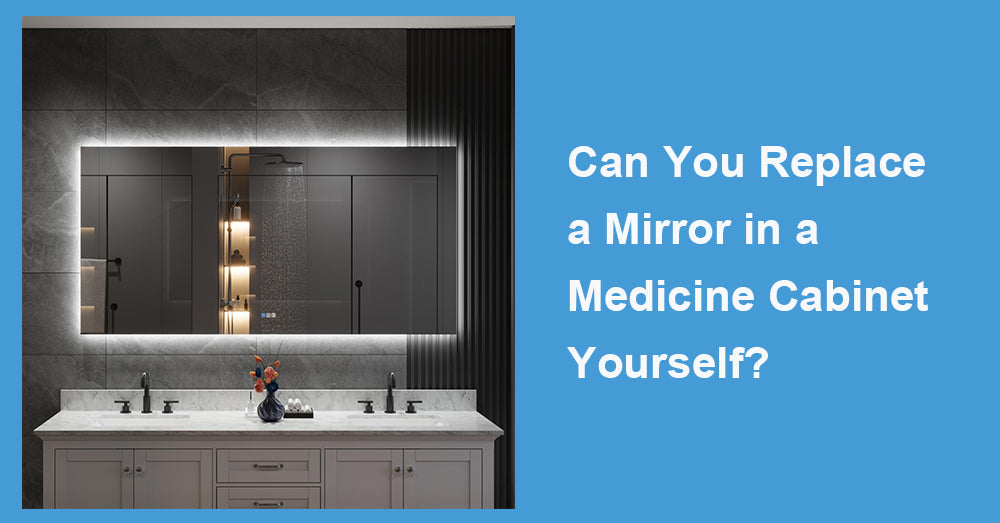
When cracks, silver peeling, blackened edges, or accidental damage occur on the mirror cabinet door, many people ask: Can I replace mirror in medicine cabinet myself without having to replace the cabinet as a whole? From a technical perspective, some structures can replace the mirror surface on their own. Still, this operation involves factors such as glass type, door structure, dimensional accuracy, and safety risks. Data show that the failure rate of glass-related operations in home repair projects is significantly higher than that of wood or hardware replacement. Therefore, before deciding to DIY, a comprehensive assessment of feasibility and risks is needed.
1. First, determine the type of mirror cabinet structure
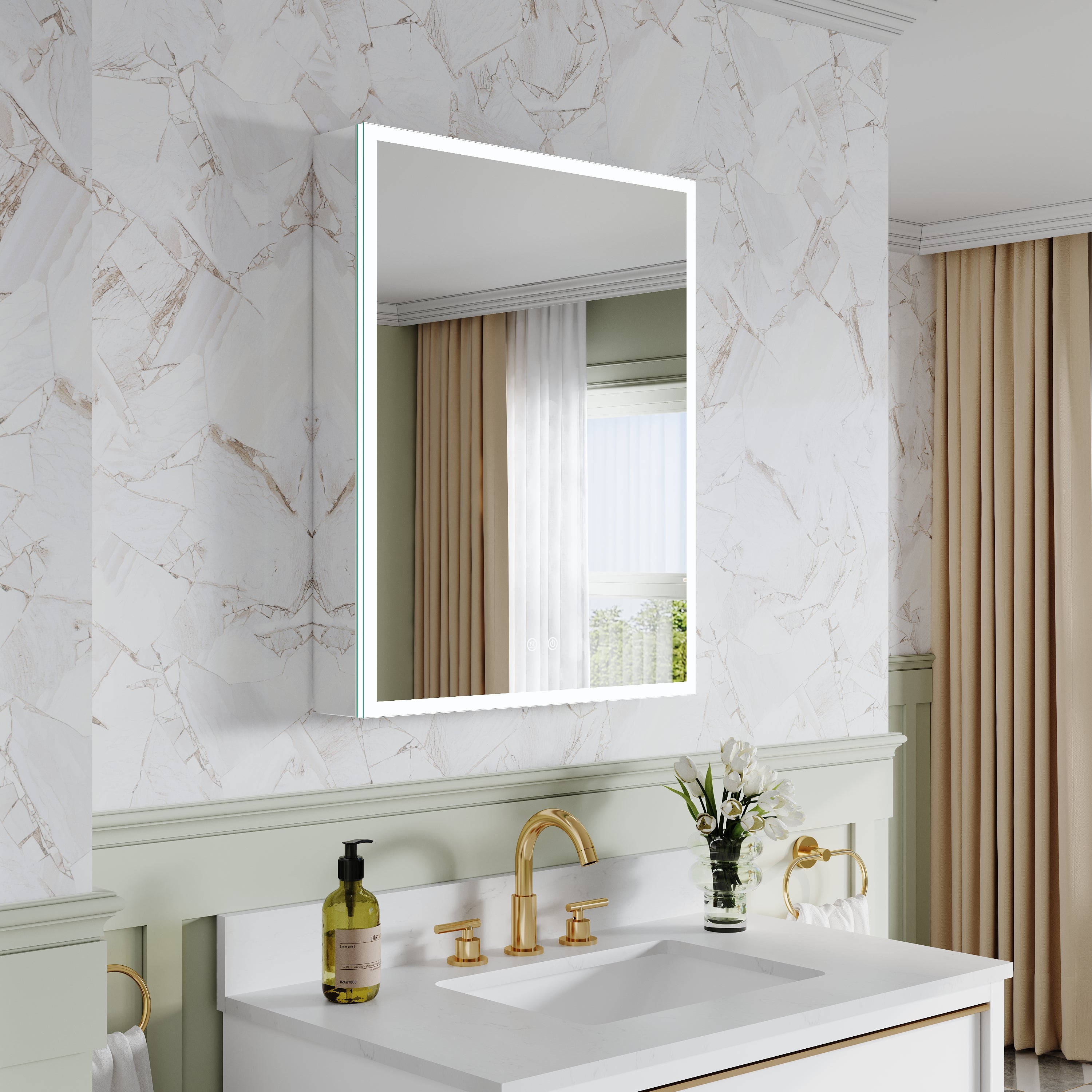
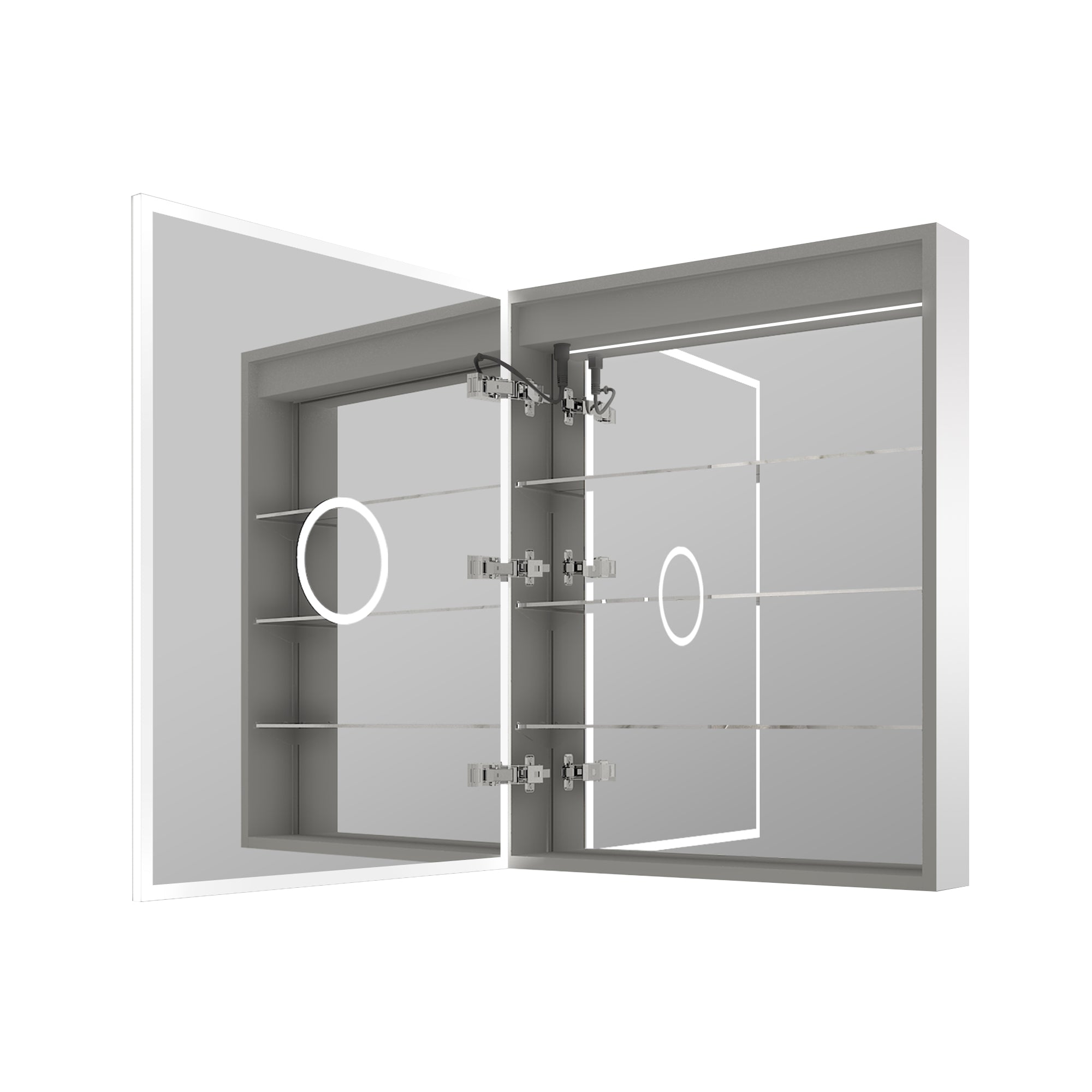
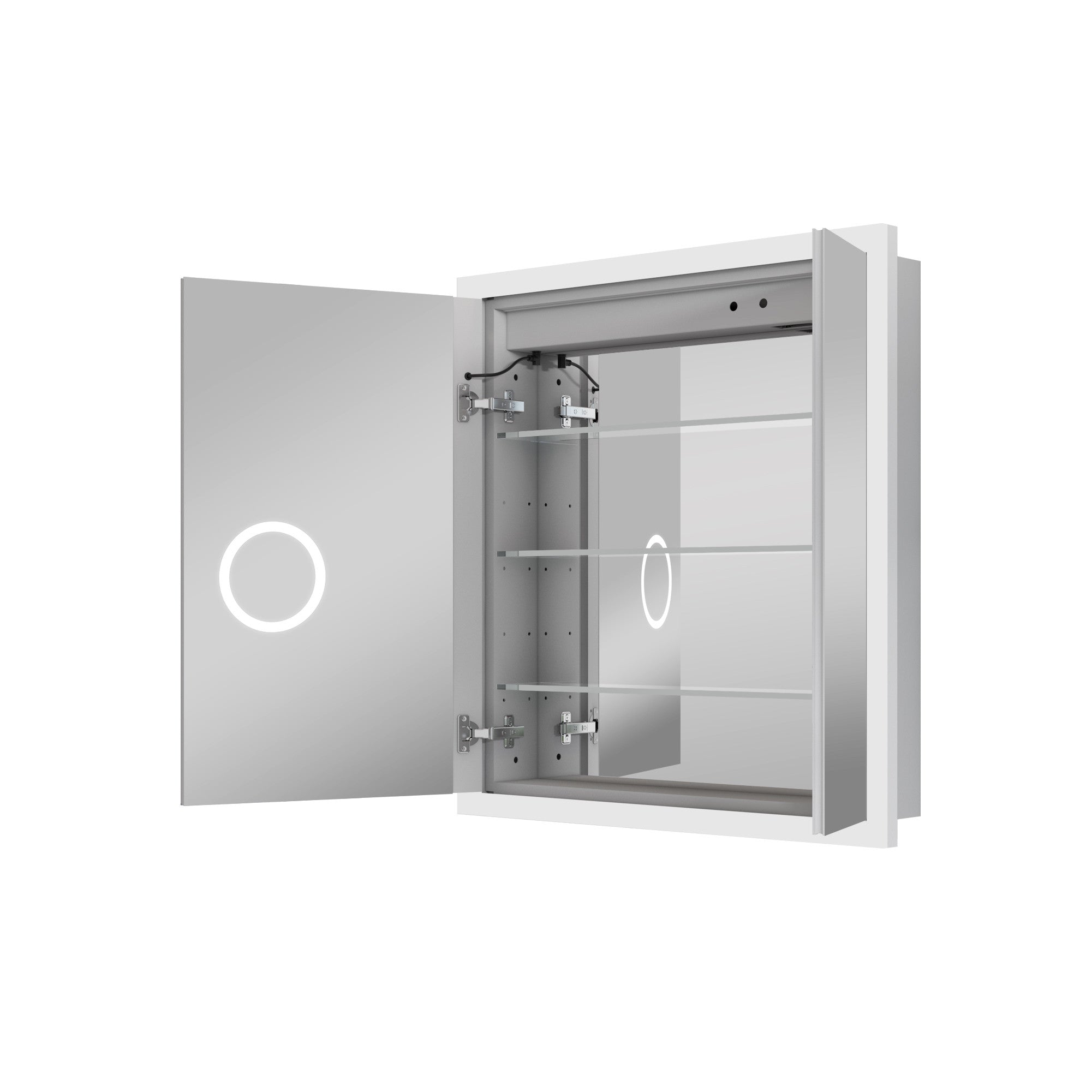
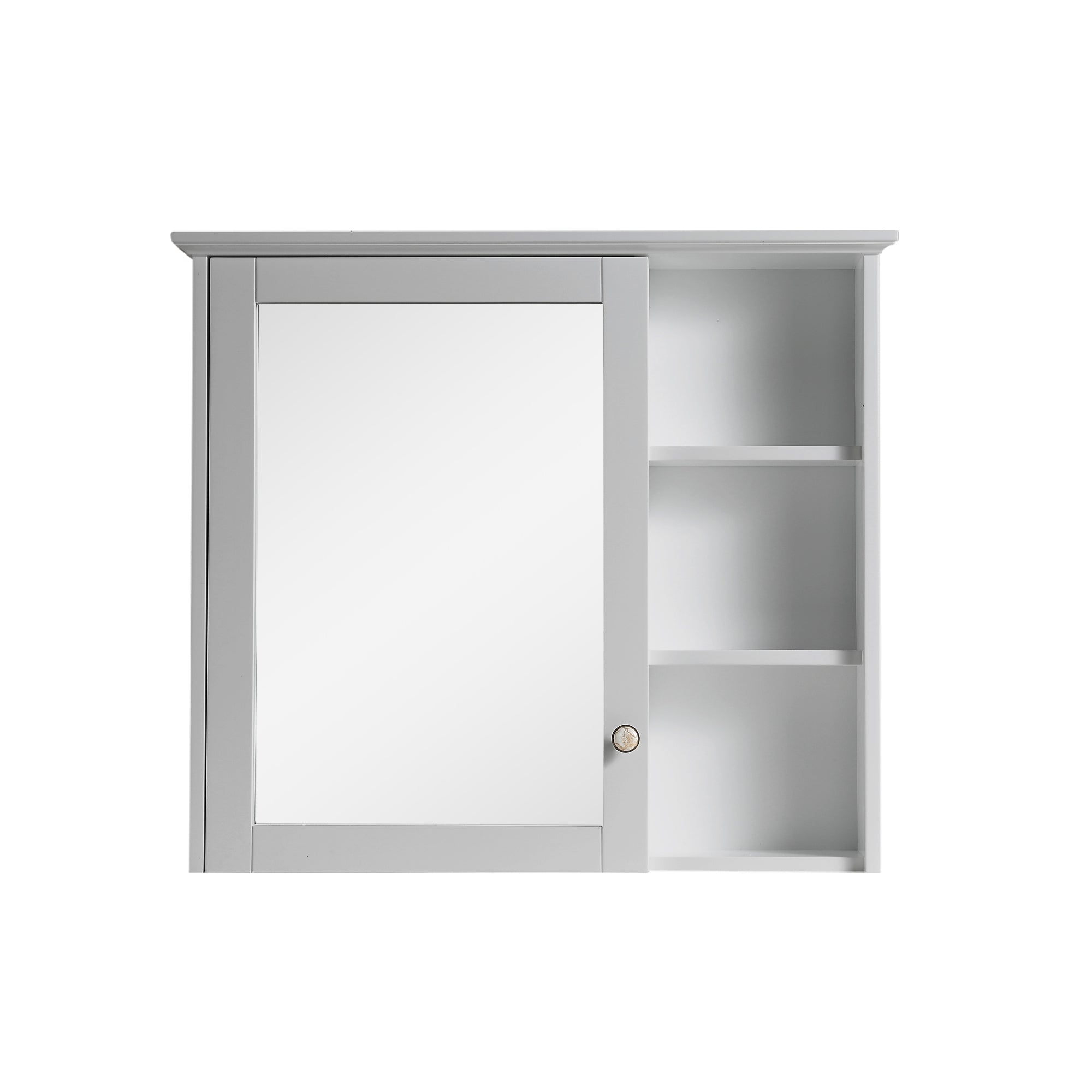
Not all mirror cabinets are suitable for replacing mirror surfaces individually. Common structures can be roughly divided into three types:
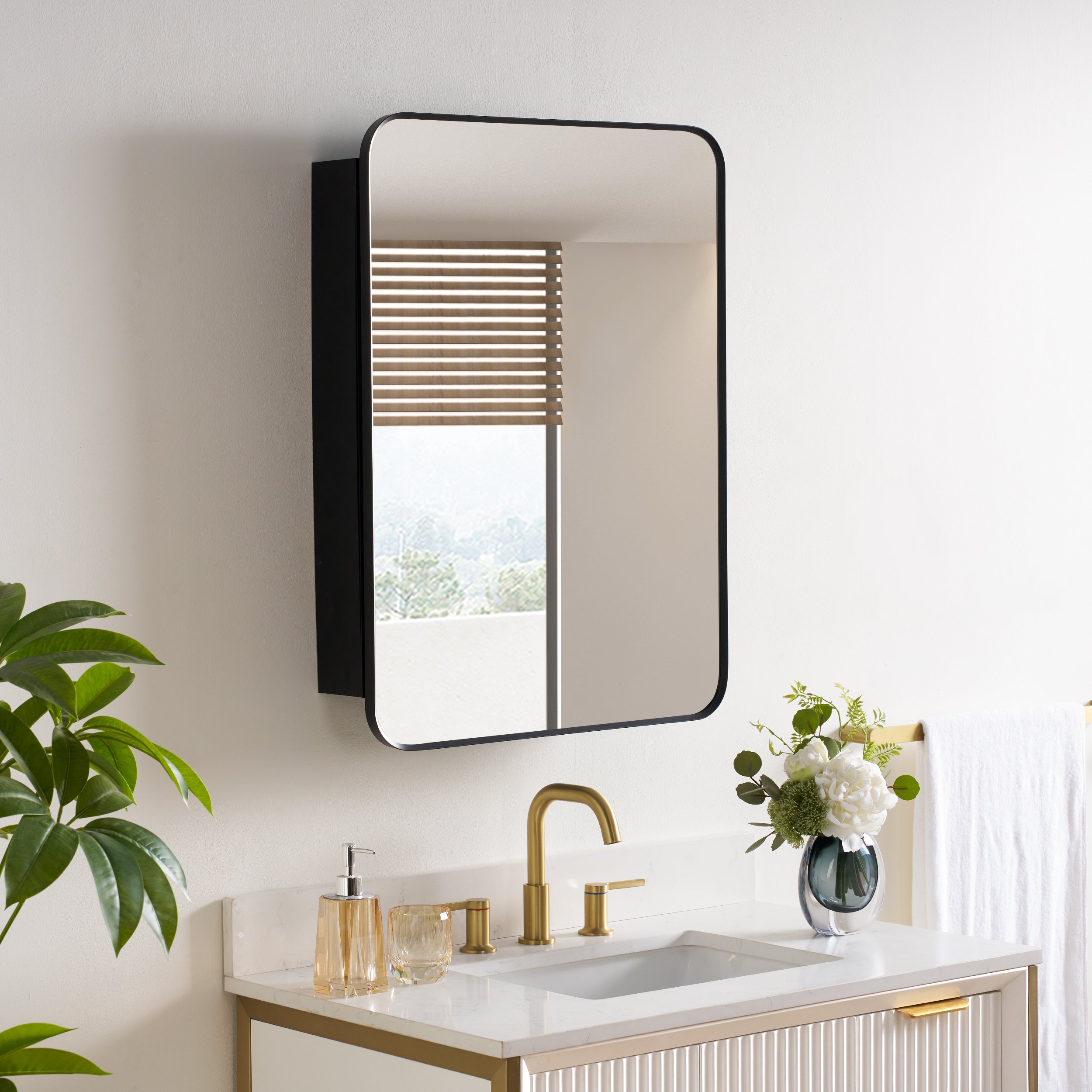
• The first type is the "mirror is the door body" structure. The entire mirror serves as the main body of the door panel, with hinges directly fixed at the back. This type of structure is the most difficult to replace because the mirror itself plays a structural role.
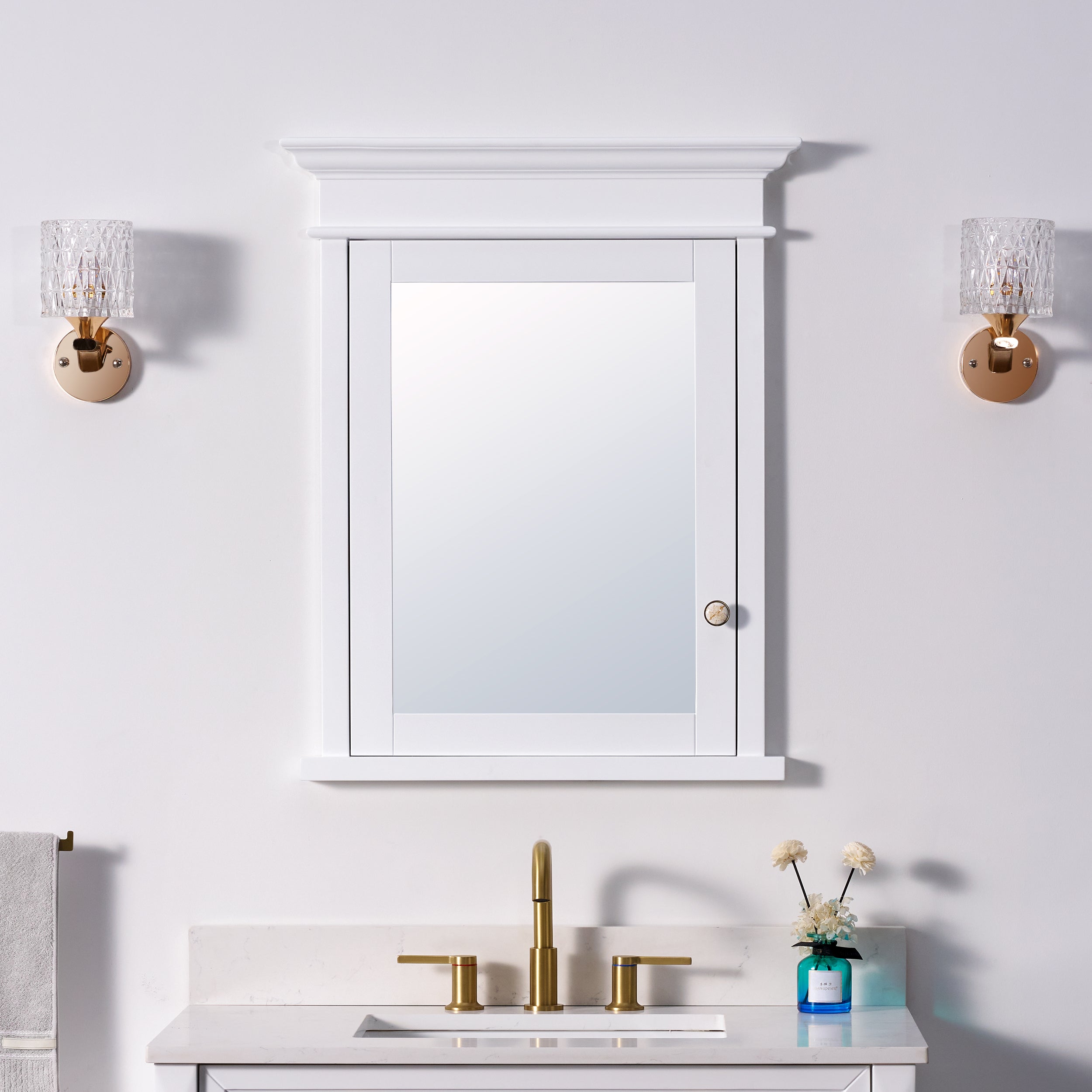
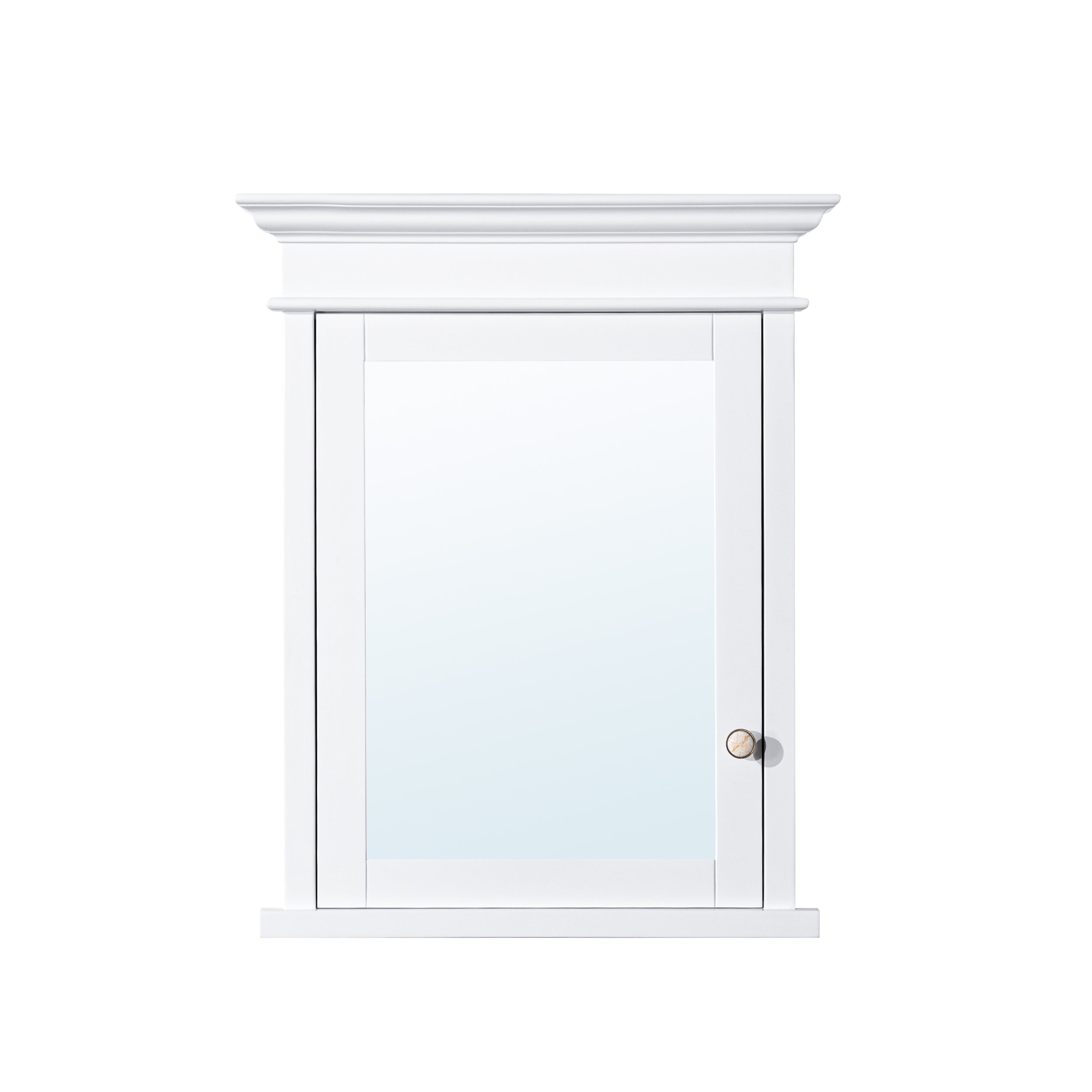
• The second type is "mirror embedded door frame". The mirror is embedded in a metal or wooden frame and fixed by slots or pressure strips. This structure is easier to disassemble and replace.
• The third type is "back panel adhesive type". The mirror is attached to the door panel with industrial adhesive, and the adhesive layer must be removed during disassembly.
Data show that approximately 60% of standard 24-inch to 30-inch mirror cabinets produced over the past decade use embedded structures, while the rest use adhesive or integrated designs. Embedded structure is more suitable for DIY replacement.
2. Accuracy requirements for dimension measurement
The most crucial step in replacing the mirror is measurement. The width of common mirror cabinet doors is 14 to 20 inches, and the height is usually 20 to 30 inches. The thickness of glass is mostly 3/16 inch or 1/4 inch.
The measurement error should be controlled within 1/16 inch. If the error exceeds 1/8-inch, the mirror surface may not fit smoothly into the slot or cause uneven force on the door body.
Repair data shows that in DIY mirror replacement failures, over 25% of issues arise from dimensional measurement errors rather than the operation itself.
In addition, if the original mirror is made of tempered glass, size confirmation must be completed before cutting. Tempered glass cannot be cut again after it is finished.
3. Security issues cannot be ignored
The mirror cabinet door is usually made of tempered safety glass. The impact strength of tempered glass is about 4 times that of ordinary glass, but once it breaks, it shatters into small particles.
It is recommended to wear protective gloves and goggles when dismantling damaged mirrors. Data shows that minor cuts are the most common accident in home glass repair, accounting for over 40%.
If the mirror is wider than 24 inches or taller than 30 inches, the risk of single-person operation increases significantly. Larger mirror surfaces typically weigh between 10 and 20 pounds and require additional support during operation.
4. The fixed method determines the difficulty of replacement
Common fixing methods for mirror surfaces include:
• Silicone adhesive fixation;
• Metal pressure strip fixation;
• Embedded card slot fixation.
If it is a pressure strip or slot structure, replacement is relatively simple: remove the frame, take out the old mirror, put in the new mirror, and re-fix it.
If it is an adhesive structure, a scraper and a heating tool are needed to soften the colloid. This process can easily damage the door panel's paint surface. Data shows that in adhesive structures, the proportion of DIY disassembly resulting in surface damage to door panels is about 30%.
5. Is it worth DIY?
From a cost perspective, replacing the mirror separately is usually cheaper than replacing the mirror cabinet as a whole. Taking a 20-inch x 26-inch 1/4-inch mirror as an example, the material cost is usually within a reasonable range, whereas a complete replacement of the mirror cabinet may cost 2 to 3 times as much.
But if it involves the following situations, it is recommended to consider a complete replacement:
• Aging of the mirror cabinet structure;
• Loose or deformed hinges;
• The border is severely corroded;
• Need to upgrade to include lighting or defogging.
Data shows that replacing only the mirror surface does not significantly extend the overall service life of mirror cabinets that have been in use for more than 10 years.
6. Structural stability and door body stress
After replacing the mirror, ensure the door weight matches the original structure. If the thickness of the new mirror increases, for example, from 3/16 inch to 1/4 inch, the door's weight may increase by 2 to 4 lbs.
The load-bearing capacity of hinges is usually designed to exceed 20 lbs, but long-term loading may shorten their service life.
Therefore, the hinge specifications and the door body's total weight should be confirmed before replacement.
7. Who is DIY suitable for?
If the following conditions are met, self-replacement is feasible:
• The mirror cabinet is an embedded or laminated structure;
• Mirror size less than 24 inches in width;
• Having experience in precise measurement and safe operation;
• Suitable tools and auxiliary support are available.
If the mirror cabinet exceeds 30 inches in width, or if it is embedded in a wall structure and the door is heavy, it is recommended to seek professional installation.

8. Conclusion
Can we replace the mirror in the medicine cabinet ourselves? The answer is not simply 'yes' or 'no'. Under the premise of a suitable structure, clear dimensions, and standardized operation, it is completely feasible to replace the mirror surface of small embedded mirror cabinets. But for integrated or adhesive structures, as well as doors wider than 24 inches, the difficulty and risk of replacement are significantly increased. Understanding the structure, glass specifications, and safety requirements of mirror cabinets is key to determining the feasibility of a DIY project. In some cases, upgrading to a new mirror cabinet as a whole may be a longer-term, safer choice.












Leave a comment
This site is protected by hCaptcha and the hCaptcha Privacy Policy and Terms of Service apply.