
















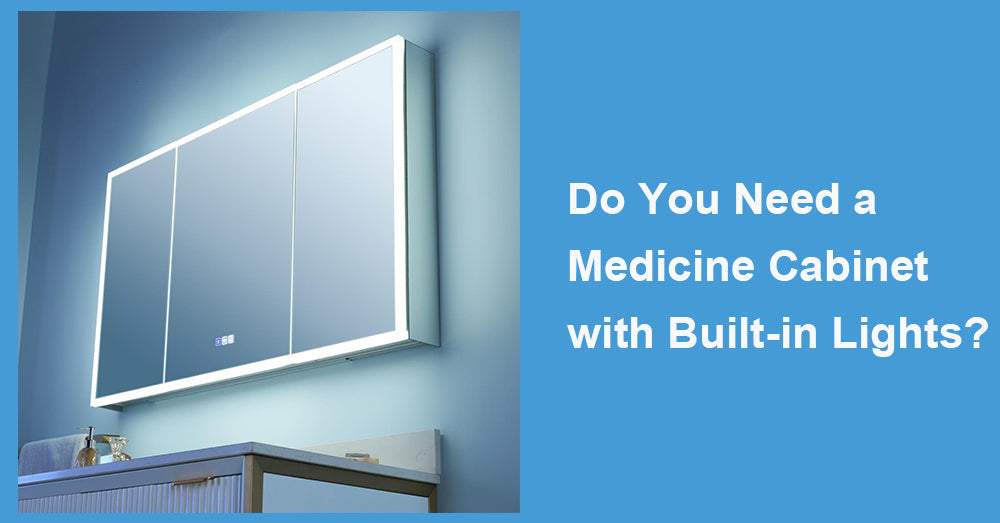
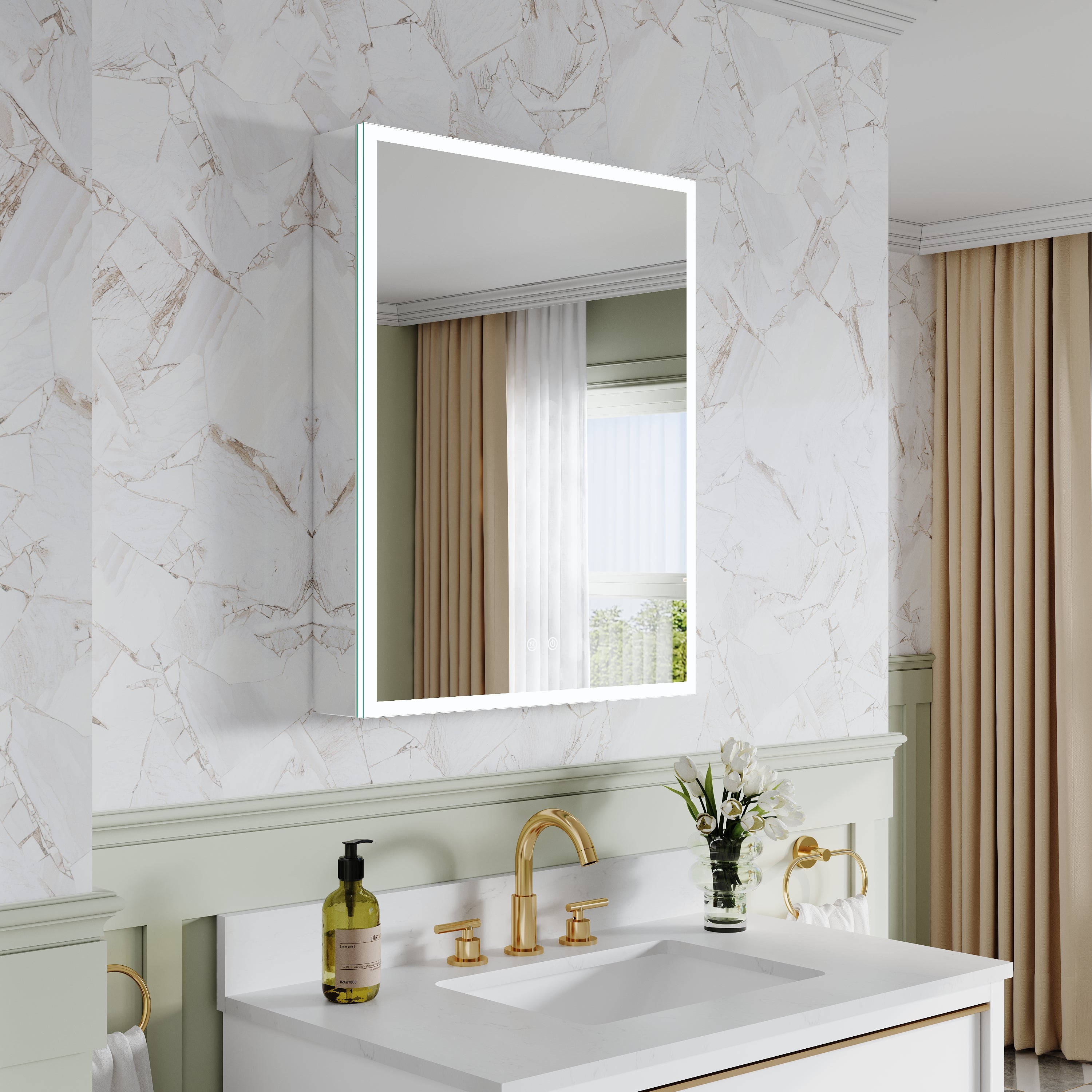
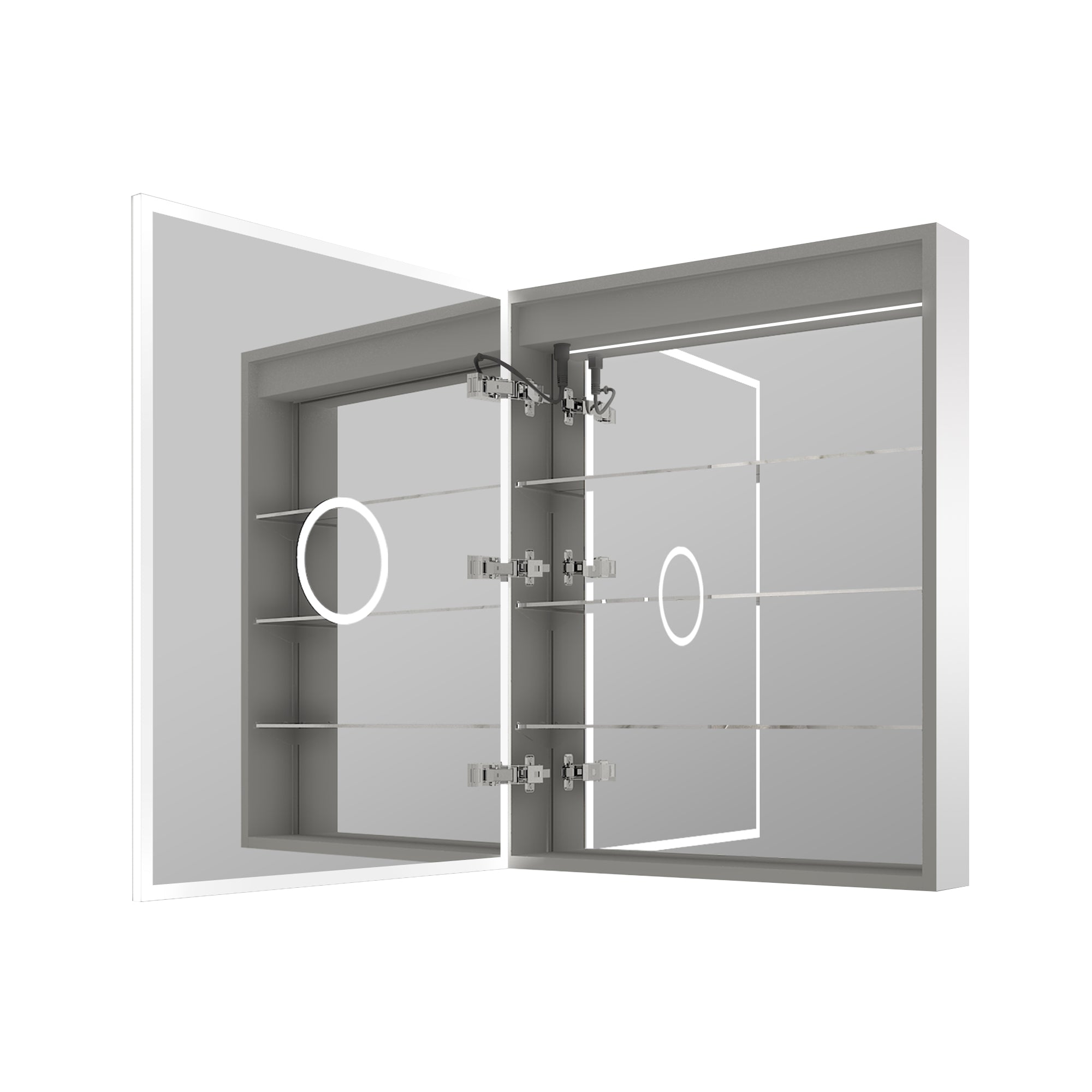
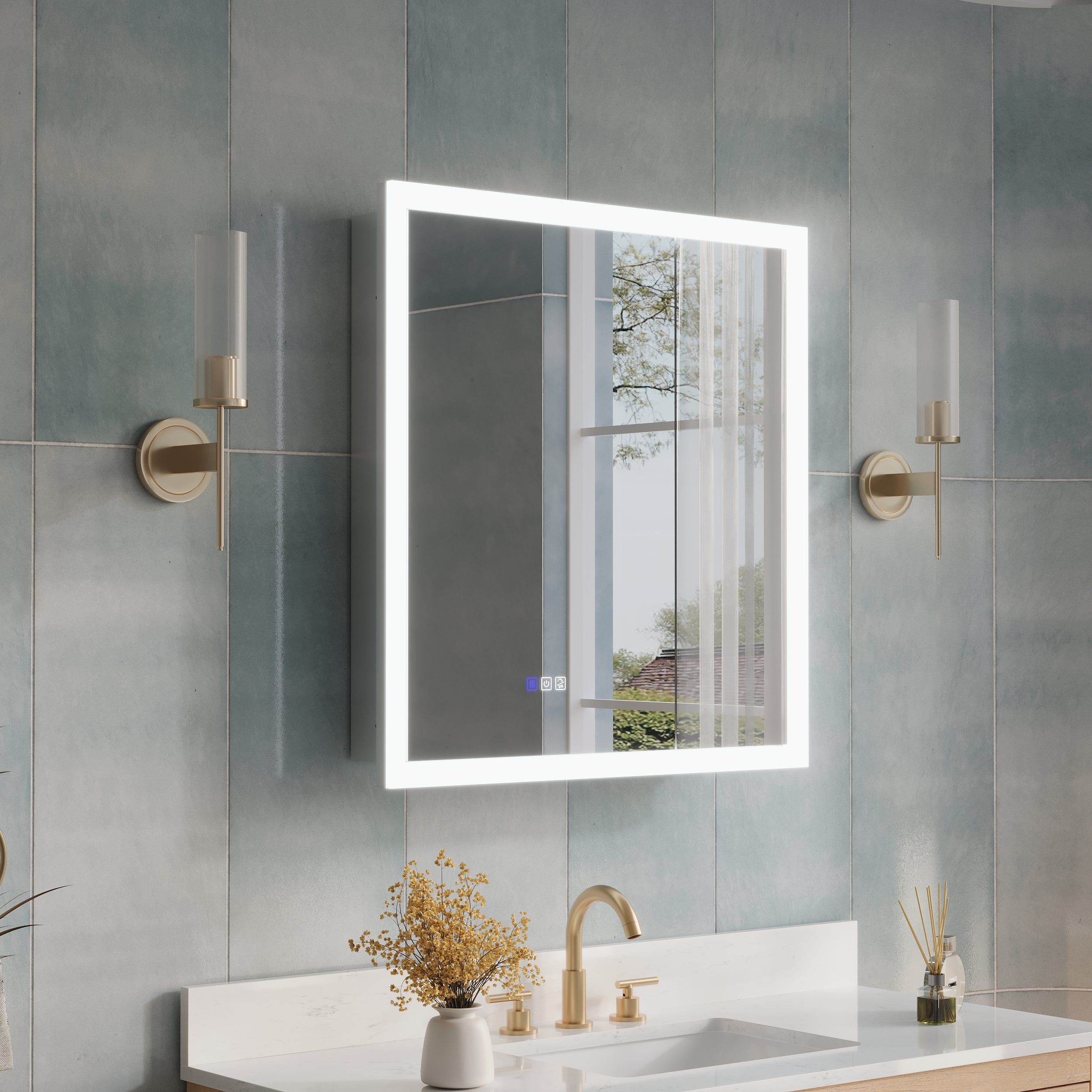
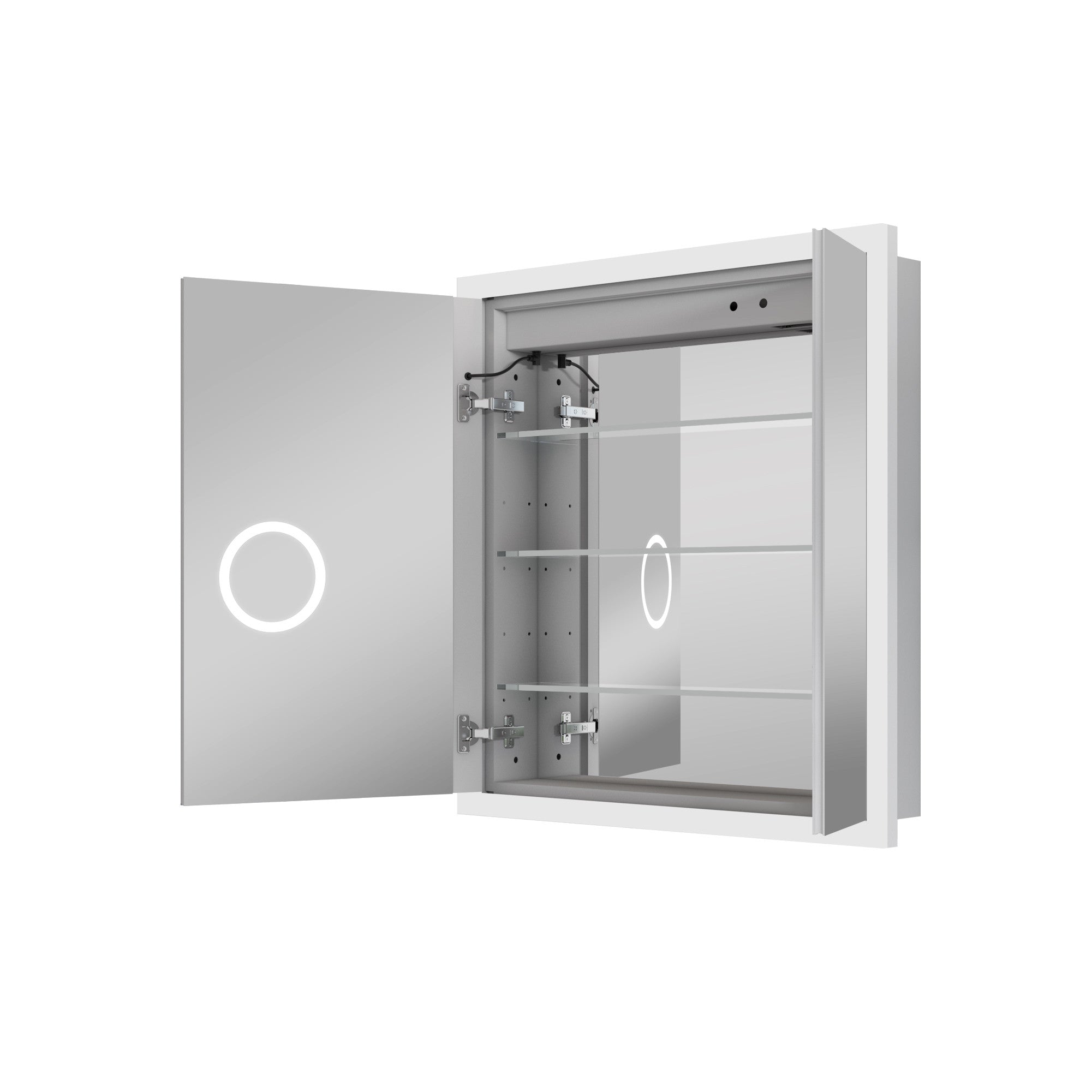
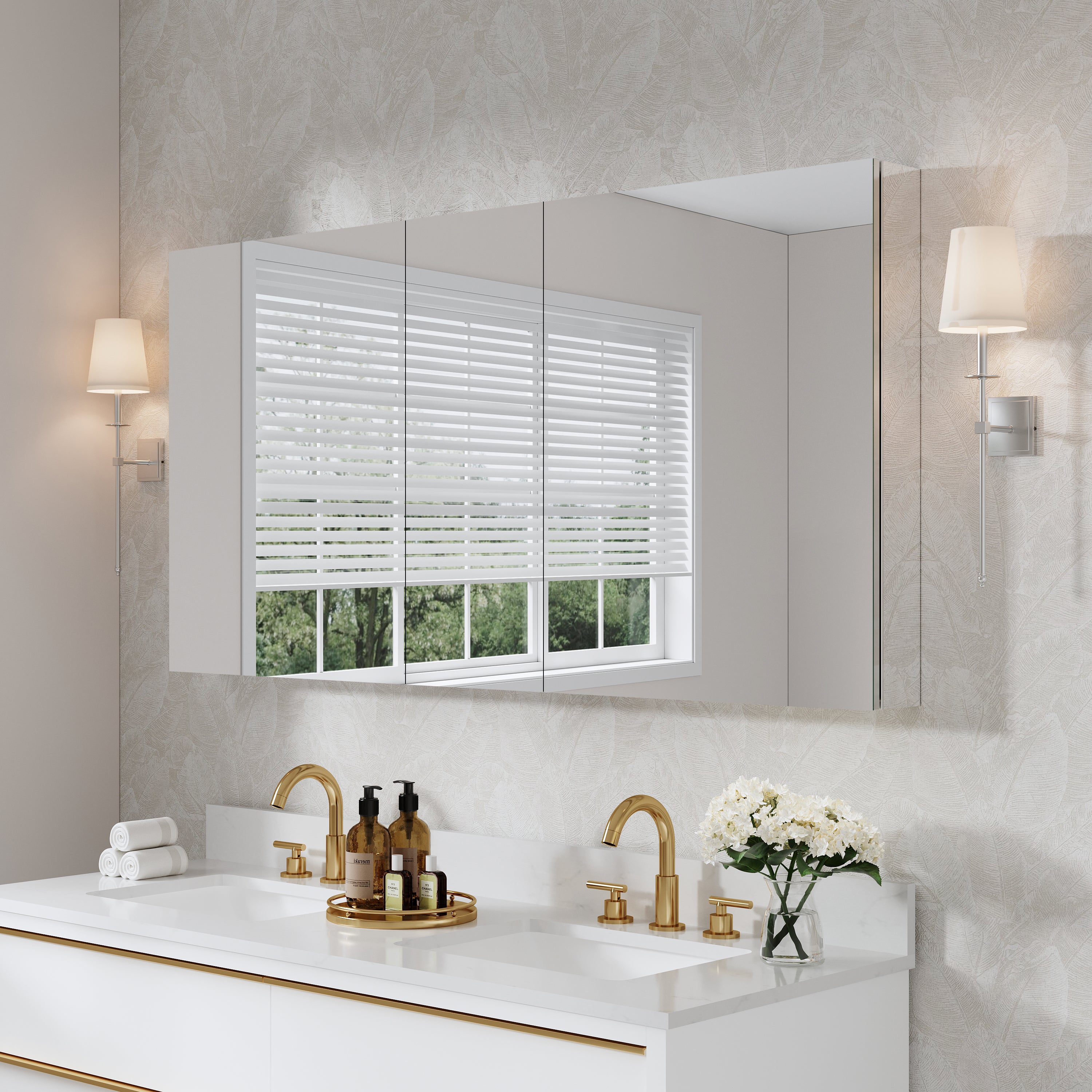
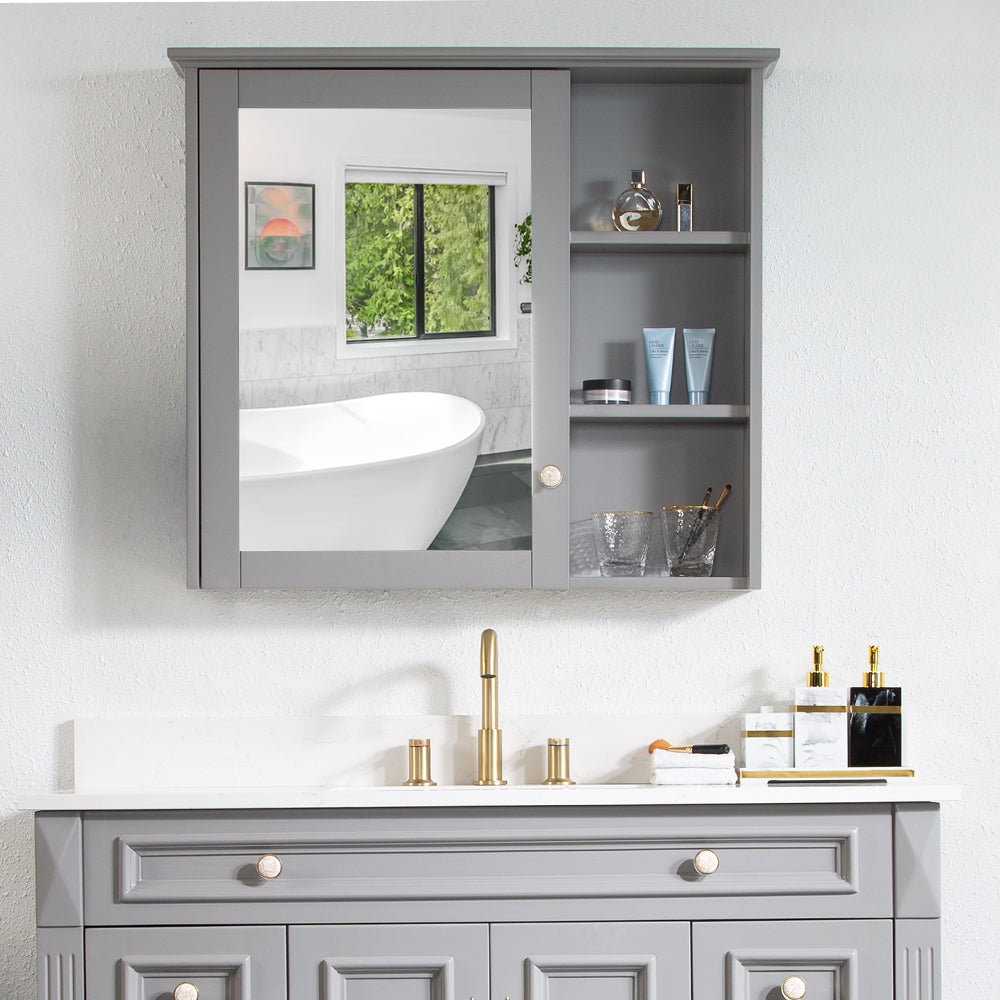
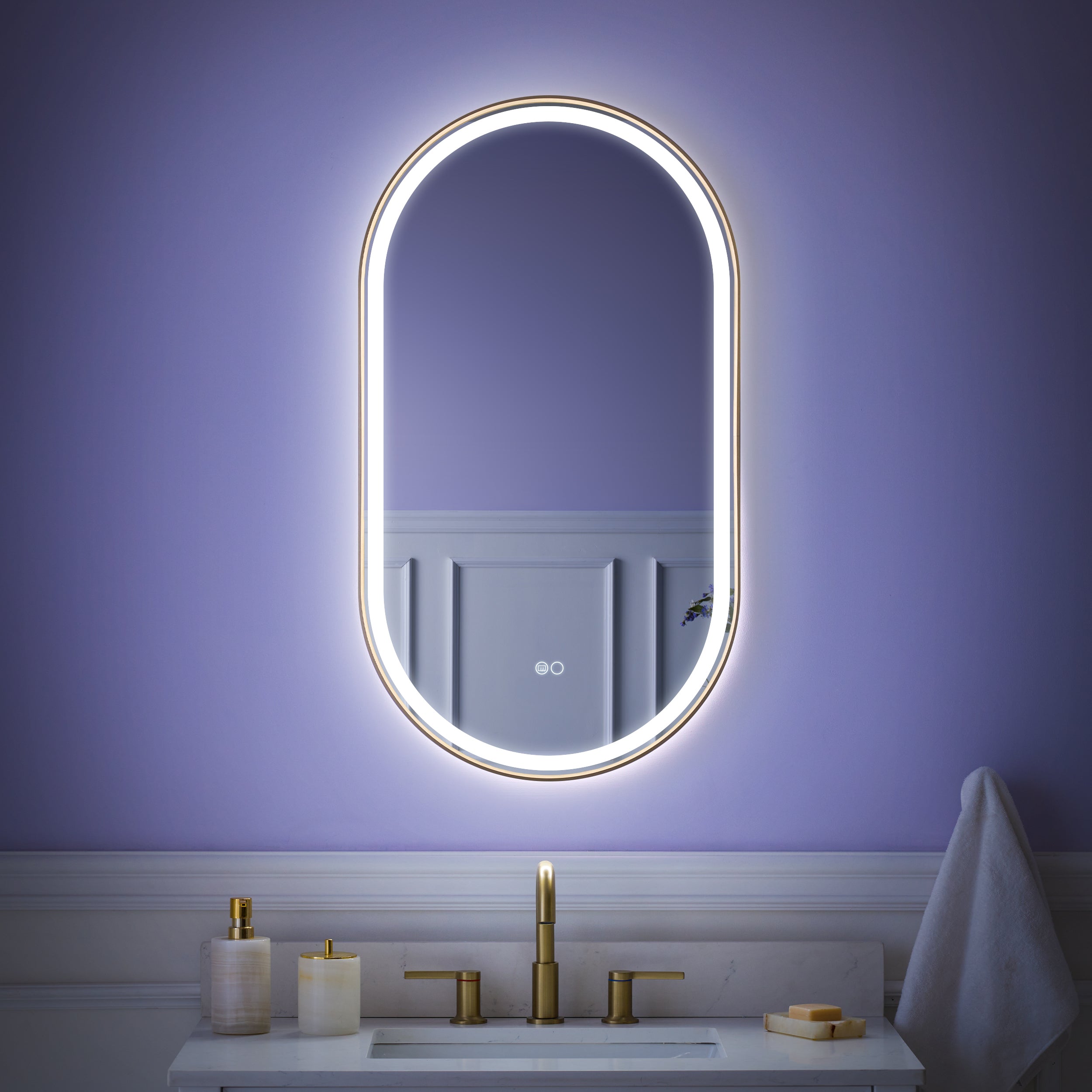
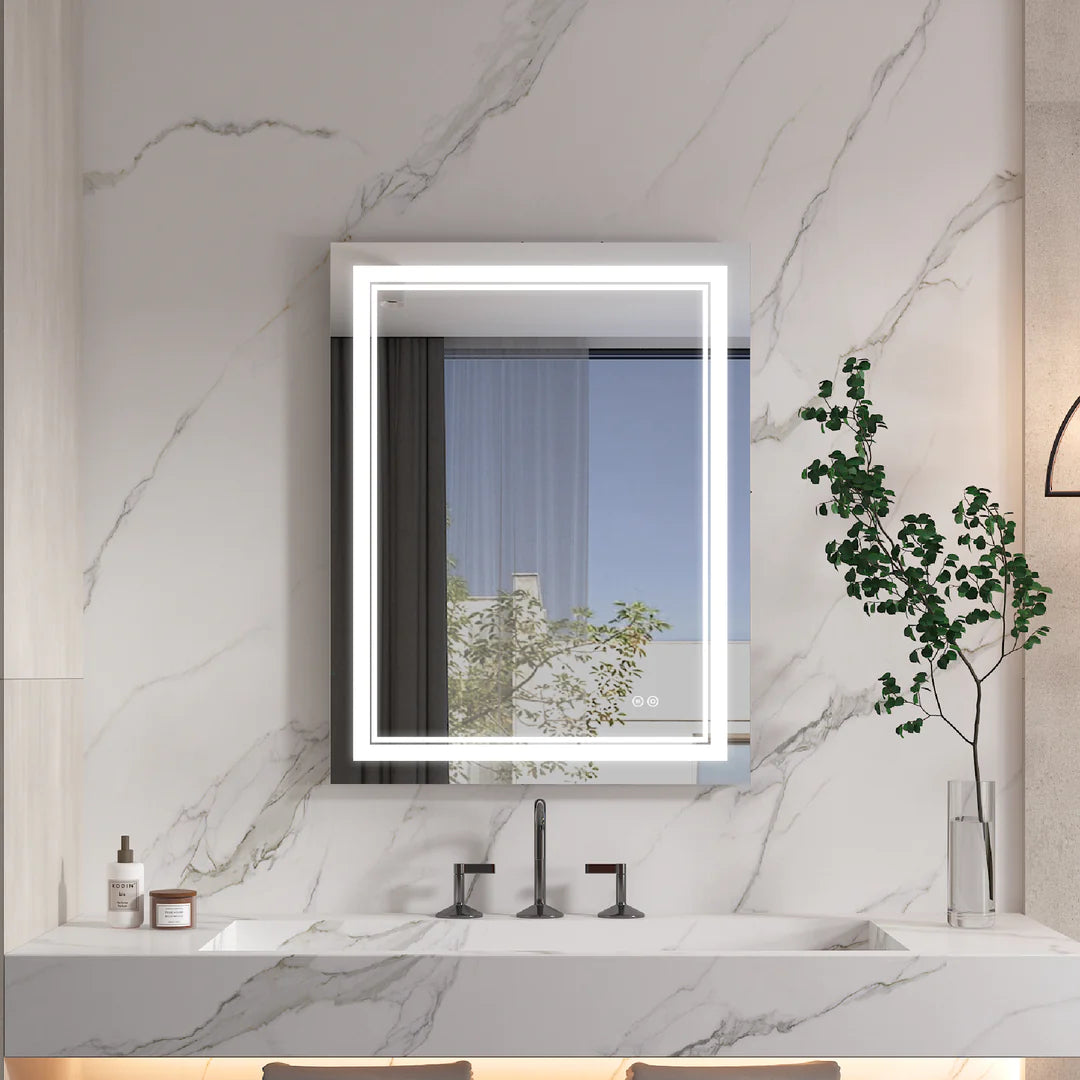
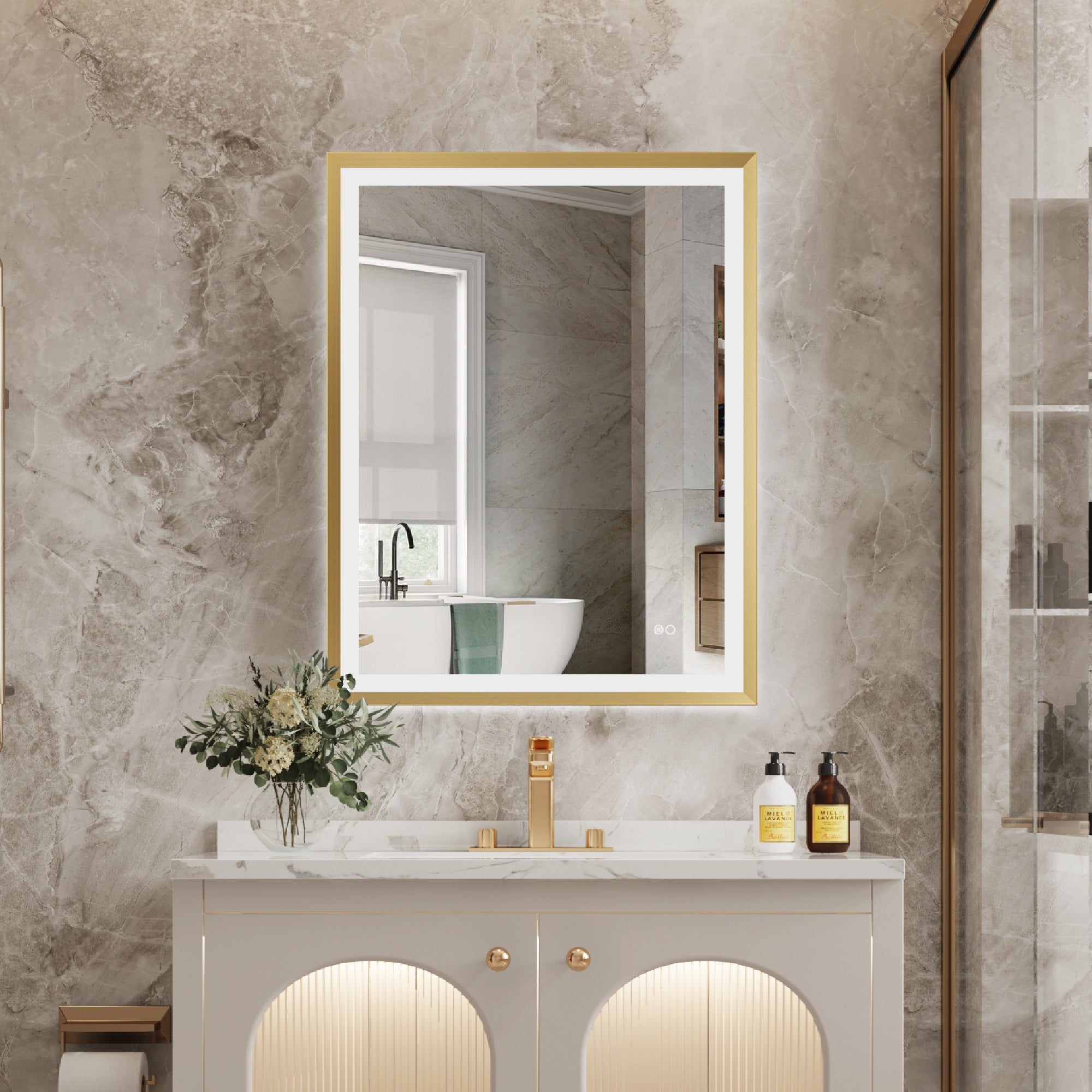
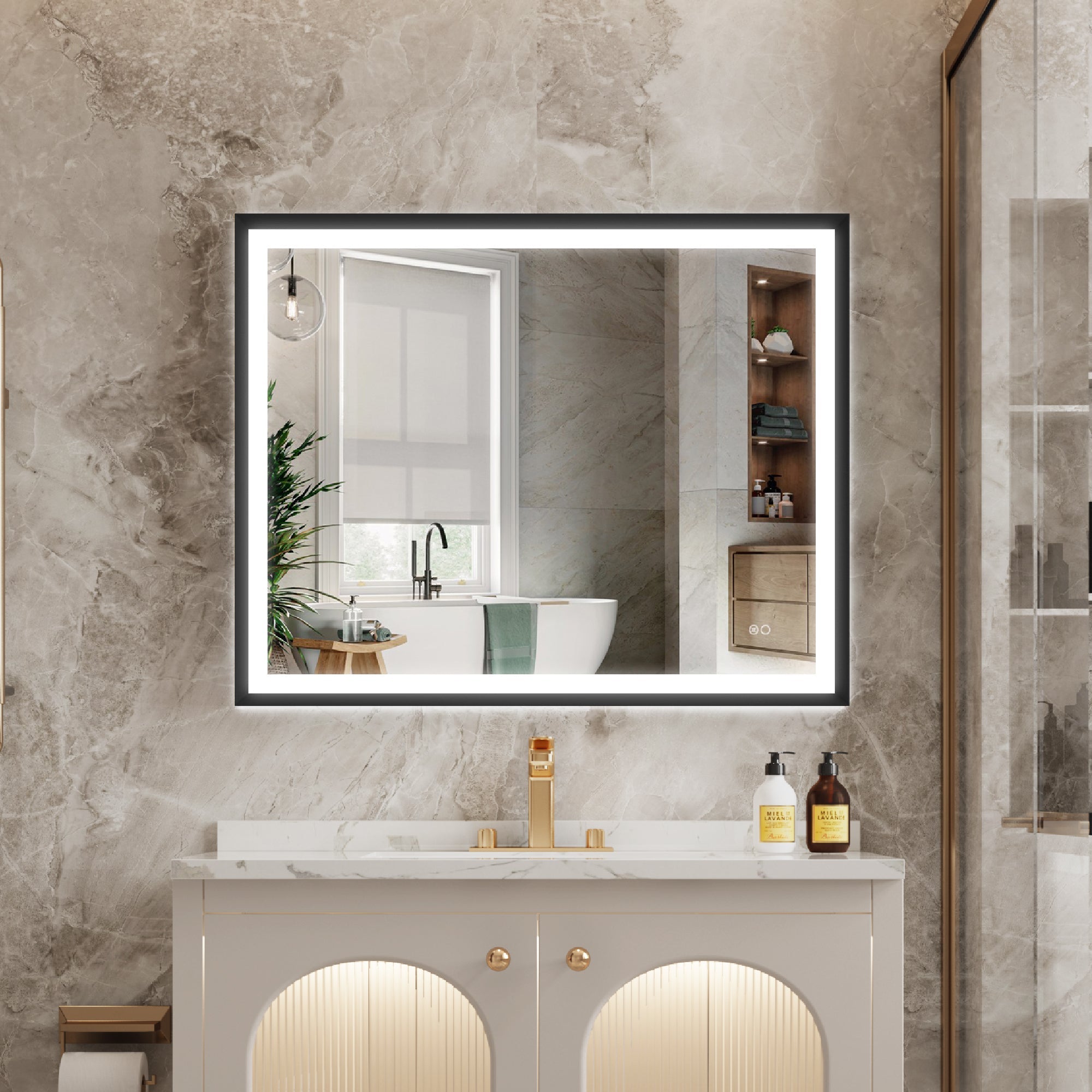
In the trend of contemporary bathroom upgrades, the medicine cabinet with lights is gradually shifting from an "optional configuration" to a functional, integrated core component. Compared to traditional mirror cabinets with top- or side-wall lighting fixtures, mirror cabinets with built-in lighting combine storage and task lighting, optimizing wall space and improving daily comfort. However, these types of products are usually priced a certain percentage higher than ordinary mirror cabinets, so is it really necessary to have built-in lighting? The answer depends on the spatial scale, lighting layout, and usage habits.
1. Lighting Requirements: Differences between Basic Light and Task Light
Bathroom lighting is usually divided into two categories: ambient light and task light. Ambient lighting is provided by the top lighting fixtures, which cover the entire space. The task light is focused on the grooming area for shaving, makeup, or fine care.
Industry lighting recommendations suggest that illumination in the grooming area should be approximately 50 to 75 foot-candles. For a bathroom with an area of 80 to 100 square feet, the total luminous flux is usually between 2000 and 4000 lumens.
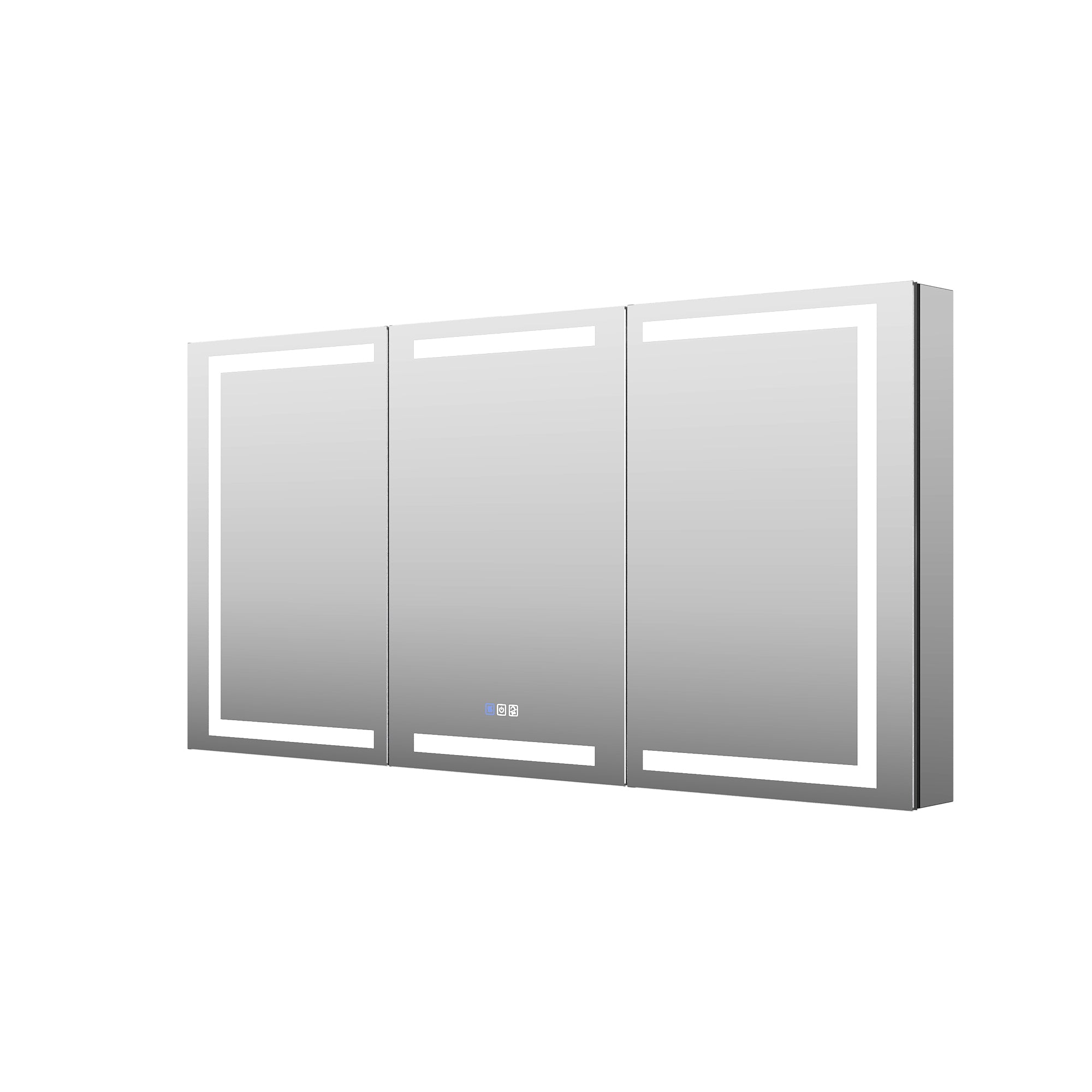
A 36-inch wide built-in LED mirror cabinet with output brightness typically between 1200 and 2000 lumens; the 48-inch to 60-inch model can reach 2500 to 3500 lumens. If the bathroom area is small or there is already ambient light on the top, a mirror cabinet with lights can fully undertake the main task of lighting.
Data shows that under mirror lighting conditions with a color rendering index (CRI) of over 90, facial shadows are reduced by about 20% to 30%, which is better than with a single top-light fixture.
2. Space scale determines whether it is' necessary.'
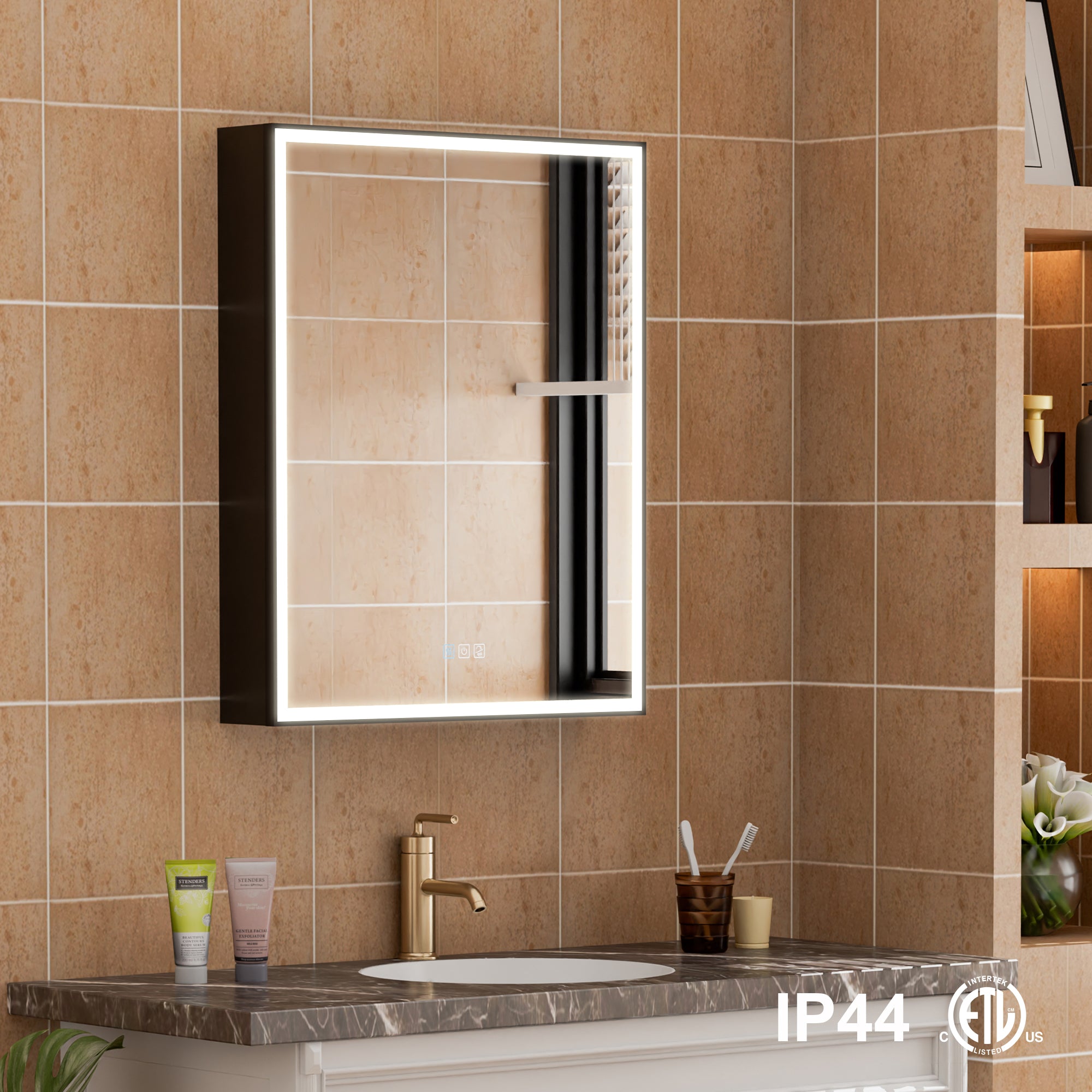
In compact bathrooms with an area of less than 70 square feet, relying solely on a single top light can easily create shadows on the face. At this point, a medicine cabinet with lights can significantly improve lighting uniformity.
In main bathroom spaces with over 120 square feet, the top lighting fixtures usually serve as overall illumination, while the built-in lighting in the mirror cabinet is more of a supplement rather than a replacement.
Data shows that the satisfaction rate for illuminated mirror cabinets in small bathrooms is about 18% higher than that for traditional mirror cabinets; in large main guards, the difference between the two is relatively small.
3. Color temperature and adjustability
Modern built-in mirror cabinets typically offer color temperature adjustment between 3000K and 6000K. 3000K warm light is suitable for night use; 4000K is close to sunlight; 5000K or higher is better for fine care.
Products with a color temperature switching function provide a more flexible user experience at different time periods. Research shows that user satisfaction with adjustable color temperature structures is about 15% higher than that with fixed color temperatures.
If family members have different needs for light color, the built-in adjustment function is more advantageous.
4. The value of defogging and additional functions
Light mirror cabinets usually integrate a defogging function. By heating the film on the back, the mirror surface can remain clear when the humidity exceeds 70%.
Data shows that within 10 minutes after showering, the clarity retention rate of mirrors with defogging function exceeds 90%, while ordinary mirrors may completely fog up within 3 to 5 minutes.
In addition, some models also have built-in sockets or USB ports for convenient charging of electric toothbrushes or razors.
5. Installation and power requirements
The built-in mirror cabinet usually uses a hard-wired power supply and requires a reserved wall power supply. If a comprehensive renovation is carried out, the Cost of planning the route is lower; If it is a partial upgrade, additional wiring may be required.
The common 36-inch mirror cabinet has a power range of 30W to 60W. The lifespan of LED light sources can typically reach 30000 to 50000 hours.
Data shows that under stable voltage conditions, the service life of LED systems can exceed 15 years.
6. Cost and return on investment
Compared to ordinary mirror cabinets, models with lights are usually priced 20% to 40% higher. But if we consider reducing the Cost of additional wall lamps and wiring, the overall cost difference may not be significant.
In the overall bathroom renovation budget, mirror cabinets typically account for 5% to 10% of the total Cost. The investment ratio in improving the spatial texture and functional integration is relatively reasonable.
Survey data shows that overall satisfaction with illuminated mirror cabinets in renovation projects is higher than with traditional mirror cabinet combinations.
7. Is it suitable for everyone?
If the bathroom already has fully double-sided wall lights or high-brightness ceiling lights, and demand for additional functions is low, a standard mirror cabinet may be sufficient.
If pursuing a simple wall effect, uniform facial lighting, or defogging function, a medicine cabinet with lights has more advantages.
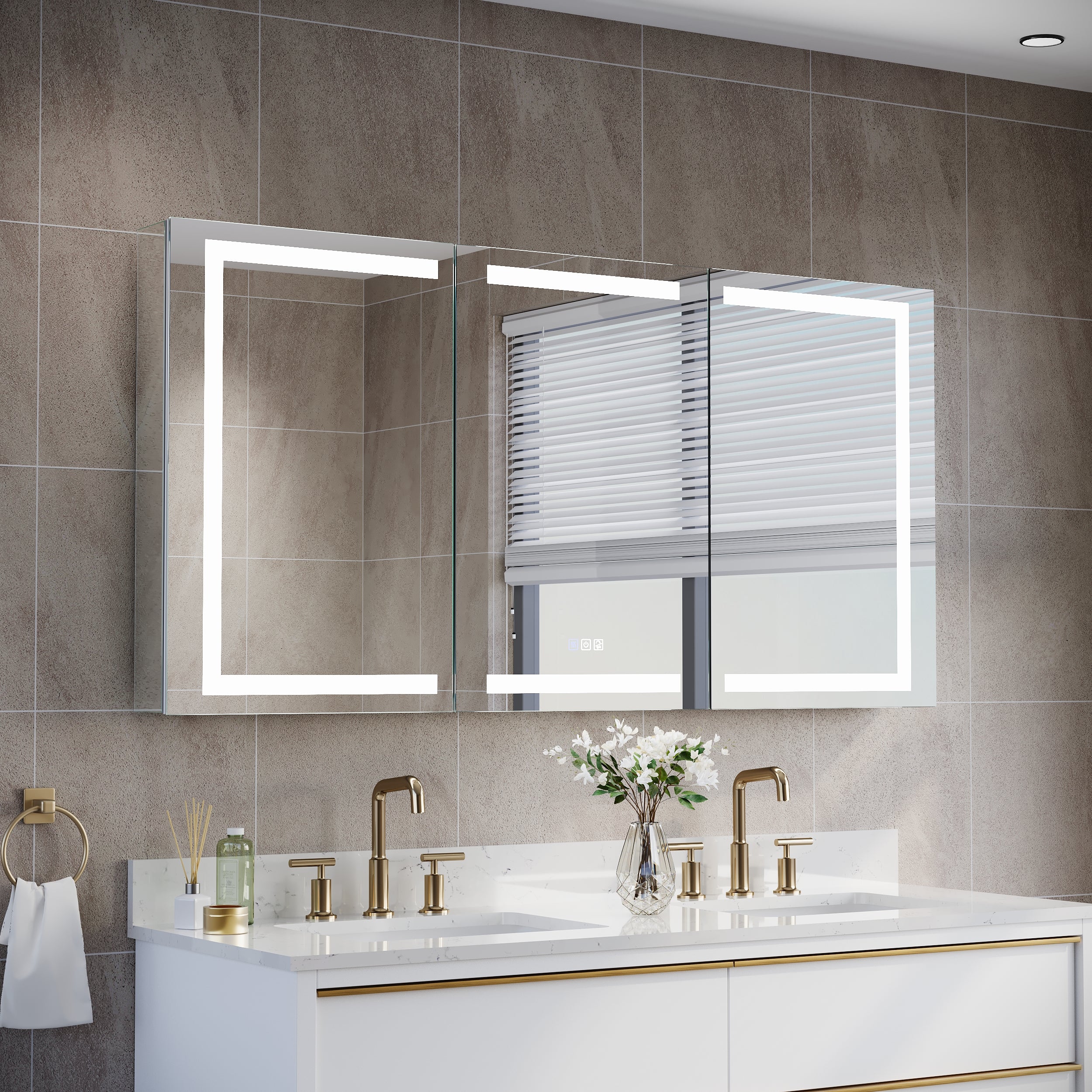
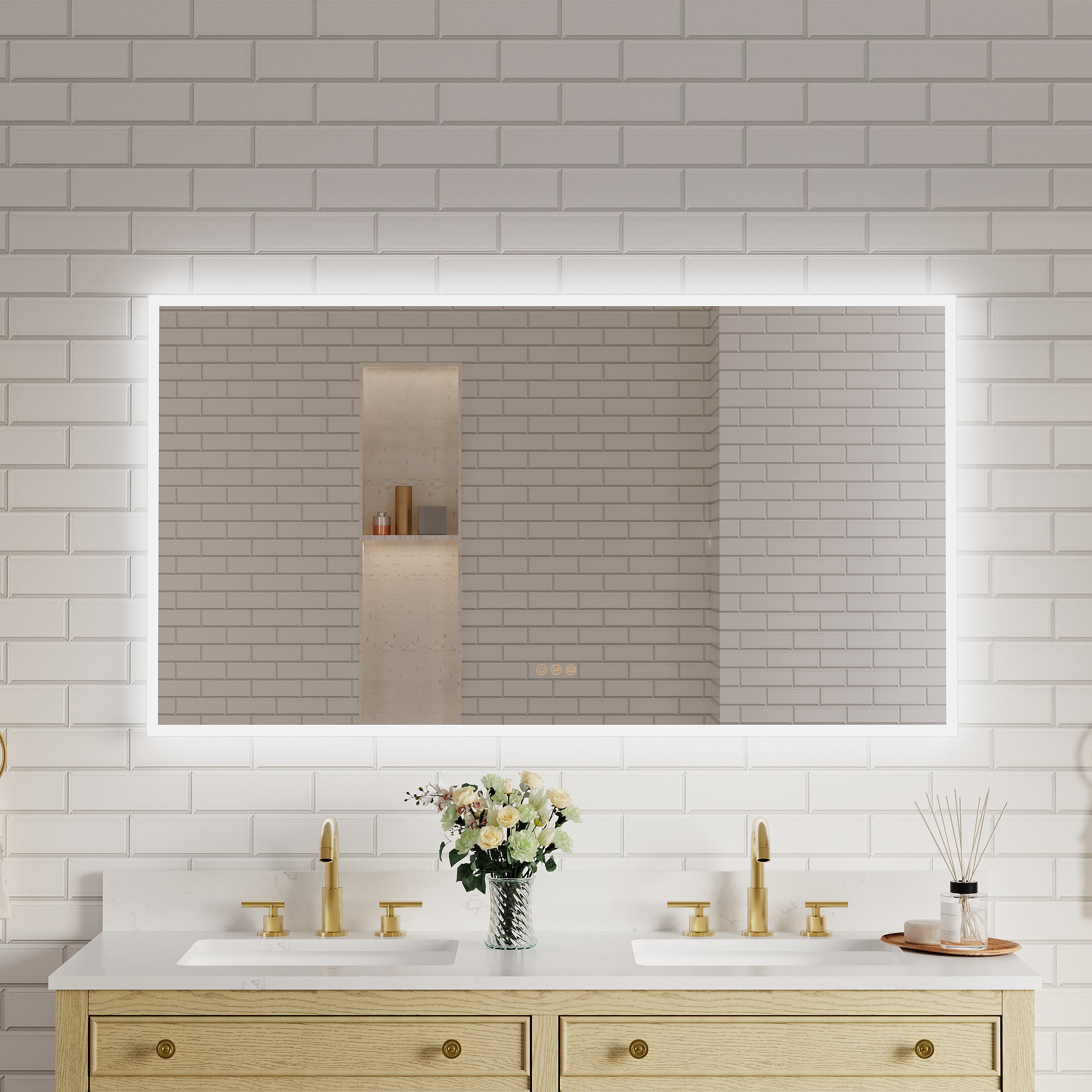
In the 60-inch60-inch dual-basin layout, two illuminated mirror cabinets can independently control brightness and color temperature, enhancing the flexibility of use.

8. Conclusion
Whether a medicine cabinet with lights is needed is not simply a functional upgrade, but a comprehensive choice between lighting design and spatial integration. In small bathrooms, it can significantly improve task lighting; in large spaces, it becomes an element that supplements and enhances texture. From brightness and color temperature to protection level, every inch, every size, and every watt of power affects the experience. Understanding the spatial scale and usage habits is necessary to determine whether this upgrade is truly worth investing in.











Leave a comment
This site is protected by hCaptcha and the hCaptcha Privacy Policy and Terms of Service apply.