














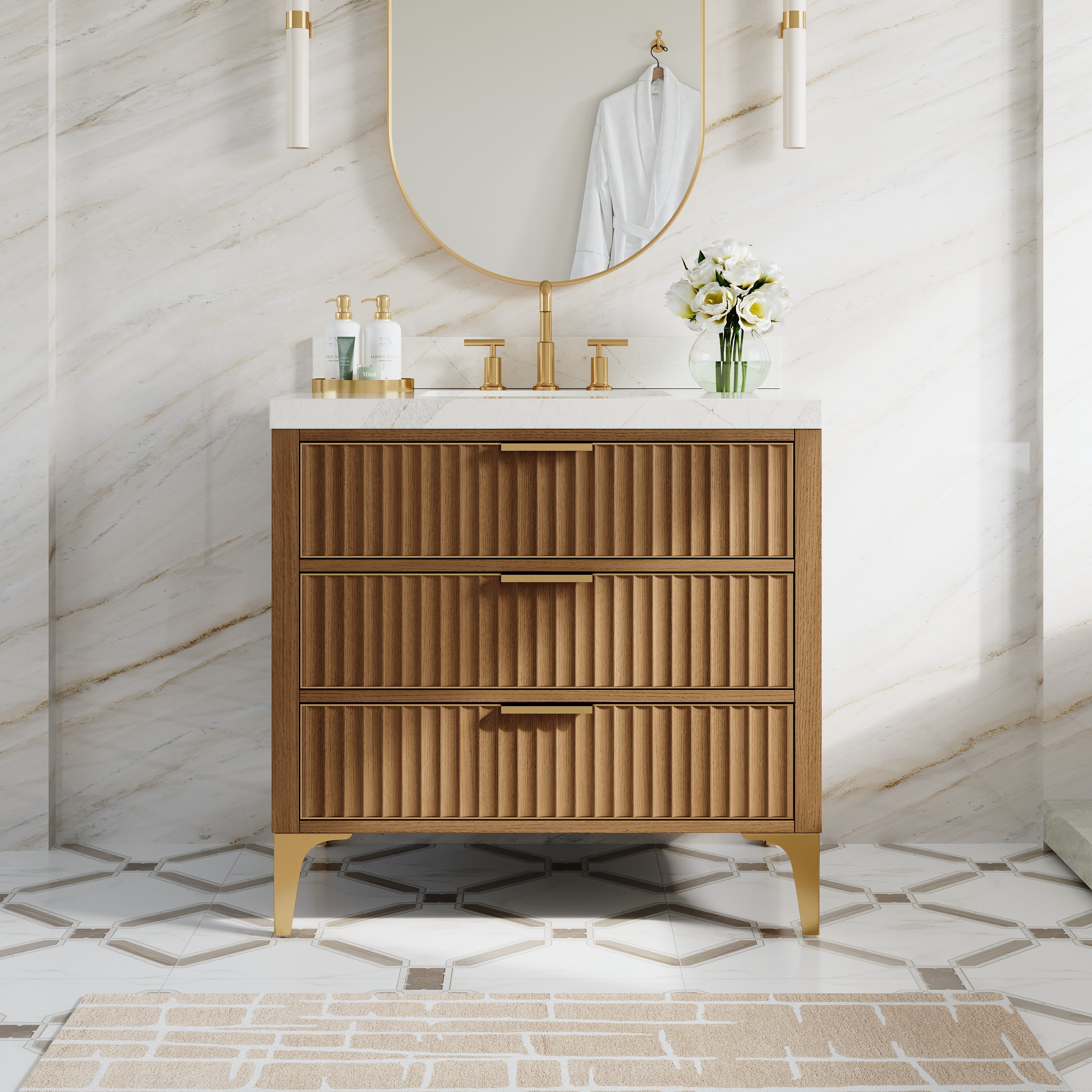
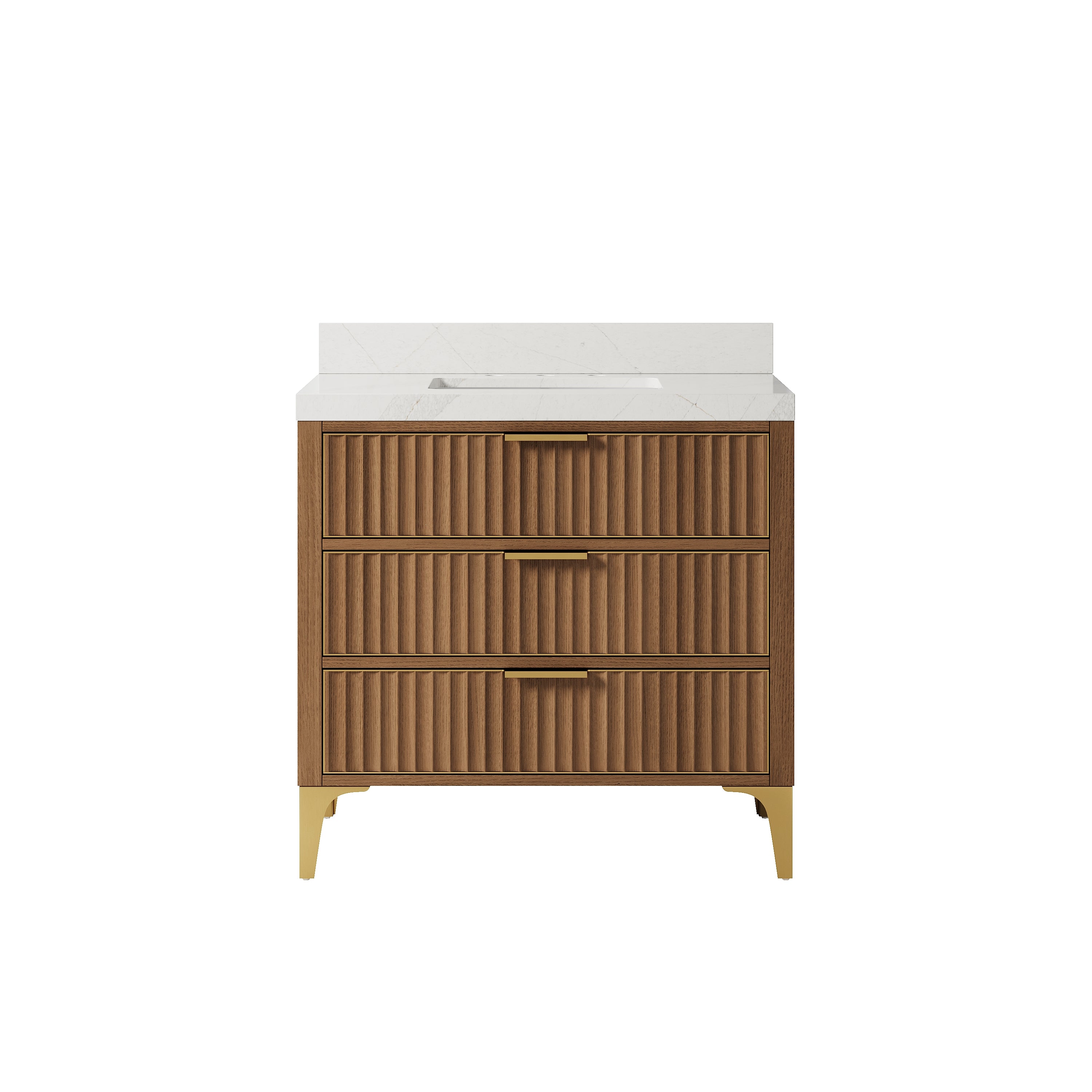
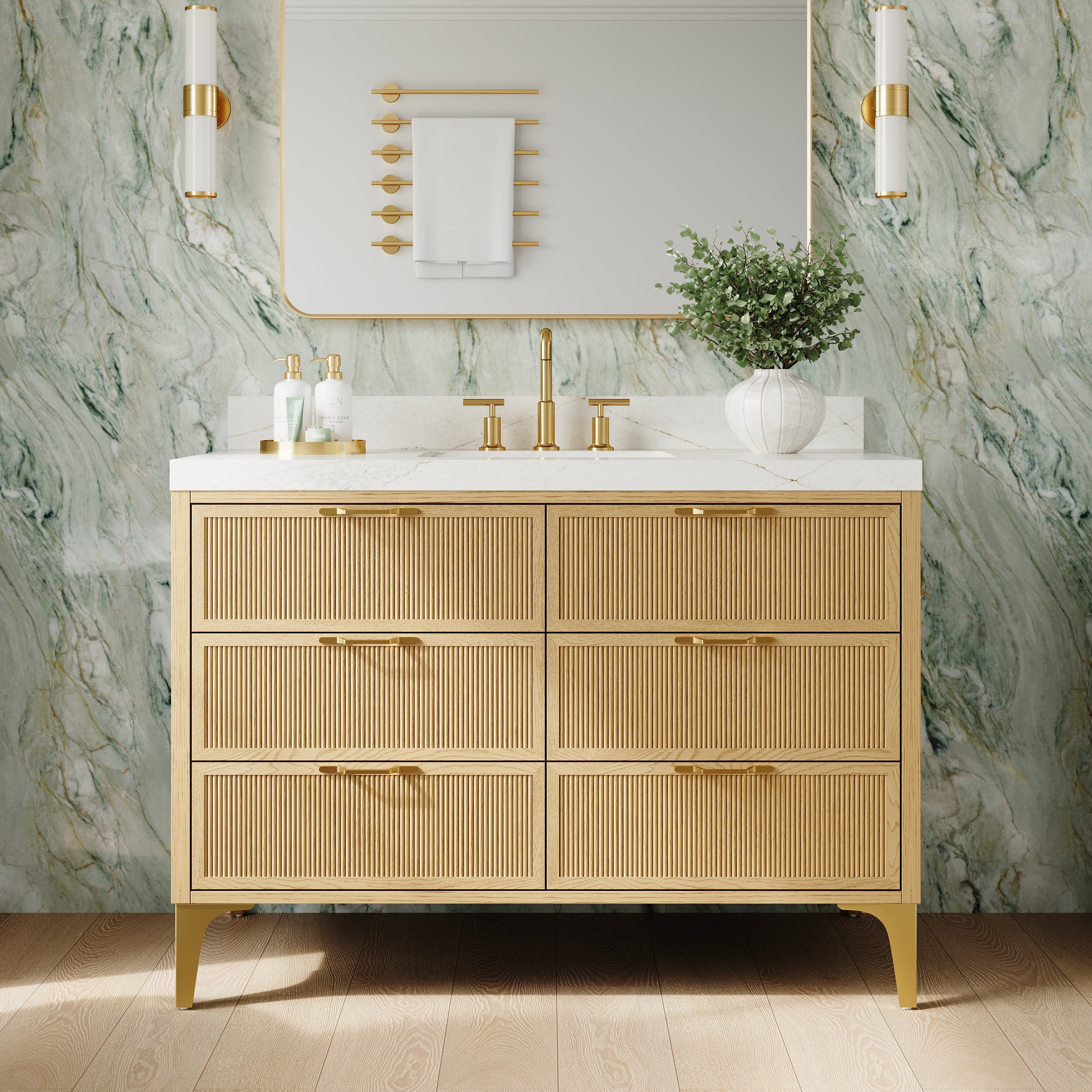
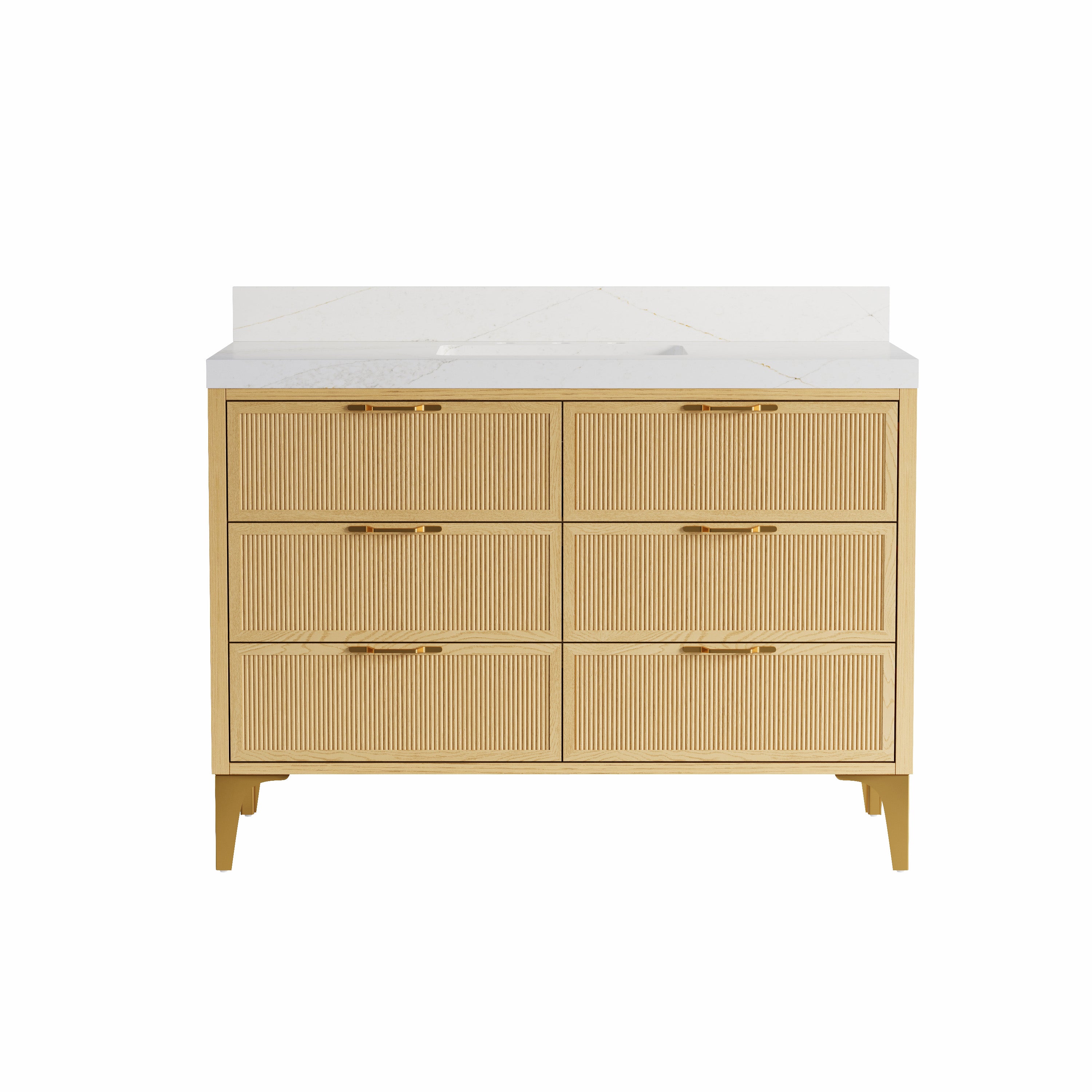


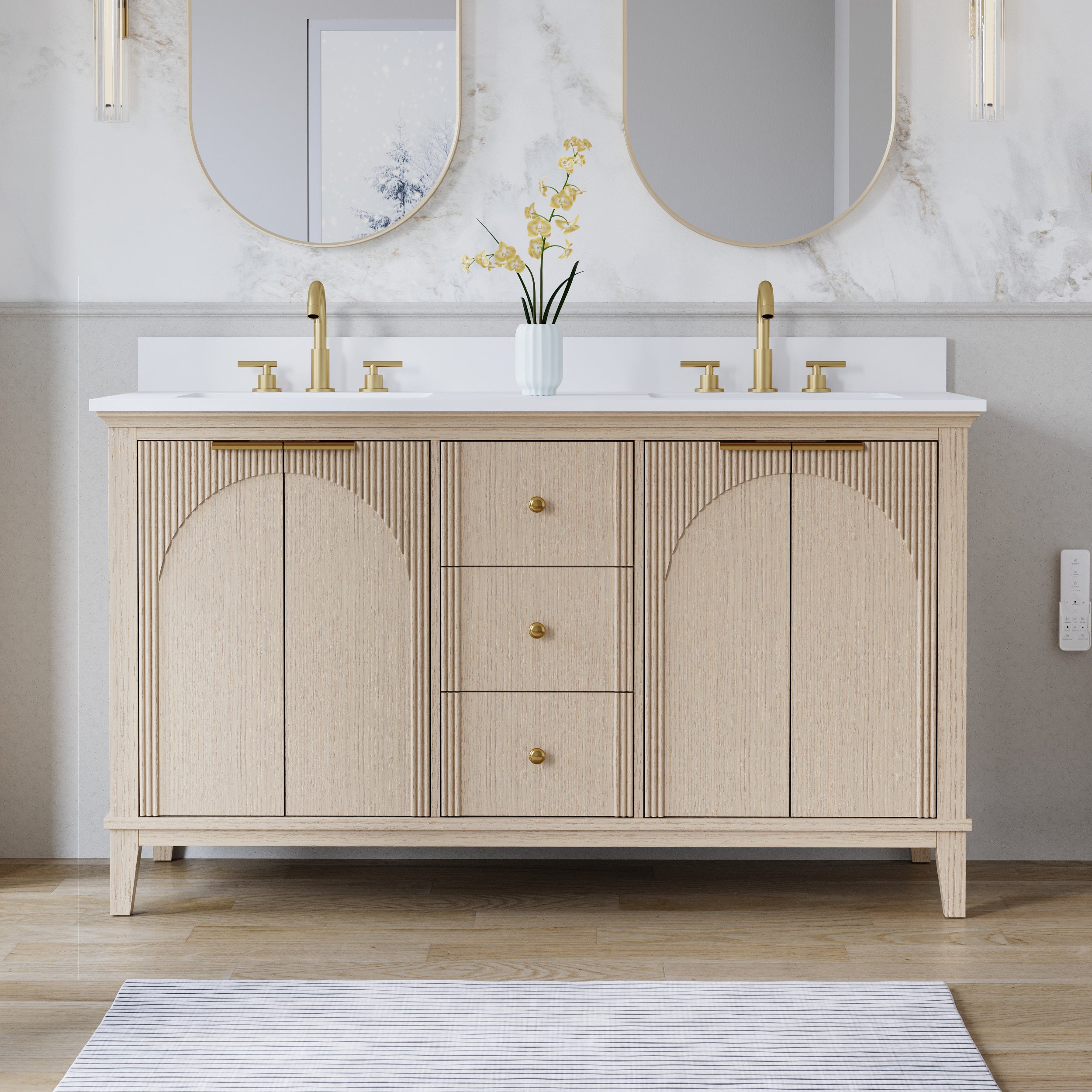
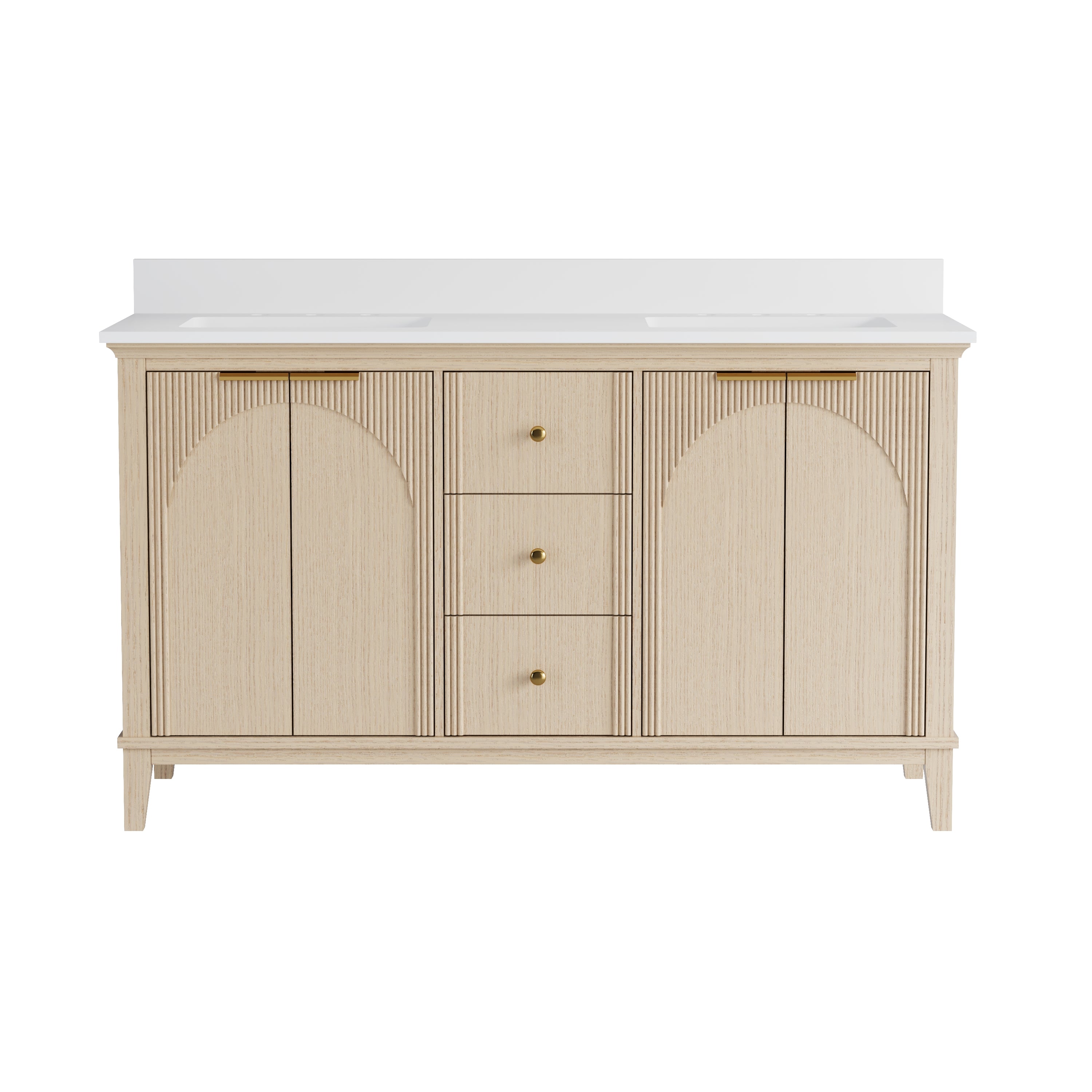
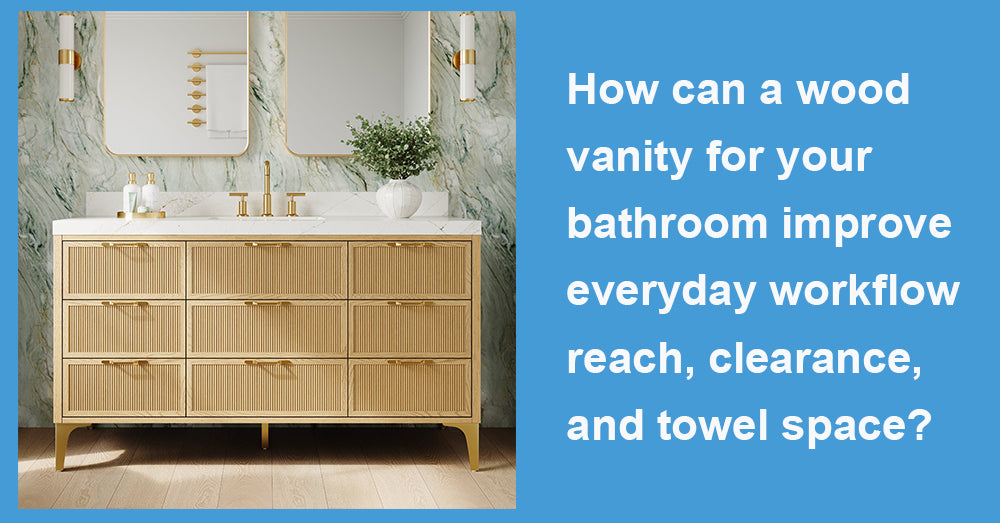
A wood vanity for bathroom use is not just about looks or materials anymore. In many remodels, the vanity becomes the “workflow hub” where people rinse, shave, style hair, store skincare, grab towels, and move past each other in tight spaces. That focus on daily efficiency shows up in renovation research: the latest Houzz Bathroom Trends findings report that homeowners frequently upgrade key functional elements like faucets and lighting, and they also gravitate toward practical vanity features such as soft-close drawers and doors.
Why workflow is becoming the new vanity “must-have.”
Bathrooms are being remodeled with more emphasis on how the room works hour by hour, not just how it photographs. The Houzz Bathroom Trends Study notes that soft-close mechanisms are now prevalent, with 78% selecting soft-close drawers and 75% selecting soft-close doors. That kind of adoption rate usually signals a broader shift: buyers are judging vanities by friction points (slam noise, stuck drawers, awkward storage) that affect every morning and night.
A wood vanity can improve workflow because it often supports sturdier joinery, stronger mounting for slides and hinges, and more flexible interior layouts. The best results come when the vanity is planned around three fundamentals: clearance, reach, and towel space.
Clearance: Protect the “in front of the vanity” zone first
Clearance is the fastest way to make a bathroom feel easier, even with the same square footage. NKBA planning guidance recommends a clear floor space of at least 30 inches from the front edge of fixtures (including a lavatory) to an opposite obstacle. In comparison, code minimums are often 21 inches in front of a lavatory and 24 inches at a shower entry.
What this means in plain terms: if your vanity depth or door swing steals that front clearance, your daily routine slows down. You end up turning sideways, bumping hips on corners, and stepping back into wet zones.
Workflow moves that help:
l Choose a vanity depth that preserves clearance. Standard depths in the low-20-inch range are common because they balance storage with usable aisle space.
l Use drawers instead of deep cabinet doors in tight baths. Doors need swing space; drawers that open straight out are easier to navigate.
l Plan for “two-person passing.” NKBA fixture placement commentary notes that a 48-inch walkway can allow someone to pass behind a person using a fixture (18 inches for use plus 30 inches behind).
If your bathroom routinely has two people brushing teeth at once, clearance is not a luxury detail. It is the difference between smooth flow and daily traffic jams.
Reach: design storage around what hands can access comfortably
Reach is where the vanity workflow either feels effortless or is constantly annoying. A simple, widely used accessibility reference is the ADA reach range: operable parts should generally fall between 15 inches and 48 inches above the finished floor for unobstructed forward or side reach.
Even if you are not designing for accessibility, that 15-to-48-inch “reach band” is a practical reality check:
·Items used daily (toothpaste, cleanser, deodorant, hairbrush) should live in the easiest-to-reach drawers.
·Back-of-cabinet storage becomes dead space unless you can pull it forward.
Wood vanities can help here because well-built wood drawer boxes and strong slide mounting often support full-extension drawers, bringing items to you rather than forcing you to reach deep into a cabinet. A workflow-friendly layout usually looks like this:
l Top drawer: daily small items (skincare, grooming tools).
l Second drawer: bulk but frequent items (hair products, extra toothpaste, shaving supplies).
l Lower drawers: backups, towels, or appliances.
If you rely on shelves instead of drawers, use pull-out trays or bins so items stay within a comfortable reach depth rather than disappearing in the back.

Sink and countertop choices can quietly improve reach
The sink setup changes how much usable storage remains. A bulky basin and plumbing trap can wipe out the most valuable “reach-zone” area. Two workflow wins to look for:
l U-shaped top drawers (or split drawers) that wrap around plumbing so you still get functional storage near the top.
l Shallower sink basins (when appropriate) that preserve cabinet volume and reduce how far you must bend forward to reach the faucet and countertop items.
This is also where wood quality matters in practice. A sturdy wood frame and well-anchored rails help the cabinet stay square, which keeps drawers gliding smoothly over time.
Towel space: put towels where hands naturally land, not where walls are empty
Towel placement is part of the workflow because it affects dripping, cleanup, and the number of steps in your routine. A common guideline range for towel bars is about 42 to 48 inches above the floor, and towel rings are often placed at least 20 inches above the vanity countertop so towels hang freely without soaking the surface.
You can make the towel space more ergonomic by aligning it with the reach band:
·If a towel bar is mounted too high, it becomes a stretch, and people stop using it.
·If it is too low, towels drag, get wet, and make the room feel messy.
If wall space is limited, consider:
l A side-mounted towel bar on the vanity end panel.
l A pull-out towel rail (often integrated near the top).
l A double towel bar where vertical space allows, keeping frequently used towels on the lower bar and backups on the upper.
These options reduce steps and keep towels off countertops, protecting finishes and speeding up cleanup.
Storage architecture: why drawers often beat doors for daily speed
The Houzz Bathroom Trends Study shows that functional hardware is now mainstream: 78% choose soft-close drawers, and 75% choose soft-close doors. Soft-close does more than reduce noise. It also helps protect alignment and hardware from constant slamming, especially in busy households.
For workflow, drawers usually win because:
l You can see everything at a glance.
l You avoid kneeling and reaching to the back of a cabinet.
l You can separate categories (skincare, dental, hair) by drawer.
If you want the vanity to feel “fast,” prioritize full-extension drawers and interior dividers over adding more shelves.
Wood quality: the workflow benefit is stability, not just premium branding
Wood quality improves workflow by keeping the cabinet stable in a humid room. Stability means doors stay aligned, drawers don’t rattle, and hardware stays tight. Houzz trend data also indicates that when homeowners choose wood vanities, solid wood is the dominant choice (74%) over MDF and other alternatives.
A practical takeaway: wood quality becomes a workflow feature because it supports the mechanics that people touch every day:
l Drawer slide screws stay anchored.
l Hinges don’t loosen as quickly.
l The cabinet holds its shape under countertop weight and daily use.
In other words, the vanity keeps performing the way it did on day one, which is the real “everyday value.”
Right-sizing the vanity improves workflow immediately
Size matters, but not only for storage. It also controls clearance and towel placement options. Houzz reports that nearly half of homeowners favor vanities 48 inches or less, while larger sizes remain significant (including 60 inches and 72 inches).
Use size to match workflow:
l 24-inch to 30-inch vanities: prioritize drawers and compact towel solutions (ring or side rail).
l 36-inch to 48-inch vanities: add a dedicated “hot tools” drawer, organizers, and a nearby towel bar.
l 60-inch and 72-inch double vanities: split storage by person, and plan towel space for each sink to reduce crossing paths.












Leave a comment
This site is protected by hCaptcha and the hCaptcha Privacy Policy and Terms of Service apply.