
















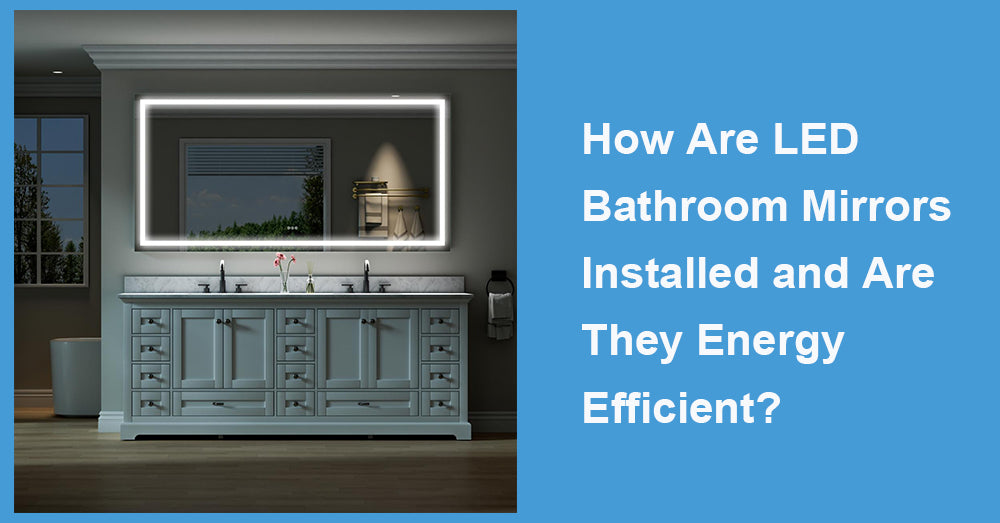
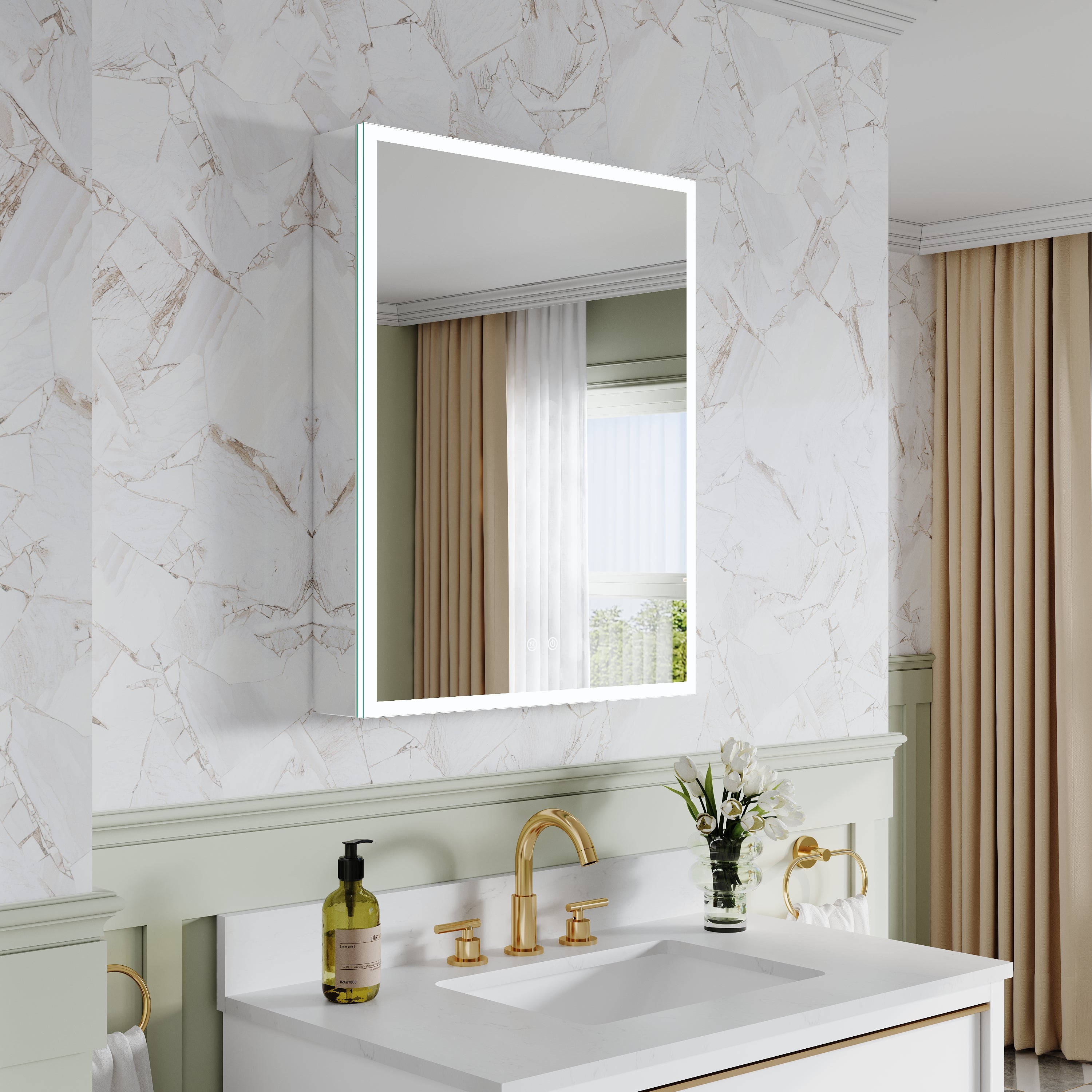
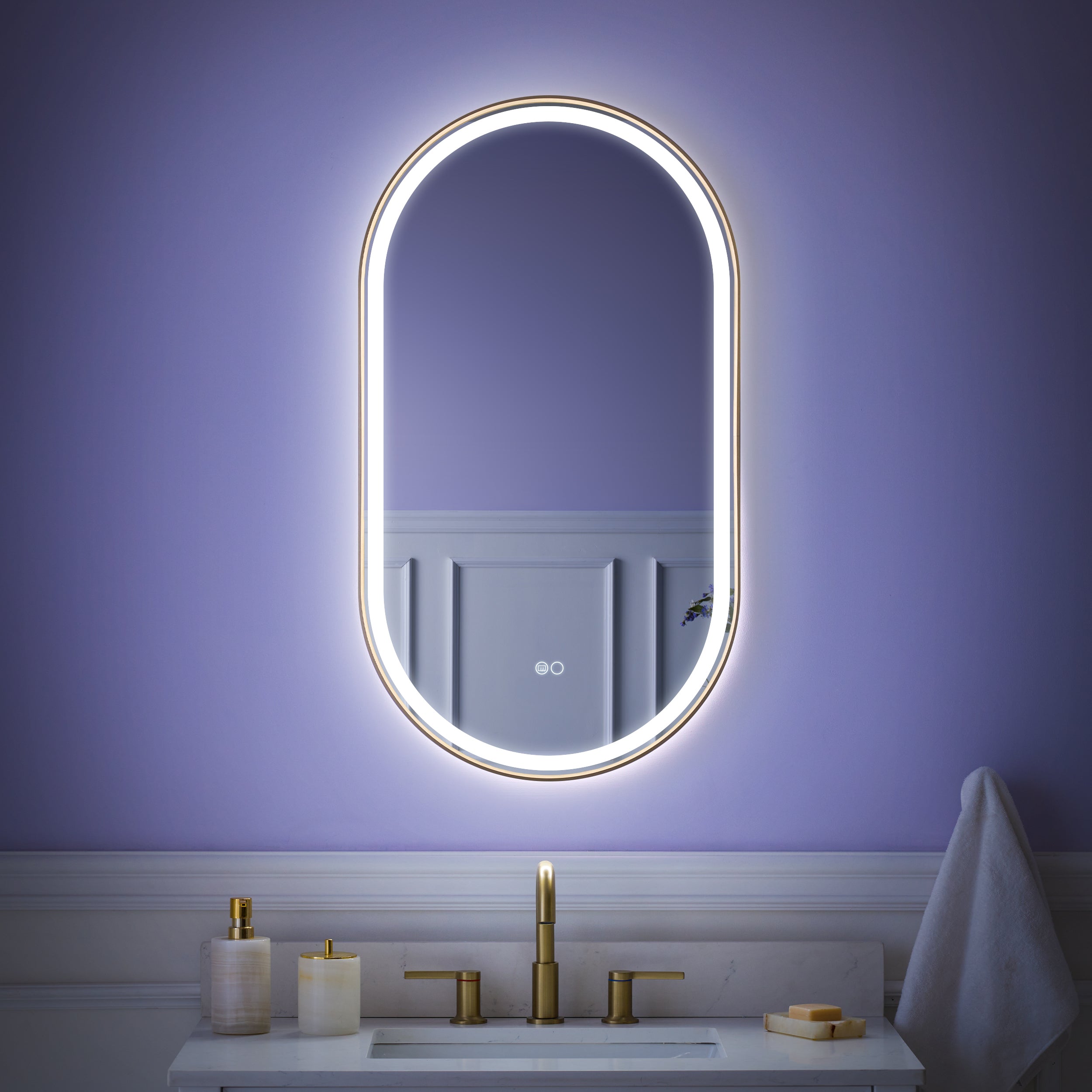
In modern bathroom upgrade projects, LED bathroom mirrors are increasingly becoming the core configuration, integrating lighting, functionality, and design. Many people are concerned about two practical issues when choosing: how is this type of mirror installed? Is long-term use really energy-saving? Industry installation data and lighting energy-efficiency testing show that, as long as the installation method is reasonable and the product design is mature, LED mirrors not only offer controllable construction but also deliver significantly better energy consumption performance than traditional lighting solutions.
1. The installation logic of LED mirrors is not as complex as imagined
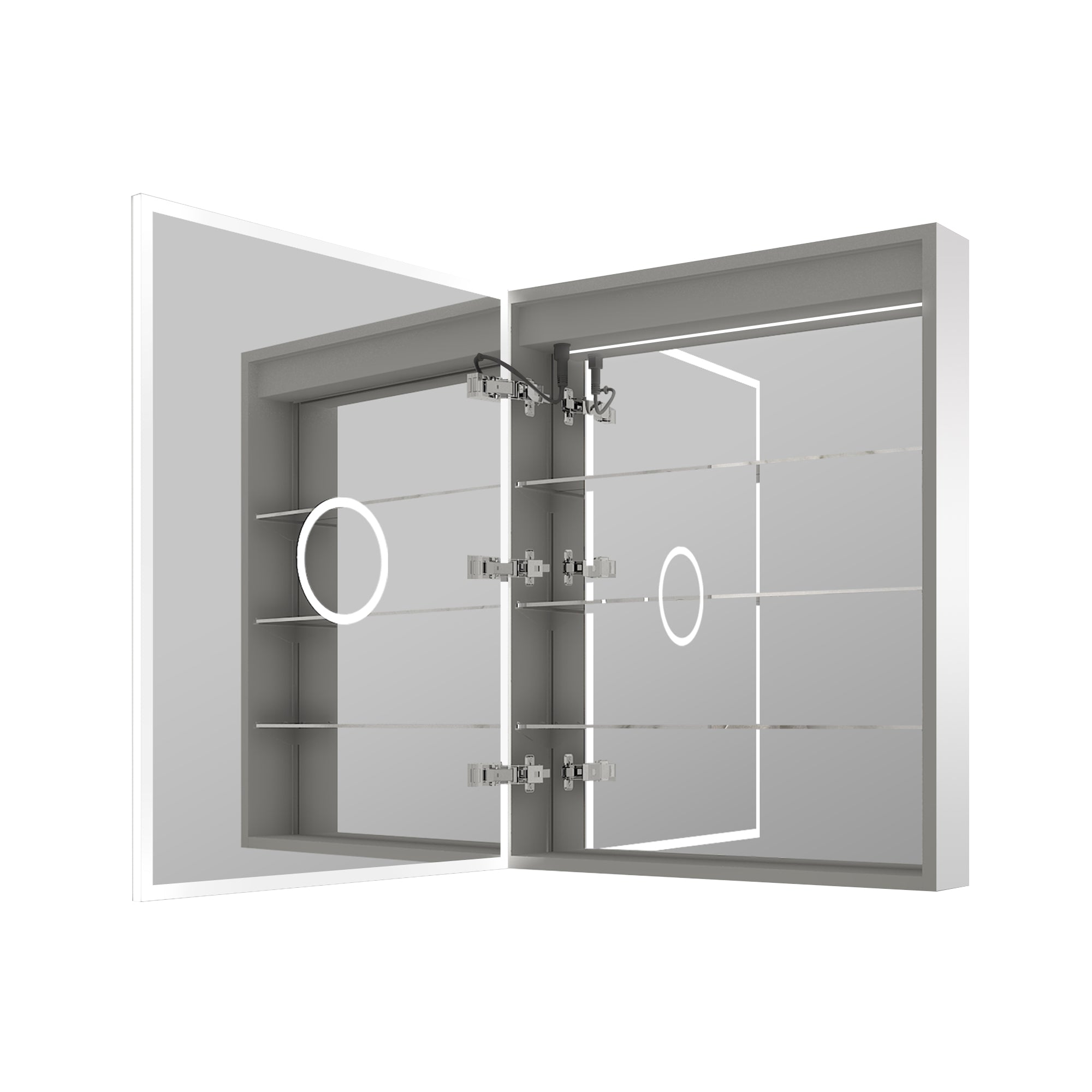
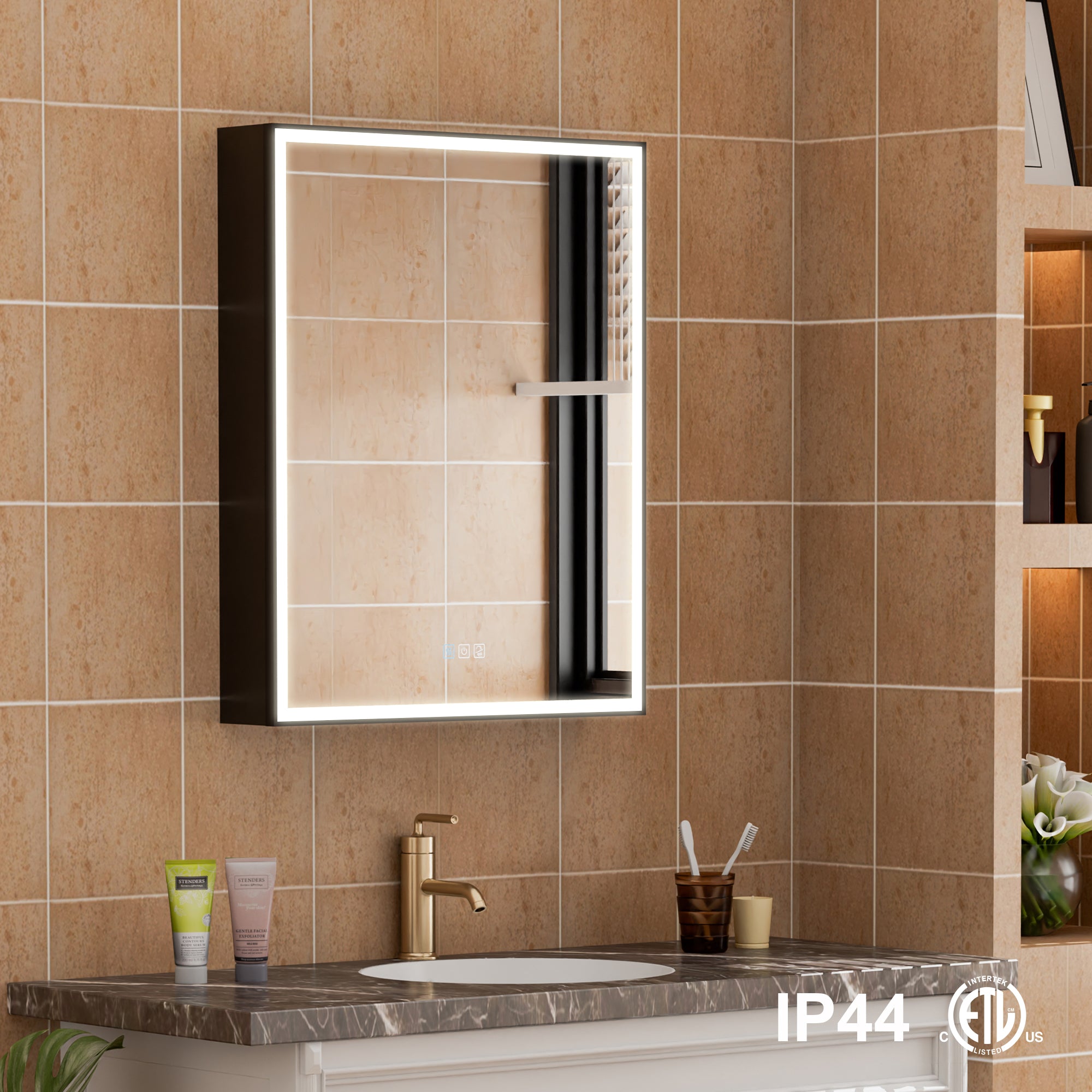
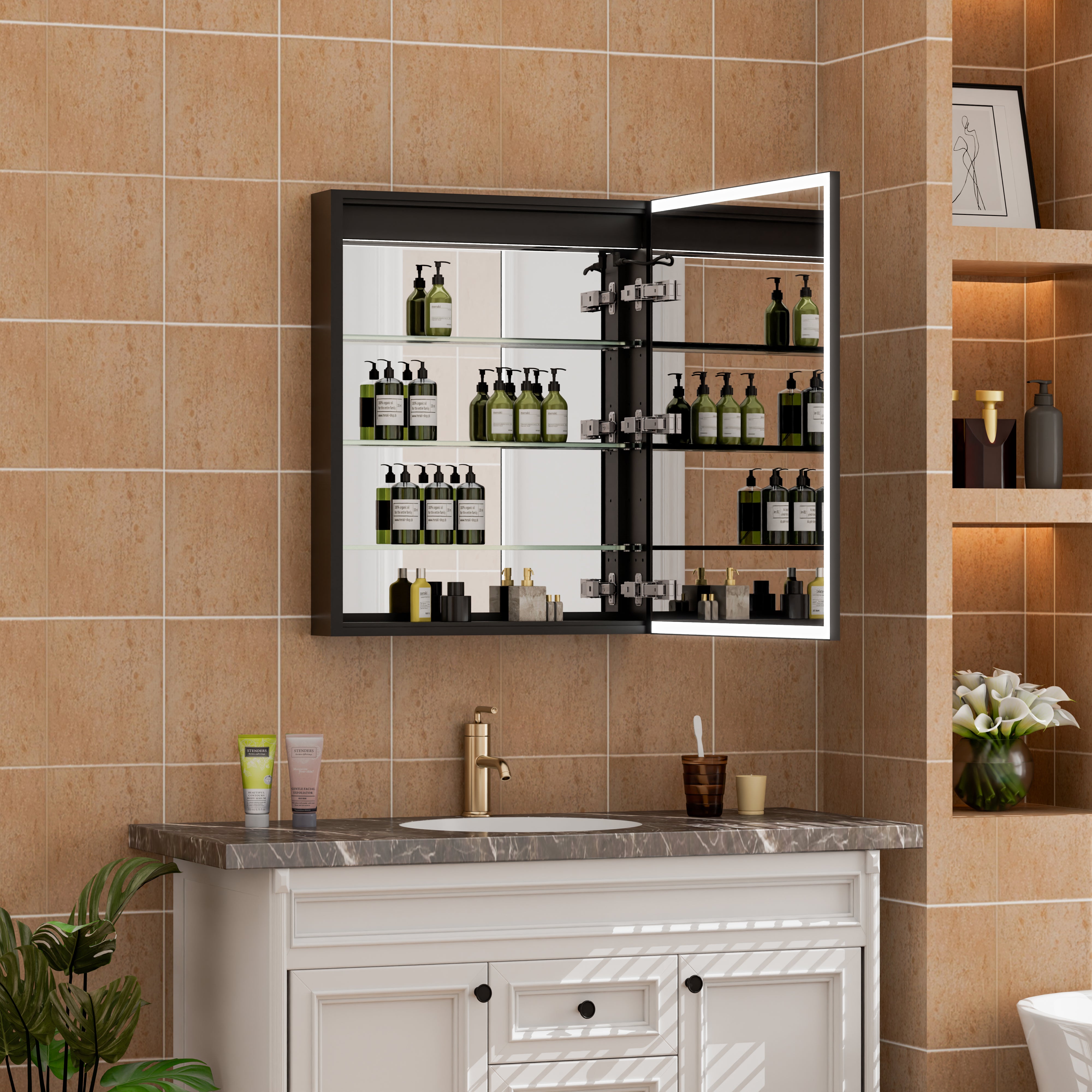
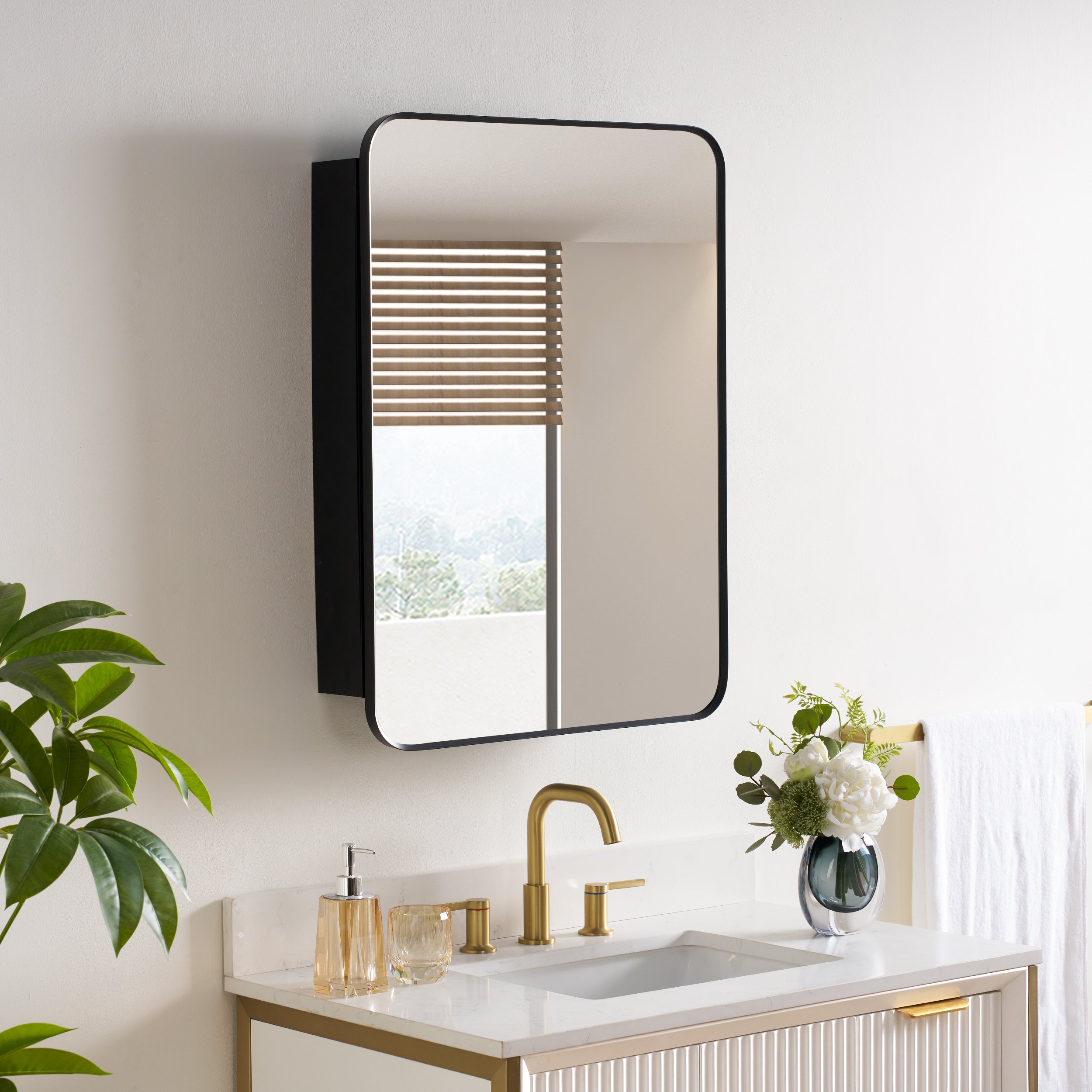
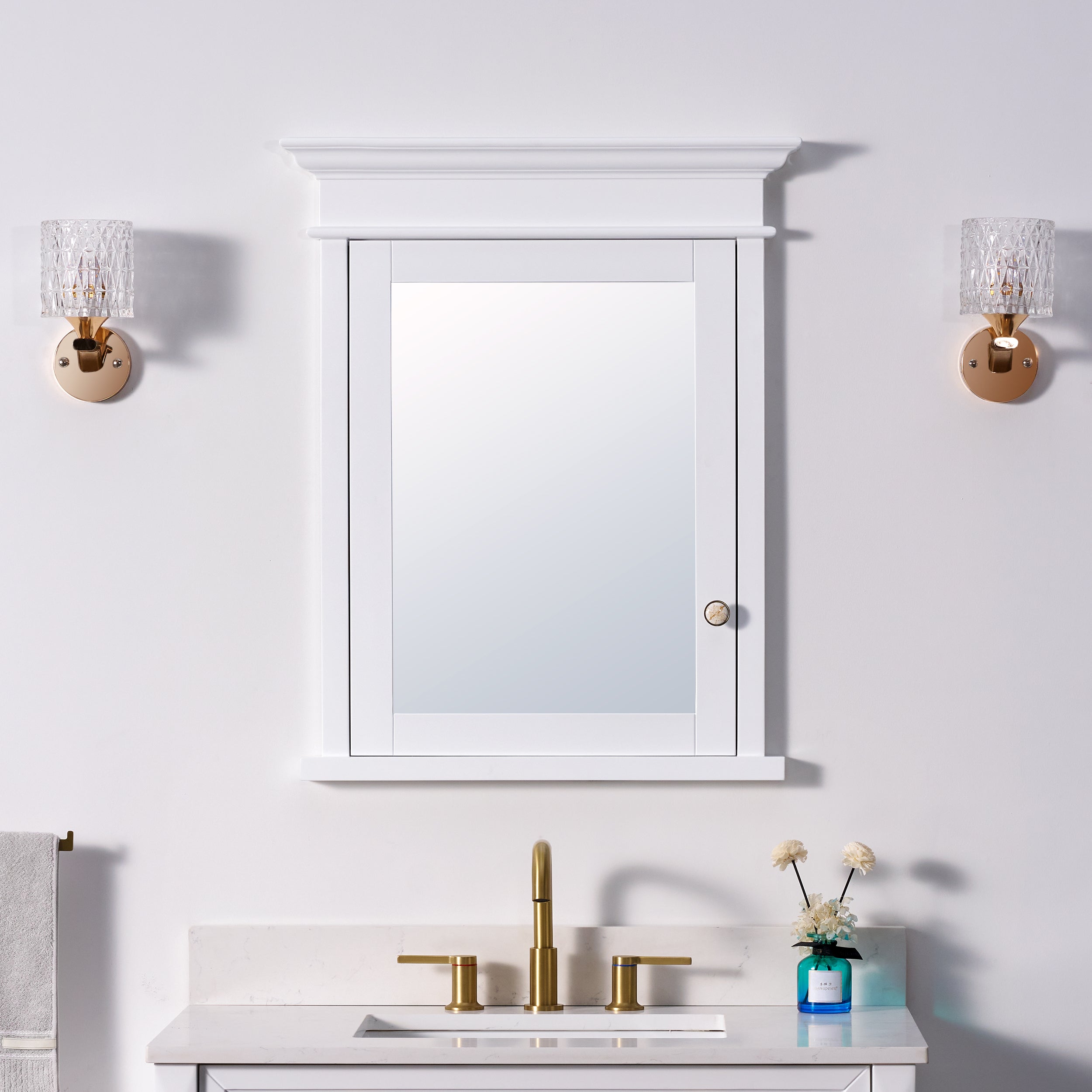
Structurally speaking, LED mirrors are not "electrical devices embedded in walls", but rather closer to a high specification wall-mounted mirror with a power module.
The standard installation methods are mainly divided into two categories: direct hanging and embedded, reserved-power-supply installation.
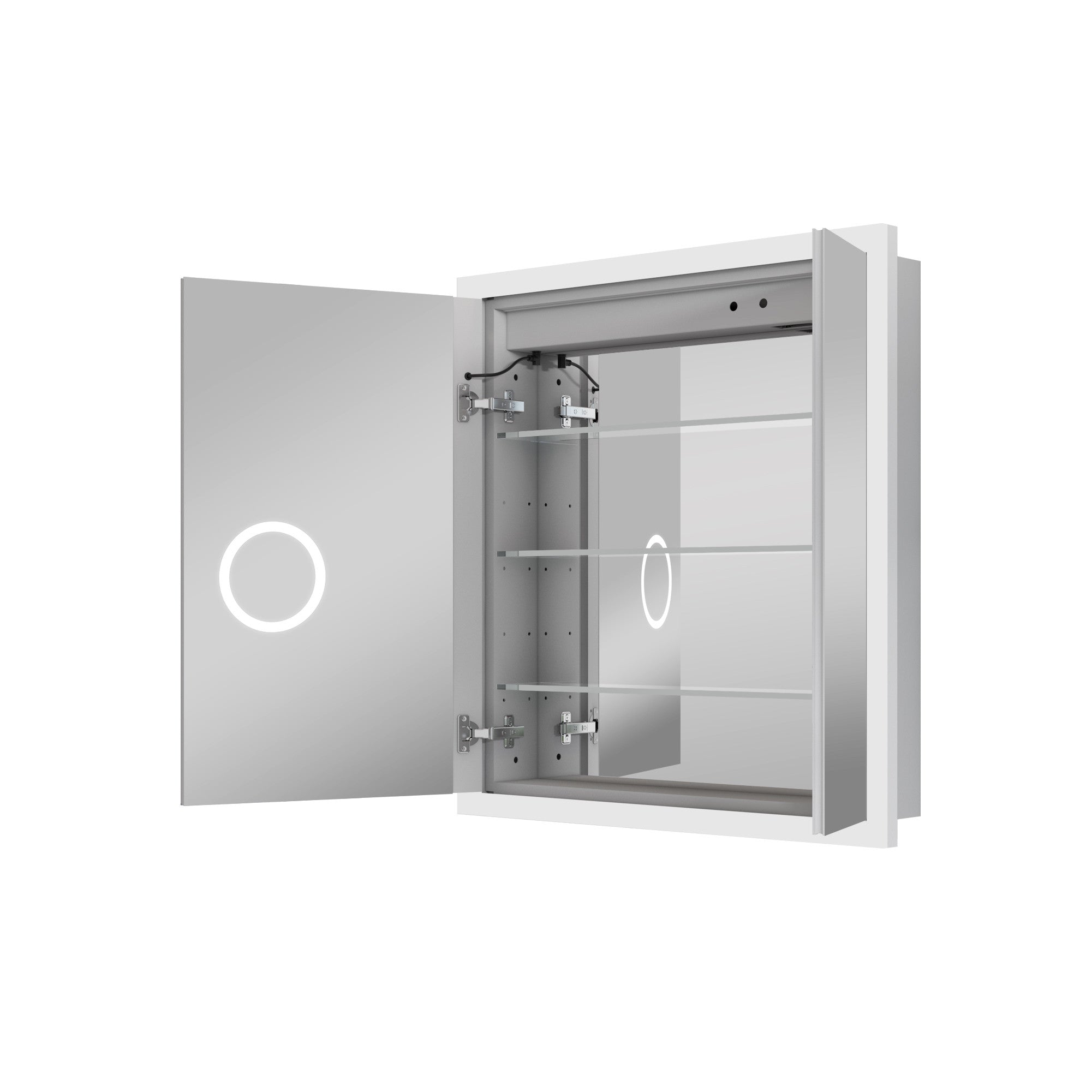
In most renovation projects, the hanging type is the most common solution. The back of the mirror body is usually equipped with metal hanging rails or fixed holes, which can be attached to the wall keel or a solid wall structure using expansion bolts to achieve load-bearing.
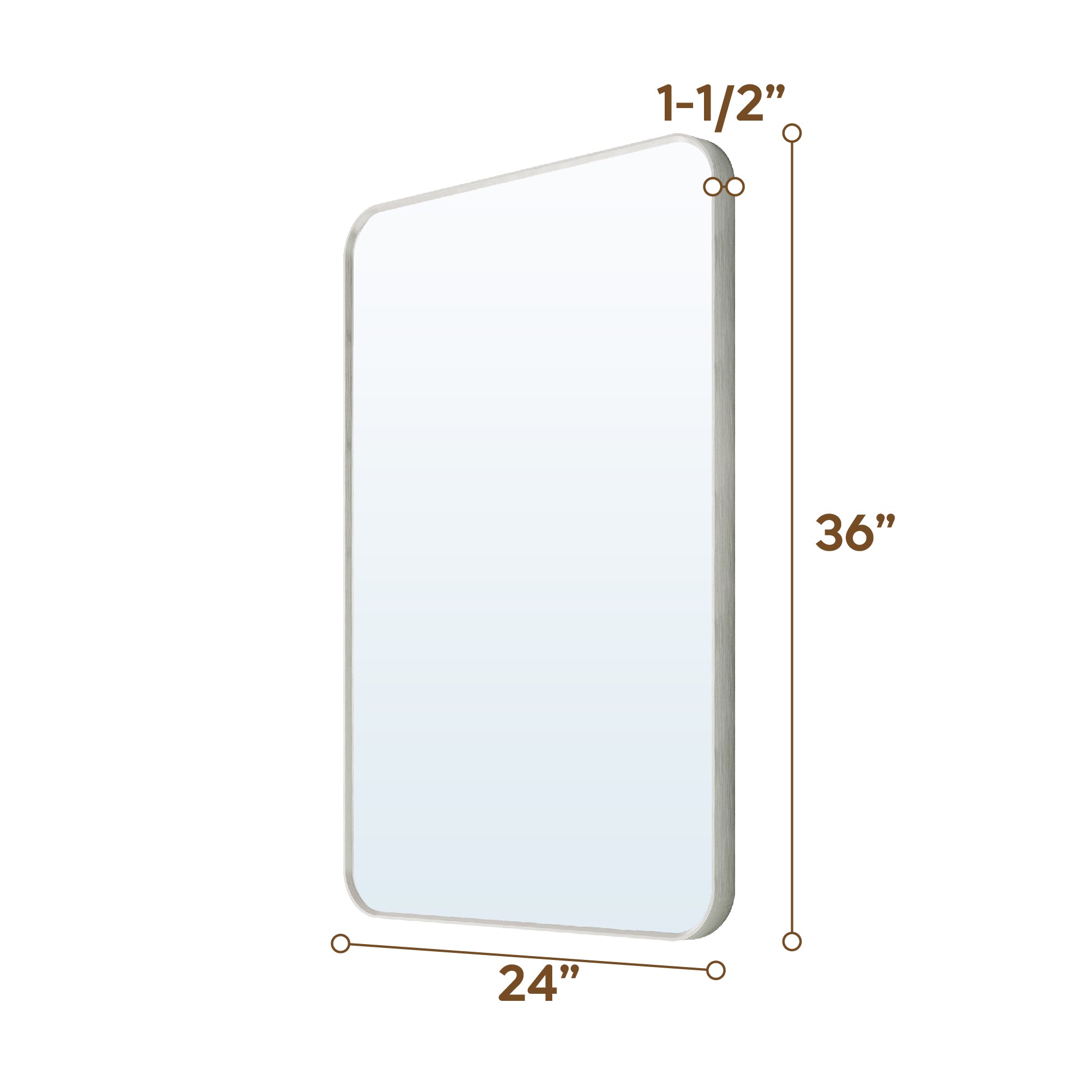
Industry experience shows that in the standard 24-36-inch range, a single person can complete the basic installation. In comparison, for sizes 48 inches and above, it is usually recommended for two people to collaborate to ensure level and safety.
2. Key details of the power connection method
LED mirrors can be powered in two ways: via a socket or hard-wired.
The socket power supply method is more flexible and suitable for locations with existing wall sockets; the hard-wired method makes the appearance more concise, hides the wires, and makes the overall design cleaner.
Industry installation feedback indicates that as long as the power height and mirror center position are planned, hard wiring will not significantly increase construction difficulty, but can dramatically improve visual effects.
3. Practical advice on the ratio of installation height to size
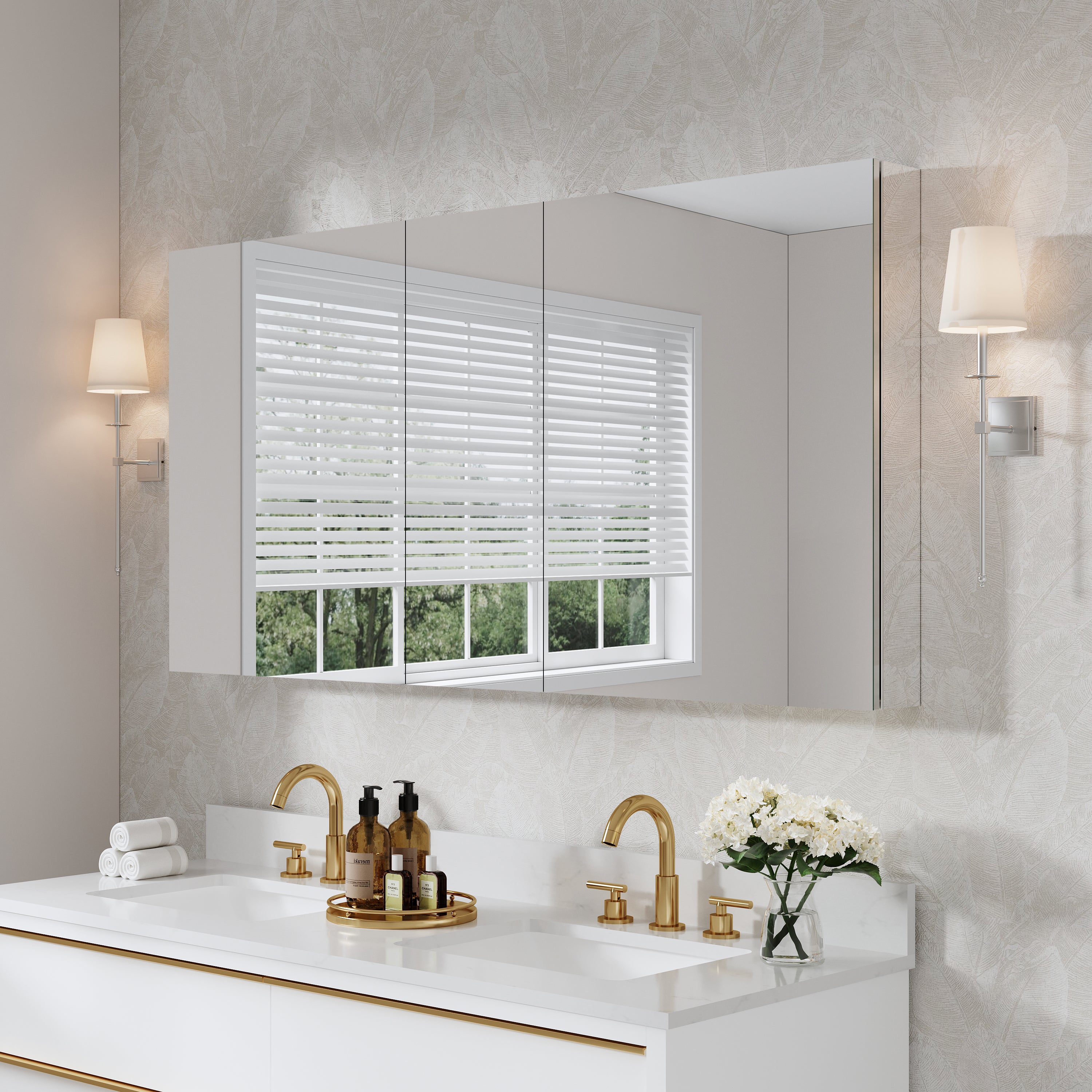
Although the specific height depends on the user's height, a common industry practice is to set the mirror's center roughly at eye level.
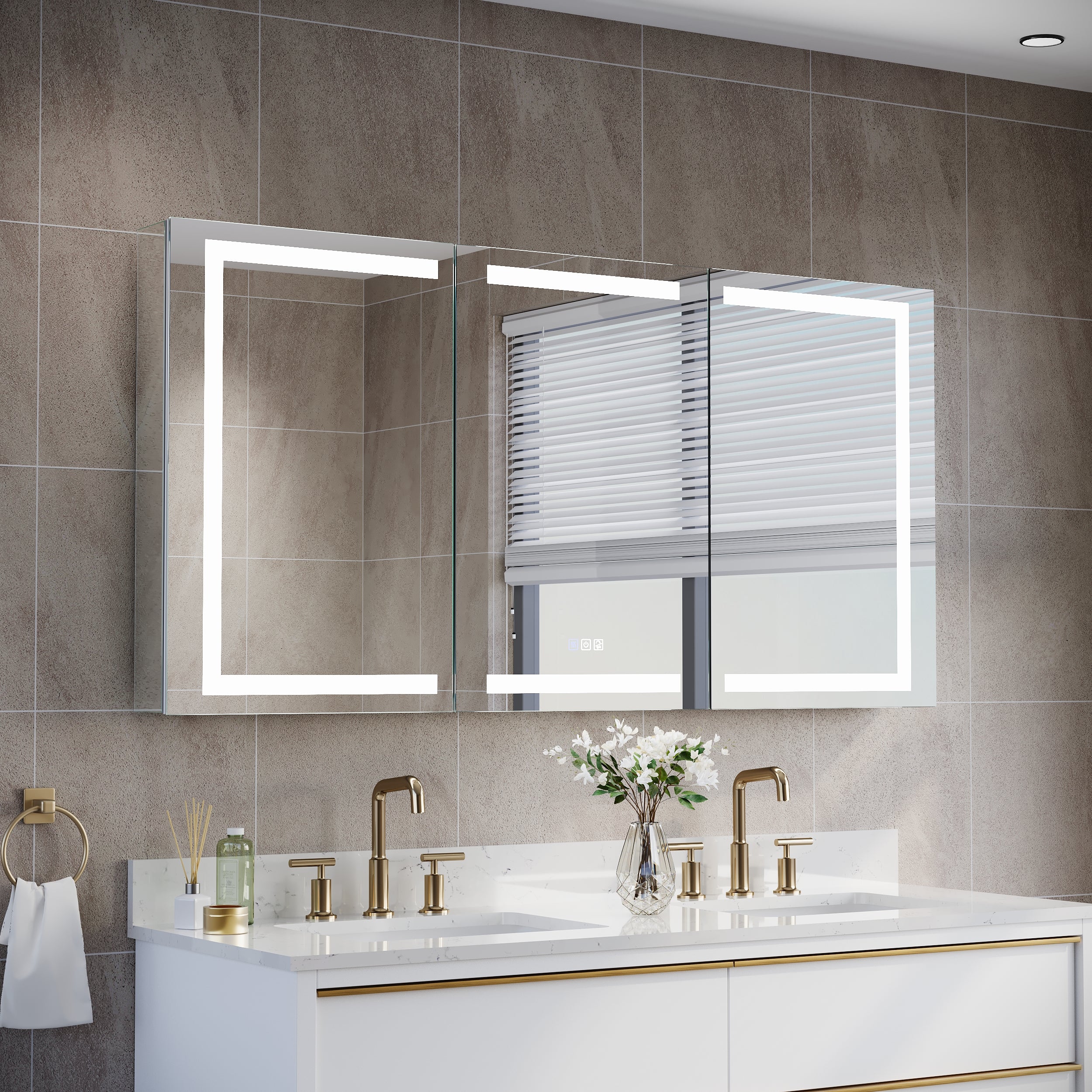
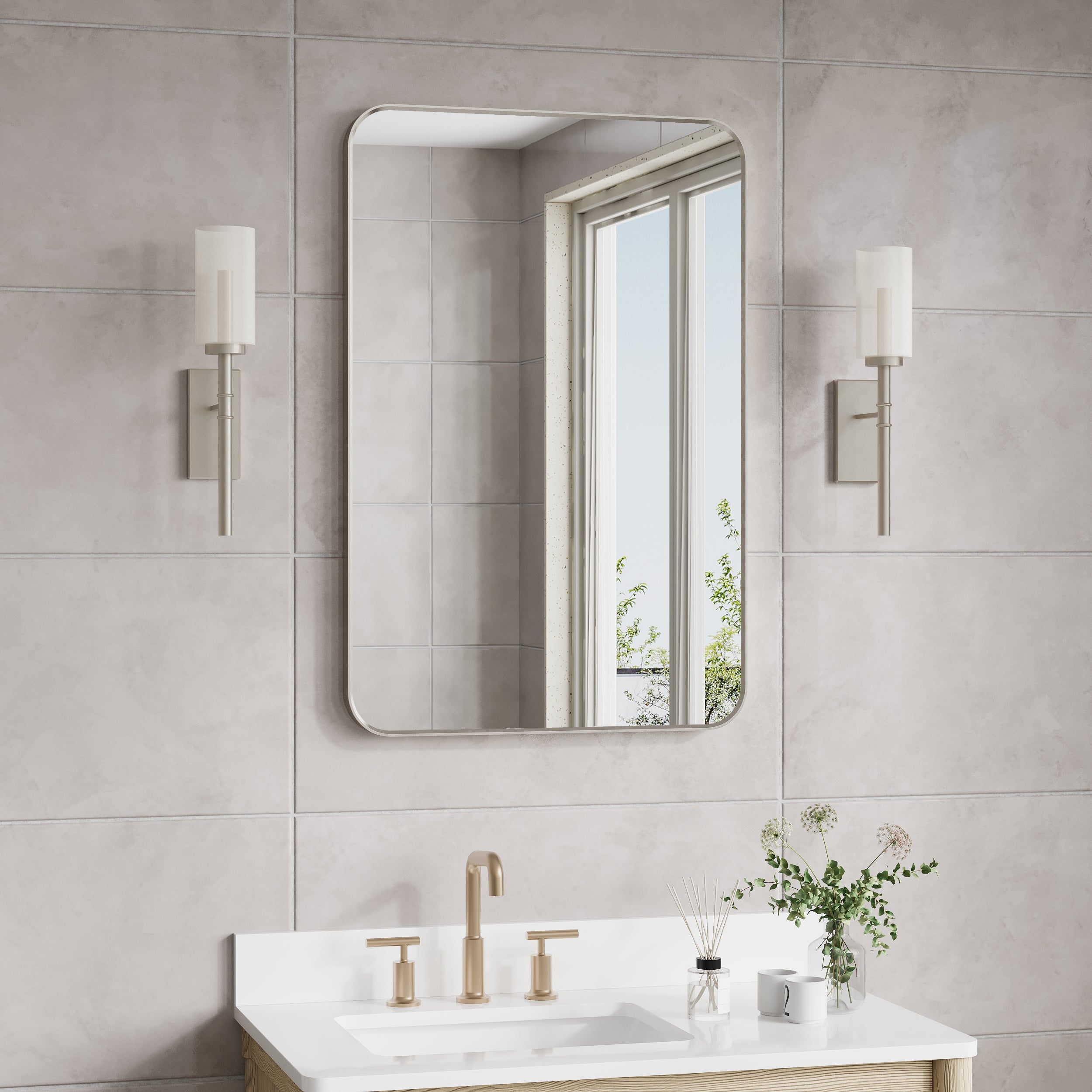
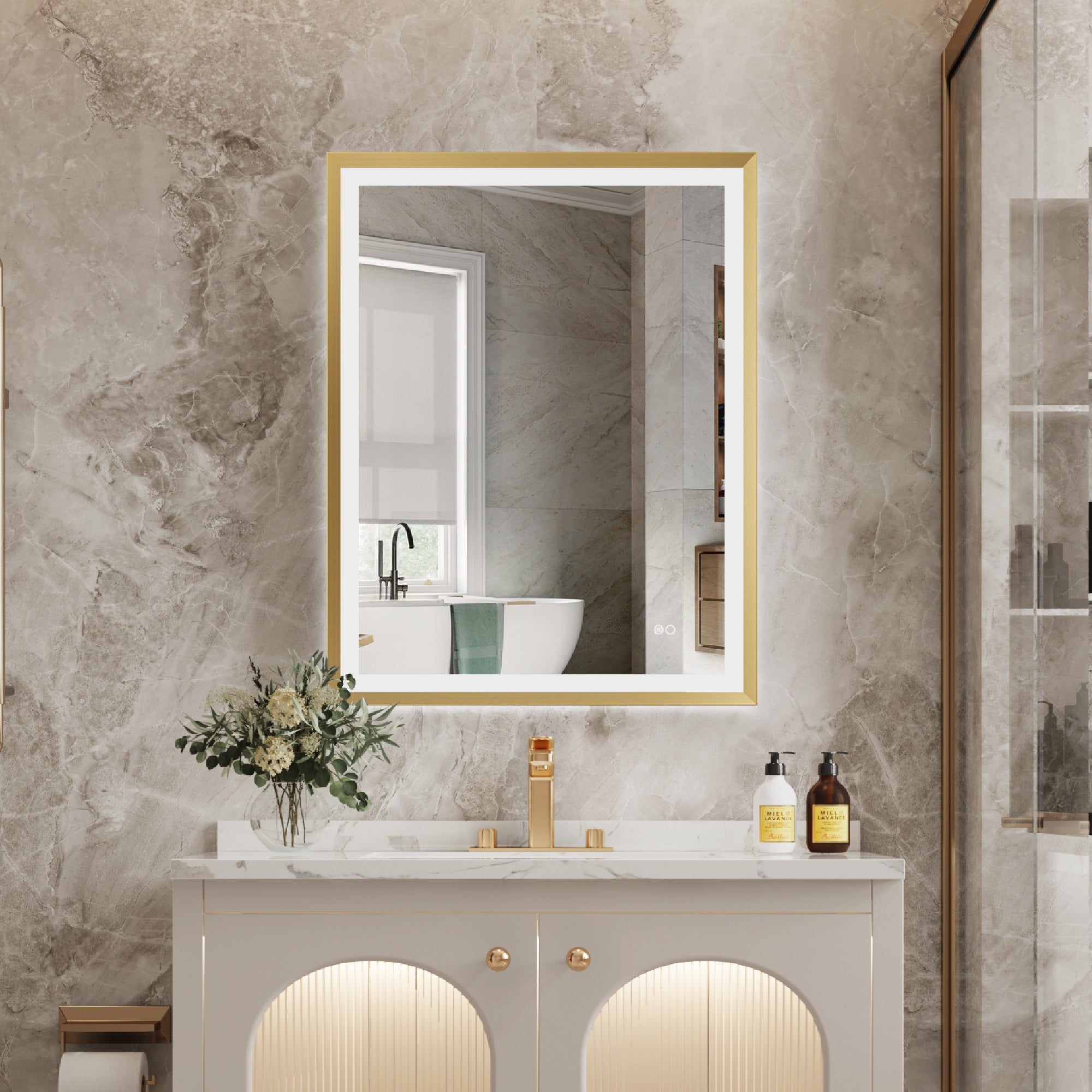
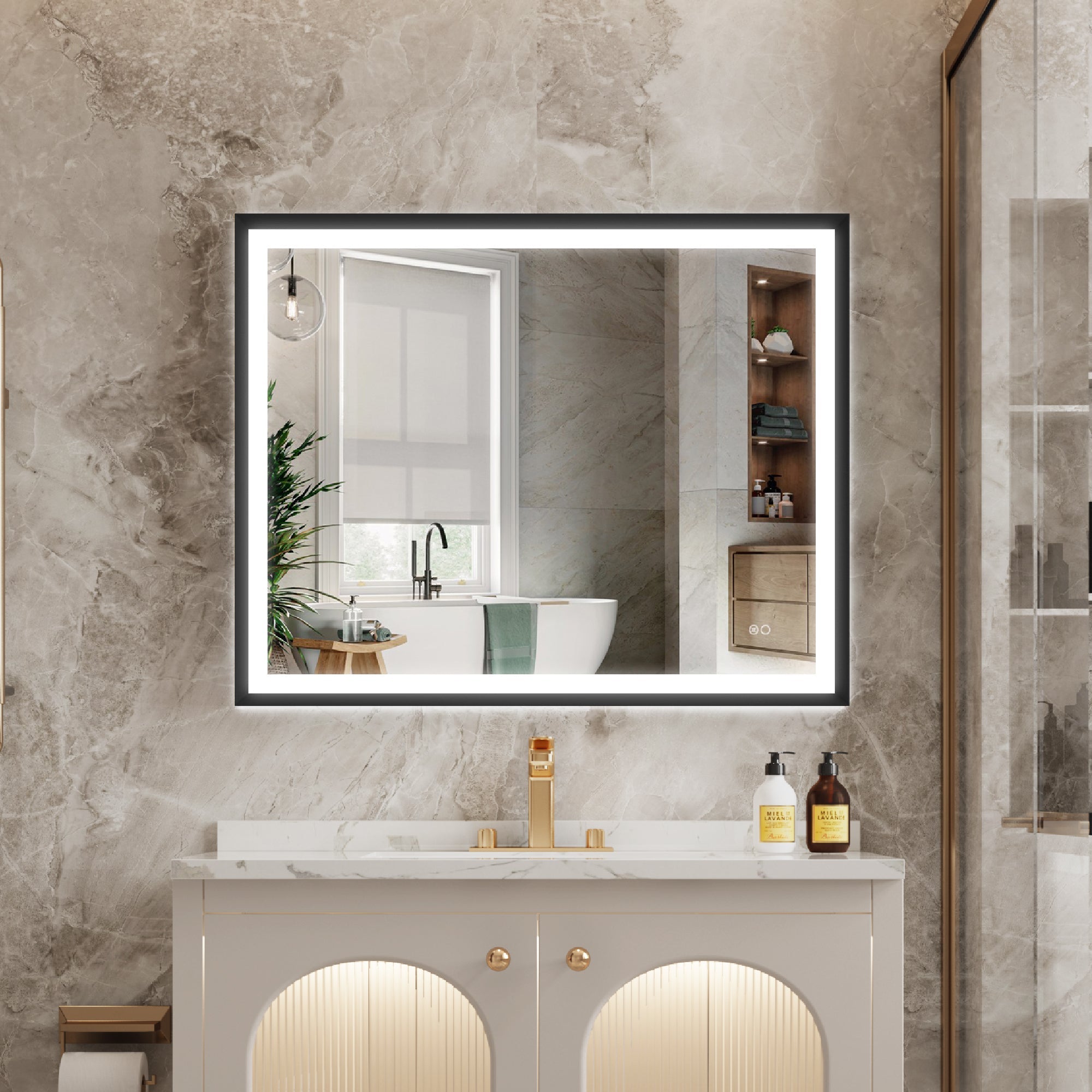
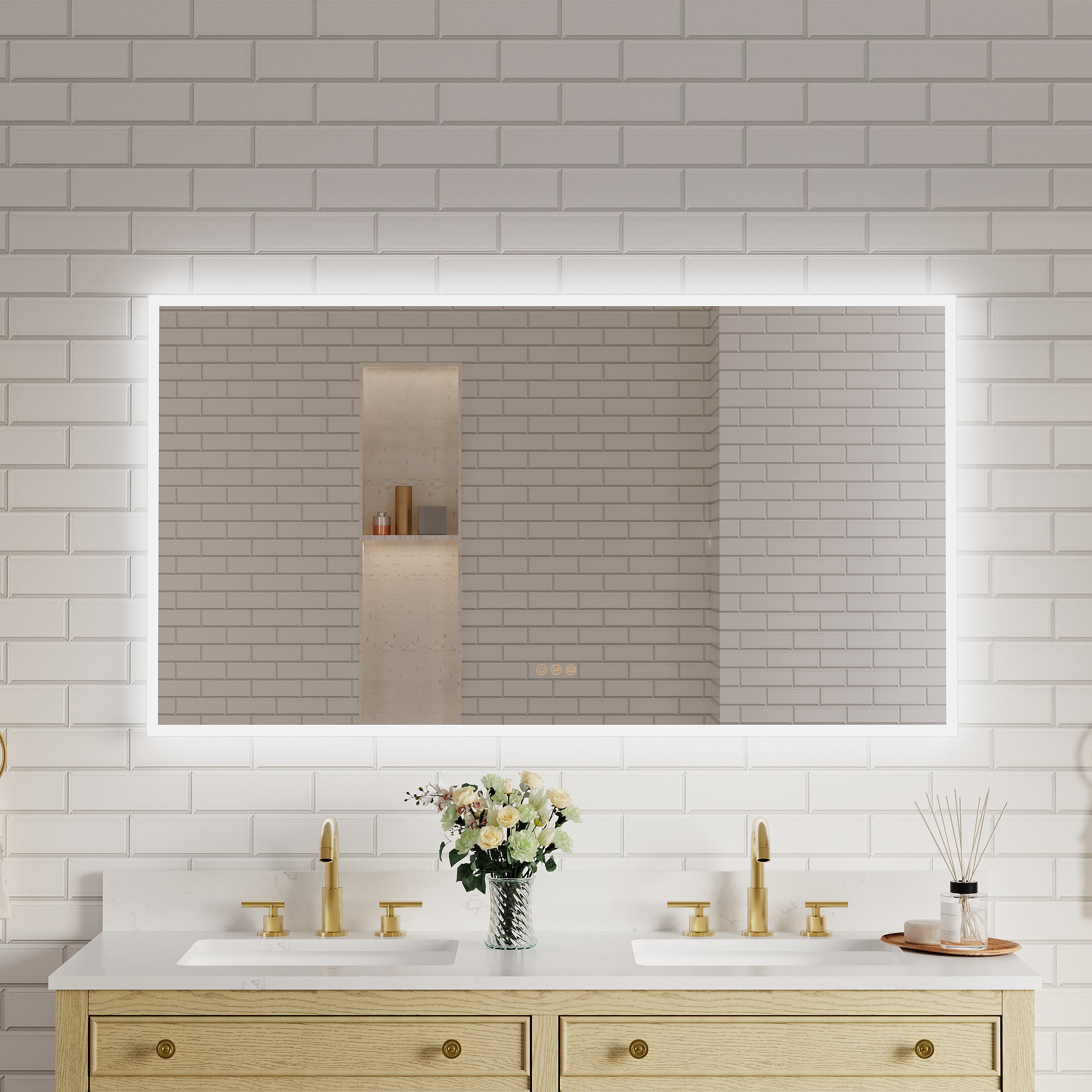
In a standard bathroom layout, the bottom edge of the mirror is usually about 4-6 inches above the countertop, reducing the likelihood for water splashing directly onto the mirror while maintaining a good visual range.
In the 28-36 inch height LED mirror specifications, this installation ratio is almost applicable to the vast majority of bathroom scenes.
4. The load-bearing and safety design has become highly mature
Modern LED mirrors commonly use a tempered mirror surface and a metal back frame, balancing strength and lightweight design.
Industry tests have shown that under proper mounting conditions, the load-bearing capacity of the mirror body fully meets long-term usage requirements, and the edge protection and back support structure effectively prevent stress concentration.
This is also an important reason why LED mirrors are gradually upgrading from lightweight accessories to standard functional configurations.
5. Is the LED mirror really energy-saving? The answer is obvious
From the perspective of lighting energy efficiency, LED light sources are known for their high luminous efficiency and low energy consumption.
Industry energy consumption comparison data shows that, while providing similar lighting brightness, LED strips consume much less electricity than traditional incandescent lamps and most fluorescent lamp solutions. This means that long-term electricity costs are significantly reduced in frequently used bathroom environments.
Meanwhile, LED light sources generate less heat and do not add to the temperature burden in small spaces like traditional lighting fixtures.
6. Longevity advantage, making energy conservation more meaningful in the long term
In addition to single-use electricity efficiency, service life is also an essential component of energy efficiency.
Industry lighting life testing shows that the working life of high-quality LED light sources far exceeds that of traditional light bulbs, meaning there is almost no need to frequently replace the light source over the years of use, reducing maintenance costs and resource consumption.
For households that use bathroom lighting multiple times a day, this long-term stability is particularly evident.
7. Intelligent control further amplifies energy-saving effects
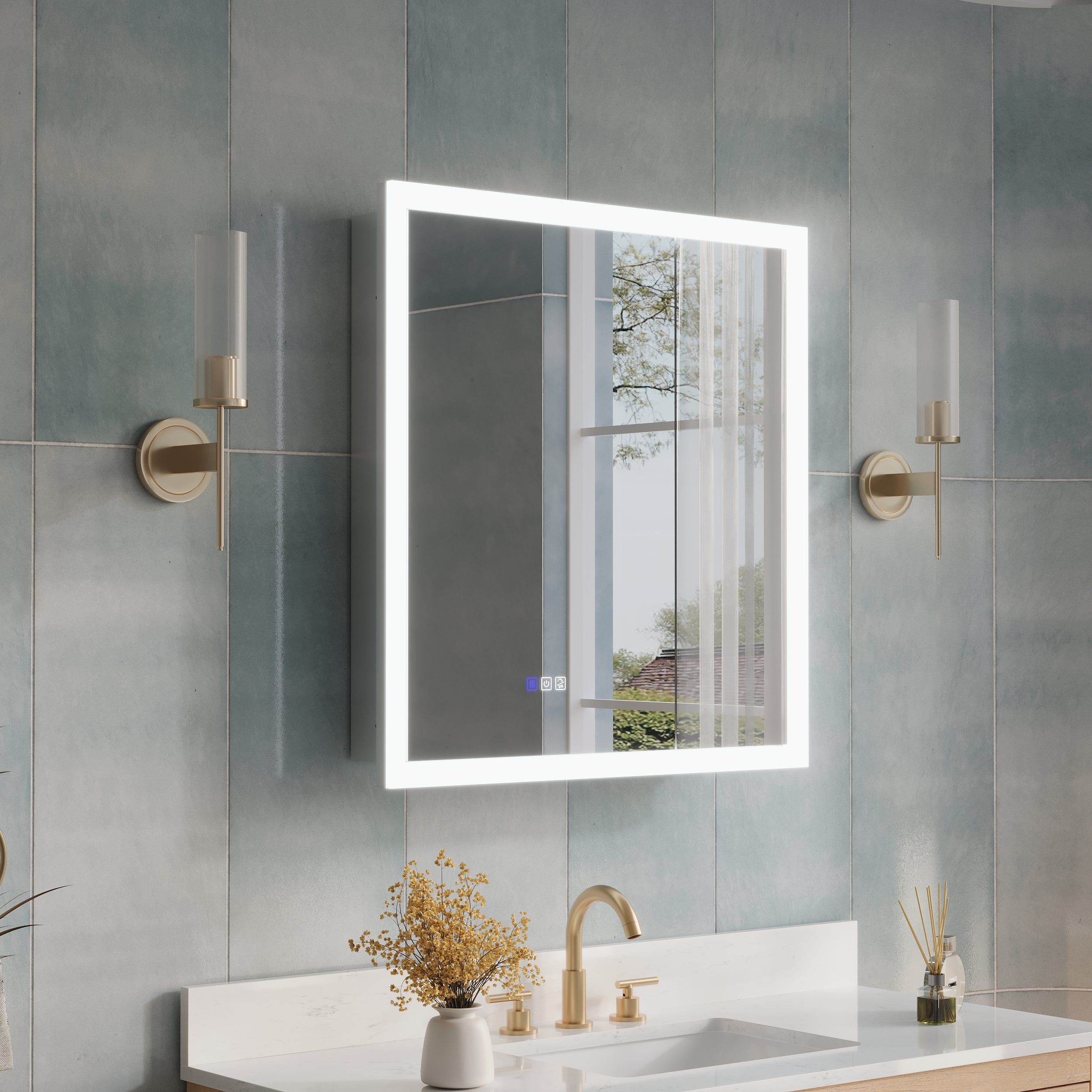
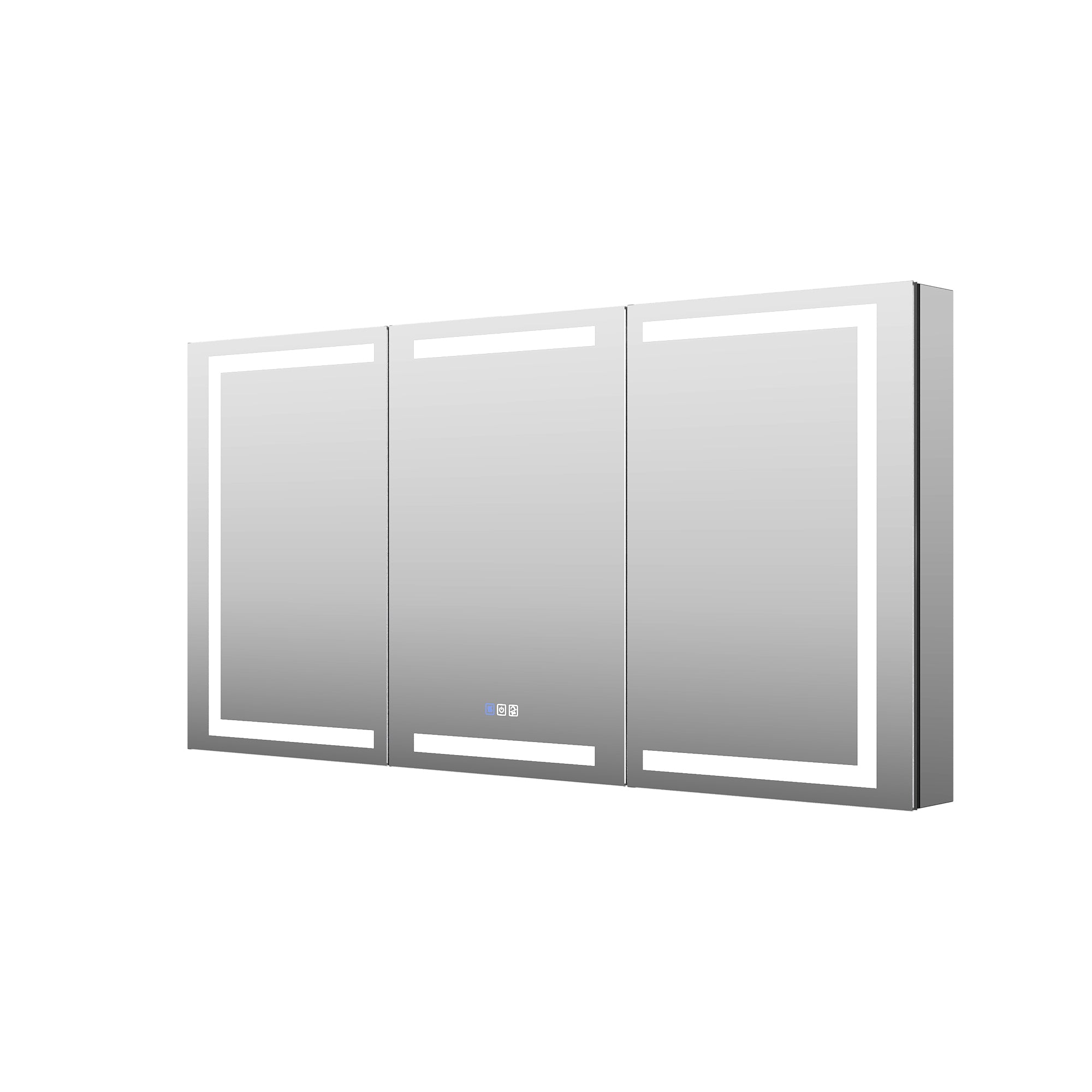
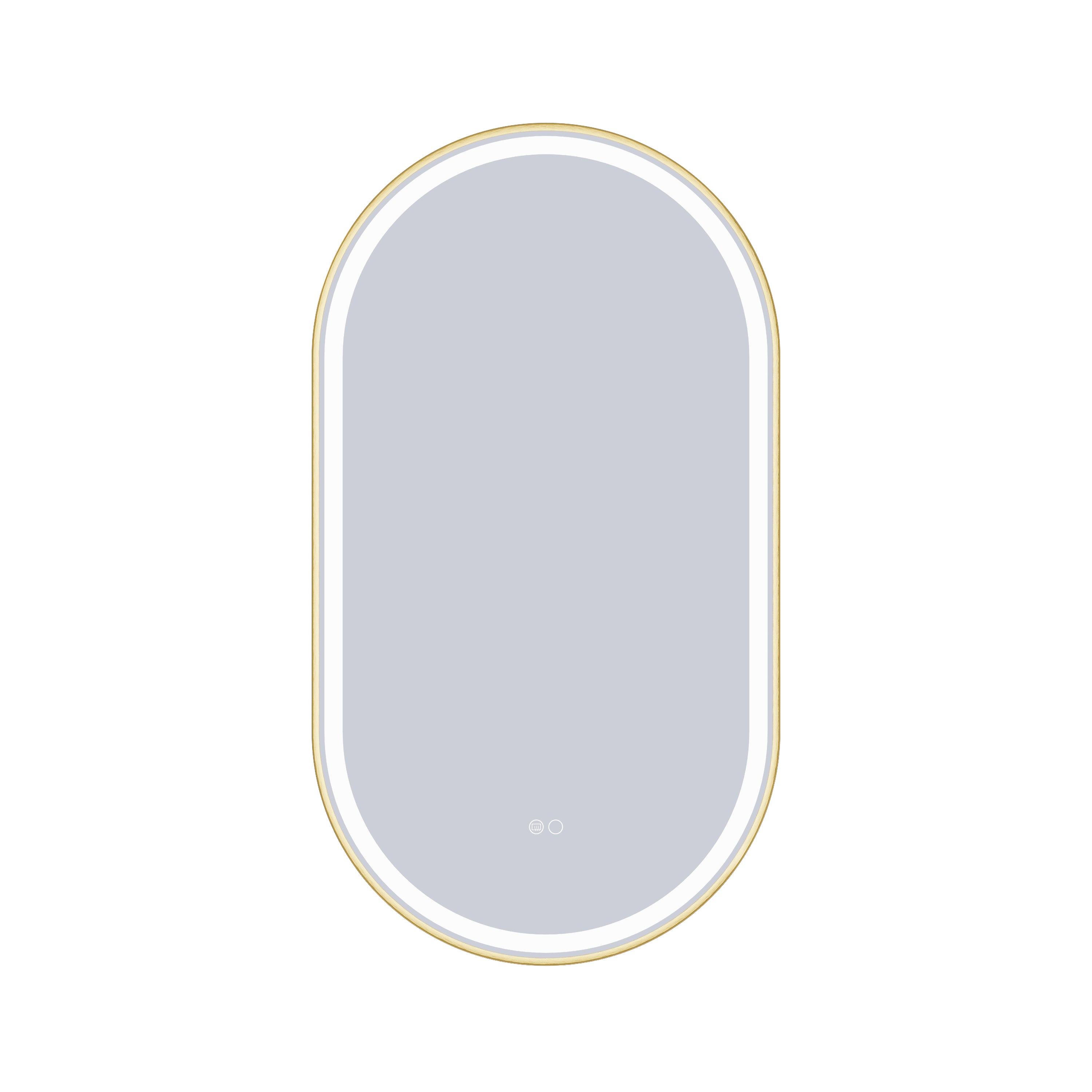
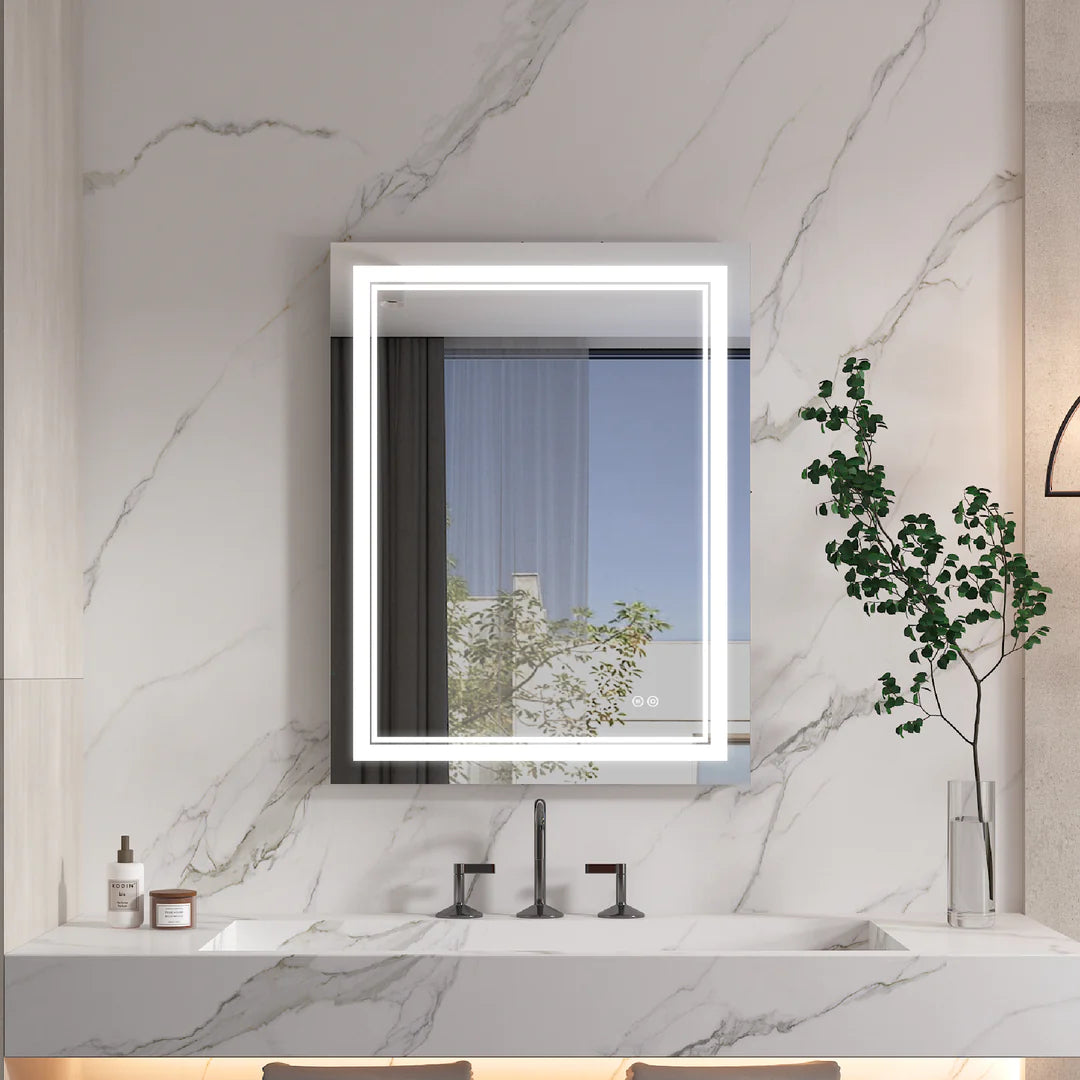
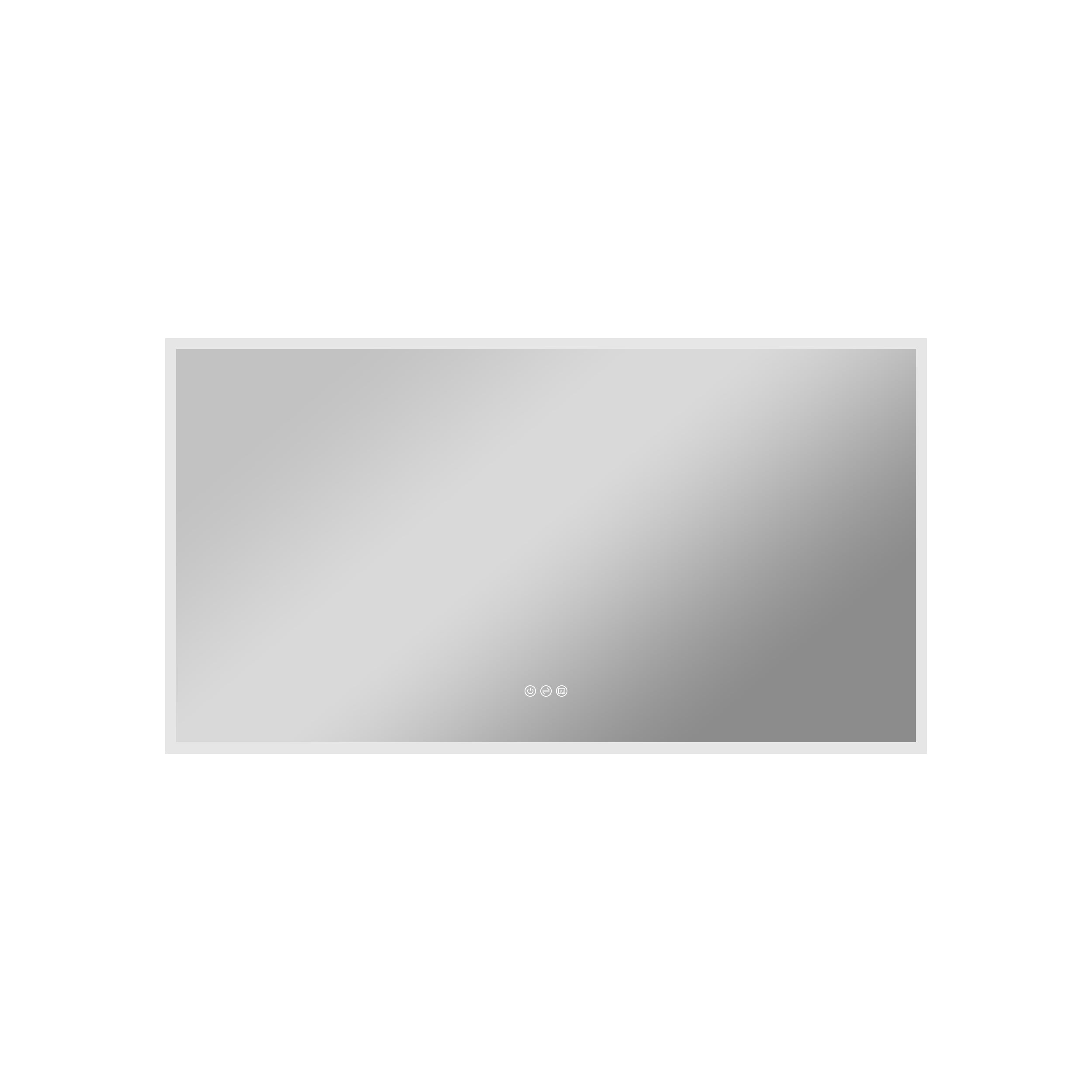
Many LED mirrors feature integrated touch controls, brightness adjustment, and timed shutdown.
Industry feedback indicates that this type of intelligent control can effectively reduce unnecessary prolonged lighting on, further reducing energy consumption at the behavioral level.
In the night-use scene, dimming the brightness is not only more comfortable but also reduces power consumption.
8. Energy consumption performance of anti-fog and additional functions
Many LED mirrors also feature anti-fog heating modules. Industry testing shows that these functions are typically designed for short-term operation, activated only when needed, and have a relatively limited impact on overall energy consumption.
Under reasonable usage, its comfort improvement far exceeds the additional energy consumption burden.
9. Proper ventilation further improves performance and longevity
In real bathroom environments, humidity and temperature fluctuations can influence both mirror clarity and electrical component stability.
Industry installation experience shows that pairing LED mirrors with good ventilation systems helps reduce long-term moisture exposure, minimizing fog recurrence, protecting internal wiring, and extending overall product lifespan. Bathrooms with stable airflow consistently report lower maintenance needs and more reliable lighting performance over time.
This environmental coordination plays an important role in preserving both energy efficiency and functional reliability.

10. Conclusion: Friendly installation, significant energy saving, and long-term value
LED bathroom mirrors have long been highly standardized in terms of installation methods, with mature solutions for both hanging and complex wiring. In terms of energy efficiency, leveraging LED technology significantly reduces the burden of daily electricity consumption.
When the size ratio (accurately planned in inches), power layout, and spatial design are coordinated and unified, LED mirrors not only enhance the user experience but also become a long-term upgrade choice that balances comfort and energy efficiency.
Truly excellent bathroom design often reflects long-term value in these seemingly fundamental but extremely critical configurations.










Leave a comment
This site is protected by hCaptcha and the hCaptcha Privacy Policy and Terms of Service apply.