















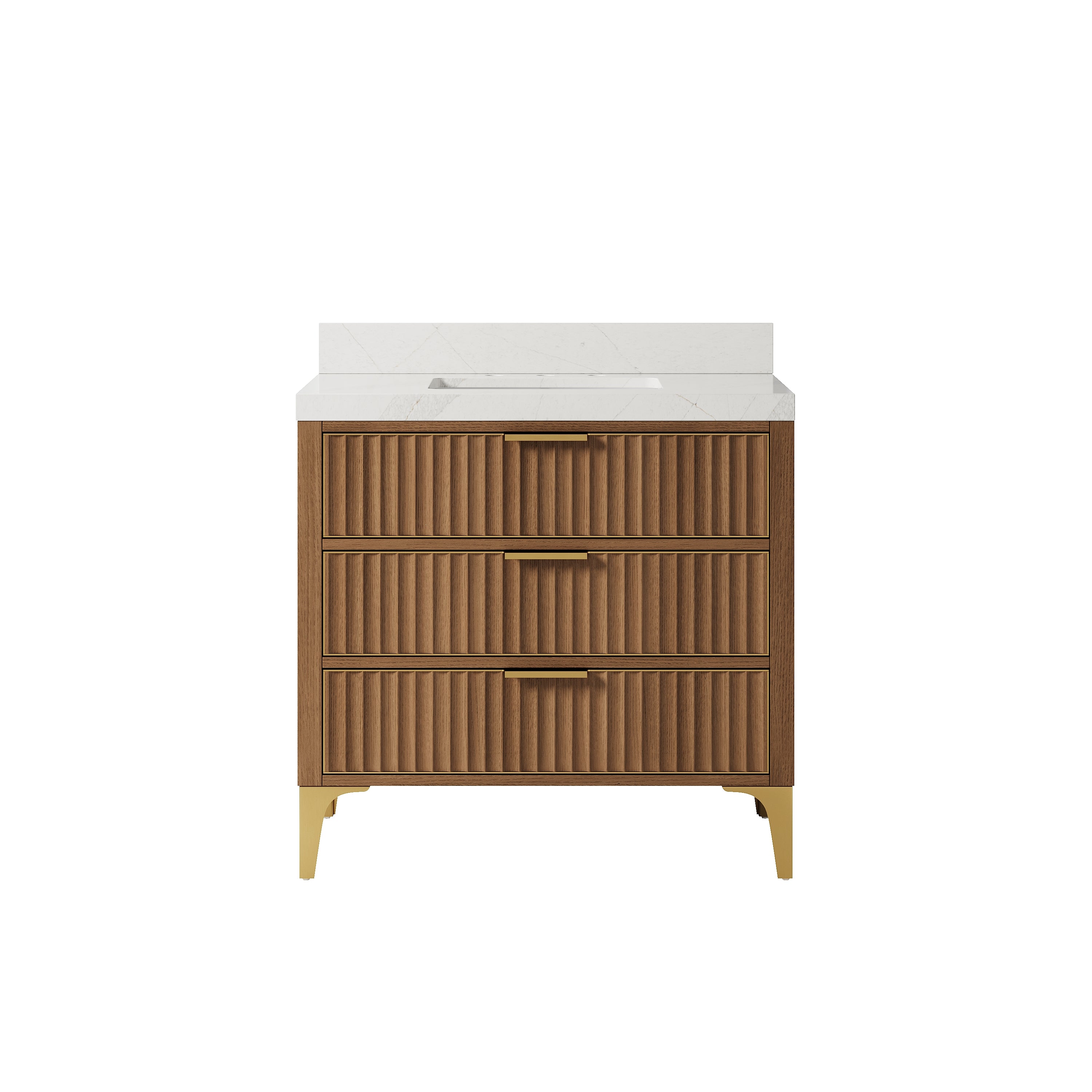
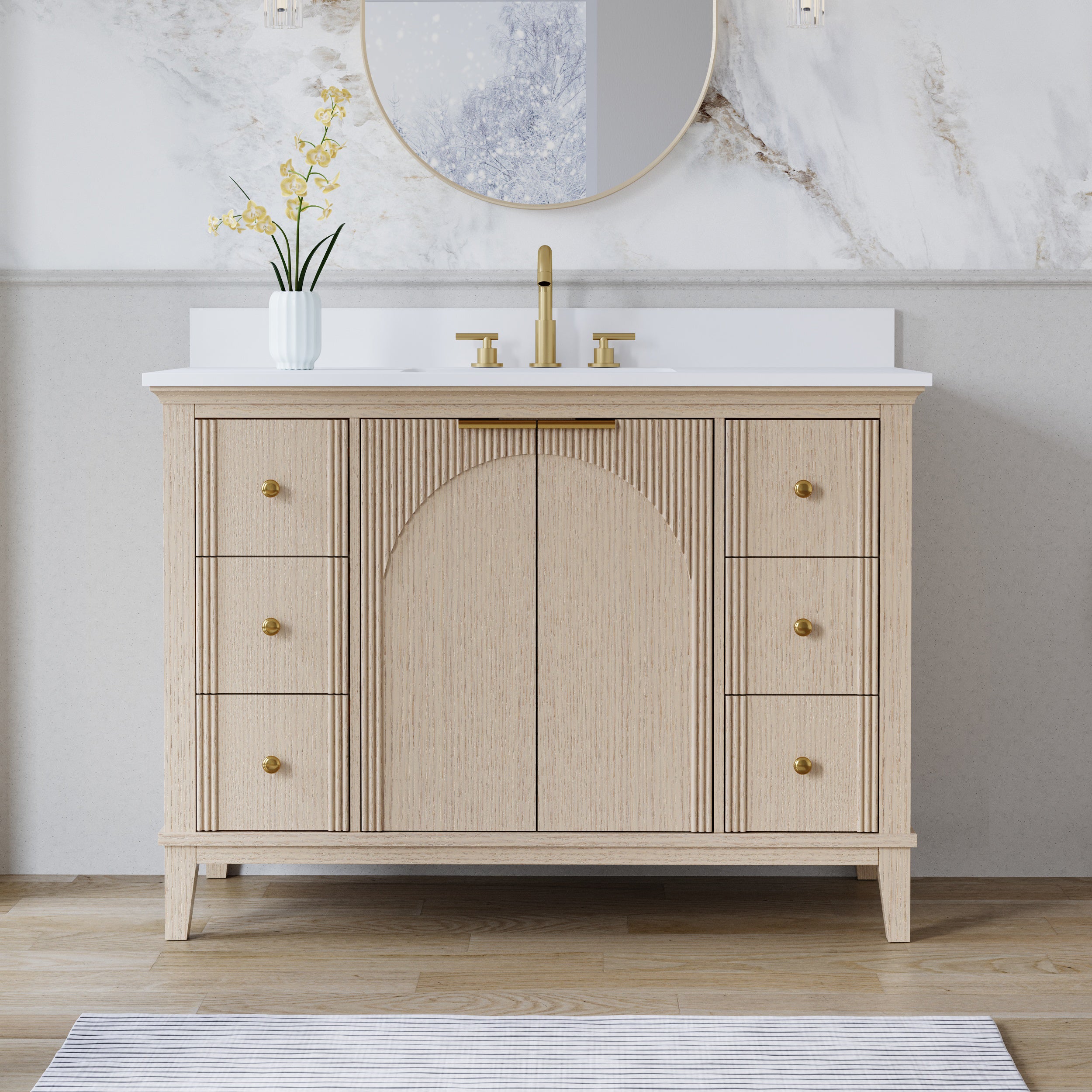
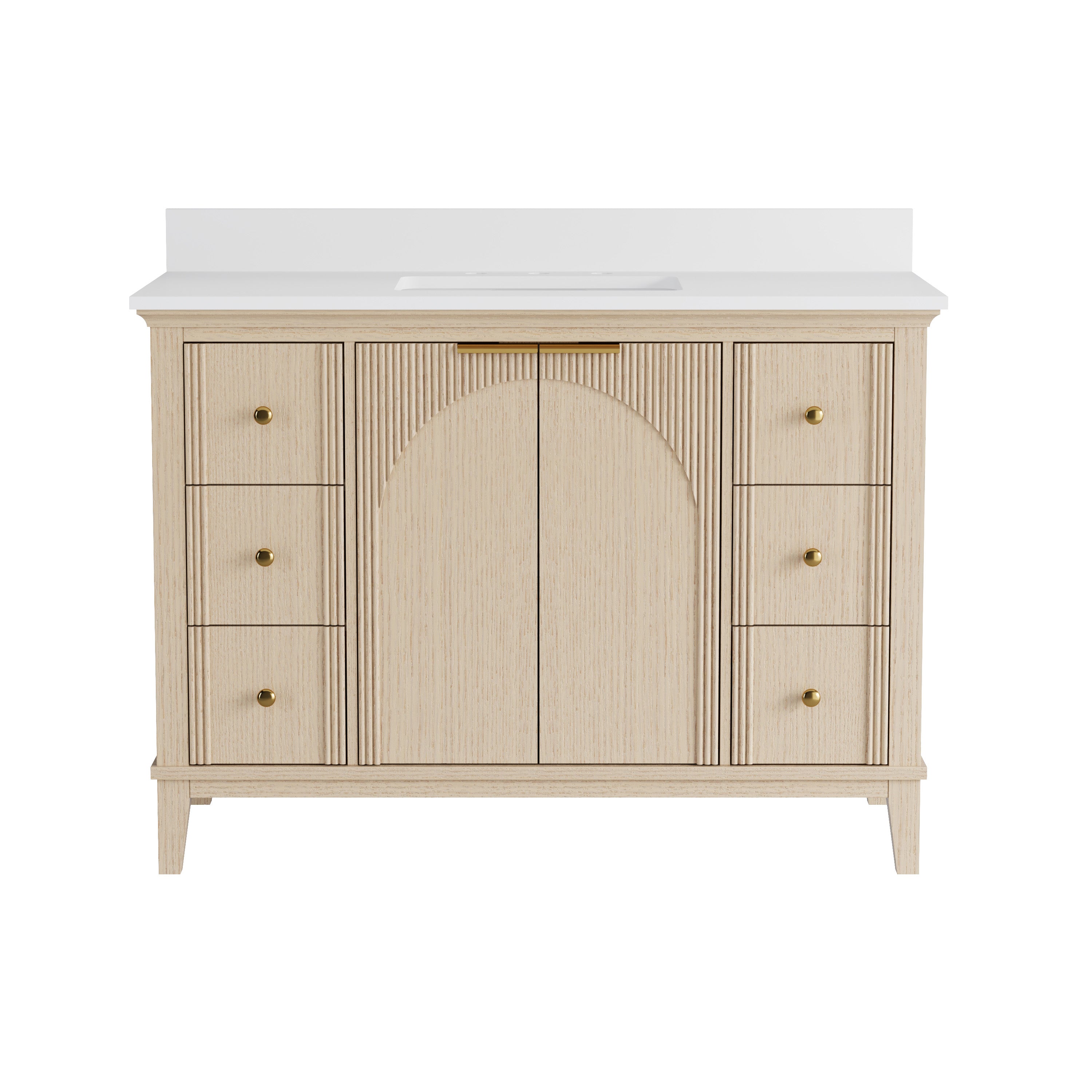
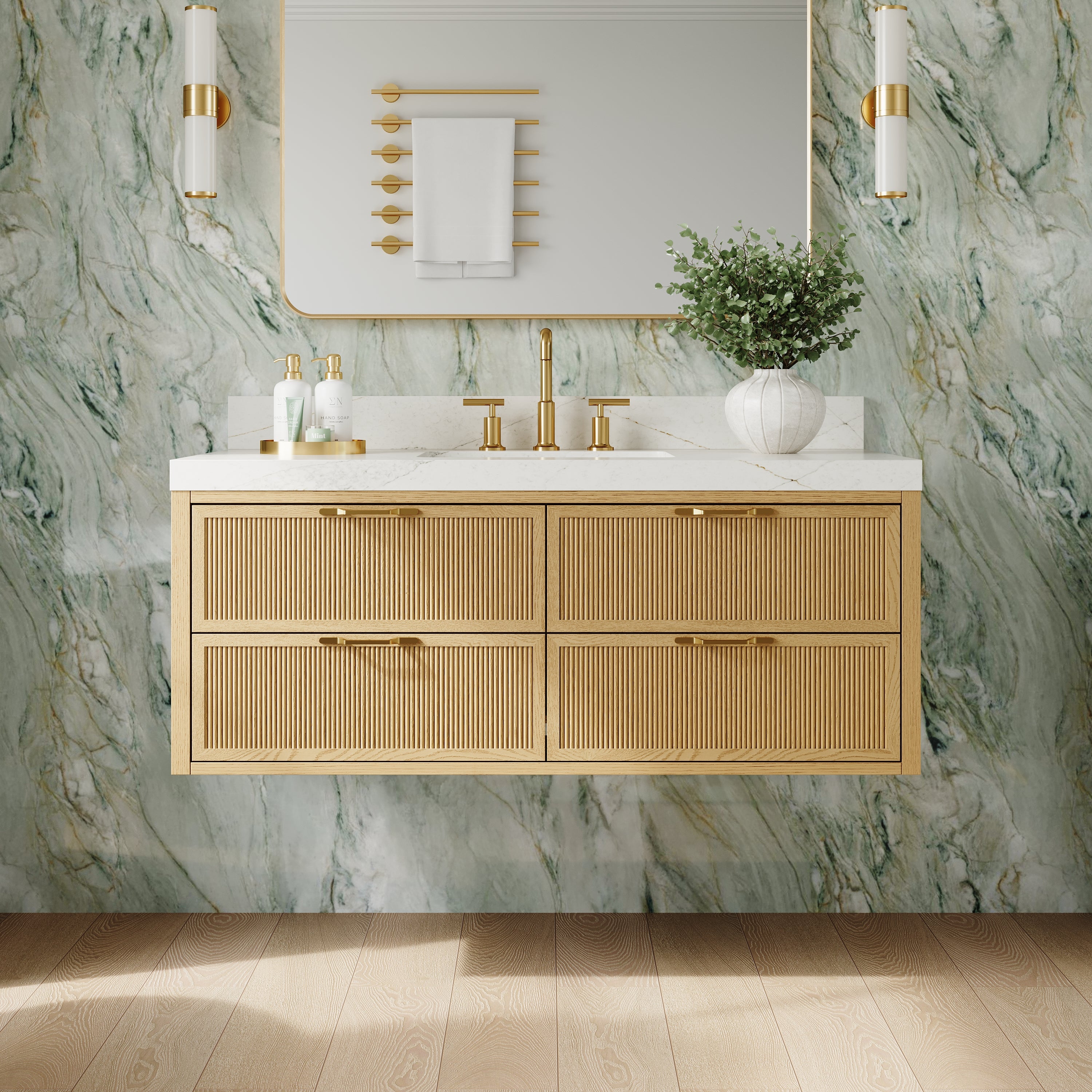


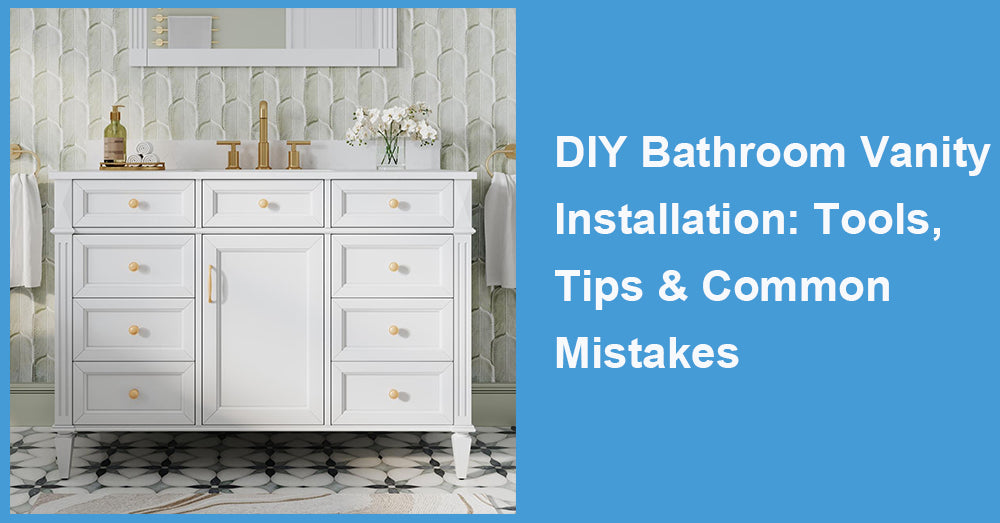
A good DIY bathroom vanity installation is not really about bravery. It is about prep, patience, and knowing which part of the job is simple and which part can go sideways fast. I have seen homeowners replace a vanity cleanly in a day, and I have seen a “quick swap” turn into wall repair, plumbing adjustments, and a long leak hunt because the cabinet was rushed into place before the room was properly checked.
According to Houzz, 84% of homeowners hire professionals for bathroom renovations.
(Source: Houzz)
That number makes sense. A vanity sits at the meeting point of finish carpentry, plumbing, leveling, wall fastening, and daily moisture. Yet a lot of vanity installs are still realistic for a careful DIYer, especially when the new cabinet is going into the same spot and the rough plumbing does not need to move.
DIY Bathroom Vanity Installation Starts With the Right Kind of Project
The easiest installs are replacement installs. Same width, similar depth, same sink position, same plumbing wall, and no structural surprises behind the old cabinet. If you are changing from one freestanding vanity to another and the shutoff valves, drain height, and floor are all in decent shape, the project is much more forgiving.
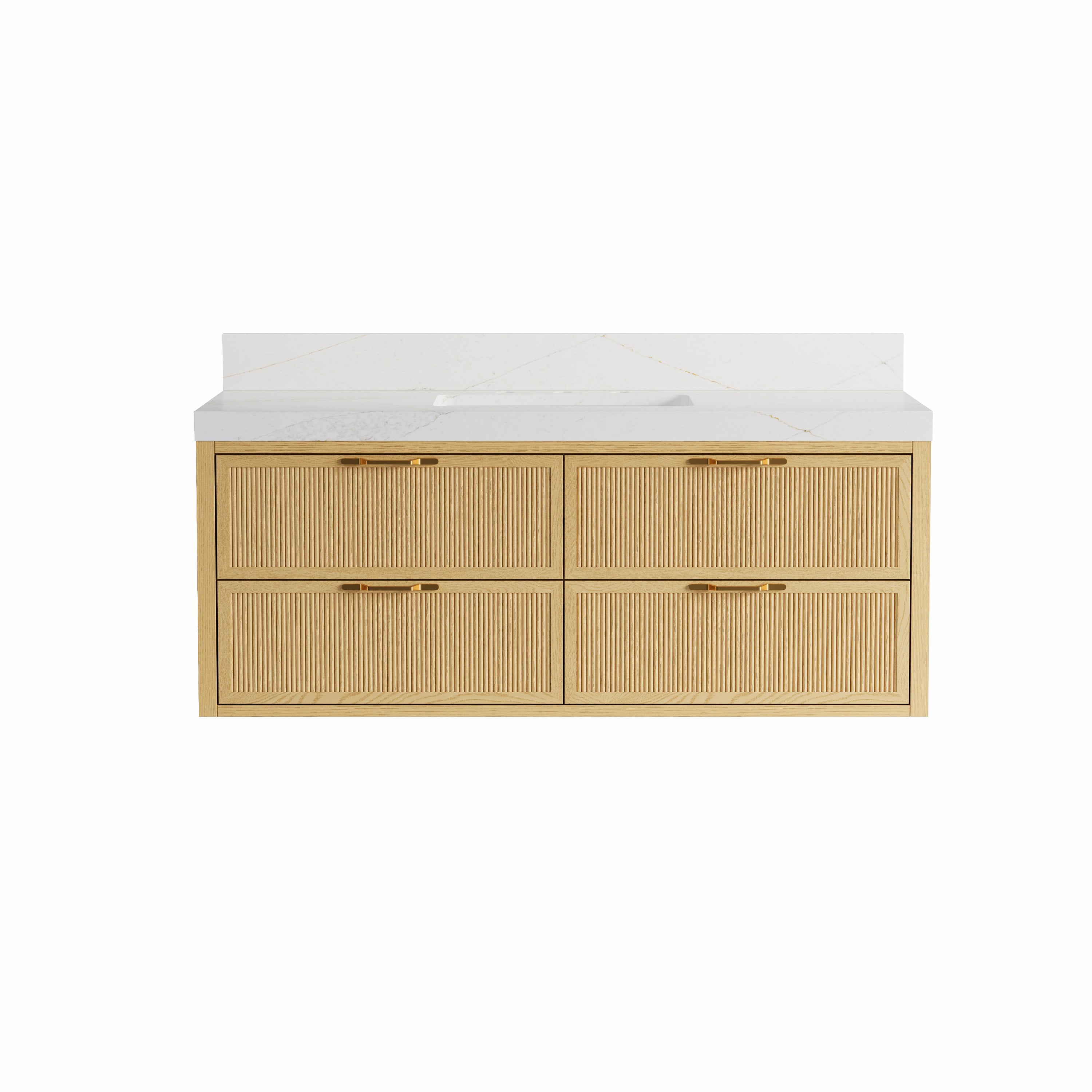
Things get harder when the vanity changes category. A wall-mounted vanity needs stronger wall support. A stone top needs more hands and more care. A vanity with deep drawers can collide with the trap or supply lines if the plumbing sits too low or too far forward. Lowe’s installation guidance notes that vanity installs are typically an intermediate DIY project, and official manufacturer instructions repeatedly stress that water lines and drains should already be roughed in before the vanity goes in.
Before buying, I always tell people to measure more than the wall width. Measure the finished width, usable depth, floor level, door swing, baseboard thickness, and the exact position of the drain and shutoff valves. A vanity can fit on paper and still be wrong in the room.
Tools, Prep Work, and the Habits That Save the Install
Most vanity jobs do not require exotic tools. A tape measure, level, stud finder, drill/driver, utility knife, adjustable wrench, pliers, bucket, towels, caulk gun, silicone sealant, and wood shims cover most of the work. Lowe’s DIY guide also lists common items like a hole saw kit, basin wrench, cleaning cloths, eye protection, and plumber’s tape, which lines up with what I keep nearby on real installs.
Prep starts with shutting off the water, disconnecting the supply lines and trap, and removing the old vanity without damaging finished wall areas you plan to keep. The Home Depot guide begins in the same place: locate the shutoff valves, disconnect the plumbing, and remove the old unit carefully.
After removal, stop and inspect the room. This is when you catch soft flooring, damp drywall, loose shutoff valves, uneven tile, or a baseboard detail that will interfere with the new cabinet. It is also the best moment to clean thoroughly, patch what needs patching, and decide whether the job is still a DIY project or has crossed into plumber-or-carpenter territory.
Common Planning Mistakes Before the Vanity Even Goes In
The first mistake is trusting the room too much. People trust the floor to be level because the old vanity looked fine. They trust the wall to be straight because the mirror looked straight. Bathrooms lie all the time. That is why installation guides keep coming back to the same steps: measure, dry-fit, level, then fasten.
The second mistake is ignoring wall type and stud location. IKEA’s bathroom installation guide is very direct about this: you need the right fastening hardware for your wall type, and that hardware is not universally supplied because plaster, wood, and concrete walls behave differently.
(Source: IKEA)
The third mistake is buying the vanity before thinking through the plumbing cutout and drawer layout. A beautiful cabinet with smart storage can become annoying fast if the trap assembly steals the best drawer space or the supply lines land where the interior needs to be clear.
Step-by-Step Installation Tips for a Cleaner Result
Once the room is prepped, dry-fit the new vanity in place before you drill anything. Check the cabinet against the wall, check plumbing alignment, and mark the stud locations. Signature Hardware’s installation instructions tell you to locate and mark studs before fastening the vanity, and that step matters more than people expect.
(Source: Signature Hardware)
Next, level the cabinet. Do not skip this because the vanity “looks close enough.” Use shims where needed and check front to back and side to side. Multiple manufacturer guides say the same thing: level first, then secure the vanity to the wall. If the cabinet is tightened to the wall while it is still twisted, the top and drawers usually reveal that mistake later.
After the cabinet is level, fasten it to studs through the designated mounting area or rear rail. Signature Hardware instructs installers to screw through the mounting rail into wall studs, and Lowe’s product instructions go even further by recommending fastening to two studs when possible for better stability.
Then dry-fit the vanity top before gluing or caulking it down. Home Depot’s guide says to place the vanity top over the cabinet before gluing, check that it sits level and flush to the wall, and shim the base if needed. That is exactly right. This is when you catch wall gaps, bad overhang, or alignment problems before they turn permanent.
If the top is not preassembled, I prefer installing the faucet and drain on the vanity top before final placement when access allows. Lowe’s product instructions note that this stage can be easier before the top is fully set. Then apply a controlled bead of stain-free silicone, lower the top carefully, wipe excess sealant, reconnect the drain and water lines, and test slowly for leaks.
The Mistakes That Usually Ruin an Otherwise Good Install
The most common mistake is cutting oversized holes in the cabinet back. The second is forgetting that the vanity must still be fastened to the wall even if it feels stable on the floor. The third is rushing the leak test. A vanity install can look perfect and still be wrong if a slow drip is left hiding behind the drawer box.
There are trade-offs to DIY. You save labor cost and you control the pace. You also accept the risk of bad measurements, scratched finishes, misaligned tops, or plumbing connections that need to be redone. Lowe’s installation service page is blunt about what professional installs do not cover, including major structural modifications or new drain and water lines behind the wall, which is a good reminder that once a project reaches that level, it is no longer a simple vanity swap.
For Wellfor buyers, my practical advice is to choose the install path that matches the room, not your optimism. A freestanding vanity in the same footprint is often a good DIY candidate. A heavy wall-hung vanity, a damaged subfloor, or relocated plumbing is where I would stop trying to prove a point and bring in help.

Conclusion
The best DIY bathroom vanity installation is the one that still looks right a month later, after the caulk has cured, the drawers have been used, and the plumbing has had time to prove itself. That usually comes down to careful measuring, dry-fitting, leveling, fastening into studs, and testing every connection without rushing the last ten percent.
If the room is sound and the scope is honest, a vanity install can be a very reasonable DIY project. If the wall, floor, or plumbing starts revealing bigger issues, the smartest move is not pushing through blindly. It is protecting the bathroom, the vanity, and your time by getting the right help before a simple project becomes an expensive correction.























Leave a comment
This site is protected by hCaptcha and the hCaptcha Privacy Policy and Terms of Service apply.