














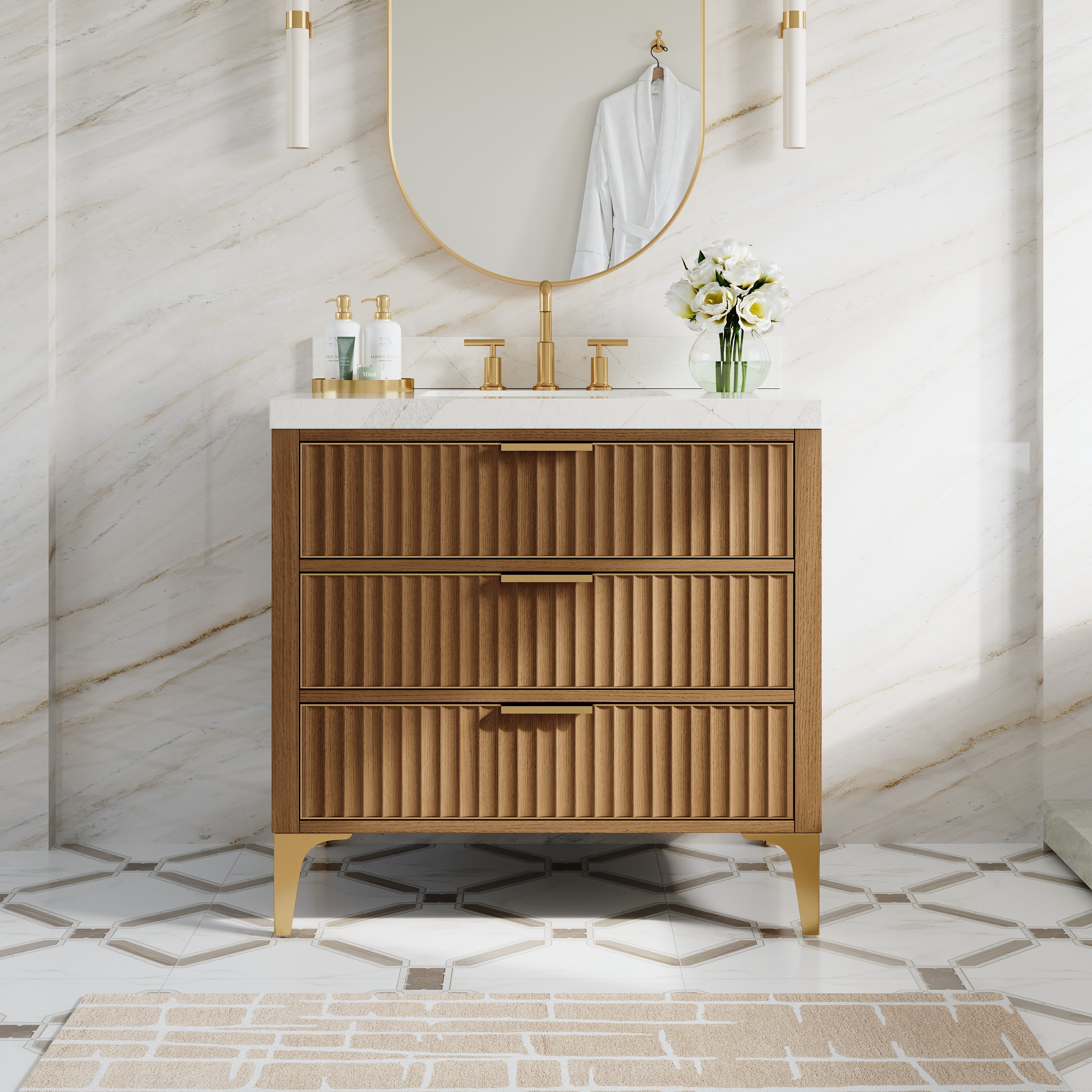
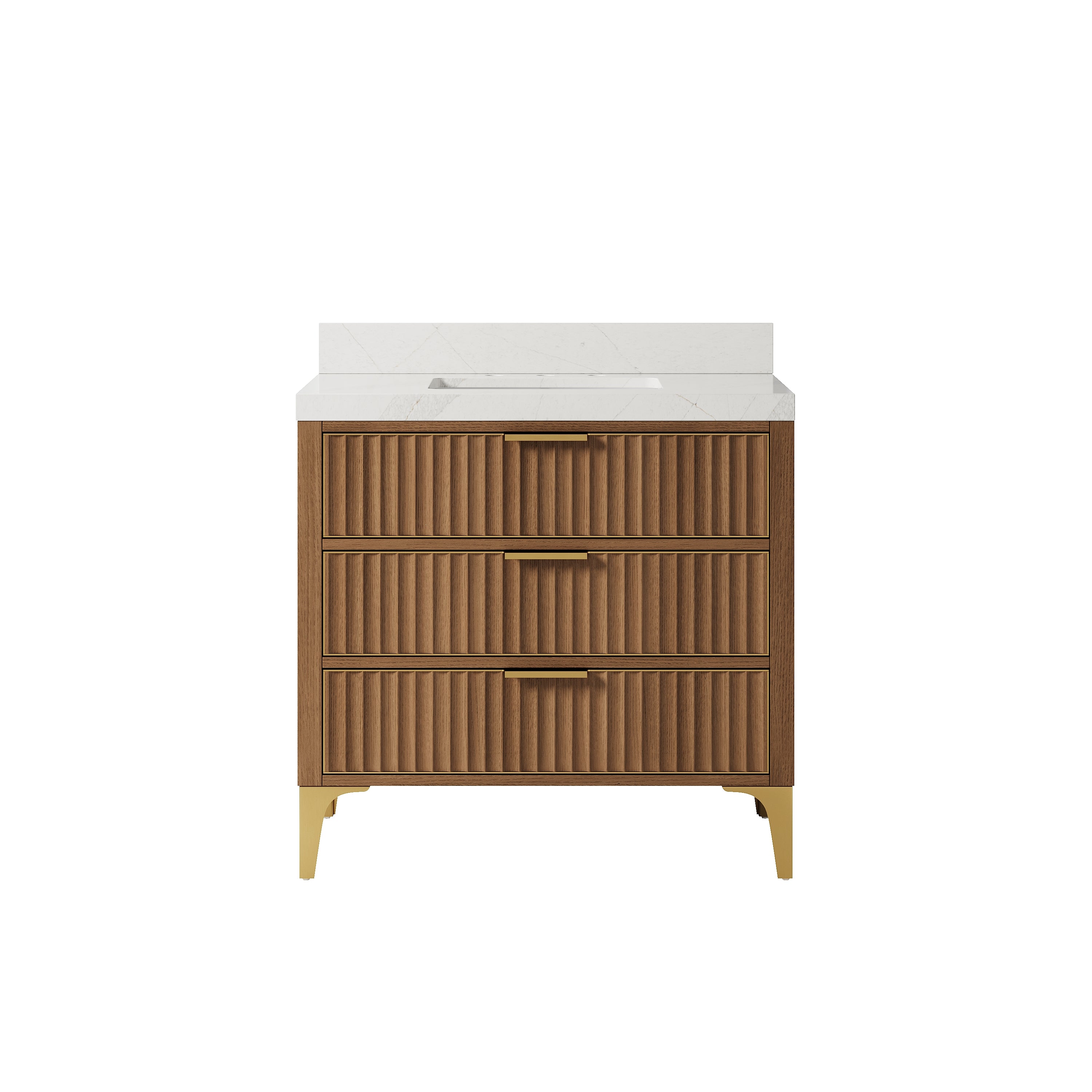
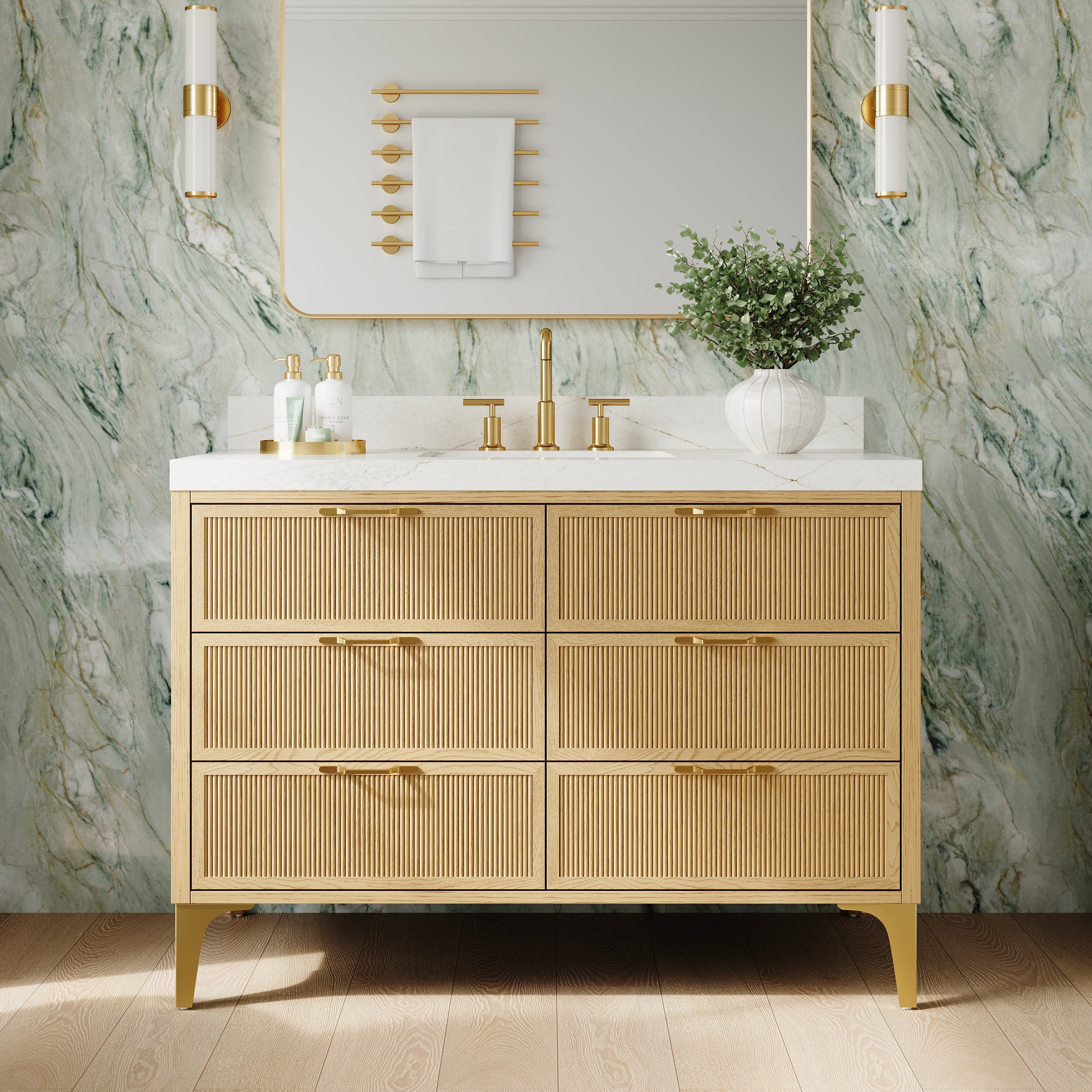
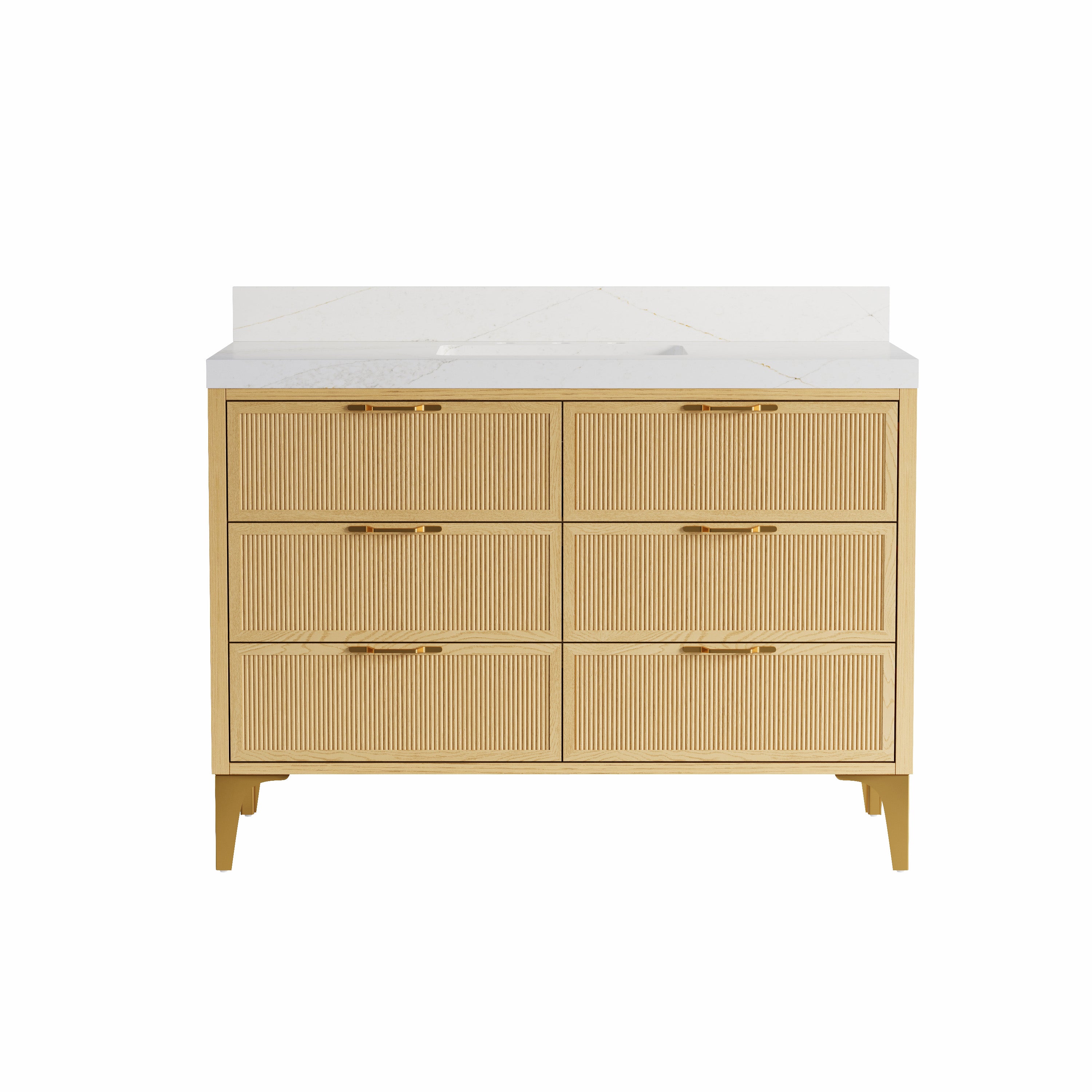


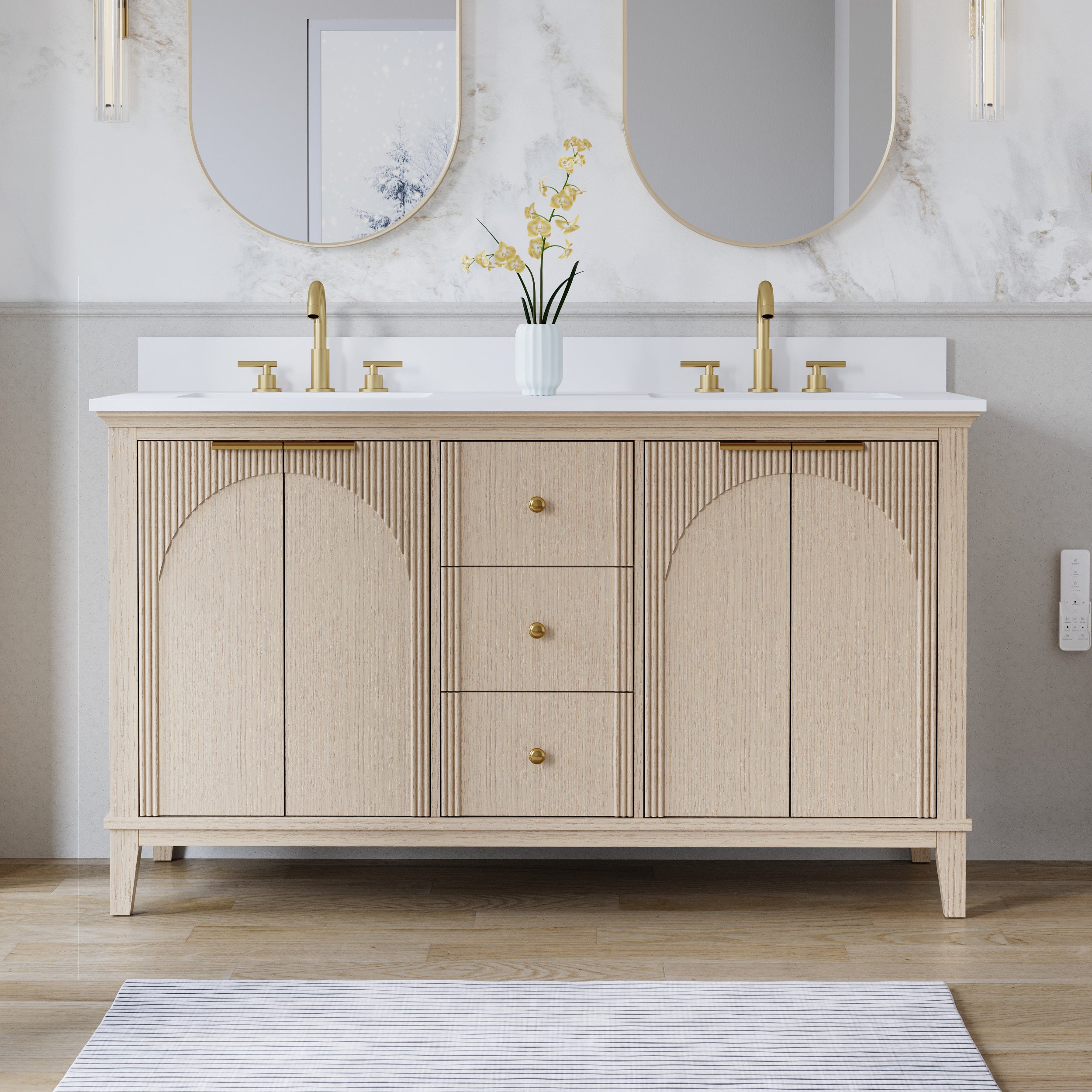
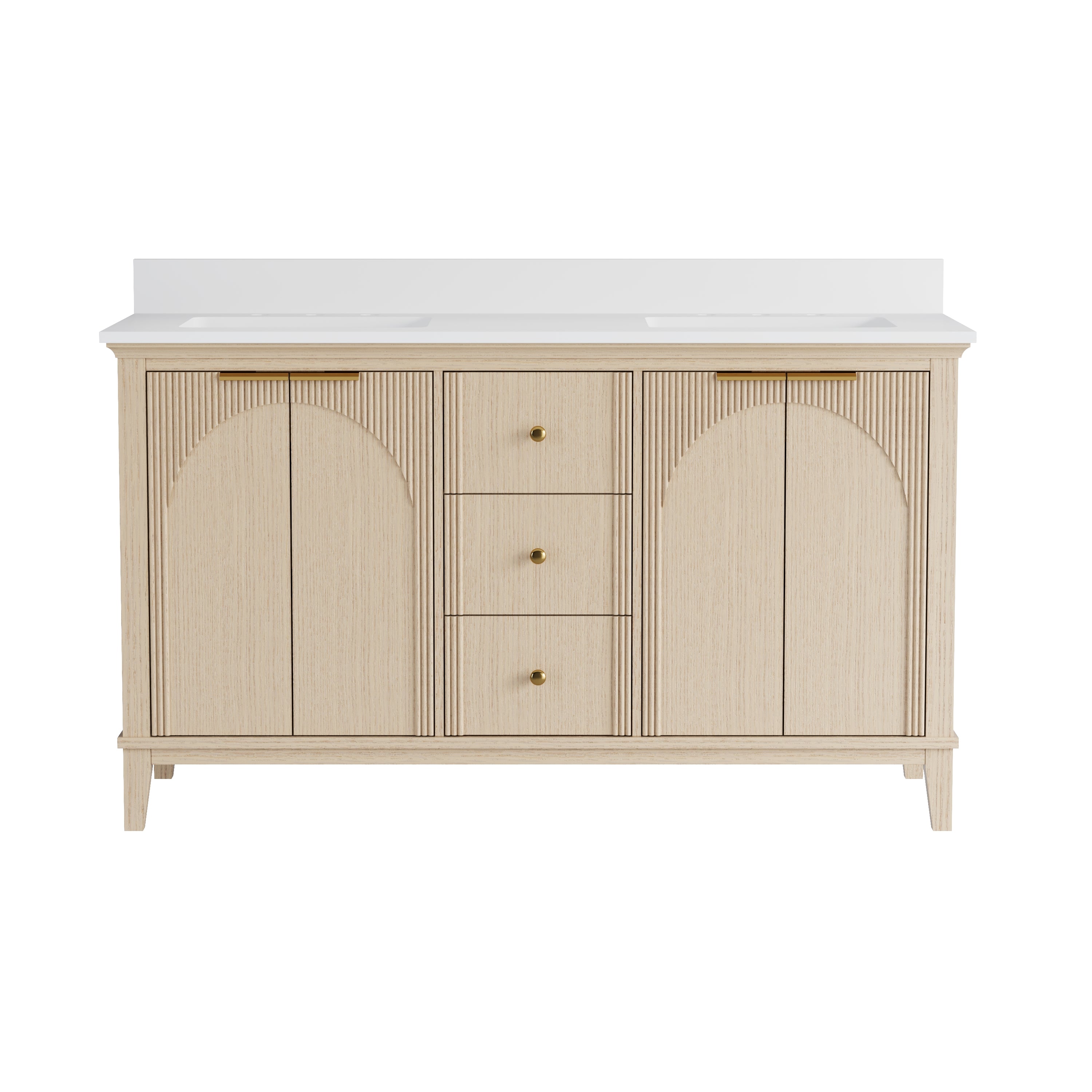
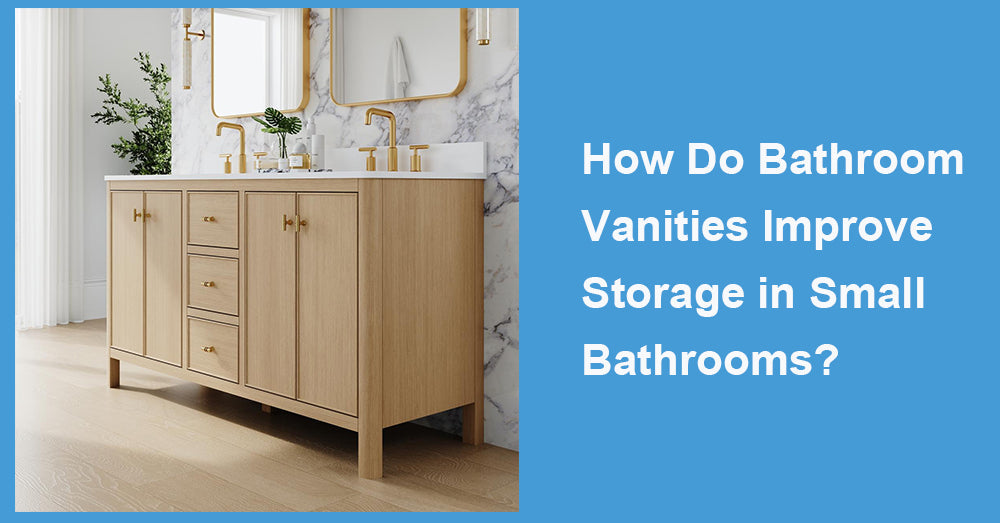
Small bathrooms can feel like a daily puzzle: where do toiletries go, how do you hide cleaning supplies, and how do you keep the countertop from turning into clutter? The right bathroom vanities solve all three problems at once by combining a sink base with enclosed, high-efficiency storage designed for tight footprints. In fact, one of the most common full-bath layouts is only 5 ft by 8 ft, which is just enough space for a single sink, a toilet, and a shower or tub-shower combo (Source: Houzz, “5 Ways With a 5-by-8-Foot Bathroom”).
Below is a practical, design-forward breakdown of how vanities add storage, what features matter most, and how to choose a configuration that makes a small bathroom feel calmer and easier to use.
1. A Vanity Turns “Dead Space” Into Hidden Capacity
Without a vanity, the area under the sink becomes wasted or awkward space. A vanity converts that zone into a cabinet or drawer system that hides items you do not want on display, such as:
· Extra toilet paper
· Skincare backups and travel kits
· Hair tools and grooming items
· Cleaning sprays, sponges, and gloves
Because the sink must exist anyway, a vanity makes the same footprint do double duty: plumbing plus storage.
2. Drawers Beat Cabinets for Everyday Organization
In small bathrooms, the biggest storage win is not “more space,” but “more usable space.” Deep base cabinets often swallow items, forcing you to stack and dig. Drawers solve that by putting everything on a sliding plane so you can see it quickly.
Research on renovation features shows how common these usability upgrades have become: 78% of renovating homeowners choose soft-close drawers and 75% choose soft-close doors (Source: 2025 U.S. Houzz Bathroom Trends Study).
Soft-close is not just a luxury feel. It reduces slamming impact that can loosen hardware over time, which helps drawers stay aligned longer.
Best drawer setups for small bathrooms
· Full-extension drawers: you can reach items at the back without unloading the front.
· Two top drawers + one deep bottom drawer: separates daily items from bulk storage.
· Drawer dividers: keeps small products from tipping over.
Organizers are also a common choice. The Houzz study notes add-ons like a drawer organizer (22%) and hair tool organizer (13%) among certain feature selections (Source: 2025 U.S. Houzz Bathroom Trends Study).
3. Smart Plumbing Cutouts Create “Bonus Space”
The sink drain and trap are the main reason under-sink storage is frustrating. Better vanities design around plumbing by using:
· U-shaped drawers that wrap around the sink basin
· Shallower top drawers with a shaped cutout
· Pull-out trays that slide past plumbing without snagging
These designs reclaim space you would otherwise lose, and they make the storage feel intentional instead of improvised.
4. Vertical Storage: Going Up Without Making the Room Feel Smaller
A small bathroom usually has limited floor area, so vertical planning matters. Vanities help by creating an anchor below, letting you build storage above in a balanced way:
· Wall cabinet above the toilet (closed storage looks cleaner than open shelves)
· Tall linen tower beside the vanity if you have a narrow gap
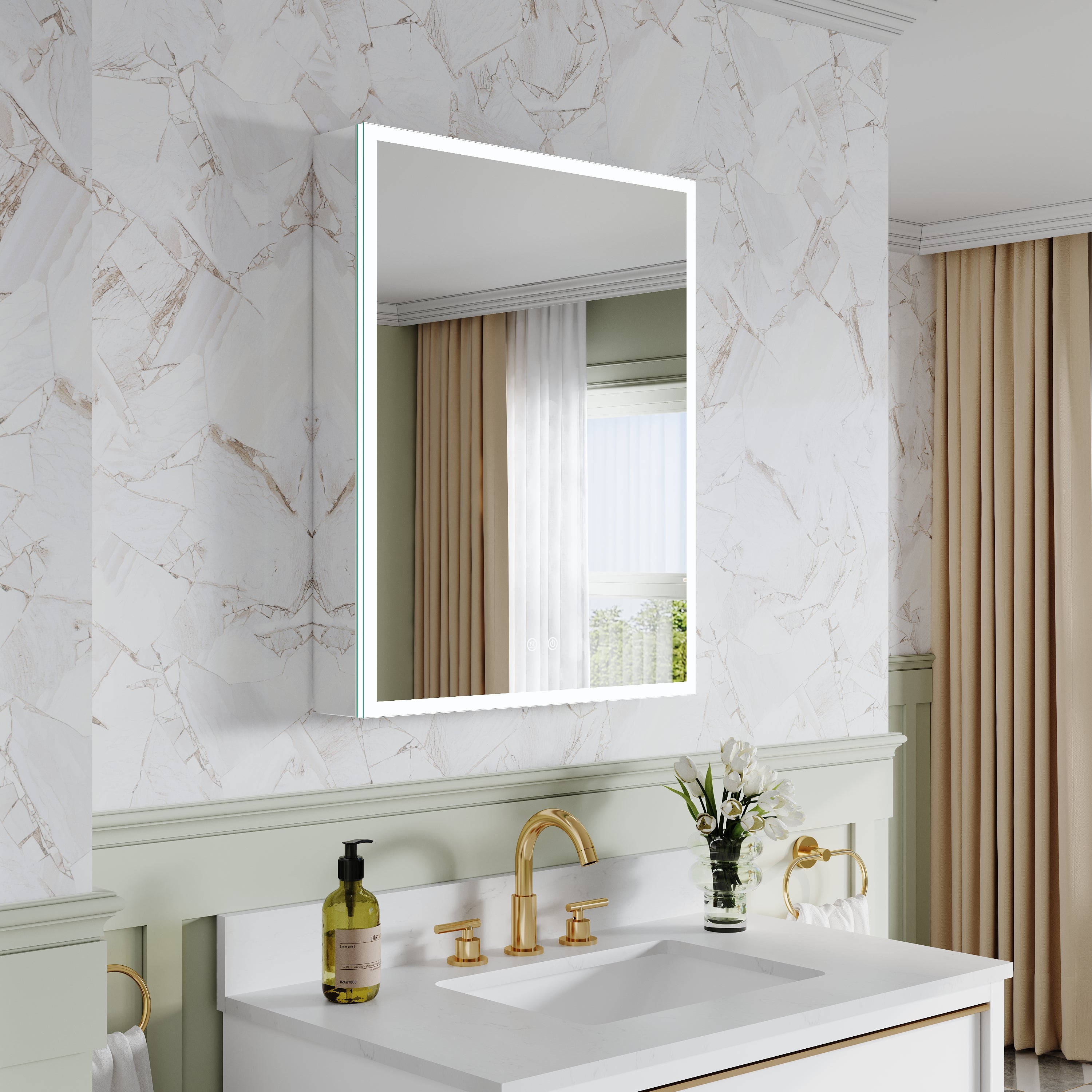
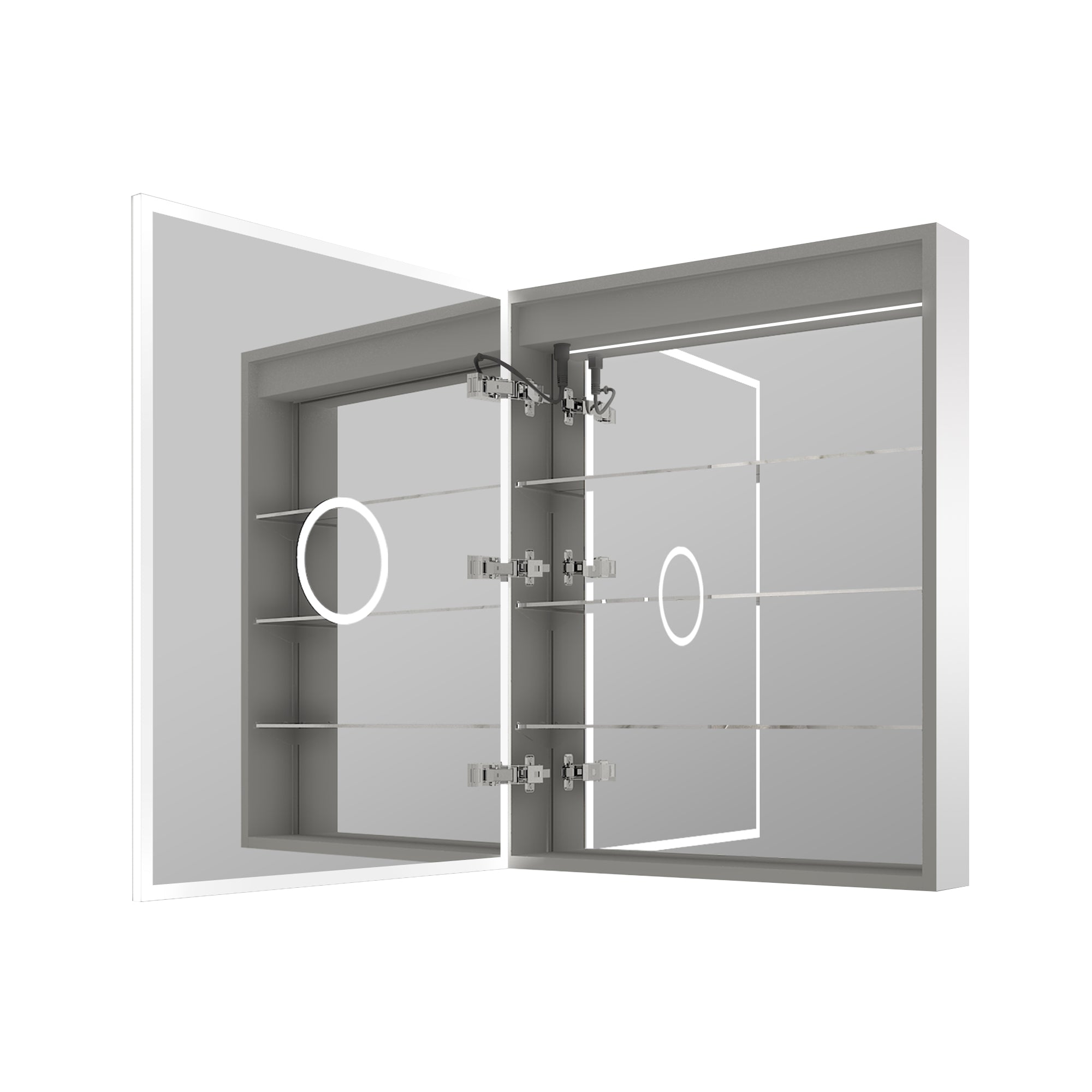
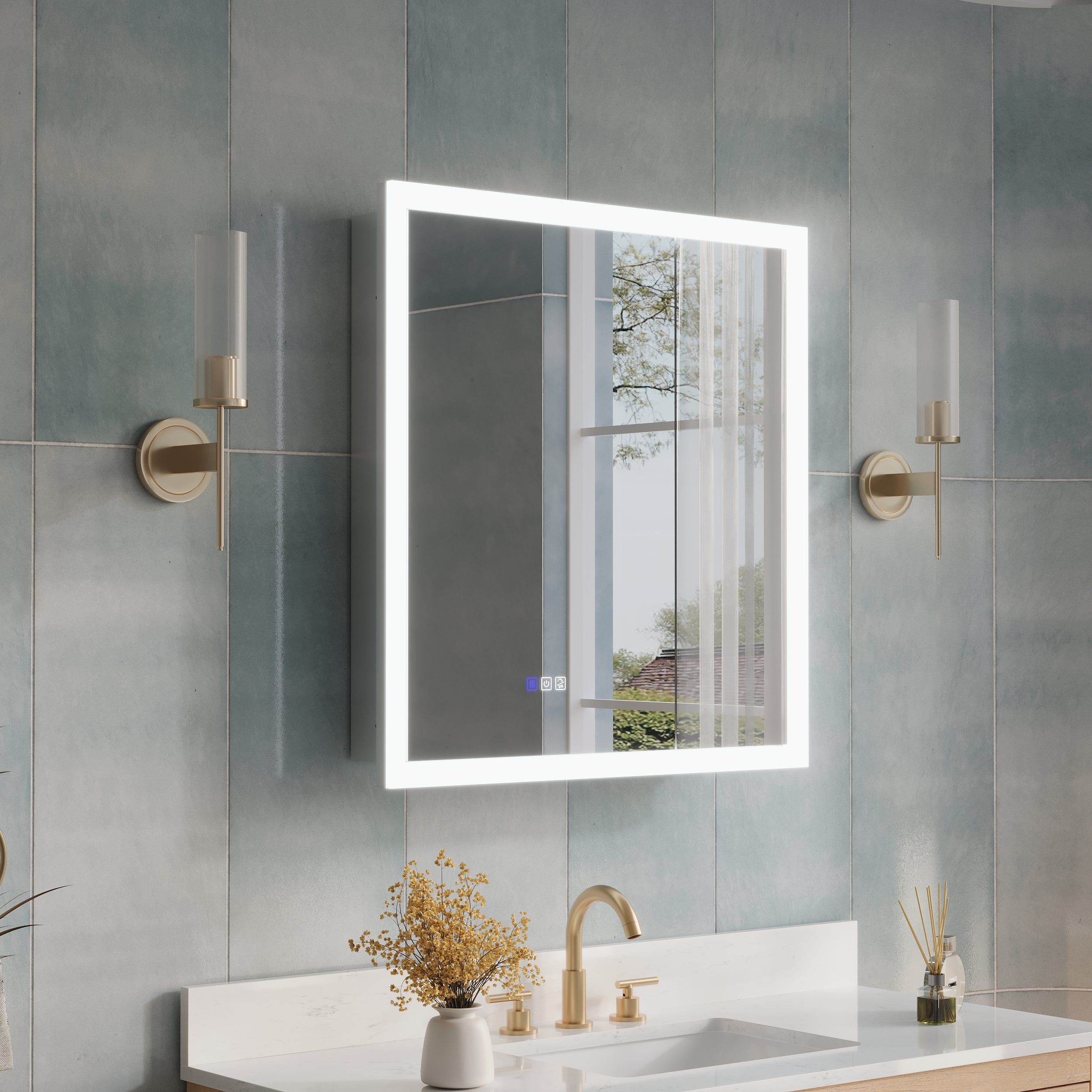
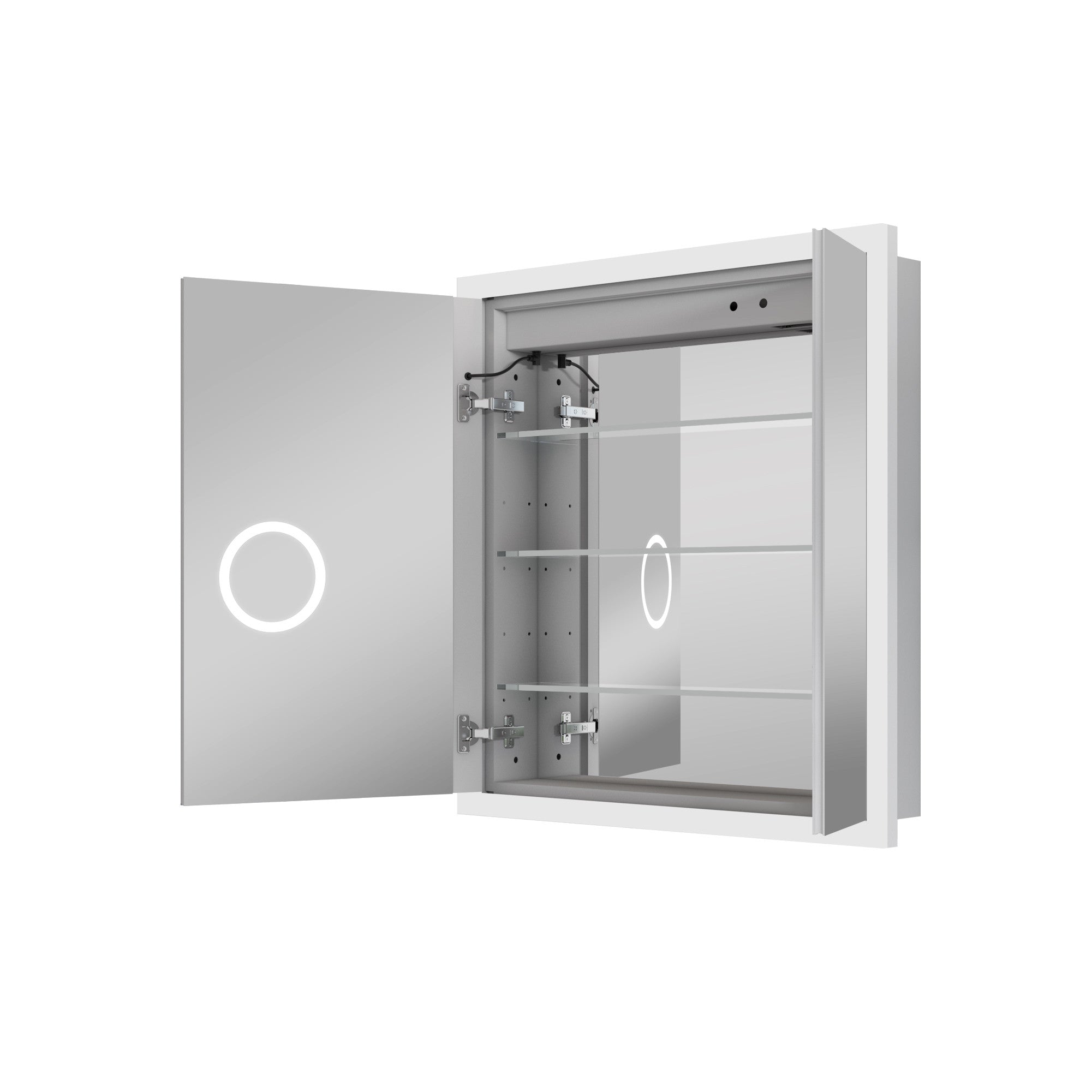
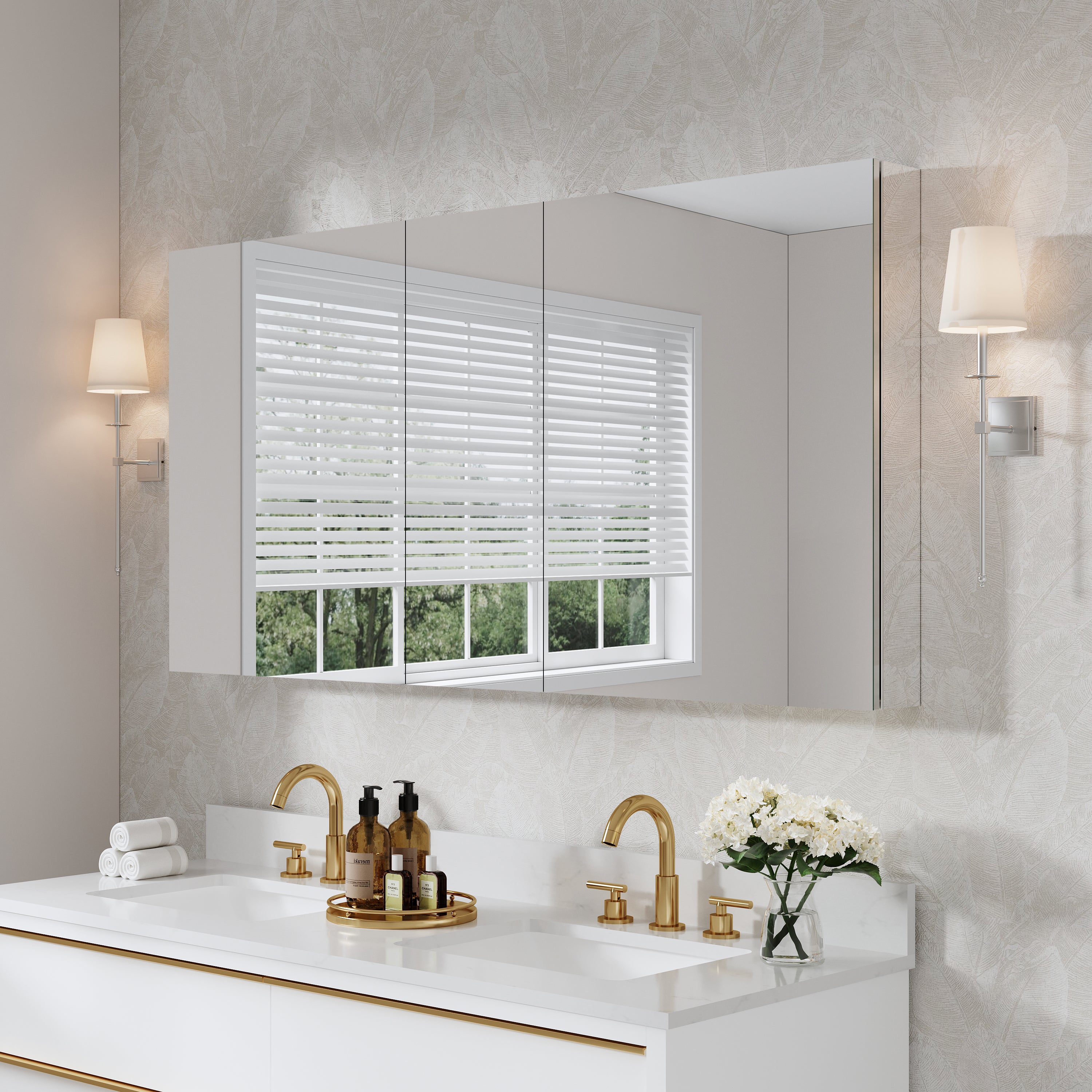
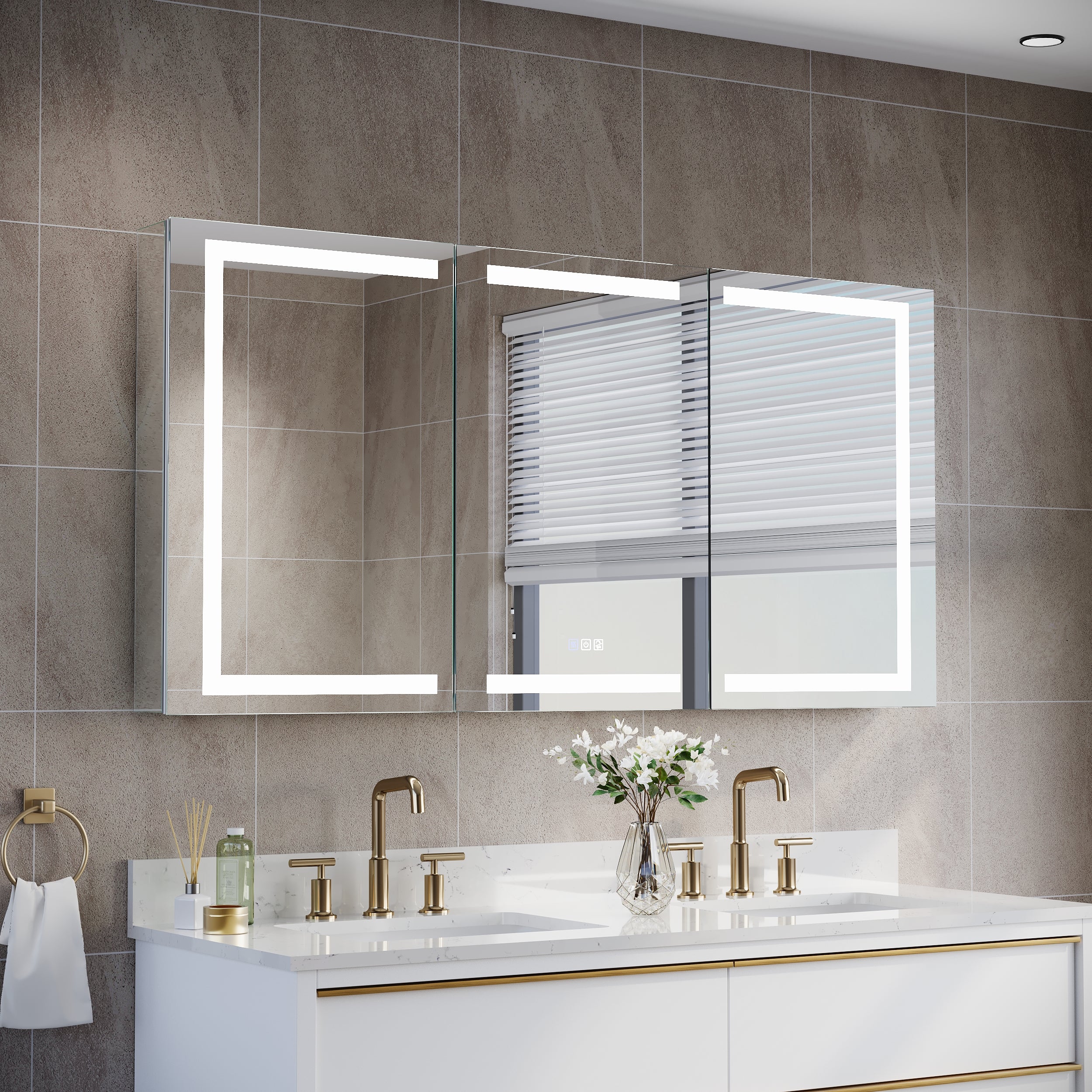
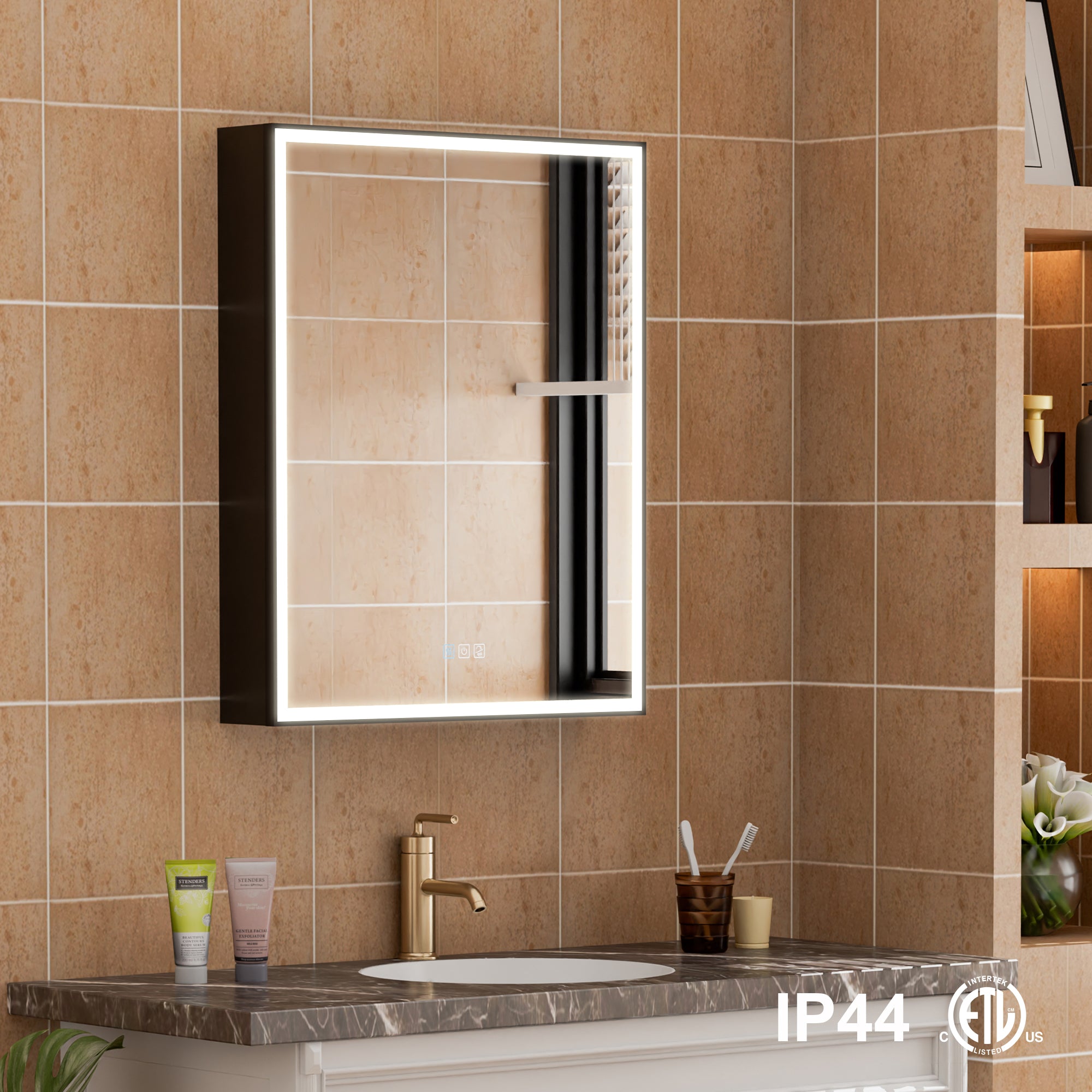
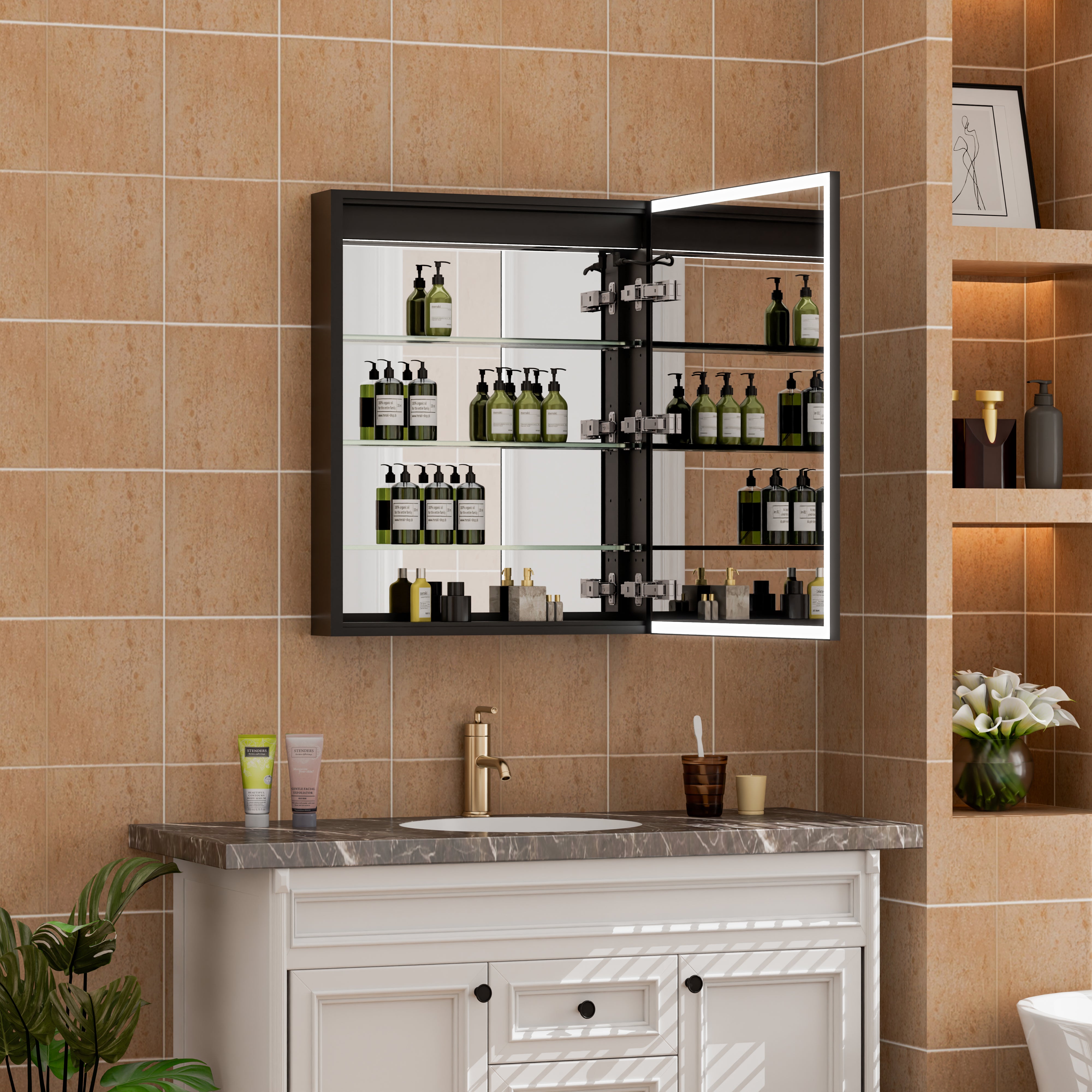
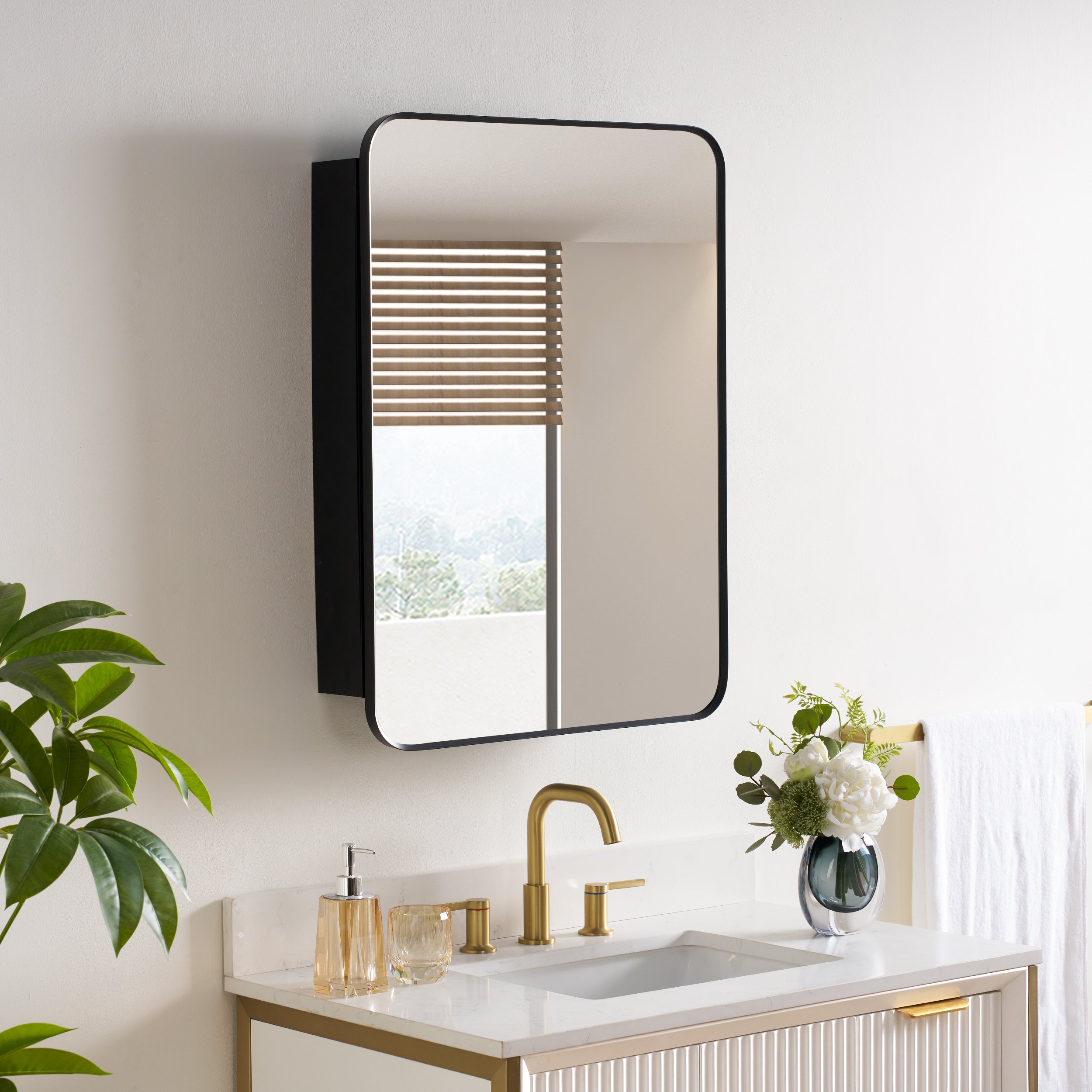
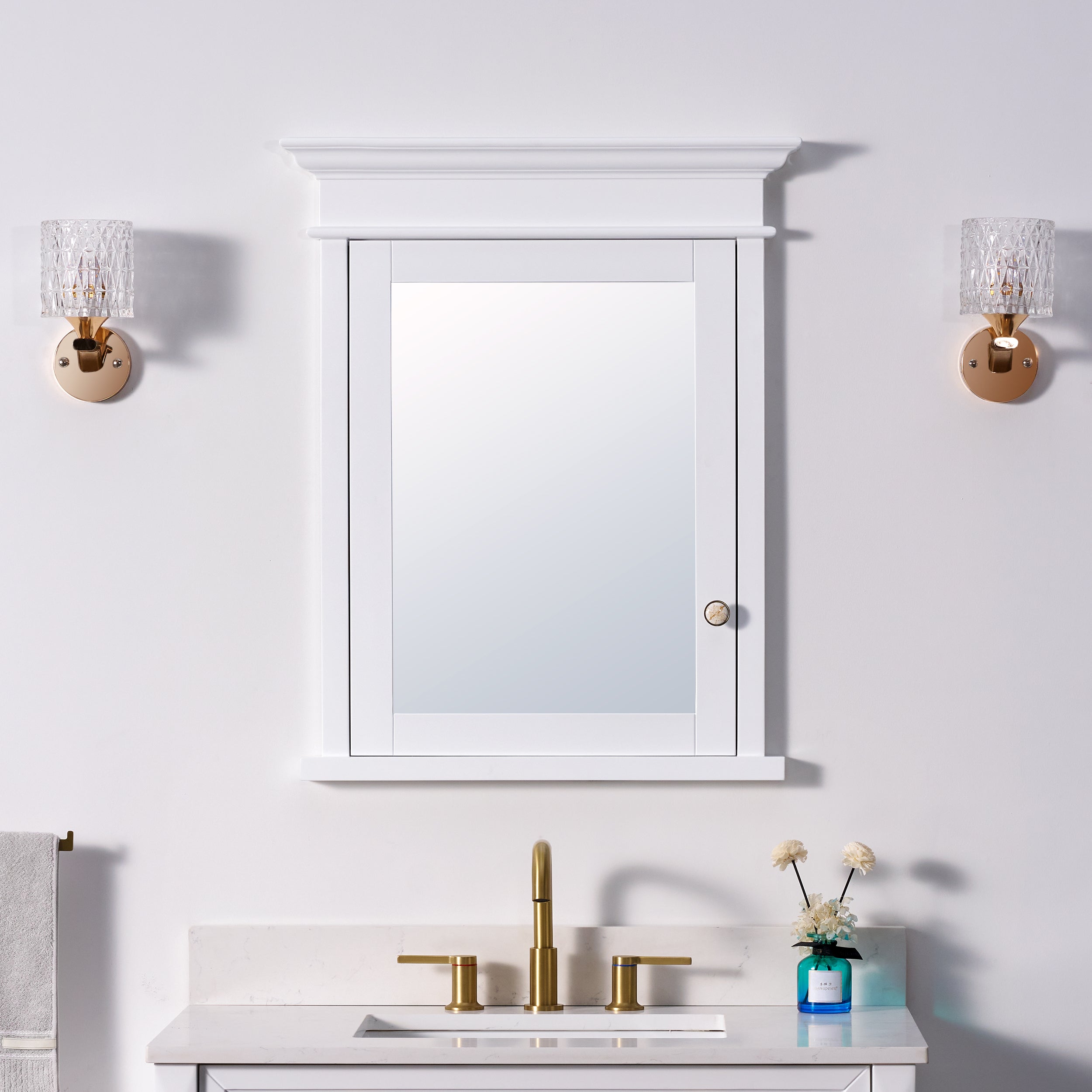
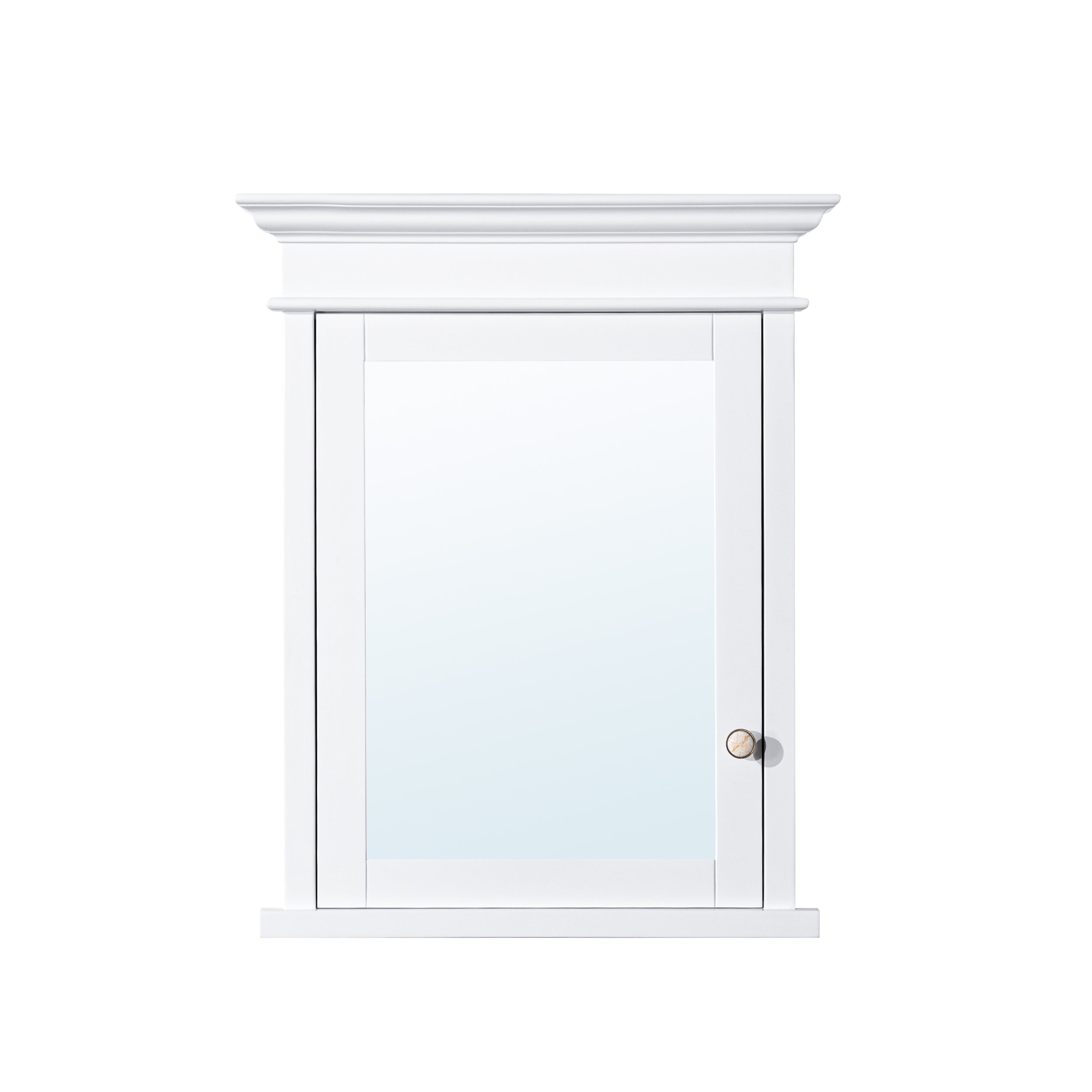
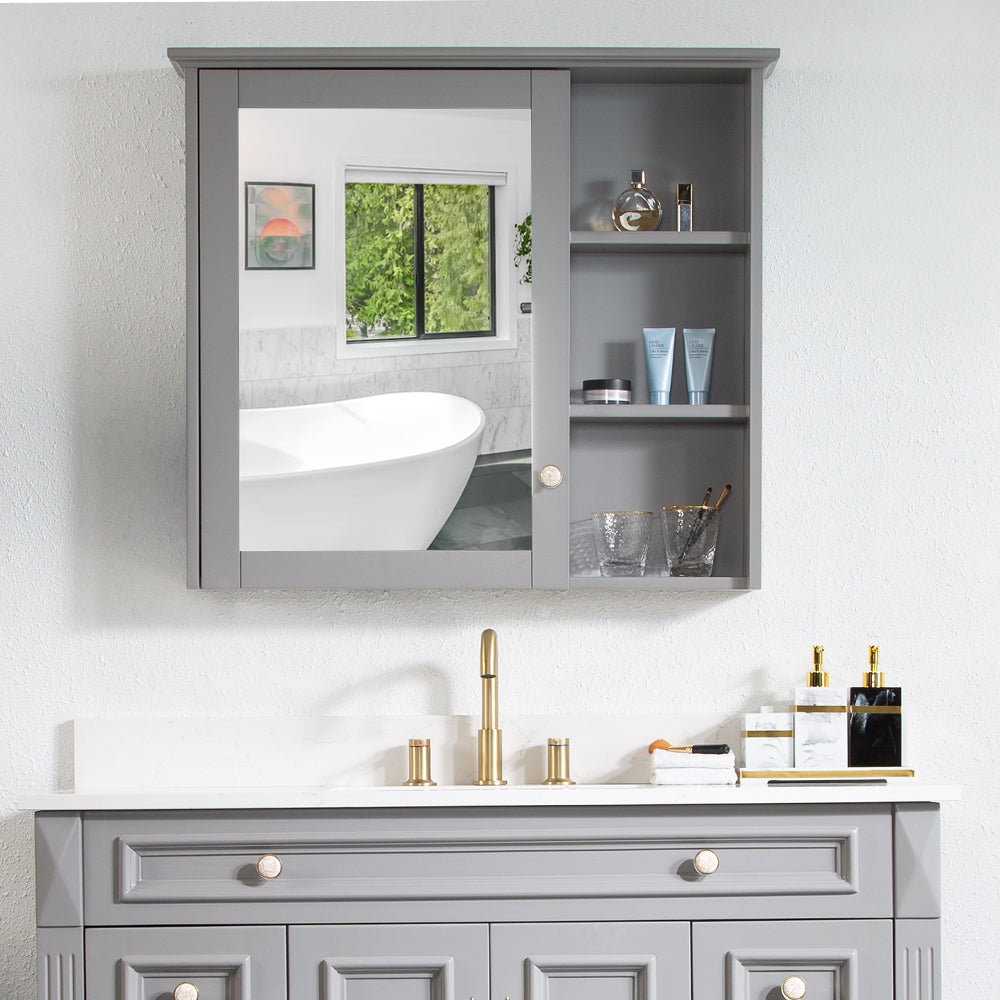
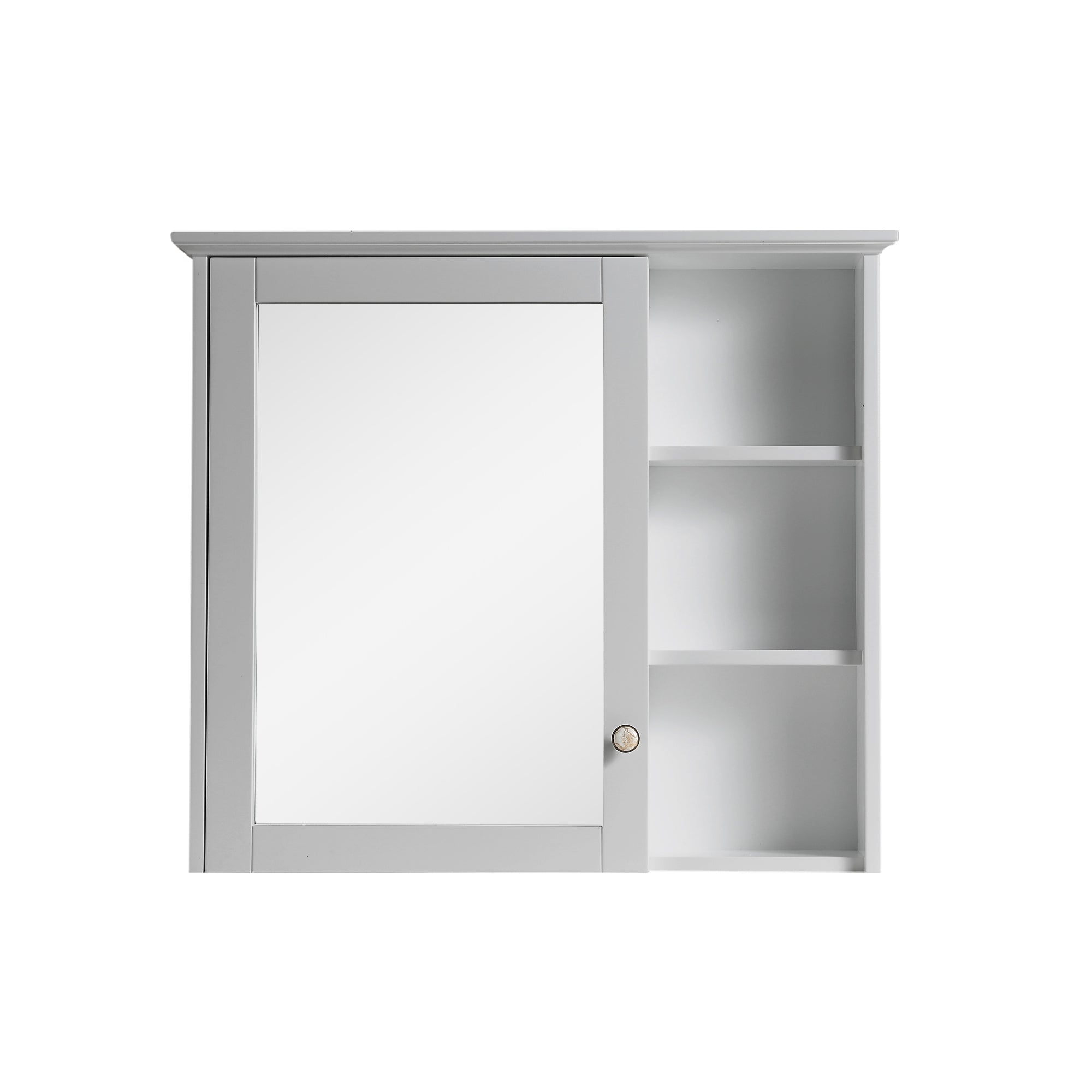
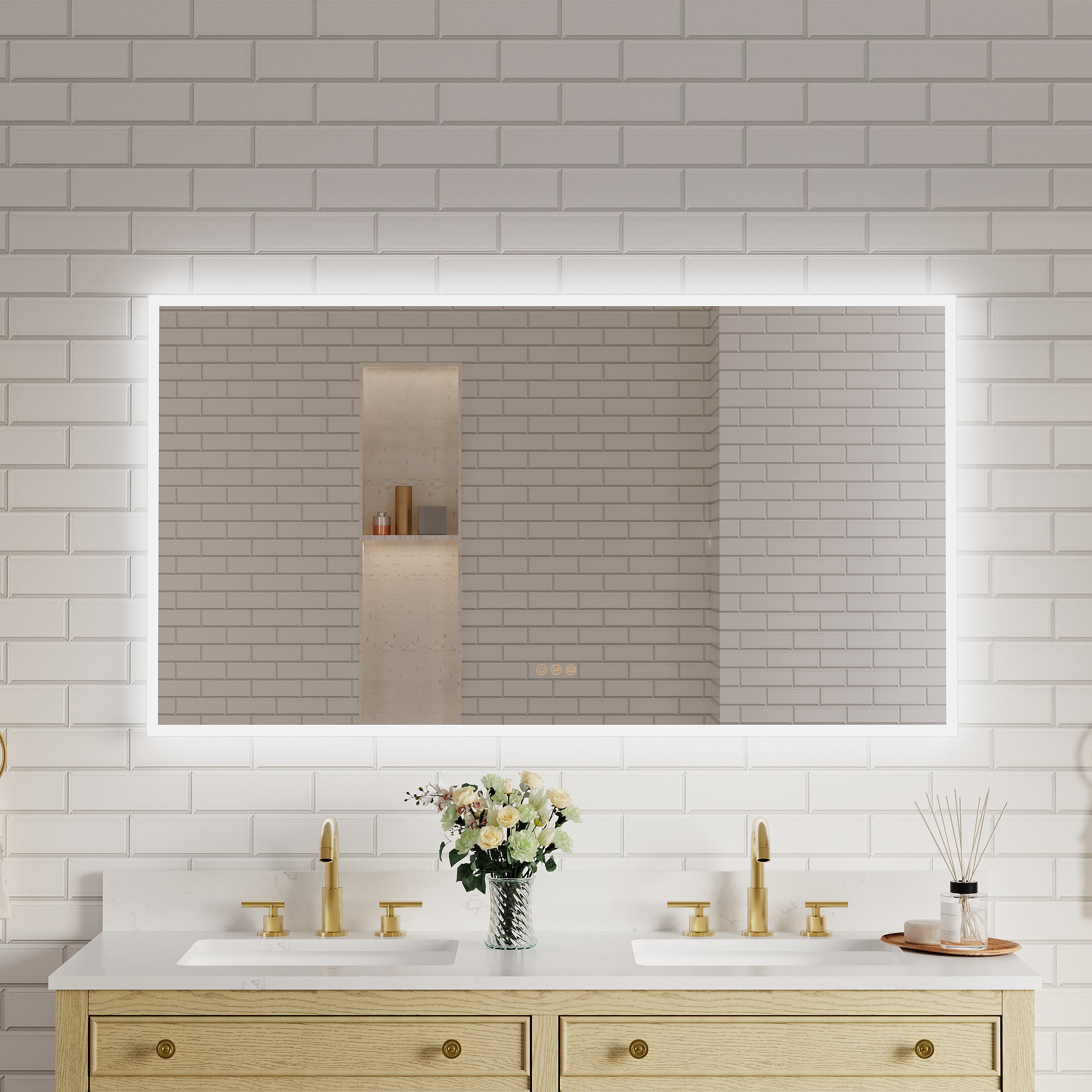
· Mirror cabinet instead of a standard mirror for shallow, high-value storage
The key is depth. In tight bathrooms, shallow storage can be more helpful than deep shelves because items stay visible and reachable.
5. Floating Vanities Add Perceived Space and Real Cleaning Benefits
A floating vanity exposes more floor, which makes the room feel larger and easier to clean. In compact layouts, that visual “breathing room” can be as valuable as storage volume.
Design coverage looking ahead notes floating vanities are especially useful in small spaces because they make the room feel more open while still providing storage (Source: Homes & Gardens, Oct 2025).
If you choose a floating vanity, prioritize drawer storage, because you typically lose some depth compared with a full base cabinet.
6. The Right Vanity Size Prevents Clutter From Migrating Everywhere
When a vanity is too small, clutter spreads to the toilet tank, window ledges, and tub corners. When it is sized correctly, it becomes the designated home for essentials.
The Houzz study shows that nearly half of homeowners choose vanities 48 in. or less (47%), reflecting how common compact layouts are (Source: 2025 U.S. Houzz Bathroom Trends Study).
In small bathrooms, a 24 in. to 36 in. vanity is often the sweet spot, especially in a 5 ft by 8 ft footprint (Source: Houzz, “5 Ways With a 5-by-8-Foot Bathroom”).
Space-planning tips that protect storage
· Choose the widest vanity that still preserves comfortable walking space.
· Favor drawers if the room has only one primary storage zone.
· Avoid oversized door swings that block access to the toilet or shower.
7. Built-In Power and Tool Storage Reduce Countertop Pileups
In small bathrooms, cords and devices are clutter multipliers. When storage includes power access, hair tools can live inside a drawer rather than on the counter.
One Houzz features roundup calls out built-in electrical outlets (33%) as a frequently chosen vanity feature, along with drawer organizers (Source: Houzz, “These Are the Bathroom Styles and Features Homeowners Want Now”).
Even if you do not need built-in outlets, a dedicated drawer section for tools (plus a heat-safe insert) can prevent daily mess.
8. Humidity and Ventilation Protect What You Store
Storage is only helpful if items stay dry and clean. Small bathrooms tend to trap steam, so ventilation matters for both the vanity and what’s inside it.
EPA guidance recommends keeping indoor humidity between 30% and 50%, and notes high humidity increases the likelihood of mold (Source: U.S. Environmental Protection Agency, “Care for Your Air”).
A well-ventilated bathroom helps:
· Towels dry faster
· Products and paper goods stay fresh longer
· Cabinet interiors smell cleaner
9. A Quick Checklist for Choosing the Best Storage Vanity
Use this checklist when comparing options:
Storage layout
· At least 2 drawers (3 is better for most daily routines)
· Full-extension slides and soft-close (Source: 2025 U.S. Houzz Bathroom Trends Study)
· A plumbing-friendly drawer cutout or pull-out tray
Space efficiency
· Width matched to your wall space without blocking fixtures
· Shallow upper storage (mirror cabinet or wall cabinet) if countertop clutter is a problem
Practical add-ons
· Drawer organizer or modular dividers (Source: 2025 U.S. Houzz Bathroom Trends Study)
· Built-in outlet if you frequently use grooming tools (Source: Houzz feature roundup)
Moisture control
· Run the fan during showers and after; aim for 30% to 50% humidity (Source: U.S. EPA)

Conclusion
Bathroom vanities improve storage in small bathrooms by transforming under-sink space into organized, enclosed capacity, then extending storage vertically through smart pairings like mirror cabinets and wall storage. In a common compact layout like 5 ft by 8 ft, a vanity is often the main storage anchor, so drawer-forward designs, organizers, and compact sizing choices make an outsized difference (Source: Houzz, “5 Ways With a 5-by-8-Foot Bathroom”; Source: 2025 U.S. Houzz Bathroom Trends Study).
Add soft-close drawers and doors (78% and 75% adoption, respectively) and humidity control guidance (30% to 50% indoor humidity) to the plan, and a small bathroom can feel noticeably cleaner, calmer, and easier to maintain (Source: 2025 U.S. Houzz Bathroom Trends Study; Source: U.S. EPA).












Leave a comment
This site is protected by hCaptcha and the hCaptcha Privacy Policy and Terms of Service apply.