














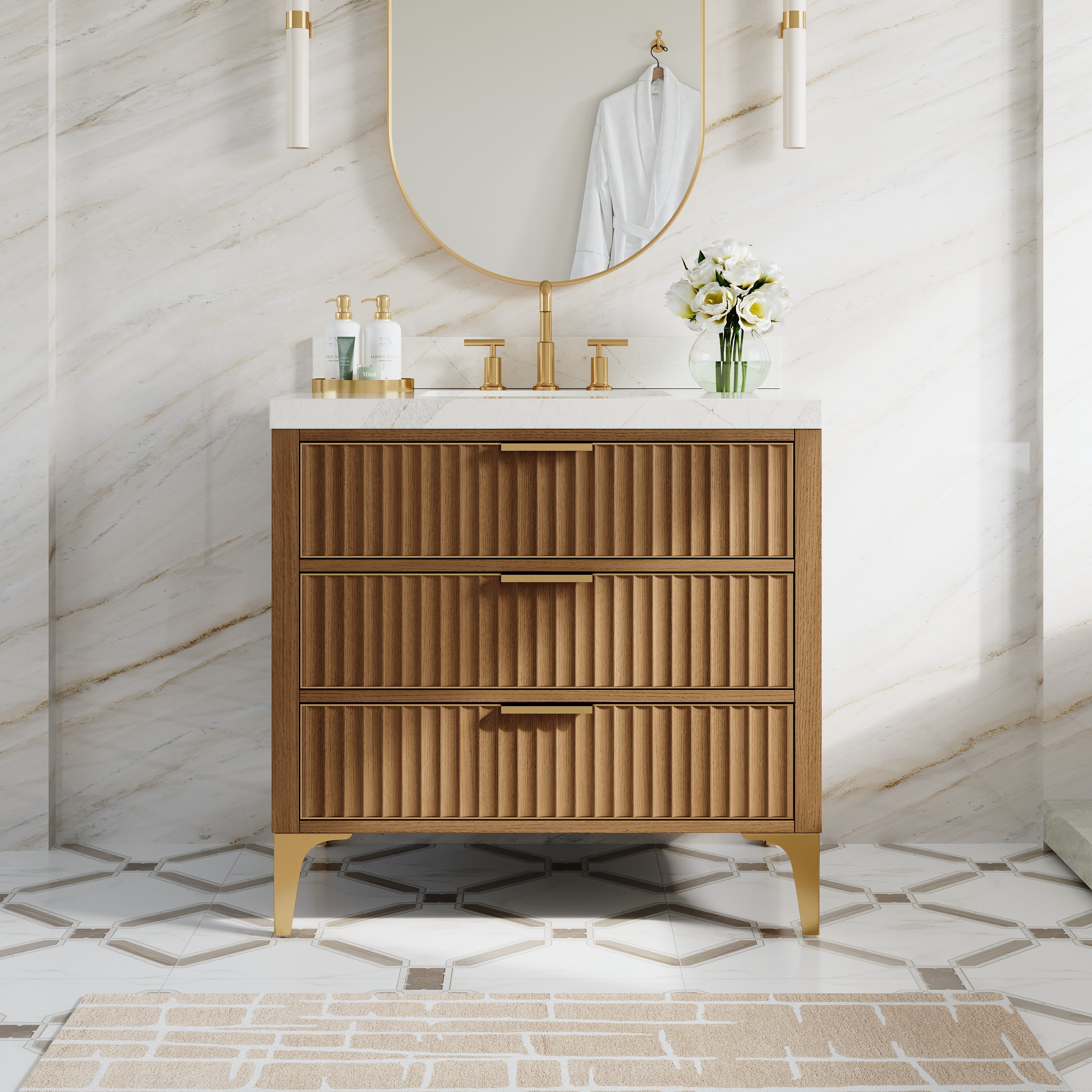
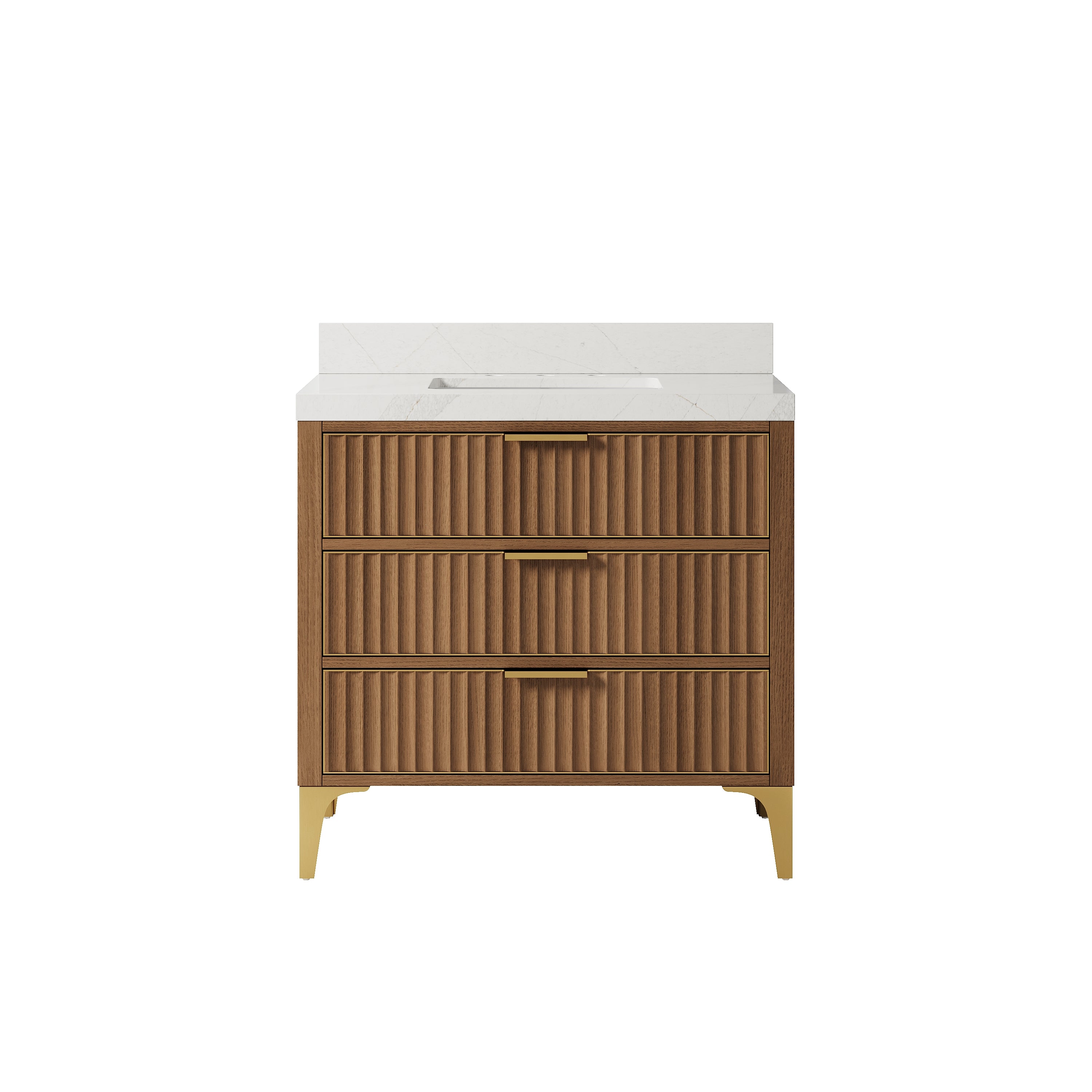
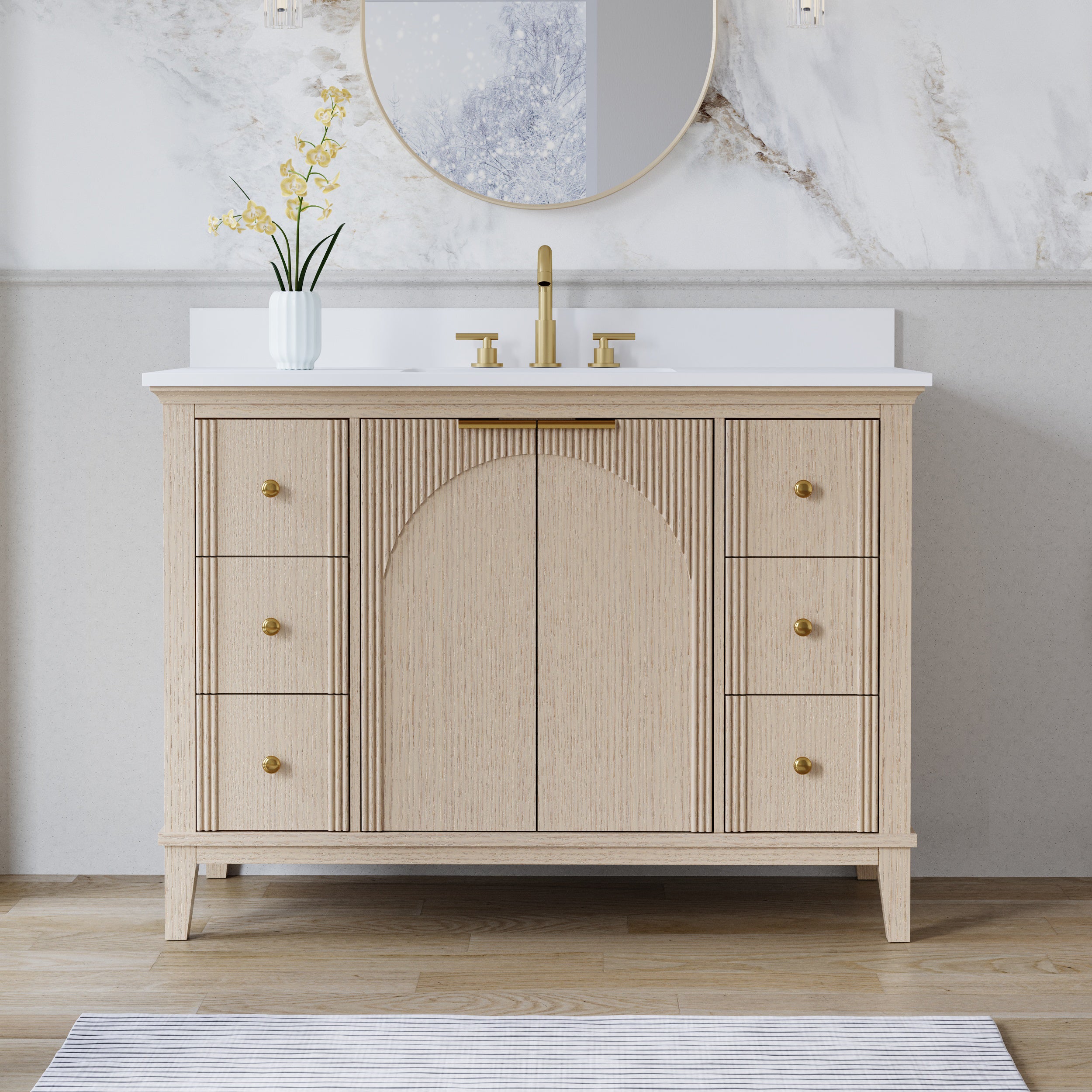
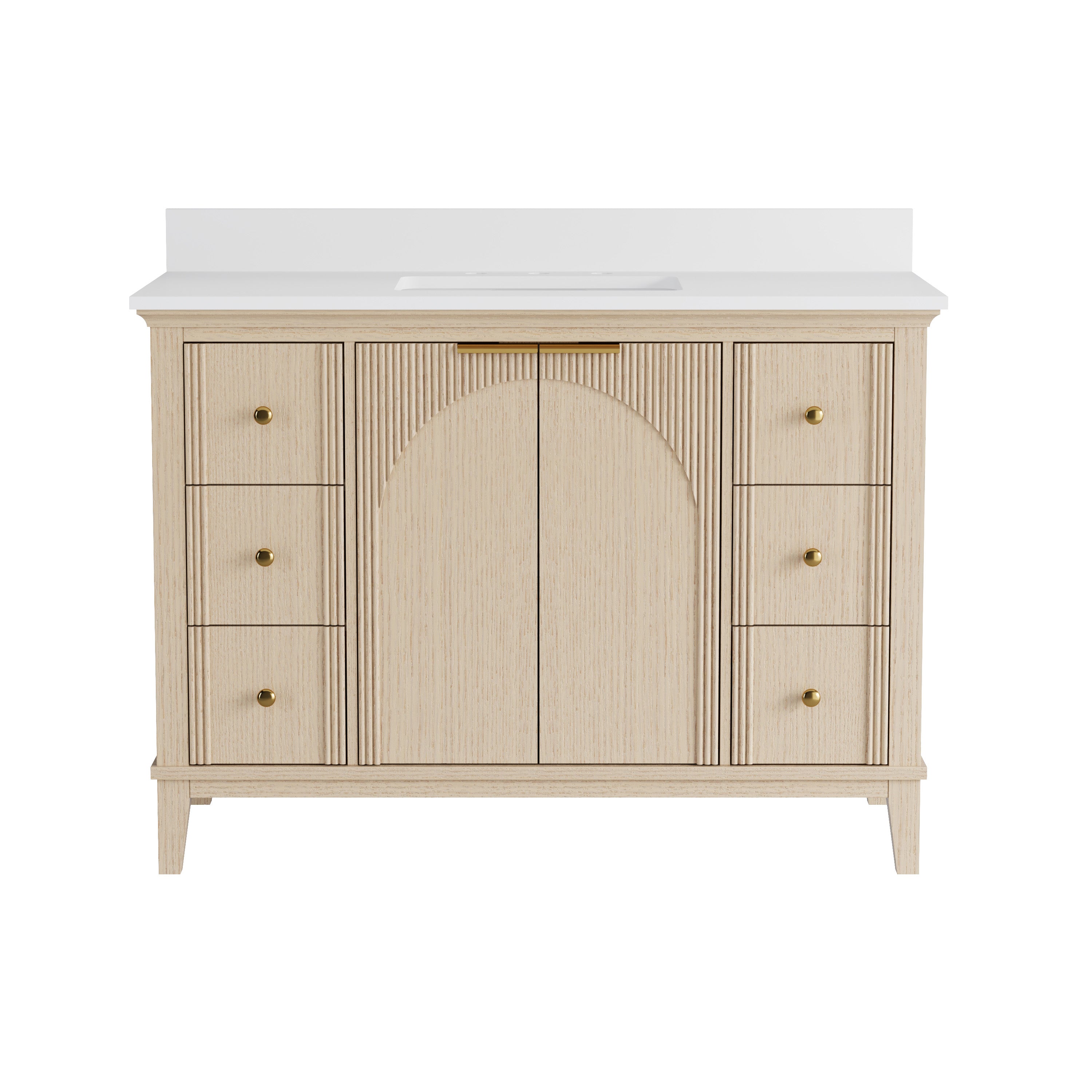
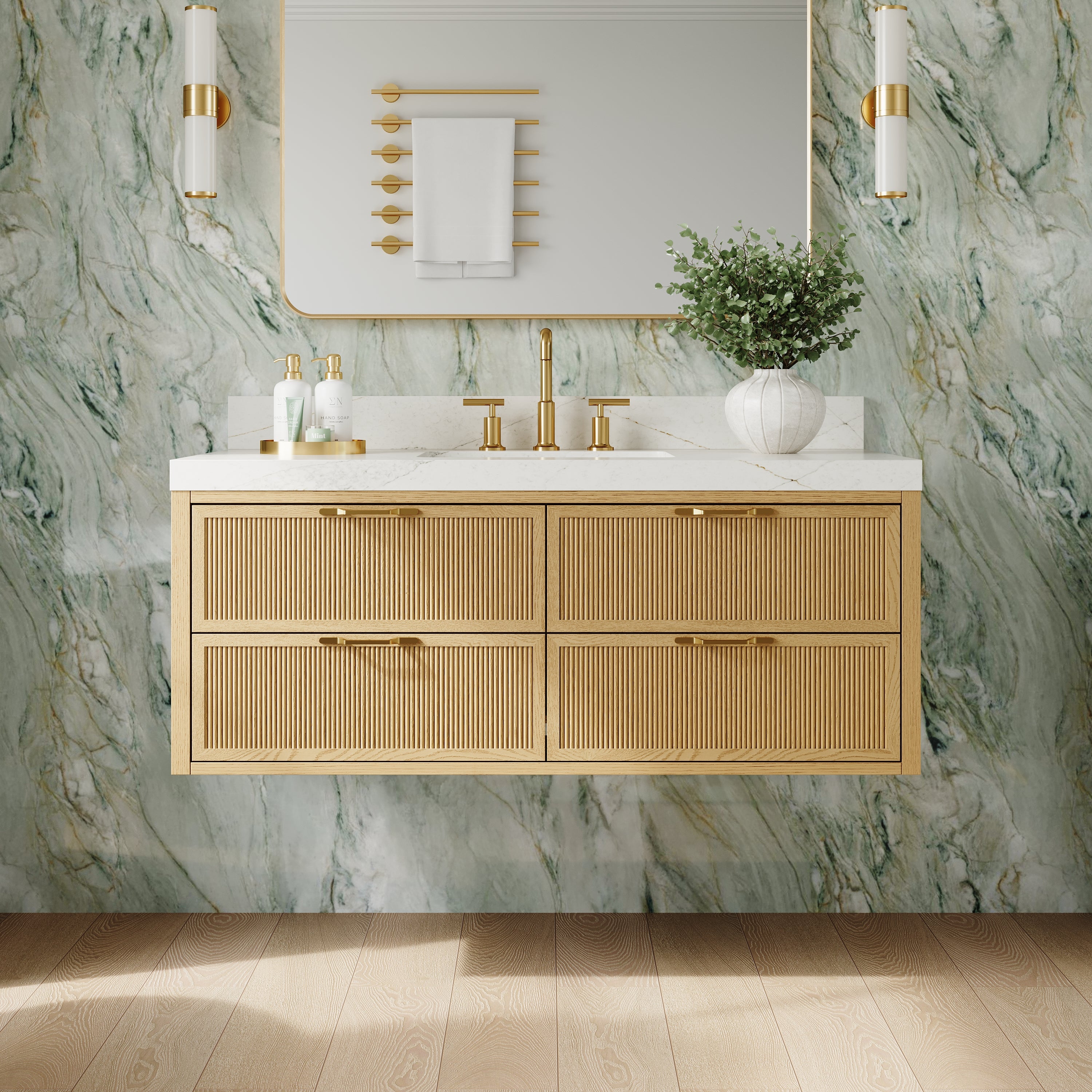
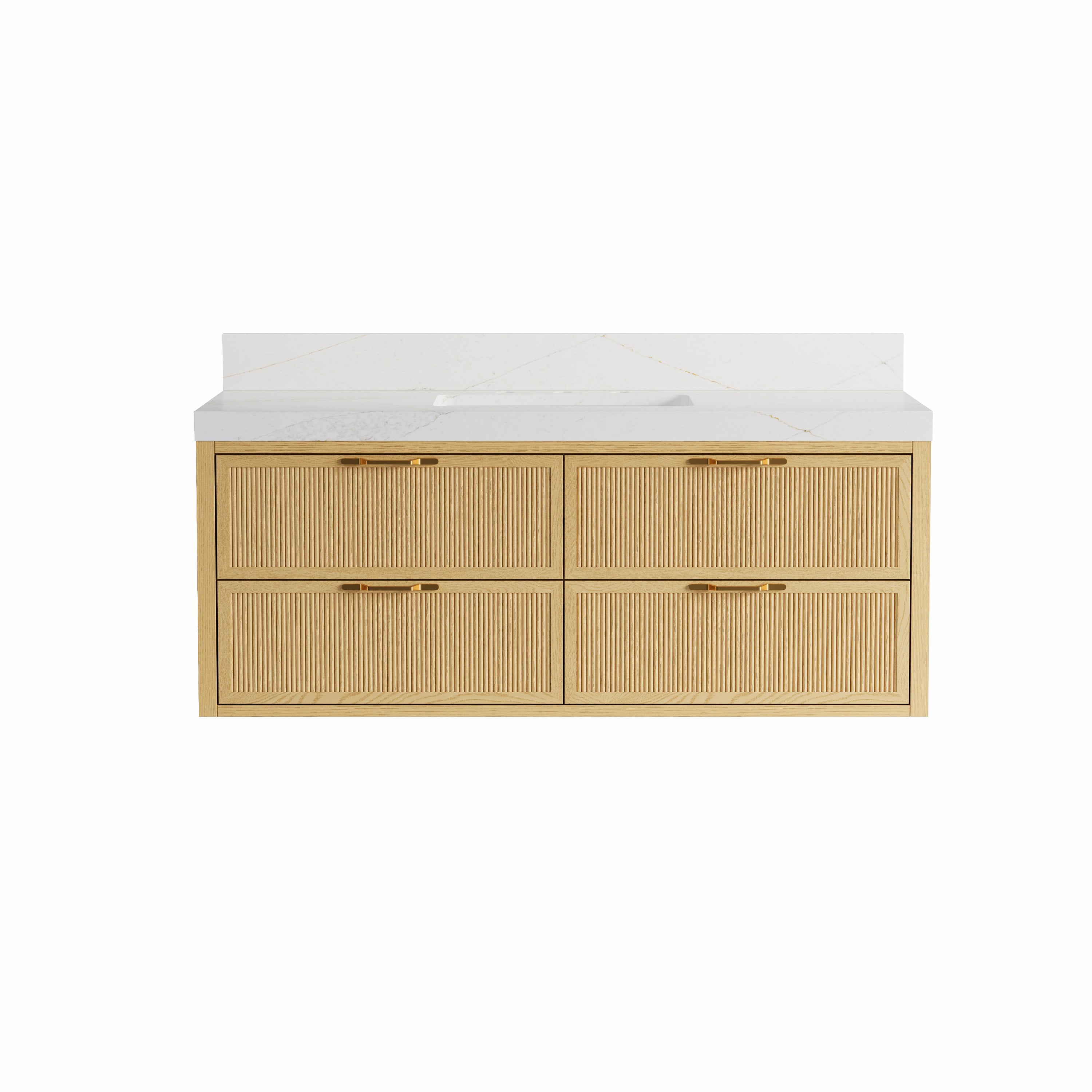


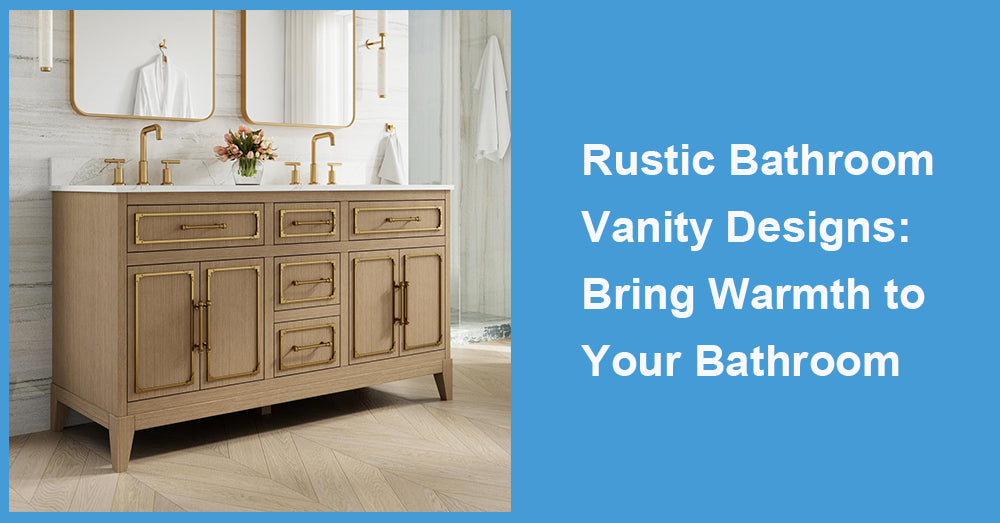
The best rustic bathroom vanity designs do not try too hard. They bring warmth into a room that is usually filled with cold materials such as tile, glass, stone, and metal, and they do it without turning the bathroom into a themed space. After years of working with bathroom layouts, vanity selection, and renovation planning, I have found that rustic style works best when the vanity feels grounded, useful, and a little imperfect in the right way.
That direction lines up with what the market is already showing. According to Houzz, wood tones were the top vanity color choice among renovating homeowners in 2025, chosen by 28% of respondents.
(Source: Houzz)
According to NKBA, wood-faced vanities have moved ahead of painted vanities in popularity, 62% to 53%, which tells me buyers still want bathrooms to feel warmer and more natural, even as the rooms become cleaner and more modern in layout.
(Source: NKBA)
A rustic vanity can do that beautifully. It can soften a bright white bathroom. It can give a new build more character. It can even make a small bathroom feel calmer if the proportions are right.

Rustic Bathroom Vanity Designs Work Best When They Feel Honest
The word “rustic” causes problems because people often picture the loud version first. Thick reclaimed beams. Heavy distressing. Barn-door hardware everywhere. That approach can work in a lodge or a mountain home, but in most bathrooms it quickly becomes too much.
What works better is restraint.
A rustic vanity usually feels strongest when it uses warm wood tones, visible grain, simple cabinetry, and a countertop that balances the texture rather than fights it. Think oak, walnut-inspired finishes, weathered brown, or muted natural wood with a white, off-white, or lightly veined top. Houzz has also highlighted wood vanities as a reliable way to add warmth to bathrooms because they offset the hard, cool surfaces that dominate the room.
(Source: Houzz)
I like rustic vanities most in guest bathrooms, powder rooms, and primary baths that need a little depth without becoming too formal. They are also a strong fit in homes with stone floors, warm wall paint, aged brass hardware, or natural light that makes wood tones look richer.
They are less convincing in highly glossy contemporary bathrooms, or in rooms already crowded with patterned tile, heavy beams, and busy finishes. In those spaces, the vanity can end up competing instead of grounding.
Choosing Sizes, Layouts, and Materials
Size matters more than style language.
A rustic vanity that is too large will make the room feel clumsy, no matter how beautiful the wood finish is. In smaller bathrooms, I would rather use a well-proportioned 30-inch or 36-inch vanity with thoughtful storage than force in a larger piece that eats up walkway space. In larger bathrooms, a longer vanity can work well, but it still needs visual breathing room around it.
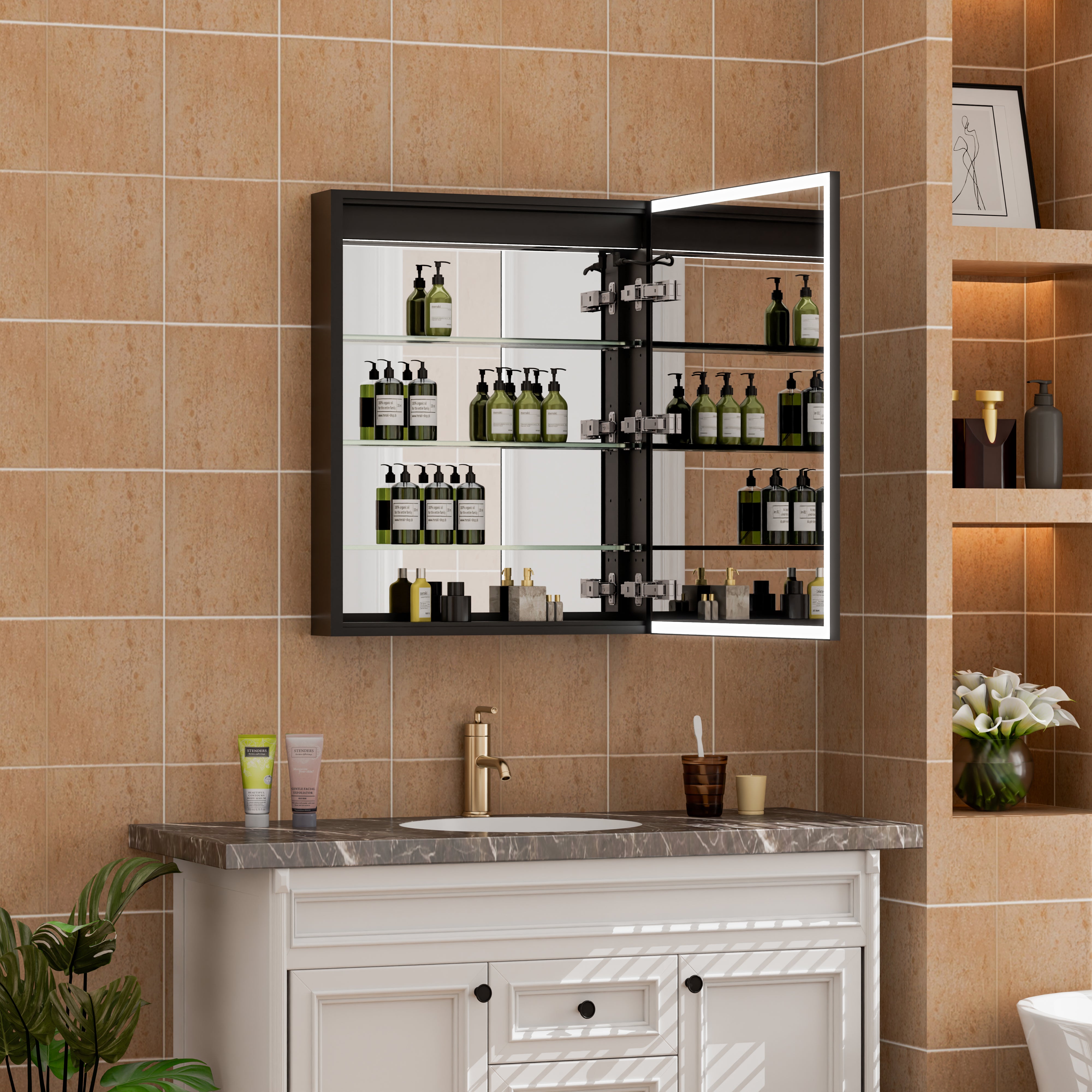
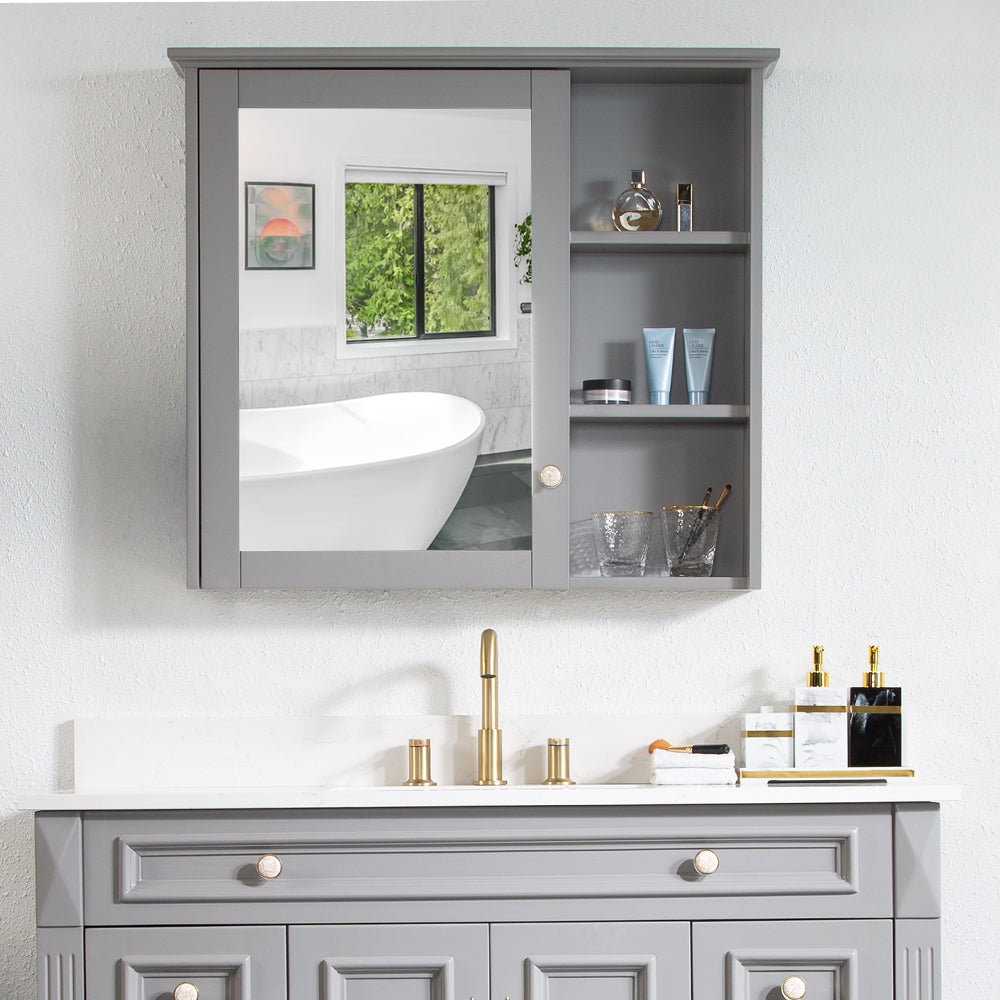
Layout matters just as much. Deep drawers are usually more useful than one big hollow cabinet below the sink. If the vanity includes open shelving, I treat that as a bonus, not the main storage plan. Open shelves look good in photos and collect dust in real life.
Material choice is where people often get tripped up. Real wood is attractive for obvious reasons. It adds character, it ages nicely when finished well, and it gives rustic bathrooms a sense of authenticity. Houzz’s rustic bathroom guide makes the same point, noting that wood plays a key role in warming up stone-heavy bathrooms and connecting the space to natural materials. It also notes that real wood needs proper finishing and good ventilation to handle bathroom moisture well.
(Source: Houzz)
That last part matters. A rustic wood vanity can be a great choice, but not every household wants the maintenance responsibility that comes with real wood in a damp room. In many cases, a well-made engineered wood vanity with a convincing grain and a durable finish is the smarter buy.
For countertops, I usually like quartz with rustic vanities because it keeps the room practical. It gives you the cleaner edge a bathroom needs while letting the wood provide the warmth. A very busy stone pattern can make the vanity feel heavier than it should.
Common Mistakes People Make With Rustic Vanities
The first mistake is over-distressing the finish.
A vanity does not need to look old to feel warm. Too much faux wear can make the room look forced, and that effect gets dated quickly.
The second mistake is going too dark in every direction. Dark rustic vanity, dark floor, dark wall color, dark hardware, dark mirror frame. At that point, the bathroom stops feeling welcoming and starts feeling compressed.
The third mistake is forgetting that bathrooms need calm. Rustic design should add texture, not clutter. If the vanity has a lot of grain, panel detail, and open storage, the surrounding finishes should usually stay quieter.
How to Style and Maintain Rustic Bathroom Vanity Designs
The styling around the vanity matters almost as much as the vanity itself.
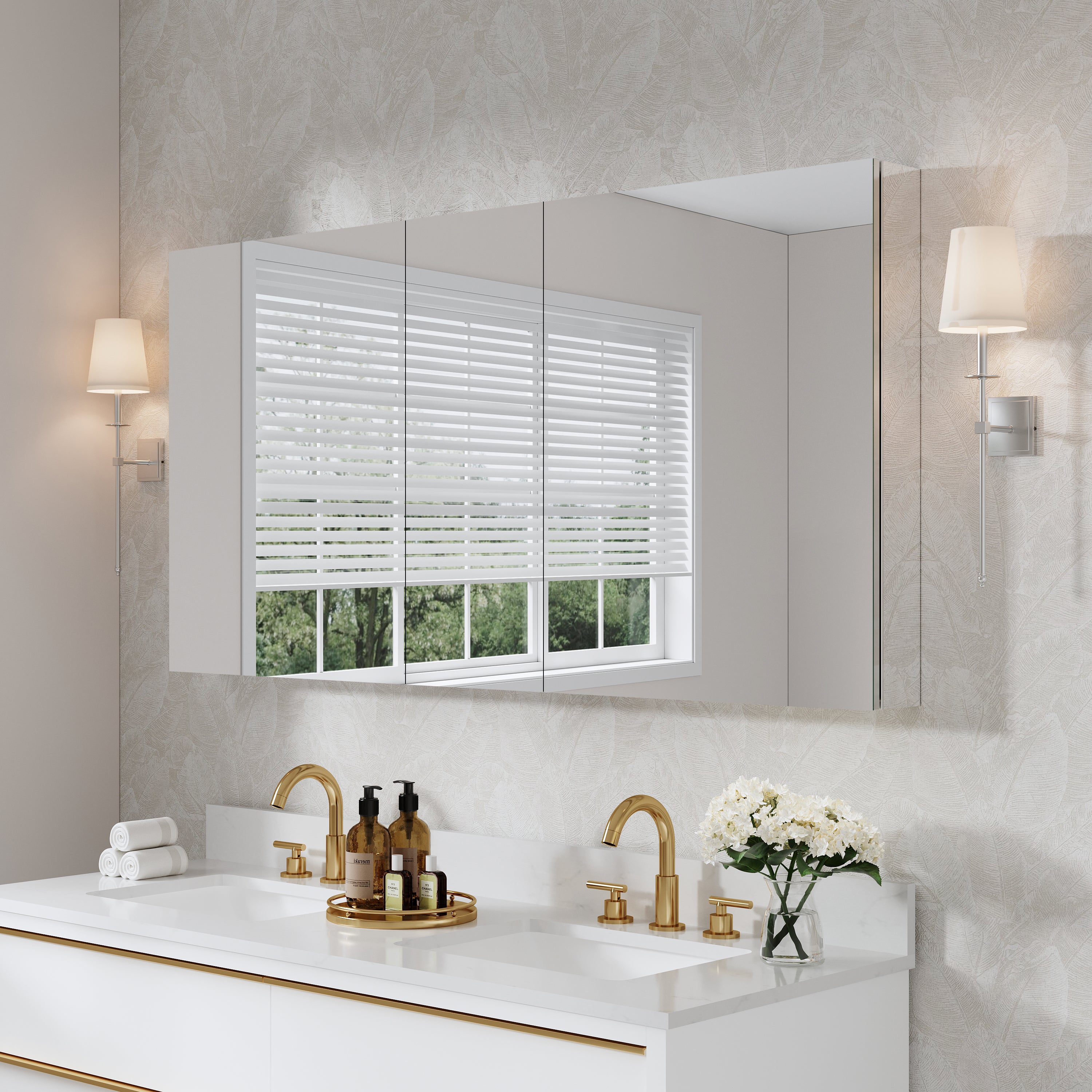
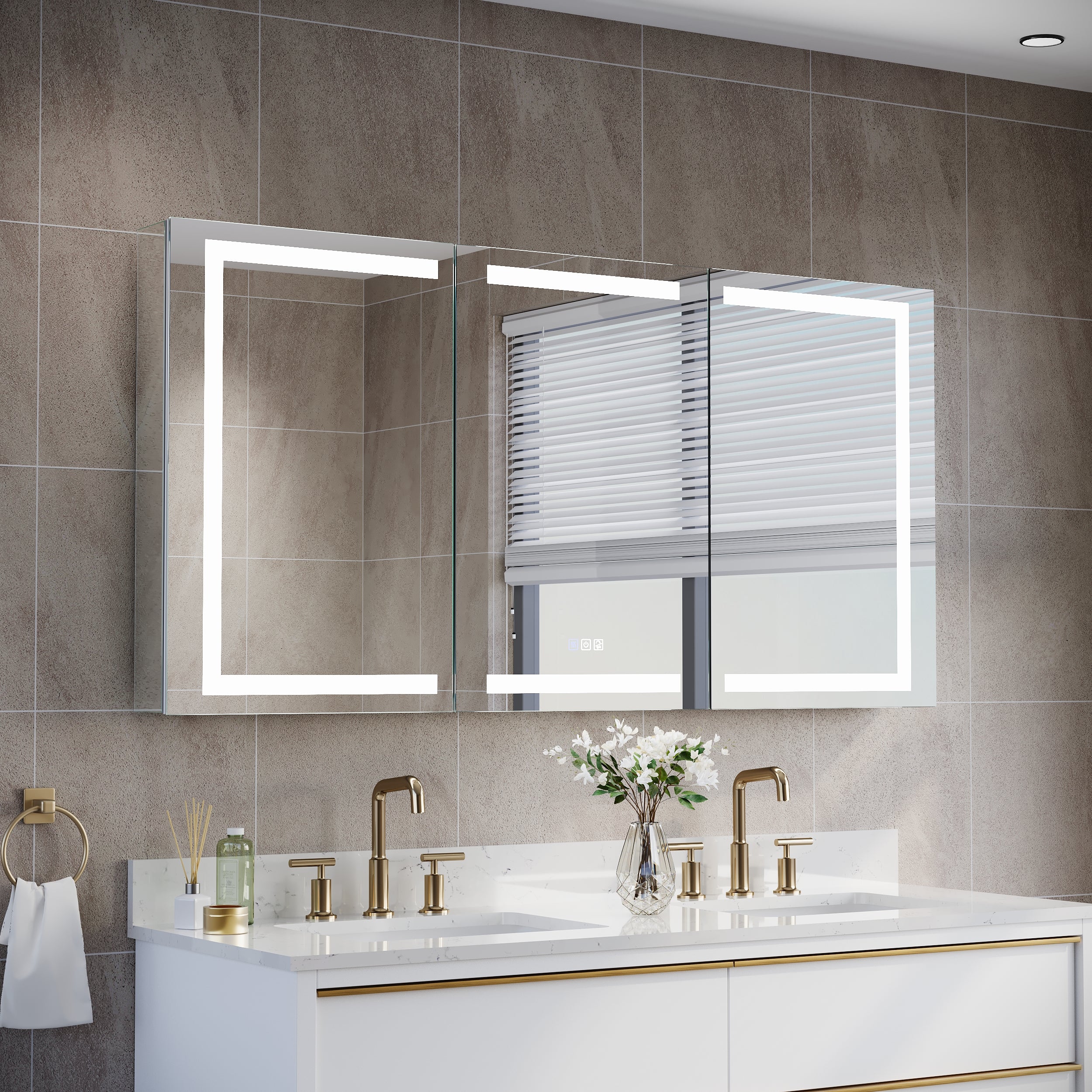
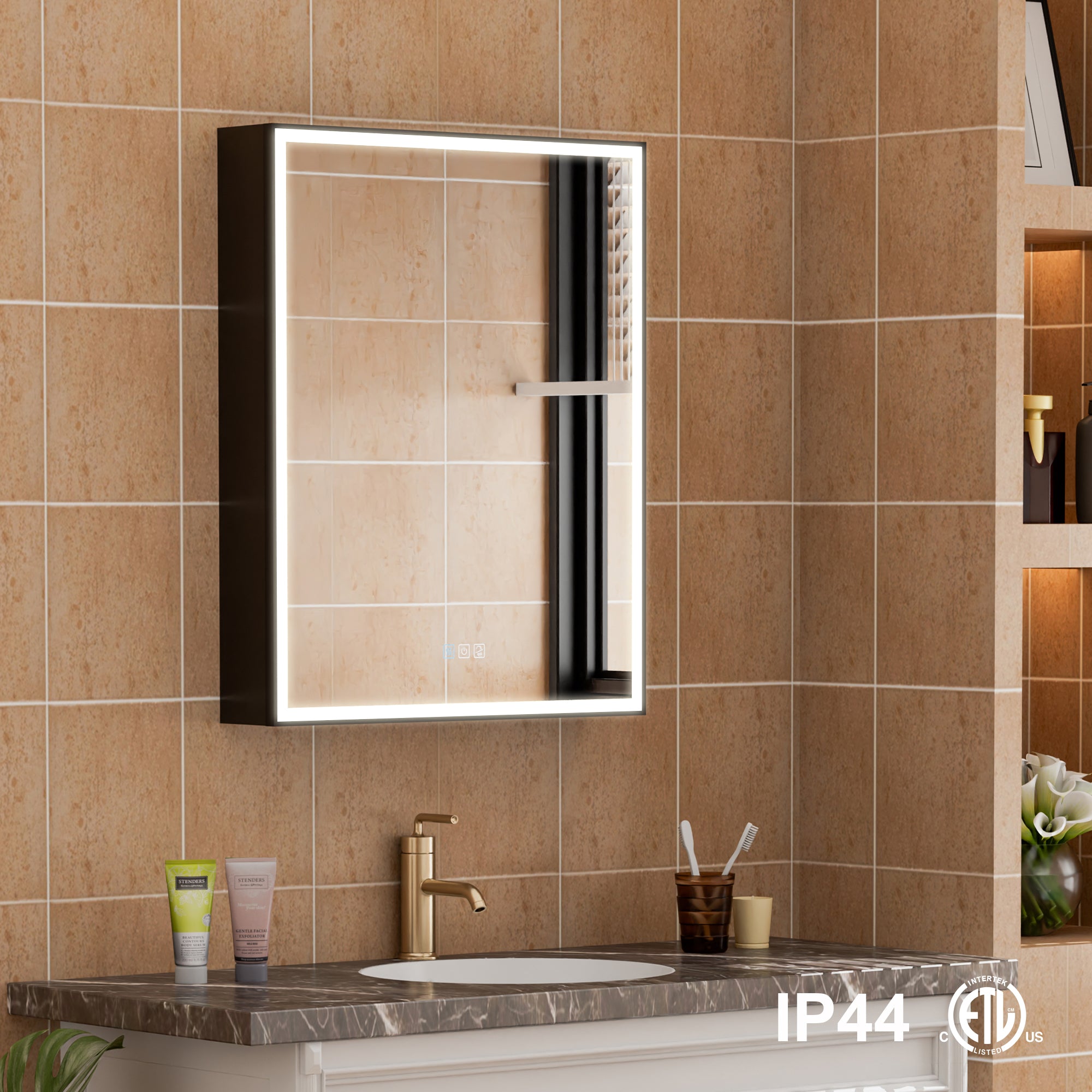
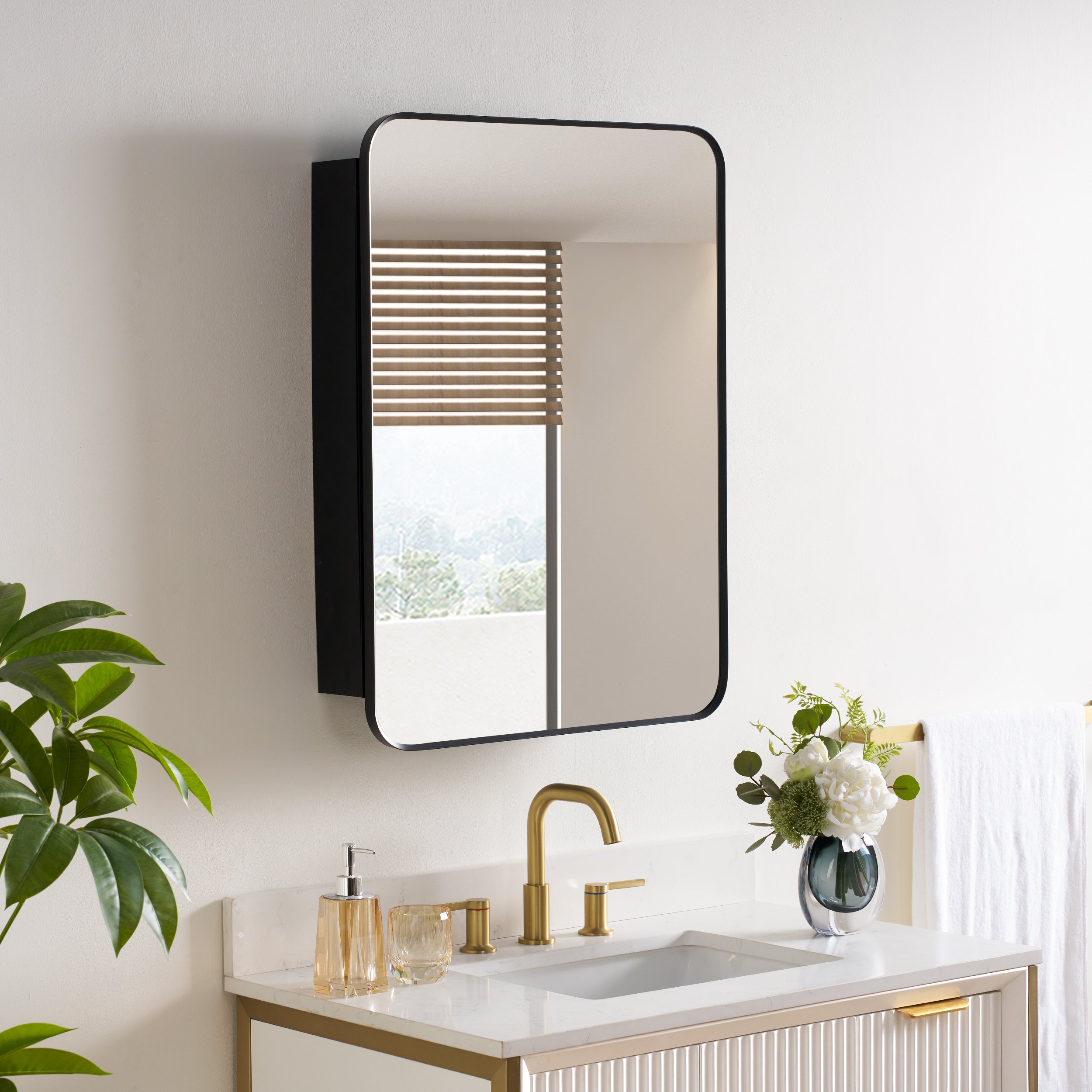
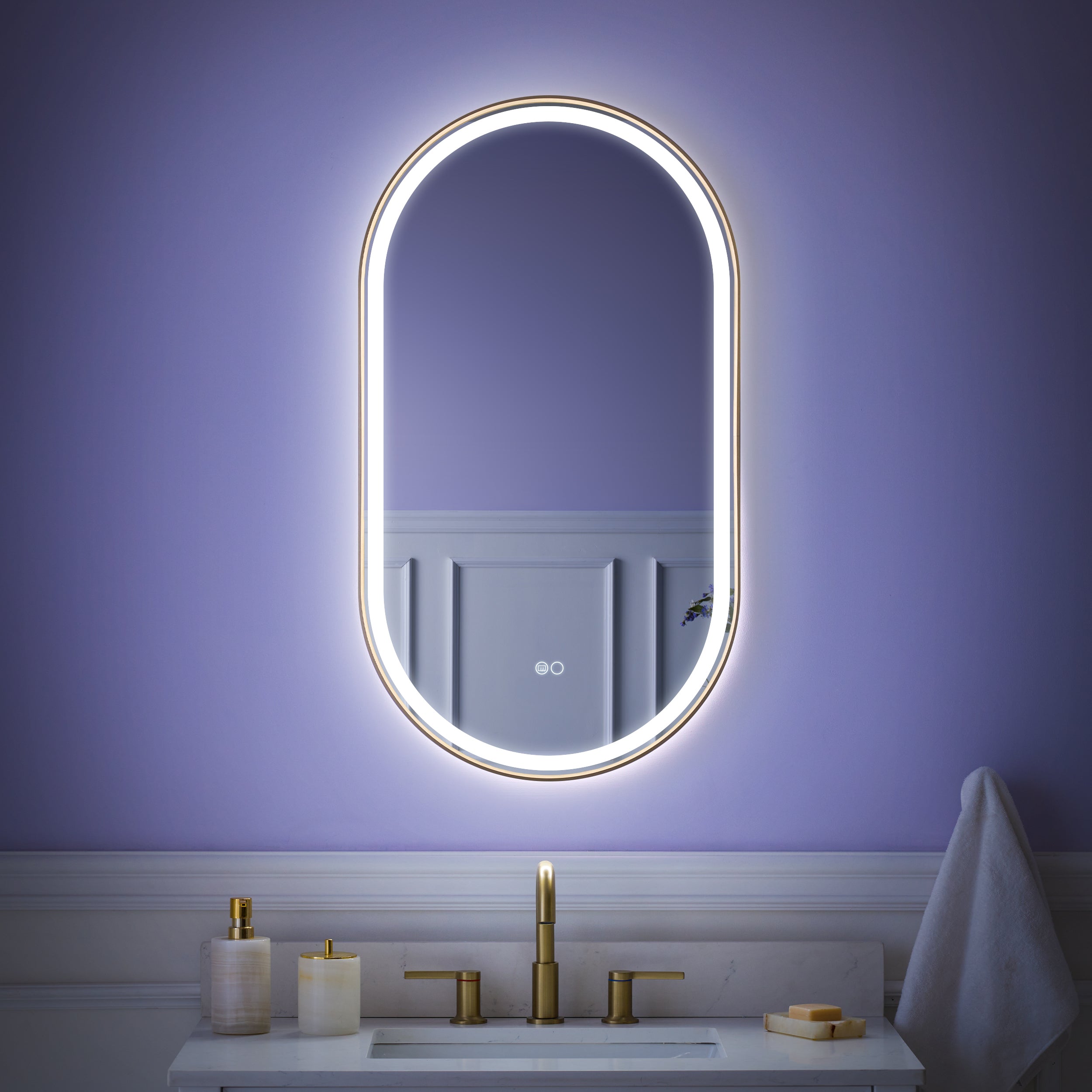
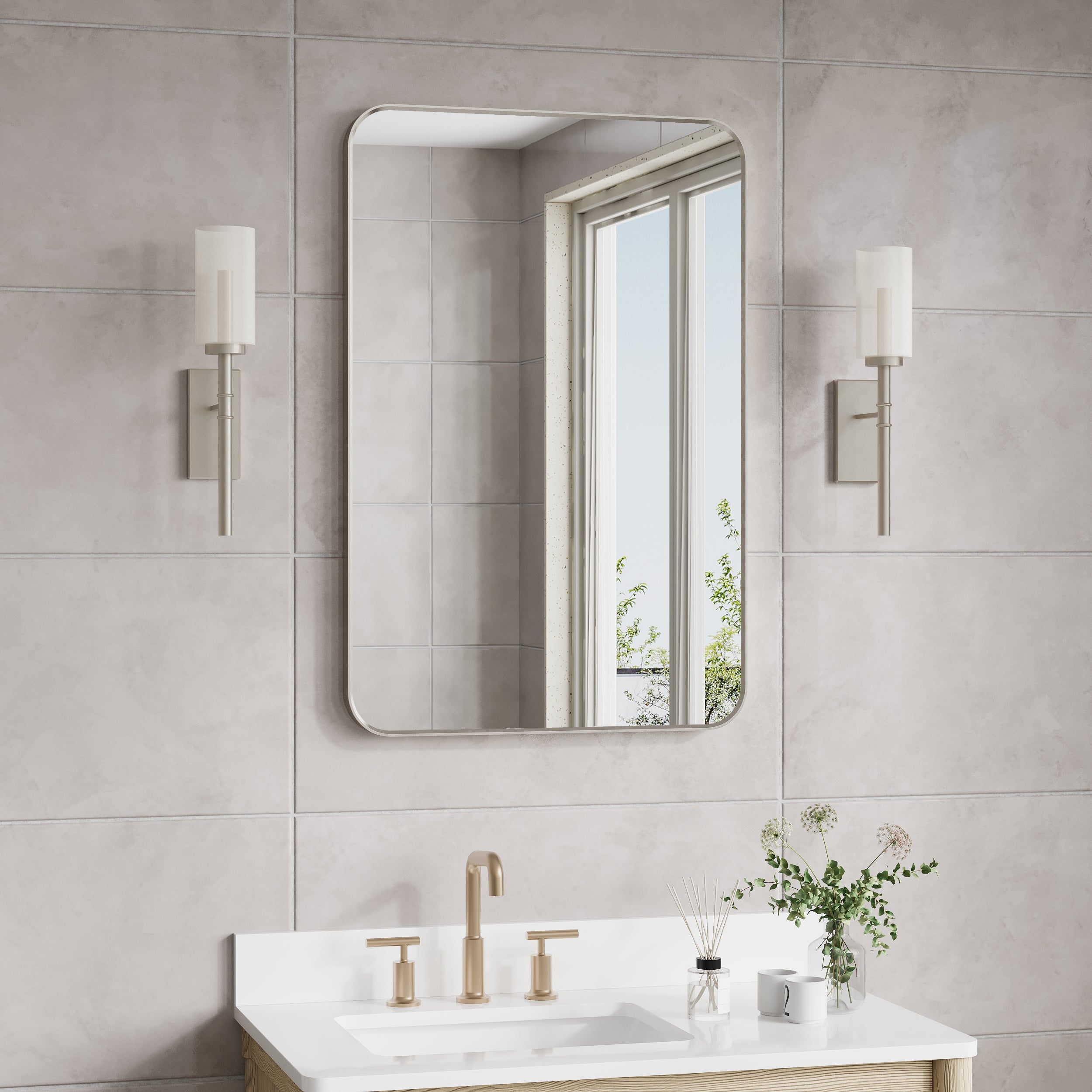
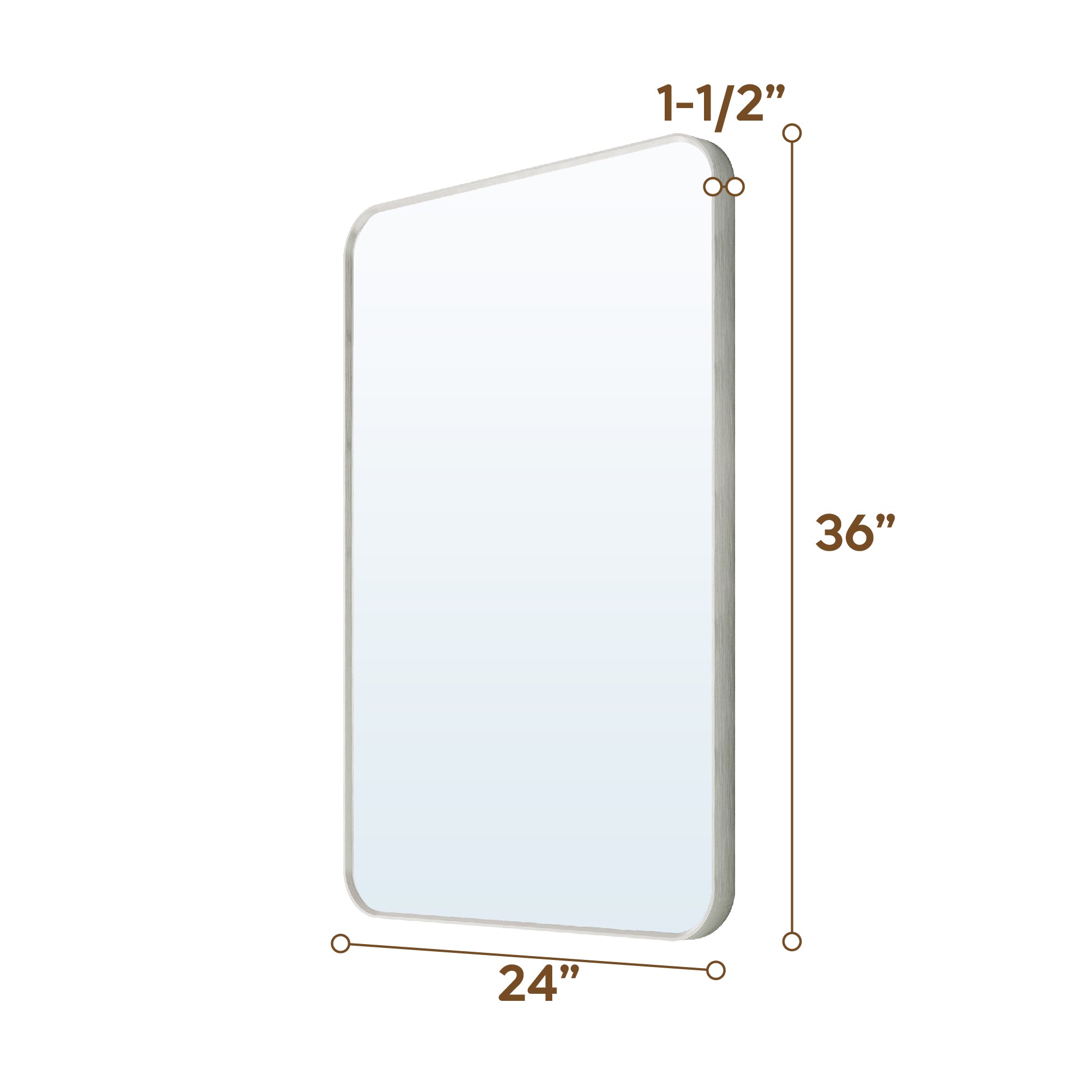
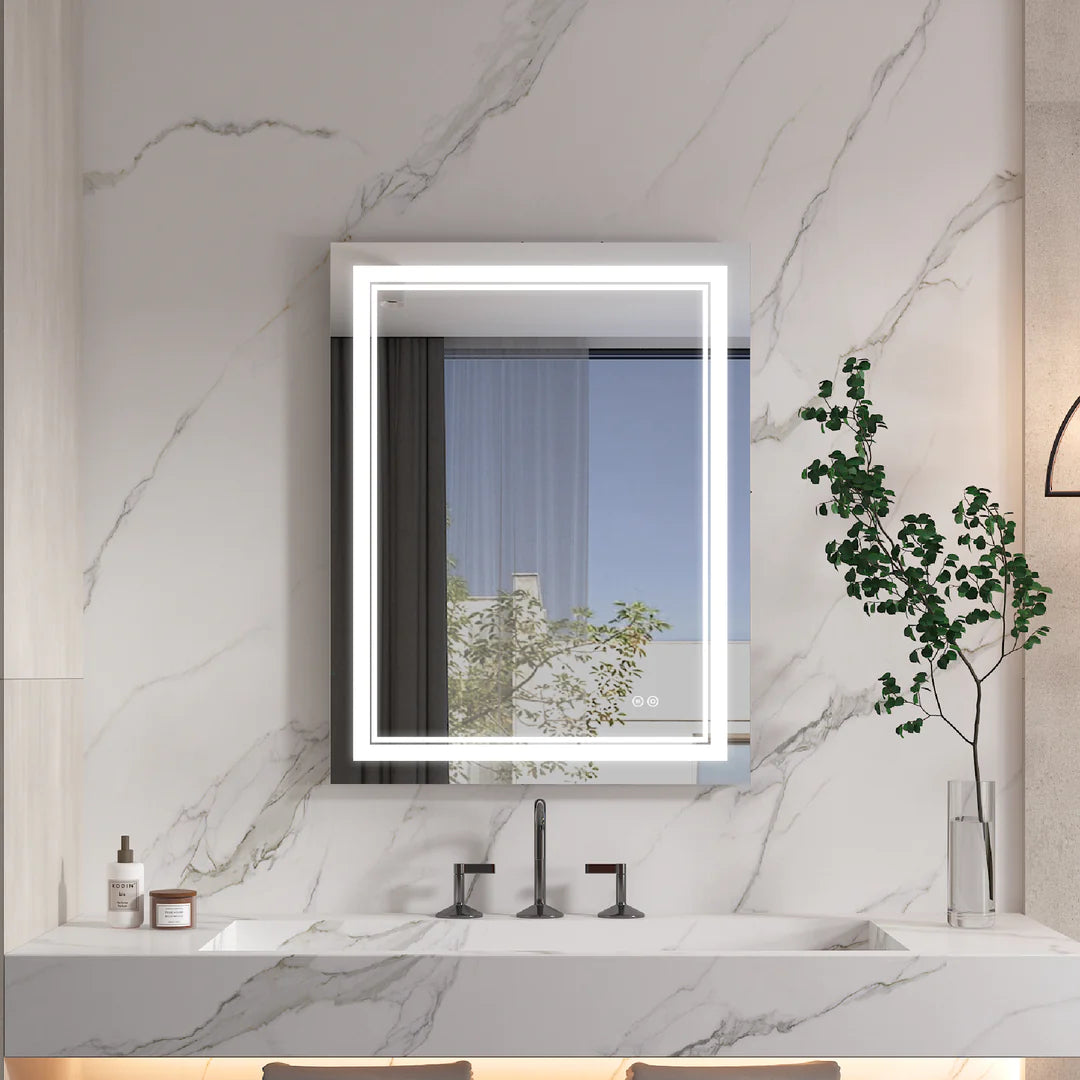
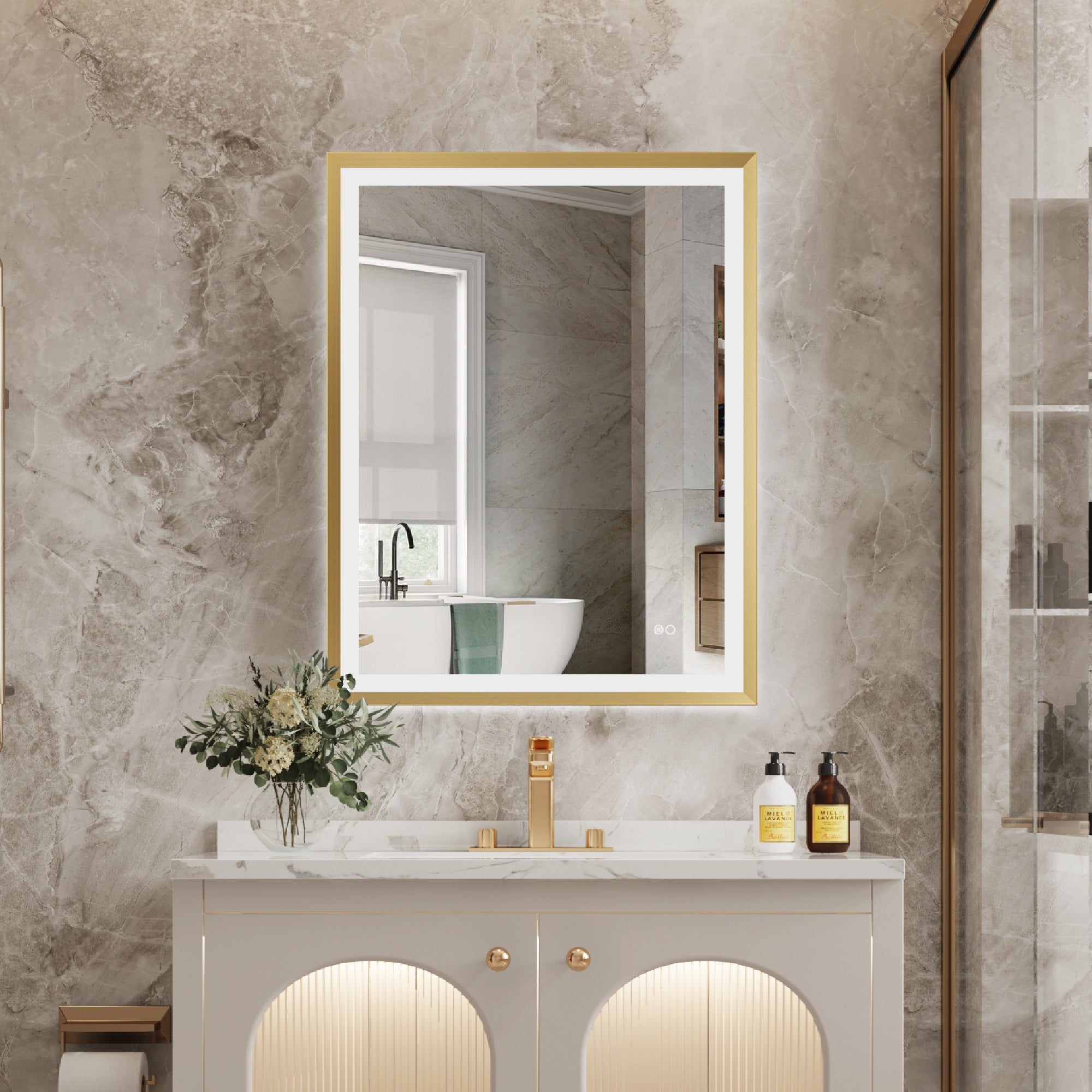
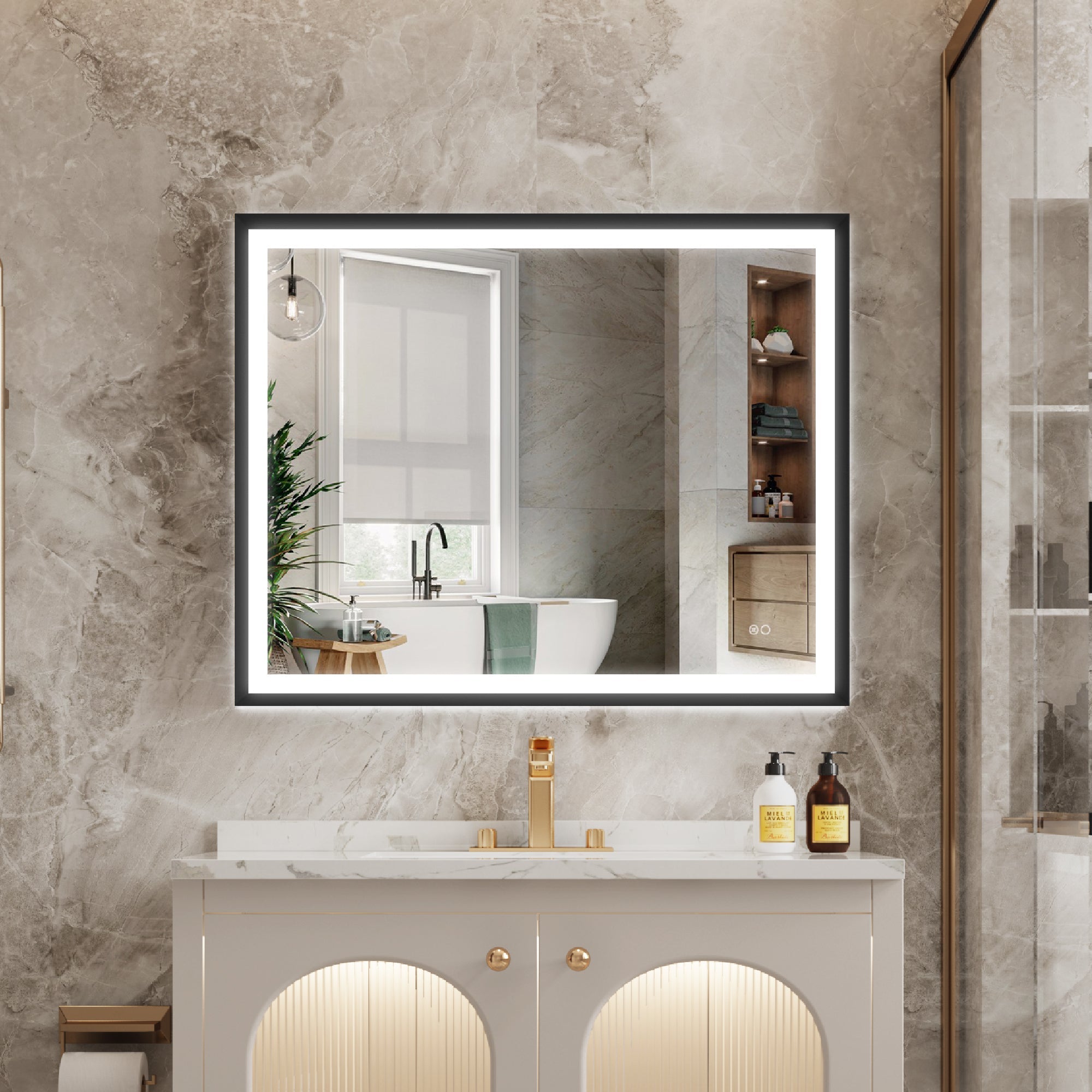
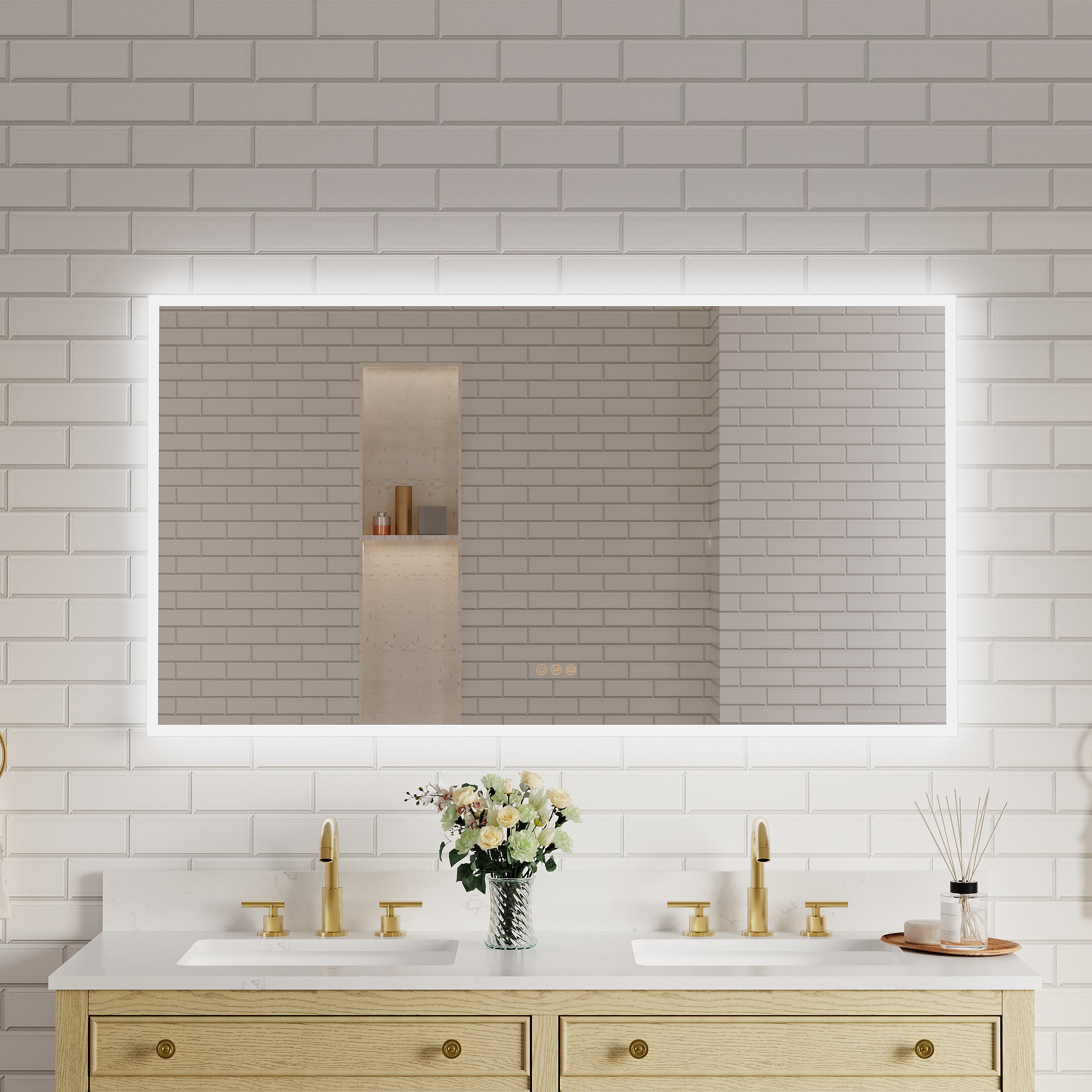
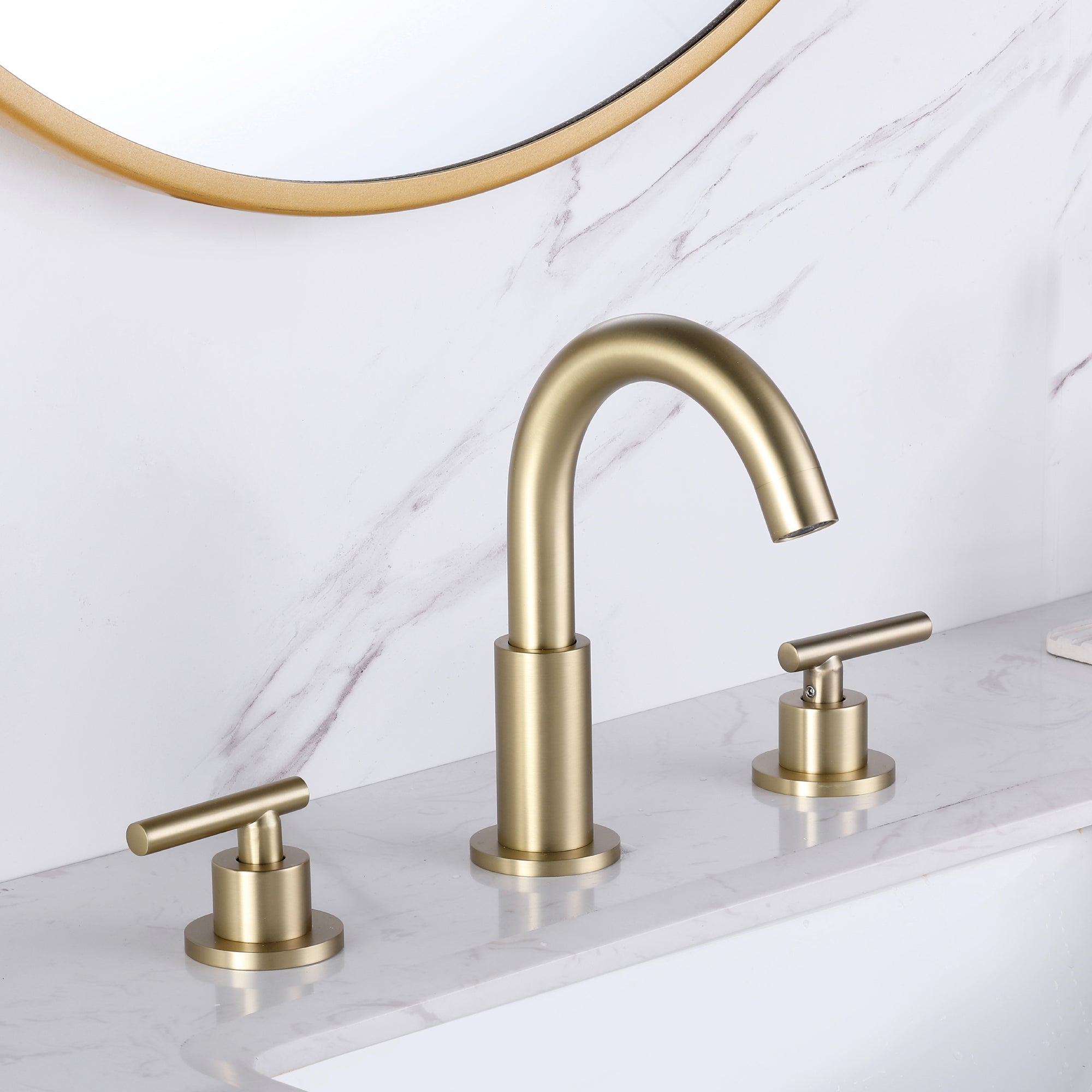
If I am working with a rustic vanity, I usually want the mirror to be simple. Not bland, just disciplined. A wood frame can work if it does not repeat the vanity finish too literally. Metal-framed mirrors in black, aged brass, or brushed nickel can also work well, especially when the goal is rustic with a cleaner edge.
Lighting should bring warmth, not glare. Rustic bathrooms benefit from softer bulbs, flattering sconces, and enough layered light that the wood tone still looks inviting in the evening. Harsh cool lighting can flatten the entire effect.
I also pay attention to the floor and wall materials. According to Houzz, rustic bathrooms often rely on natural materials and simple forms rather than decorative excess, which is exactly why stone-look tile, warm neutrals, plaster-like paint colors, and understated metal finishes tend to support this look better than heavily patterned surfaces.
(Source: Houzz)
Maintenance is fairly straightforward. Wipe standing water. Do not let soaked bath mats sit against the vanity base. Use mild cleaners. Make sure the room actually dries out after showers. Most vanity failures I see are not design failures. They are moisture and ventilation failures.
Who Should Choose This Style, and Who Should Be Careful
Rustic vanity designs are a strong choice for homeowners who want warmth, texture, and a bathroom that feels a little more personal than a standard white cabinet can offer. They work especially well in transitional homes, modern farmhouse interiors, cabins, and bathrooms that need to feel more relaxed.
They are a weaker fit for people who want a crisp, ultra-minimal look or the lowest-maintenance surface possible. If you dislike visible grain, tonal variation, or the way natural materials shift slightly over time, rustic may not be your style even if you like it in photos.
Conclusion
A rustic vanity can transform a bathroom faster than many people expect, but it works best when the warmth feels natural and the layout still does its job. Good storage, the right scale, durable finishes, and enough light will carry the room much further than exaggerated “rustic” details ever will.
That is how I would approach rustic bathroom vanity designs for a Wellfor bathroom. Start with a wood tone that feels believable, pair it with a countertop and hardware that keep the room easy to live with, and let the vanity add warmth without asking it to do all the storytelling by itself.












Leave a comment
This site is protected by hCaptcha and the hCaptcha Privacy Policy and Terms of Service apply.