














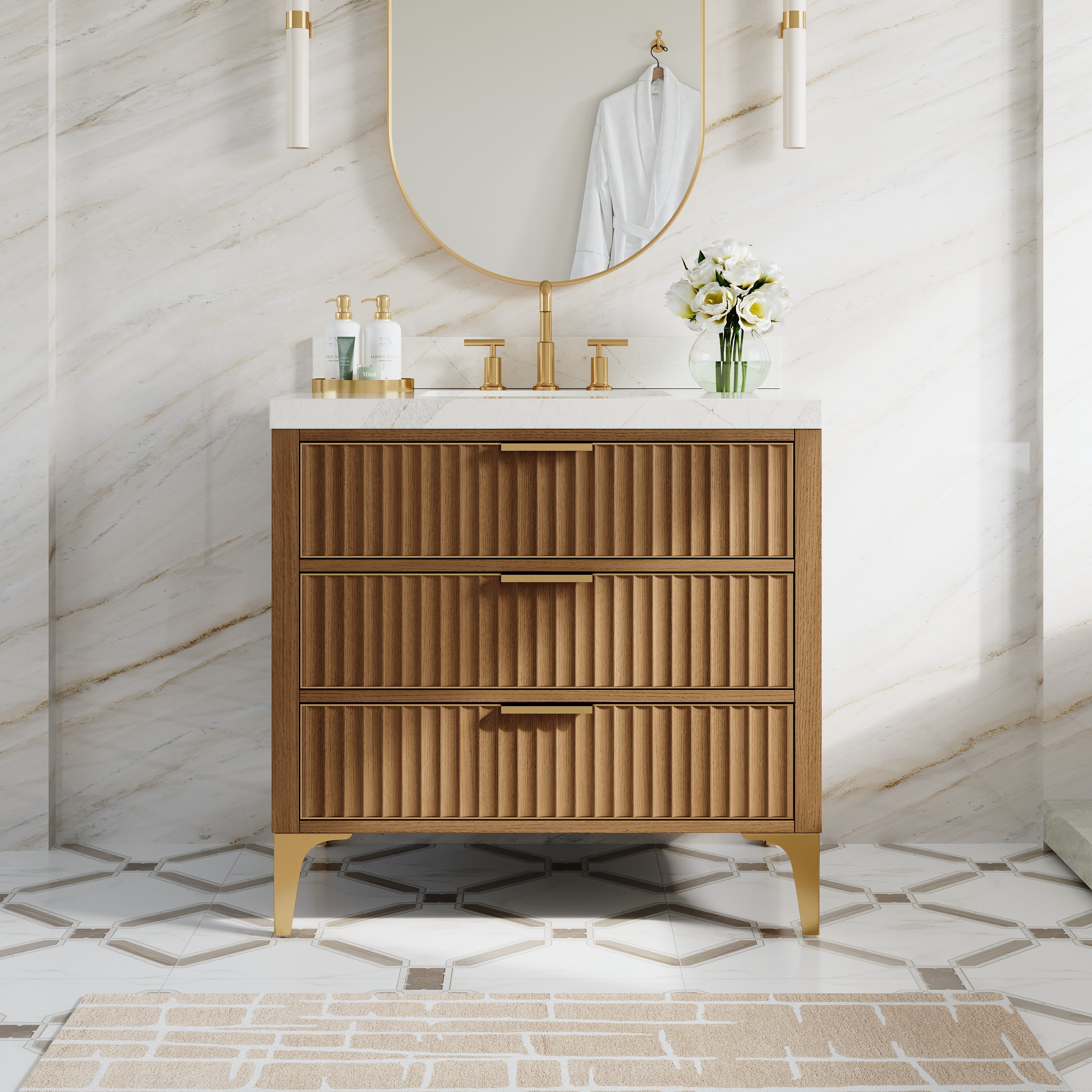
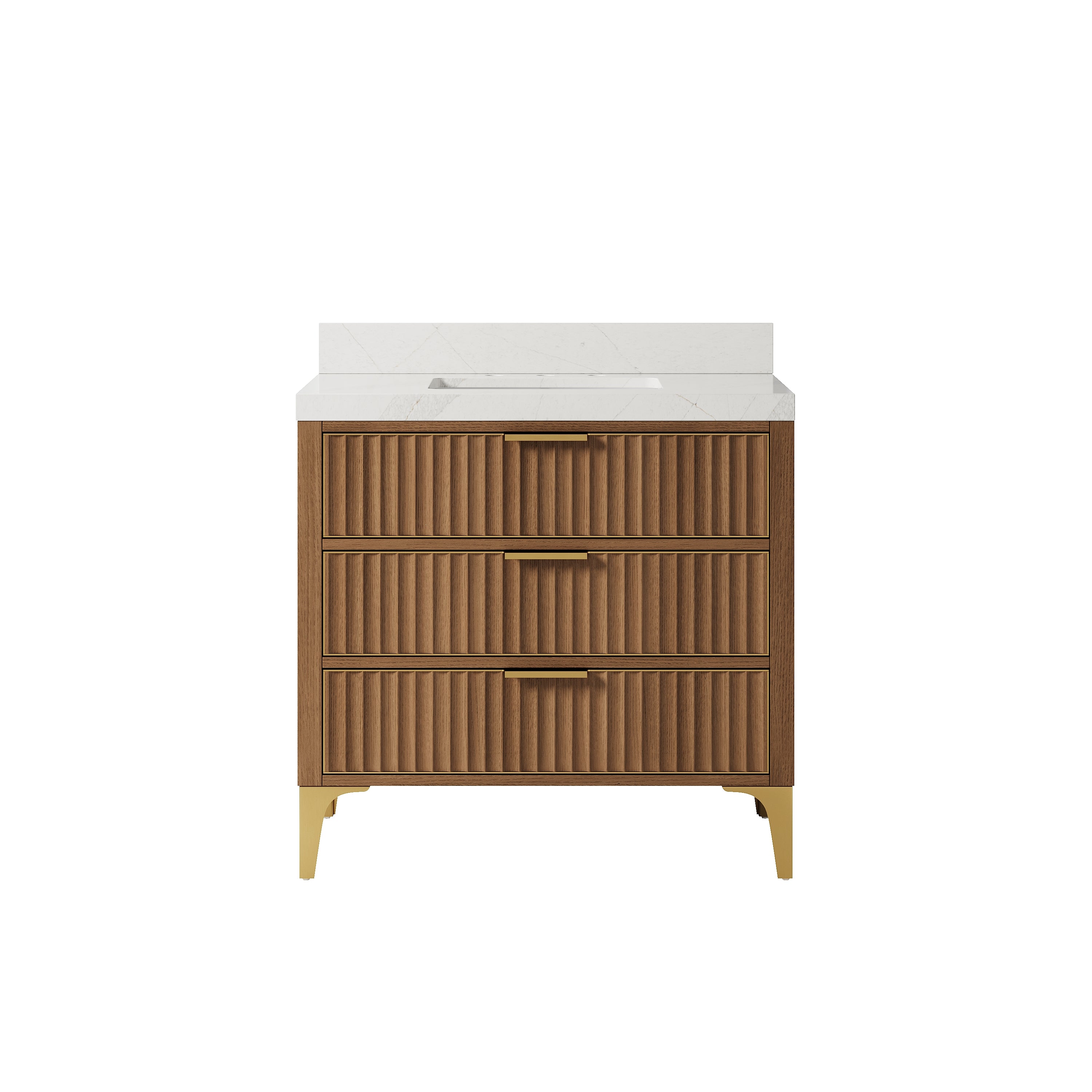
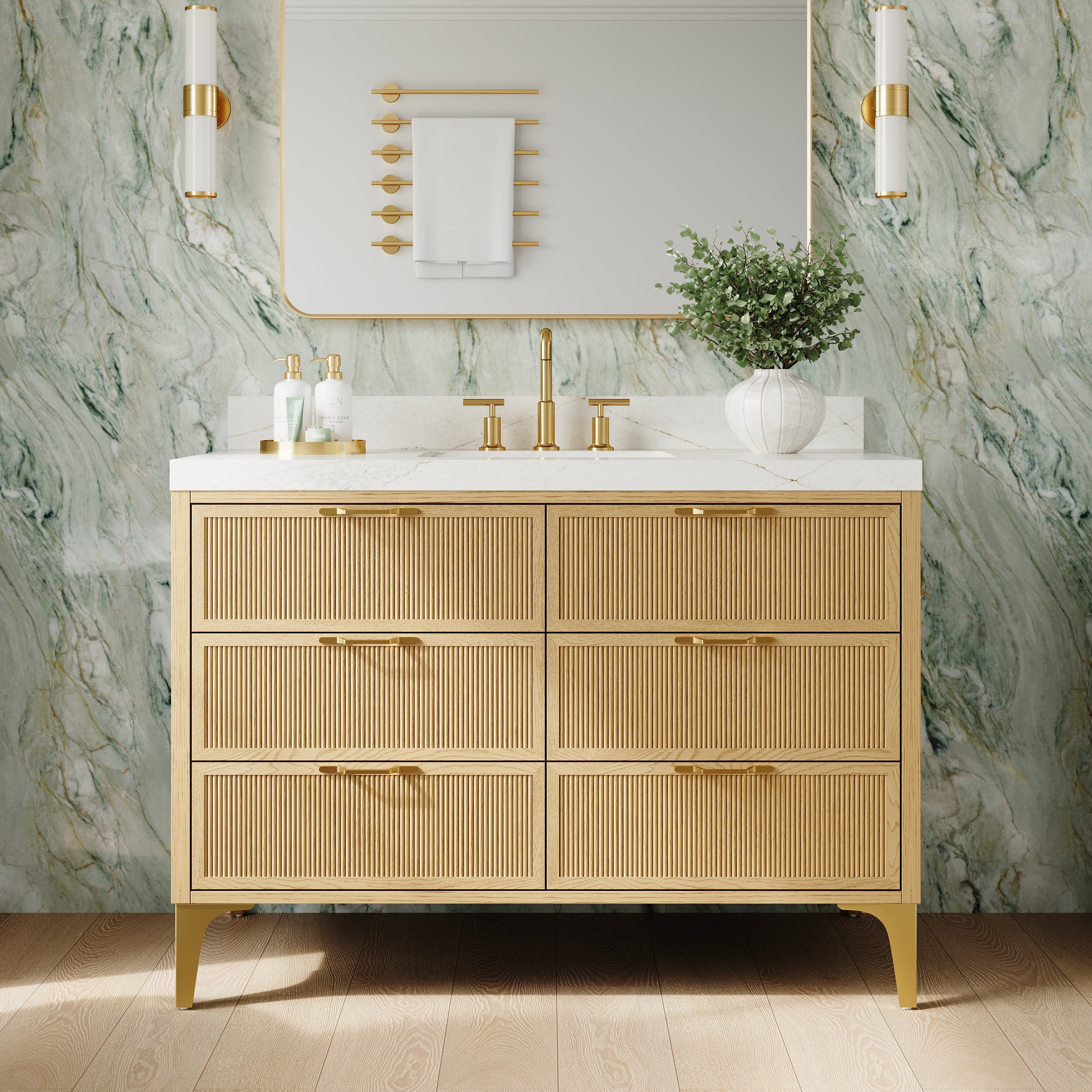
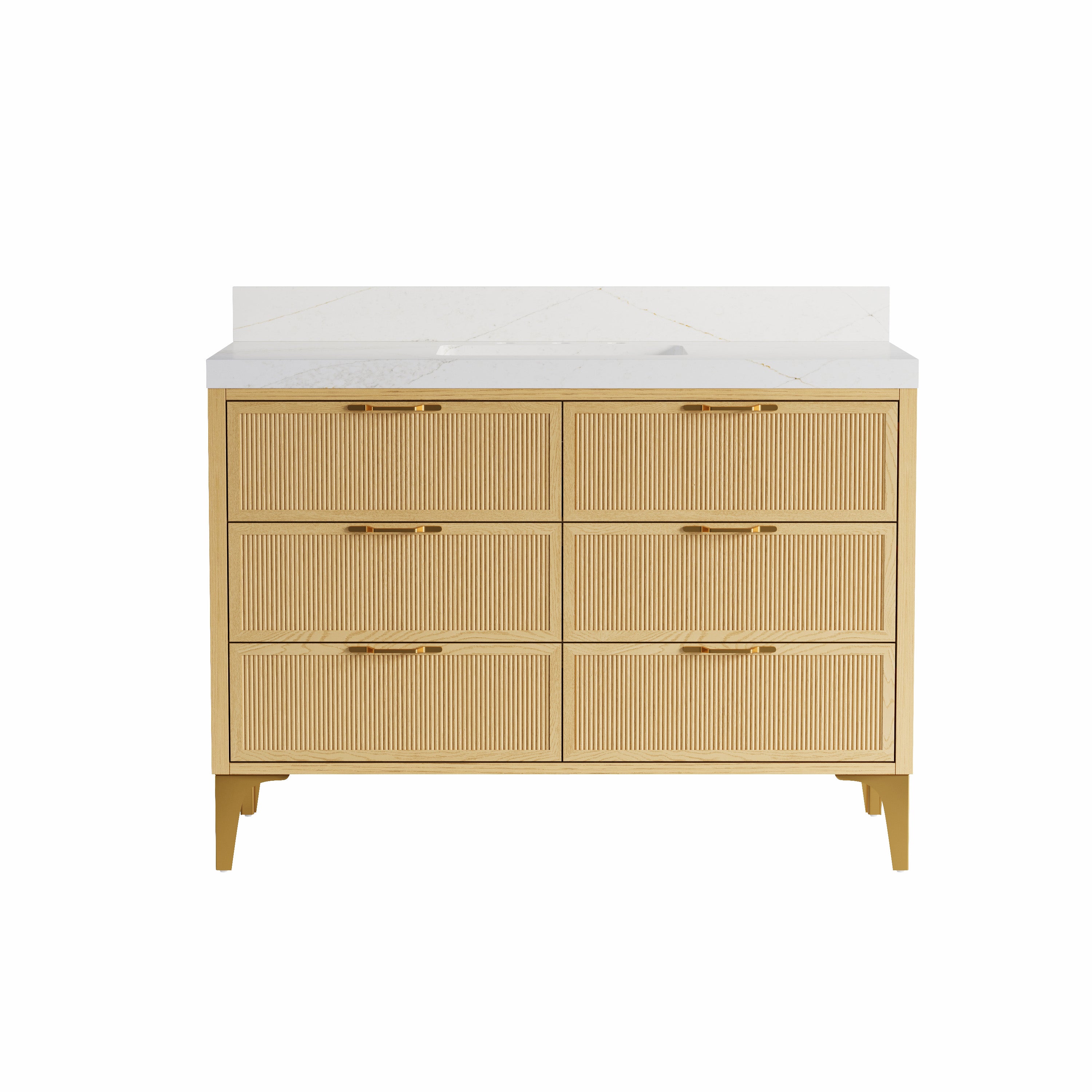


In bathroom space design, a bathroom cabinet with mirror is not only one of the most frequently used pieces of furniture in daily life, but also an important part that affects the overall space budget. From the 24-inch24-inch compact single-basin design to the 72-inch72-inch double-basin structure, there is a significant price difference for bathroom cabinets of different sizes and configurations. In recent years, as the number of residential renovation and new construction projects has increased, the cost comparison between "customized bathroom cabinets" and "prefabricated bathroom cabinets" has become a focus of industry discussion. Understanding the cost differences between the two options in terms of materials, manufacturing, installation, and maintenance can help to plan budgets more reasonably and select suitable products.
1. Basic cost structure of prefabricated bathroom cabinets
Prefabricated bathroom cabinets are usually mass-produced in factories, giving them a significant price advantage. Common sizes include standard specifications such as 24 inch, 30 inch, 36 inch, and 48 inch, which can match most bathroom layouts.
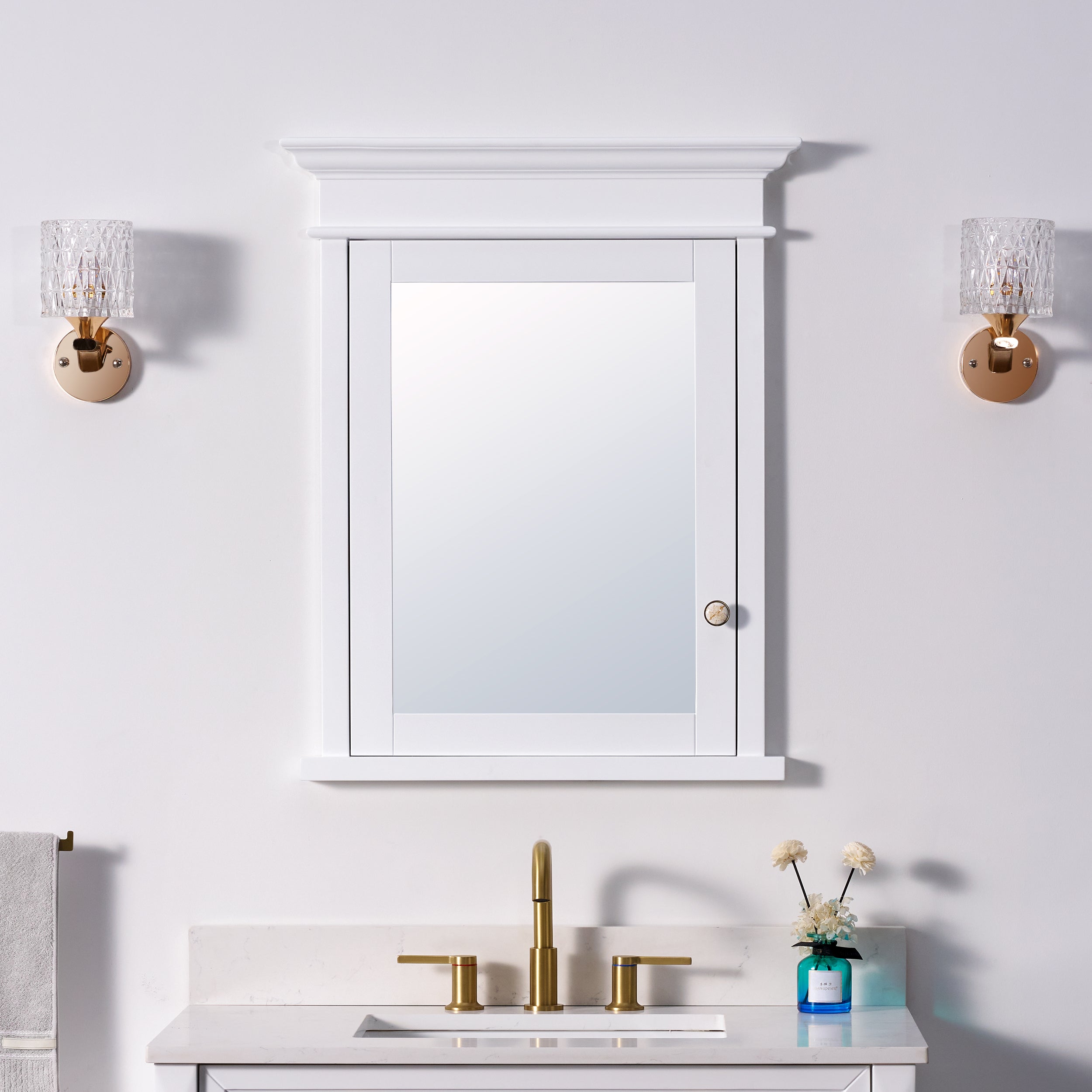
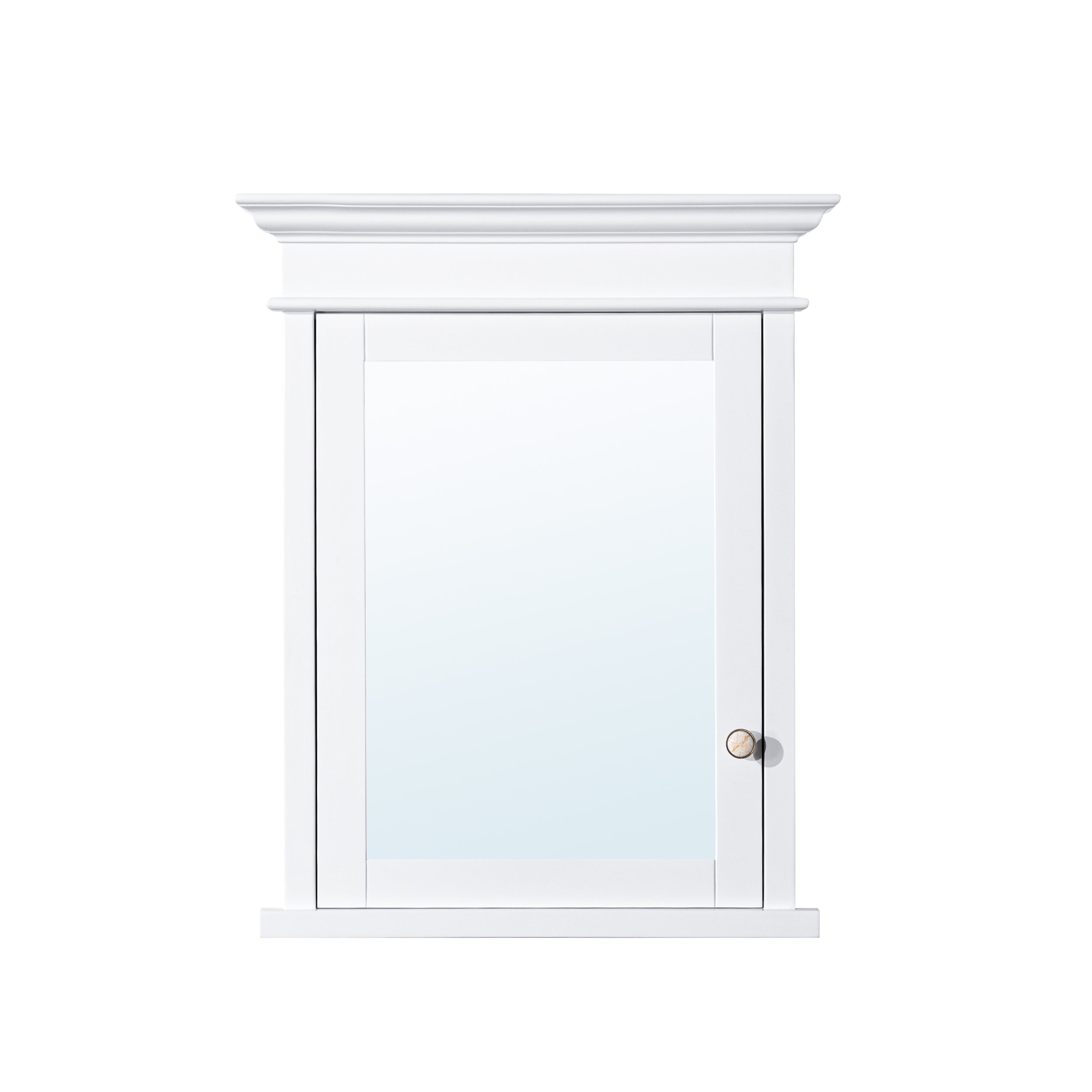
For basic products, a 30-inch30-inch-wide bathroom cabinet combined with a mirror cabinet is usually priced in a relatively economical range. Its structure is usually made of engineered wood or medium-density fiberboard, combined with prefabricated countertops and standard mirrors.
Industry home decoration cost research shows that about 50% of the overall cost of prefabricated bathroom cabinets comes from materials, about 30% from production and manufacturing, and the remaining 20% from transportation and packaging. Due to the large production scale, these products can maintain high price stability.
In addition, the installation time of prefabricated products is usually shorter. For standard 36-inch36-inch bathroom cabinets, installers can generally complete the installation in 2 to 3 hours, thereby reducing overall construction costs.
2. The cost structure of customized bathroom cabinets
Compared to prefabricated products, the cost structure of customized bathroom cabinets is more complex. Customized products are usually produced based on specific spatial dimensions and design requirements, such as special widths, additional storage space, or personalized mirror cabinet designs.
In customized projects, solid wood or high-quality multi-layer boards are often chosen as cabinet materials. Compared to common engineered wood, this type of material is more expensive, but it offers greater durability and a better appearance.
For example, for a customized bathroom cabinet measuring 60 inches wide, if a solid wood frame and high-end coating are used, the material cost may account for more than 60% of the overall cost. Meanwhile, due to the need for separate design and production, the manufacturing cost is relatively higher.
In addition, customized products typically require longer production cycles. The average manufacturing time may range from 4 to 8 weeks, which is also an important factor affecting costs.
3. Price difference caused by the mirror cabinet configuration
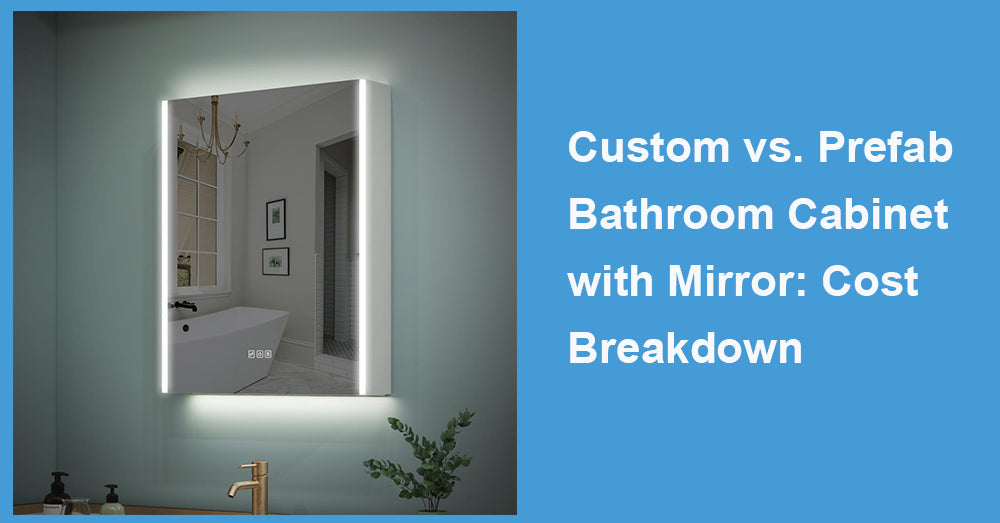
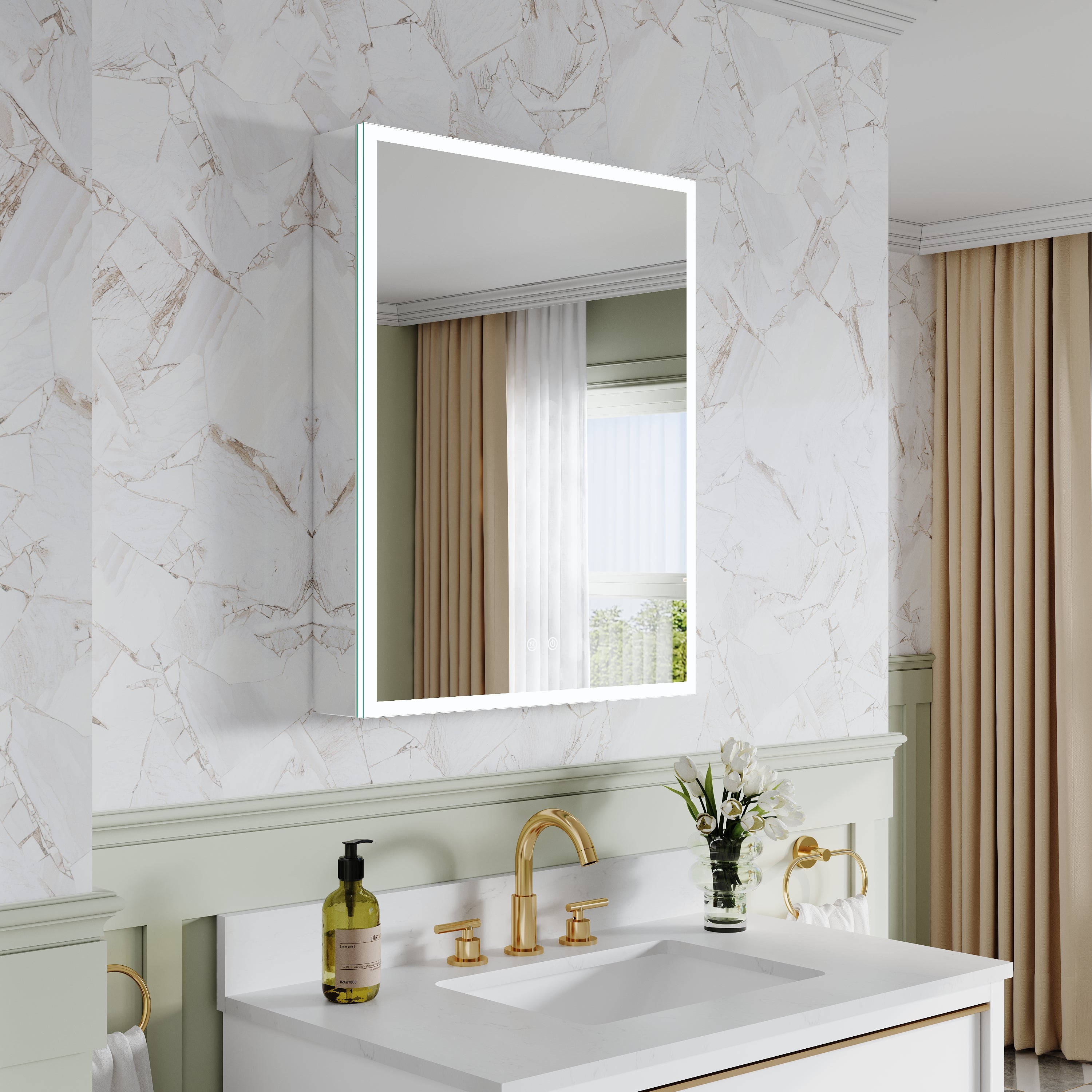
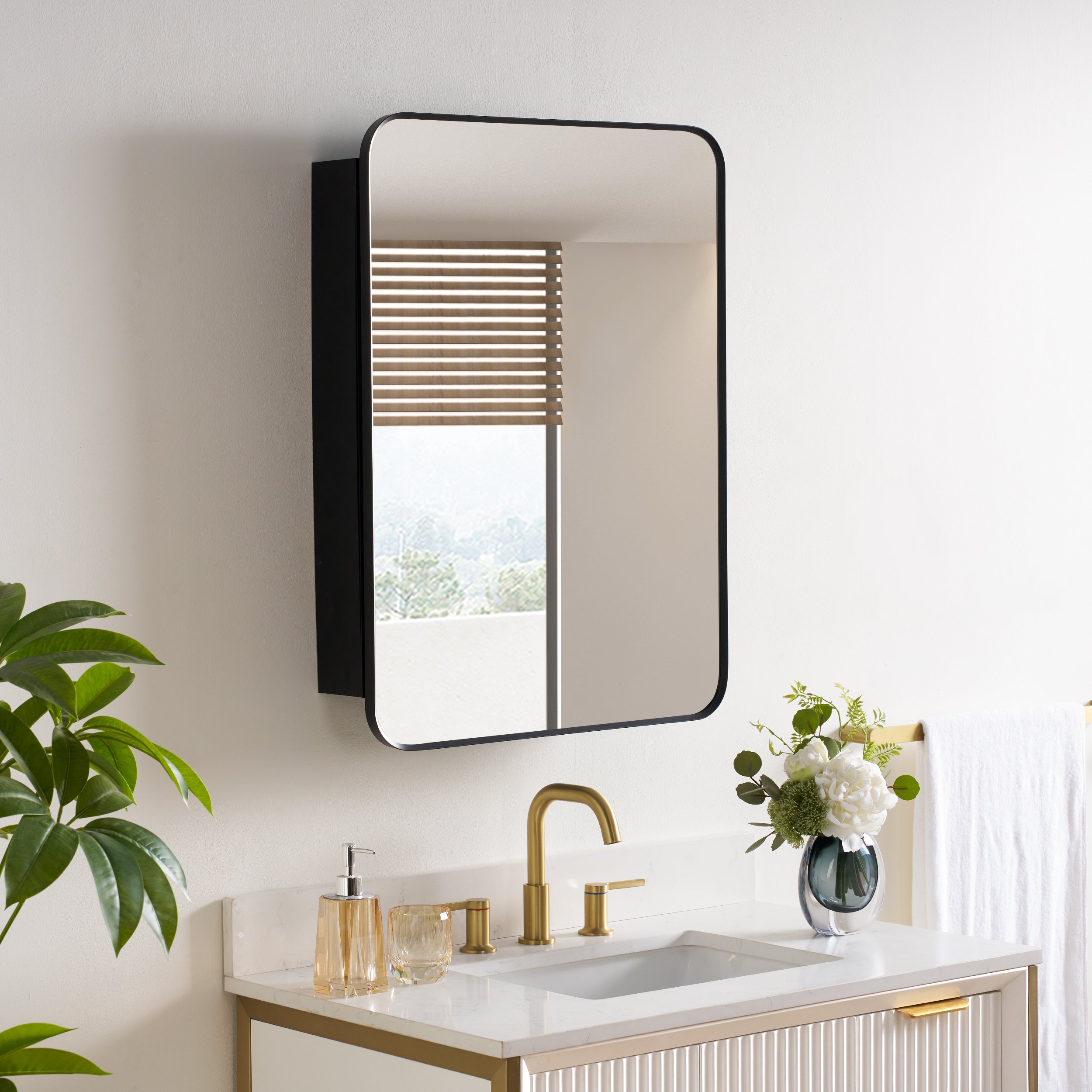
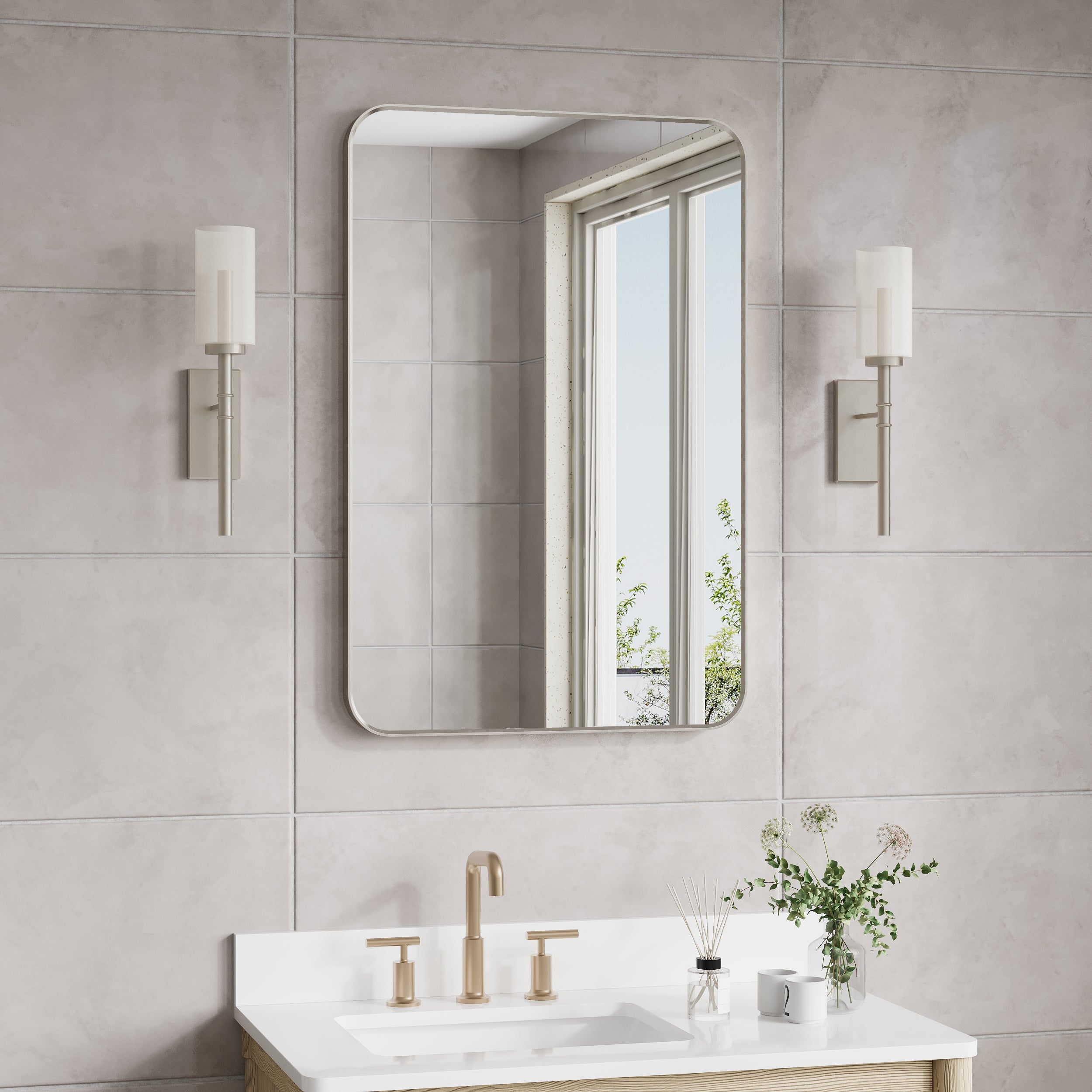
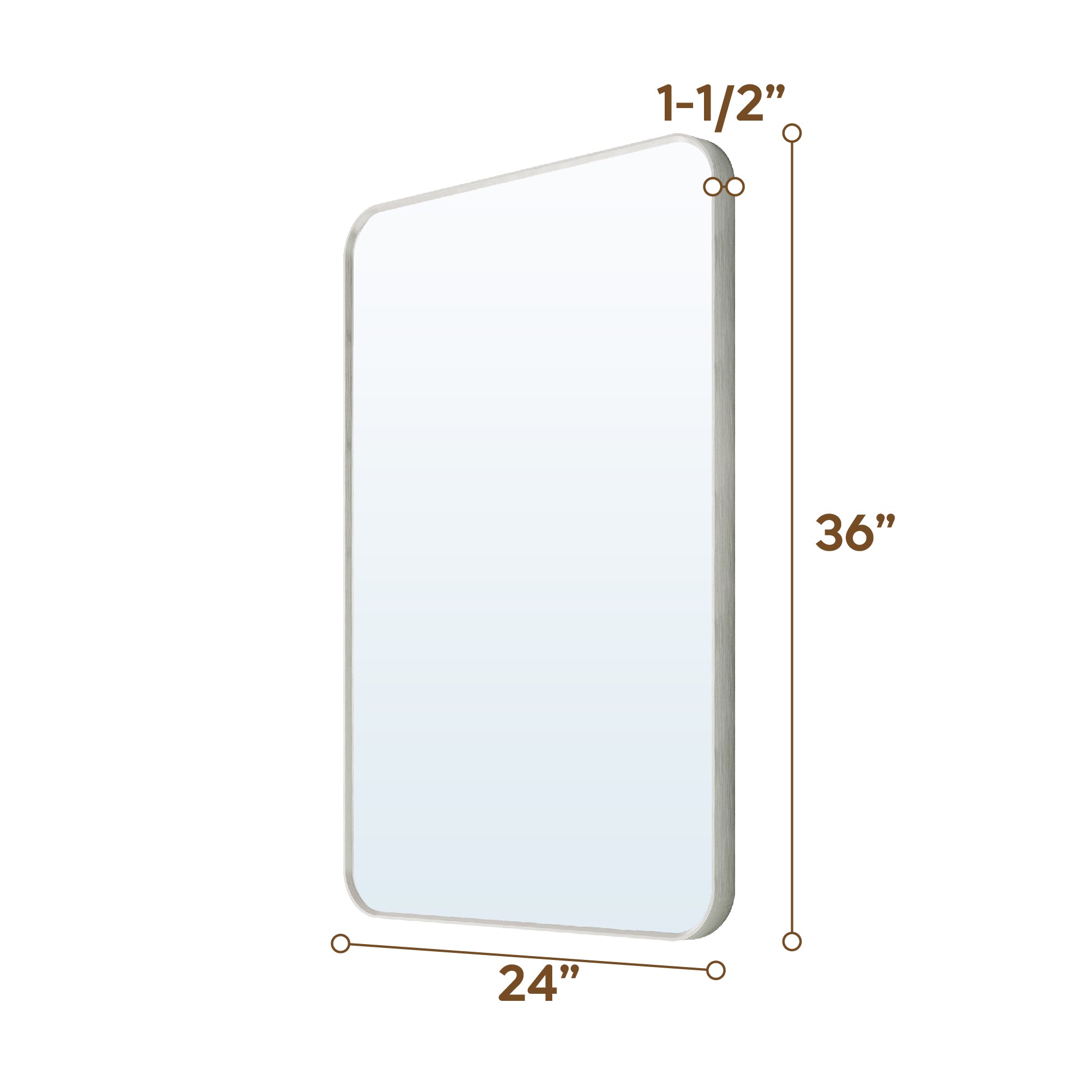
The design of the mirror cabinet will also affect the overall budget. Prefabricated bathroom cabinets are usually paired with standard mirrors or basic mirror cabinets, such as single-door units measuring 30 or 36 inches wide.
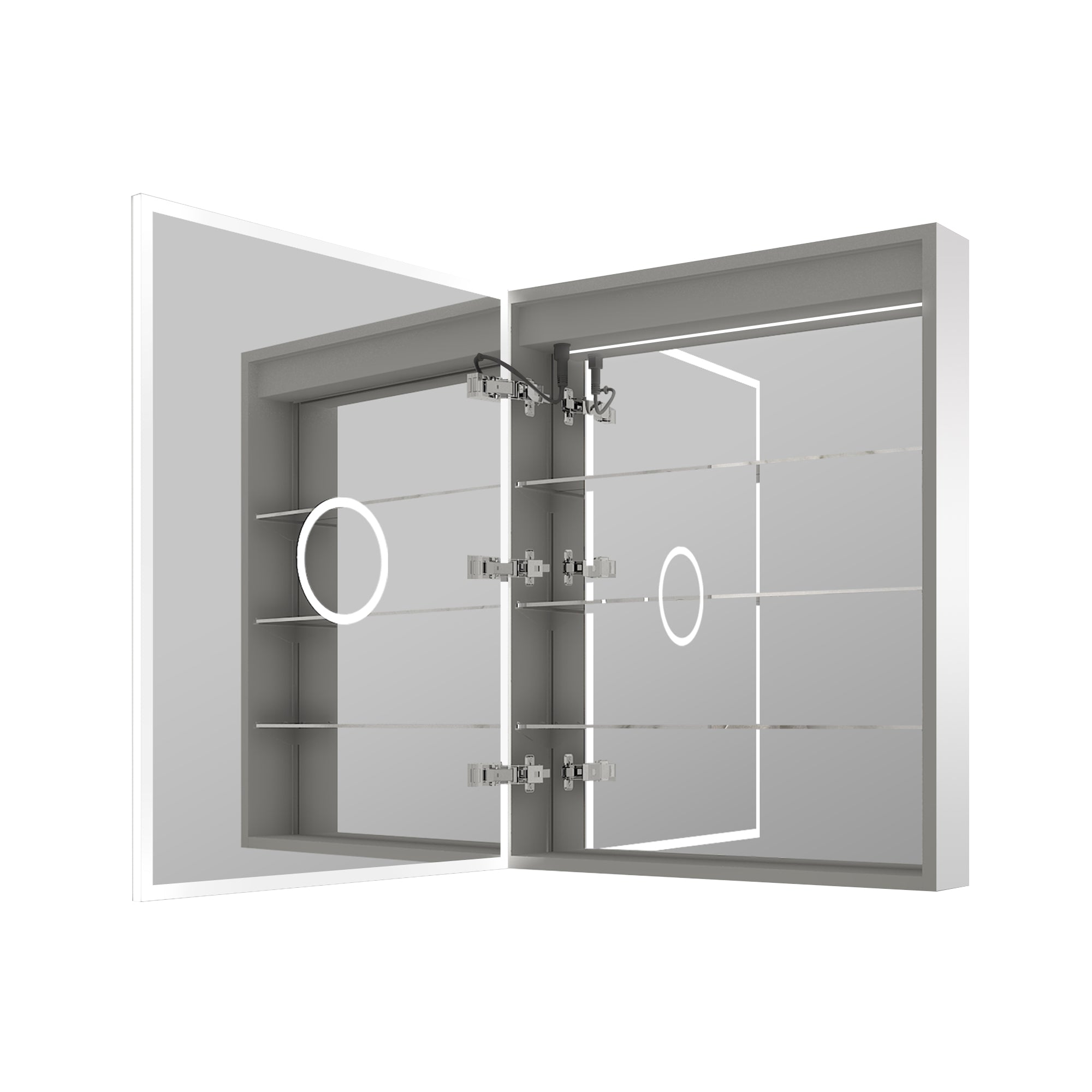
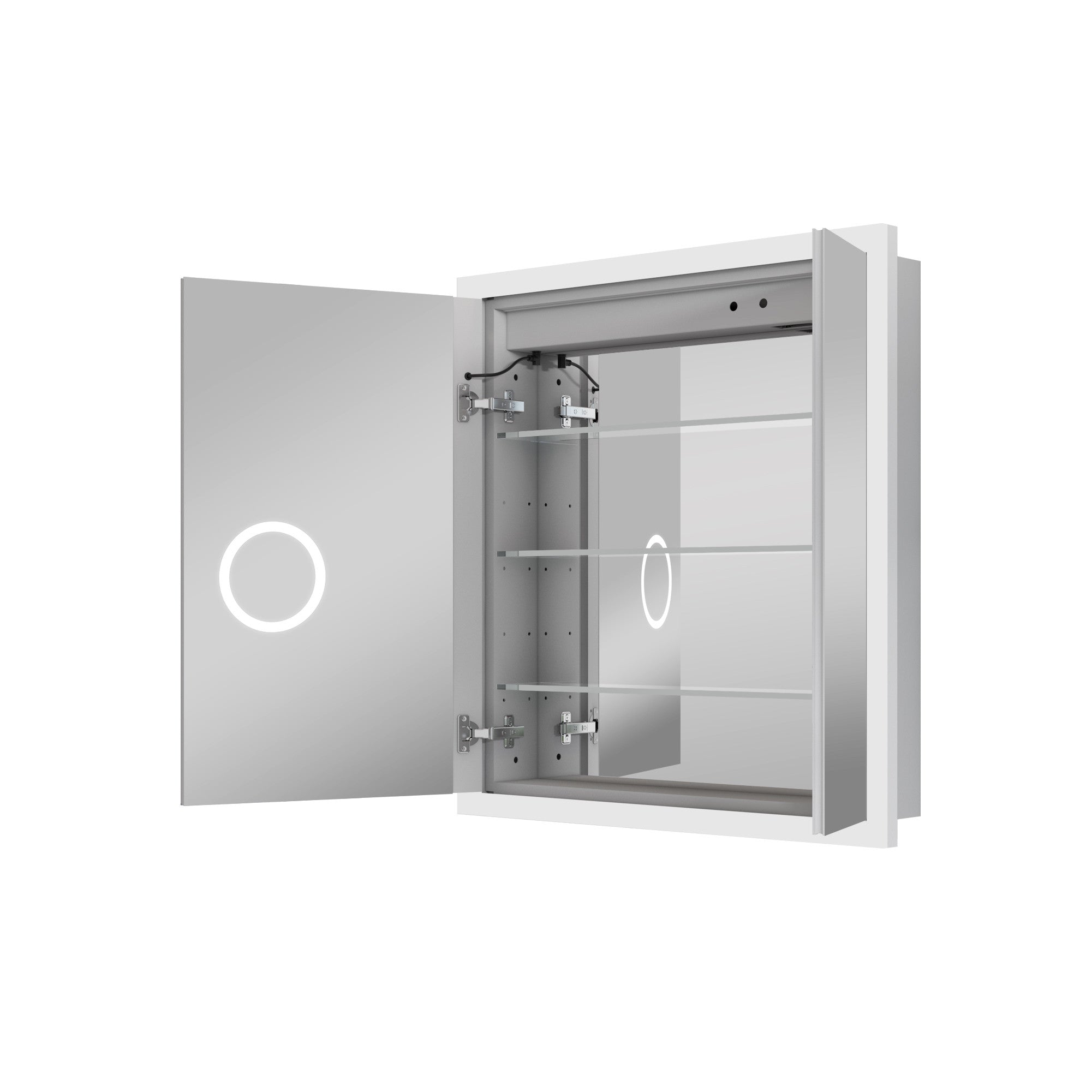
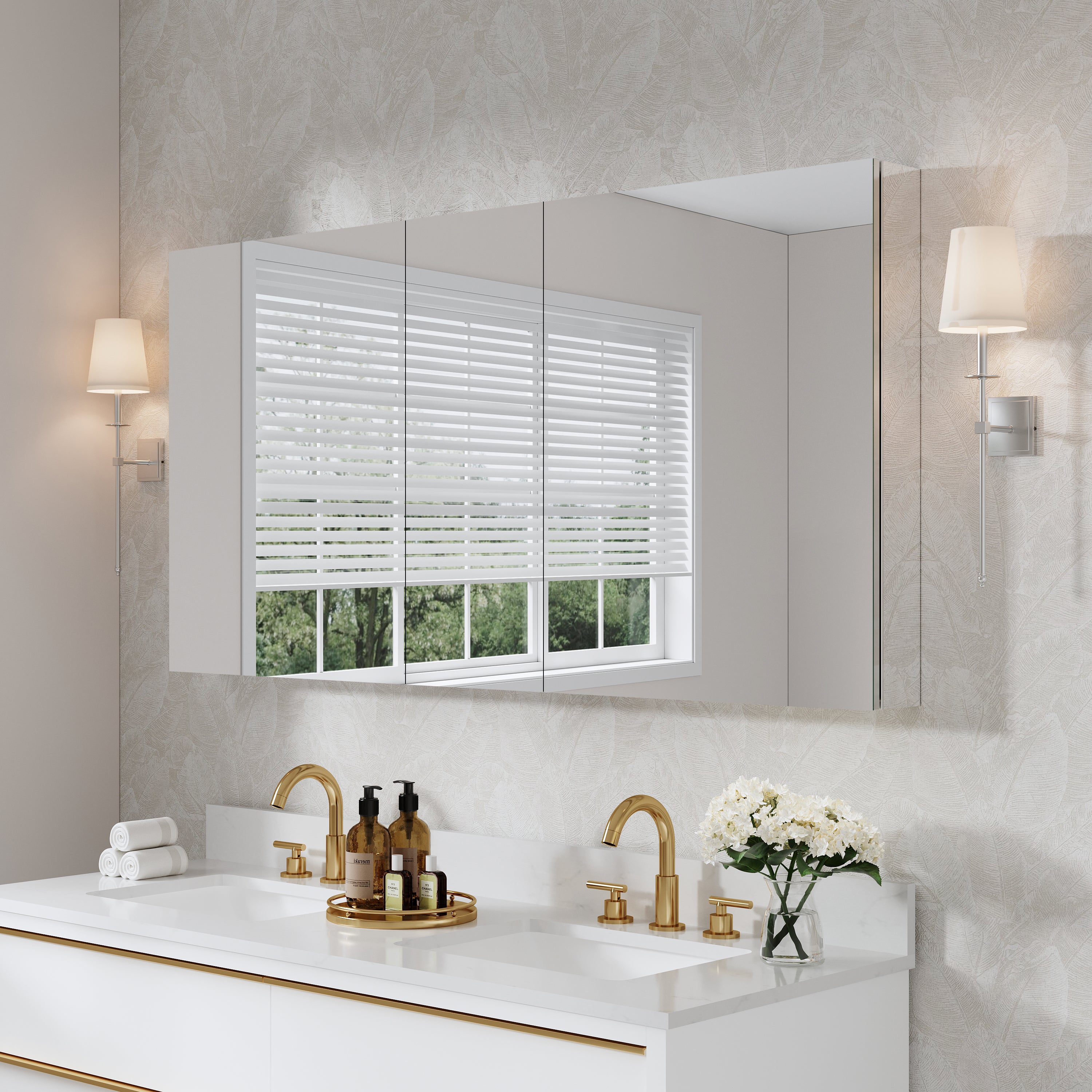
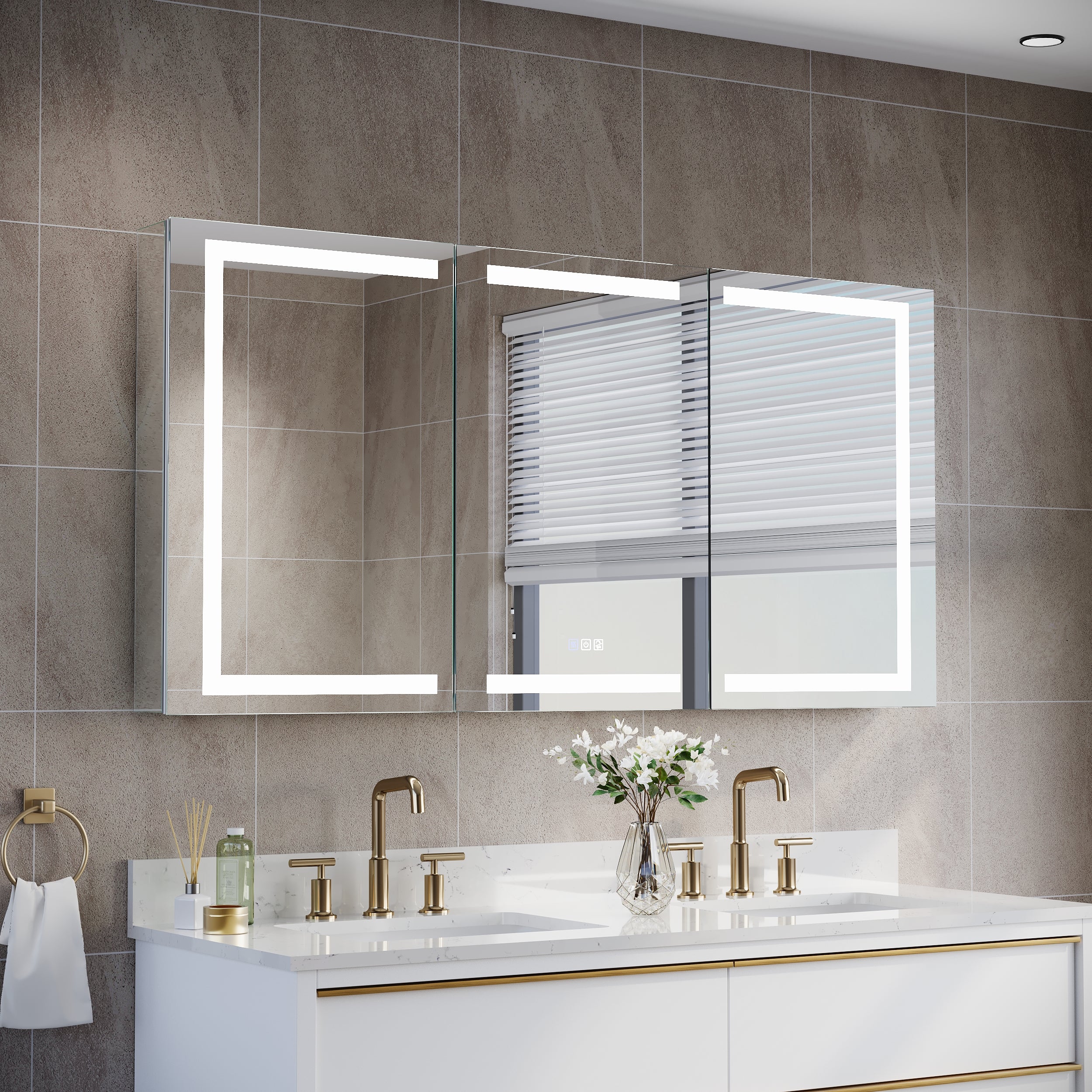
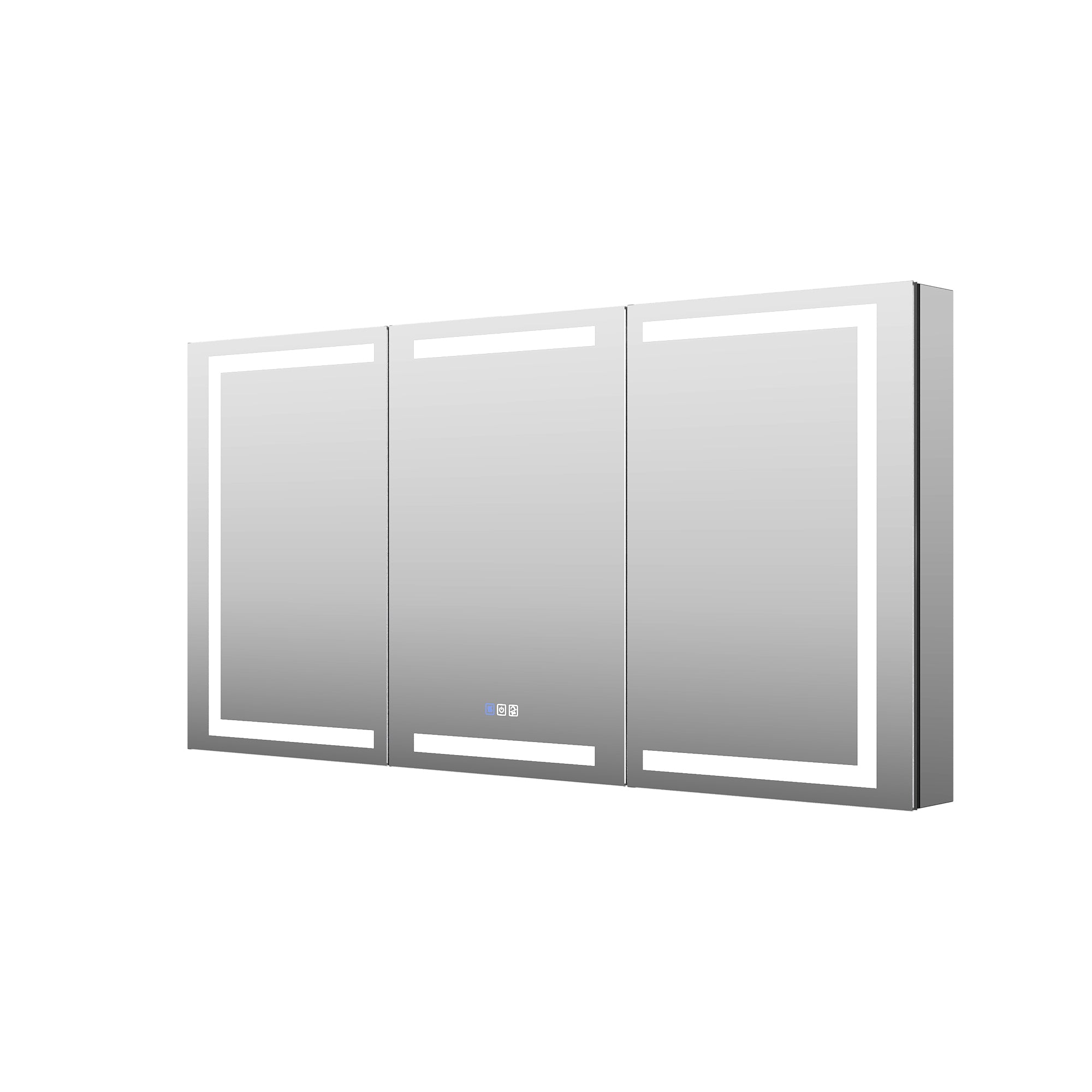
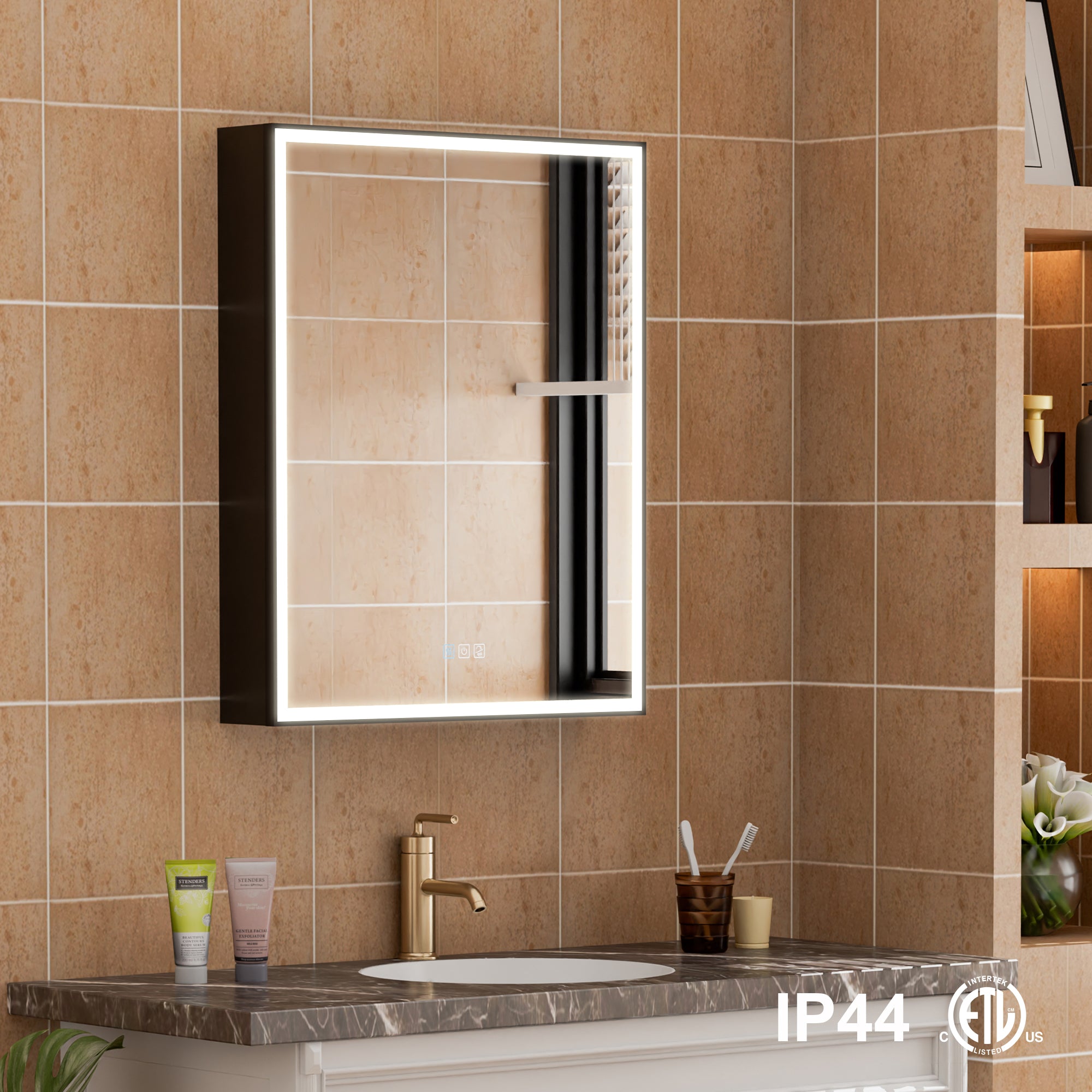
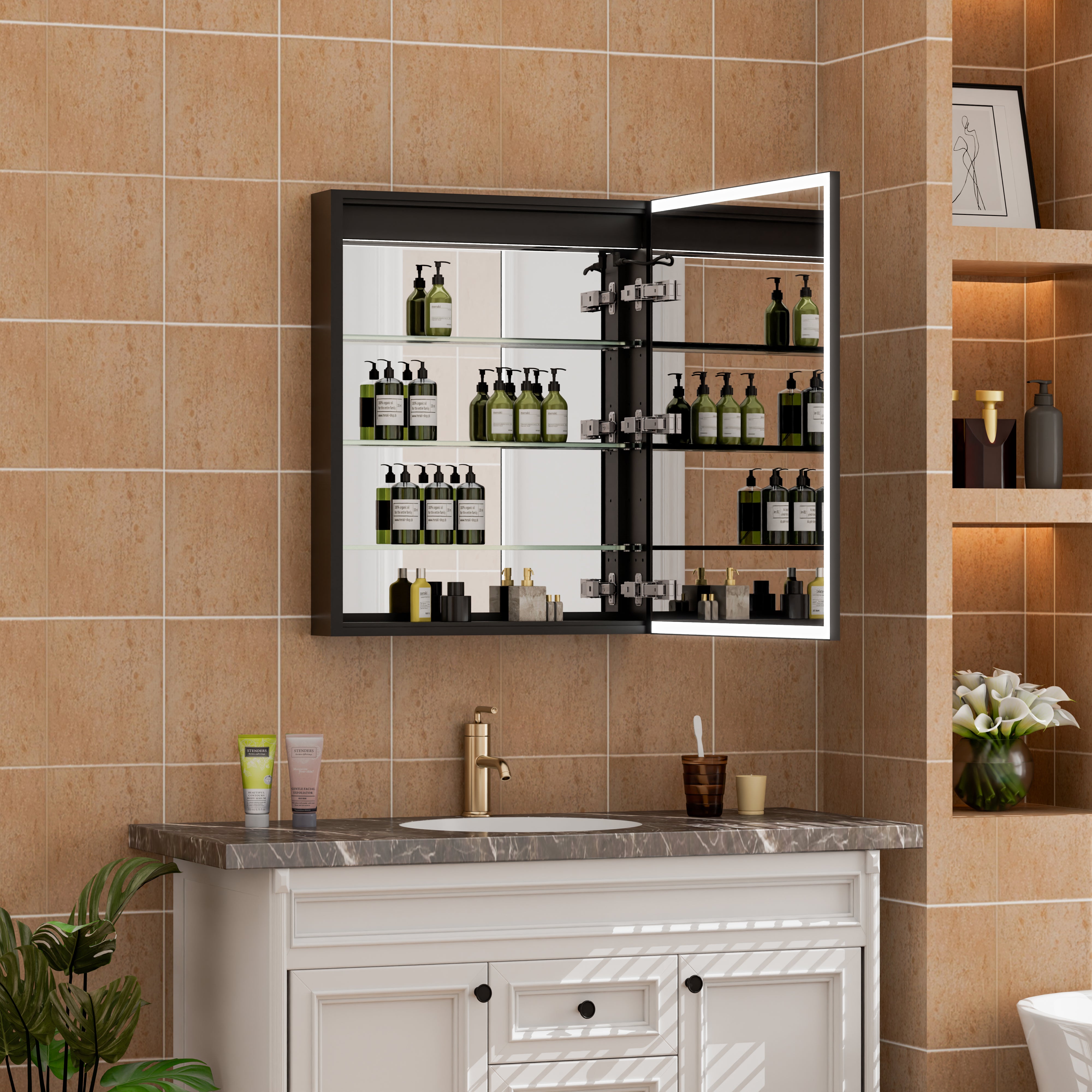
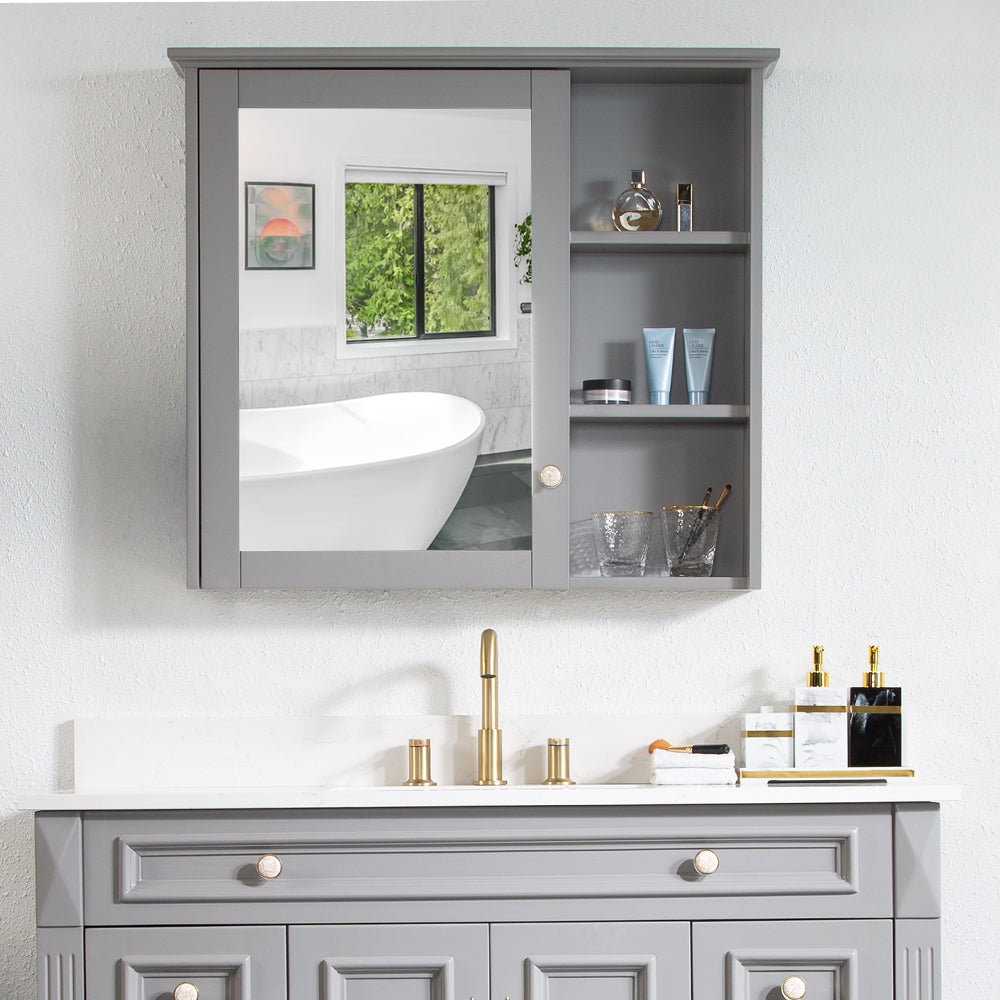
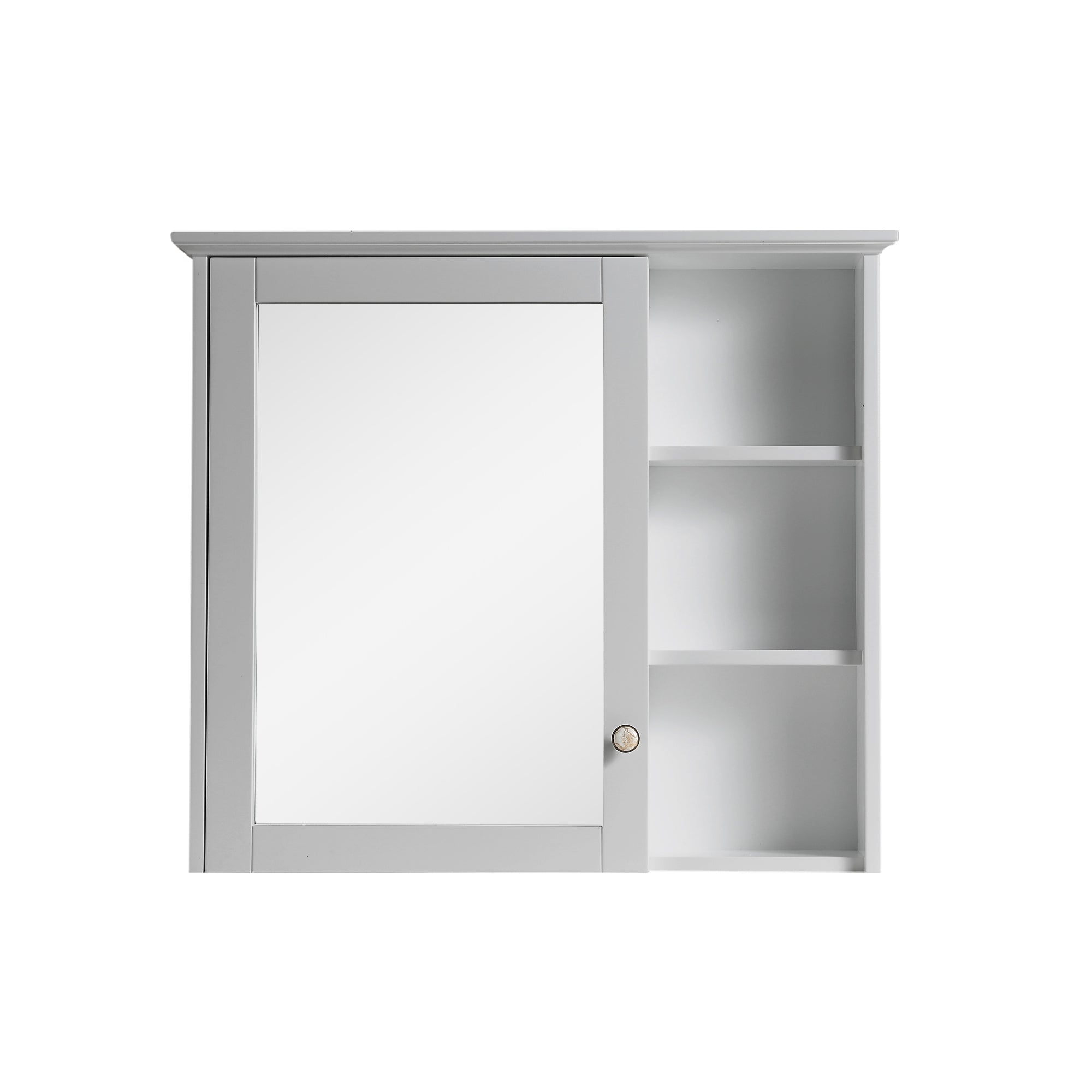
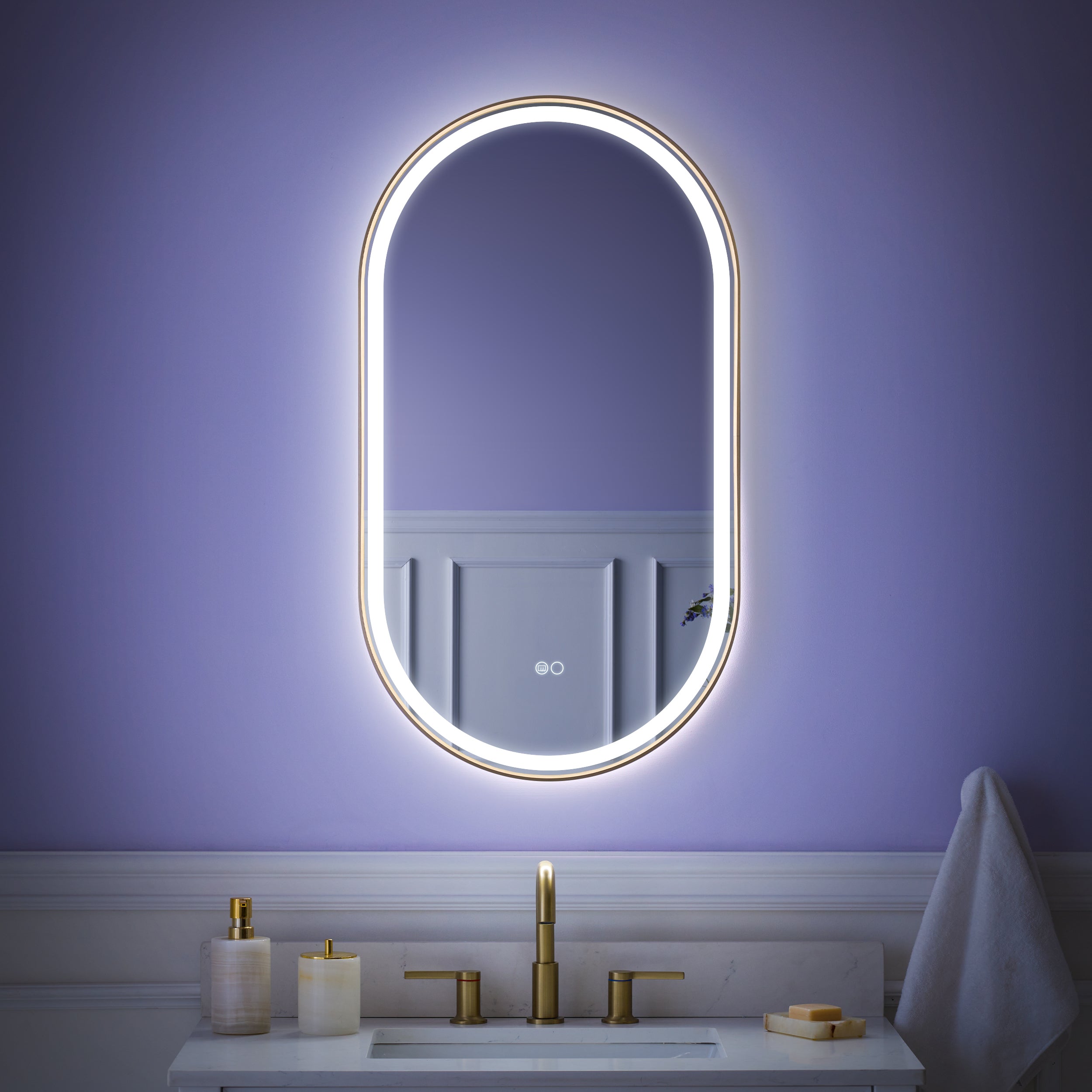
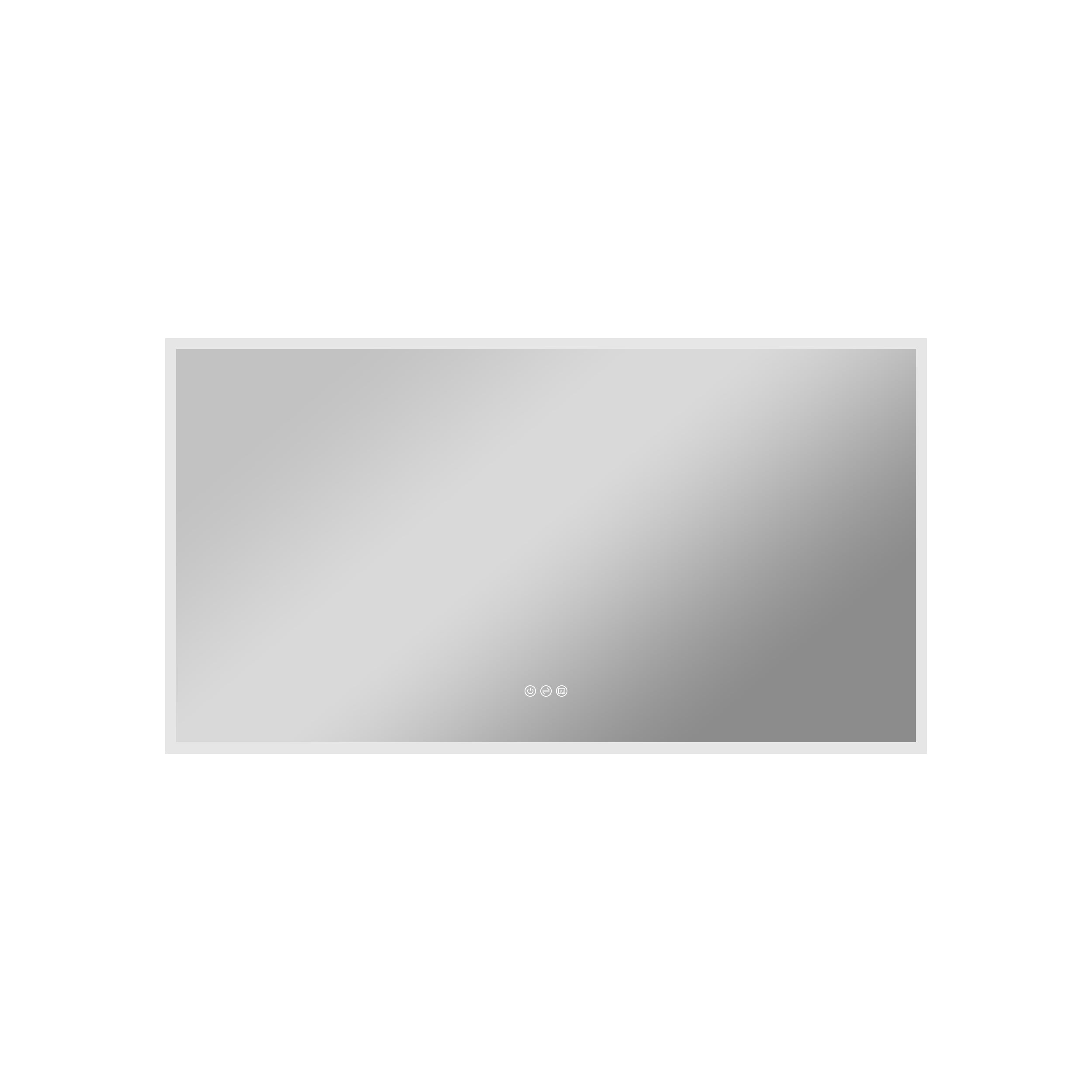
In customized projects, mirror cabinets can undergo more changes according to requirements. For example, three-door mirror cabinets, hidden storage structures, or mirror cabinet designs with lighting systems.
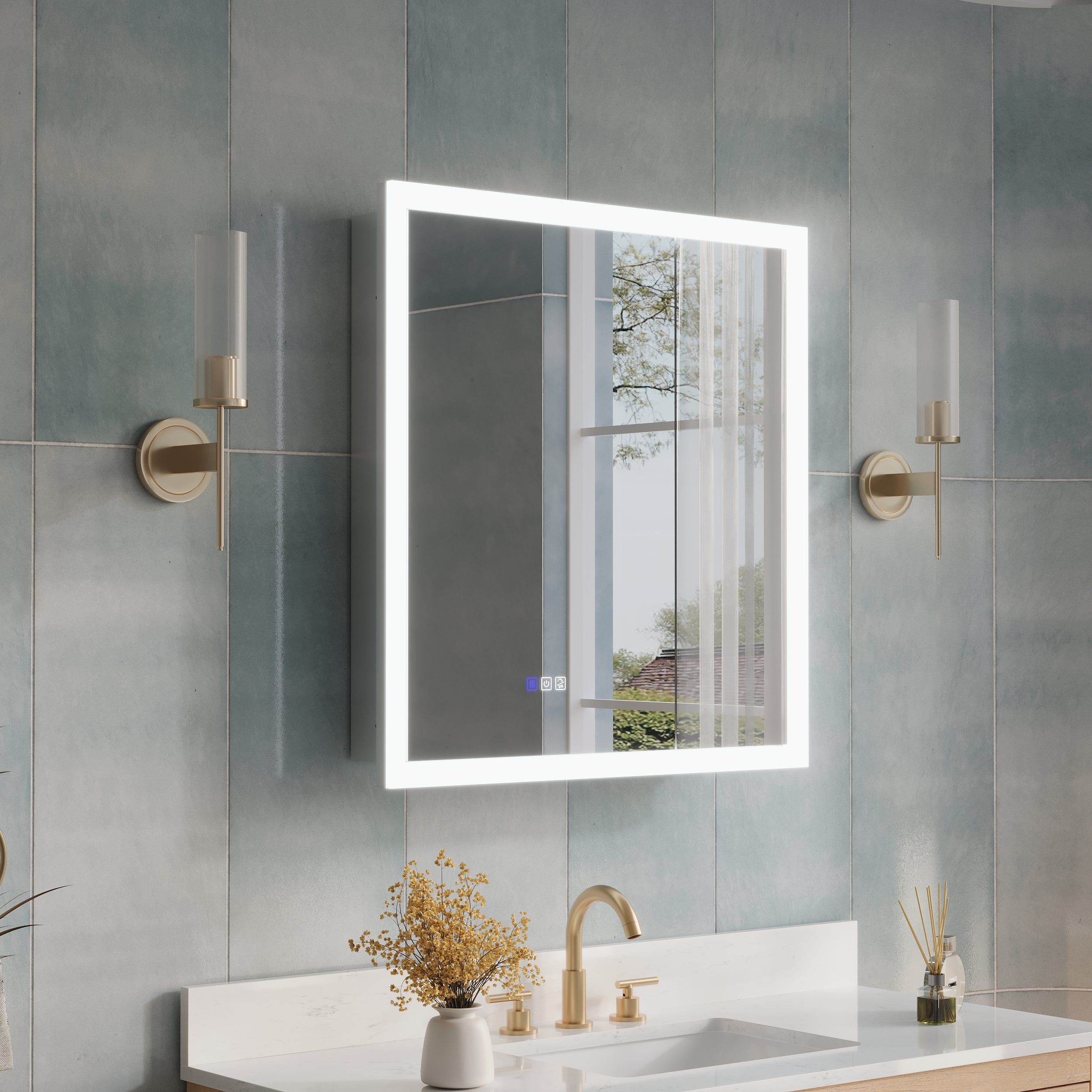
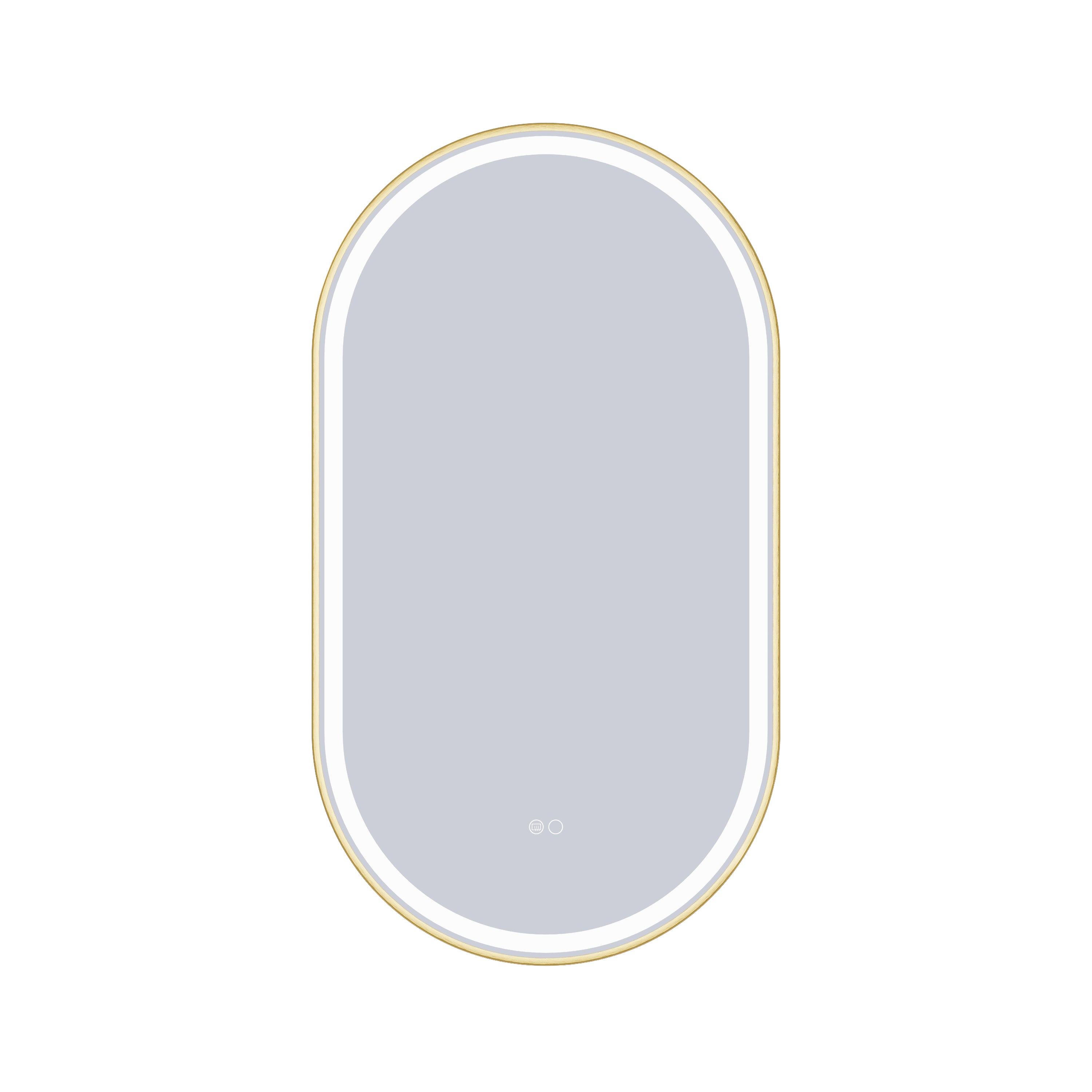
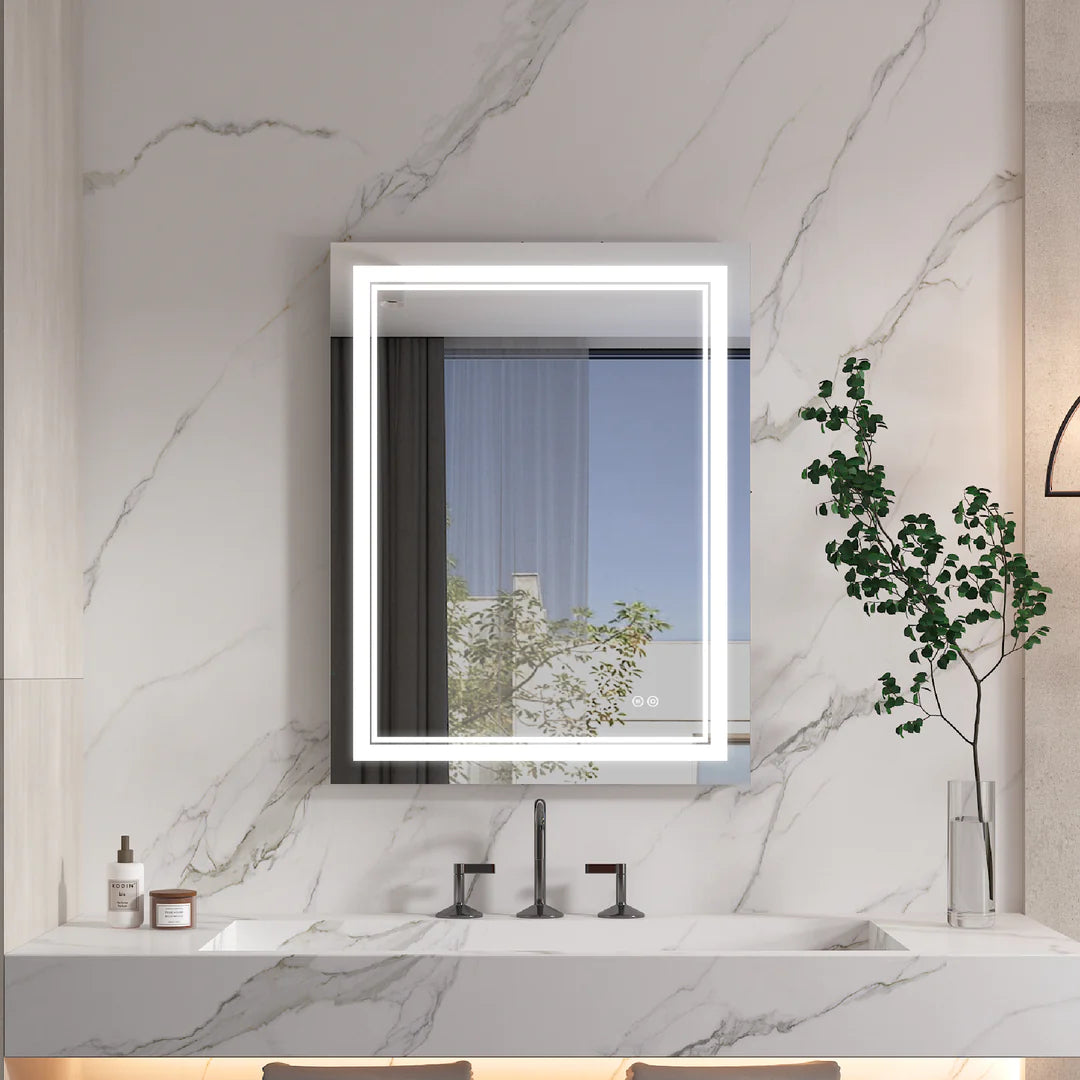
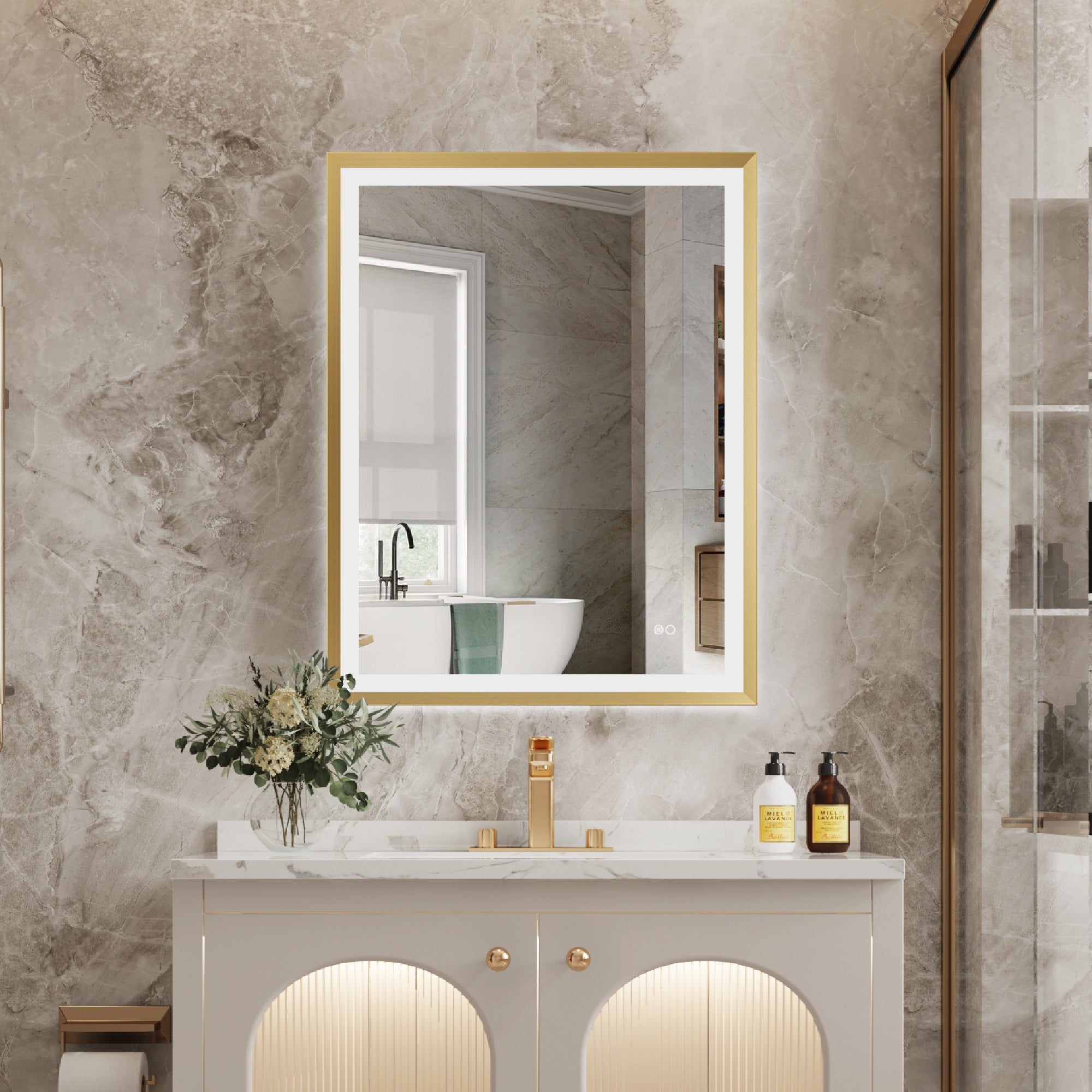
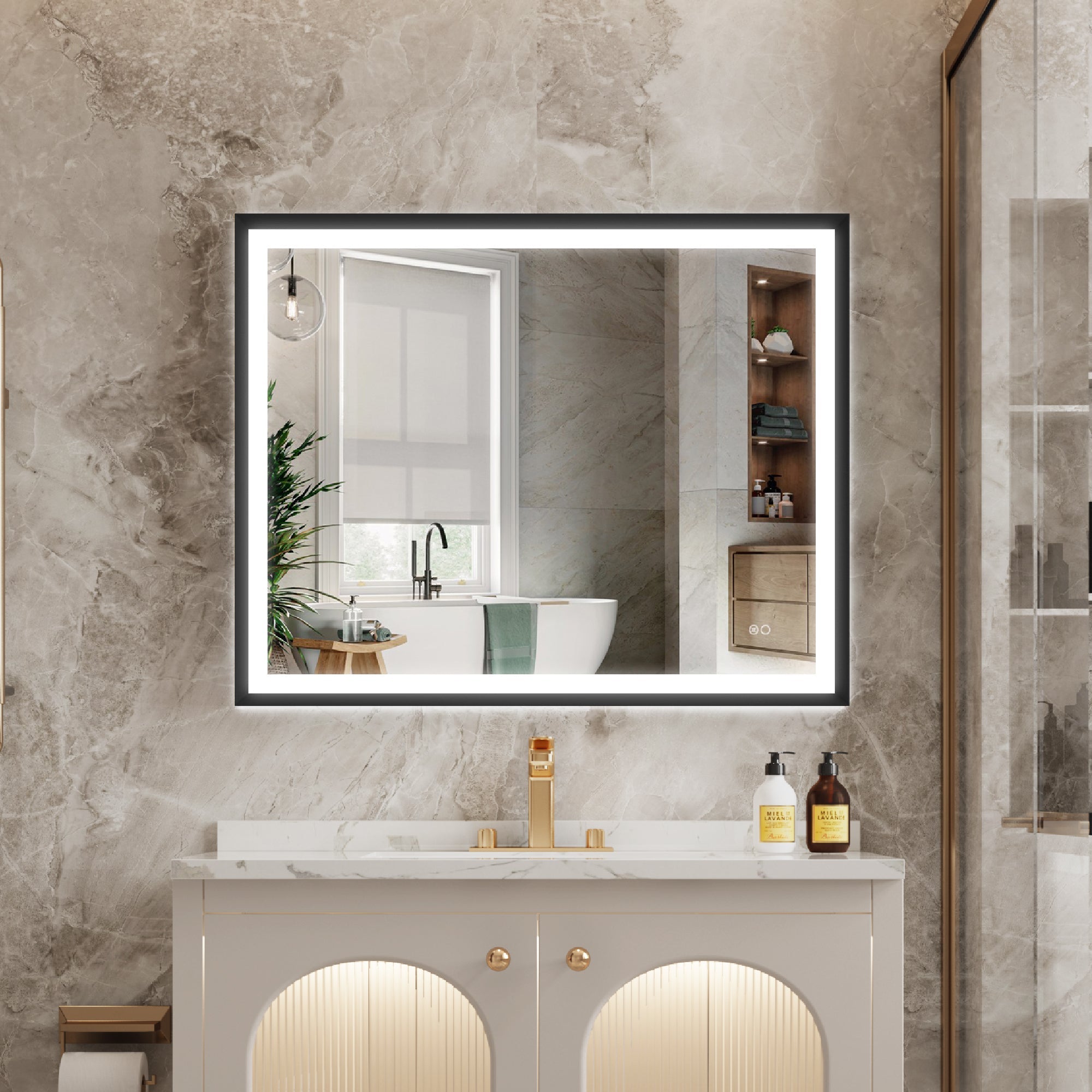
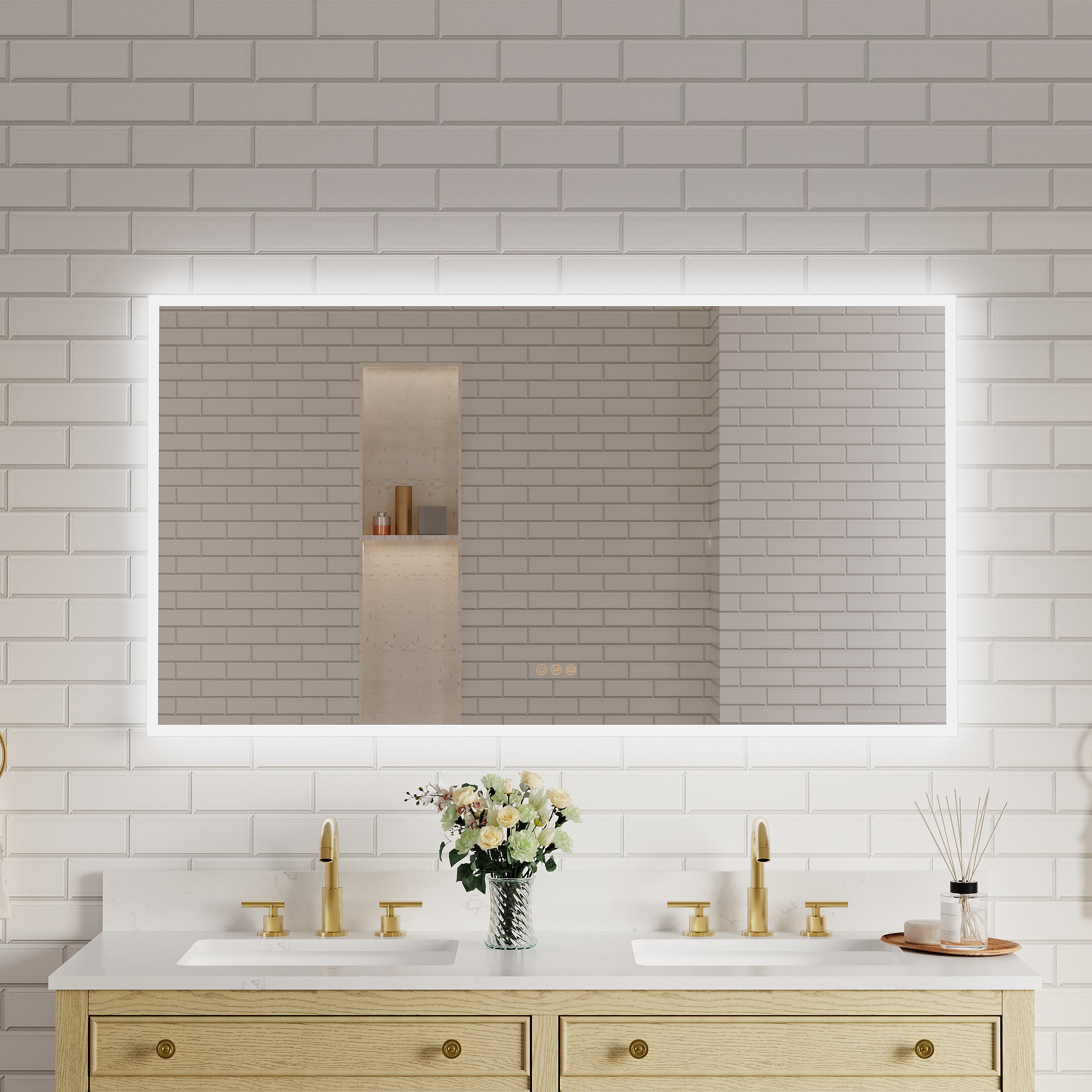
Mirror cabinets with lighting features often include electrical components, such as LED light strips and anti-fog systems. Although these features enhance the user experience, they also increase manufacturing and installation costs.
According to research data on lighting technology, integrated LED mirror cabinet systems typically cost about 20% to 30% more than ordinary mirror cabinets.
4. Different installation costs
Installation costs are also an important component of the budget.
Prefabricated bathroom cabinets are usually designed to standard dimensions, making the installation process relatively simple. For cabinets with a width of 36 inches, only the basic fixation and pipeline connection are required.
Customized bathroom cabinets may require additional adjustments to the wall structure or floor level. For example, non-standard-width 72-inch double-basin cabinets may require more precise positioning and additional support structures.
Construction research data shows that manual time for complex, customized installations may increase by about 30% to 40% compared to standard installations.
5. Comparison of long-term usage costs
In the long term, customized and prefabricated products each have their own advantages.
Prefabricated bathroom cabinets, because they use standard components, are usually easier to replace parts in case of damage. For example, drawer slides or door hinges are usually of uniform specifications, making maintenance more convenient.
Although customized products may have higher maintenance costs, their materials are usually of higher quality. For example, solid wood cabinets can maintain a long service life under normal maintenance.
Research on furniture durability suggests that high-quality solid-wood cabinets may have a lifespan of over 20 years in stable environments, while products with ordinary engineered-wood structures typically have an average lifespan of 10 to 15 years.
6. Differences in Space Utilization Efficiency
In addition to cost factors, space utilization efficiency is also an important consideration when choosing a solution.
Prefabricated bathroom cabinets typically follow standard designs, with a cabinet depth of approximately 21 to 22 inches and a height of approximately 34 to 36 inches. This size is suitable for most bathroom layouts.
But in special spaces, such as narrow bathrooms or irregular walls, a customized design can better utilize the space. For example, adjusting the cabinet width to 33 inches or 41 inches to fit the actual size.
Through this approach, customized products can improve storage efficiency while reducing space waste.
7. Design flexibility and budget balance
From a design perspective, customized bathroom cabinets have few fixed restrictions and can be customized with different materials, colors, and internal layouts.
In contrast, although prefabricated products have a wider range of choices, they are still limited by standard specifications.
For projects with limited budgets, prefabricated bathroom cabinets are usually a more economical choice. For projects that pursue personalized design or require adaptation to specific spaces, customized products offer greater advantages.

Conclusion
In the field of bathroom design, the bathroom cabinet with a mirror has evolved from simple furniture to an important element that combines storage, lighting, and decorative space. Whether choosing prefabricated products or customized designs, both options have their own advantages.
Prefabricated bathroom cabinets usually offer stable costs, simple installation, and easy maintenance, while customized products offer greater design flexibility and higher material quality. By comprehensively considering budget, space conditions, and usage needs, the most suitable solution can be found to make the bathroom space both practical and beautiful.









Leave a comment
This site is protected by hCaptcha and the hCaptcha Privacy Policy and Terms of Service apply.