














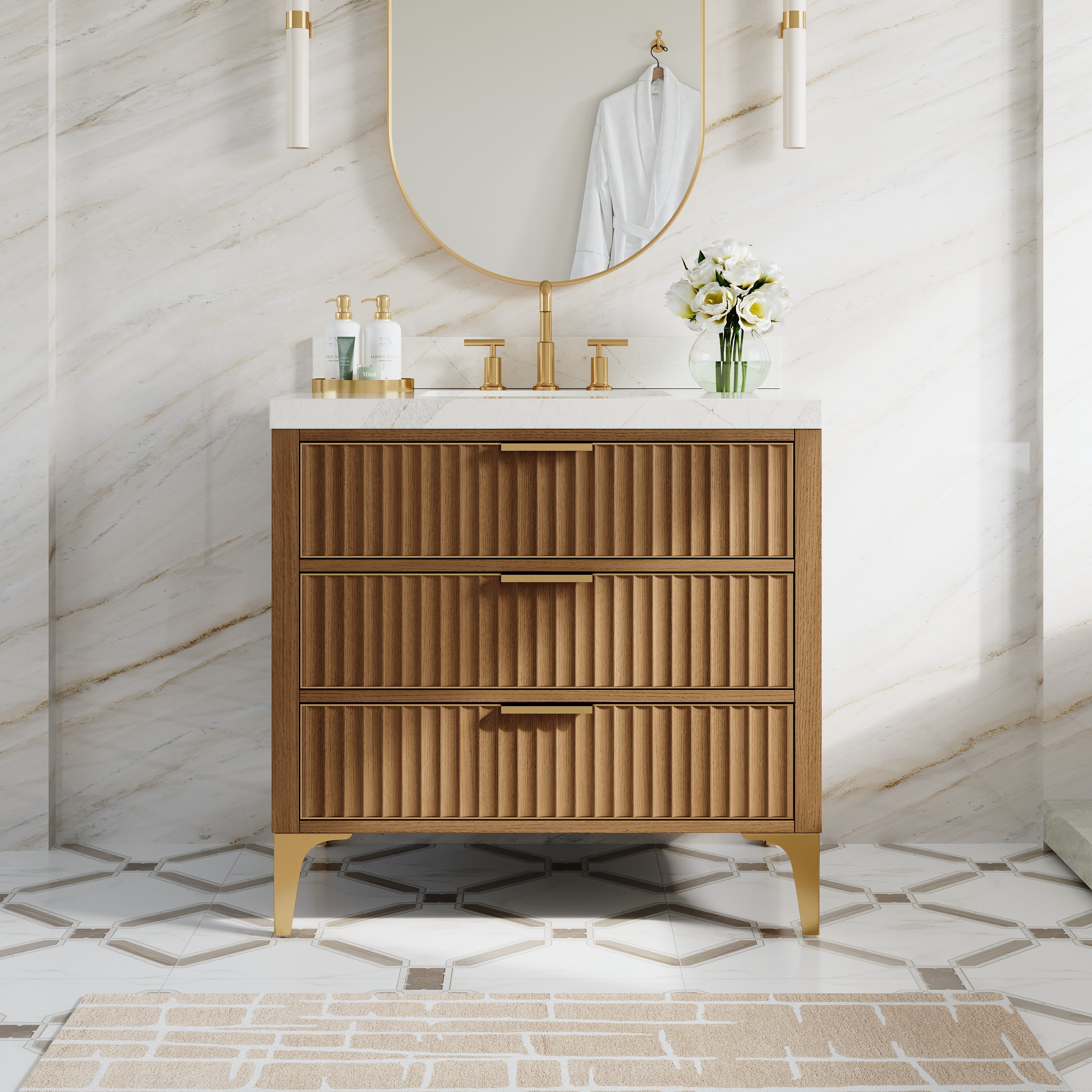
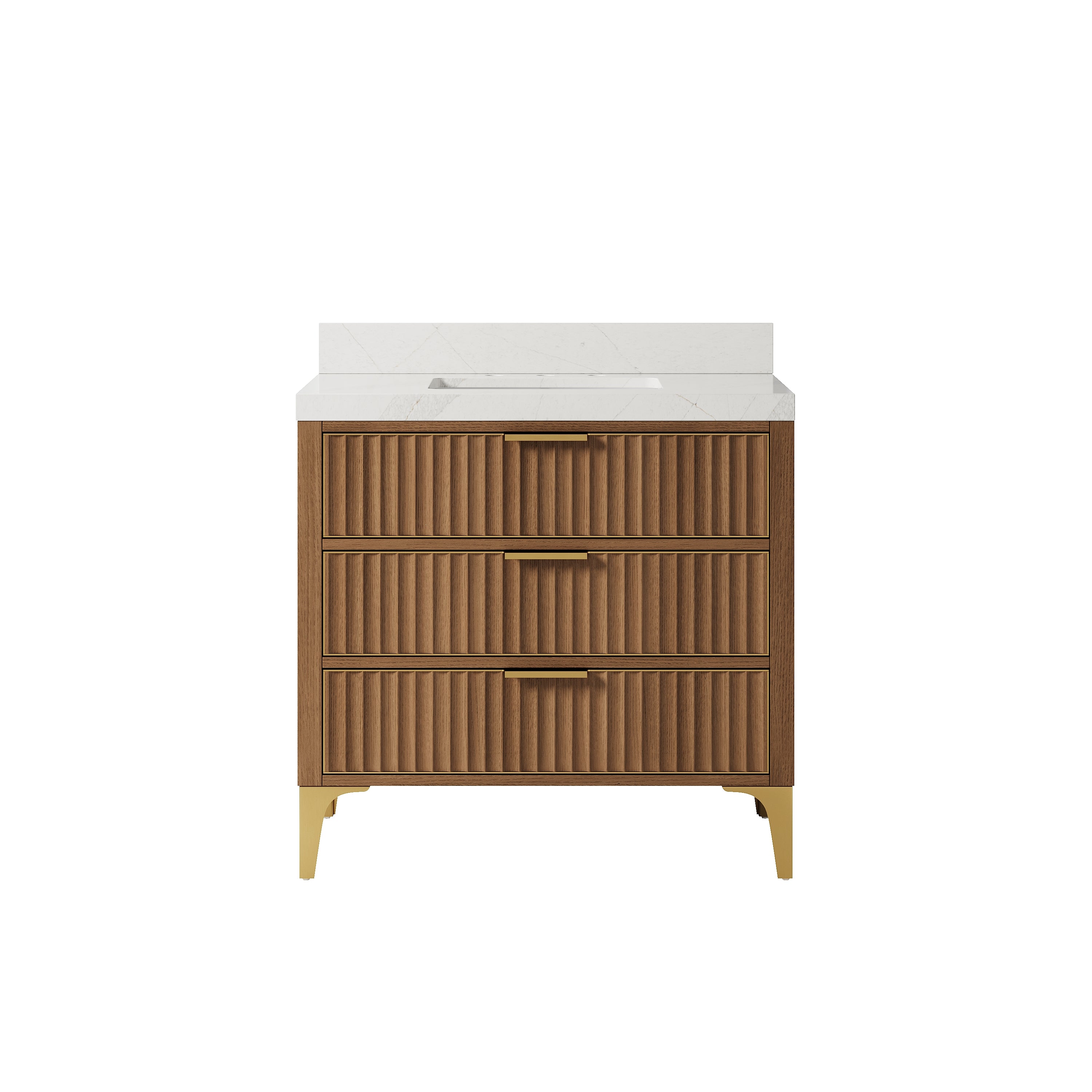
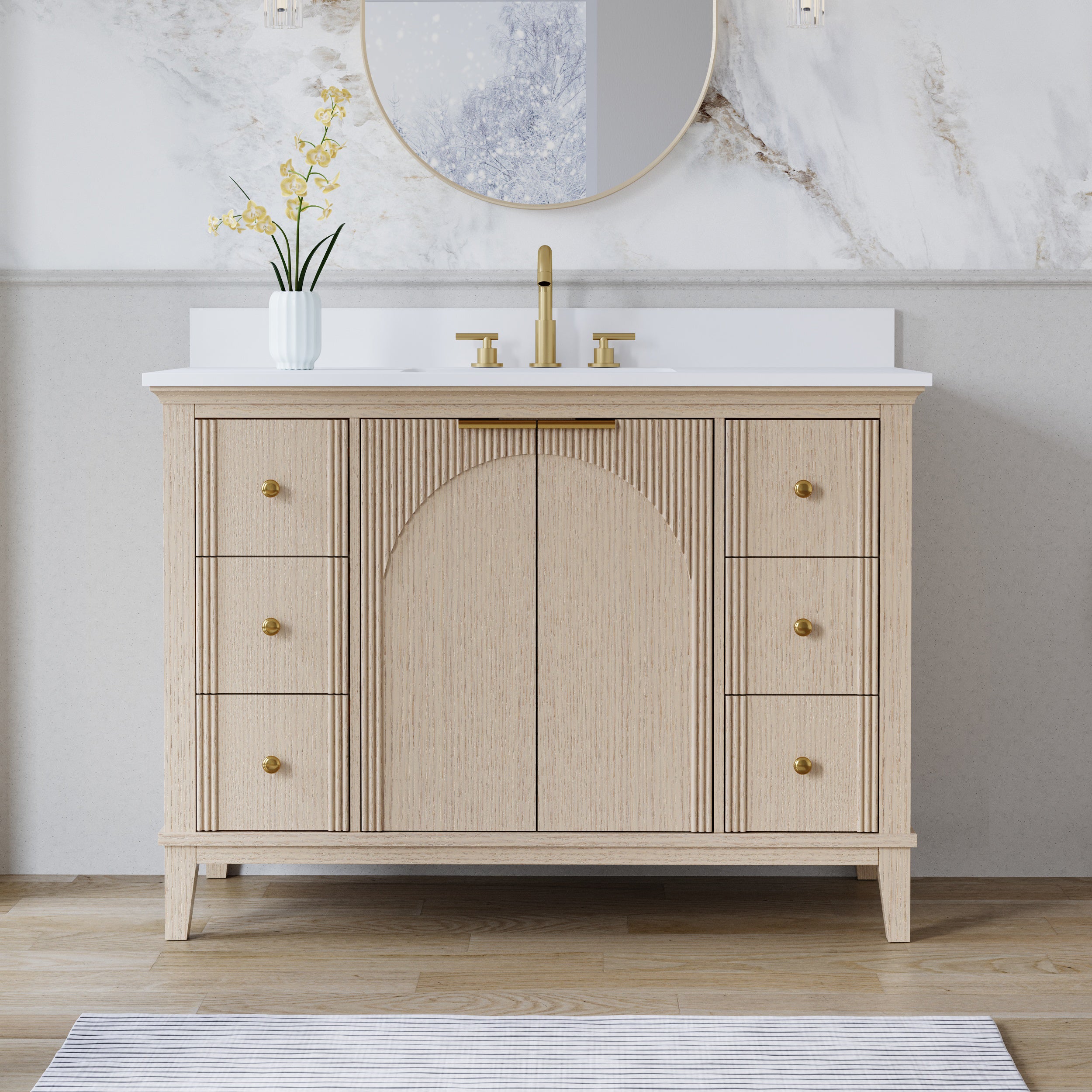
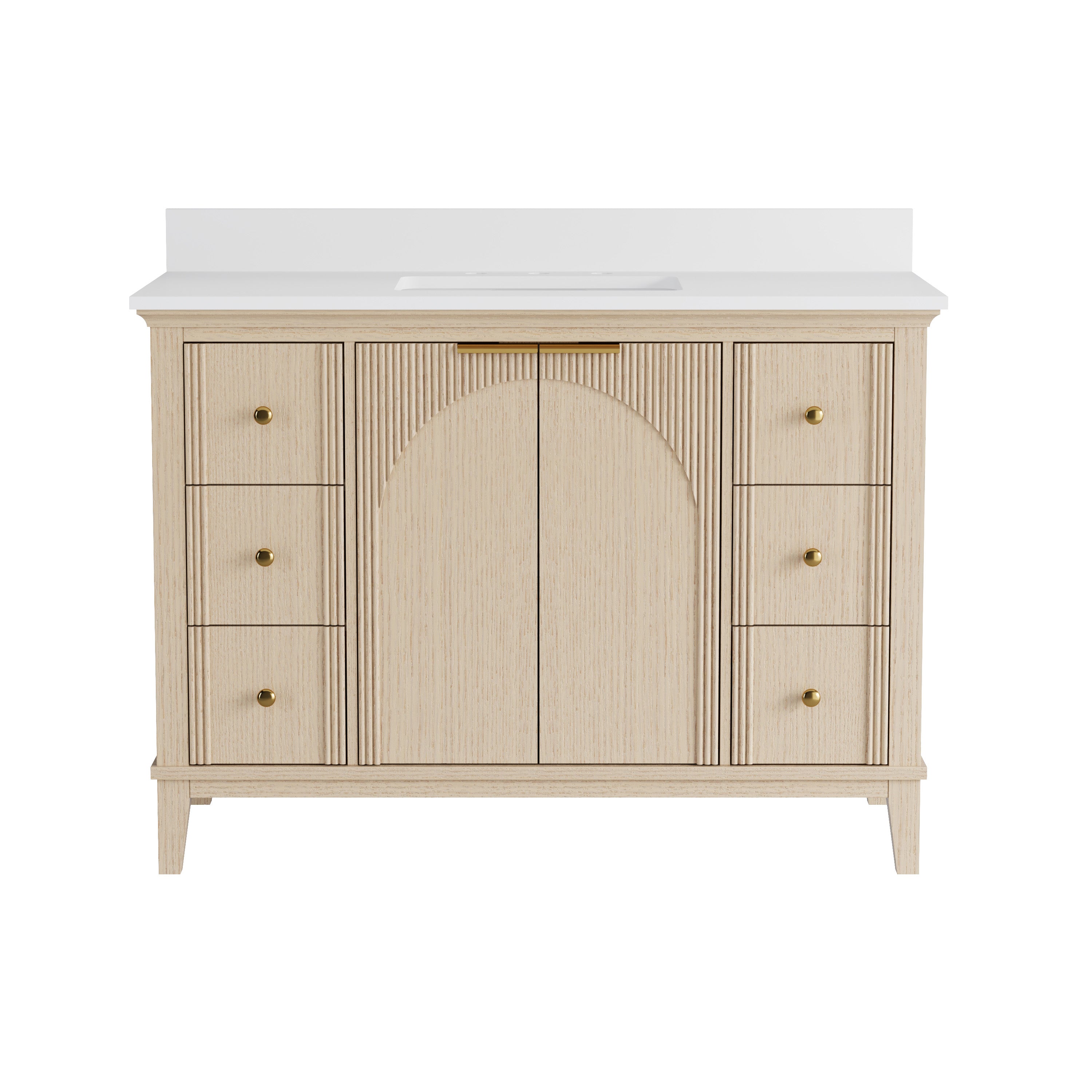


Corner bathroom layouts are often treated as design problems, but in modern remodeling, they are increasingly viewed as opportunities to reclaim wasted square inches. With total home improvement spending projected to remain strong, reaching around $518 billion by the end of 2026, even small-space efficiency upgrades like corner vanities are gaining attention as homeowners try to maximize usable layout without moving plumbing. In bathrooms where every inch matters, a corner vanity can convert “dead zones” into functional storage and sink areas while improving circulation paths.
Why awkward bathrooms are more common than they look
Bathrooms rarely follow ideal rectangles. Older layouts, plumbing constraints, and structural walls often create tight corners, offset door swings, or narrow walking corridors that limit standard vanity placement. In renovation behavior data, vanities are among the most frequently upgraded fixtures, and the size distribution shows that nearly 47% of installations are 48 inches or less, reflecting the dominance of compact and space-constrained bathrooms.
That concentration at smaller sizes explains why corner solutions are no longer niche products. They are increasingly part of the mainstream response to inefficient layouts.
How corner vanities solve clearance problems
Clearance is usually the first failure point in awkward bathrooms. Planning guidelines commonly recommend about 30 inches of clear floor space in front of fixtures to allow comfortable use and movement, with tighter minimums sometimes around 21 inches, depending on fixture type and conditions.
Corner vanities improve clearance by shifting the footprint diagonally or into a recessed corner zone. Instead of blocking a straight walkway, they:
l Push the cabinet mass into the underused corner geometry
l Free up central floor movement paths
l Reduce conflicts with door swings and shower entries
In narrow bathrooms, this can be the difference between a “tight squeeze” layout and a functional walking corridor.
The main corner vanity formats and where they work best
Corner vanities are not one standardized product; they are a category with different spatial behaviors.
Diagonal corner vanities typically sit at a 45-degree angle, creating a softened focal point. They work best in square bathrooms where symmetry is important, but wall length is limited. Their footprint is compact, often operating within a total width envelope similar to that of a small single-sink vanity, but redistributed across angles.
L-shaped corner vanities extend along two adjoining walls, using the corner space as a transition point. These are more storage-oriented and can behave like a hybrid between a vanity and a compact workstation, especially in slightly larger bathrooms.
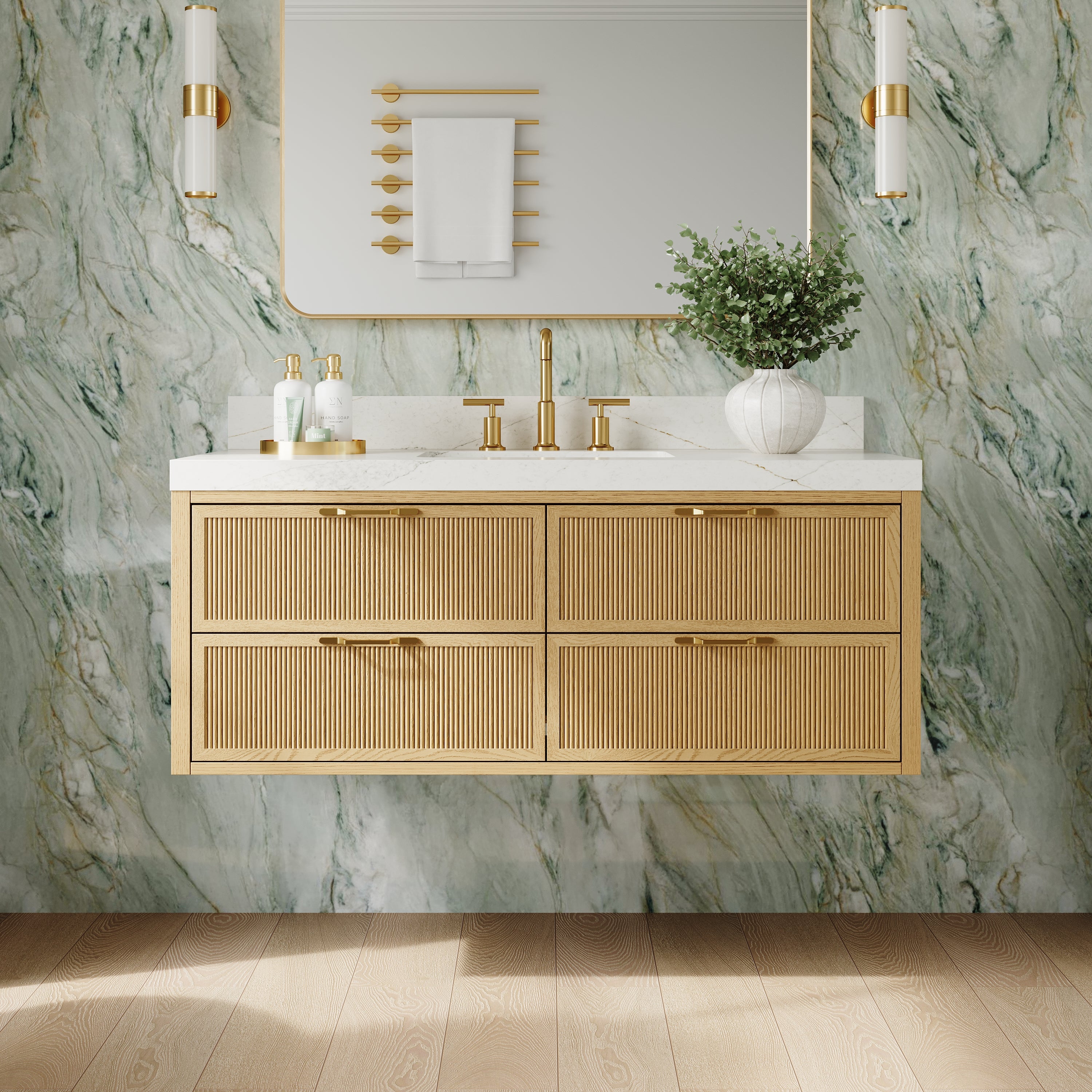
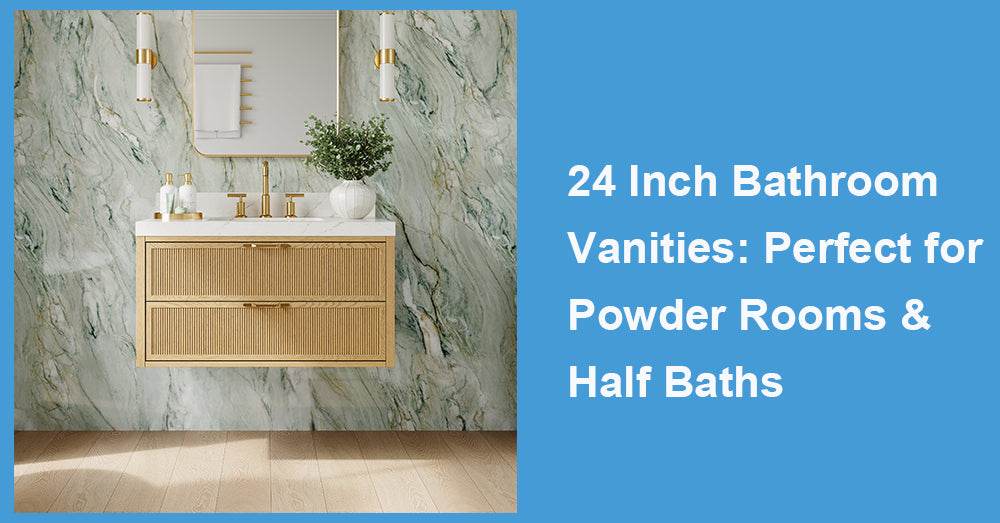
Floating corner vanities mount to the wall, leaving open floor space beneath. This approach improves visual openness, which is especially important in small bathrooms where heavy cabinetry can make the room feel more compressed than it actually is.
Storage efficiency: where corner design gains and losses
Corner vanities create a trade-off: they improve footprint efficiency but complicate interior storage geometry. Deep corner cavities can go underutilized if not properly designed, especially where plumbing runs intersect with cabinet space.
This is why functional hardware has become a core expectation in vanity design. Renovation data show that 78% of homeowners select soft-close drawers and 75% choose soft-close doors, reflecting broader demand for smoother, more controlled daily use.
To make corner storage work in practice, successful designs often include:
l Pull-out trays that convert deep corners into accessible zones
l Tiered internal shelving to avoid wasted vertical volume
l Shallow top drawers for daily items to reduce deep reaching
l Plumbing-aware cutouts that preserve usable storage space
Without these adaptations, the space-saving benefit can be offset by usability frustration.

Sink placement and usability in angled layouts
Sink positioning is one of the most critical design variables in corner vanities. A centered corner sink aligns with the diagonal geometry but can push the user slightly farther from the basin edge, which affects reach comfort.
Offset sink layouts improve usability by shifting the basin slightly away from the tightest corner, allowing more counter-landing space for daily items like soap, toothbrush holders, and grooming tools.
This matters because bathroom routines are increasingly multitasking-heavy, and counter “landing zones” are often just as important as storage volume.
Material choices: balancing moisture, durability, and weight
Corner vanities often require more structural precision due to angled loads and wall inconsistencies, making material selection important.
Engineered quartz remains the leading countertop material in bathroom upgrades, with about a 45% share, followed by natural stones such as quartzite, granite, and marble.
Heavier tops increase the importance of cabinet rigidity. A well-built vanity structure helps maintain alignment at seams where the countertop meets two walls, which is especially important in corner installations where small deviations are more visible.
Installation challenges unique to corner setups
Corner installations are less forgiving than straight-wall vanities. Walls are rarely perfectly square, and even a few degrees of deviation can lead to visible gaps or uneven countertop alignment.
Key installation risks include:
l Uneven wall angles create backsplash gaps
l The cabinet is rocking due to uneven floor planes
l Misaligned sink placement relative to plumbing rough-ins
l Water intrusion at the corner seams if sealing is inconsistent
Because corner units interact with two walls instead of one, precision in leveling and sealing becomes significantly more important.
Visual impact: turning “awkward” into intentional design
When executed well, corner vanities do more than solve spatial problems—they can redefine how the room feels. Instead of a cluttered corner or wasted void, the area becomes a structured focal point.
Design approaches that improve visual balance include:
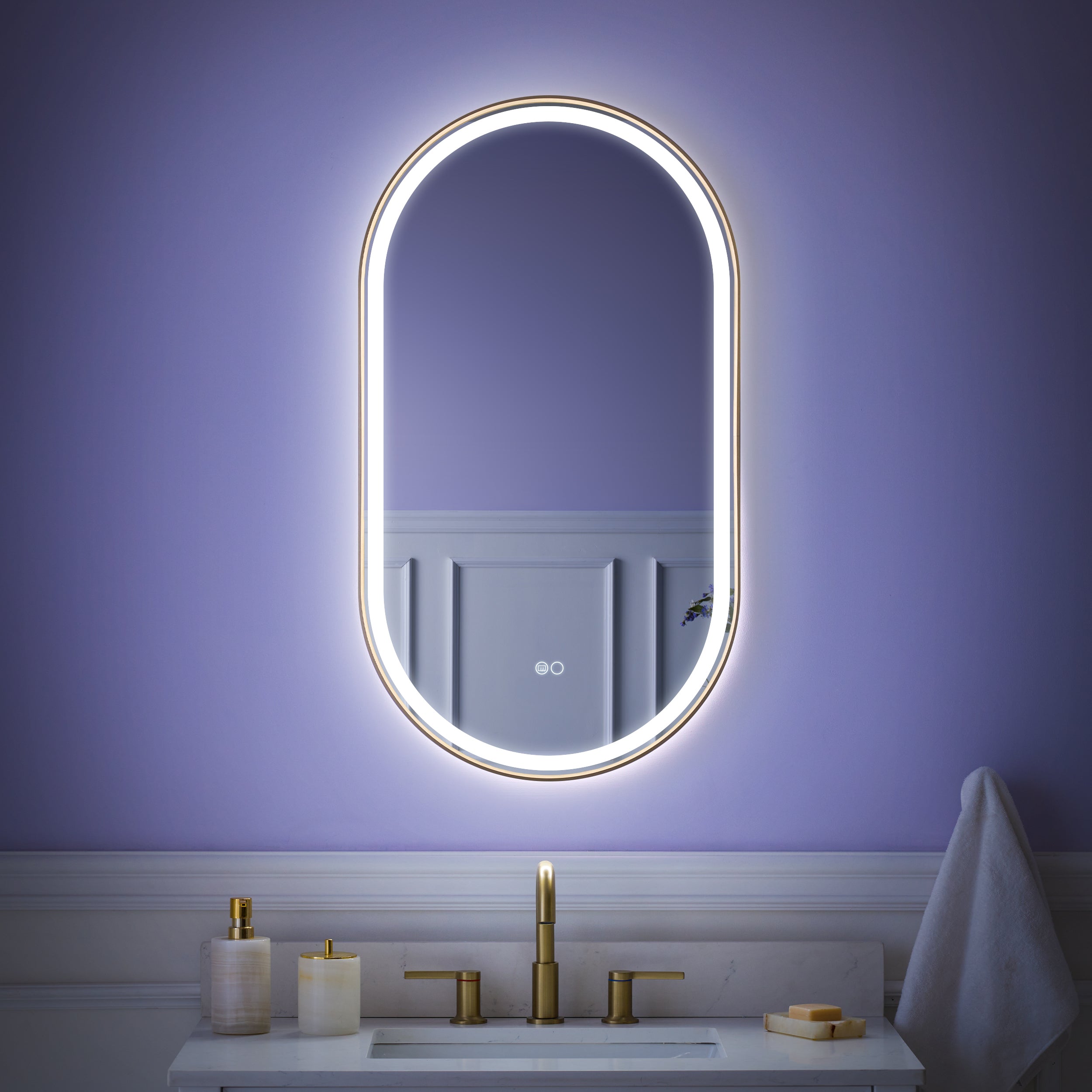
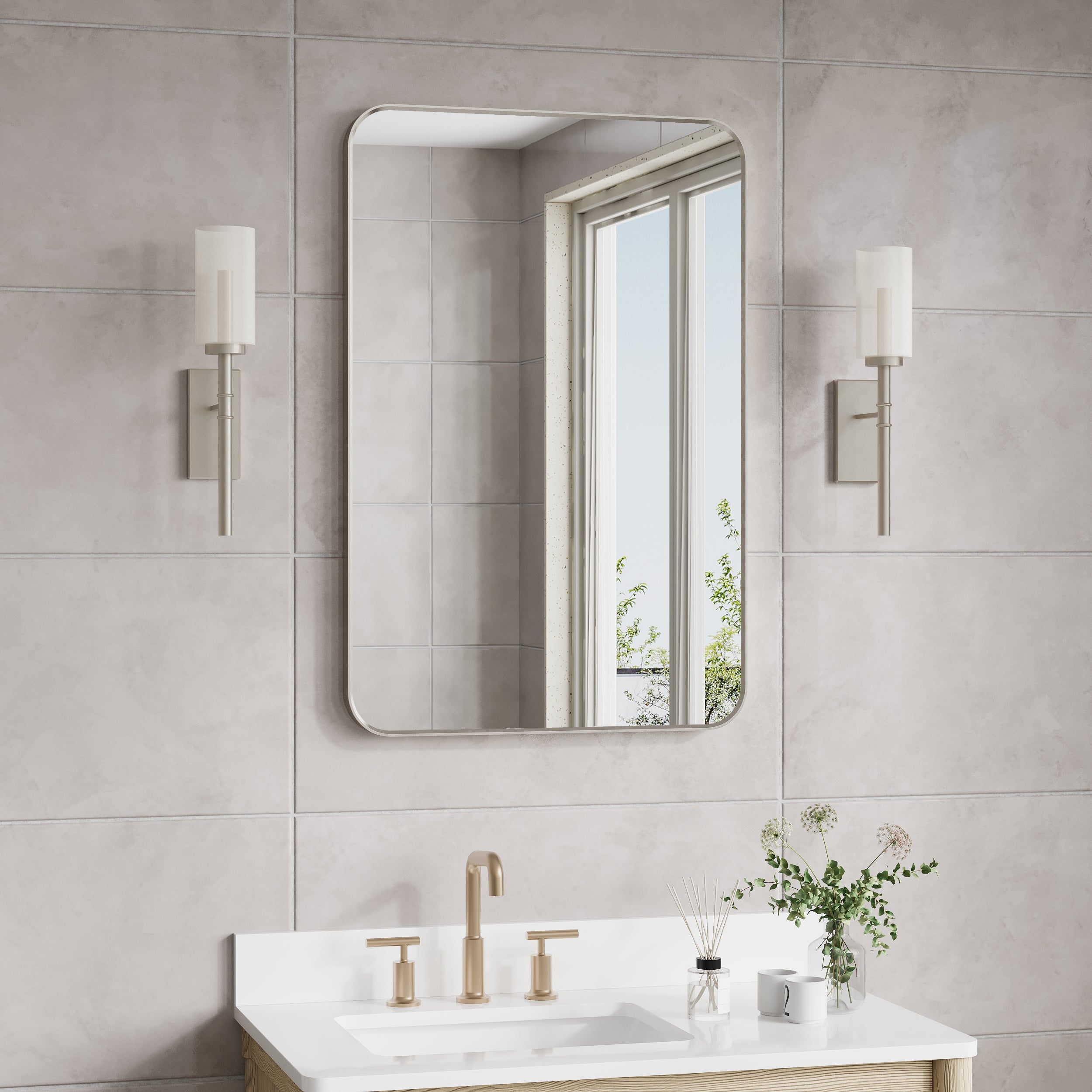
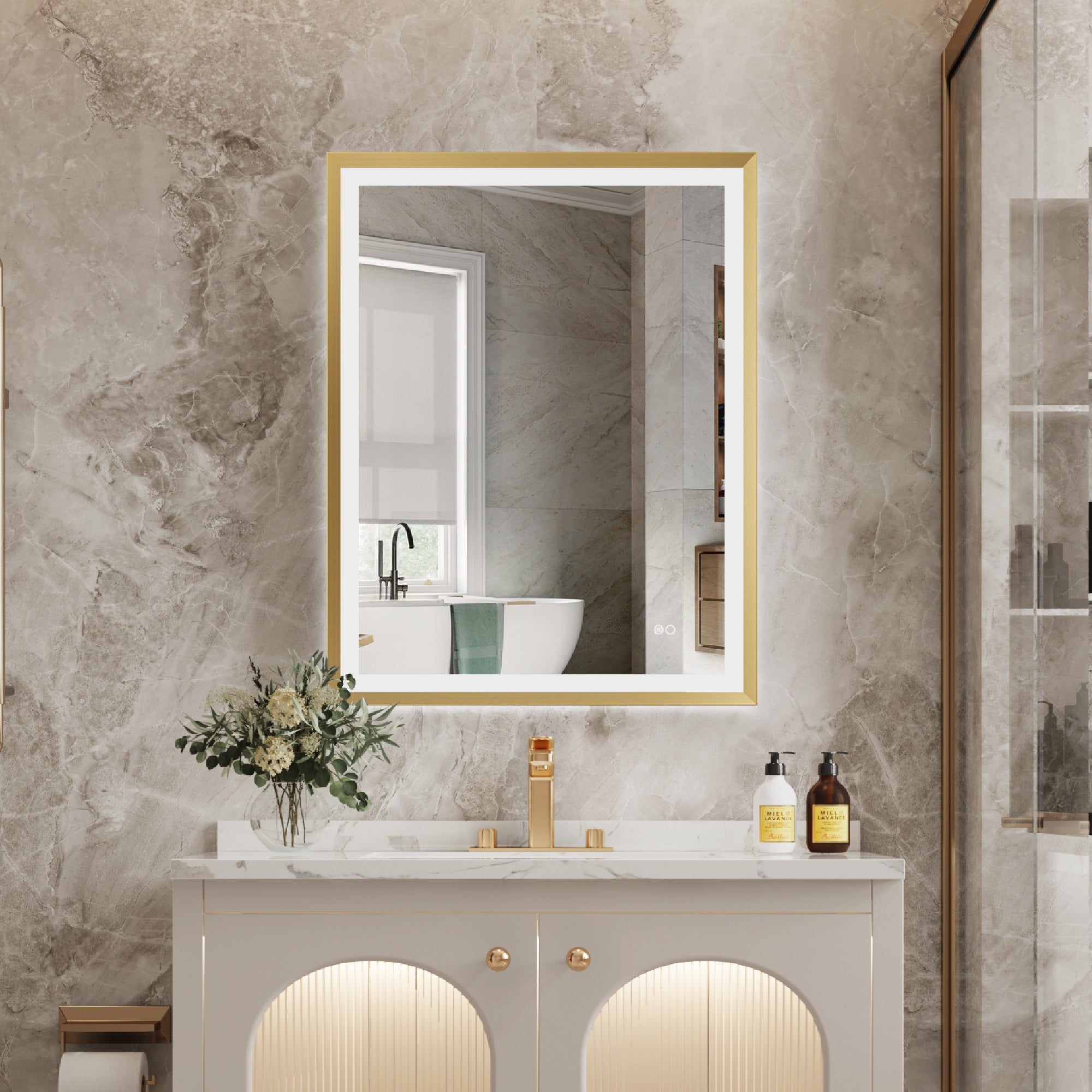
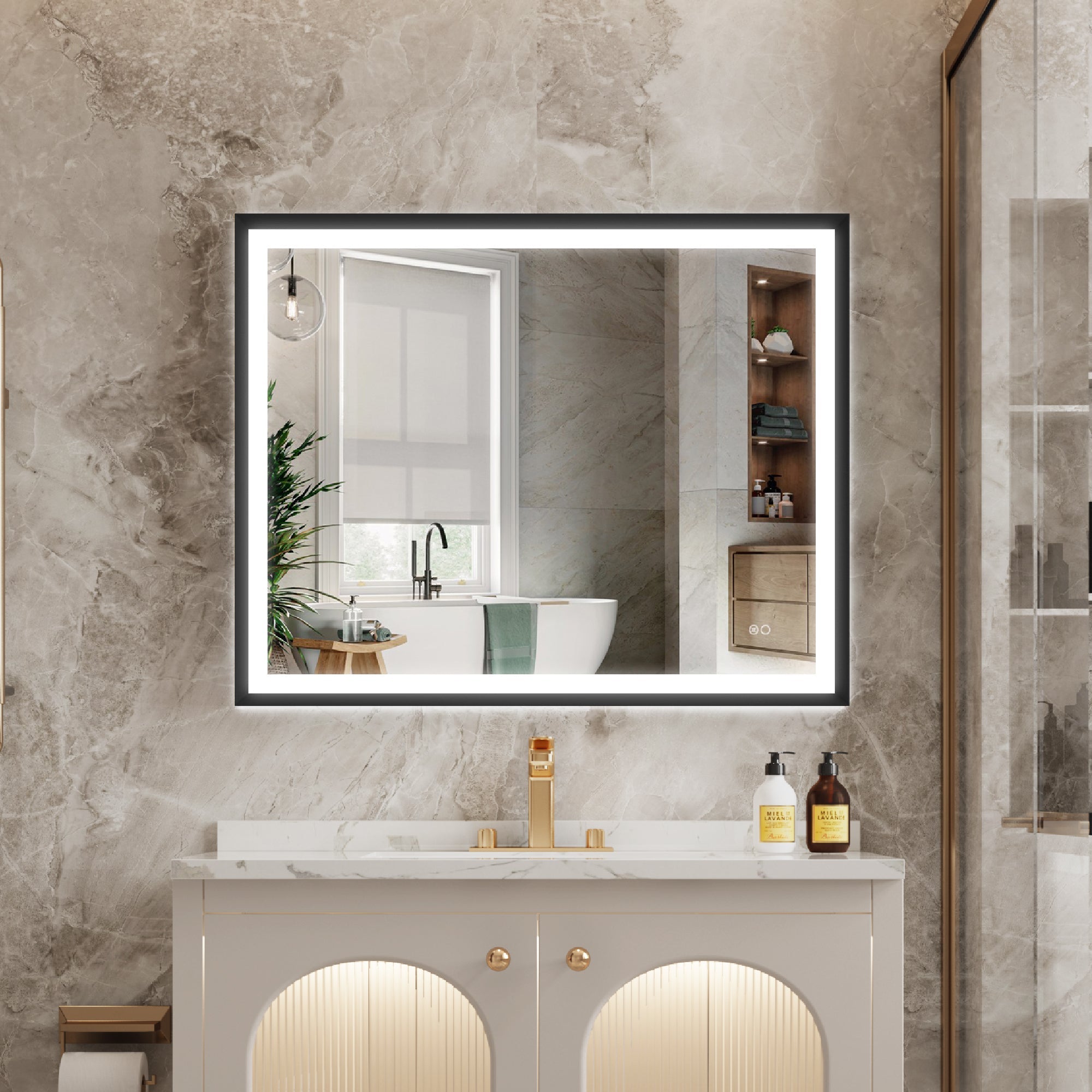
l Pairing with circular or arched mirrors to soften angular geometry
l Using lighter wood tones or matte finishes to reduce visual weight
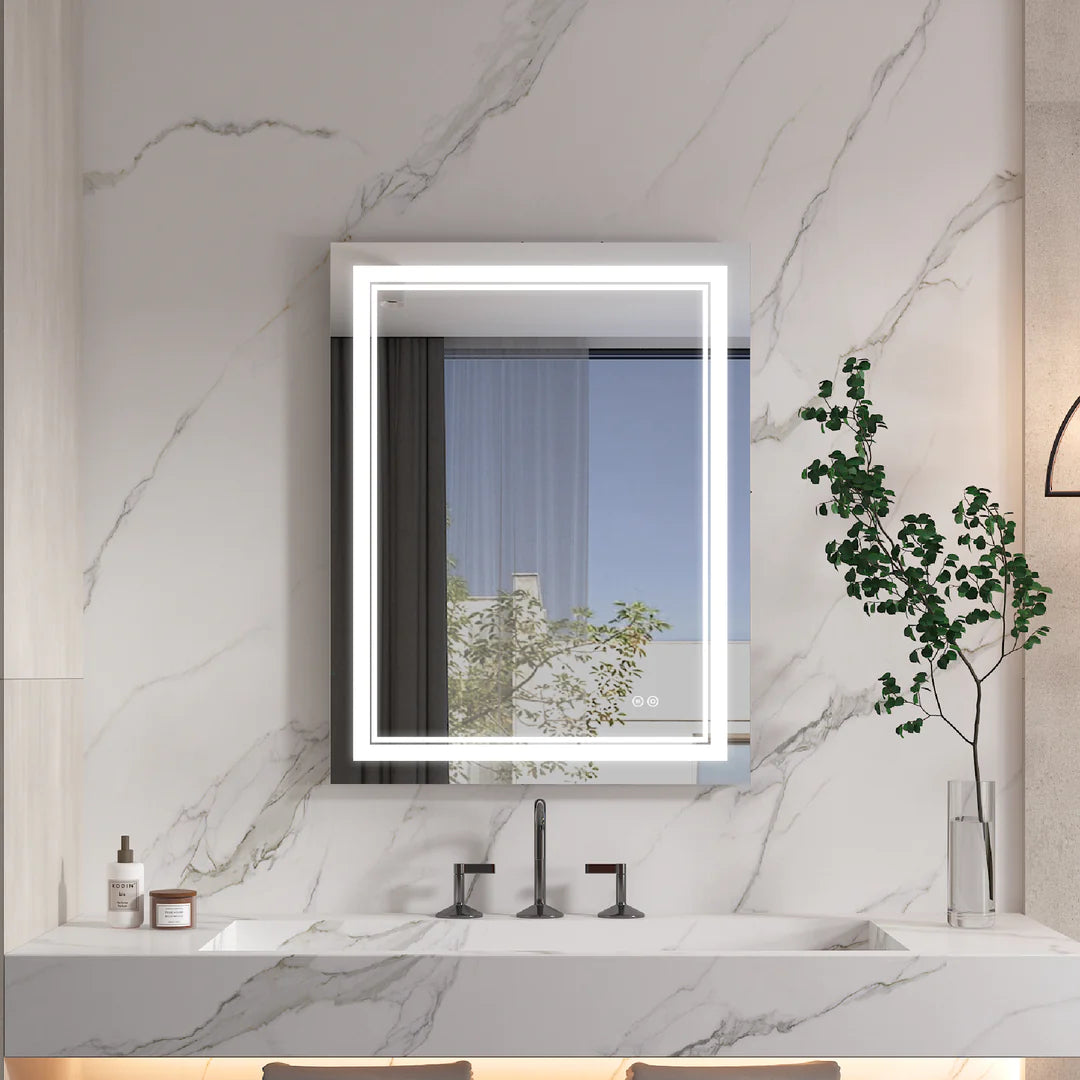
l Adding wall-mounted lighting to avoid crowding the countertop plane
These choices help the corner feel designed rather than forced into place.
When corner vanities are the right choice—and when they are not
Corner vanities are most effective when:
l The bathroom has limited straight wall runs
l Door swing or shower placement restricts standard layouts
l Floor area is limited, but the corner geometry is underutilized
They are less suitable when:
l A long, uninterrupted wall is available for a wider vanity
l Maximum storage capacity is the priority over footprint efficiency
l Plumbing relocation is already planned, allowing more flexible layouts
Bottom line: Efficiency is the real value of corner design
Corner bathroom vanities are not just compact fixtures; they are spatial optimization tools. By reclaiming unused geometry, improving circulation paths, and adapting storage to irregular layouts, they make awkward bathrooms function more effectively without structural renovation.
In a remodeling environment where efficiency, cost control, and usable space all matter, corner solutions are becoming less of a workaround and more of a deliberate design strategy—especially when executed with proper clearance planning, storage engineering, and installation precision.










Leave a comment
This site is protected by hCaptcha and the hCaptcha Privacy Policy and Terms of Service apply.