














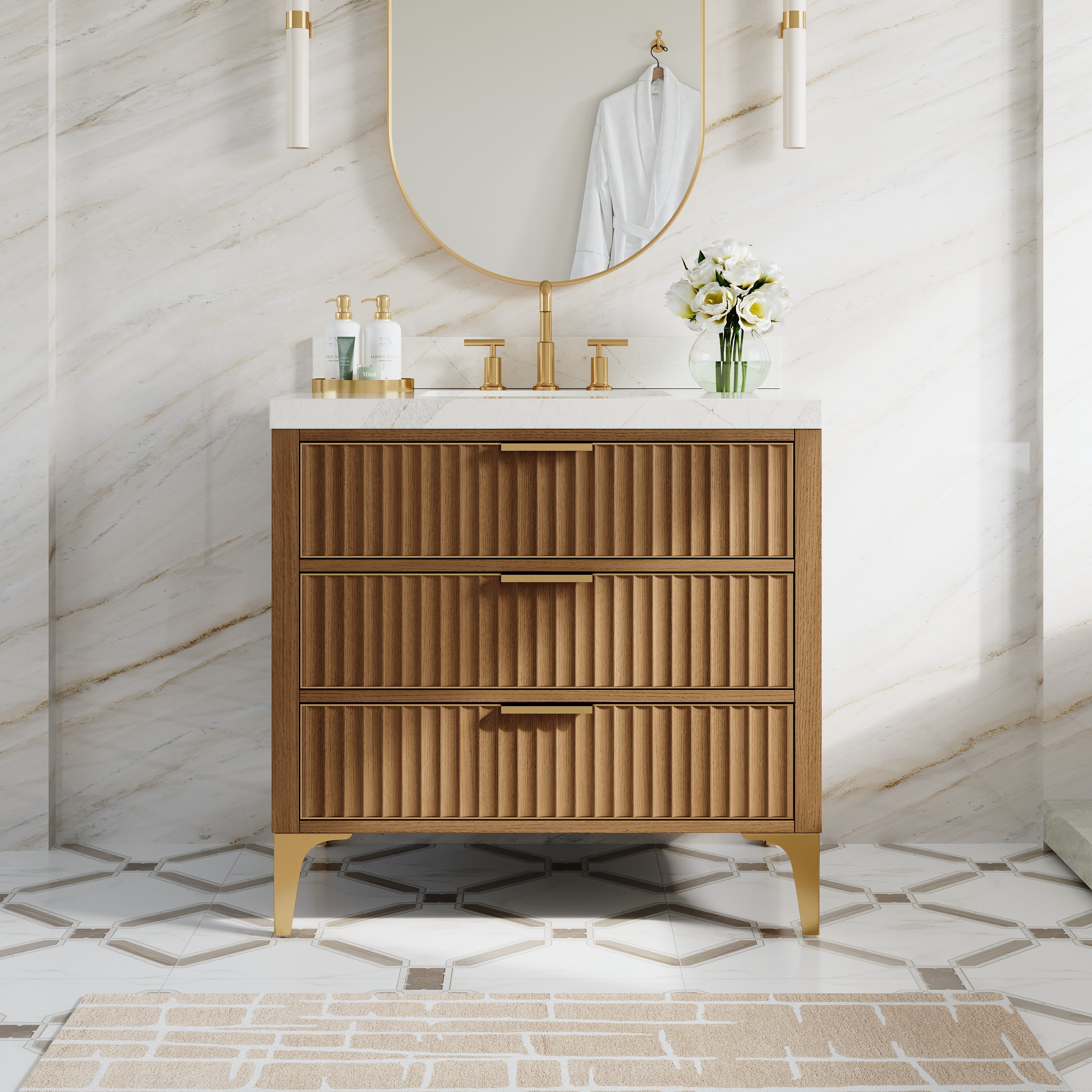
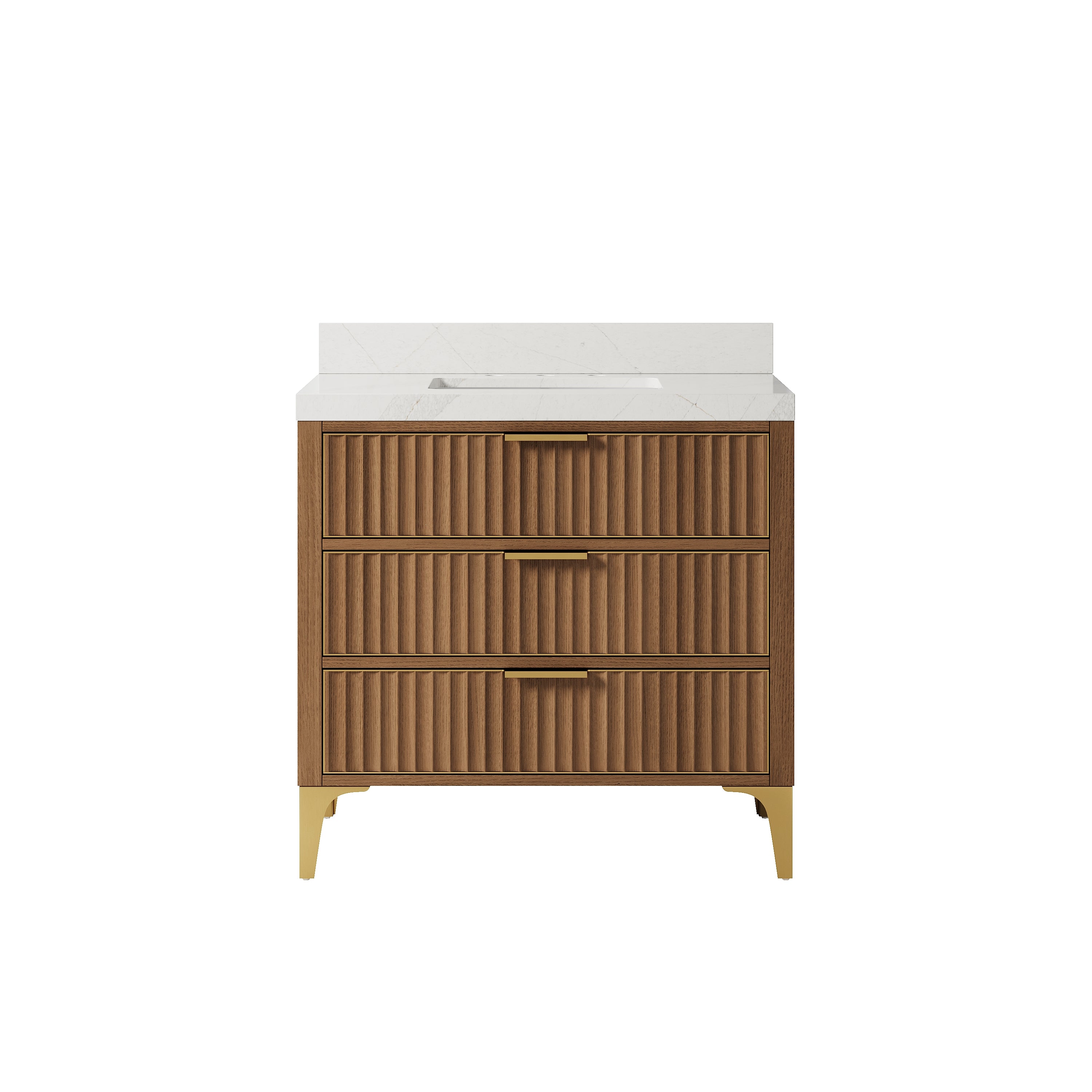
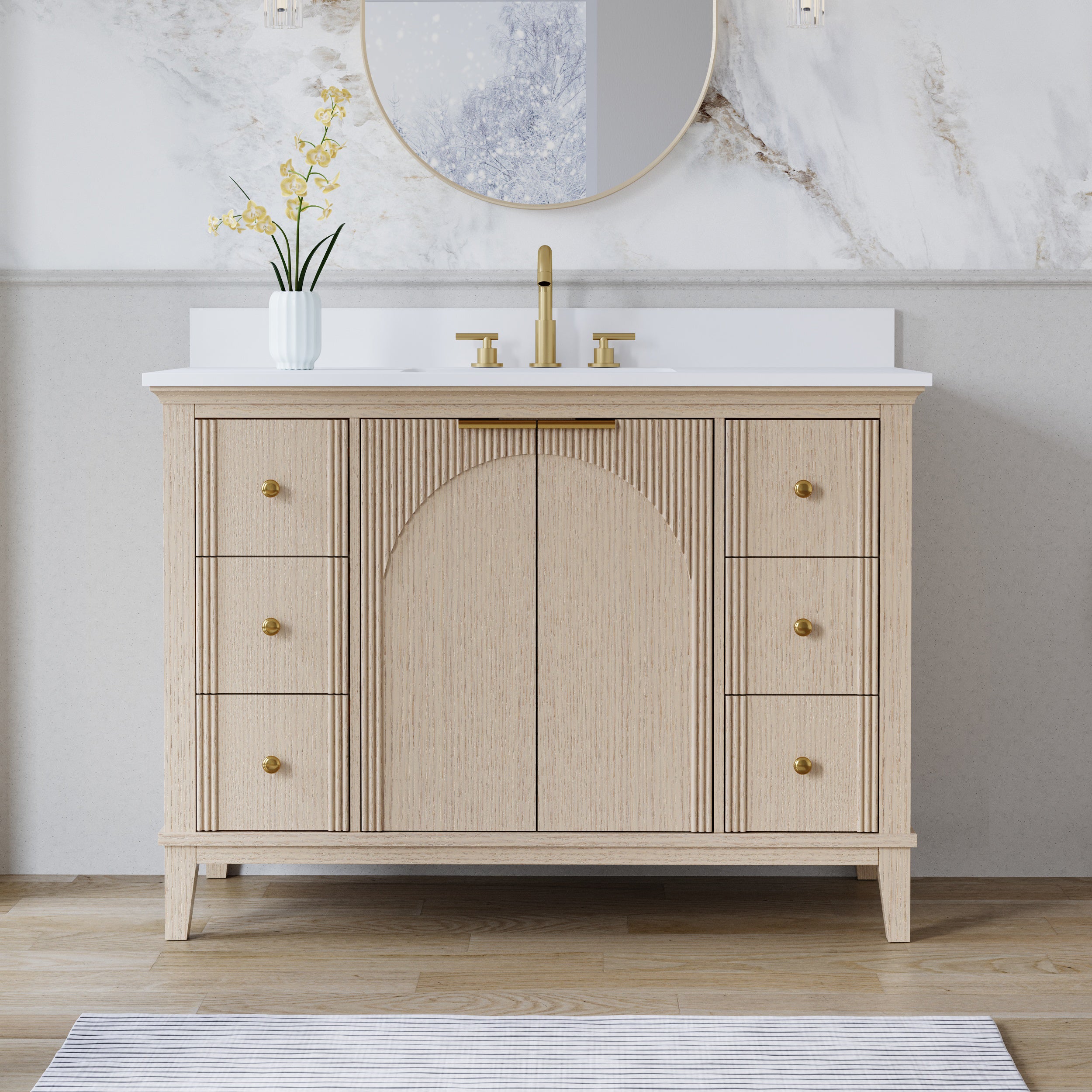
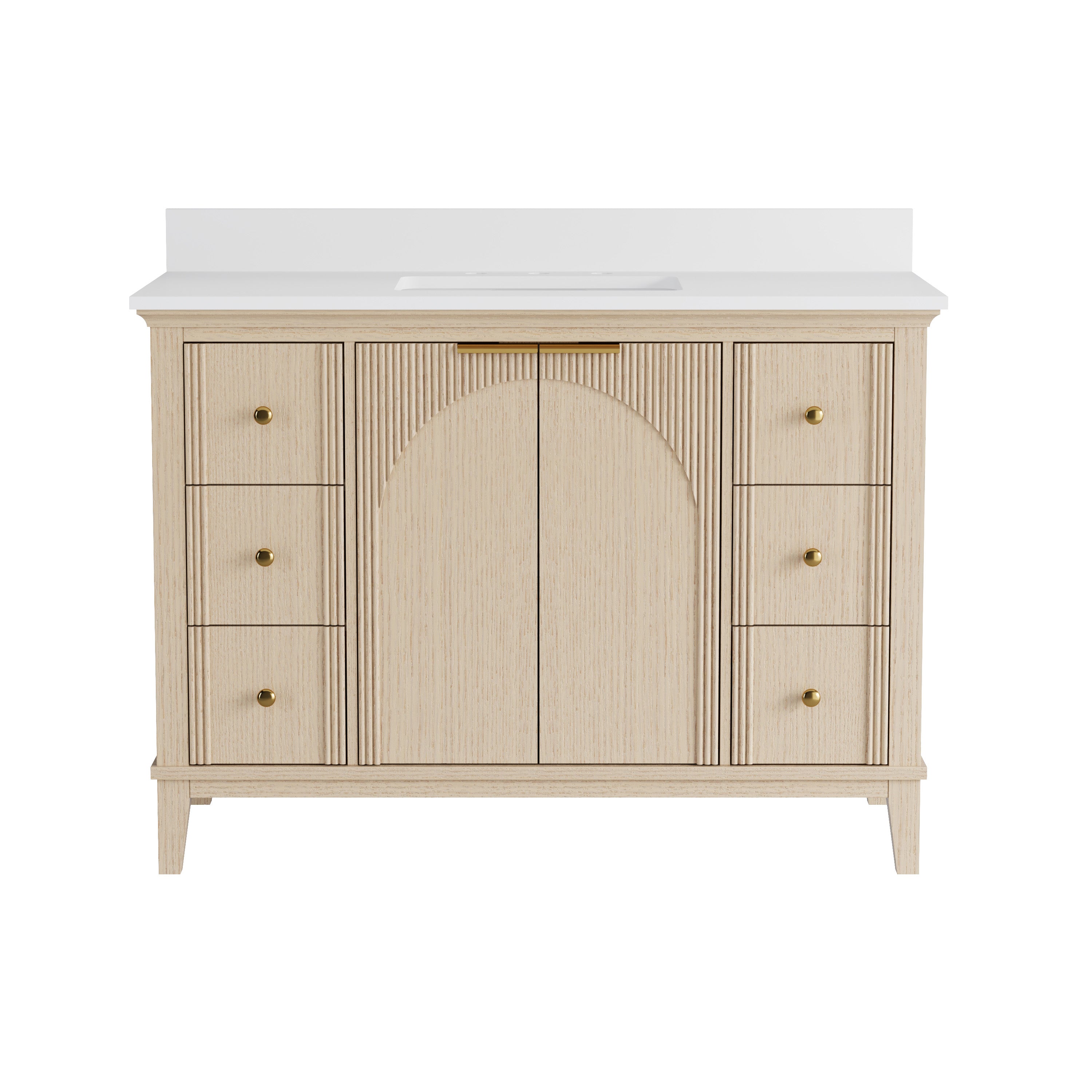
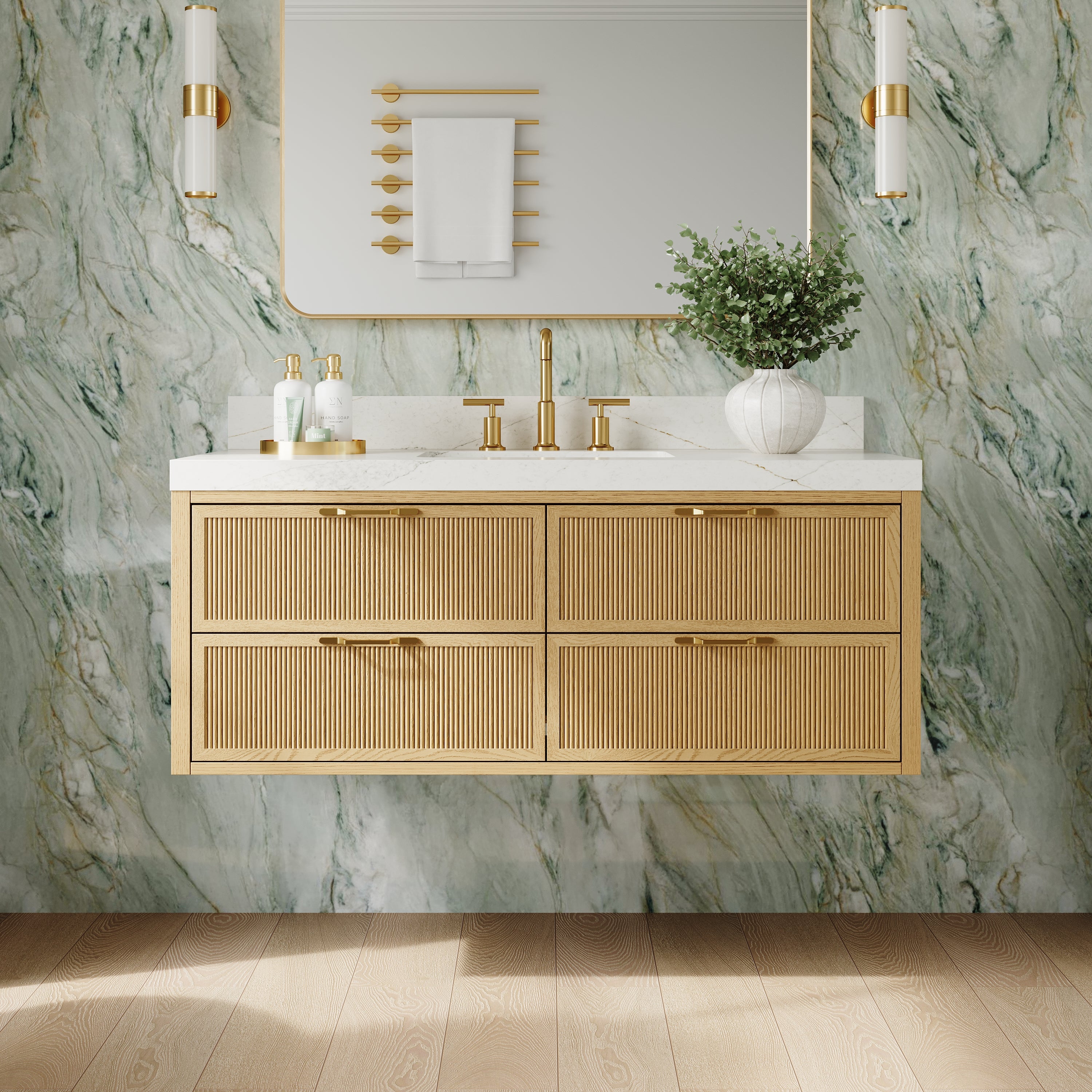
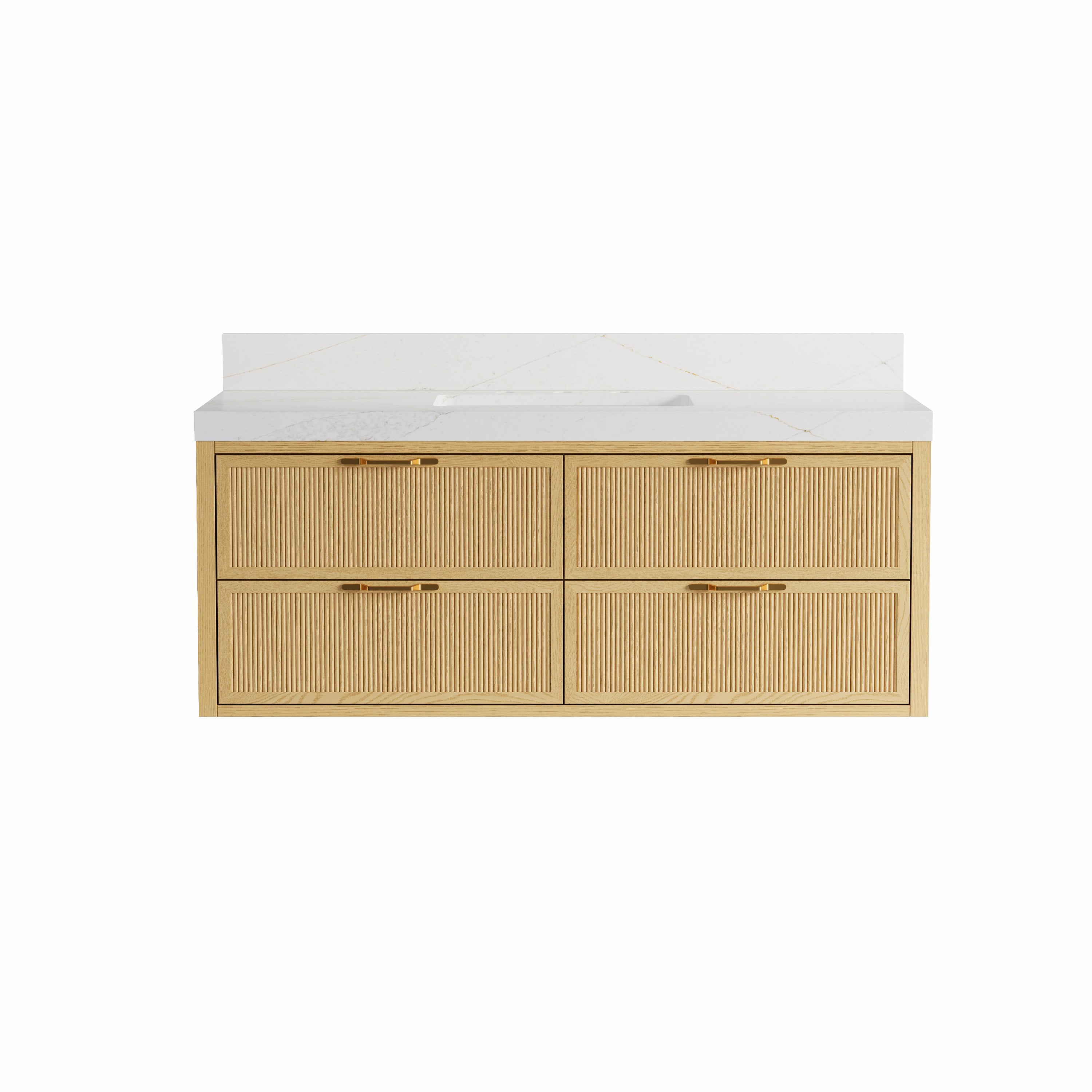


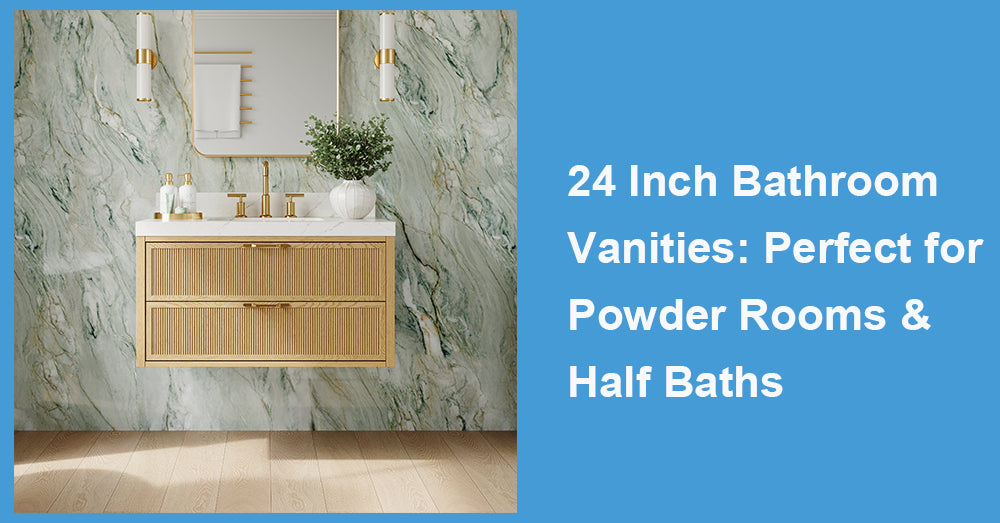
In compact home layouts where every inch of floor space matters, 24-inch bathroom vanities have become one of the most practical design choices for powder rooms and half baths. These small-format vanities are no longer treated as secondary fixtures but as essential space-planning tools that balance storage, usability, and visual proportion. With overall residential improvement spending projected to remain strong at around $518 billion by 2026, compact bathroom upgrades are receiving more attention as homeowners prioritize efficient, low-disruption renovations in smaller rooms.
Why 24-inch vanities dominate powder room design
Powder rooms and half baths are typically designed for limited use and are often positioned near entryways or between living zones, where layout constraints are tight. In these environments, a full-size vanity is unnecessary and often disruptive to circulation paths.
A 24-inch vanity solves this by occupying a narrow footprint while still providing a defined sink zone. Renovation trend data shows that smaller vanity sizes remain extremely relevant, with nearly 47% of bathroom vanities installed at 48 inches or less, reflecting how frequently compact configurations are required across remodel projects.
In practical terms, a 24-inch unit allows designers to maintain at least the commonly recommended clearance zones while still fitting a functional handwashing station into tight layouts.
Space efficiency: making small rooms feel usable, not cramped
Clearance is the most critical factor in powder room design. Planning guidance commonly recommends around 30 inches of clear floor space in front of fixtures for comfortable use, with tighter minimums sometimes as low as 21 inches, depending on layout conditions.
A 24-inch vanity helps achieve this by reducing projection depth into the room. Compared to larger vanities, it:
l Frees up walking space near the door swings
l Reduces visual bulk in narrow rectangular rooms
l Allows more flexible toilet placement or wall spacing
l Improves accessibility in tight transitional areas
This makes the room feel more intentional and less like a leftover space.
Storage expectations: what a 24-inch vanity can realistically offer
A common misconception is that small vanities are purely aesthetic. In reality, modern 24-inch designs are engineered for essential storage efficiency rather than bulk capacity.
Typical configurations include:
l A single door cabinet with vertical storage space
l A compact drawer for daily essentials
l Open shelving designs for visual lightness
l Integrated sink basins to maximize usable interior volume
Because powder rooms are not primary bathing spaces, storage demand is usually limited to hand soap, tissue, cleaning supplies, and spare toiletries. That makes vertical organization more important than wide drawer systems.
Material and finish choices: balancing durability with visual impact
Even though powder rooms are smaller, they often carry high design expectations because they are guest-facing spaces. That means material selection still matters.
Engineered quartz remains one of the most commonly selected countertop materials in bathroom renovations, holding about 45% share in upgrade choices, followed by granite, quartzite, and marble.
For 24-inch vanities, lighter visual materials are often preferred because they:
l Make small rooms appear larger
l Reflect more light in low-natural-light spaces
l Reduce visual heaviness near entry points
Matte finishes and wood tones are increasingly used to soften the compact footprint while maintaining a premium look.

Installation considerations in tight powder rooms
Installing a 24-inch vanity is not just about fitting the cabinet—it is about ensuring functional movement within a constrained footprint.
Key installation factors include:
l Door swing direction relative to entry paths
l Faucet placement to avoid wall or door interference
l Plumbing alignment within narrow wall cavities
l Ensuring the sink basin does not reduce usable counter surface too aggressively
Because powder rooms often share walls with structural or mechanical zones, plumbing constraints can be more rigid than in larger bathrooms. This makes compact vanity selection less about preference and more about feasibility.
Sink design: maximizing usability in minimal space
Sink choice is one of the most important design decisions in a 24-inch vanity.
Common approaches include:
l Centered basin sinks, which maintain symmetry but reduce counter space
l Offset sinks, which free up one side for practical use
l Integrated sink tops, which reduce seam lines and simplify cleaning
In compact layouts, reducing visual clutter is as important as increasing functional surface area. Integrated designs often perform best in very small powder rooms because they minimize edges and joints.
Hardware expectations: compact does not mean basic
Even small vanities are expected to meet modern usability standards. Renovation data shows a strong preference for soft-close systems, with about 78% selecting soft-close drawers and 75% selecting soft-close doors in vanity upgrades.
For 24-inch vanities, hardware becomes even more important because:
l Fewer drawers mean each one is used more frequently
l Small doors are opened more often in guest use scenarios
l Compact slides and hinges must maintain alignment over time
Smooth operation directly impacts perceived quality in small spaces.
Visual design: making compact spaces feel intentional
Designing with a 24-inch vanity is not just a space-saving exercise—it is an opportunity to improve visual balance in small rooms.
Effective design strategies include:
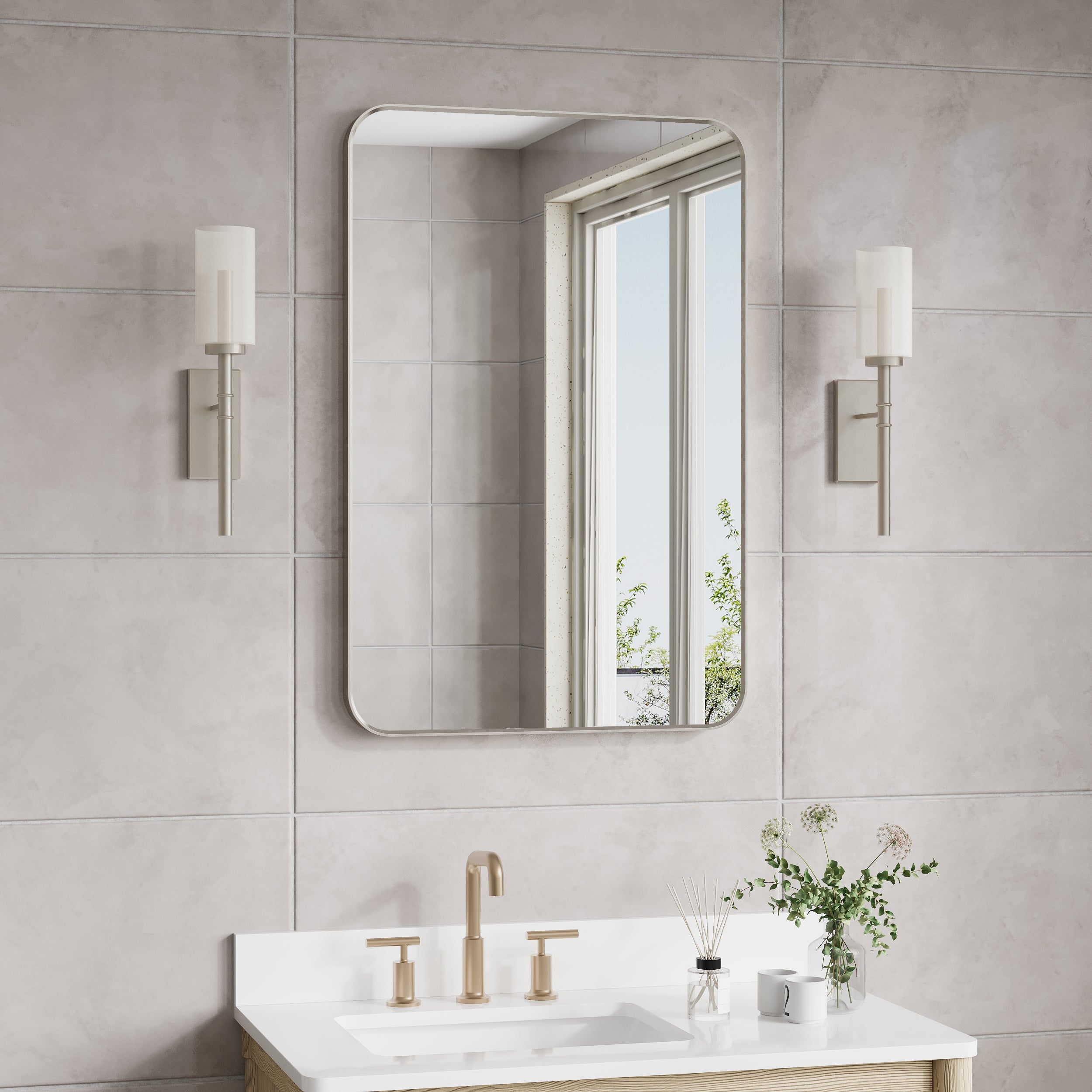
l Floating vanities to expose floor space and reduce visual weight
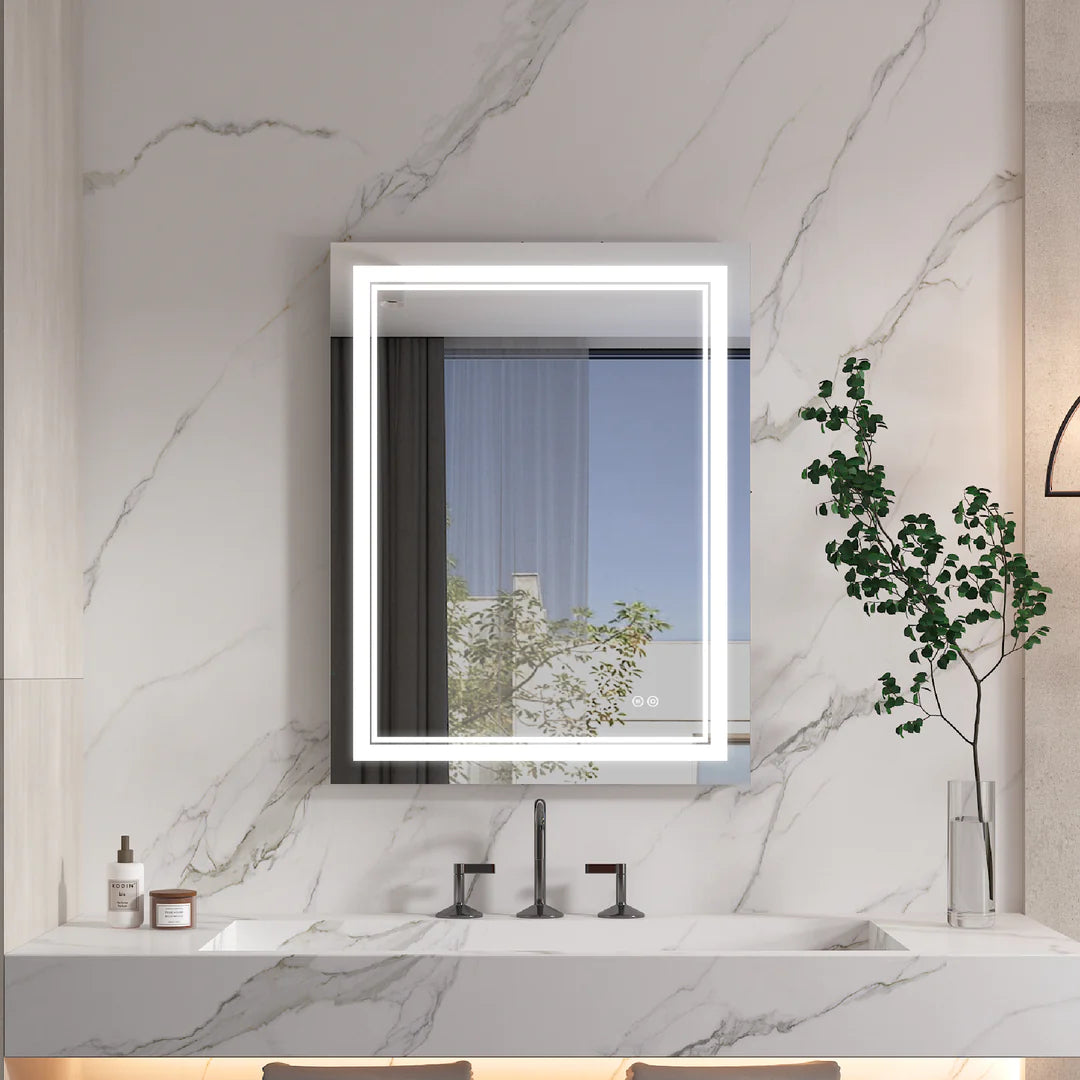
l Wall-mounted lighting instead of bulky countertop fixtures
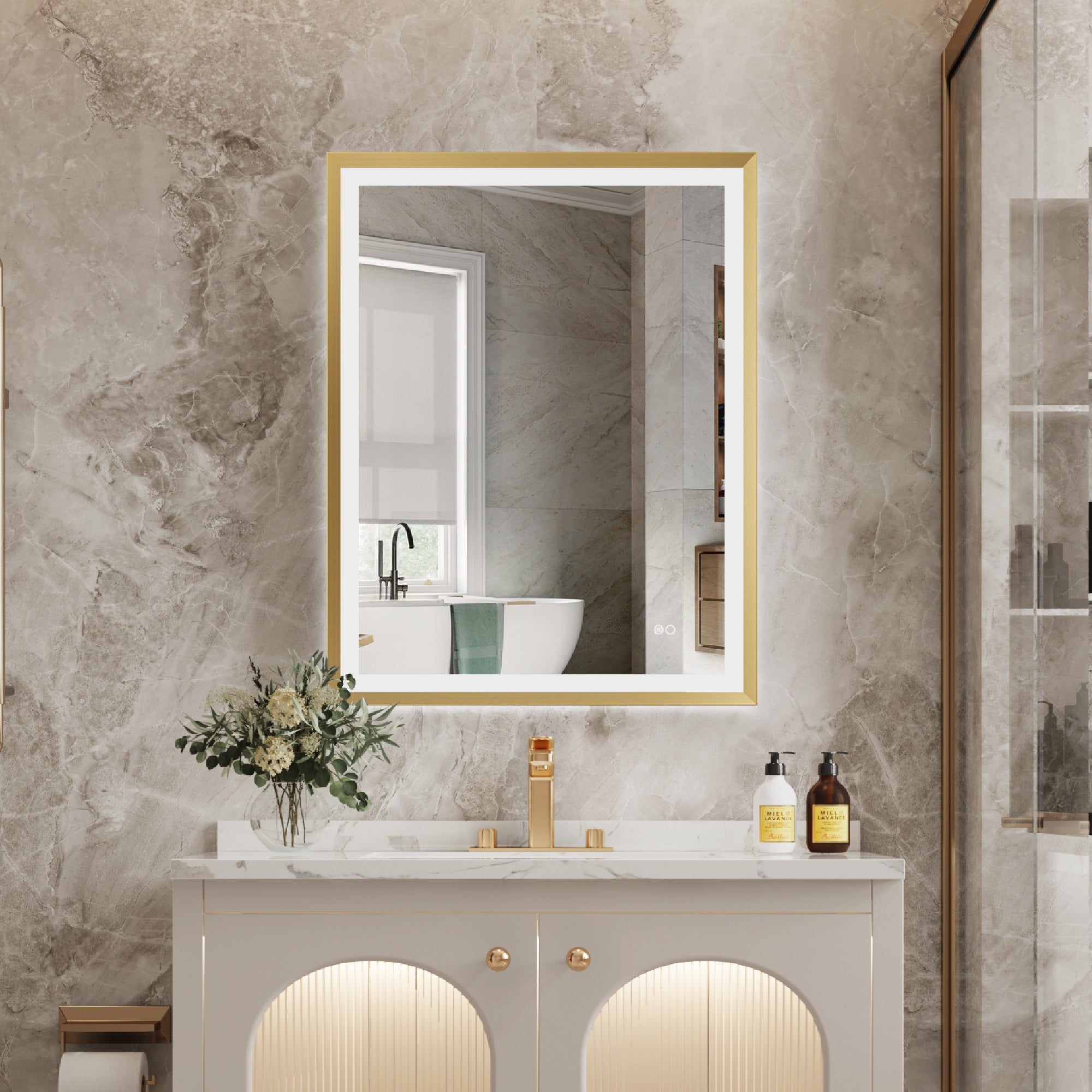
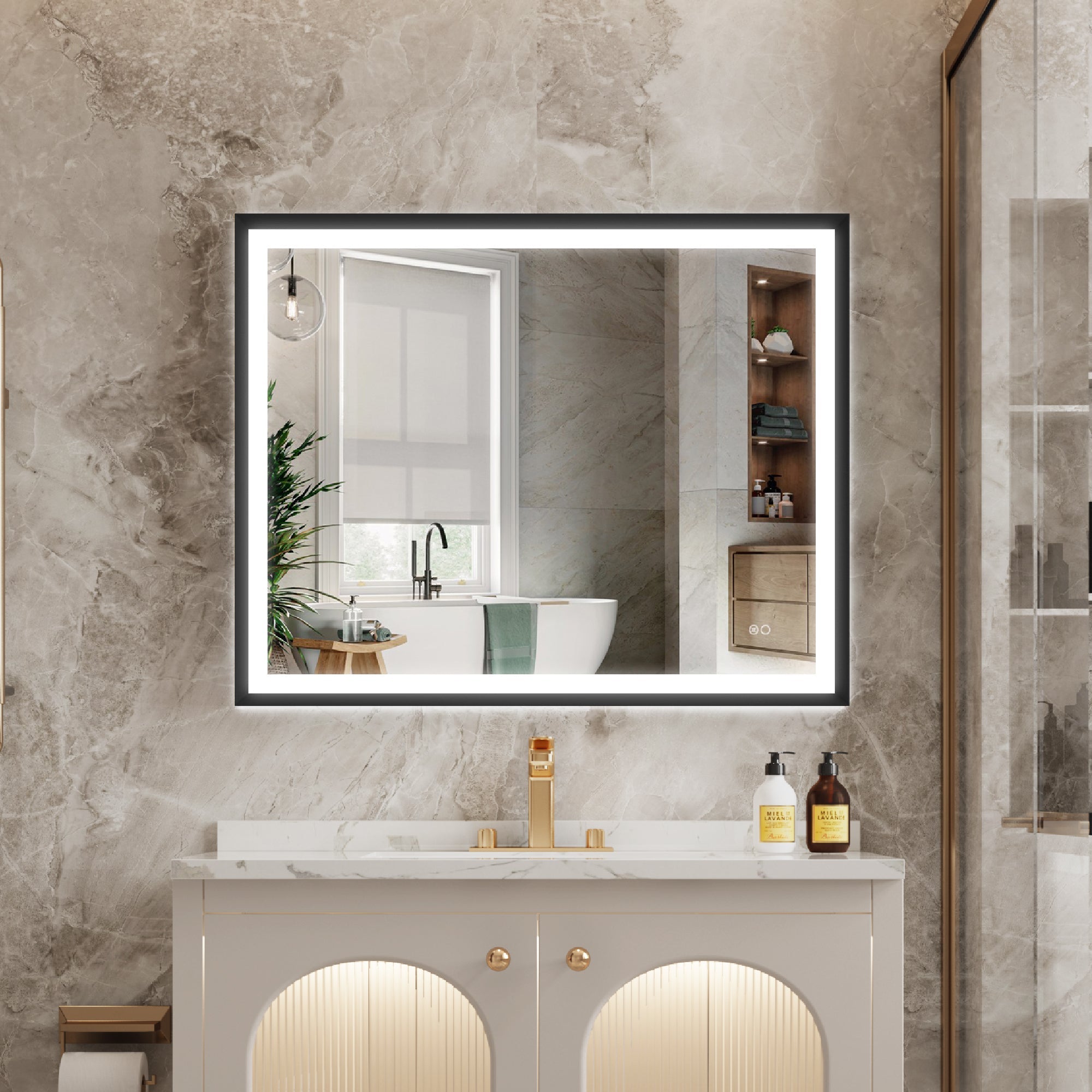
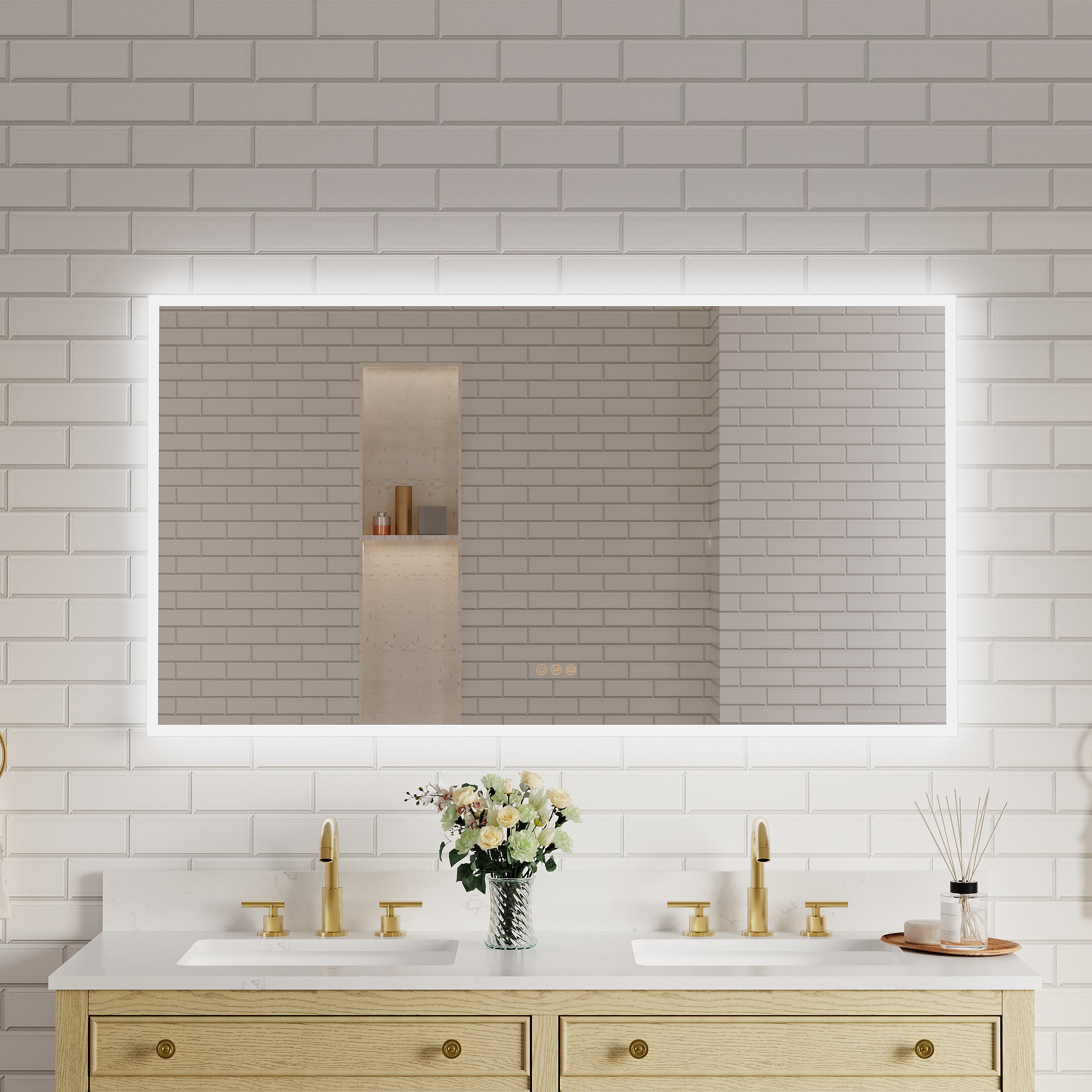
l Mirrors that extend beyond vanity width to expand perceived space
l Light wood tones or neutral finishes to avoid visual compression
These techniques help transform tight powder rooms into visually open, well-composed spaces.
When a 24-inch vanity is the right choice—and when it is not
A 24-inch vanity is ideal when:
l The room is under tight width constraints
l Door swings or hallway transitions limit layout flexibility
l The space functions primarily as a handwashing area
It may not be suitable when:
l The bathroom is a full primary or family bath requiring storage
l Dual-user functionality is needed
l There is sufficient wall length for a wider, more storage-rich vanity
The bottom line: small size, high design impact
A 24-inch bathroom vanity is one of the most efficient solutions for powder rooms and half baths because it accommodates real-world spatial constraints while maintaining functionality. In renovation environments where compact layouts are increasingly common, and efficiency matters more than ever, these vanities provide a balanced answer: a minimal footprint, essential storage, and a strong visual presence.
When properly selected and installed, a 24-inch vanity does more than fit into a small room—it helps define it, turning an awkward corner of the home into a purposeful, well-designed space.











Leave a comment
This site is protected by hCaptcha and the hCaptcha Privacy Policy and Terms of Service apply.