














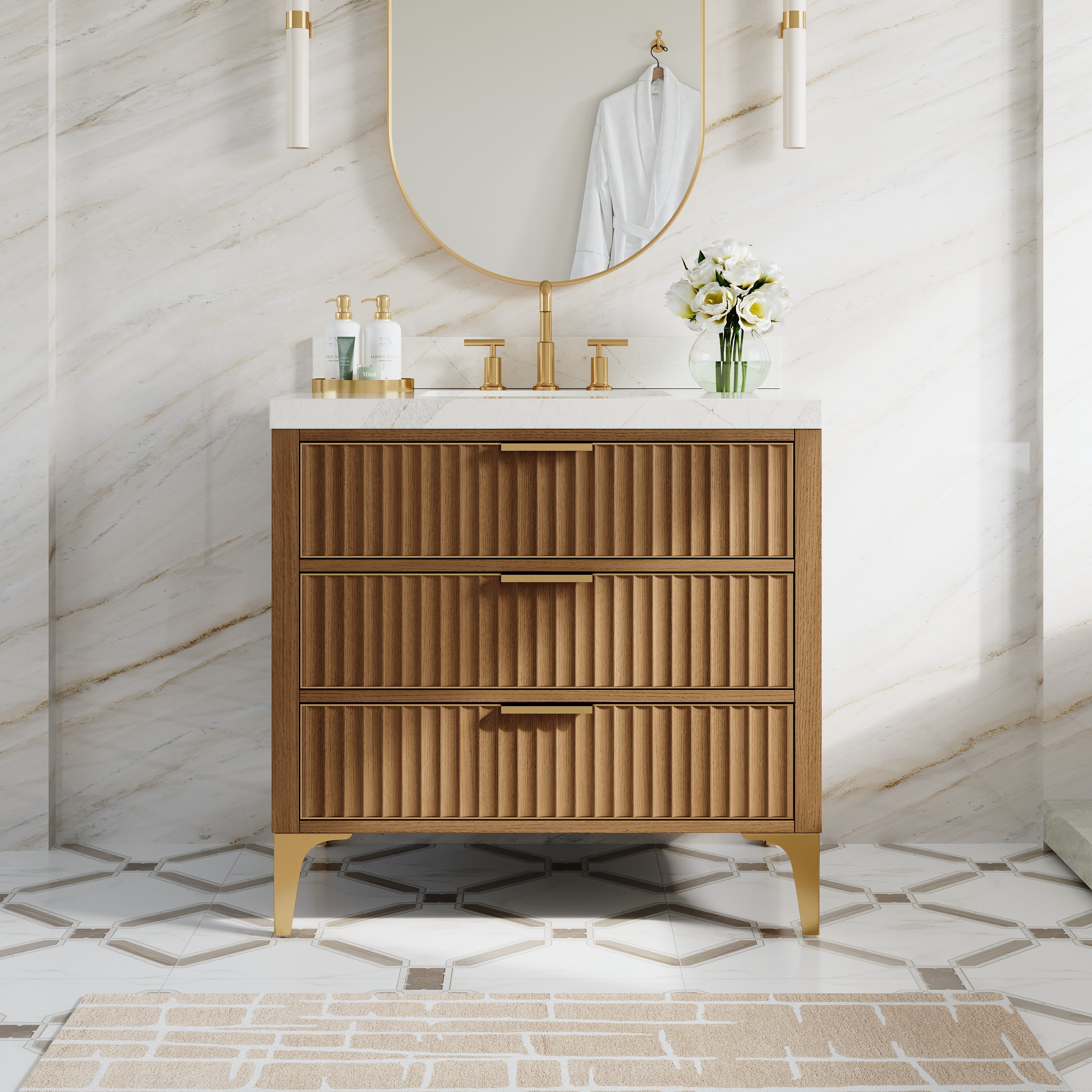
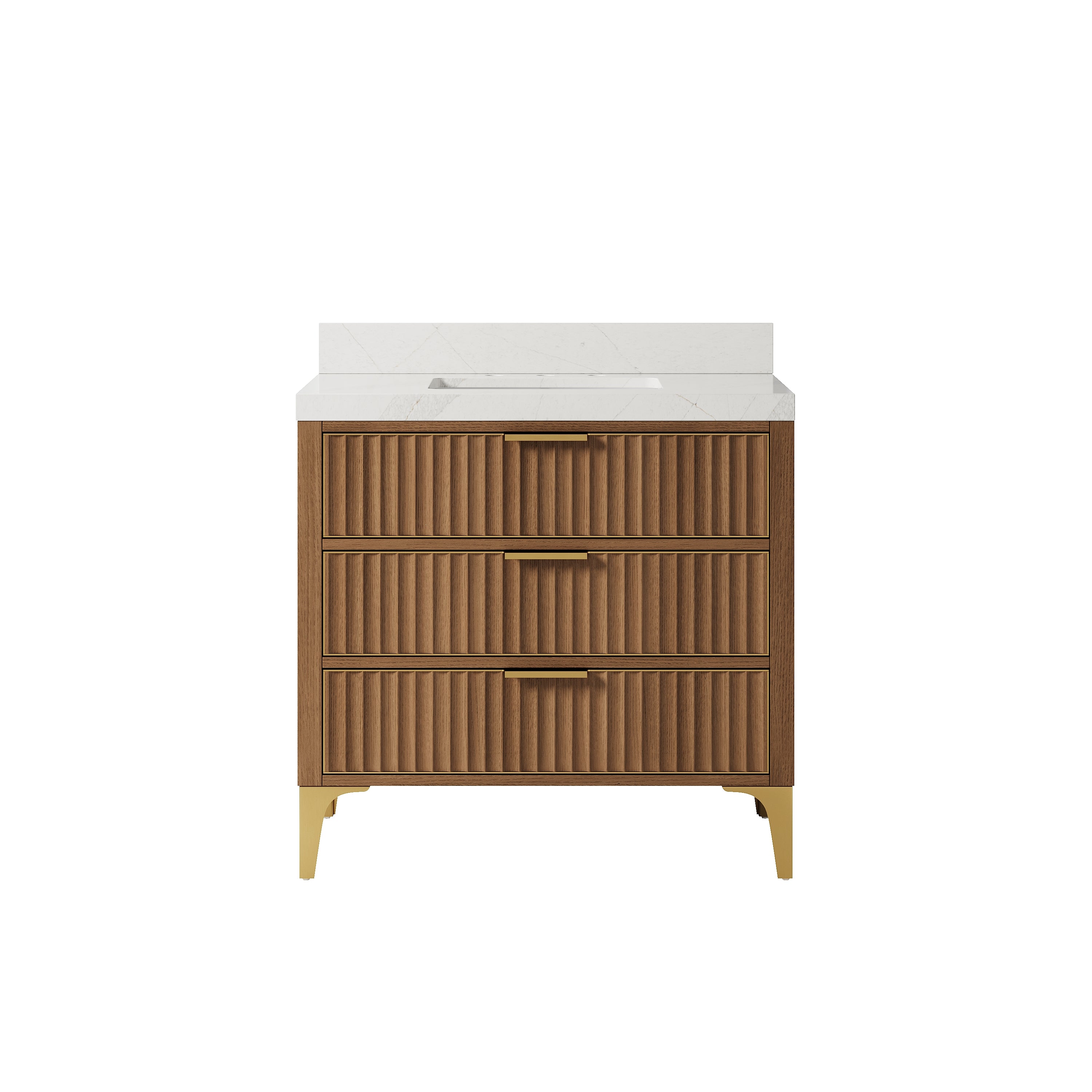
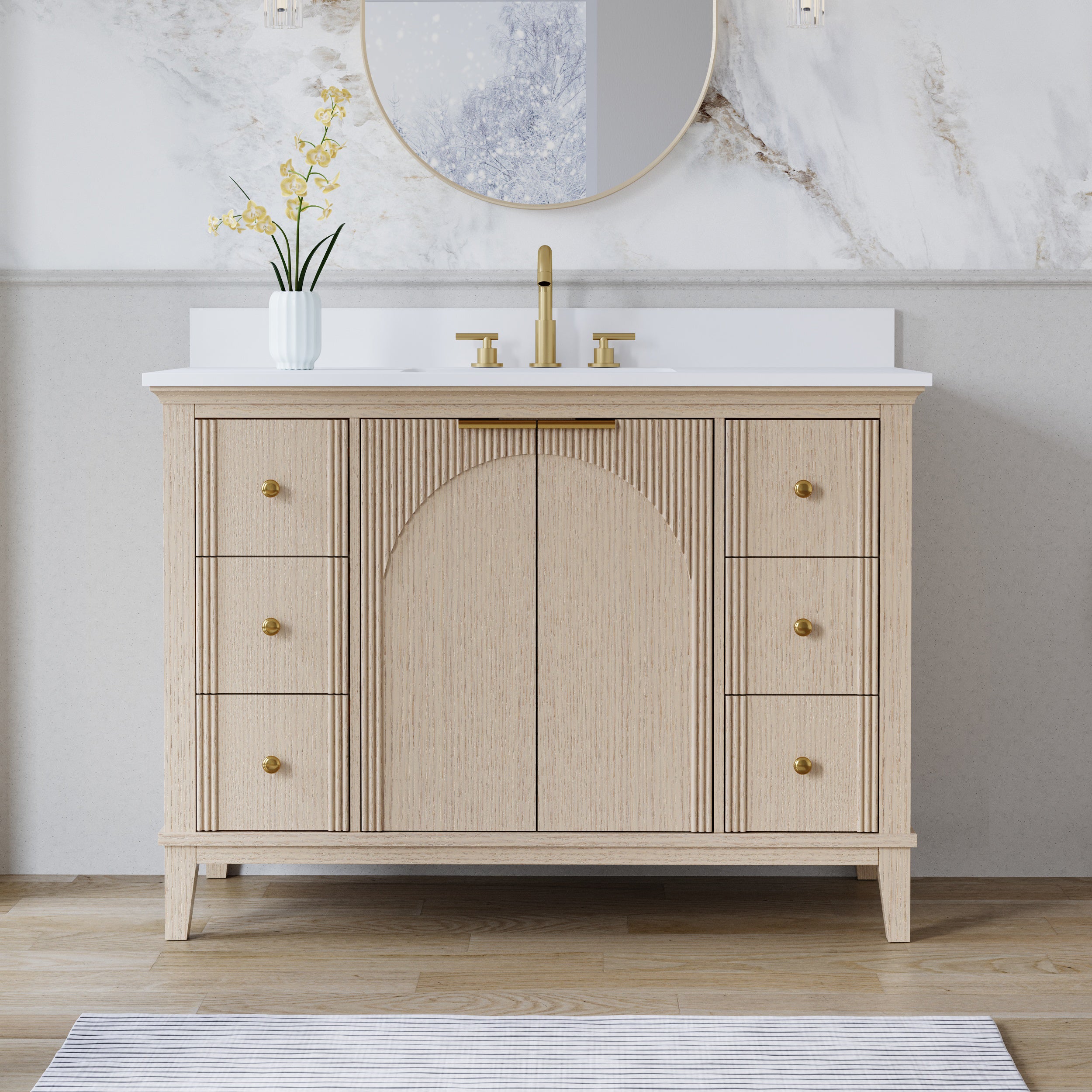
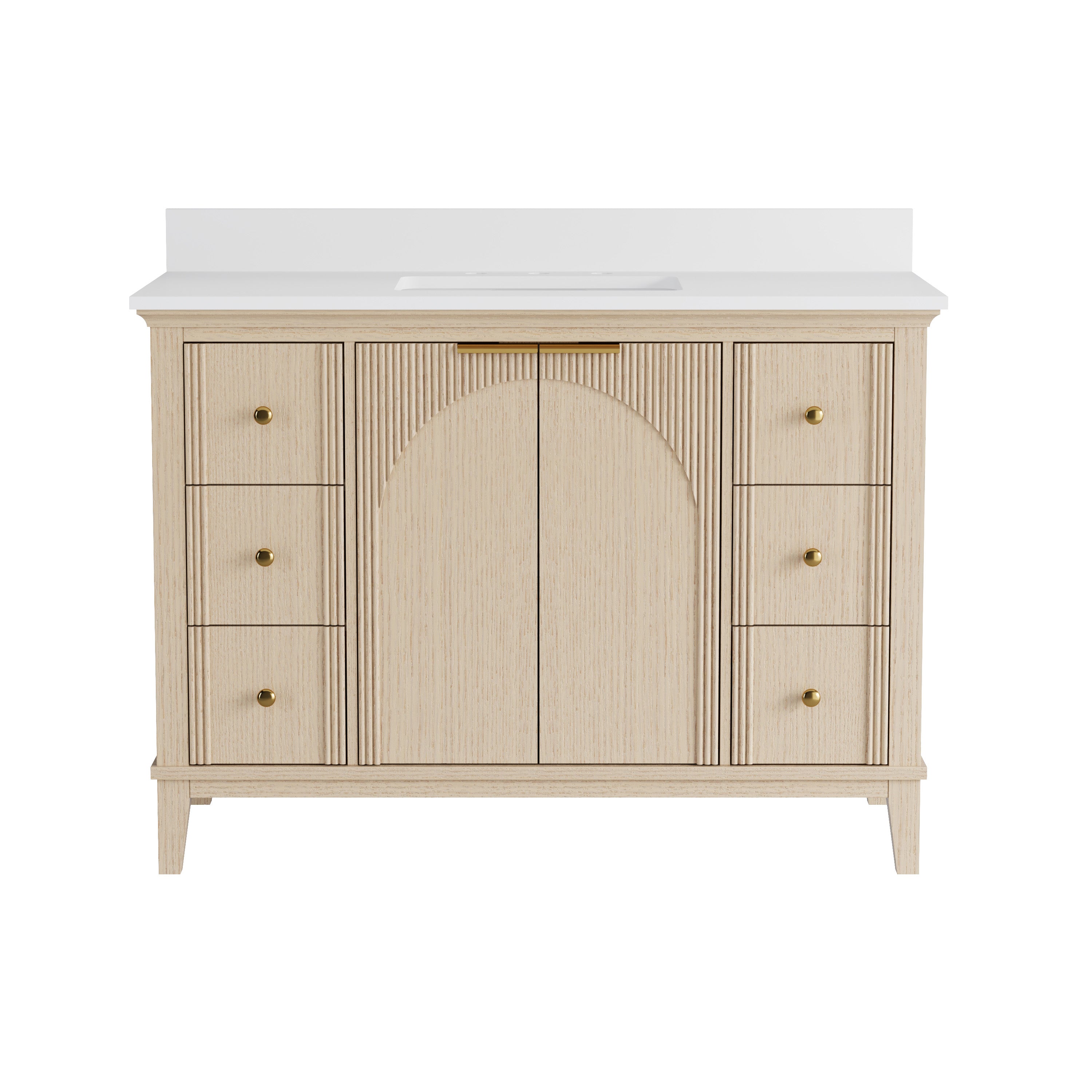
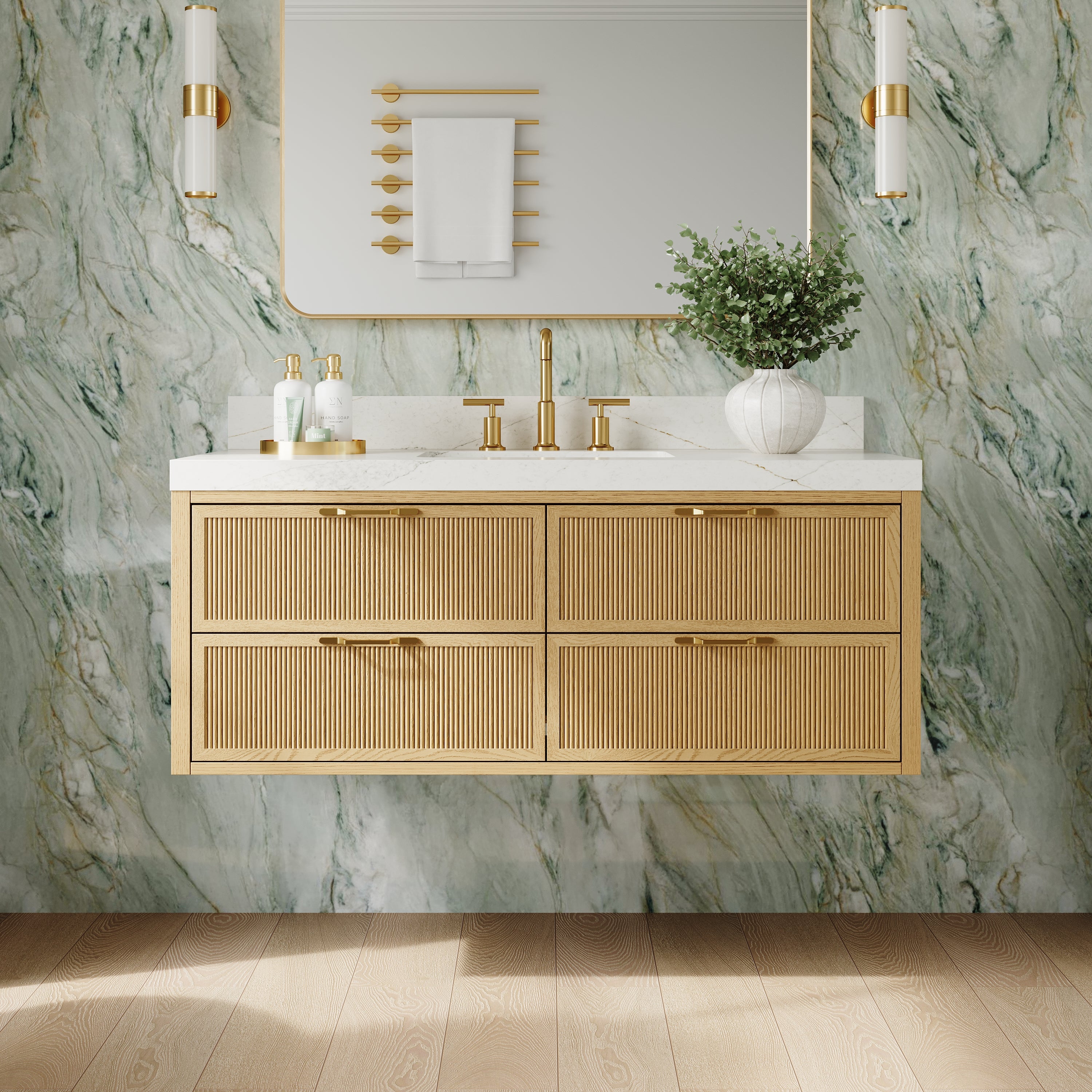
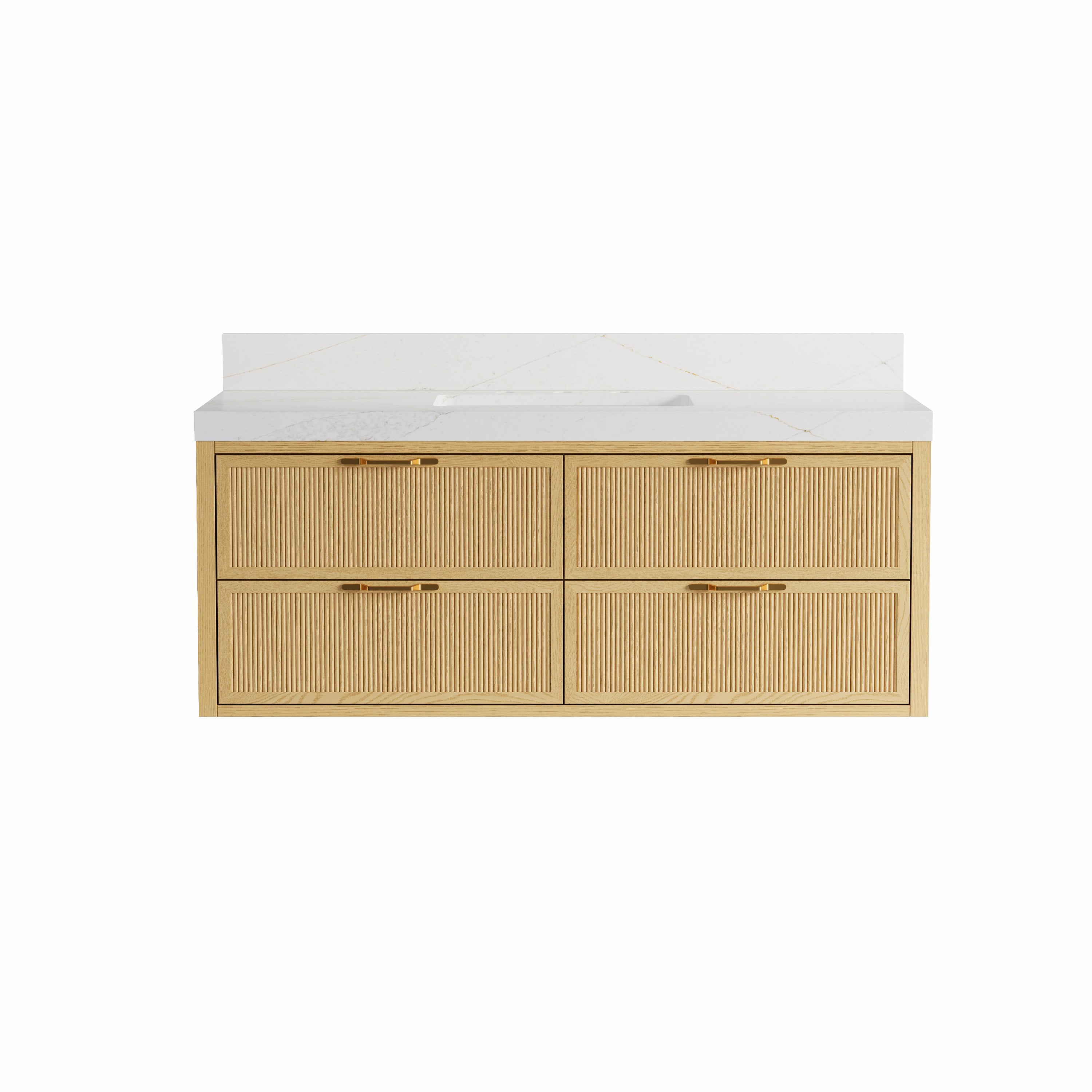


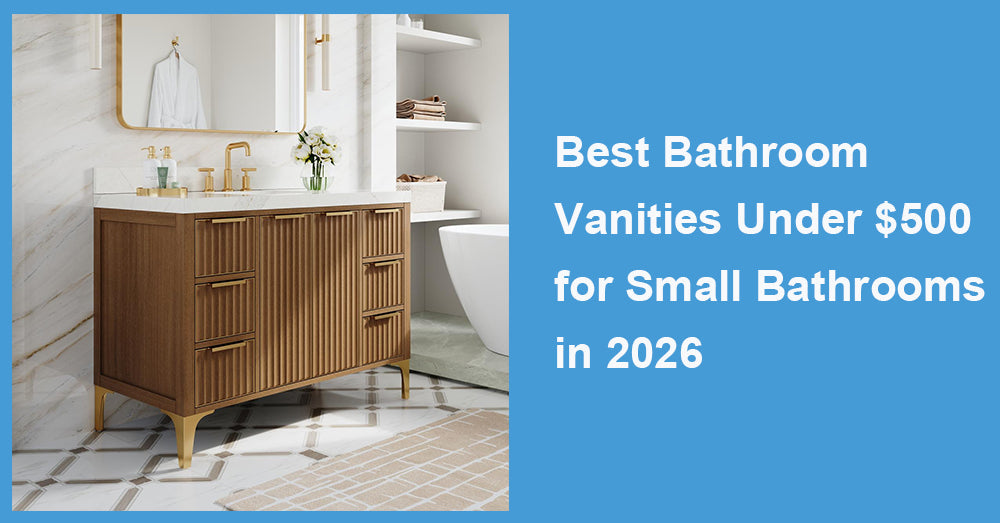
Finding the best bathroom vanities under $500 for small bathrooms in 2026 is less about chasing the lowest price and more about getting the size, storage, and construction details right. In small bathrooms, a vanity can either solve the room or make it feel tighter, darker, and harder to use every single day.
I have seen this happen in powder rooms, guest baths, apartment renovations, and compact primary bathrooms where every inch matters. People often focus on finish color first. That is usually the wrong place to start.
What matters most is how the vanity works at 6:30 in the morning, when the counter is wet, the room is busy, and you need fast access to toiletries without bumping your knees on a door swing. A budget vanity can absolutely do that well. It just needs to be chosen with more discipline.
Industry trends are moving in the same direction. Houzz reported that its 2025 U.S. Bathroom Trends Study surveyed 1,737 homeowners, and 84% of renovating homeowners hired professionals for their bathroom projects. The same study found that 68% considered special needs in their bathroom plans, which says a lot about how strongly function is shaping bathroom design right now. (Source: Houzz)
How to Spot the Best Bathroom Vanities Under $500 for Small Bathrooms in 2026
In this price range, I would not expect luxury joinery, premium hardwood construction, or thick natural stone tops. That is not realistic. What I do expect is smart sizing, decent moisture resistance, usable drawer or cabinet space, and a top that is easy to live with.
For most small bathrooms, the sweet spot is usually a vanity between 18 and 30 inches wide. A 24-inch model works well in tight powder rooms. A 30-inch vanity can be a better fit when you need a little more countertop and daily storage without overwhelming the layout.
Depth matters just as much as width. A vanity that is too deep can crowd the toilet zone or narrow the walkway so much that the room feels awkward. I tell buyers to stop thinking in showroom terms and start thinking in movement paths. Can you open the cabinet door without hitting the toilet? Can two people pass comfortably? Can you stand squarely at the sink?
That is what separates a smart buy from a frustrating one.
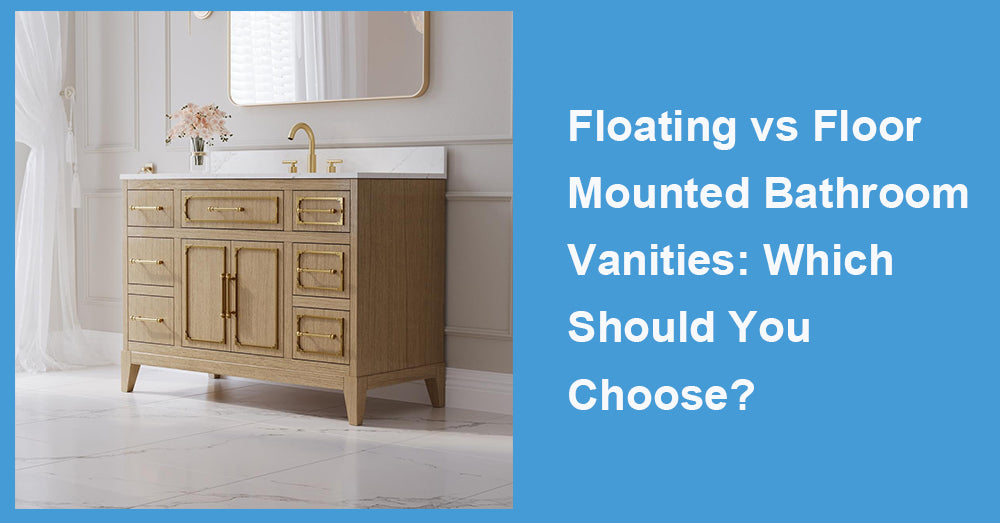
The strongest options under $500 usually fall into three categories: compact freestanding vanities, simple floating vanities with clean lines, and narrow-depth storage vanities designed for powder rooms. If you want the room to look visually bigger, a floating vanity helps because it leaves more floor exposed. If you want easier installation and more value for the money, a freestanding vanity is often the better deal.
I would also pay attention to finish trends, but only after the basics are handled. Houzz reported in 2025 that searches for white oak storage solutions rose for bathroom vanities by 20%, while searches for vintage bathroom vanities spiked 4x year over year. That lines up with what many of us are seeing in the market: buyers want warmth, texture, and character, not just plain white boxes. (Source: Houzz)
What Actually Matters More Than the Price Tag
Storage is first.
A beautiful small vanity that cannot hold a hair dryer, extra soap, and daily grooming items is not doing its job. NKBA design trend reporting has pointed to the same shift, with demand for linen storage cabinets at 72% and vanities with hidden outlets at 62%, reflecting a stronger push toward concealed, functional storage. (Source: NKBA)
In real homes, that means drawers often beat open cabinet space. A drawer with organizers is easier to use than a deep hollow cabinet where everything gets lost behind the plumbing. Yet under-sink cabinet models still make sense when you need to store taller items like cleaning bottles or bulk toilet paper.
The countertop matters too. In the under-$500 range, you will usually see ceramic, cultured marble, sintered stone look surfaces, or thinner engineered tops. Ceramic is easy to clean and works well in compact bathrooms. Cultured marble gives a more traditional look, but the finish quality varies. Thin tops can look sleek, though some feel less substantial in person.
Material expectations need to stay realistic. If a vanity is priced aggressively, it may use MDF, particleboard, plywood components, or a mixed-material construction. That is not automatically bad. A well-made engineered-wood vanity can perform perfectly well in a small bathroom with decent ventilation. The problem is not the label. The problem is poor sealing around edges, weak hardware, and bad assembly.
Common Mistakes I See in Small-Bath Vanity Shopping
The first mistake is buying too wide.
The second is assuming open shelves equal storage. They do not. Open shelves look airy in photos, but in everyday use they collect dust, show clutter, and often make a tiny bathroom feel busier.
The third mistake is overpaying for the wrong upgrade. Soft-close drawers are nice. So are integrated organizers. But neither matters much if the vanity leaves no room to move.
Another common misunderstanding is thinking custom is the only way to get a good fit. It usually is not. Houzz notes that custom bathroom vanities commonly range from about $3,450 to $12,100, which puts them far outside the budget most shoppers have when targeting a sub-$500 vanity. That is why stock vanities with the right width, shallower depth, and practical storage layout are often the smartest move in small bathrooms. (Source: Houzz)
Which Vanity Styles Make the Most Sense Under $500
If the bathroom is used daily, I like a simple freestanding vanity with one or two drawers and a clean, wipeable top. This is the safest choice for most households. It gives you usable storage, easier plumbing access, and fewer installation surprises.
If the room is a powder room, a floating vanity can be excellent. It makes the floor line feel longer, which helps the room read as larger. The trade-off is storage. Many affordable floating vanities look better than they function, so I would only choose one if you do not need to keep much inside.
If the bathroom serves kids, renters, or frequent guests, I lean toward durable over delicate. Skip ornate legs, fussy grooves, and overly trendy finishes that show wear too quickly. Matte finishes tend to hide fingerprints better than glossy ones, especially on darker colors.
Here is the honest pros-and-cons view.
A budget vanity under $500 can save money, improve storage, freshen the room, and make a small bathroom feel more organized. It can also come with thinner materials, flatter hardware, and a shorter expected lifespan than a higher-end piece. That does not make it a bad purchase. It just means you should buy it for the right setting.
It is a strong fit for guest baths, powder rooms, apartments, budget-conscious remodels, quick refresh projects, and smaller family bathrooms with reasonable ventilation.
It is a weaker fit for high-moisture bathrooms with poor airflow, luxury remodels where every finish is elevated, or households that are especially hard on cabinetry and need heavier-duty construction.
Installation and Maintenance Advice That Saves Trouble Later
Before ordering, confirm four things: finished width, finished depth, plumbing location, and door or drawer clearance. I have seen buyers choose the right vanity size and still run into problems because the drain line sat too low or the supply lines interfered with drawer boxes.
Wall condition matters more than many people realize. If you are installing a floating vanity, the wall needs proper support. If the floor is uneven, a freestanding vanity may need shimming before the countertop sits level.
Seal around the backsplash or rear edge if the design leaves any splash-prone gap. Water damage in budget vanities usually starts slowly. It is often not dramatic. It shows up as swelling at the bottom edge, peeling near the toe kick, or bubbling where repeated drips were ignored.
Daily maintenance is simple. Wipe standing water. Do not let soaked bath mats sit against the vanity base. Clean with a mild, non-abrasive product. Tighten hardware once in a while. And if your bathroom has weak ventilation, fix that problem early. Even a well-priced vanity will age badly in a room that stays damp.

Conclusion
The best choice is rarely the flashiest one. In a small bathroom, I would rather have a well-sized vanity with practical storage and a durable top than a trend-driven piece that photographs nicely and annoys you every morning.
For most shoppers in 2026, the best bathroom vanities under $500 for small bathrooms will be the models that keep the width compact, use storage intelligently, and stay honest about material quality. If you are comparing options from Wellfor, start with fit, storage layout, and top material before color or hardware. That order usually leads to a vanity you will still be happy with long after the remodel dust is gone.












Leave a comment
This site is protected by hCaptcha and the hCaptcha Privacy Policy and Terms of Service apply.