
















Floating vs. floor-mounted bathroom vanities is one of those choices that seems easy until you are standing in the bathroom with measurements, plumbing locations, and storage needs in front of you. After years of working with homeowners, contractors, and product buyers, I can say this decision affects much more than appearance. It changes how the room feels, how easy it is to clean, how much it can store, and how complicated the installation will be.
Many people assume floating vanities are always the better modern option, while floor-mounted vanities are just the practical fallback. Real projects are rarely that simple. Both styles can work well. Both also come with limits that are easy to miss when you are only looking at product photos.
That shift toward function is showing up across the industry. According to Houzz, 84% of homeowners hire professionals for bathroom renovations, and 68% consider special needs in their bathroom plans.
(Source: Houzz)
Floating vs. Floor-Mounted Bathroom Vanities in Real Daily Use
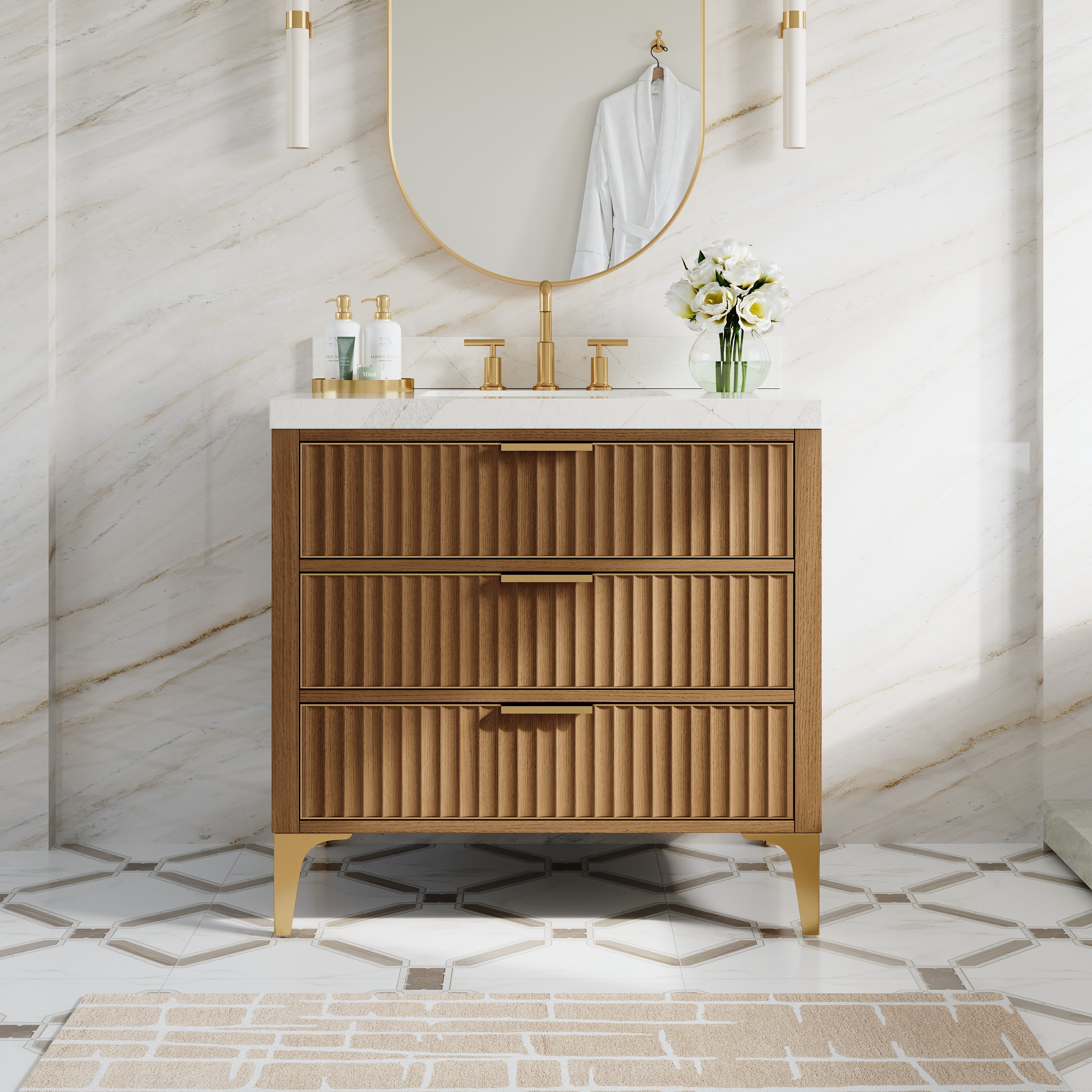
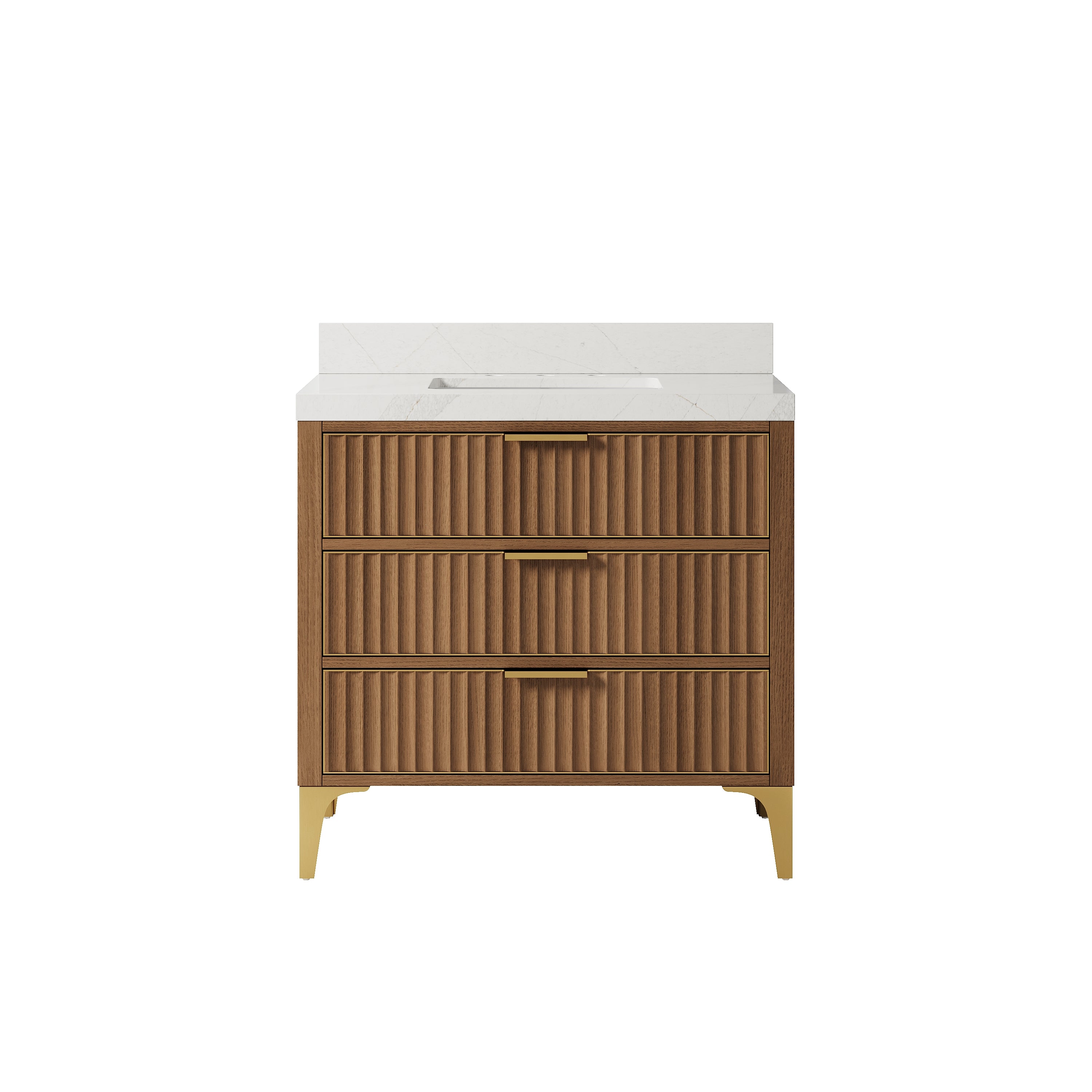
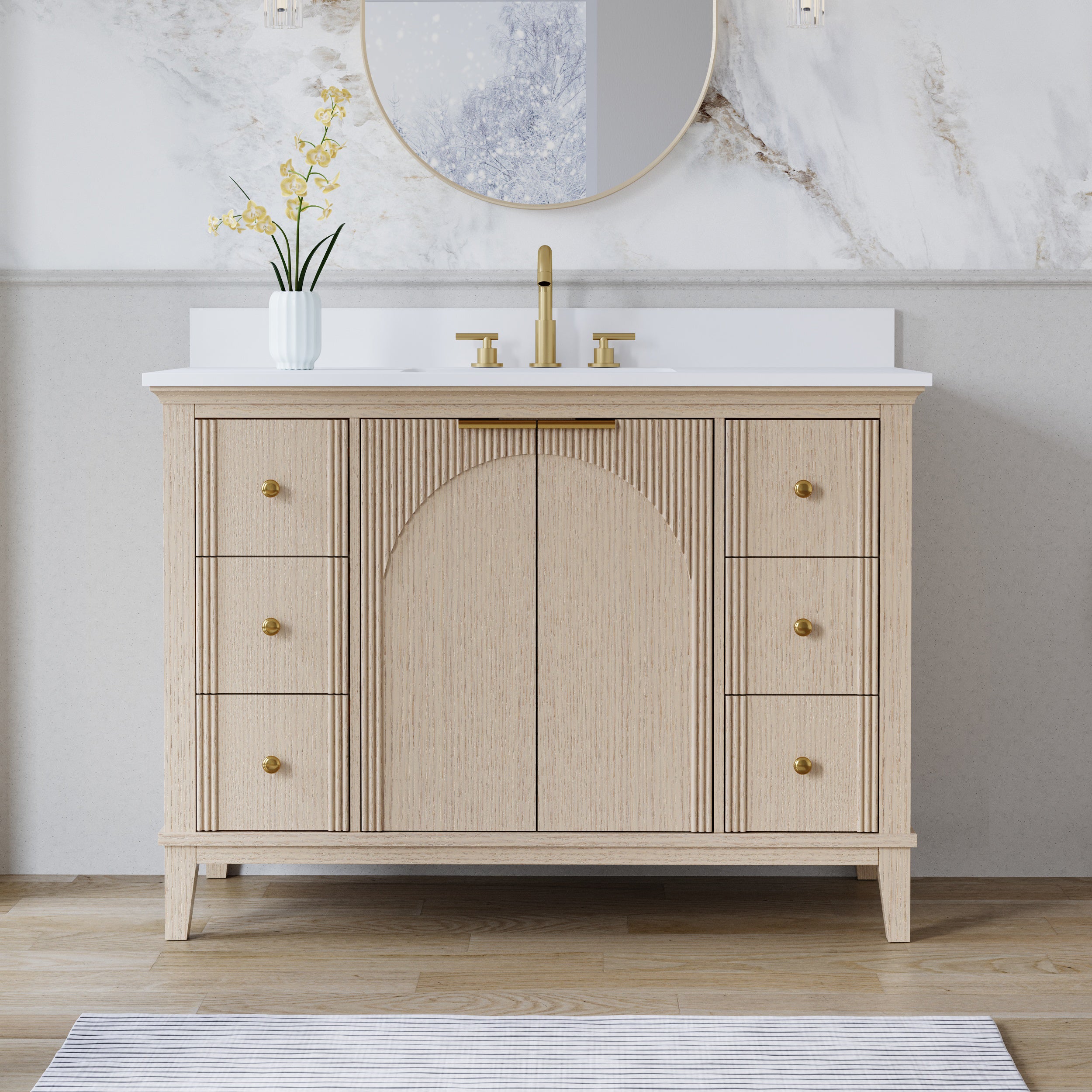
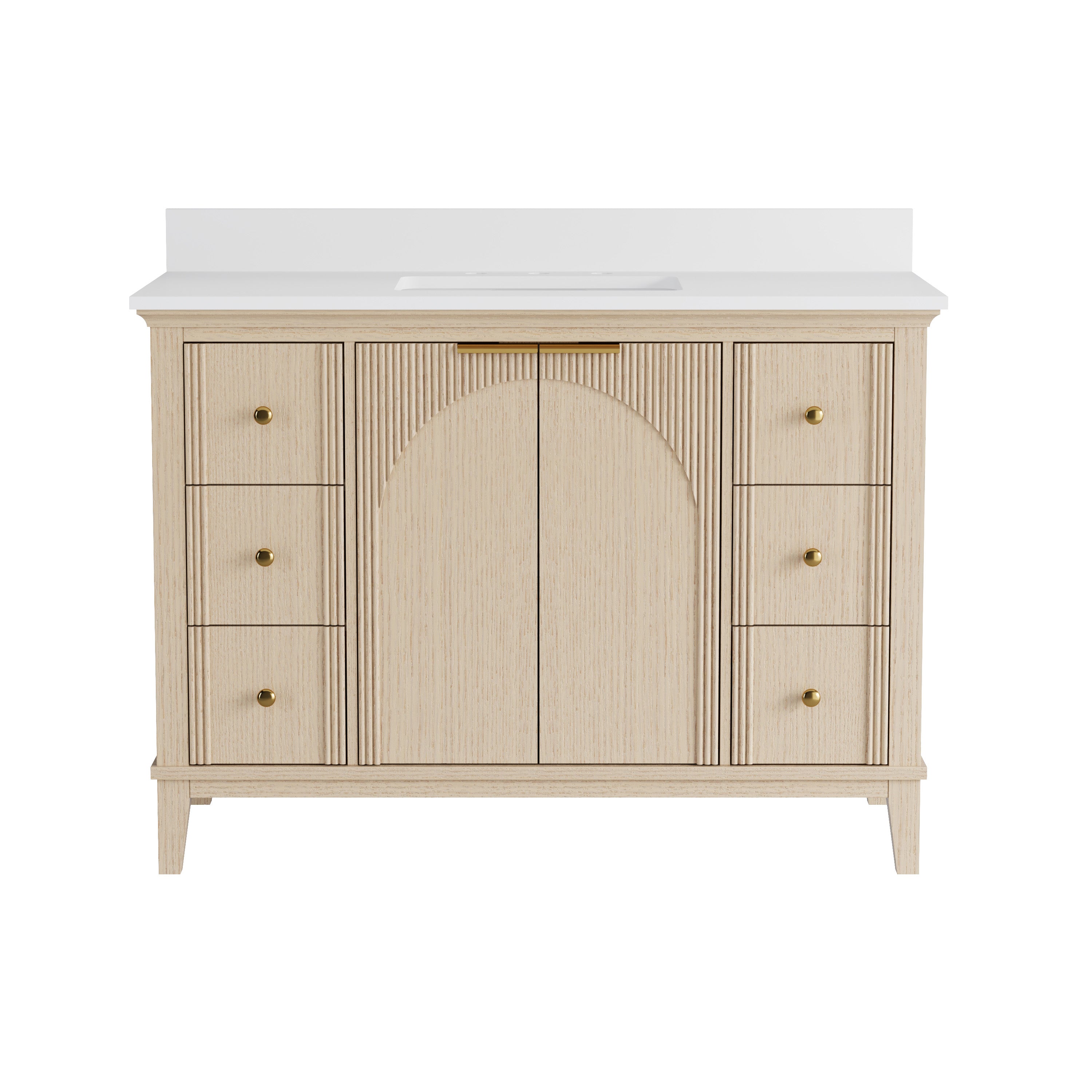
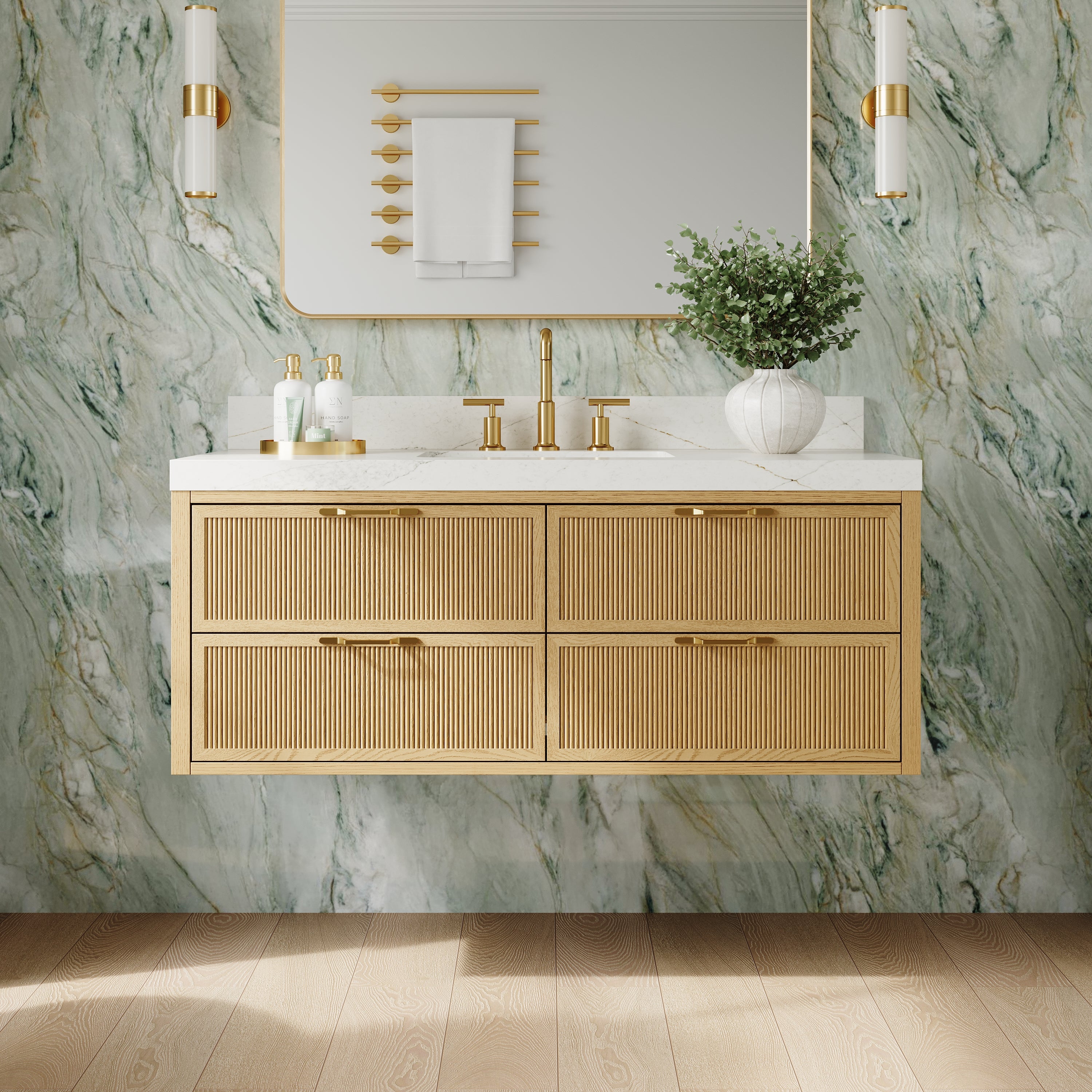
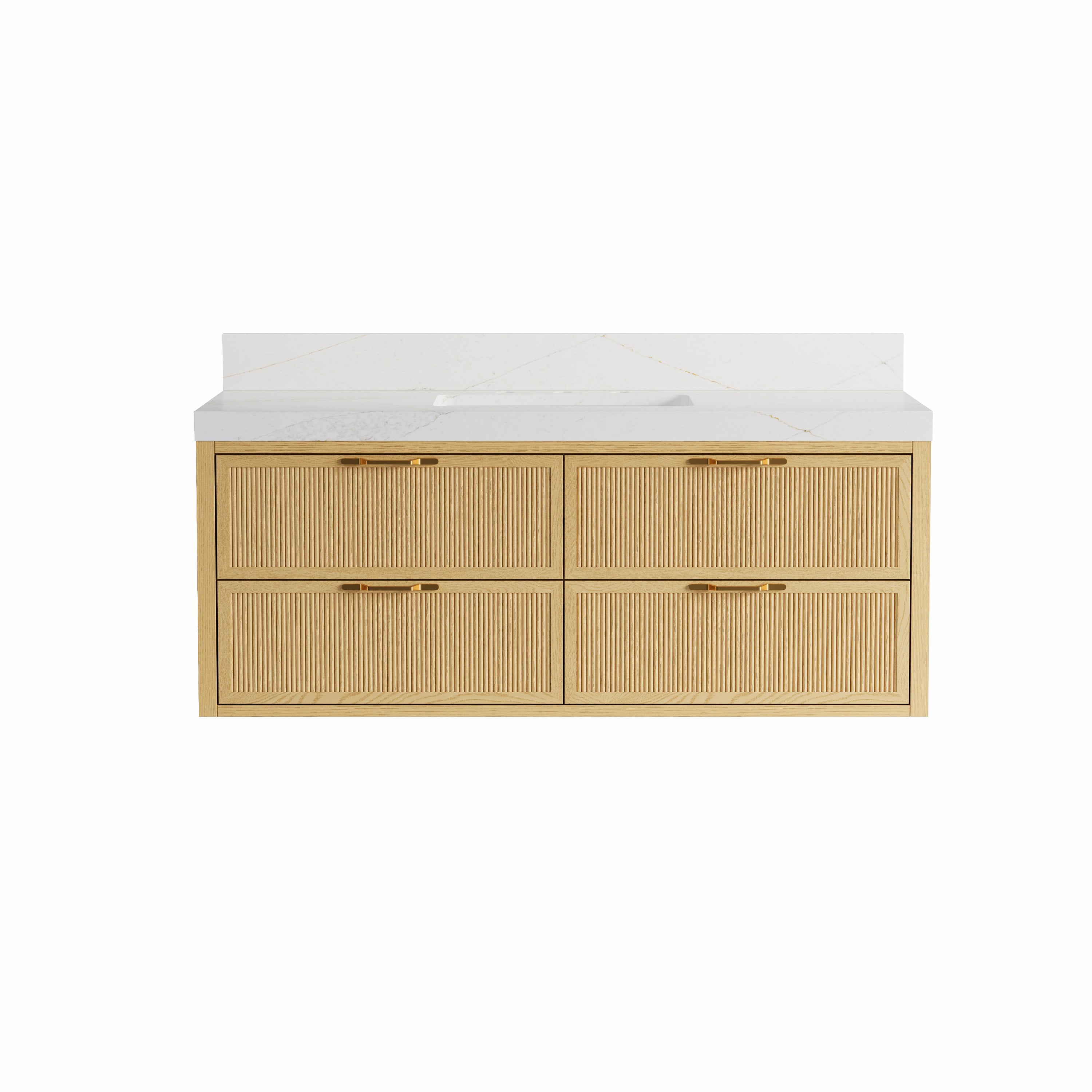
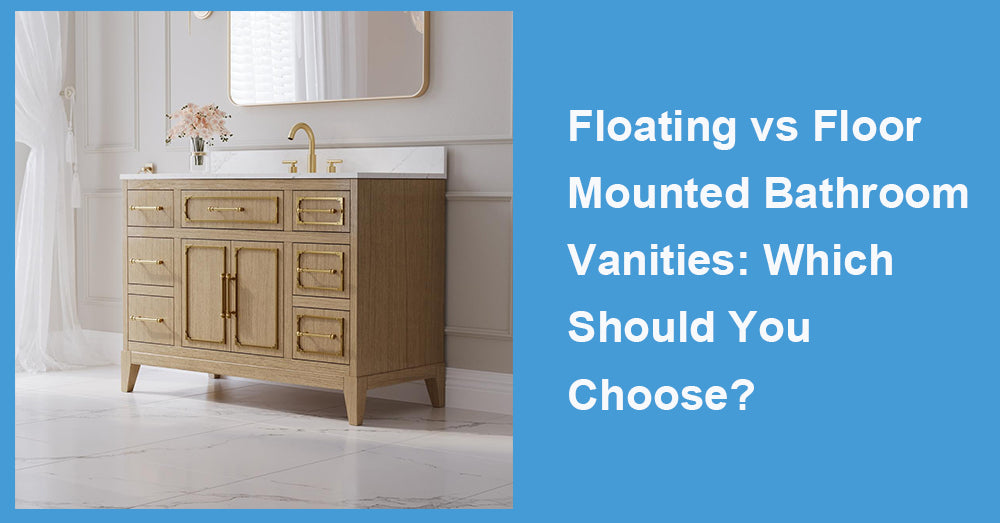
A floating vanity mounts to the wall and leaves open space below. A floor-mounted vanity sits on the floor, either with a full base, legs, or a furniture-style frame.
Floating vanities usually make a bathroom feel lighter. You see more floor, so the room often looks more open, especially in smaller layouts. In powder rooms or narrow bathrooms, that visual relief can make a real difference.
Still, the cleaner look comes with extra demands. The wall has to be strong enough to support the vanity properly. Plumbing placement also matters more than many buyers expect. If the rough-in is awkward or the wall needs reinforcement, the installation can become more involved than it first appears.
Floor-mounted vanities are usually more forgiving. They tend to be easier to install, especially in remodels where the plumbing is staying close to its original location. They also feel sturdier to many homeowners and usually offer more usable storage.
That is one reason I still recommend them often. They solve practical problems well.
According to NKBA, both floating and freestanding vanities with drawers remain strong bathroom design trends. That matches what many of us see in the market: one style has not replaced the other. Each serves a different kind of bathroom.
(Source: NKBA)
Where Each Style Works Best
If I am advising on a small guest bath or powder room, I often consider a floating vanity first. These rooms usually do not need much storage, and the open space below can keep the layout from feeling cramped.
In a busy family bathroom, I usually lean toward floor-mounted. You need room for toiletries, cleaning products, extra toilet paper, towels, and all the small items that build up over time. A vanity that looks light and minimal can become frustrating if it cannot hold what the room actually needs.
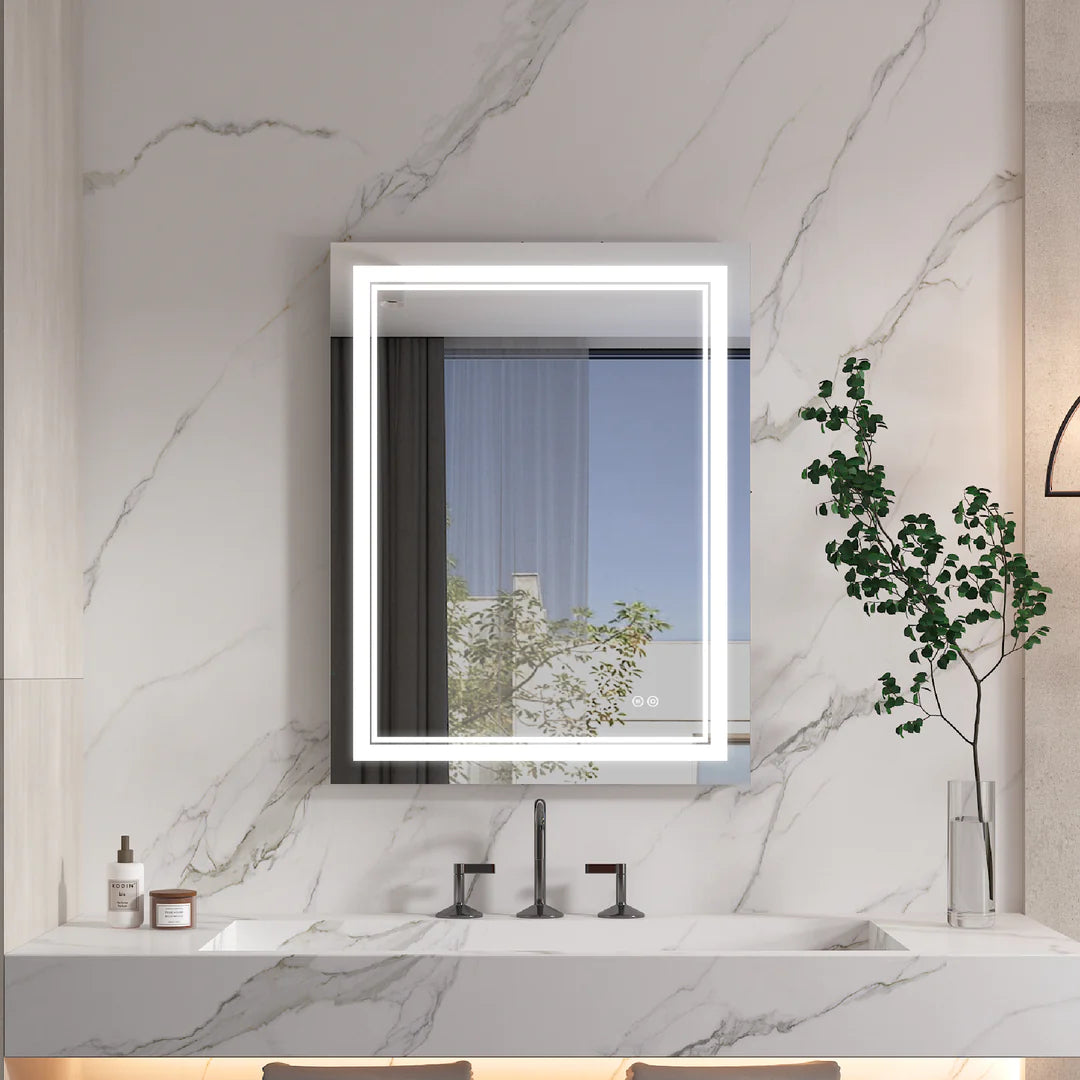
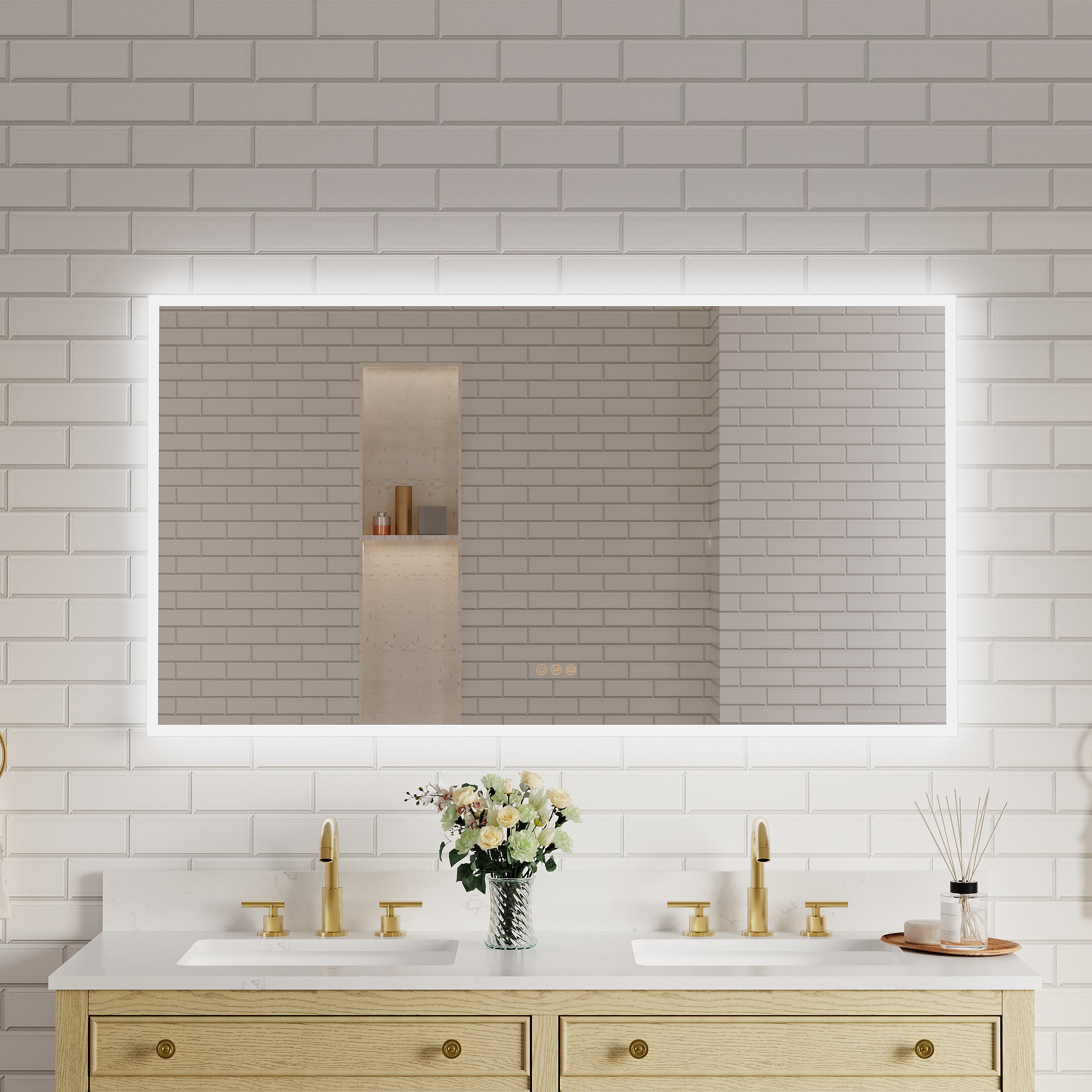
Floating vanities also work well in bathrooms where the design goal is clean, modern, and tailored. Paired with the right mirror and lighting, they can make the space feel sharper and more architectural.
Floor-mounted vanities are often better for older homes, value-focused remodels, and bathrooms where ease of installation matters. If the walls are not perfectly prepared or the floor is slightly uneven, this style is often the less stressful route.
Storage is one of the biggest deciding factors. According to NKBA, demand for hidden storage solutions, including linen storage cabinets and vanities with concealed outlets, has been increasing. Buyers want bathrooms that look calm but still work hard.
(Source: NKBA)
Common Mistakes Buyers Make
The biggest mistake is choosing by style alone.
A floating vanity may look ideal online, but it may disappoint in a bathroom that needs serious storage. A floor-mounted vanity may seem heavier in photos, but it performs far better in daily use.
Another mistake is assuming floating means simpler. It is simpler to clean under, yes. It is not always simpler to install.
Wall support matters. Mounting height matters. Plumbing alignment matters. If any of those are off, the project becomes less straightforward.
I also see people underestimate how they actually use the sink area. Some floor-mounted vanities are more comfortable to stand at because the base design allows better foot placement. Some furniture leg styles look elegant but reduce comfort.
And then there is the open-shelf issue. Open lower shelving beneath a floating vanity can look beautiful in a styled photo. In real life, it often collects baskets, bottles, and clutter.
Installation, Maintenance, and Long-Term Value
If you are starting a full remodel, either style can work. If you are doing a simpler replacement project, floor-mounted is often easier.
For floating vanities, I always recommend checking wall reinforcement before ordering. Not later. Before. If the vanity has a heavy countertop or deep drawers, proper support becomes even more important.
For floor-mounted vanities, I focus on floor level, clearance, and moisture exposure around the base. These units are easier to position, but if water regularly sits near the bottom edge, wear can show up faster than people expect.
Maintenance differs slightly between the two.
Floating vanities are easier to clean underneath. Hair, dust, and lint do not collect as easily, and the space feels less trapped. That matters in homes where bathroom floors need frequent cleaning.
Floor-mounted vanities usually hide plumbing more completely and protect stored items from dust. They also tend to feel more solid over time, which many homeowners appreciate.
According to NKBA’s 2026 research presented at KBIS, hidden and integrated storage remains a strong design priority. That helps explain why both styles remain relevant: each can support a cleaner, more organized bathroom, just in different ways.
(Source: NKBA)
How I Usually Advise People to Choose
If the bathroom is small, modern, and lightly used, a floating vanity is often worth considering.
If the bathroom is shared, heavily used, or storage-hungry, I would usually point you toward a floor-mounted.
If the wall condition is uncertain or the project needs to stay straightforward, floor-mounted is often the safer choice.
If the room feels crowded and you want it to look more open without changing the footprint, floating can be a smart move.
I also tell people to count what really needs to fit inside the vanity. Hair dryer. Backup soap. Skin care. Razors. Cleaning supplies. Extra hand towels. Once you do that honestly, the right direction becomes much clearer.
For many Wellfor customers, the decision comes down to this: do you want maximum visual openness, or the easiest path to practical storage and installation? Either can be the right answer if it matches the bathroom.

Conclusion
Start with the room, not the trend. Measure carefully. Check the wall. Look at the plumbing. Think about how much storage you really need, not how much you wish you could live without.
That is usually where the answer appears.
For some homes, floating vs. floor-mounted bathroom vanities is mainly a style decision. For most, it is a daily-use decision that affects comfort, storage, and maintenance long after the renovation is finished. Choose the one that fits your routine as well as your bathroom, and you will be happier with it every day.













Leave a comment
This site is protected by hCaptcha and the hCaptcha Privacy Policy and Terms of Service apply.