














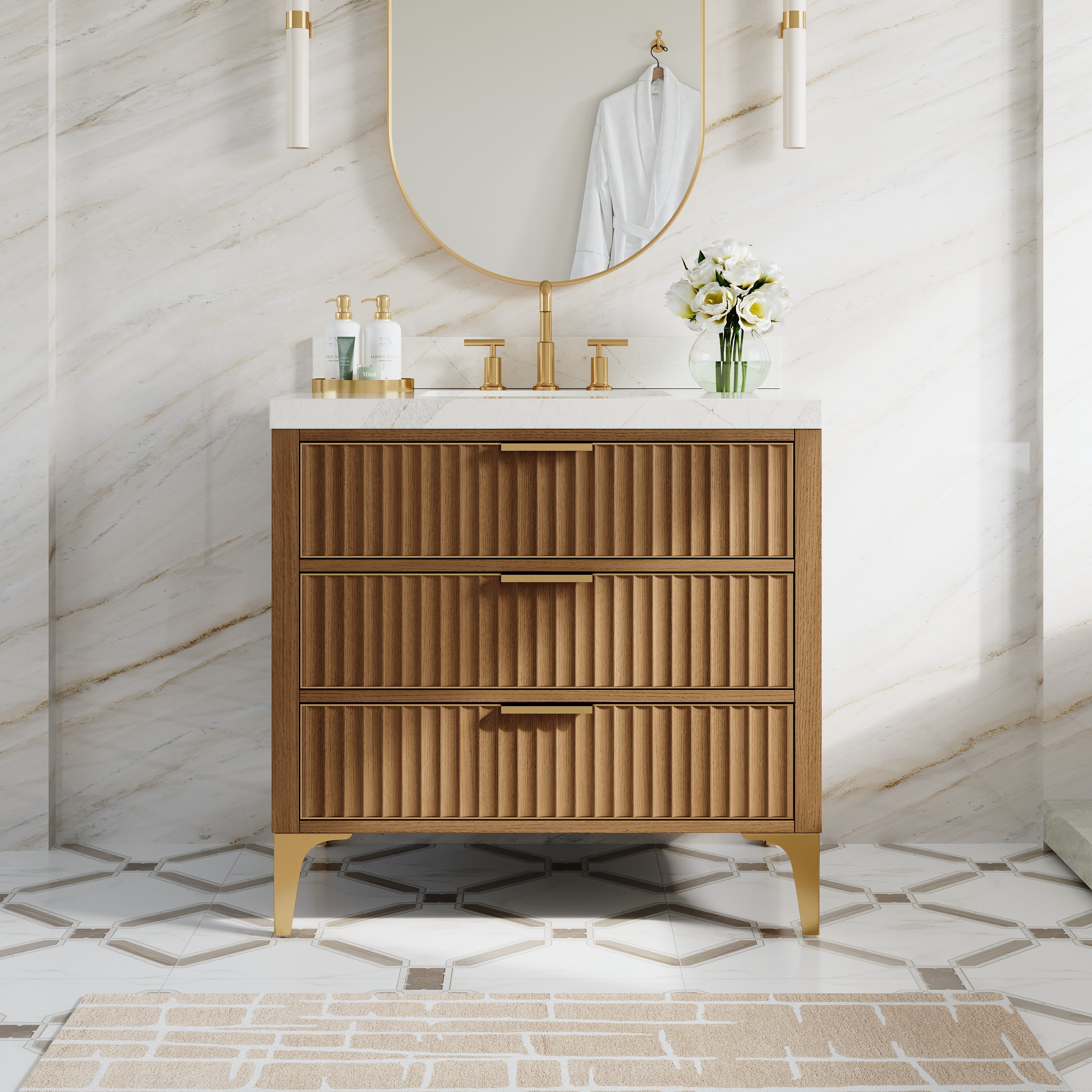
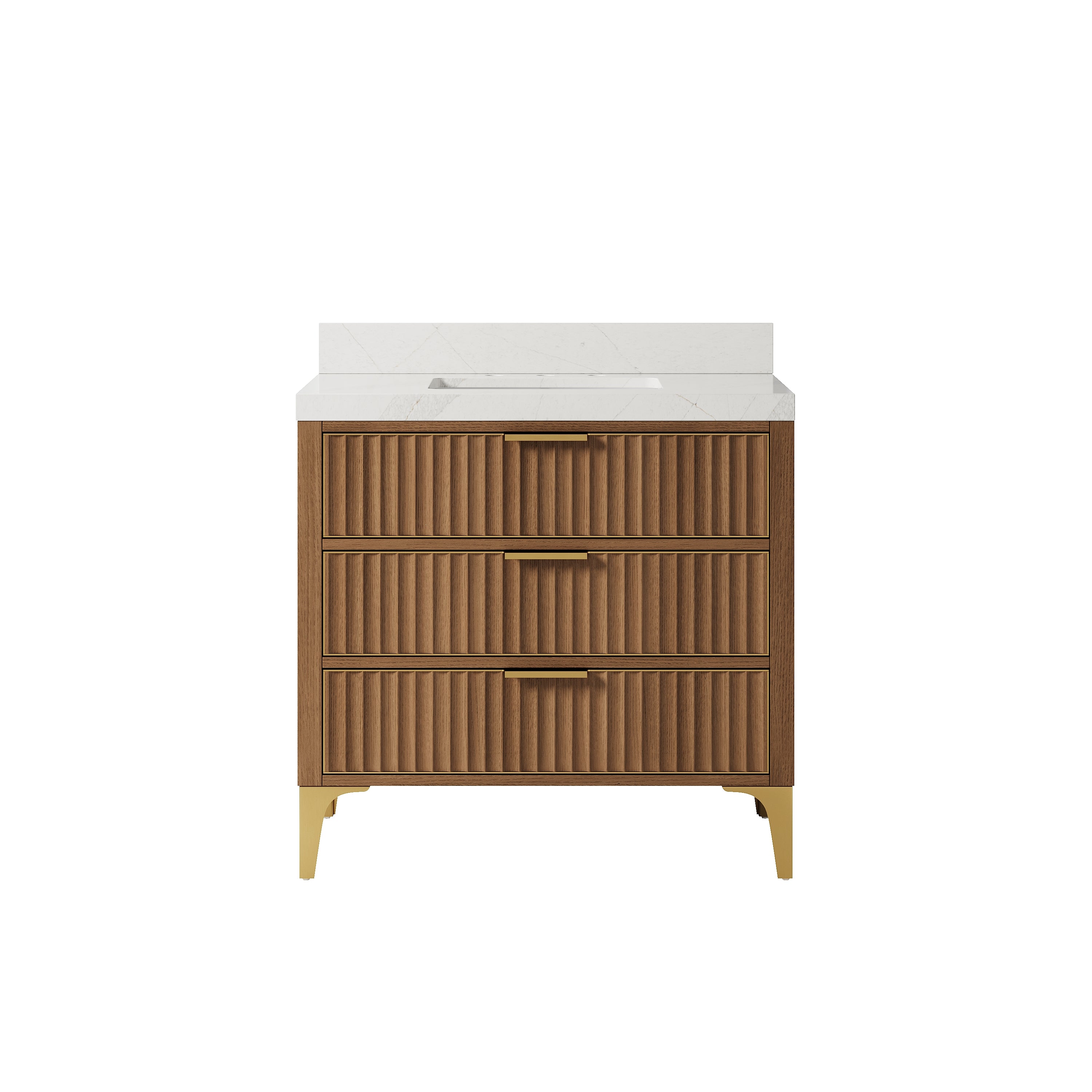
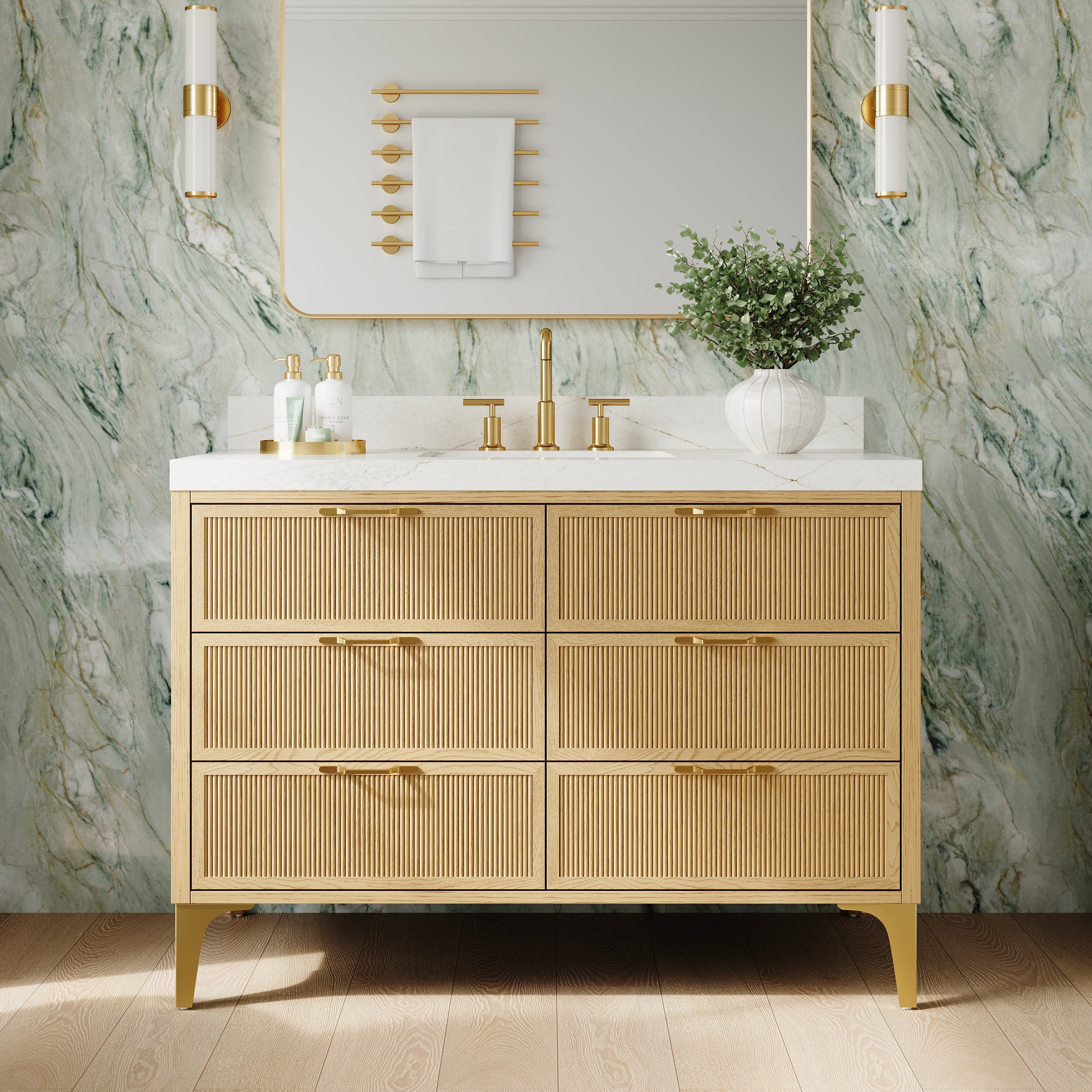
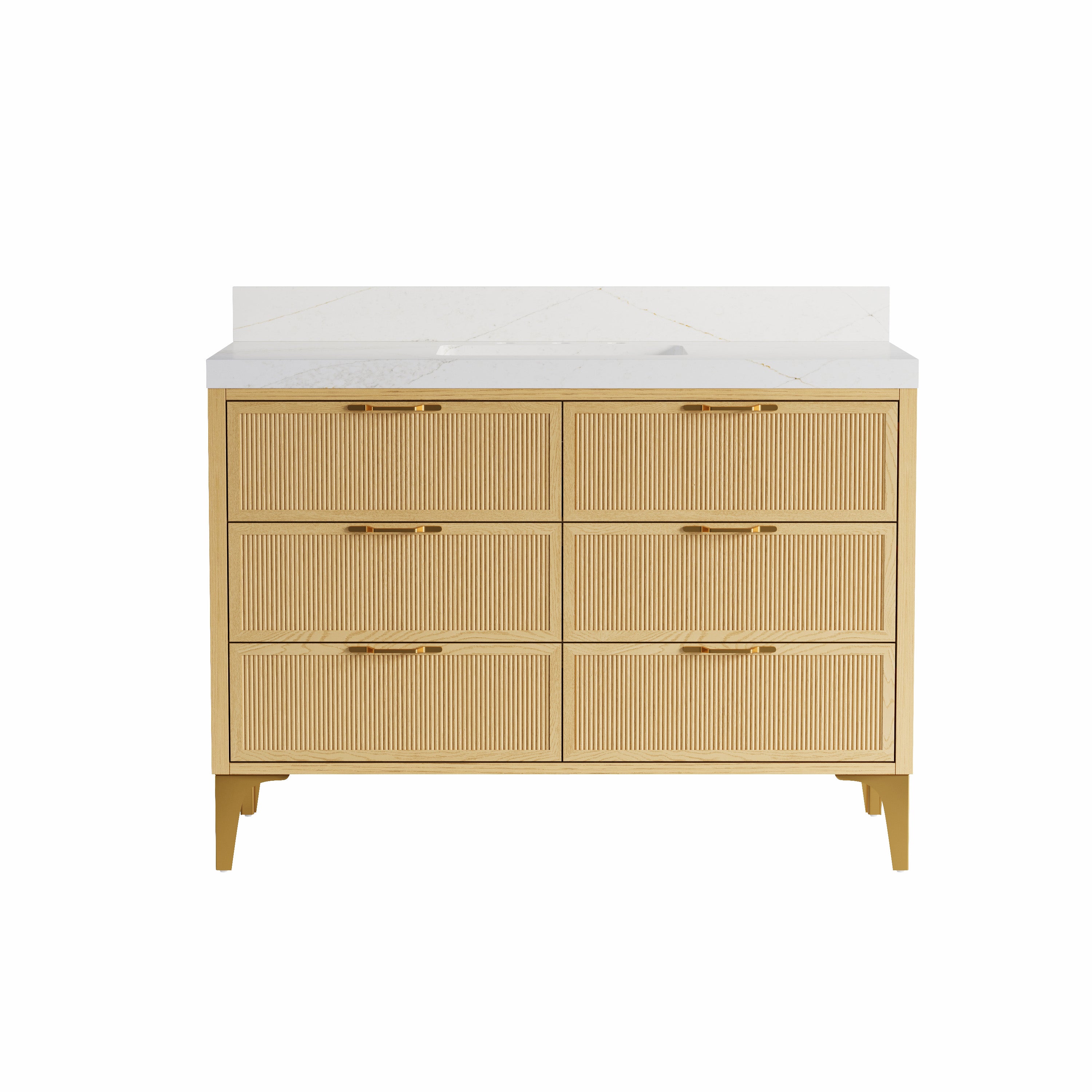


A bathroom vanity is usually one of the first pieces people notice in a finished bath, but it is also one of the easiest pieces to choose incorrectly. It has to support the sink, organize everyday items, cover plumbing, line up with the mirror and lighting, and still leave enough room to move comfortably. A cabinet that looks perfect in a product photo may feel too bulky after installation. A finish that looks stylish online may not hold up well around steam, splashes, and frequent cleaning. The best buying decision comes from matching three things at once: the right size for the room, the right style for the design, and materials that can withstand moisture over the years of use.
1. Measure the Space Before Choosing a Width
The most common mistake is shopping by width alone. Standard cabinet widths often include 24-inch, 30-inch, 36-inch, 48-inch, 60-inch, and 72-inch options. A compact powder room may only need a 24-inch or 30-inch cabinet. A guest bath often works well with a 36-inch or 48-inch model. A larger primary bath may have enough room for a 60-inch or 72-inch double-sink layout.
Depth should be checked just as carefully. Many full-size models are about 21 inches to 22 inches deep, while space-saving versions may be closer to 18 inches. Those few inches can make a big difference near a toilet, shower door, entry door, or narrow walkway.
Clearance is also part of good planning. The National Kitchen & Bath Association recommends allowing clear floor space around bath fixtures so the room can be used comfortably and safely. For practical shopping, that means checking the space in front of the cabinet, not just the wall behind it. Drawers, doors, towel bars, and nearby trim all need enough room to function. Source: NKBA Bathroom Planning Guidelines.
2. Match the Cabinet Size to Daily Use
A rarely used powder room and a busy shared bath need different solutions. In a small half bath, the main goal may be a clean look, a simple sink, and enough counter space for hand soap. A narrow cabinet with one door, one drawer, or an open lower shelf can be enough.
A family or primary bath needs more storage. Full-extension drawers are helpful because they bring items forward instead of letting them disappear in the back of a deep cabinet. Hair tools, skincare, extra towels, cleaning products, and grooming items are easier to manage when the storage is divided into usable zones.
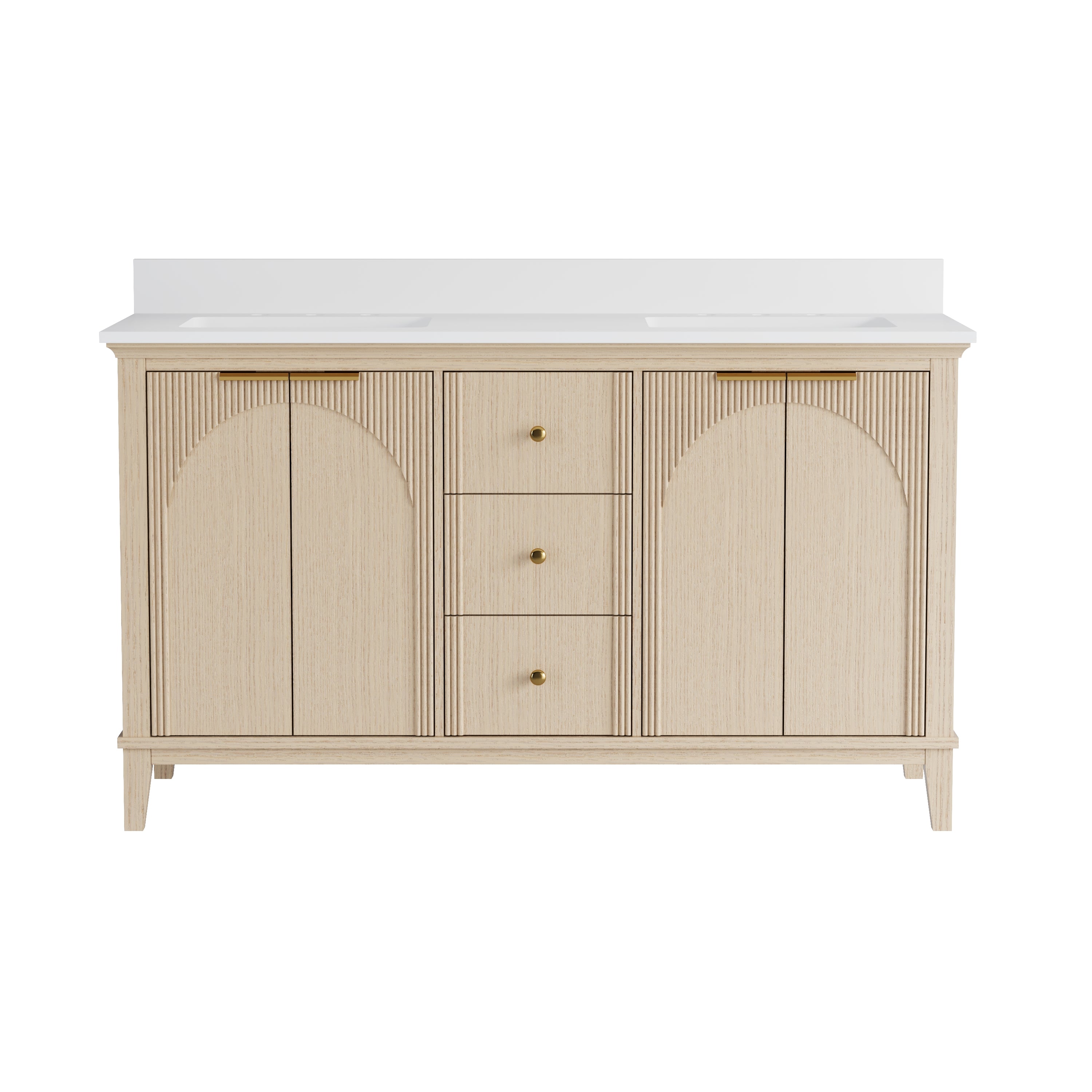
Double sinks are useful in shared spaces, but they are not always the best choice. A 60-inch cabinet can often hold two sinks, but the counter area may feel limited if both basins are large. A 72-inch cabinet usually gives more breathing room, better drawer placement, and a more balanced appearance.
Houzz reported that the median spend for bath renovations reached $13,000 in 2024, while major remodels reached $22,000. For rooms of 100 square feet or more, the median spend rose to $25,000. These figures show why size planning matters before ordering the main cabinet. Source: Houzz 2025 U.S. Bathroom Trends Study.
3. Choose a Style That Fits the Room
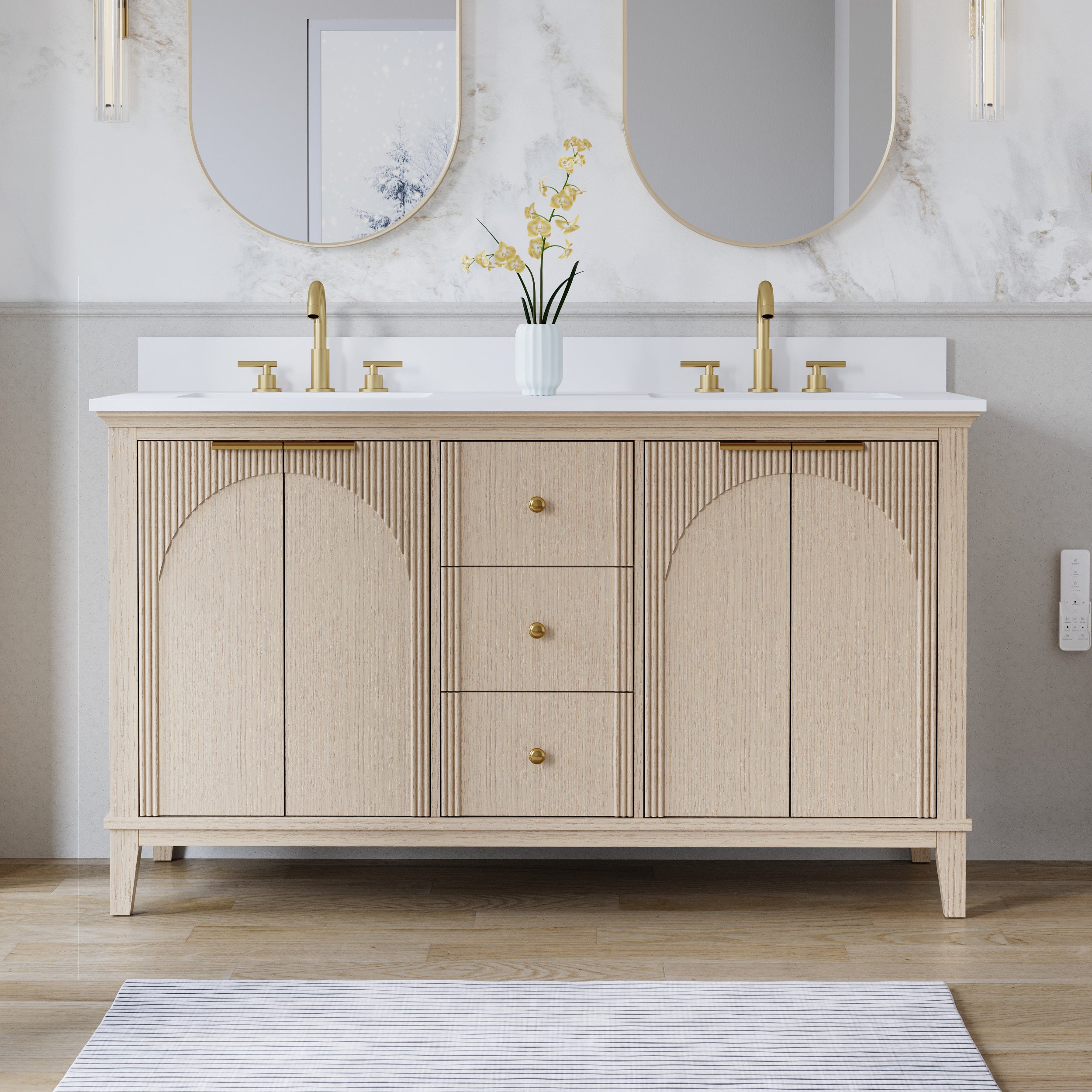
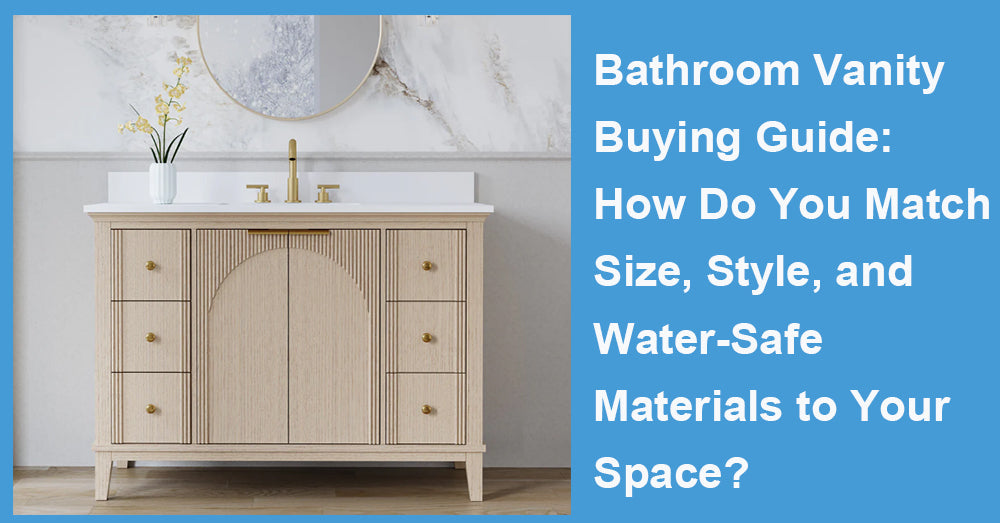
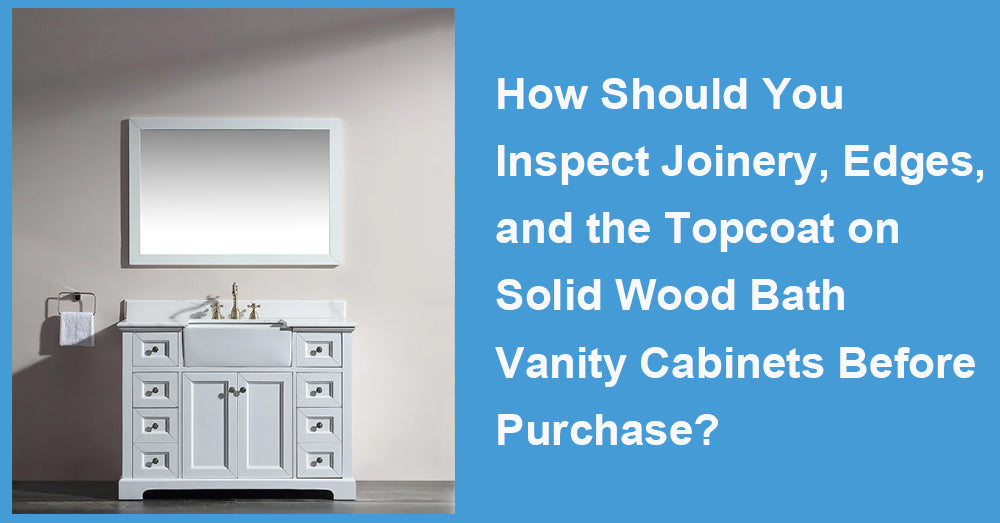
The cabinet style should feel connected to the rest of the bath. A flat-panel wood design works well with clean tile, frameless glass, simple hardware, and modern lighting. Shaker doors are more transitional and can blend with both classic and updated spaces. Curved corners, fluted drawer fronts, reeded textures, and open-leg designs can add character, but they should be used carefully in smaller rooms.
Wood finishes continue to perform well because they add warmth to a room filled with stone, glass, metal, and ceramic surfaces. Houzz found that wood tones were the leading cabinet color choice among renovating homeowners at 28%, while white followed at 20%. Light wood can make a compact room feel brighter, while walnut or medium brown can give a larger bath more depth. Source: Houzz 2025 Bathroom Trends Study.
Painted finishes can also work. White feels clean and flexible. Black creates contrast. Navy, green, and warm gray can make the room feel more designed. The key is to avoid too many strong elements at once. If the tile has heavy veining or the floor has a bold pattern, a simpler cabinet finish will usually age better.
4. Pay Attention to Water-Safe Construction
A bath cabinet is exposed to more moisture than most furniture in the home. Steam, wet hands, plumbing leaks, cleaning sprays, and standing water around the sink can all damage weak materials. That is why construction matters as much as color.
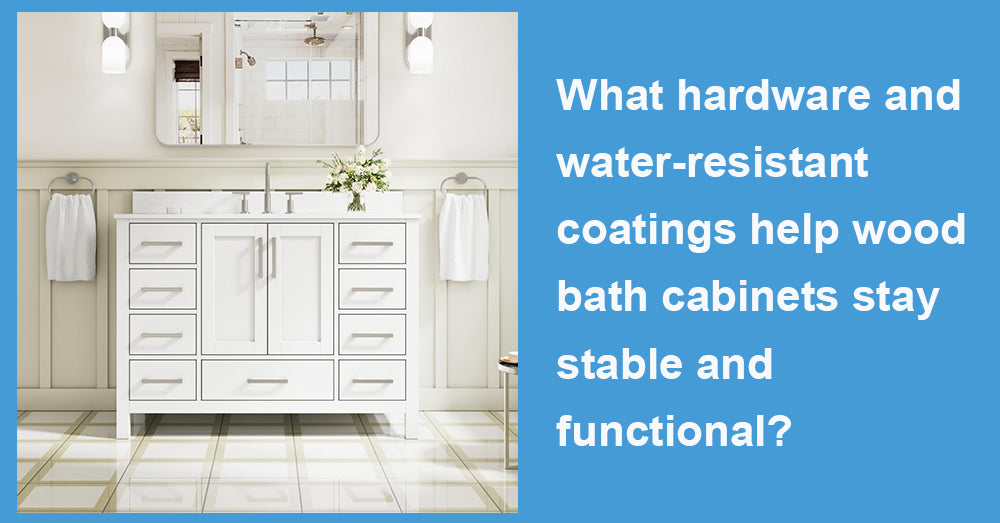
Solid wood is often valued for doors, frames, legs, and other structural areas because it feels strong and substantial. Plywood is commonly preferred for cabinet boxes because it handles screws and moisture exposure better than low-grade particleboard. MDF can be useful for smooth painted door fronts, but the edges need to be sealed well.
Look closely at vulnerable areas. Sink cutouts, drawer edges, side panels, cabinet backs, and toe-kick areas should be protected. A beautiful finish will not help much if water can enter through exposed seams. In a damp room, the best material choice is the one that combines strength, sealed edges, and an easy-to-clean surface.
5. Select a Countertop That Works With the Cabinet

The countertop carries daily wear from soap, toothpaste, cosmetics, water, and cleaning products. Engineered quartz remains a popular choice because it is nonporous, consistent in appearance, and easier to maintain than many natural stones. Houzz reported that engineered quartz was the top countertop material for renovated bath spaces, chosen by 45% of homeowners in its study. Source: Houzz 2025 U.S. Bathroom Trends Study.
Color pairing is also important. White and off-white tops are flexible because they work with wood, black, gray, blue, and green cabinets. A white top can sharpen a medium wood finish. An off-white top can make light oak or walnut feel warmer. Dark countertops can look dramatic, but they may show toothpaste marks, dust, and water spots more easily.
The sink type should be chosen at the same time. Undermount sinks create a clean surface and make wiping the counter easier. Integrated sinks reduce seams. Vessel sinks create a stronger design statement, but they need careful faucet height and placement to control splashing.
6. Plan the Faucet and Plumbing Early
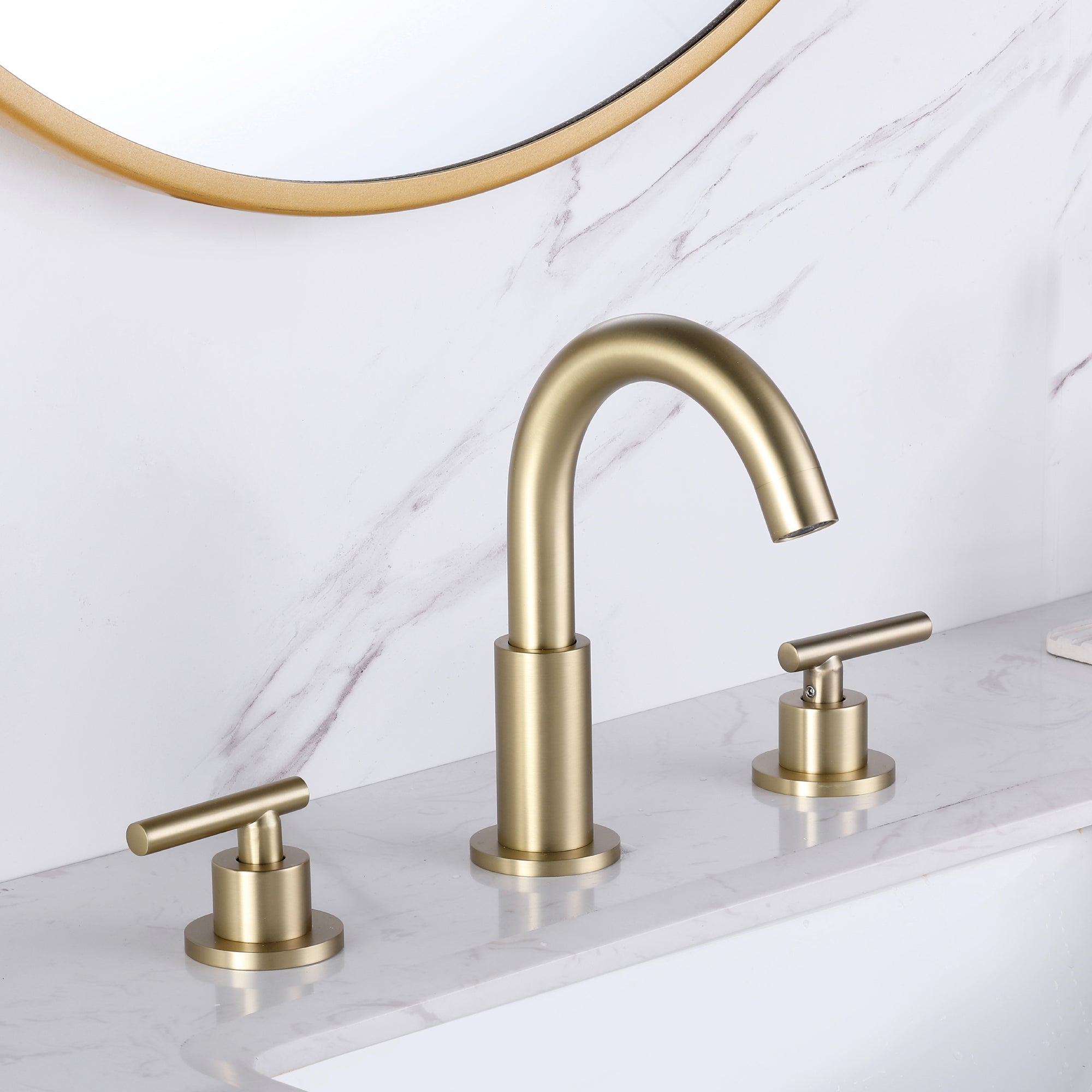
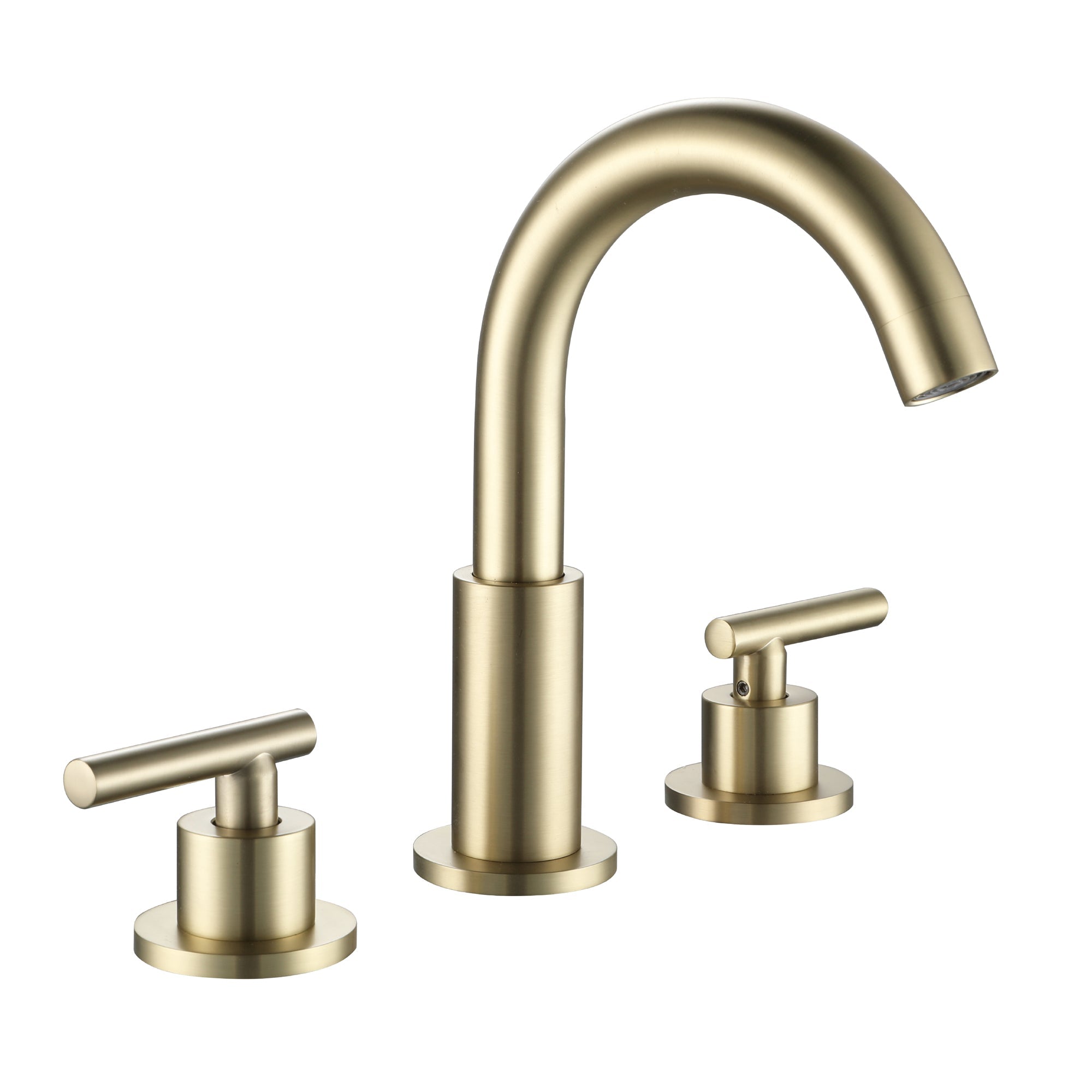
The faucet should match the sink size, counter depth, and daily habits. A faucet that is too tall may splash. One that is too short may feel cramped. An 8-inch widespread faucet needs enough deck space, while a single-hole faucet usually works better on compact tops.
Water use is another practical point. EPA’s WaterSense program sets its bathroom sink faucet flow requirement at 1.5 gallons per minute or less. Compared with the common 2.2 gallons per minute flow rate, that specification can lower water use at the sink by roughly one-third while still supporting normal performance. Source: EPA WaterSense.
The inside of the cabinet should also be planned around plumbing. U-shaped drawer cutouts, adjustable shelves, open backs, or removable panels can make installation easier. These details are not always obvious in photos, but they matter when the installer connects the drain, supply lines, and shutoff valves.
7. Look for Storage Features That Fit Real Routines
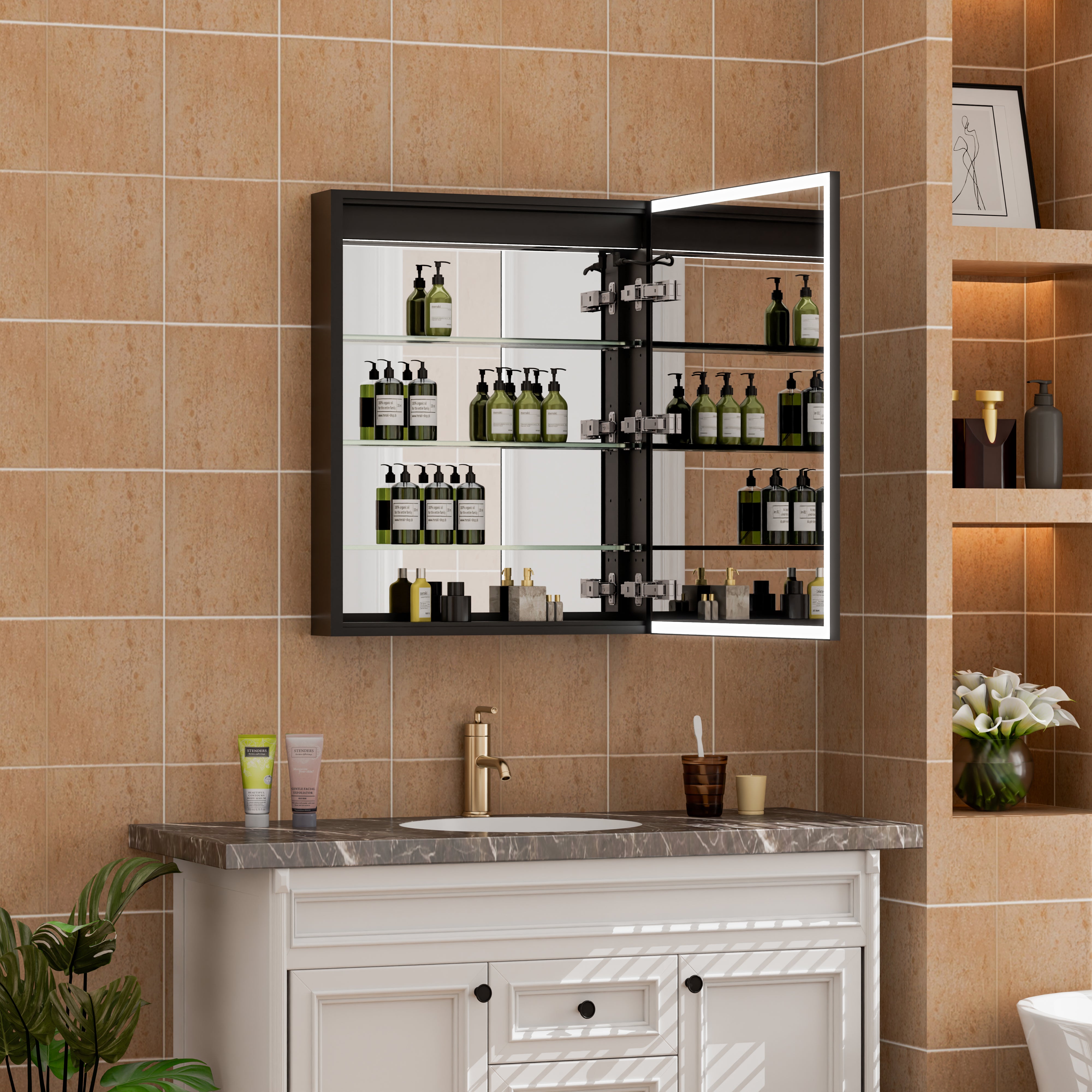
Good storage is not just about having more space. It is about making the space easier to use. Deep drawers help with towels and larger items. Shallow top drawers work well for daily grooming products. Adjustable shelves fit taller bottles. Soft-close slides and hinges reduce noise and help the cabinet feel better built.
NKBA’s recent bath trend reporting shows that designers and industry professionals are paying more attention to storage, wellness features, aging-in-place planning, and better use of primary bath space. The organization reported that 89% of surveyed professionals ranked primary-bath space planning as a major priority. Source: NKBA 2026 Bath Trends Report release.
That trend makes sense. People want bath spaces that are easier to keep clean and easier to use every morning, not just rooms that photograph well.
8. The Best Choice Balances Fit, Style, and Durability
The right cabinet is not always the largest one, the trendiest one, or the cheapest one. It is the one that fits the room, supports the sink properly, provides usable storage, coordinates with the design, and holds up around water.
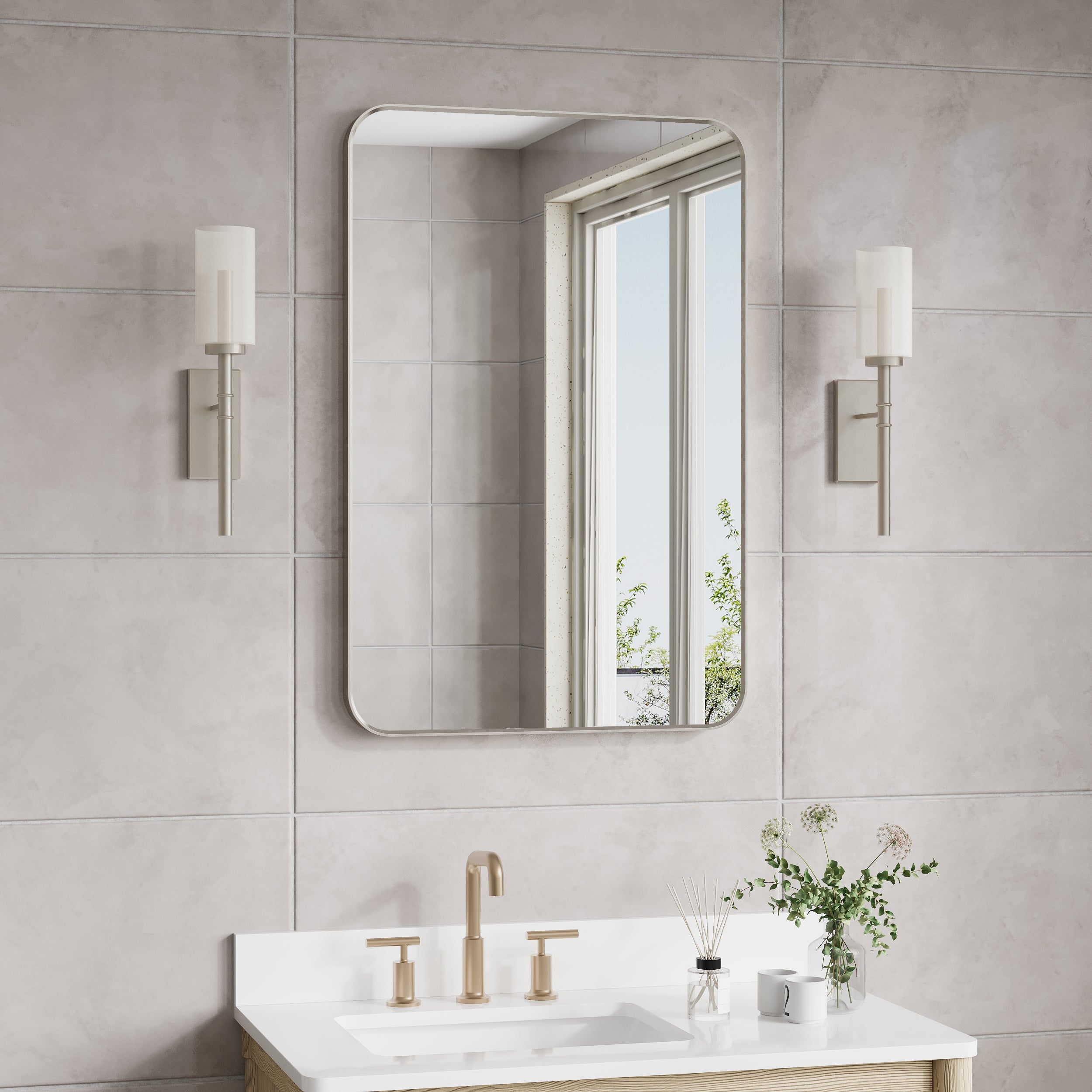
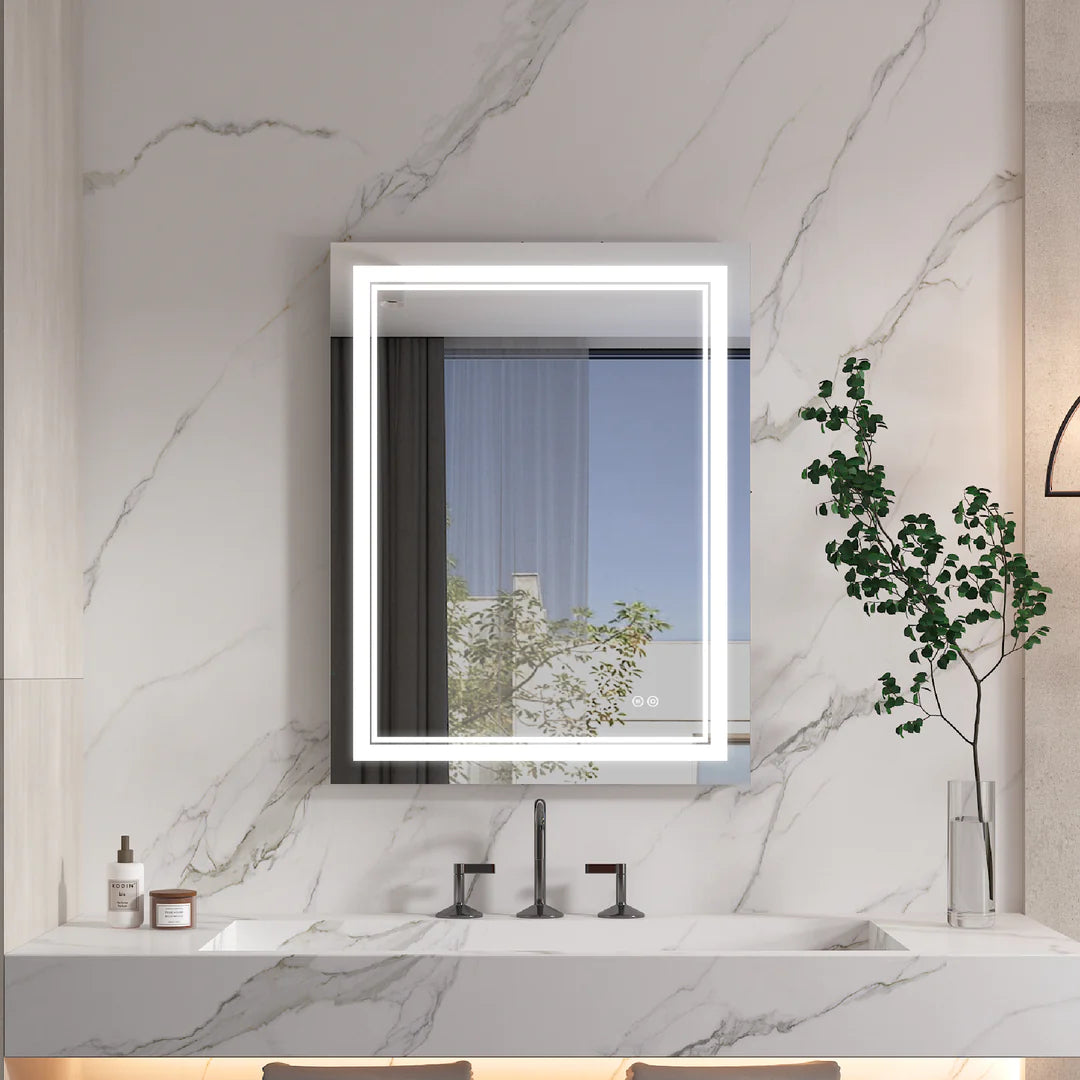
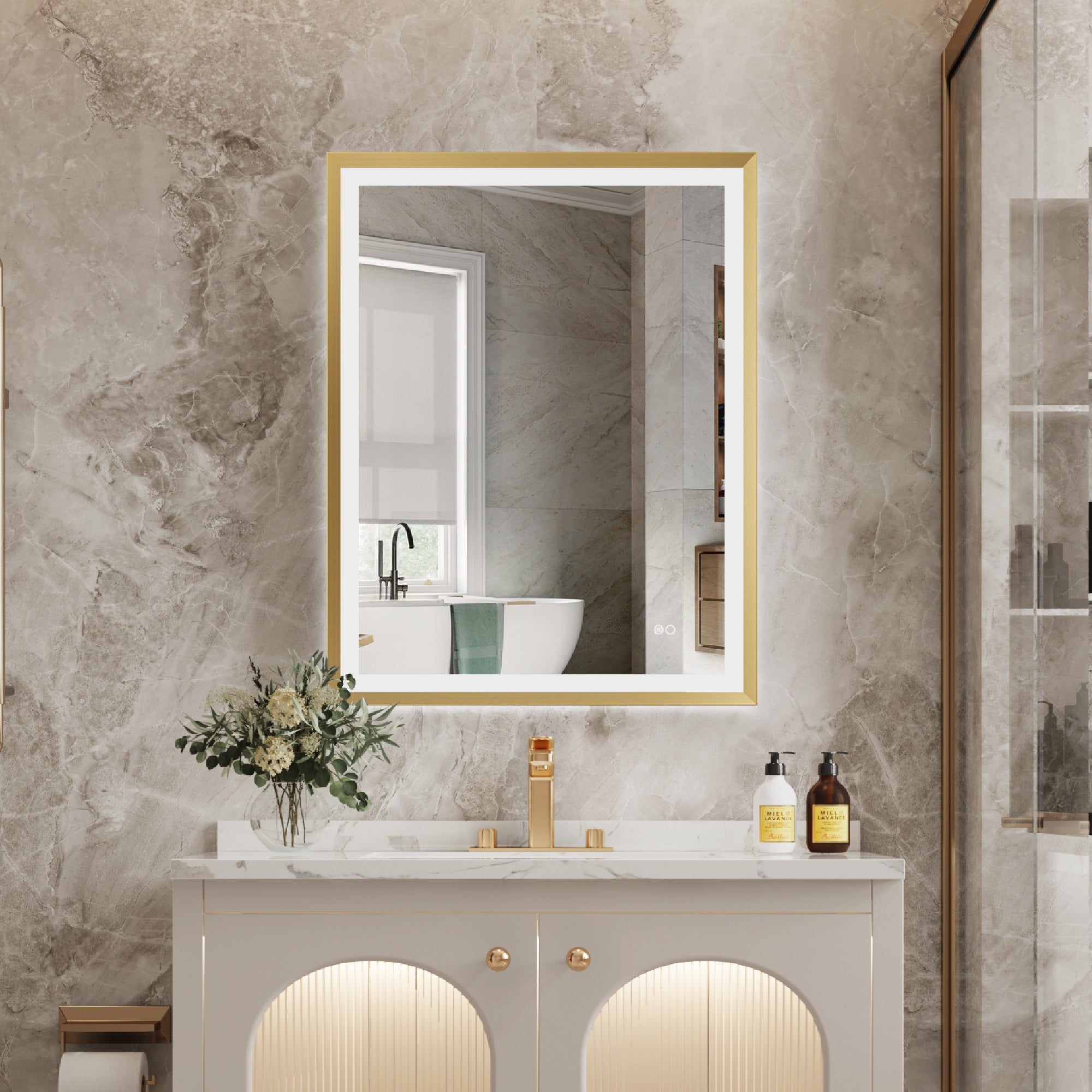
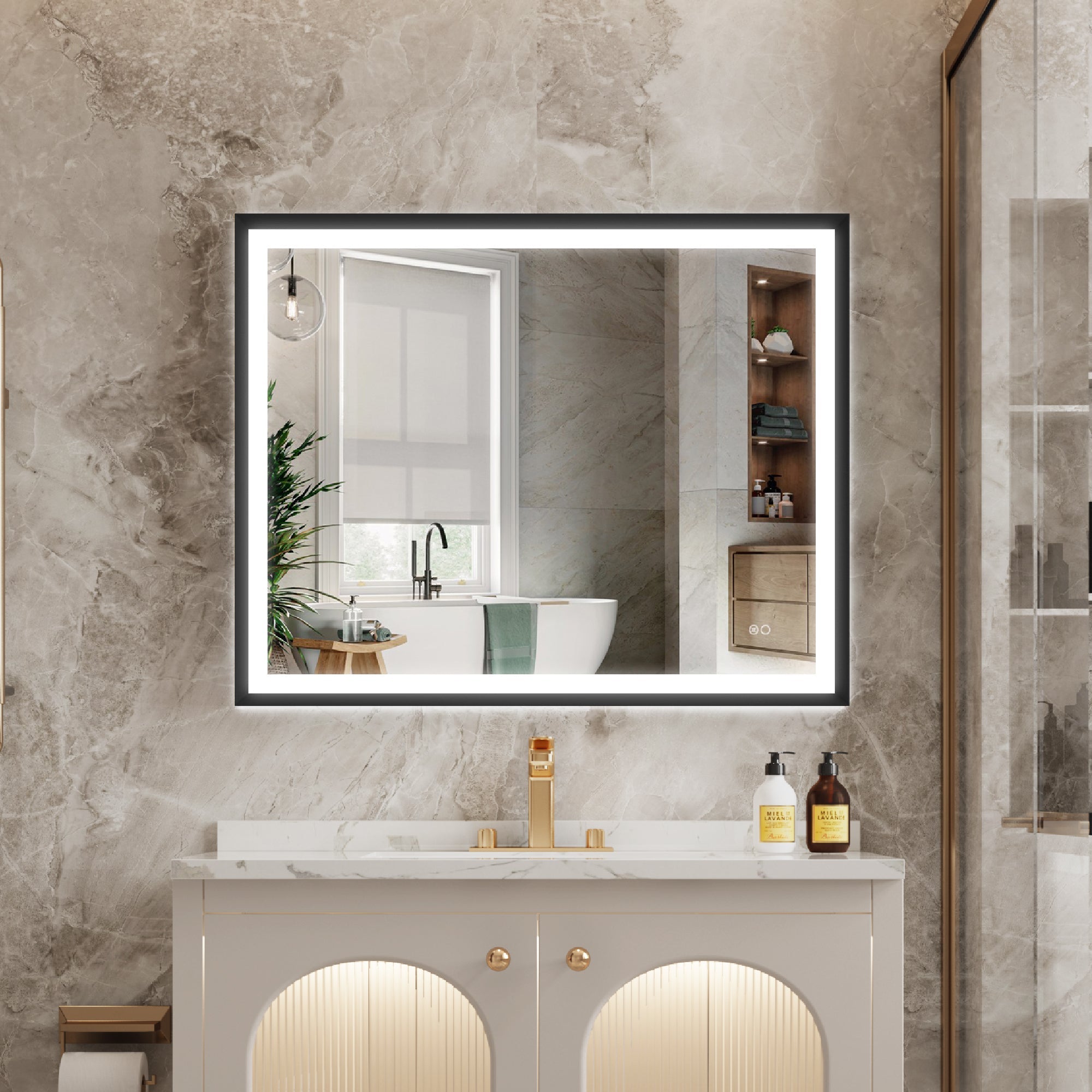
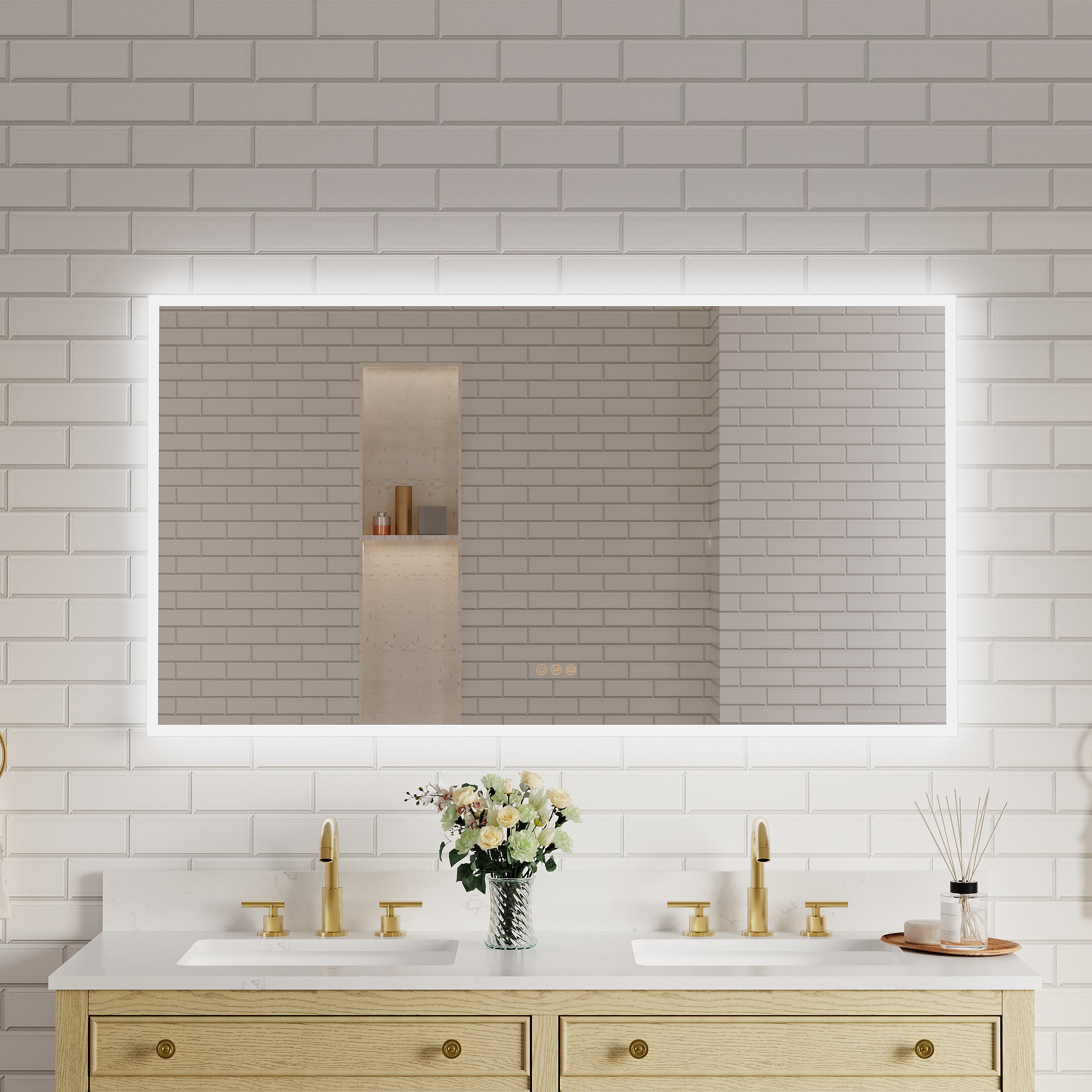
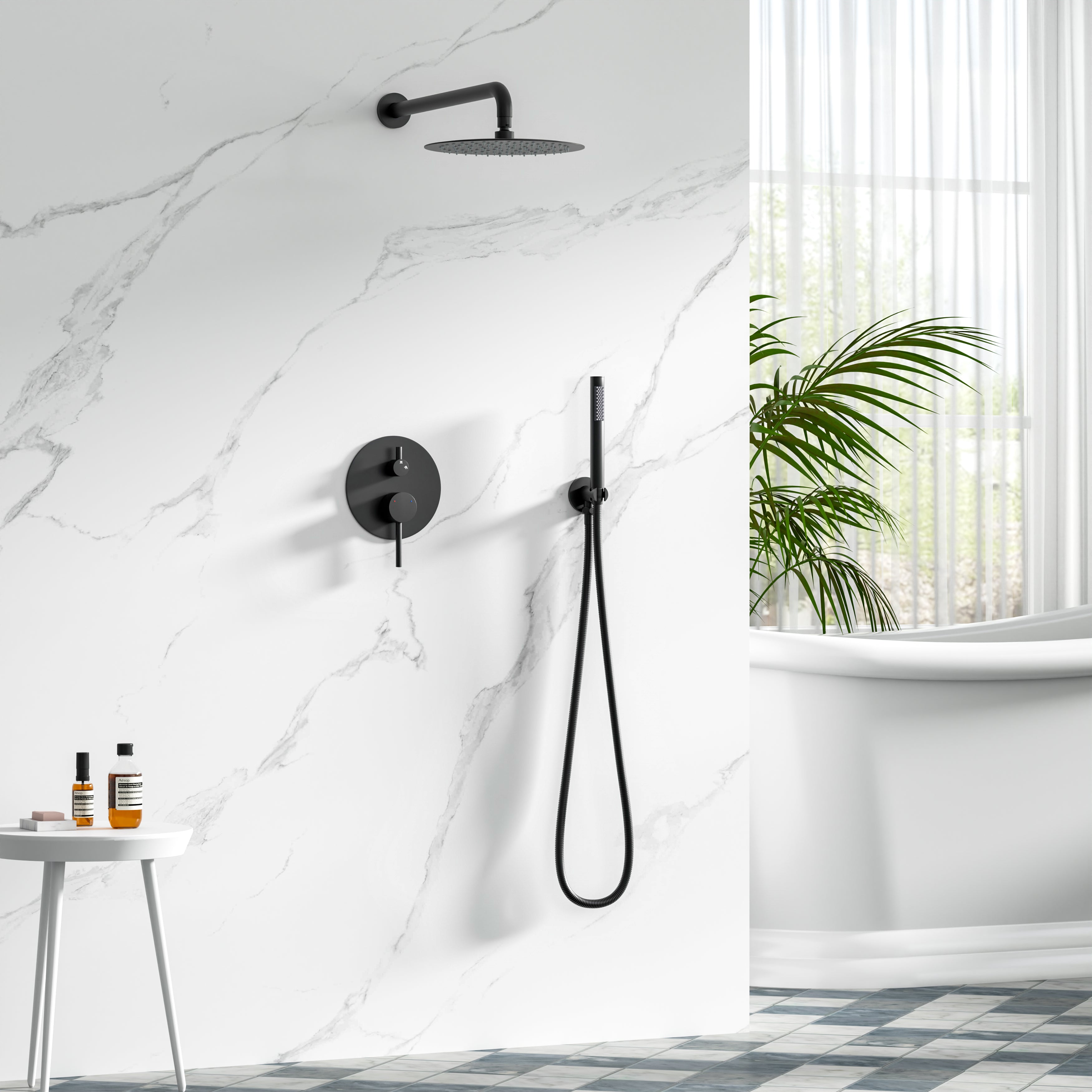
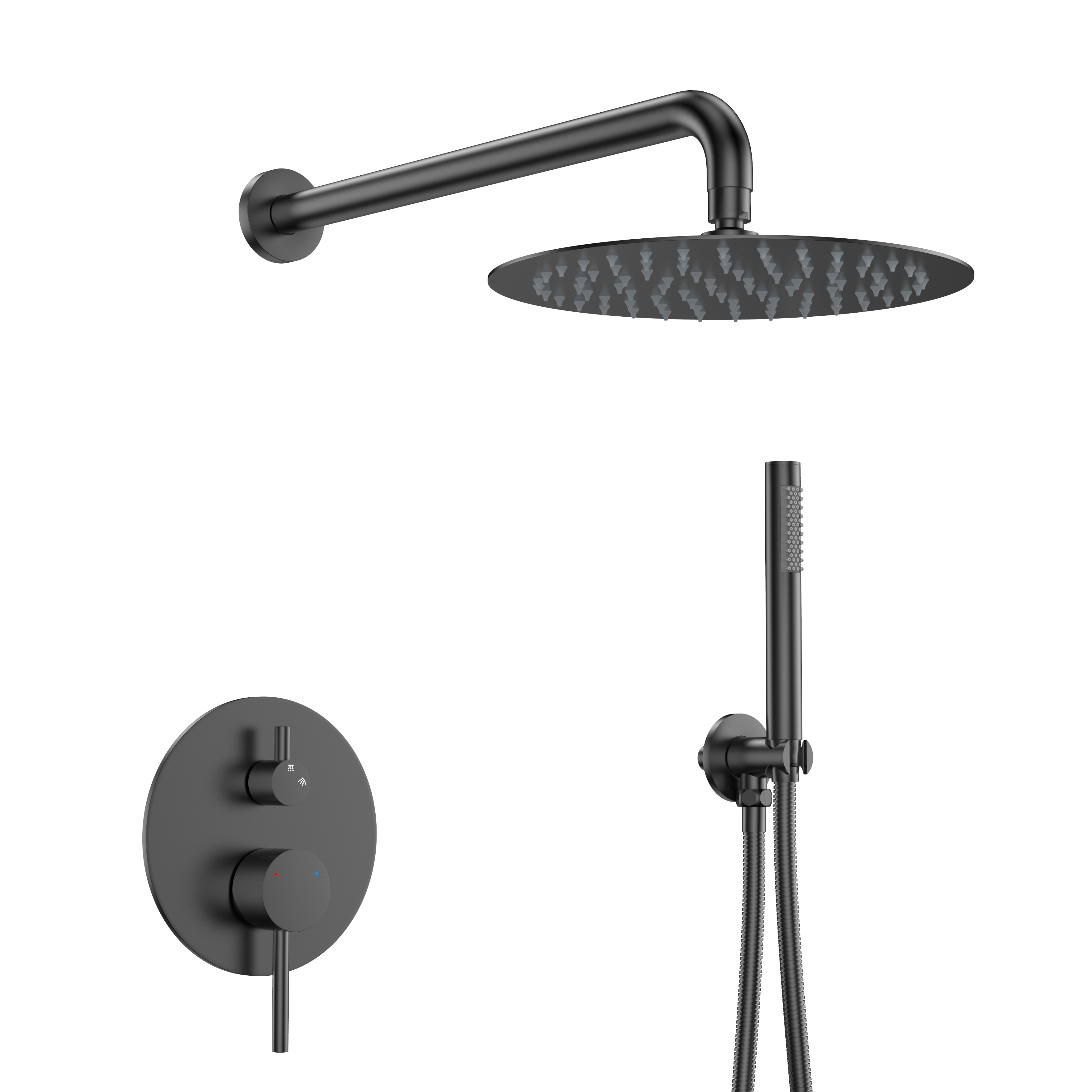
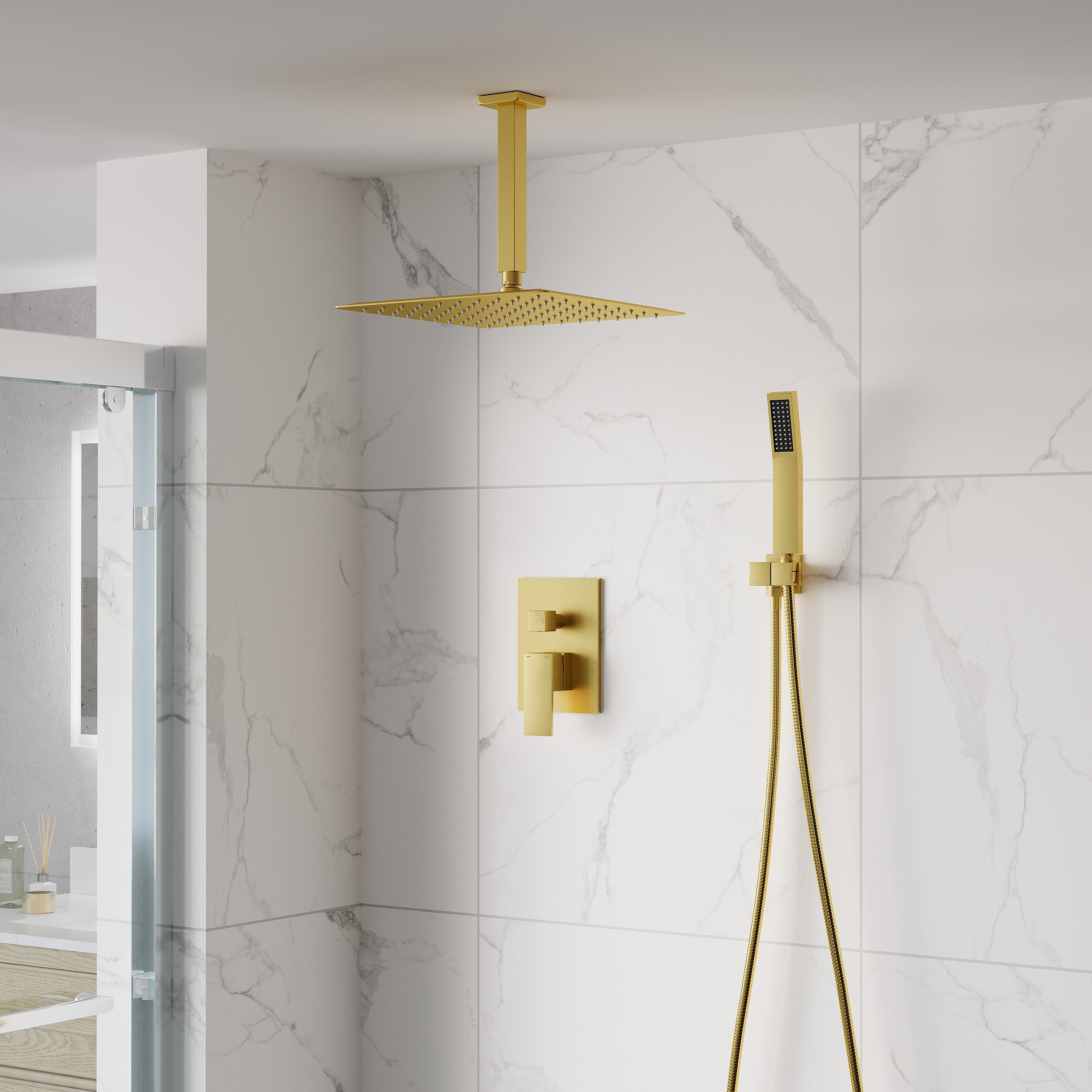
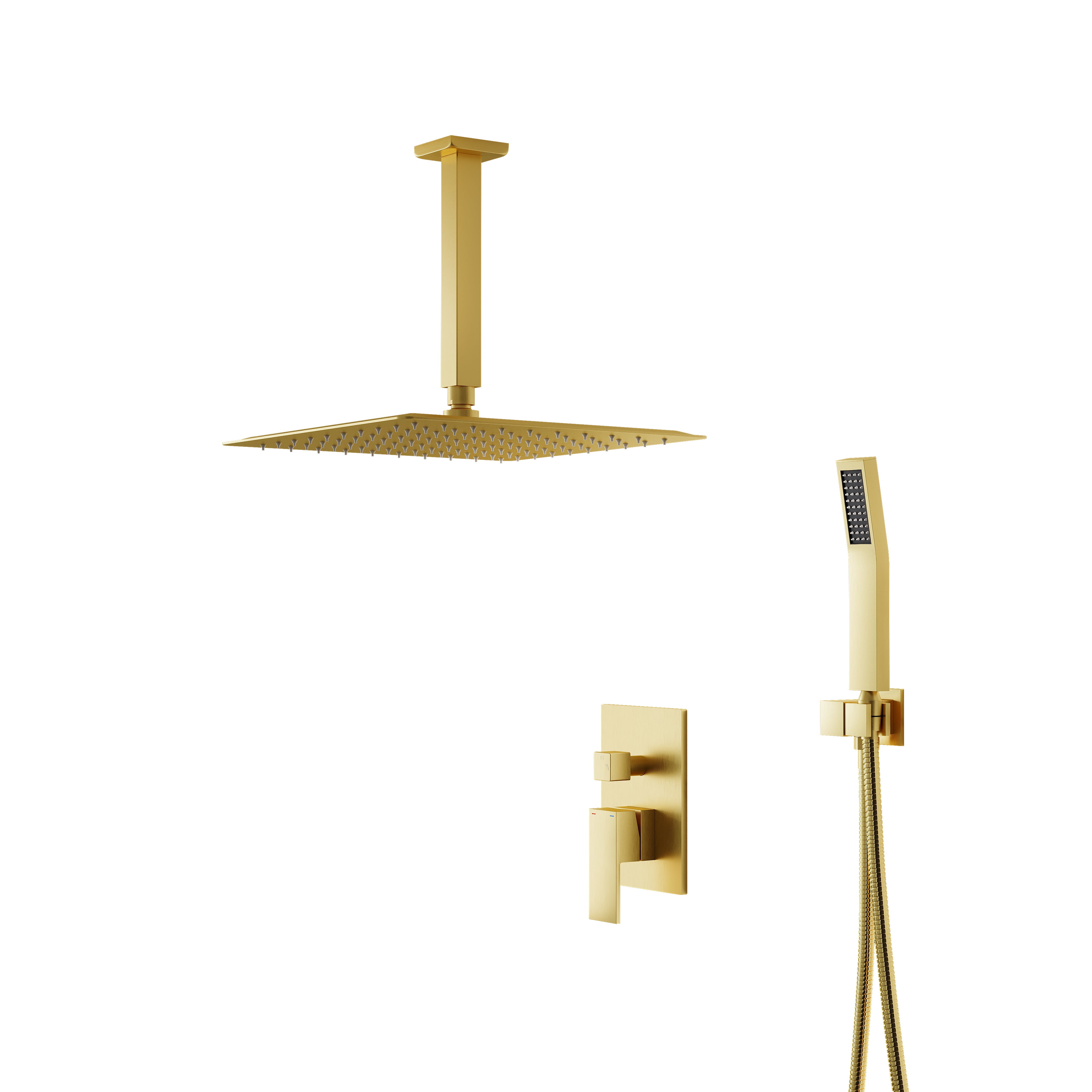
For a small bath, choose a compact size, a lighter visual style, and simple hardware. For a shared bath, focus on drawers, counter space, and durable surfaces. For a larger remodel, coordinate the cabinet finish with the mirror, lighting, faucet, shower hardware, flooring, and countertop before placing the order. When size, style, and water-safe materials are planned together, the finished room feels more comfortable, more useful, and more complete.












Leave a comment
This site is protected by hCaptcha and the hCaptcha Privacy Policy and Terms of Service apply.