
















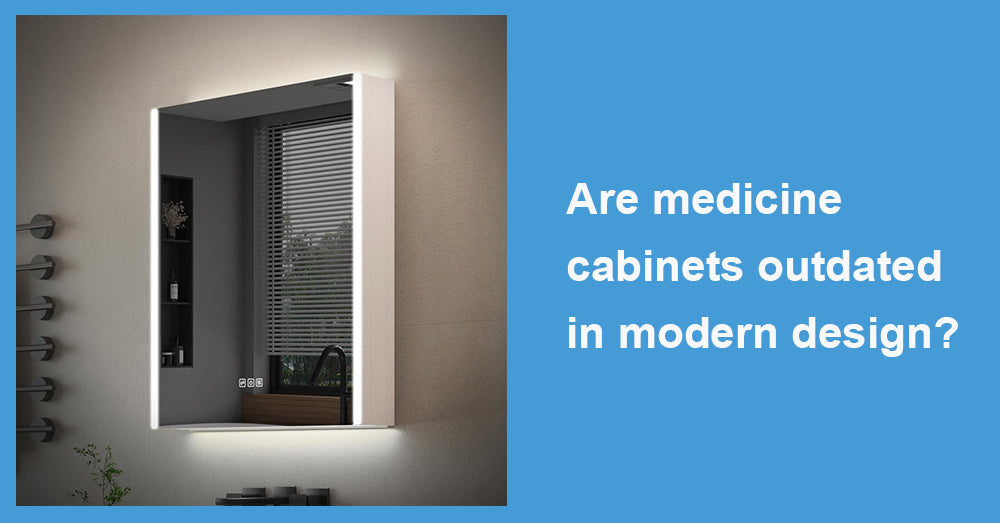
In contemporary bathroom design, "simplicity," "concealment," and "integration" are high-frequency keywords. With the popularization of minimalism and modern style, the once widely used medicine cabinets are frequently questioned: Do they appear bulky? Does it damage the overall design? Is it no longer in line with modern aesthetics?
However, from an industry perspective, whether a medicine cabinet is "outdated" is not a black-and-white issue, but closely related to changes in design methods, functional evolution, and usage requirements.
1.Where did the outdated impression of medicine cabinets come from?
In early residential buildings, medical cabinets were often seen as a standard feature that prioritized functionality, with a single design and fixed dimensions that emphasized storage over visual effects. This type of product is indeed prone to conflict with modern design concepts today.
The industry generally believes that medicine cabinets are considered "outdated" more because of people's memories of old-fashioned product forms than because of a rejection of the category itself. When the design language changes but the product does not evolve in sync, a gap arises.
2. Modern design has not eliminated the need for storage, but instead raised higher requirements
From a functional perspective, modern bathrooms have not reduced their demand for storage. On the contrary, with the increasing variety of washing and care products, how to hide clutter while keeping the space clean has become an essential design issue.
A medicine cabinet is essentially a vertical space storage solution, and its value has not disappeared with style changes. Industry data shows that in small and medium-sized bathroom or apartment projects, a well-designed medicine cabinet remains a highly efficient functional component.
3. Recessed medicine cabinets change spatial logic
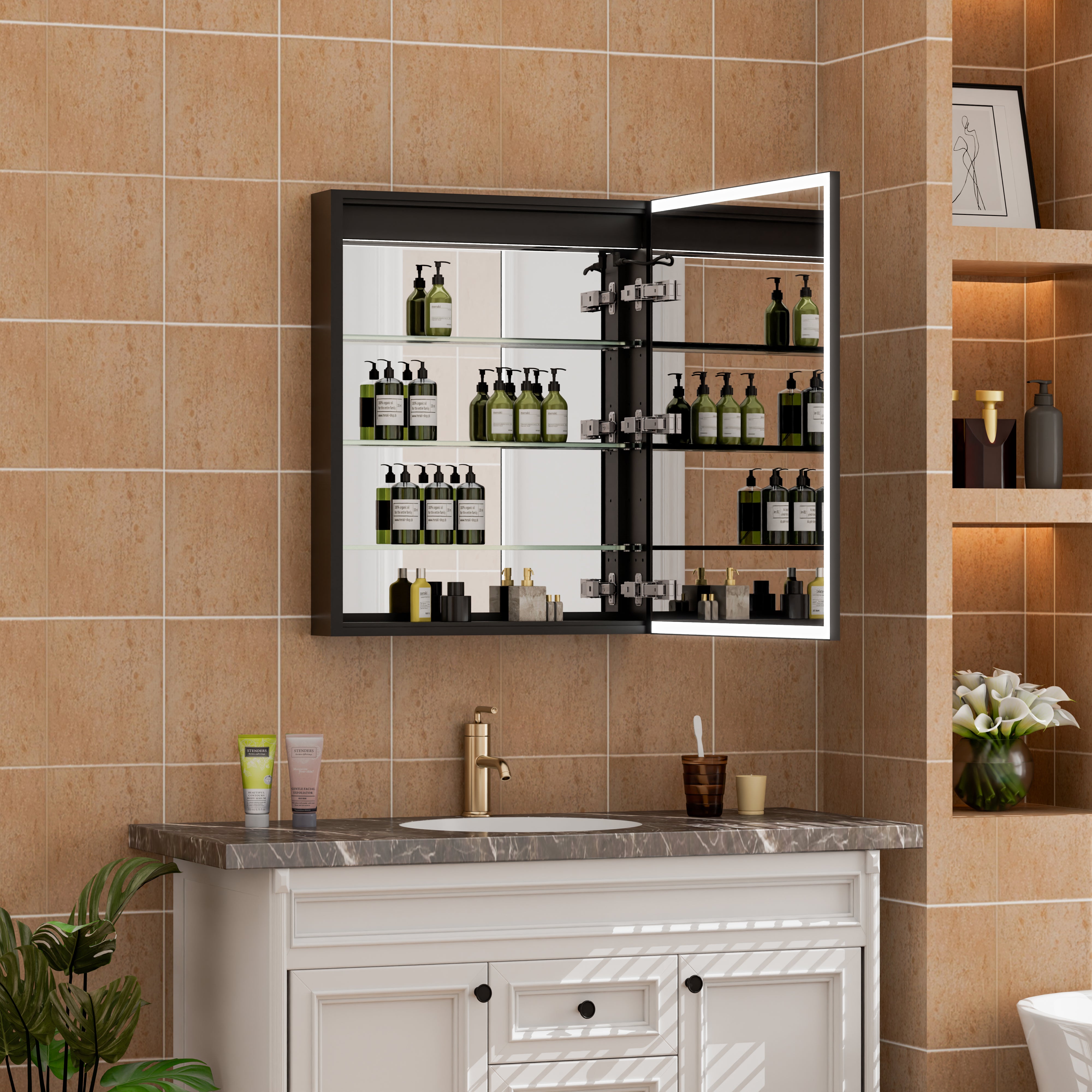
One of the most significant transformations of medicine cabinets in modern design is the shift from "external" to "recessed".
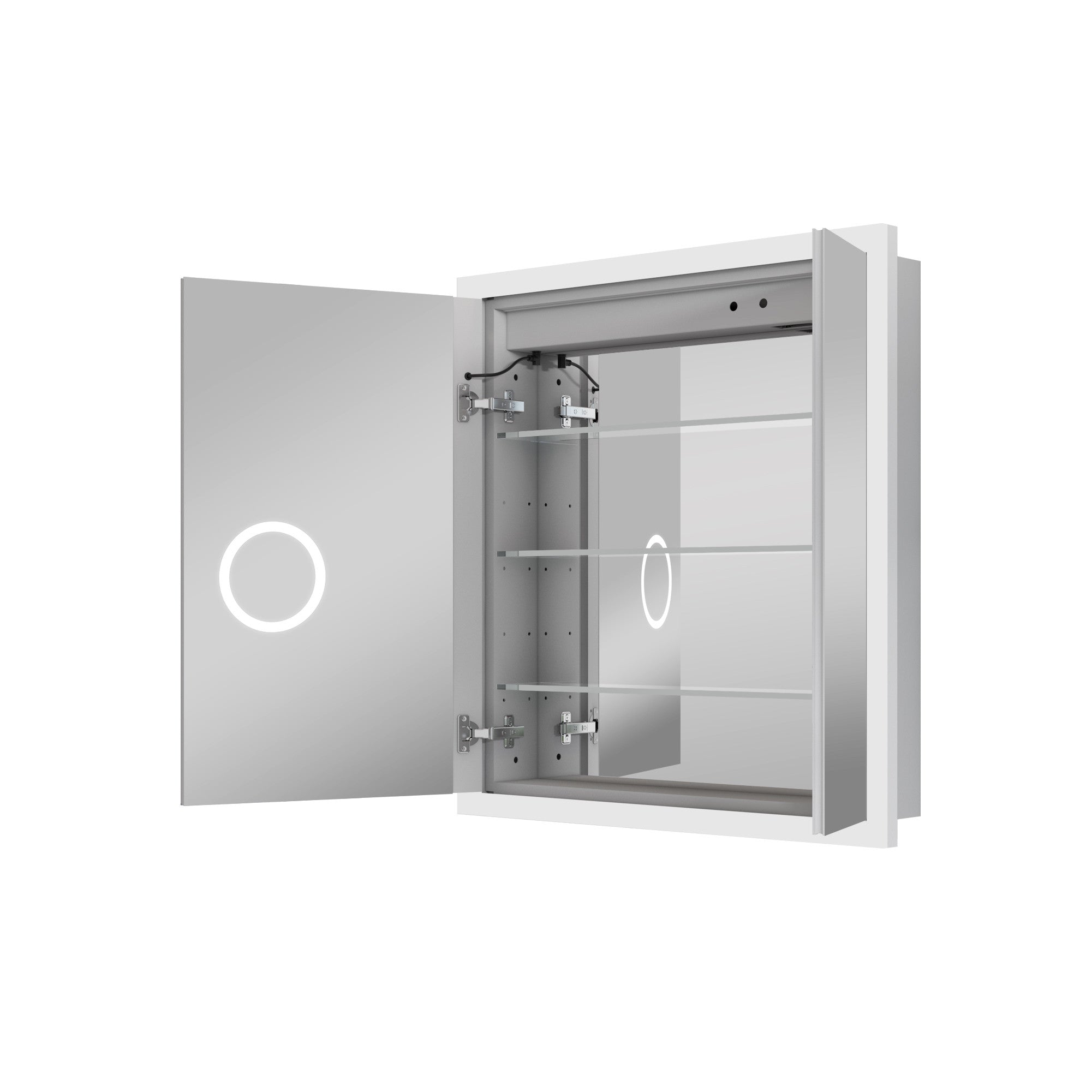
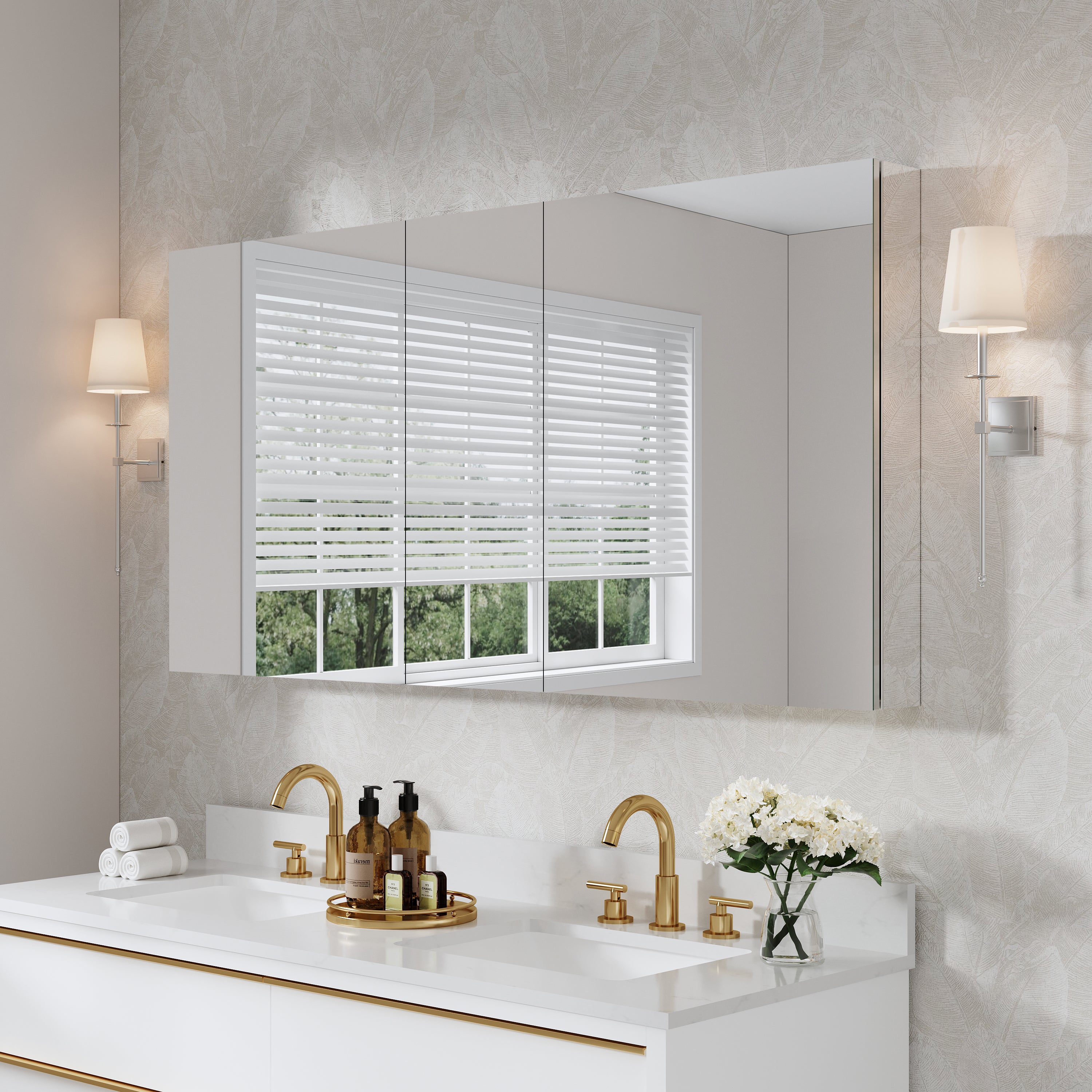
The medicine cabinet embedded in the wall can achieve storage function without occupying additional space, which is highly compatible with the minimalist design pursuit of "visual flatness".
From industry practice, medicine cabinets have gradually become the mainstream solution in modern bathrooms, with their presence intentionally reduced while their functional value is fully preserved.
4. Material and appearance upgrades to integrate medicine cabinets into modern aesthetics
Contemporary medicine cabinets have undergone significant changes in material and appearance.
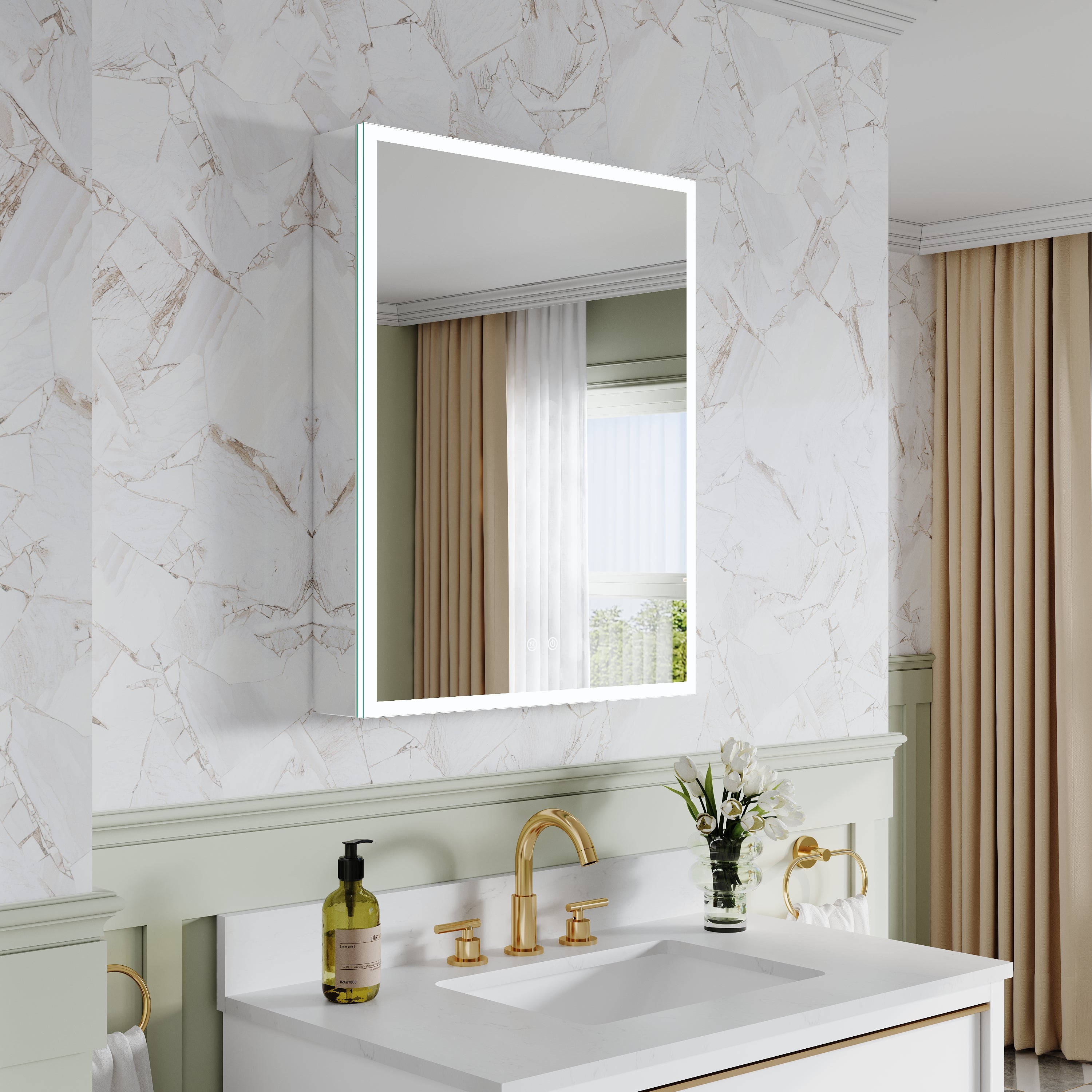
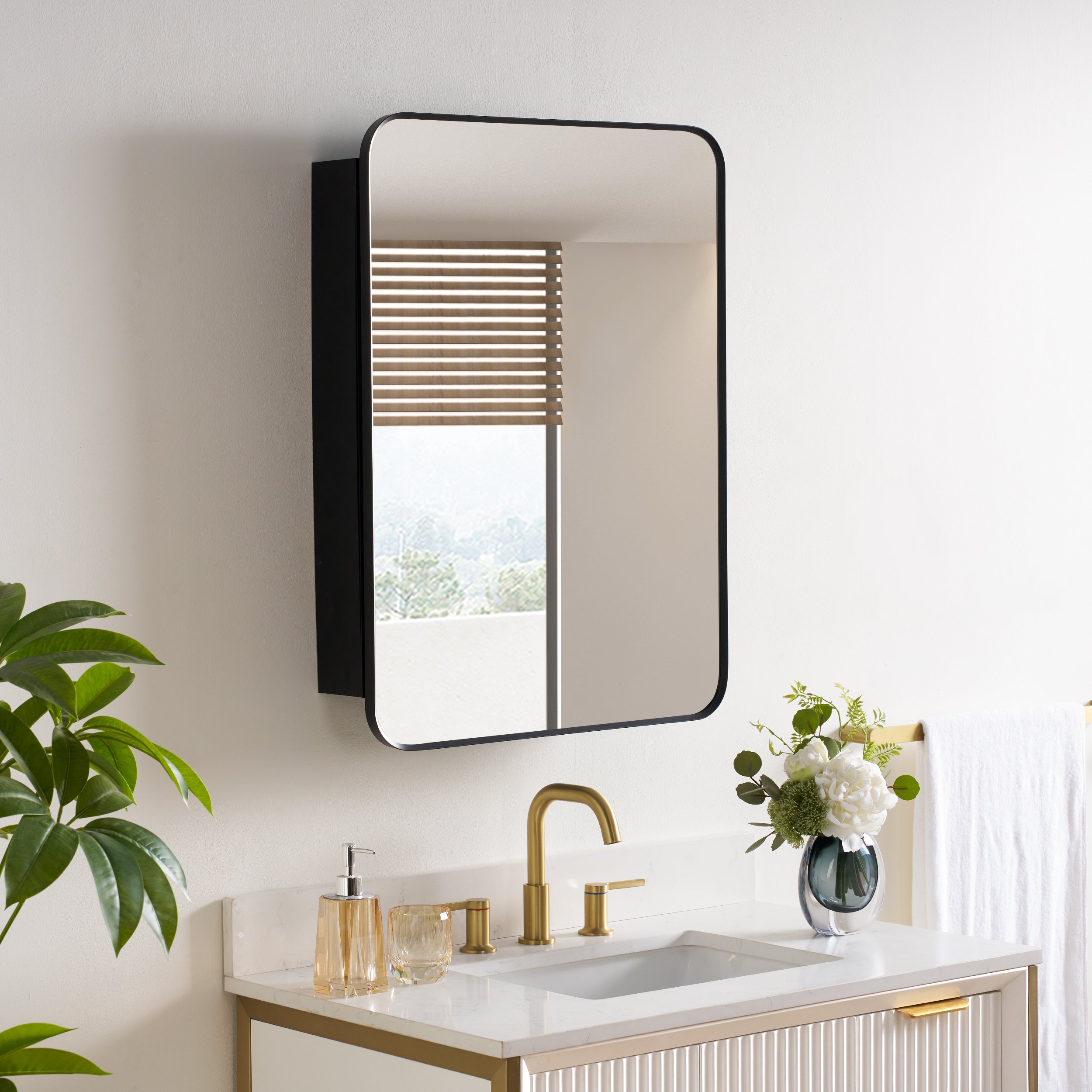
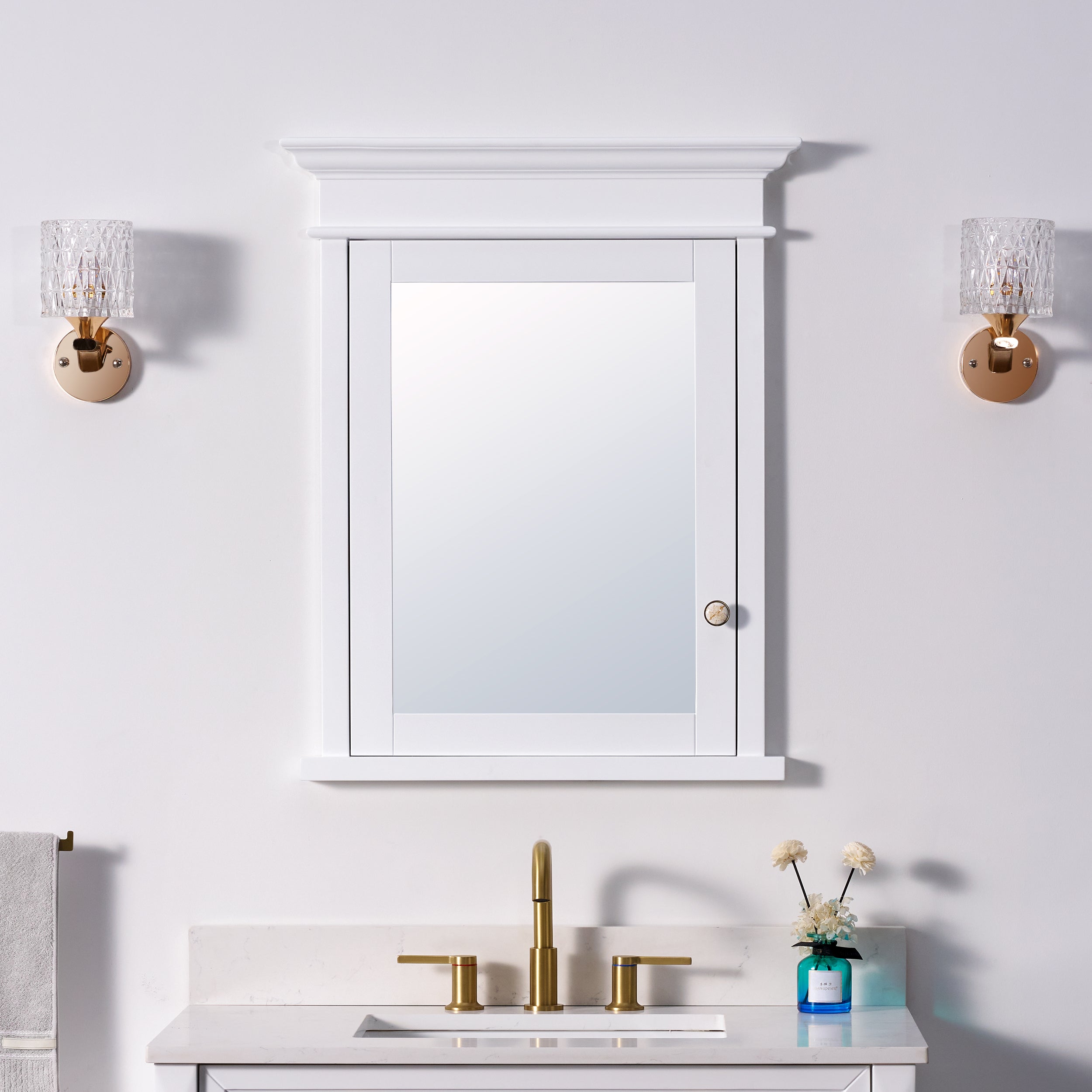
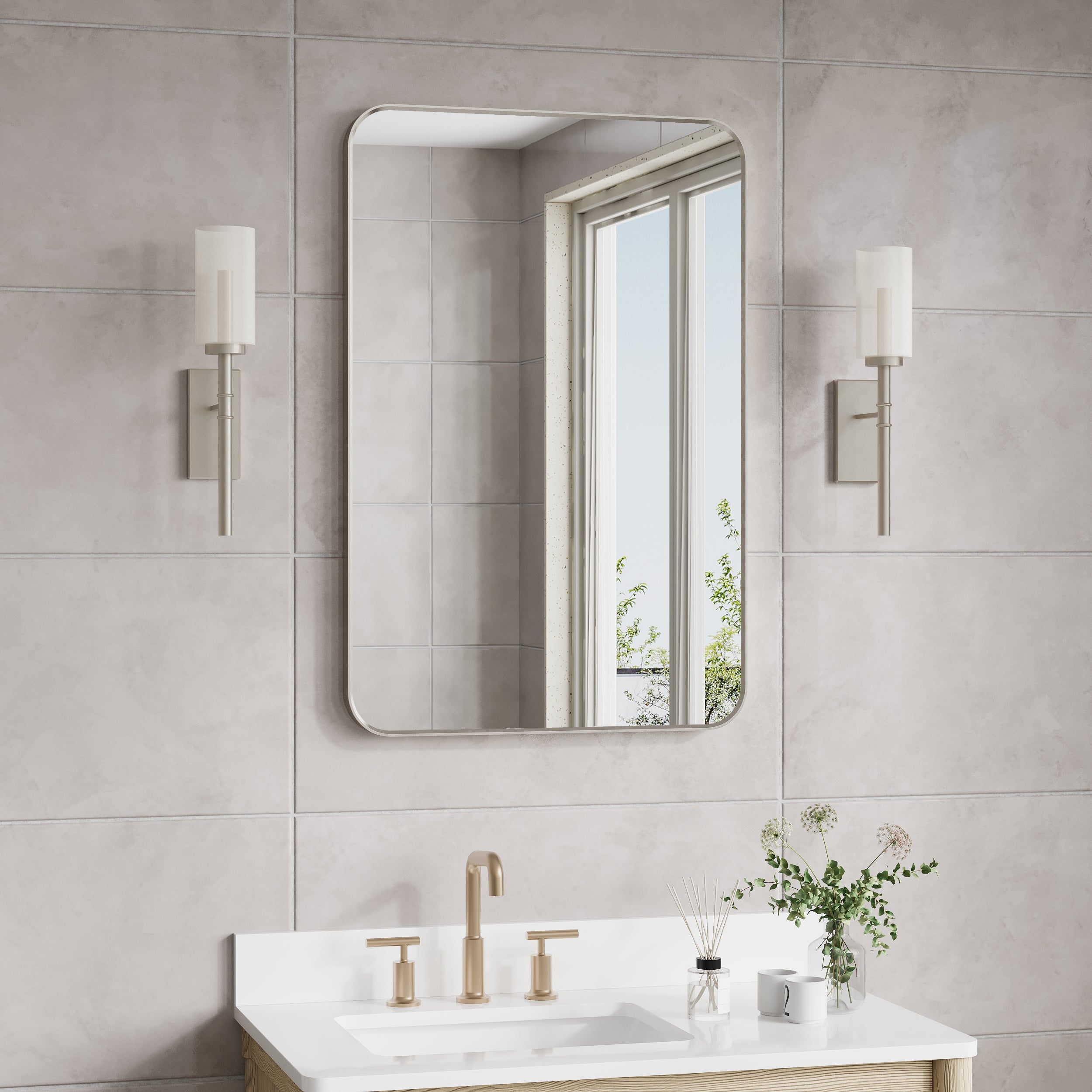
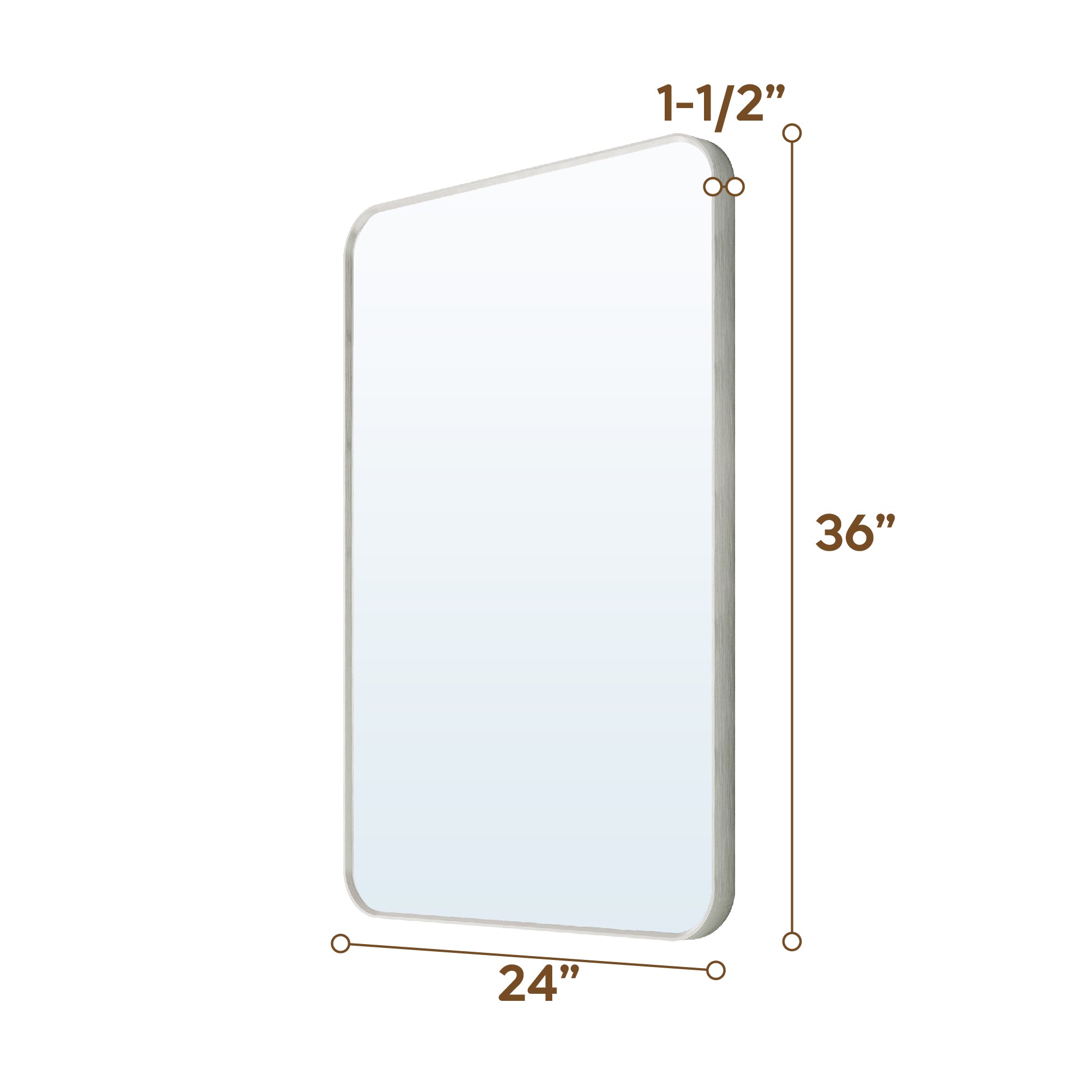
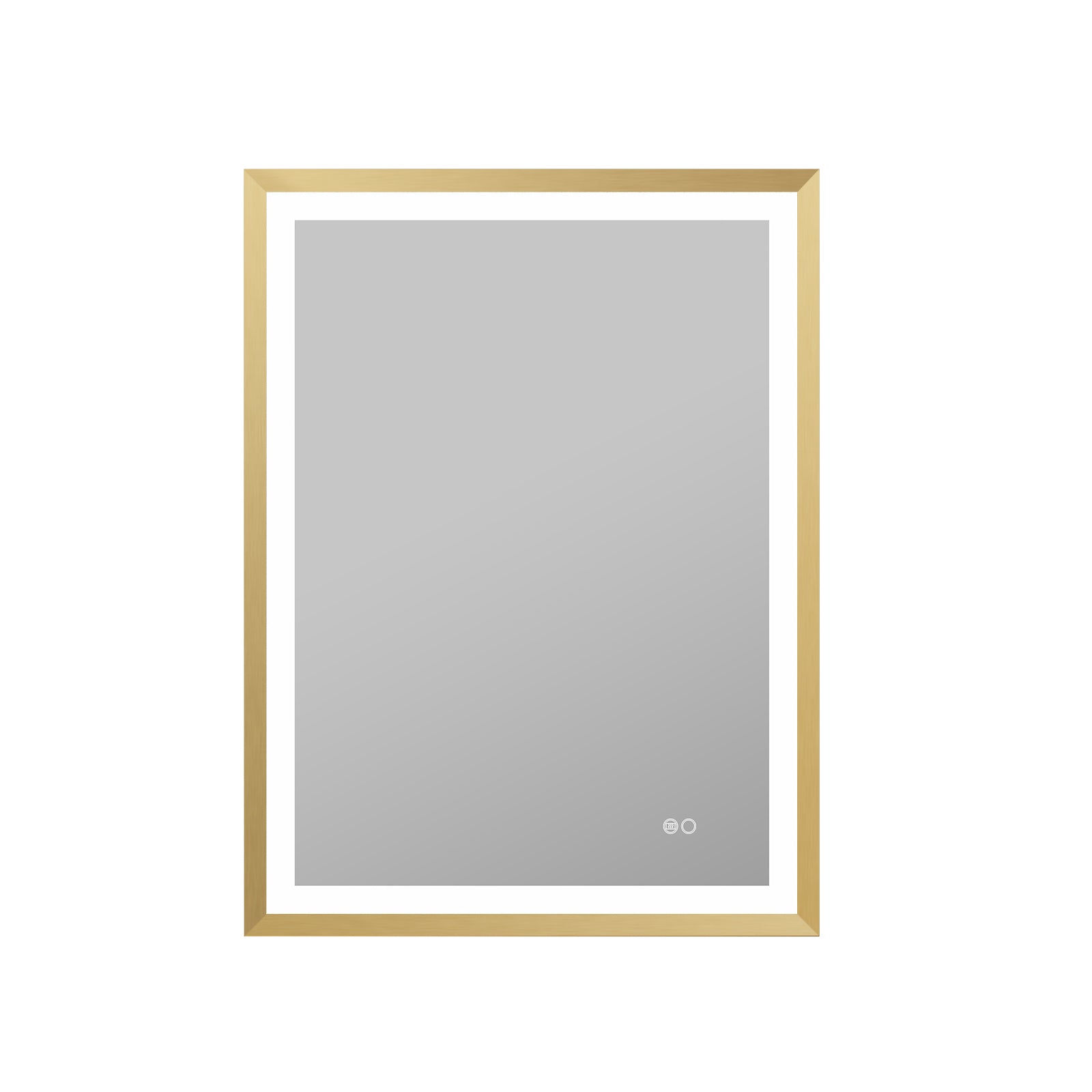
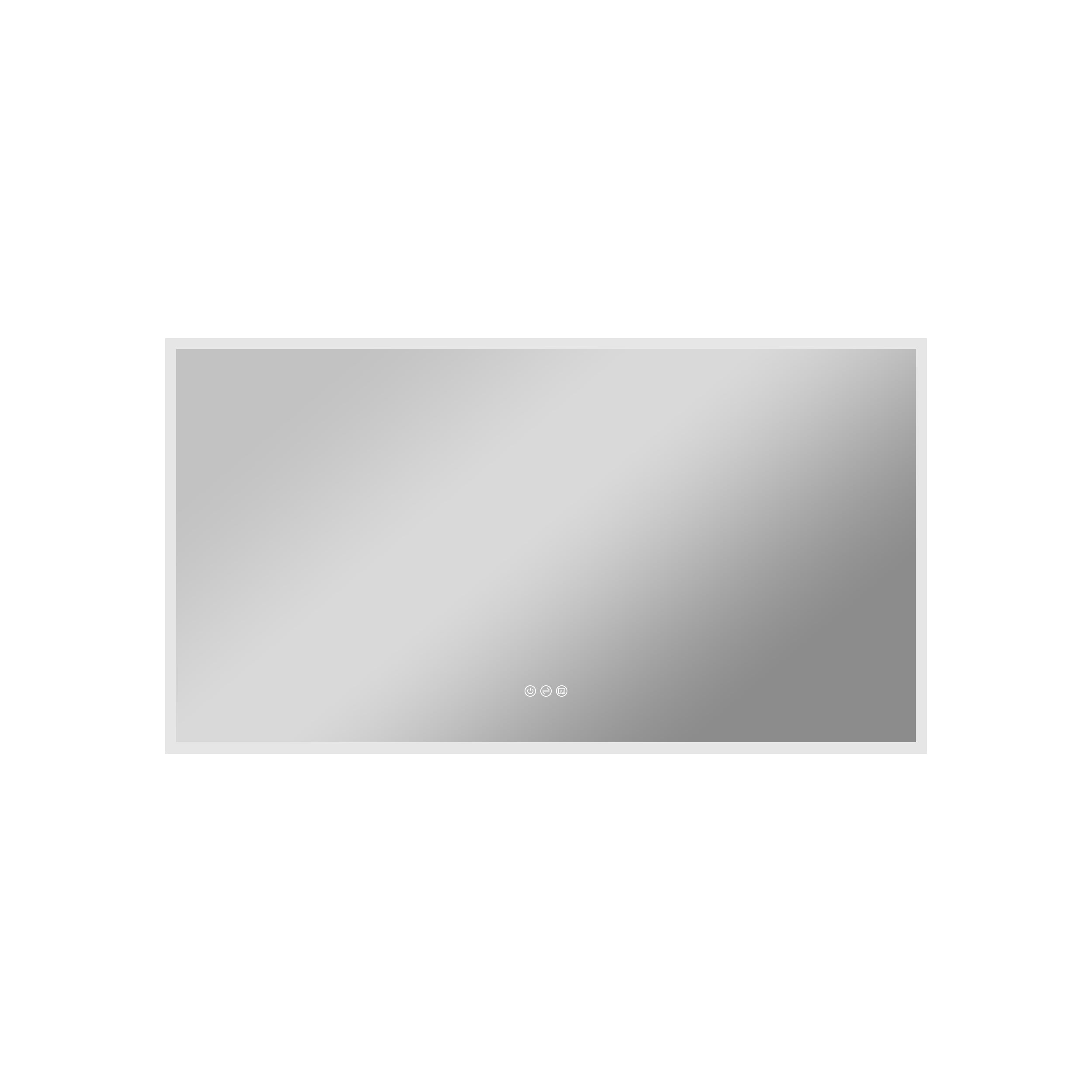
Borderless mirror, ultra-thin structure, matte metal or wood finish, transforming it from a "functional component" to a "design component".
Industry designers generally believe that when the appearance of a medicine cabinet is incorporated into the overall design language, it is no longer a hidden object, but a part of the spatial order. This transformation is the key to medicine cabinets breaking free from outdated labels.
5. Integration with illuminated mirrors reshapes product roles
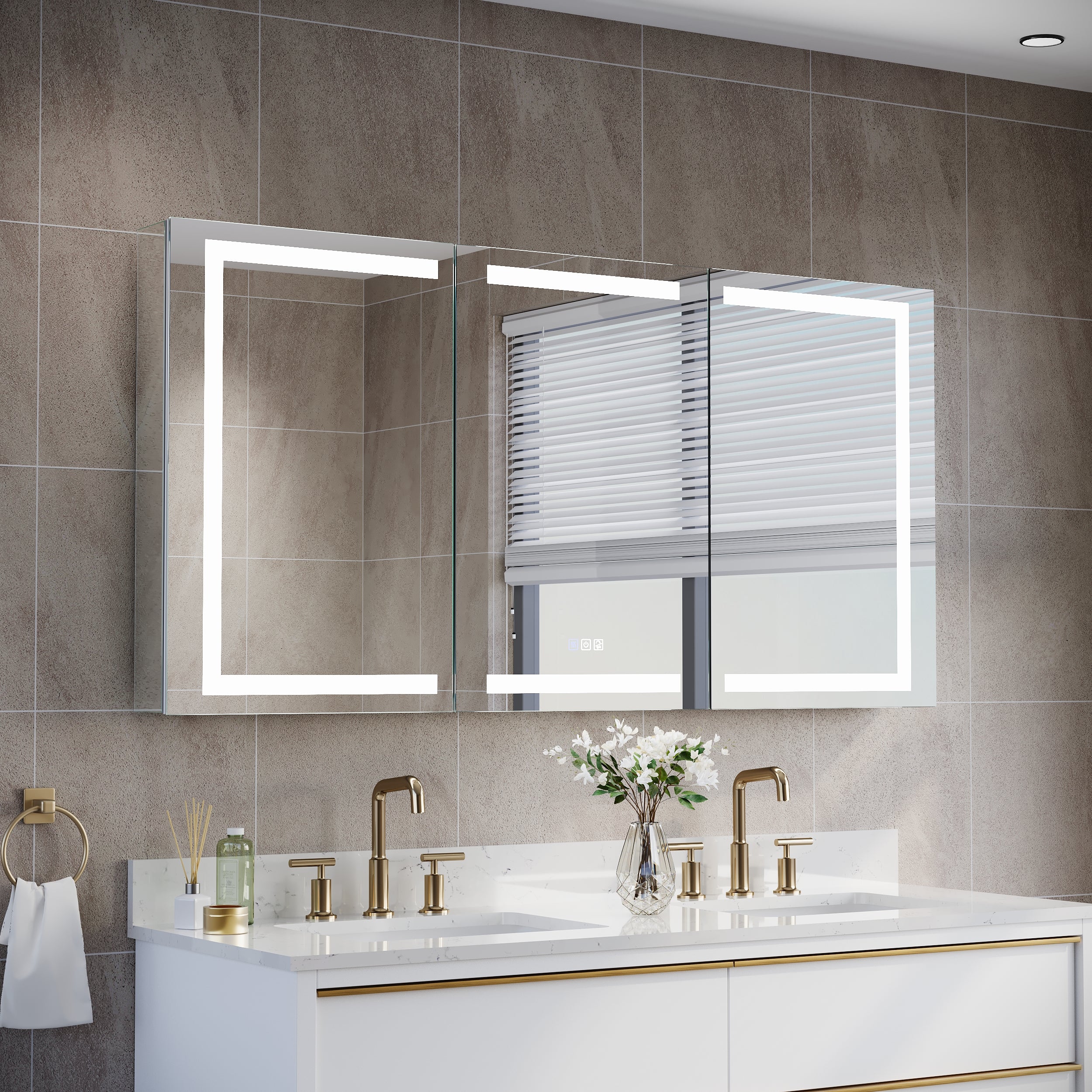
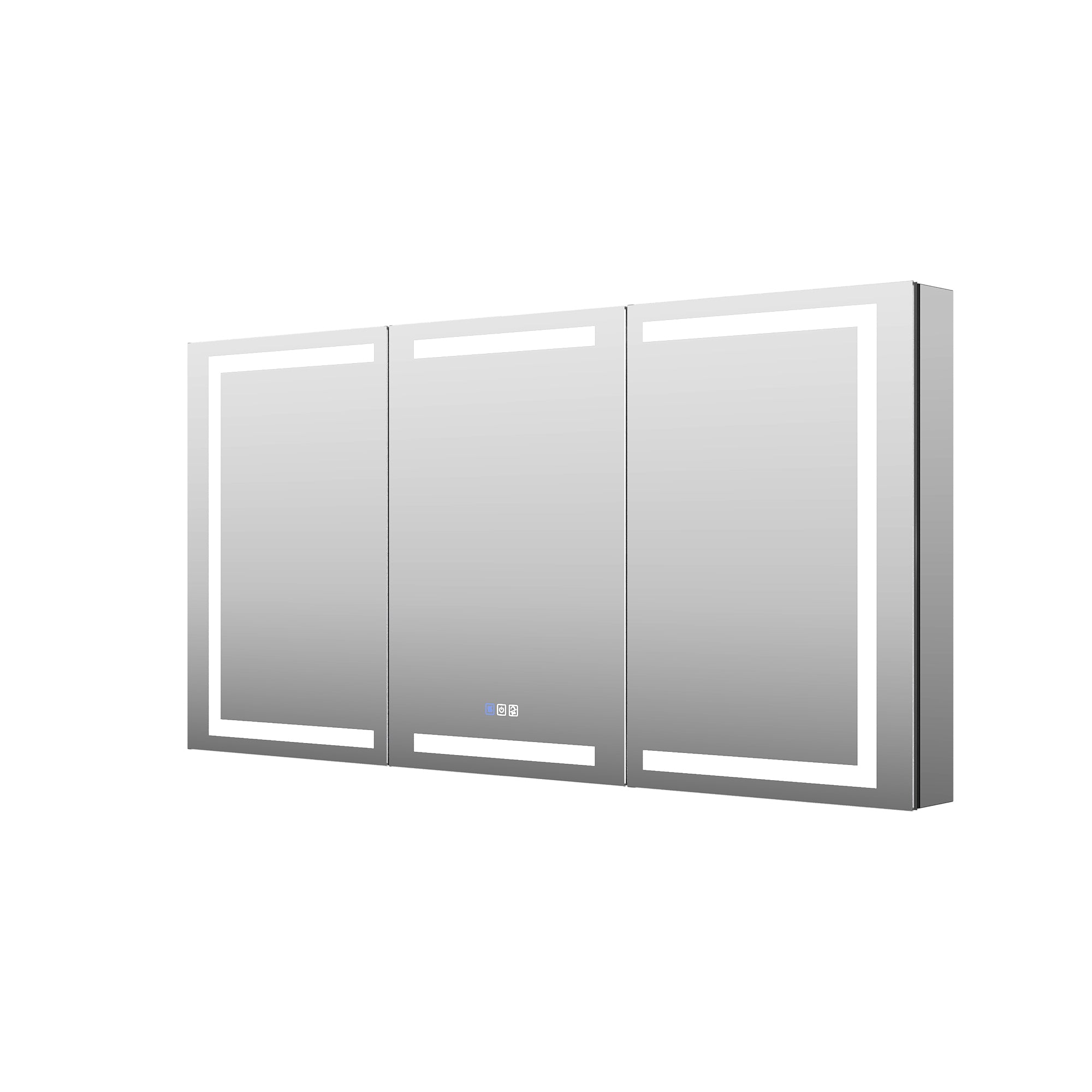
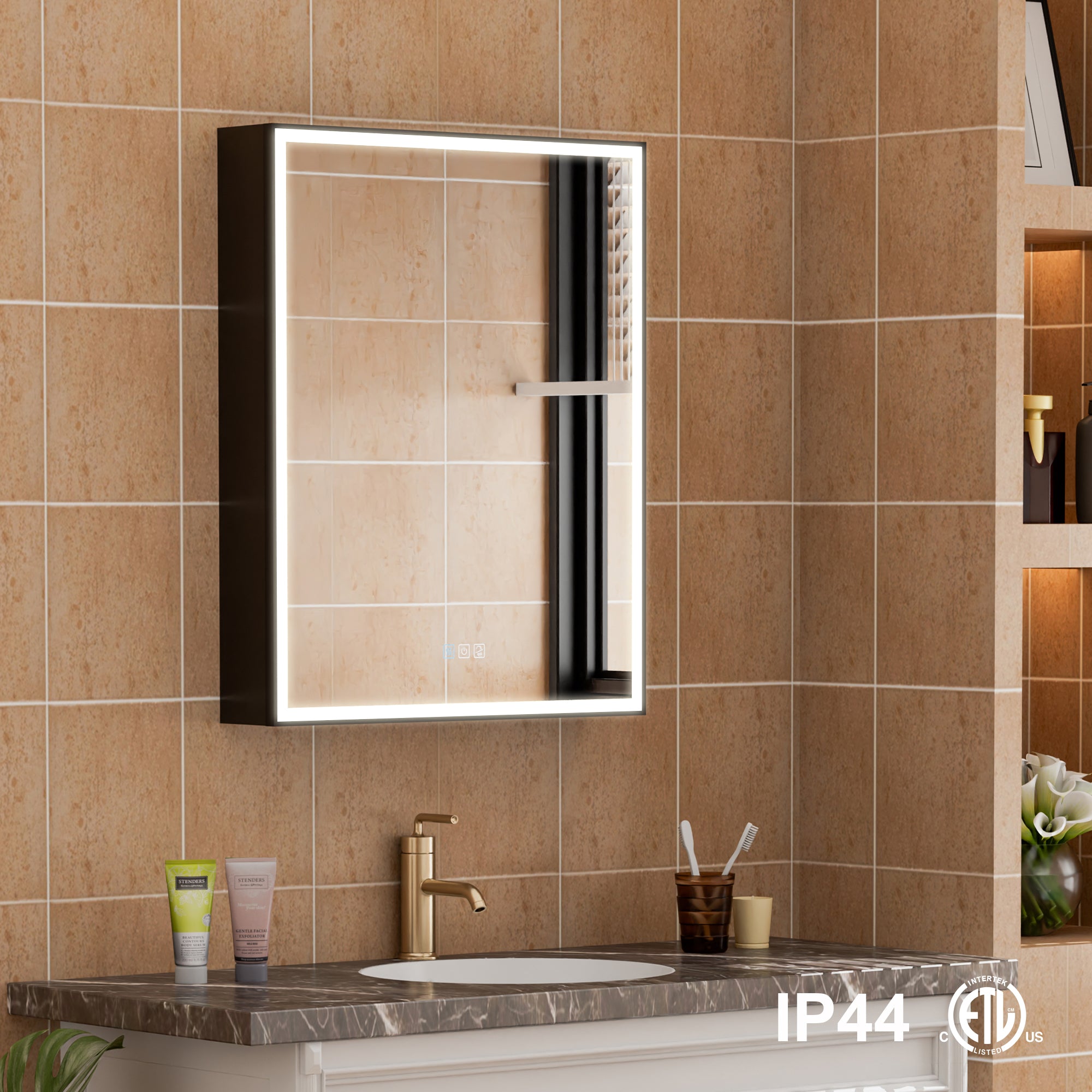
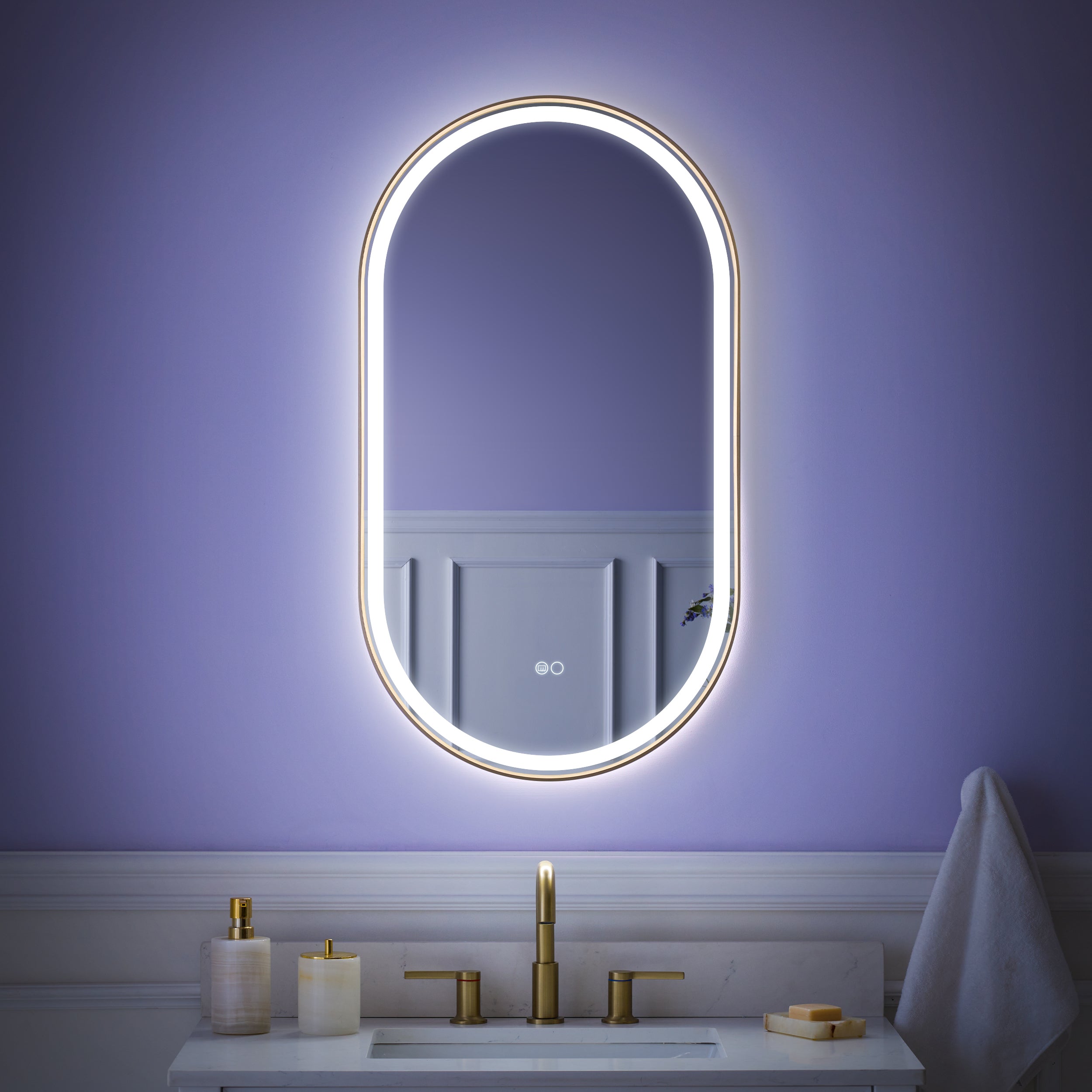
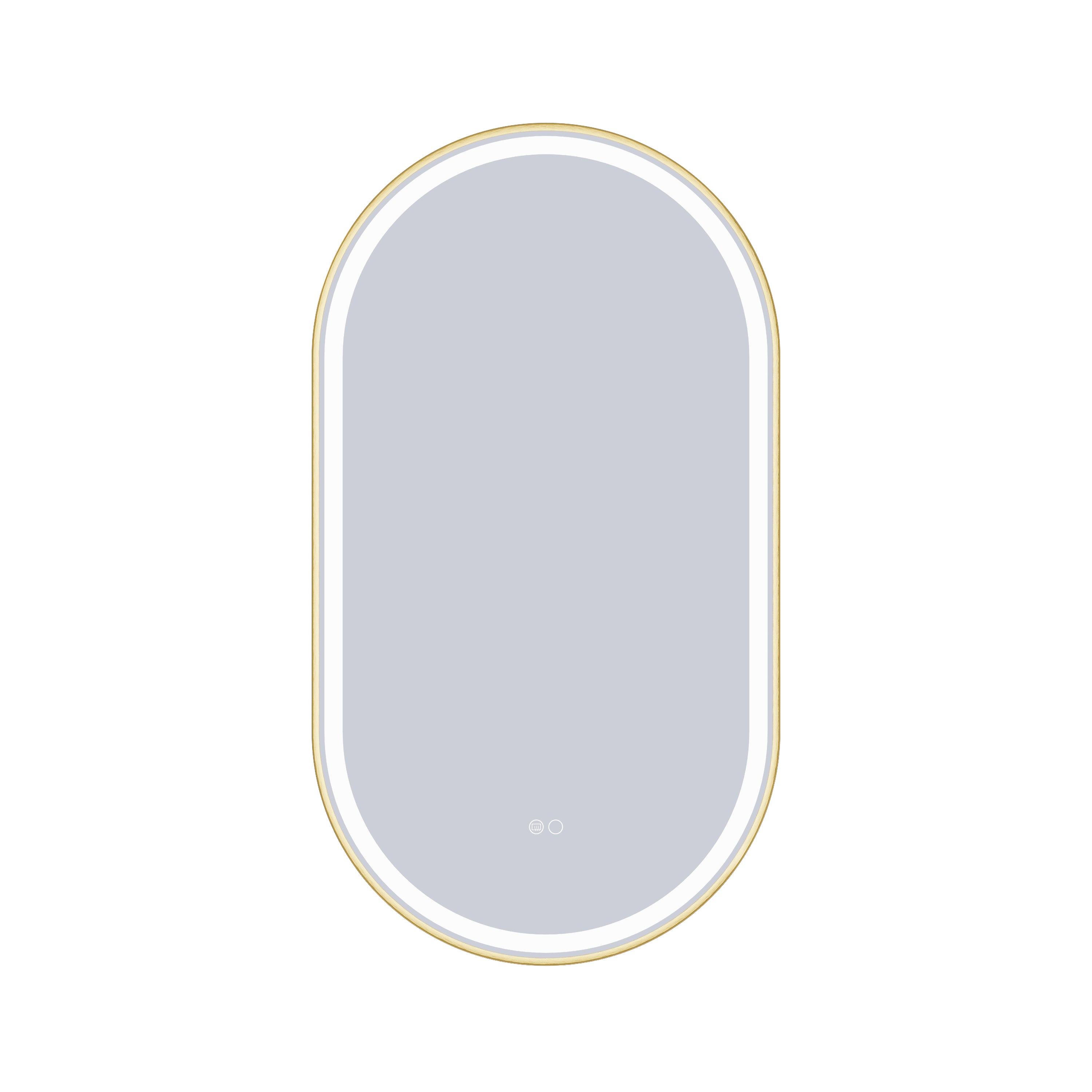
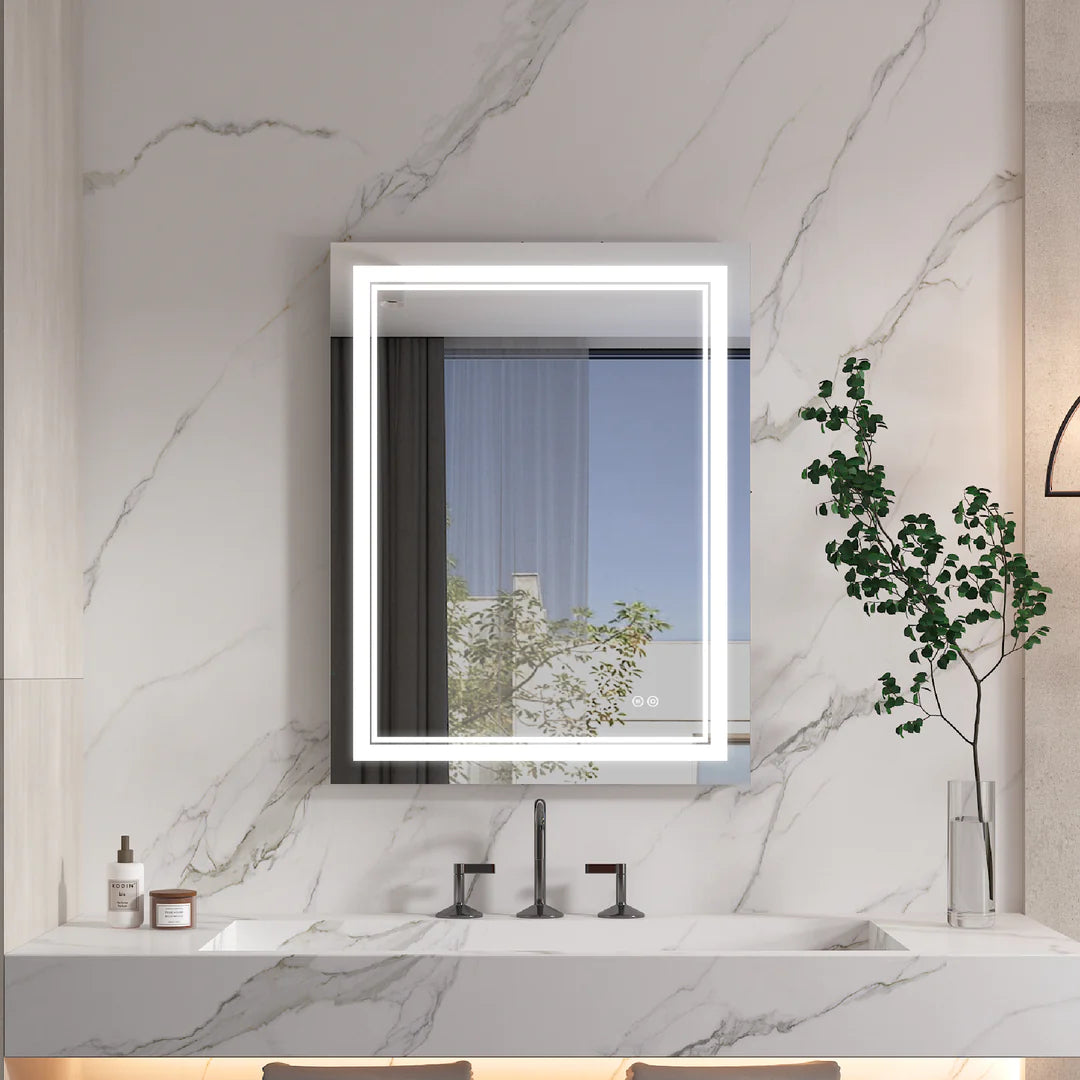
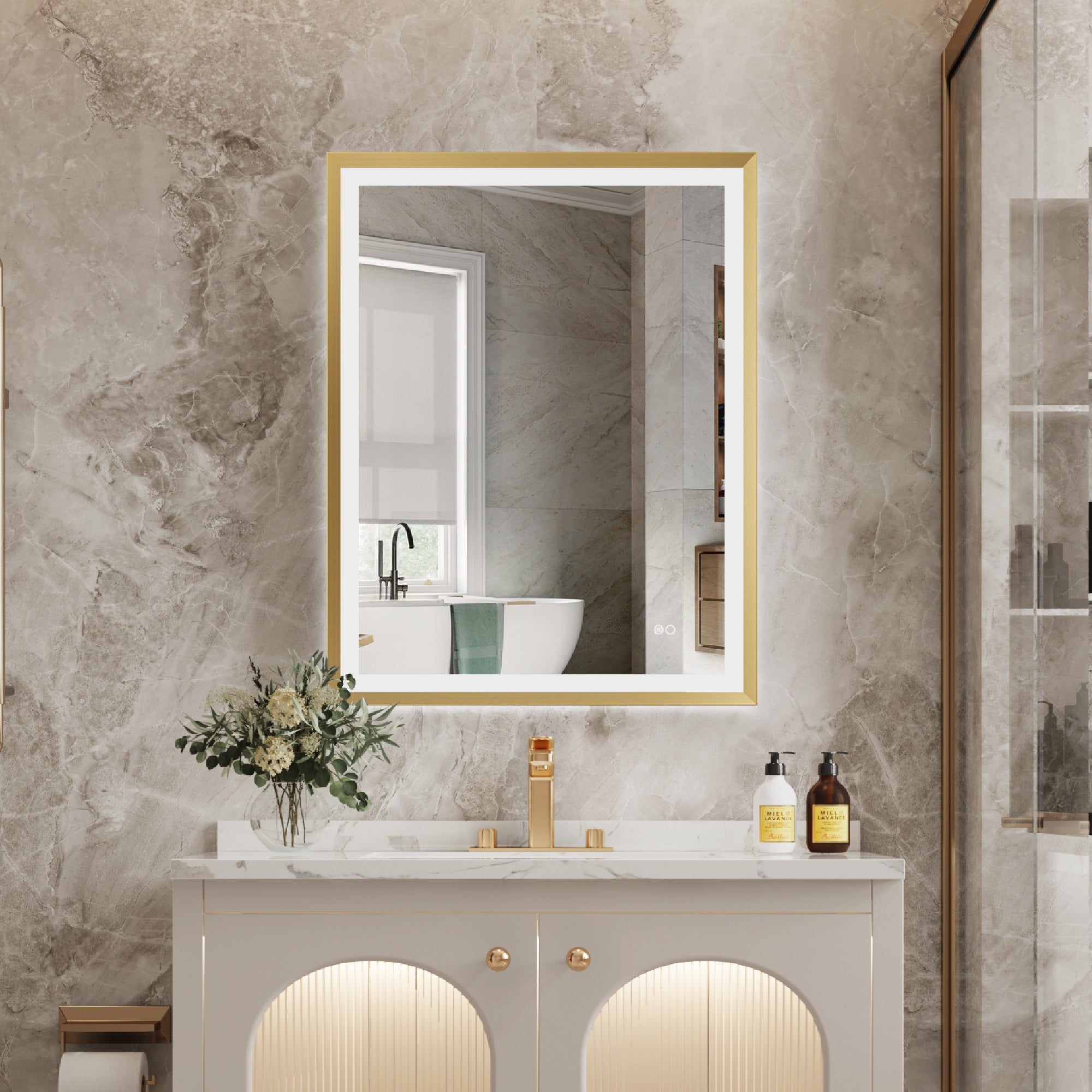
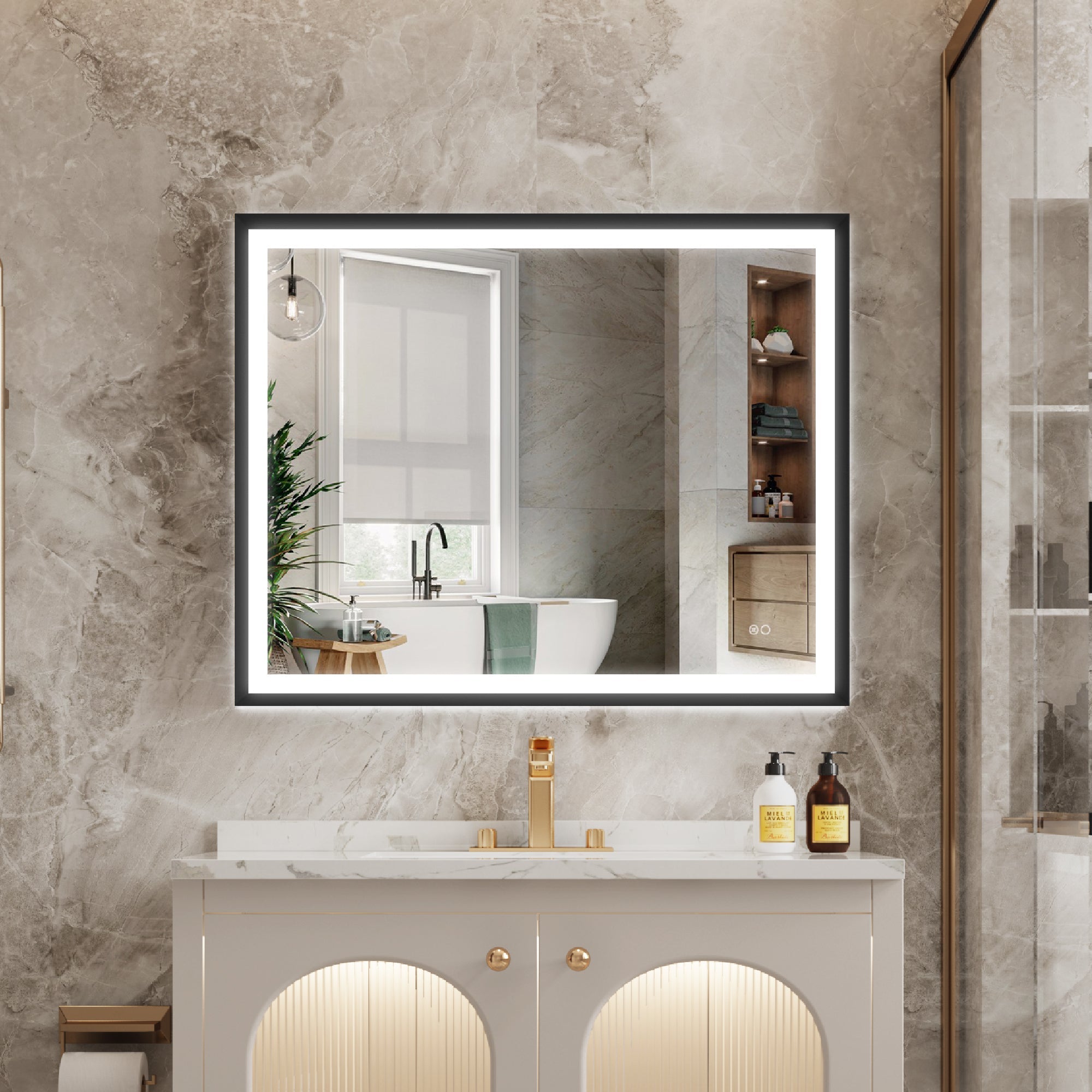
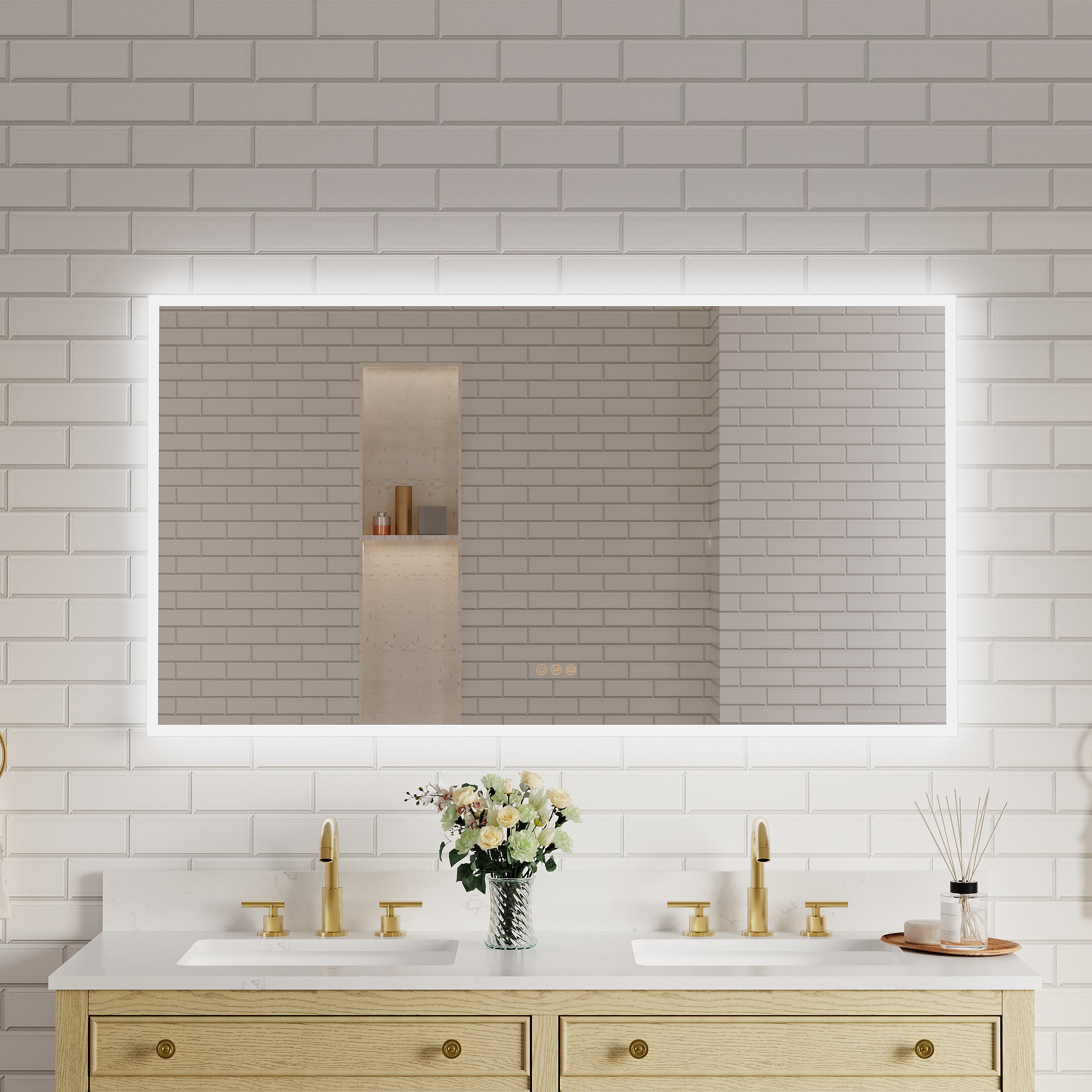
In recent years, there has been a clear trend towards integrating medicine cabinets and illuminated mirrors.
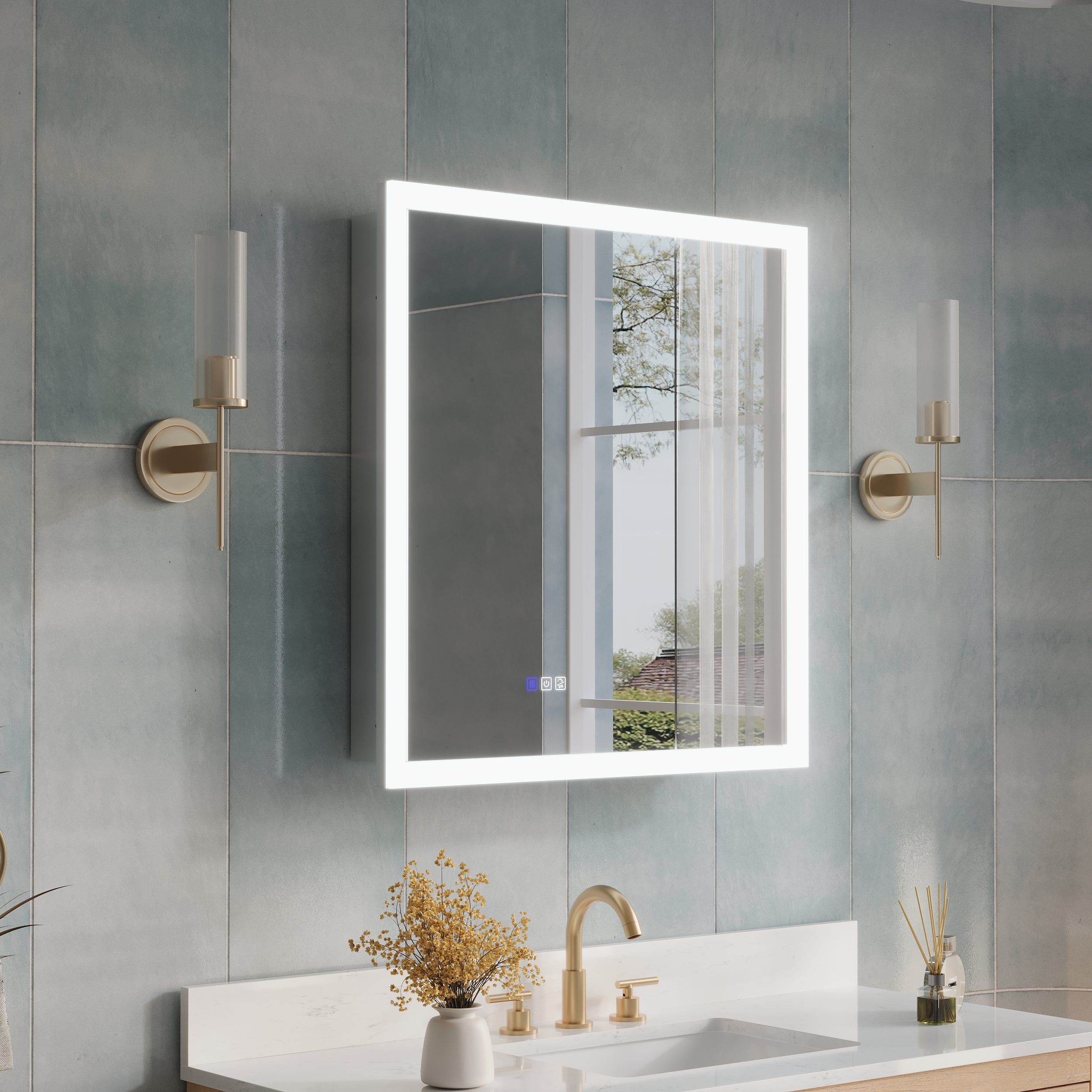
By integrating lighting, mirrors, and storage into the same structure, product functions are highly concentrated, reducing the number of wall elements.
From an industry perspective, this integrated design is more in line with modern bathrooms' pursuit of "less but more refined". Also, it upgrades medicine cabinets from a single storage tool to a multifunctional core component.

6. Modern lifestyle has actually strengthened the rationality of medicine cabinets
In a fast-paced life, users' expectations for bathroom space are no longer limited to "good-looking"; they now emphasize "easy to use" and "easy to maintain".
Medicine cabinets can centralize daily necessities and reduce clutter on countertops, a trend increasingly evident in modern households.
Industry research shows that cleanliness and ease of maintenance have become essential factors affecting bathroom satisfaction, and the medicine cabinet is one of the practical tools to achieve this goal.
7. Industry Conclusion: Outdated is not medicine cabinets, but outdated design methods
From the industry's perspective, medicine cabinets have not disappeared from modern design but have undergone a role shift.
The problem is not whether to use it, but how to design and integrate it.
When a medicine cabinet can achieve structural concealment, restrained appearance, and integrated functionality, it not only does not appear outdated, but also becomes a critical component supporting the efficient operation of modern bathrooms.
Conclusion
In modern bathroom design, relevance is no longer defined by tradition or convention, but by adaptability, functionality, and integration. Medicine cabinets have demonstrated a strong capacity to evolve alongside shifting design aesthetics, technological advancements, and changing user expectations. What was once considered a purely utilitarian storage solution has transformed into a thoughtfully designed element that contributes to both visual coherence and daily convenience.
Through recessed and semi-recessed installations, medicine cabinets now blend seamlessly into wall surfaces, reducing visual clutter and preserving clean architectural lines—an essential characteristic of contemporary interiors. The use of refined materials, such as aluminum frames, soft-close hinges, and high-quality mirrored glass, aligns these products with modern preferences for durability, minimalism, and sophistication.
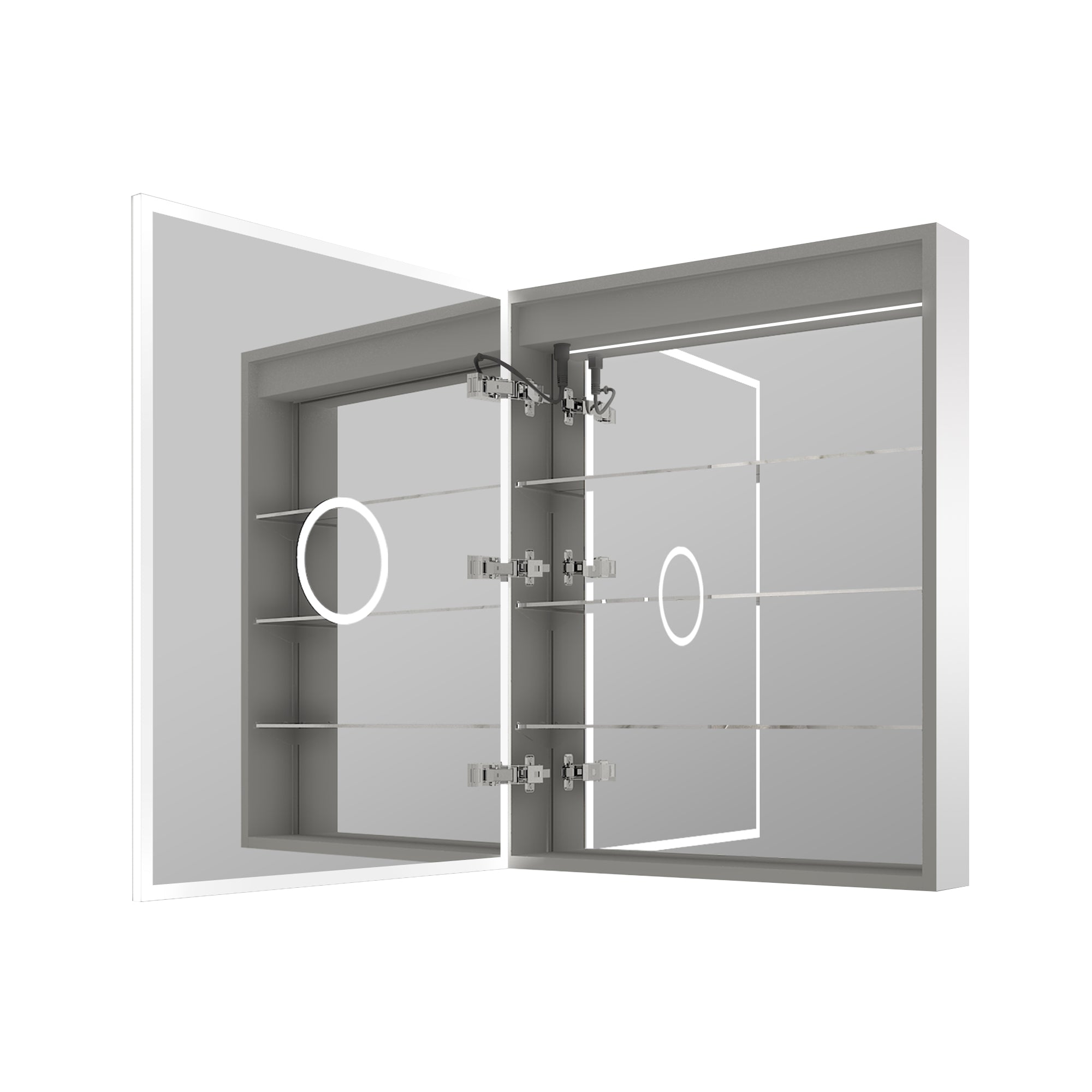
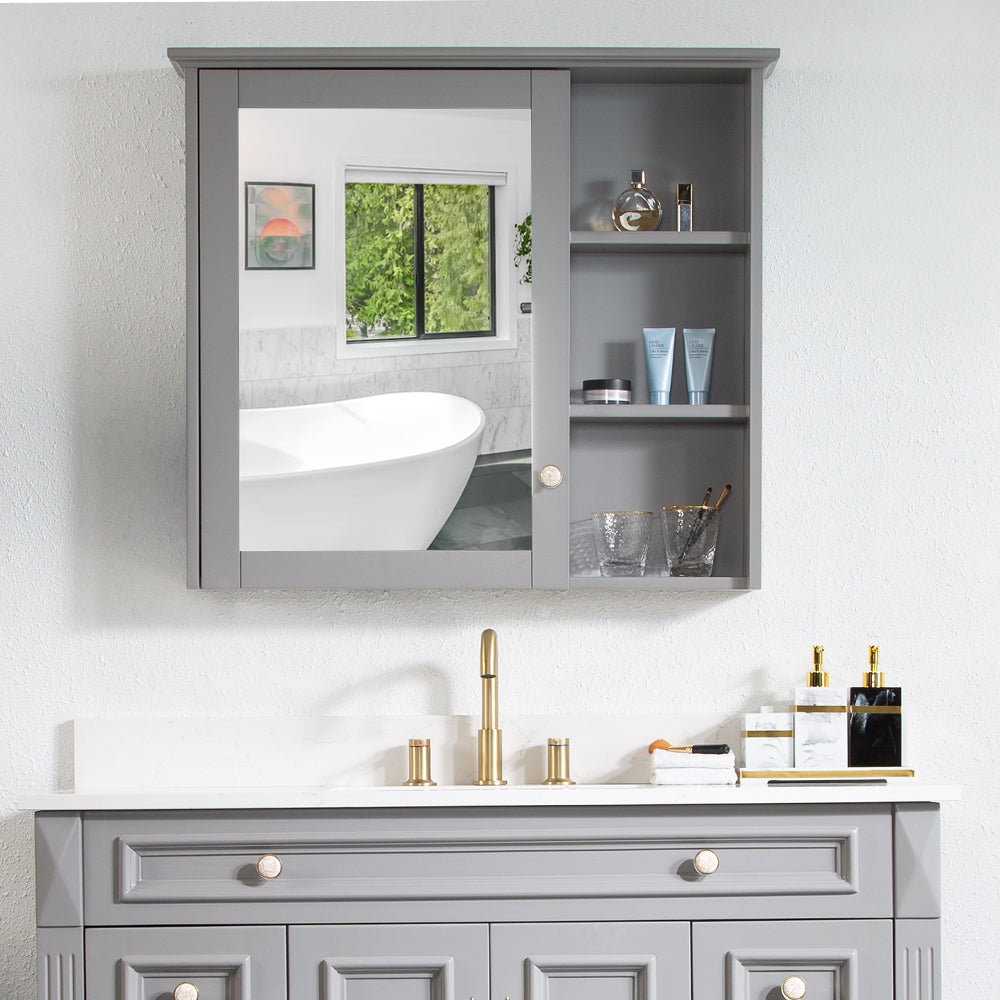
Furthermore, the incorporation of multifunctional features—including integrated LED lighting, anti-fog technology, electrical outlets, USB charging ports, and adjustable shelving—has expanded the role of the medicine cabinet beyond storage. These enhancements respond directly to real-world user needs, improving daily routines while optimizing limited bathroom space, particularly in urban and high-density residential environments.
Rather than being outdated, well-designed medicine cabinets remain a highly effective solution for maintaining organization, cleanliness, and spatial efficiency in modern bathrooms. When executed with contemporary design principles in mind, they not only complement modern interiors but also enhance usability and long-term value. As bathroom design continues to prioritize smart functionality and understated elegance, medicine cabinets are likely to remain a relevant and adaptable fixture well into the future.








Leave a comment
This site is protected by hCaptcha and the hCaptcha Privacy Policy and Terms of Service apply.