
















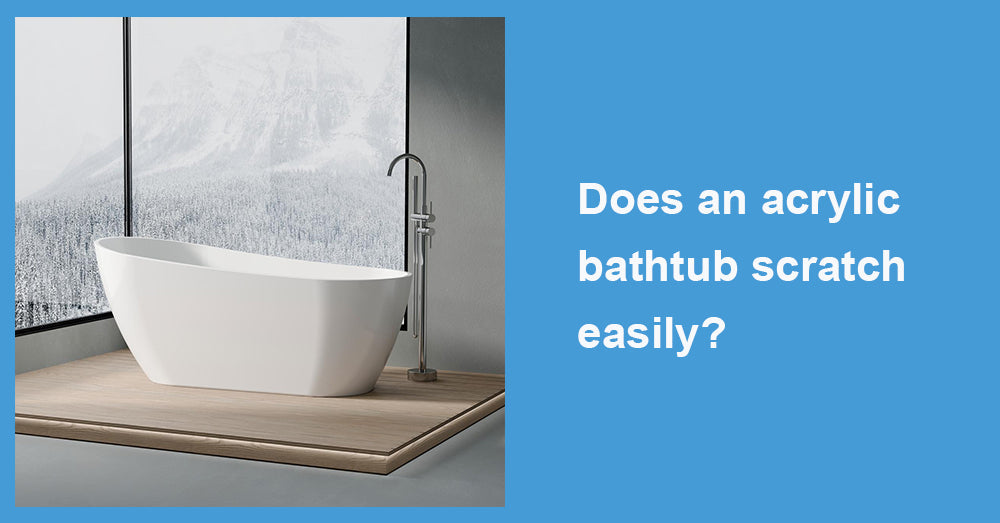
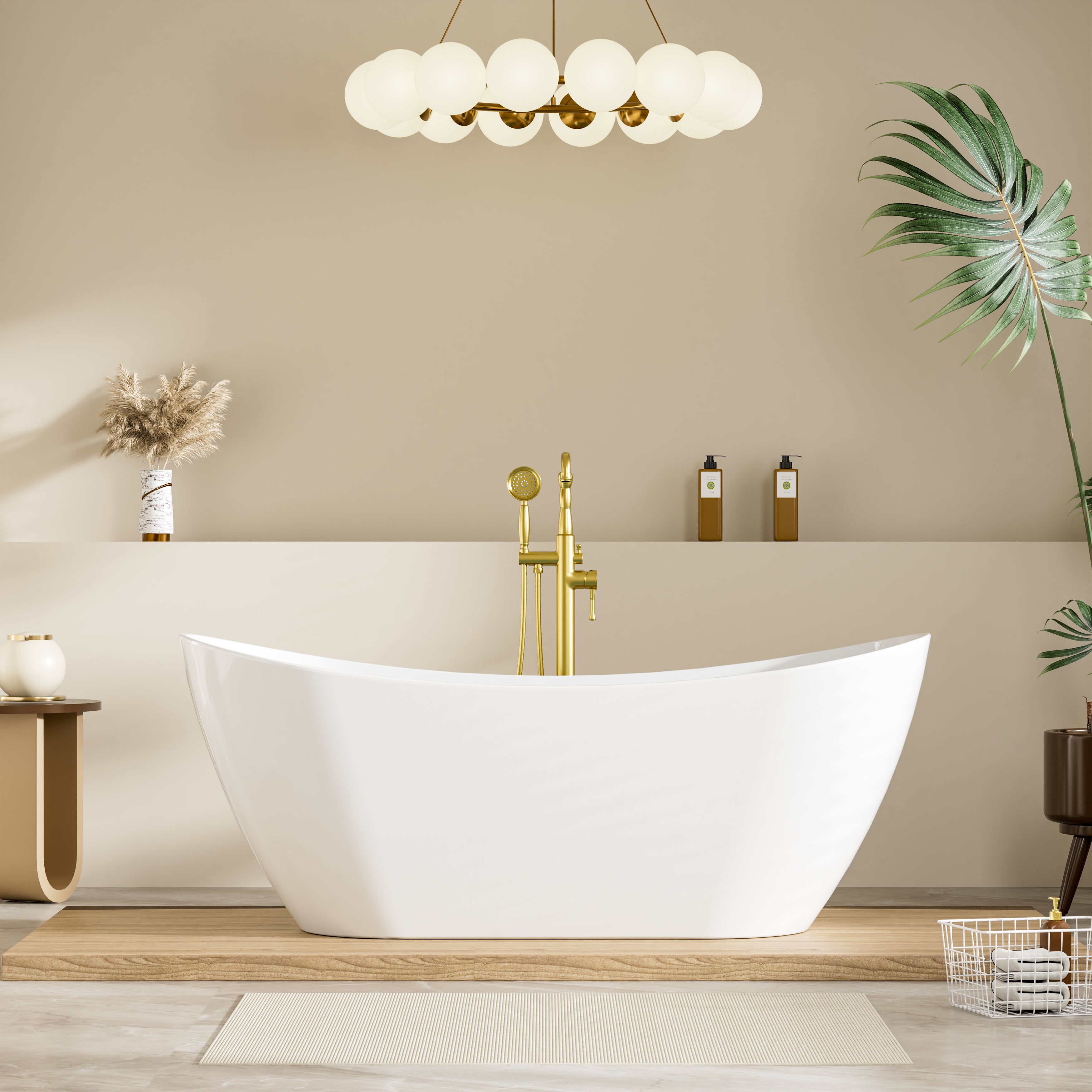
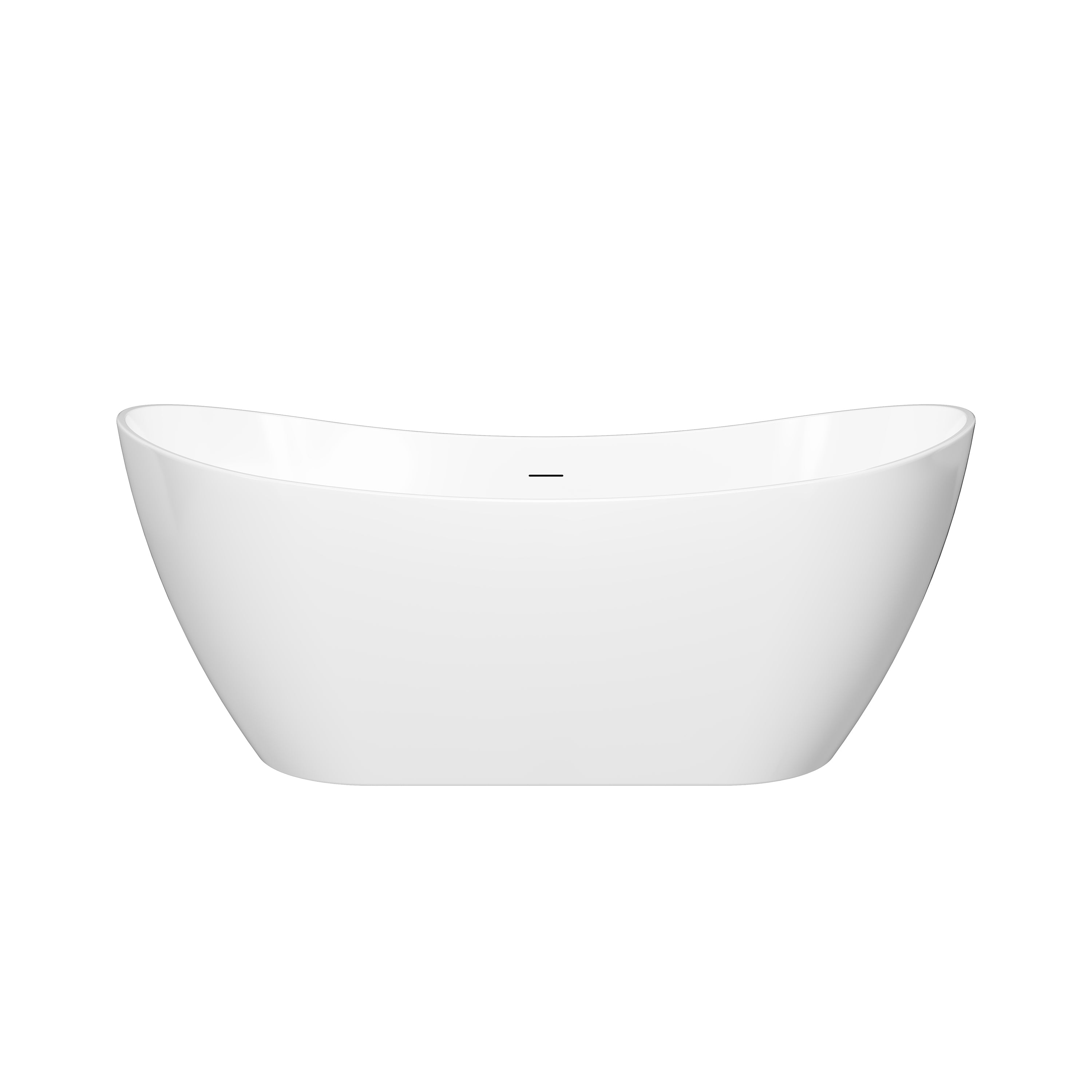
An acrylic bathtub can scratch, but “scratches easily” is usually an oversimplification. In practice, most complaints are about tiny surface hazing from abrasive cleaners, gritty bath mats, or sand-like debris—problems that appear more as a loss of gloss than as deep gouges. With bathroom remodel activity remaining strong, durability and low-maintenance finishes are getting extra scrutiny, so it’s worth separating fact from myth.
1. What “acrylic” means in a tub, and why the quality varies
Most acrylic tubs use PMMA (acrylic) as the visible surface, but the construction method matters. Some are formed from thicker “cast acrylic” sheets, others use different acrylic formulations, and many add fiberglass or resin reinforcement behind the surface for structural rigidity. Two tubs can both be marketed as acrylic yet feel very different in day-to-day use because surface hardness, topcoat quality, and finishing (gloss level, buffing) vary from one build to the next. A practical takeaway: the surface you touch is what you scratch, and the surface properties are not uniform across all “acrylic” tubs.
2. The hardness numbers: acrylic is tough for a plastic, but not “glass-hard.”
Acrylic is widely described as one of the harder thermoplastics. It is often noted as scratch-resistant relative to many plastics, but it is still softer than glass and can be marked by harder particles.
Manufacturers and material datasheets commonly report Rockwell M hardness values for acrylic (tested under ASTM D785). For example, a Plexiglas/PMMA grade is listed at Rockwell M 99 in a published datasheet. Another technical sheet for acrylic (ACRYLITE) lists Rockwell hardness around M-93, while also emphasizing that plastic surfaces are not as hard as glass and should be handled and cleaned with reasonable care.
What that means in plain terms:
· A soft cloth and mild cleaner won’t usually “scratch” acrylic by themselves.
· The usual culprit is hard grit (think mineral particles) trapped under a sponge, in a bath mat, or in an abrasive powder cleaner—those particles act like tiny cutting tools.
3. Why scratches show up as haze on glossy tubs
In real bathrooms, acrylic rarely fails catastrophically from scratching; instead, it accumulates micro-abrasions that change how light reflects off a glossy surface. That’s why a tub can look “dull” or “cloudy” before you ever see a single noticeable line scratch.
The most common scratch pathways tend to be:
· Abrasive cleaners or pads (powder cleansers, “magic” abrasive sponges, rough scrub pads).
· Bath mats that trap grit underneath.
· Complex objects dragged across the floor of a 60-in alcove tub (metal pails, tools during renovation, pet nails, toys).
· Mineral scale removal is done too aggressively (scraping or harsh scouring instead of dissolving and wiping).
If you want a quick mental model: acrylic holds up well to regular washing, but it loses against “sandpaper situations,” even if the sandpaper is accidental.
4. The maintenance trend: why the industry is talking about surfaces more now
Two forces are colliding: more investment in bathrooms, and a stronger preference for easy-care materials.
A major bath trends report highlights that “easy to clean” is a top driver across bath surfaces, with survey results indicating high prioritization of low-maintenance choices for showers, flooring, countertops, and sinks. Meanwhile, a large renovation platform’s bathroom trends study reported that median spending on bathroom remodels rose from $13,500 to $15,000 (2022 to 2023), and that even minor refresh projects saw measurable increases. Layer on top of that a leading housing research center projecting homeowner remodeling spend reaching $524 billion in early 2026, and you get an environment where shoppers and pros are paying closer attention to how finishes age.
So, the “does it scratch?” question is increasingly part of a broader expectation: surfaces should stay good-looking with less effort.

5. How to prevent scratches without babying the tub
You don’t need special rituals—remove the abrasion sources.
Use non-abrasive cleaning methods. A major fixture brand recommends mild dishwashing detergent and warm water for routine cleaning, and explicitly warns against abrasive cleaning products and harsh detergents meant for tile or porcelain enamel.
Skip scratchy tools. Care guides commonly advise avoiding abrasive sponges/cleaners and stiff-bristle brushes on bath surfaces to prevent finish damage.
Keep grit out of the equation.
· Rinse the tub floor before wiping if you suspect debris (especially after bathing pets or post-renovation dust).
· Clean under bath mats regularly, or choose mats that don’t trap grit.
· During installation or other trades work, cover the tub with a protective liner rather than cardboard, which can hold debris and grind underfoot.
Choose the right “tough stain” approach. For soap scum or mineral buildup, the safest strategy is usually chemical softening (gentle bathroom cleaners approved for acrylic) plus soft wiping—rather than upgrading to a harsher pad.
6. If it does scratch: what’s realistically fixable
Light marks on acrylic are often more recoverable than on some coated surfaces because acrylic can be polished. Material datasheets commonly describe PMMA as easy to polish, which is one reason it remains popular in applications where appearance matters.
In practice:
· Light haze and micro-scratches can often be improved with plastic-safe polishes and careful buffing.
· Deep scratches may require progressive refinishing (often best left to a pro if you want a uniform gloss and don’t want to risk uneven sheen).
The key is to avoid making the scratch field wider by using aggressive abrasives “to fix abrasions.”
Bottom line
An acrylic bathtub is not fragile, but it’s not immune. It generally performs well under regular use, and most “scratching” is preventable with non-abrasive cleaning and grit control. If you spec or shop carefully (and clean correctly), acrylic can stay glossy for years—and when it does pick up wear, it’s often more repairable than people assume.














Leave a comment
This site is protected by hCaptcha and the hCaptcha Privacy Policy and Terms of Service apply.