
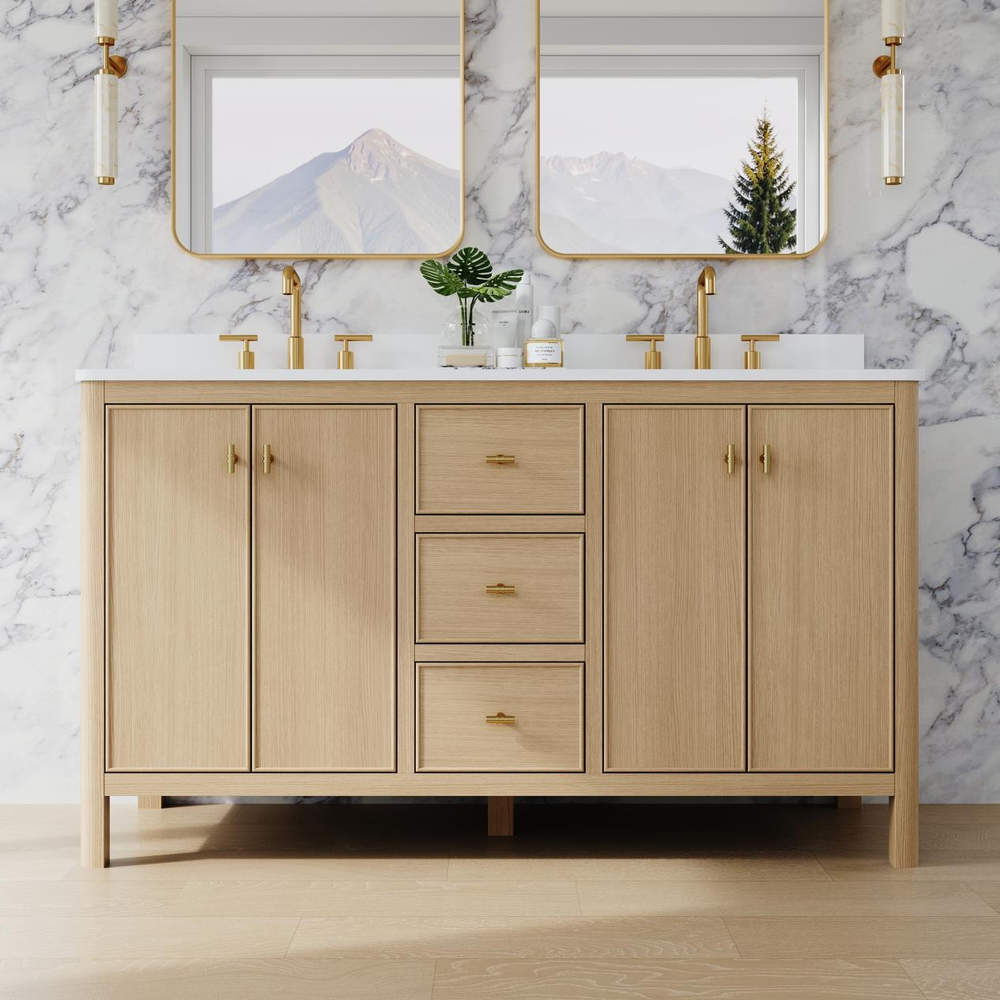
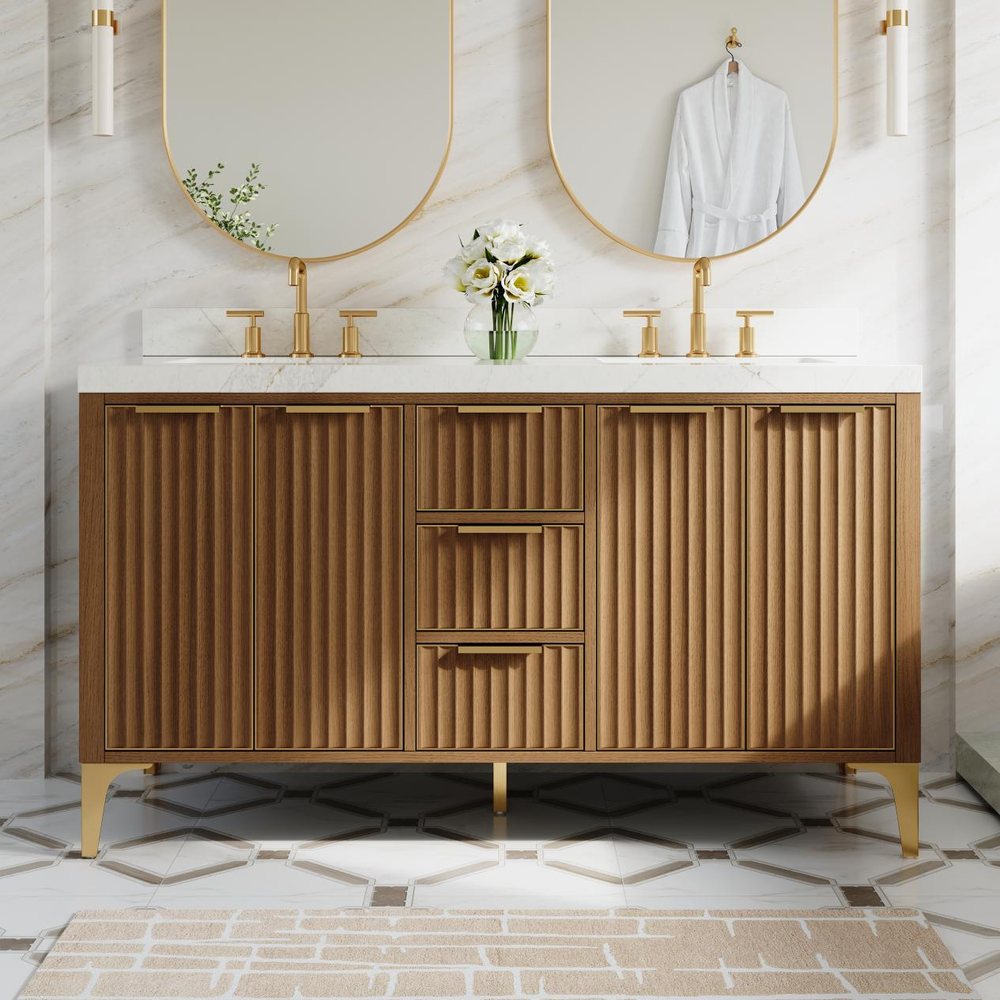
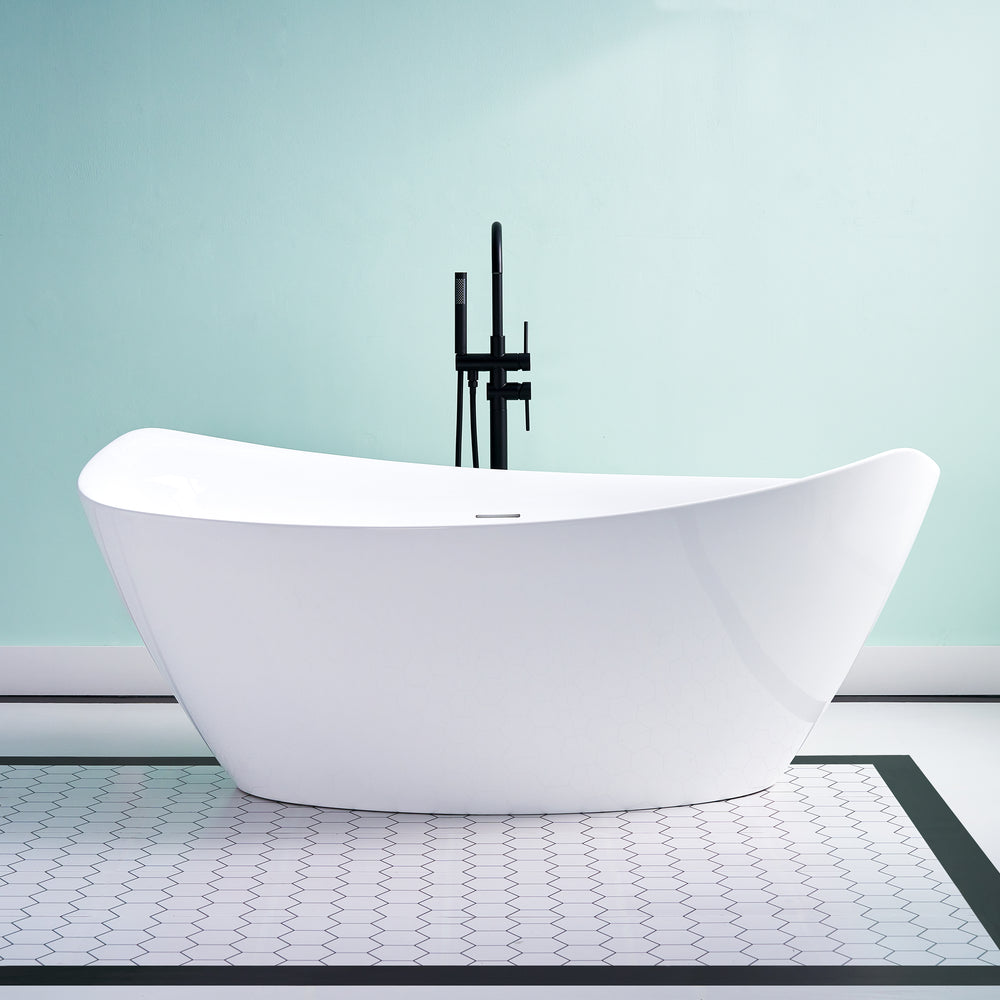
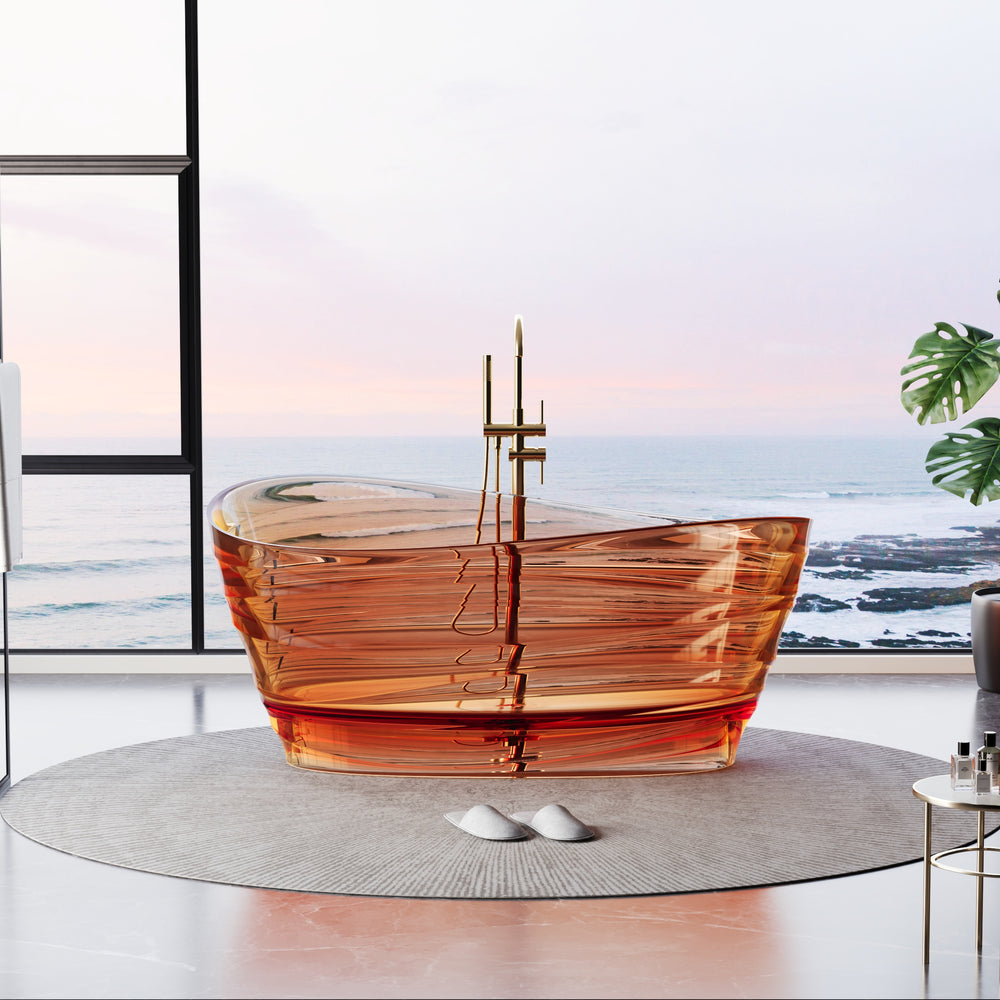
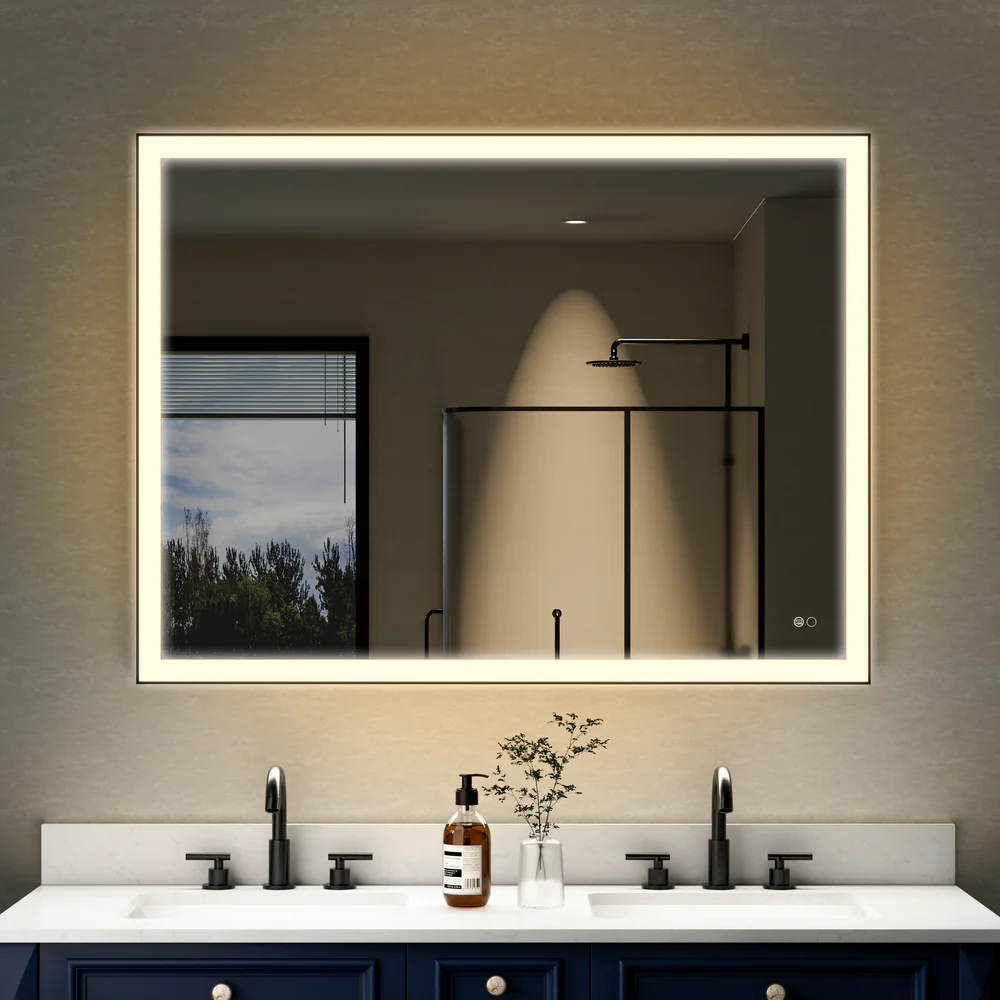
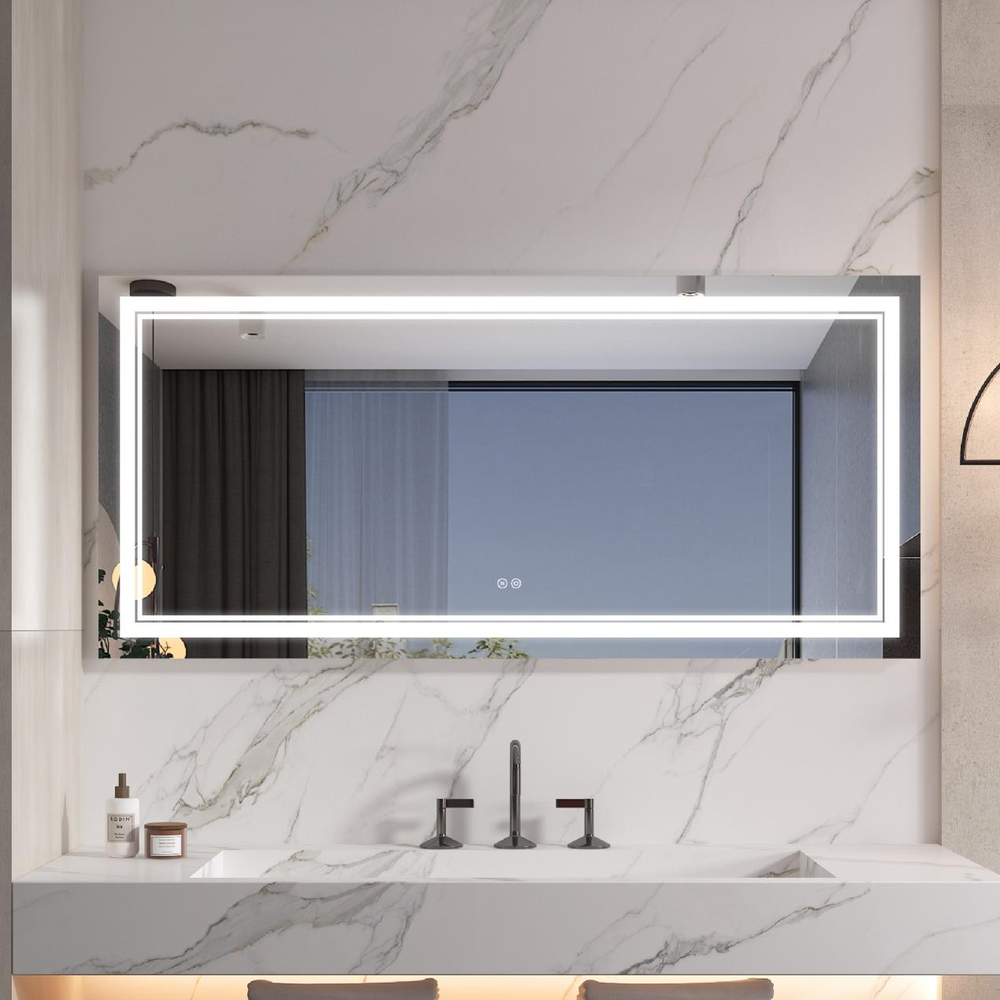
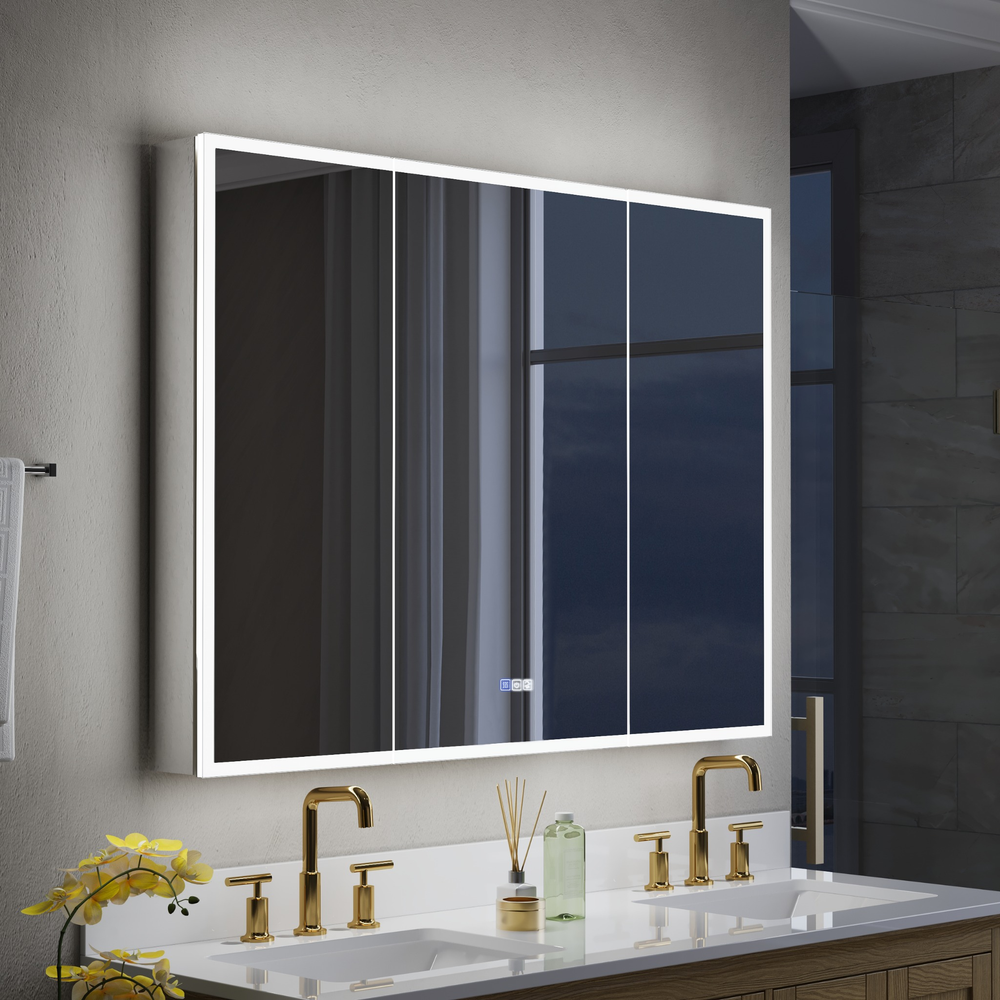
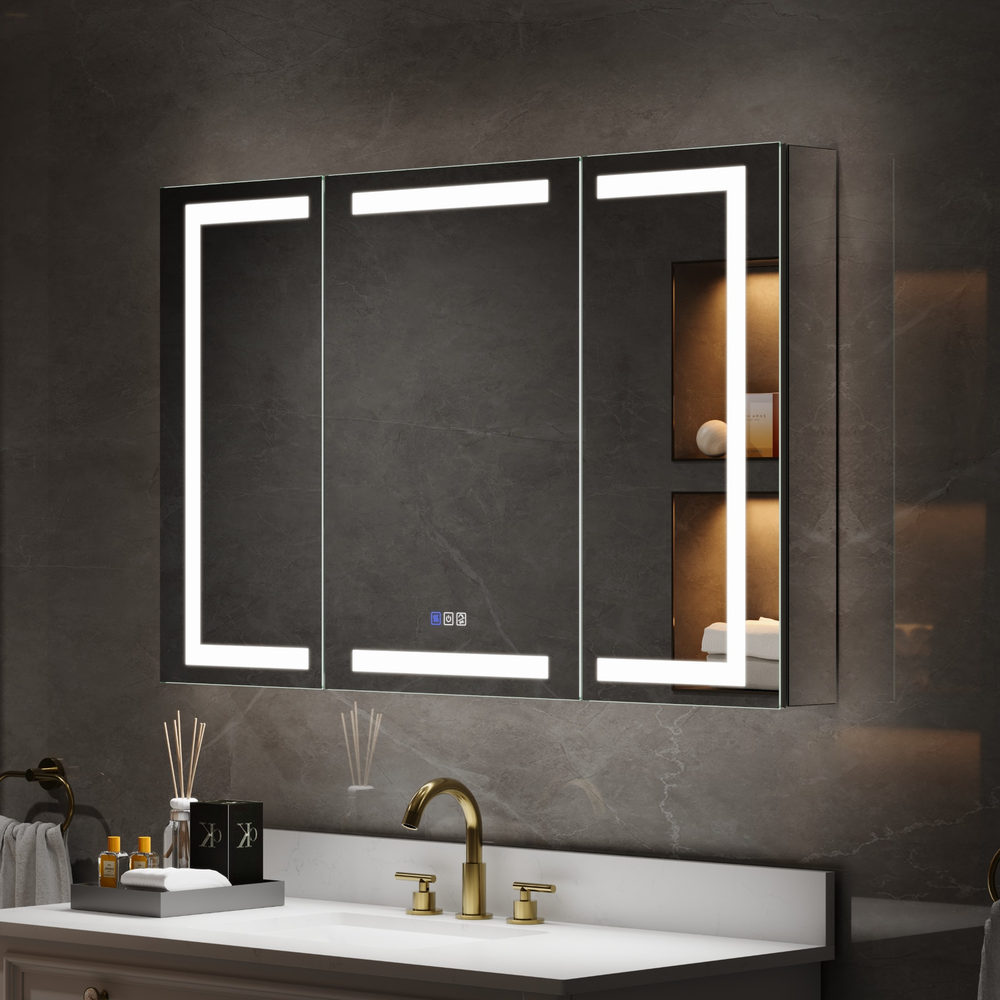
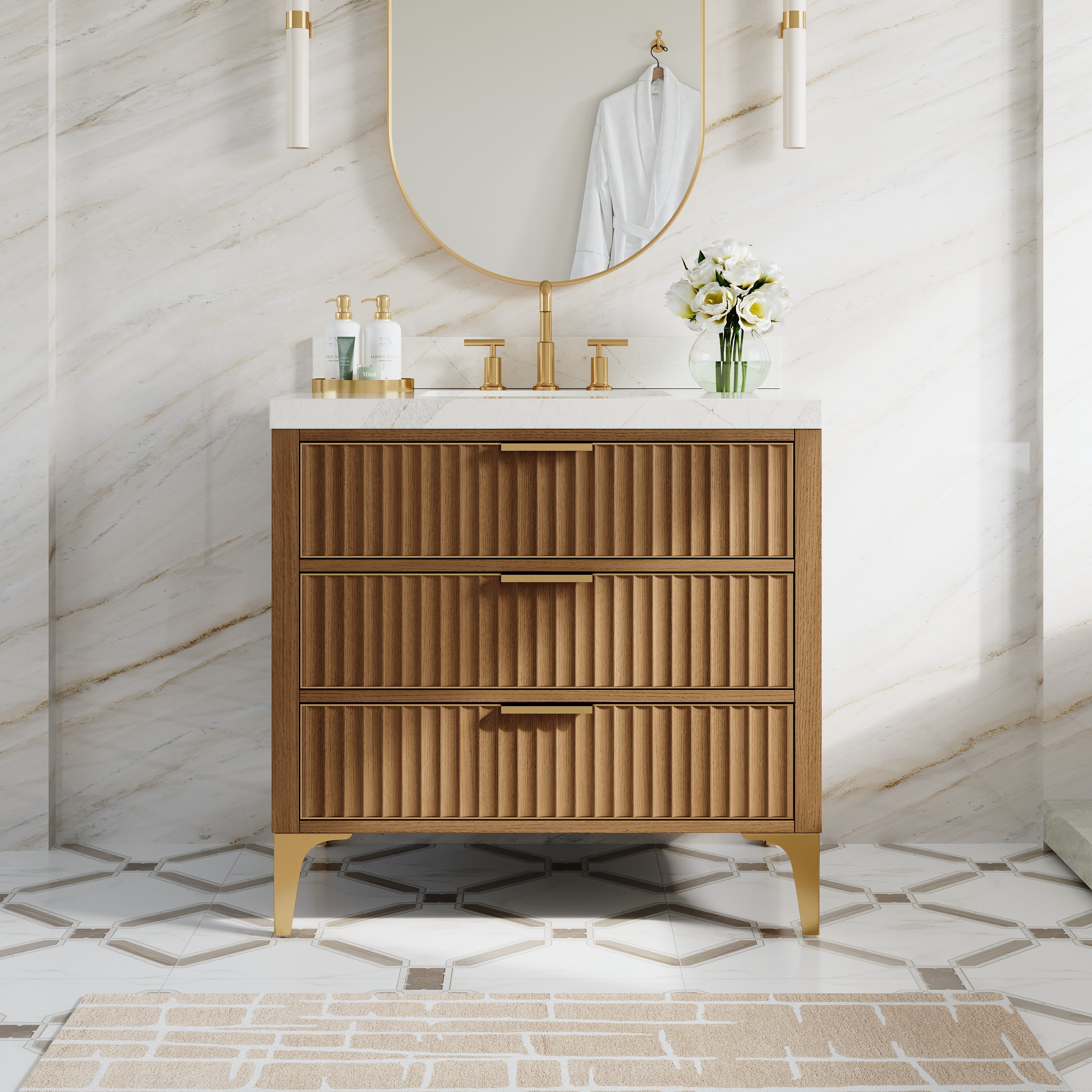
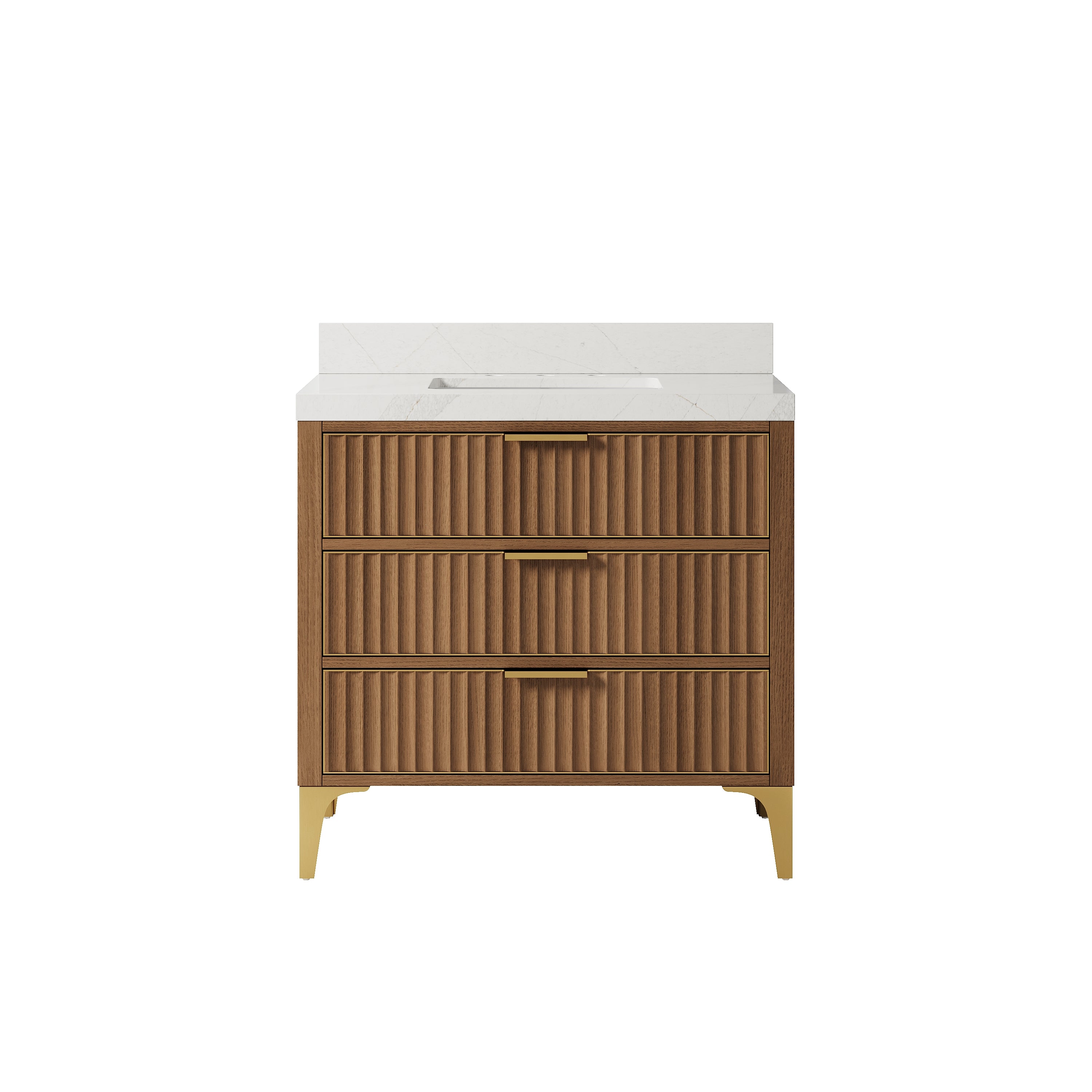
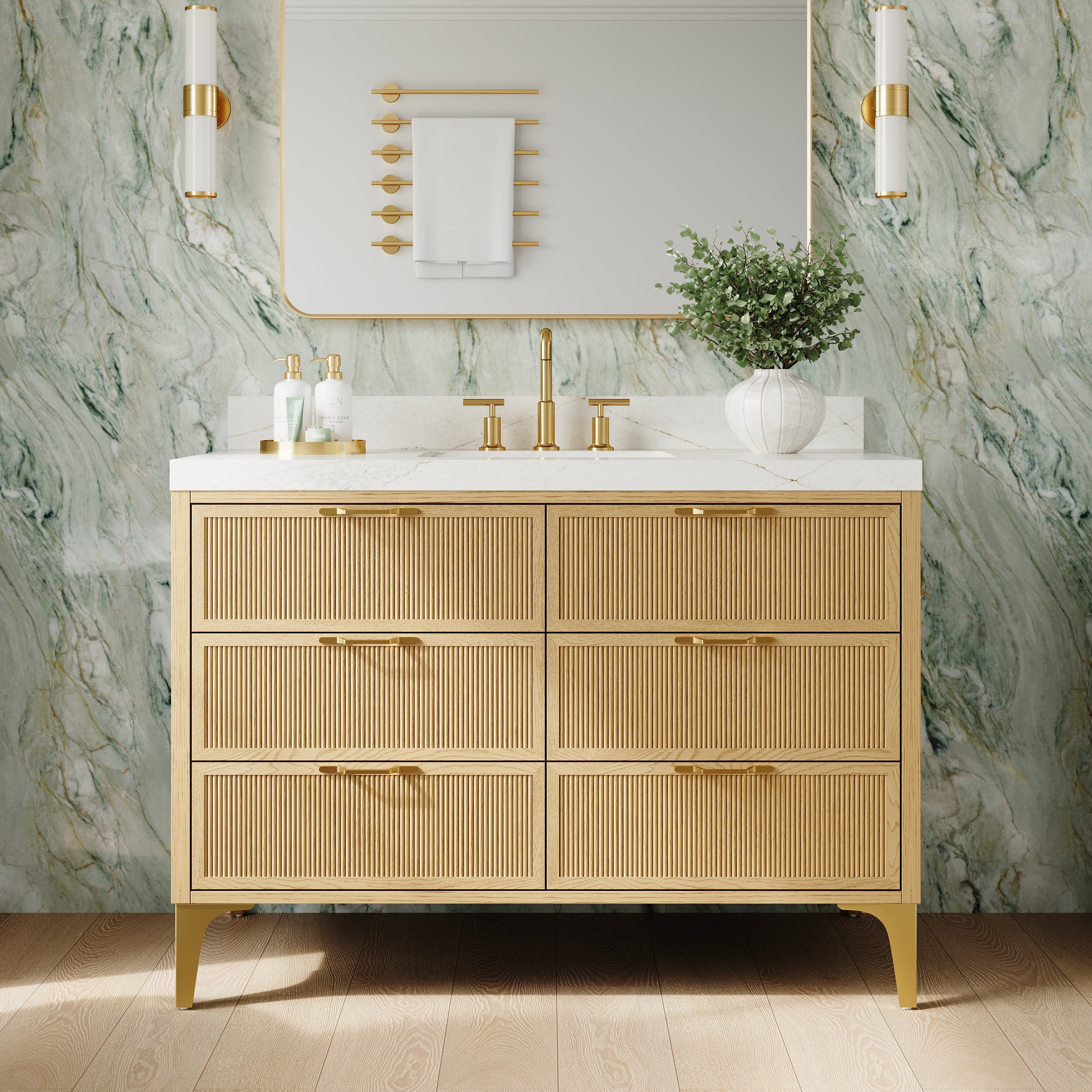
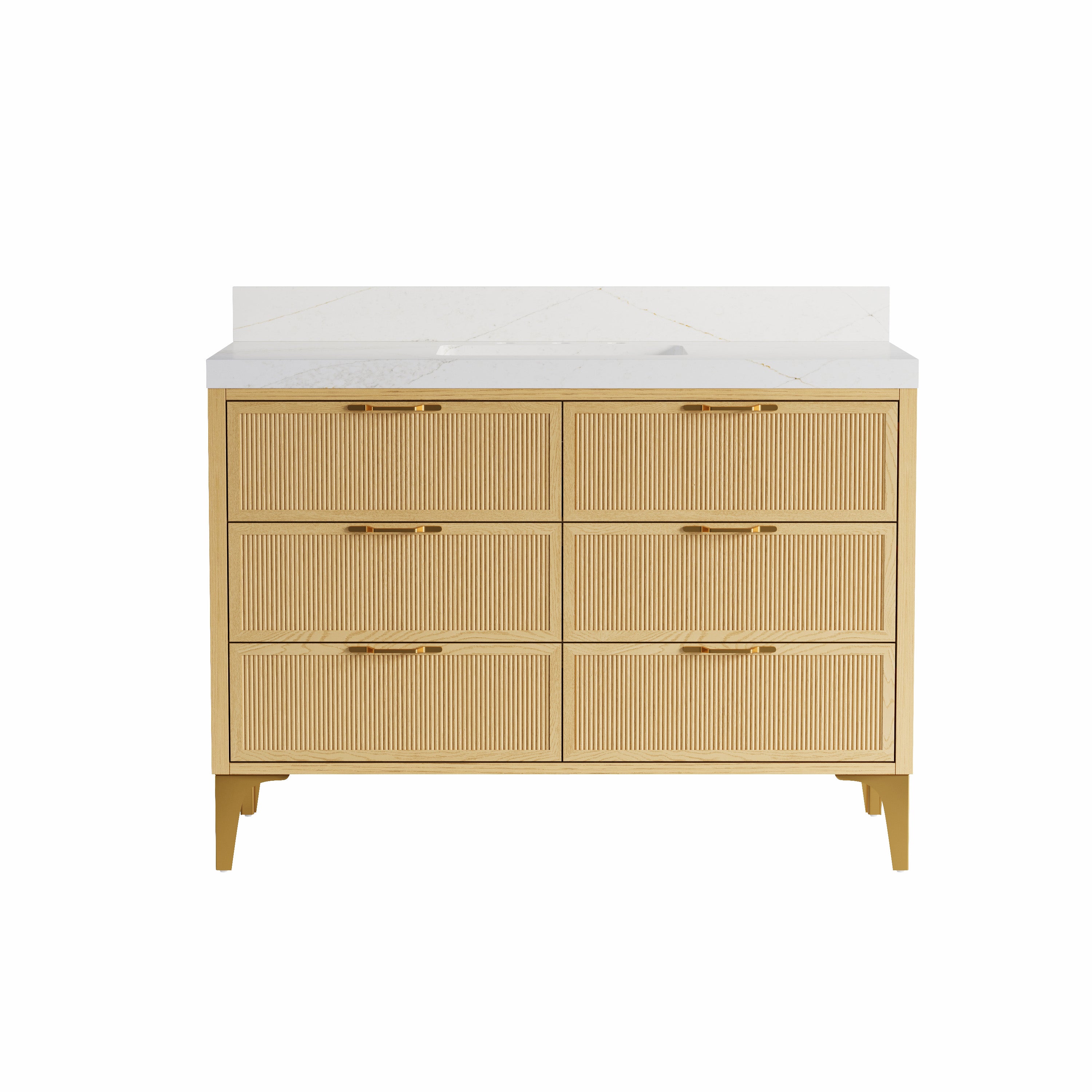
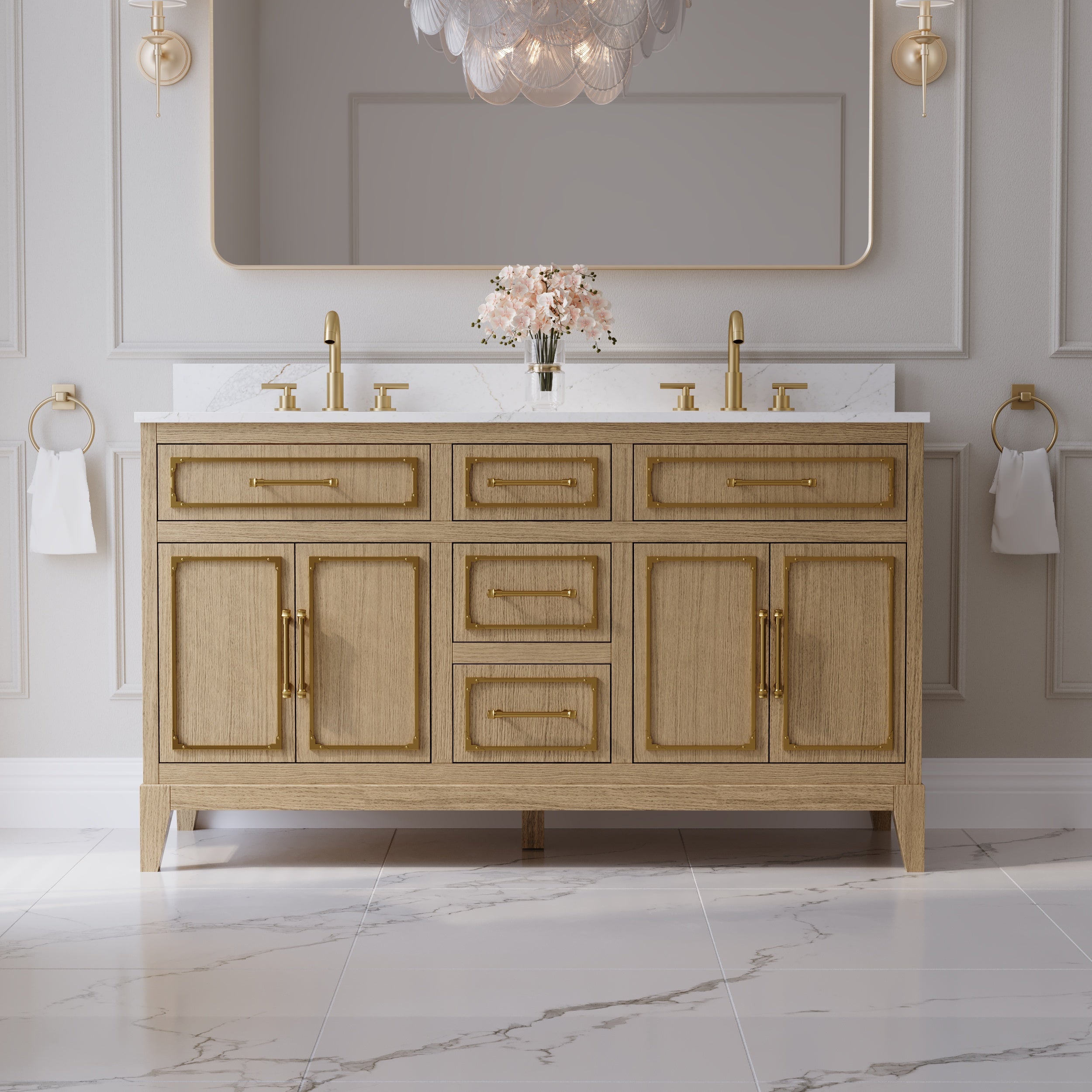
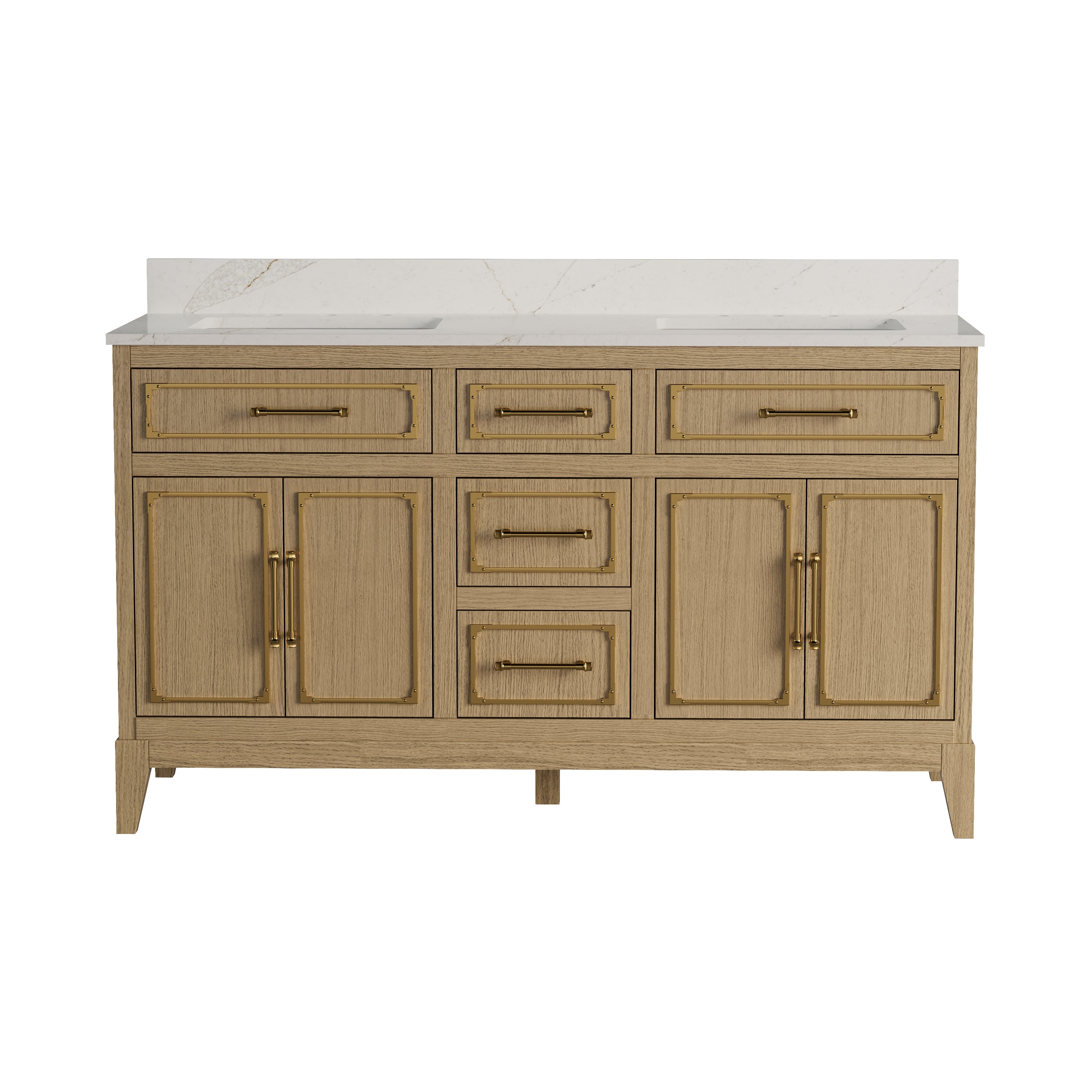
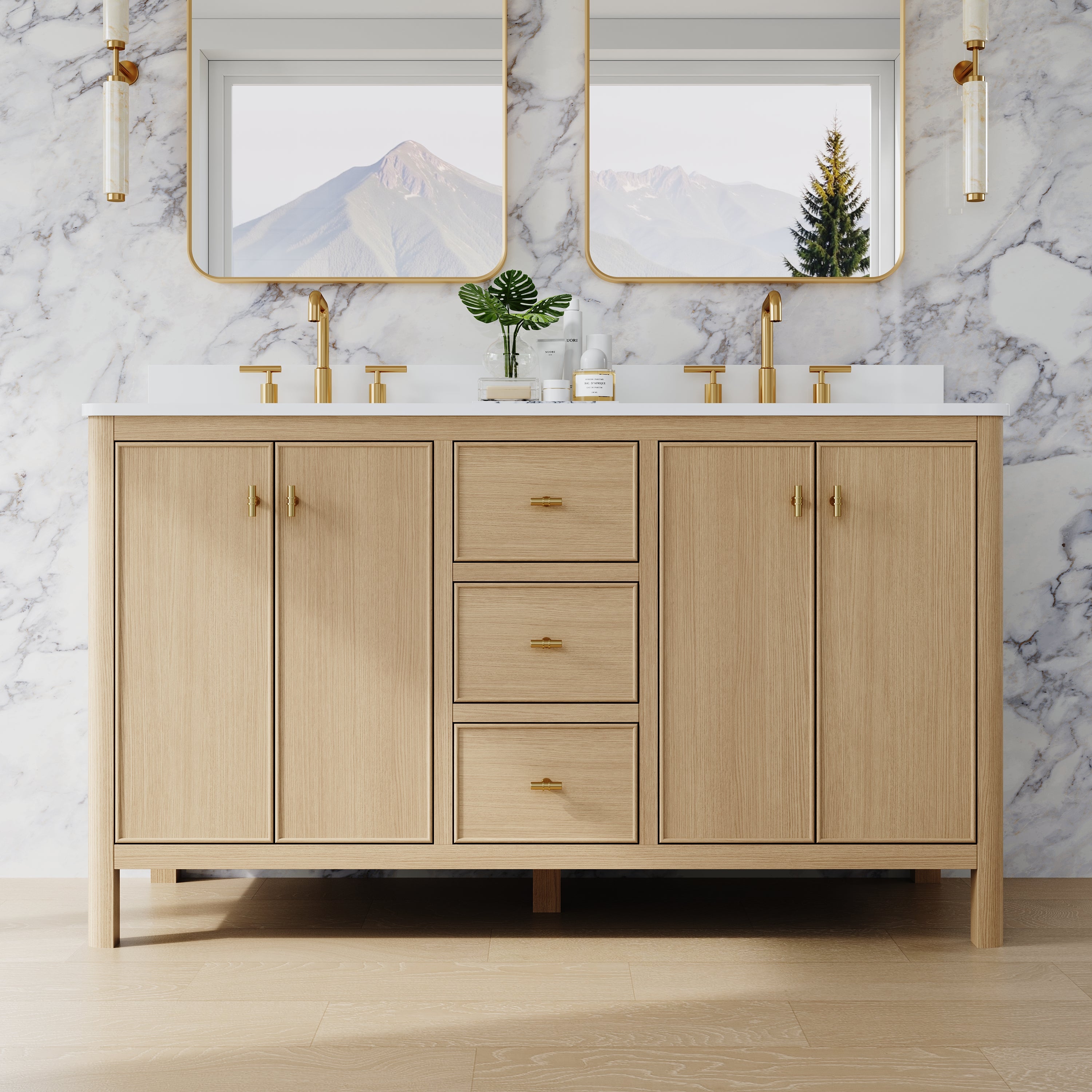
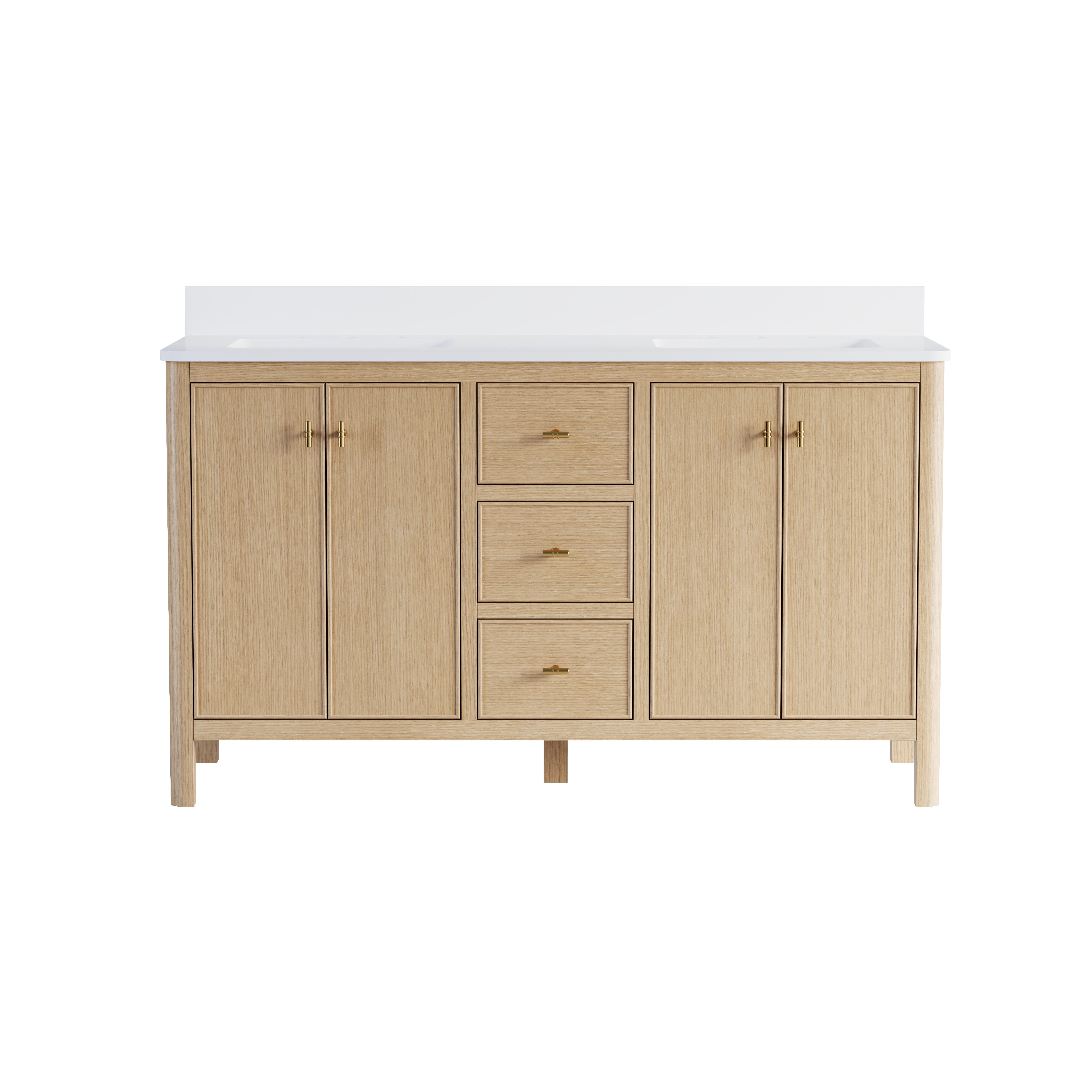
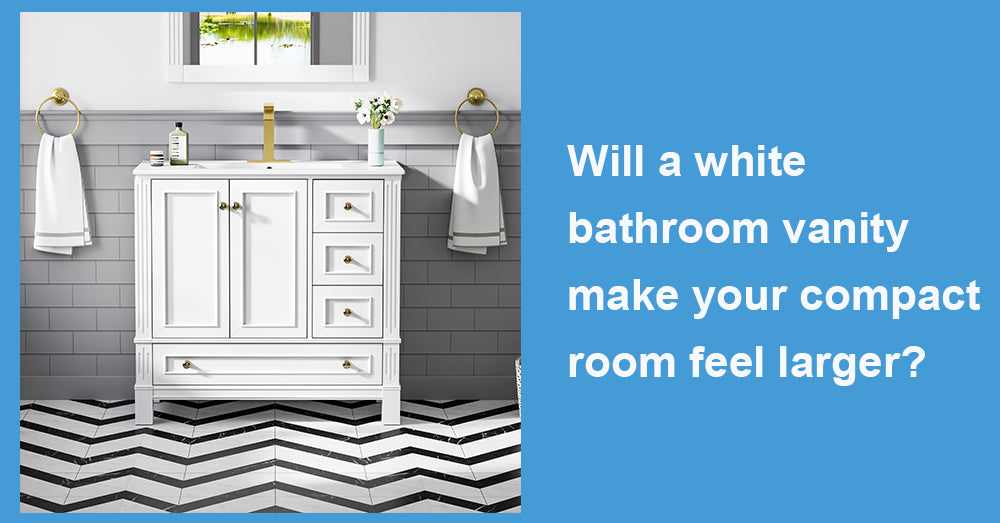
In compact bathroom renovations, a white bathroom vanity is often seen as a key element for enhancing the sense of space. Light-colored cabinets can reflect more light, making the boundary between walls and floors softer and visually expanding the space. Industry data shows that the use of light-colored cabinets continues to increase in bathroom renovation projects with an area below 90 square feet, especially in countertop layouts ranging from 30 to 36 inches. So, can white bathroom cabinets really make small spaces look bigger? The answer depends not only on color, but also on proportion, lighting, contrast, and layout structure.
1. White reflectance and light diffusion
The core of color's impact on spatial perception lies in its ability to reflect light. The reflectivity of white surfaces is usually higher than that of dark materials, which means that under the same lighting conditions, white cabinets can enhance overall brightness.
Data shows that in compact spaces with light colored cabinets, the average wall brightness can be increased by about 10% to 15%. When the mirror output reaches 1500 to 2000 lumens, the combination of the white tabletop and cabinet can significantly enhance light diffusion.
The more uniform the light, the more blurred the spatial boundaries, and the more visually open it appears.
2. Proportion and size control are more critical
Although white cabinets can enhance brightness, the size ratio is equally important.
In the 30-inch to 36-inch single-pot layout, choosing a cabinet that accounts for 70% to 85% of the wall is the most coordinated. If the cabinet is too wide, even if it's light in color, it will still create a sense of oppression.
Data show that in compact bathrooms, when the cabinet width is set to 80% of the wall ratio, the spatial coordination score increases by about 18%.
Color is just an auxiliary; proportion is the foundation.
3. Suspended structure enhances lightness
Suspended design typically leaves the cabinet 8 inches to 12 inches off the ground, creating a visual "blank space".
In spaces with an area less than 80 square feet, suspended structures can improve the opening width score by about 15%. When the white cabinet is combined with a suspended structure, the bottom shadow is weakened, thereby extending the visual height.
This combination is particularly suitable for standard layouts with a floor height of around 8 feet.
4. Comparison relationship with wall color
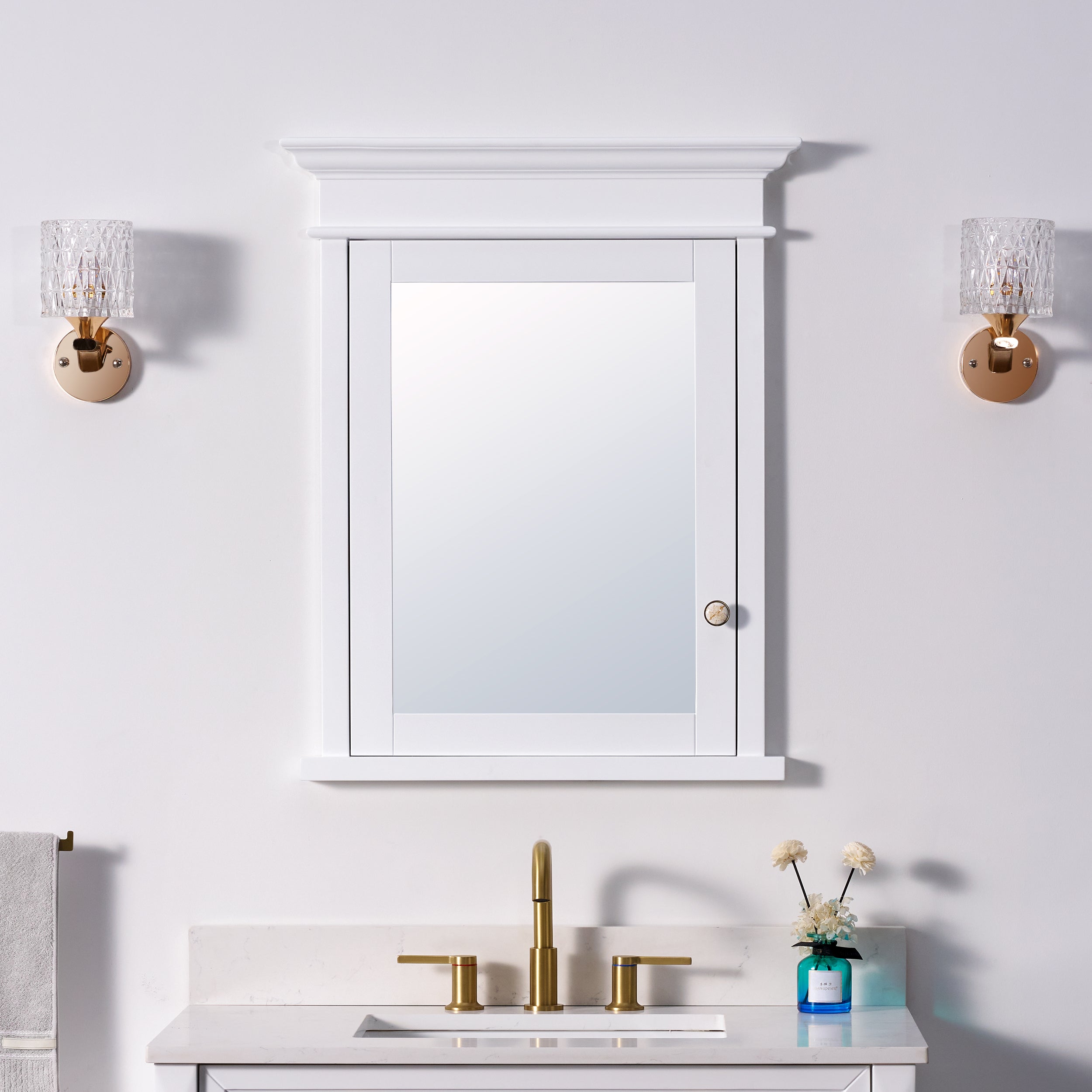
If the wall is light gray or beige, white cabinets can create a soft layer; if the wall is pure white, contrast should be created through countertop materials or metal hardware.
Data shows that in spaces with moderate color contrast, design satisfaction increases by about 20%. If there is insufficient contrast, the space may appear monotonous.
Therefore, the white cabinet should have a moderate contrast with the quartz stone countertop or metal handle.
5. Table depth and visual compression
The standard tabletop depth is usually between 18 inches and 22 inches.
At a depth of 18 inches, the visual lightness is higher; at 22 inches, it appears more stable. The data shows that in countertops with smaller depths, white cabinets have a higher rating for lightness.
In compact spaces, it is recommended to avoid overly thick countertop structures.
6. The synergistic effect of light source layout
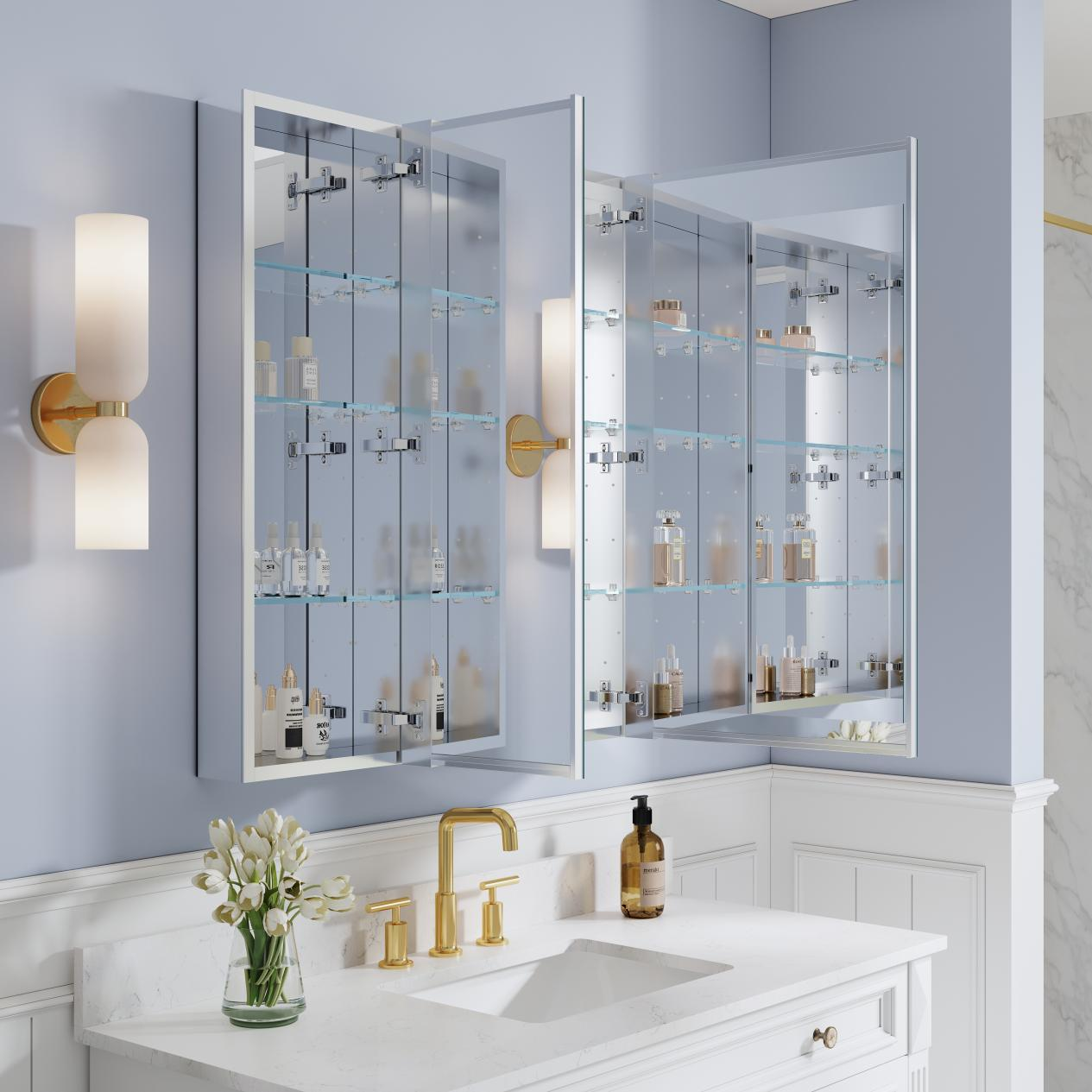
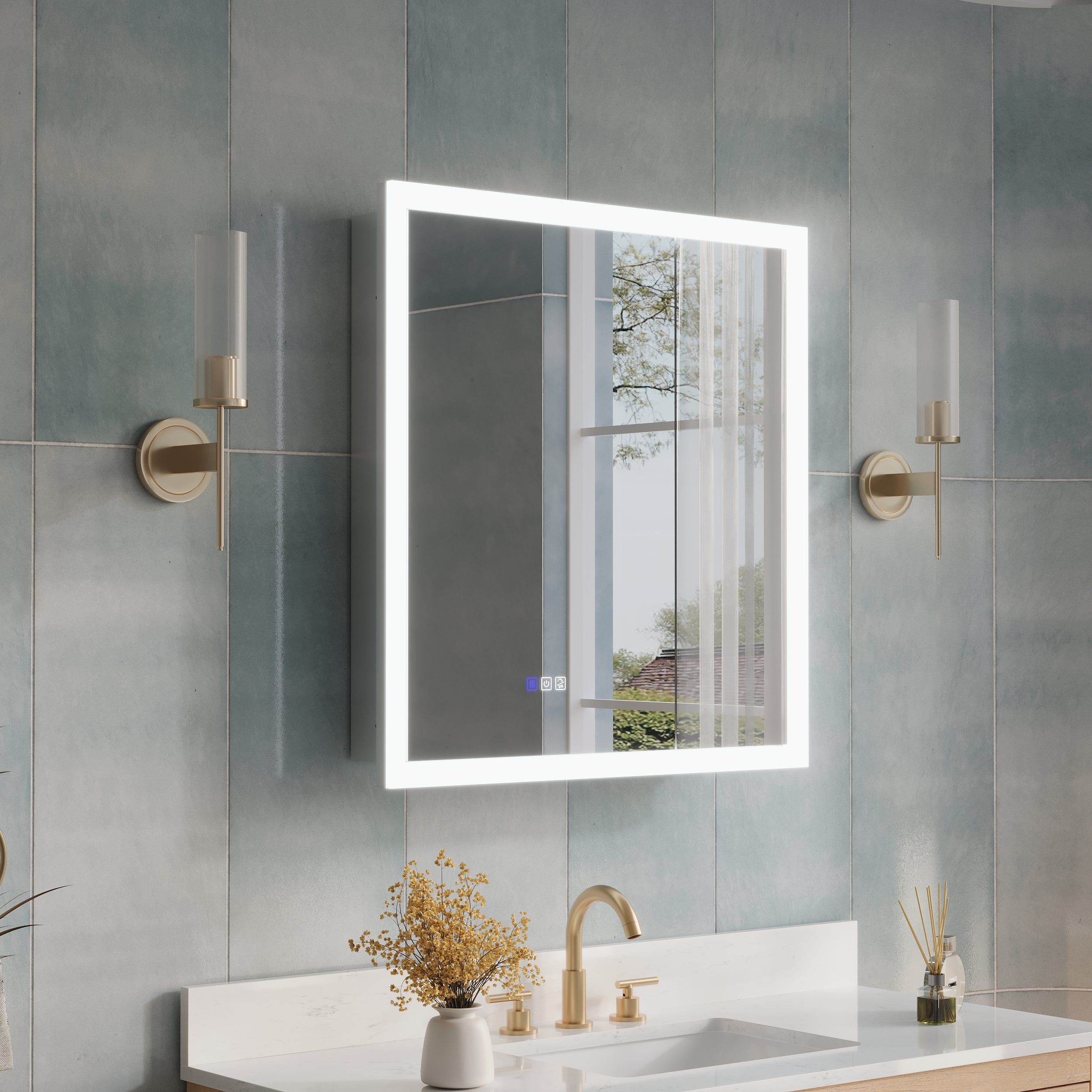
The advantage of a white cabinet is that it enhances light reflection, but it still requires adequate lighting support.
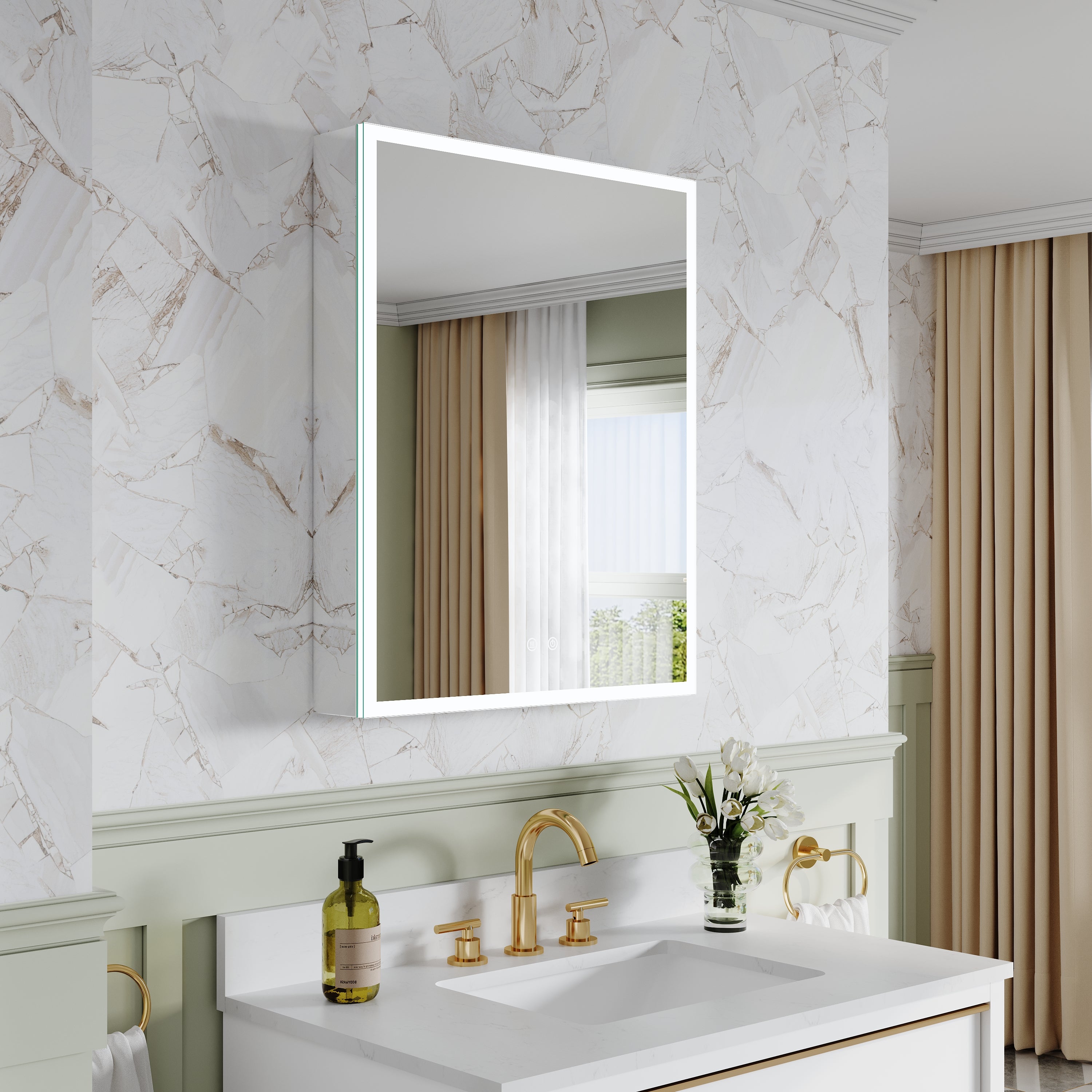
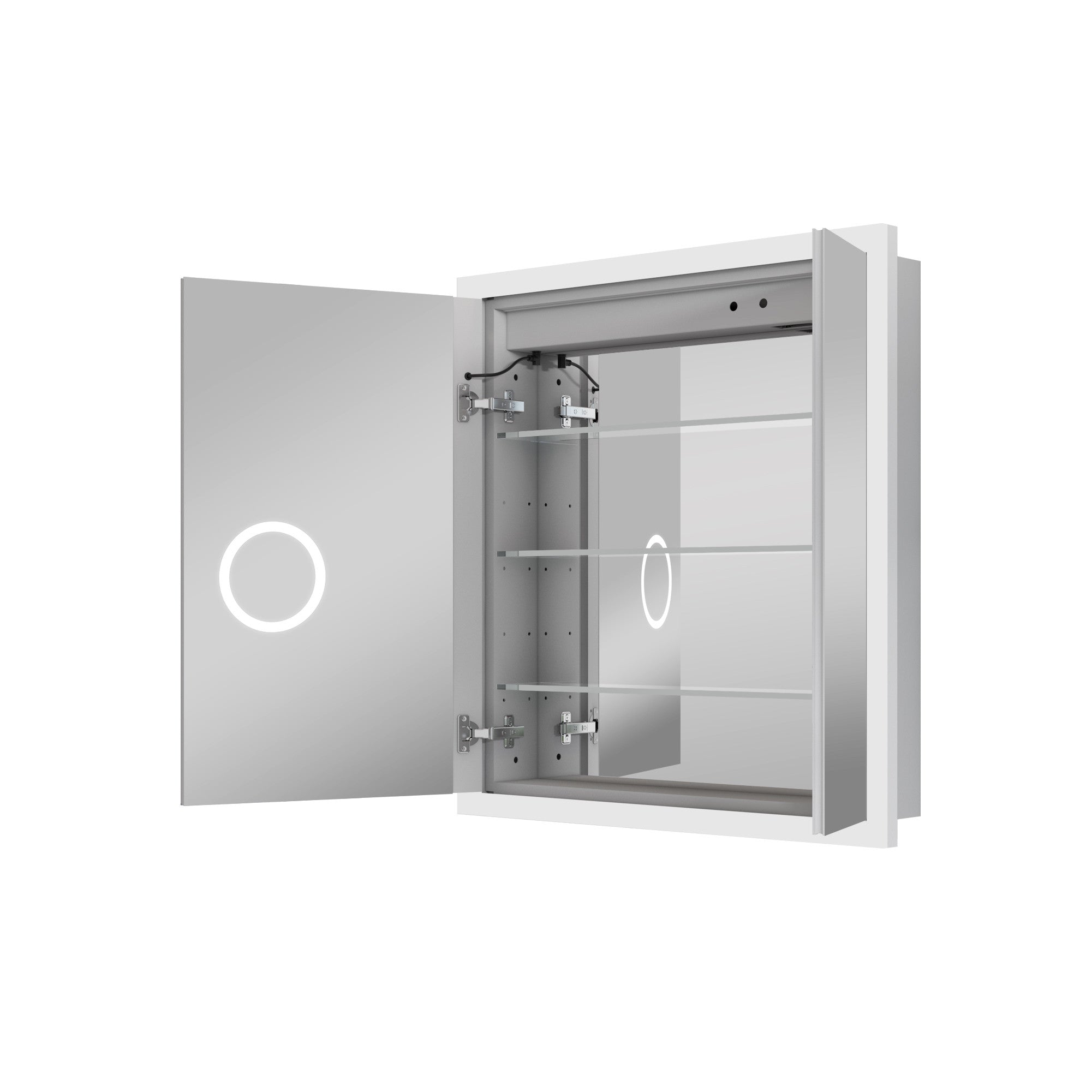
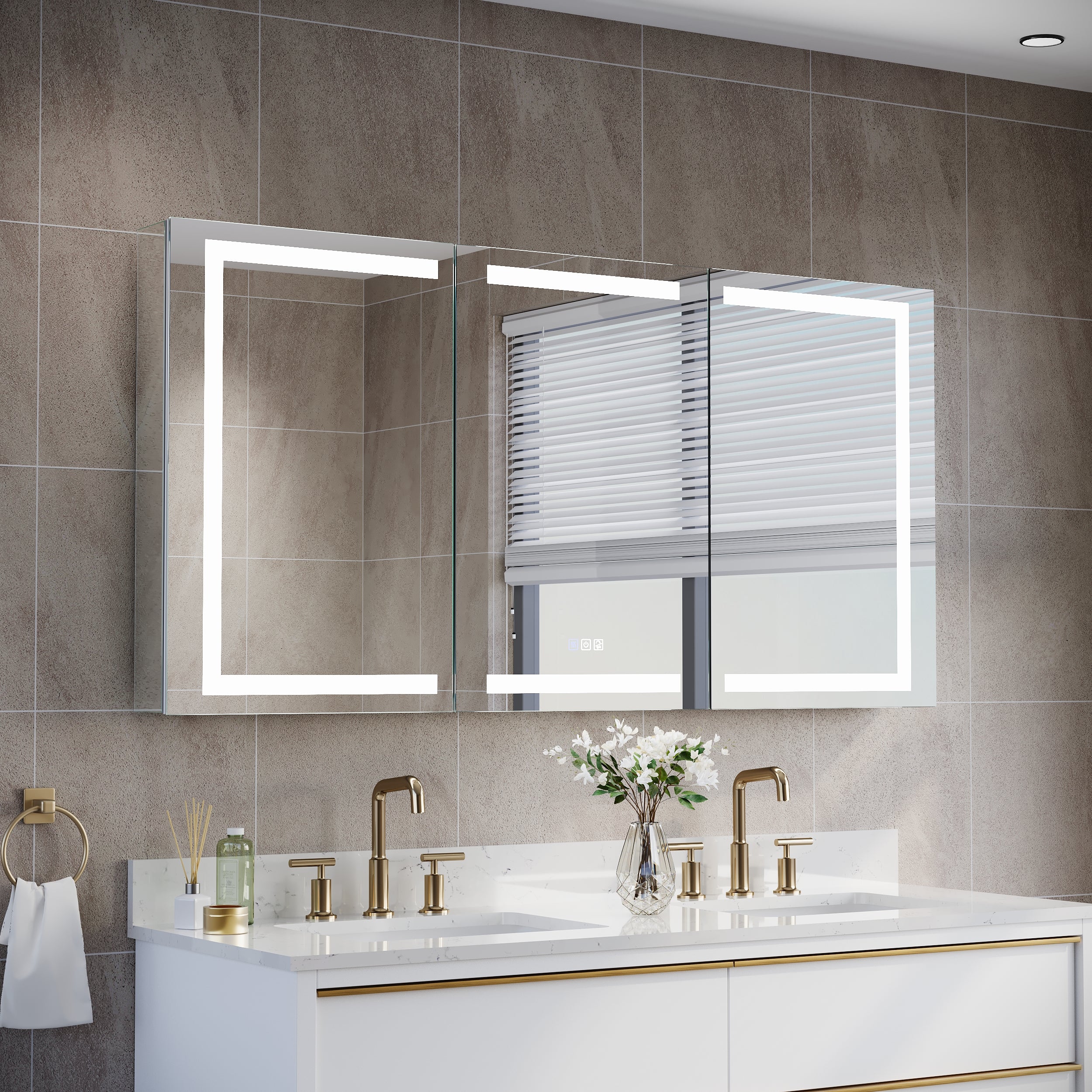
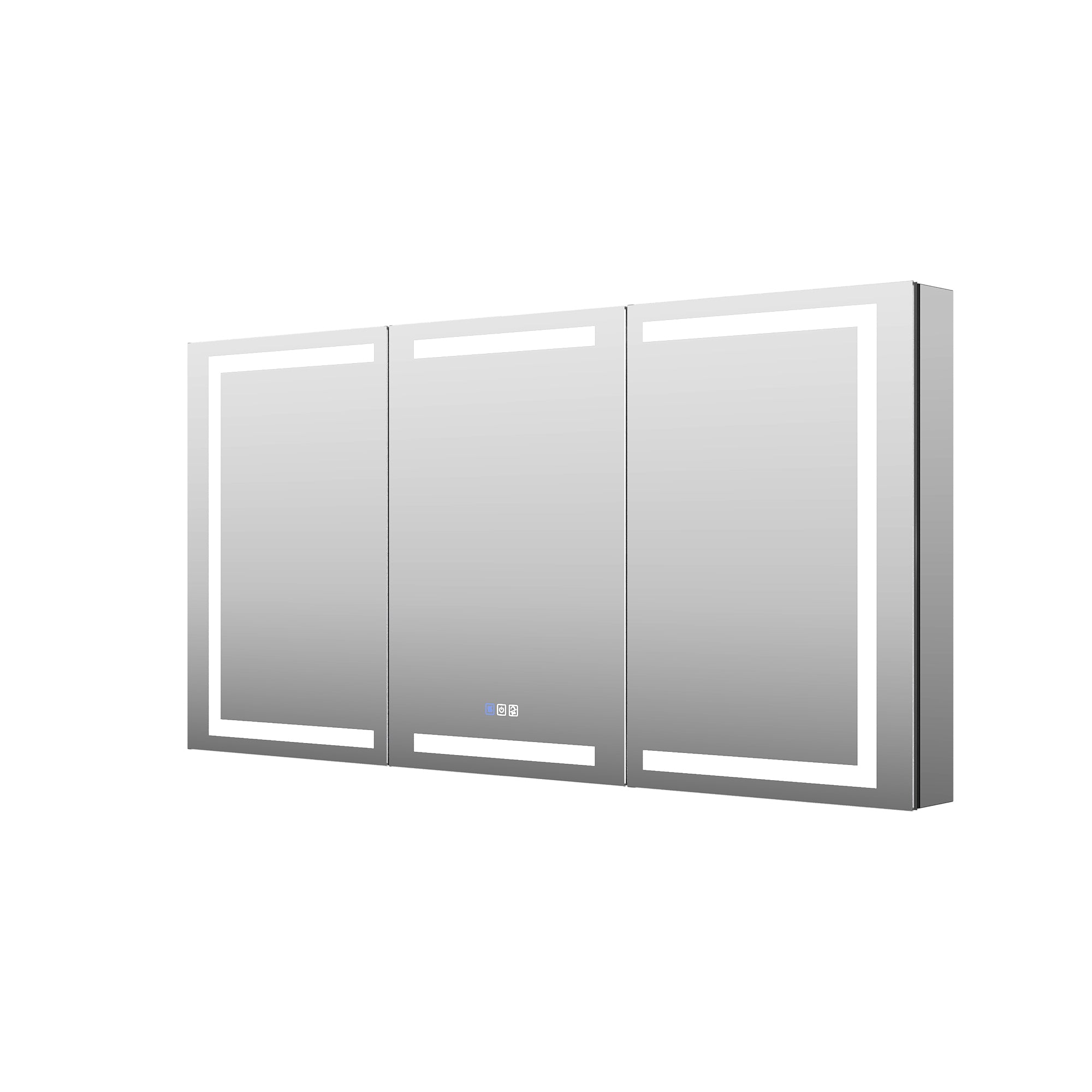
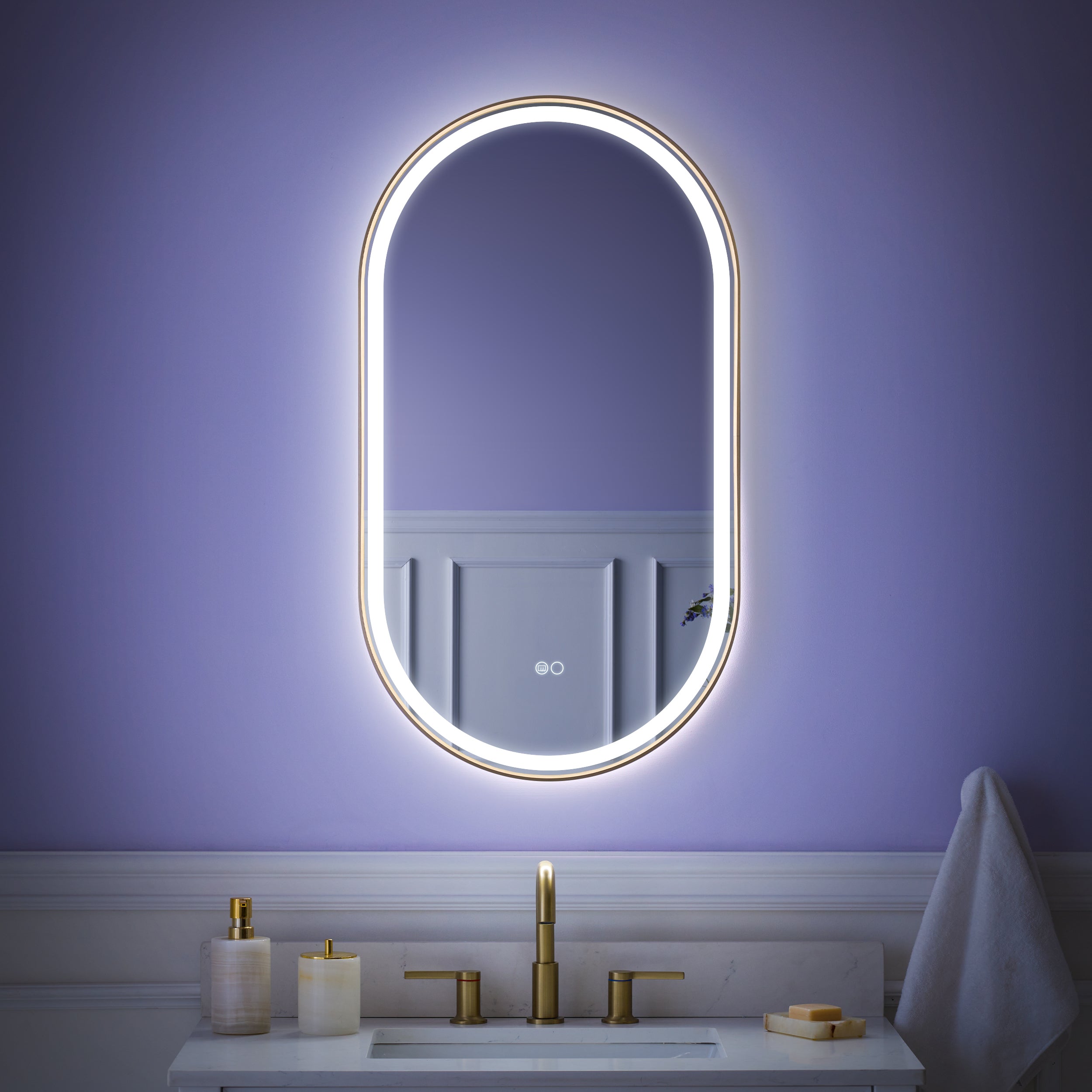
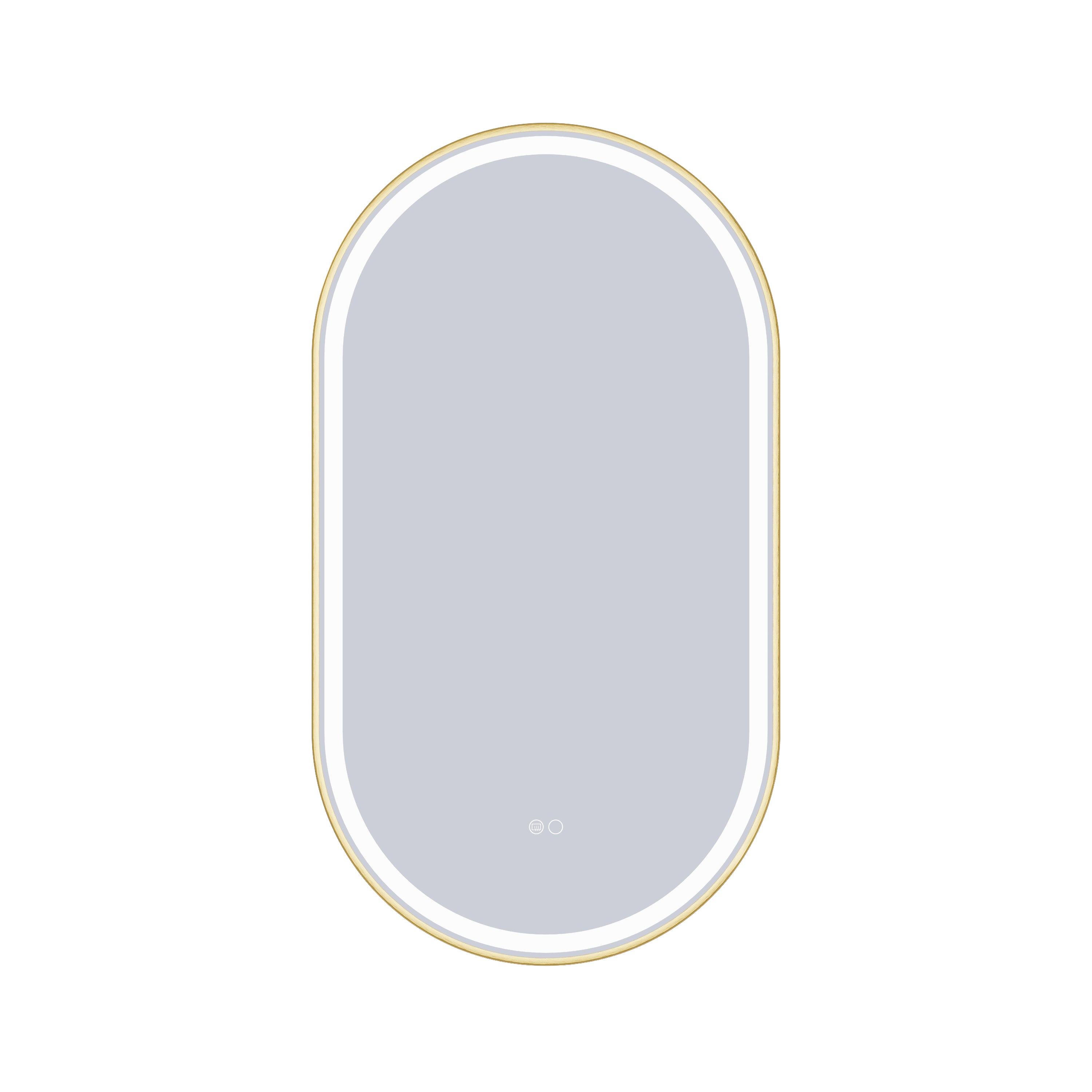
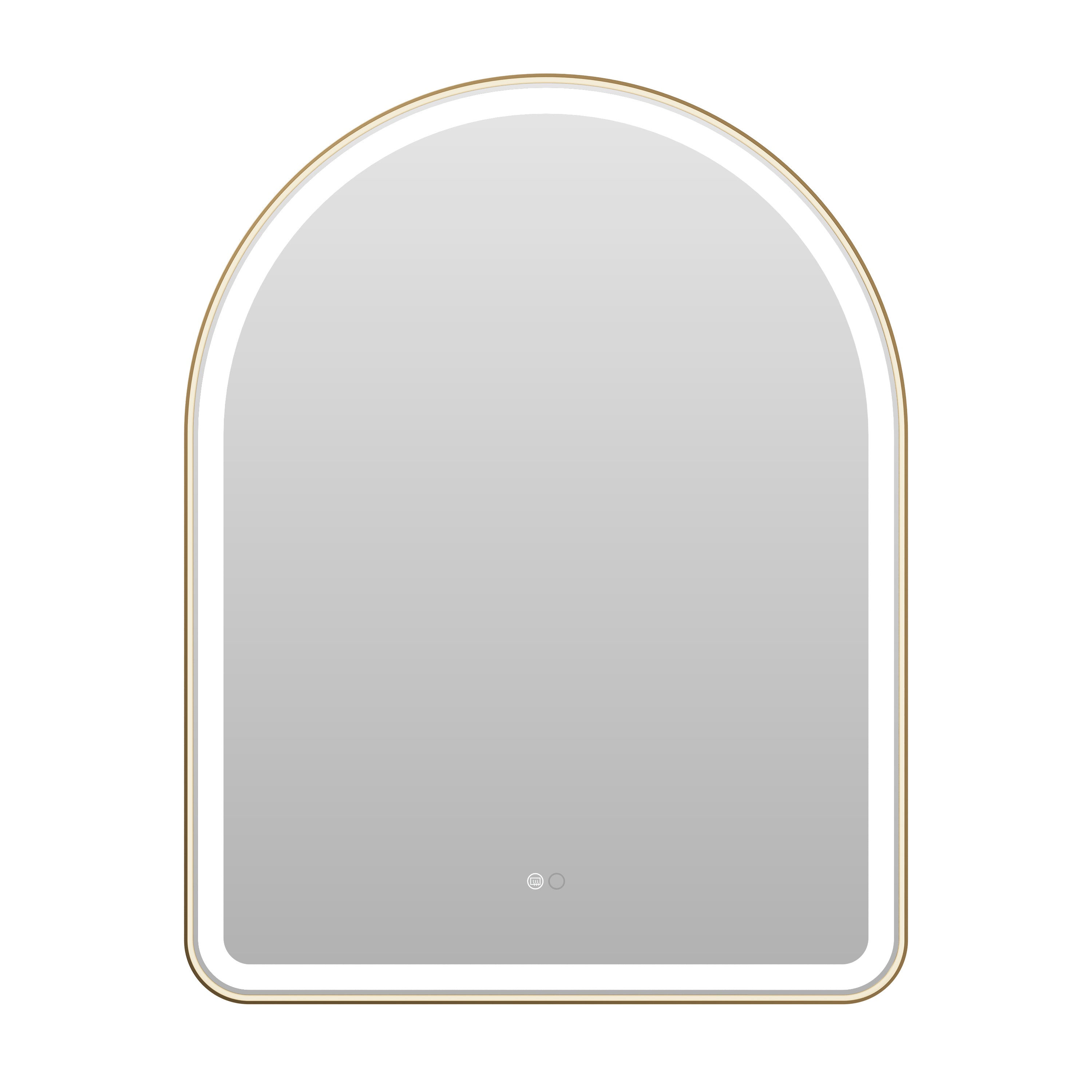
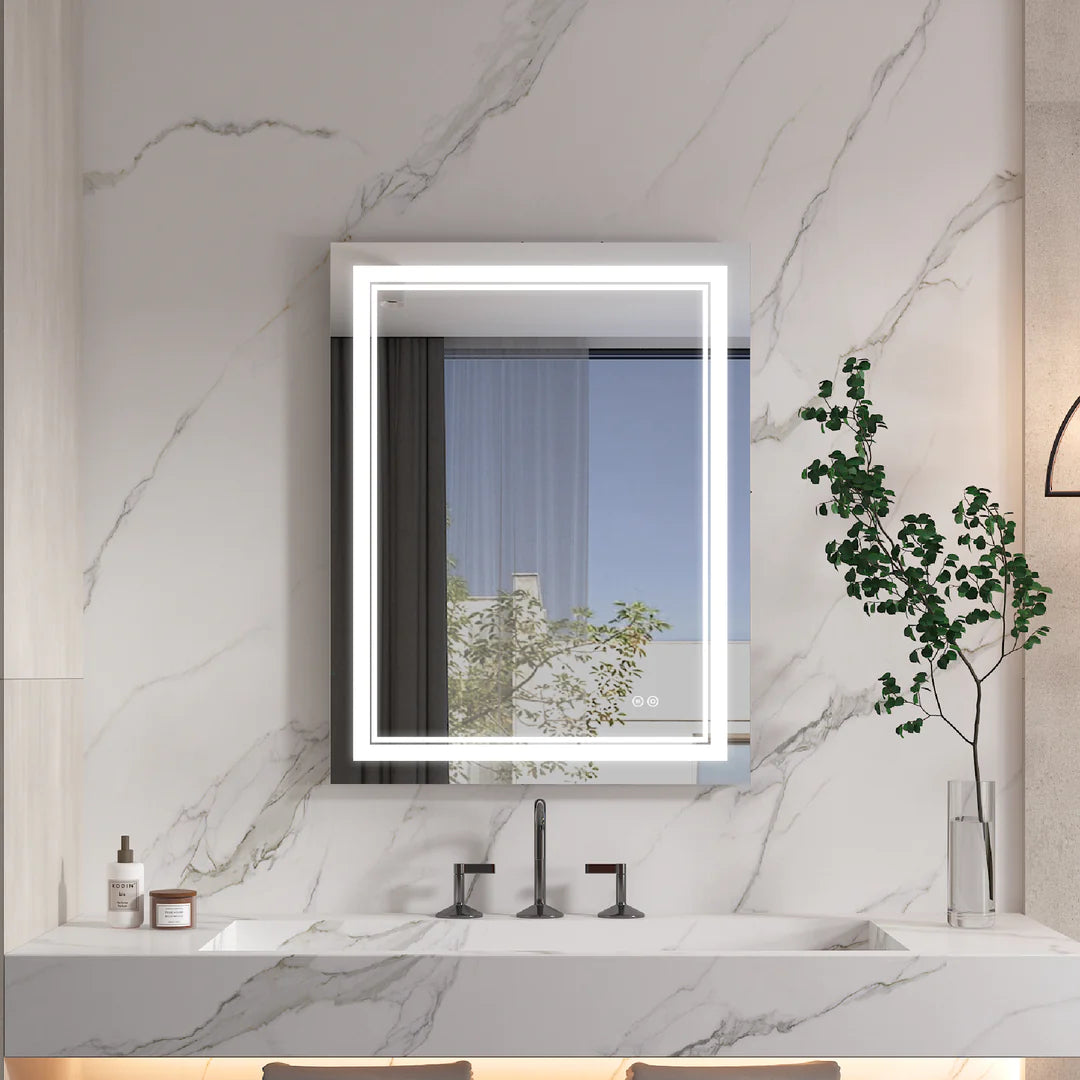
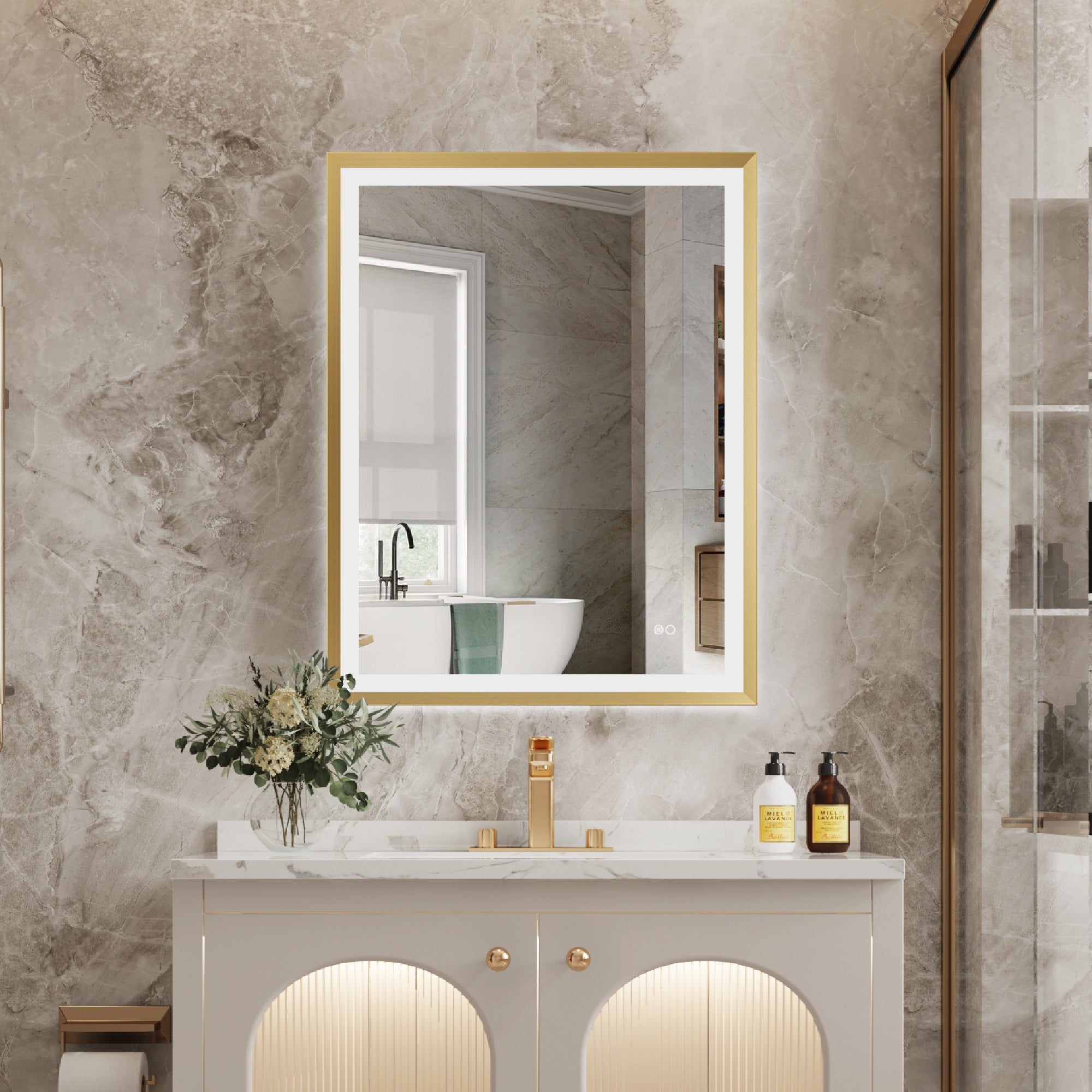
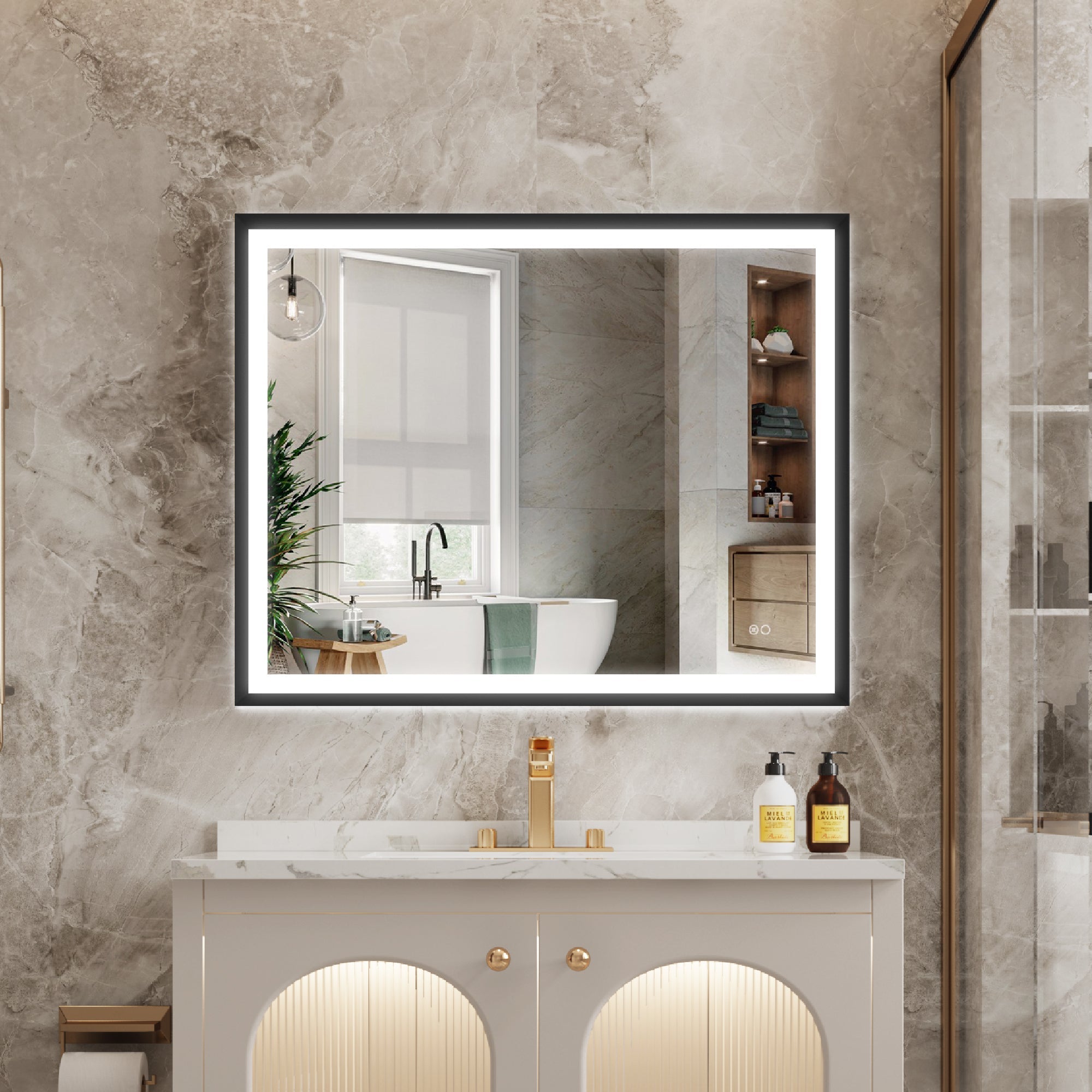
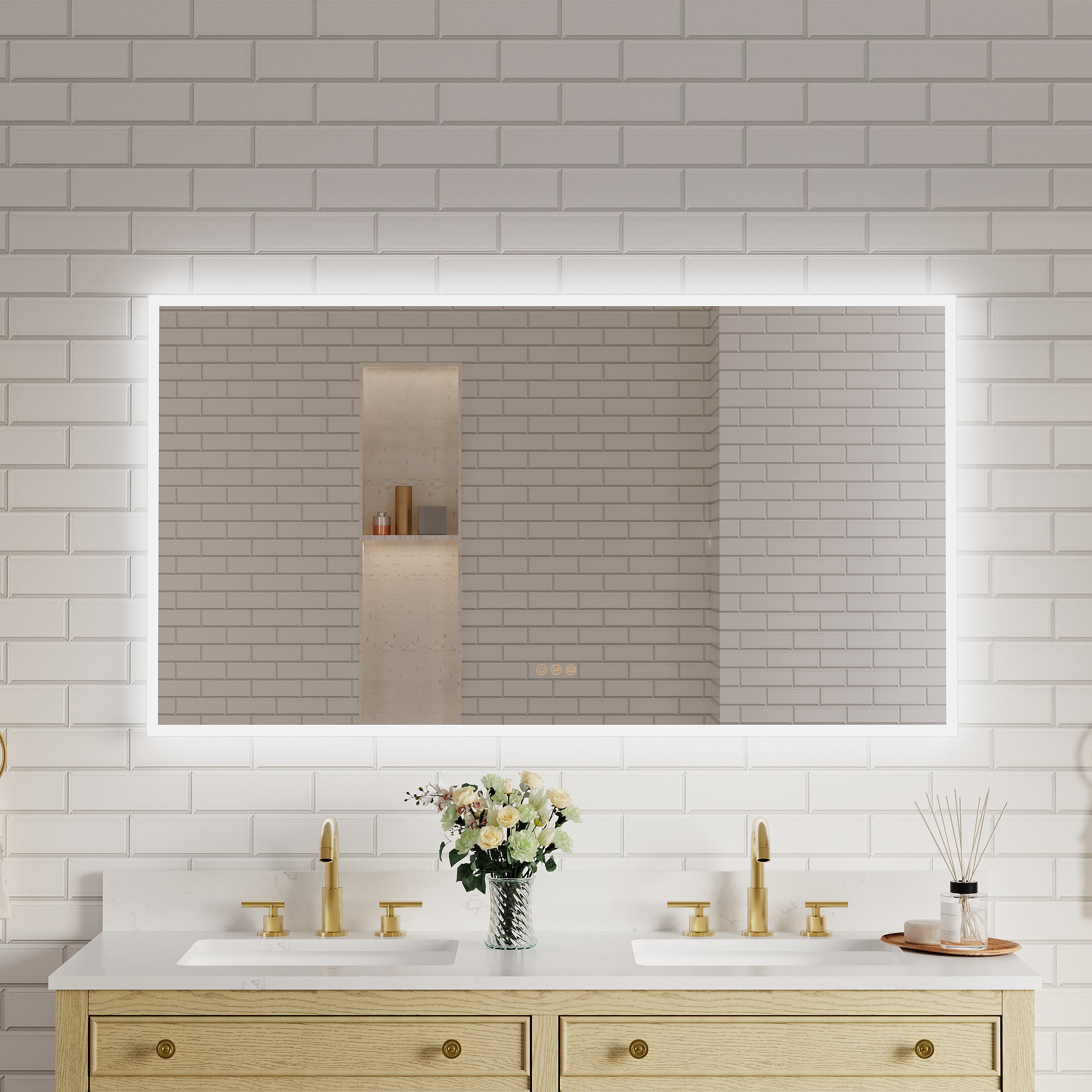
36-inch models with LED mirrors typically output 1,500 to 2,000 lumens; the 48-inch model can reach 2,500 lumens or more.
The data shows that with a uniform light source, the opening width score of the white cabinet space increases by about 15%.
If the lighting is insufficient, even white cannot achieve the expansion effect.
7. The impact of storage structure on cleanliness
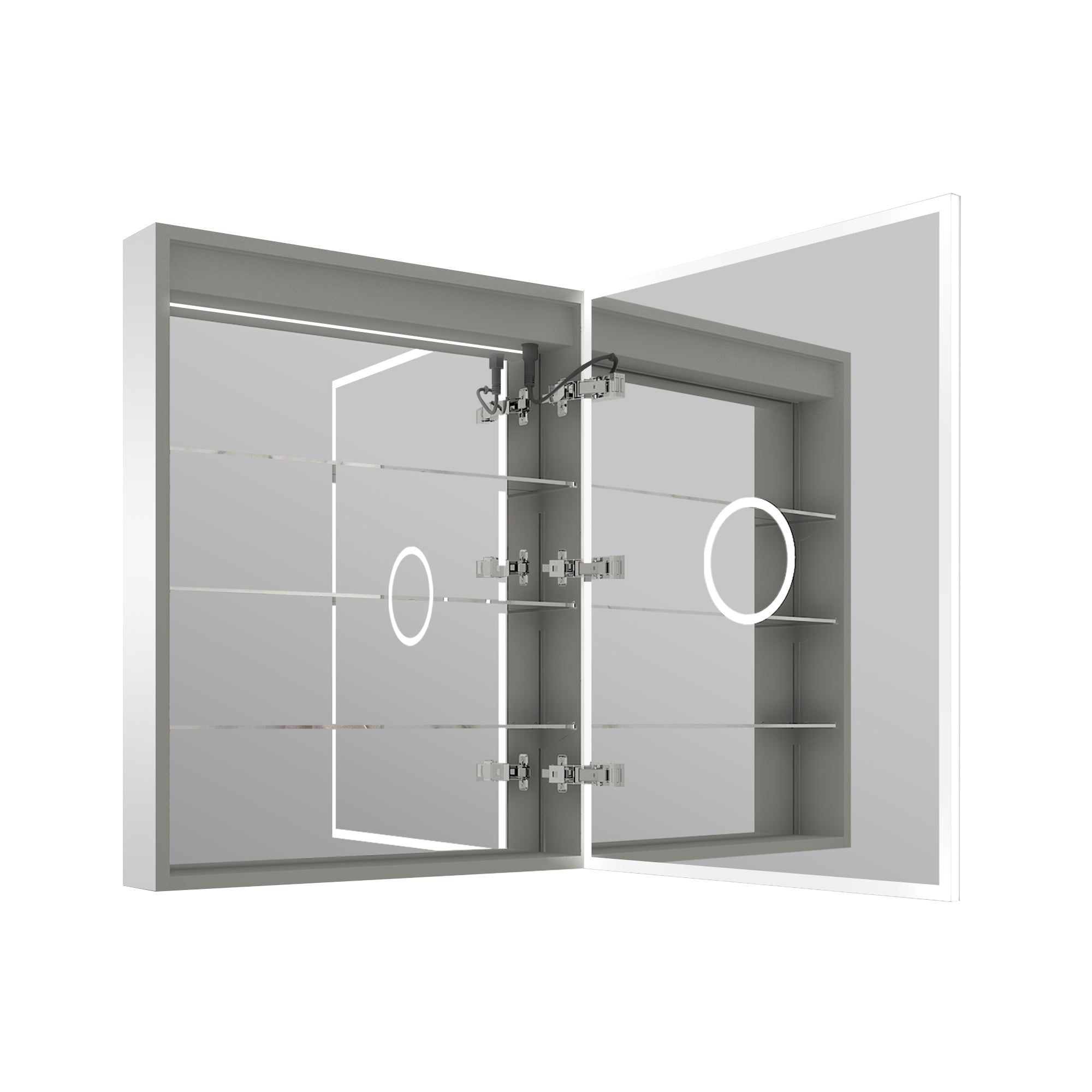
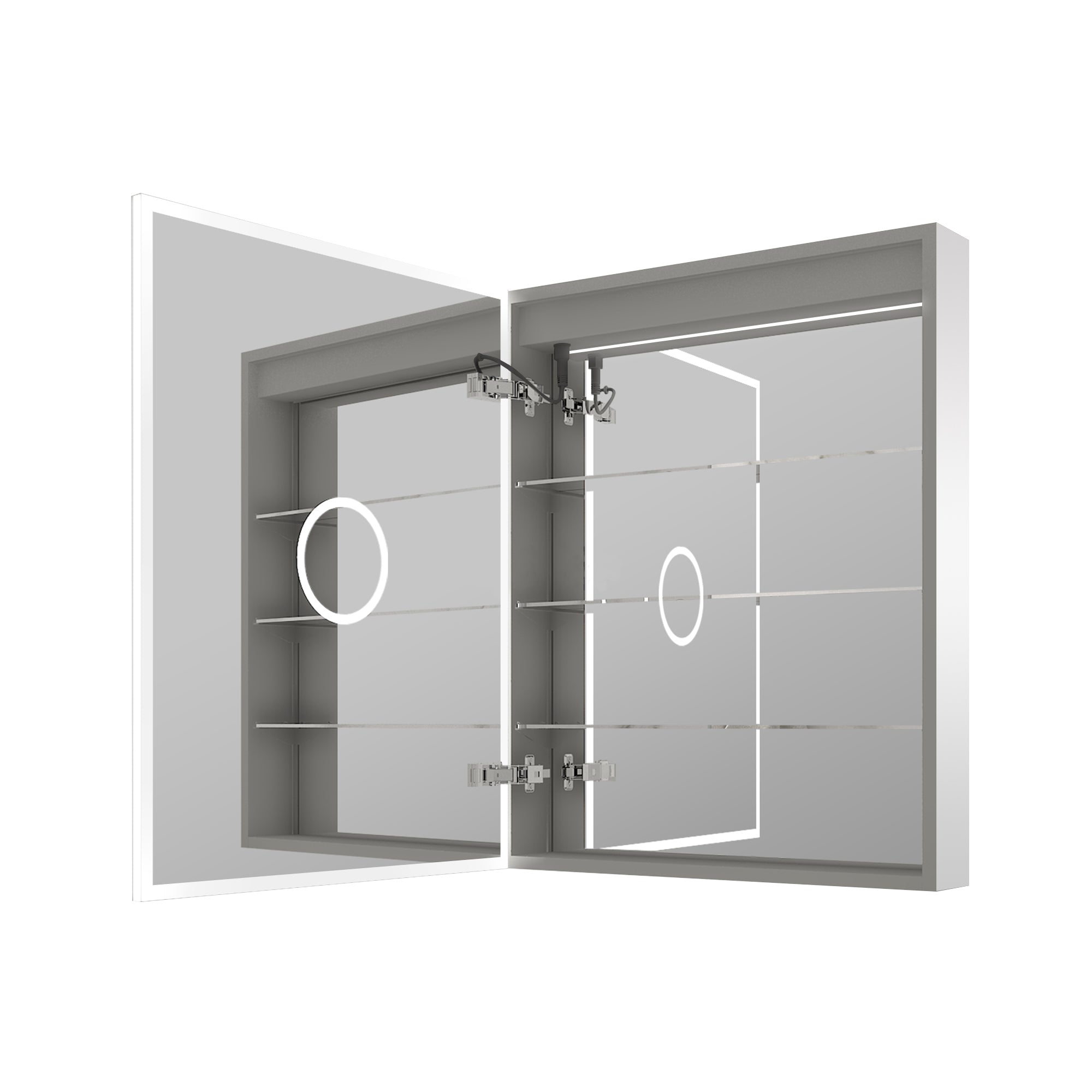
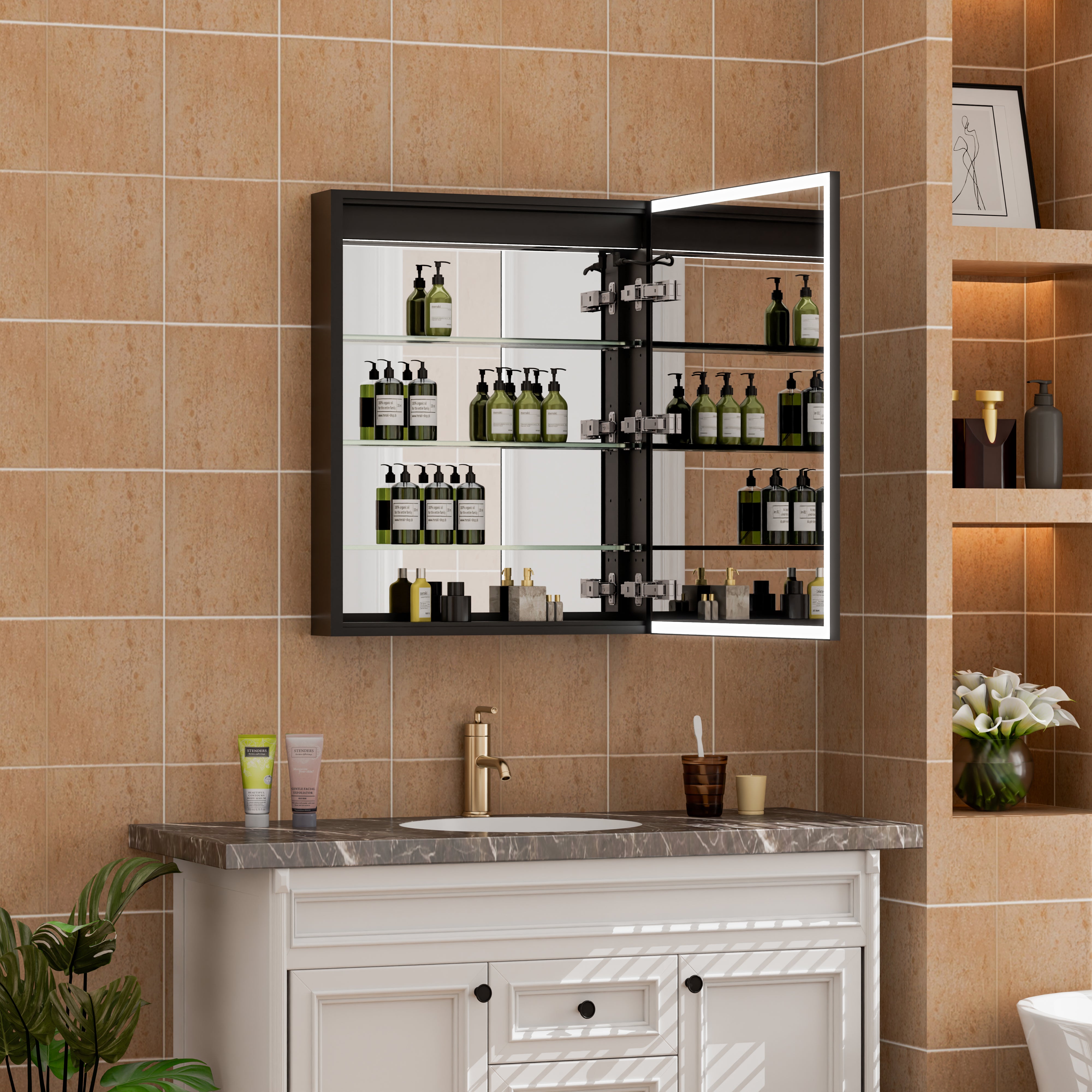
Chaos will weaken the sense of space. Cabinets with drawers and a layered design can reduce the number of countertop items by about 25%.
A reasonable drawer allocation can accommodate daily necessities in the 30-inch to 36-inch range. The data show that in high-cleaning spaces, the visual area perception score is significantly improved.
White cabinets create a neat effect, but they are also more prone to staining, so maintenance is equally important.
8. The extension effect of mirror size
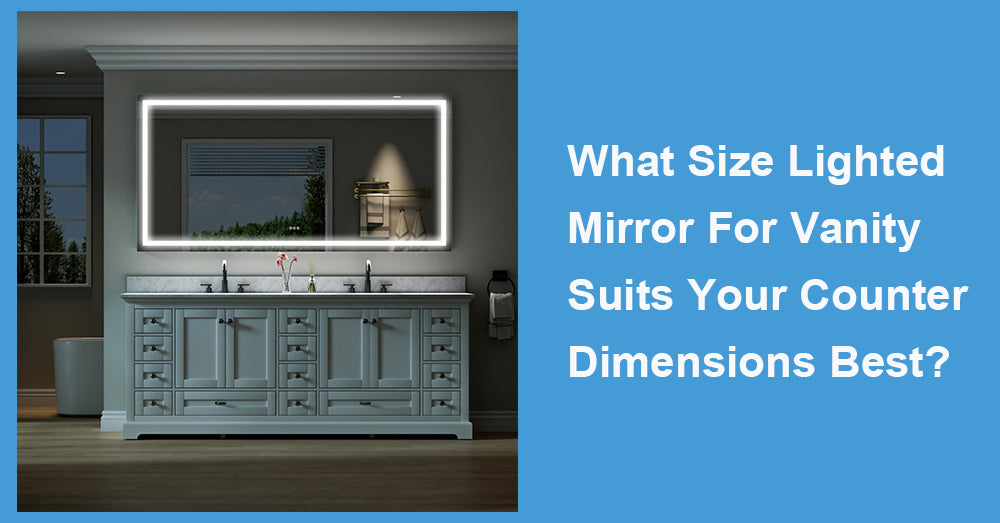
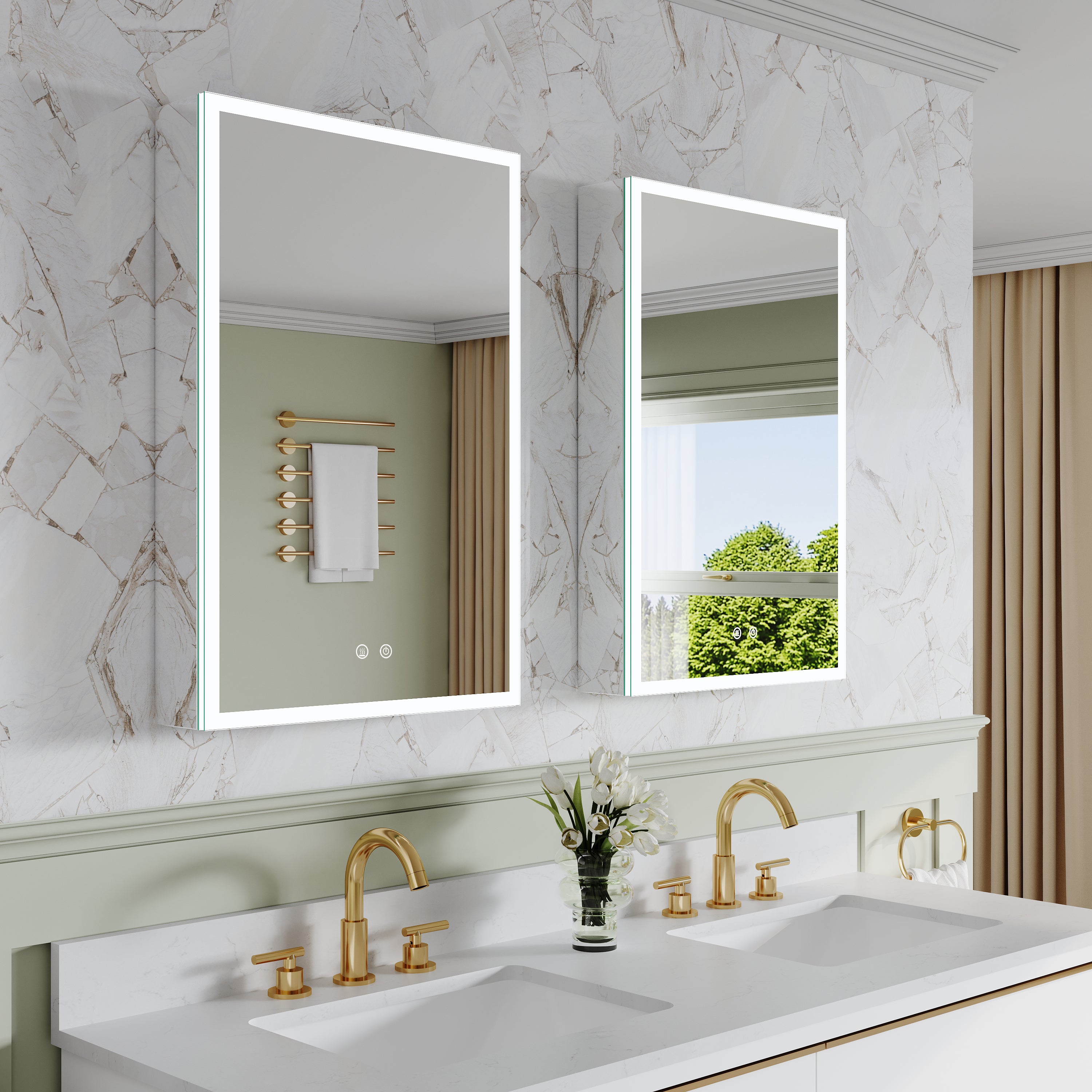
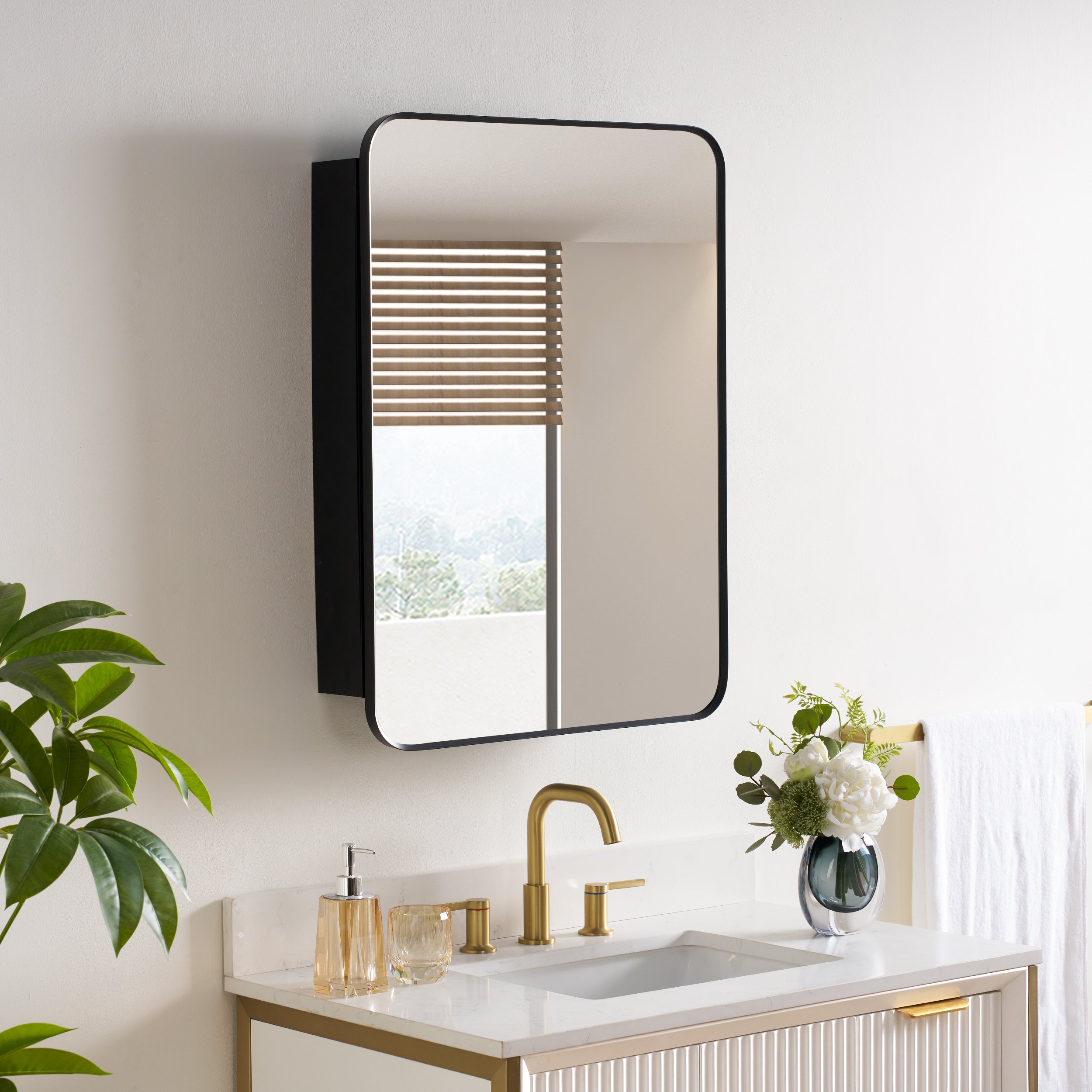
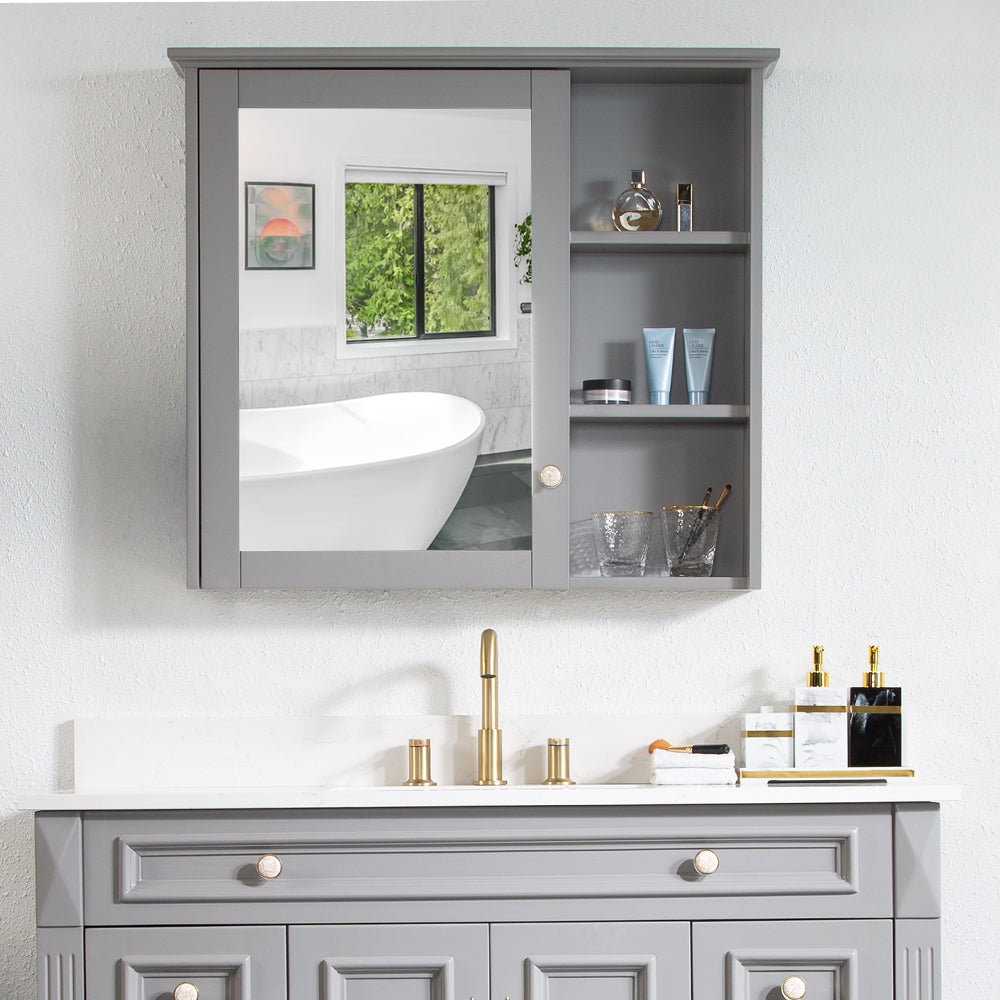
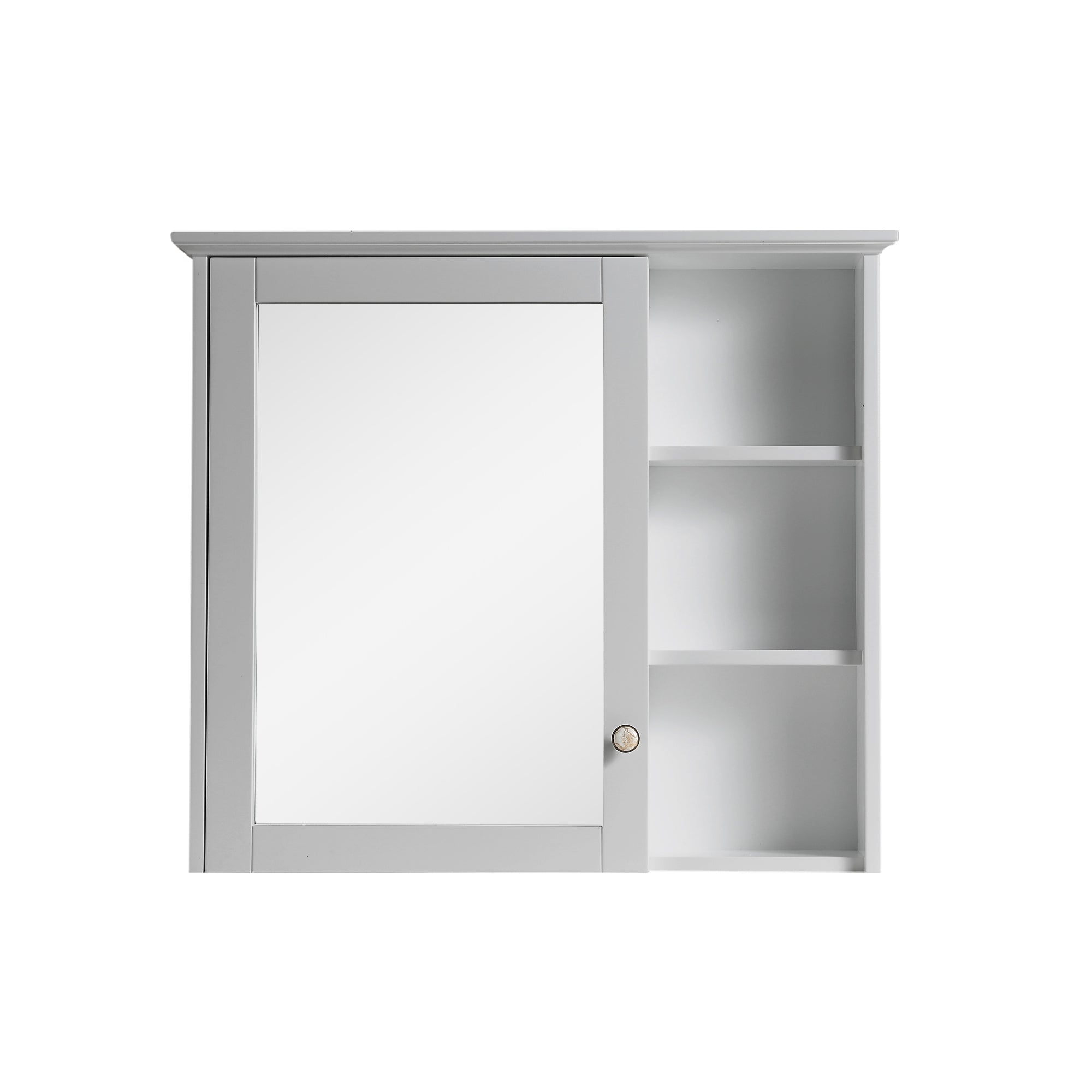
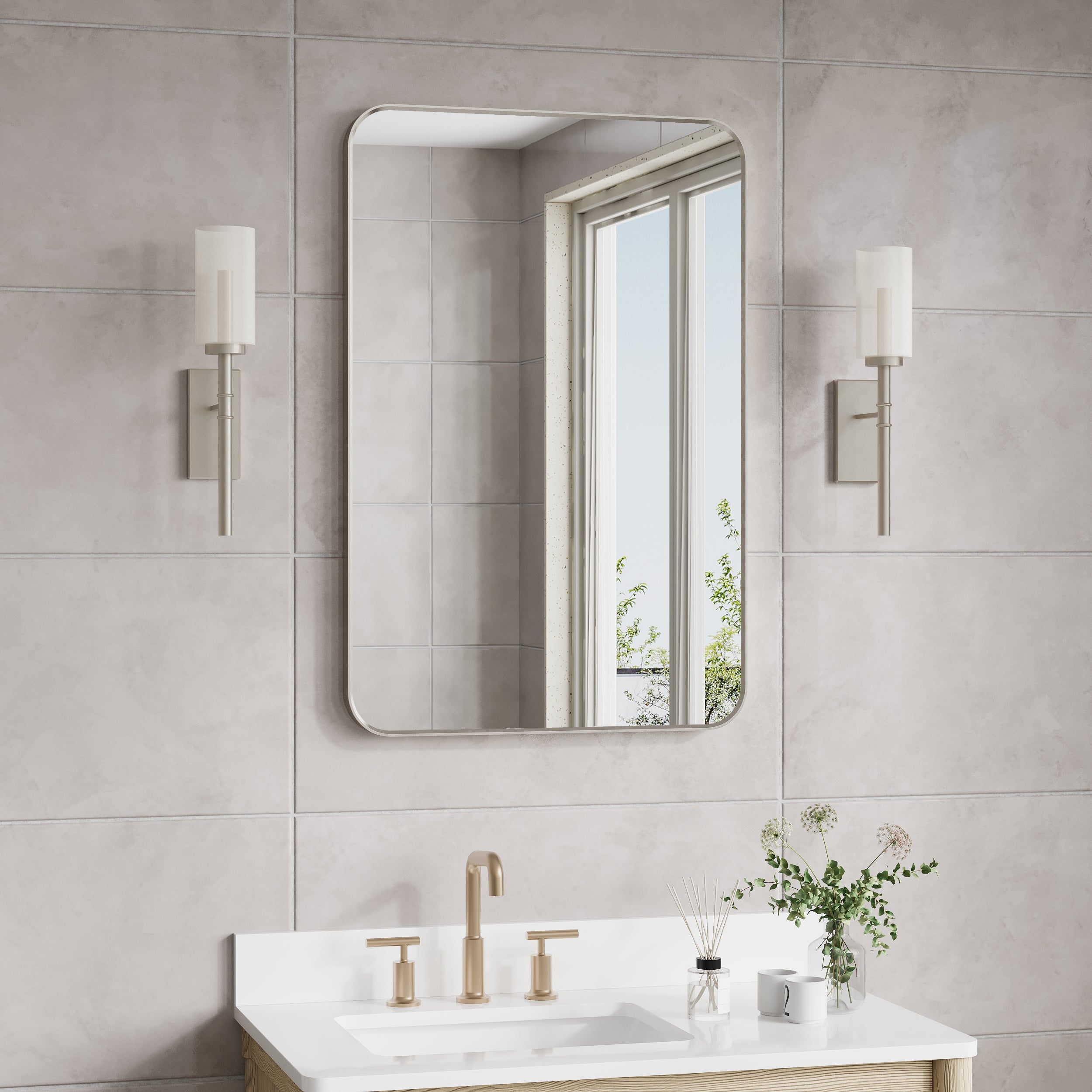
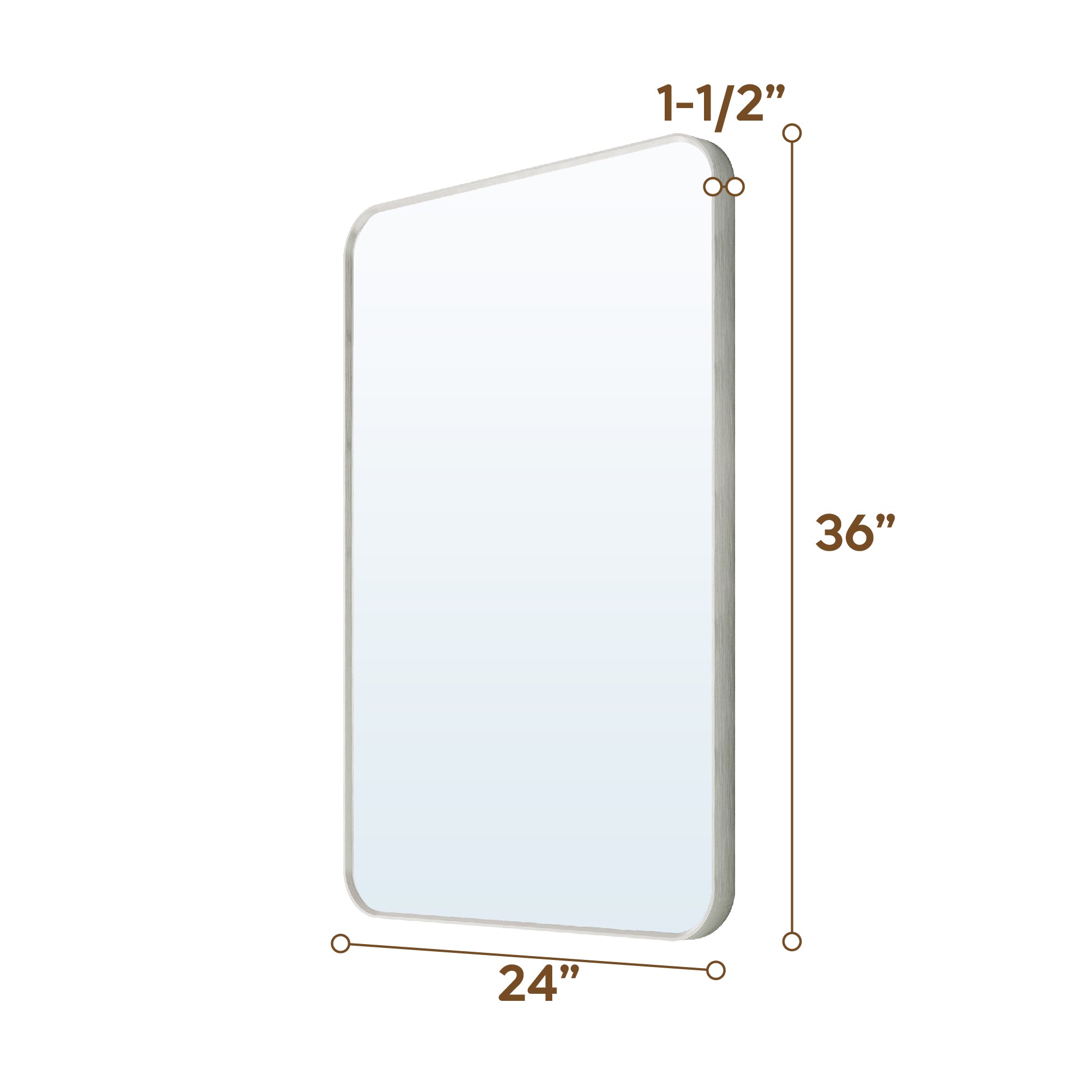
The recommended mirror width is 70% to 90% of the cabinet width.
In the 36-inch layout, choosing 28-inch to 32-inch mirrors is more coordinated. The data shows that when the mirror ratio is reasonable, the spatial extension score increases by about 18%.
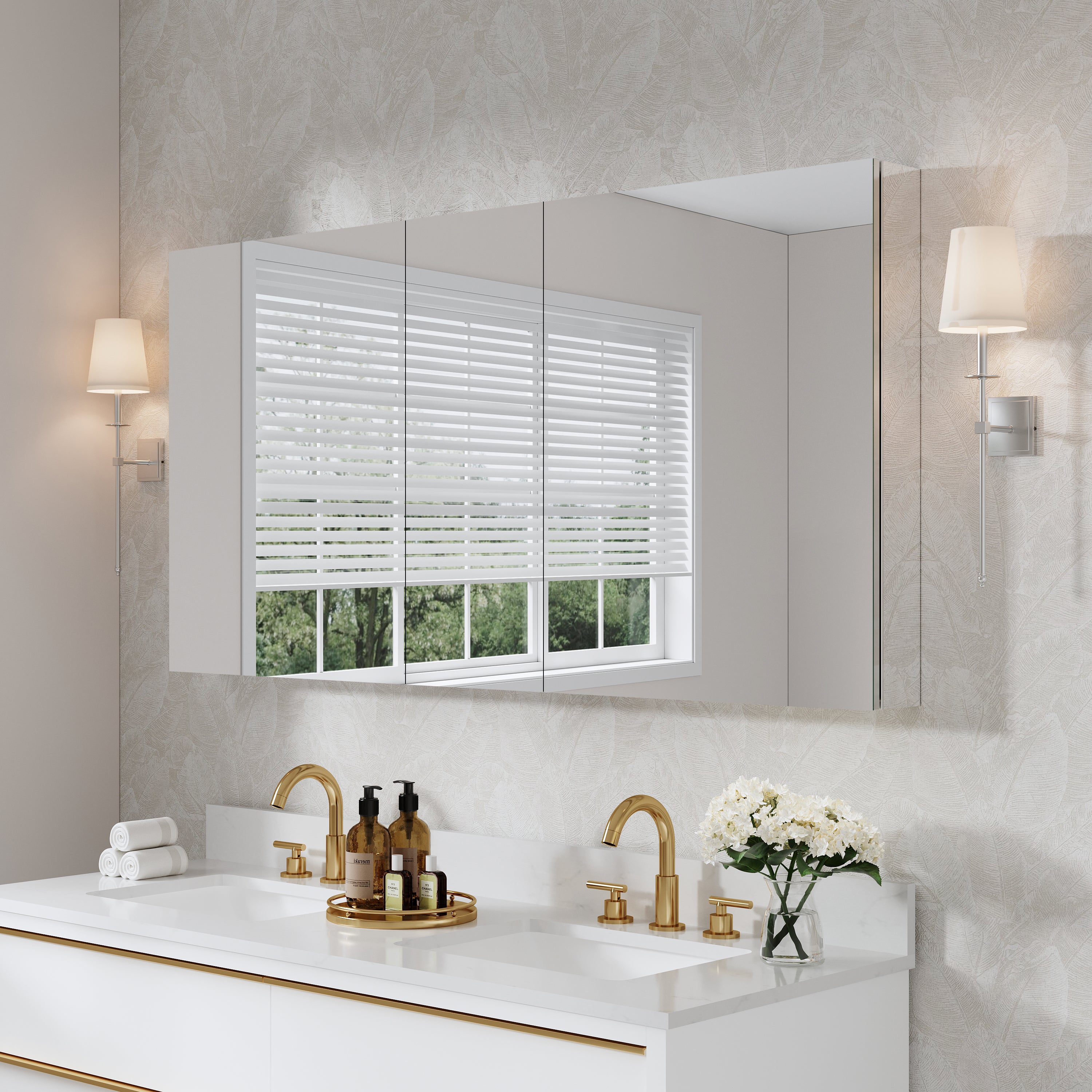
The combination of mirrors and white cabinets creates continuous visual lines, further enhancing the sense of openness.
9. Balance between dark flooring and white cabinets
If dark-colored tiles are used on the ground, white cabinets can create a sharp contrast and shift the center of gravity toward the wall area.
The data show that in spaces with clear contrast between depth and darkness, the score for sense of hierarchy increases by about 20%. This kind of contrast can enhance the sense of three-dimensionality and make small spaces more designed with tension.
10. Long-term style and adaptability
The white cabinet has strong style compatibility and can blend with modern minimalist or traditional styles.
Industry data shows that in renovation projects, the continuous usage rate of white cabinets is higher than that of dark styles. This neutral color tone is easier to adapt to future decoration changes.
In line with the trend toward long-term design stability, white has become a safe choice.

11. Conclusion
Whether a white bathroom vanity can make compact spaces look larger depends on the comprehensive combination of lighting, proportion, and layout. From the 30-inch compact model to the 36-inch standard structure, every inch size affects visual balance. When the white cabinet is combined with a reasonable proportion, sufficient lighting, and a clean storage structure, the space width and hierarchy will be significantly improved. Color is just the starting point; what truly determines the sense of space is the design logic and the control of detail.








Leave a comment
This site is protected by hCaptcha and the hCaptcha Privacy Policy and Terms of Service apply.