














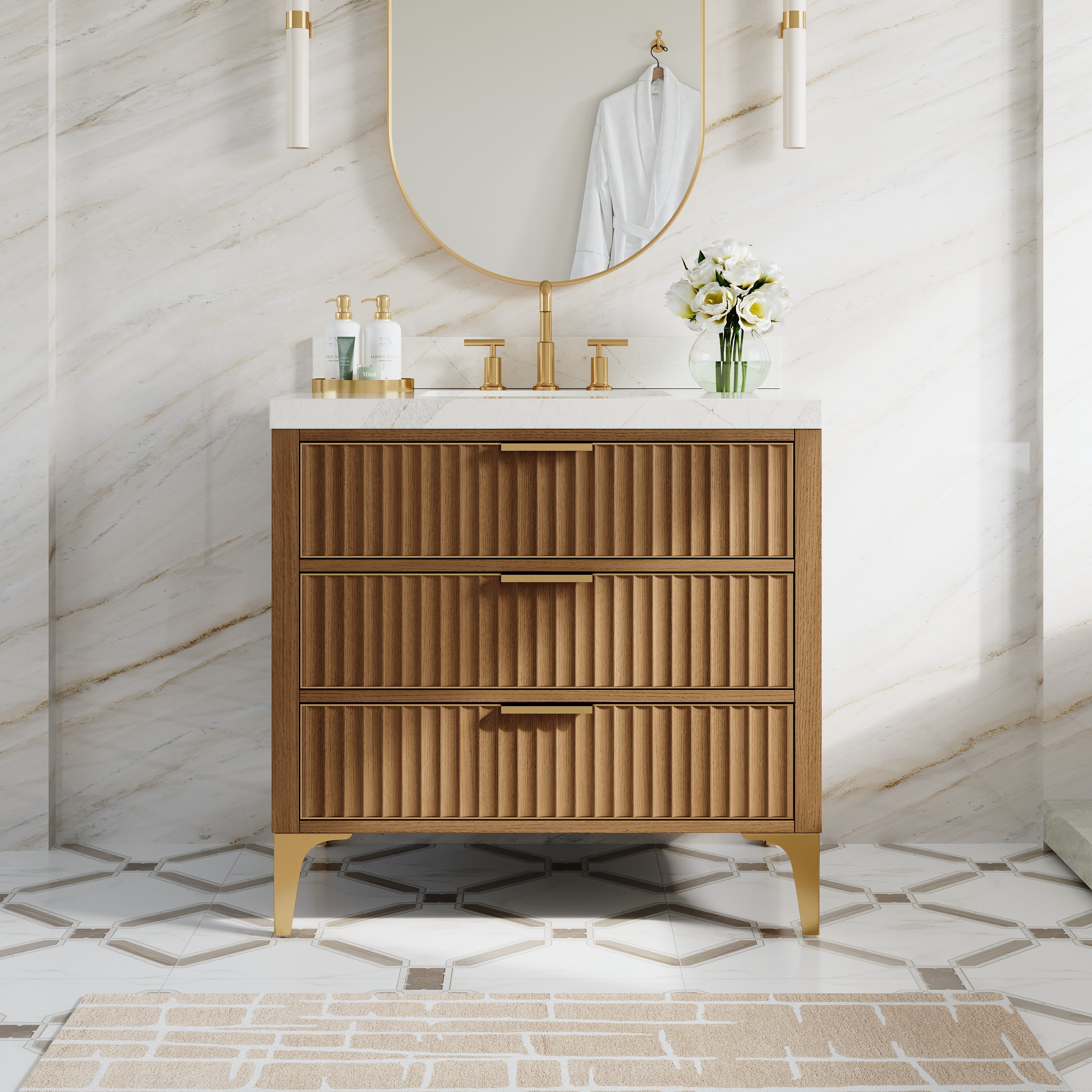
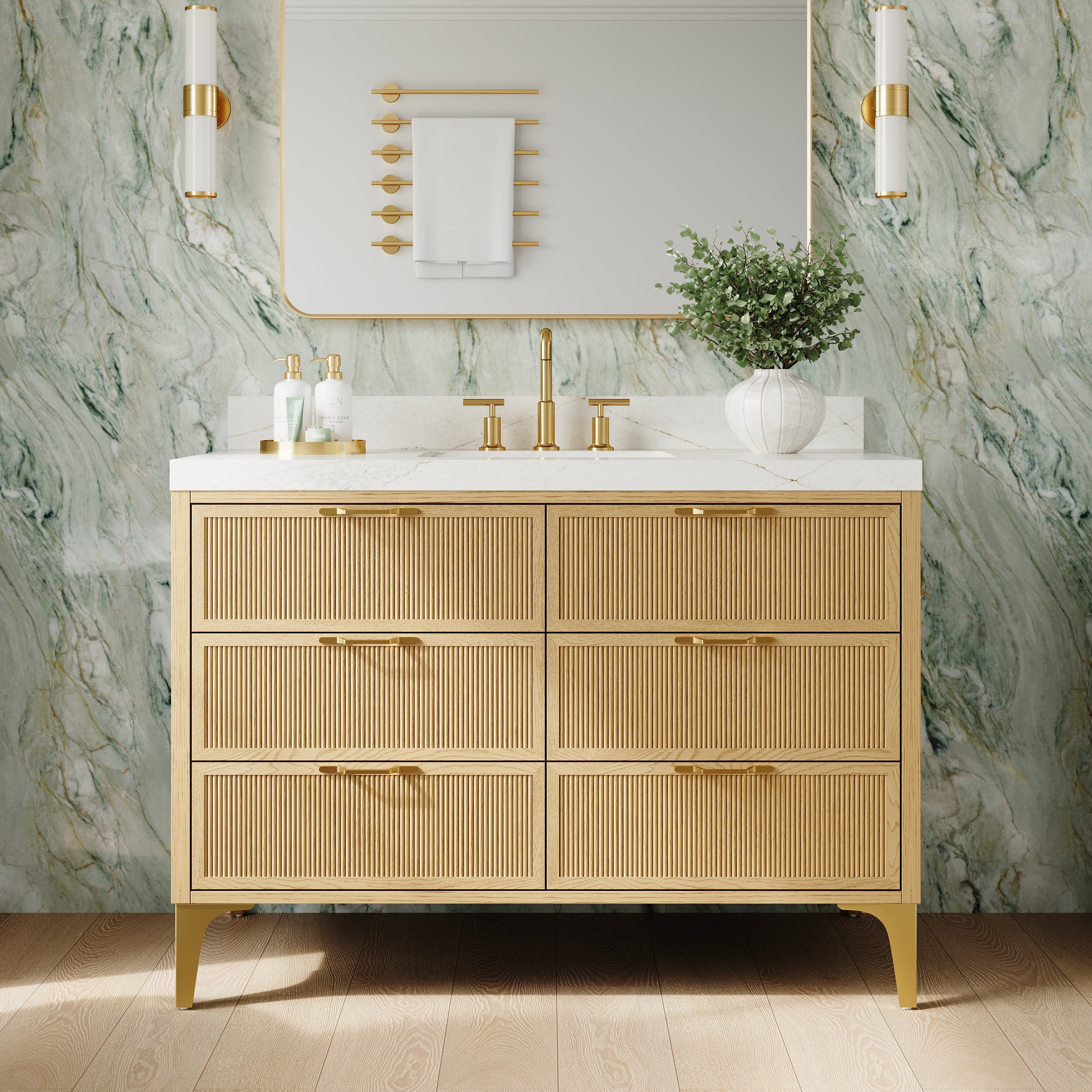


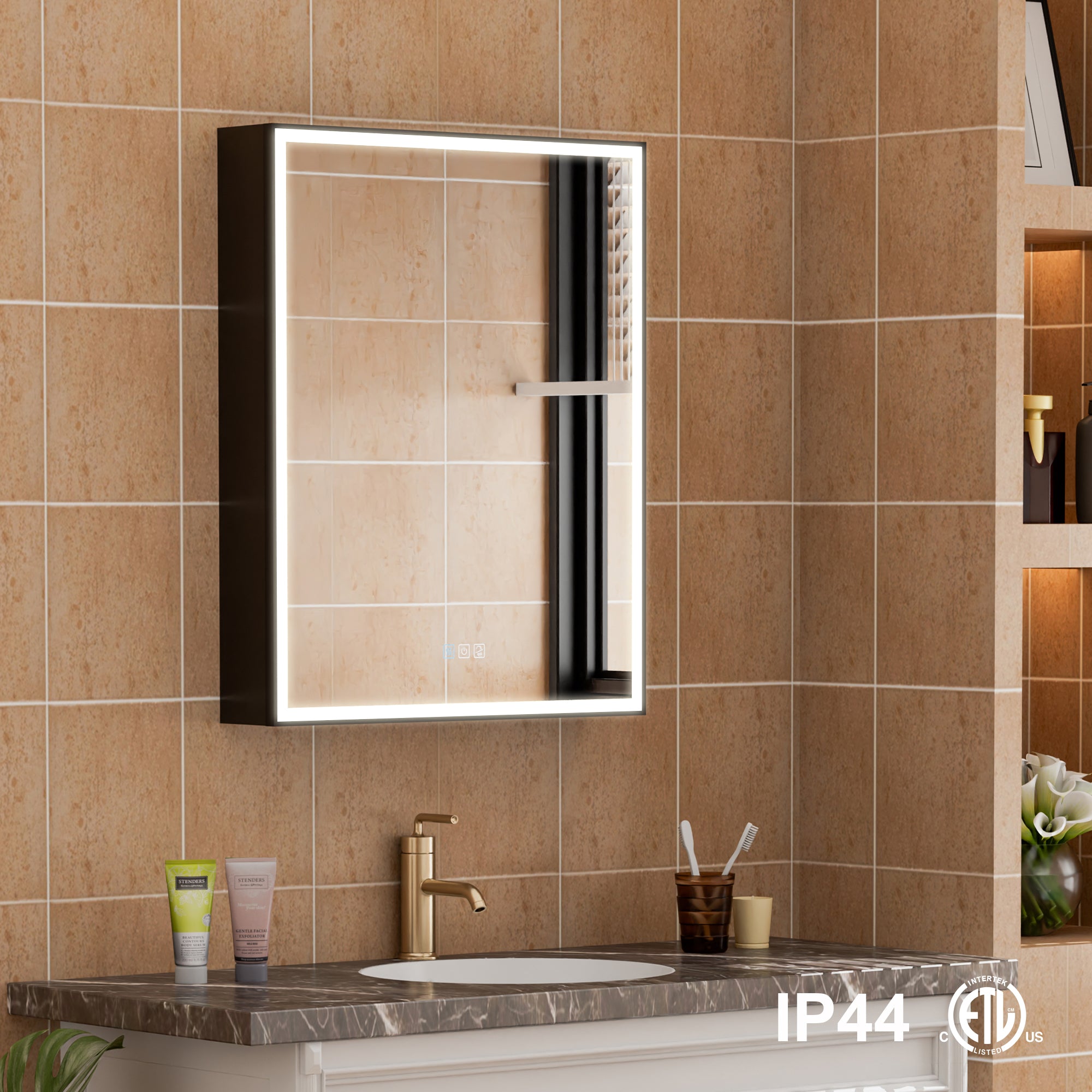
In the trend of modern bathroom renovation, an lighted mirror for vanity is no longer just a simple lighting tool but an important element that shapes spatial proportions and visual hierarchy. Choosing a suitable size for an illuminated mirror not only affects light coverage but also directly affects the balance between the countertop and the wall. Industry data shows that in recent years, the proportion of integrated LED lighting mirrors has continued to increase in high-end bathroom renovation projects, especially in the main bathroom space. However, the larger the mirror, the better, but it needs to be accurately matched to the countertop's width, height, and usage scenario.
1. The width ratio is the primary principle
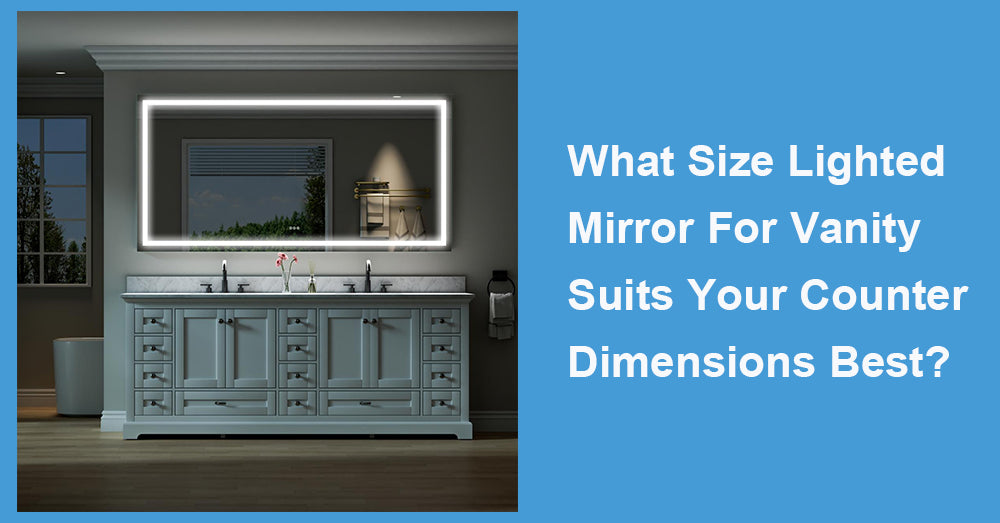
The most crucial principle in choosing mirror size is the width-to-height ratio. It is generally recommended that the mirror width be 70% to 90% of the tabletop width.
For example:
30 inch countertop suitable for 20 inch to 26 inch mirrors;
36-inch countertop suitable for 28 inch to 32 inch mirrors;
48-inch countertop suitable for 36-inch to 44-inch mirrors;
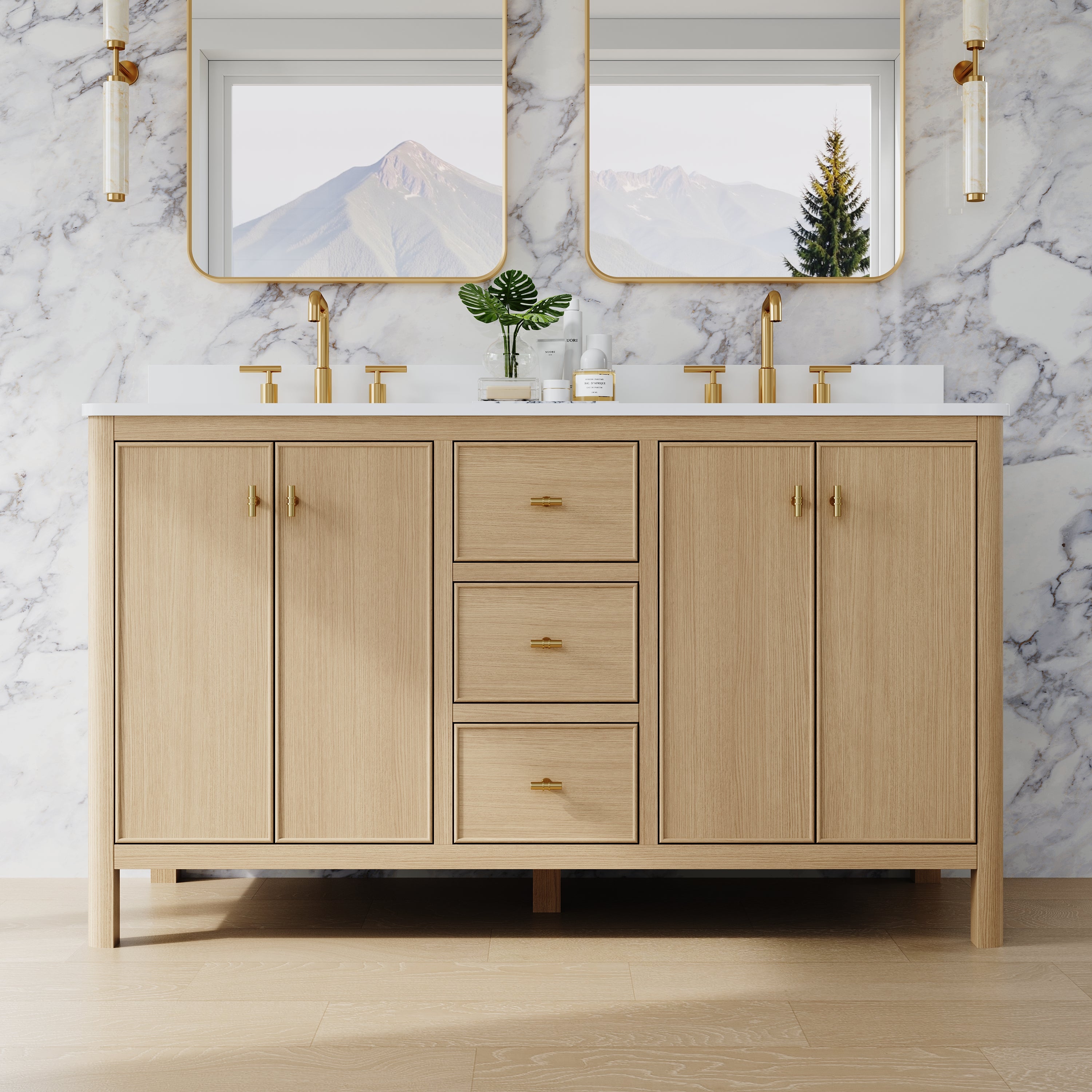
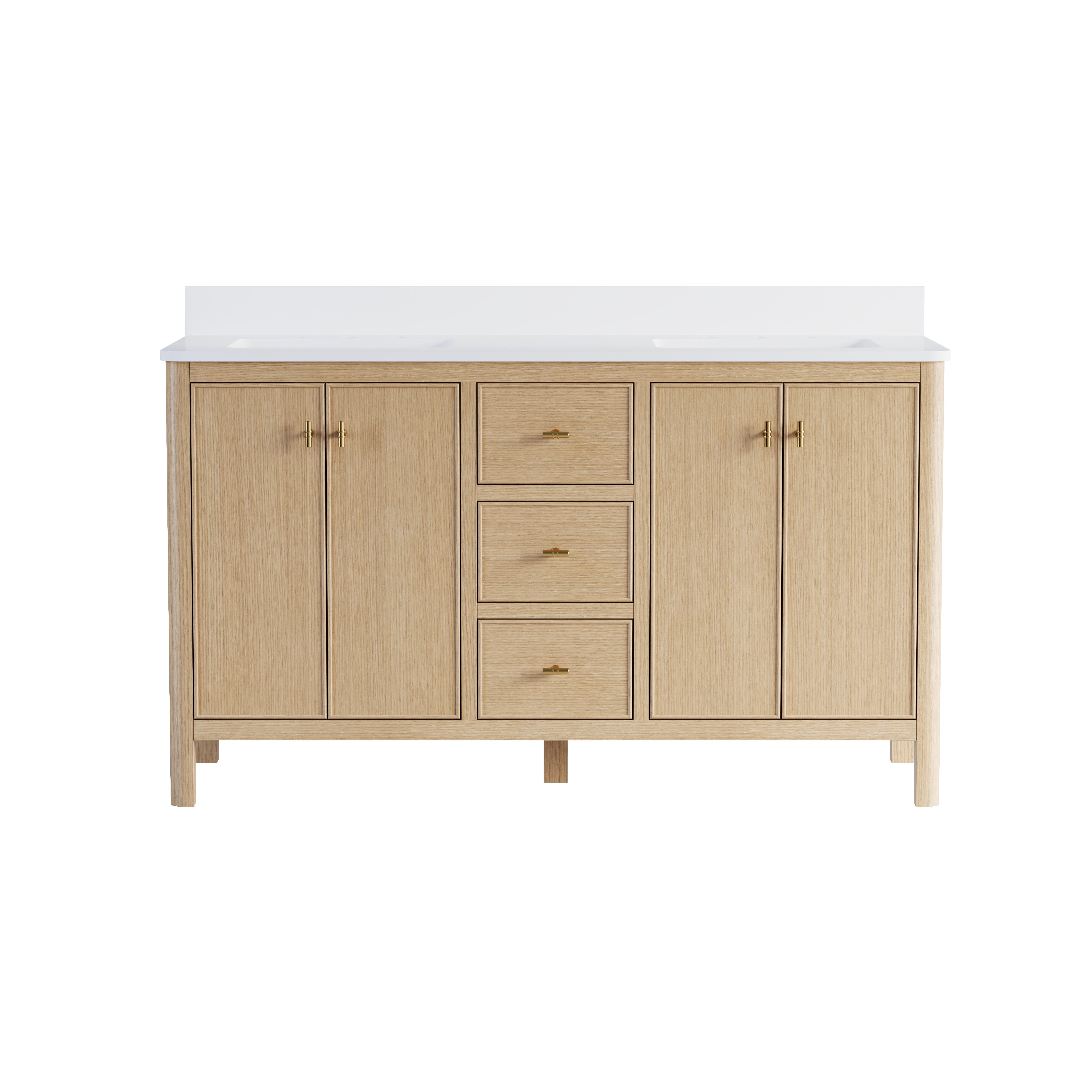
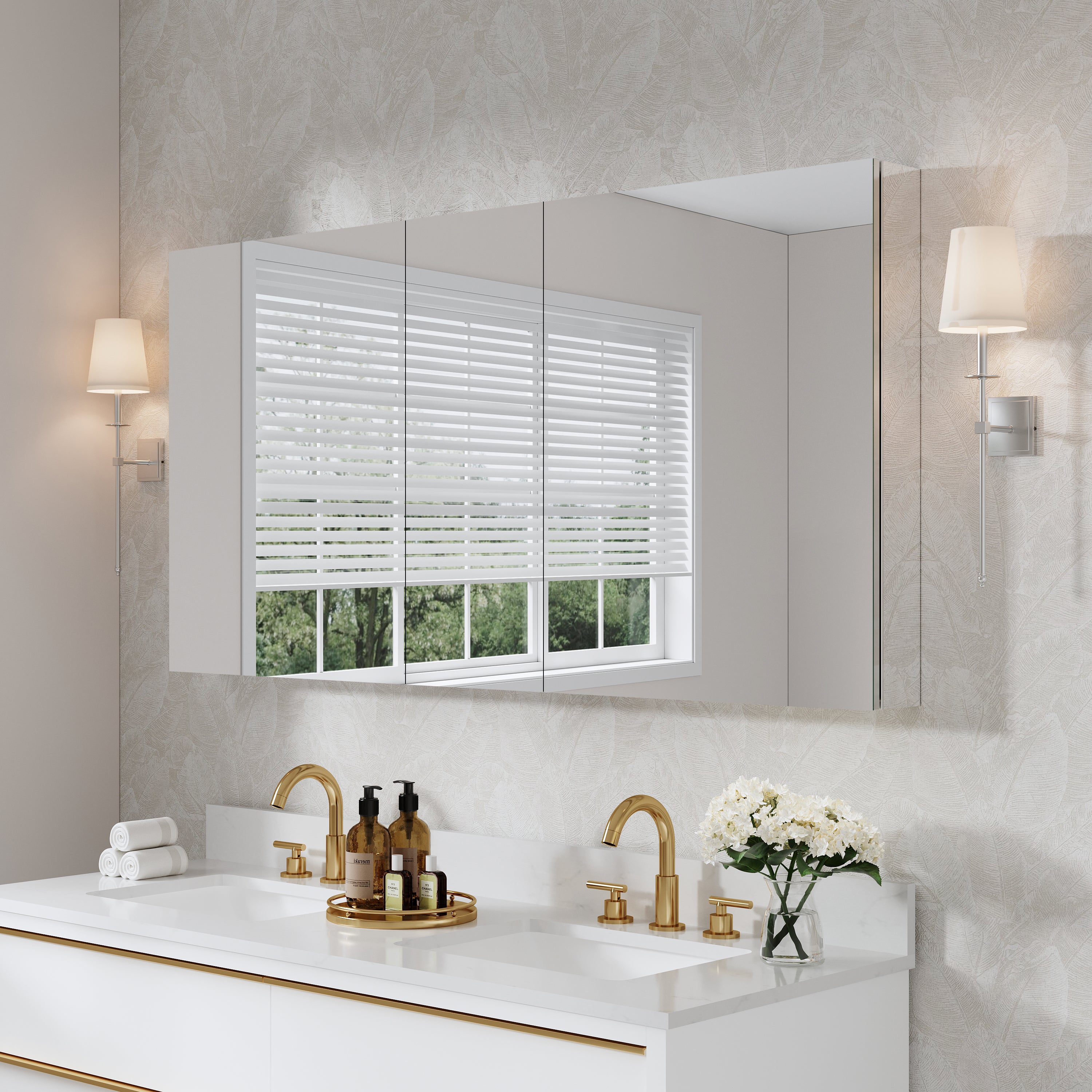
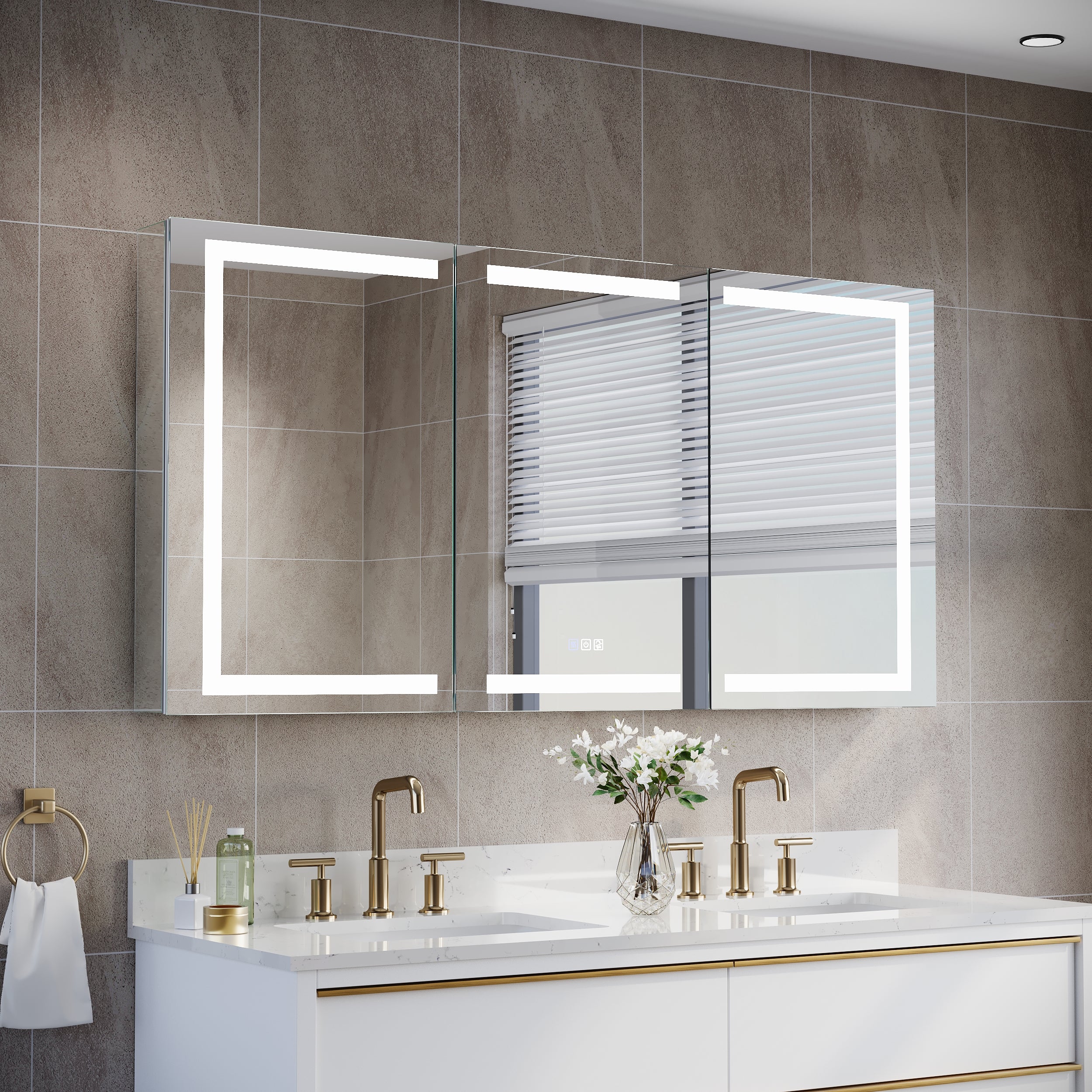
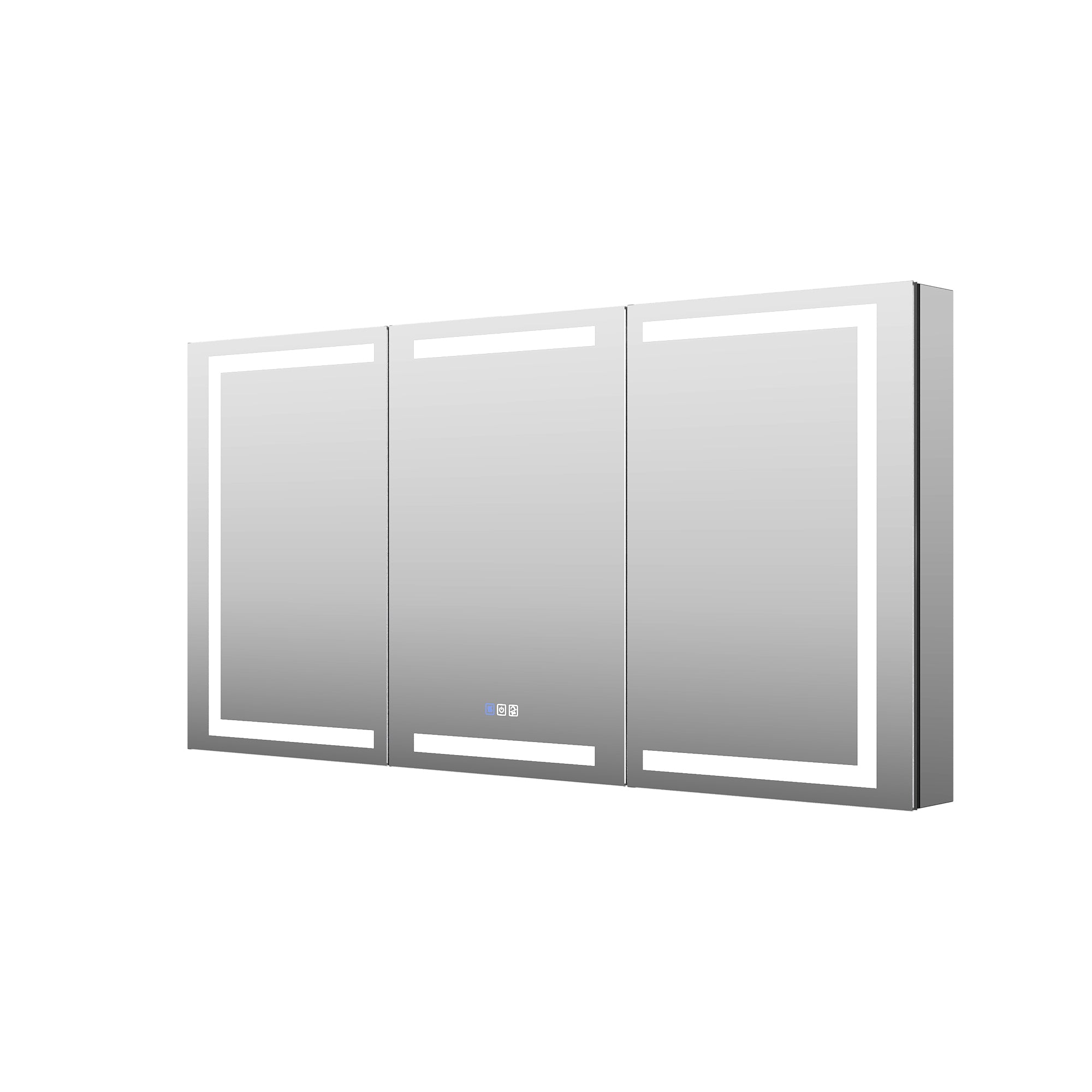
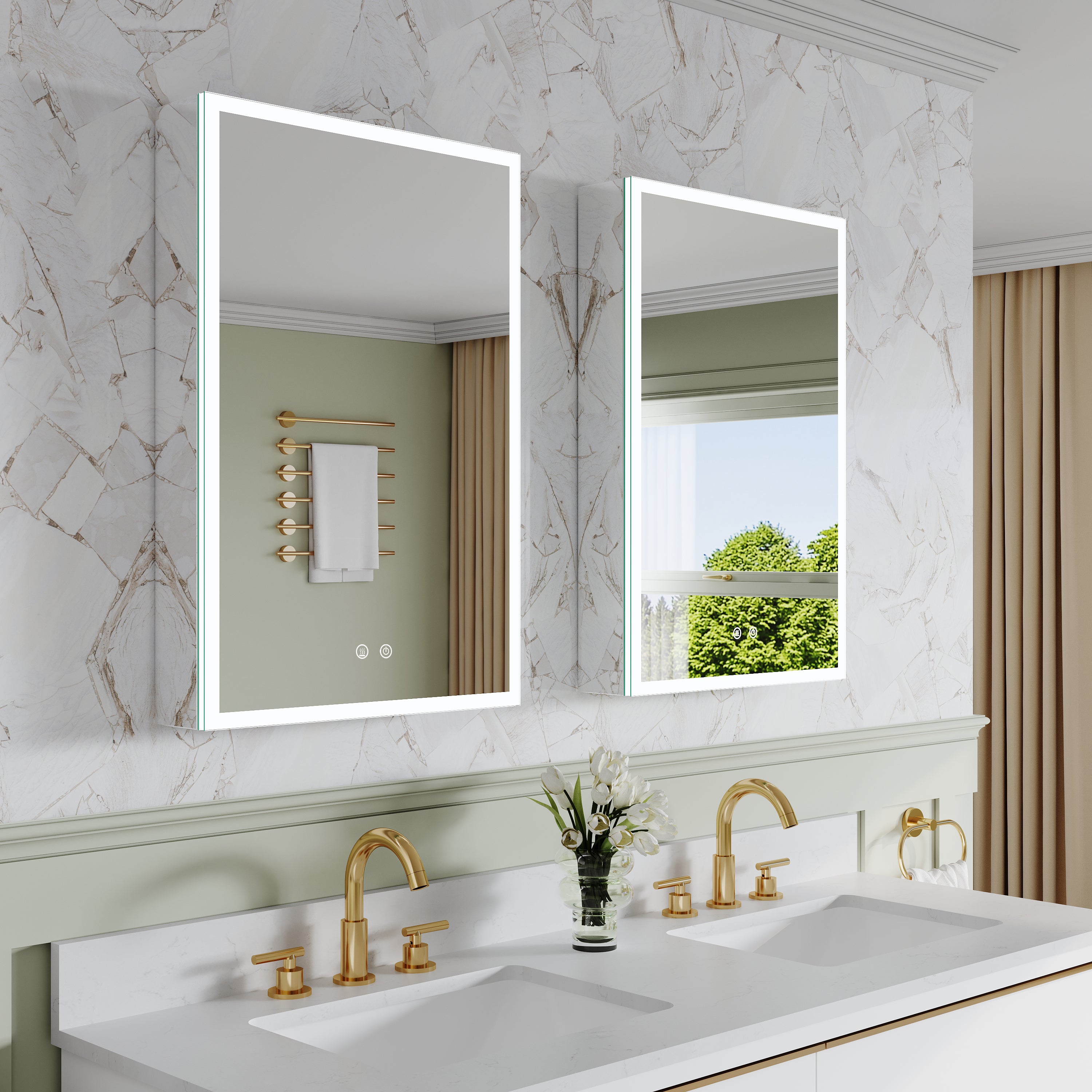
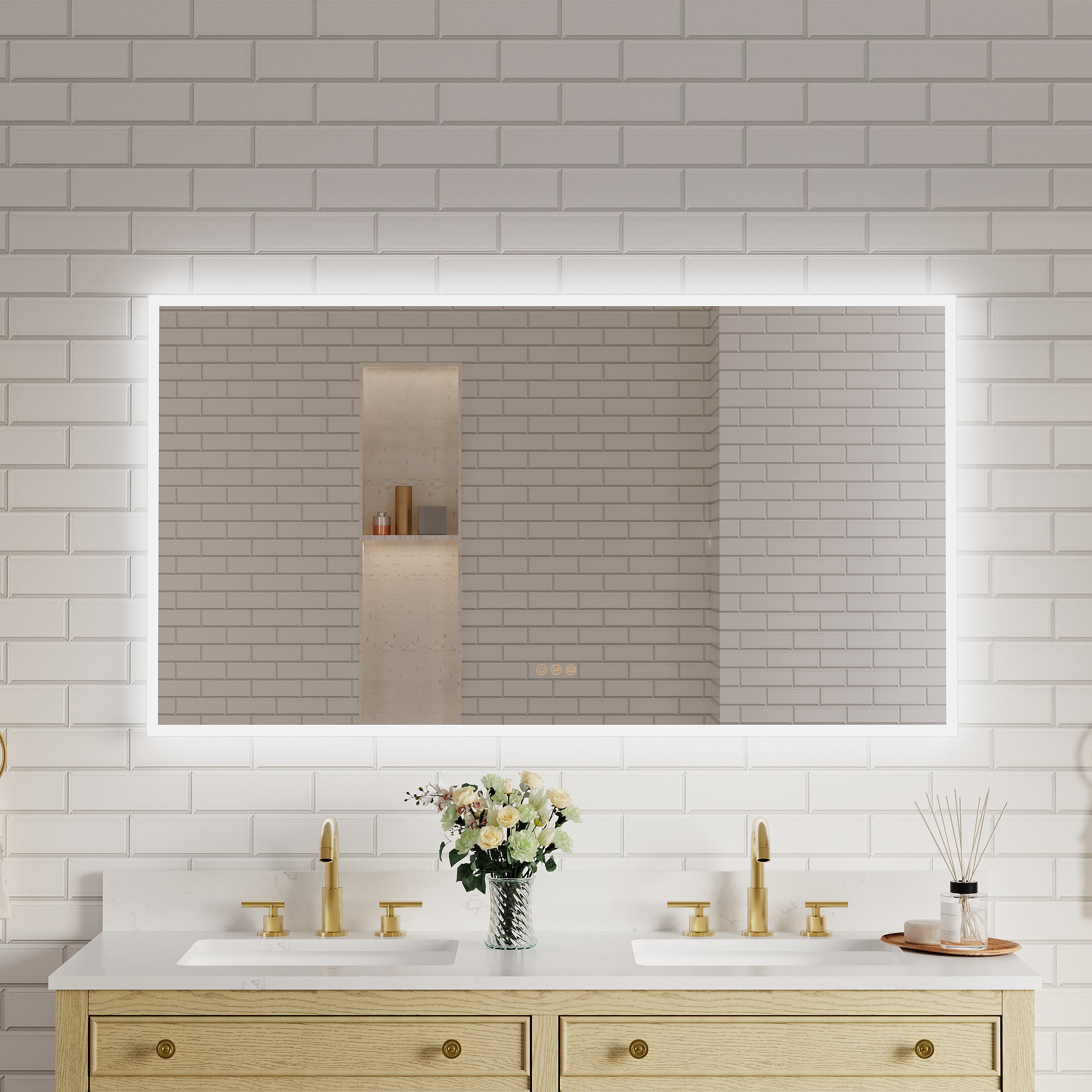
The 60-inch double basin countertop can be equipped with two 30-inch mirrors or one 54-inch to 60-inch integrated mirror.
The data shows that when the mirror width is about 80% of the tabletop, the spatial coordination score increases by about 18%. If the mirror is too narrow, it will make the wall appear empty; If it is too wide, it is easy to compress the side space.
2. Size strategy for single basin and double basin layouts
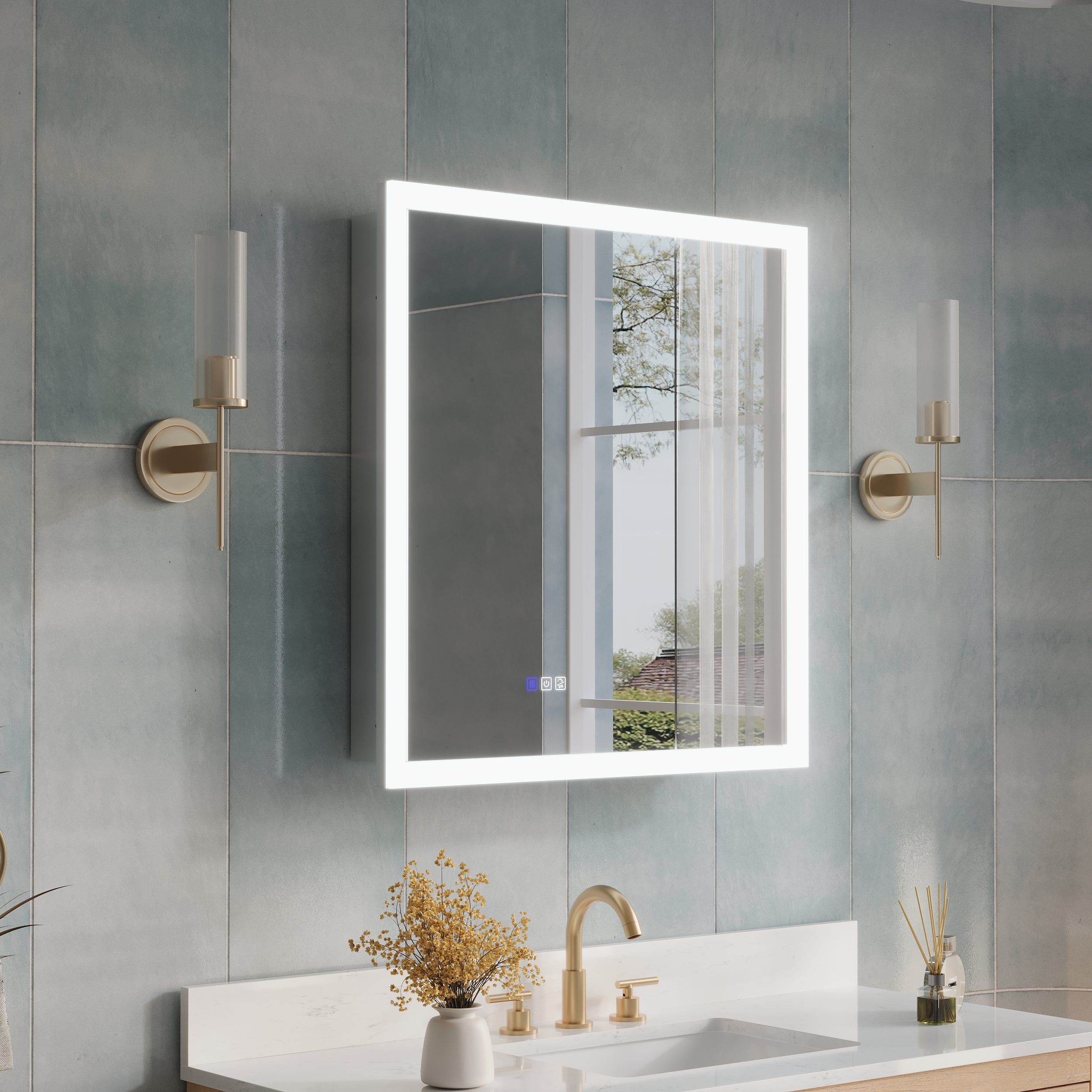
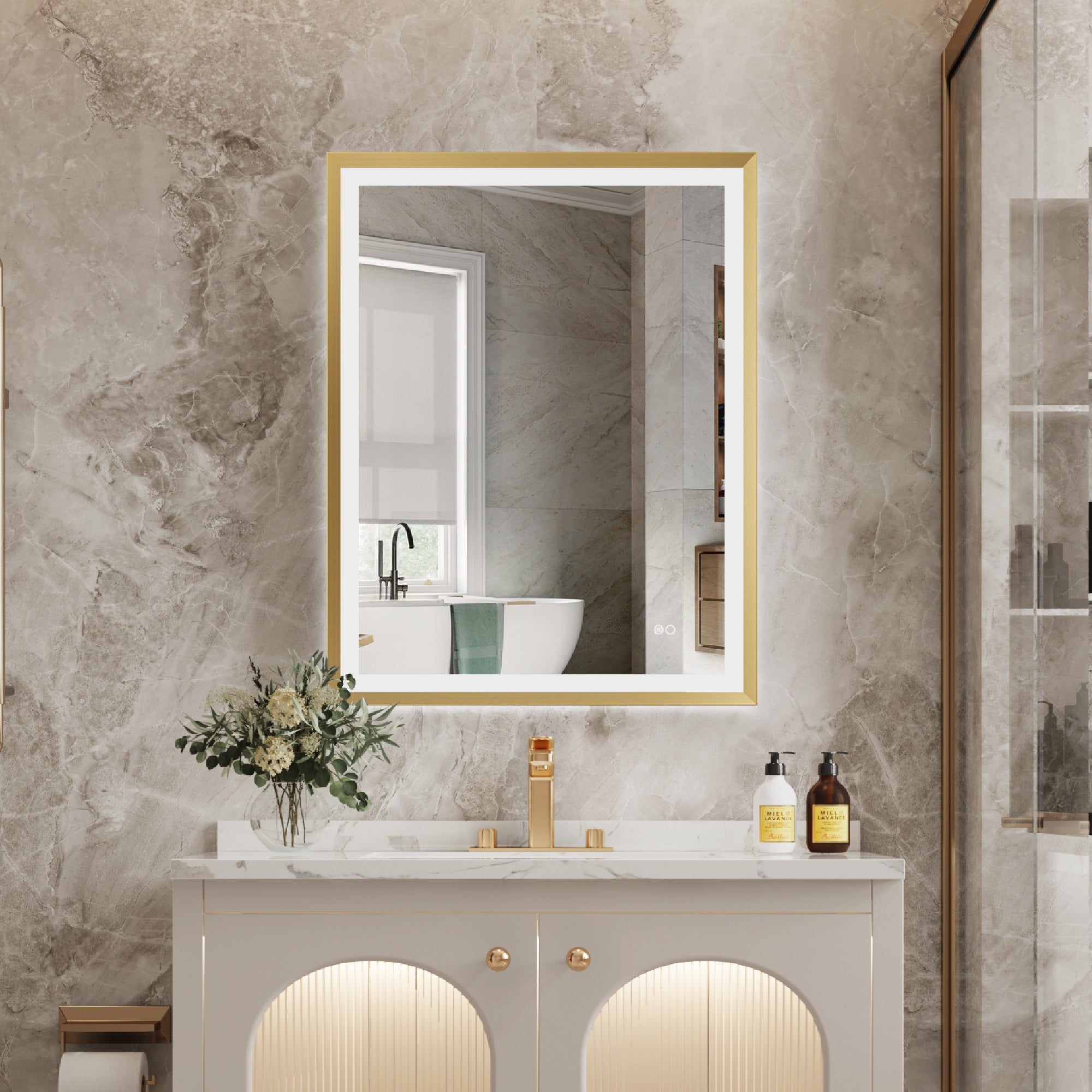
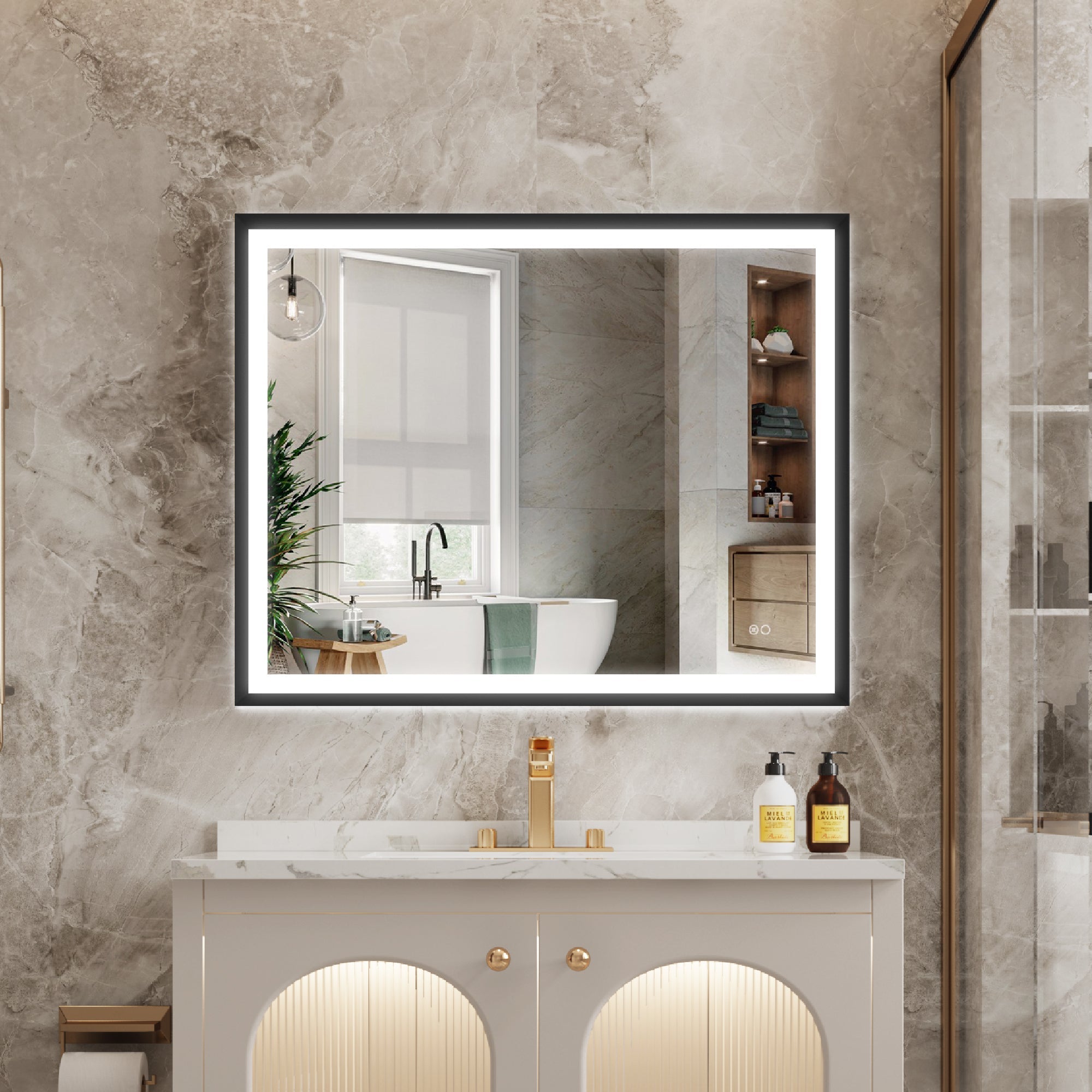
In a 36-inch single-pot layout, a 28- to 32-inch-wide LED mirror can create a clear visual focal point.
In a 60-inch double-basin structure, there are two common approaches: dual-mirror separation or an integral long mirror. The dual-mirror structure emphasizes personal-use boundaries, while the overall mirror enhances spatial unity. Data show that in the two-person use scenario, the satisfaction rate of the dual mirror structure is about 12% higher than that of the overall mirror; however, the overall mirror offers greater visual extension.
The choice should be based on family members' usage habits.
3. The relationship between mirror height and floor height
The mirror height is usually between 28 inches and 36 inches. For 8-foot high floor spaces, heights ranging from 30 inches to 32 inches are more common.
It is recommended to set the mirror center height between 60 and 65 inches from the ground, and the lower edge between 5 and 10 inches from the tabletop.
The data show that when the mirror height is coordinated with the floor-to-height ratio, spatial balance improves by about 15%. If the mirror is too high, it will compress the top space; If it is too low, it will affect visual extension.
4. Matching lighting brightness with size
The mirror size directly affects the LED brightness requirements.
28-inch to 32-inch models typically output 1200 to 1800 lumens;
36-inch to 48-inch models output 2000 to 2800 lumens;
Models ranging from 54 inches to 60 inches can reach over 3000 lumens.
Research shows that brightness of 2000 lumens or higher can meet the lighting needs for daily facial tasks. If the bathroom area exceeds 100 square feet, it is recommended to pair it with top auxiliary lighting.
The size and brightness need to be considered together to avoid an imbalance between "small mirror high brightness" and "large mirror low brightness".
5. Relationship with table depth
The depth of the countertop is usually between 18 inches and 22 inches.
When the tabletop is 22 inches deep, models with wider mirrors appear more stable. If the countertop is only 18 inches deep, it is recommended to choose narrow borders or thin mirrors to avoid visual pressure.
Data show that under proportional coordination, visual comfort improves by about 15%.
6. The influence of embedded and surface-mounted dimensions
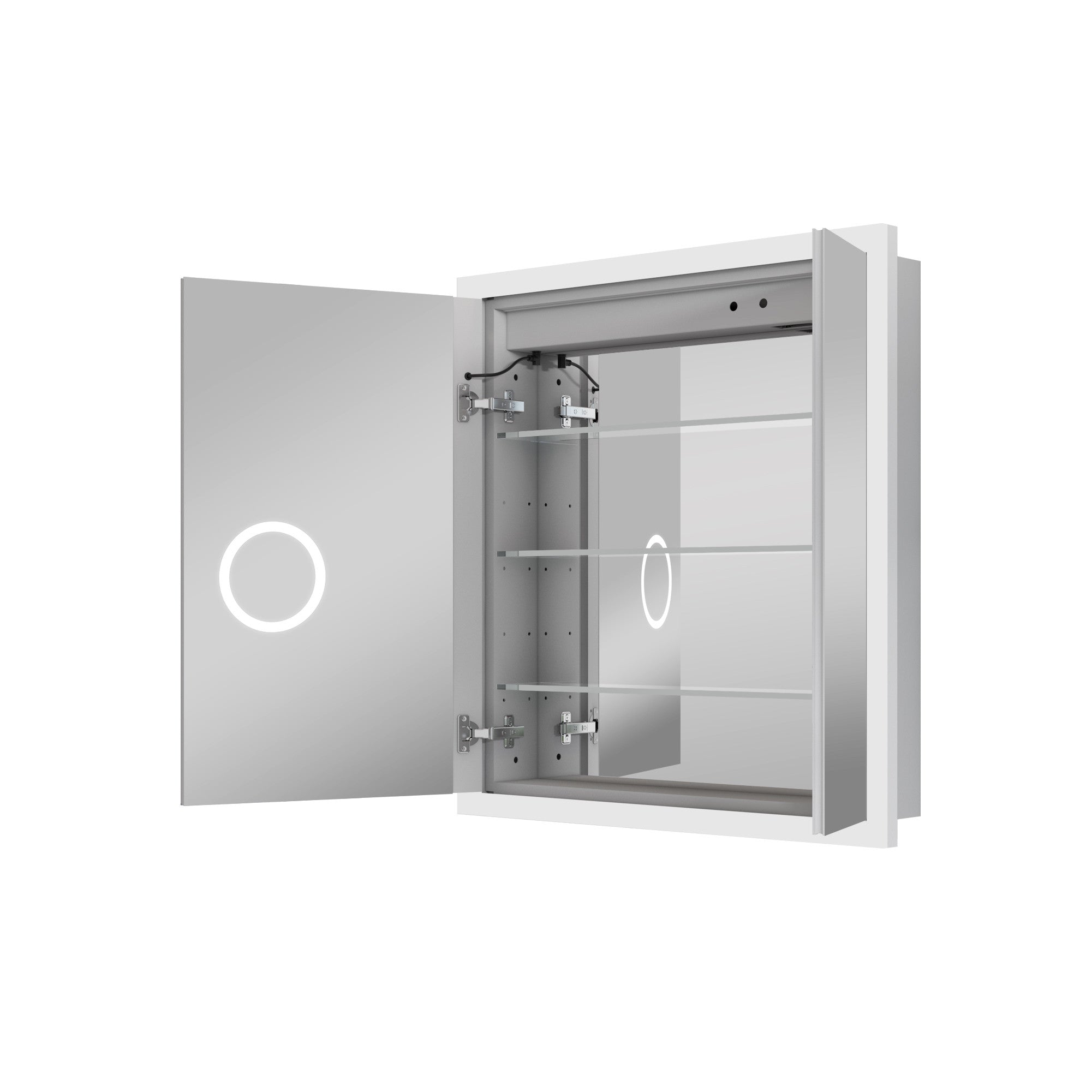
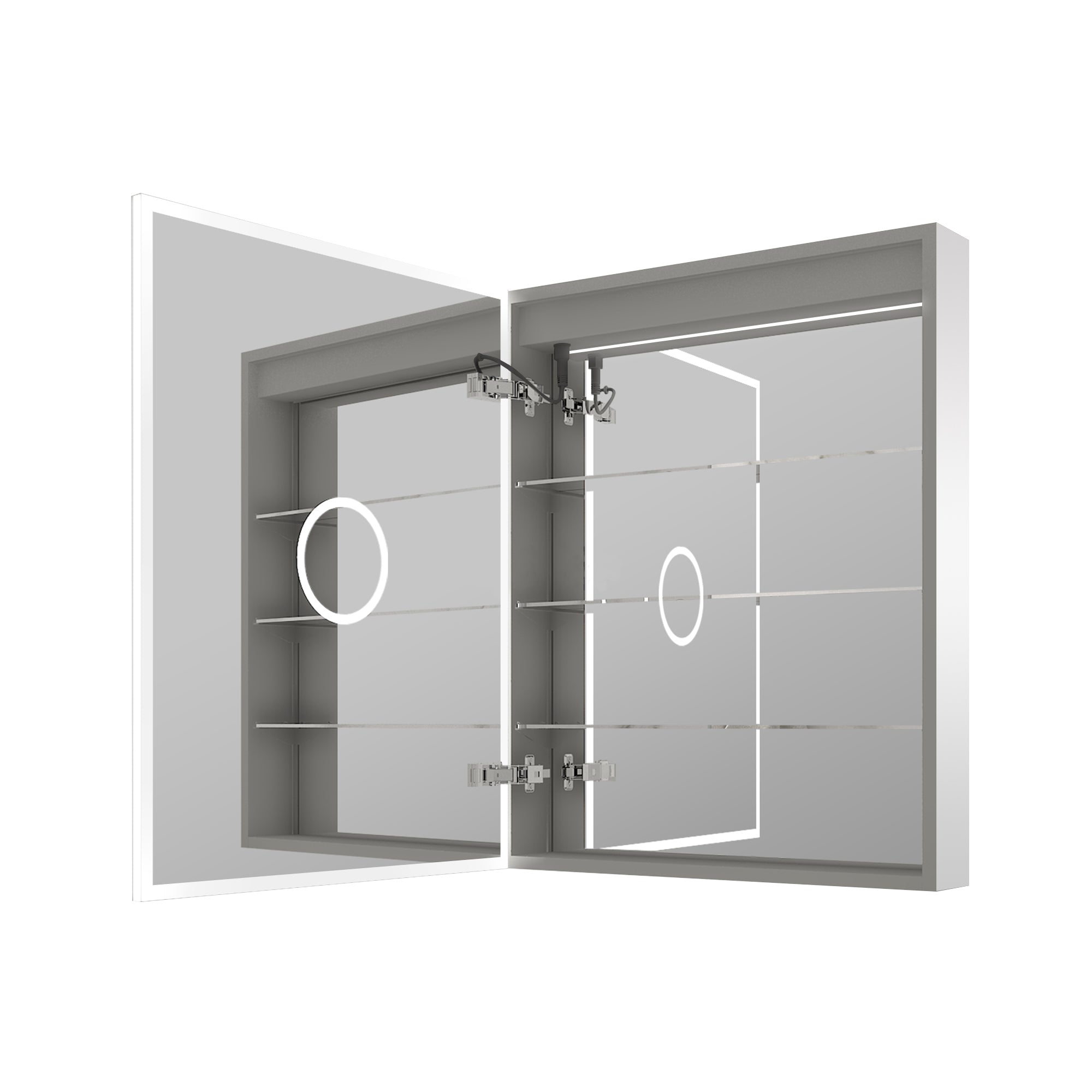
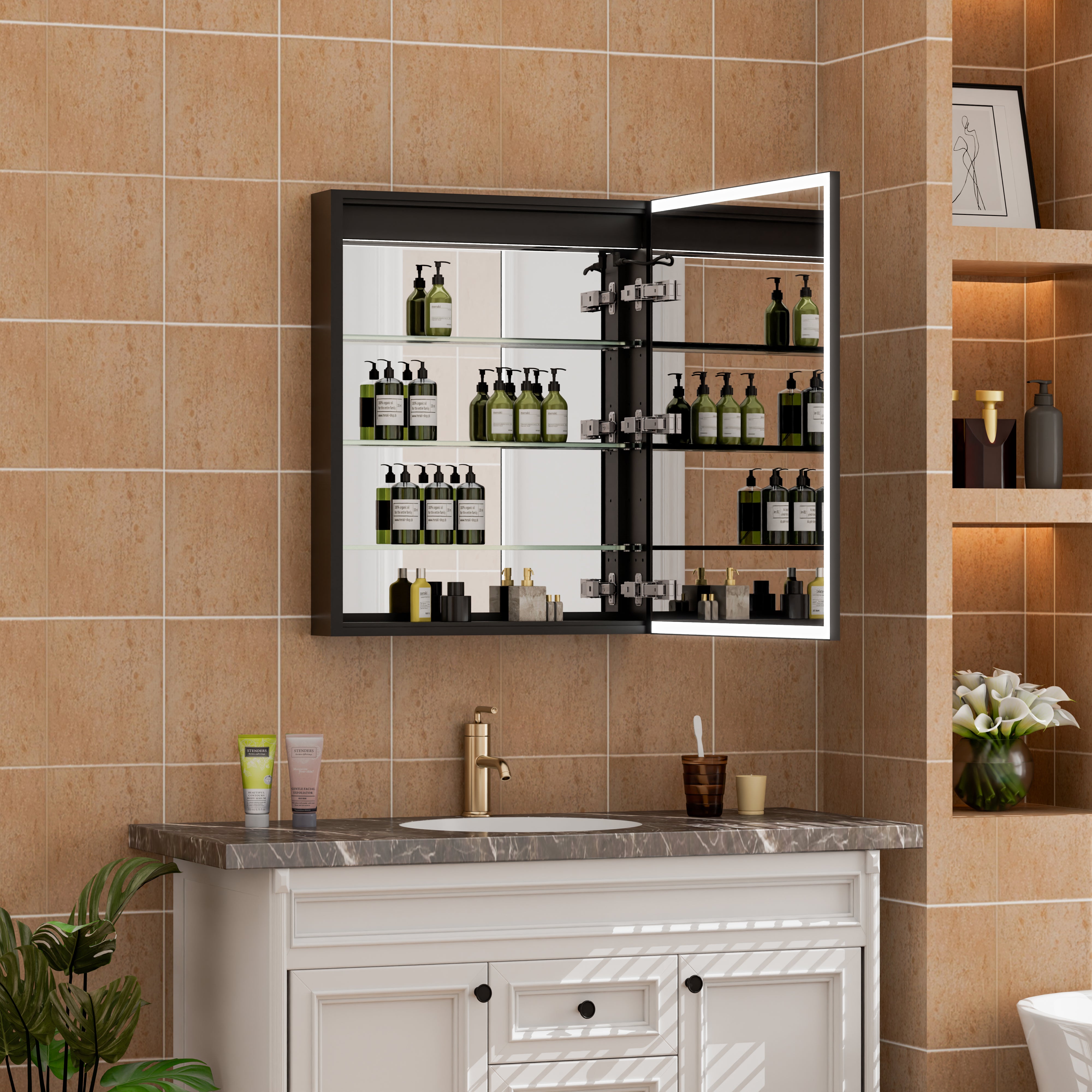
Embedded installation typically uses a 3.5-inch cavity in the wall to reduce the depth of the exposed mirrors to within 1 inch.
Surface-mounted mirrors protrude approximately 4 inches to 5 inches. For spaces with an area less than 90 square feet, embedded design can increase the width rating by approximately 18%.
When choosing the size, the spatial impact of the installation method should also be considered.
7. Border design and visual weight
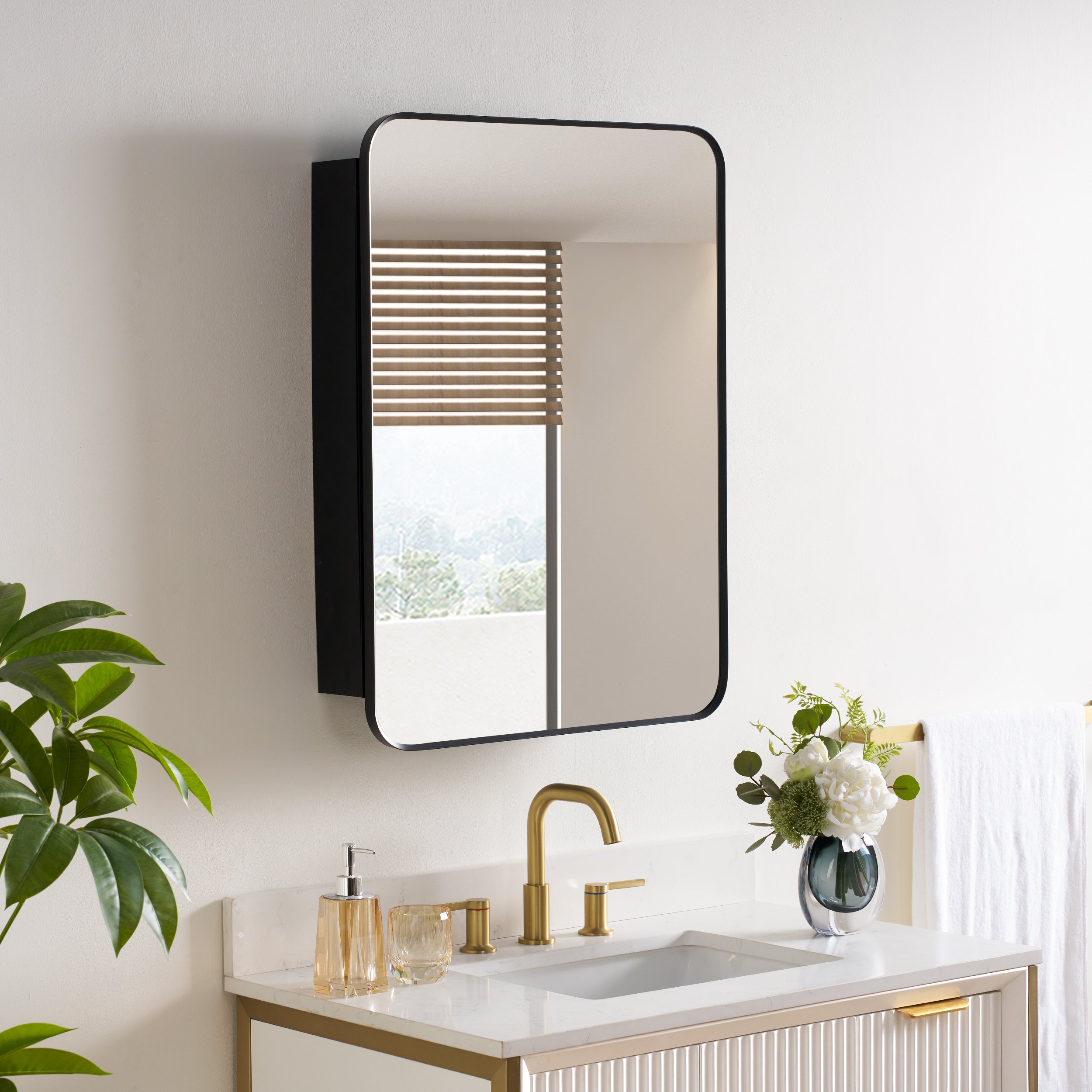
Modern illuminated mirrors often feature frameless or extremely narrow frames.
In the 30-inch to 36-inch models, narrow bezels can reduce visual weight. Data shows that in minimalist-style spaces, frameless designs have a matching score about 20% higher than traditional thick-framed structures.
Mirror size is not just a number; it is also a matter of visual proportion.
8. Color temperature and functional area adaptation
The illuminated mirror usually supports color temperature adjustment from 3000K to 5000K.
Cold white light is suitable for morning tidying, while warm colored light creates a nighttime atmosphere. Data shows that in a color-adjustable temperature environment, overall satisfaction has increased by approximately 18%.
The larger the mirror, the wider the light coverage and the more pronounced the color temperature effect.
9. The difference in size between small and large spaces
In compact bathrooms with an area of less than 80 square feet, a 28-inch to 32-inch mirror is sufficient.
In main bathrooms with an area exceeding 120 square feet, 48-inch to 60-inch mirrors have a greater visual impact.
Data show that in large spaces, when the mirror width exceeds 48 inches, the spatial extension score increases significantly.
10. Long-term design value
With bathroom design evolving toward integration and intelligence, illuminated mirrors have gradually become the core configuration.
Industry data shows that the proportion of LED mirror configurations continues to increase in high-end renovation projects. Reasonable size selection not only improves functional efficiency but also strengthens design language.
From 20-inch compact models to 60-inch wide structures, each inch size affects spatial balance and lighting performance.

11. Conclusion
The optimal size of an illuminated mirror for a vanity is not fixed; it is determined by the countertop width, spatial ratio, and lighting requirements. Usually, the reference range is 70% to 90% of the tabletop width, and adjustments are made based on the brightness output and floor height ratio. From small mirrors with 1200 lumens to large designs with over 3000 lumens, every inch size will affect the final effect. Through precise proportional control and functional matching, the illuminated mirror not only optimizes the lighting experience but also becomes an important component of bathroom space order and modern style.












Leave a comment
This site is protected by hCaptcha and the hCaptcha Privacy Policy and Terms of Service apply.