
















Remodeling a bathroom has a funny way of turning “simple” decisions into real debates. One of those is the medicine cabinet. You’ll hear people say recessed cabinets look more built-in and upscale—and that can be true. But if you’re actually in the middle of a remodel (or trying to keep one from spiraling), a surface mounted medicine cabinet is often the practical, low-drama choice that gets the job done beautifully.
So, is surface-mounted “better” for remodeling? In many cases, yes—especially when you care about timeline, budget, and avoiding surprises inside the wall. But it depends on your space, your wall conditions, and the look you’re going for.
Let’s break it down in a way that helps you decide without guesswork.
What “Surface Mounted” Really Means (and Why Remodelers Like It)
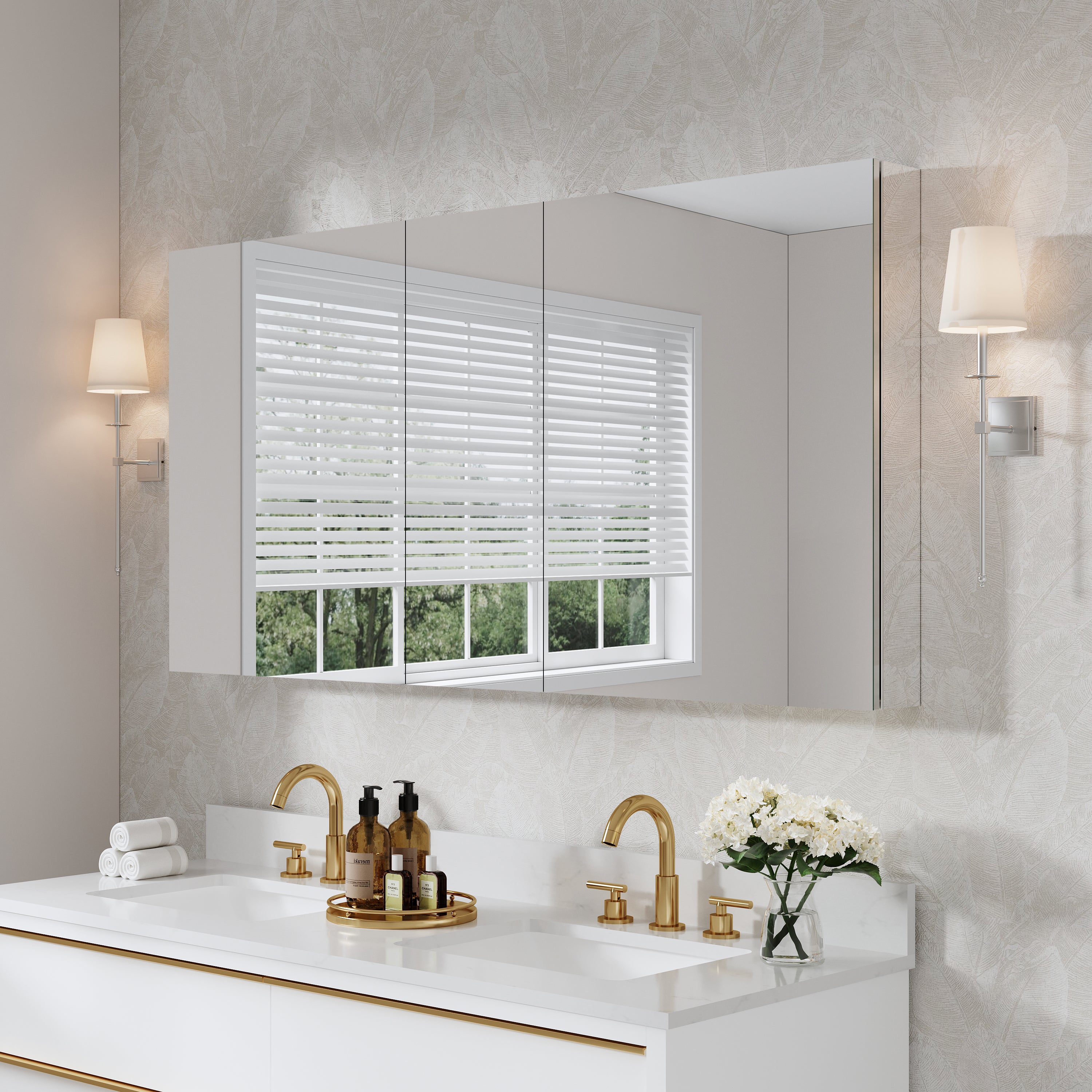
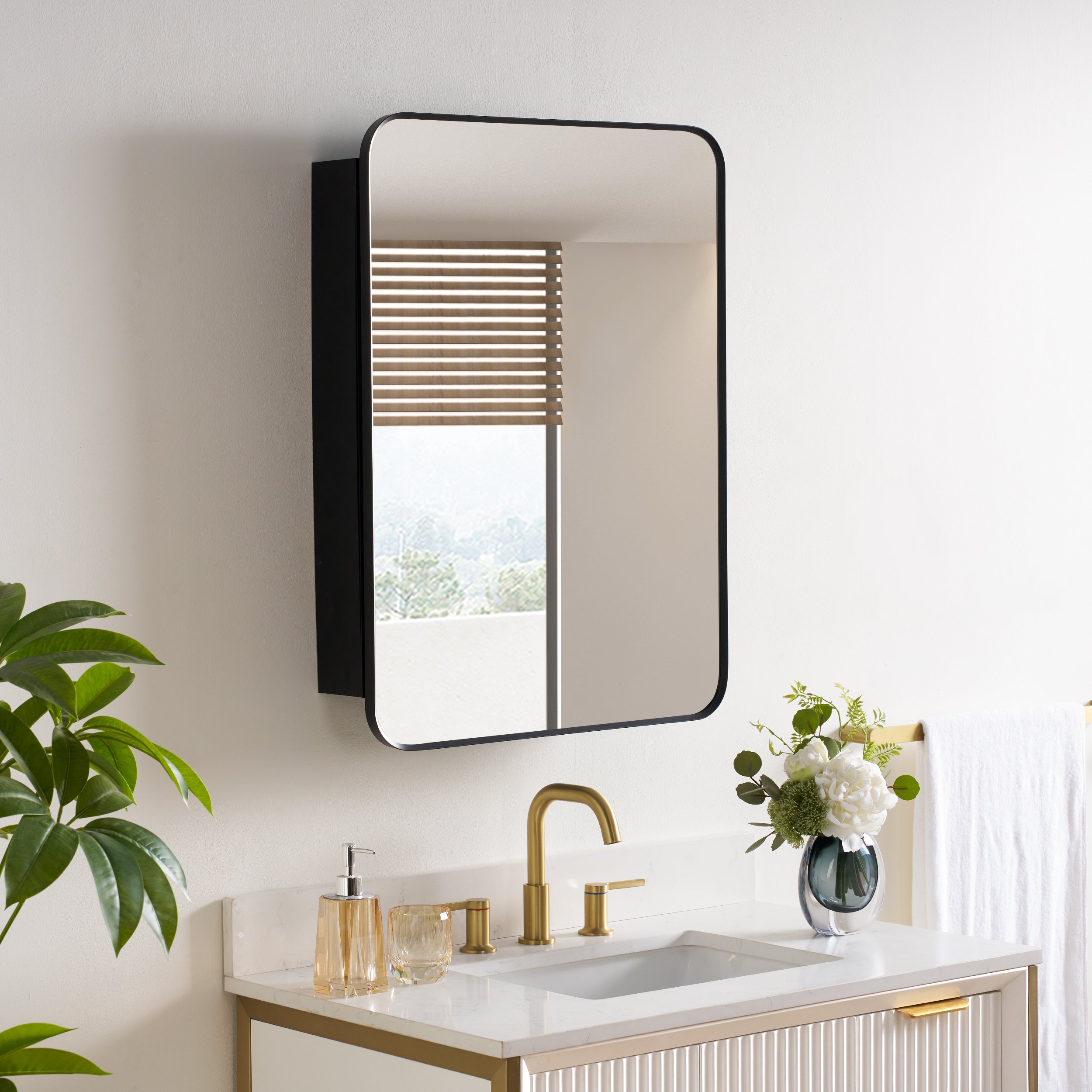
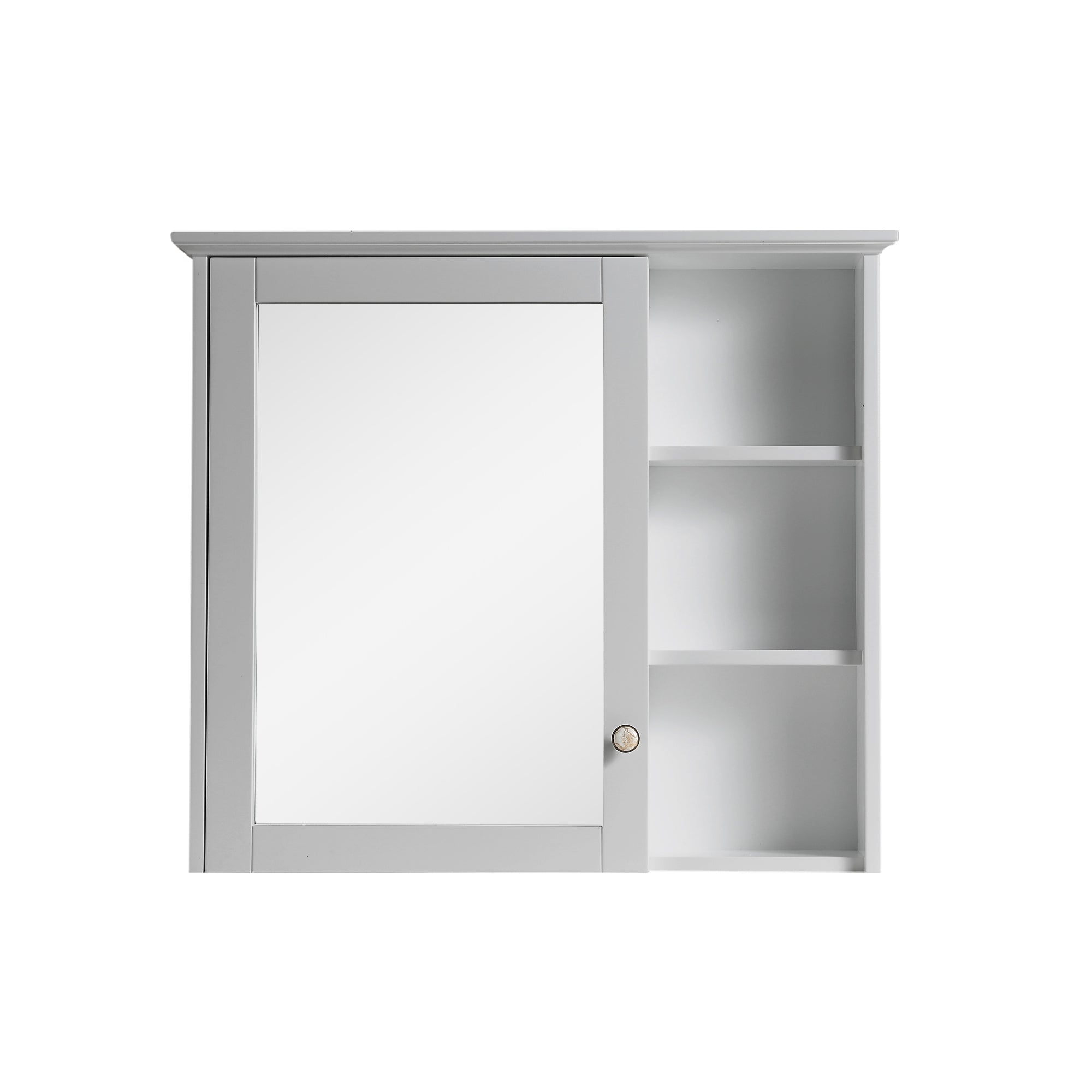
A surface-mounted medicine cabinet attaches directly to the wall surface. It doesn’t require cutting into studs, reframing, or opening the wall cavity. In remodeling terms, that’s huge.
When you mount a cabinet on the surface, you’re basically treating it like a piece of wall furniture: measure, anchor, level, and install. That makes it a go-to option for:
· Quick upgrades
· Remodels where tile work is already finished
· Older homes where wall cavities are unpredictable
· Projects where you don’t want to touch electrical or plumbing inside the wall
If your remodel is already juggling flooring, vanity installation, lighting, and paint, this is one part of the project that can stay simple.
The Biggest Advantage: You Don’t Have to Open the Wall
Recessed cabinets can look sleek, but they often demand more labor than people expect. Once you start cutting into drywall, you might run into:
· Studs exactly where you want the cabinet
· Electrical wiring running across the cavity
· Plumbing vents or odd framing
· Old repairs or uneven surfaces
A surface-mounted medicine cabinet sidesteps most of that. You’re not gambling on what’s hidden behind your wall. That reduces risk, and in remodeling, reducing risk is basically the same as saving money.
This is especially helpful if your bathroom has:
· Tile running up the wall (cutting tile cleanly is harder than cutting drywall)
· A tight schedule (you want fewer trades involved)
· Limited budget (you’d rather spend on fixtures or lighting)
When Surface-Mounted Cabinets Are the Better Remodeling Choice
Surface mount is often the smartest pick when any of the following are true:
You’re remodeling a finished space.
If you’ve already installed tile or completed drywall and paint, it usually makes sense to avoid opening walls again. A surface-mounted cabinet can be installed late in the project without creating a mess.
Your wall cavity won’t cooperate.
Stud spacing, wiring, and plumbing layout can limit recessed options. In older homes, walls can be non-standard, and finding a clear cavity isn’t guaranteed.
You want more storage than a recessed cabinet can offer
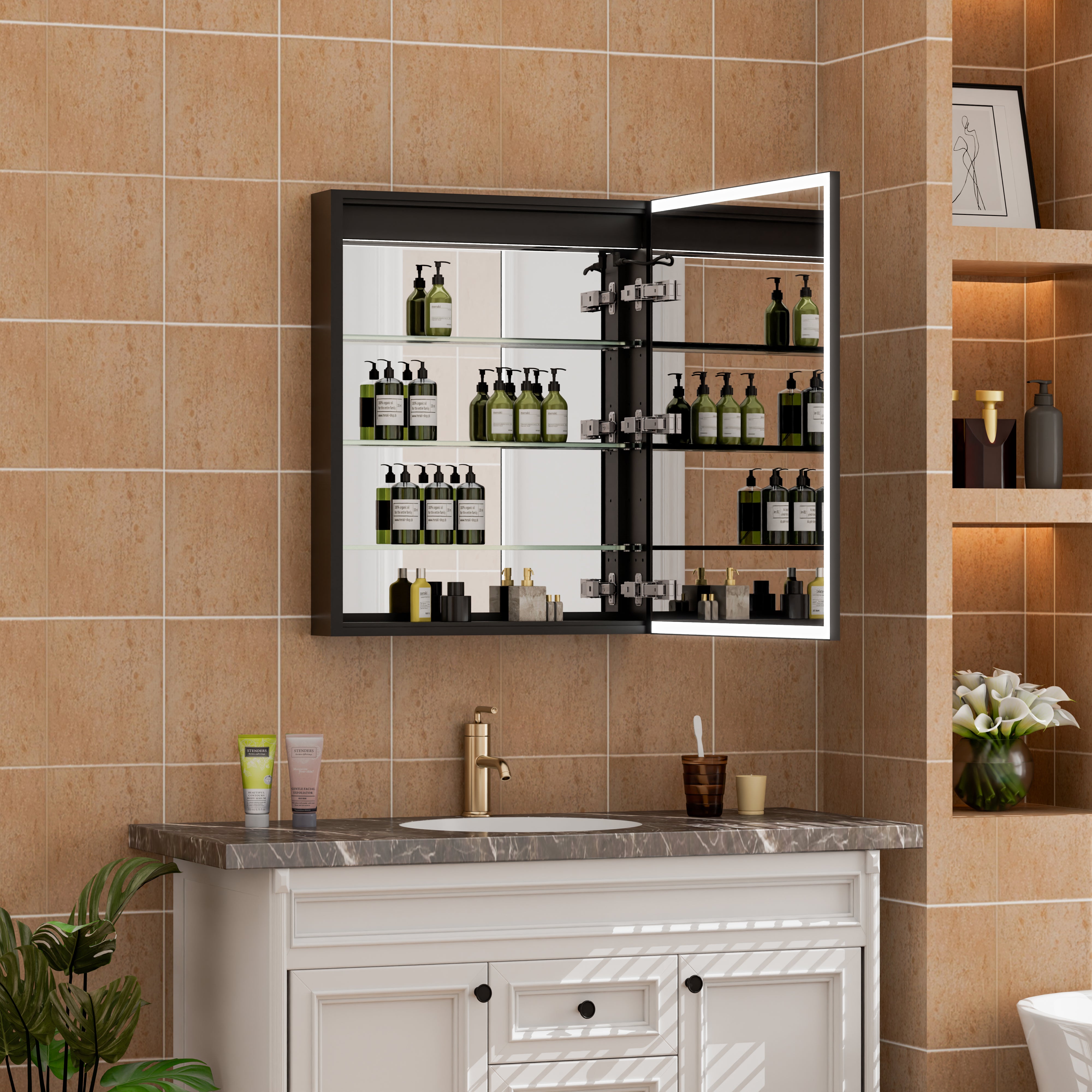
Surface-mounted cabinets can sometimes provide more usable interior depth. If you need to store taller bottles or bulky items, the added space can be a real benefit—assuming you choose a cabinet that doesn’t stick out too far.
You’re upgrading for function, not a full gut remodel
If your remodel is more of a refresh—new vanity, new lighting, new mirror—surface mount keeps the project clean and manageable.
The Trade-Off: It Projects From the Wall
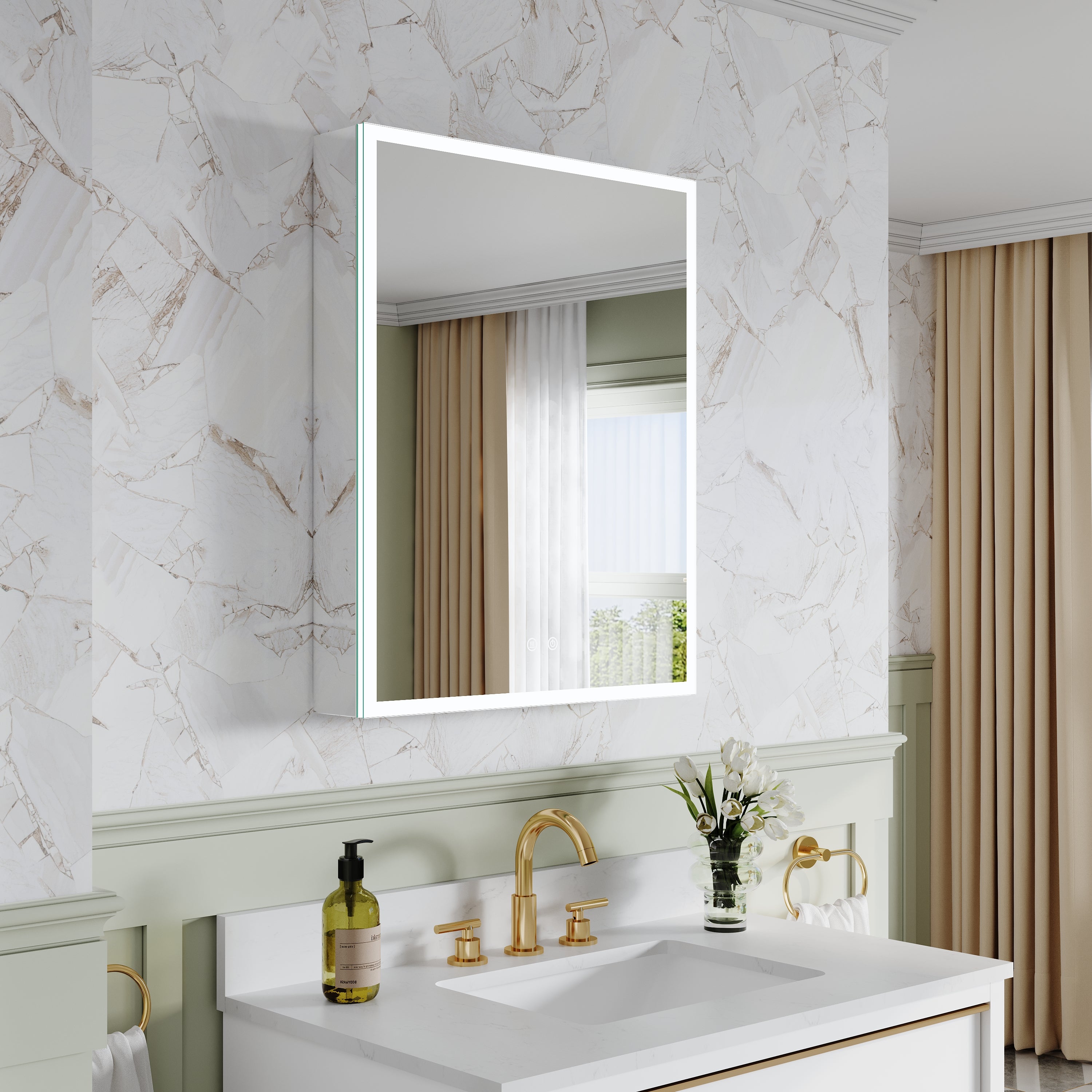
The main downside of a surface-mounted medicine cabinet is visual. It extends outward from the wall, which can feel bulky in small bathrooms if the cabinet is too deep.
That doesn’t mean it will look awkward—many surface mount designs are slim and modern—but you do want to think about proportion.
A few ways to keep it looking intentional:
· Choose a depth that matches your space (slimmer is usually safer)
· Keep the cabinet width in balance with your vanity (often slightly narrower)
· Align it carefully with your light fixture and faucet centerline.
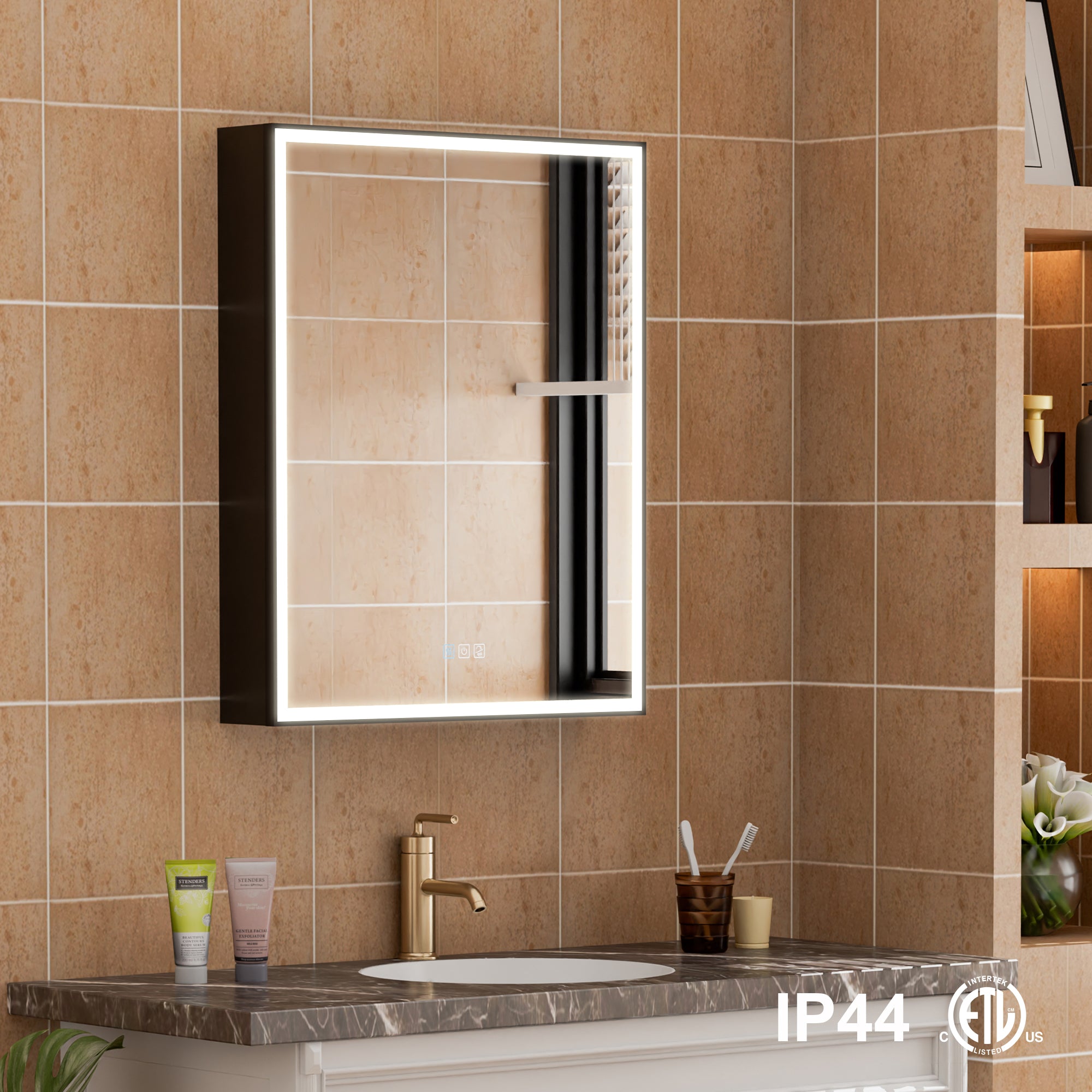
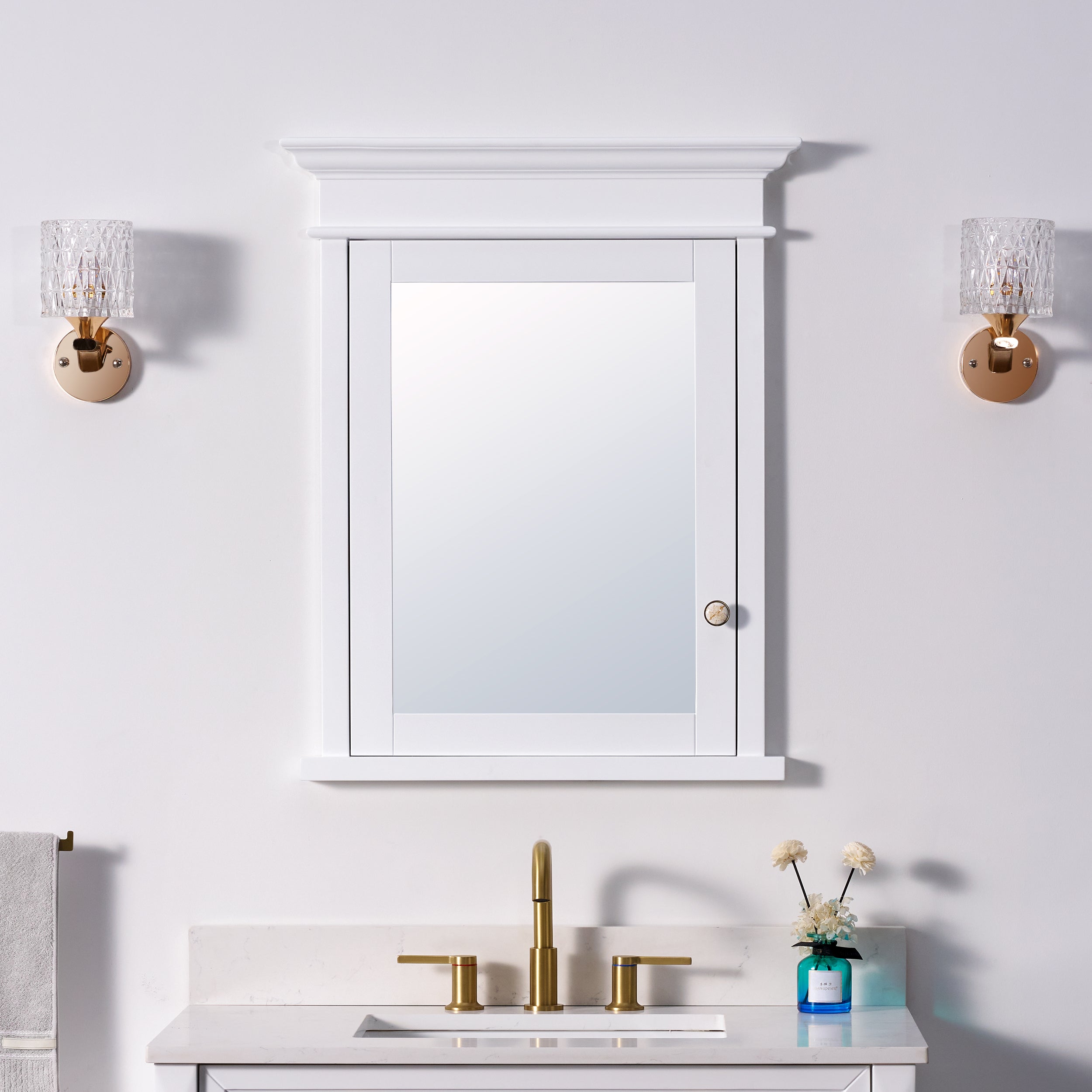
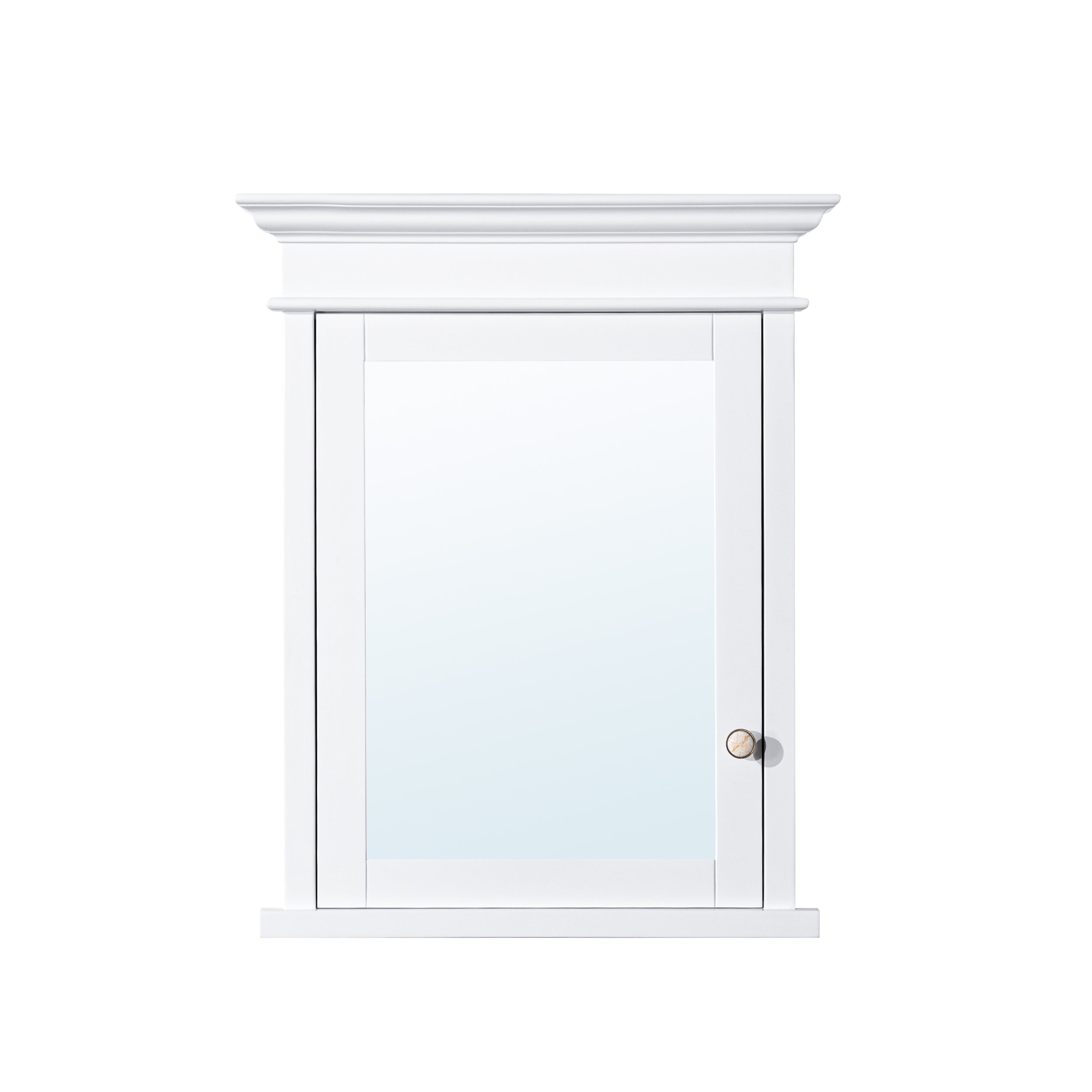
· Consider a framed style if your bathroom has traditional details, or frameless if it’s modern.
A surface-mounted cabinet looks best when it’s treated as a design element, not an afterthought.
Installation Considerations That Matter in Remodeling
Even though surface mount is simpler, it still needs planning. Here are the details people overlook:
Clearance and door swing
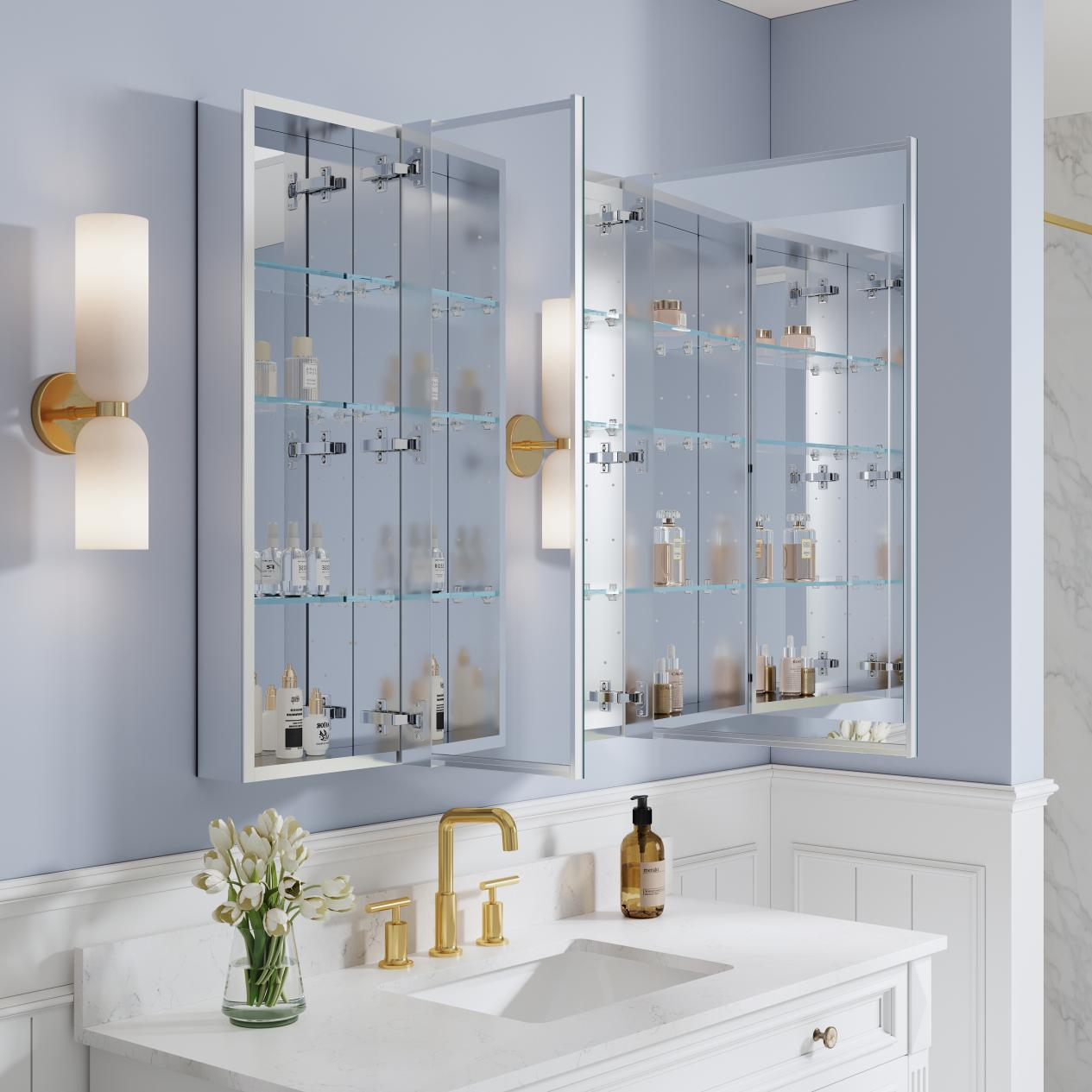
A large cabinet door can collide with a nearby wall, sconce, or shower door. Double doors often work better because each door is smaller and easier to open in tight spaces.
Stud anchoring
If you can hit studs, great. If not, use appropriate anchors for the wall type. In a remodel, wall surfaces vary—drywall, plaster, tile over backer board—so hardware matters.
Lighting placement
If you’re using a vanity light bar above the cabinet, make sure the cabinet height leaves enough room and doesn’t feel squeezed. If you’re using sconces, confirm the cabinet won’t interfere with their spread.
Wall flatness
Older bathrooms often have slightly uneven walls. A surface-mounted cabinet will reveal that if it’s not shimmed and leveled properly.
Style and Features: Where Surface Mount Cabinets Can Shine

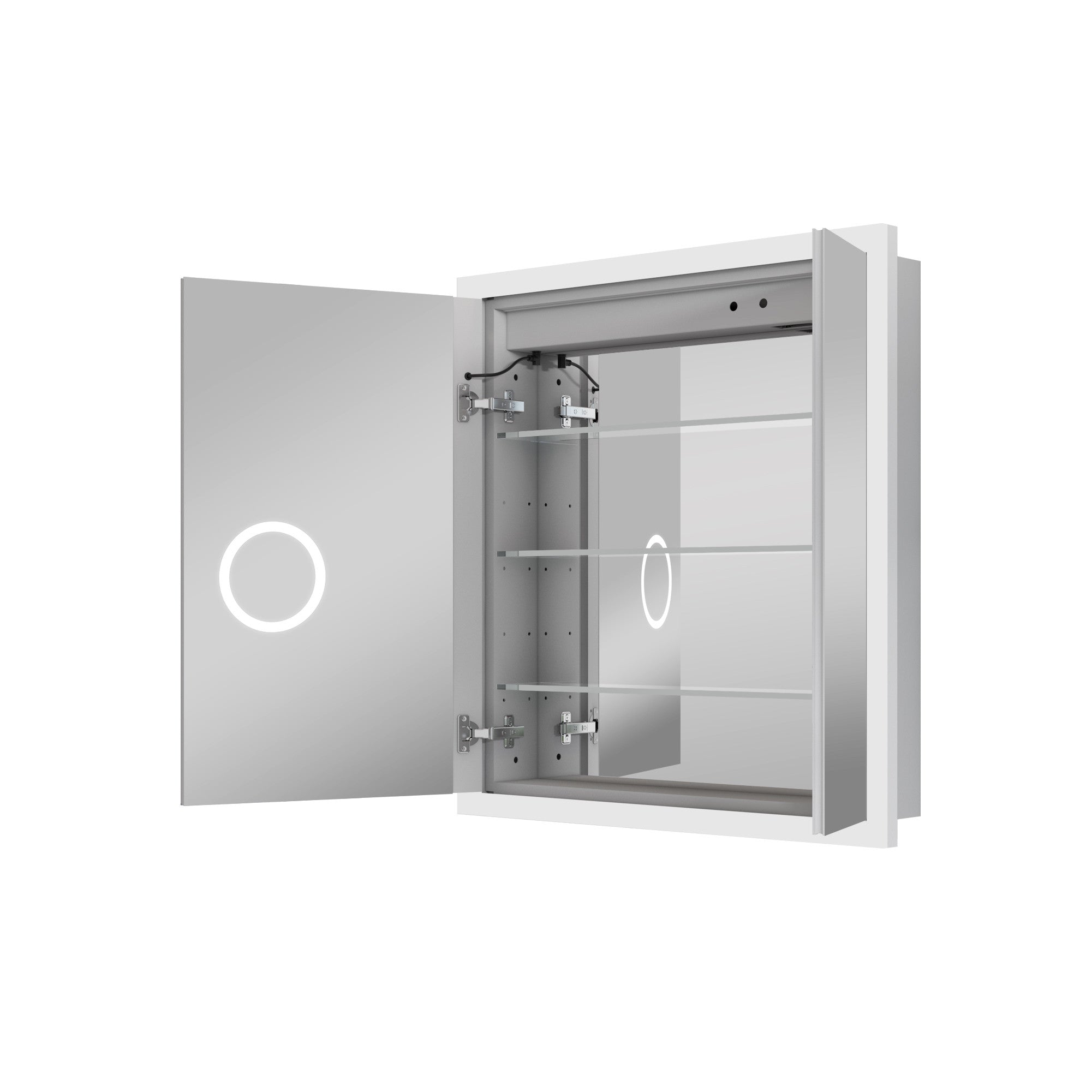
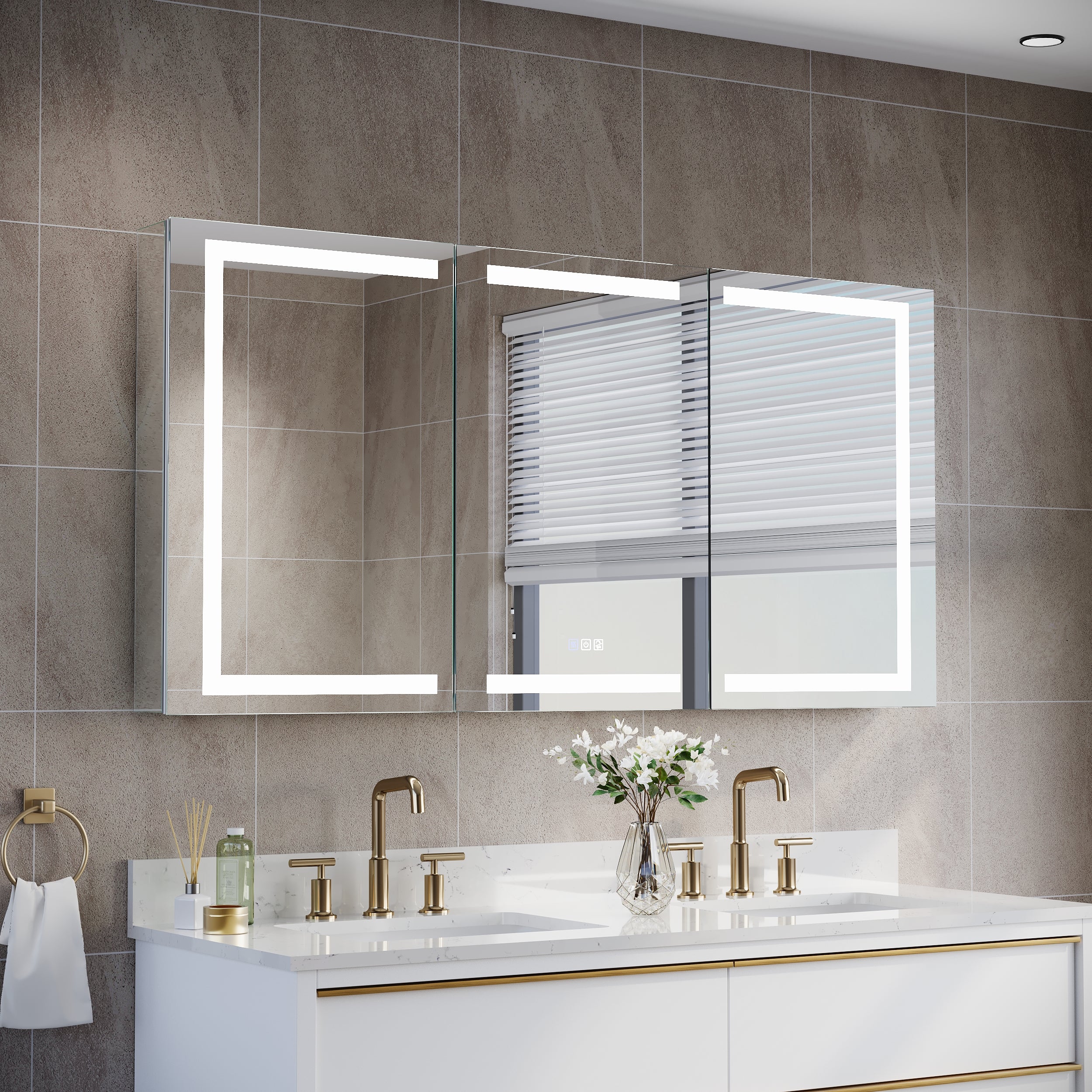
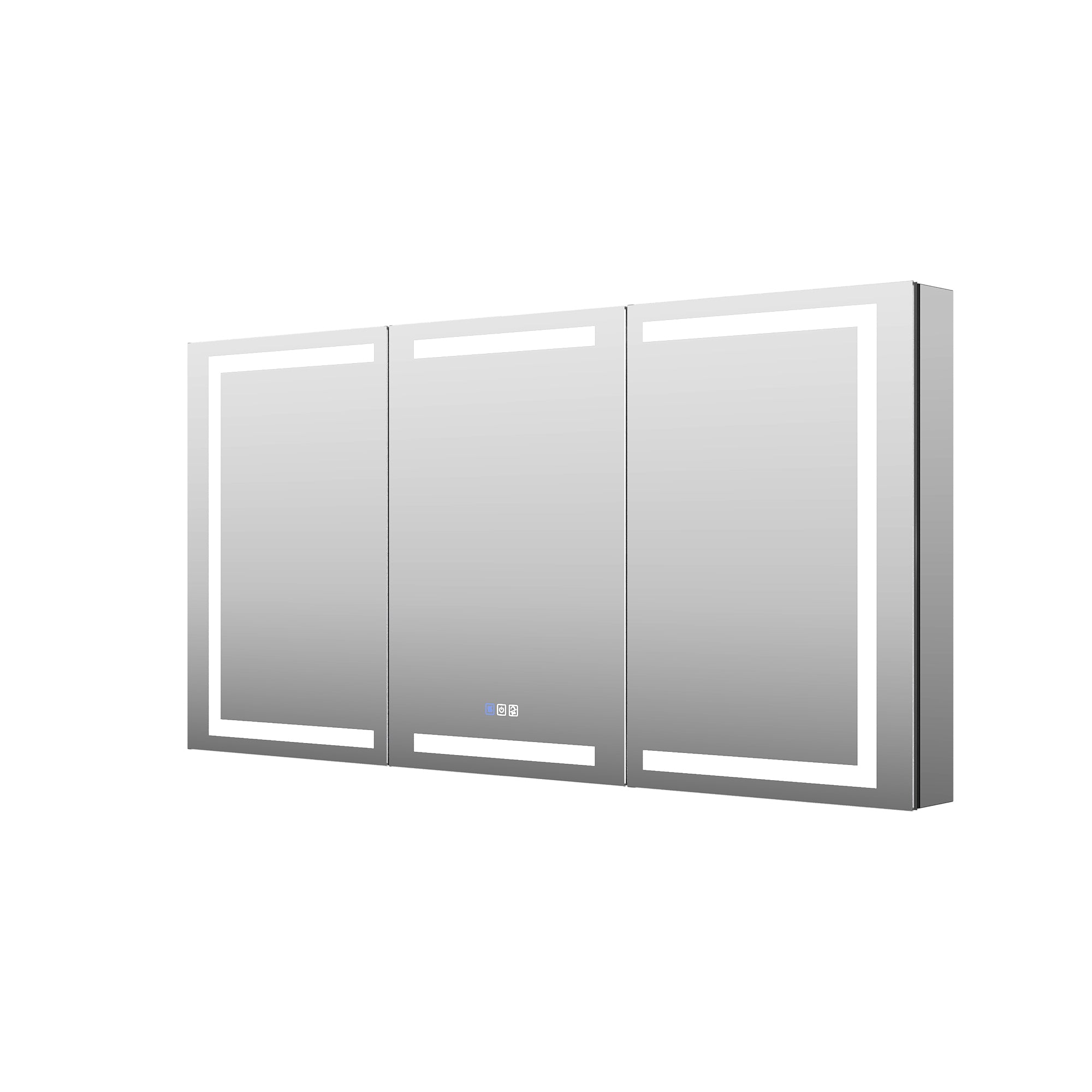
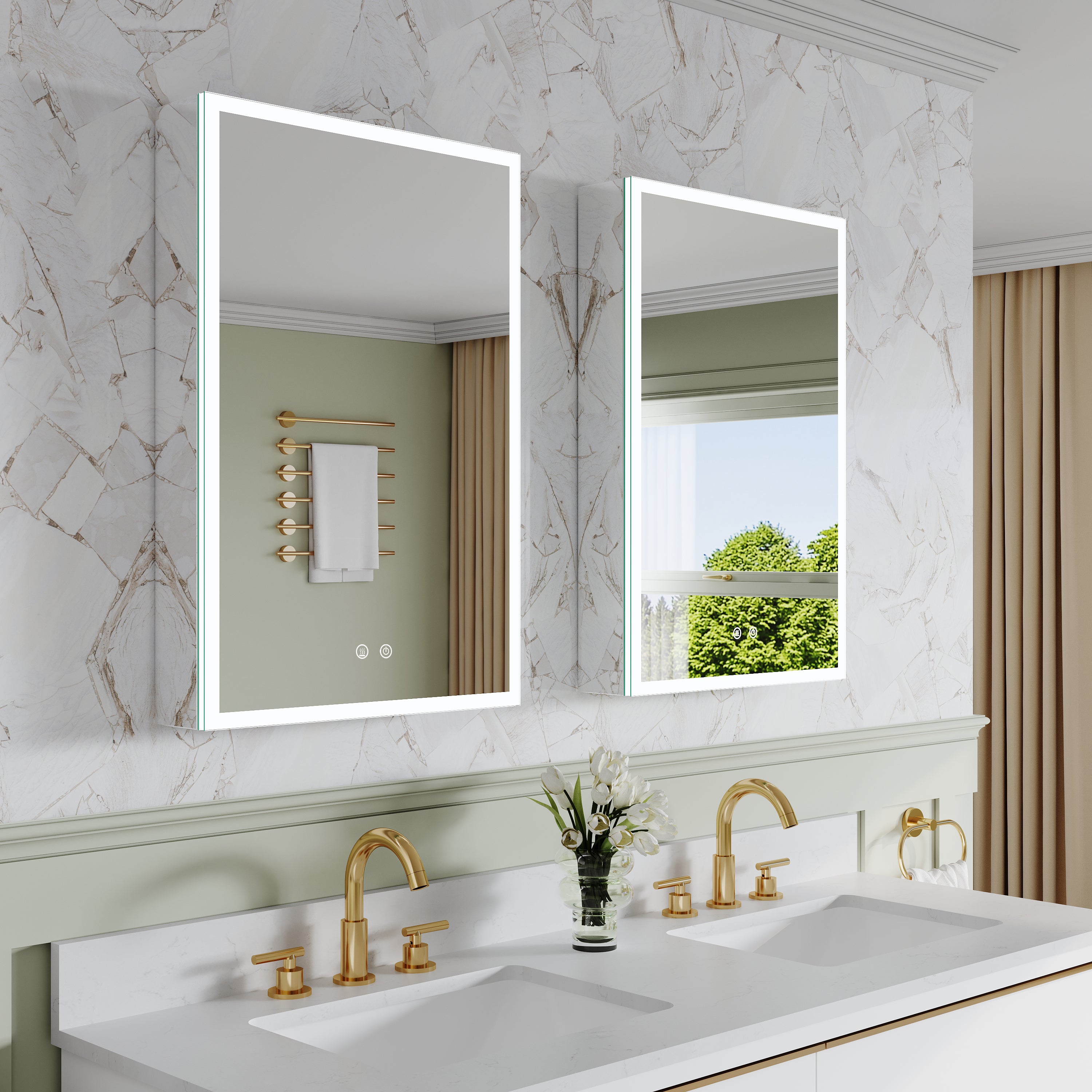
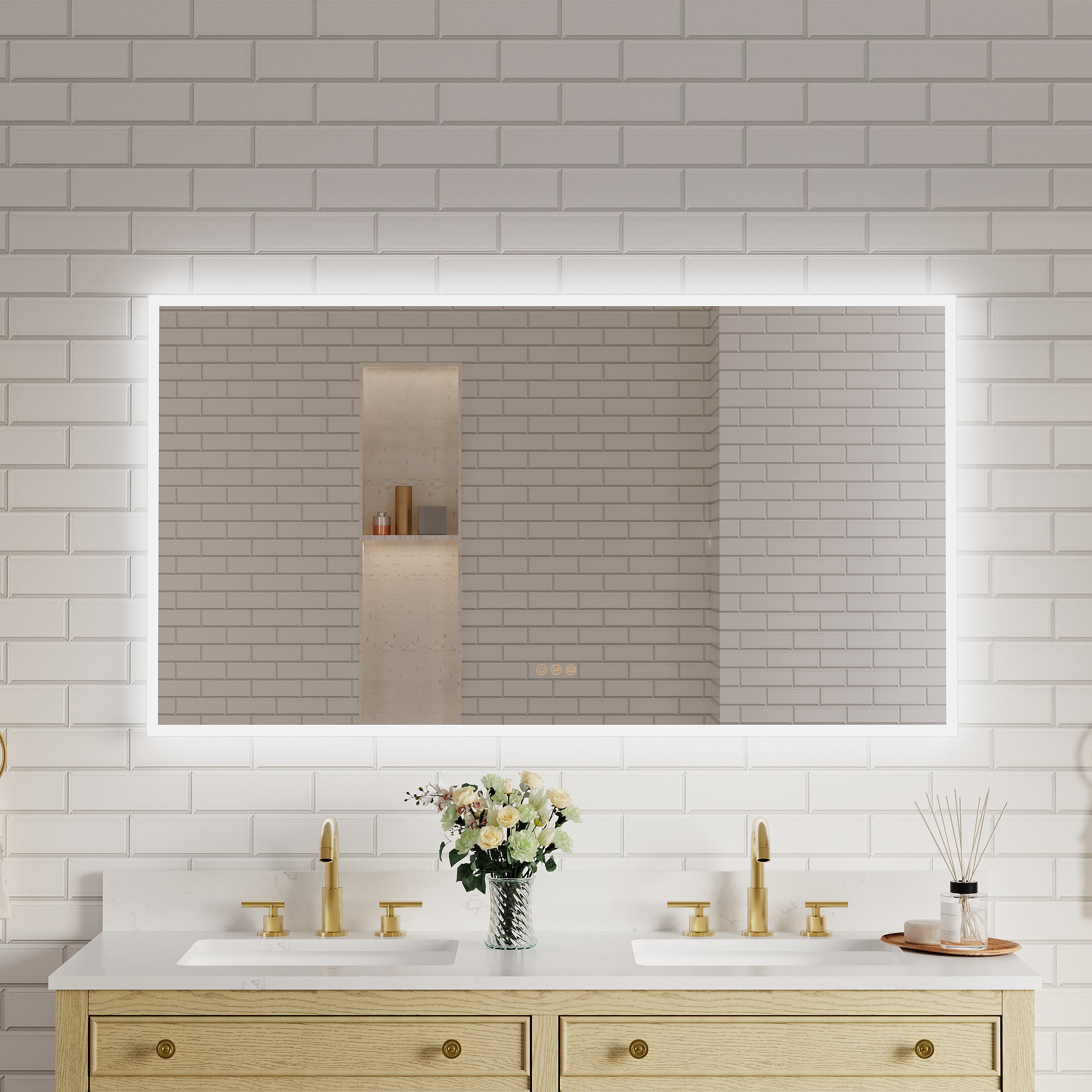
One reason surface-mounted cabinets are popular now is that they’re no longer “cheap metal boxes.” Many designs look clean and high-end, especially with modern features.
Depending on your bathroom needs, you might consider:
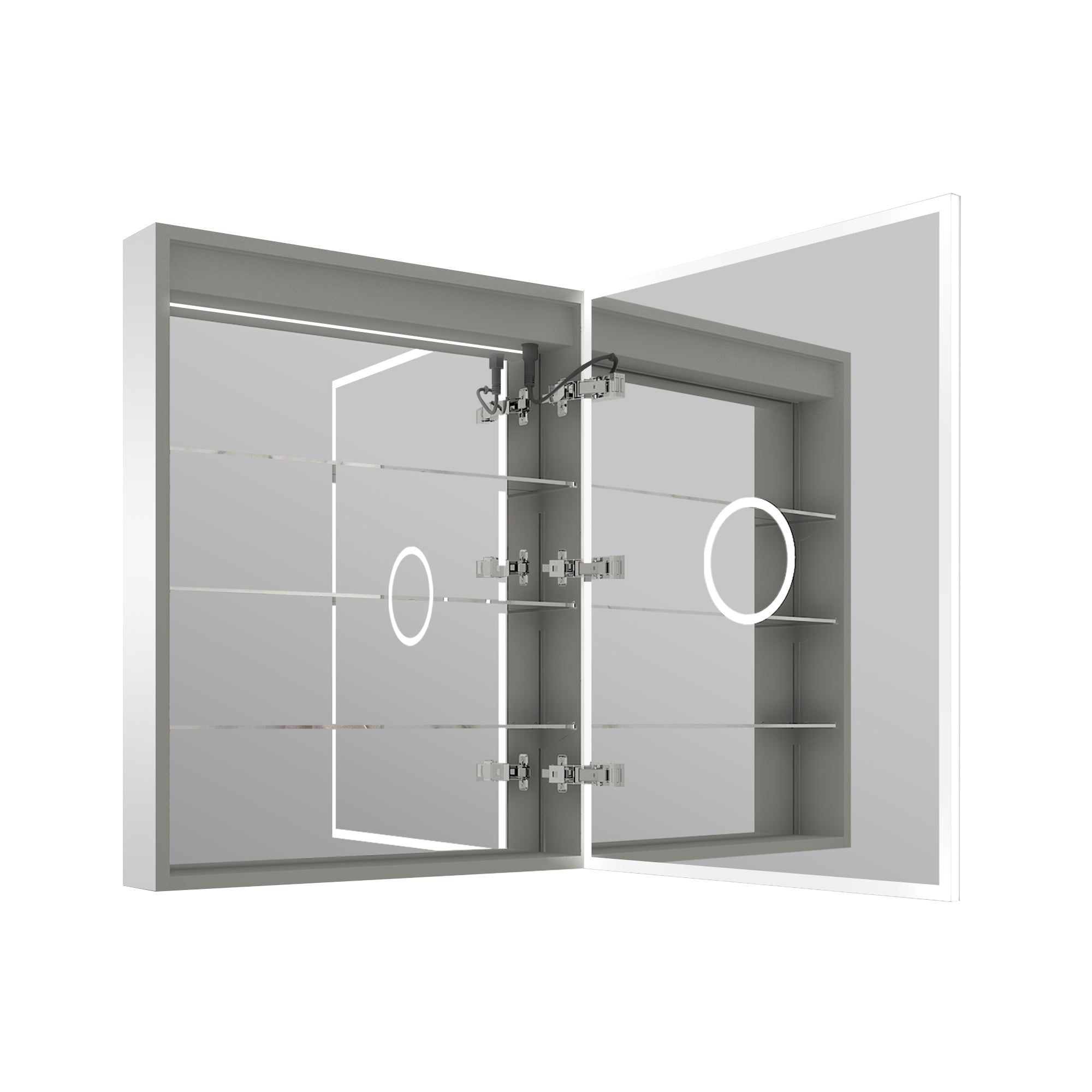
· Soft-close hinges for quieter daily use
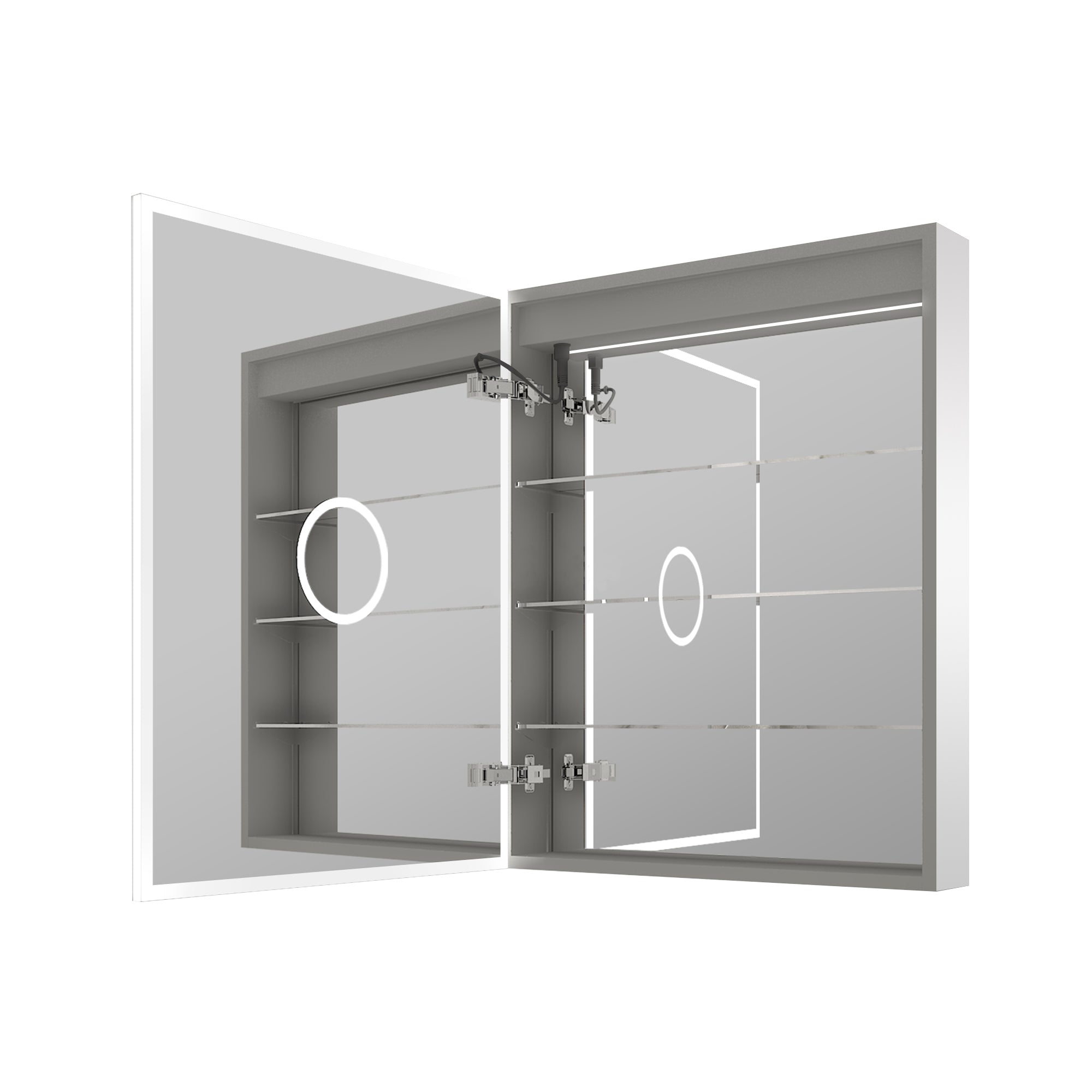
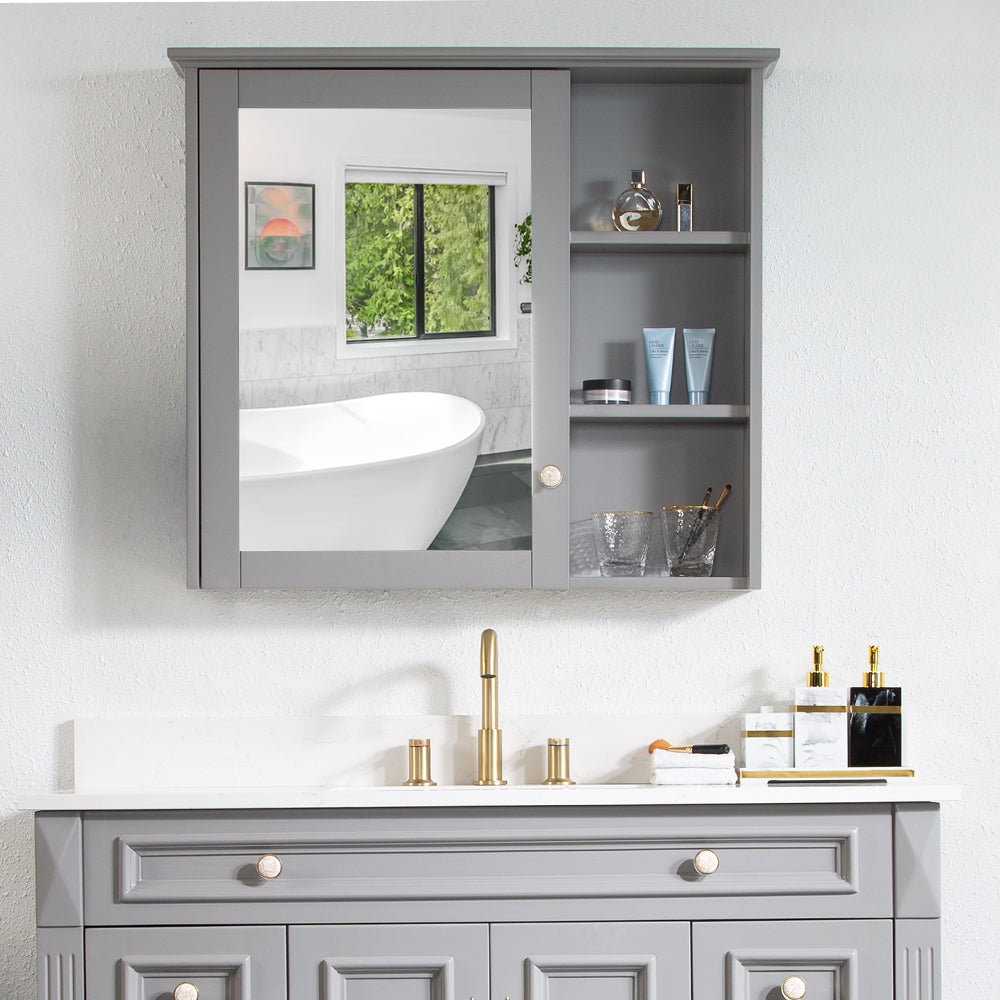
· Adjustable shelves to fit tall bottles and stacked items
· Mirrored interior (useful for grooming and sharing space)
· Built-in outlets or USB for toothbrushes, razors, and trimmers
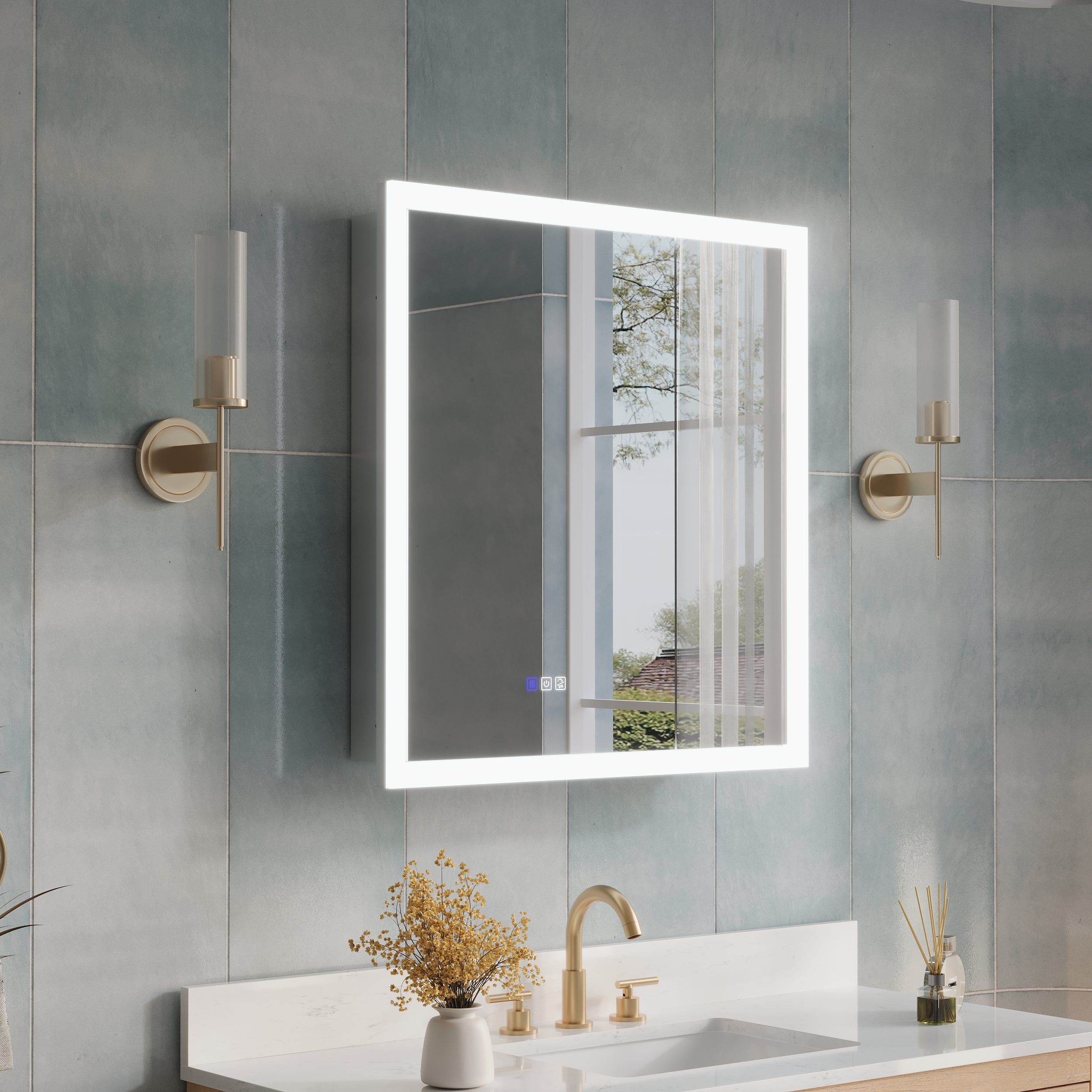
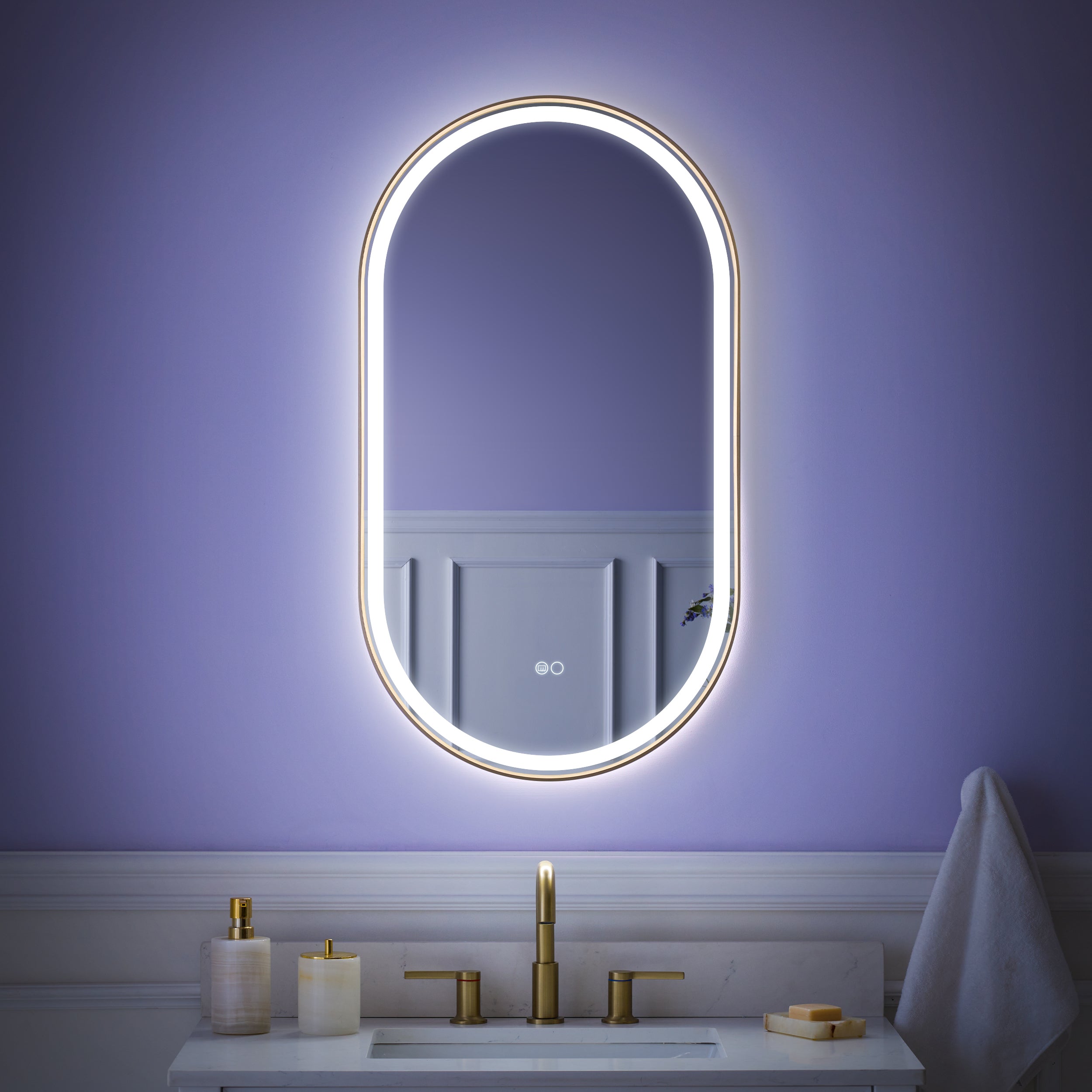
· Integrated lighting, if your bathroom lighting is harsh or uneven
· Anti-fog function if your mirror constantly steams up after showers
Not everyone needs all the upgrades. In many remodels, adjustable storage and a well-made mirror door provide the biggest day-to-day improvement.
When a Recessed Cabinet Might Be Worth the Extra Work
To be fair, there are times when recessed wins:
· You’re doing a full gut remodel, and the walls are already open.
· You want a flush, built-in look with minimal projection.
· Your bathroom is very tight, and every inch of depth matters.
· You’re aiming for a clean, architectural finish.
If opening the wall is already part of your project scope, recessed can be a great option. The problem is when people choose recessed late in a remodel and end up reopening walls they just finished.
How to Decide in 5 Minutes
If you want a quick decision tool, use these prompts:
· If you don’t want to open the wall, choose surface mount.
· If you have tile you don’t want to cut, choose surface mount.
· If you need a faster install, choose surface mount.
· If you want maximum storage without reframing, choose surface mount.
· If your walls are already open and you care most about a flush look, consider recessed.
Most remodeling projects benefit from choices that reduce steps and reduce risk. Surface mount does exactly that.
Is a Surface-Mounted Medicine Cabinet Better for Remodeling?
For many homeowners, yes—a surface-mounted medicine cabinet is better for remodeling because it keeps installation simple, avoids opening walls, and reduces the chance of costly surprises. It’s especially smart when tile is already installed, when the wall cavity is uncertain, or when you want a clean storage upgrade without turning it into a construction project.
The key is choosing the right size and depth so it looks intentional and functions well. Get those details right, and a surface-mounted cabinet can look polished, add serious storage, and make your remodel feel more complete—without adding stress to your timeline.










Leave a comment
This site is protected by hCaptcha and the hCaptcha Privacy Policy and Terms of Service apply.