
















If your bathroom counter is always crowded—skincare bottles, toothpaste, razors, hair tools—a large medicine cabinet can feel like a small miracle. The right one adds hidden storage without eating up floor space, and it can make a bathroom look cleaner within a single afternoon.
But “large” doesn’t automatically mean “better.” Oversized cabinets can overwhelm a vanity wall, block lighting, or become awkward to use if the door swing doesn’t match your layout. The good news: once you know what to measure and what features actually matter, choosing the right cabinet becomes pretty straightforward.
Below is a practical, homeowner-friendly guide to picking a large medicine cabinet that fits your space, your routine, and your bathroom style.
Start With the Problem You’re Solving
Before you compare sizes and finishes, take two minutes to answer one question: What do you want to store inside it?
A large medicine cabinet can be used in very different ways:
· Daily items you reach for constantly (toothbrushes, cleanser, deodorant)
· Taller bottles (shampoo backups, mouthwash, styling products)
· First-aid supplies and medications
· Electric tools (trimmers, toothbrush chargers, hair tools)
· Shared storage for two people
This matters because it affects how much depth you need, whether adjustable shelves are a must, and whether you’d benefit from built-in outlets. A cabinet that’s “big” but poorly organized still turns into a junk box.
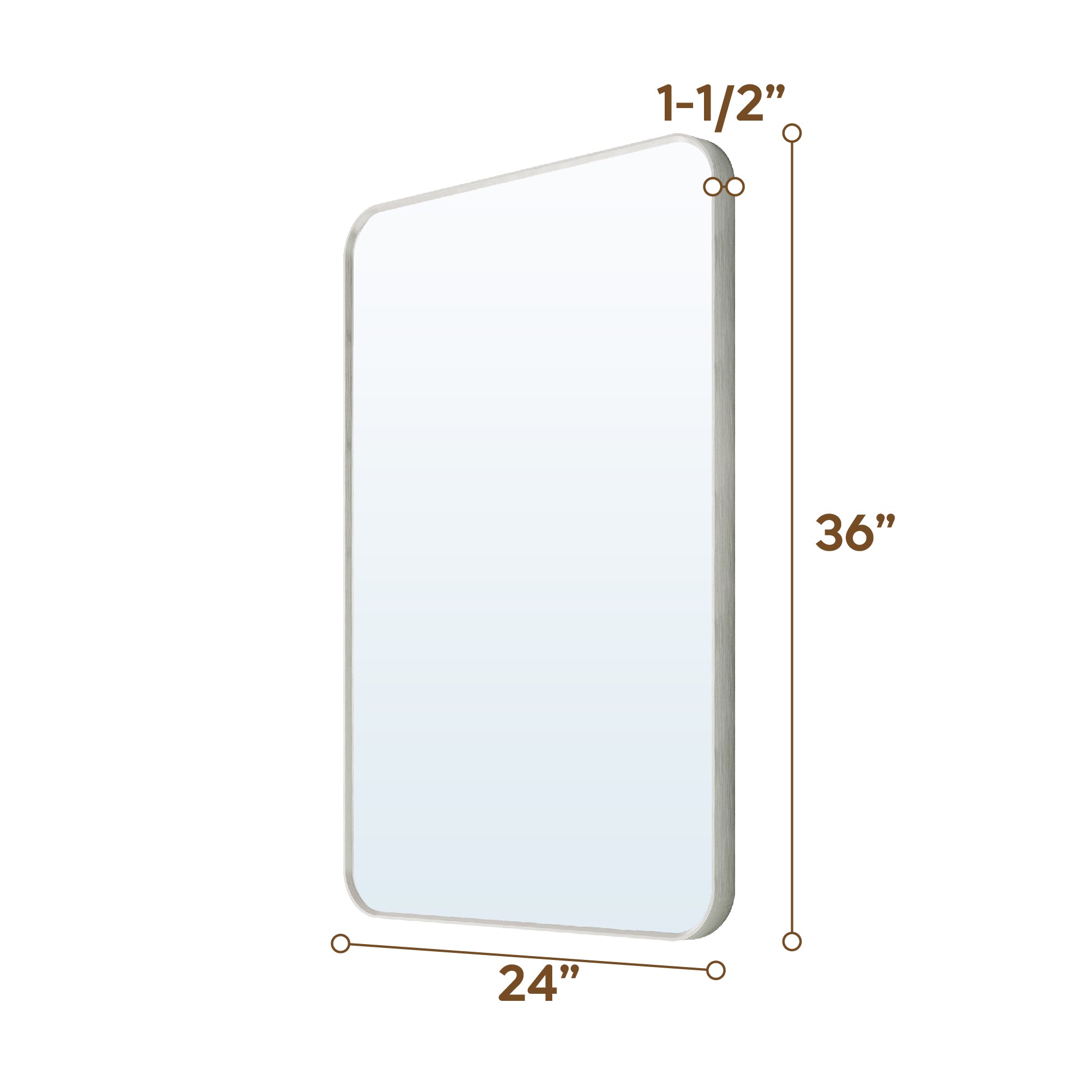
Measure Like You Mean It: Width, Height, and Depth
Large cabinets look simple online, but in the real world, a few inches can make or break the fit.
Width
Measure the wall space above your vanity and think about what else shares that area:
· Vanity lights (especially bars that extend wide)
· Side sconces
· A window or tile feature
· Electrical boxes or vents
A common guideline is to keep the cabinet no wider than the vanity, and often slightly narrower looks more balanced. If you’re going wide, make sure it doesn’t visually “spill” past the vanity edges.
Height
Tall cabinets are great for storage, but check:
· The distance from the vanity top to the light fixture
· The distance from the ceiling
· Whether the cabinet will feel too dominant on the wall
If you’re average height, you want the top shelf to be usable, not a place where items disappear forever.
Depth
Depth is the sneaky one. Many people choose a deep cabinet for “more storage,” then realize it sticks out too far and looks bulky.
Ask yourself:
· Will the door bump into a nearby wall or shower door?
· Will it feel like it’s looming over the sink?
· Do you mostly store small items that don’t need depth?
In many bathrooms, a moderate depth with smarter shelving beats an extra-deep box.
Recessed vs. Surface-Mount: Choose Based on Your Wall, Not Just Your Taste

Large medicine cabinets usually come in two installation styles.
Recessed installation
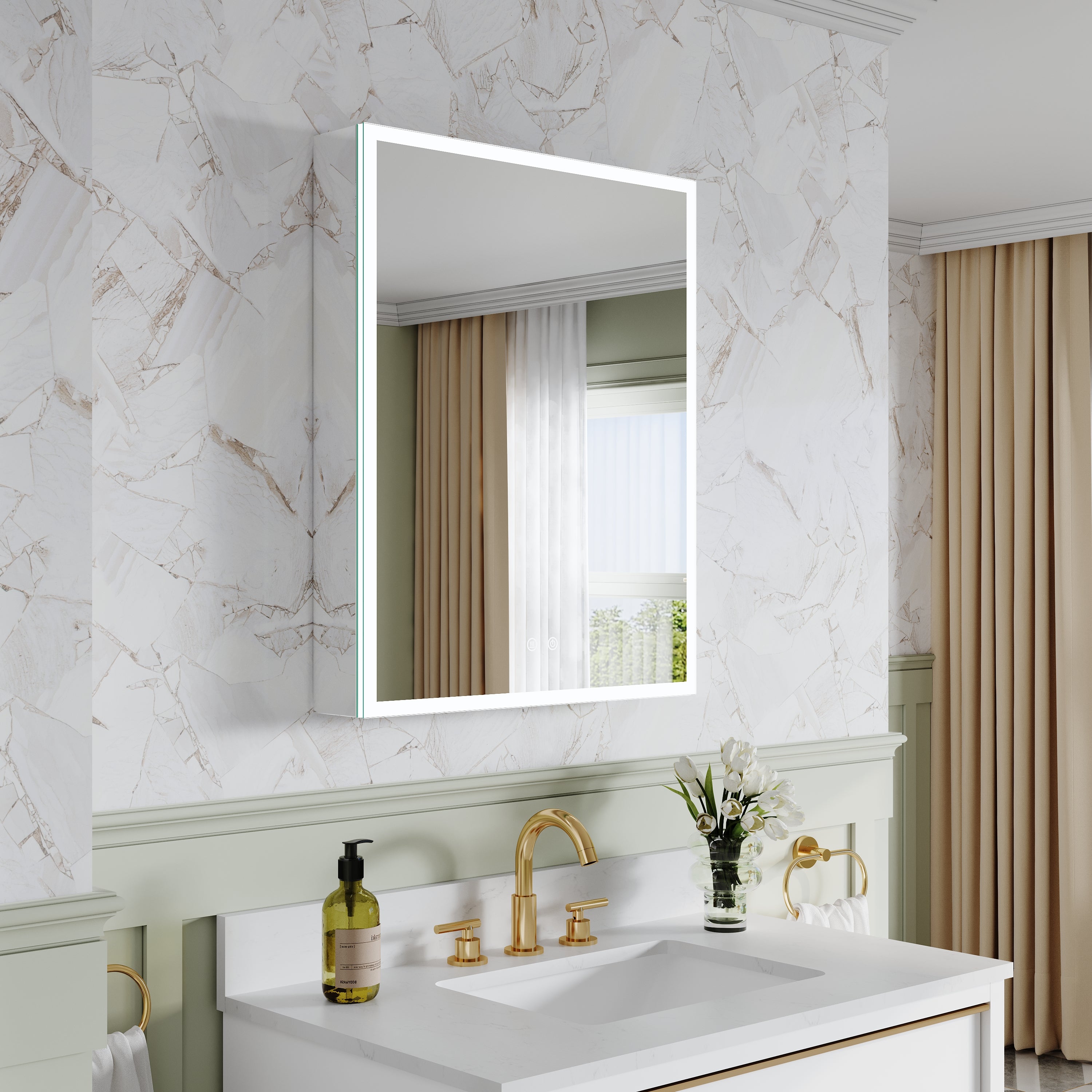
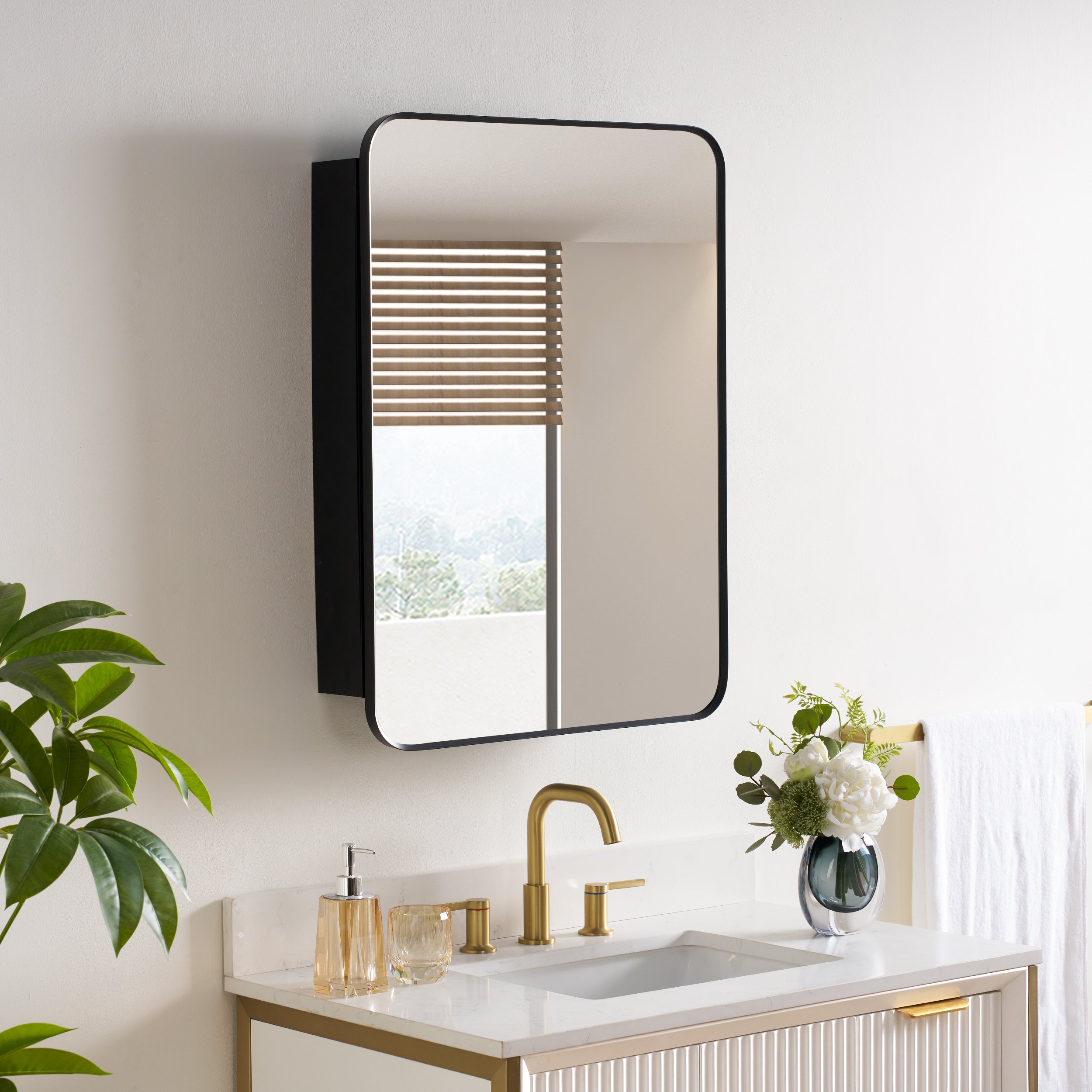
A recessed cabinet sits partly inside the wall, giving a cleaner, built-in look and saving space. It’s a great option if you want the cabinet to feel “architectural,” not like an add-on.
What to watch for:
· Wall studs and spacing
· Plumbing vents or wiring in the wall
· Tile limitations (cutting tile is possible, but more complex)
Surface-mount installation
Surface-mount cabinets attach directly to the wall. They’re often easier to install and more flexible if your wall cavity won’t cooperate.
What to watch for:
· Depth and how far it projects
· Door swing clearance
· Visual balance (especially if your bathroom is small)
If you’re unsure, start by checking what’s inside your wall. That practical reality will often decide for you.
Door Style Matters More Than You Think
A large cabinet door is a big moving object in a small room. Think about how you stand at the sink and where the door will swing.
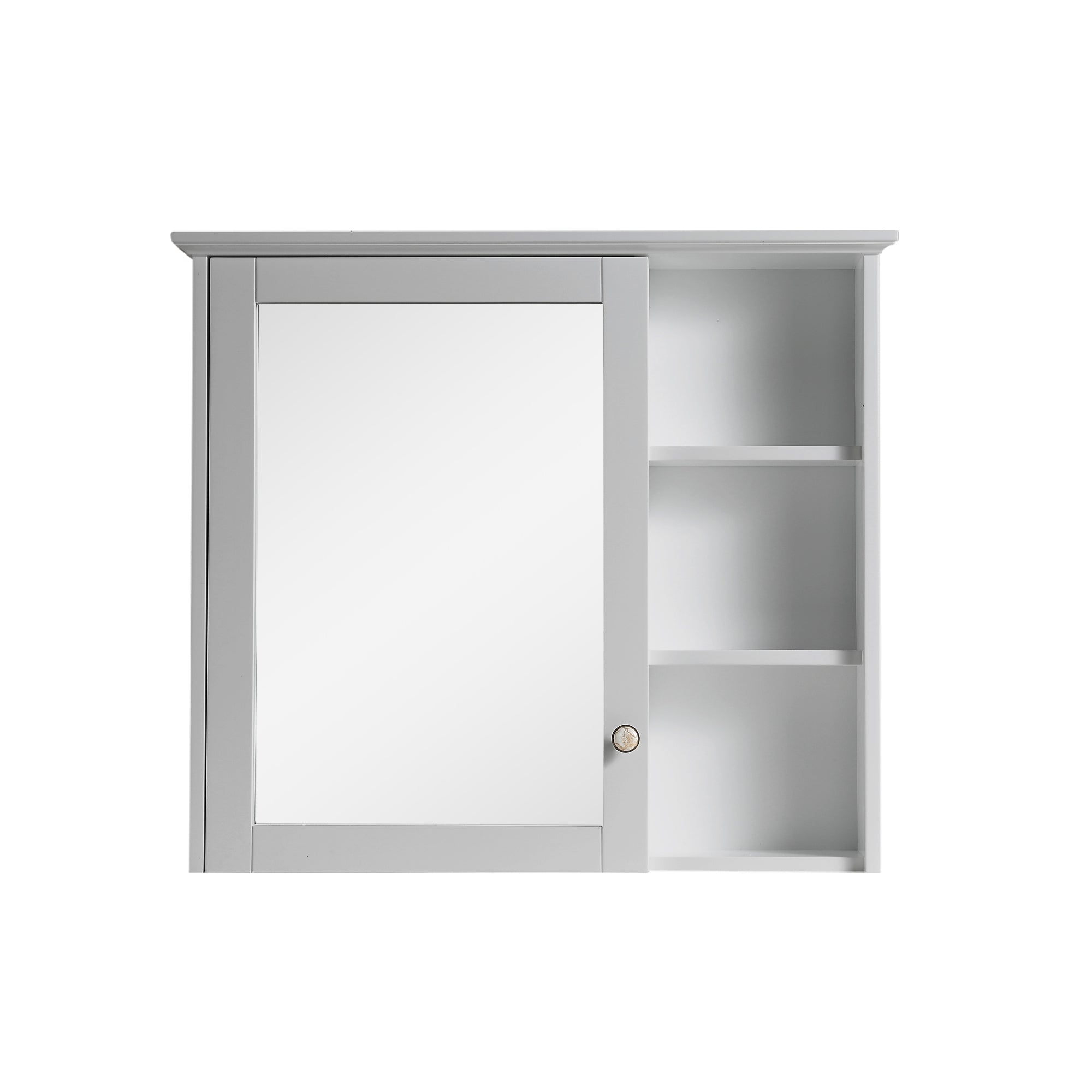
Single door
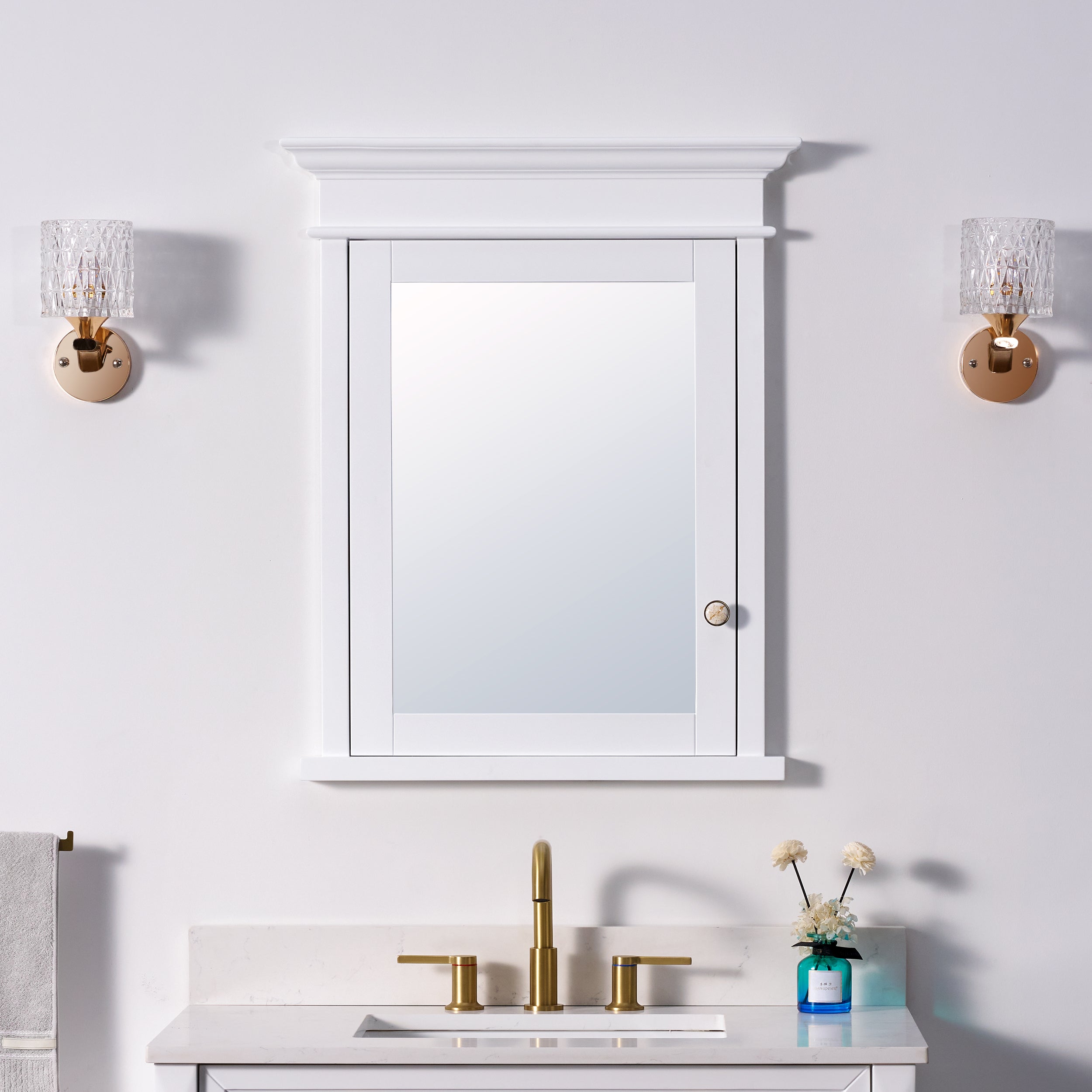
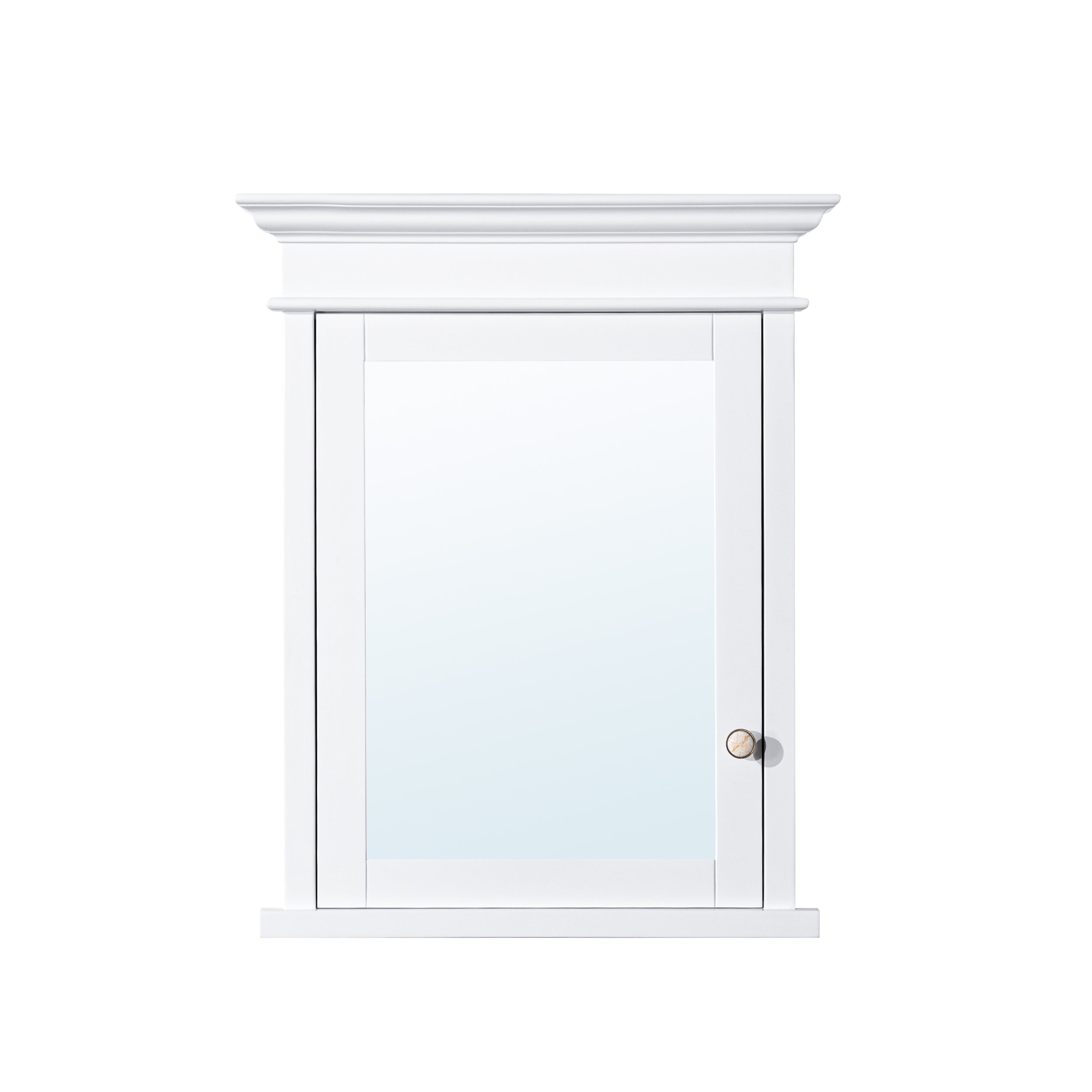
It's a simple look, but the door is wider and needs more clearance.
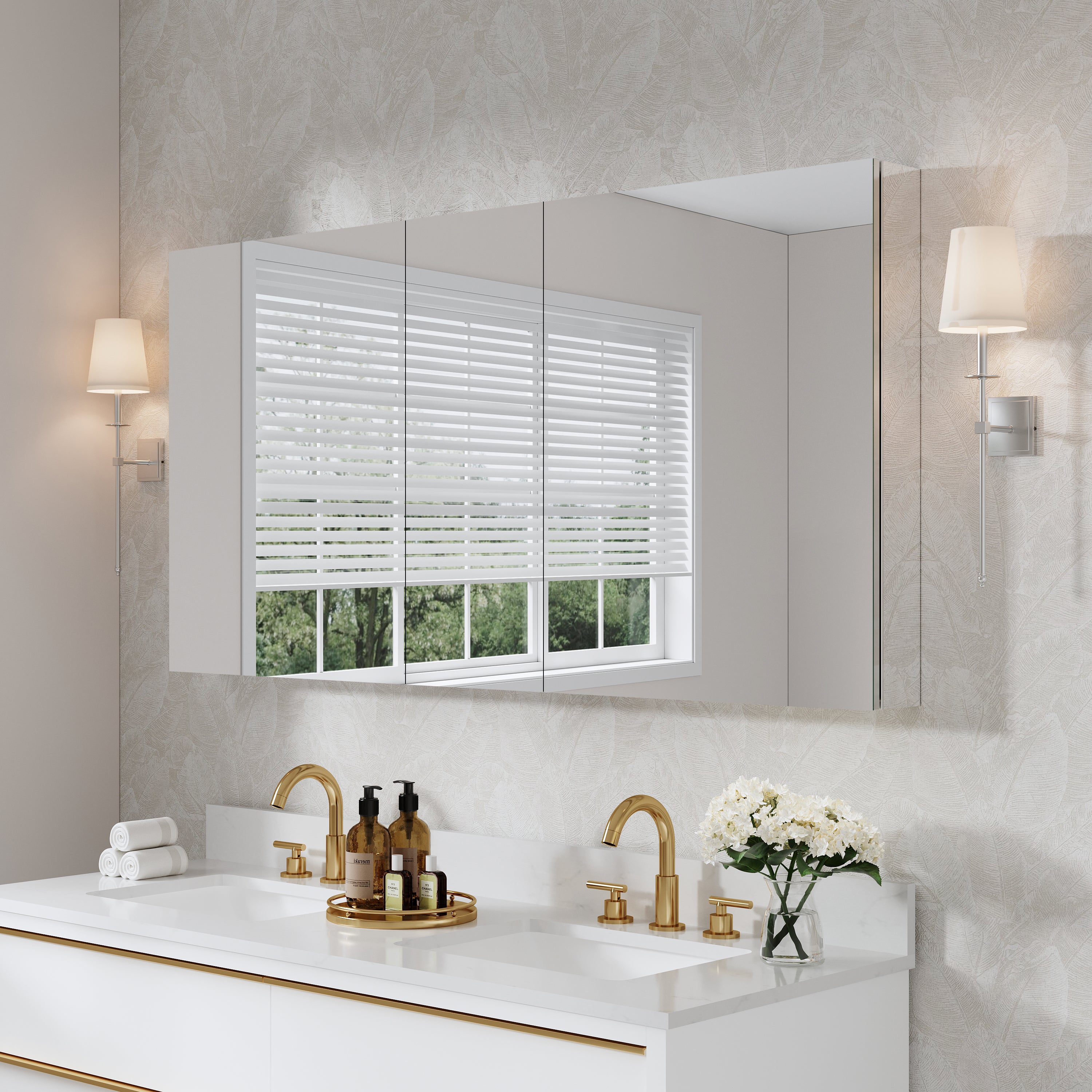
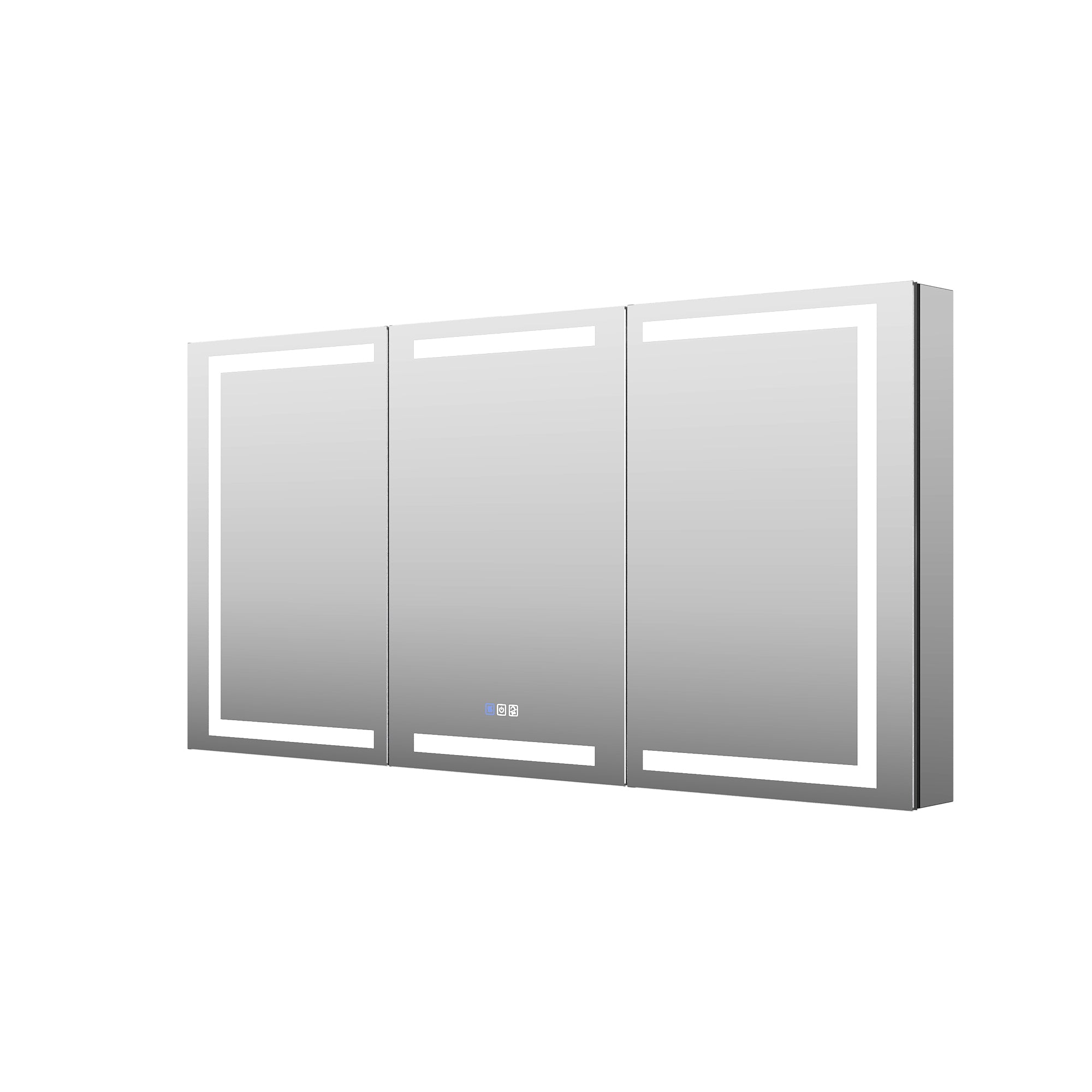
Double doors
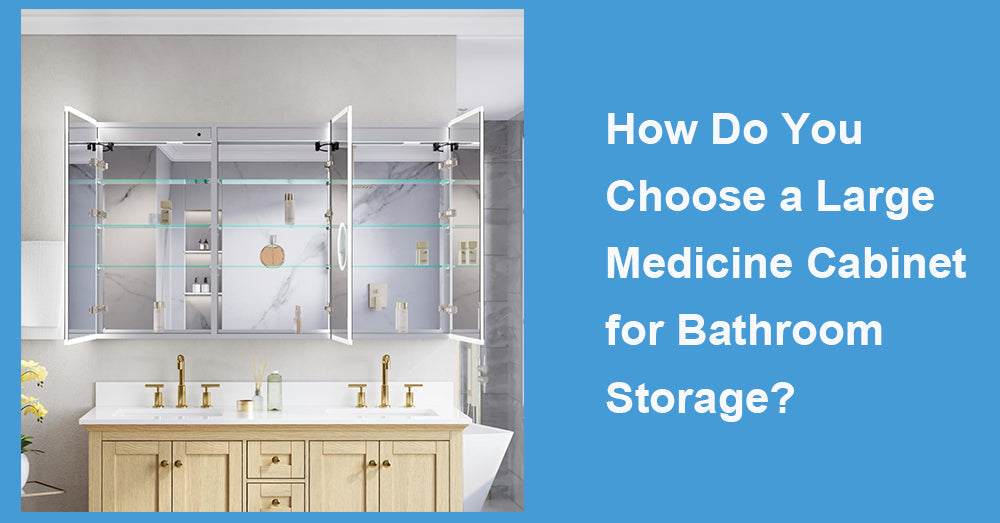
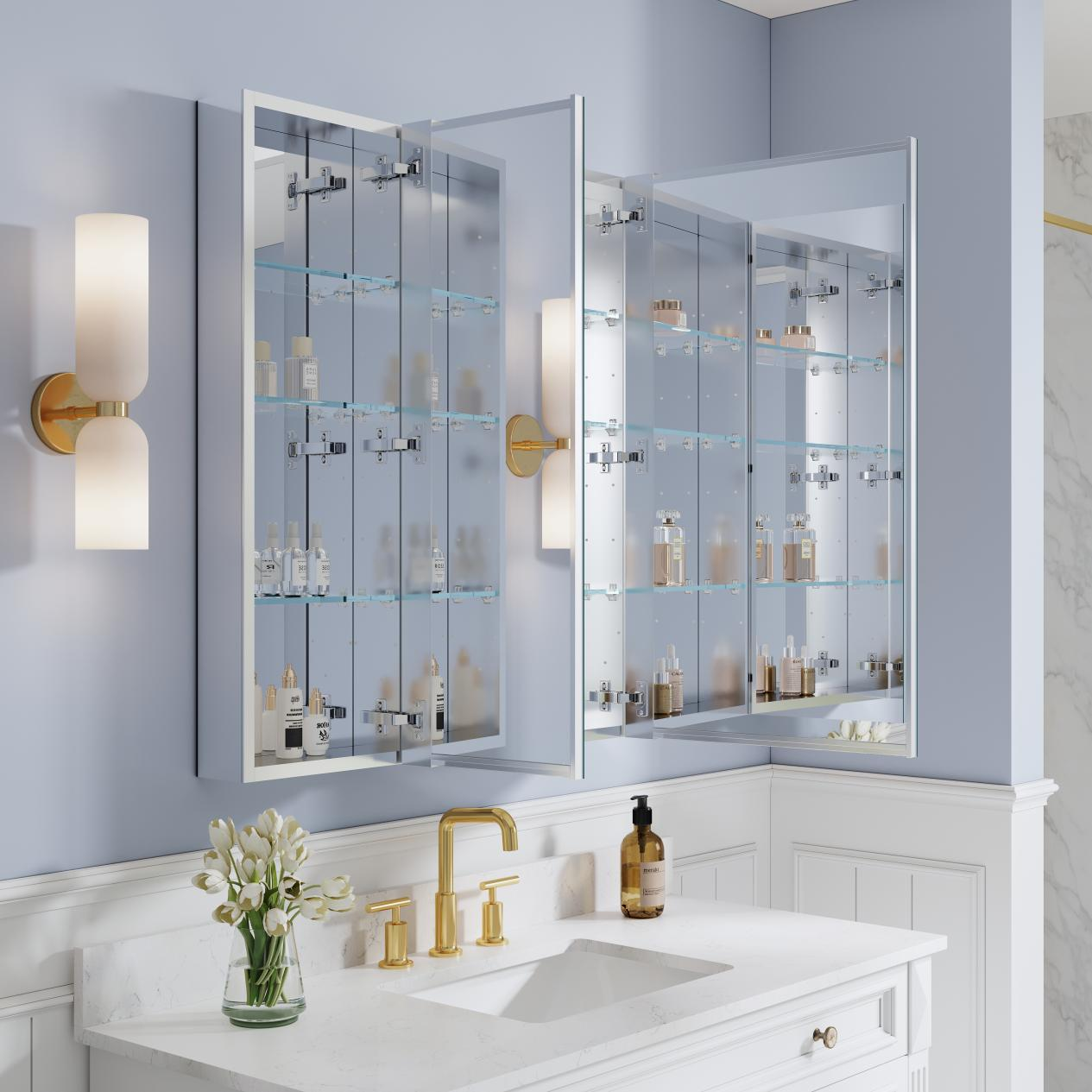
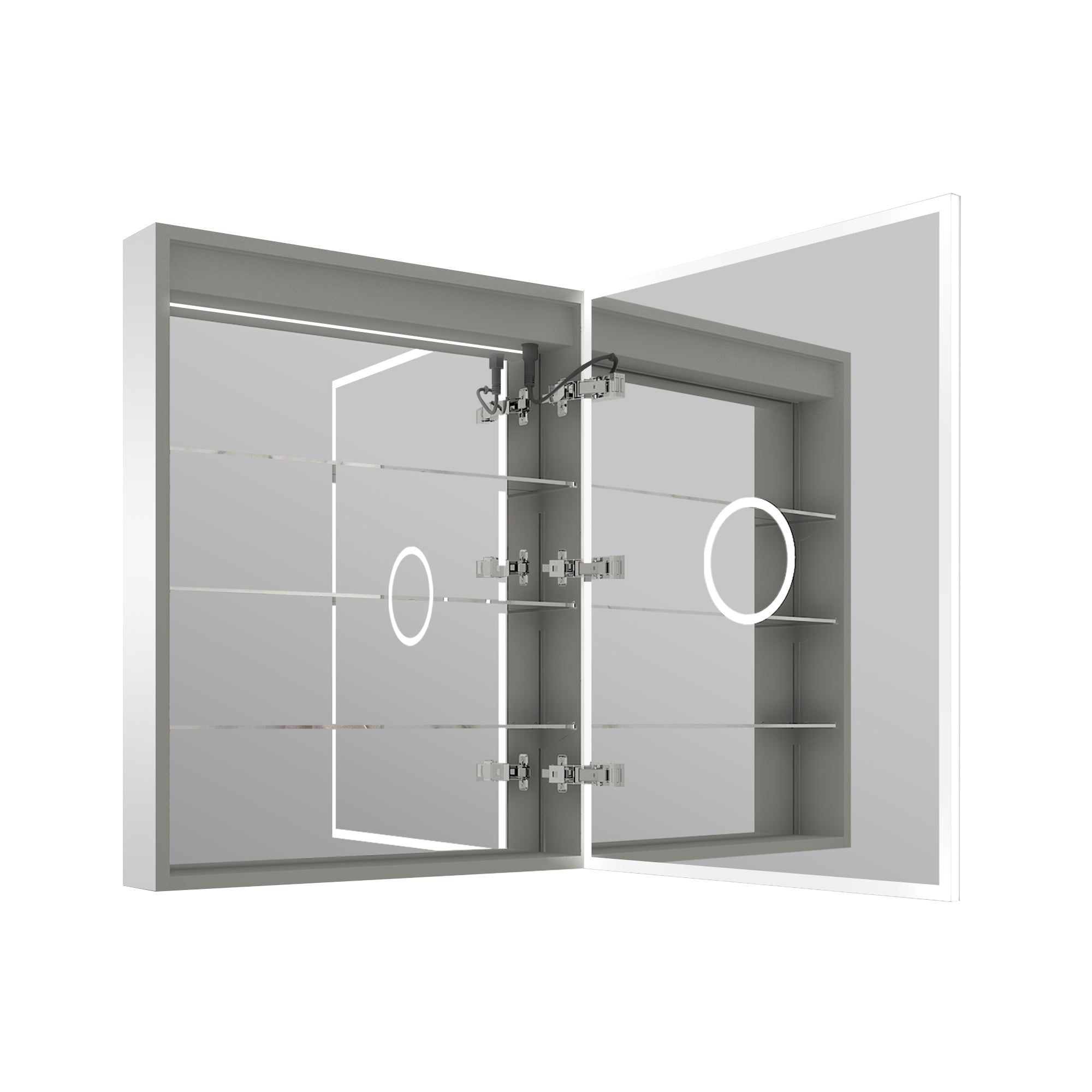
Often, the sweet spot is for large cabinets. Each door is smaller, so it’s easier to open without bumping into lights or walls. It also feels more natural for shared bathrooms—each person tends to “claim” a side.
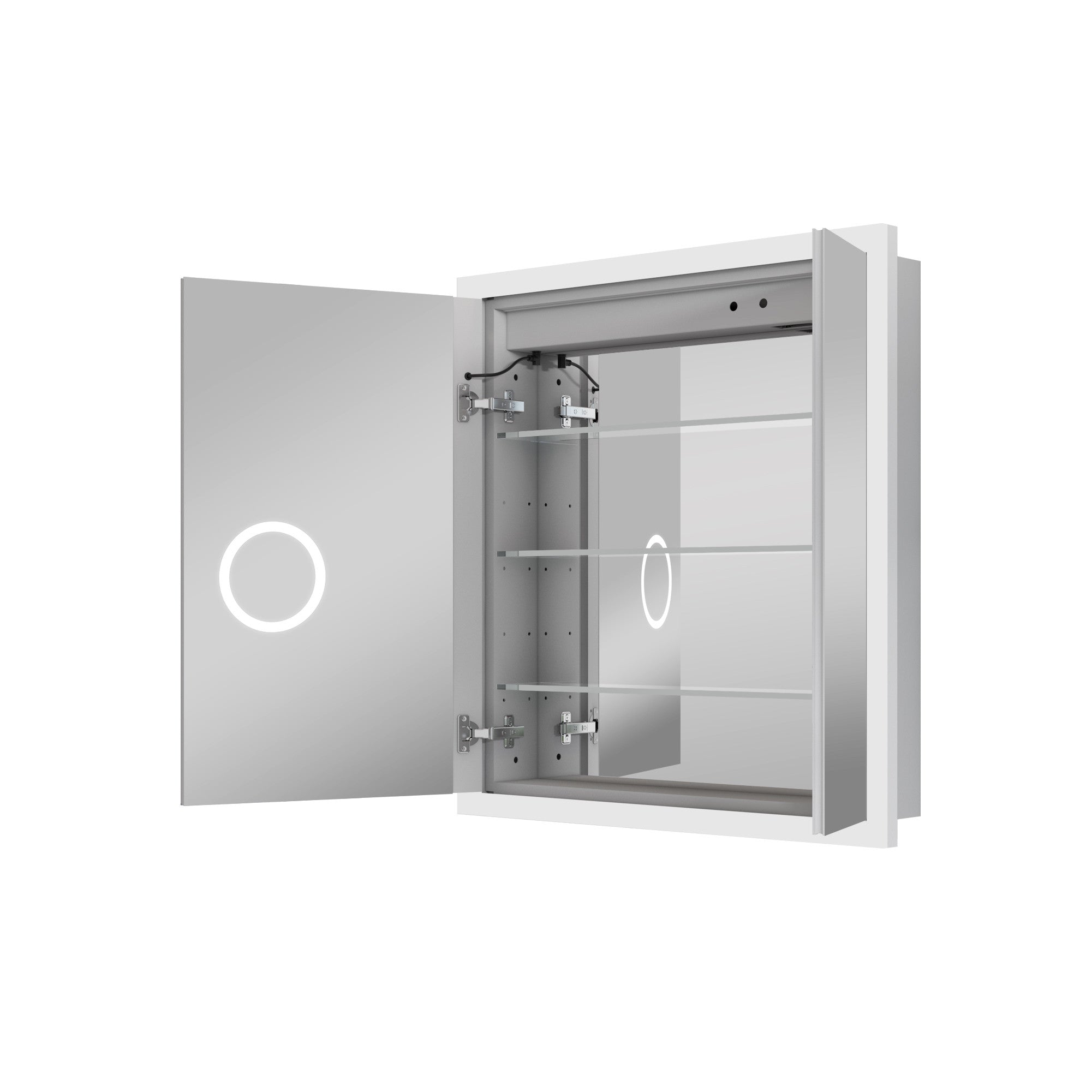
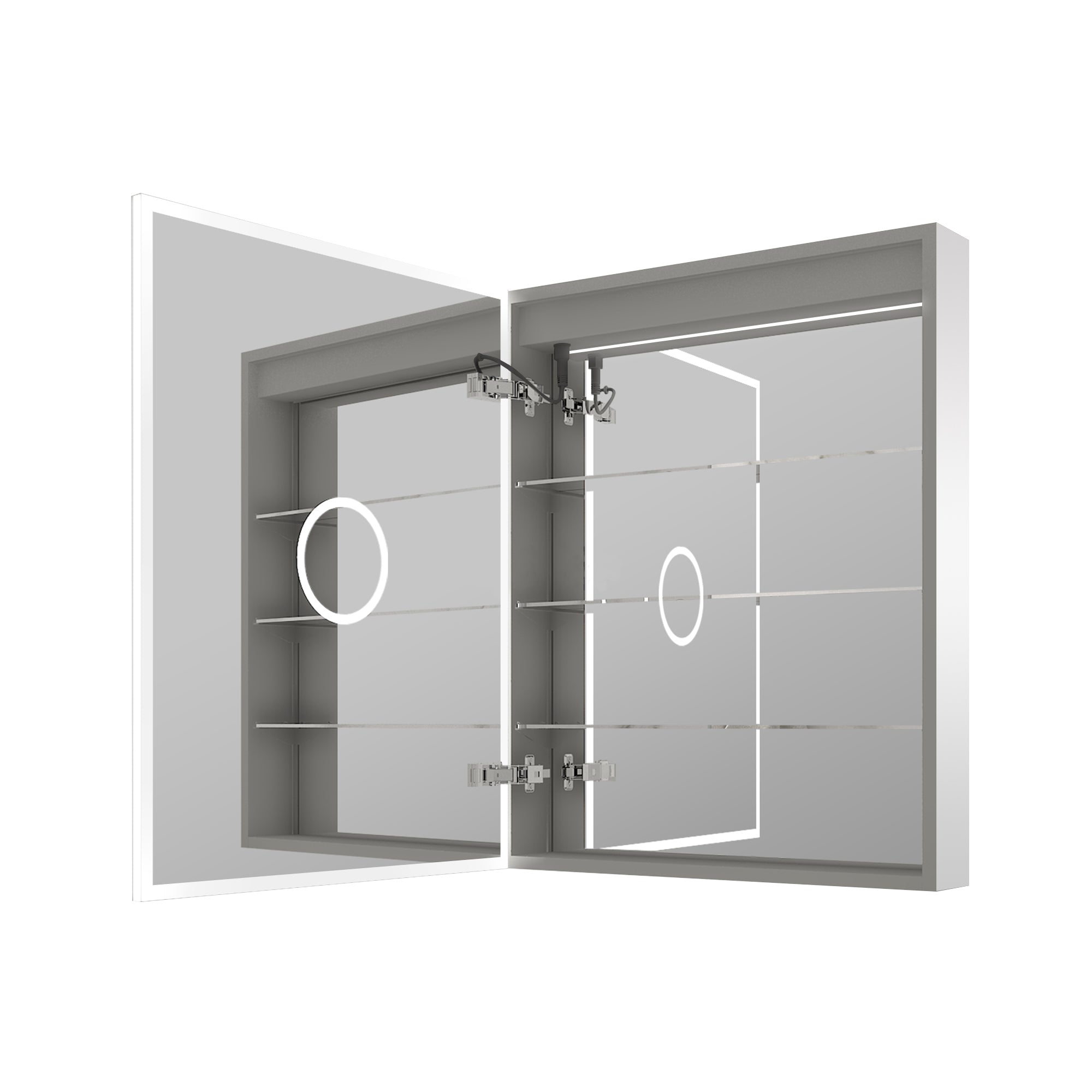
Mirrored interior
This sounds minor, but it’s genuinely useful. Having mirrors inside can help with shaving, makeup, or checking the back of your hair without constantly moving.
Soft-close hinges
Not essential, but once you have them, you notice the difference. They reduce slamming and make the cabinet feel higher quality.
Pay Attention to Shelf Adjustability and Real-Life Storage
A big cabinet isn’t helpful if the shelves are fixed in a way that wastes space.
Look for:
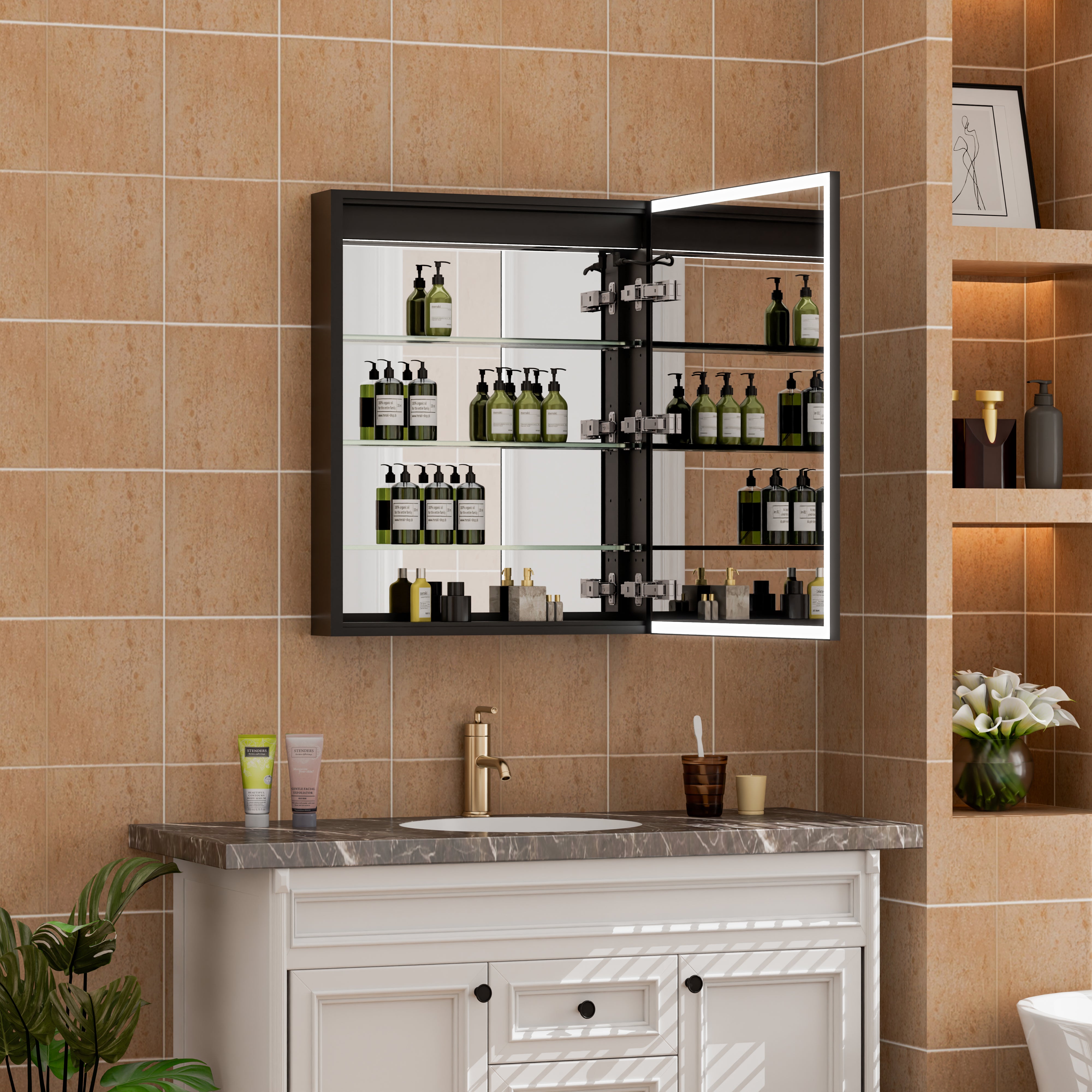
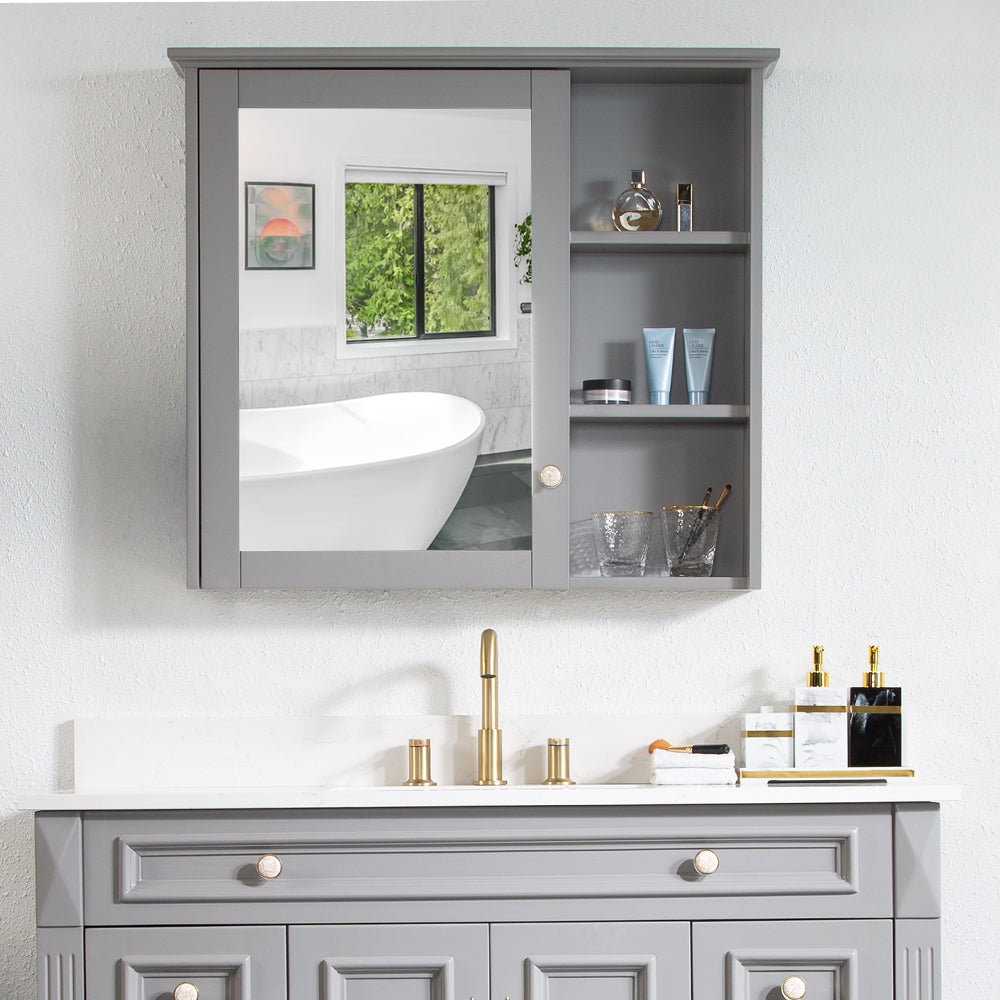
· Adjustable shelves so you can fit taller items
· Sturdy shelf material that won’t warp under weight
· Good spacing so you’re not stacking products like a grocery display
If you store tall bottles, check the product details for the interior height between shelves. Many cabinets look roomy, but only accommodate short containers comfortably.
Lighting, Outlets, and Defogging: Decide What’s Worth It for You
Some large medicine cabinets include features that can make daily routines easier—but only if you’ll actually use them.
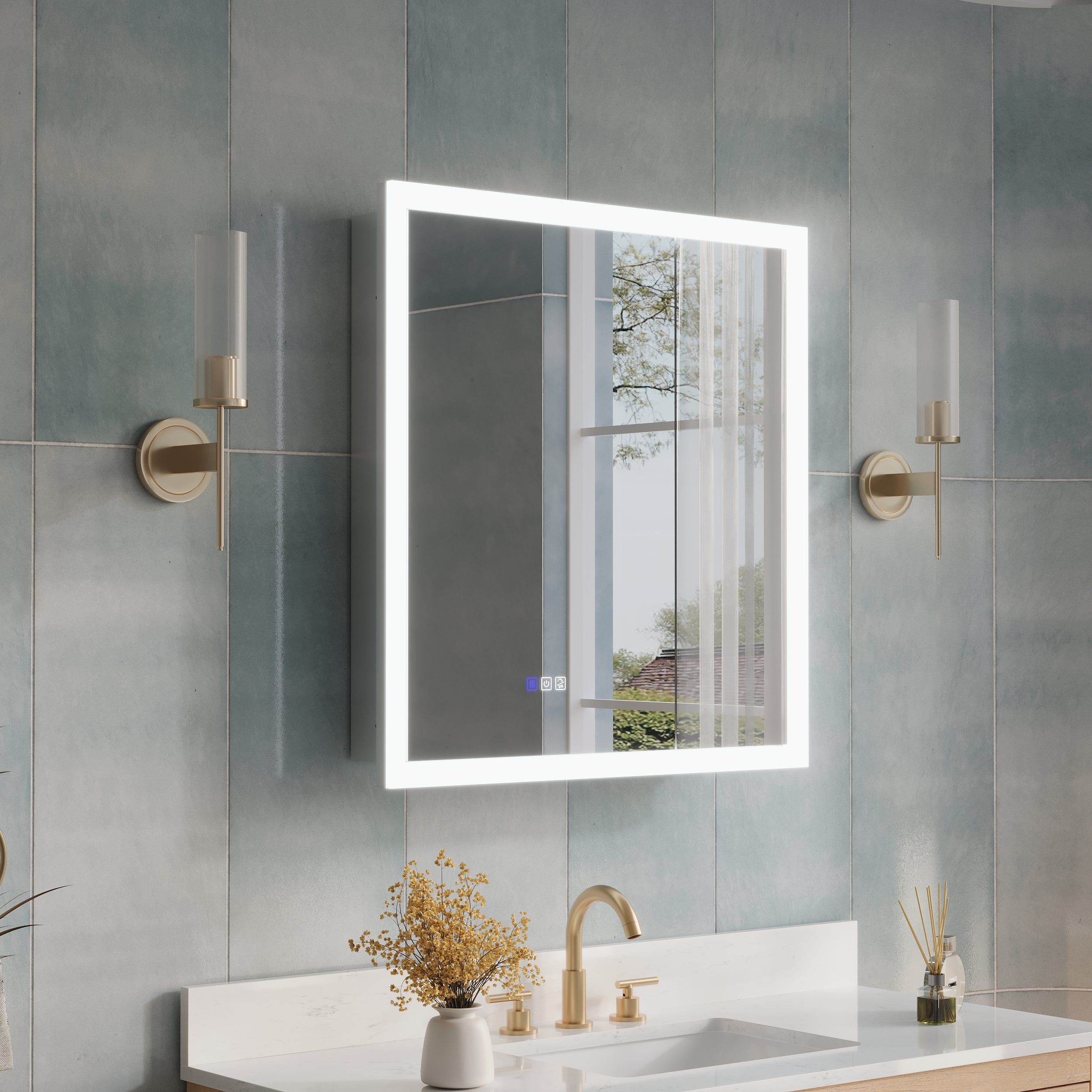
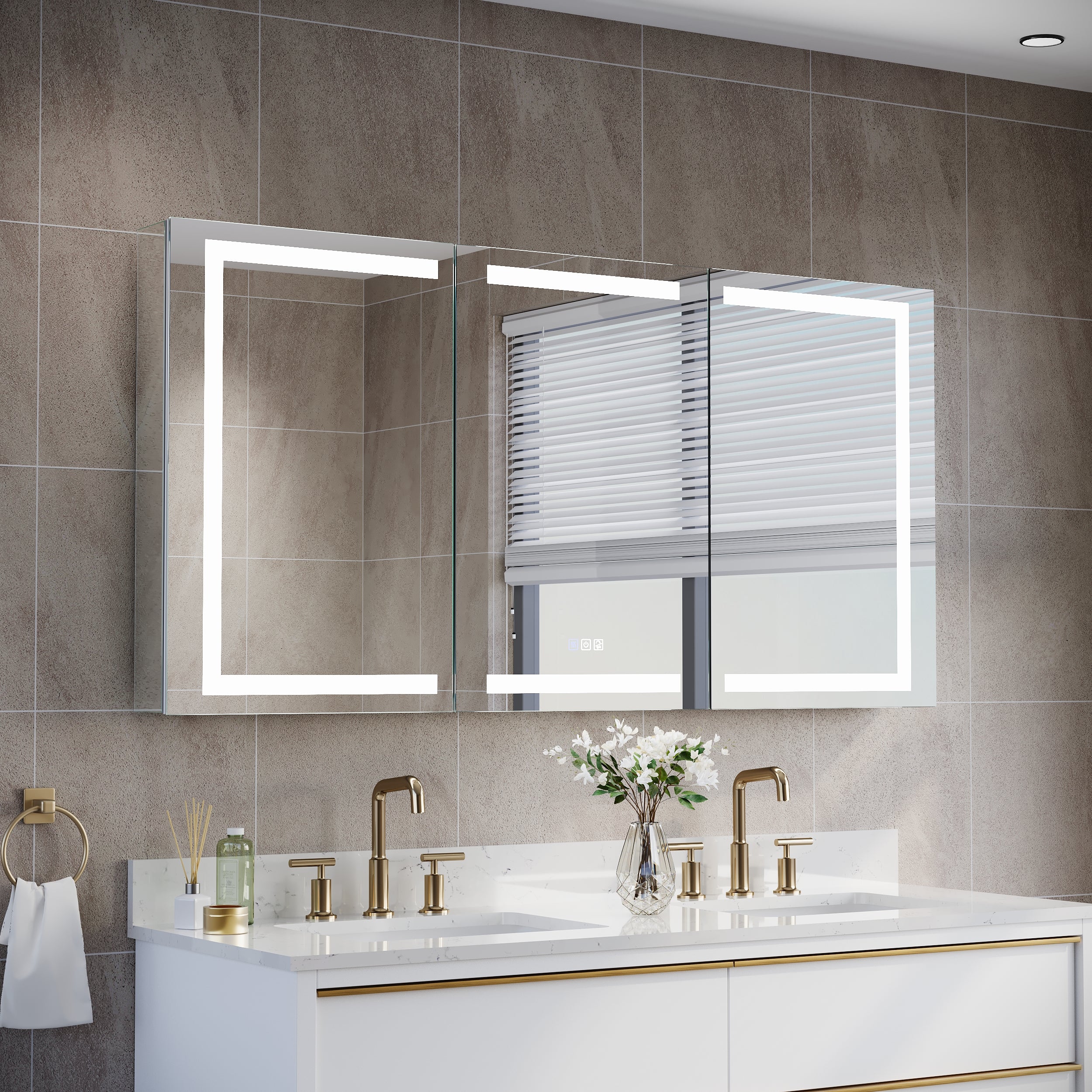
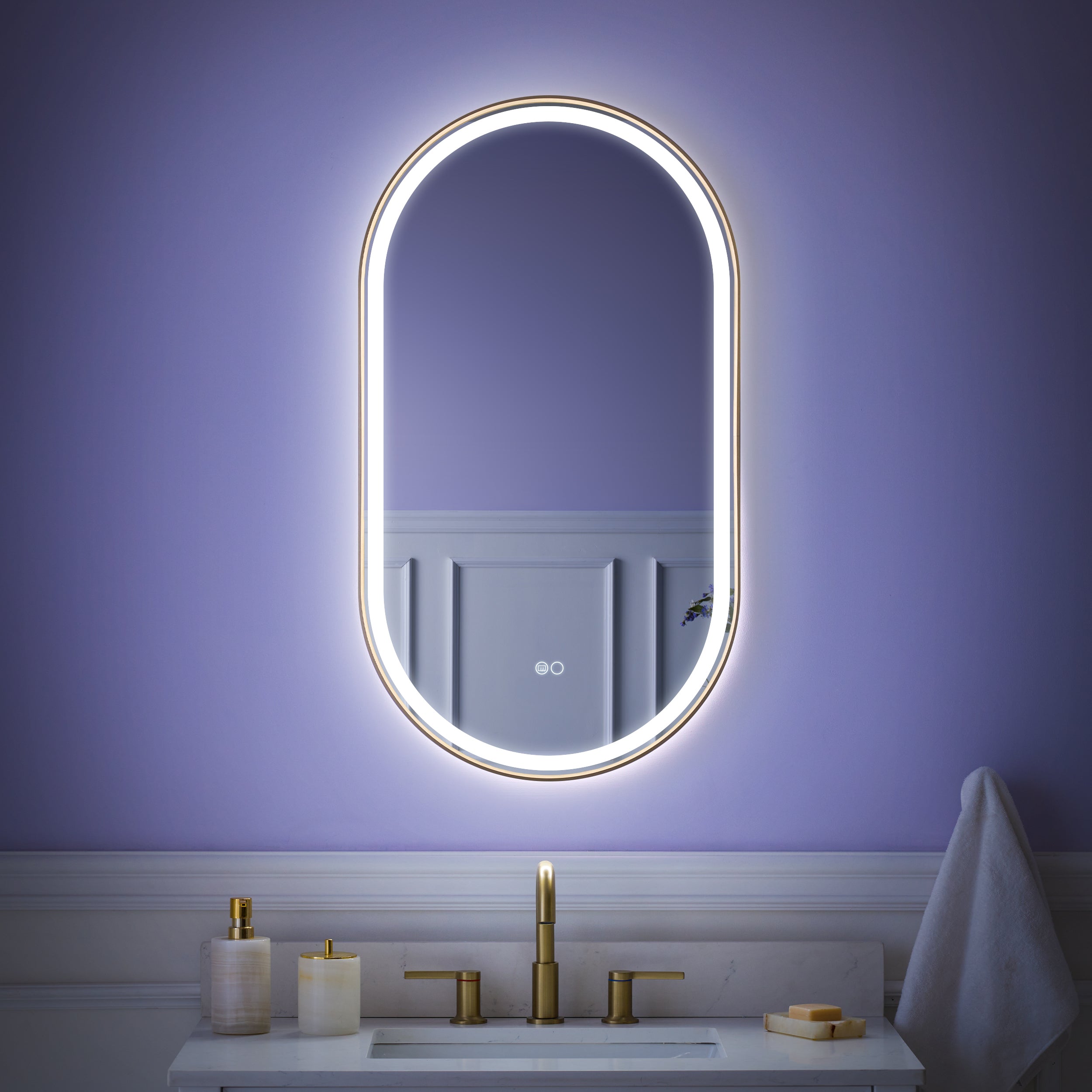
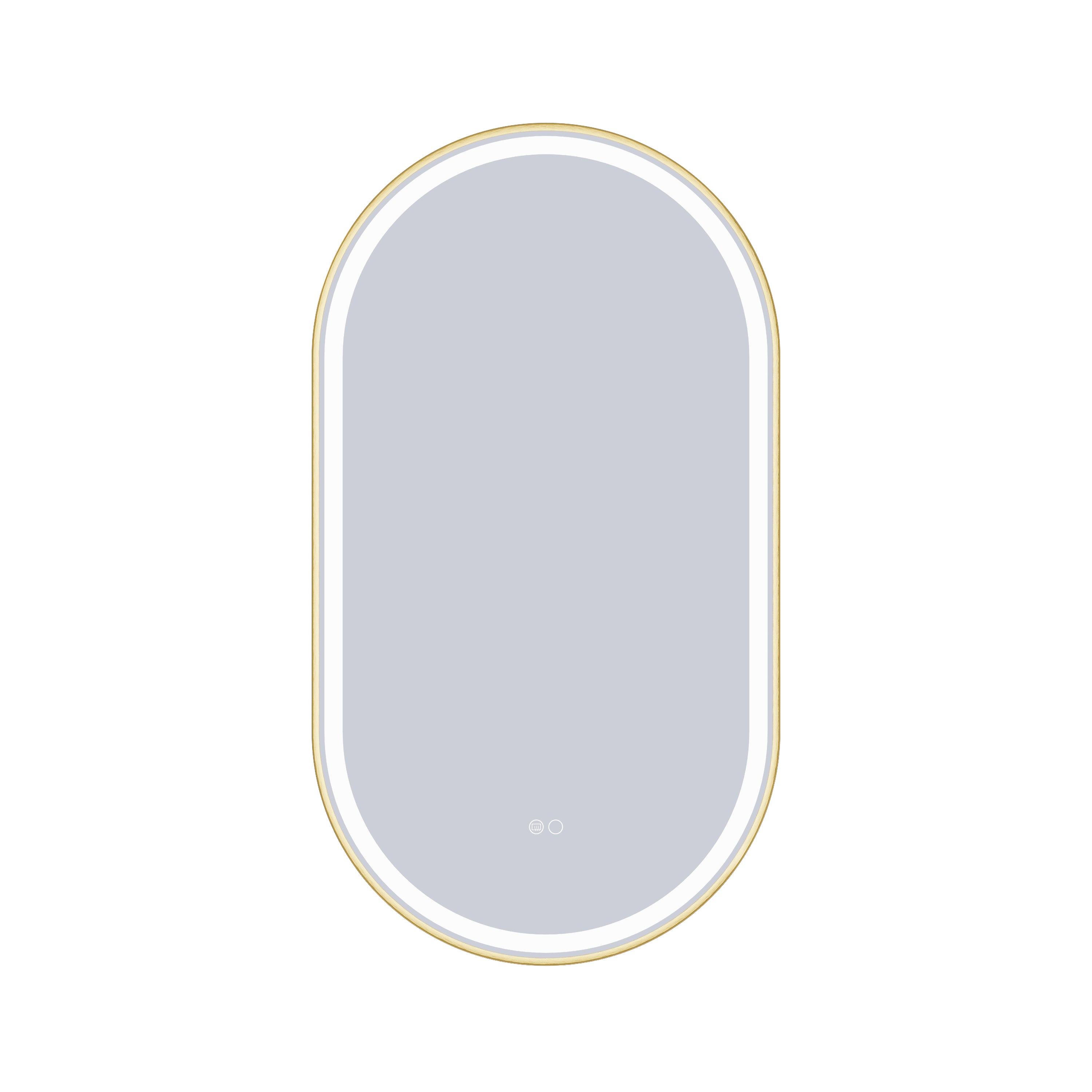
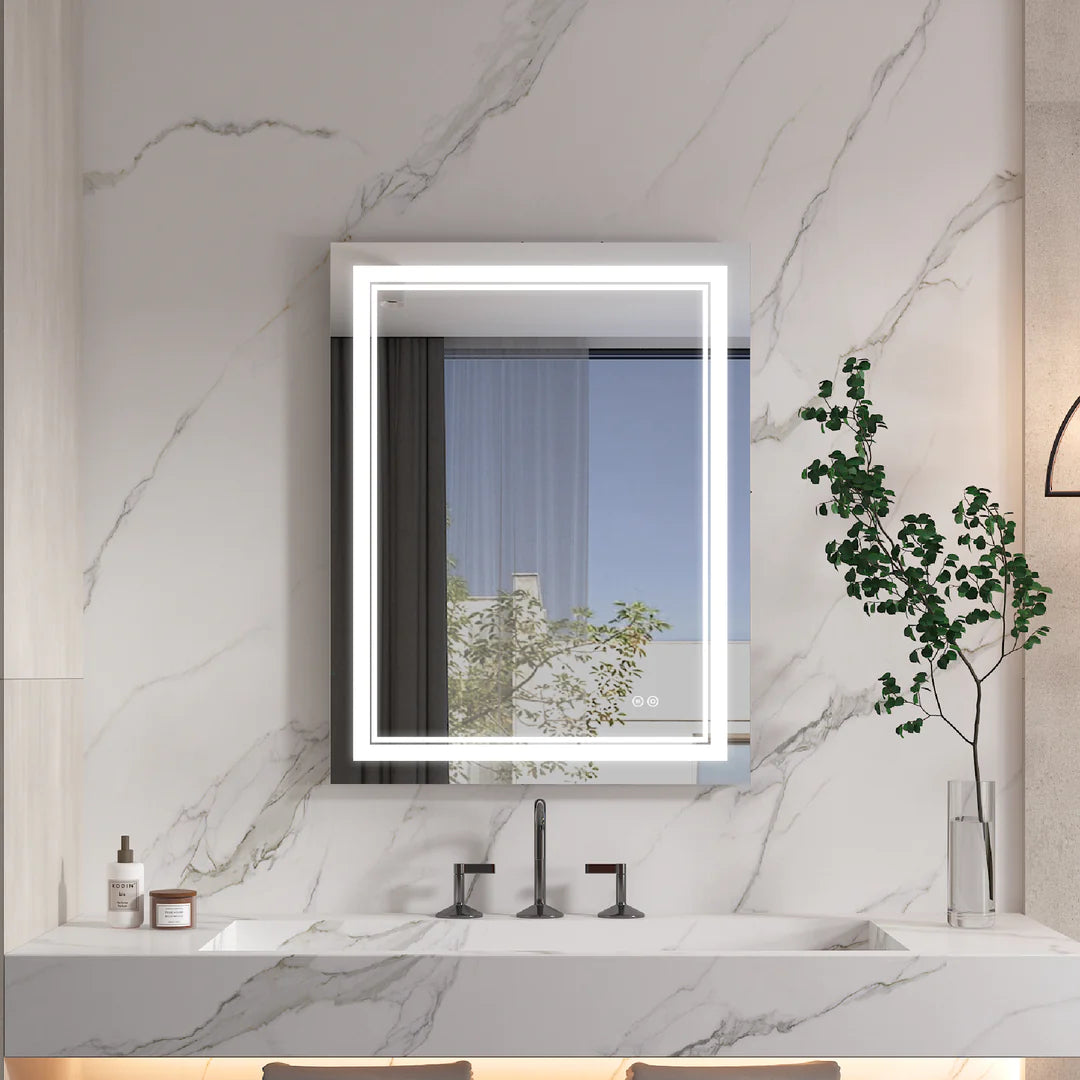
Built-in lighting
Useful if your bathroom lighting is weak or creates shadows. Consider whether you want:
· Front-facing illumination for grooming
· Adjustable brightness for mornings vs. evenings
· Color temperature options (warm vs. cool light)
Built-in outlet or USB
A big win if you use electric toothbrushes, razors, or trimmers. It keeps cords off the counter and chargers out of sight.
Anti-fog function
Helpful in steamy bathrooms, especially if your fan isn’t strong. If your mirror constantly fogs up after showers, this feature can feel surprisingly practical.
These upgrades usually raise the price, so be honest about your habits. If you never plug anything in near the sink, skip the outlet and put that budget toward better construction.
Match the Cabinet to Your Bathroom Style
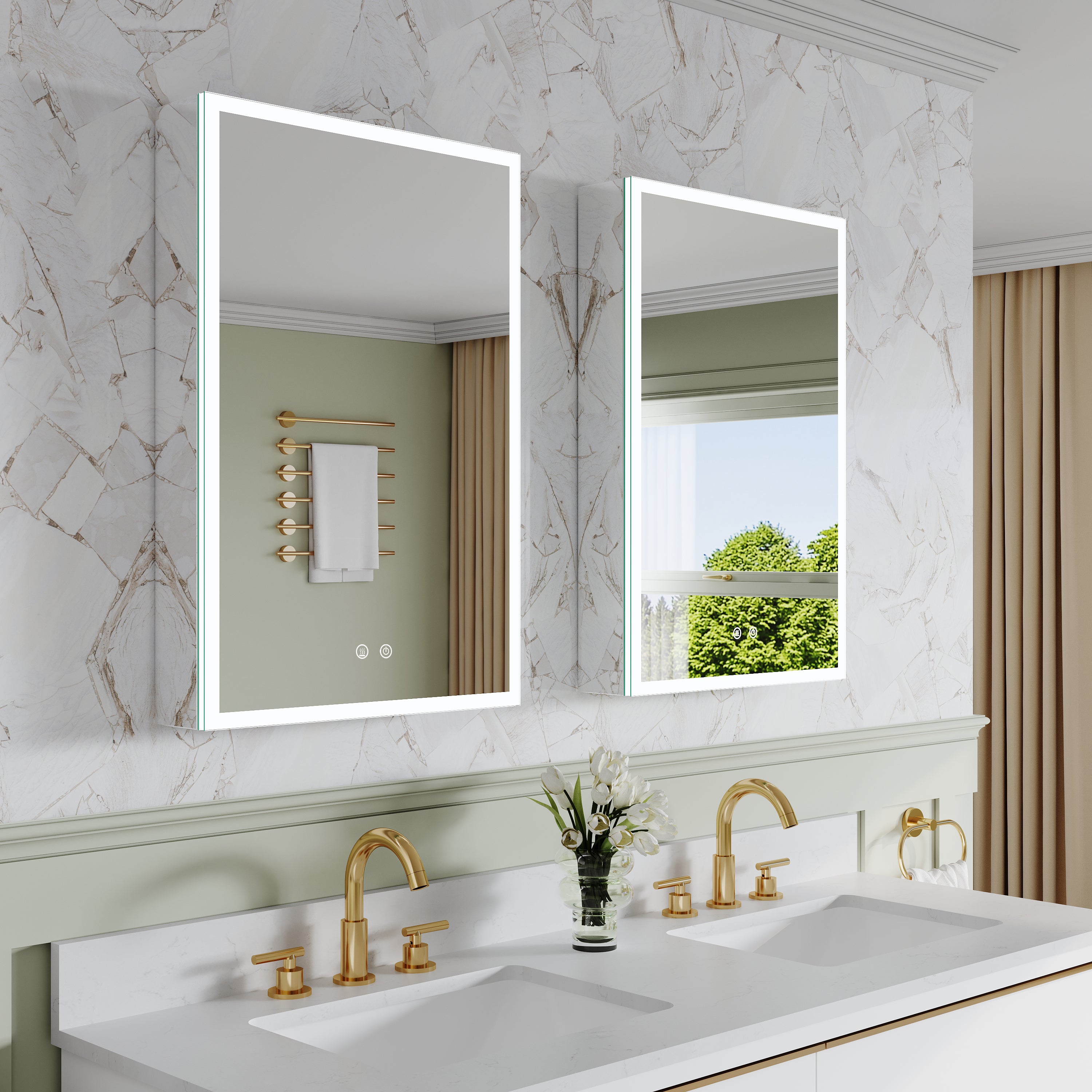
A large cabinet is visually prominent, so its frame and finish matter.
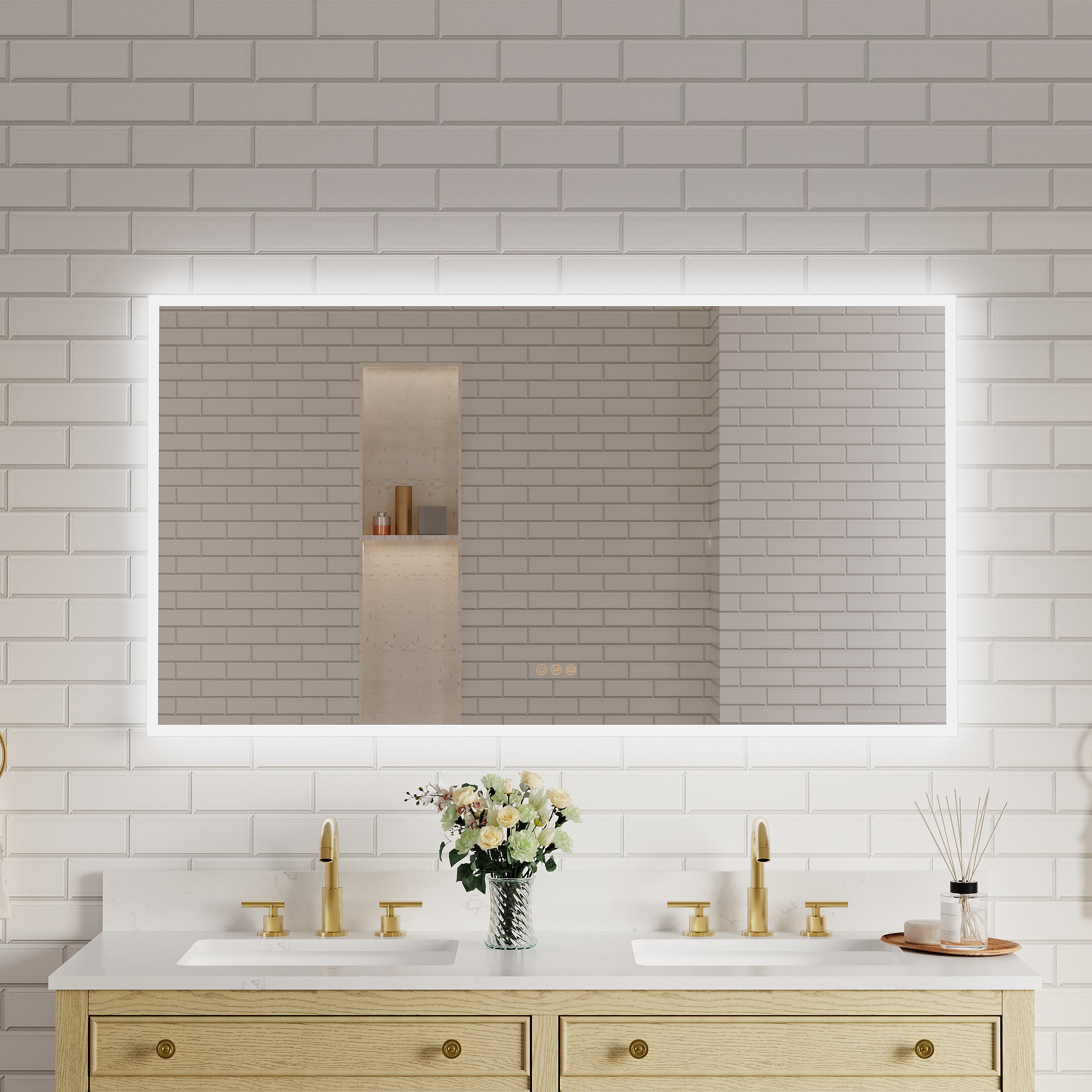
· Frameless or thin-frame styles lean modern and clean
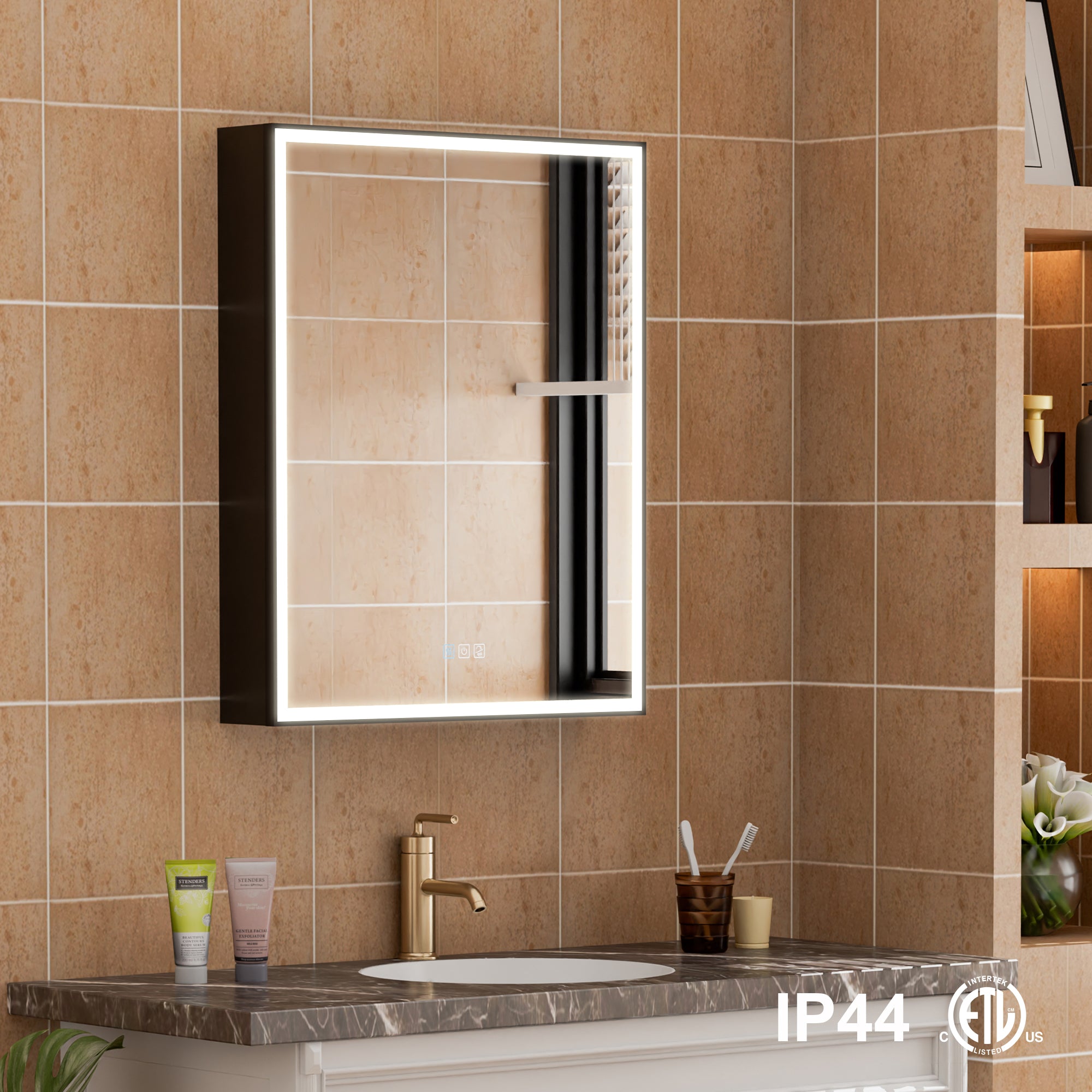
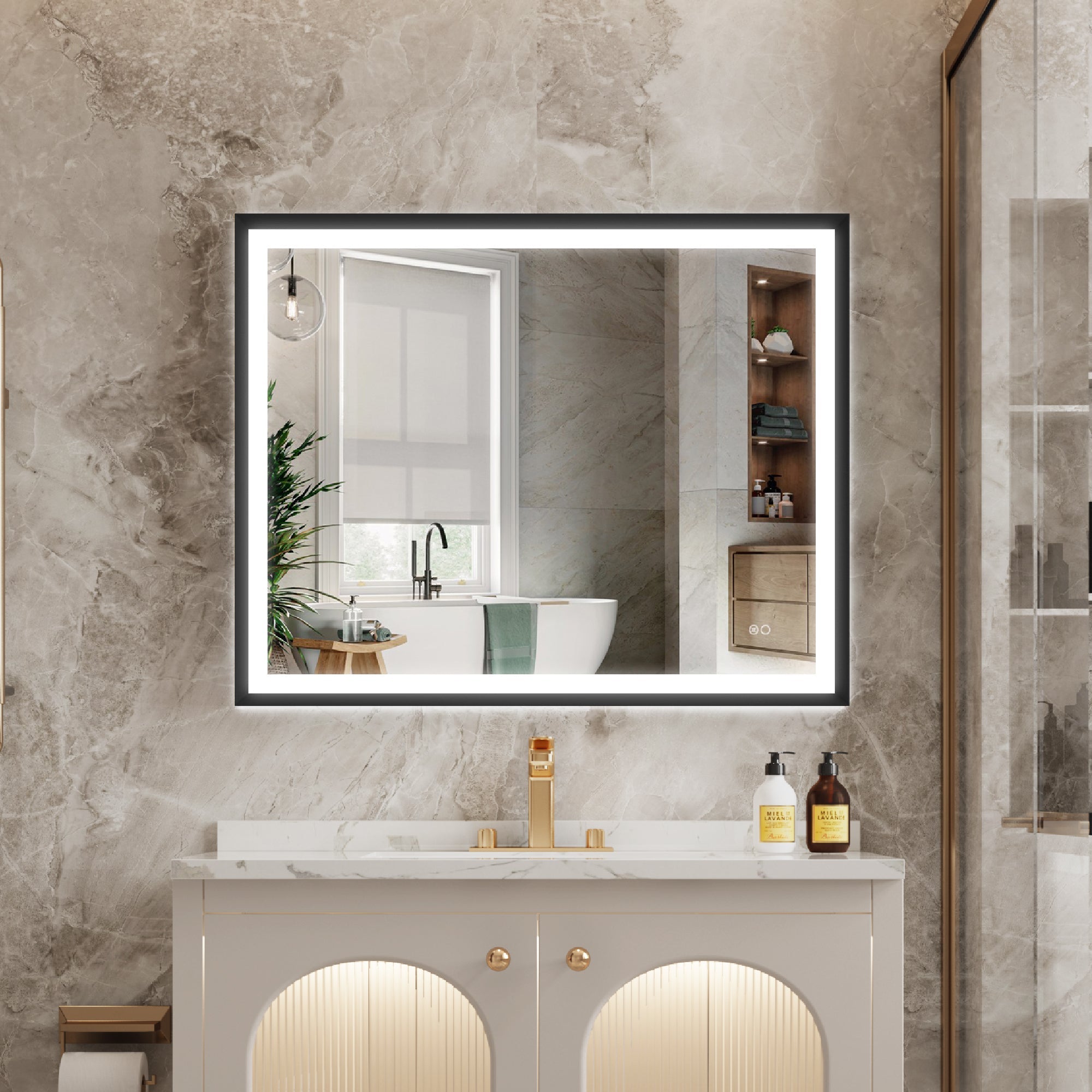
· Black or matte finishes can look sharp in contemporary bathrooms (but show dust more easily)
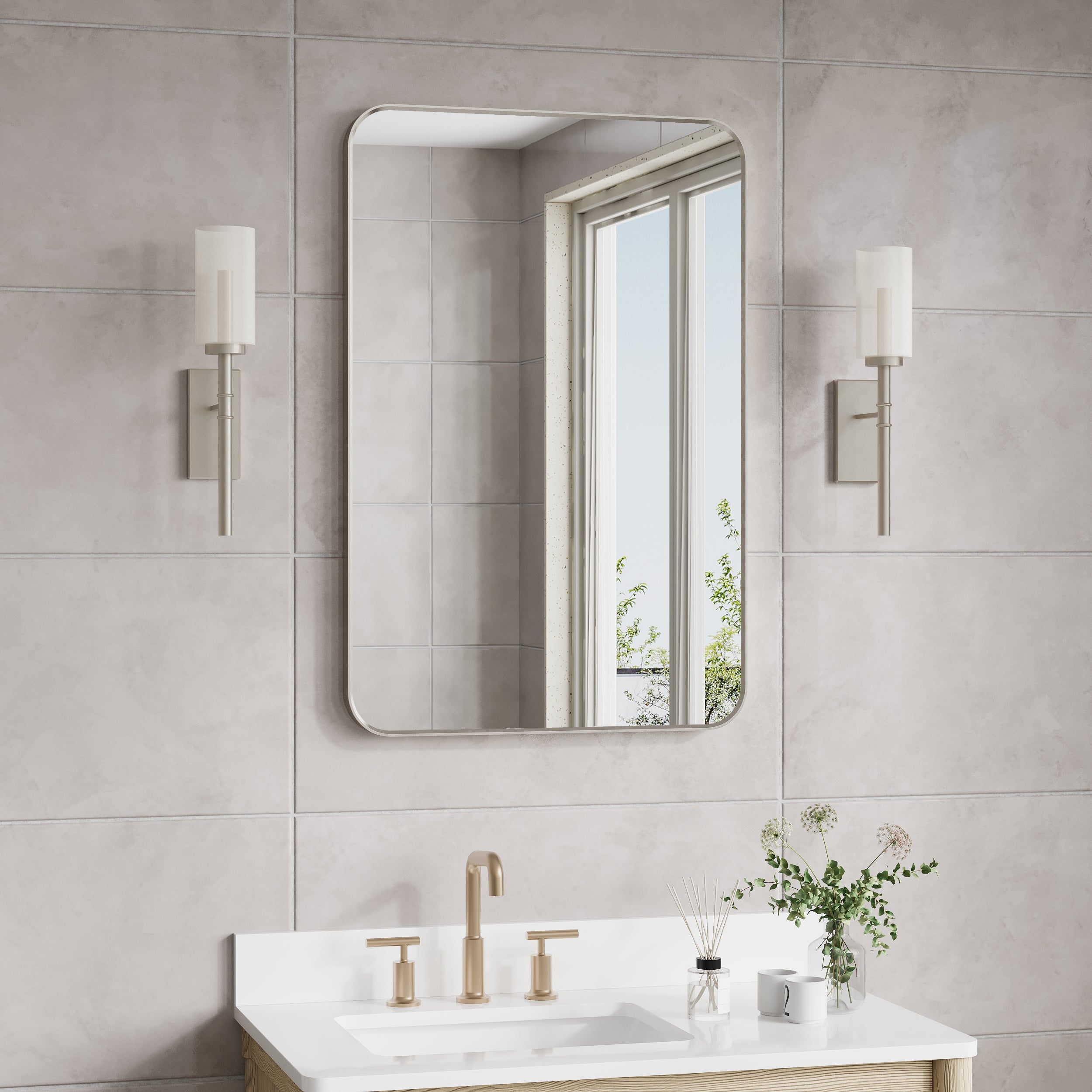
· Brushed metal finishes often blend well with common faucet hardware
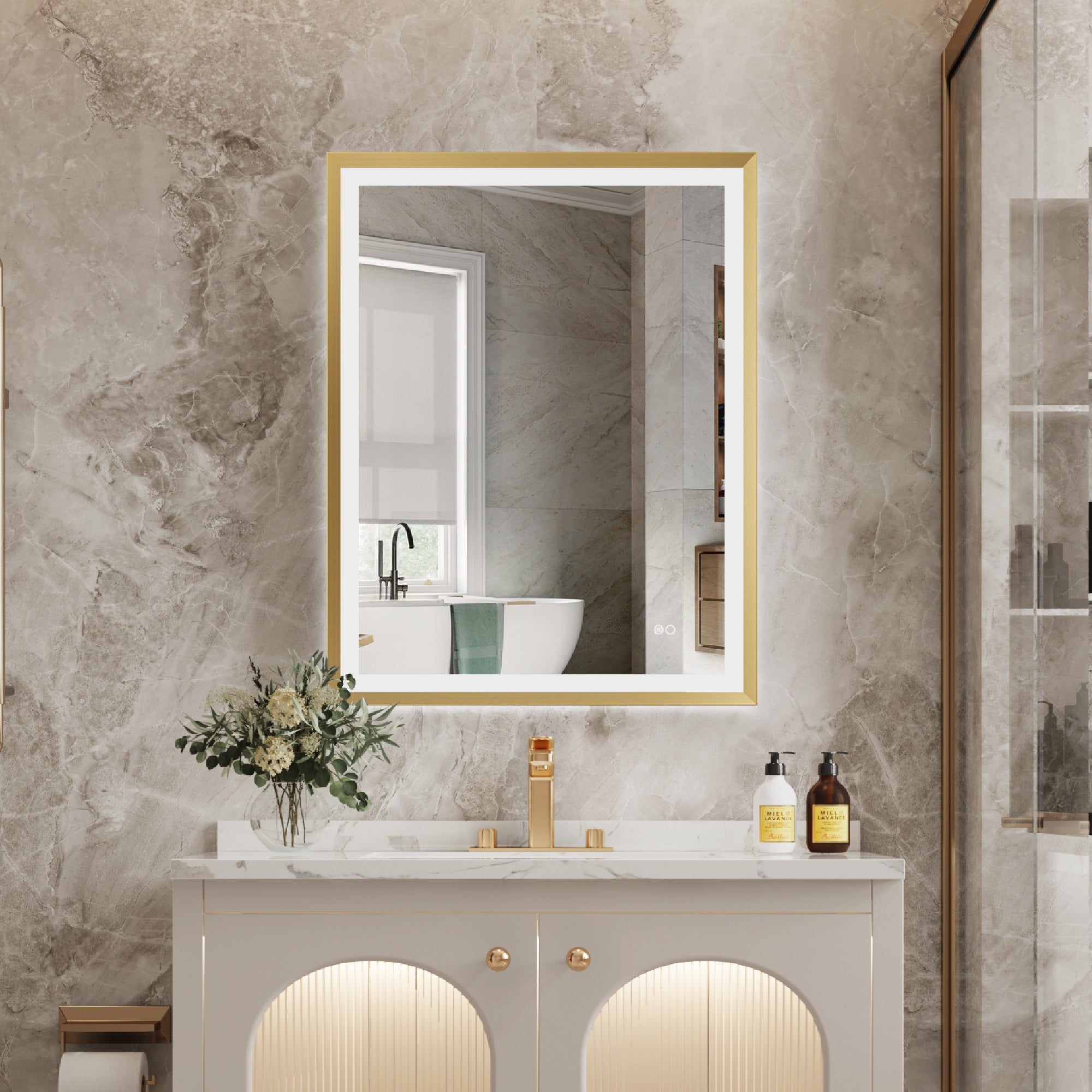
· Warm-toned frames can soften a bathroom that feels too stark
If your vanity hardware is brushed nickel, a similar cabinet finish usually looks intentional. If everything is mixed, the cabinet can become the “odd one out” fast.
The Best Large Medicine Cabinet Is the One You’ll Use Every Day
Choosing a large medicine cabinet comes down to three things: fit, function, and daily comfort. Measure your wall and clearance carefully, decide whether recessed or surface-mount makes sense for your home, and prioritize features that match your routine—adjustable shelves, door configuration, and (if you’ll use them) lighting or outlets.
When you get it right, a large cabinet doesn’t just store more. It makes your bathroom feel calmer, cleaner, and easier to live in—which is exactly what good storage should do.










Leave a comment
This site is protected by hCaptcha and the hCaptcha Privacy Policy and Terms of Service apply.