














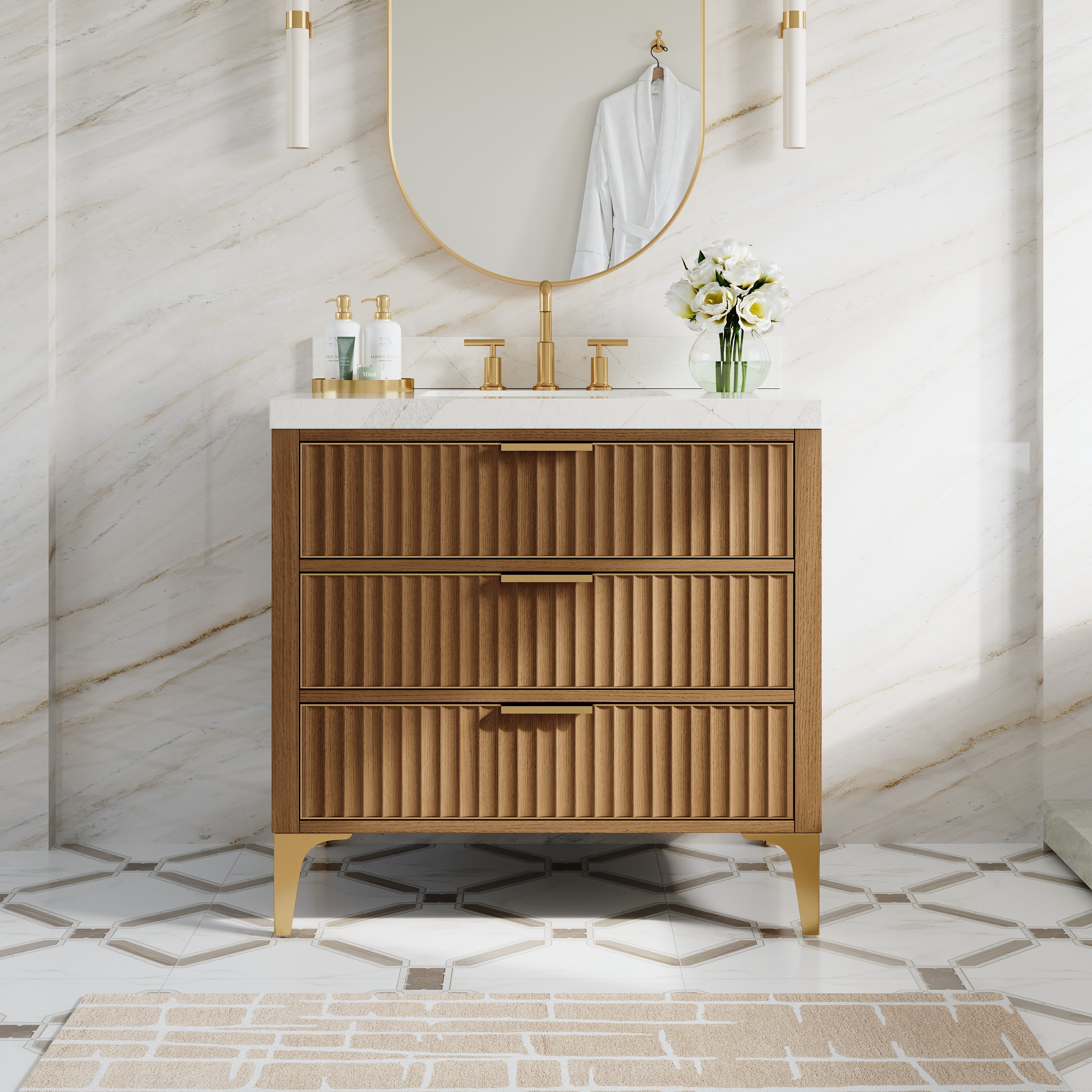
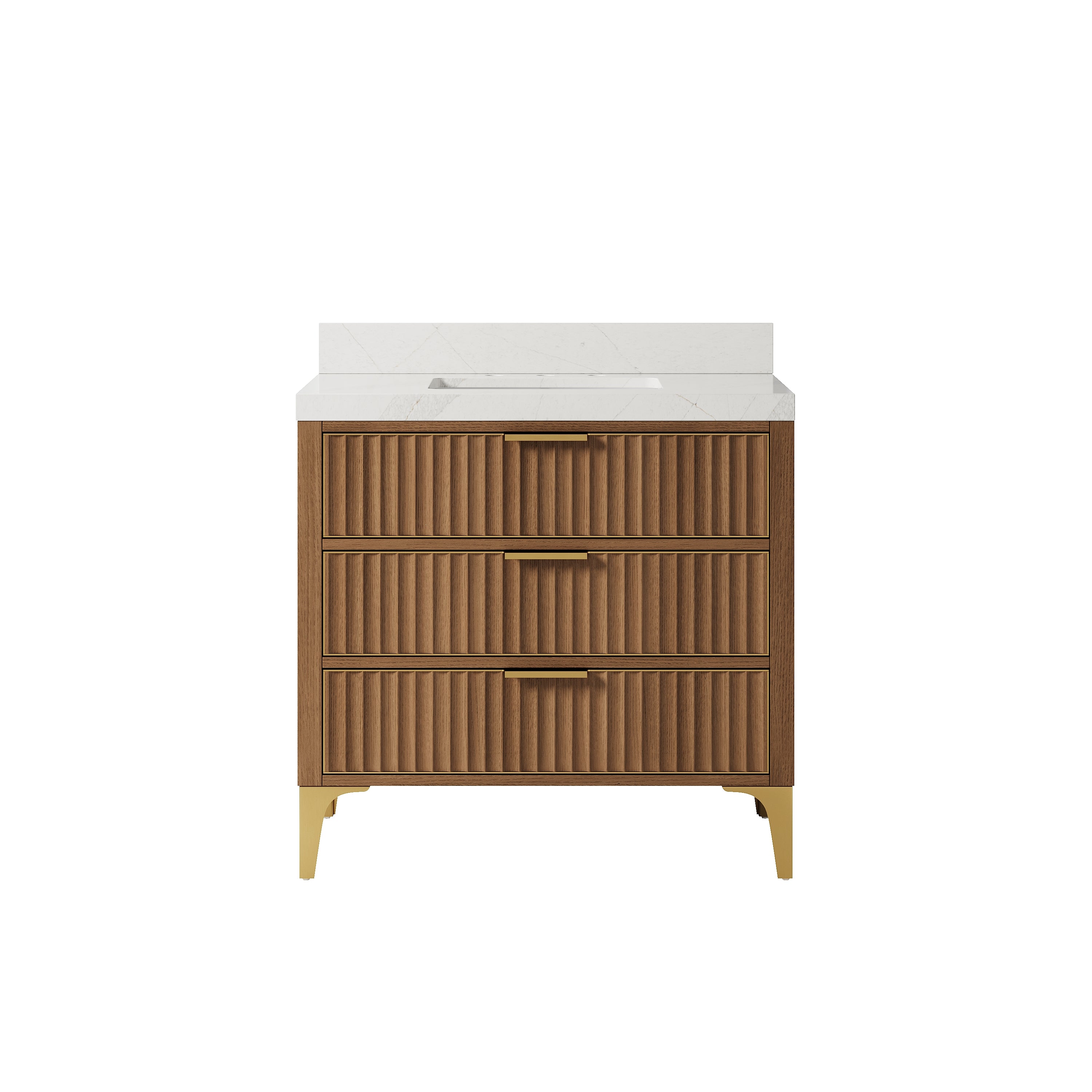
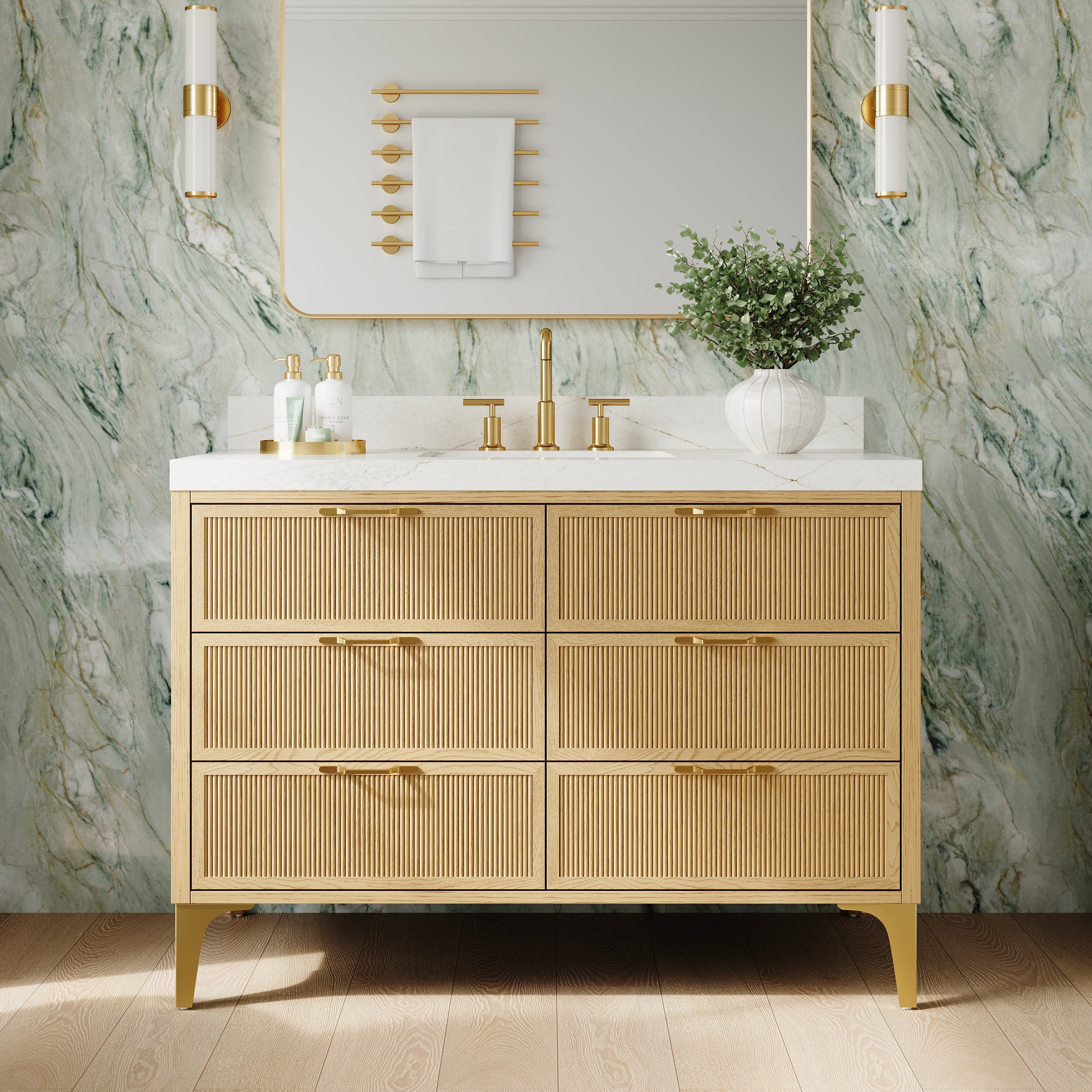
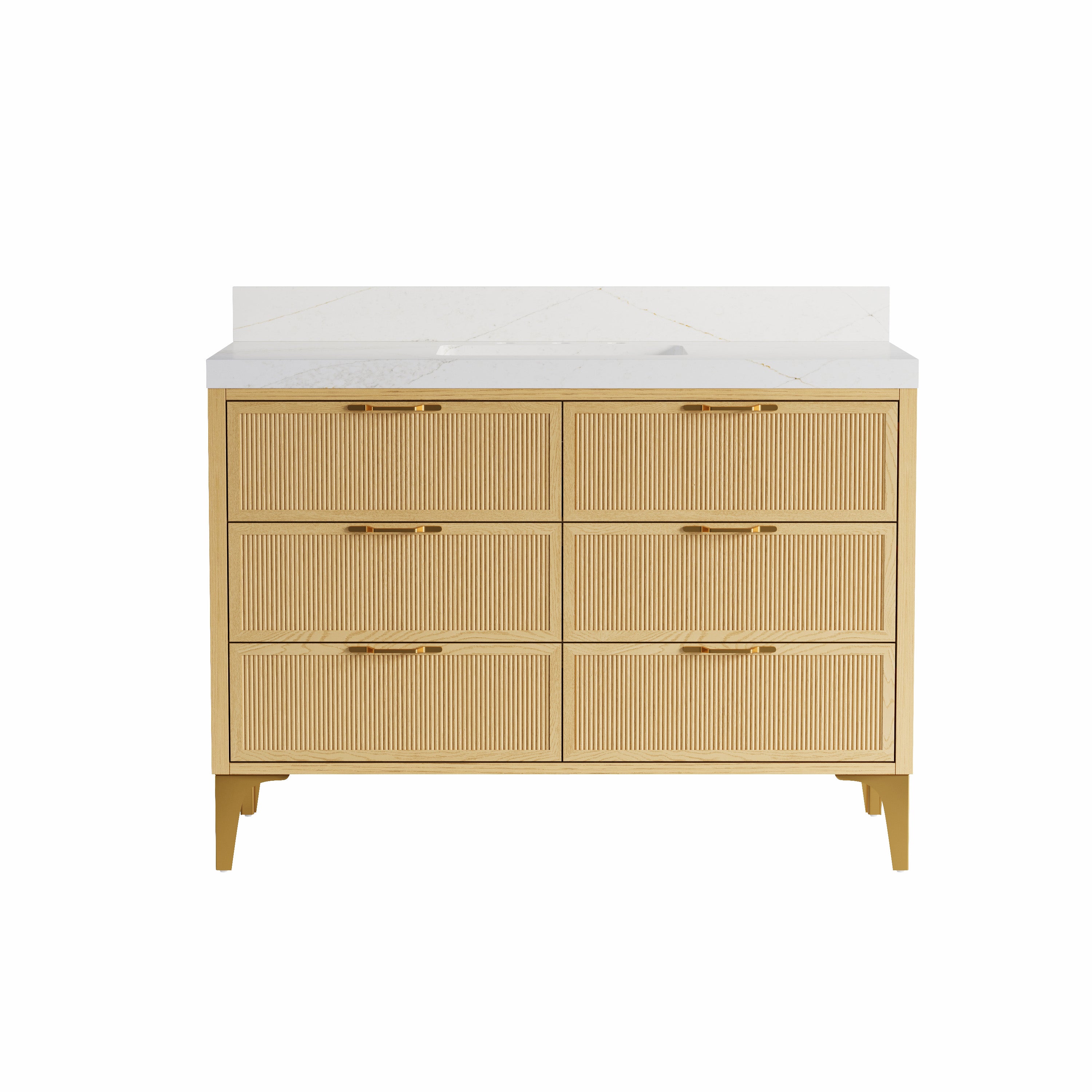


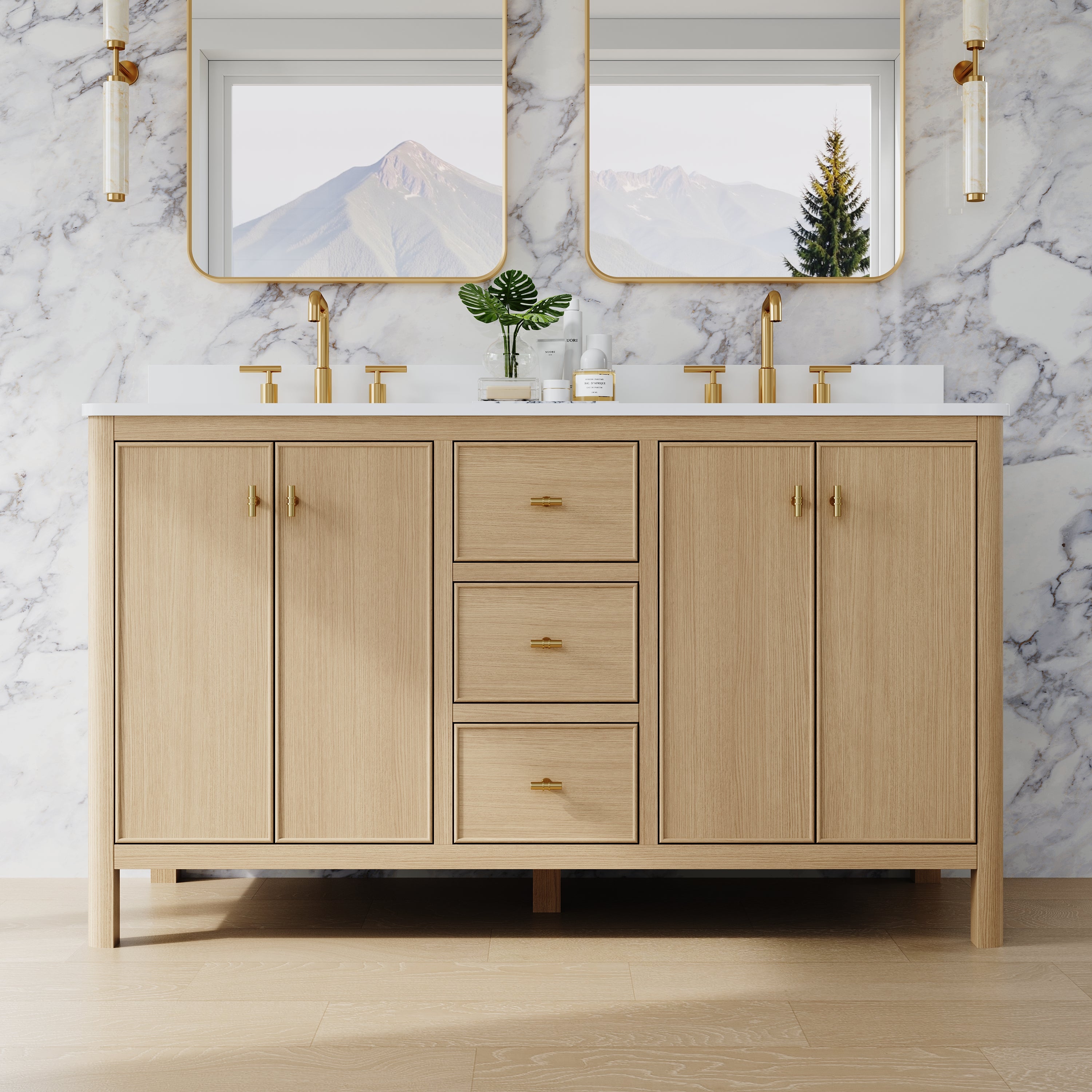
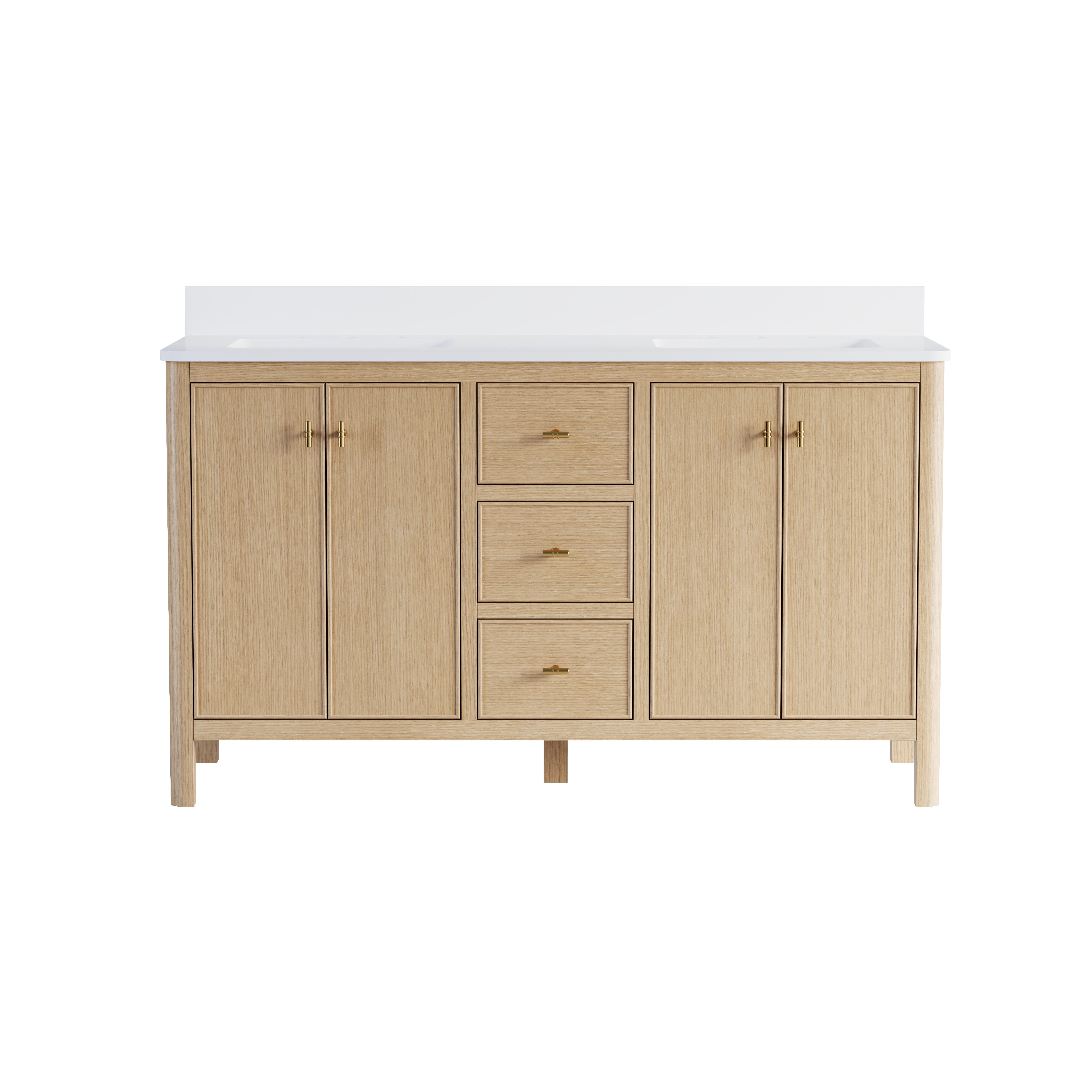
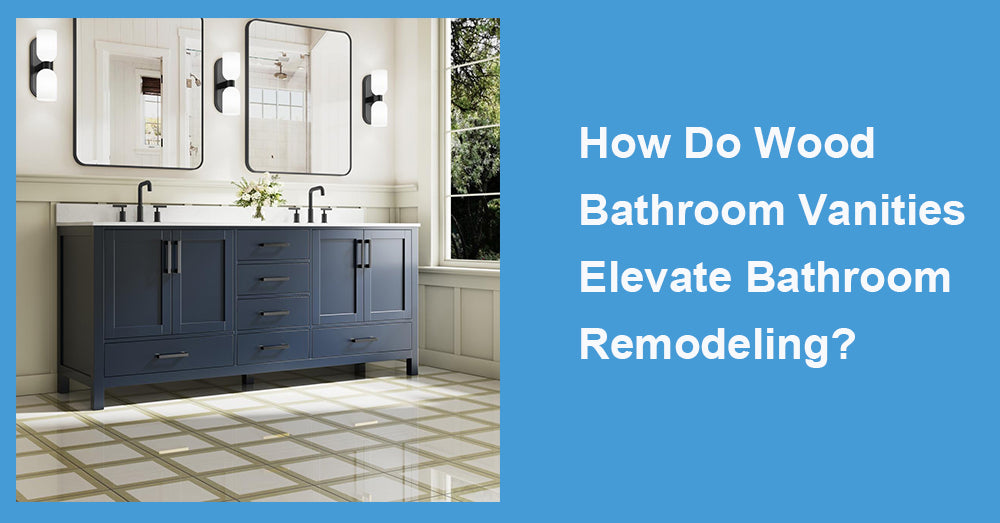
A bathroom remodel can change how your home feels, but not every upgrade pulls the same weight. You can install beautiful tile and a new mirror and still end up with a room that looks a little flat. In many bathrooms, the missing piece is warmth—and that’s exactly where wood bathroom vanities make a difference.
A wood vanity doesn’t just “hold the sink.” It behaves more like furniture. It gives the room a grounded focal point, adds texture among all the hard surfaces, and often improves storage in a way you’ll notice on busy mornings. If you’re planning a remodel and want something that feels intentional (not cookie-cutter), this is one upgrade worth considering.
Why Wood Changes the Feeling of a Bathroom
Bathrooms are full of smooth, reflective materials: porcelain, glass, chrome, polished stone. Those surfaces are practical, but they can feel cold. Wood brings the opposite energy—natural grain, soft variation, and a sense of depth that makes the room feel lived-in, not clinical.
Even if you choose a simple style, like a clean shaker cabinet, the wood tone creates contrast. White walls look crisper. Metal fixtures look more deliberate. And the entire space feels more finished because the vanity becomes a clear design anchor.
There’s also a psychological side to it. A bathroom that feels warmer tends to feel more relaxing. That matters more than we think when we’re getting ready at 7 a.m. or winding down at night.
Wood Bathroom Vanities Make Storage Feel “Easier,” Not Just “More”
Most people don’t remodel because they love shopping for plumbing parts. They remodel because the bathroom isn’t working: not enough storage, cluttered countertops, awkward layout, and not enough space for two people.
Wood vanities often come in more furniture-like layouts—useful drawers, deeper compartments, better organization options. When the storage is designed well, you stop playing countertop Tetris.
Here’s what that looks like in real life:
· Drawers that actually hold things (skincare bottles, hair tools, backup toothpaste—without tipping over)
· Less visual mess because daily items have a home
· A smoother routine if you share a bathroom and need separation
A remodel should reduce friction. A thoughtfully built wood vanity can do that in a way that a basic cabinet sometimes can’t.
Style Flexibility: Wood Isn’t Only “Farmhouse” Anymore
Some homeowners still associate wood vanities with rustic bathrooms. In reality, wood works across styles—it just depends on tone, door profile, and hardware.
Modern bathrooms
Look for flatter doors, simple lines, and minimal hardware. A warm wood tone can soften a modern space without making it look traditional.
Transitional bathrooms
This is the “safe bet” style that feels updated but familiar. Shaker doors, balanced proportions, and mid-tone wood finishes fit almost anywhere and age well.
Coastal or spa-inspired bathrooms
Lighter wood tones—think natural oak—pair well with soft whites, warm lighting, and simple textures. The result feels calm, not busy.
Traditional bathrooms
Deeper wood tones and more detailed cabinet fronts can make the room feel rich and classic, especially with polished fixtures and framed mirrors.
If resale is on your mind, wood can be a smart choice because it feels timeless. Trends change fast, but natural materials rarely look out of place.
Solid Wood vs. Engineered Wood: What Actually Matters
“Wood vanity” can mean different constructions. Some are solid wood. Others use an engineered structure with a wood veneer. The truth is, either can perform well if it’s built properly.
What matters most is stability and finishing—because bathrooms deal with moisture every day.
A few practical notes (the kind people learn after living with a vanity):
· Good finishes protect better than you think. A well-sealed surface can handle normal bathroom humidity without drama.
· Standing water is the enemy. Wipe puddles around the sink instead of letting them sit.
· Ventilation isn’t optional. If your fan is weak, upgrade it. Wood (and paint, and drywall) will thank you.
Wood isn’t fragile. It's just like basic care—similar to what you’d do with wood furniture in a kitchen or dining room.
Choosing the Right Vanity Size for Your Remodel
Sizing mistakes are common because we shop online and think in inches, but live in real space. A vanity that’s “only a little bigger” can make a bathroom feel crowded overnight.
Before you fall in love with a look, think through three things:
1. Door and drawer clearance: Can everything open without hitting the toilet, wall, or shower door?
2. Walkway space: You want comfortable movement, not a squeeze.
3. Storage needs: Bigger is nice, but smart drawer layouts often beat sheer width.
General guidance:
· Smaller bathrooms often feel best with 24–36 inch vanities.
· Shared bathrooms commonly use 48–72 inch options, especially for double sinks.
· If floor space is tight, prioritize better drawers rather than a deeper cabinet
If you’re changing the layout, it’s also worth thinking about plumbing placement early. Moving plumbing can open up better vanity options, but it can also quickly change the budget.
Small Details That Separate “Looks Nice” From “Feels High-End”
Two vanities can look similar in photos and feel totally different once installed. The difference usually comes down to the parts you touch every day.
Look for features that improve daily use and longevity:
· Soft-close drawers and doors (quieter, less wear)
· Solid drawer construction and smooth glides
· Practical sink setup (easy wipe-down and cleaning)
· Countertop and faucet compatibility (pre-drilled holes, correct spacing)
· A backsplash plan (either included or easy to add)
These aren’t flashy details, but they’re exactly what makes a remodel feel better six months later.
How to Make Wood the Star Without Making the Room Heavy

A wood vanity can carry the design, but it needs support. If everything competes for space, the bathroom will feel busy.
Simple ways to keep the look balanced:
· If the wood tone is deep, keep walls lighter
· Keep metal finishes consistent (don’t mix too many)
· Use lighting that flatters warmth—bright but not harsh
· Let wood be the main texture, then add one supporting texture (stone, tile, or linen)
When in doubt, simplify. A bathroom feels expensive when it feels calm.
The Real Reason Wood Bathroom Vanities Elevate a Remodel
A good remodel isn’t just prettier—it’s easier to live with. Wood bathroom vanities elevate bathroom remodeling by doing both: adding warmth and character and typically improving storage and daily function. They help the room look intentional, not temporary. And they age well, which matters because bathrooms aren’t something most people want to redo again soon.
If you’re choosing between styles, focus on construction, finish quality, and a size that fits your layout. The “right” wood vanity should look like it belongs in the room—and feel like it makes your mornings smoother.













Leave a comment
This site is protected by hCaptcha and the hCaptcha Privacy Policy and Terms of Service apply.