
















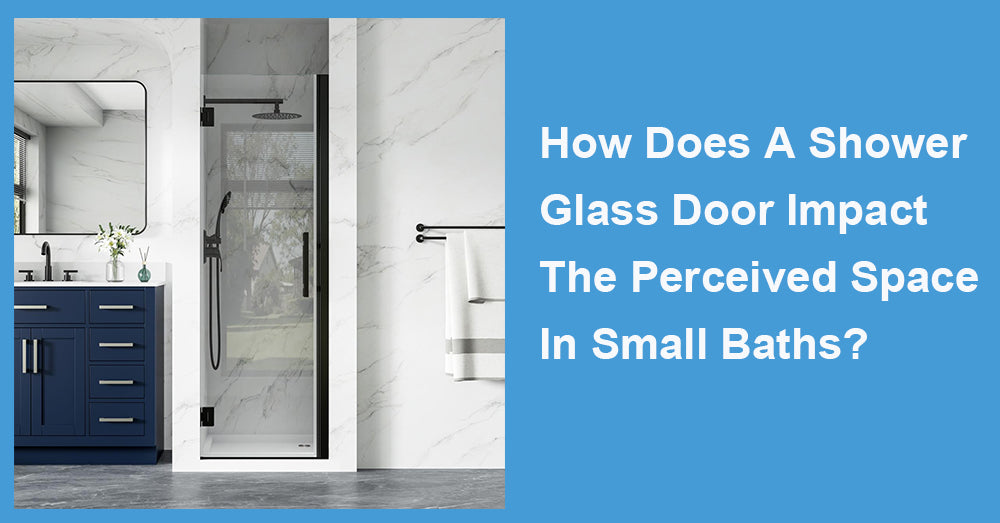
In a small bathroom, every design choice feels magnified. A dark paint color can make the room feel tighter. A bulky vanity can interrupt the walking path. And the shower—often the largest visual element in the space—can either open the room up or make it feel boxed in. That’s why a shower glass door is such a popular upgrade for compact baths. It doesn’t add square footage, but it can change how spacious the room feels in a very real way.
The key is understanding what “perceived space” means and how glass affects light, sightlines, and visual clutter. Done right, a glass door can make a small bath look brighter, cleaner, and noticeably larger. Done wrong, it can highlight clutter, create glare, or feel visually busy. Let’s walk through the practical details.
Why Perceived Space Matters More Than Square Footage
“Perceived space” is the sense of openness you get when you step into a room. In bathrooms, it’s heavily influenced by what your eyes can see from the doorway and how far light can travel.
Small bathrooms often feel cramped for three main reasons:
1. Broken sightlines: Solid barriers stop your gaze and make the room feel shorter.
2. Low light: Shadows gather in corners, visually shrinking the room.
3. Visual noise: Too many contrasting materials, patterns, and heavy frames create clutter.
A shower glass door addresses the first two issues immediately and can help with the third if you choose the right style.
How A Shower Glass Door Opens Up Sightlines
The biggest reason glass makes a bathroom feel larger is simple: you can see through it. A curtain or solid enclosure creates a visual “wall” that chops the room into sections. Glass keeps the room reading as one continuous space, especially when the shower is visible from the vanity or entry.
When sightlines extend deeper into the room, your brain interprets the space as larger. Even if the room is physically small, it feels less segmented. This is especially noticeable in bathrooms where the shower sits at the end of the room—glass lets your view reach the far wall, making the room feel longer.
How Glass Amplifies Light In Small Bathrooms
Light is the best tool for making a small bath feel open. Shower curtains absorb light and cast shadows, especially if they’re dark, textured, or layered. Glass, on the other hand, allows light to pass through and bounce around the room.
This matters in real-world bathrooms because lighting is often limited:
· A single overhead fixture
· A vanity light with uneven coverage
· Little to no natural light
A clear shower glass door helps distribute whatever light you have more evenly. The result is fewer harsh shadows and a brighter overall look—which almost always reads as “bigger.”
The “Clean Lines” Effect: Why Glass Feels Less Bulky
A shower glass door can create a lighter visual footprint than framed enclosures or curtains. In small baths, bulky hardware and thick frames can feel heavy, even if the enclosure is functional.
Minimal framing reduces interruptions in the design. Your eye moves smoothly across the bathroom instead of stopping at bold borders. That’s why frameless and semi-frameless designs are often recommended for compact spaces: they emphasize openness and reduce visual clutter.
Clear vs. Frosted vs. Textured Glass: Which Makes A Small Bath Feel Bigger?
Not all glass has the same impact. The best choice depends on your privacy needs and your bathroom layout, but here’s how each option generally affects perceived space.
Clear glass: the biggest “open space” win
Clear glass maximizes sightlines and light transfer. It’s usually the top choice if your goal is to make the bathroom look larger. It also shows off tile work, which can be a benefit if your shower is a design feature.
Potential downside: it reveals what’s inside the shower, so you’ll want a simple, tidy look—matching bottles, minimal clutter, and consistent finishes.
Frosted glass: more privacy, slightly less openness
Frosted glass still allows light through but softens the view. It can make the shower feel less like a focal point, which some people prefer. It won’t feel as open as clear glass, but it can still outperform a curtain in brightness.
Textured glass: adds style but can add visual “busyness.”
Textured glass diffuses light and adds privacy, but strong patterns can create visual noise. In very small baths, heavy texture might compete with tile patterns and make the space feel more active. If you love the look, keep the rest of the bathroom simple.
Sliding vs. Hinged: Space Planning In Tight Layouts
A shower glass door can improve perceived space, but it also needs to work physically in a small bathroom. Door style matters.
Sliding doors: best when clearance is tight
Sliding glass doors don’t swing into the room, which helps in bathrooms with limited floor space. They’re often a practical choice for tub-shower combos or narrow layouts.
Hinged or pivot doors: great for openness, but check the swing.
A hinged door can feel more high-end and visually clean, especially in frameless styles. But in a tight bath, the door swing can conflict with a toilet, vanity, or towel bar. If the door bumping into something is even a possibility, sliding may be the smarter solution.
Walk-in or fixed panel: a minimalist option
If your layout supports it, a fixed glass panel (instead of a full door) can look extremely open and modern. It keeps sightlines wide and reduces hardware. It’s not ideal for every shower configuration, but in some small baths it creates the most spacious look of all.
The Hidden Tradeoff: Glass Shows More, So Design Matters

Here’s the honest part: glass doesn’t hide anything. A shower curtain can cover mismatched bottles, busy tile, or worn grout lines. Clear glass makes the shower part of the room’s “visual story.”
If you want glass to make the bathroom feel larger, you’ll get the best effect when the shower looks calm and consistent:
· Use matching bottles or a neat organizer.
· Keep tile patterns simple or coordinated.
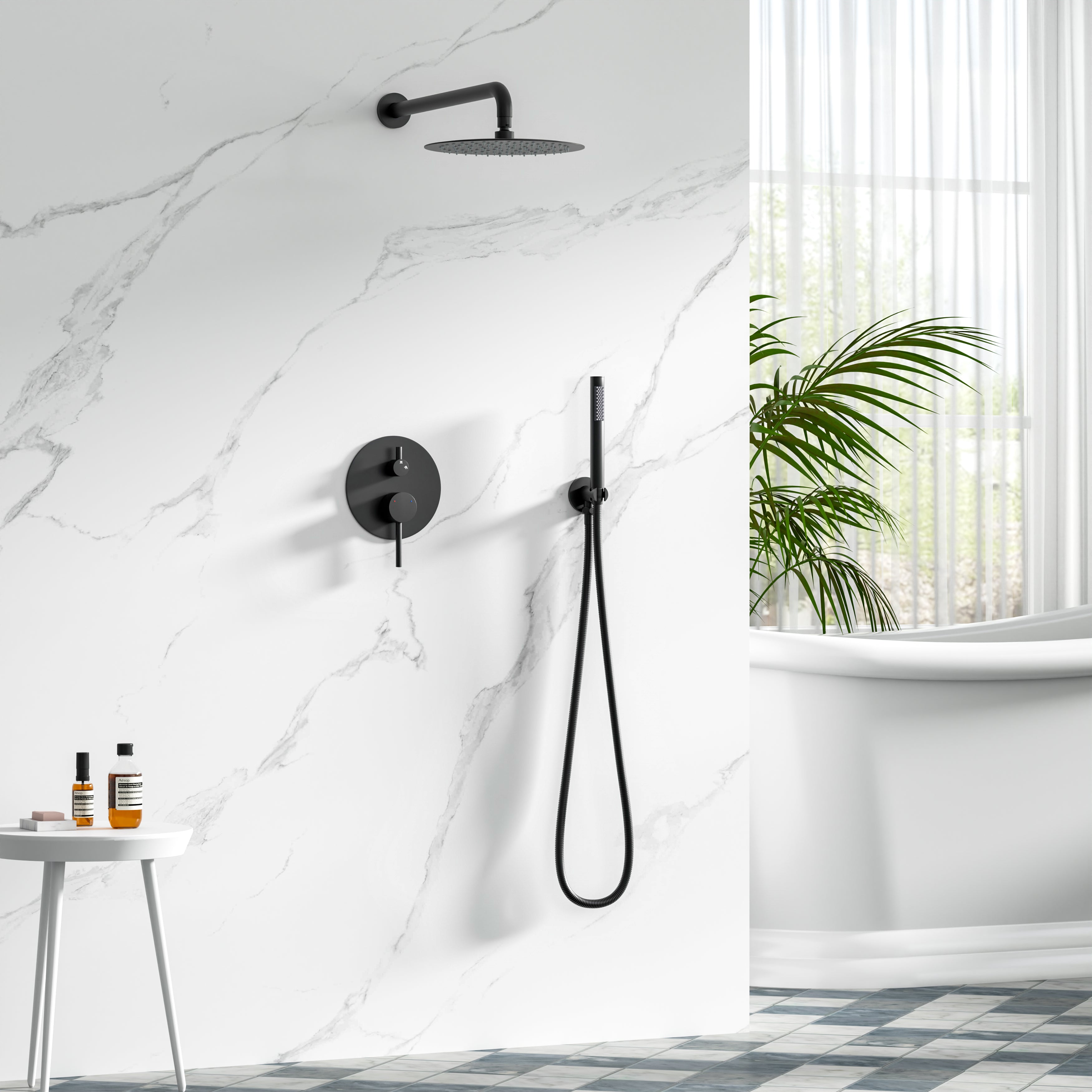
· Choose hardware finishes that match the faucet and vanity lighting.
· Maintain clean grout lines and minimal clutter.
Think of the shower as an extension of the bathroom design, not a separate zone.
Small Bath Tricks That Pair Perfectly With A Shower Glass Door
If you’re upgrading to a shower glass door, you can push the “bigger bathroom” effect further with a few smart choices:
· Use a larger-format tile in the shower to reduce grout lines (less visual noise).
· Match tile colors between the shower and bathroom floor when possible for continuity.
· Choose a simple frame finish (or frameless) to keep the look light.
· Add stronger lighting near the shower to eliminate shadows.
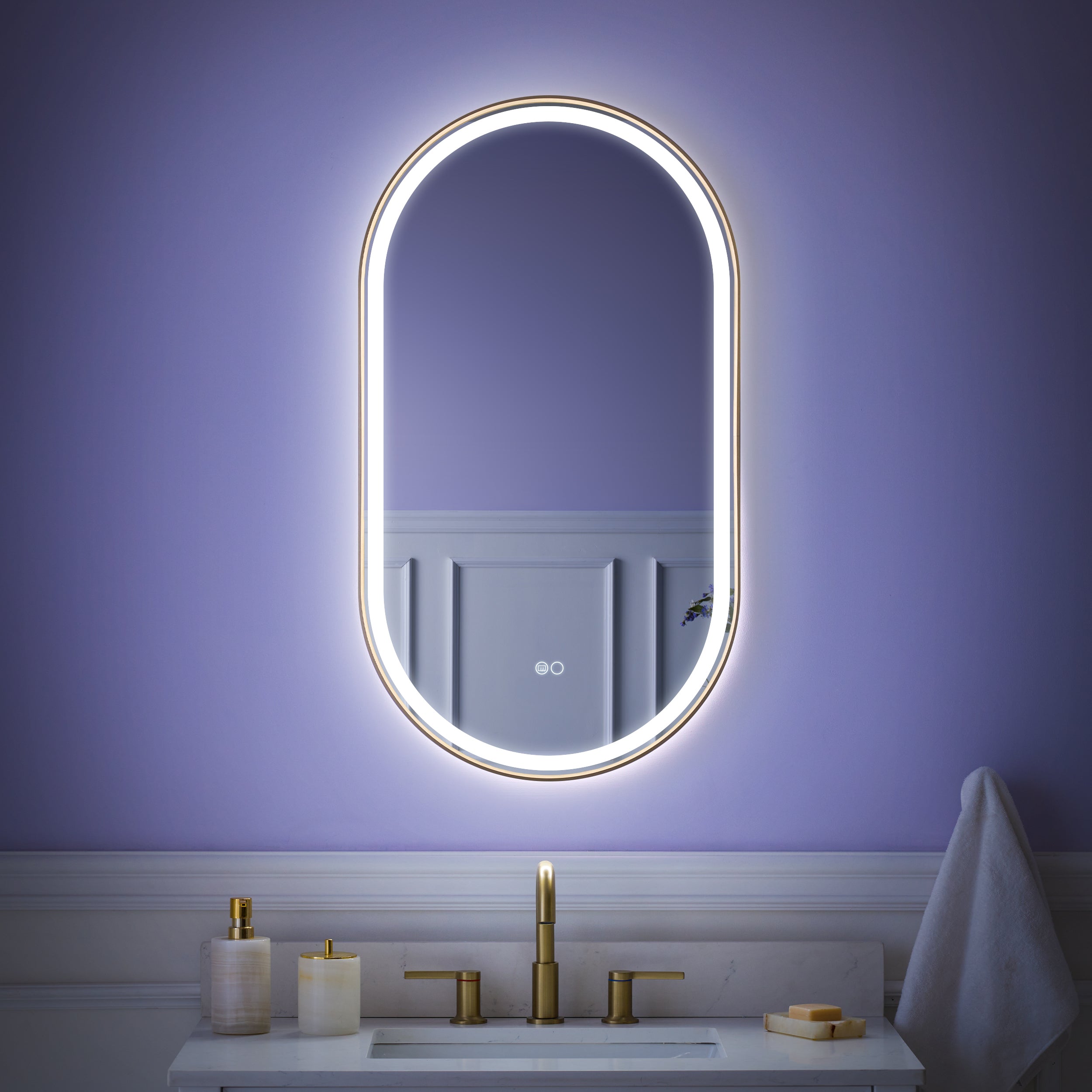
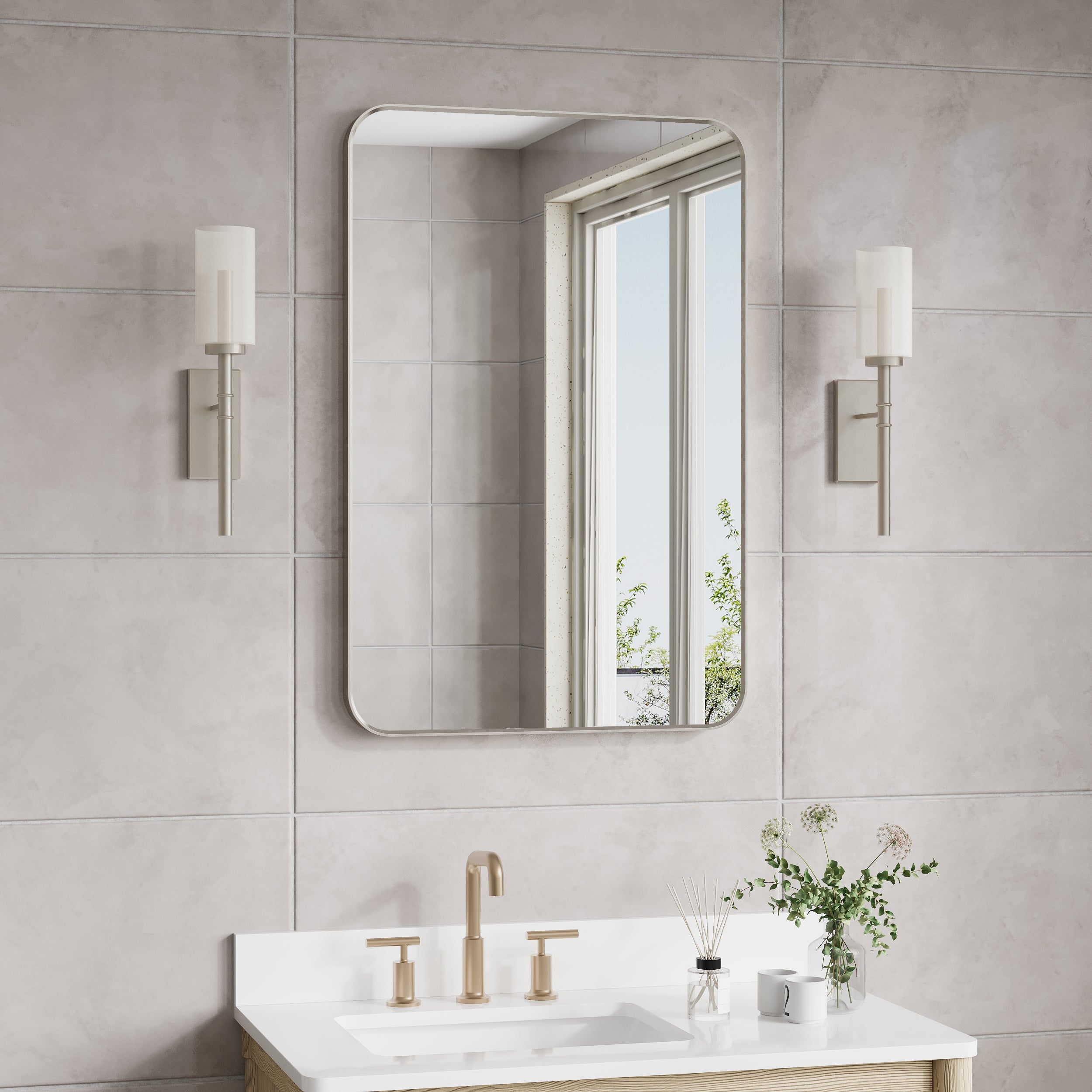
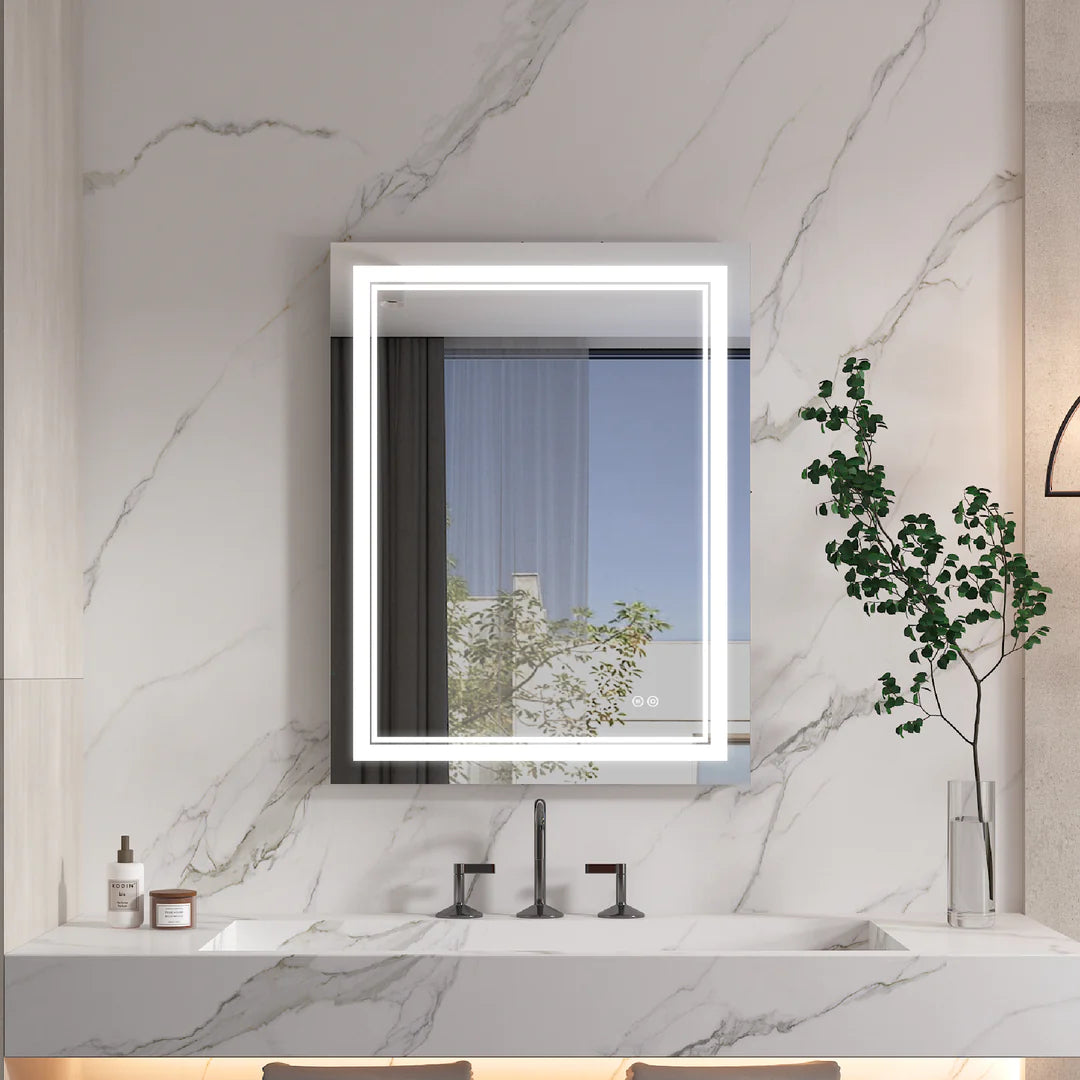
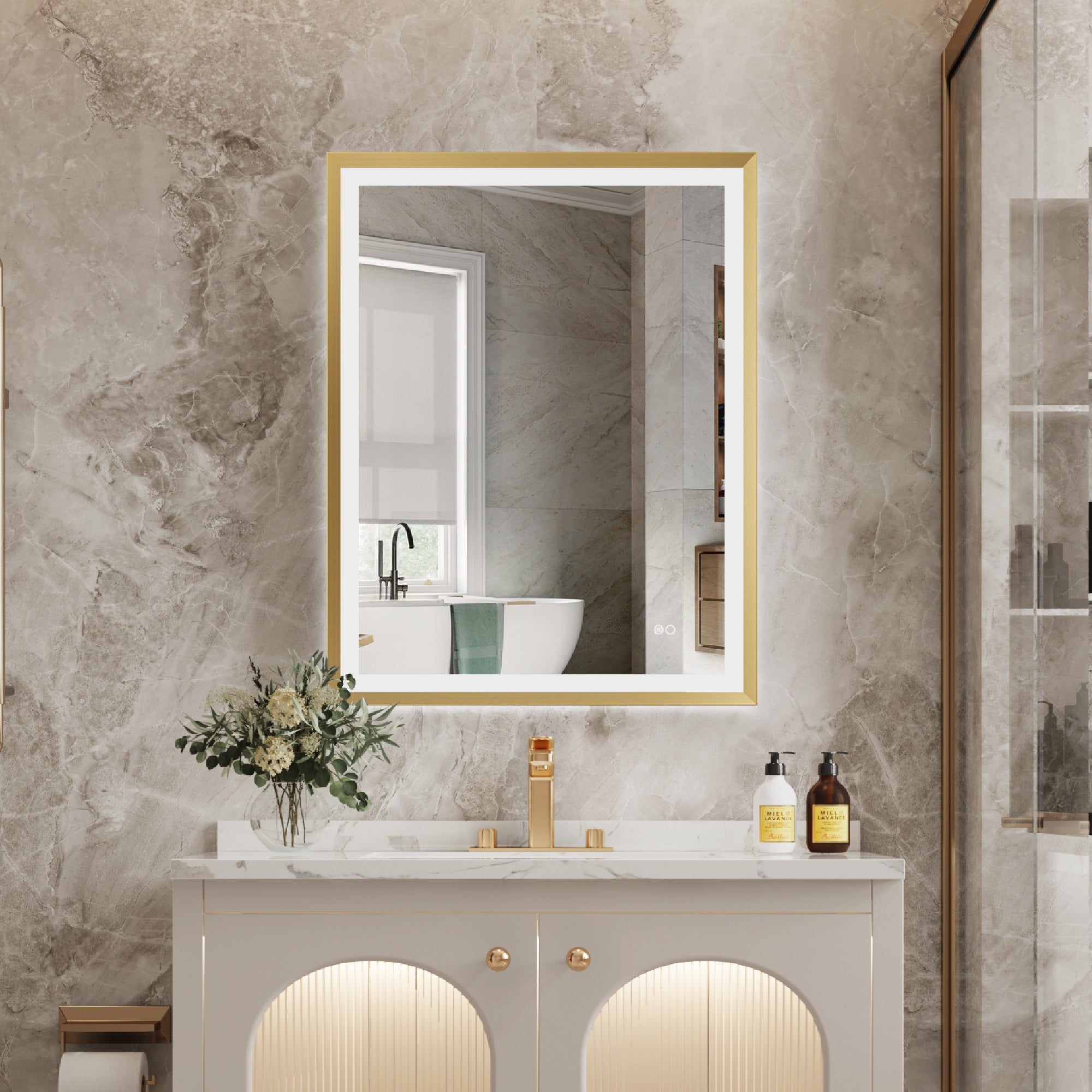
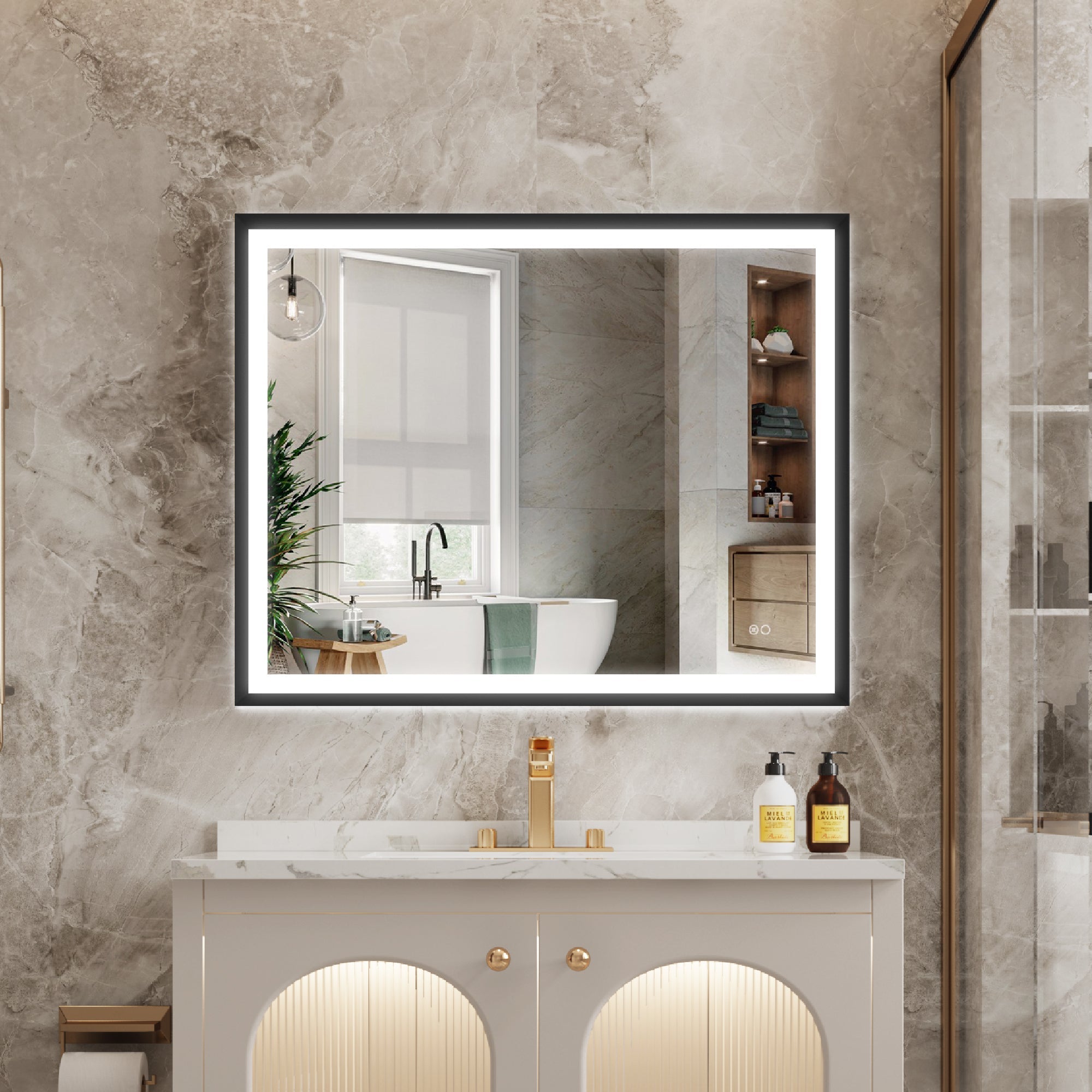
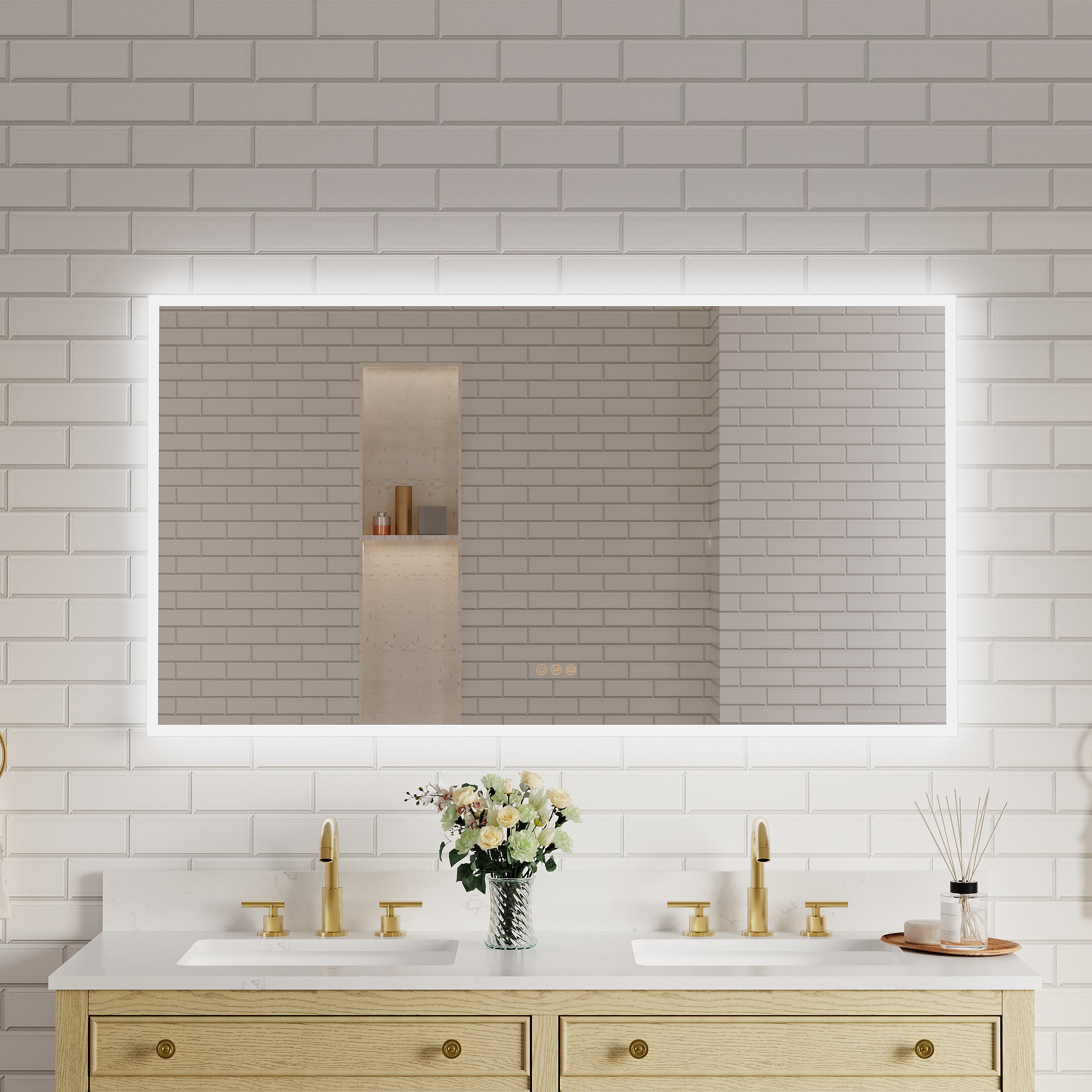
· Use a large mirror to reflect light and extend the sightline effect.
These small adjustments stack together and can make a compact bath feel noticeably more open.
So, What’s The Real Impact In A Small Bathroom?
A shower glass door can dramatically increase perceived space in small baths because it improves sightlines, spreads light, and reduces bulky visual barriers. Clear glass usually delivers the biggest “open” effect, while frosted and textured glass can still brighten the room but may feel a bit less expansive.
The best results come from pairing the right door style with a clean, cohesive shower design. If your bathroom is short on square footage but you want it to feel brighter, calmer, and less chopped up, switching from a curtain or heavy enclosure to a glass door is one of the most effective upgrades you can make—without moving a single wall.











Leave a comment
This site is protected by hCaptcha and the hCaptcha Privacy Policy and Terms of Service apply.