














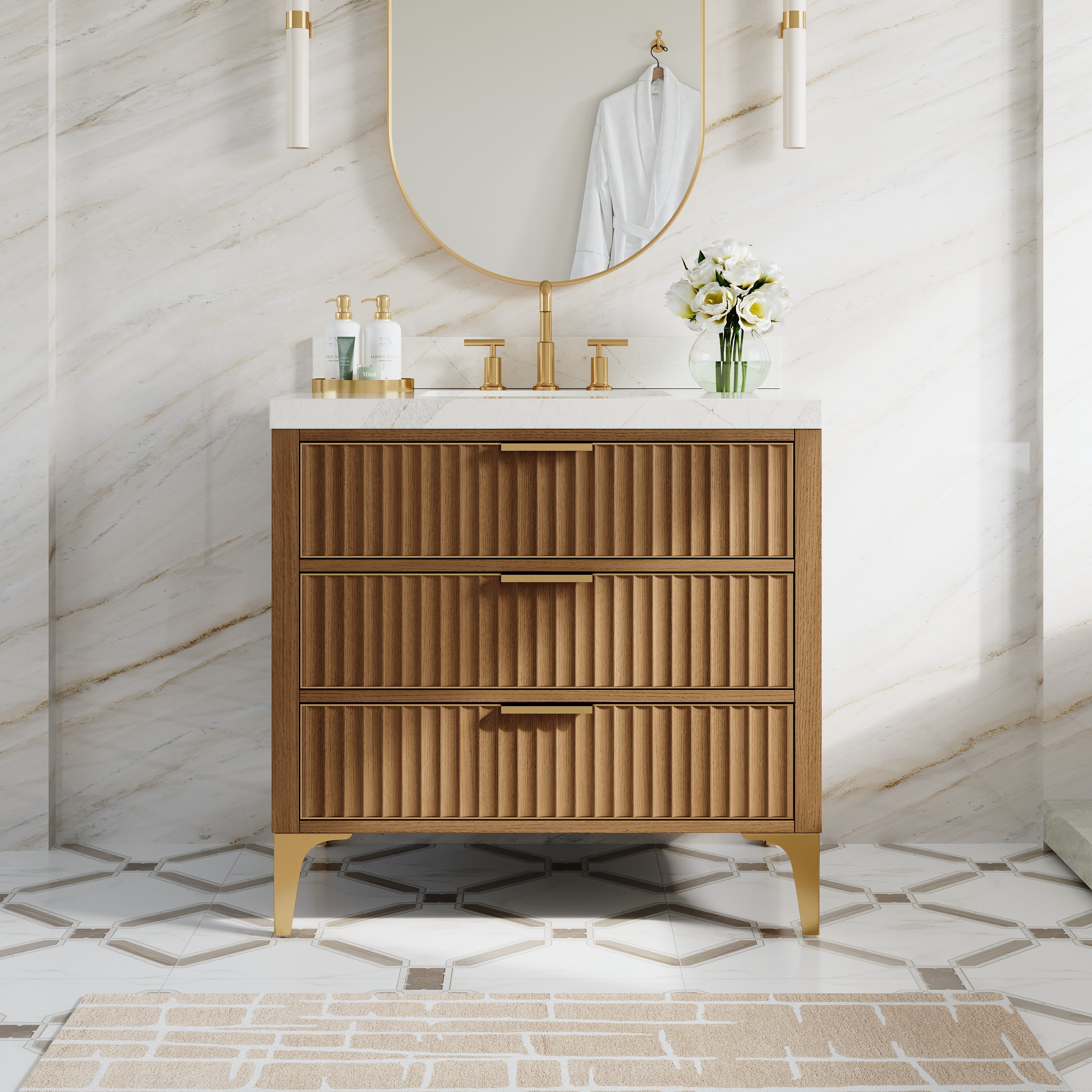
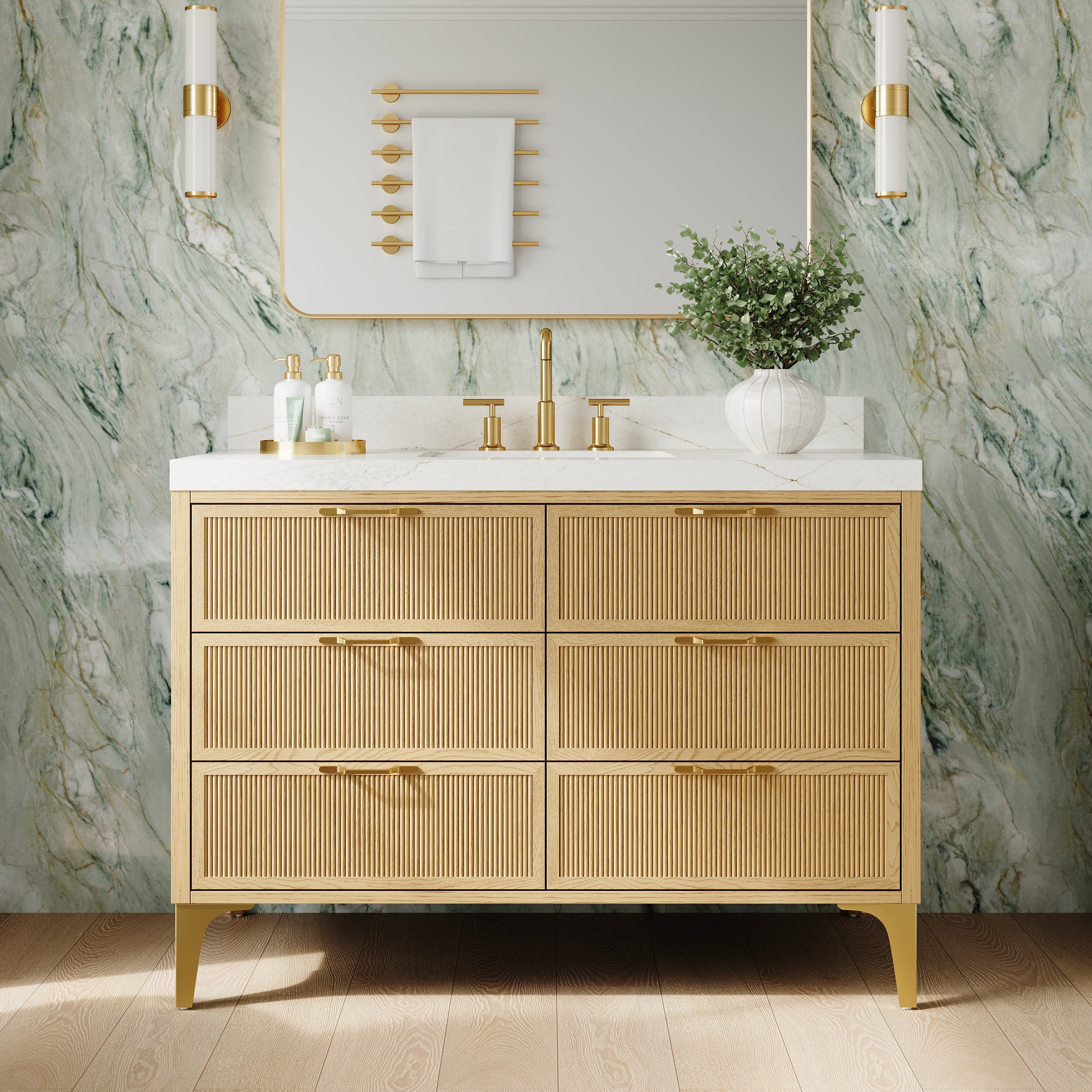


A 36-inch round mirror can be one of the smartest upgrades in a bathroom, but only when it matches the vanity width, sink placement, lighting plan, and daily traffic around the room. That question matters more now because bathroom remodels continue to draw real investment: the 2025 Houzz Bathroom Trends Study, based on a survey of 1,737 homeowners, found a national median bathroom-renovation spend of $13,000, while major remodels rose to $22,000. In other words, mirror selection is no longer a small styling afterthought. It is part of a bigger conversation about function, comfort, and long-term value.
1. Why This Mirror Size Is Getting So Much Attention
Current renovation data helps explain why 36-inch round mirrors keep showing up in design conversations. Houzz reports that 47% of upgraded vanities are 48 inches or less, while 19% are 60 inches, 14% are 72 inches, and 13% are larger than 72 inches. The same study found that 58% of homeowners choose built-in vanities, and among those selecting wood vanities, 74% choose solid wood. That size and material mix creates a sweet spot for statement mirrors that feel decorative without overwhelming the cabinet below.
A round mirror at 36 inches works because it softens the hard lines that dominate most vanity designs. Cabinets are usually rectangular, countertops read as horizontal slabs, and wall tile often emphasizes straight joints. A circle interrupts that rigidity. It makes a vanity area feel calmer and more custom, especially in bathrooms where the cabinet is visually heavy, or the materials are richly grained. That is why this size is popular: it is large enough to feel intentional, but still small enough to fit many of the vanity widths people actually buy.
2. The Real Sizing Test: Compare the Mirror to the Vanity, Not Just the Wall
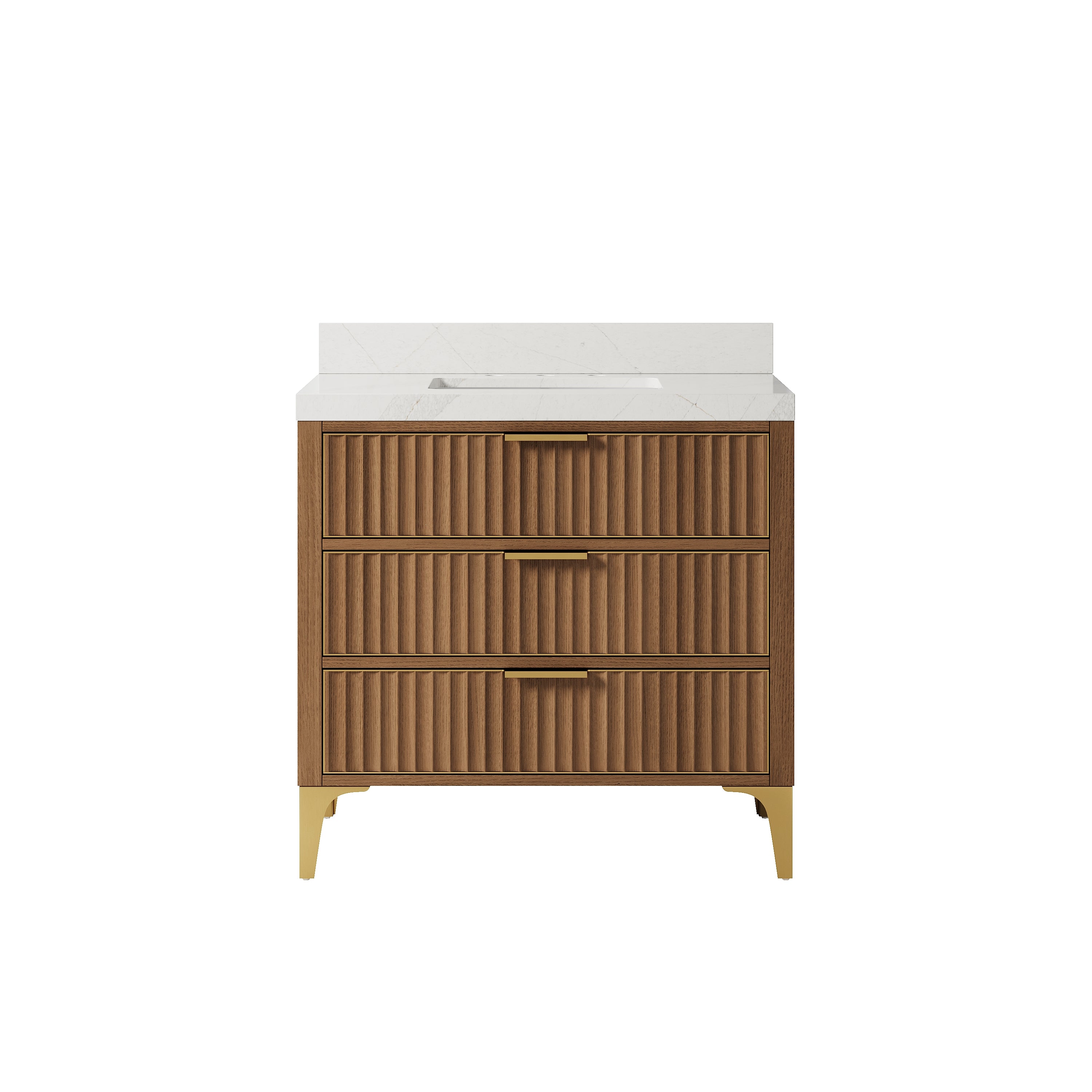
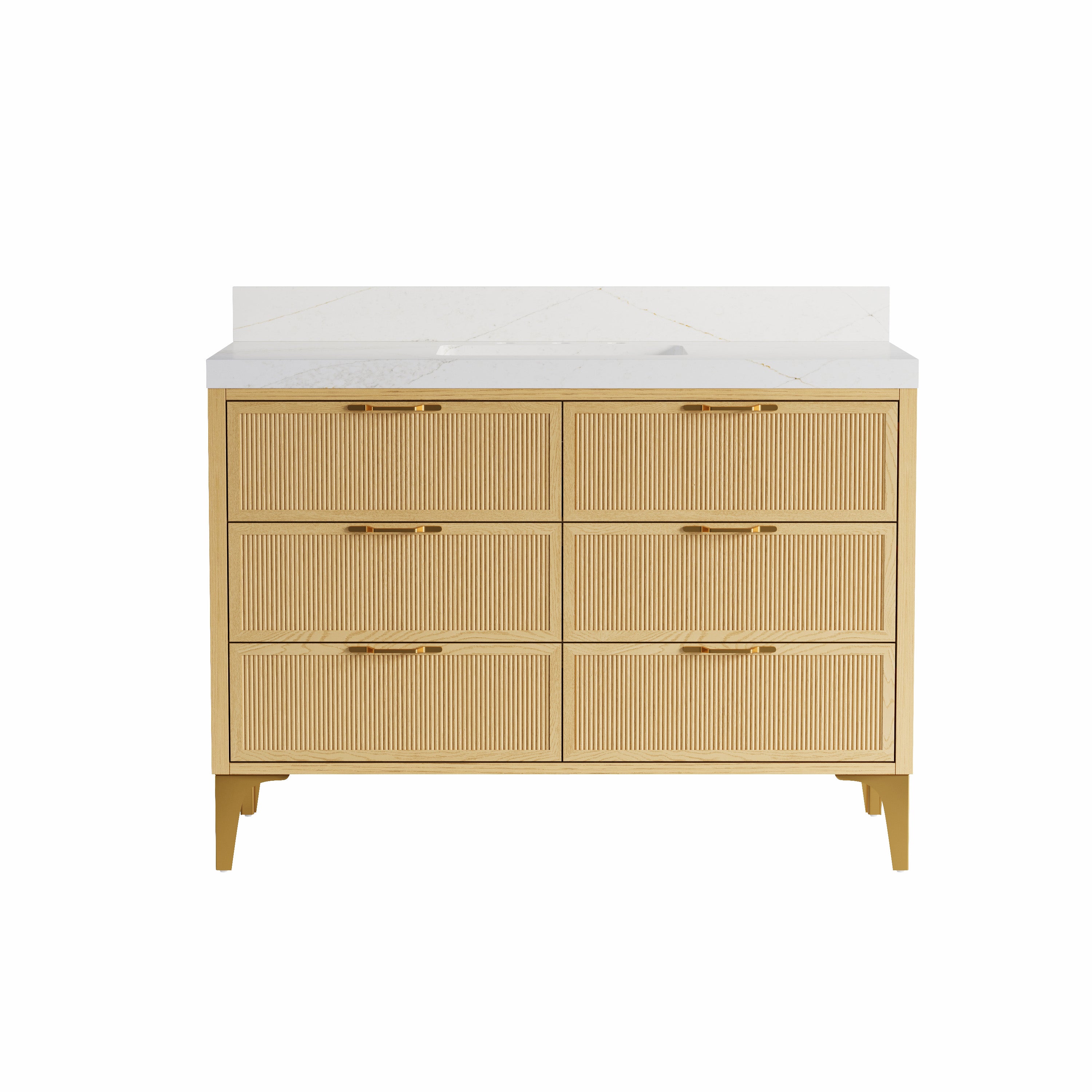
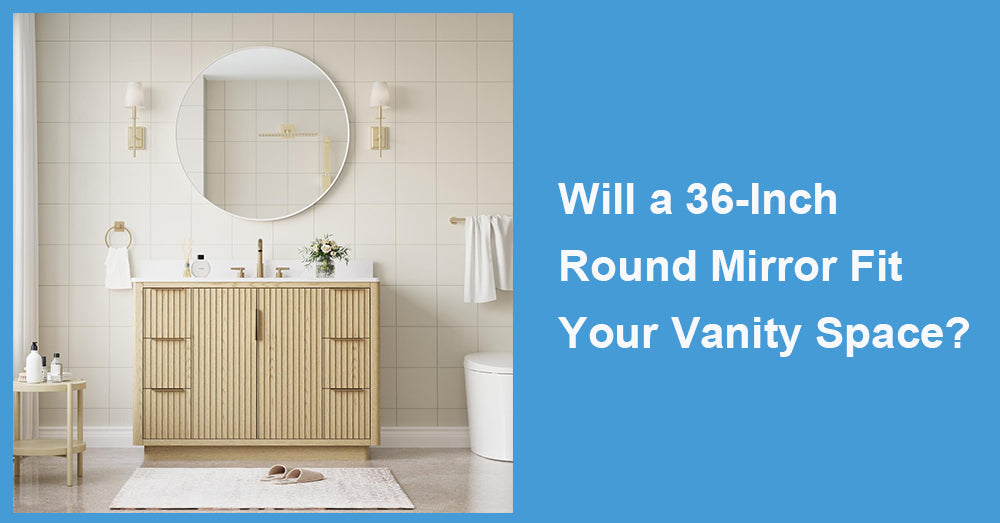
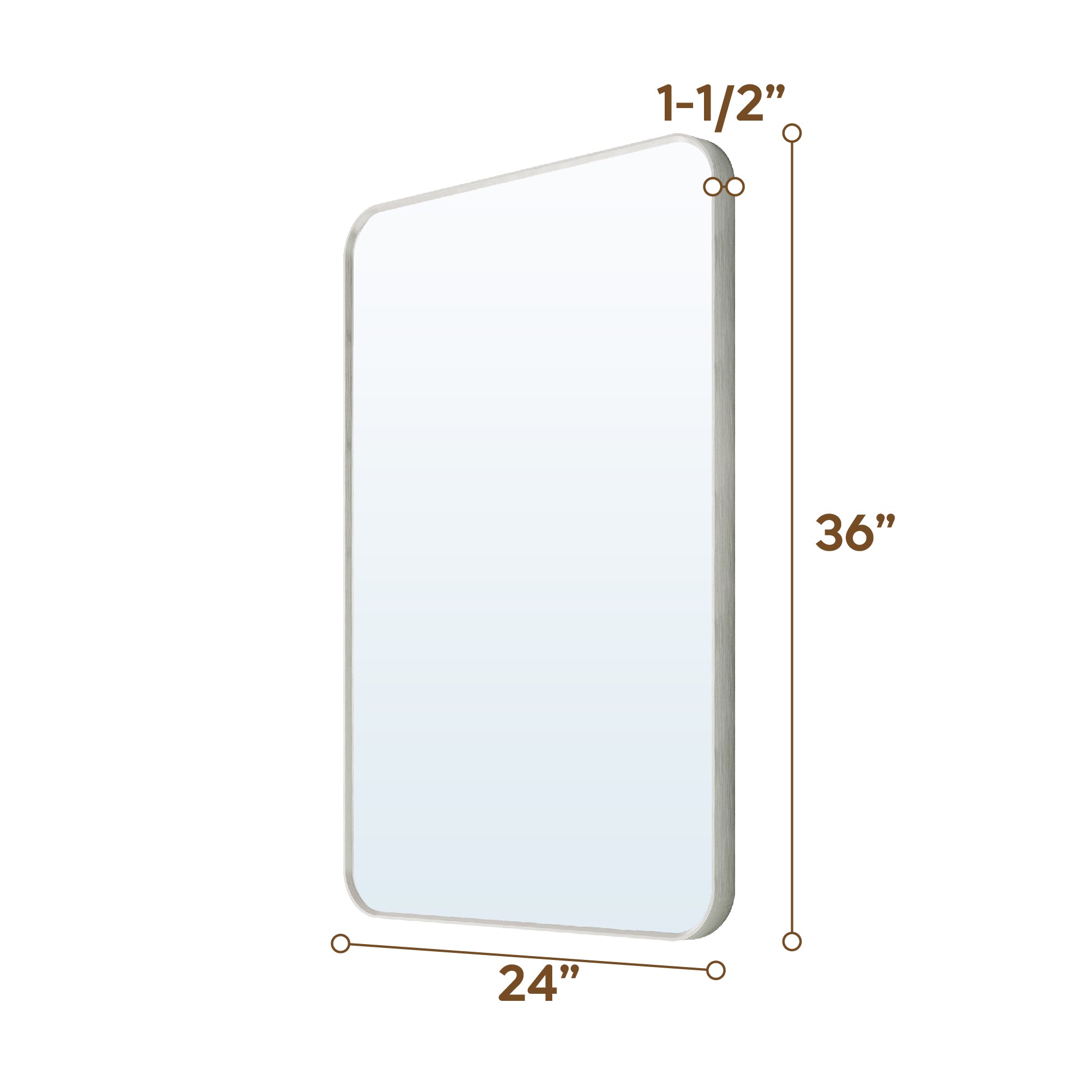
The most practical way to judge fit is to compare the mirror diameter directly to the vanity width. Since the mirror is 36 inches wide and 36 inches high, a 36-inch vanity gives you an exact width match. That can look clean and architectural, but it also leaves almost no visual margin on either side. On a 42-inch vanity, the mirror leaves about 3 inches of reveal per side, which feels balanced. On a 48-inch vanity, the reveal grows to about 6 inches per side, and that is where many designers feel a round mirror starts to look especially comfortable and proportionate. Because nearly half of upgraded vanities are 48 inches or less, this range lines up well with real renovation behavior.
3. Vanity Space Is About Clearance Too, Not Only Proportion
A mirror can be the right width and still be wrong for the room. The National Kitchen and Bath Association’s planning guidelines note that bathrooms should have at least 21 inches of code-required clear space in front of lavatories, toilets, bidets, and tubs, and recommend a more comfortable 30 inches from the fixture's front edge to an opposite wall or obstacle. For access-oriented planning, NKBA also recommends a 30-by-48-inch clear floor space centered at each fixture, plus knee and toe space where a seated front approach is needed. Those numbers are a useful reminder that “fit” is not only what happens on the wall. It is also about how the vanity zone works when someone is standing there, opening drawers, leaning in, and moving around another person.
Height matters too. The U.S. Access Board states that for accessible mirrors above lavatories or countertops, the bottom of the reflecting surface must be no more than 40 inches above the finished floor. The same guidance notes a maximum lavatory or counter height of 34 inches in accessible installations. That does not mean every residential bathroom has to follow those exact dimensions, but it does show how mirror placement affects real usability, not just appearance.

4. Lighting Can Make the Same Mirror Feel Perfect or Poorly Chosen
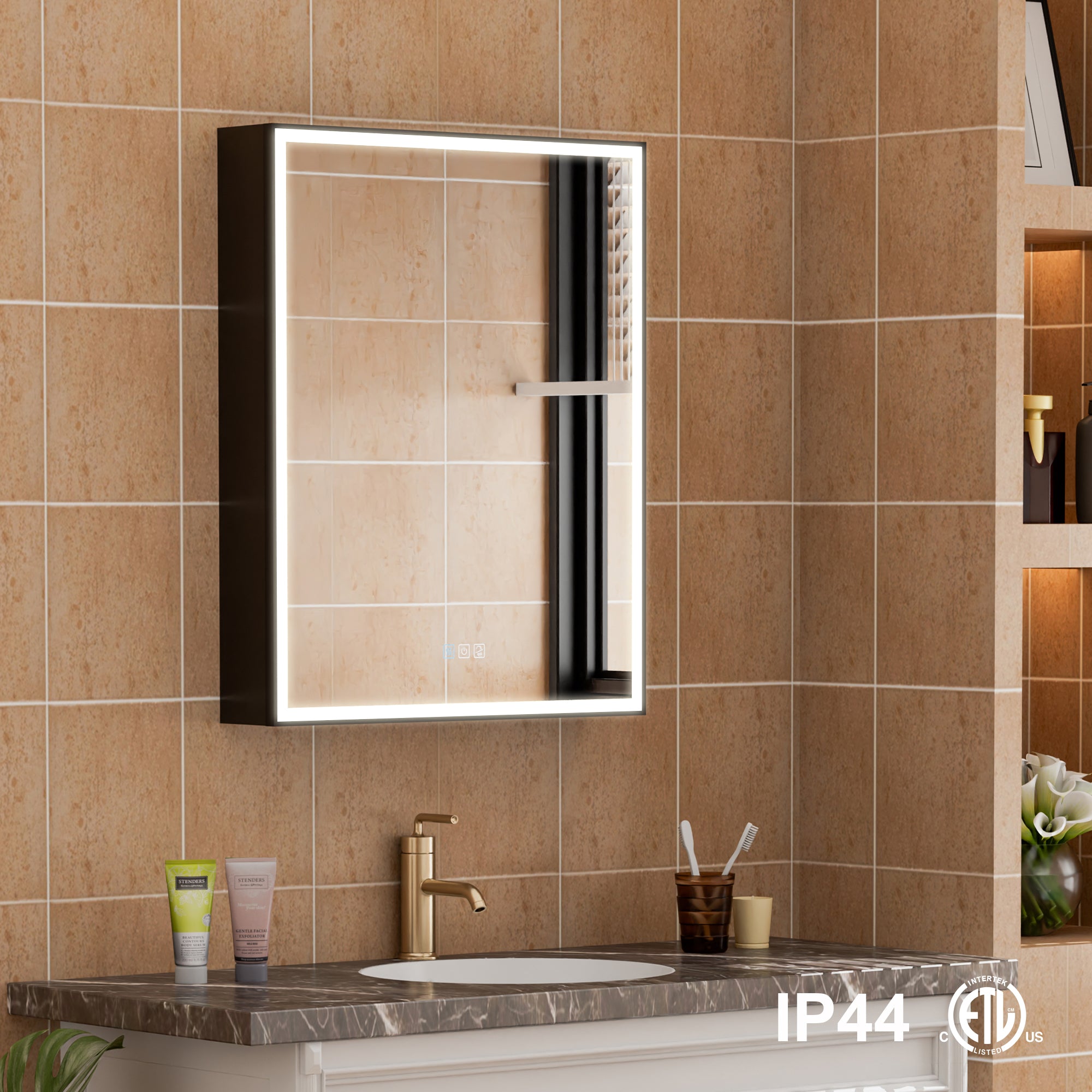
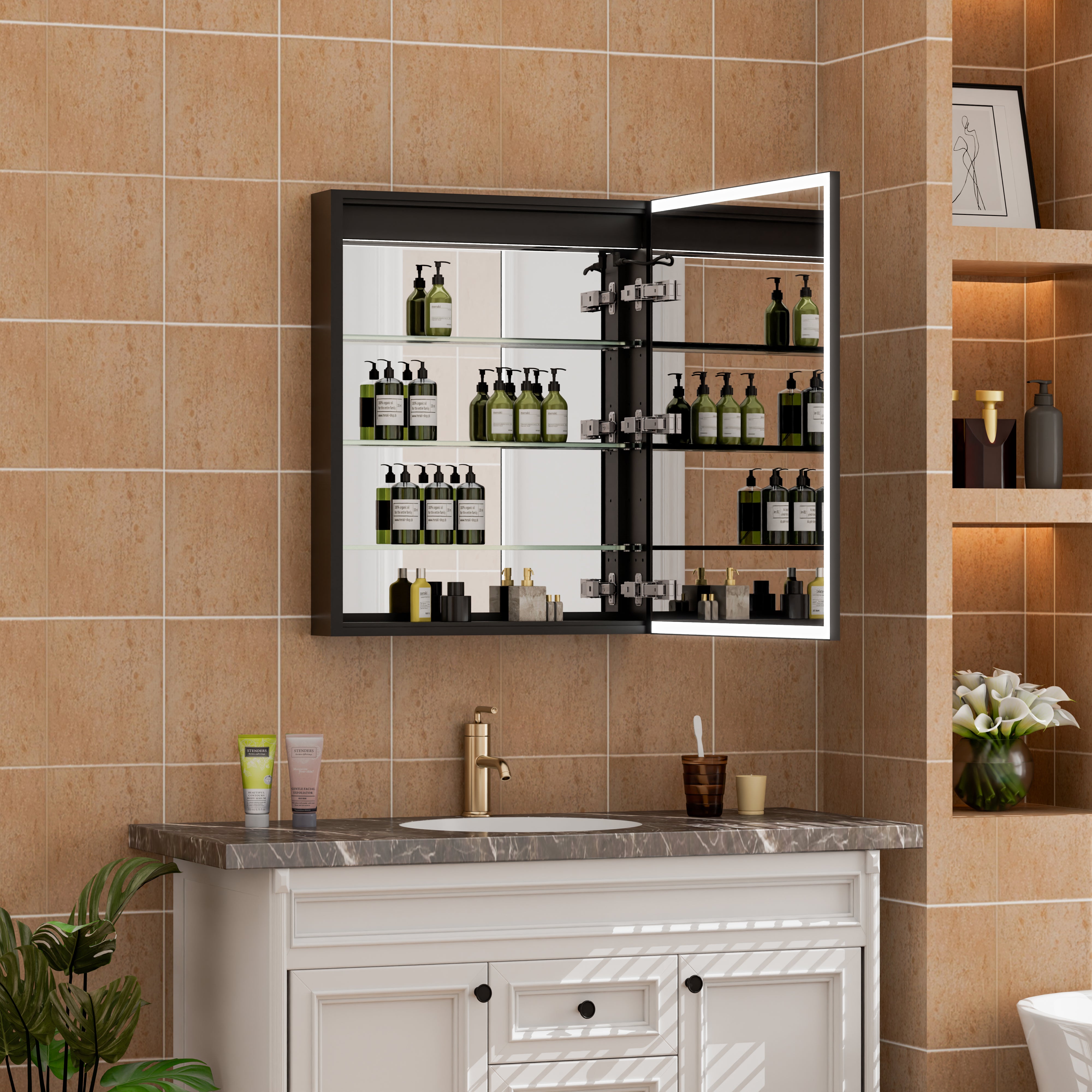
The mirror question also overlaps with lighting trends. Houzz found that recessed lights remain the most common upgraded bathroom light fixture at 40%, while sconces and ceiling lights each reach 34%, wall lights hit 33%, and lighted mirrors rose to 22%. That last number matters because a large round mirror often becomes the visual center of the vanity wall. If it is not illuminated well, the space can feel dim at face level even when the room itself seems bright.
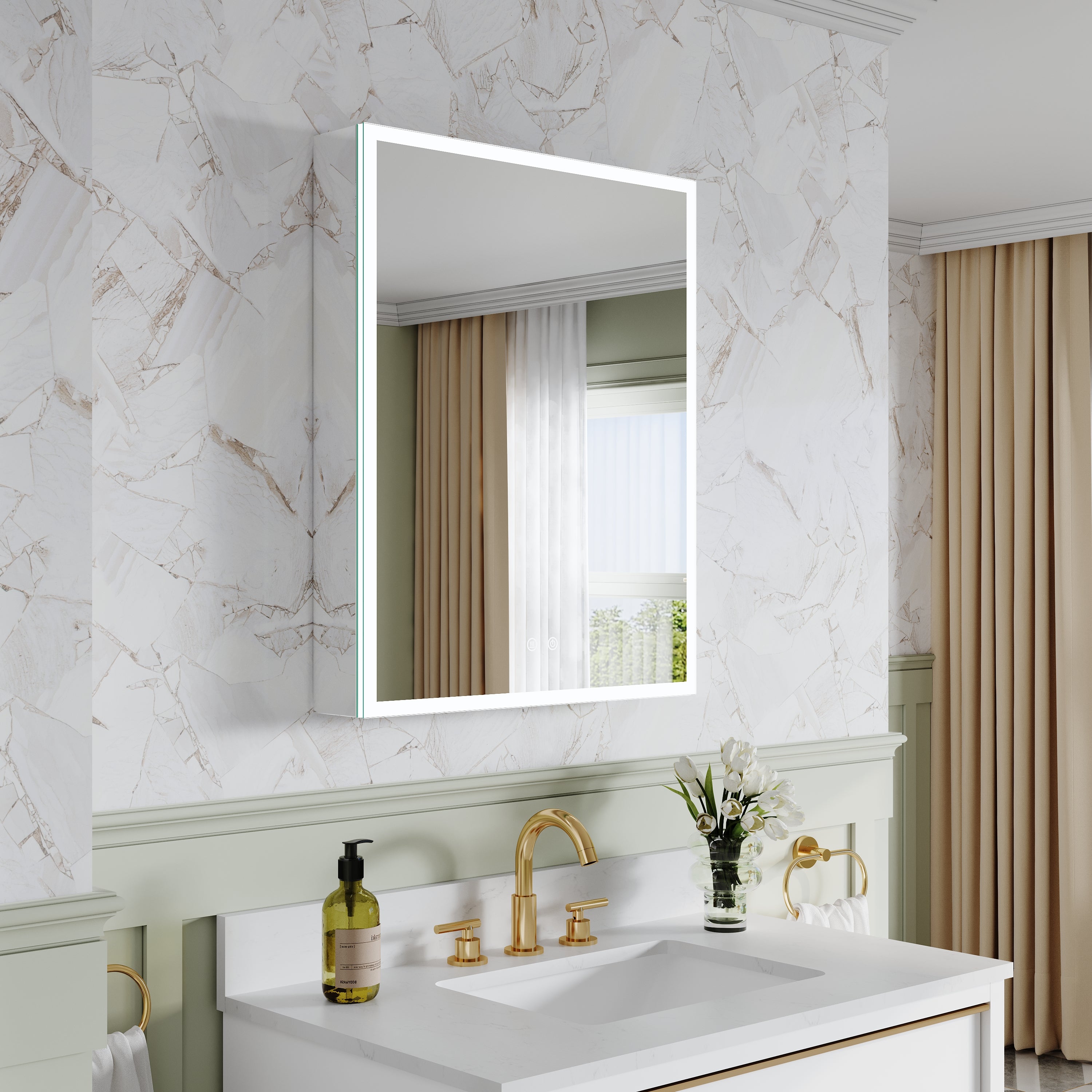
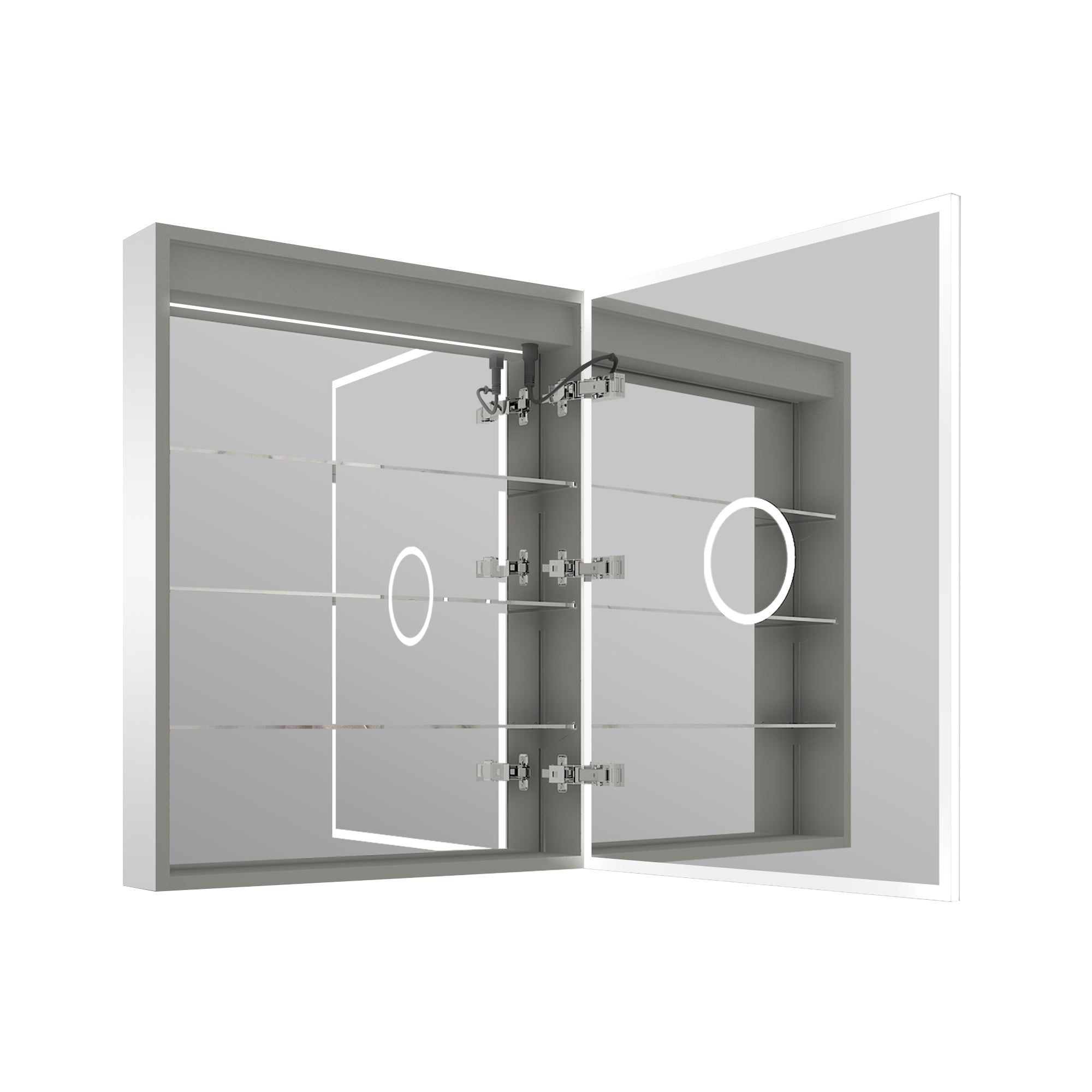
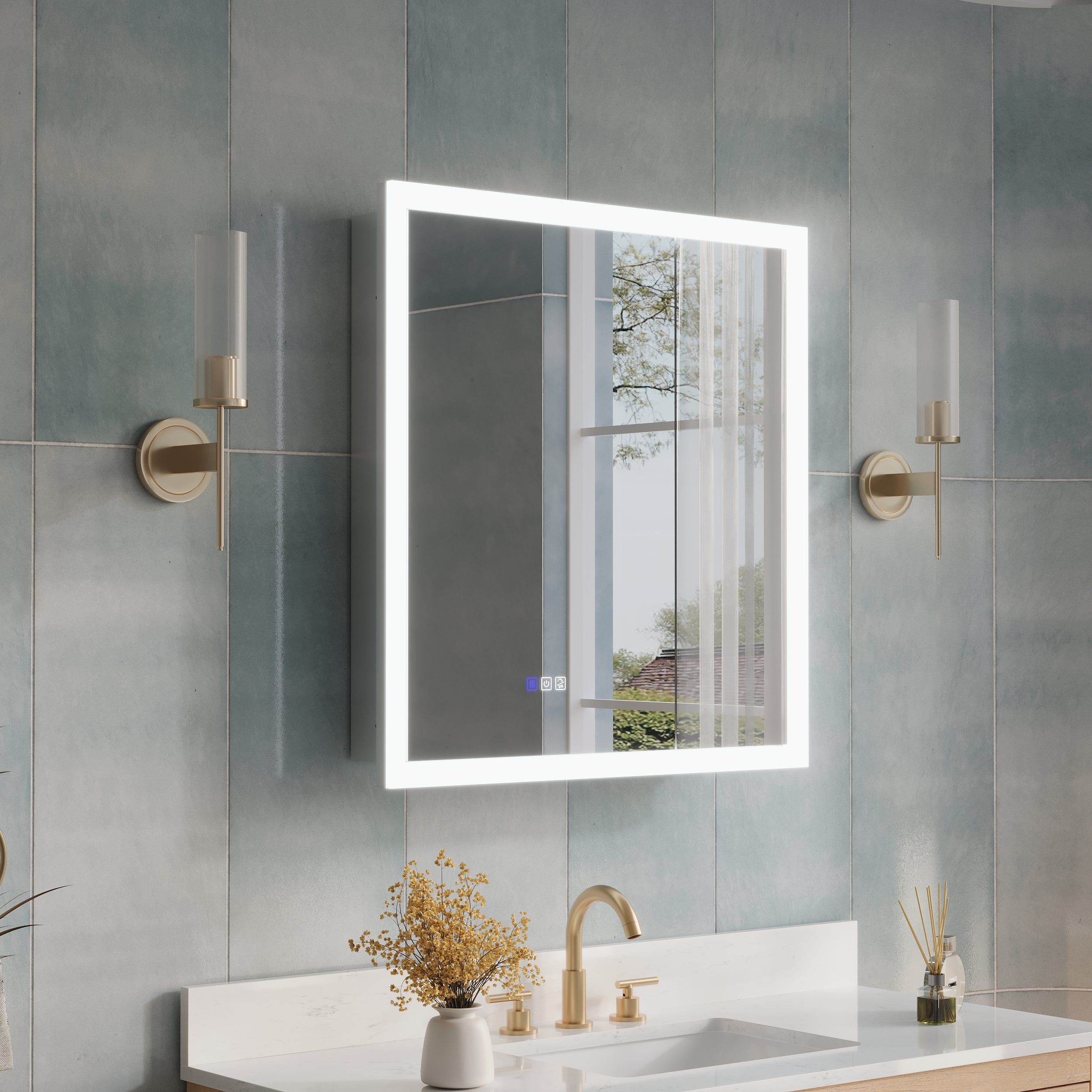
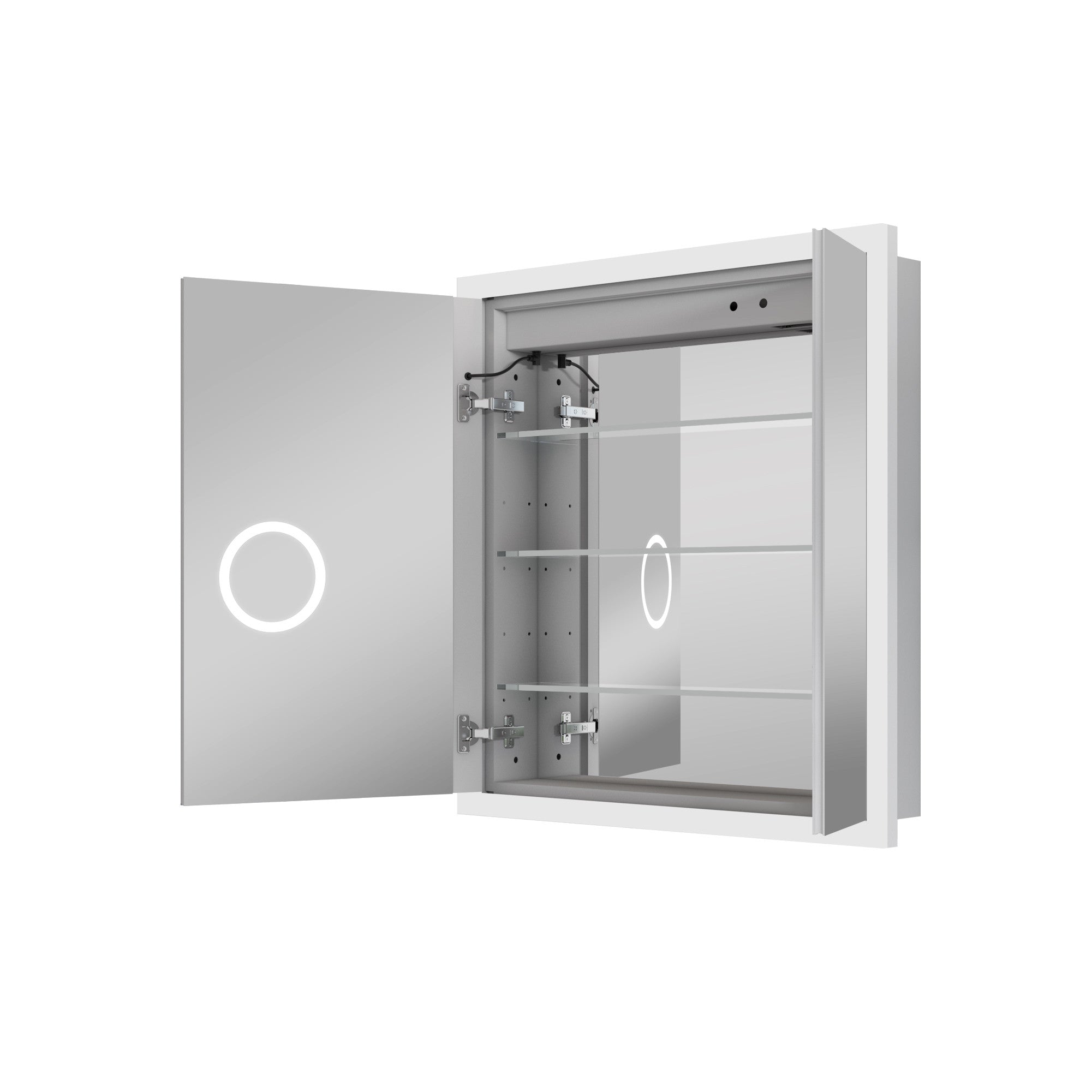
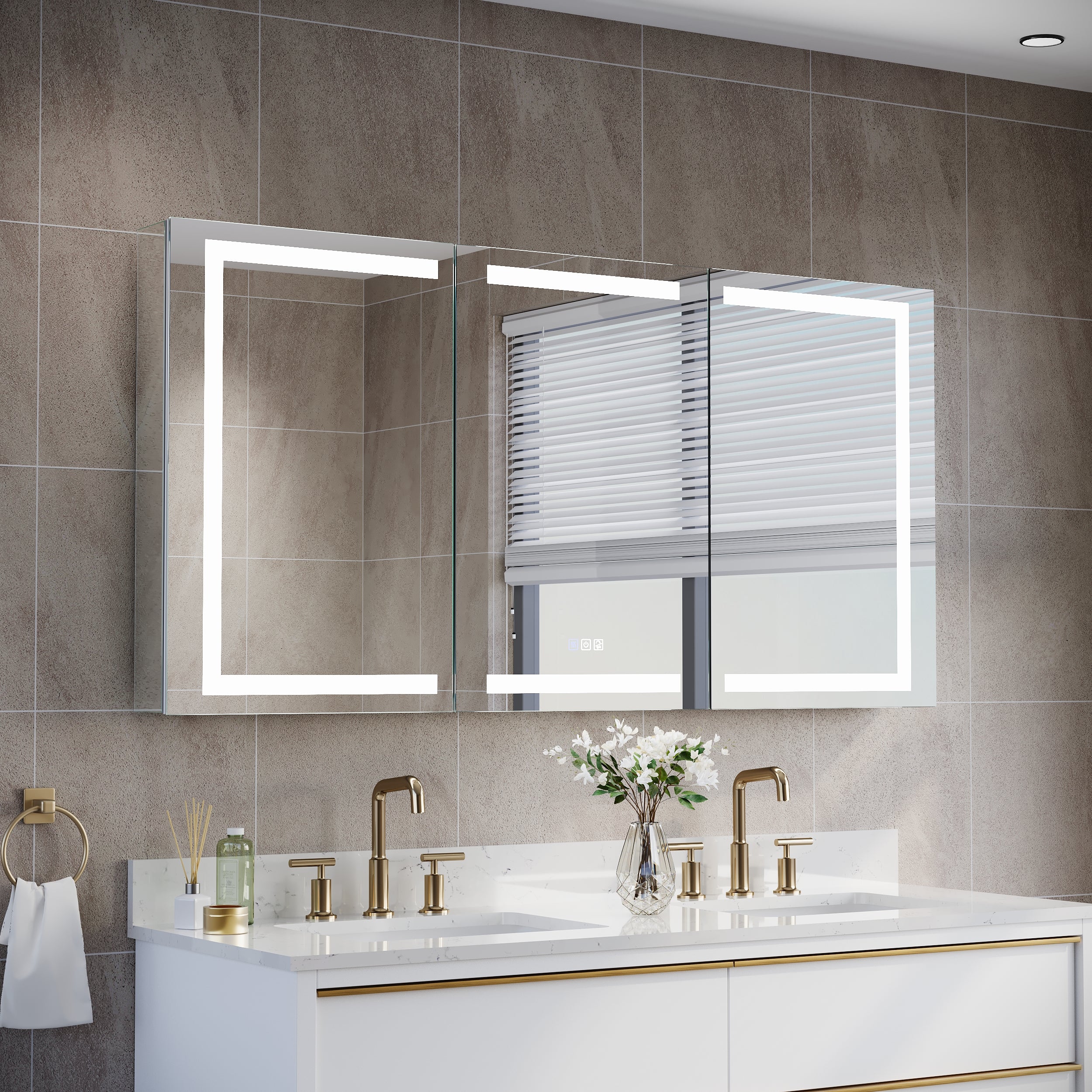
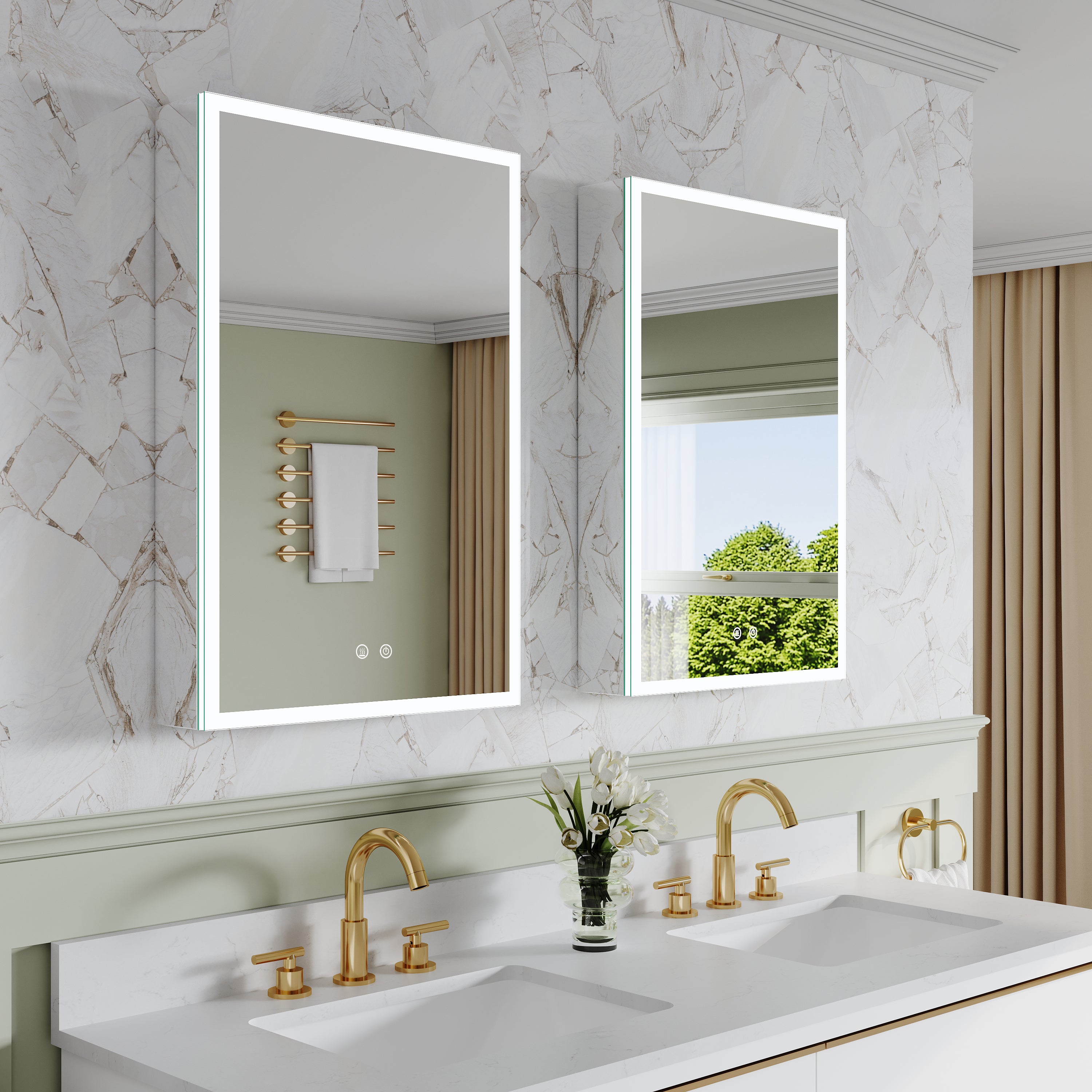
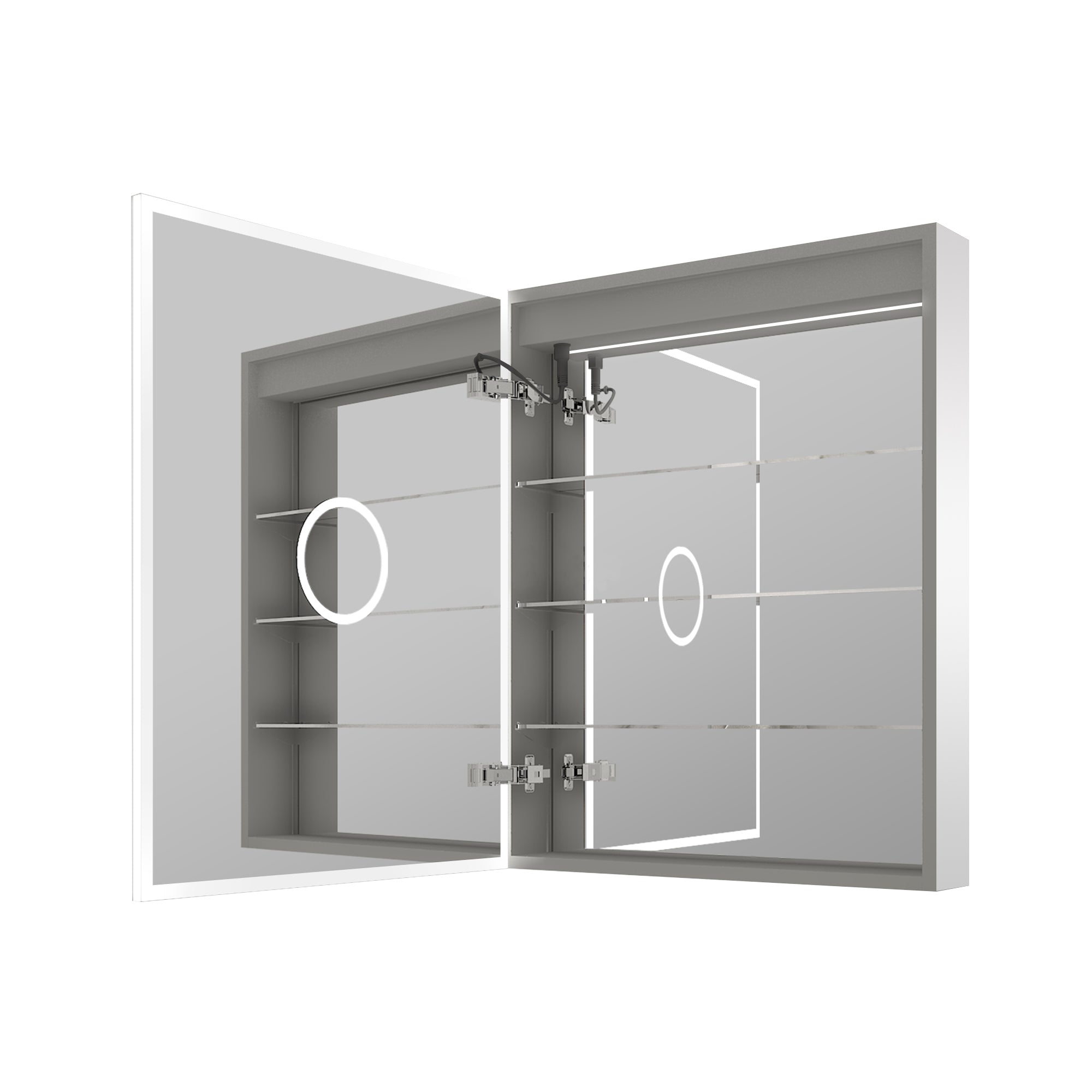
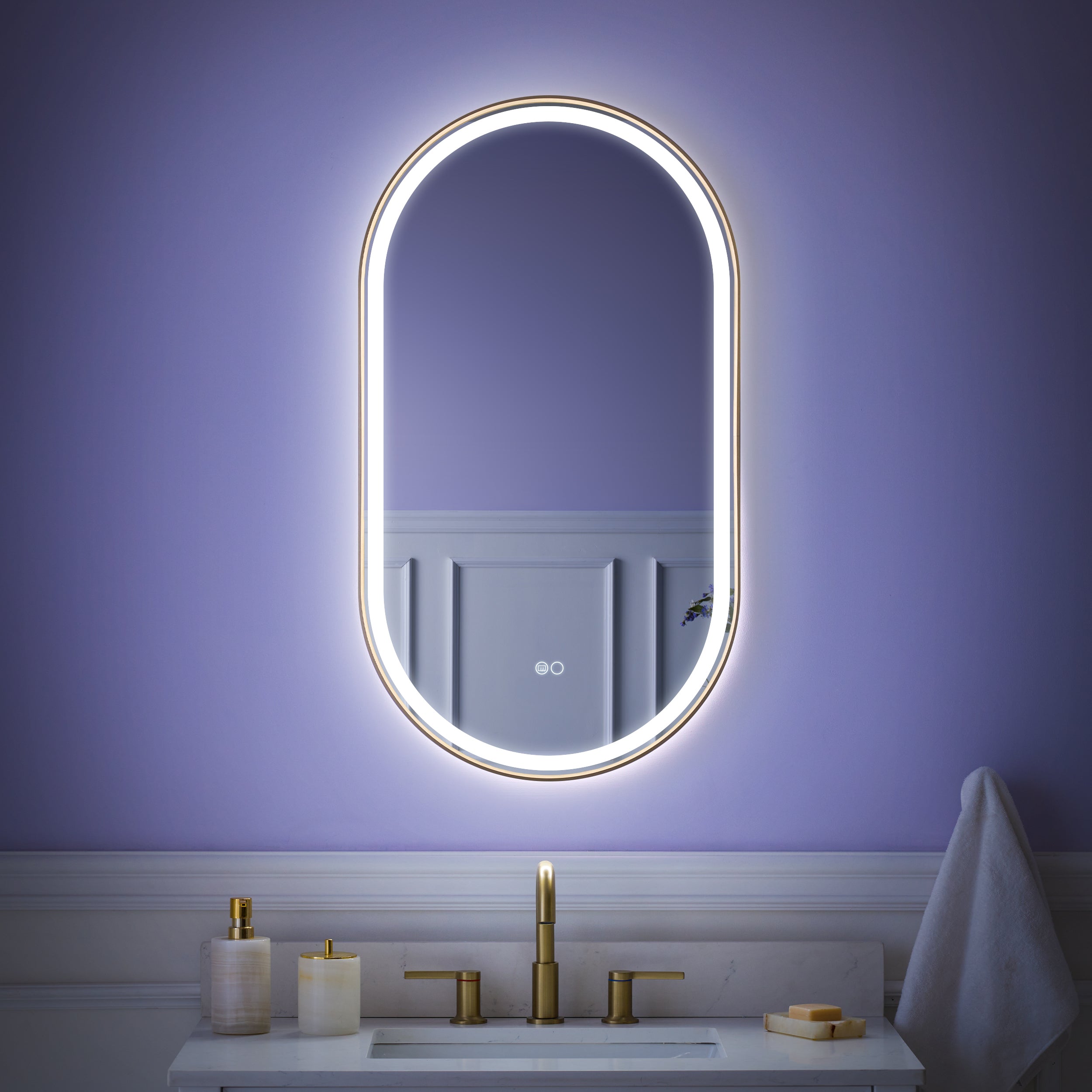
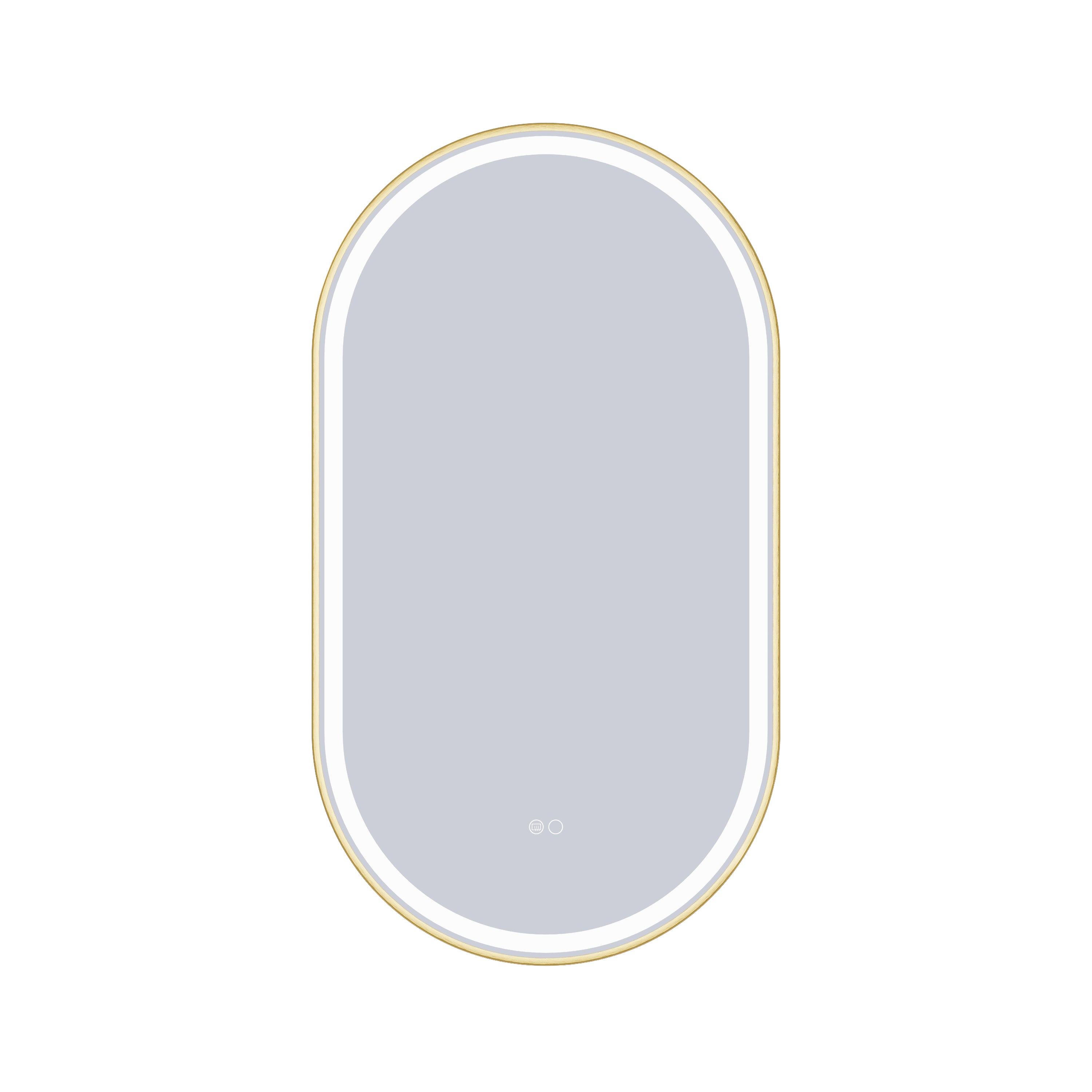
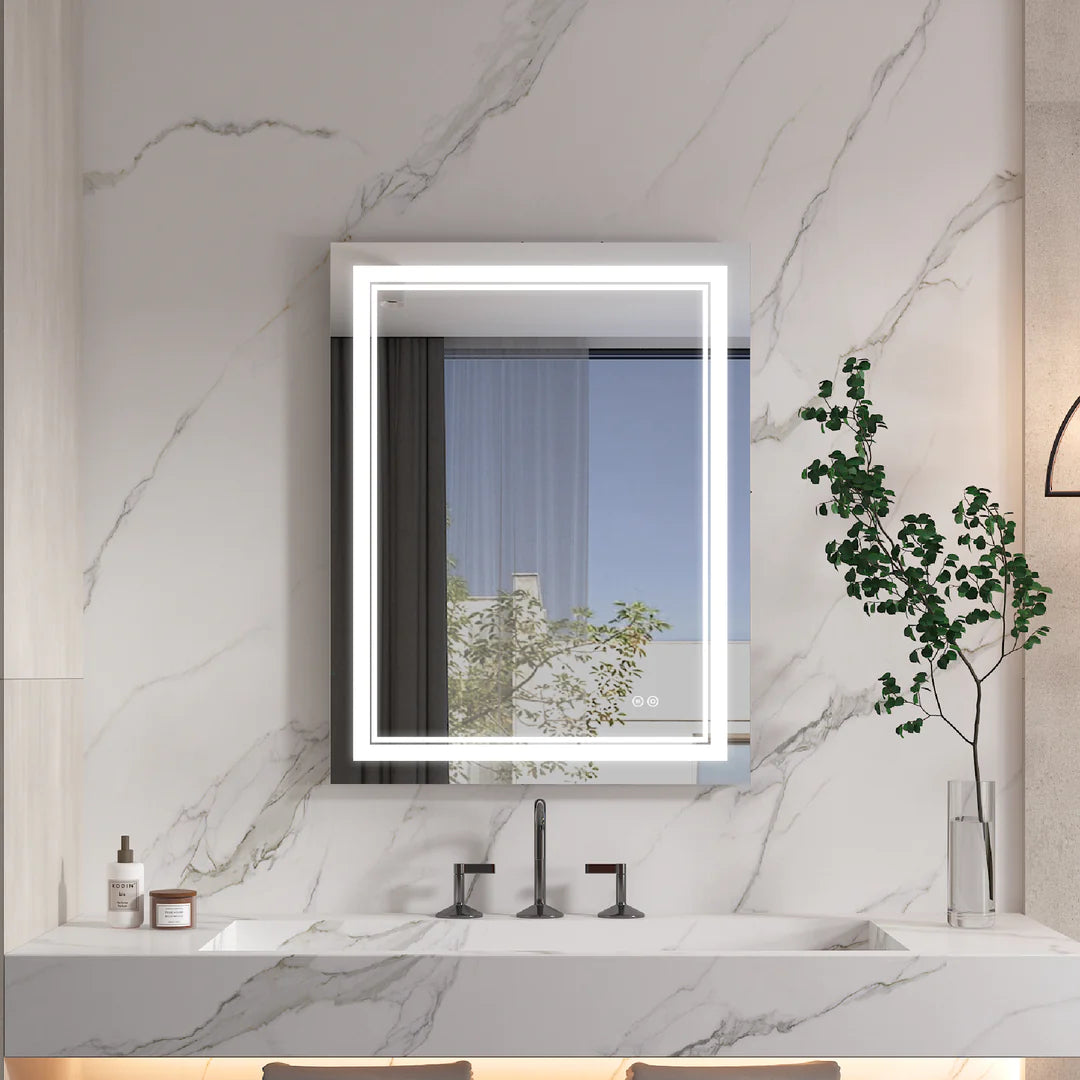
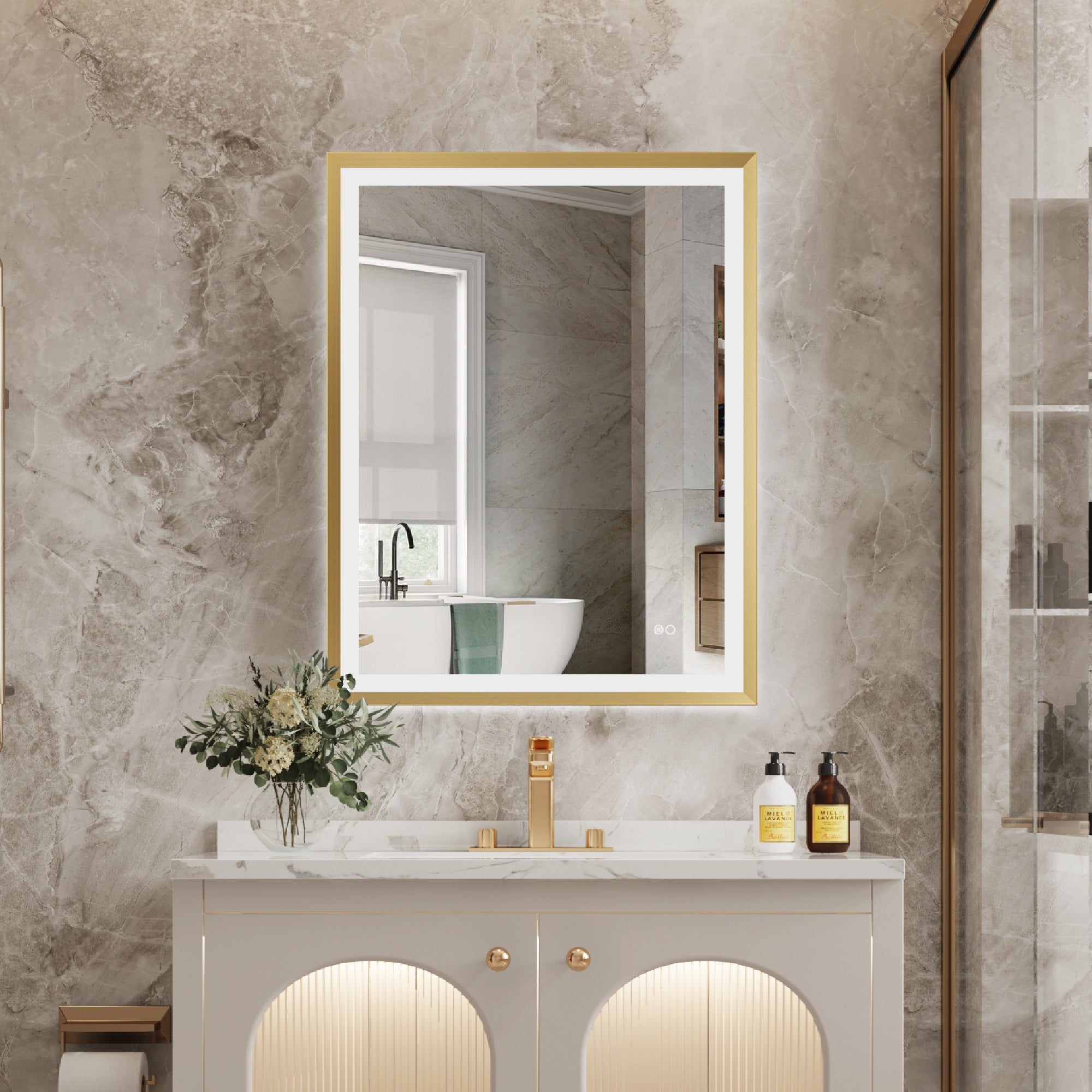
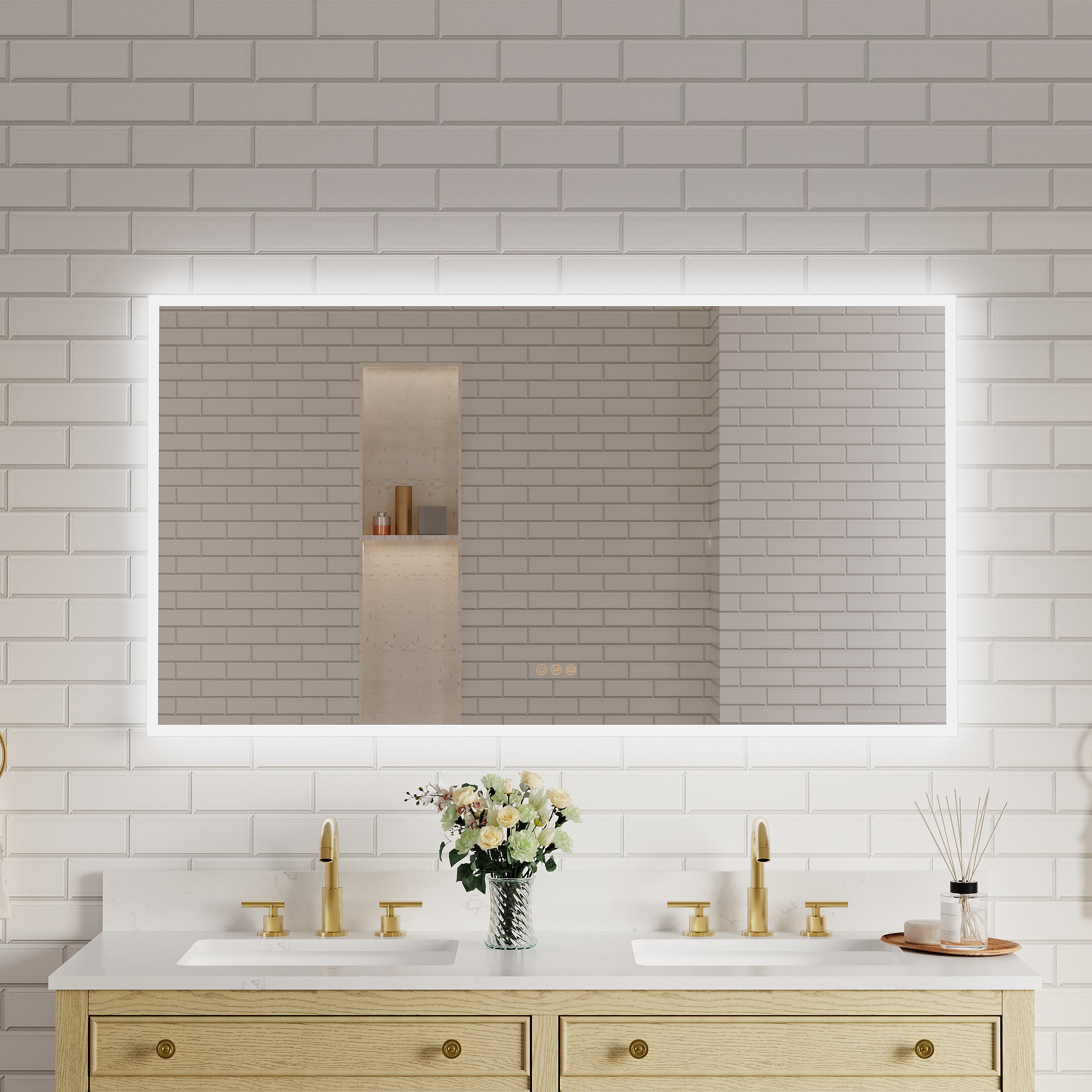
This is where many homeowners misread scale. They see a 36-inch mirror and assume “bigger equals better.” But a large circle with weak lighting can still perform badly. If you are using a standard round mirror, side sconces usually help preserve flattering facial light and reduce shadows from an overhead fixture. If your bathroom is short on wall space, an integrated-light round mirror can solve two problems at once: it keeps the wall composition simple. It improves task lighting without making the vanity area feel crowded.
5. Style Trends Matter, but They Should Not Override Fit
Material and vanity style trends support the round-mirror look, but only when the proportions stay disciplined. Houzz reports that built-in vanities dominate at 58%, while solid wood leads as the most popular vanity material at 74%. Among solid wood options, maple ranks first at 29%, followed by white oak at 23%. Those numbers point to a market that still values visual warmth, furniture-like cabinetry, and durable finishes. A 36-inch round mirror pairs especially well with those priorities because it can soften the boxy feel of painted shaker cabinetry, add contrast above the white oak grain, and create a more tailored focal point for a built-in vanity wall.
6. So, Will It Fit?
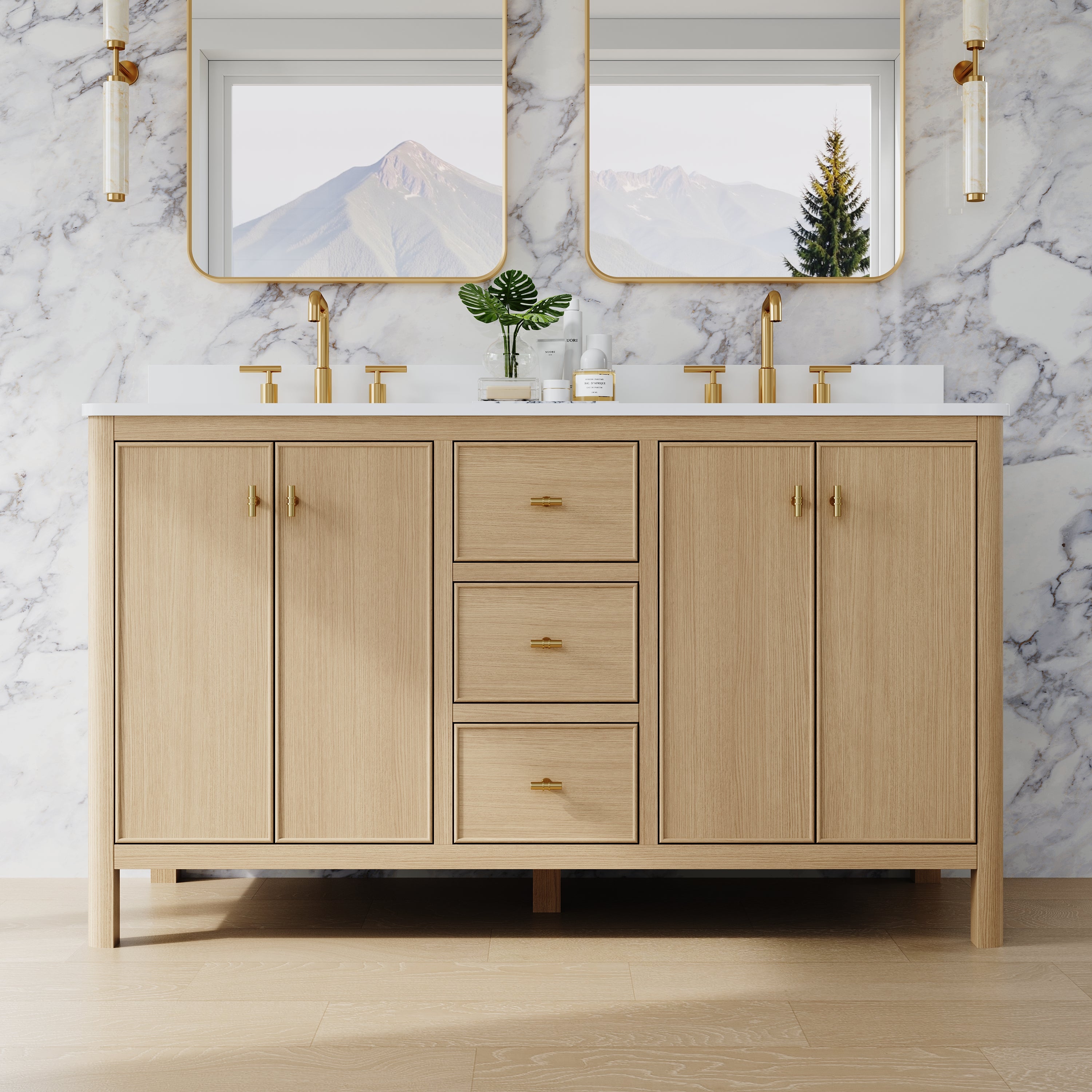
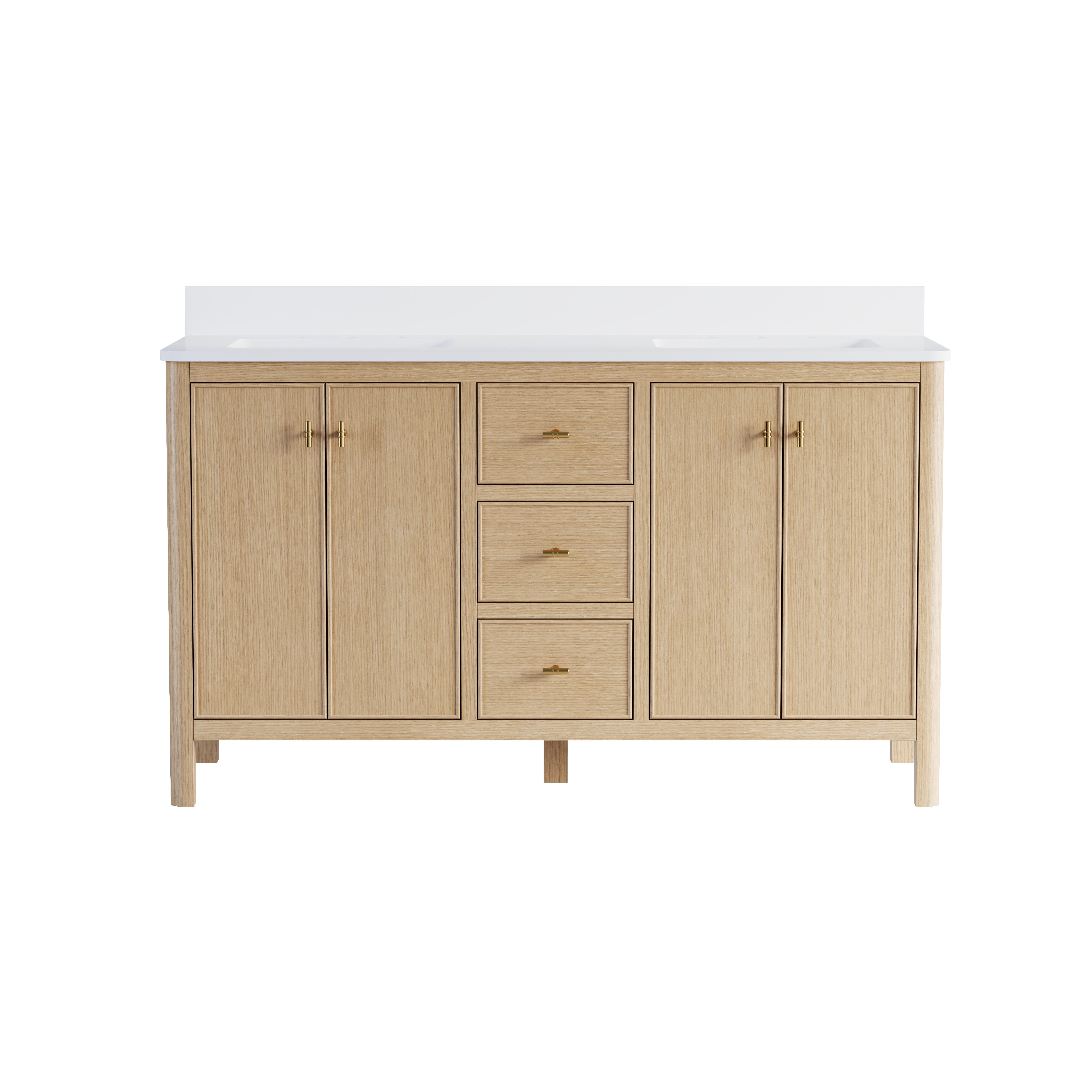
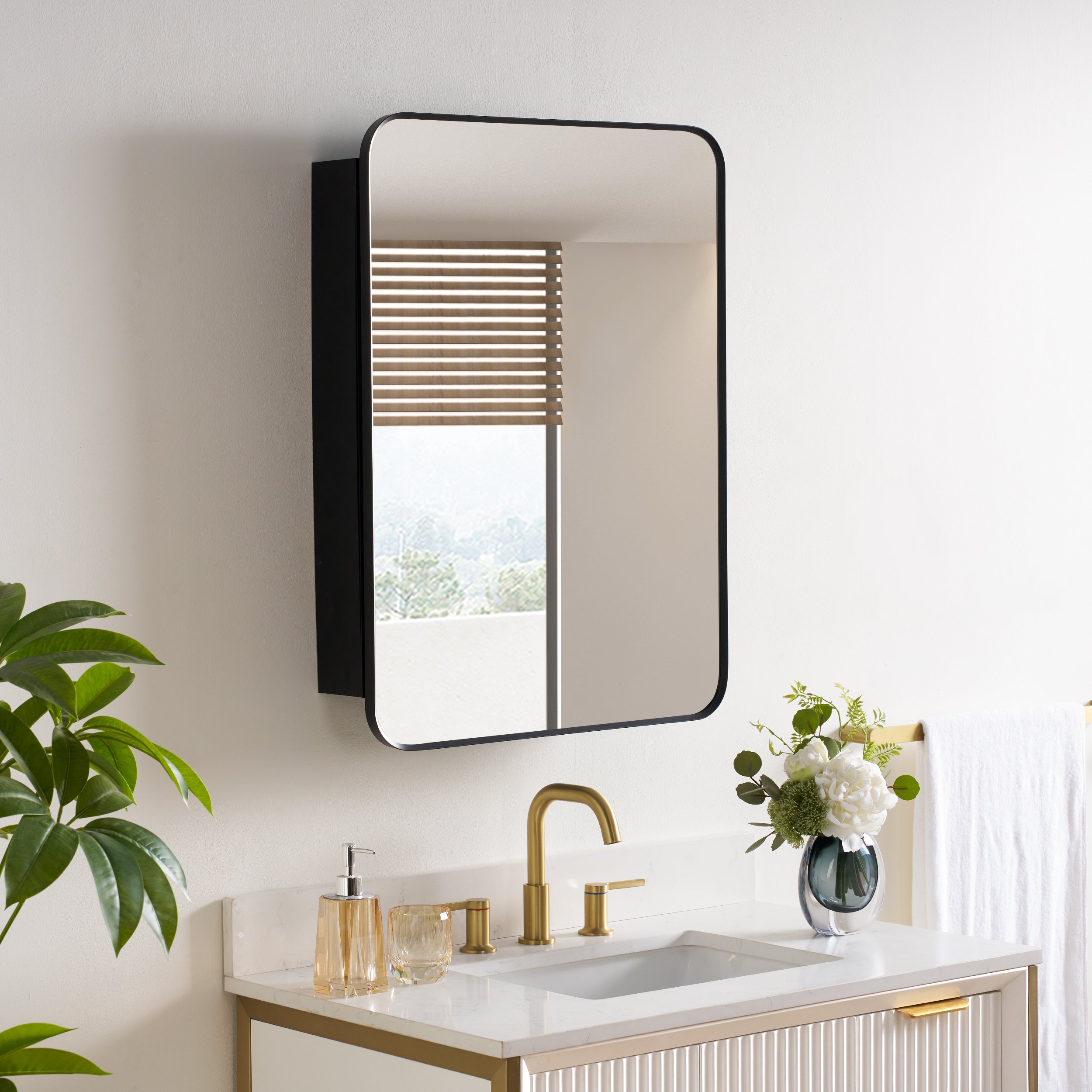
In most cases, a 36-inch round mirror fits best over a 42-inch to 48-inch single-sink vanity. It can also work over a 36-inch vanity if you want a bold, edge-to-edge look, and the faucet, backsplash, and lighting are carefully controlled. It starts to feel less convincing on 60-inch vanities unless the sink is centered and the design intentionally favors one dramatic focal point. For 60-inch and 72-inch double vanities, it is usually not the strongest answer. And in any bathroom where accessible planning is a priority, mirror height and clear floor space need to be checked as seriously as width. Current renovation data, planning standards, and accessibility guidance all point to the same conclusion: a 36-inch round mirror is not a universal answer, but in the right vanity zone, it is one of the most versatile and visually effective choices on the market.










Leave a comment
This site is protected by hCaptcha and the hCaptcha Privacy Policy and Terms of Service apply.