
















In the high-end bathroom customization market of 2026, the installation of bathtub faucets is no longer a simple plumbing project, but a refined art that integrates hydraulic physics, ergonomics, and spatial aesthetics. With the growing popularity of freestanding, embedded, and walk-in bathtubs, the traditional "one size fits all" installation height can no longer meet modern families' pursuit of exquisite living.
An improperly set faucet height can result in splashing water when filling, wetting carpets or wooden floors in dry areas; In severe cases, it may cause limb collisions when entering and exiting the bathtub, leaving a safety hazard. What is the appropriate for a bathtub faucet hight? This article will provide an in-depth analysis of the industry-wide installation standards for 2026 from seven core dimensions, including different types of bathtubs, water flow mechanics, and user usage habits.
1. The decisive influence of bathtub type: dimension from floor to wall
The bathtub's physical height is the first benchmark for determining faucet installation.
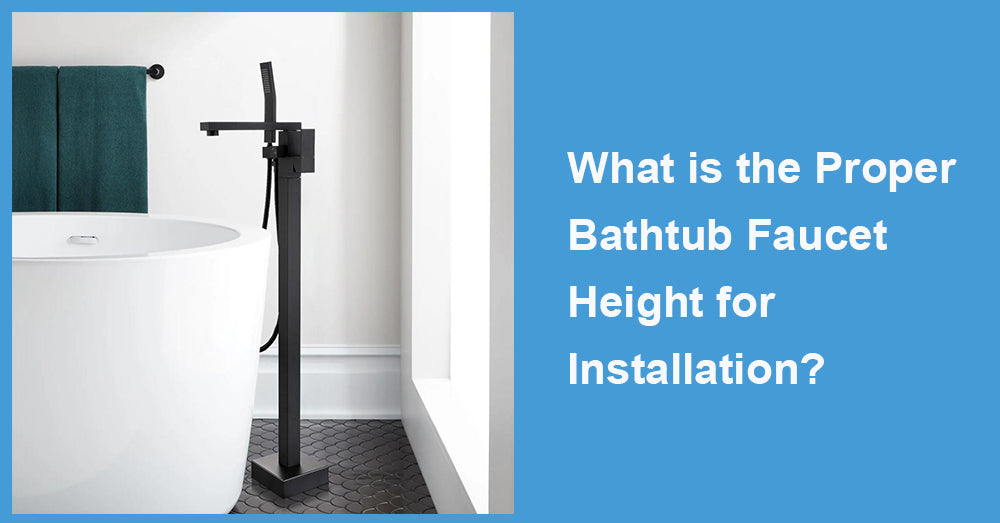
Freestanding Tubs: These types of bathtubs are typically equipped with floor-mounted faucets. Industry standards suggest that the distance between the faucet outlet and the upper edge (Rim) of the bathtub should be 4-6 inches (approximately 10-15 centimeters). This ensures that there is enough space for the water flow before entering the cylinder block, while avoiding noise caused by an excessive drop in water flow.
Alcove/Drop-in Tubs: For wall-mounted faucets, the installation height is typically set at 2-4 inches (approximately 5-10 centimeters) from the top edge of the bathtub.
2. Core reference data: Physical span from the ground
Although the depth of the bathtub varies, the total height from the ground is an important construction node.
Standard benchmark: In the 2026 standard for furnished homes, the outlet for wall-mounted bathtub faucets is typically 28-32 inches (approximately 71-81 centimeters) above the finished floor.
Logical support: This height takes into account the depth of the standard bathtub, which is about 18-20 inches, as well as the reserved operating space above. If the faucet is installed too low, it will be very limited when cleaning the bottom of the bathtub; If it is too high, the probability of water splashing out will increase exponentially.
3. The Game of Hydrodynamics: The Secret to Preventing Splashing Water
The installation height of a faucet is not only related to visual perception, but also to the trajectory of water flow.
Drop balance: The ideal water outlet height should be such that the water flows in a graceful arc and is as close to the inner wall of the bathtub as possible. If the drop exceeds 8 inches (20 centimeters), the water hitting the bottom or surface of the bathtub will produce violent splashes, which undoubtedly increase the maintenance cost for bathrooms with materials prone to water stains, such as Gold Bath Fixtures.
Noise control: Appropriate height can reduce decibel levels during water injection, which is crucial for "late night bathing scenes" that aim for ultimate relaxation.
4. Ergonomics: Convenient reach and collision safety
The installation height must serve the dynamic operation of humans.
Sitting posture operation: A perfect installation height should allow users to easily adjust the hot and cold water knobs without having to stand up significantly when sitting in the bathtub.
Safety distance: The faucet should not be installed on the necessary path for people to enter and exit the bathtub. If space is limited, it is recommended to slightly increase the installation height and choose a flattened splitter design to reduce the risk of the body hitting metal protrusions in wet environments.
5. Collaboration of handheld showerheads: a composite logic of height and length
Most bathtub faucets in 2026 are integrated with handheld sprayers.
Bracket height: The bracket or stand height of the handheld showerhead should be set about 6-10 inches above the faucet.
Hose management: The installation height must ensure that the showerhead hose does not soak in the bathtub water for a long time when naturally hanging, which helps prevent the metal coating on the hose from oxidizing, especially for PVD-processed gold or brushed nickel products.

6. Engineering reservation for valves and pipelines: invisible depth
When installing wall-mounted faucets, the height selection must be coordinated with the depth of the buried box within the wall.
Accurate positioning: Before construction, the center distance between the hot and cold water pipes must be accurately marked on the wall, according to the selected faucet model (usually 6 or 8 inches).
Ceramic tile thickness: When measuring the installation height, include the ceramic tile thickness and the mortar layer thickness in the calculation. A common engineering mistake is positioning based on the height of the rough wall, resulting in a narrow distance between the final water outlet and the edge of the bathtub, and even preventing normal opening and closing.
7. Visual proportion and symmetrical aesthetics
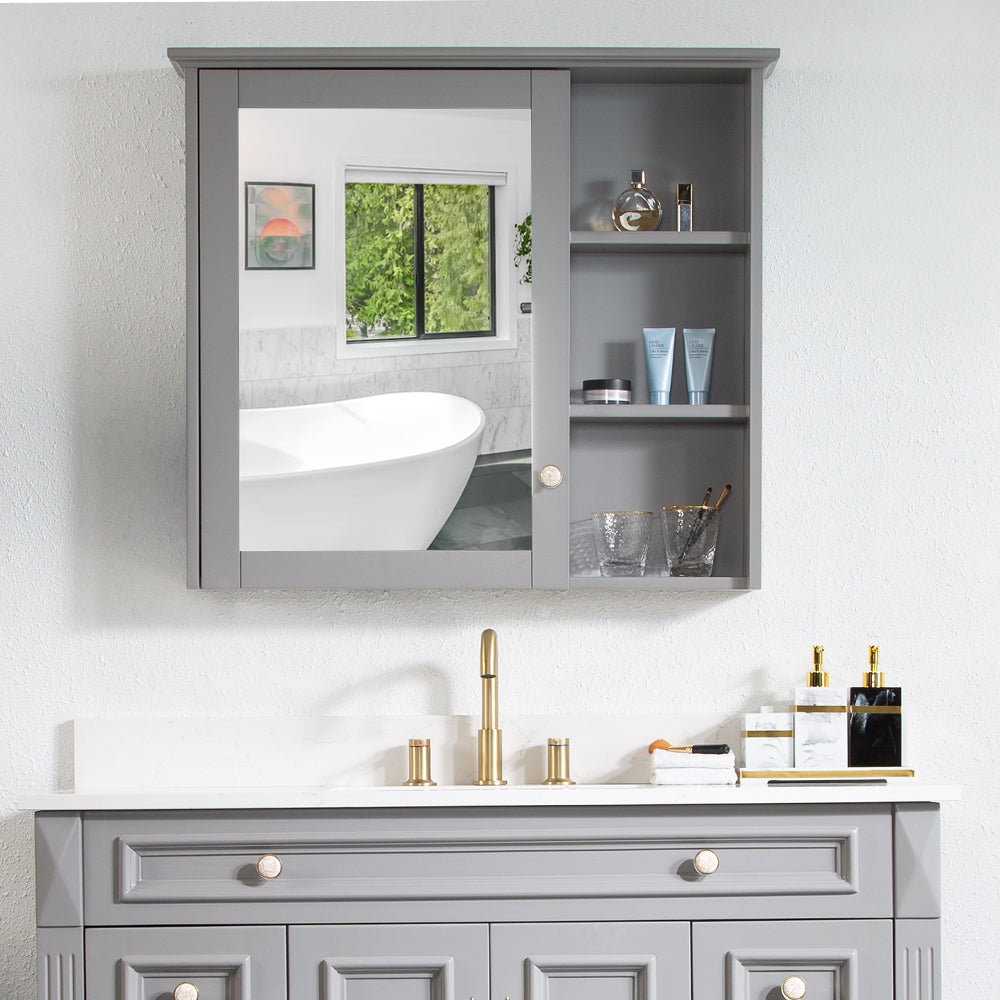
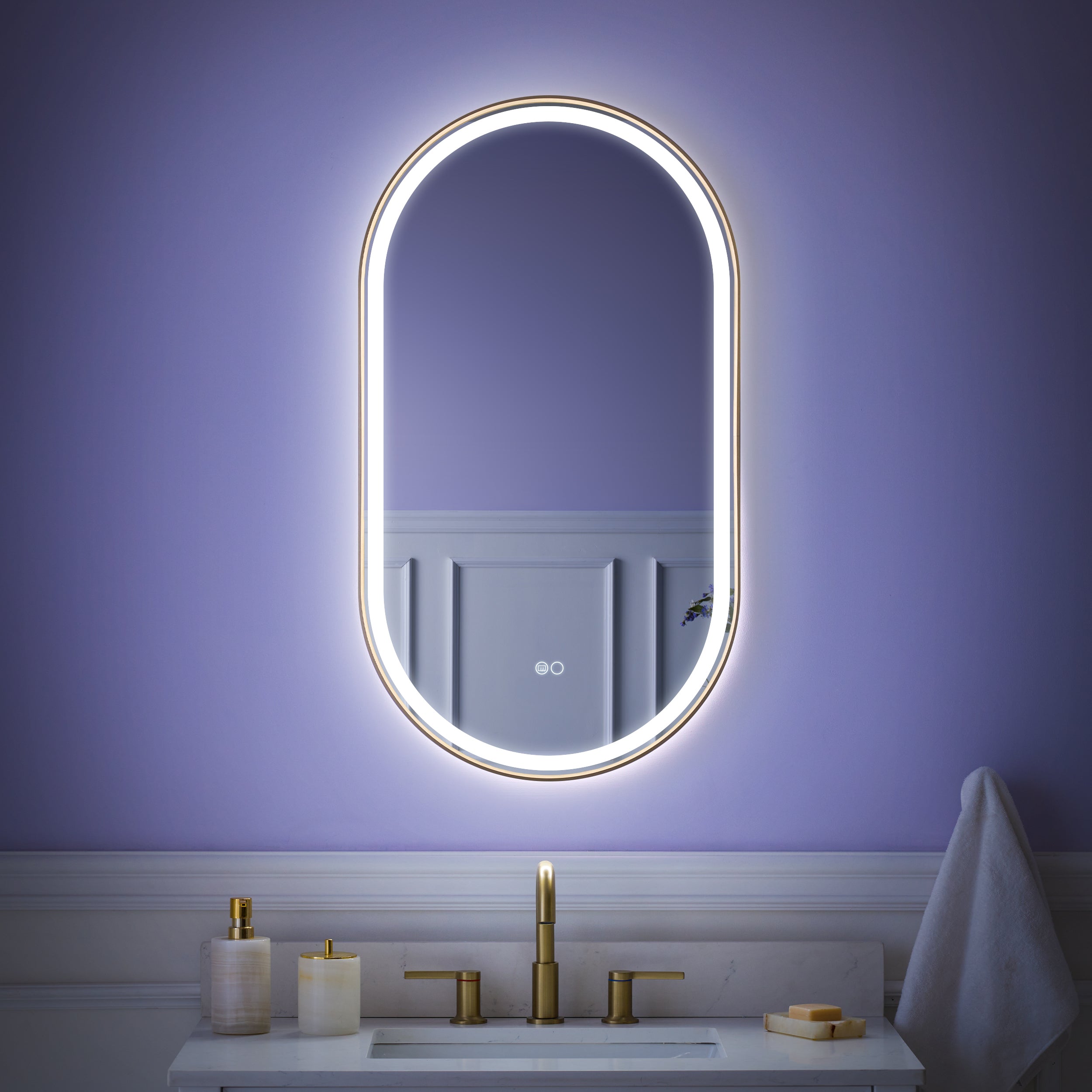
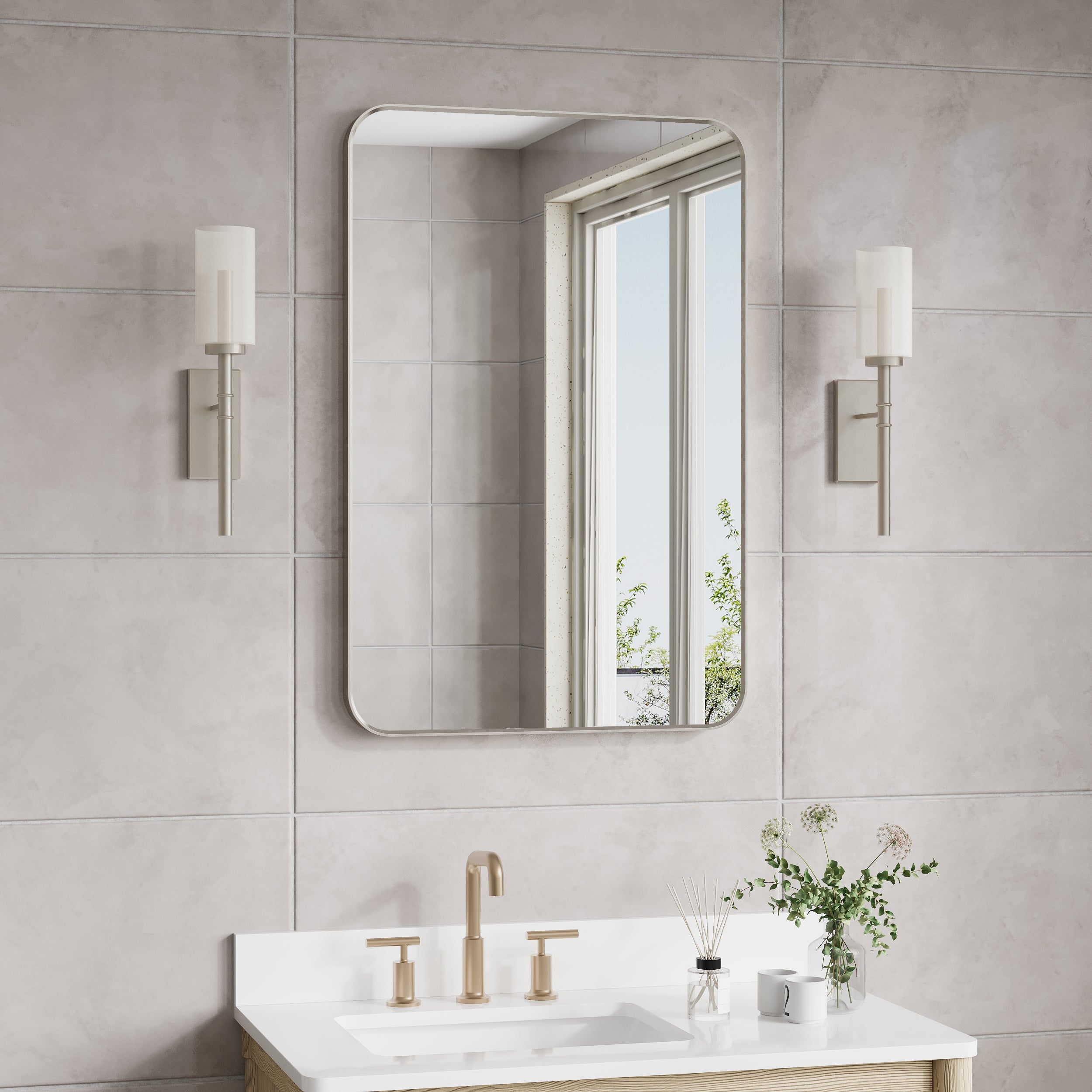
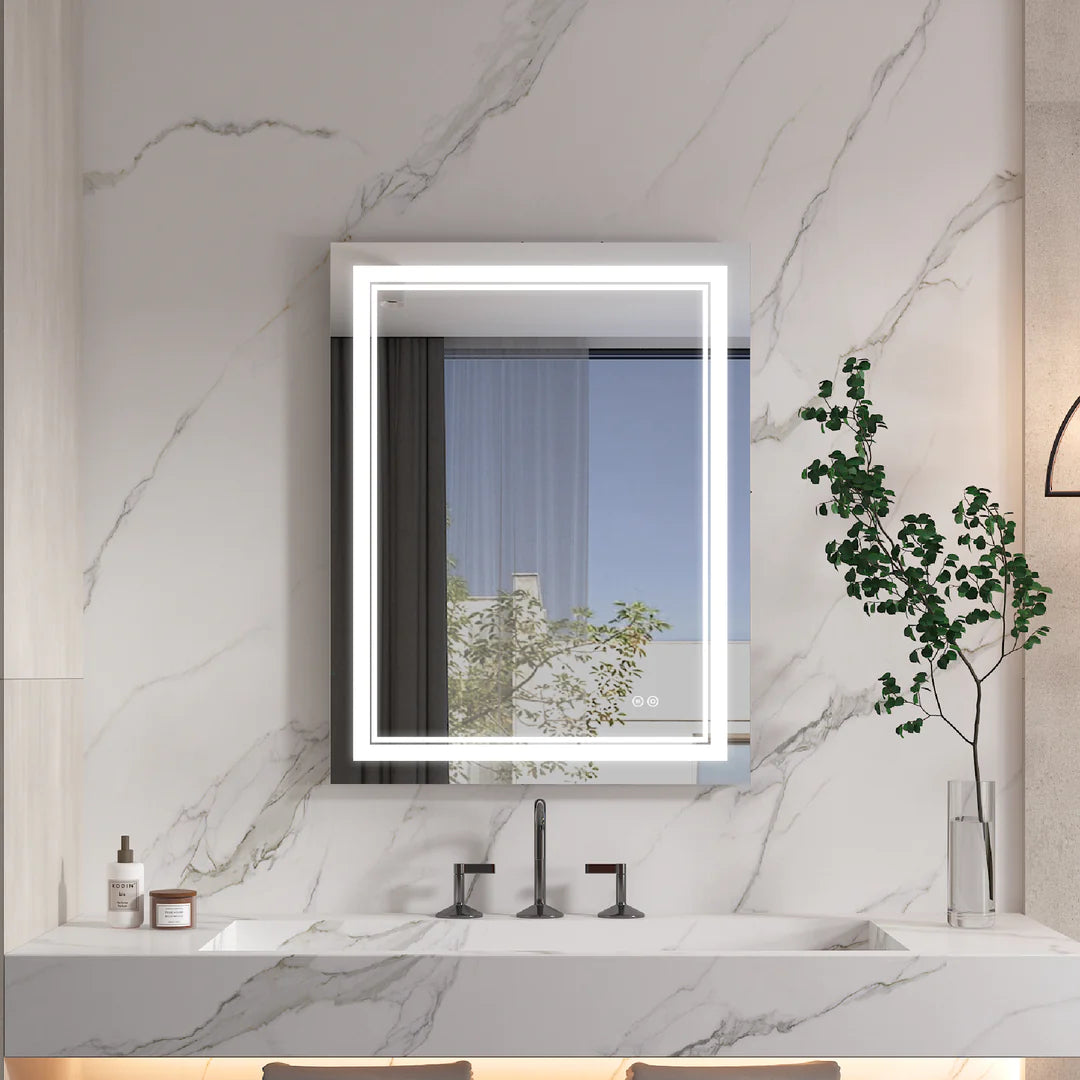
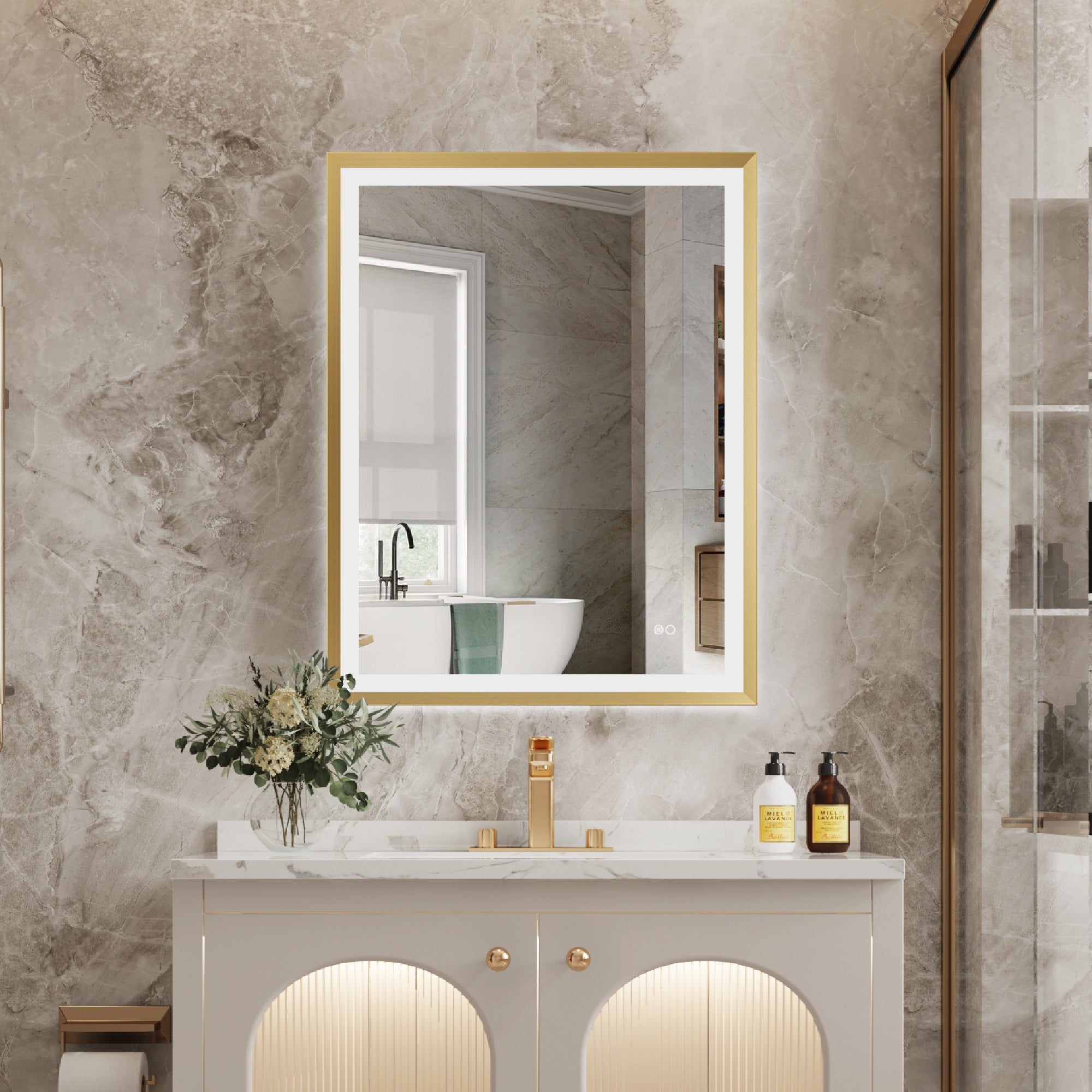
In modern design, visual alignment between mirror colors and faucets is also a trend.
Visual balance: The installation height of the faucet should be logically related to the height of the surrounding bathroom cabinet, towel bar, or waistline as much as possible.
Space sense shaping: In minimalist style bathrooms, the height of the floor-standing faucet is often designed slightly higher than the bathtub to enhance the verticality of the space through its slender lines.
Summary: Customization is the only standard answer
Returning to the original question: What is the appropriate height for installing the bathtub faucet?
The conclusion is that there is no absolute value, only the "optimal solution" tailored to your specific bathtub and usage habits. If you are using a deep immersion bathtub, the height should be adjusted appropriately; If you pursue an extremely quiet water injection experience, the drop should be minimized as much as possible.
In the construction logic of 2026, we recommend that the owner conduct a "scene simulation" before installation: sitting in the bathtub, simulating the comfort of reaching out, and observing whether the extension length (Reach) of the faucet can ensure that water flows near the drainage hole of the bathtub.














Leave a comment
This site is protected by hCaptcha and the hCaptcha Privacy Policy and Terms of Service apply.