
















Introduction: From functional pendants to the "visual center" of bathroom spaces
In the context of high-end interior design in 2026, the bathroom has already moved beyond its simple grooming function and evolved into a highly personalized space for physical and mental healing. With the deepening of the "overall bathroom plan", Mirror Colors are no longer a casual decoration in the later stage of decoration, but a key visual anchor connecting bathroom cabinets, hardware, tiles, and even lighting.
In the past, people used to equate frame colors with faucet materials, but in contemporary design aesthetics, this "1:1 absolute matching" dogma is being replaced by a more dynamic, layered matching logic. How to coordinate the color relationship between the mirror frame and the sanitary ware directly determines the aesthetic limit of a bathroom space. This article will delve into 7 core strategies to help you find the perfect balance point amidst the complexity of colors and materials.
1. Breaking the 'Absolute Unity': Mixed Metal Strategy for 2026
In the bathroom industry, there used to be an unwritten rule: if the faucet is silver, then the frame and towel rack must also be silver. But in 2026, this monotonous visual logic is being broken by the trend of 'Mixed Metals'.
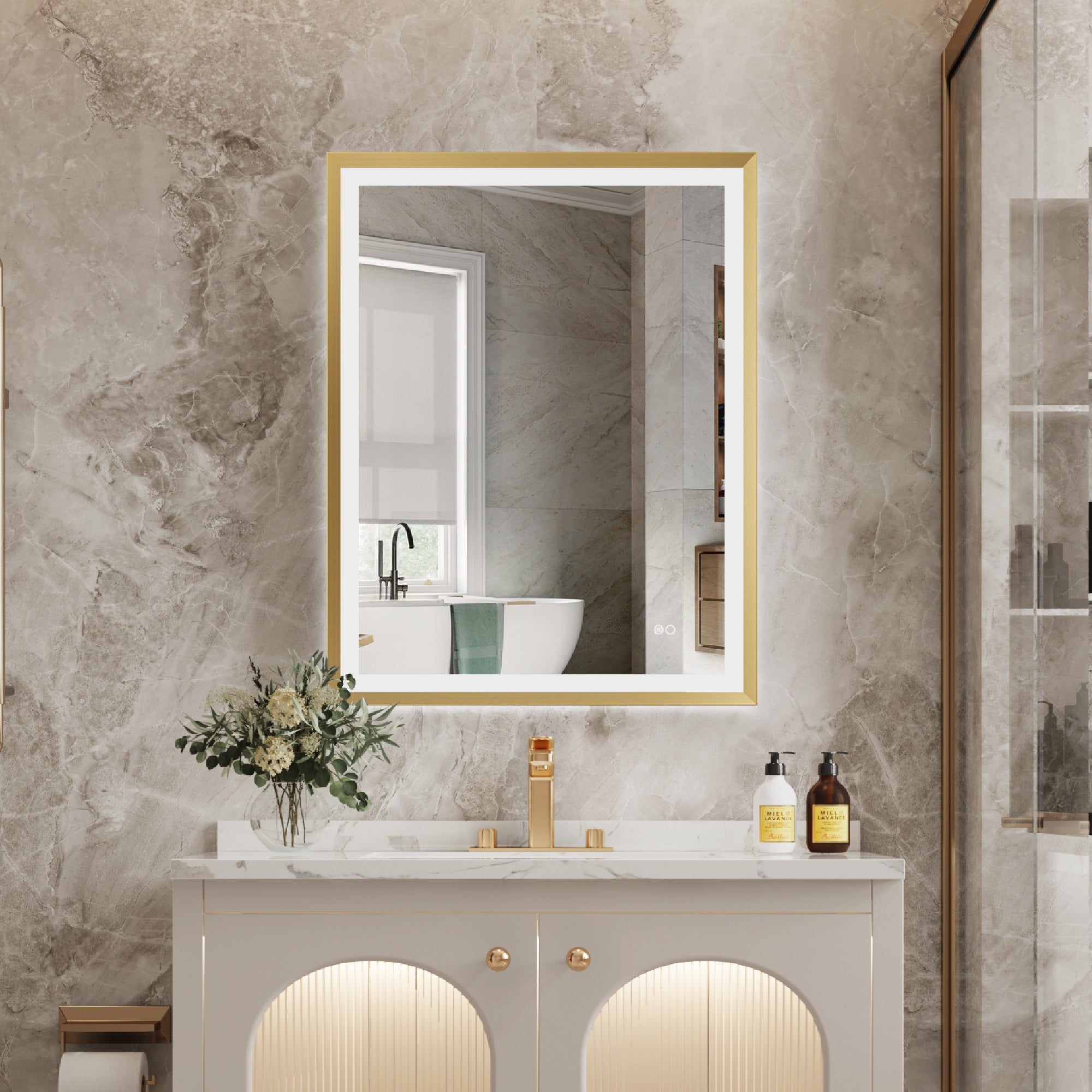
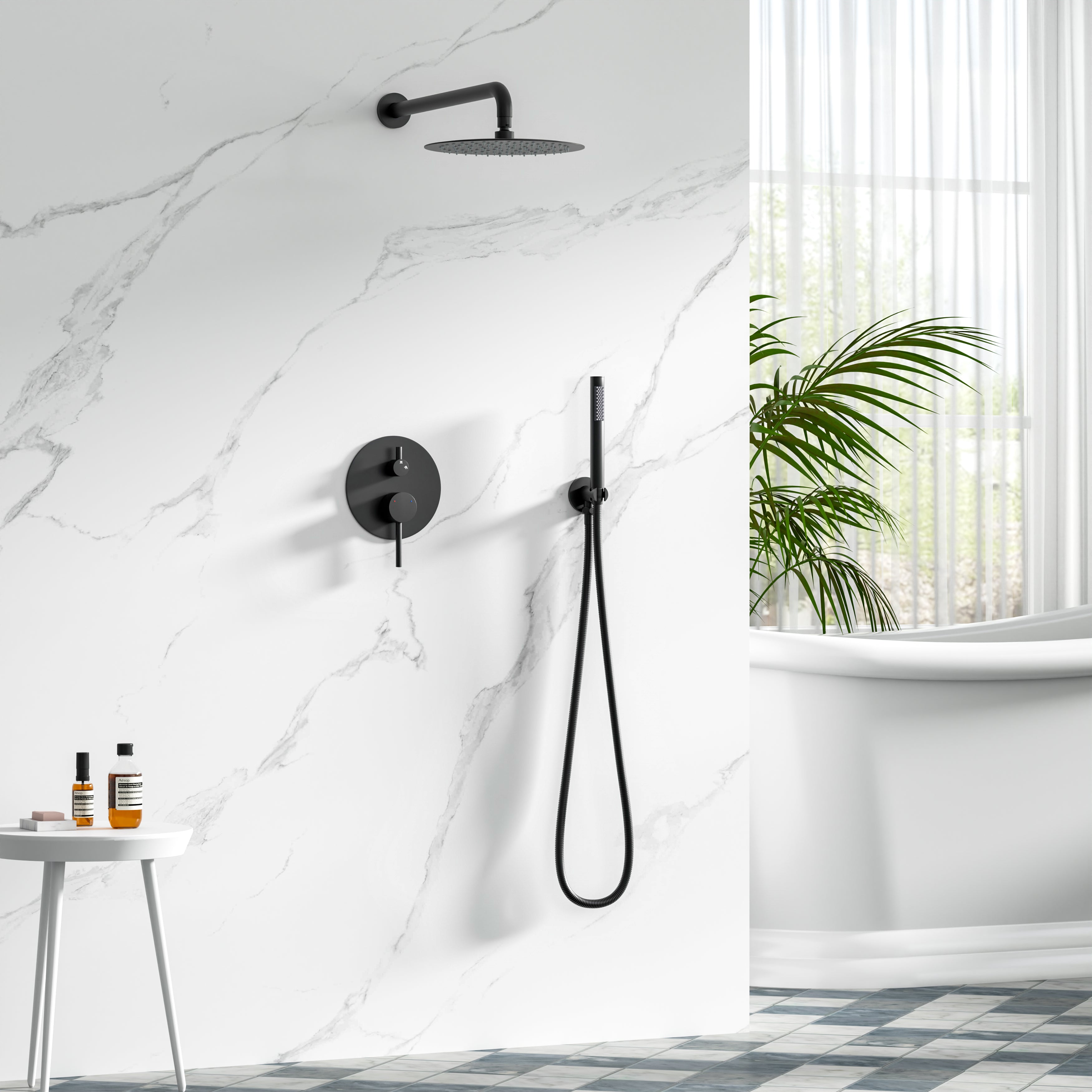
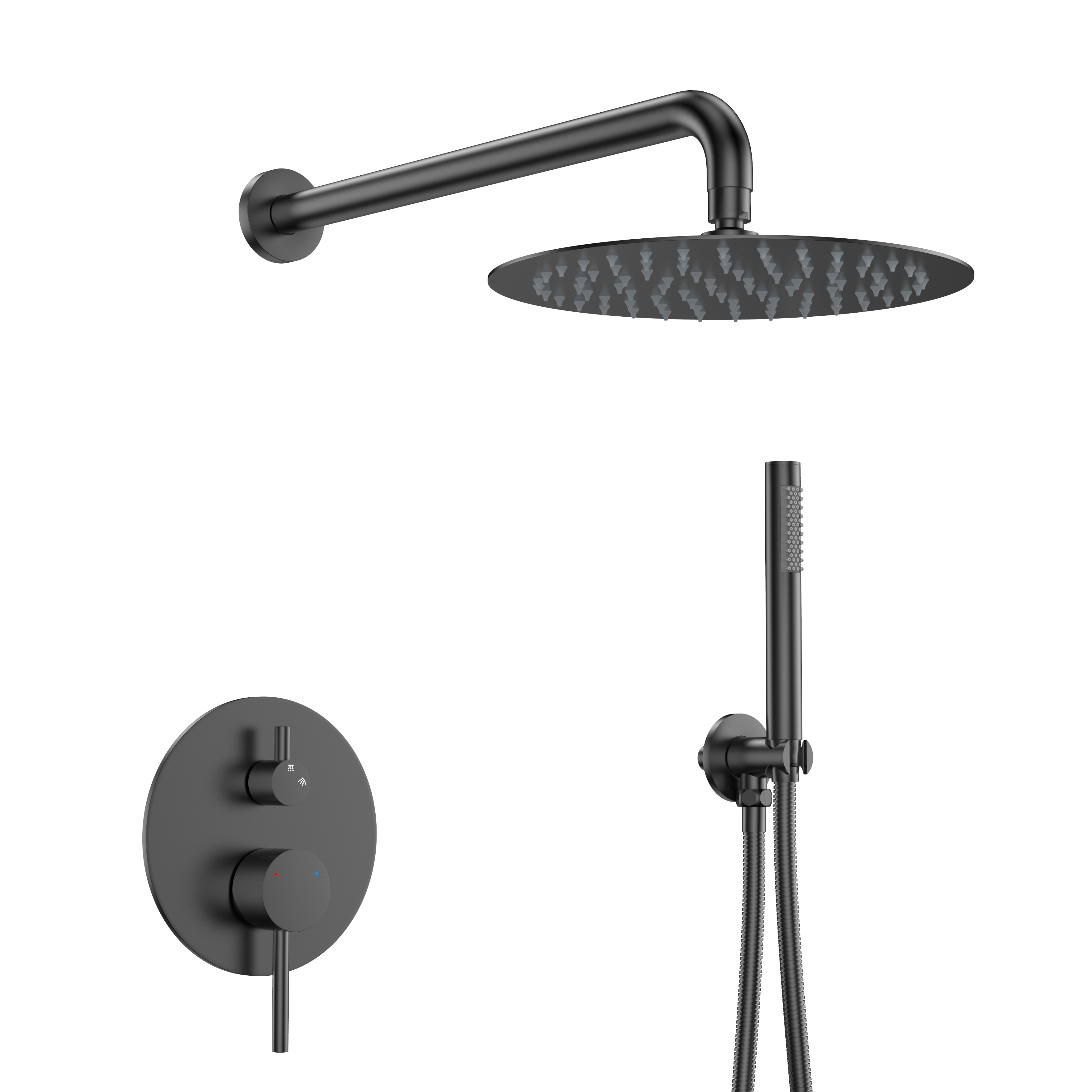
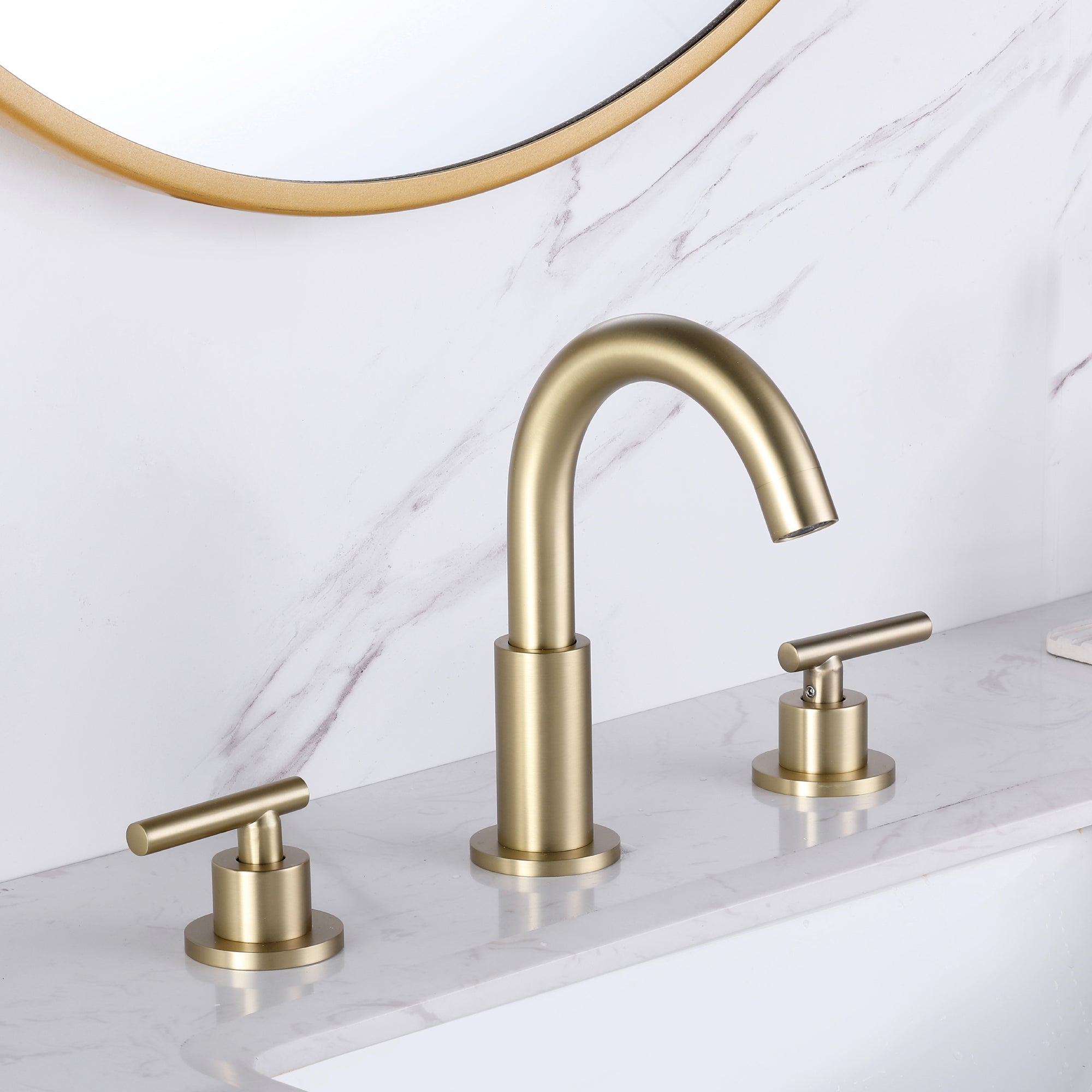
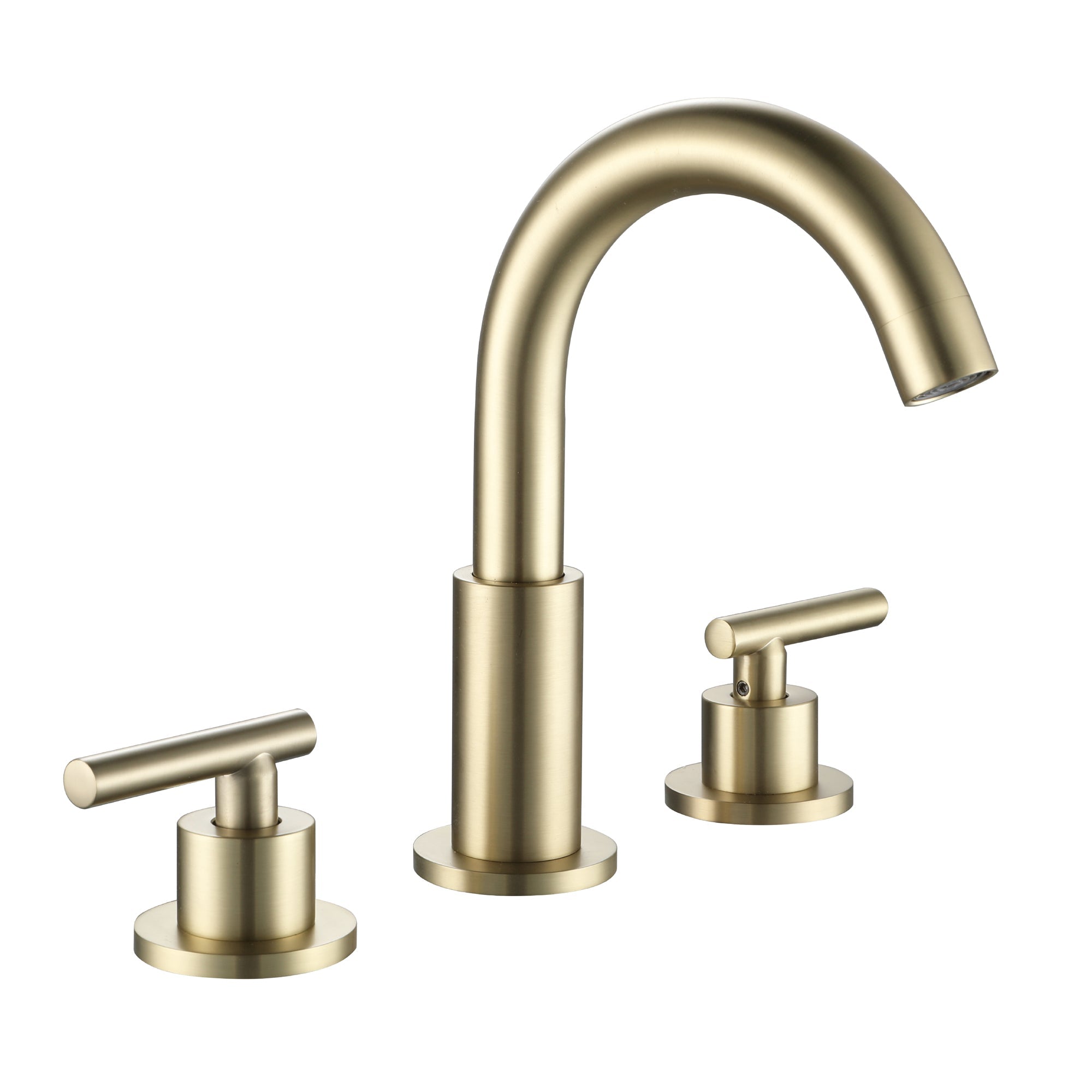
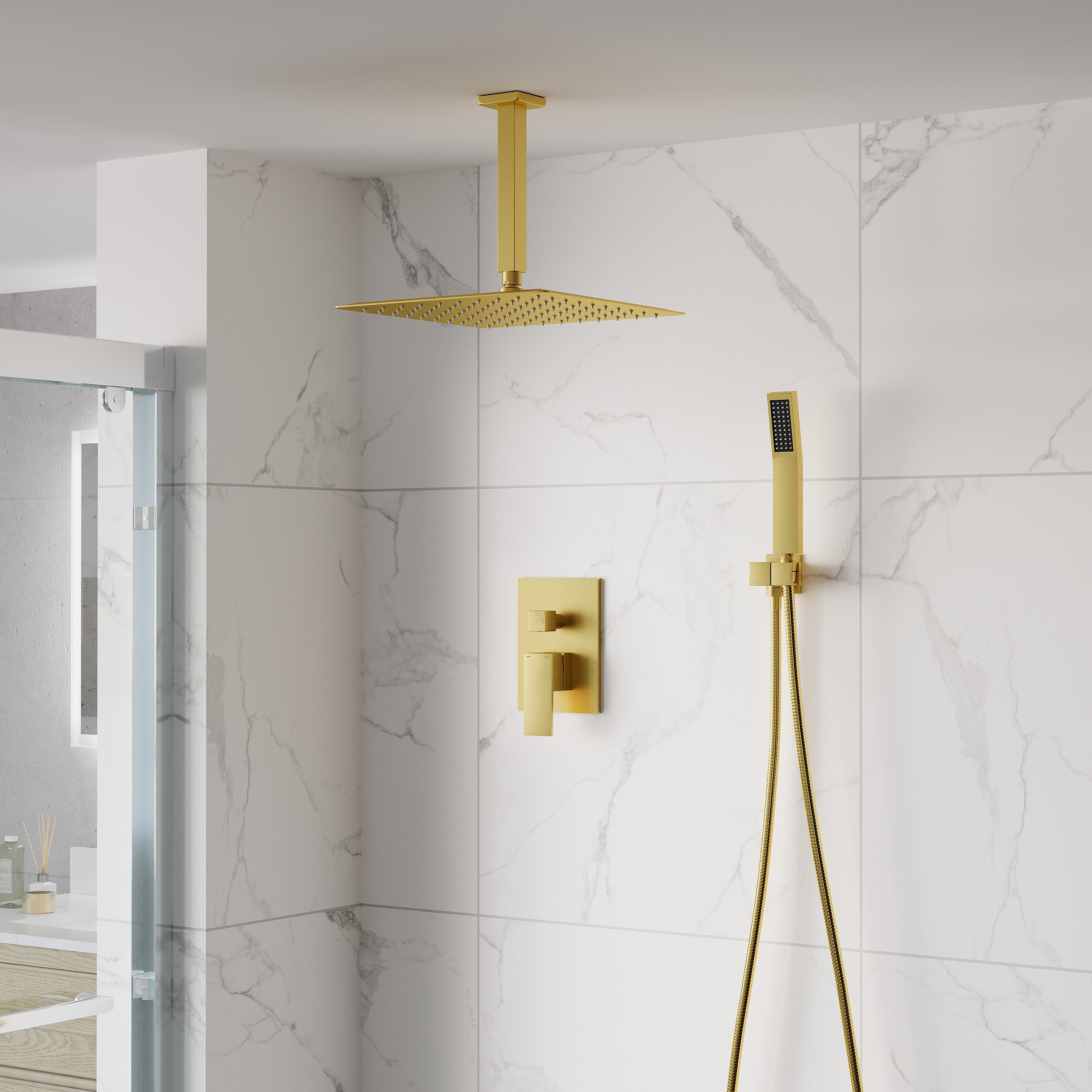
Layered comparison principle: Industry experts suggest using a 70/30 ratio for laying out metallic colors. For example, if you choose Matte Black for your faucet or showerhead, you can boldly choose brushed gold for the frame.
Visual weight balance: The black hardware provides a sense of industry and weight, while the gold frame injects a warm sense of luxury at eye level. This kind of mixing not only does not appear abrupt but also breaks the space's singularity, giving the bathroom a sense of high-end customization that has been carefully planned rather than pieced together on an assembly line.
2. The coordinated cooling and heating of the mirror frame and bathroom cabinet (Vanity)
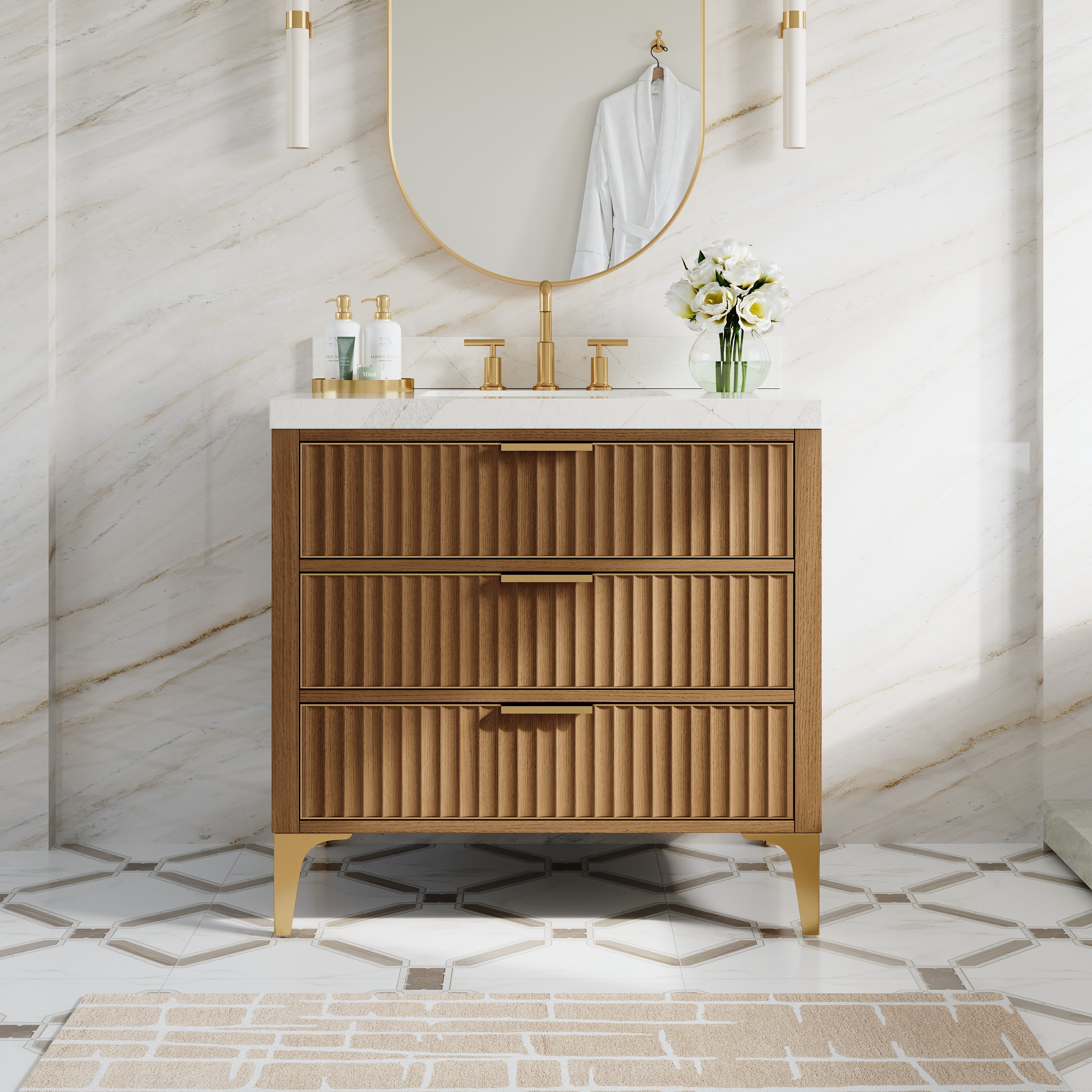
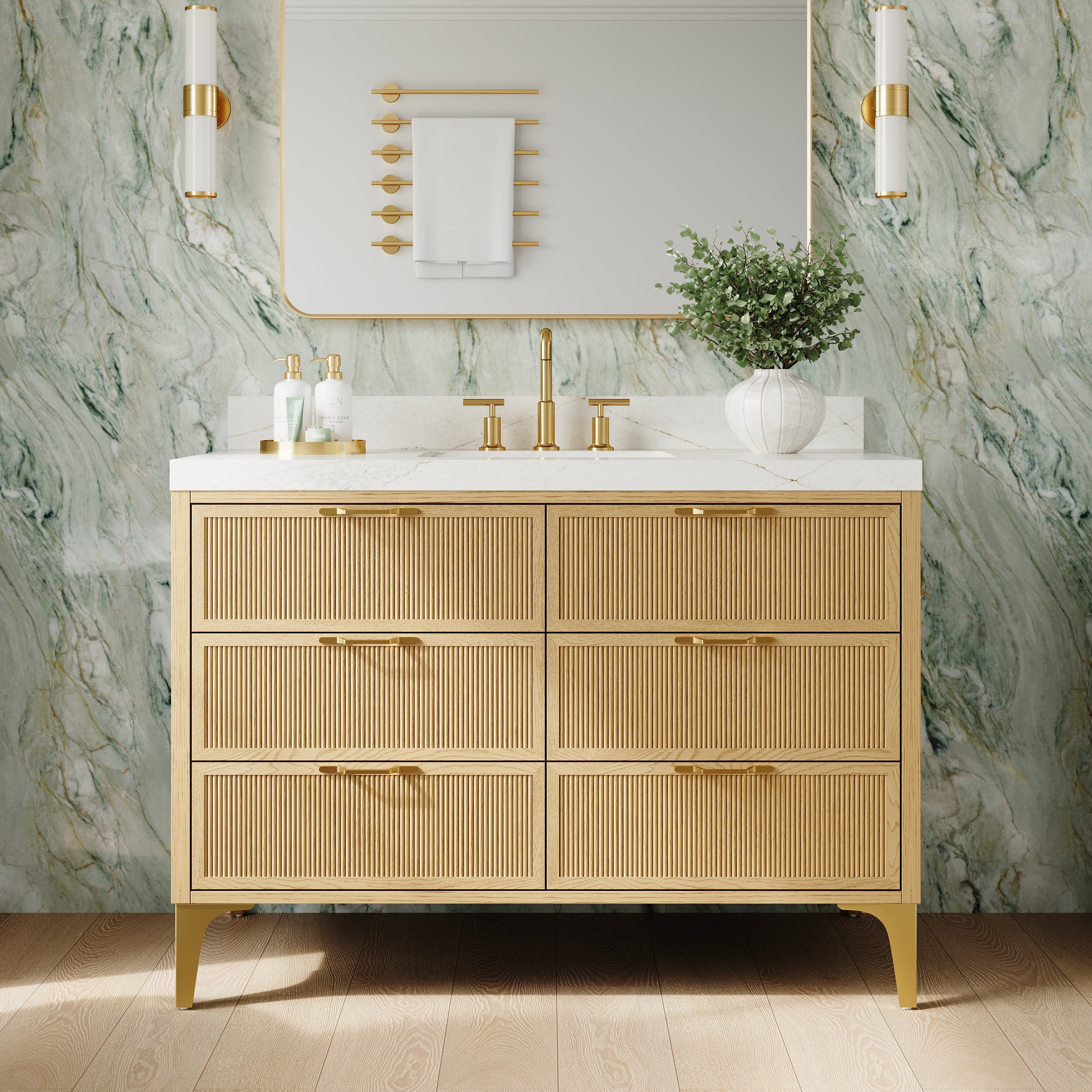
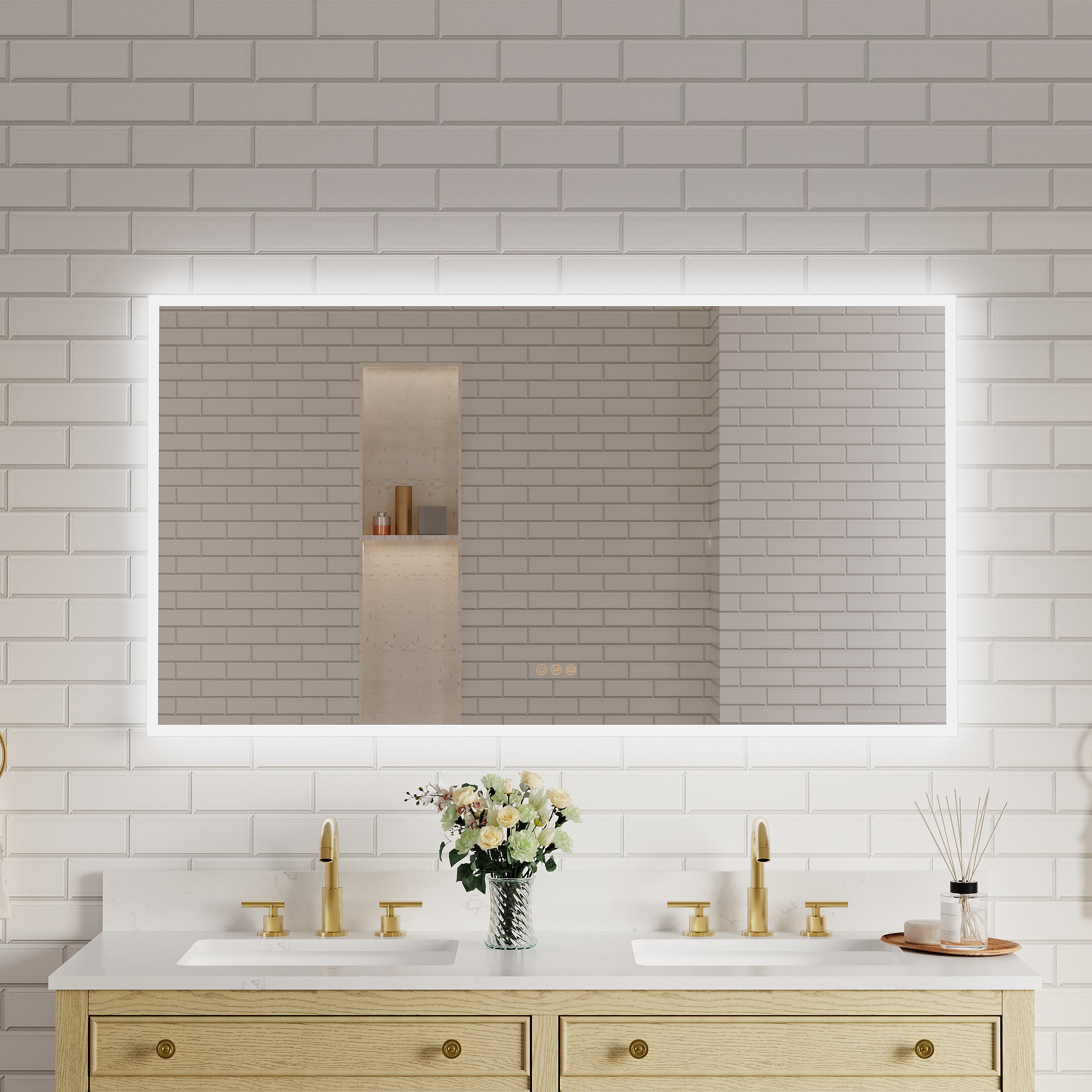
Mirrors are usually hung directly above bathroom cabinets, and their "closeness" in spatial proportion determines that they must maintain consistency in color logic.
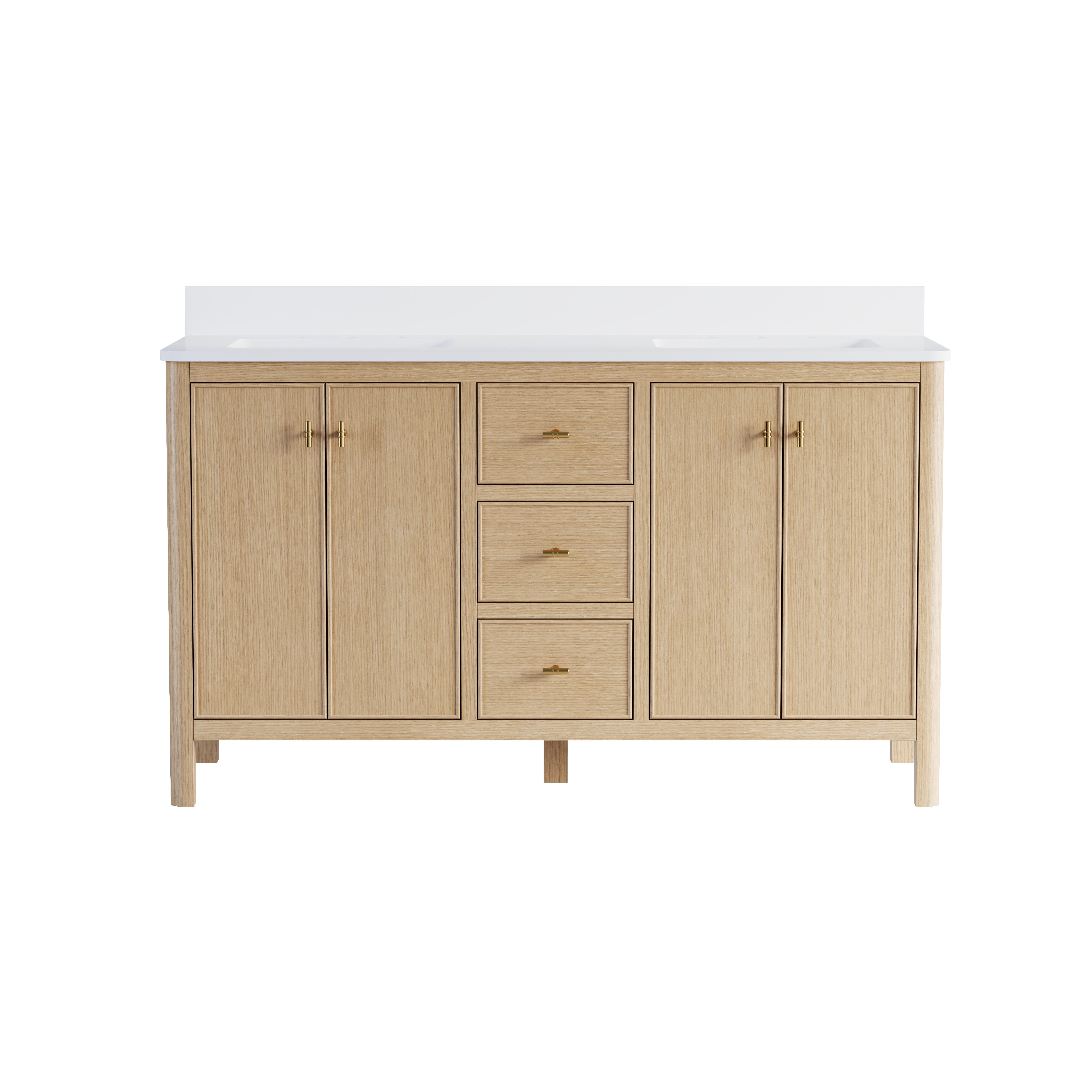
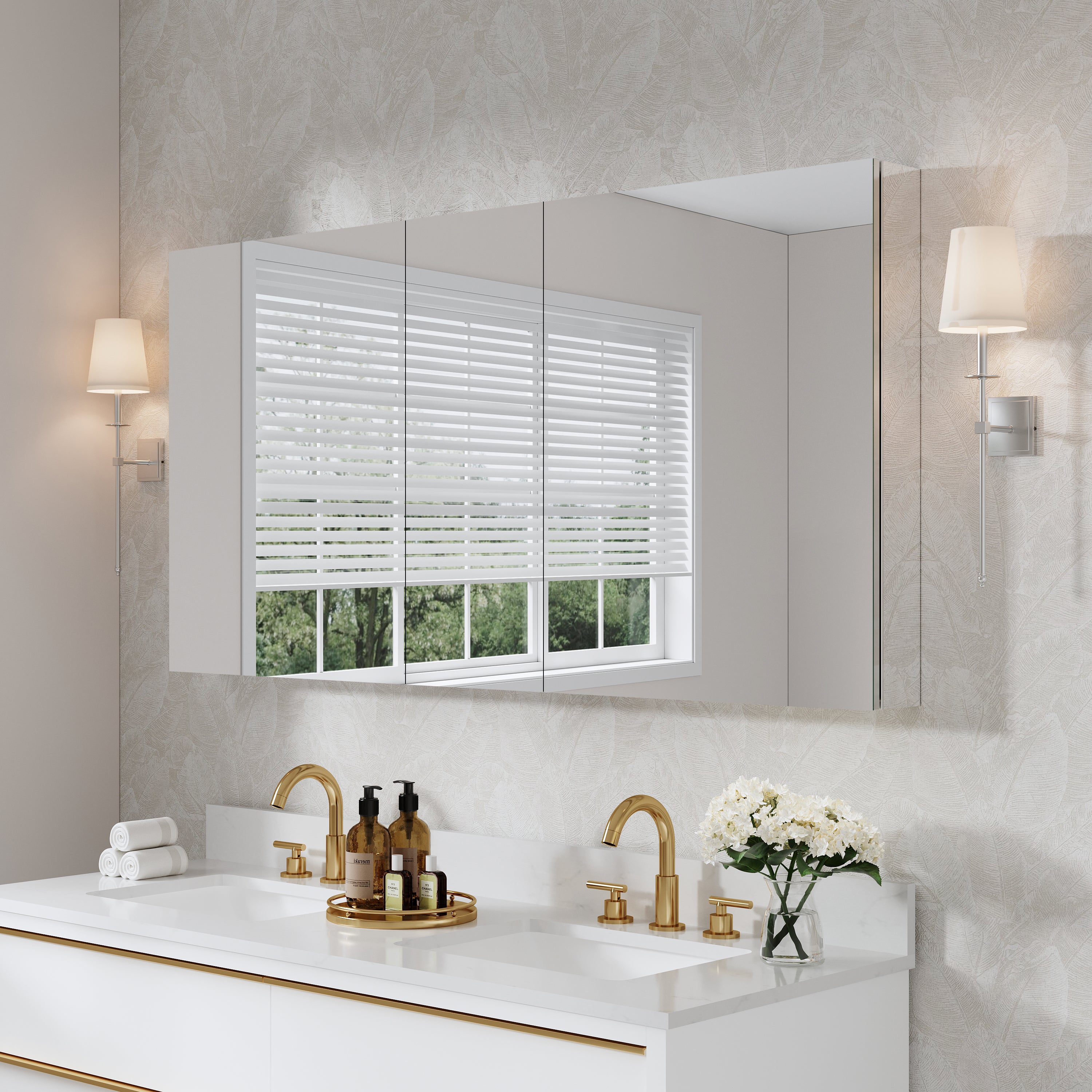
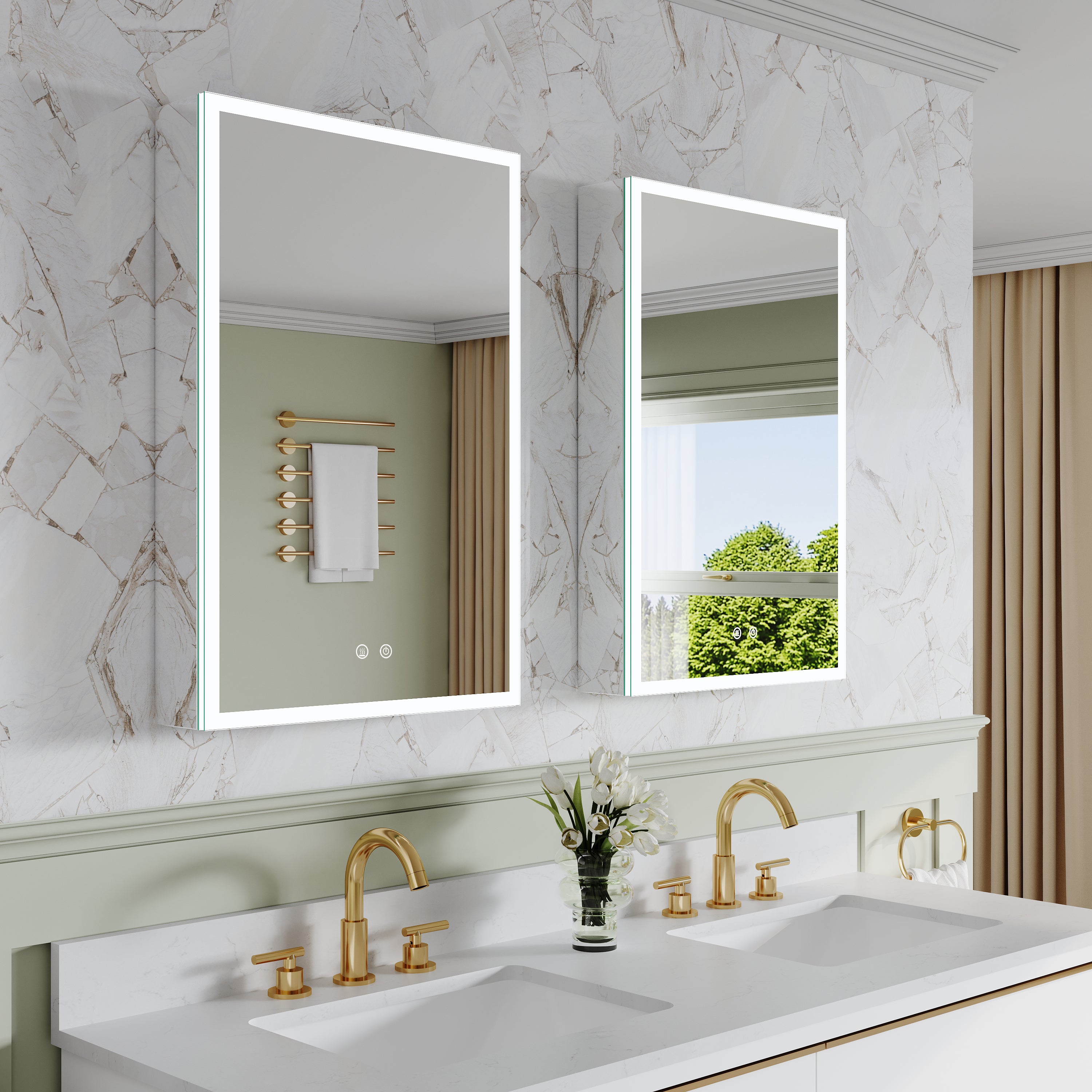
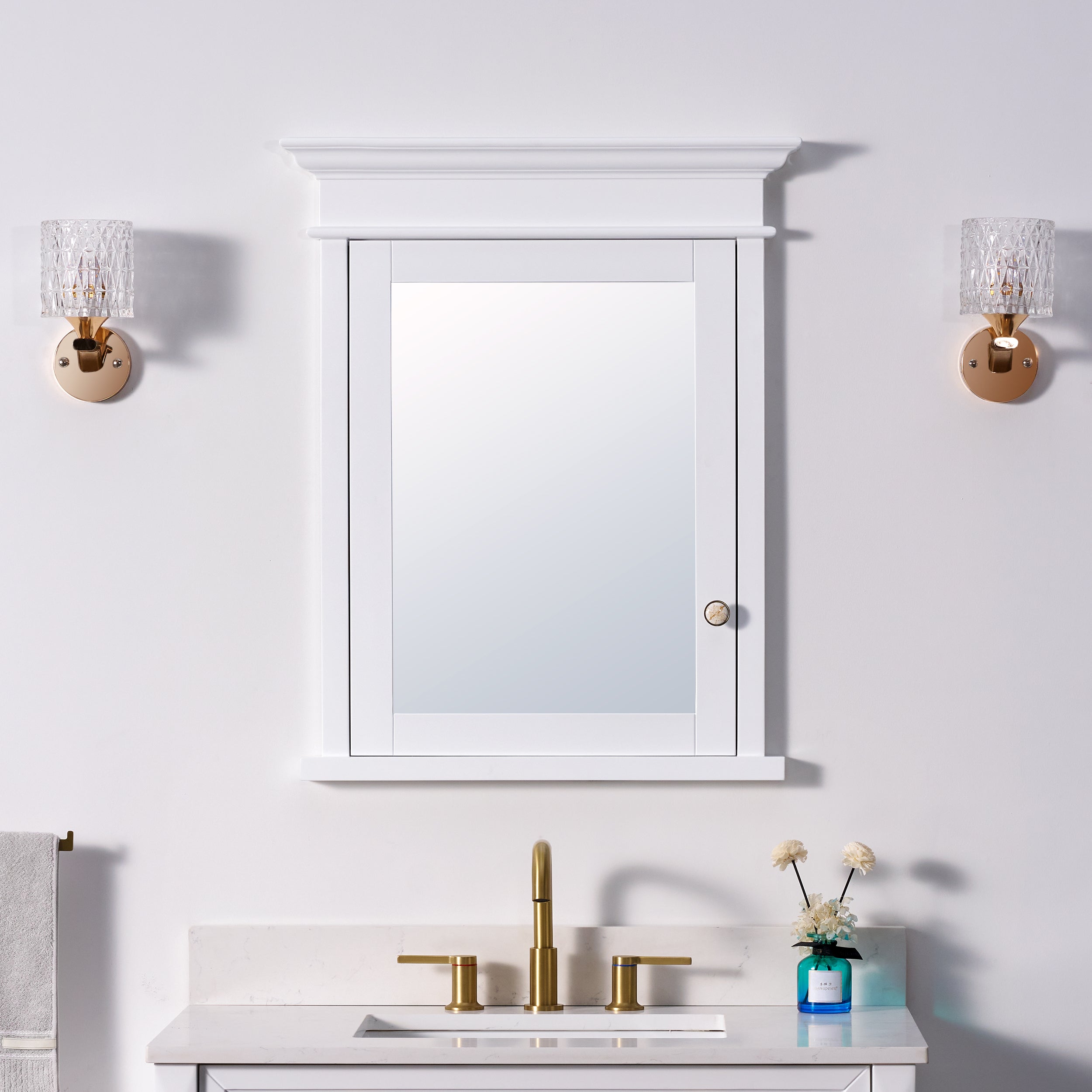
Visual extension of the same color scheme: If your small bathroom uses a White Bath Vanity (white bathroom cabinet), pair it with white or ultra-thin silver mirror frames to create a seamless sense of lightness, making the wall visually recede and amplifying the sense of space.
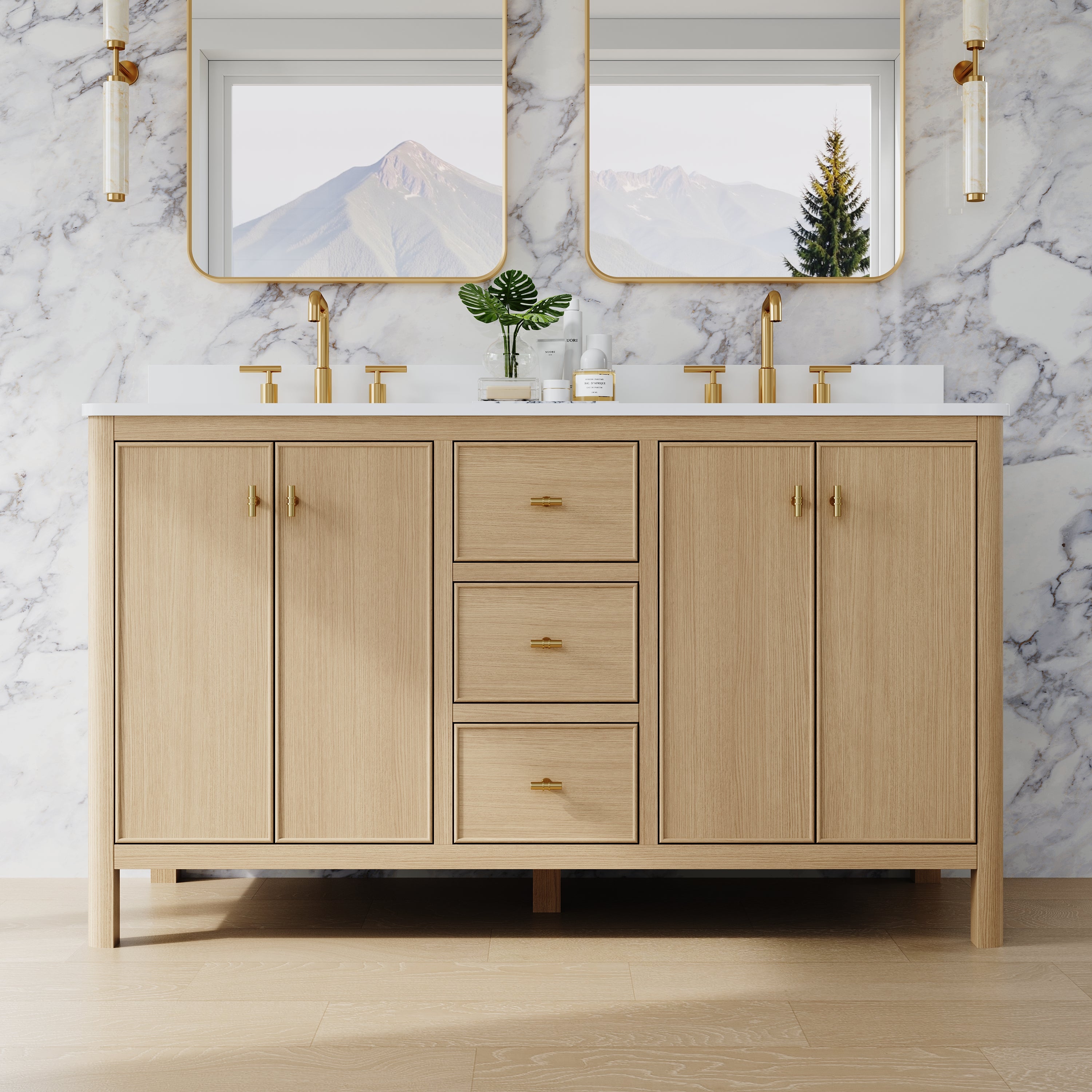
The dramatic tension of complementary colors: For the popular deep forest green or navy blue bathroom cabinets nowadays, pairing them with warm-toned metal frames (such as bronze or champagne gold) is an excellent choice. Warm metallic colors can neutralize the heaviness of dark and cool cabinets, creating a bright visual focus for the washing area and enhancing overall brightness.
3. The secondary shaping of frame color by ambient light (LED Lighting)
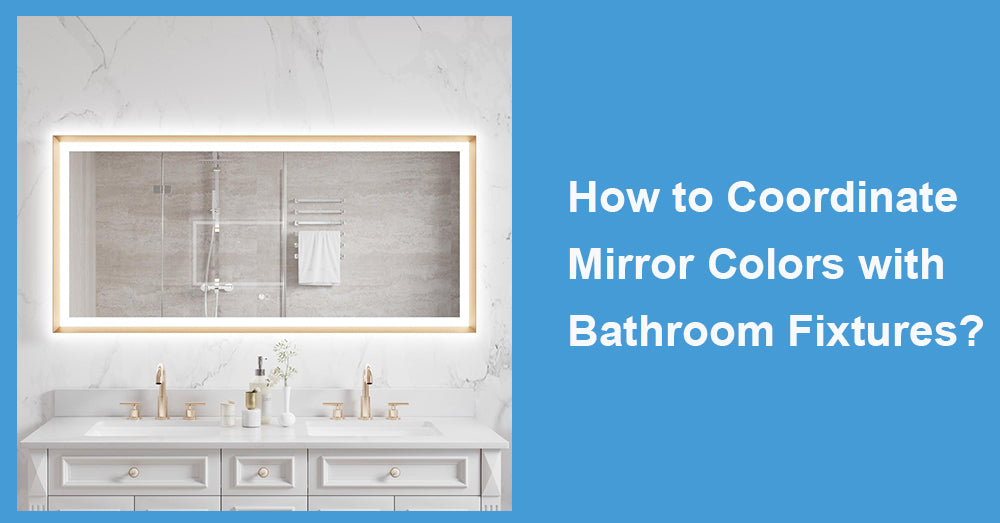
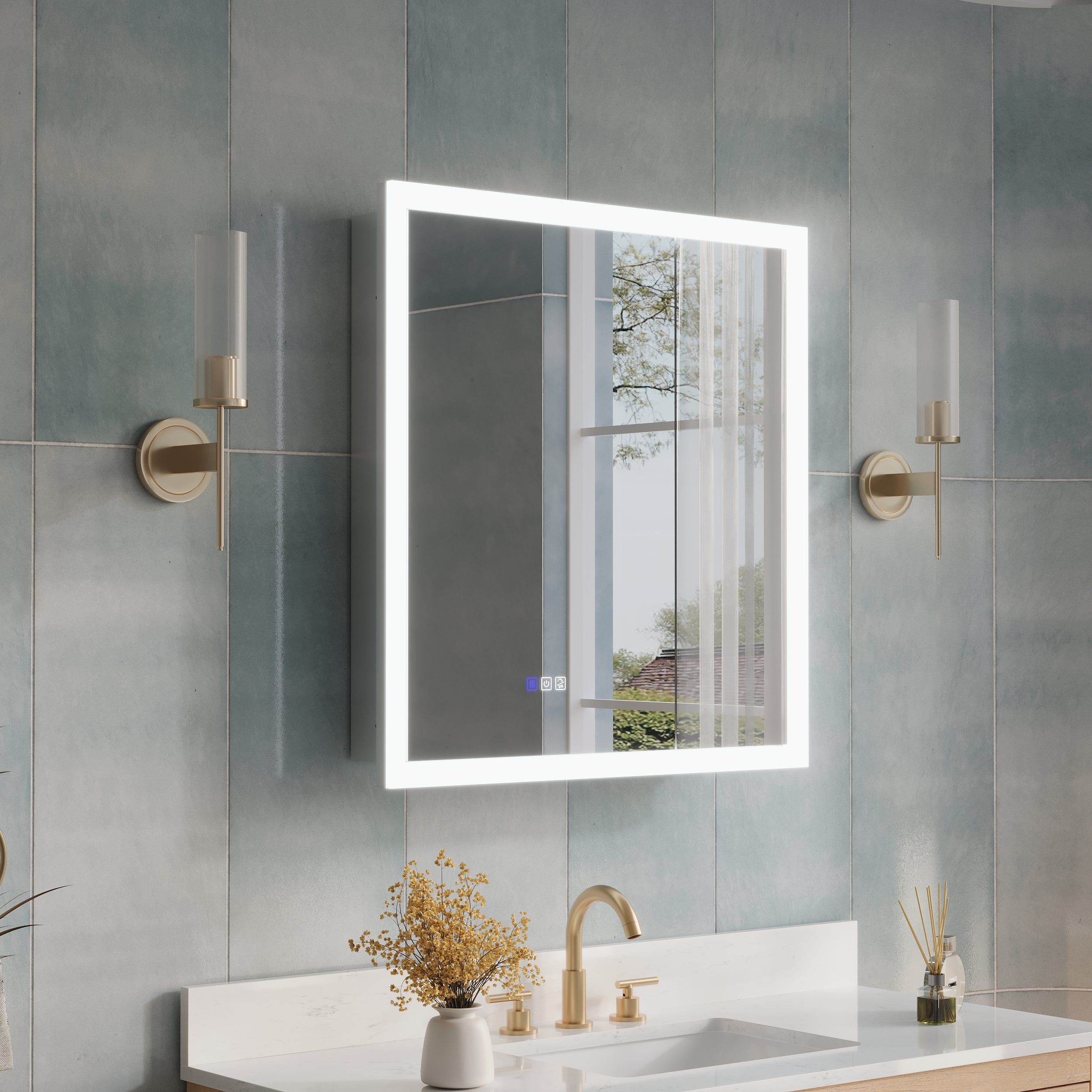
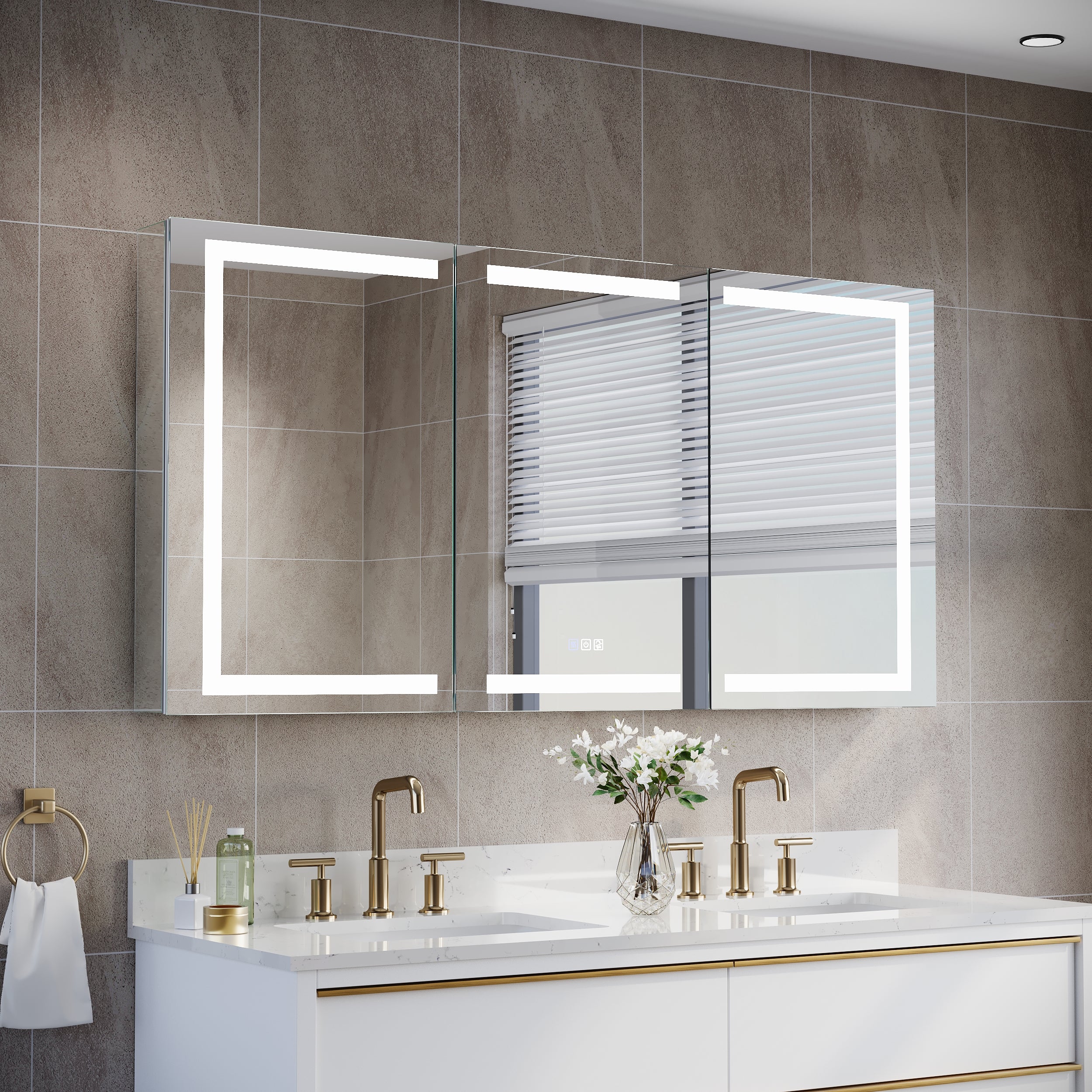
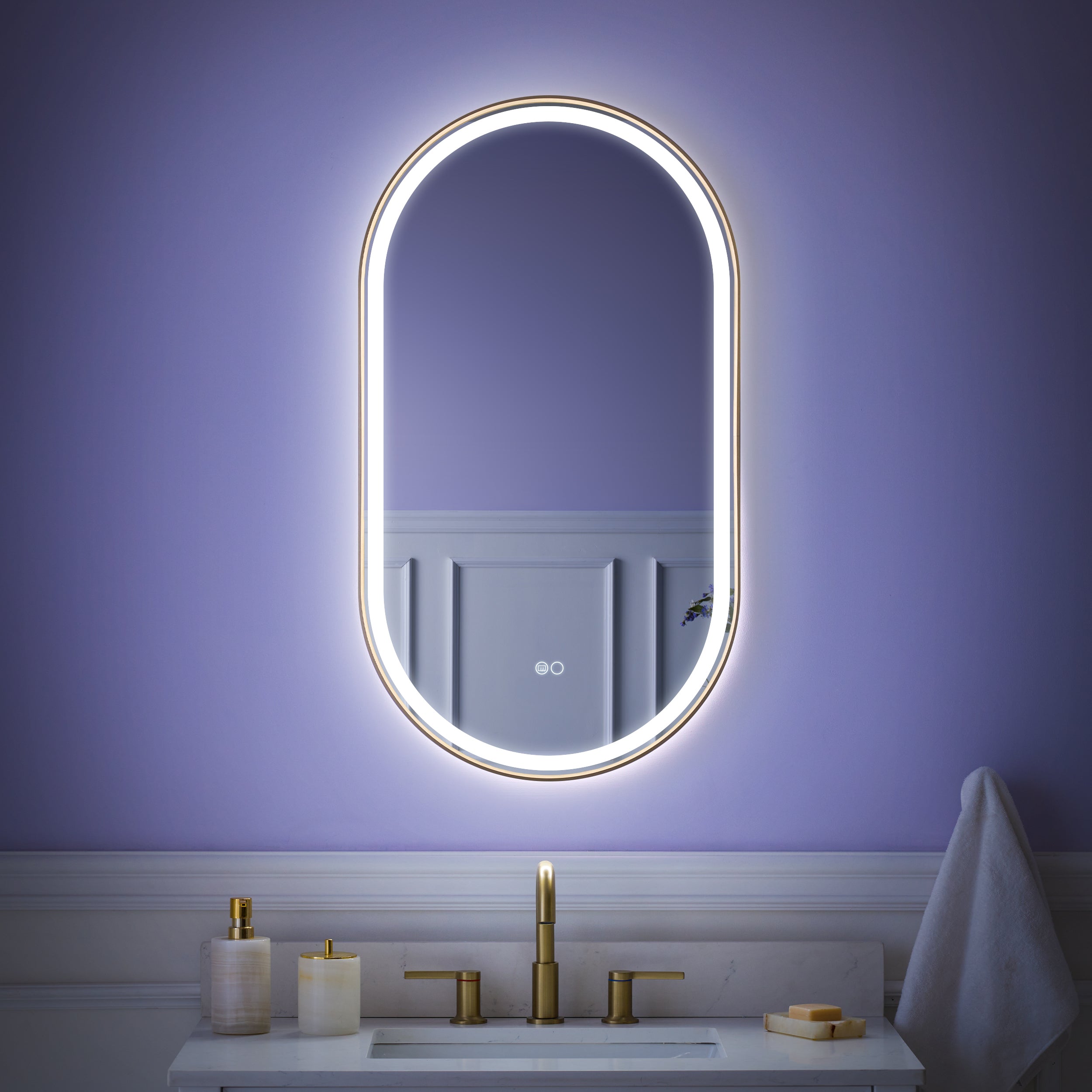
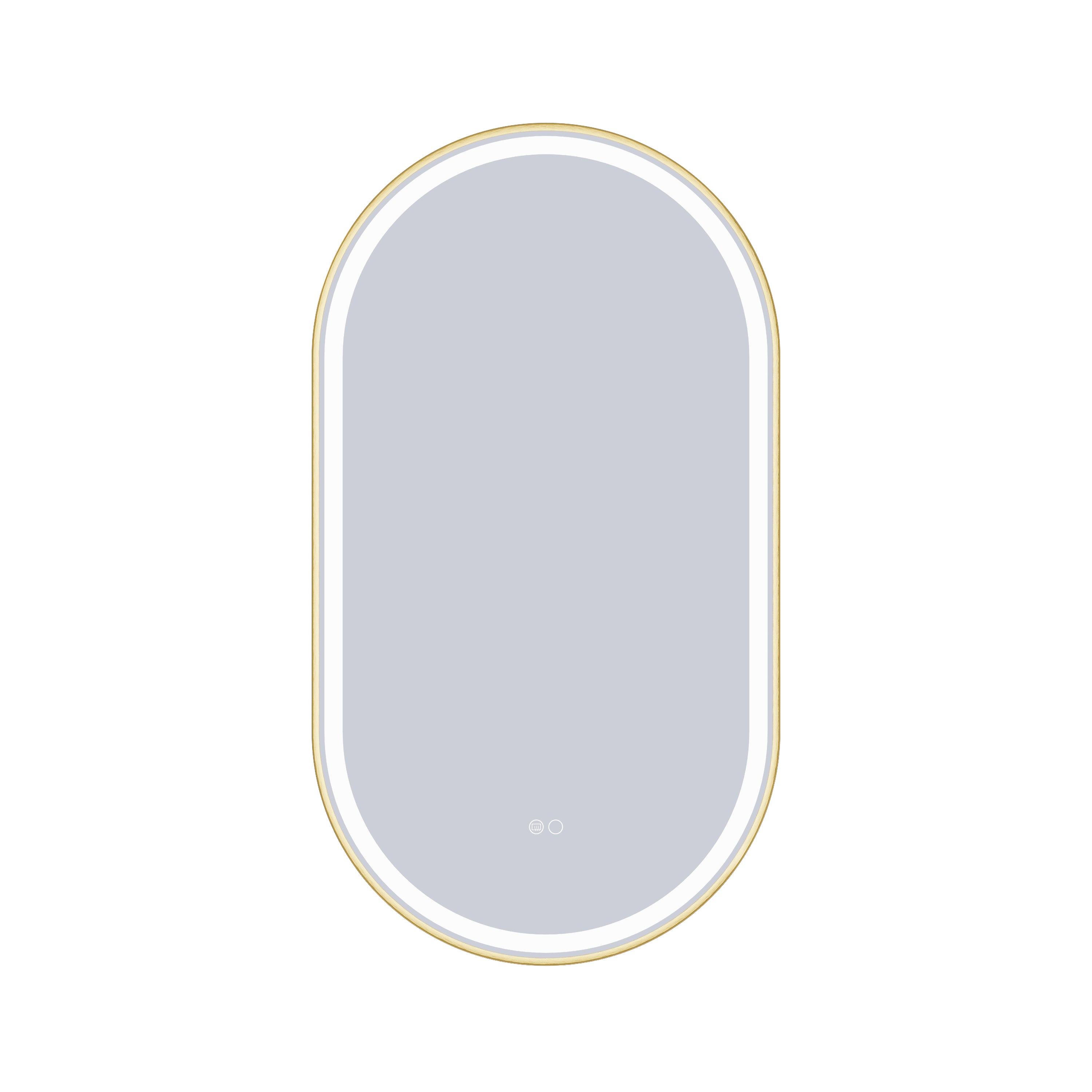
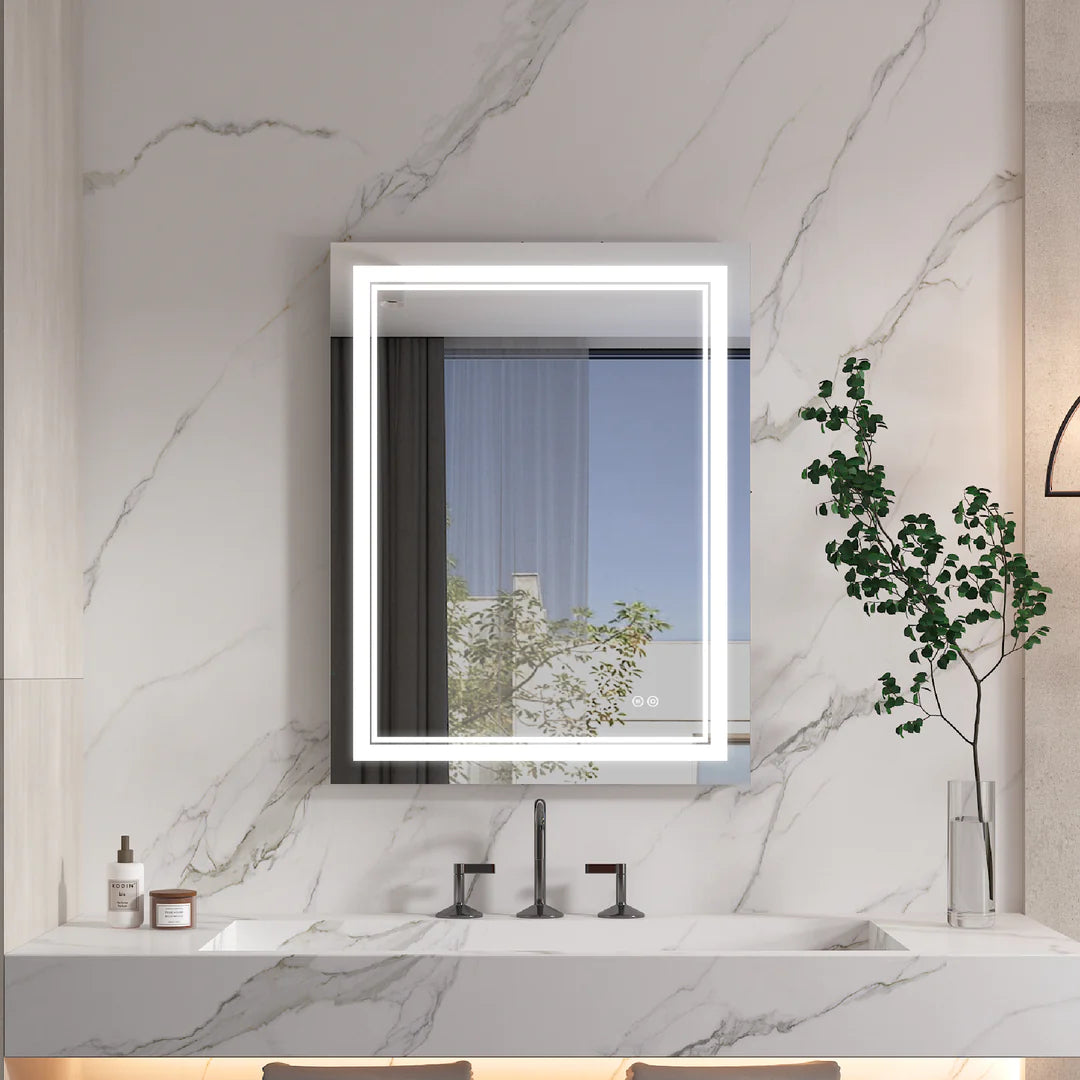
When choosing colors for A Mirror with LED Lights, the interaction between light and shadow must be considered.
Color shift under halo: When the LED strip is turned on, a halo will appear at the edge of the frame. If it is a polished mirror frame, it may produce dazzling glare; Therefore, the trend in 2026 is to choose mirror frame colors with matte or sandblasted texture.
The influence of color temperature: If you set the light to 6000K cool white light, the originally yellowish golden frame may appear greenish. Therefore, when coordinating colors, it is necessary to ensure the frame maintains stable color performance under both warm yellow light (3000K) and natural light (4000K).
4. Cross-border Correspondence of Material Texture: Beyond Color Coordination
Coordination is not only about 'color', but also about 'texture'.
Response to industrial style: If your bathroom fixtures have obvious industrial features, such as cement basins or rough-cast iron hardware, then the frame color should be chosen in a grainy dark gray or black Oil Rubbed Bronze finish to achieve unity of touch and vision.
Natural Wind Connection: When wooden storage racks or woven baskets appear in the bathroom, the mirror frame can go beyond the metal category and opt for walnut wood or a terrazzo texture. This cross material color coordination can create a deeper "ecological connection" between the mirror and the surrounding environment.
5. The dynamic balance between geometric shapes and colors
The expression of color often depends on shape. In a small space, the choice of shape can change the psychological weight of color.
Circular color tolerance: Round mirrors, due to their soft curves, can accommodate more eye-catching and jumping frame colors, such as bright chrome or brushed gold, without appearing abrupt.
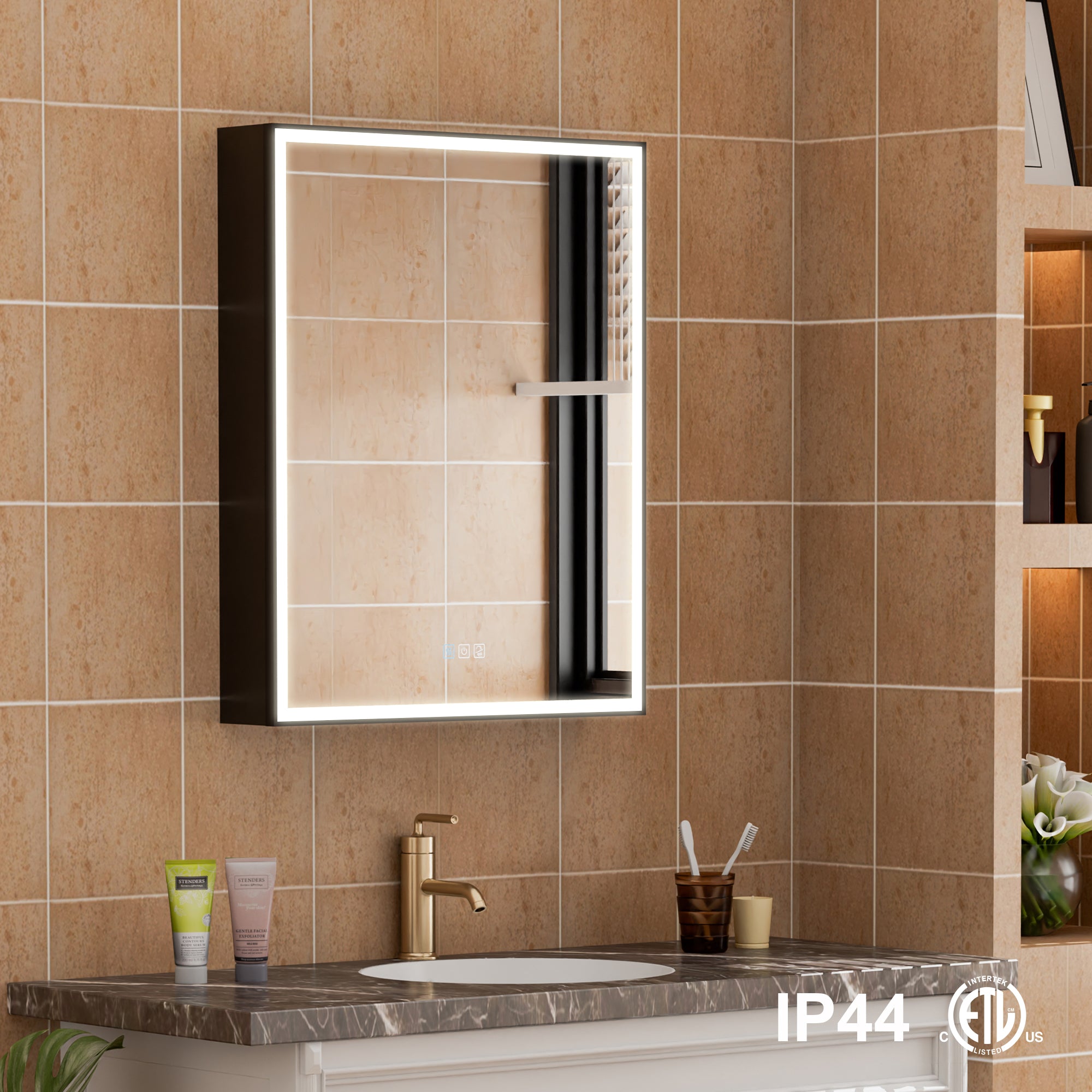
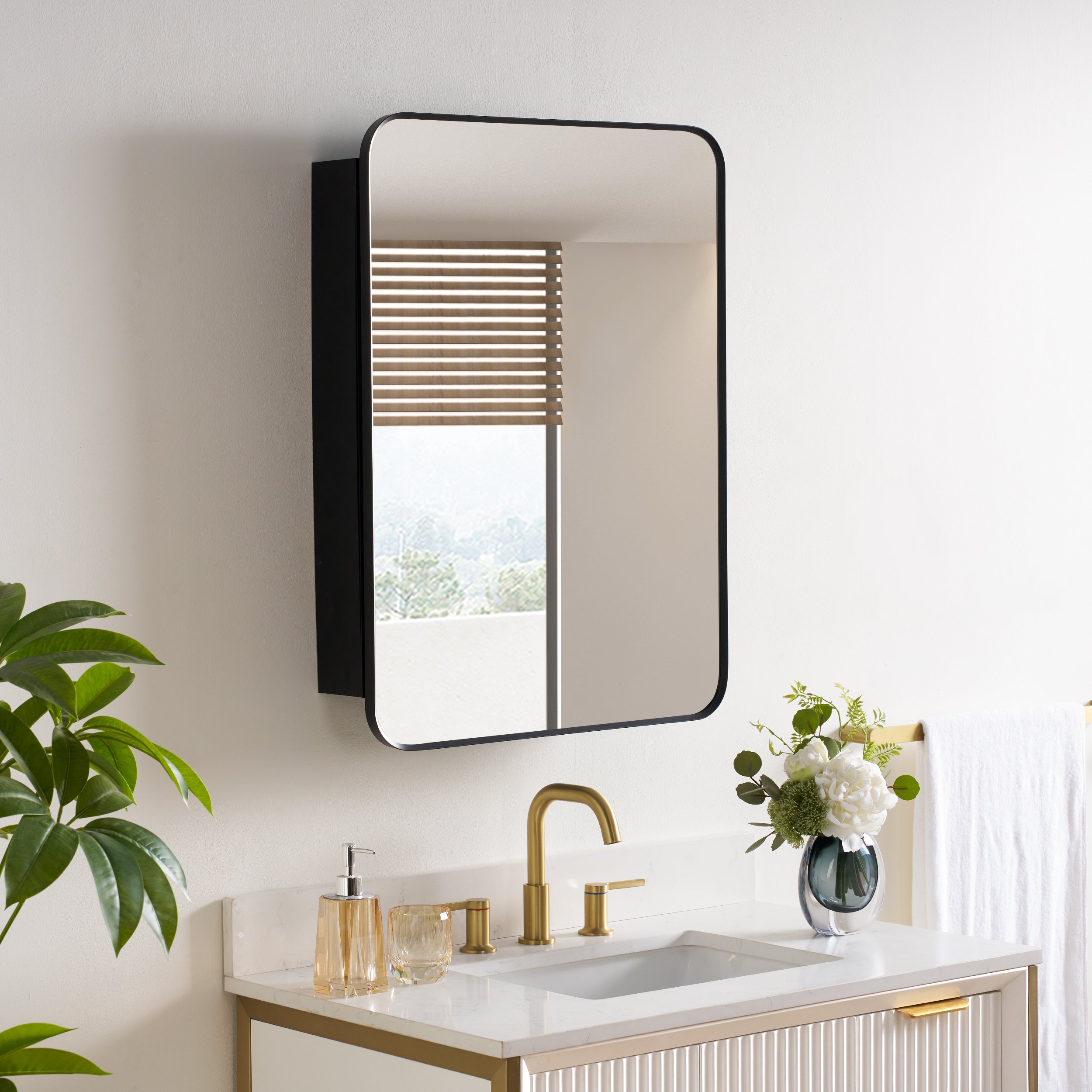
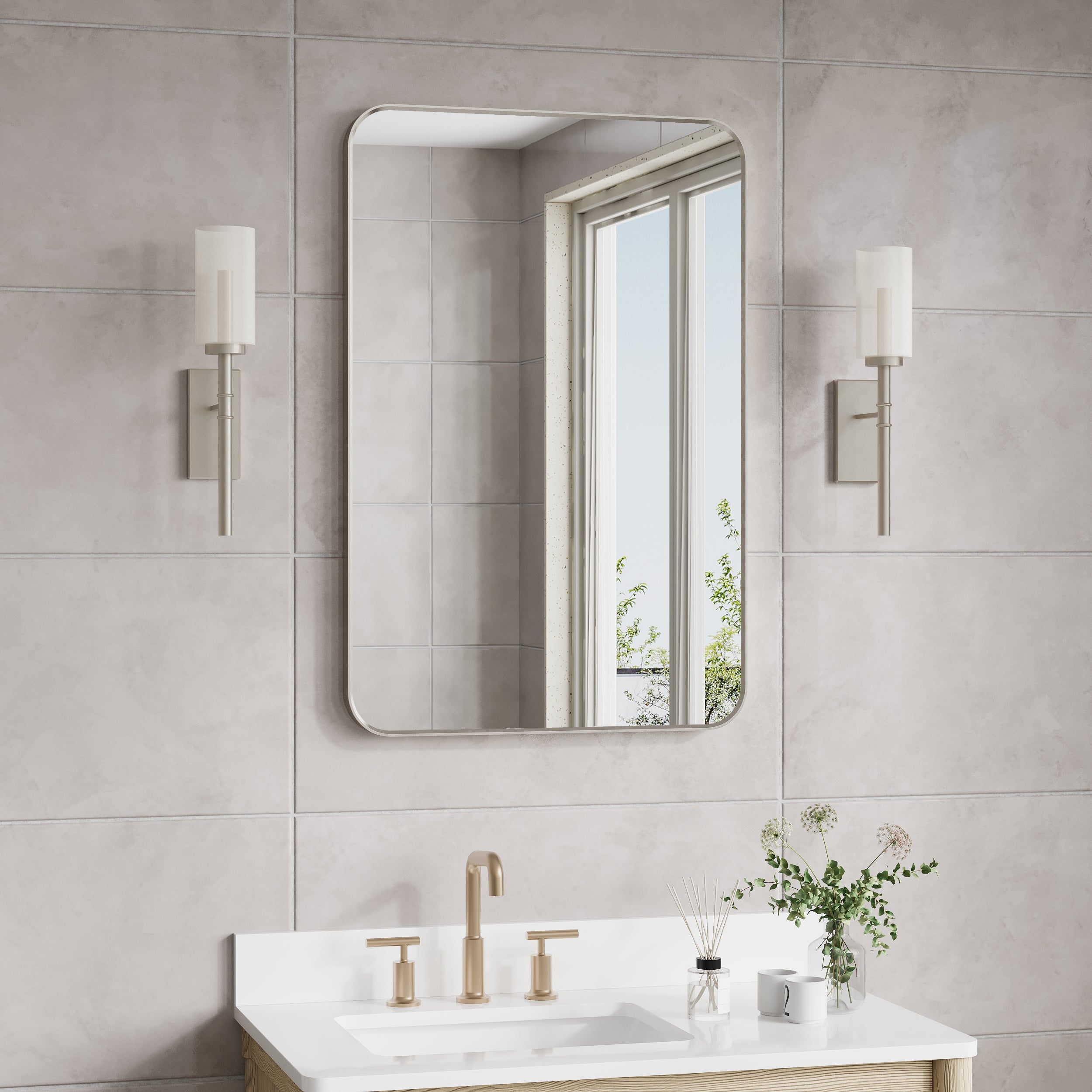
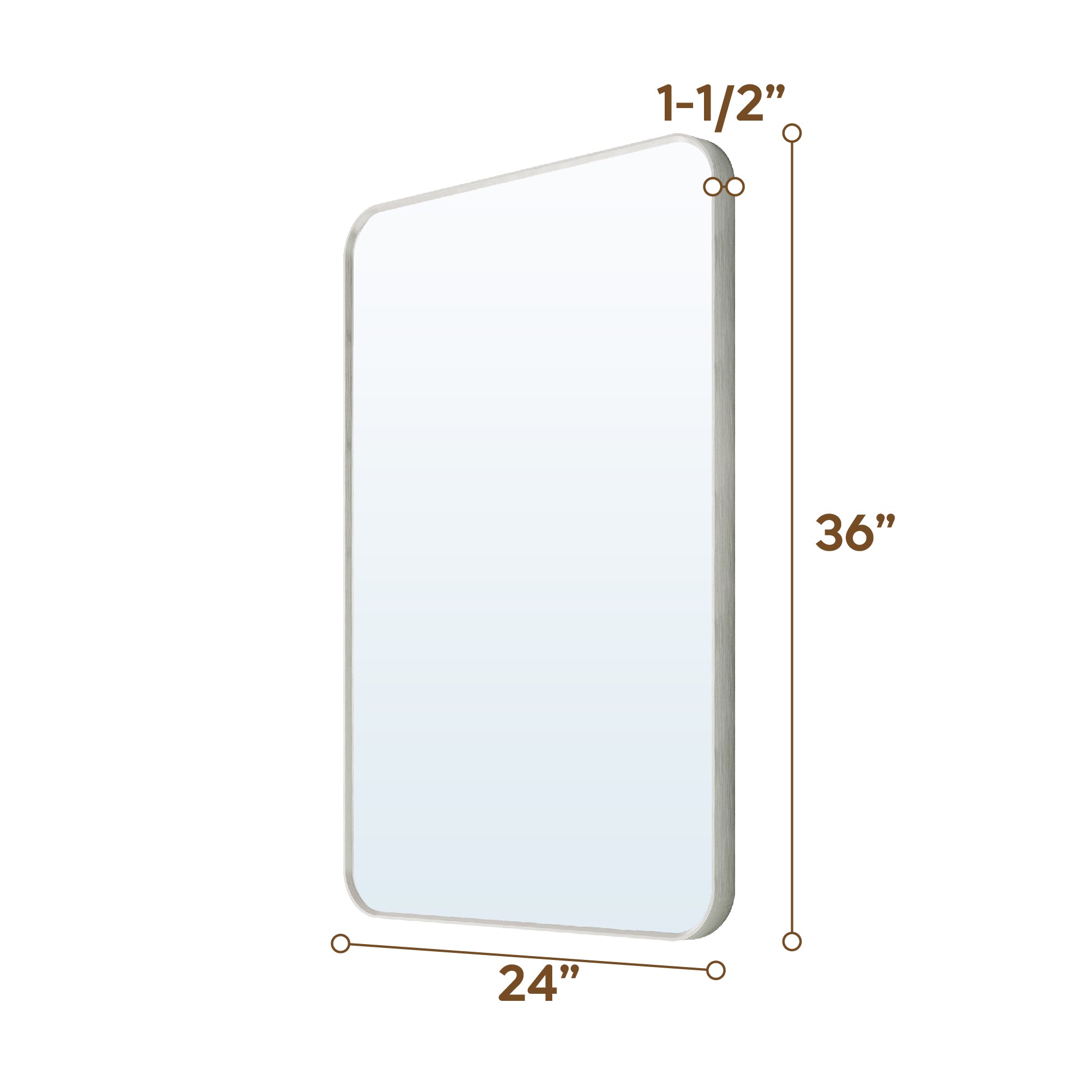
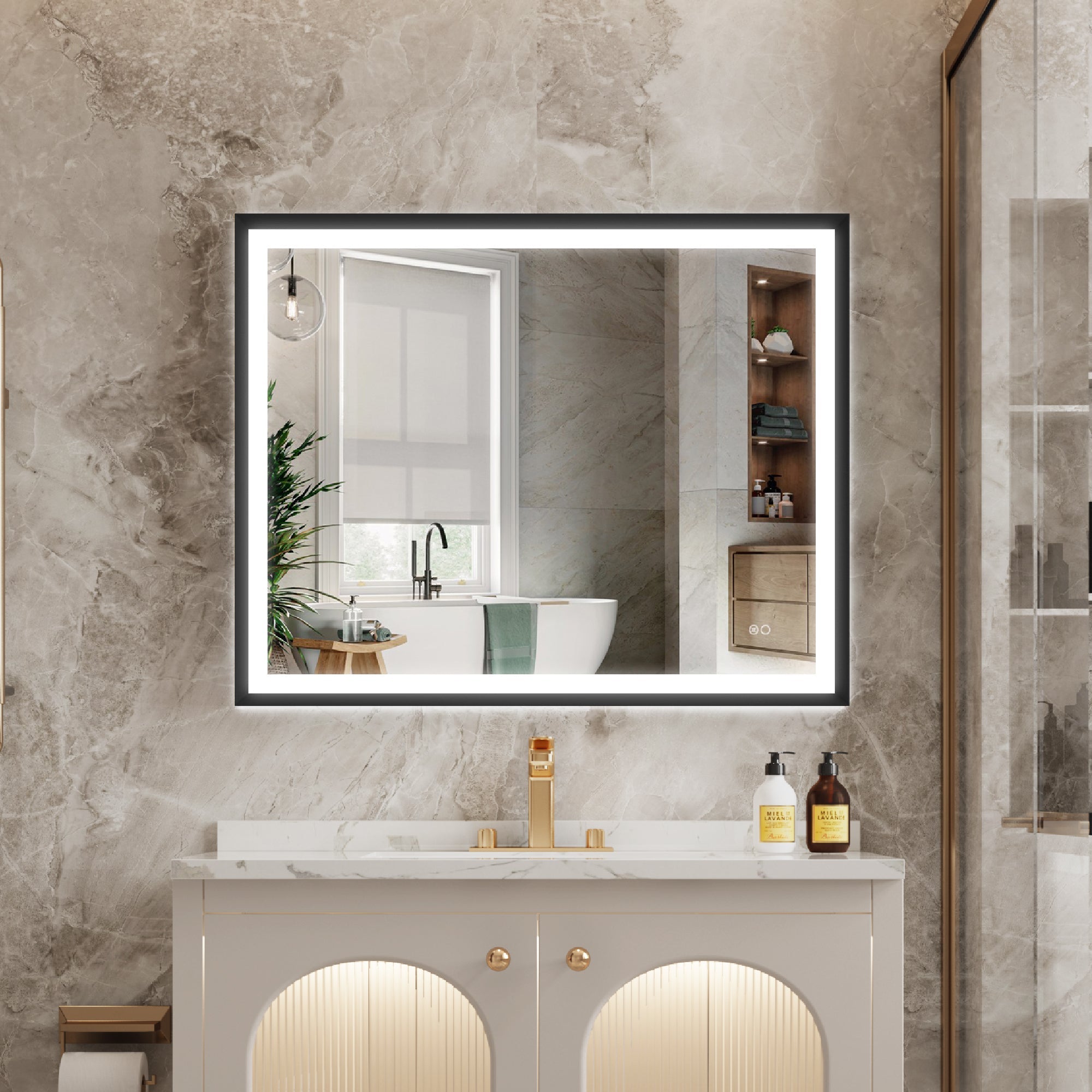
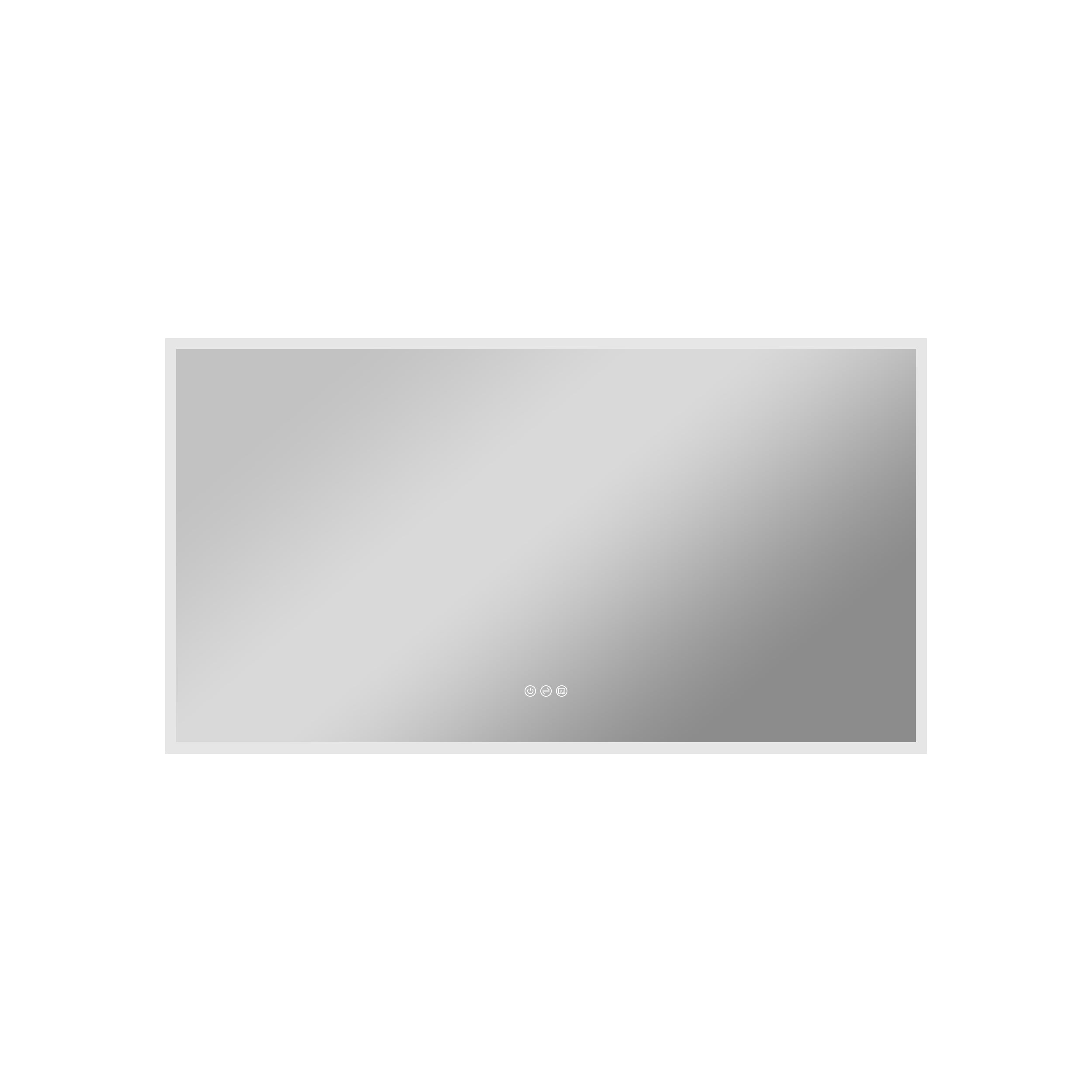
Rectangular line reinforcement: Rectangular mirrors are more suitable for calm colors, such as black or deep brushed nickel. This color can enhance the mirror's linear structure and create a strong sense of order with the neat lines of the sanitary ware below.

6. The "third color" bridge in the bathroom space
Sometimes, there is a conflict between the mirror frame and the sanitary ware, and a "third color" is needed to reconcile them.
Common industry practices include using tile grout, beautiful seam colors, or countertop textures as transitions. For example, if the sanitary ware is chrome-colored and the frame is black, then choosing white quartz stone with gray veins for the countertop can cleverly connect black and silver through the middle tone, eliminating the visual sense of separation.
7. Long-termism: Moisture resistance guarantees color durability
When coordinating colors, the uniqueness of the bathroom environment cannot be ignored.
The new industry standard for 2026 emphasizes that the coordination of any frame color must be based on excellent surface craftsmanship.
Anti-corrosion treatment: High-quality frame colors should pass a 240-hour salt spray test. If the coating does not meet the standard, the golden frame may have blackened oxidation points within two years, and the originally coordinated color scheme will completely collapse due to local mold or paint peeling.
Coating process: Metal mirror frames with PVD (Physical Vapor Deposition) coating are preferred. This process not only ensures pure color, but also ensures perfect "gloss alignment" between the frame color and high-end faucets that also use PVD technology.
Summary: Customized coordination is the ultimate answer for the future
Coordinating Mirror Colors with bathroom fixtures is a game of distributing visual energy. There is no absolute formula that can be applied, but the core principle remains unchanged: seek harmony in the larger context and contrast in the details.
In 2026, we recommend that homeowners break free from the constraints of "complete set purchase" and boldly define their own color logic based on the natural lighting of the bathroom, the depth of the cabinet, and personal lighting preferences. A mirror with harmonious colors and exquisite materials can elevate an ordinary combination of sanitary ware into a spatial artwork.














Leave a comment
This site is protected by hCaptcha and the hCaptcha Privacy Policy and Terms of Service apply.