














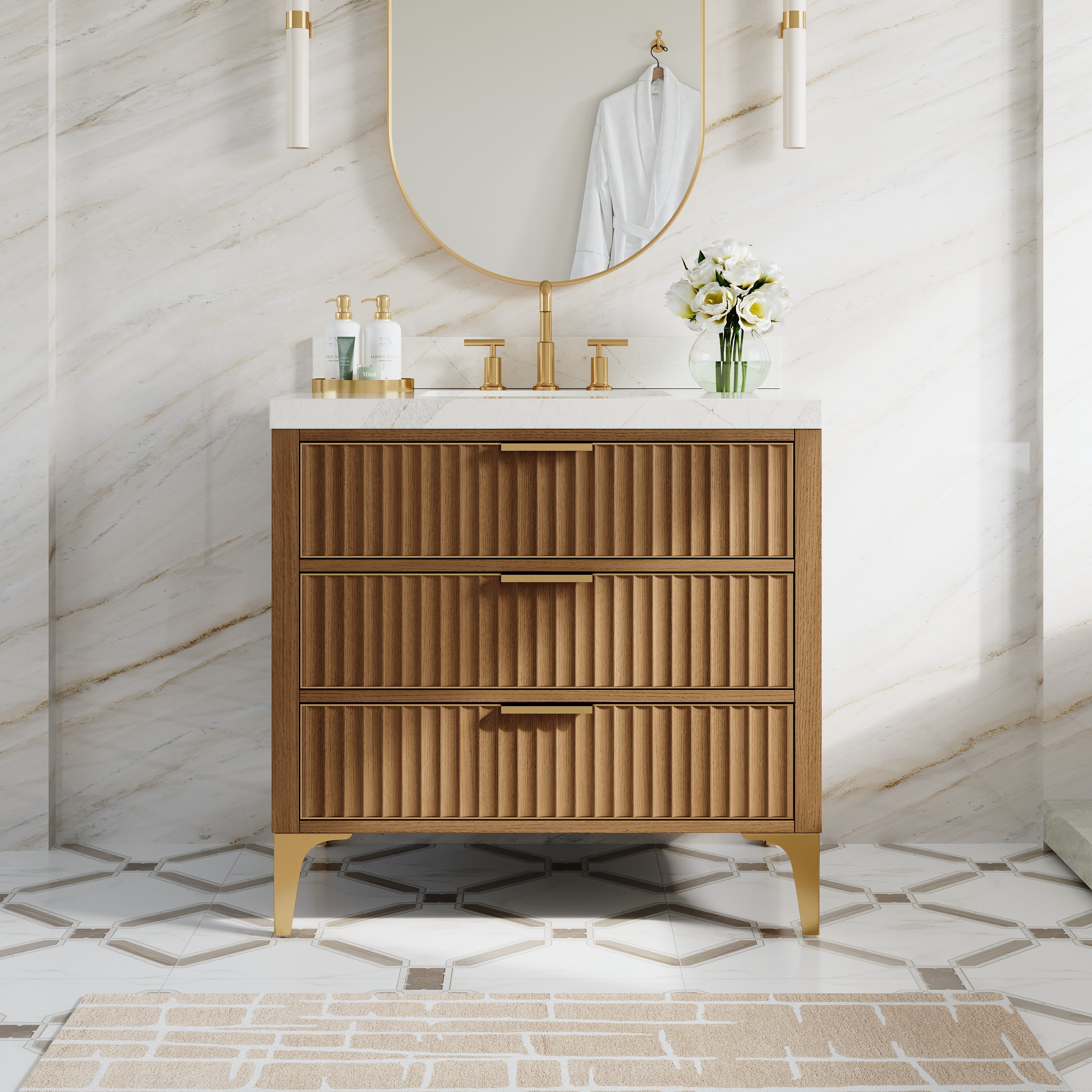
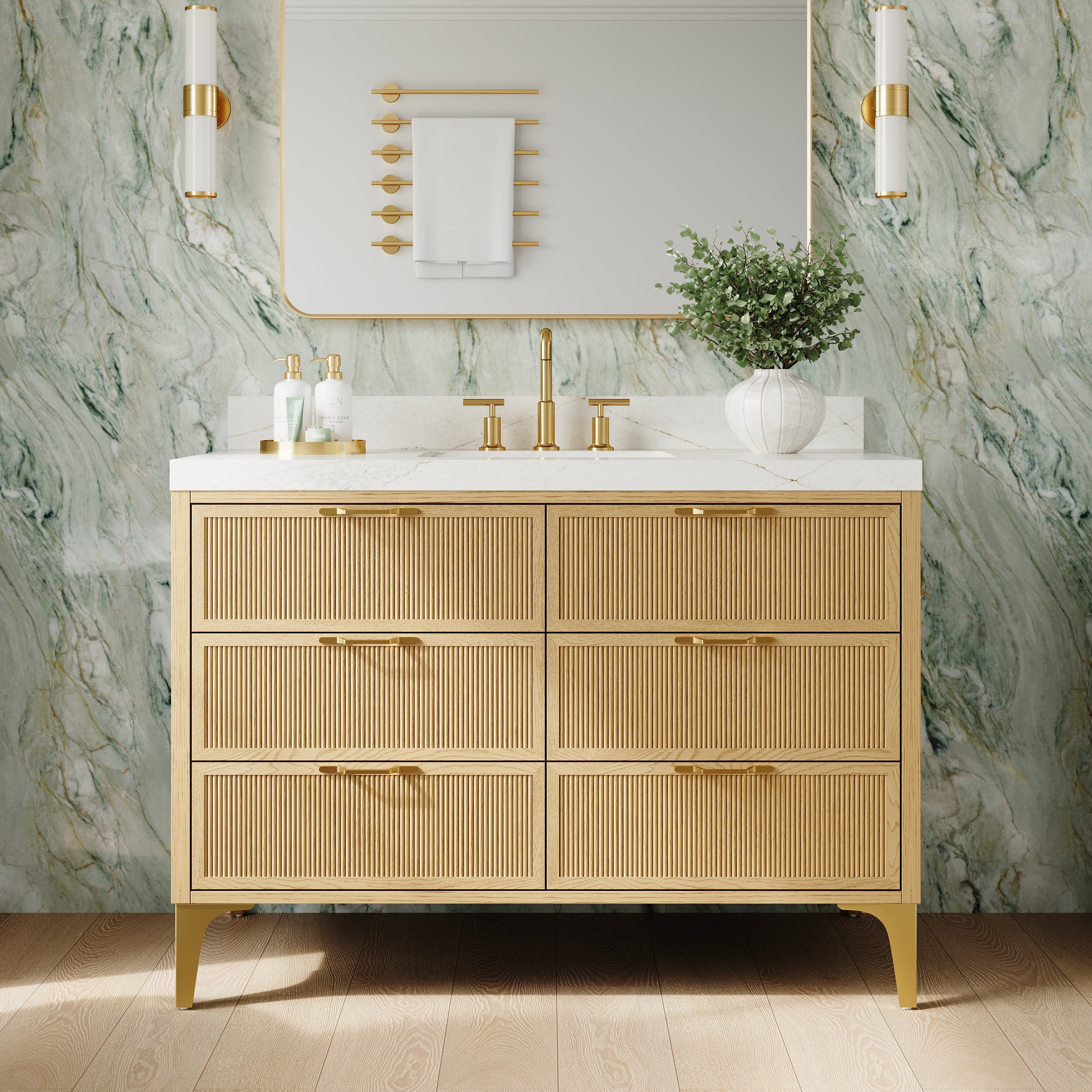


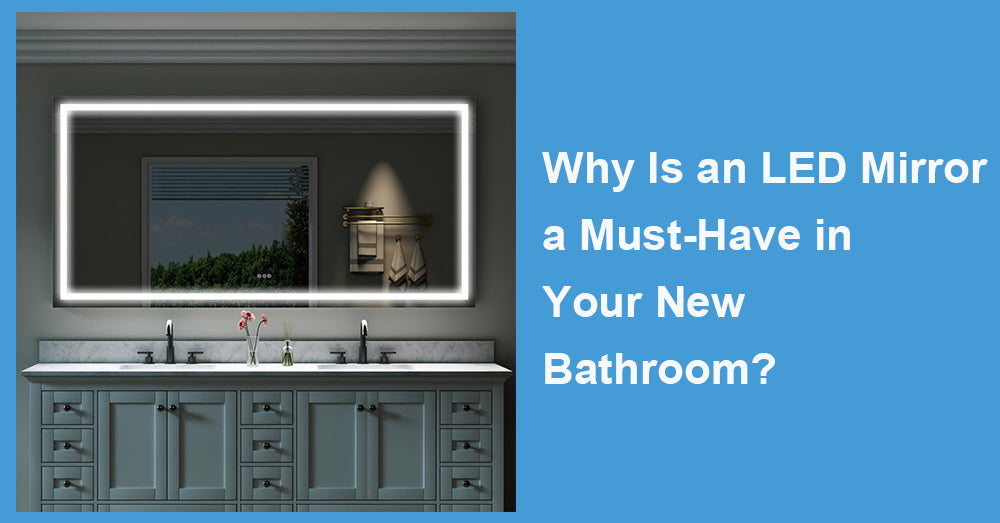
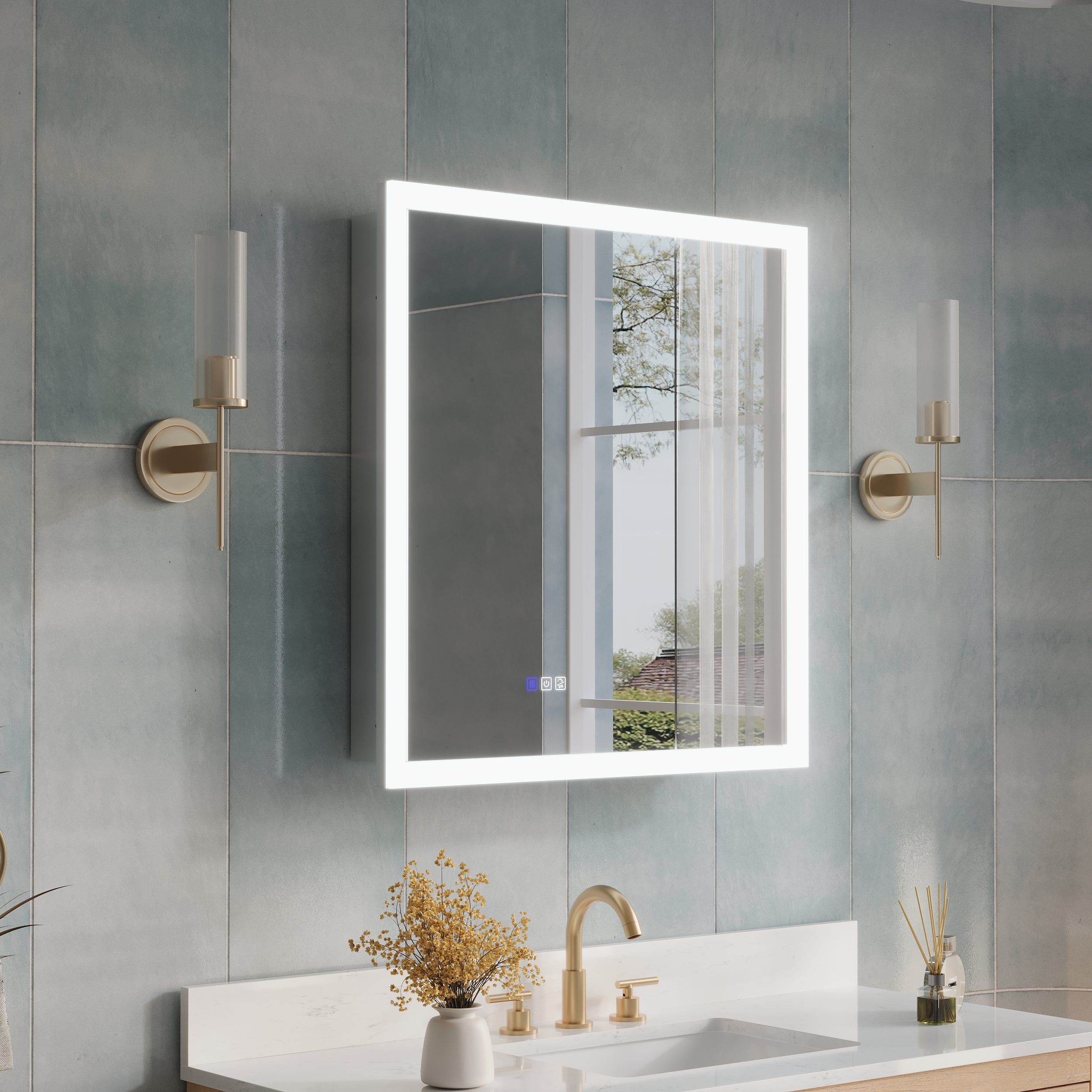
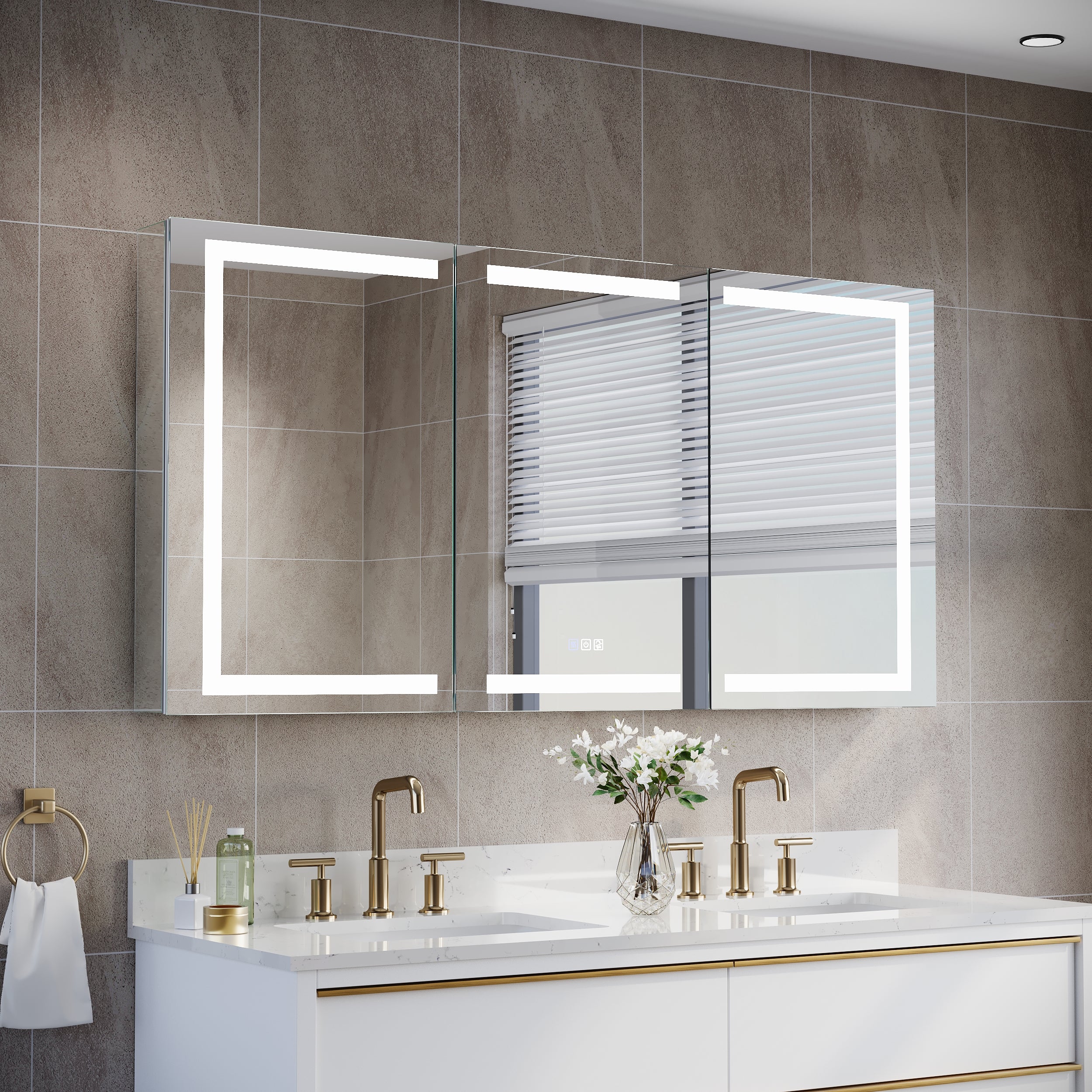
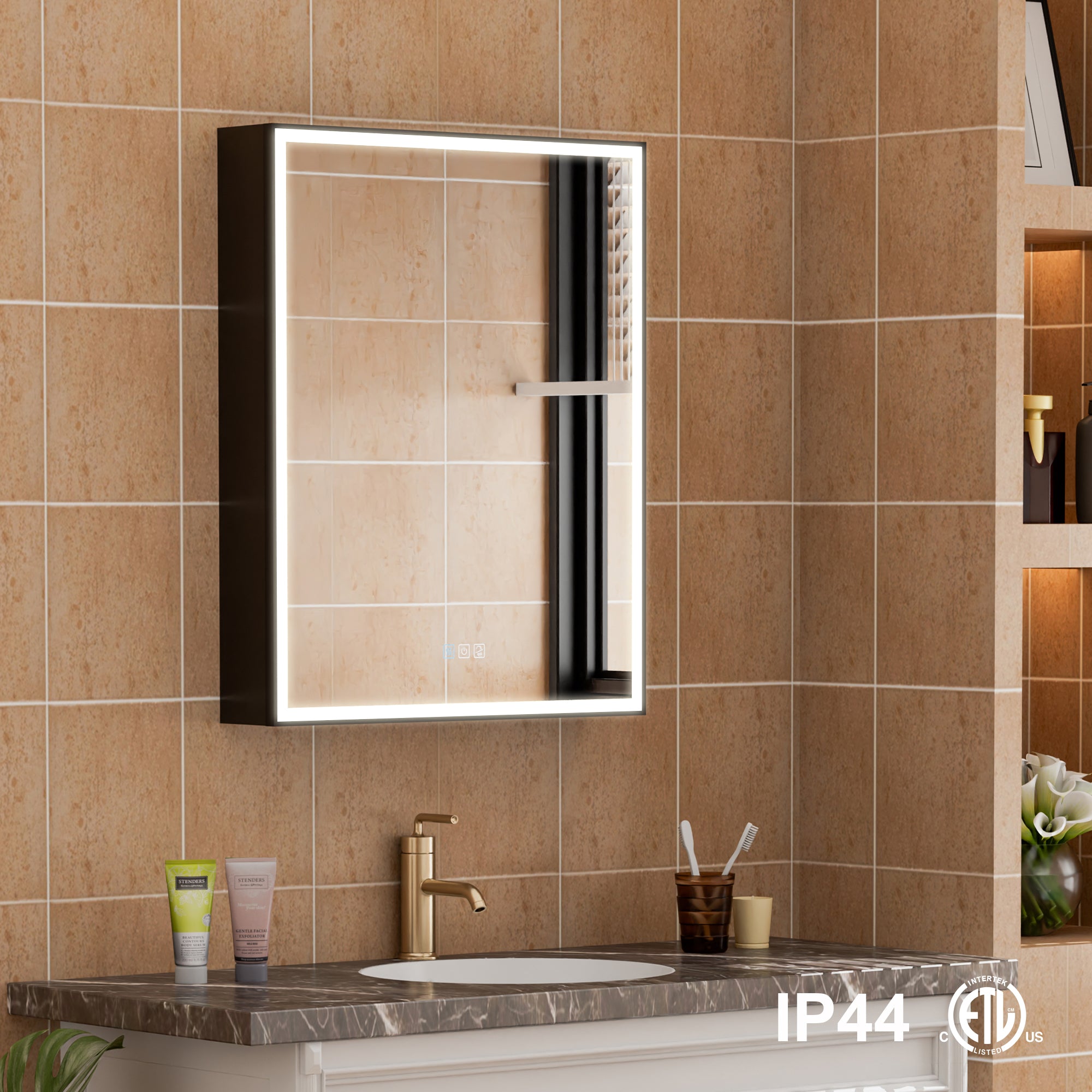
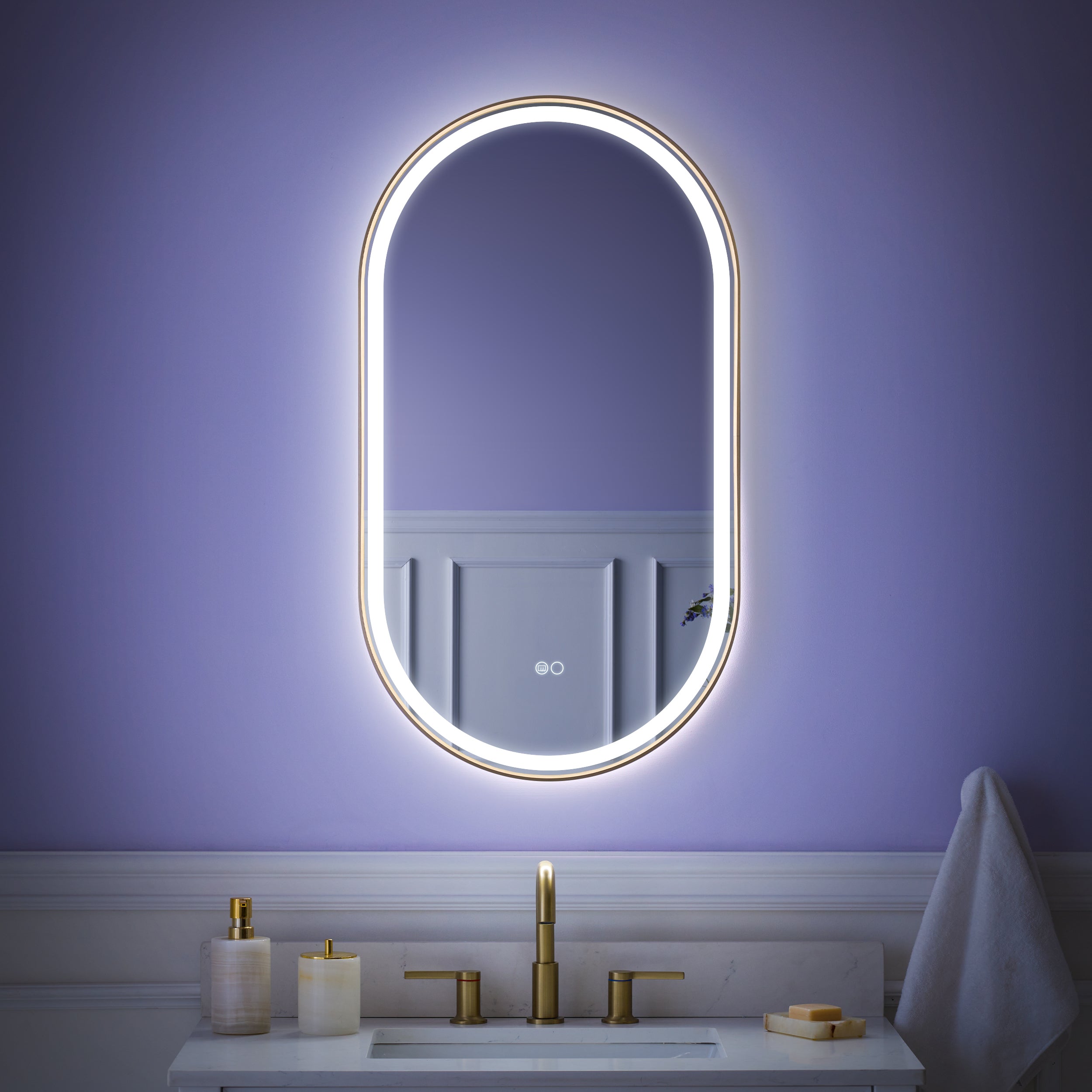
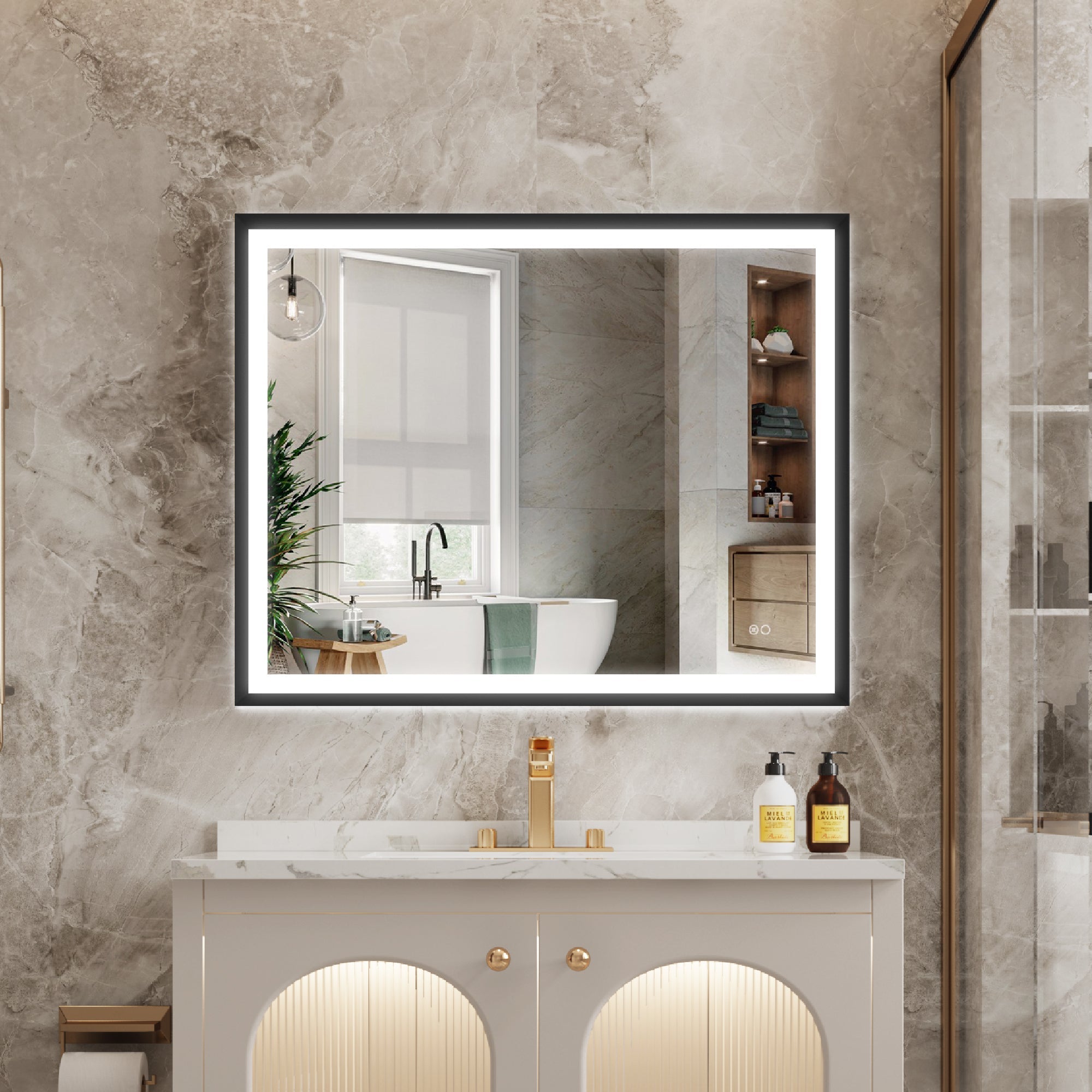
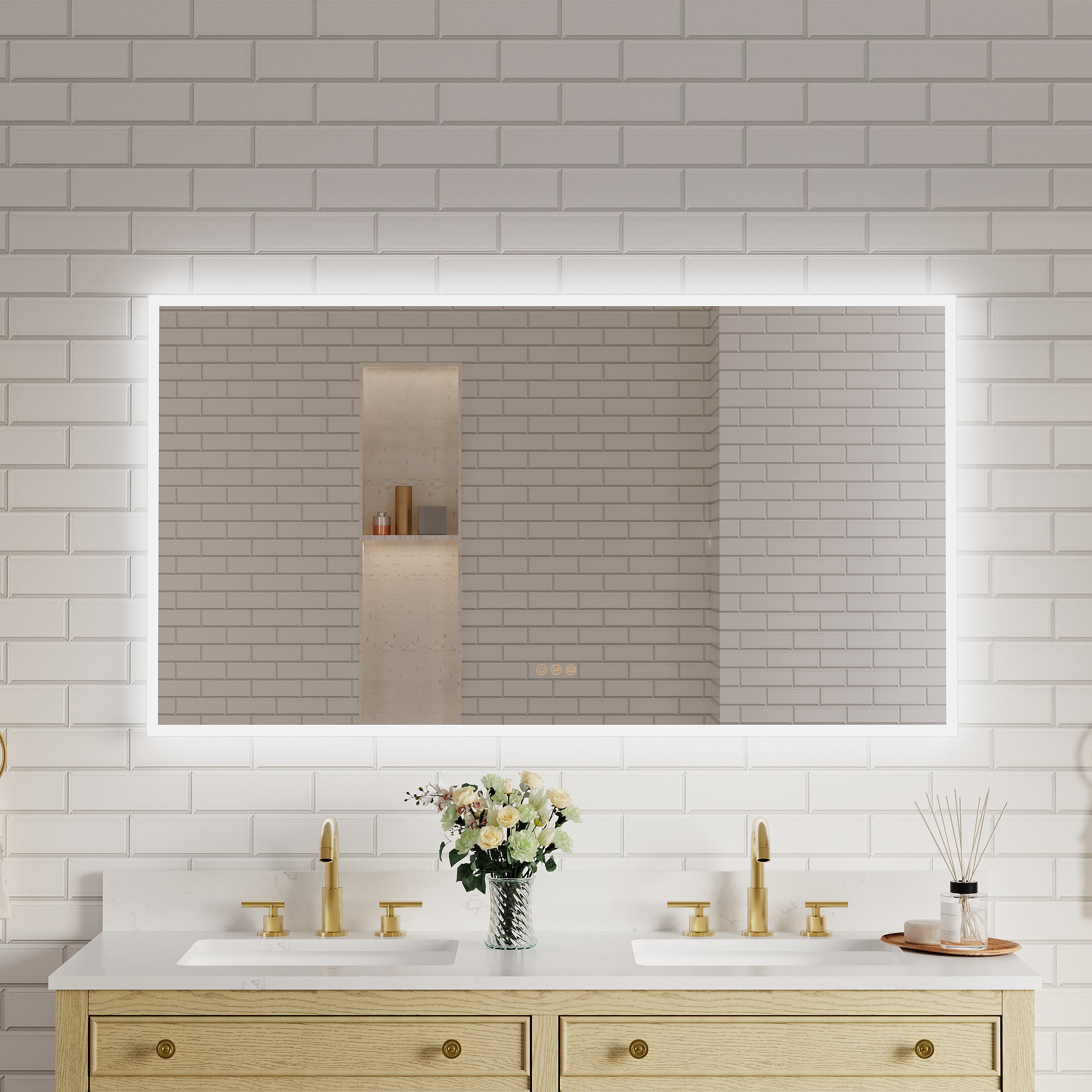
In a new bathroom, an LED mirror is becoming increasingly a "must-have" not because it feels high-tech, but because it brings the mirror, lighting, and everyday functionality together in one system. Public renovation research shows that 59% of bathroom renovation projects include a mirror upgrade, while 82% include upgraded lighting. This shows that the mirror and the lighting are no longer two separate decisions, but part of the same plan for the vanity area. In a new bathroom designed for long-term use, the mirror is not just for reflection; it also affects how comfortable it feels to wash up, do skincare, shave, and style your hair every day.
1. The most direct value of an LED mirror is that it fits real bathroom use better.
Ordinary ceiling lights may brighten the room, but they often fail to evenly illuminate the face, especially around the eye sockets, sides of the nose, and chin, where shadows are easy to create. NKBA bathroom planning guidelines clearly suggest that mirrors should be placed as close as possible to the user's eye level. If installed above the lavatory, the bottom edge of the reflective surface should be no more than 40 inches above it. The logic is simple: the space in front of the mirror is not just for display, but for high-frequency daily use. The closer and more accurate the light reaches the face, the more reliable the experience becomes.
2. From a trend perspective, LED mirrors are no longer a niche feature.
In the 2024 Houzz bathroom trend study, 30% of households upgrading their mirrors chose mirrors with specialized features, with LED lighting accounting for 21% and anti-fog for 20%. By 2025, the share of mirrors with specialized features rose to 34%, with LED lighting at 24% and anti-fog at 22%. This shows that mirrors are shifting from simple reflective surfaces to functional products, and LED lighting is one of the most important parts of that shift.
3. Another practical change is that illuminated mirrors themselves are becoming more common as part of the lighting system.
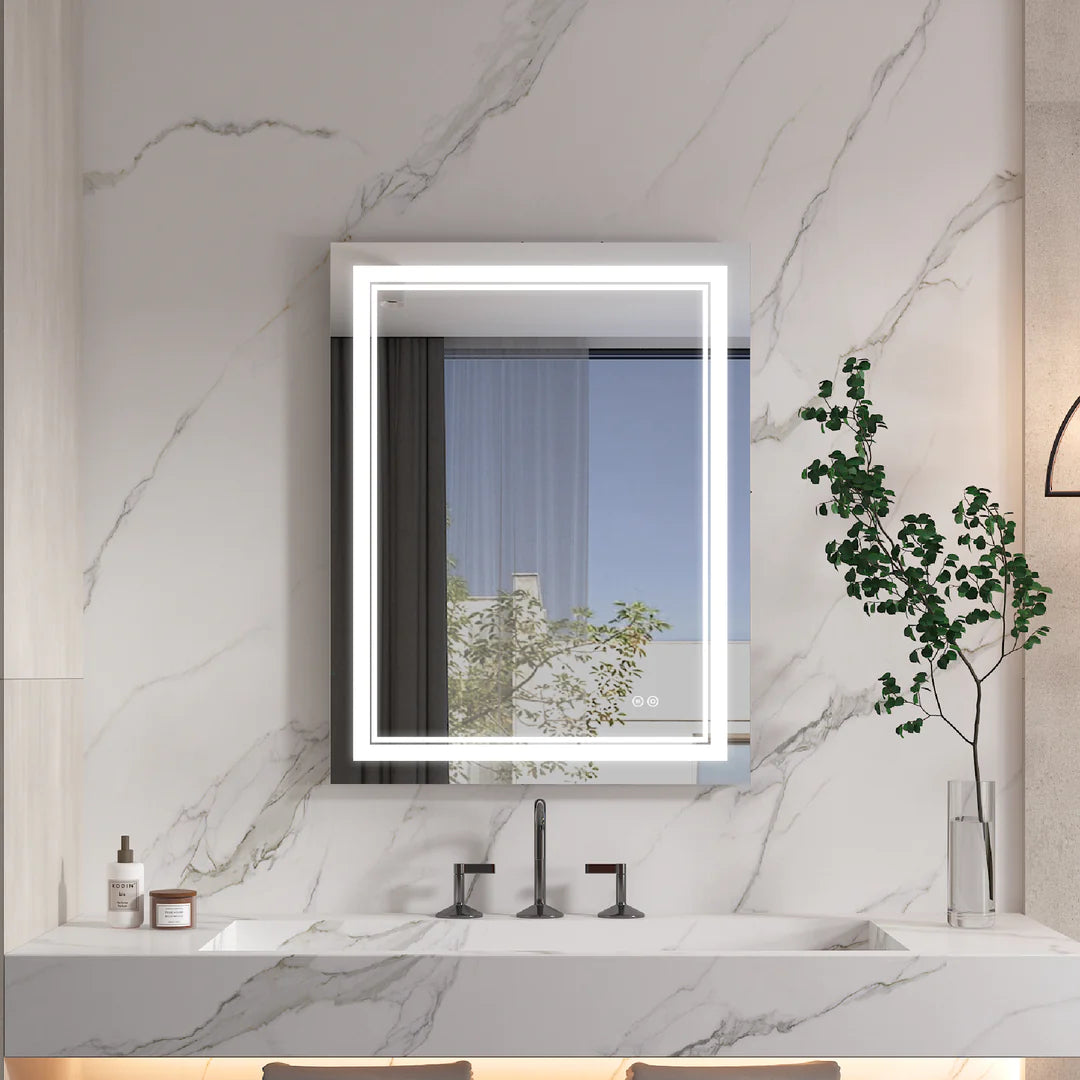
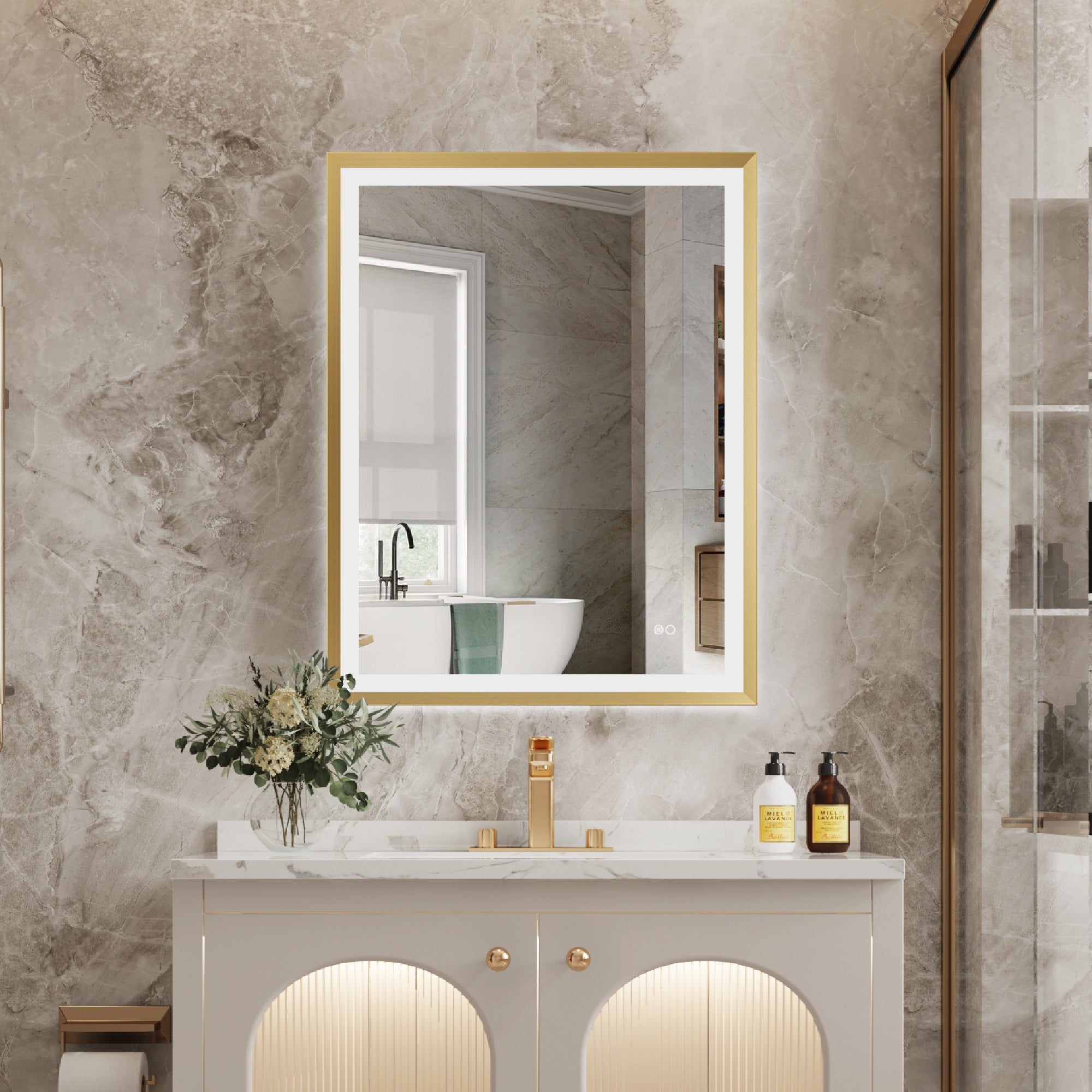
In bathrooms with upgraded lighting in 2024, illuminated mirrors accounted for 19%. By 2025, that figure increased to 22%. This data suggests that more renovation projects are moving away from the traditional approach of hanging a mirror on the wall and placing lights around it. Instead, they are choosing to integrate lighting directly into the mirror. For a new bathroom, the benefits of this type of integrated product are clear: cleaner walls, more focused lighting, and a more streamlined visual effect.
4. LED mirrors are becoming more important because the bathroom itself is evolving into a more complete daily care space.
A 2025 study found that 25% of homeowners use their primary bathroom for rest and relaxation, while 24% use it for beauty and self-care. At the same time, 36% of renovation projects include wellness-focused features, and upgraded lighting accounts for 30% of those features. This means that the lighting in front of the mirror in a new bathroom no longer just needs to be "bright enough." It needs to be more even, more comfortable, and better suited to close daily use over time.
5. From a long-term cost perspective, LED mirrors are also more efficient than traditional lighting setups.
According to official data from the U.S. Department of Energy, residential LEDs, especially those that meet ENERGY STAR standards, typically use at least 75% less energy than incandescent bulbs and can last up to 25 times longer. Meanwhile, 84% of bathroom renovations in 2024 included some form of sustainable option, with LED lightbulbs being the most common at 55%. This means the value of an LED mirror is not just the upscale feel it brings when first installed, but also fewer bulb replacements, lower energy use, and less maintenance over the years.
6. For new bathrooms, LED mirrors also offer an often-overlooked advantage: they work especially well in cleaner, simpler designs.
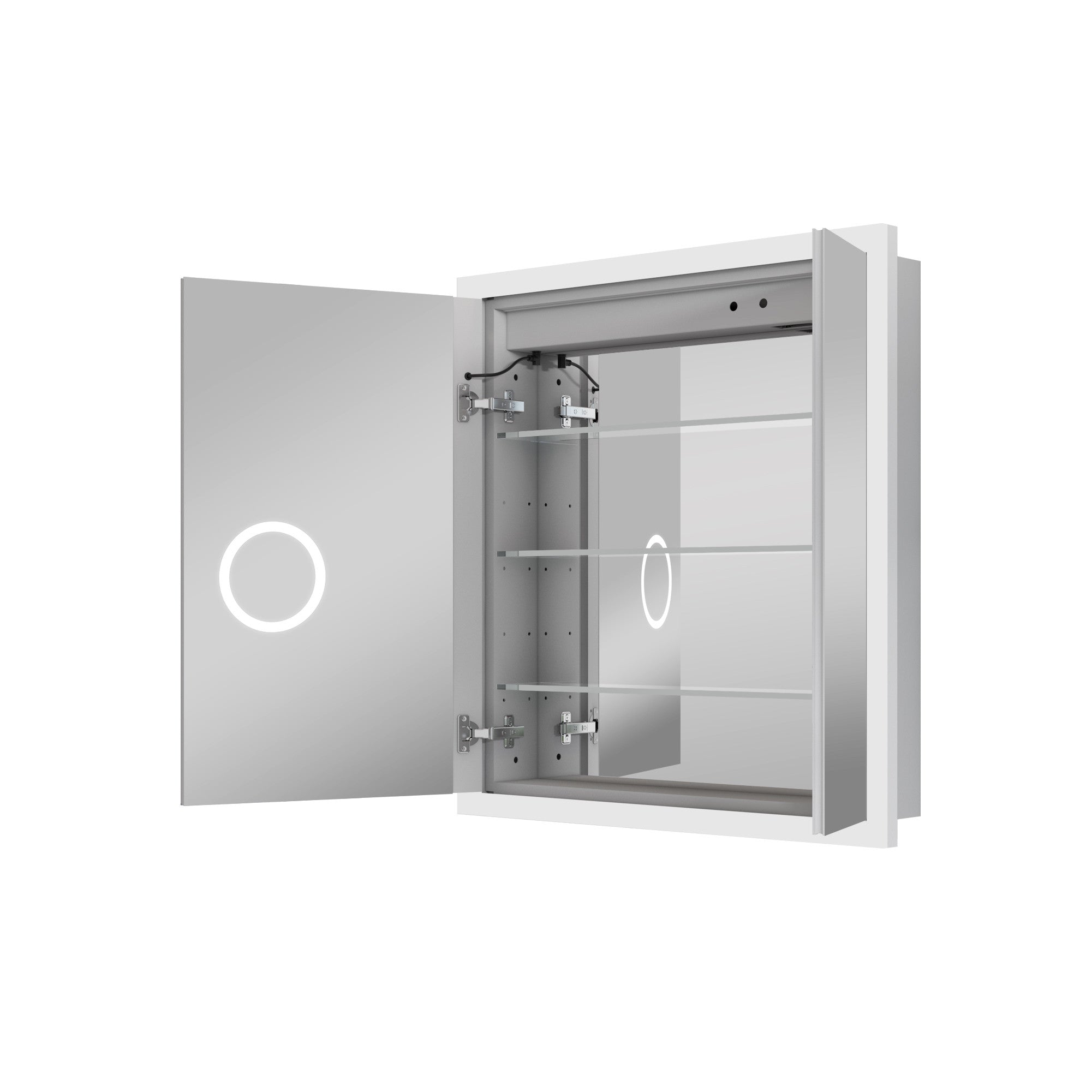
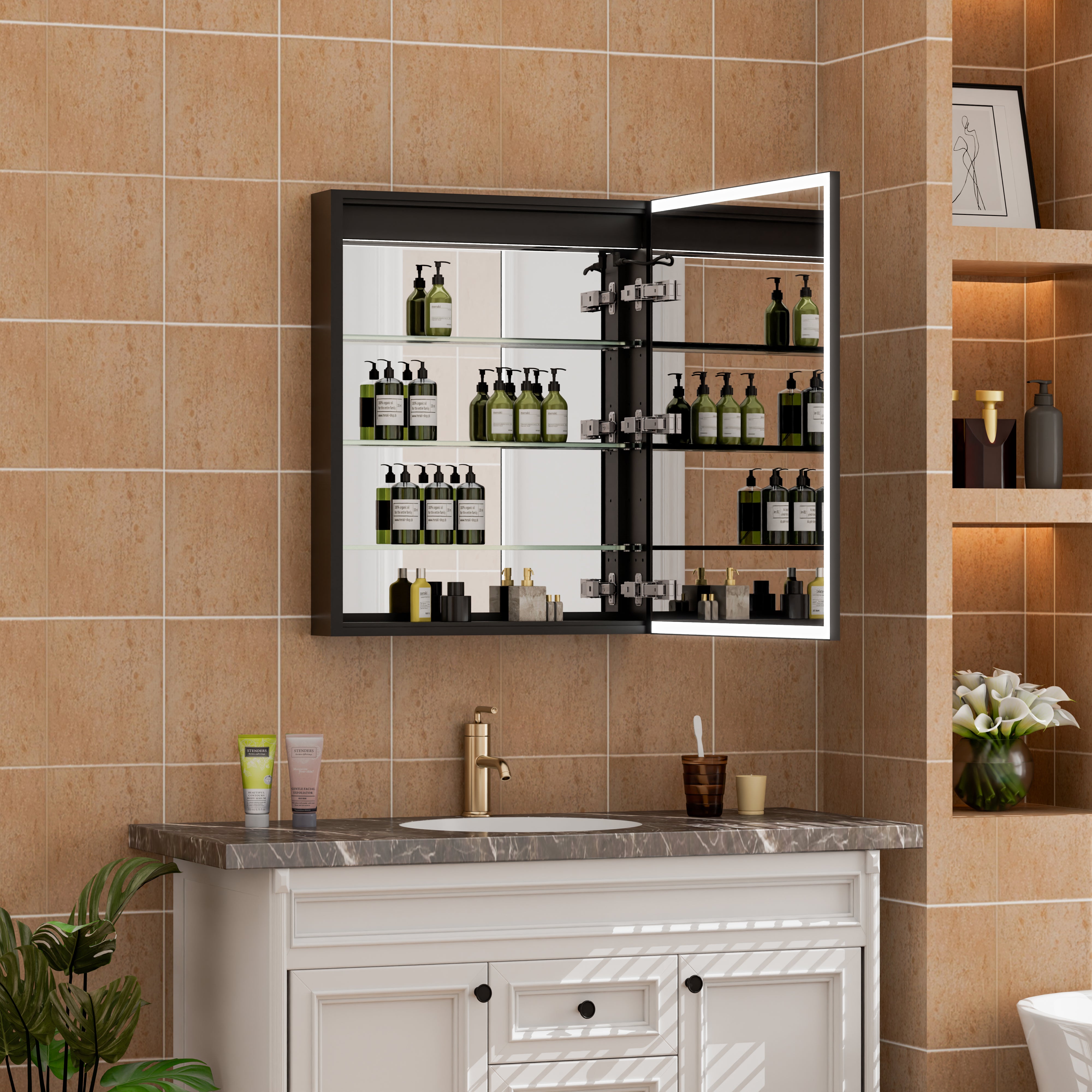
In 2024, mirror upgrade data showed that 59% of projects chose one mirror and 37% chose two mirrors. This suggests that most people still prefer a more complete and unified mirror layout. In bathrooms with limited width and in spaces where there is no desire to add too many wall lights and extra hardware, an LED mirror can combine reflection and lighting in a single unit. That reduces visual clutter and helps the vanity wall feel more open. For small and medium-sized bathrooms in particular, the value of having one less component and one less layer of visual interruption is very real.

7. Put simply, LED mirrors are becoming more of a necessity in new bathrooms, not because they are more fashionable, but because they better match how bathrooms are actually used today.
They combine reflection, task lighting, visual cleanliness, and long-term operating efficiency in one solution. If this is the primary bathroom, or if you already care about the experience at the mirror, cleaner storage, and a more cohesive overall look, then an LED mirror is likely worth the investment. It may be less of a priority in a low-frequency guest bathroom where the existing lighting layout already works well, and the budget is better spent elsewhere. A truly well-designed new bathroom is not about adding every possible feature, but about getting the most frequently used area right from the start.
















Leave a comment
This site is protected by hCaptcha and the hCaptcha Privacy Policy and Terms of Service apply.