














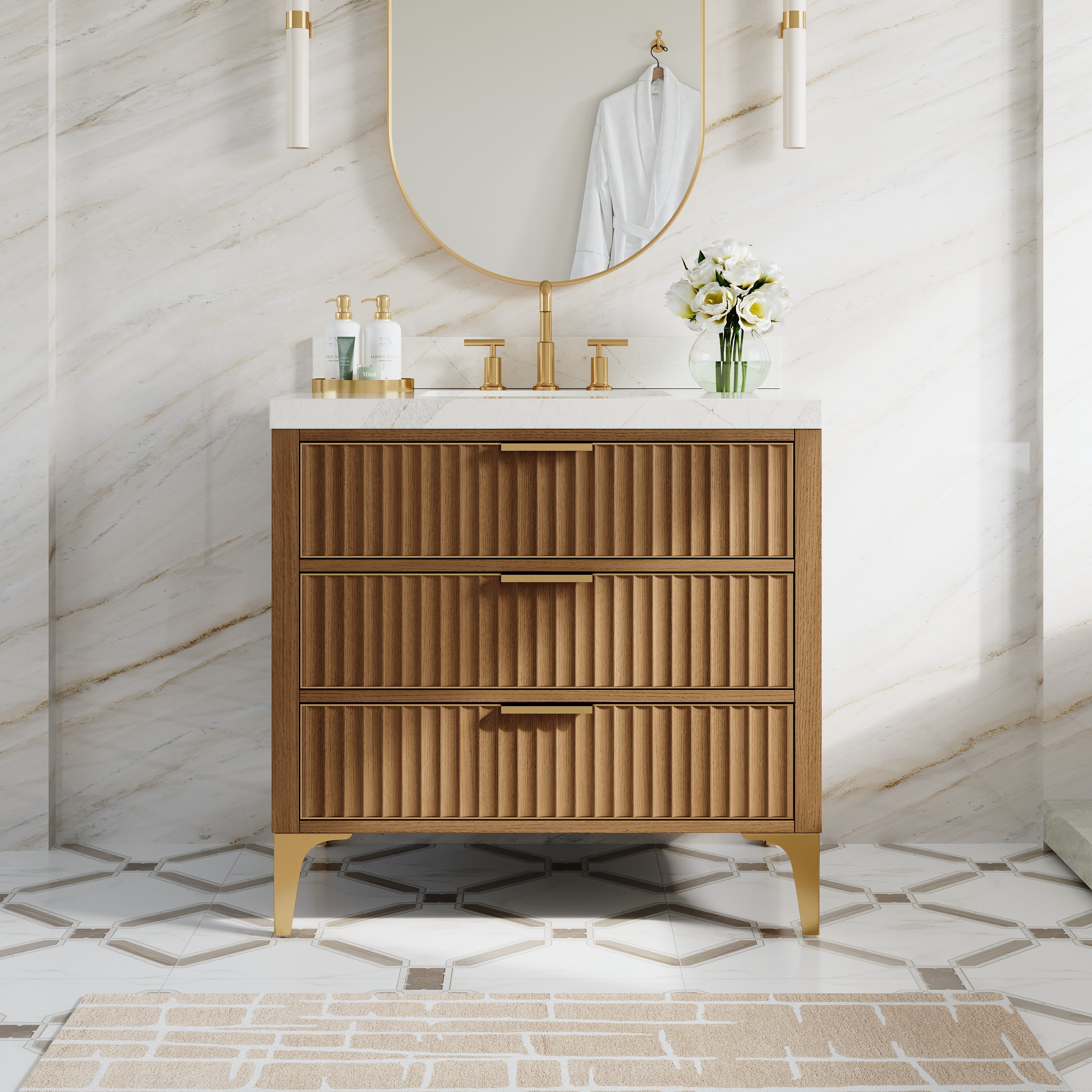
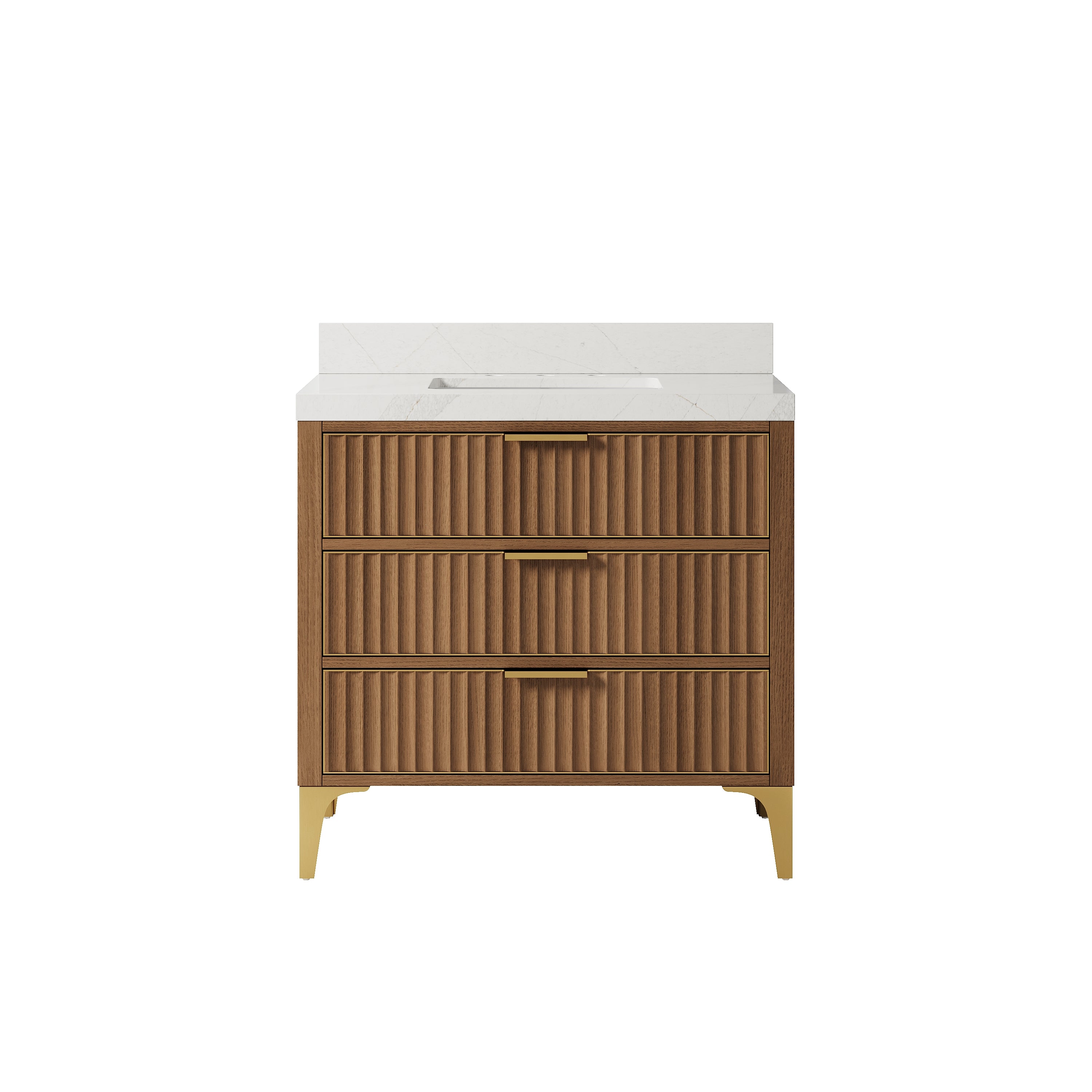
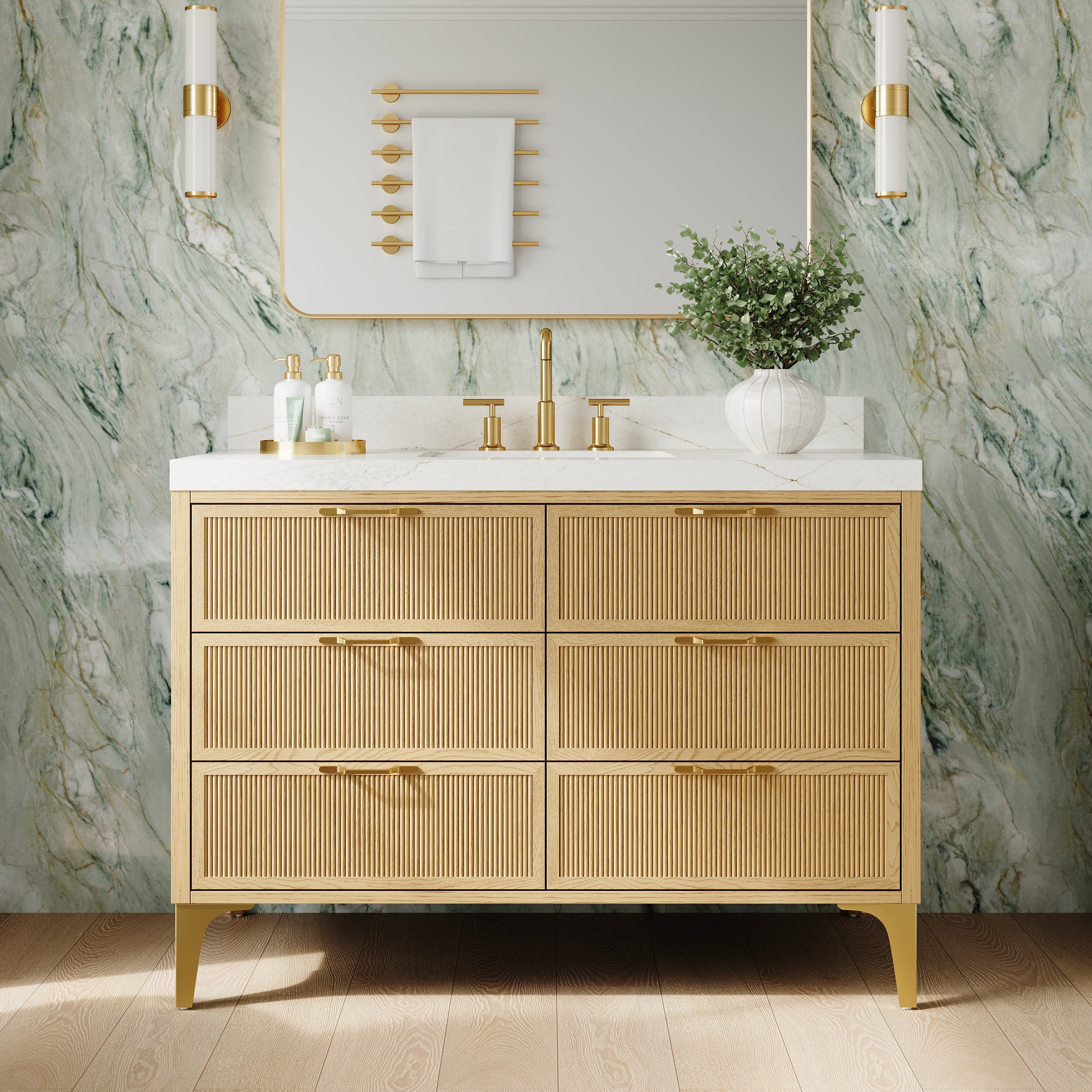
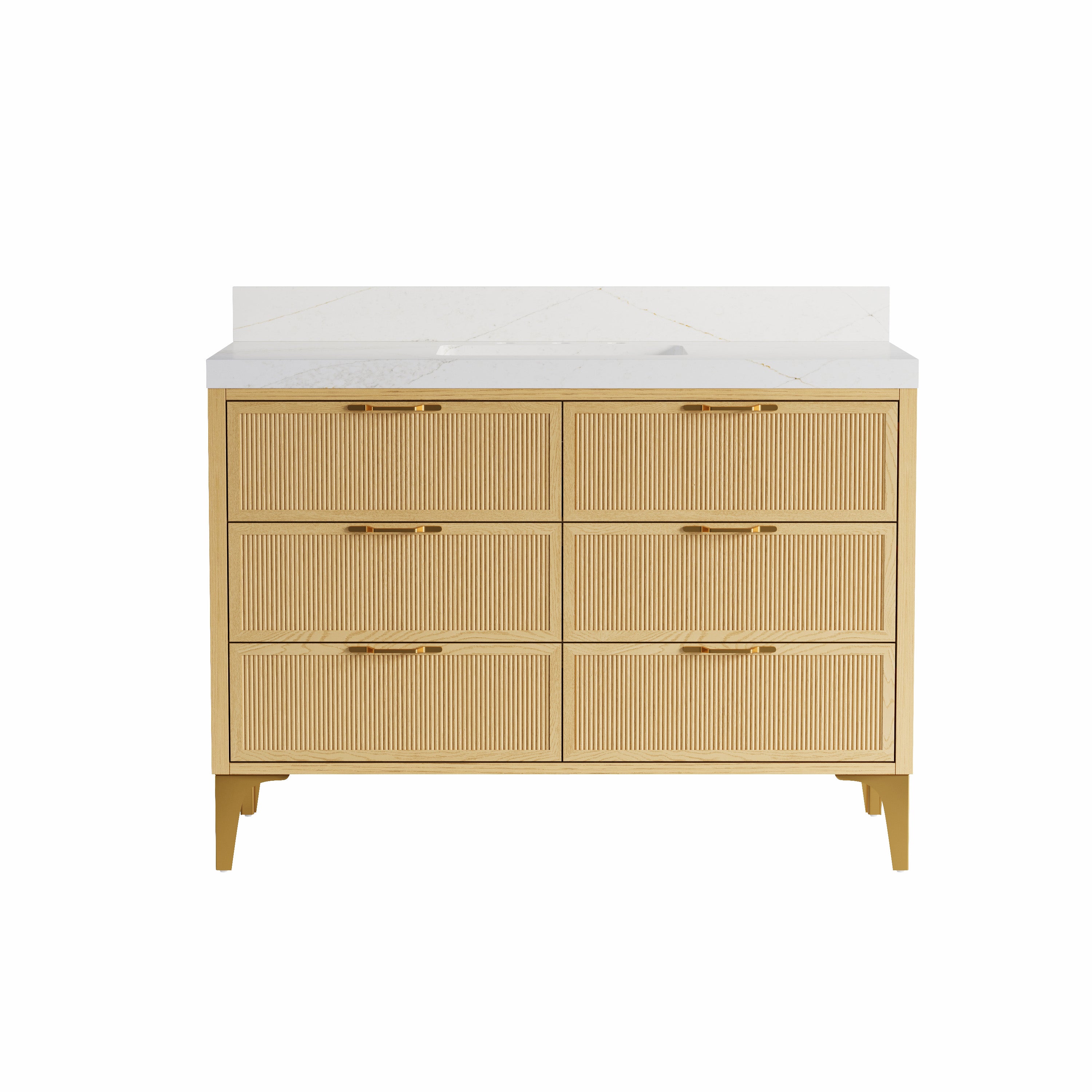


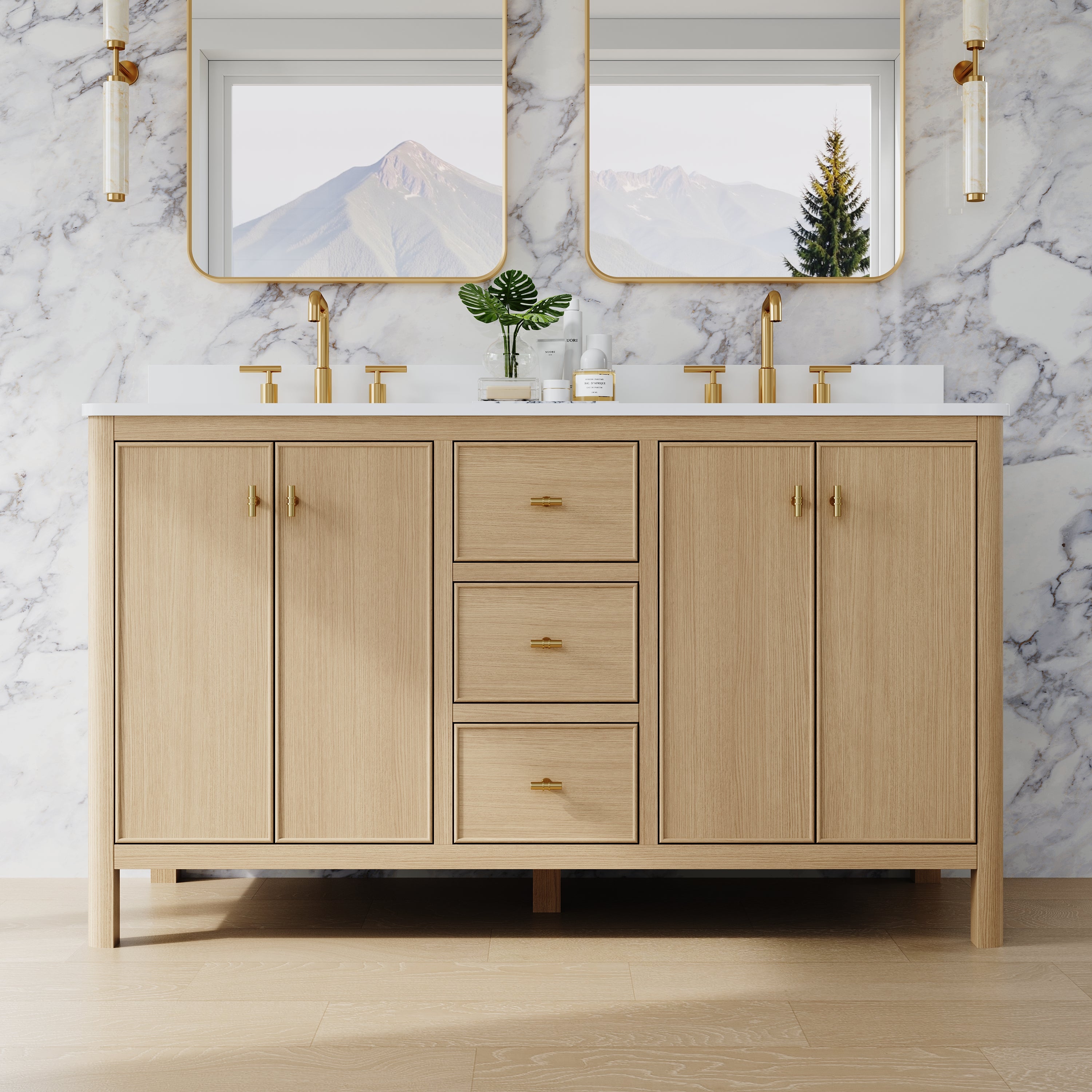
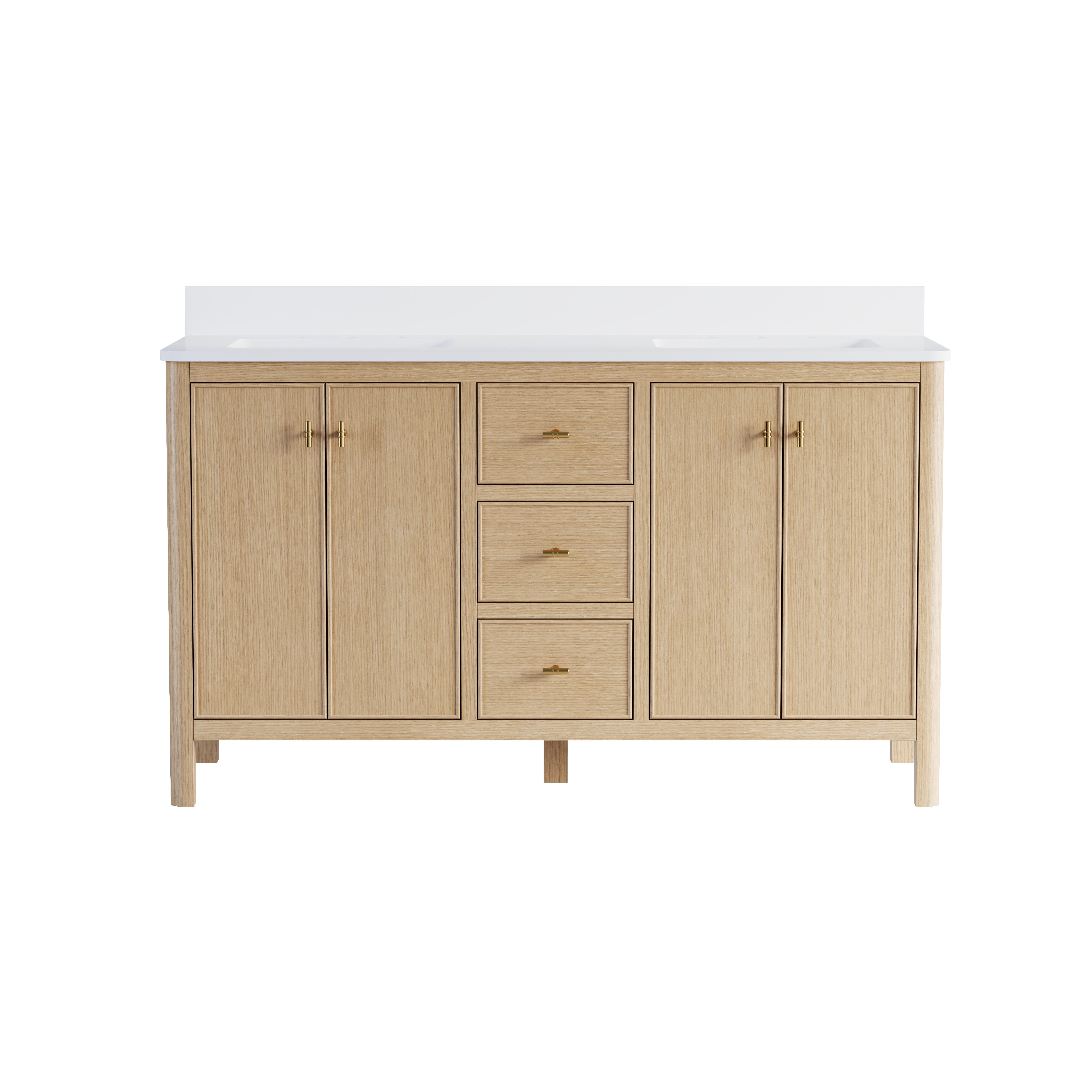
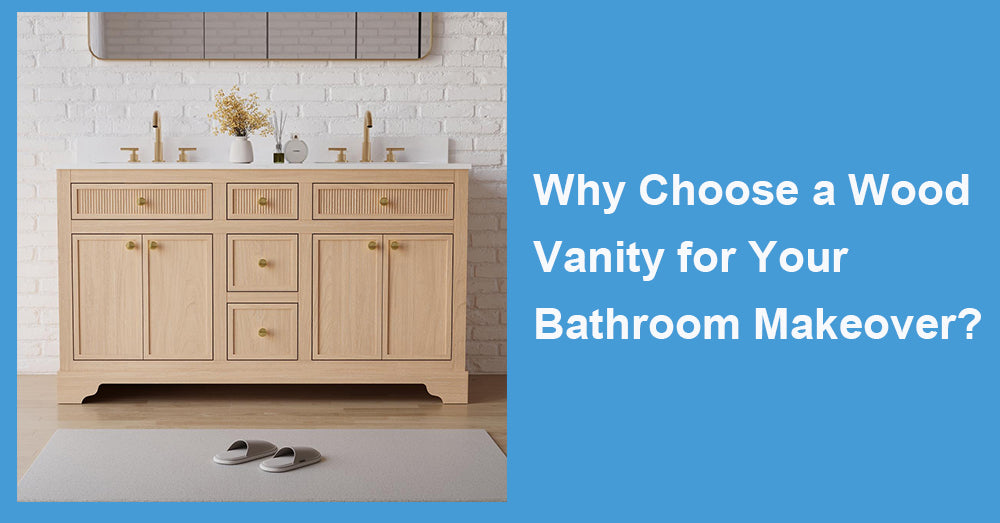
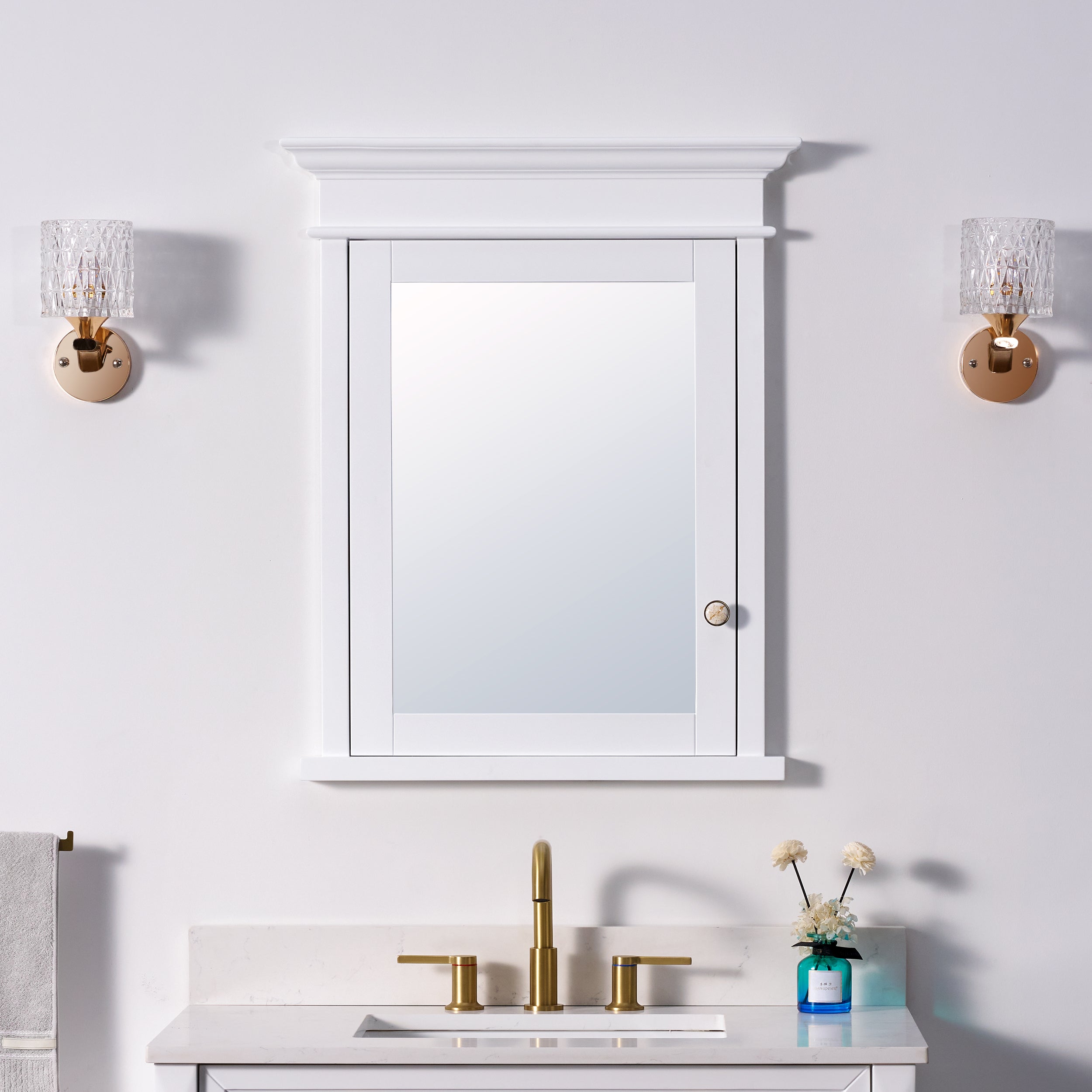
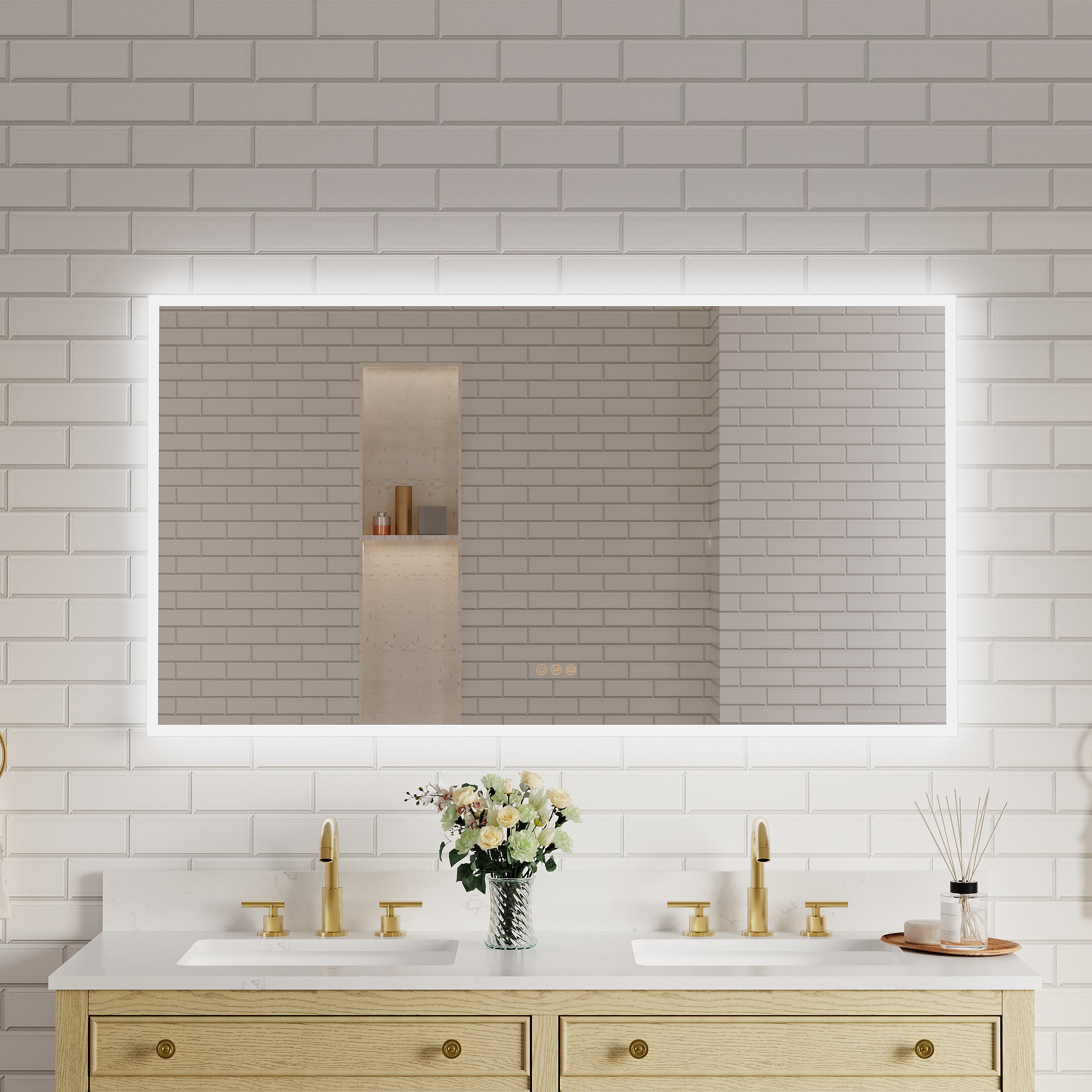
In bathroom renovation, the reason why wood vanity has always had a presence is not that it "looks more expensive", but because it can solve both temperature and humidity problems at the same time. Ceramic tiles, mirrors, hardware, and stone are all relatively cold, but wooden cabinets can bring the space back to a more durable state, making the bathroom not only clean but also layered and lively. Public renovation data also indicates that this is not a niche preference: among those who upgrade wooden bathroom cabinets, 74% will choose solid wood, significantly higher than MDF's 10%, plywood's 6%, particleboard's 4%, and veneer's 3%. This means that wooden cabinets are not a "retro revival", but one of the most mainstream material judgments in real renovation.
1. The main value of choosing a wooden bathroom cabinet is its durability.
Other materials may look impressive at first but feel thin after six months, while wood gains stability over time. Recent data shows maple makes up 29% of solid wood bathroom cabinets, white oak 23%, birch 12%, walnut 9%, cherry 7%, and alder 5%. This reflects a preference for woods with clear textures, adaptability, and lasting durability, rather than a brief visual impact.
2. The second advantage of wooden bathroom cabinets is that they are more flexible than many people think.
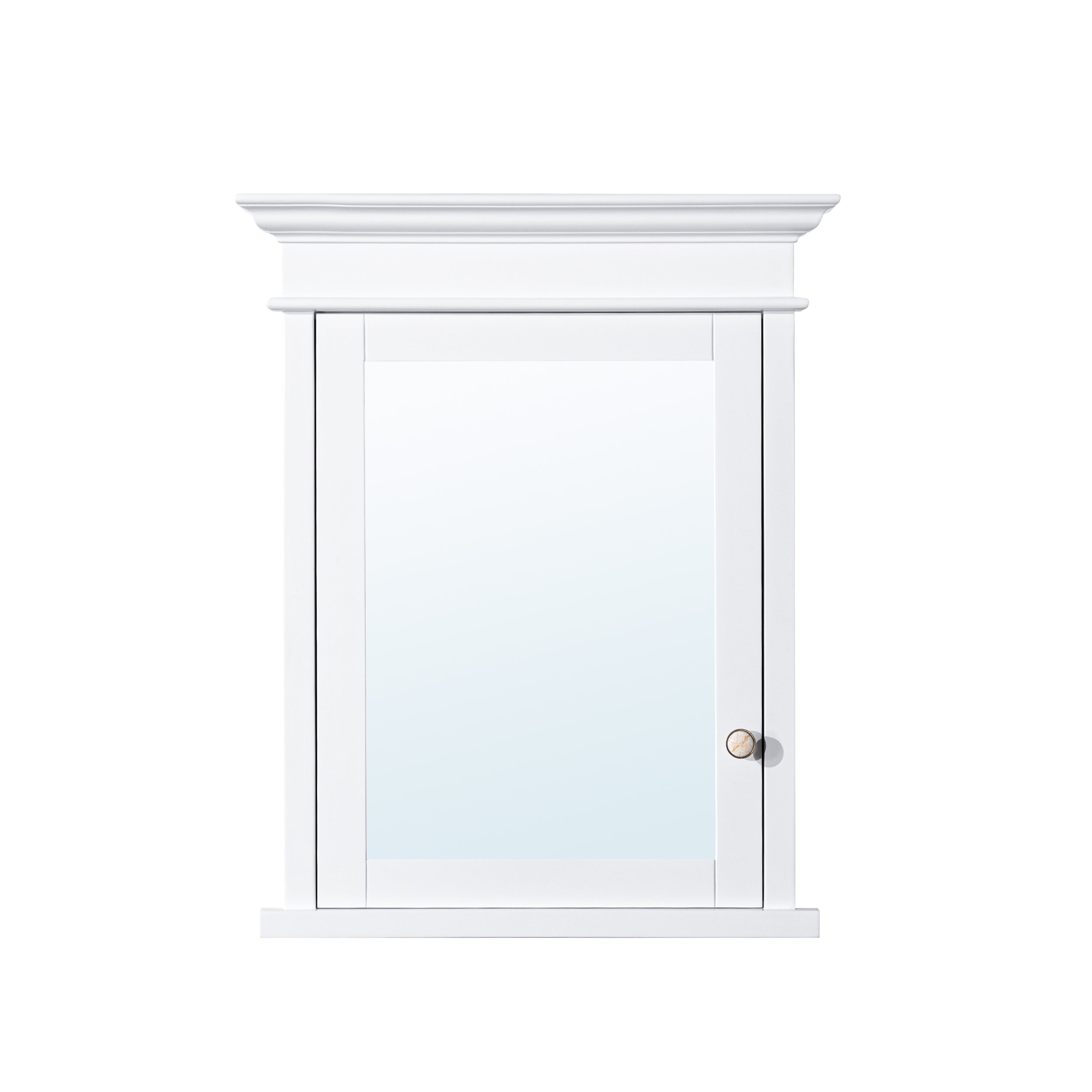
It is not only suitable for any particular decoration style. Shaker door type still ranks first in bathroom cabinet upgrades, with 49%; flat panel, 26%; and raised panel, 15%. In terms of surface treatment, paint 36% still ranks first, while stain 23% ranks second, wood veneer 15% and natural finish 9%. This indicates that a wooden cabinet does not necessarily require a natural wood color. It can be used to create warm woodgrain as well as more modern, restrained coating effects. The real advantage is that you can retain the wood's volume while still having enough space for style adjustments.
3. The reason wooden bathroom cabinets are suitable for renovation is not only their appearance, but also their ease of creating more convenient storage structures.
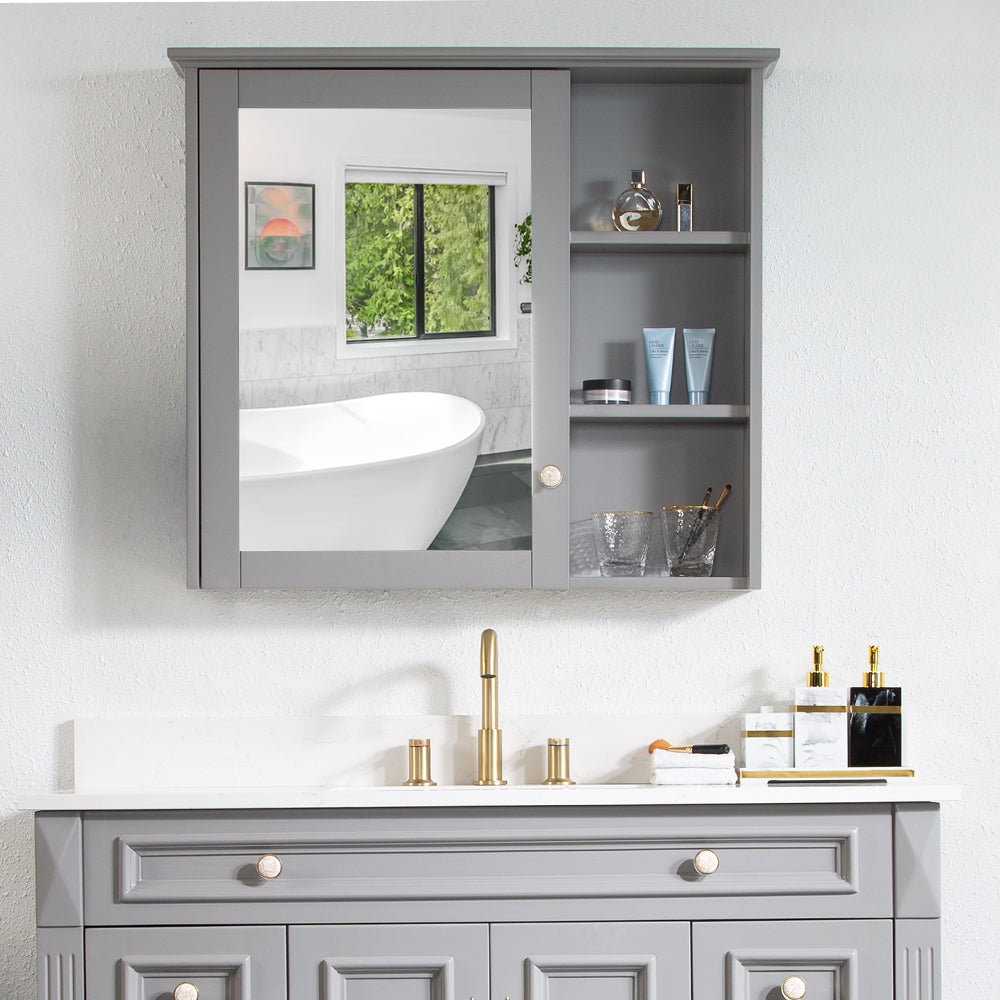
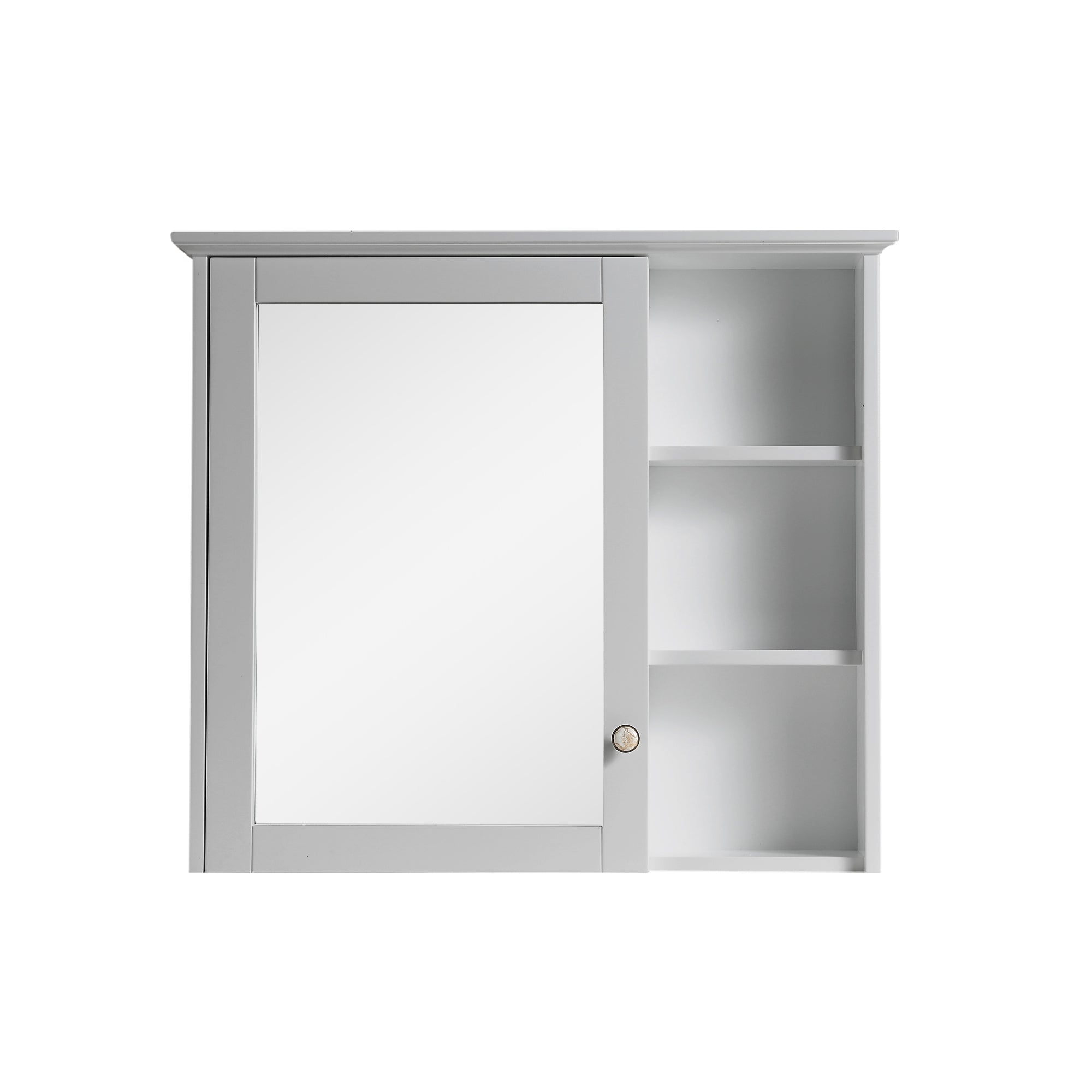
In public data, when upgrading bathroom cabinets, 78% choose soft-pack drawers and 75% choose soft-pack doors; in contrast, those with built-in sockets account for 29%, and drawer dividers account for 22%. This indicates that what truly affects the experience is not fancy features, but whether the drawer is easy to pull, whether the door is quiet, and whether the interior is stable enough. The advantages of wooden cabinets in this regard are very practical: the thickness of the cabinet, the feel of the drawers, and the overall "solidity" are easier to achieve, and it is also easier to make daily use appear smooth.
4. From an installation perspective, wooden bathroom cabinets are also more suitable for mainstream solutions.
In the latest renovation study, 58% chose built-in, 30% chose freestanding, and 11% chose floating. My judgment is that the strongest scenarios for wooden cabinets are usually built-in and freestanding, because these two forms can better utilize the volume, border, and storage capacity of wood. Floating is certainly lighter, but if the space is already limited and storage is tight, a floating cabinet may not be more practical than a solid set of wooden cabinets. The advantage of wooden bathroom cabinets is not essentially 'floating', but 'stable'.
5. However, the larger the wooden bathroom cabinet, the better. The key is to obey the space.
In public data, among those who upgrade their bathroom cabinets, 47% choose 48 inches or less, 19% choose 60 inches, 14% choose 72 inches, and 13% choose over 72 inches. NKBA's bathroom planning recommendations also suggest reserving 30 inches of activity space in front of the washbasin, with a minimum common value of 21 inches. From the centerline of a single pot to a side wall or high obstacle, it is recommended to be at least 20 inches, with a minimum common value of 15 inches. So, the correct way to open a wood vanity is not to make the wood wider and deeper, but to arrange the countertop, drawers, and standing areas to the appropriate width.
6. Another practical advantage of wooden cabinets is that they match well with mainstream countertop materials.
In the renovation data for 2025, engineered quartz accounts for 45%, quartzite for 20%, granite for 14%, and marble for 13% of the materials used for bathroom countertops. This means that most projects will eventually move towards a combination of "wooden cabinets+stone countertops", as this combination can retain the wood's temperature while using stone to address waterproofing, stain resistance, and maintenance issues. In other words, the advantage of a wood vanity lies not only in the cabinet itself, but also in its ability to serve as a stable intermediate layer throughout the bathroom, connecting mirrors, hardware, countertops, and walls and floors.

7. Finally, looking at the cost return, wooden bathroom cabinets are usually considered a "visible and long-lasting" investment.
According to the 2025 Cost vs. Value data, the average cost of a mid-range bath remodel is approximately $26138, with a cost recovery rate of around 80%; The average cost of an upscale bath remodel is about $81612, with a recovery rate of about 42%. Based on this set of data, a very realistic judgment can be made: instead of piling the budget into overly expensive, display-oriented materials, it is better to allocate the money to a set of wood vanities that are reasonably sized, structurally solid, and equipped with reliable hardware. It can both continuously affect the daily user experience and better meet the dual requirements of practicality and texture in most renovation projects.














Leave a comment
This site is protected by hCaptcha and the hCaptcha Privacy Policy and Terms of Service apply.