
















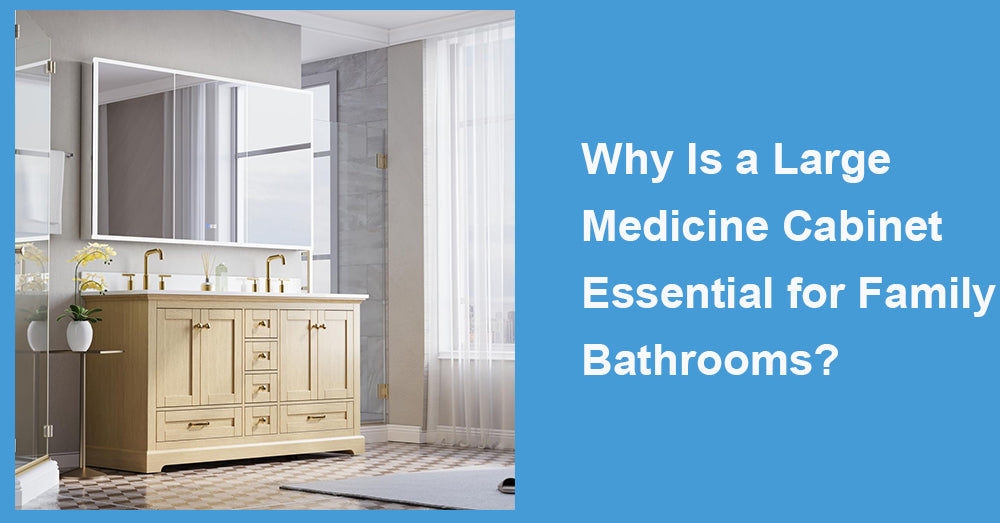
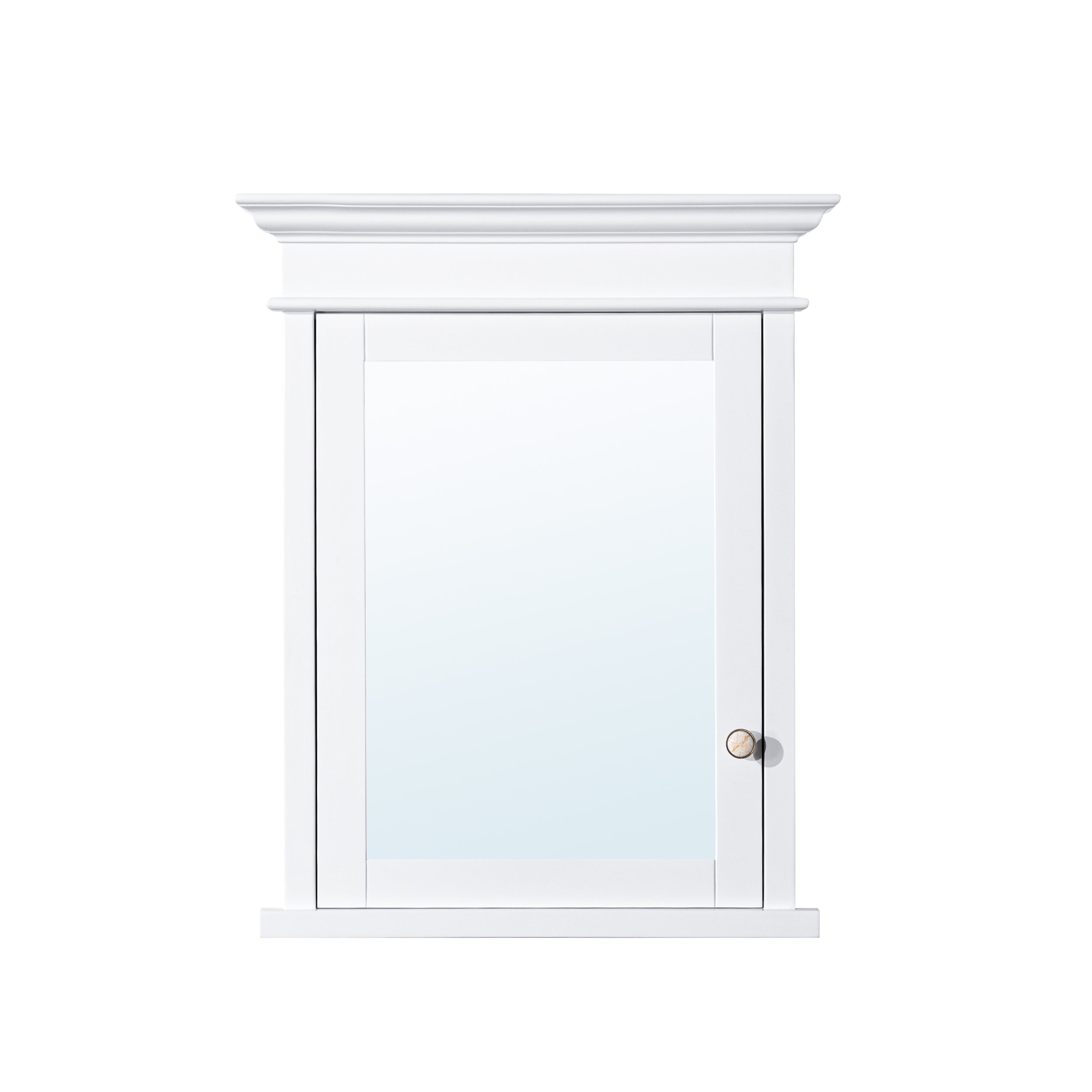
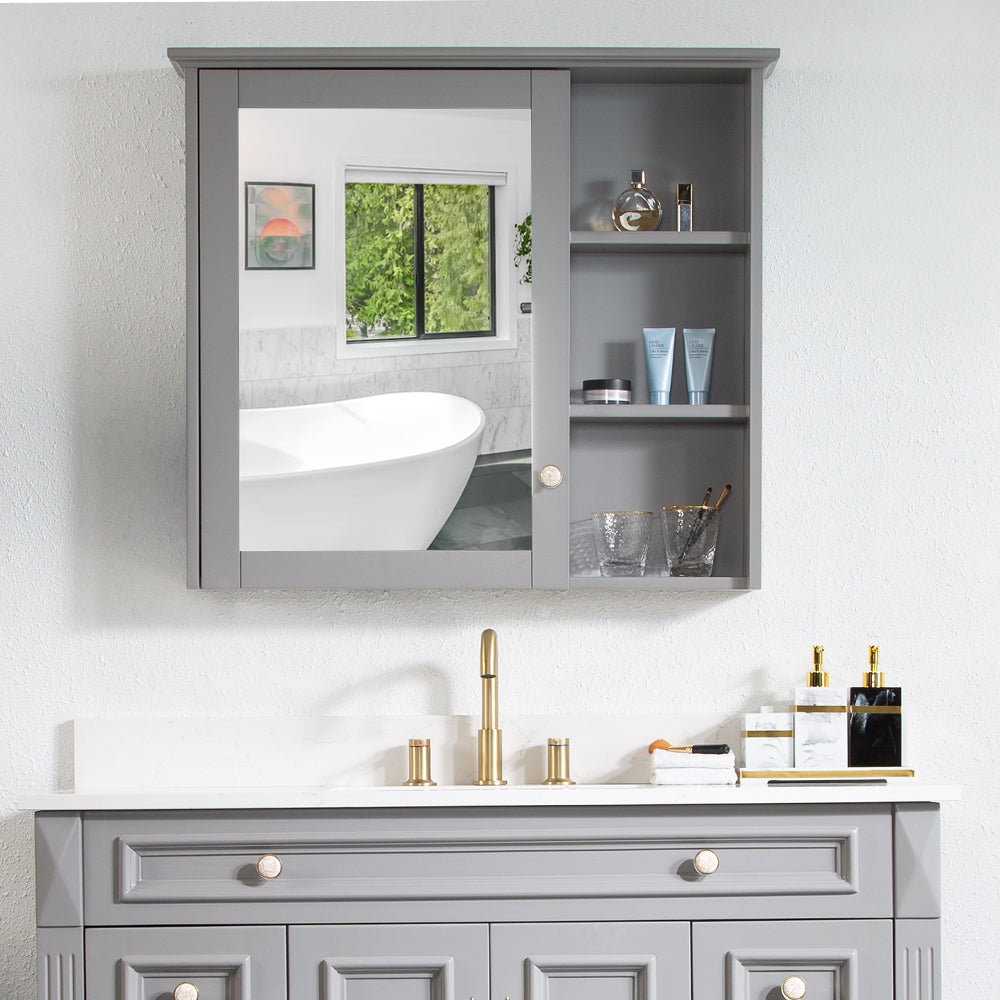
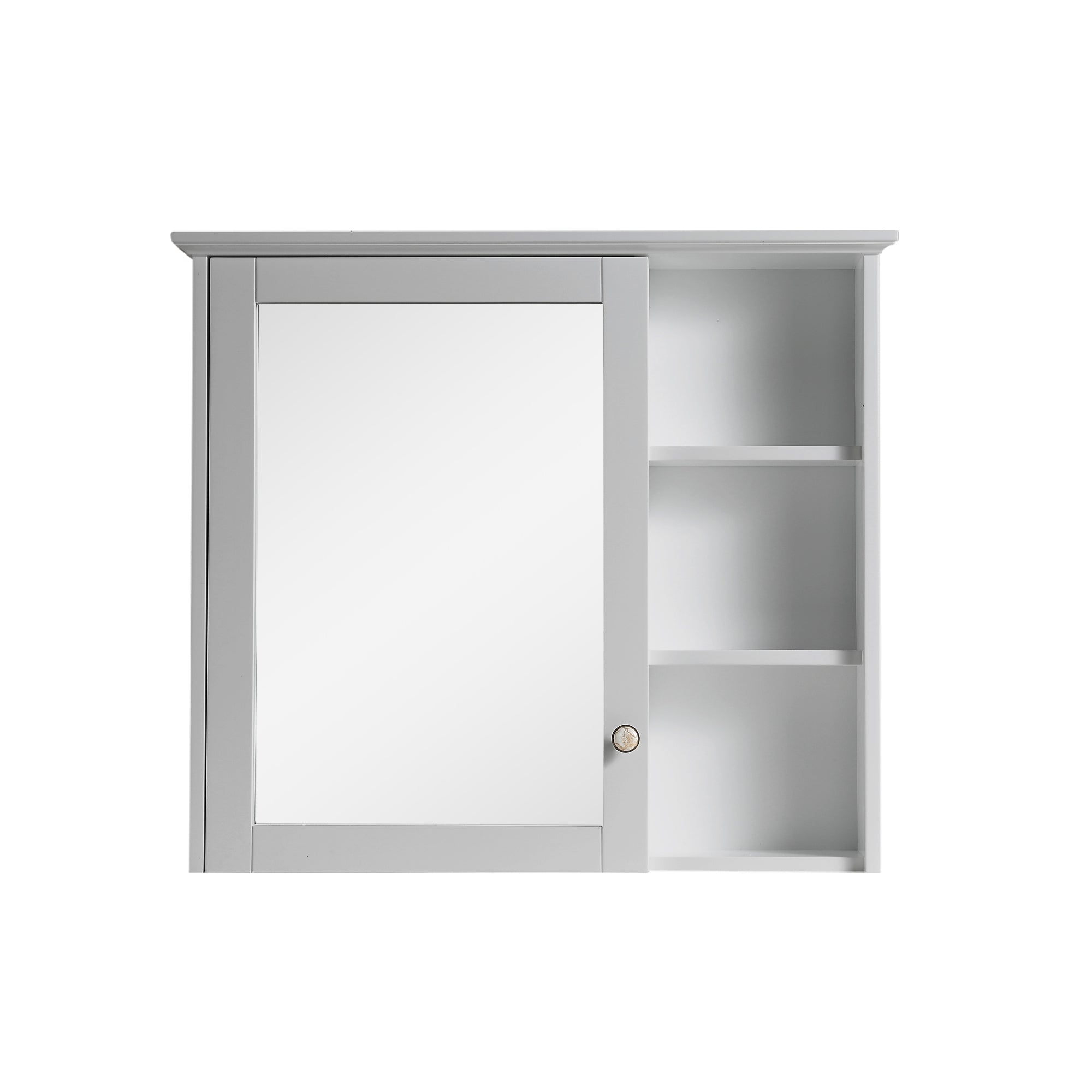
A large medicine cabinet is one of those upgrades that quietly changes how a family bathroom works. It’s not just “more storage.” It’s a way to reduce countertop clutter, keep daily essentials organized, add mirror functionality, and improve safety routines—without expanding the room. When the cabinet is sized and installed correctly, it supports faster mornings, calmer evenings, and a cleaner look that holds up even when multiple people share the space.
1. It Solves the #1 Daily Problem: Overflow on the Counter
Family bathrooms accumulate “small stuff” fast: toothbrushes, floss, skincare, hair tools, first-aid supplies, contact lens items, razors, and backup toiletries. When these live on the counter, the room feels messy even right after cleaning. A large medicine cabinet moves those items off the vanity surface while keeping them within arm’s reach.
The result is practical and visual at the same time. Fewer items on the counter means fewer water rings, less dust buildup, and fewer objects to move during wipe-downs. If you’re aiming for a bathroom that looks “finished” every day (not just after a deep clean), storage behind the mirror is one of the most efficient ways to get there.
2. The Feature Set Has Become More Useful Than a Simple Mirror
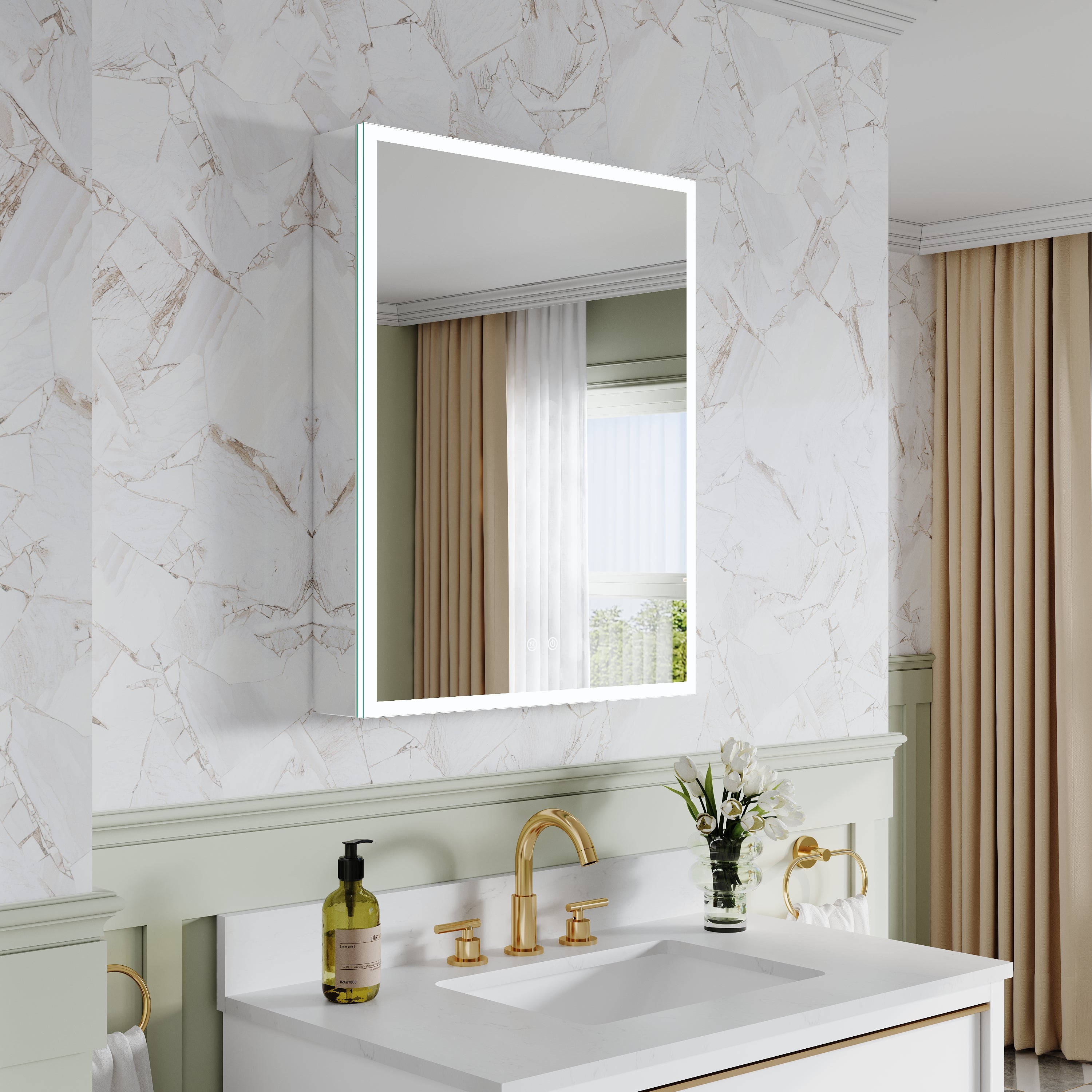
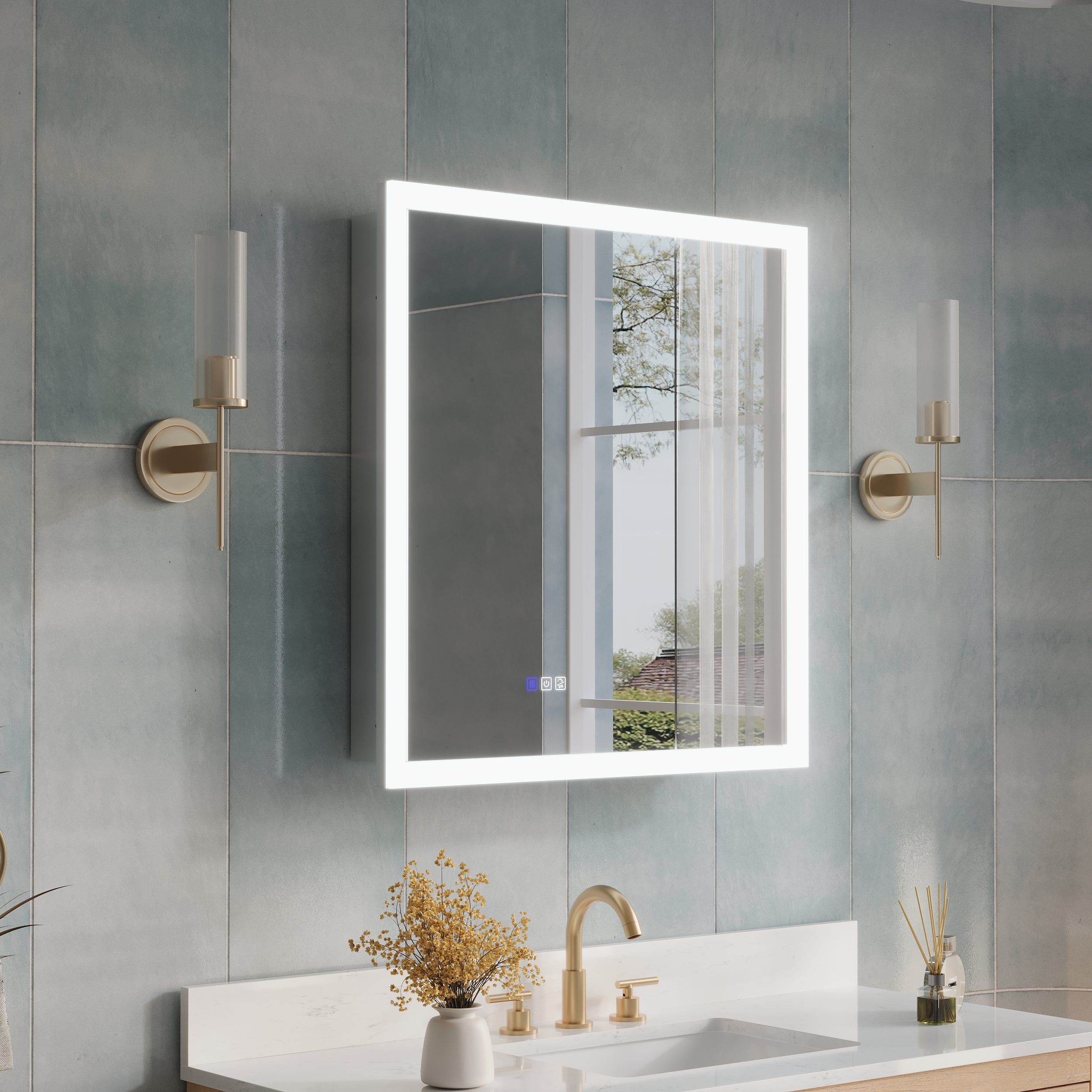
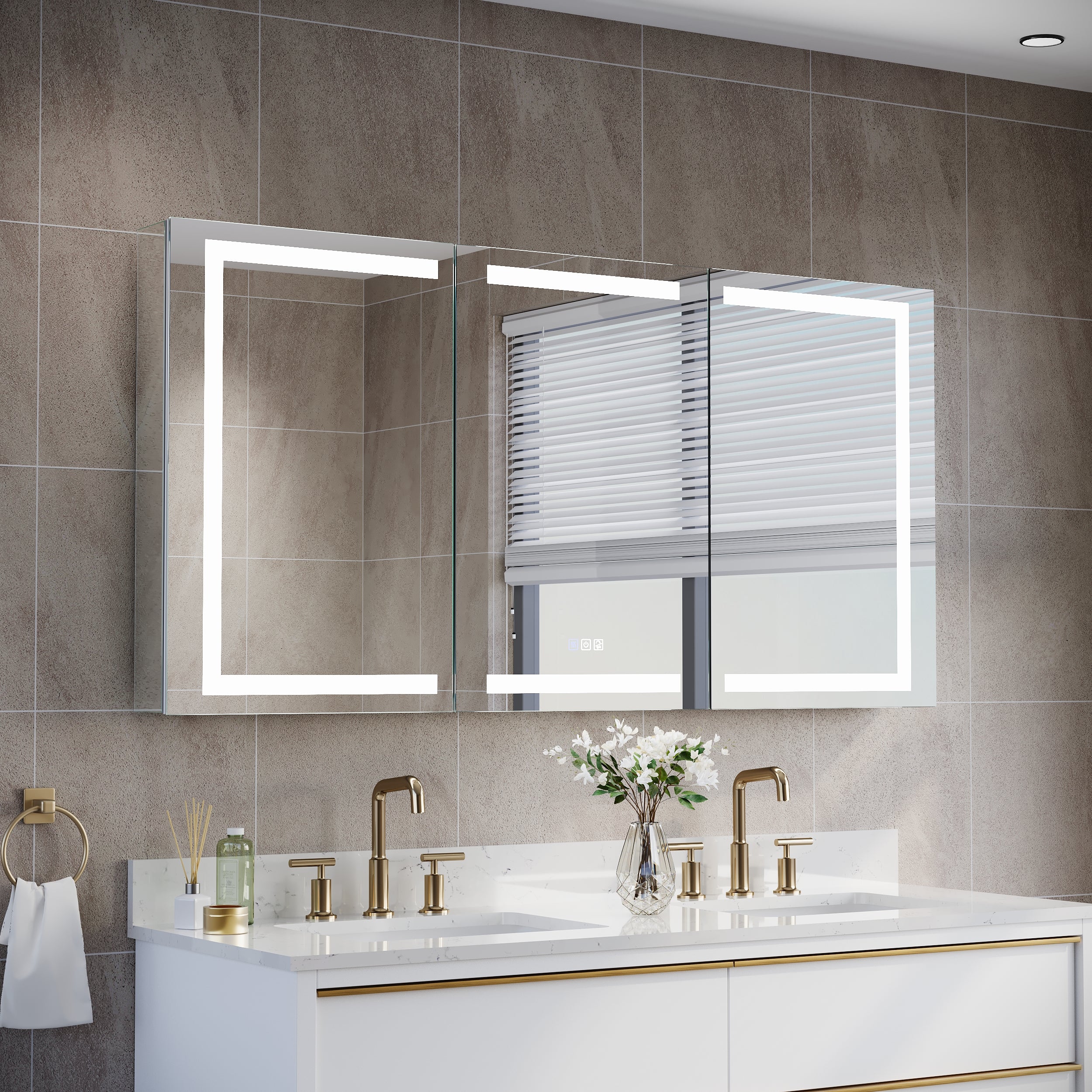
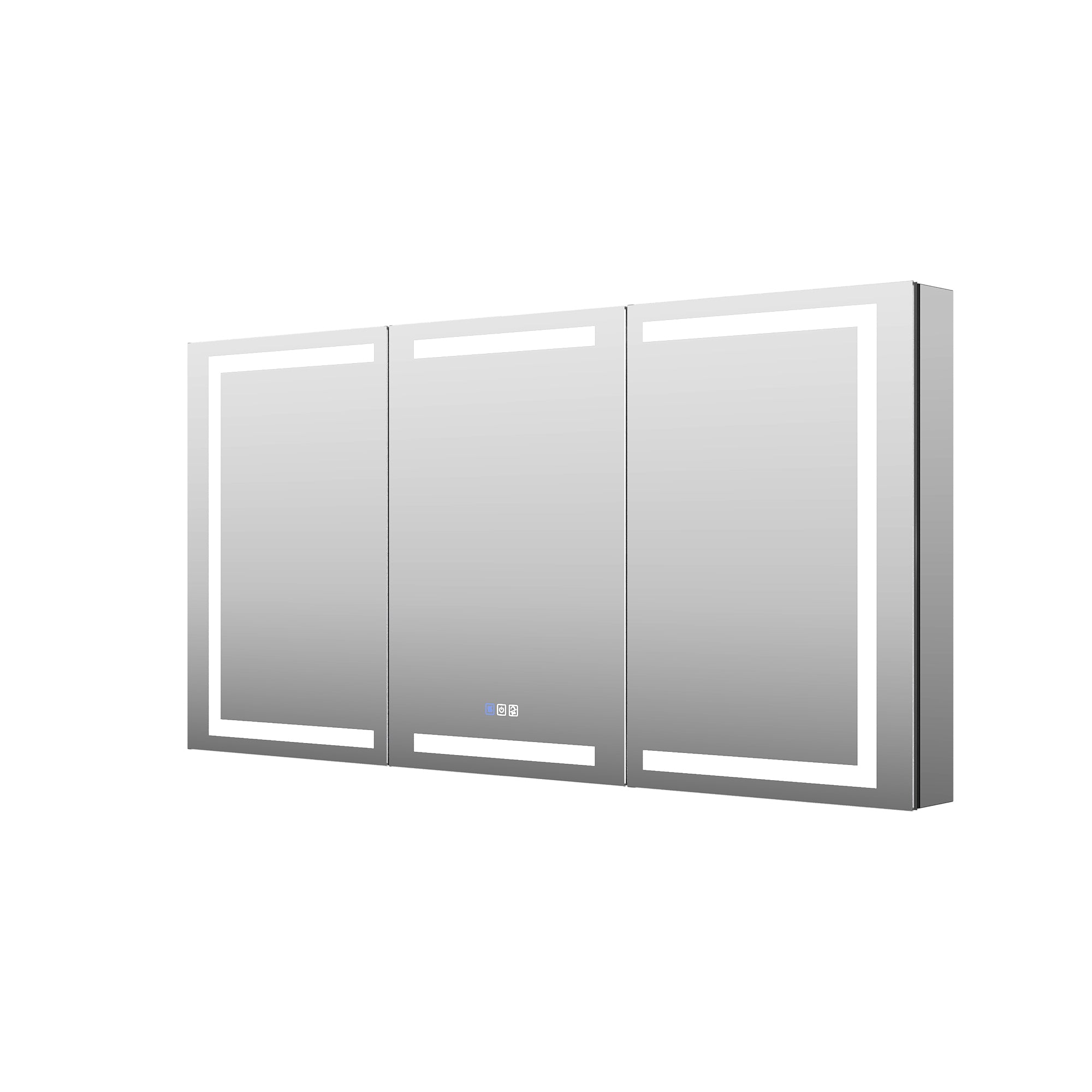
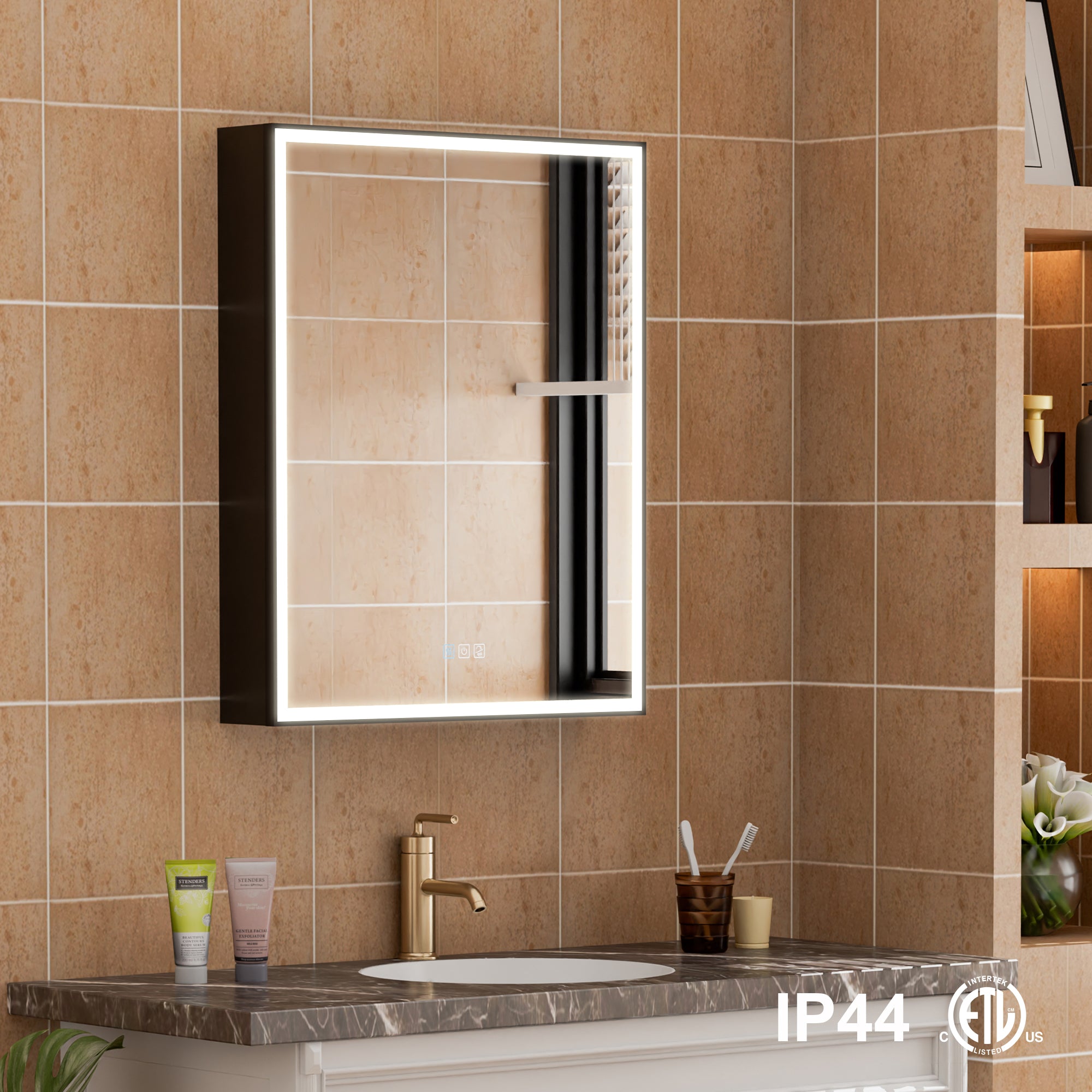
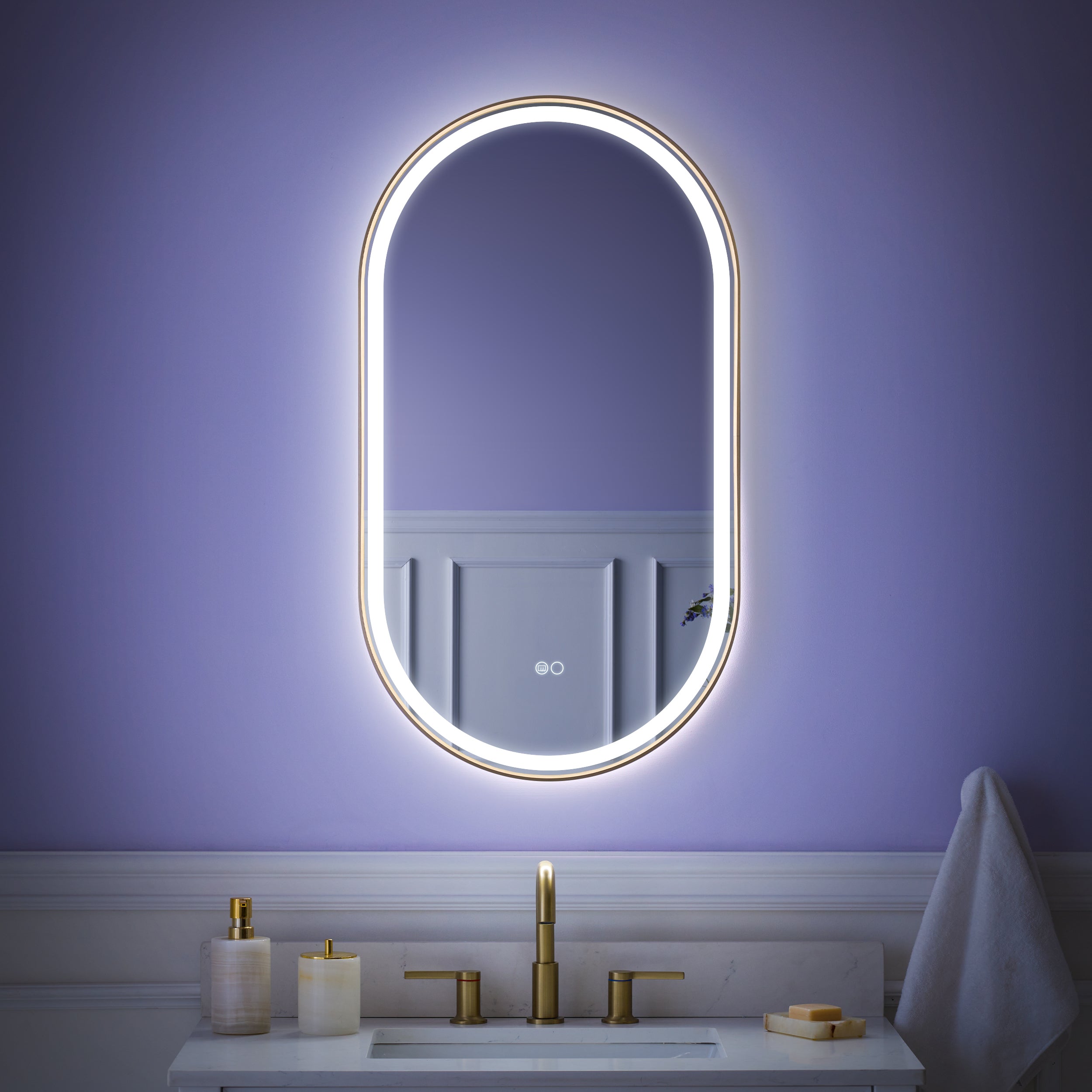
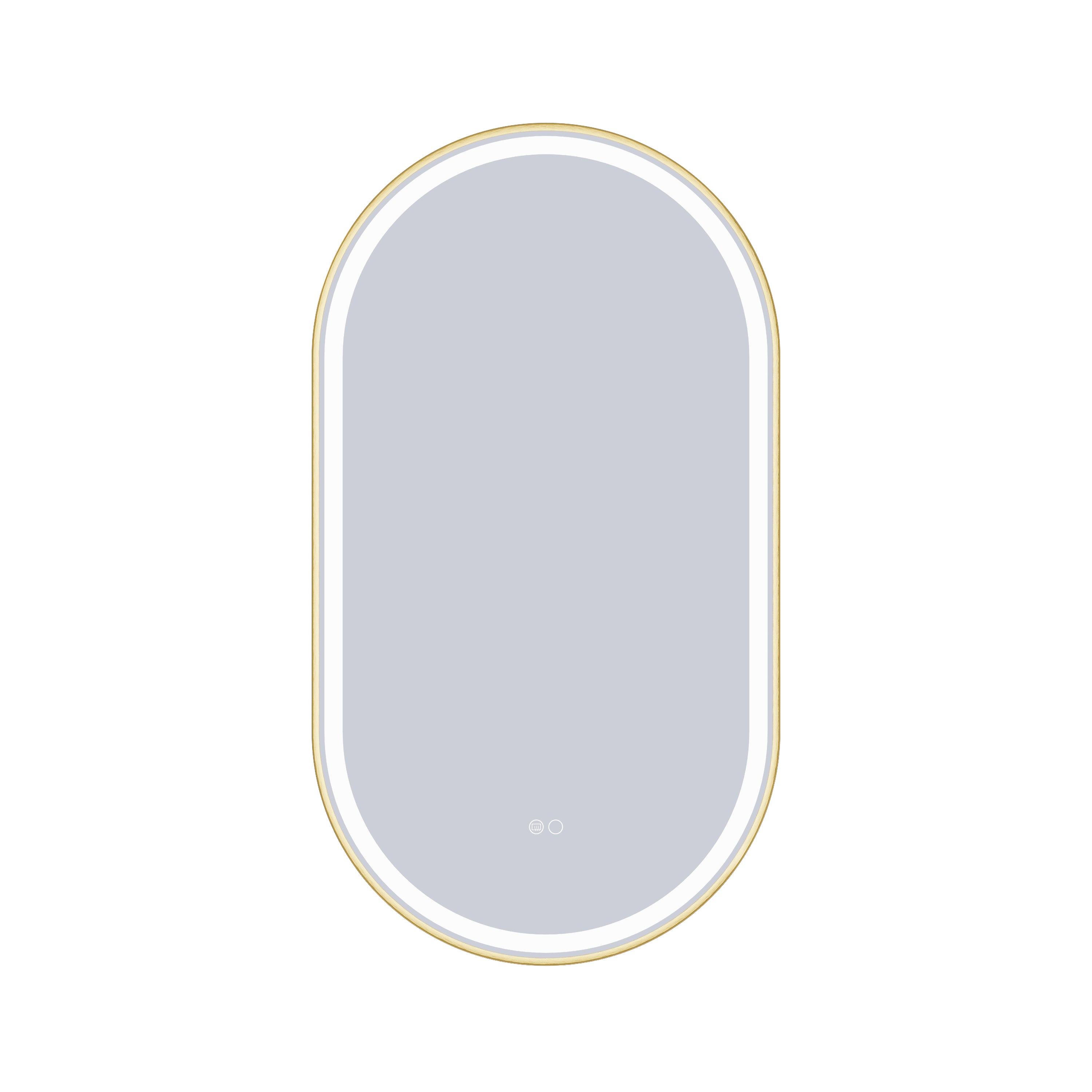
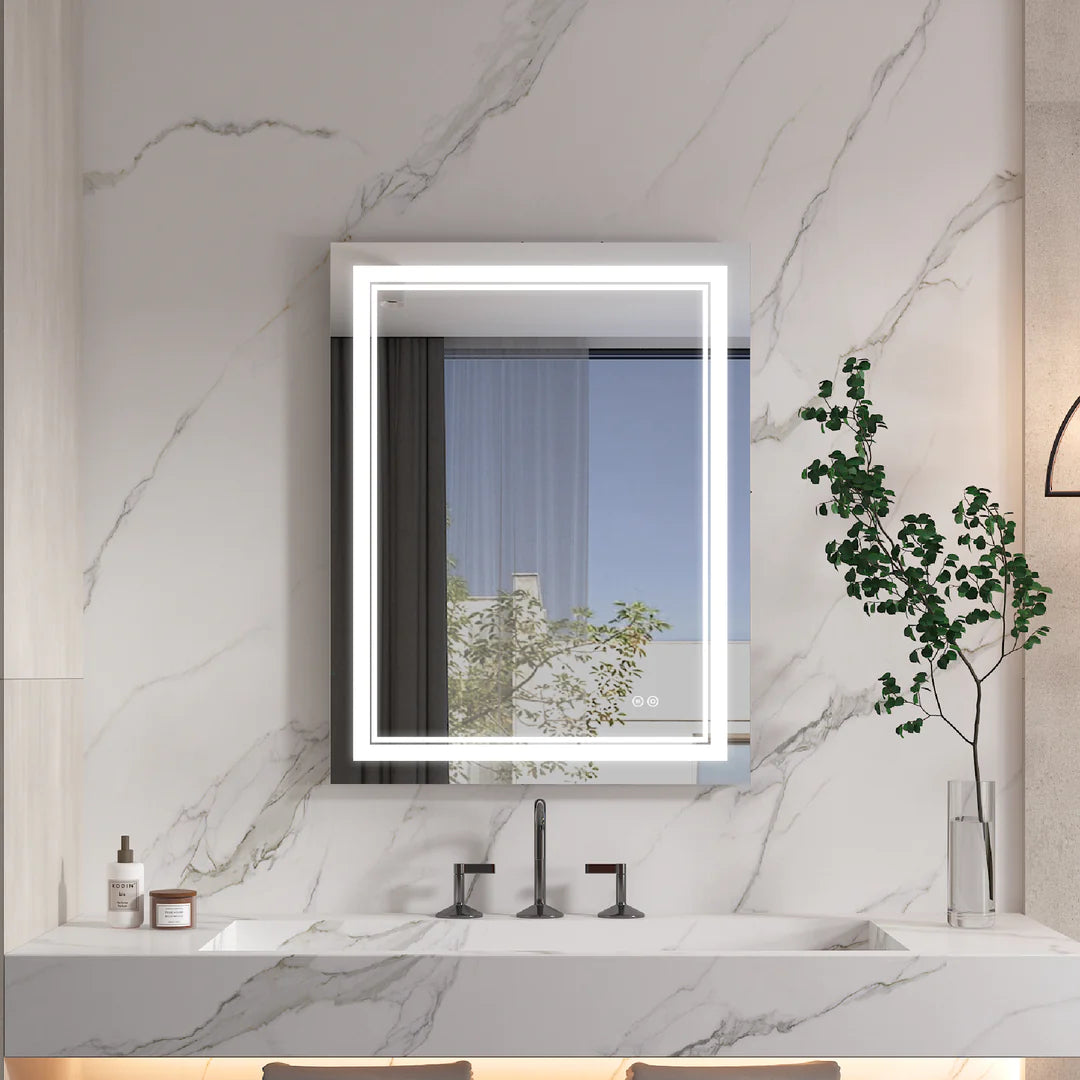
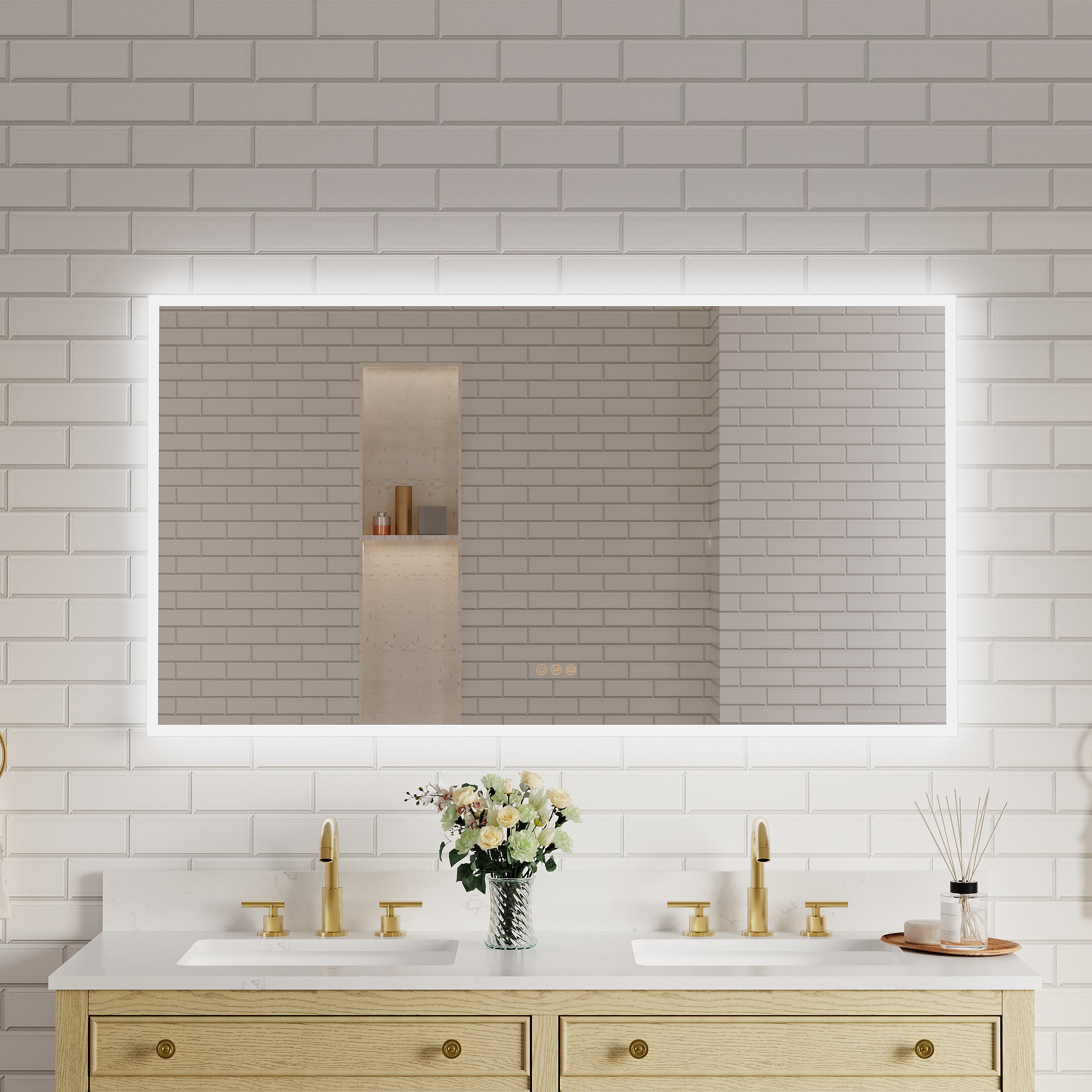
Medicine cabinets used to be basic boxes. Now, the feature list is expanding in ways that matter in a shared bathroom. According to the 2025 Houzz Bathroom Trends Study, among homeowners who added or upgraded medicine cabinets, hidden outlets (22%) and antifog systems (17%) are the most common features. Lighting is also growing: 26% have illumination on the outside and 20% on the inside. Mirrors are most often installed on the outside (64%) rather than the inside (36%). (Source: 2025 Houzz Bathroom Trends Study.)
In a family setting, that mix of lighting, power access, and fog control reduces “bathroom traffic jams.” A cabinet that supports grooming tools, quick touch-ups, and post-shower visibility is simply easier to live with than a plain mirror.
3. It Helps Create Safer Medication Habits in Homes With Kids
Families often need medications, vitamins, and basic first-aid supplies close by—but not accessible to curious hands. Safety is not theoretical. The U.S. Consumer Product Safety Commission’s 2024 report on pediatric poisoning injuries and fatalities notes that unintentional poisonings among children under 5 led to 59 fatalities in 2021 and 98 fatalities in 2022, and estimated 68,600 emergency department–treated injuries in 2022 (up from 62,600 in 2021). (Source: U.S. Consumer Product Safety Commission.)
A large medicine cabinet supports safer organization because it can separate everyday toiletries from higher-risk items. Practical tips that pair well with a large cabinet include:
· Put adult medications and high-risk items on the highest shelf.
· Use a child-resistant, latching internal box or lockable bin for anything potentially harmful.
· Keep “daily” items (toothpaste, hair products) on lower shelves so you’re not constantly opening the cabinet and reaching above eye level.
If you ever suspect a poisoning, Poison Control recommends using its online tool or calling 1-800-222-1222 for free, confidential guidance. (Source: Poison Control.)
4. It Improves Morning Flow by Creating “Zones” for Multiple People
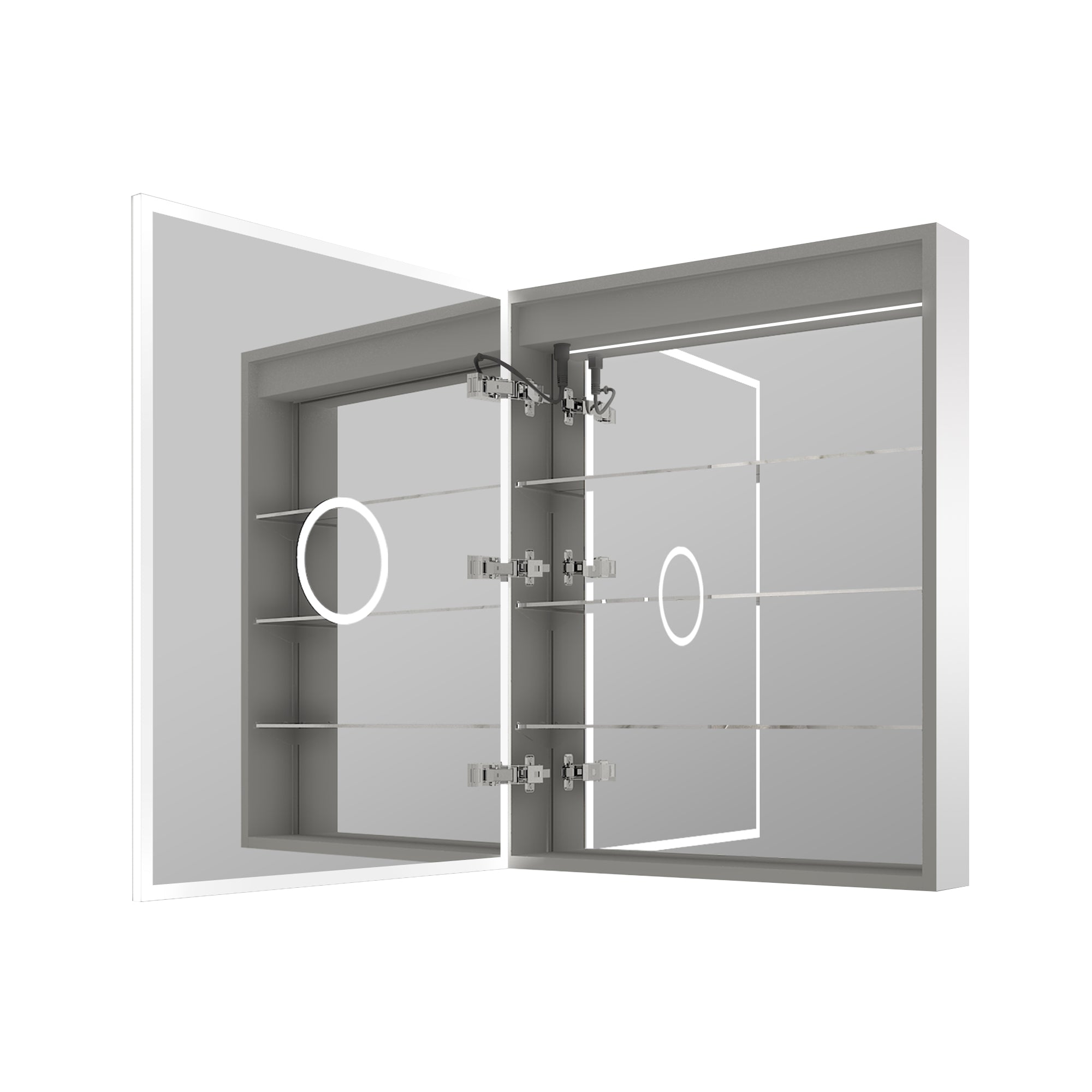
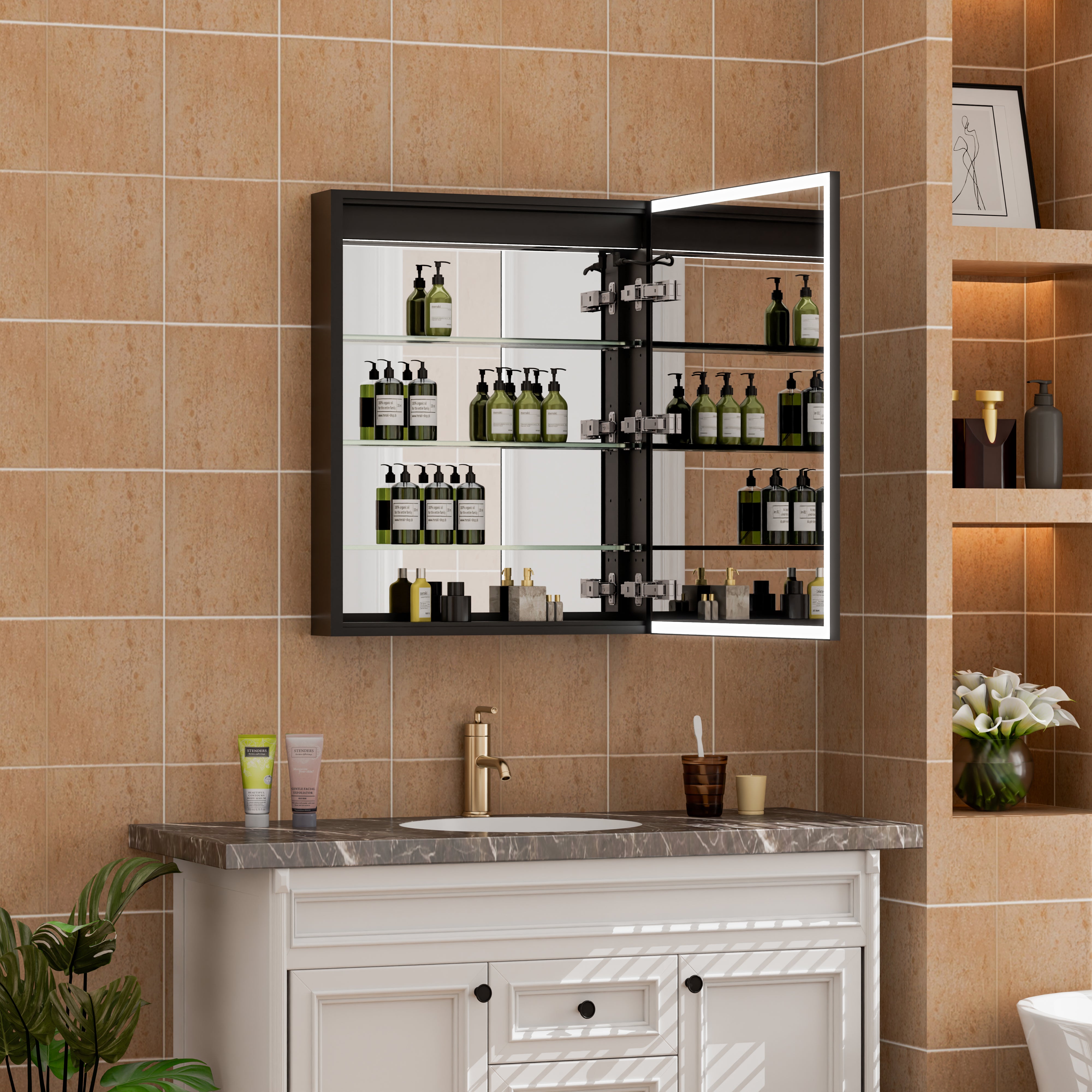
Shared bathrooms work best when they have zones: one person can brush teeth while another grabs skincare, while someone else uses a drawer for hair tools. A larger cabinet makes zoning easier because it provides multiple shelves and compartments at face height—prime real estate in a bathroom.
A simple zoning method that works in real life:
· Top shelf: infrequent items (extra toothpaste, backup deodorant, travel bottles)
· Middle shelves: daily skincare and dental routines
· Lower shelf: kid-safe items or shared basics (cotton rounds, wipes, tissues)
· Side compartments or small bins: contact lens care, razors, nail tools, bandages
This is how a cabinet becomes a “system,” not just storage. The goal is to reduce decision fatigue and prevent the counter from becoming the default catch-all.
5. It Can Make the Bathroom Feel Bigger Without Expanding the Footprint
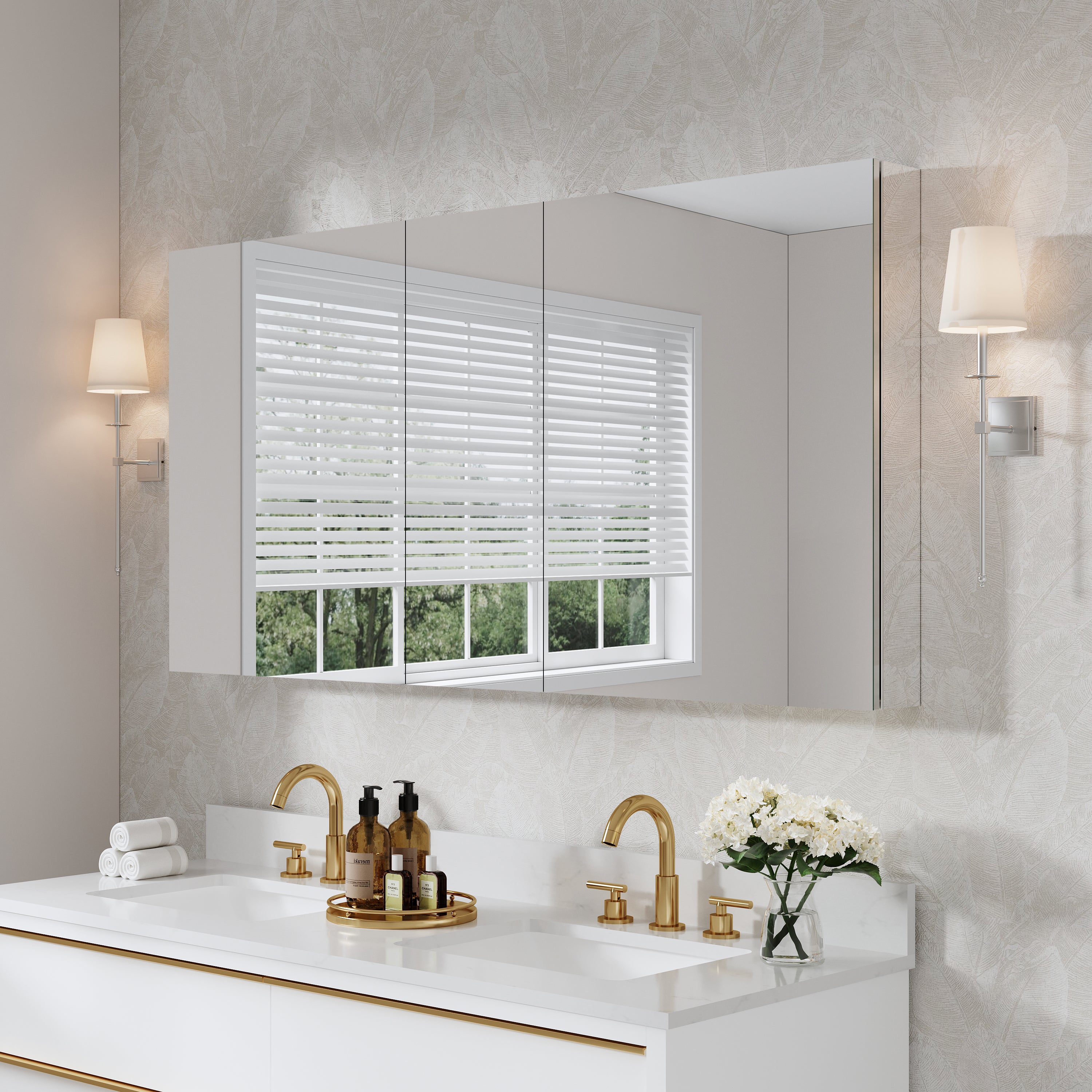
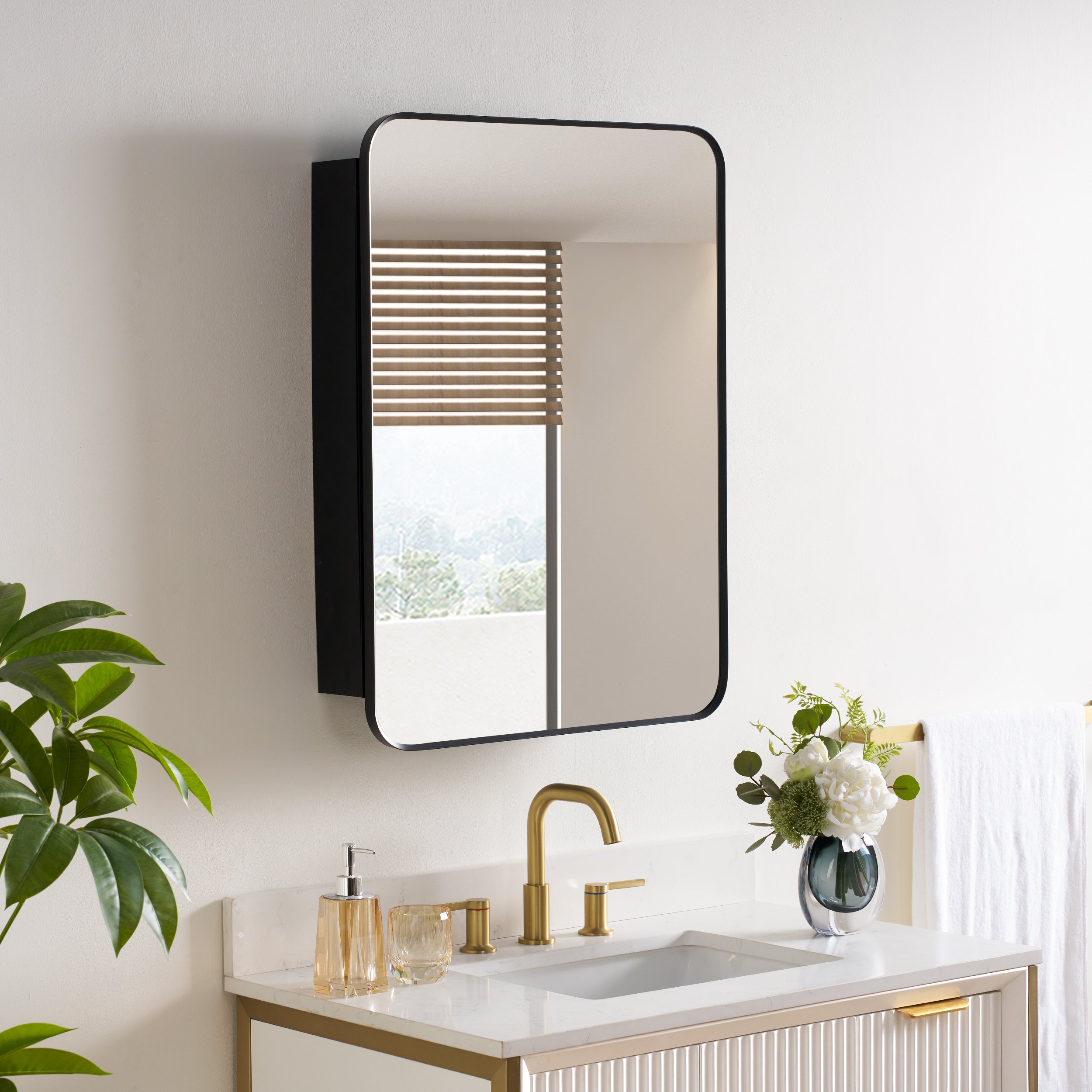
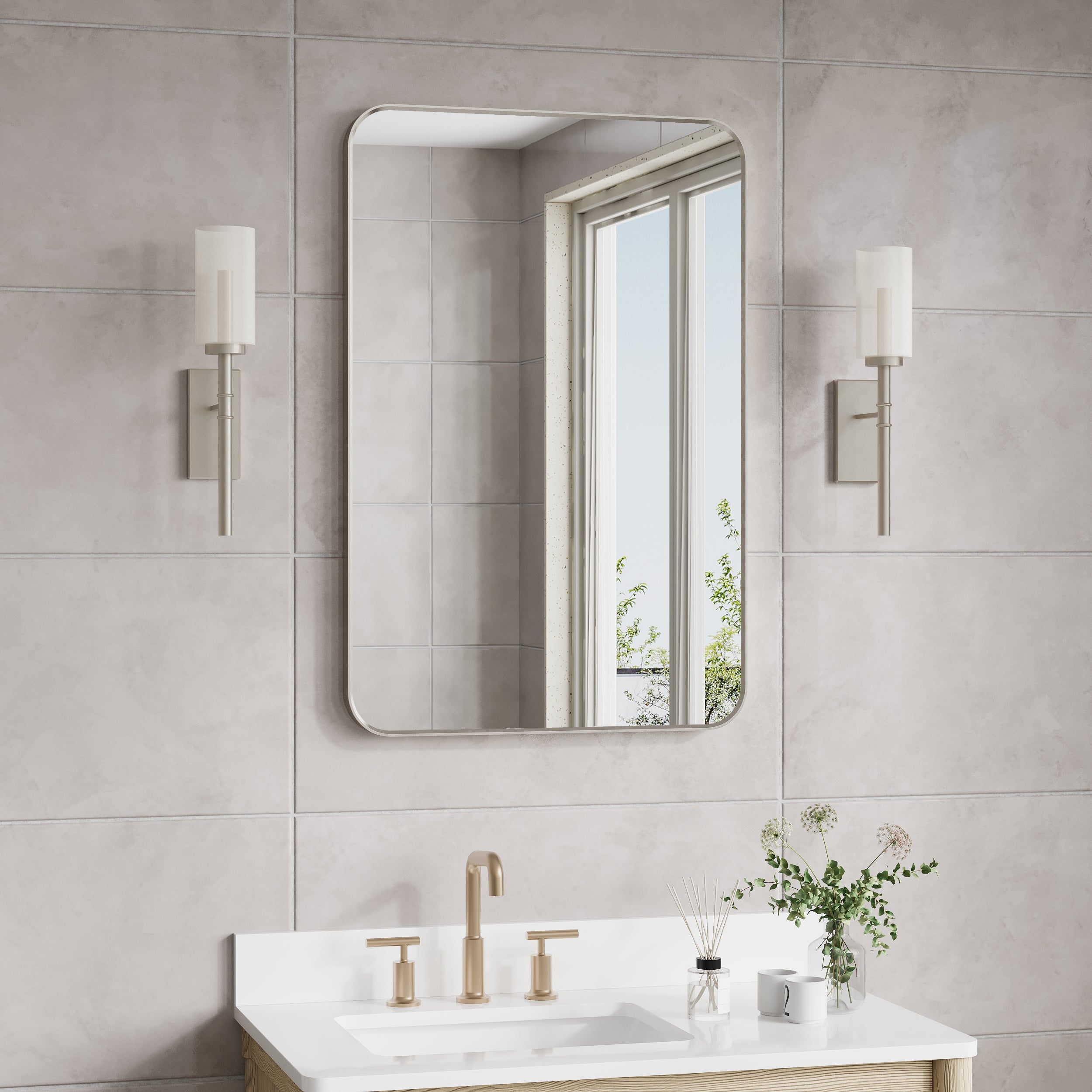
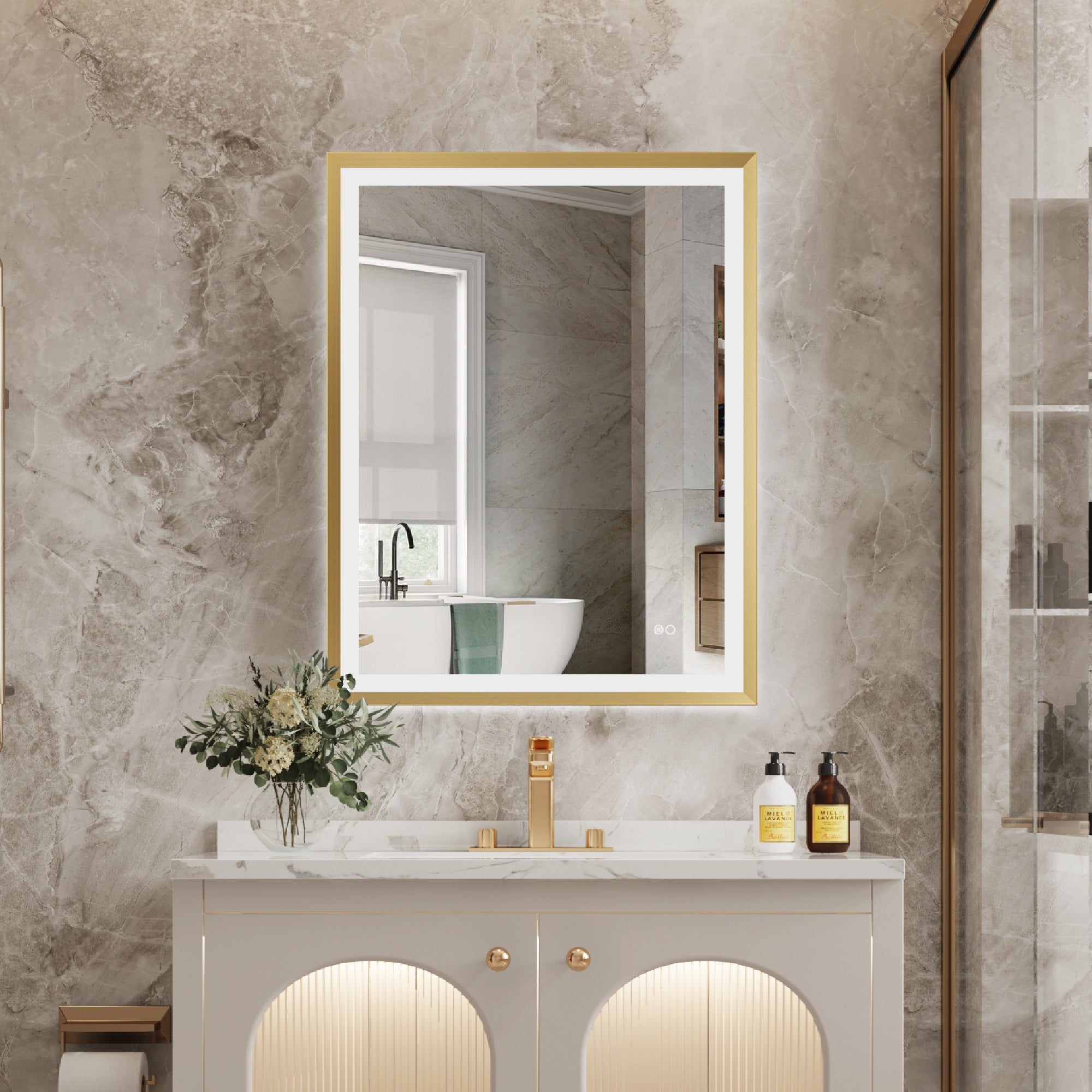
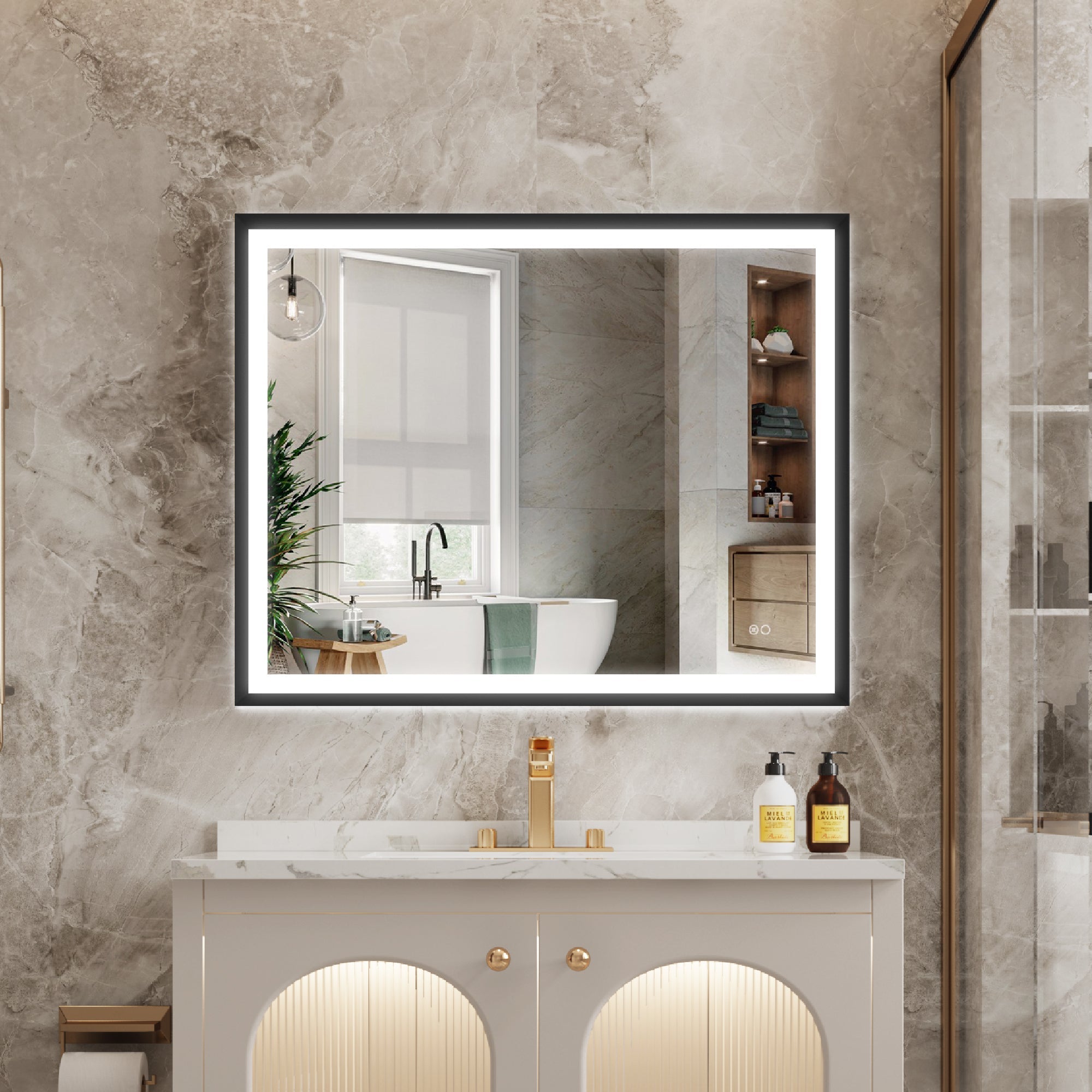
A large mirrored surface reflects light and visually enlarges the room—especially when it’s paired with well-placed lighting. Because the storage is hidden, you get function without adding visible bulk. Recessed installation can push this further: it keeps the cabinet face nearly flush with the wall, which reduces visual clutter and makes a smaller bathroom feel cleaner and more open.
If recessed installation isn’t possible, a larger surface-mount cabinet can still look streamlined if the edges are clean and the proportions are aligned to the vanity width and lighting layout.
6. It Supports Better Ergonomics When Installed at the Right Height
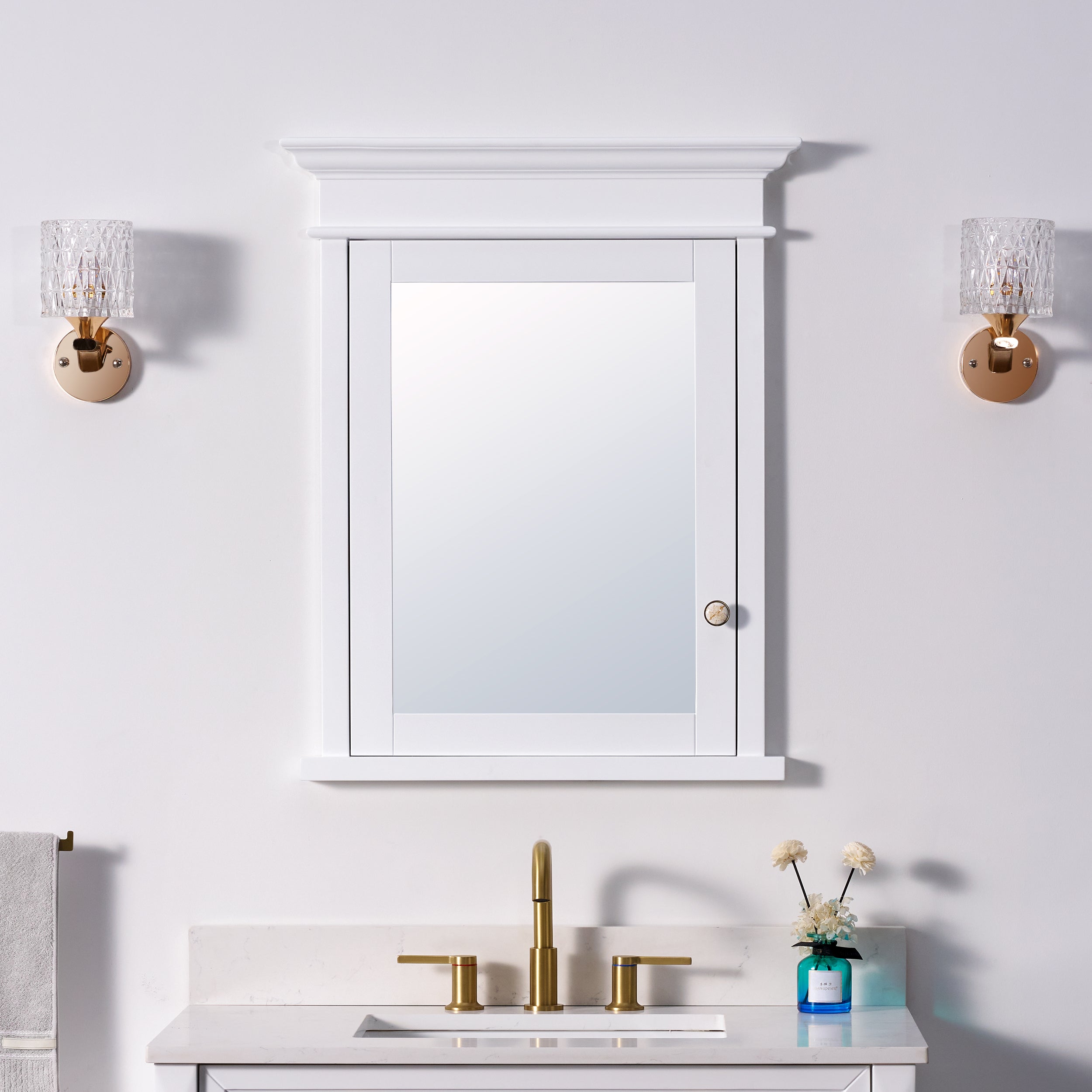
A cabinet that’s too high is frustrating; too low can crowd the backsplash and faucet zone. The NKBA Bathroom Planning Guidelines reference accessibility standards and recommend that mirrors above lavatories have the bottom edge of the reflecting surface no more than 40 inches above the floor. The same guidance notes accessories should generally be placed between 15 inches and 48 inches above the floor and be operable with minimal effort. (Source: NKBA Bathroom Planning Guidelines.)
The practical takeaway: the “best” cabinet height is the one that keeps the primary mirror area centered for the people who use it most, while leaving comfortable clearance above the countertop for soap dispensers, toothbrush cups, and routine cleaning.

7. It Future-Proofs the Bathroom With Lighting and Power Where You Need Them
As more bathrooms incorporate powered features—electric toothbrushes, trimmers, hair tools, skincare devices—plug access becomes part of daily convenience. The Houzz data shows hidden outlets are a leading medicine-cabinet feature (22%), suggesting homeowners increasingly value power that’s available without cords spilling across the counter. (Source: 2025 Houzz Bathroom Trends Study.)
If you choose a cabinet with an outlet, treat installation seriously. Use a licensed electrician, follow manufacturer instructions, and confirm GFCI protection and local requirements as needed.
8. What to Look For When Choosing the Right “Large” Size
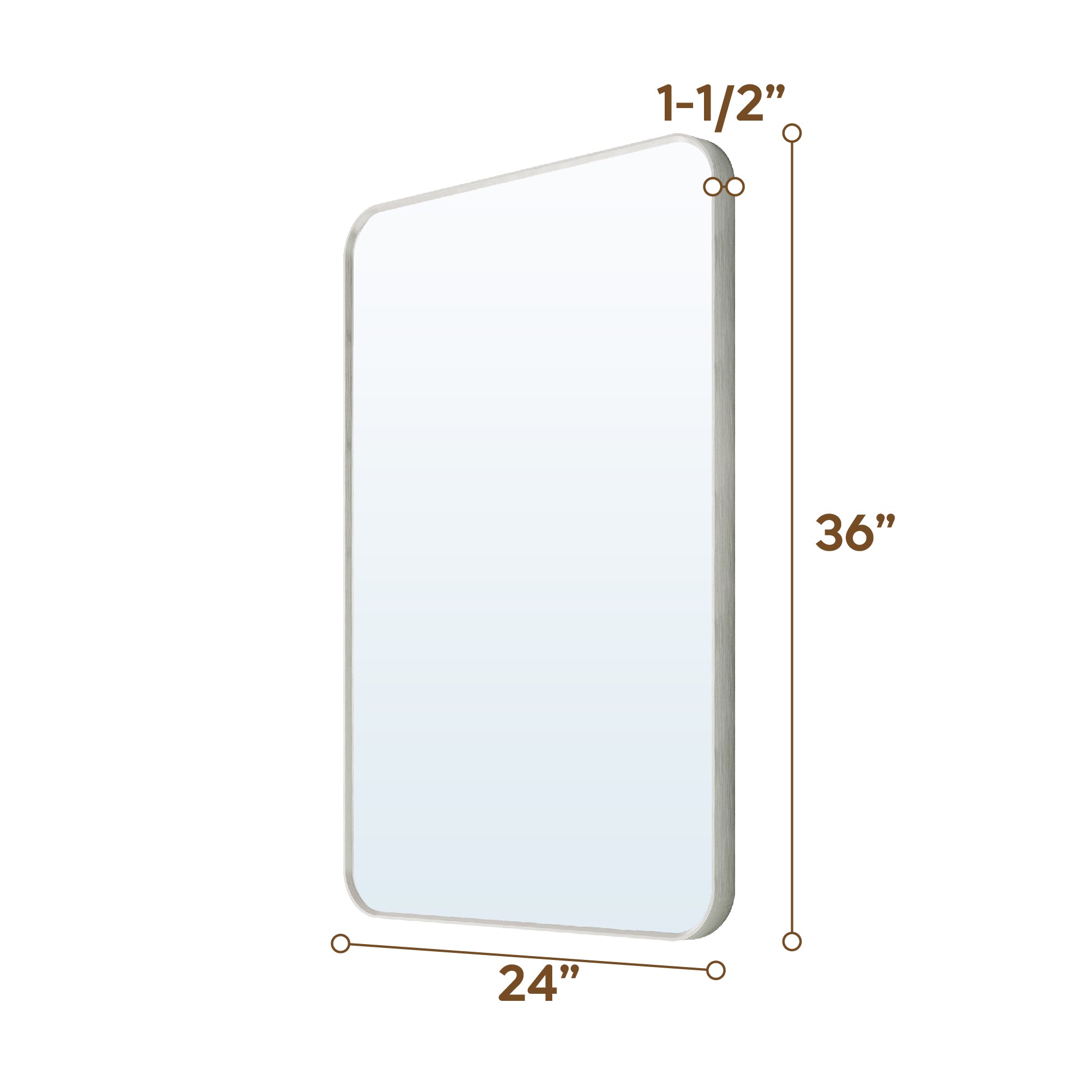
“Large” should match the vanity and the room’s scale. A cabinet that’s too small wastes the opportunity; one that’s too big can overwhelm the wall. When comparing options, prioritize:
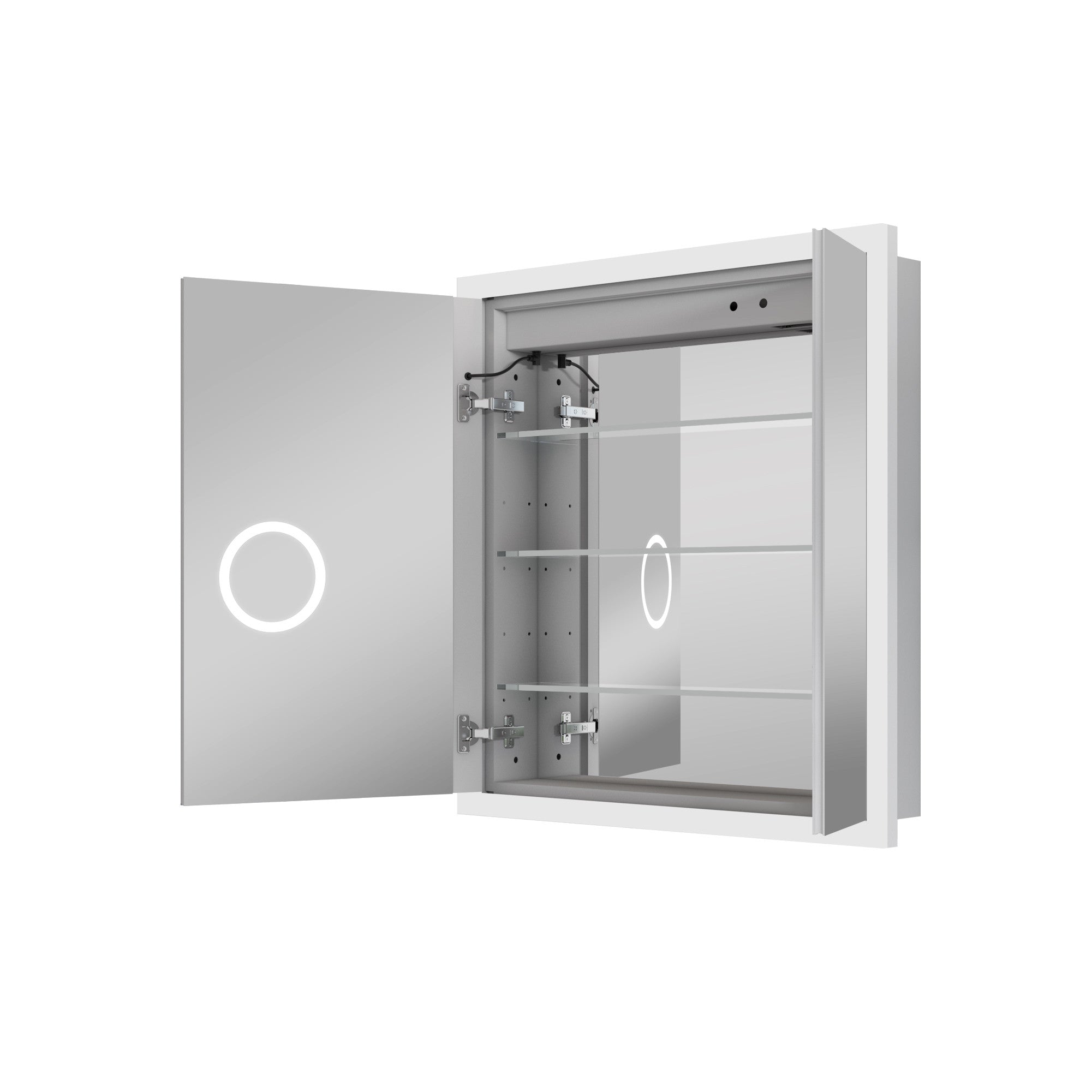
· Adjustable shelves (for tall bottles and grouped bins)
· Soft-close hinges (quieter, less wear over time)
· A clear mirror with good edge finishing
· Lighting that’s diffused and even (no harsh hot spots)
· Antifog if the bathroom steams frequently
· Reversible door swing or flexible mounting options
A Large Cabinet Is Less About Storage, More About Systems
A large medicine cabinet is essential in family bathrooms because it creates order where chaos usually wins: the countertop, the shared routine, and the “where did we put that?” problem. The trend data shows cabinets are becoming more functional—with lighting, antifog, and hidden outlets gaining traction—while safety data underscores why secure storage habits matter in homes with children. (Source: 2025 Houzz Bathroom Trends Study; U.S. Consumer Product Safety Commission.)
If you want a bathroom that looks cleaner, works faster, and supports safer routines, upgrading to a large medicine cabinet is one of the most practical luxury moves you can make.










Leave a comment
This site is protected by hCaptcha and the hCaptcha Privacy Policy and Terms of Service apply.