
















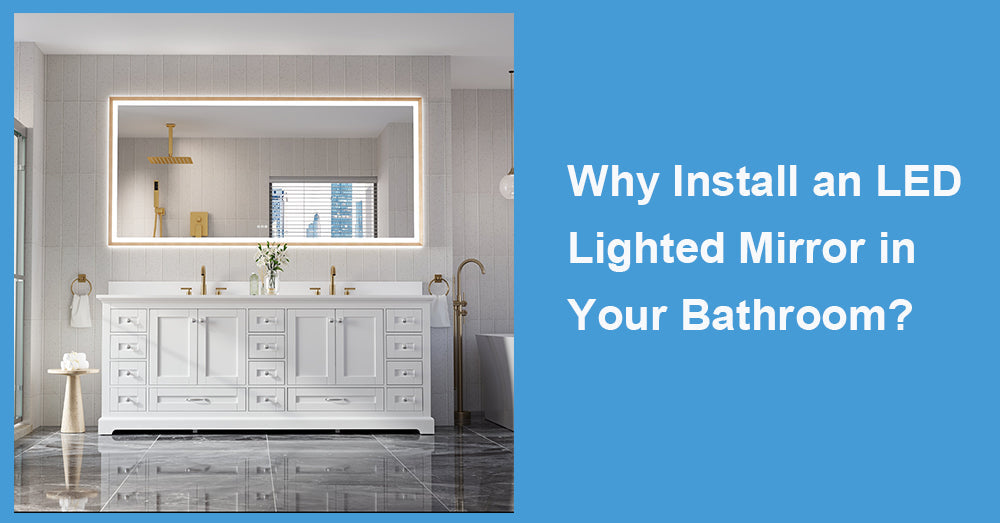
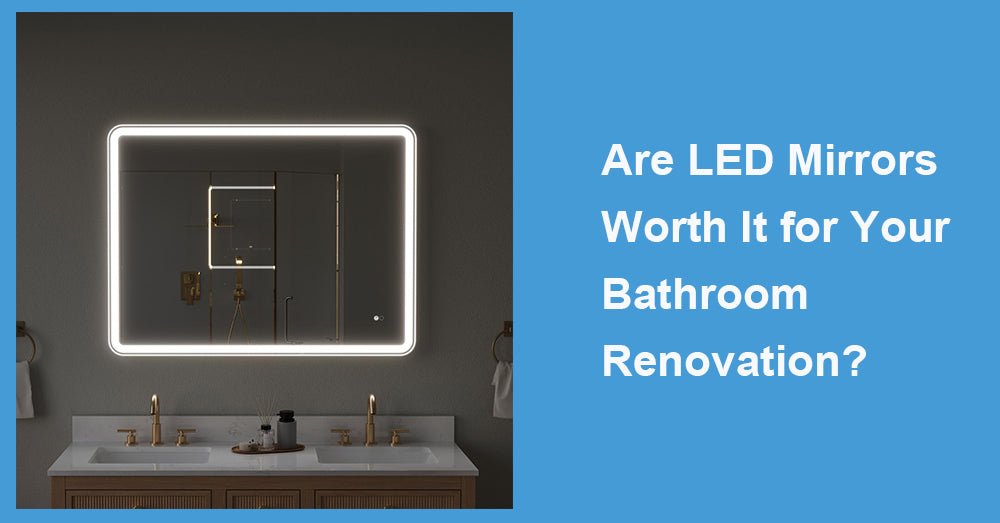
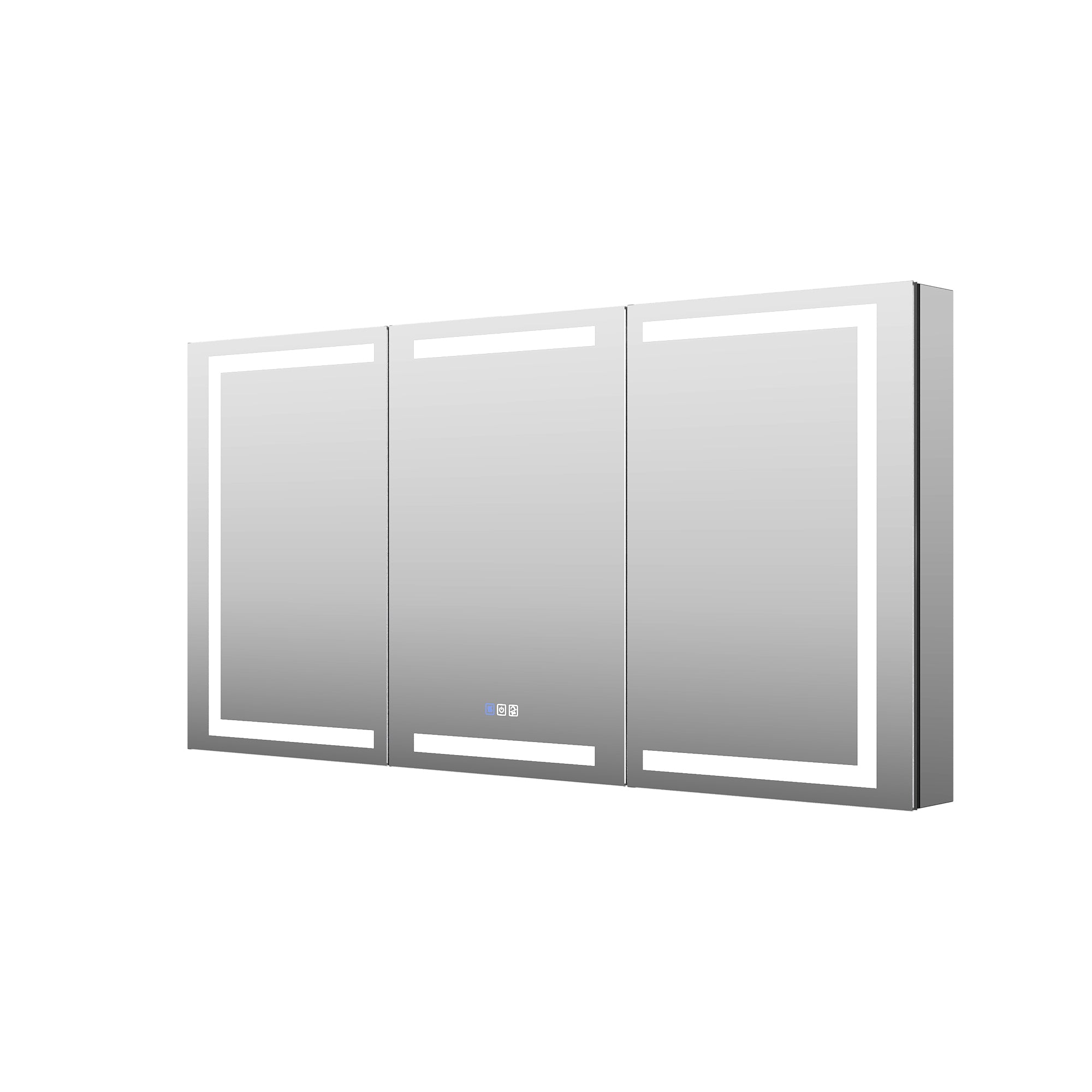
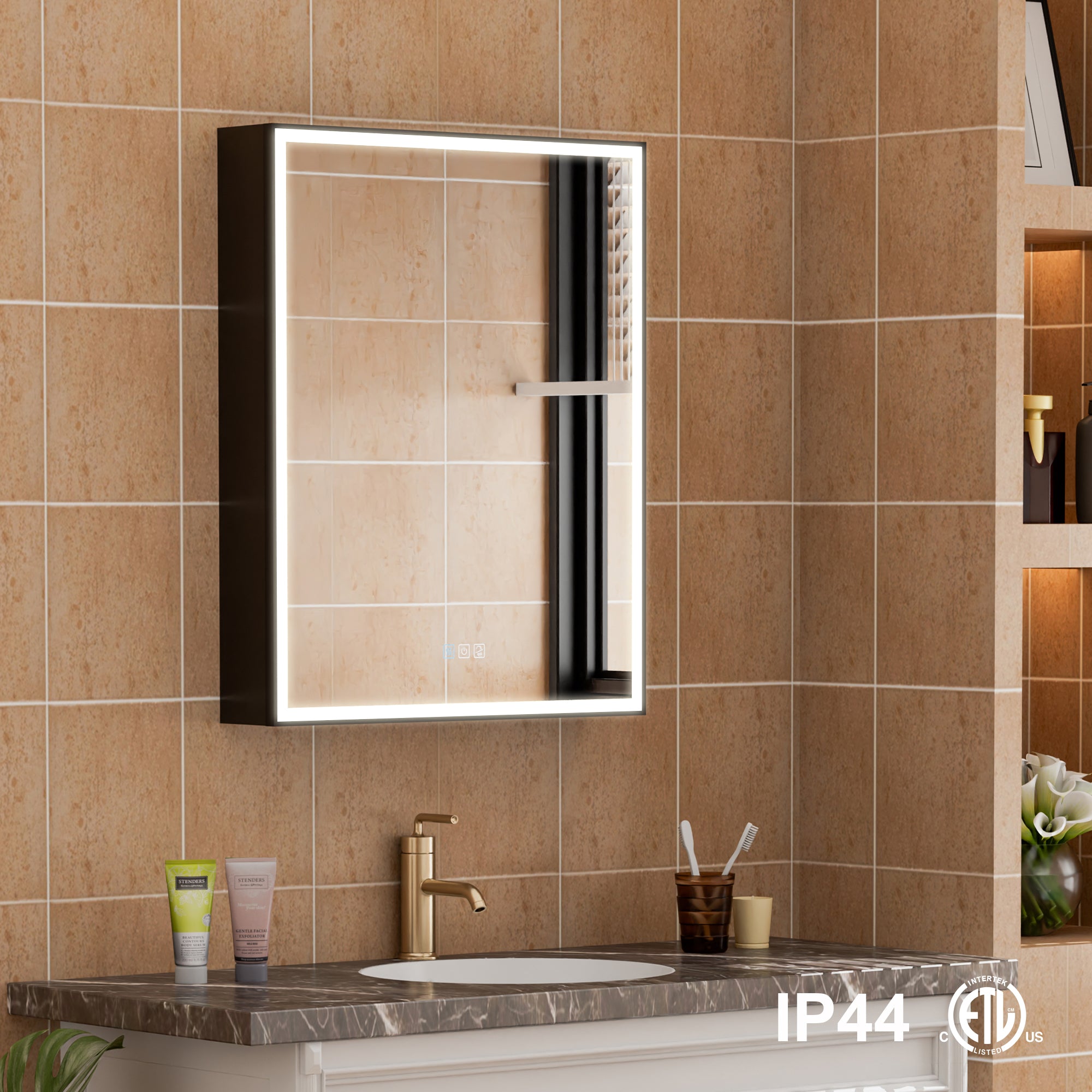
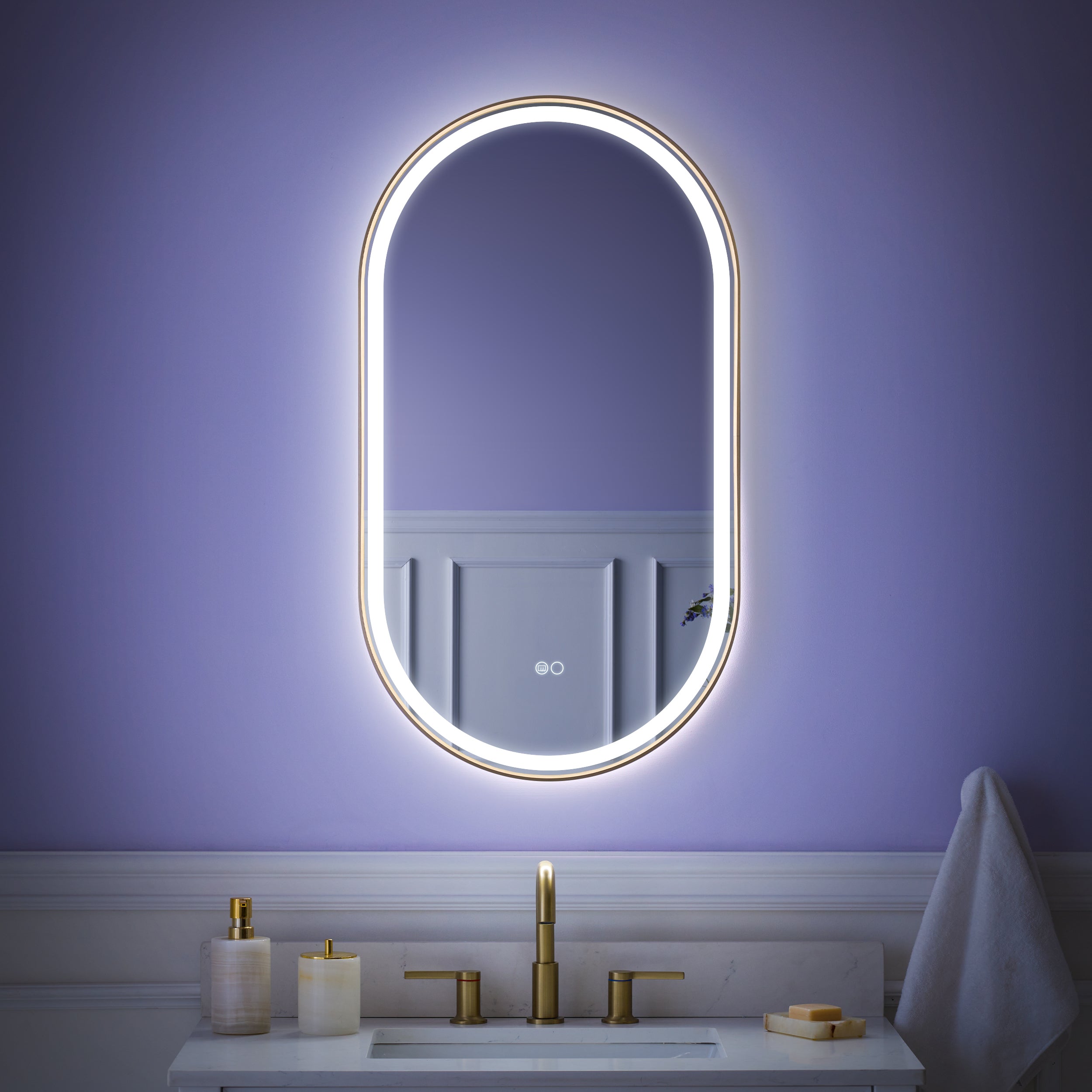
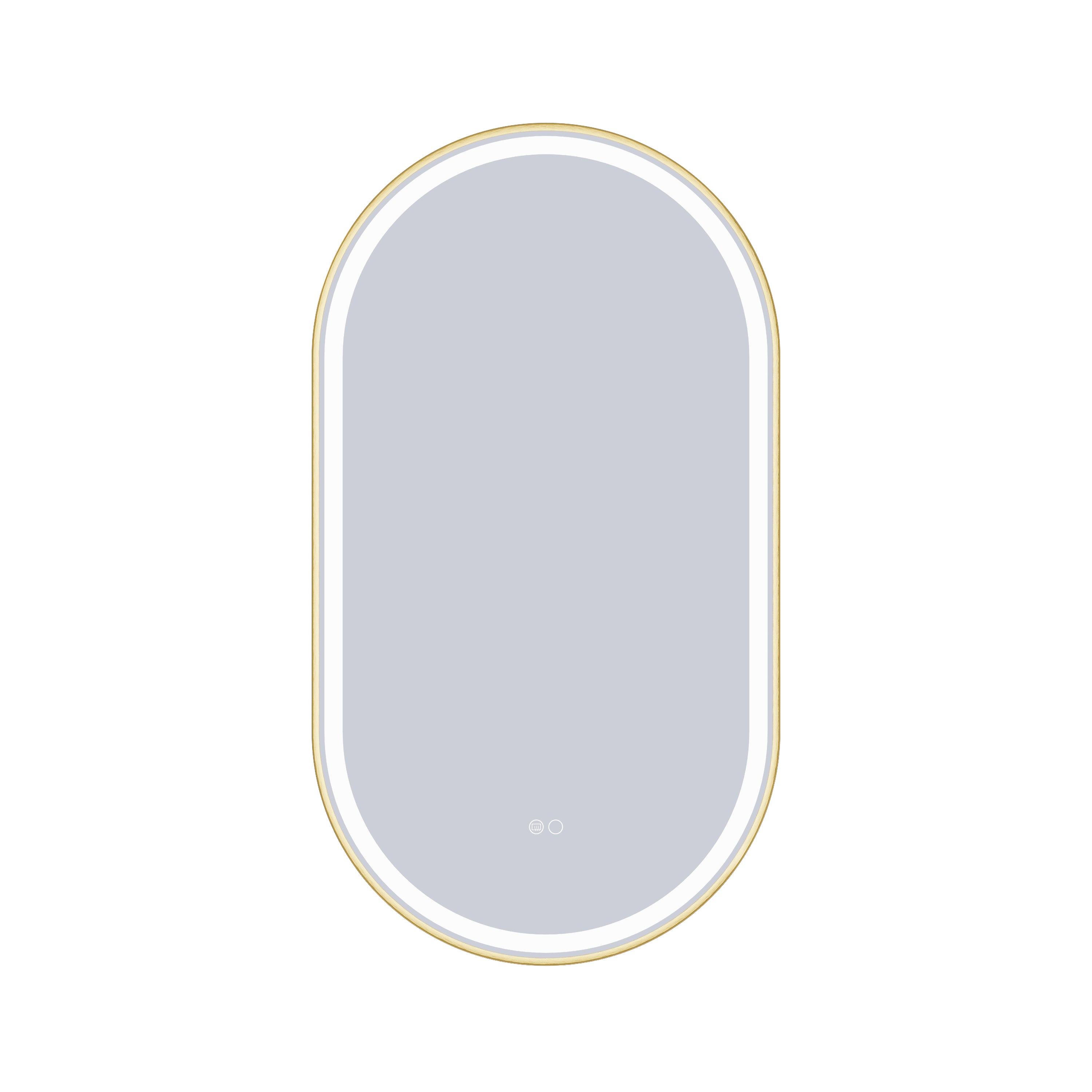
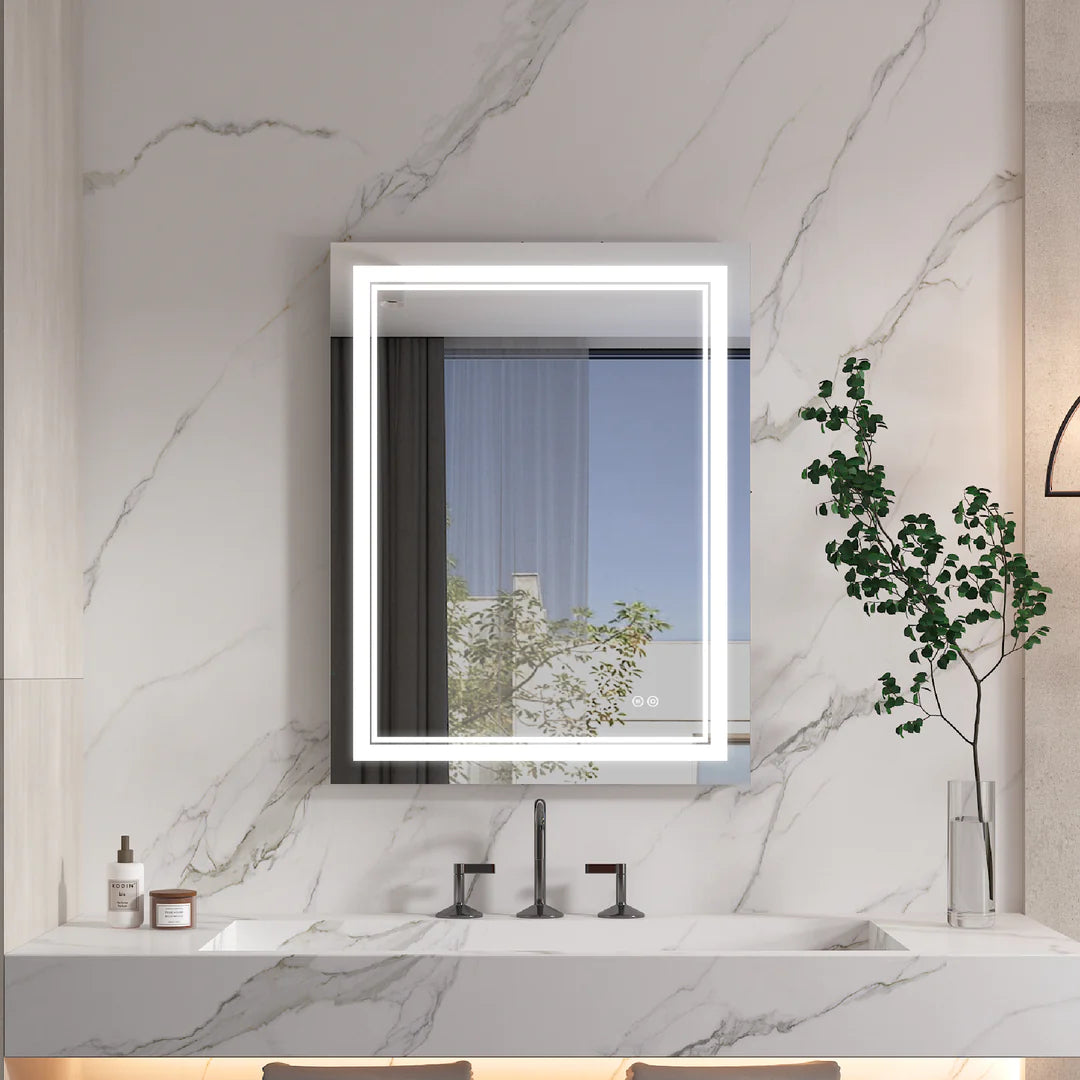
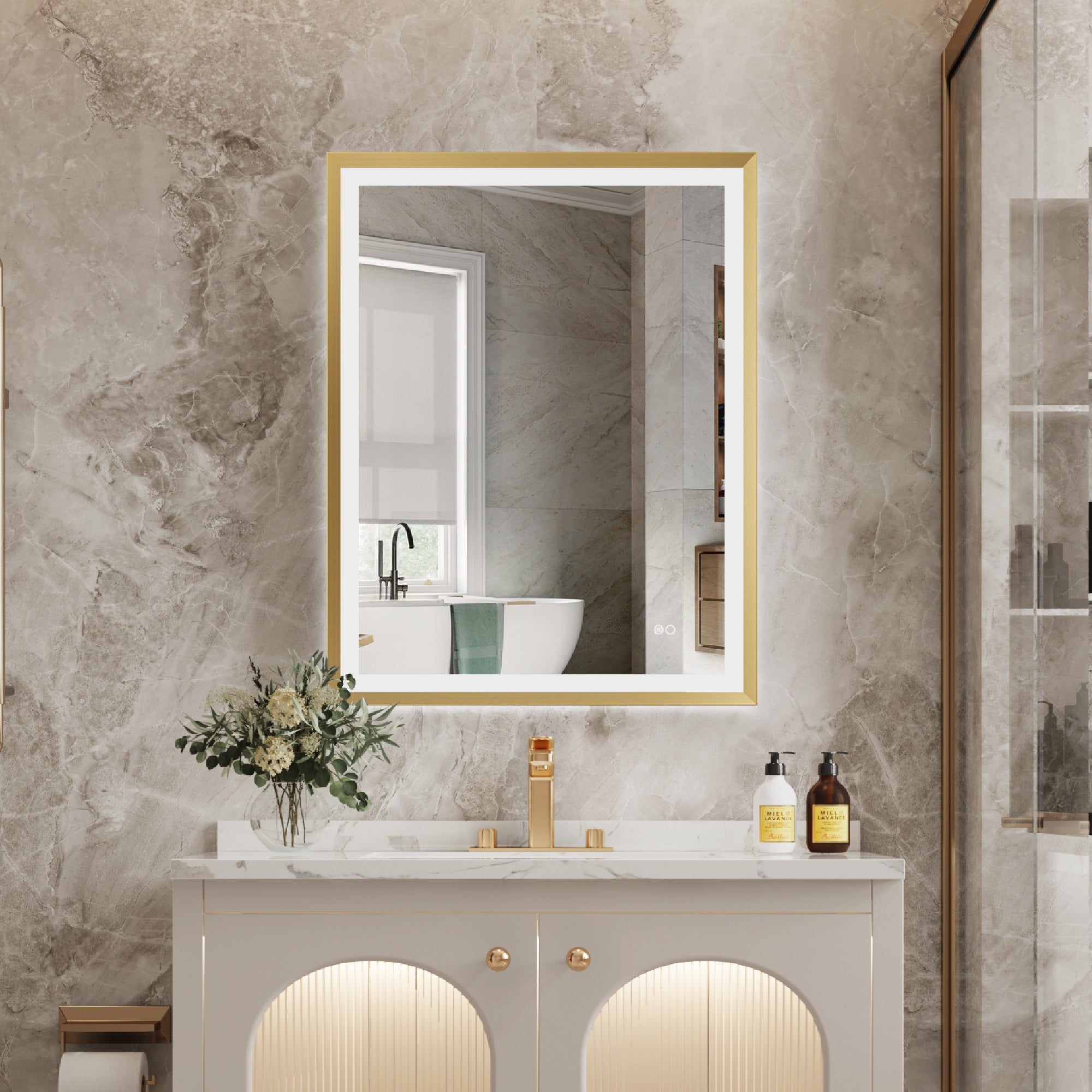
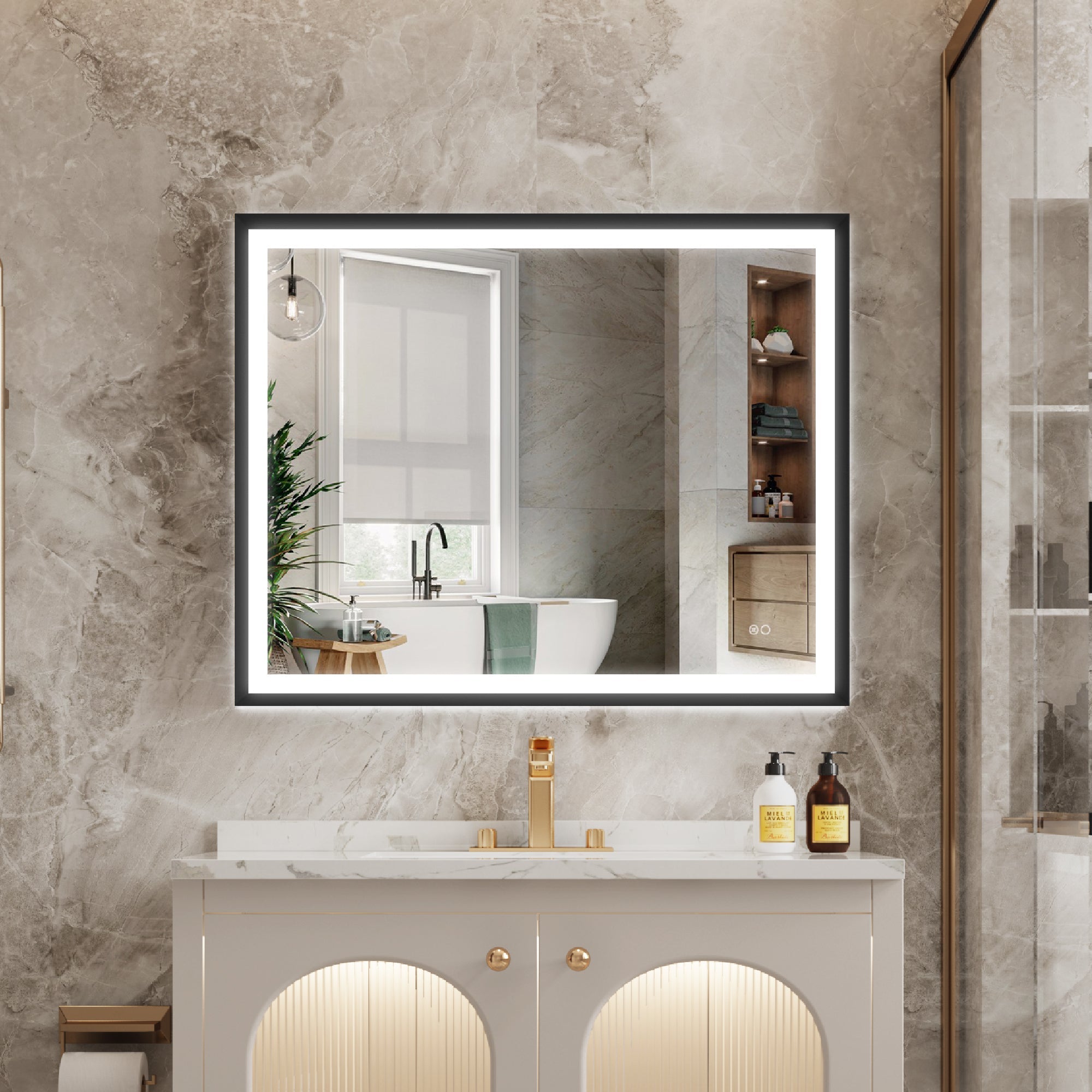
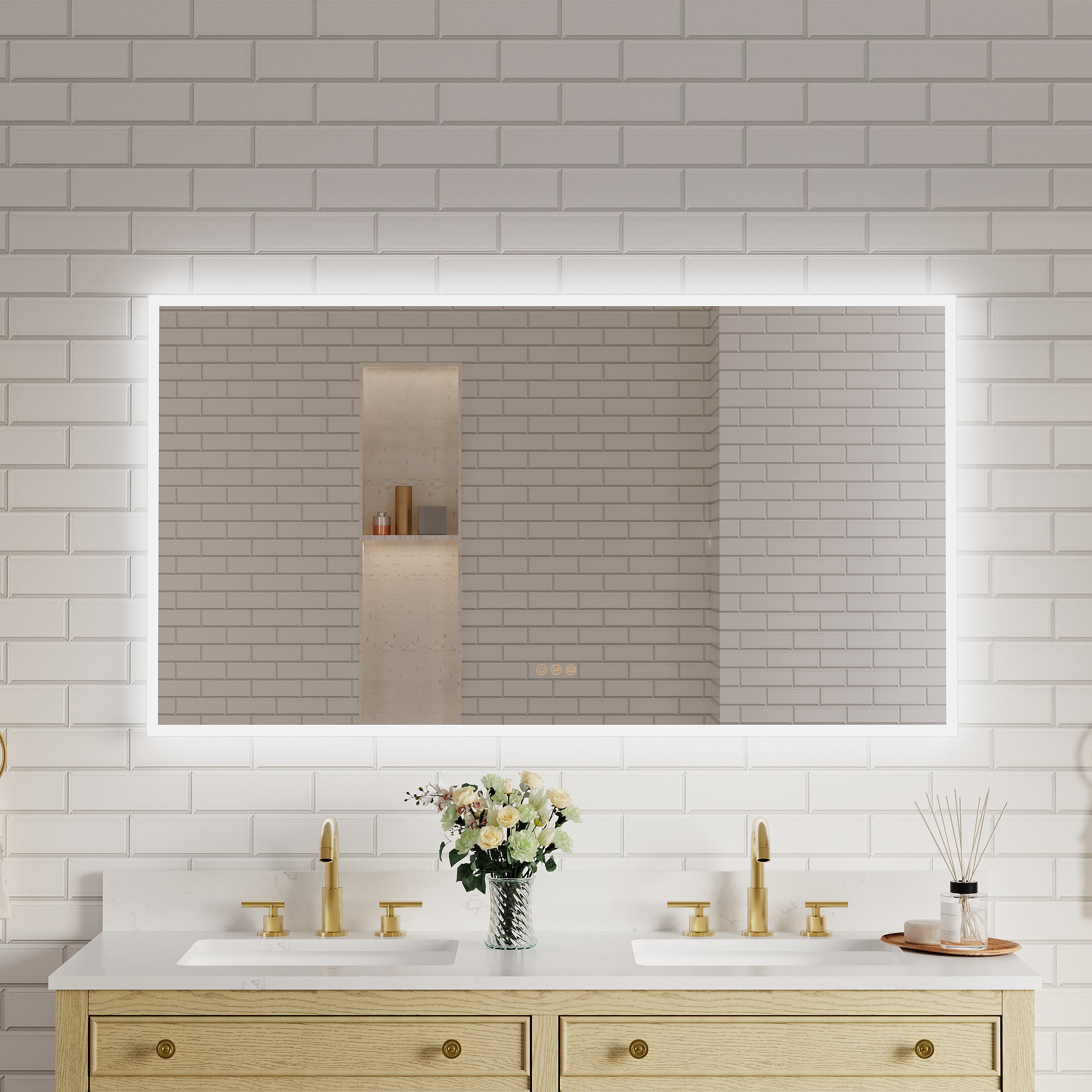
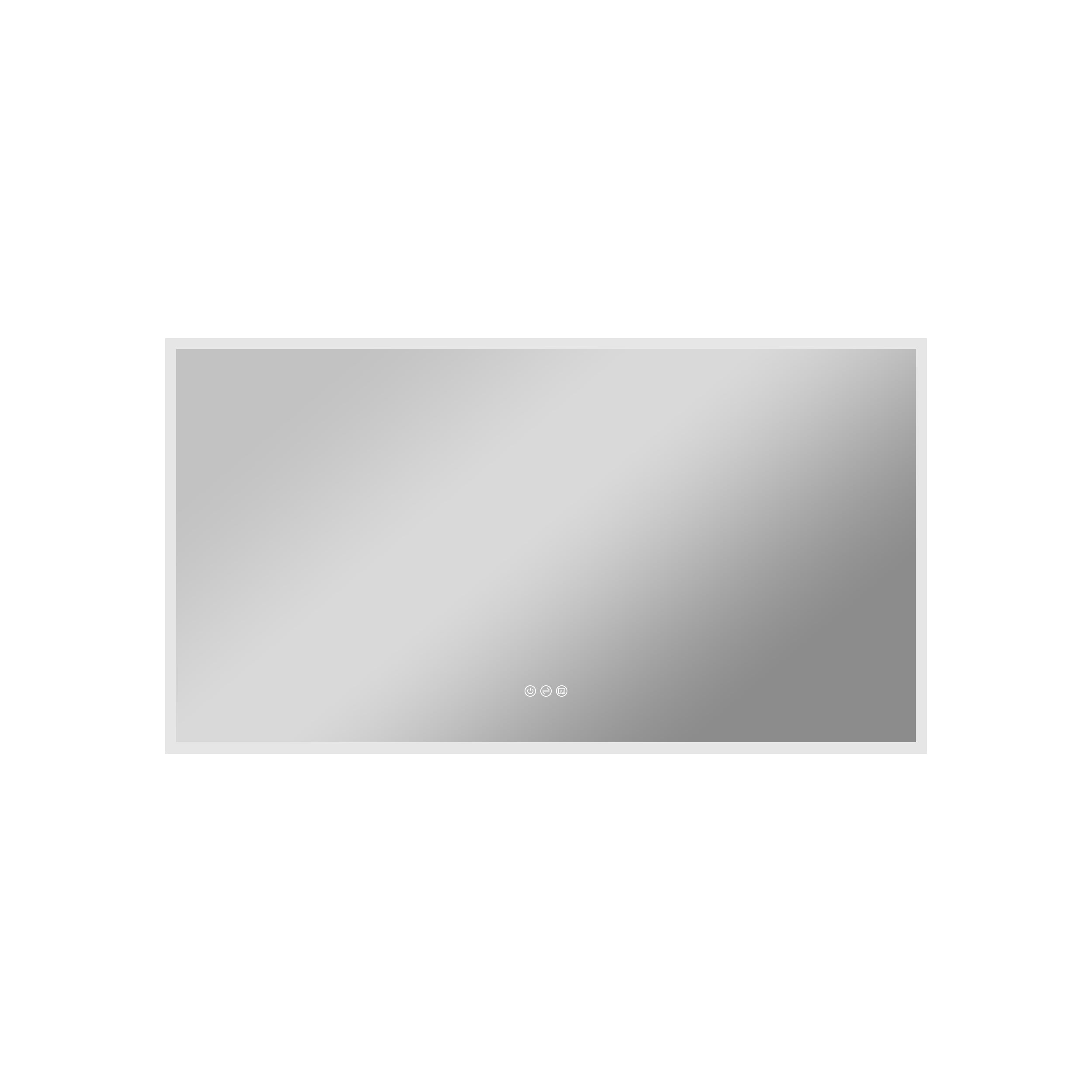
An LED lighted mirror has moved from “nice-to-have” to a practical upgrade because it solves two common remodel pain points at once: uneven face lighting and clutter around the vanity. Renovation surveys also show that specialty mirror features are gaining traction—34% of renovating homeowners choose mirrors with specialty features, and LED lighting is the most common at 24% (anti-fog follows at 22%).
Better Task Lighting Where It Actually Matters
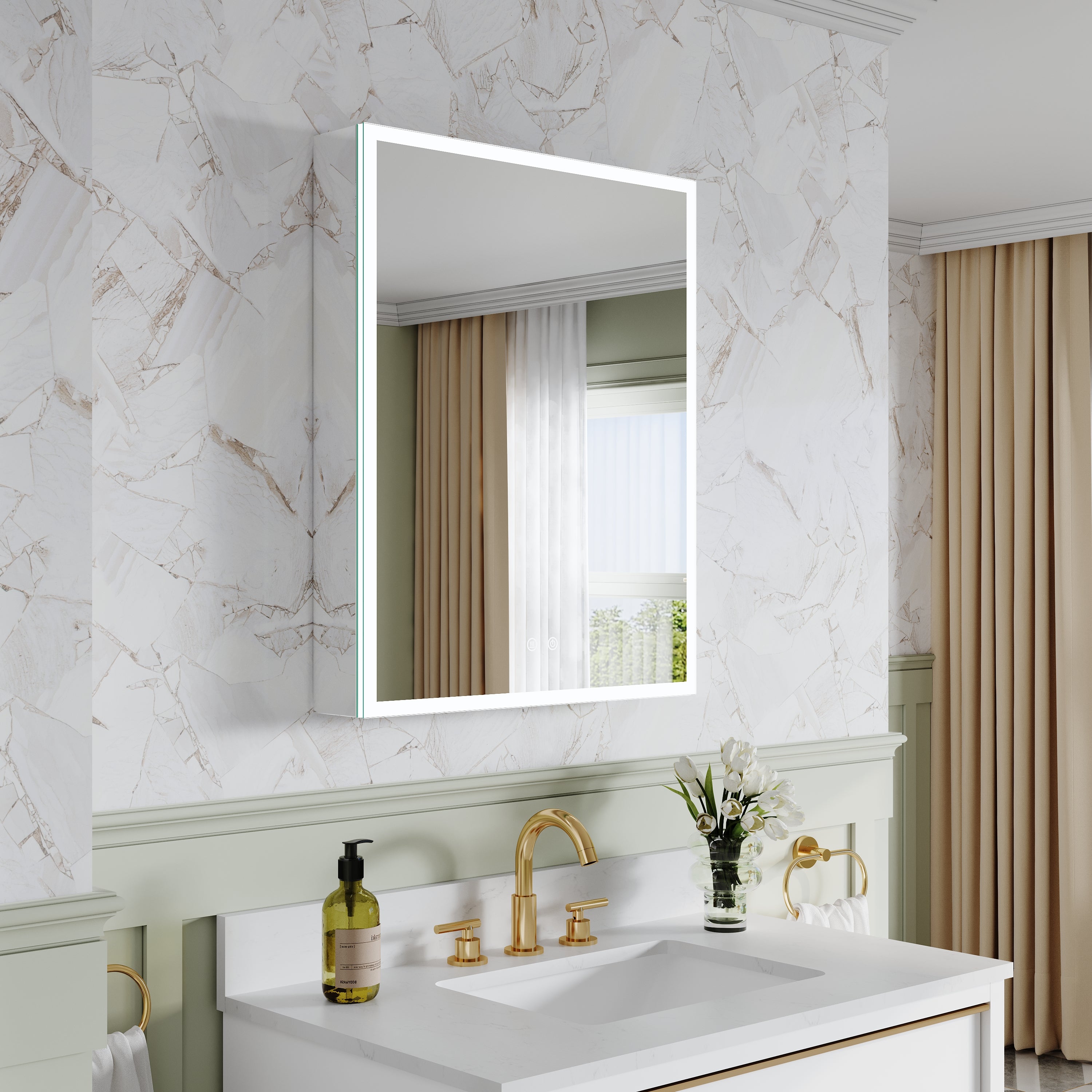
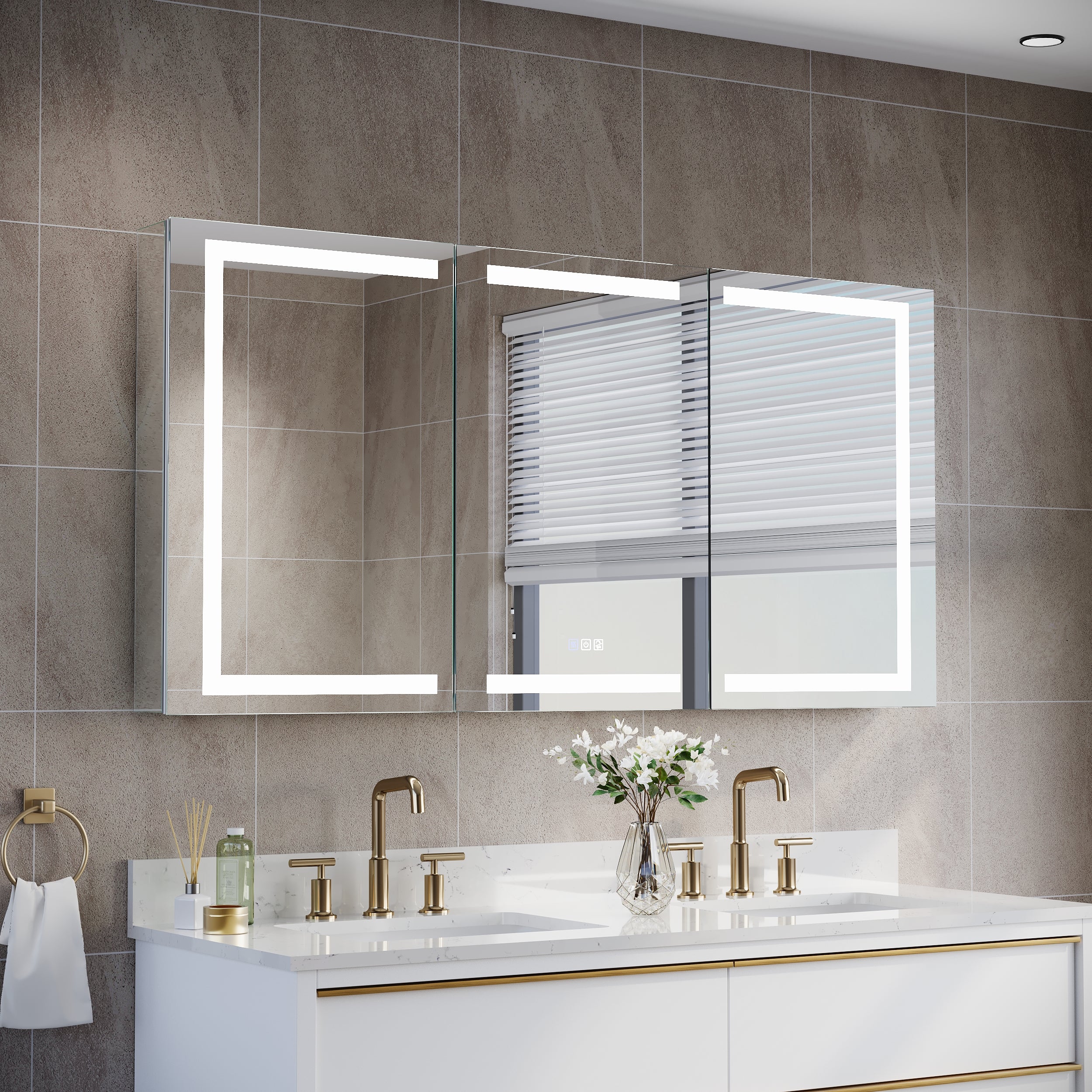
Most vanity lighting problems aren’t about the room being “dark.” They’re about light coming from the wrong direction—usually overhead—creating shadows under the eyes and chin. An LED-lit mirror provides illumination at face level, closer to the direction makeup artists and lighting designers aim for: forward-facing, even, and diffused.
Some lighting design guidance also notes that vanity zones benefit from target light levels measured at the face (vertical illumination), not just at the countertop. For example, one design guide referencing IES recommended practice suggests aiming around 20 footcandles vertically for the user’s face at the vanity area.
Energy and Longevity: LEDs Win the Math
The energy case for LED-based lighting is straightforward. Residential LEDs—especially ENERGY STAR-rated products—can use at least 75% less energy and last up to 25 times longer than incandescent lighting.
Other DOE guidance notes LEDs can use up to 90% less energy than traditional incandescent bulbs, again with lifetimes up to 25 times longer.
While a lighted mirror may not instantly offset its cost, this upgrade helps avoid ongoing expenses and reduces how often you'll replace light sources—especially beneficial when the lighting is built into a mirror you prefer not to service frequently.
Renovation Data Shows “Lighted Mirror Features” Are a Real Trend
Design trends are backed by survey data showing growing adoption of advanced mirror features, such as LED lighting and anti-fog systems.
More recent findings show LED and anti-fog adoption have continued, with LED lighting (24%) and anti-fog (22%) among specialty mirror features.
In summary: Installing an LED lighted mirror addresses common lighting issues, declutters the vanity, saves energy, and supports current design trends—making it a smart, widely adopted bathroom upgrade.
Cleaner Vanities: Fewer Fixtures, Fewer Visual Interruptions
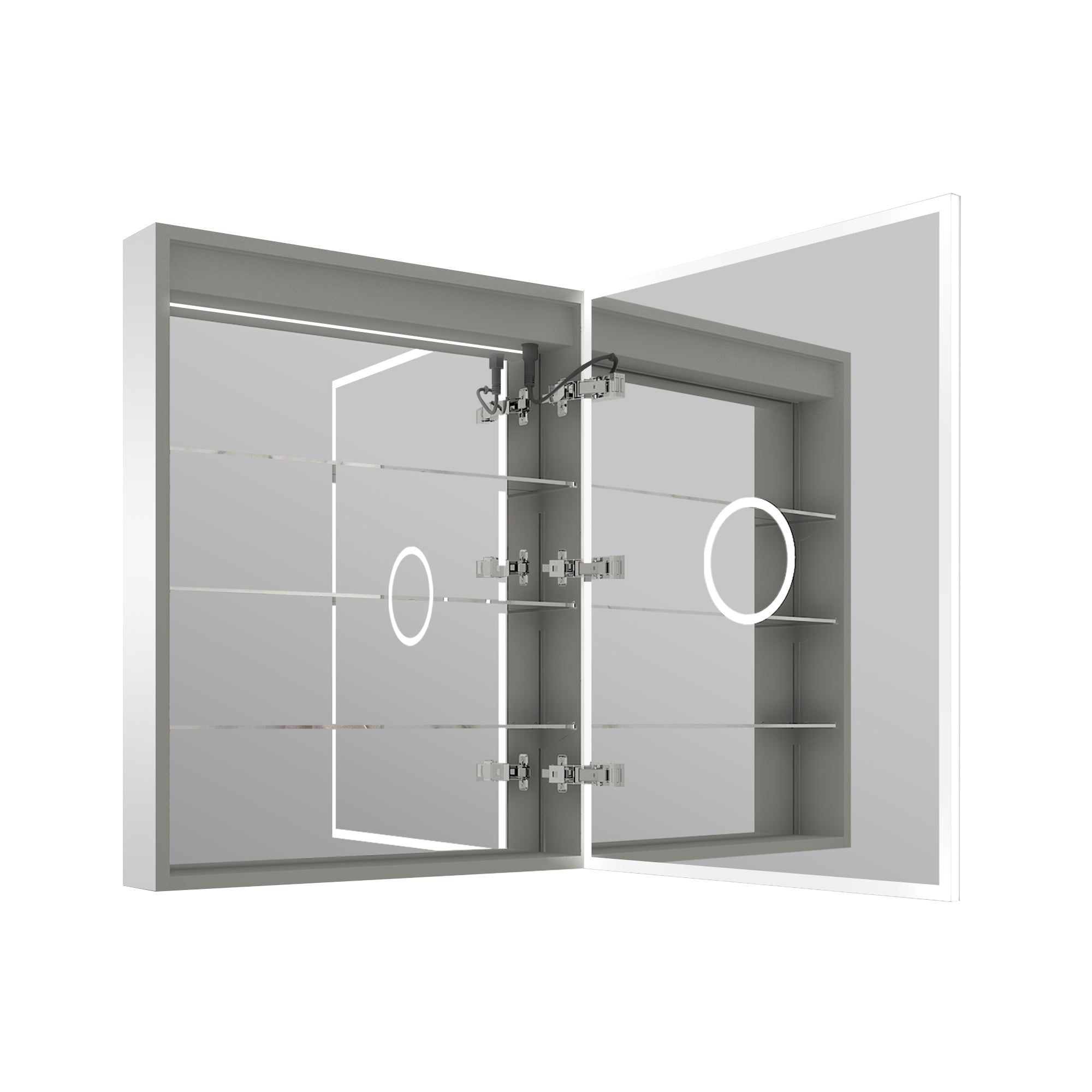
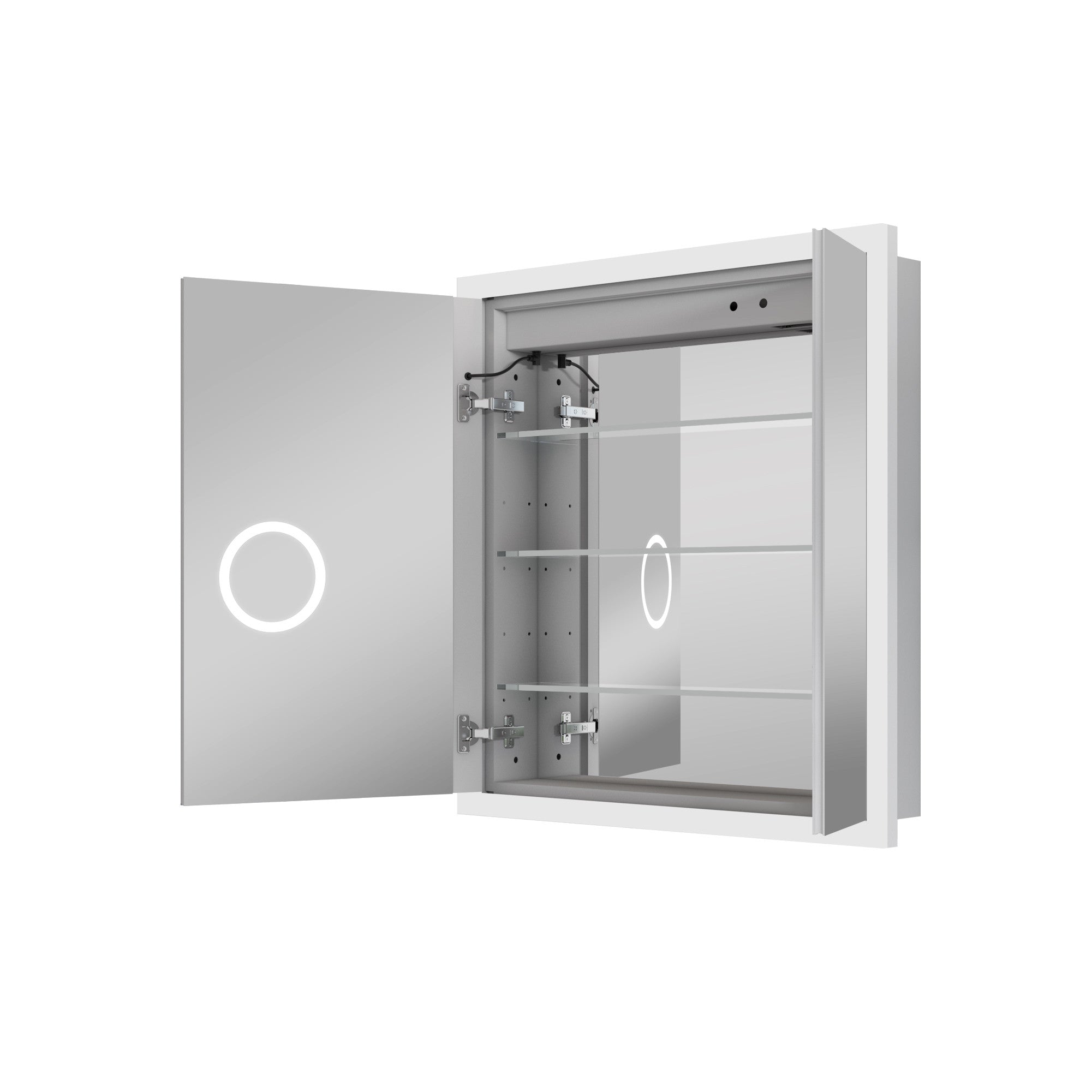
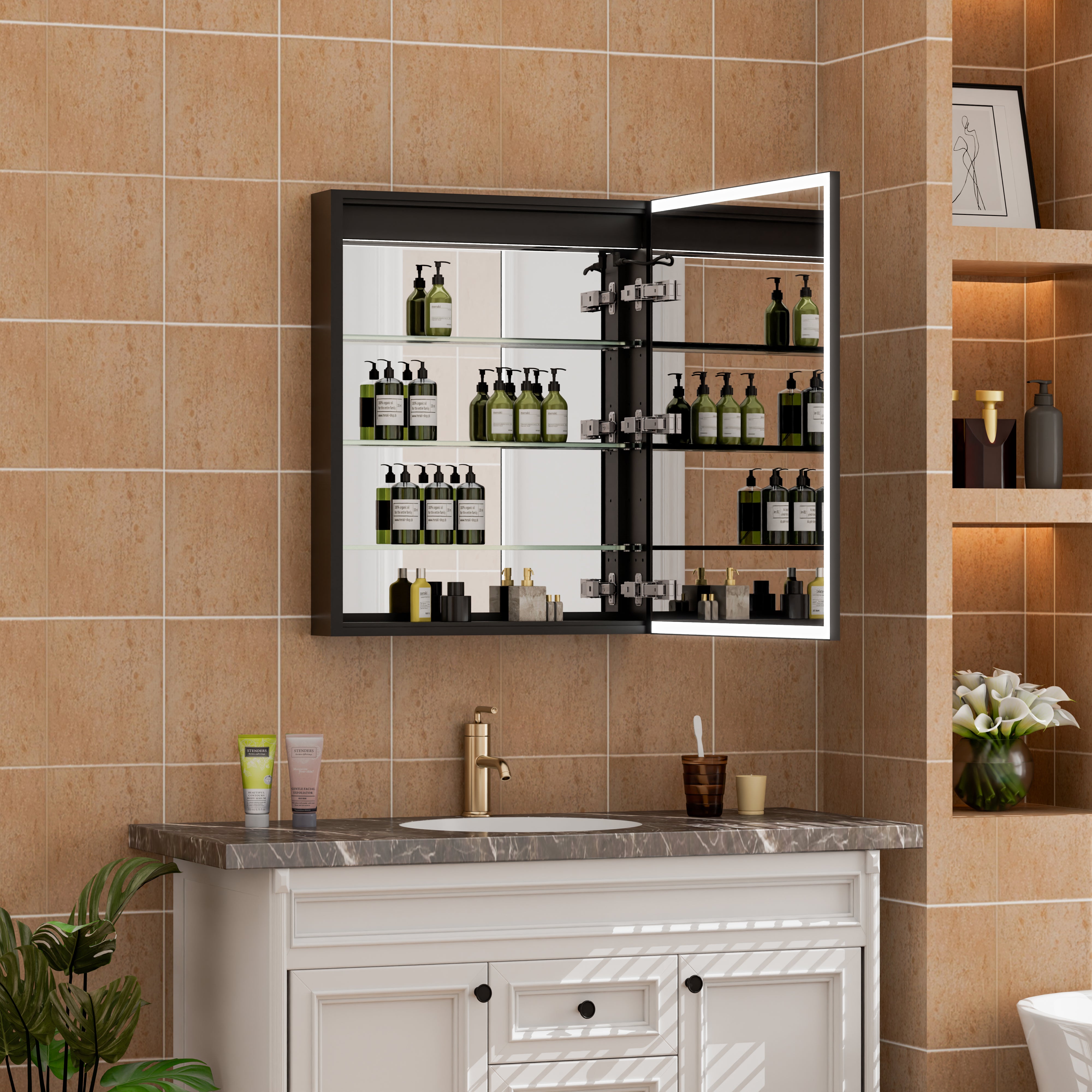
A typical vanity setup can stack multiple items: an overhead fixture, side sconces, a countertop makeup mirror, and plug-in lighting. LED-lit mirrors can reduce the need for additional devices by integrating task lighting into a single, clean plane.
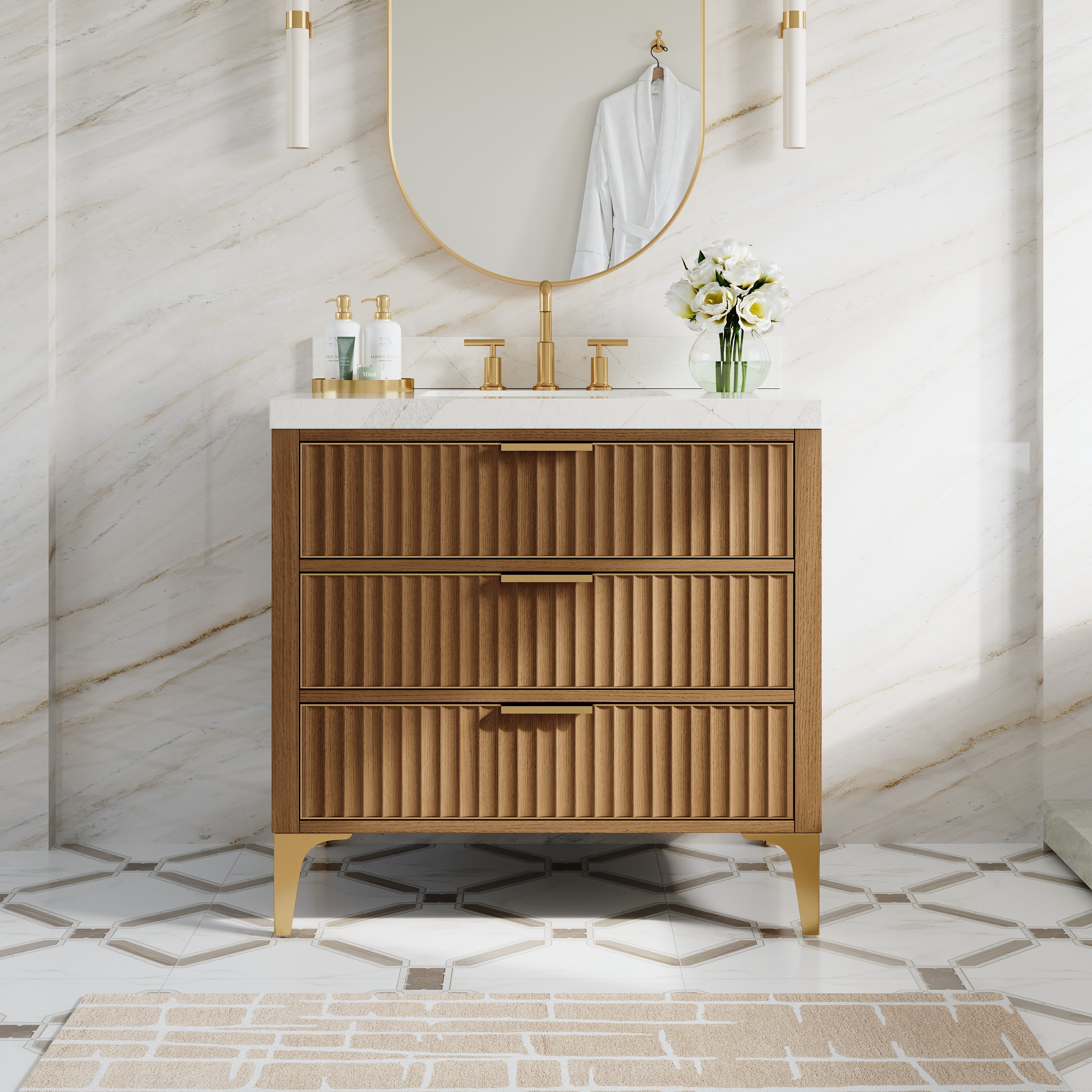
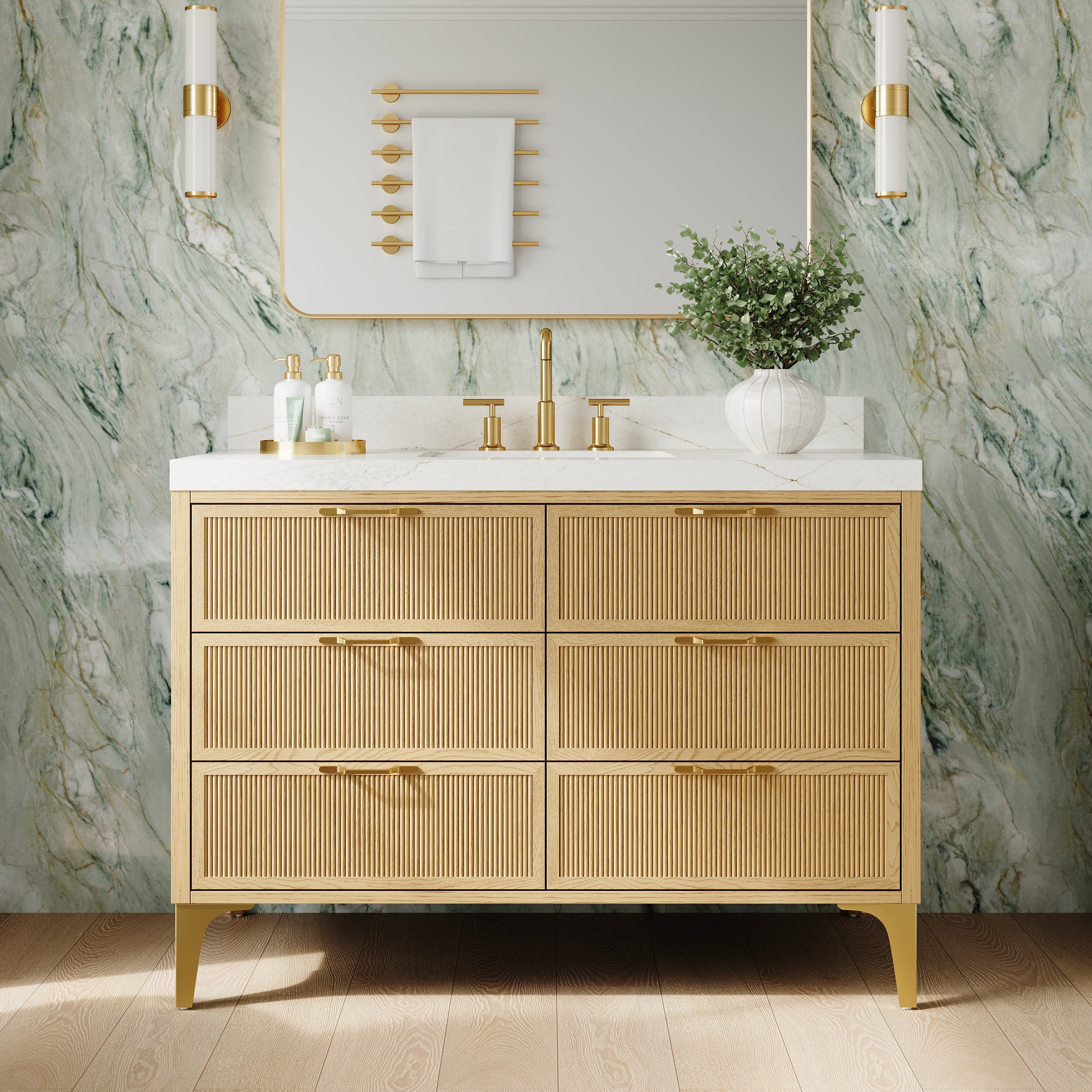
This matters most in smaller bathrooms where a standard 48-inch vanity (or less) is common in remodeled spaces. In survey data, 47% of renovating homeowners prefer vanities 48 inches or less.
When space is tight, integrated lighting keeps the backsplash and countertop cleaner, giving a more premium look even without upgrading every finish.

Better Lighting Control for Different Modes
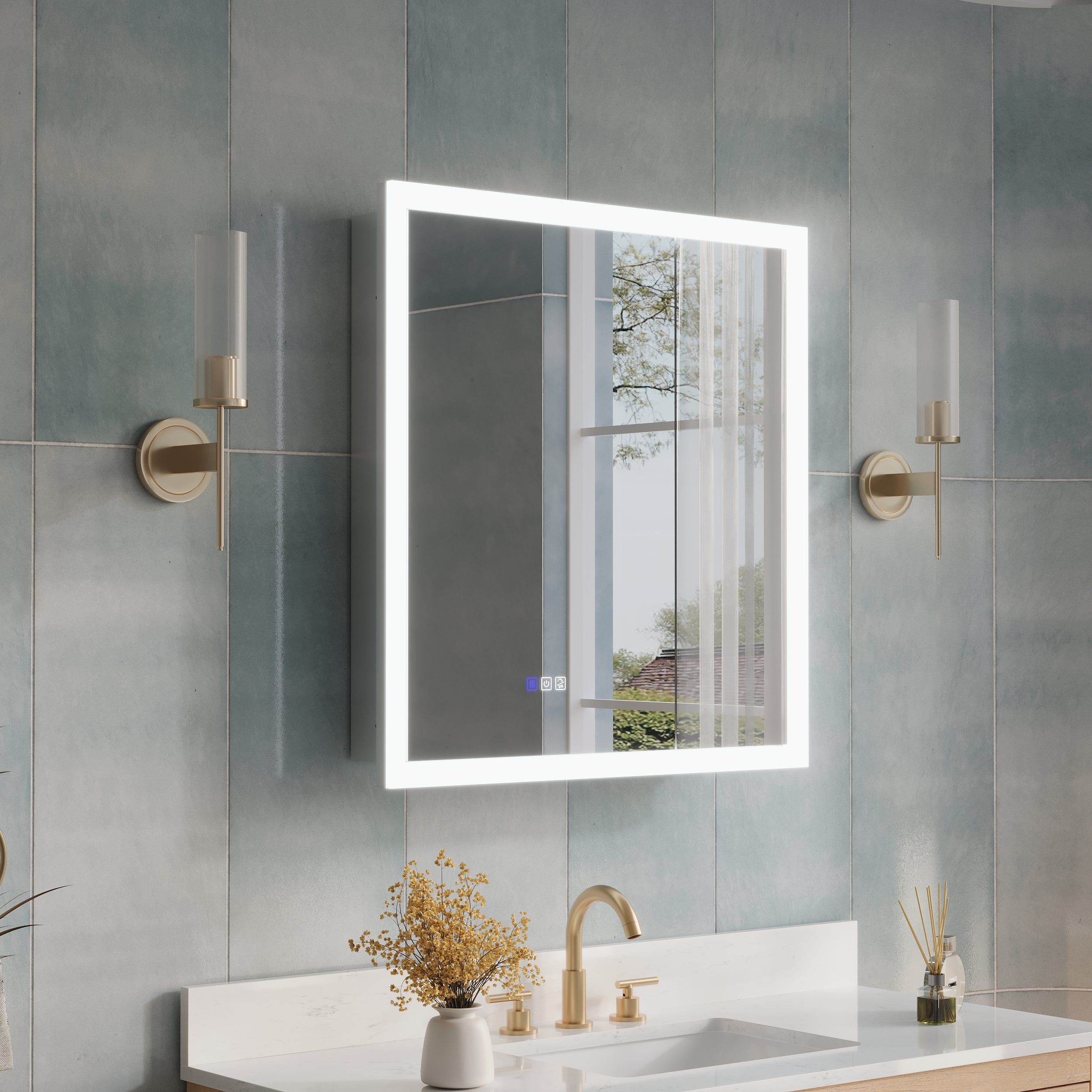
Lighting needs change throughout the day. Bright, crisp light suits shaving or detail work. Softer light is better for winding down at night. Many LED-lit mirrors offer dimming or multiple color-temperature options, and renovation data show that more people want greater control—dimmers are often cited as a sustainability-minded choice.
The remodel takeaway is simple: pick a mirror that can adjust brightness up or down. A mirror that's always bright can be as annoying as one that's always dim.
Placement and Sizing: Avoid the Most Common Mistake
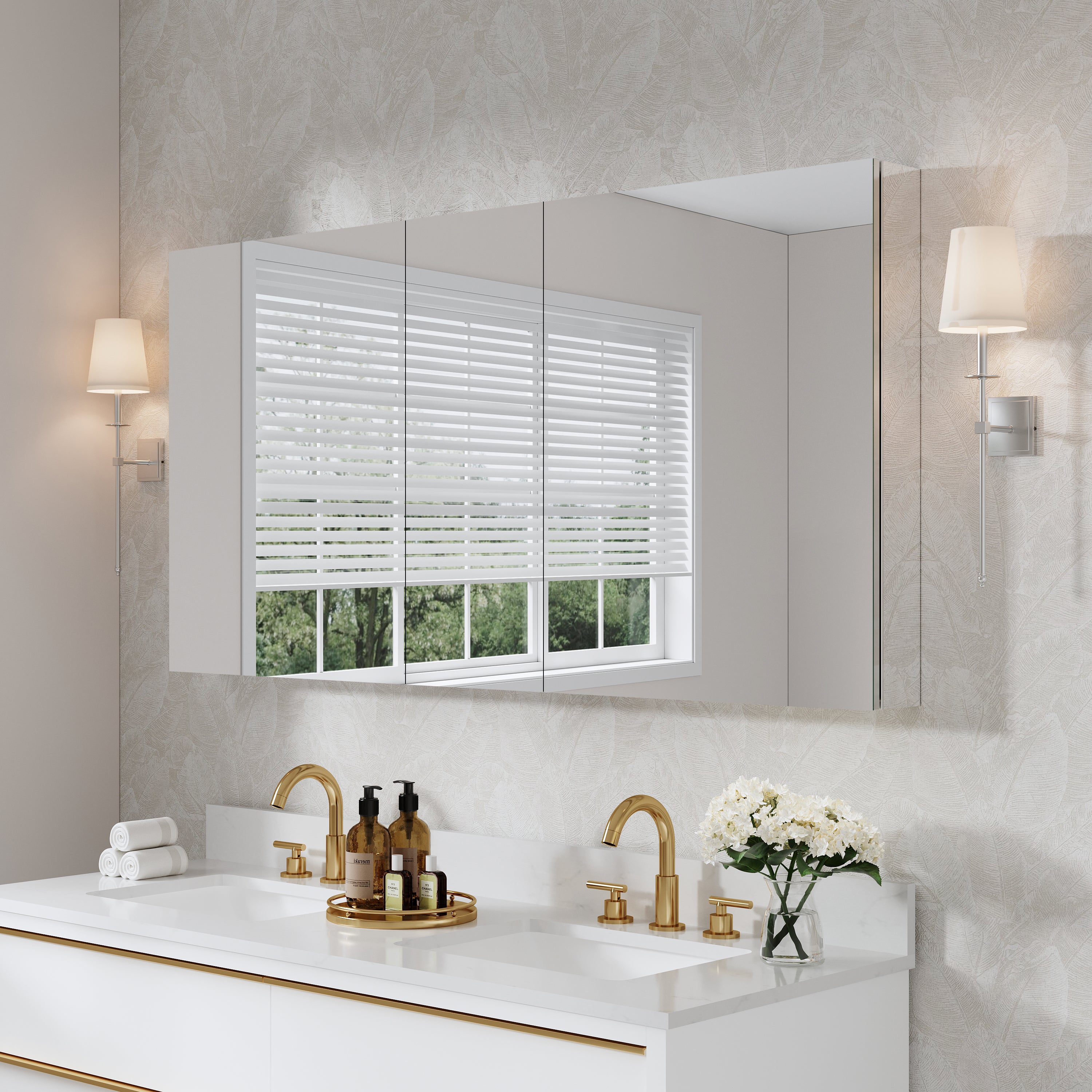
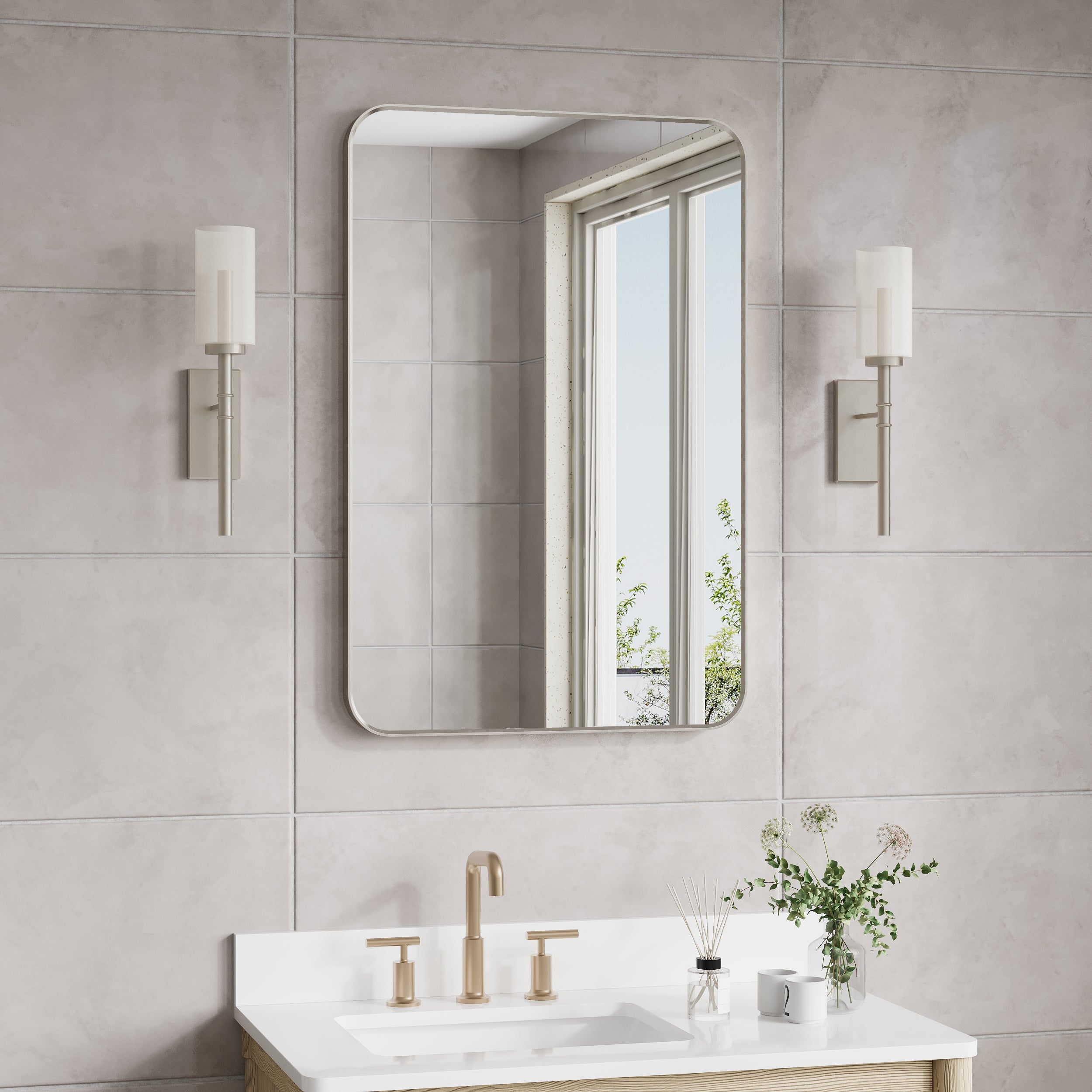
The most common mistake is choosing a mirror size that looks great in isolation but doesn’t match the vanity width and lighting needs. A widely used sizing rule of thumb for vanity lights is choosing a fixture around 75% to 80% of the mirror’s width to balance illumination and proportions.
For lighted mirrors, you can translate that into a simple visual check:
* If your vanity is 48 inches wide, a mirror around 40–48 inches wide often looks proportionate.
* If you’re running double sinks at 60 inches or 72 inches, consider either a wide mirror or two separate mirrors to keep light centered on each user.
Exact sizing depends on wall space and faucet placement, but this prevents mirrors that are too small for the vanity.
Fog and Moisture: Lighting and Comfort Tend to Bundle Together
Many people first shop for LED mirrors for lighting, then end up valuing defogging just as much. Renovation survey data support the pairing: among specialty mirror features, LED lighting and anti-fog are often adopted together (24% and 22%, respectively). If your bathroom fogs up often, defogging is more than a convenience—it reduces mirror wiping, which over time can cause micro-scratches, especially with paper towels or gritty cloths.ed).
Safety and Compliance Considerations You Should Not Skip
Because bathrooms are wet locations, installation quality matters. A lighted mirror should be compatible with bathroom conditions (and ideally built to recognized safety and performance standards). ENERGY STAR’s program requirements for luminaires outline how fixtures qualify for certification—useful as a reference point when you’re comparing products that claim efficiency and durability. Don't ignore glare. Diffused lighting is more comfortable at a mirror, and some guides recommend diffused lenses to reduce vanity glare.ing.
The Remodel Decision Framework: When an LED Lighted Mirror Is “Worth It.”
An LED lighted mirror is usually the right call if:
l Your current vanity lighting creates shadows on the face (especially with overhead-only lighting)
l You want a cleaner wall design with fewer fixtures competing visually.
l You’re trying to modernize the room without moving plumbing or expanding the footprint.
l You want better energy performance and longer service life from the lighting system.
l Fogging is a frequent annoyance, and you’d benefit from anti-fog features.
It may be less compelling if:
l You already have well-placed side sconces delivering even face lighting.
l You strongly prefer a statement decorative fixture above the mirror as the focal point.
l Your bathroom layout makes electrical routing unusually costly (for example, hard-to-access exterior walls)
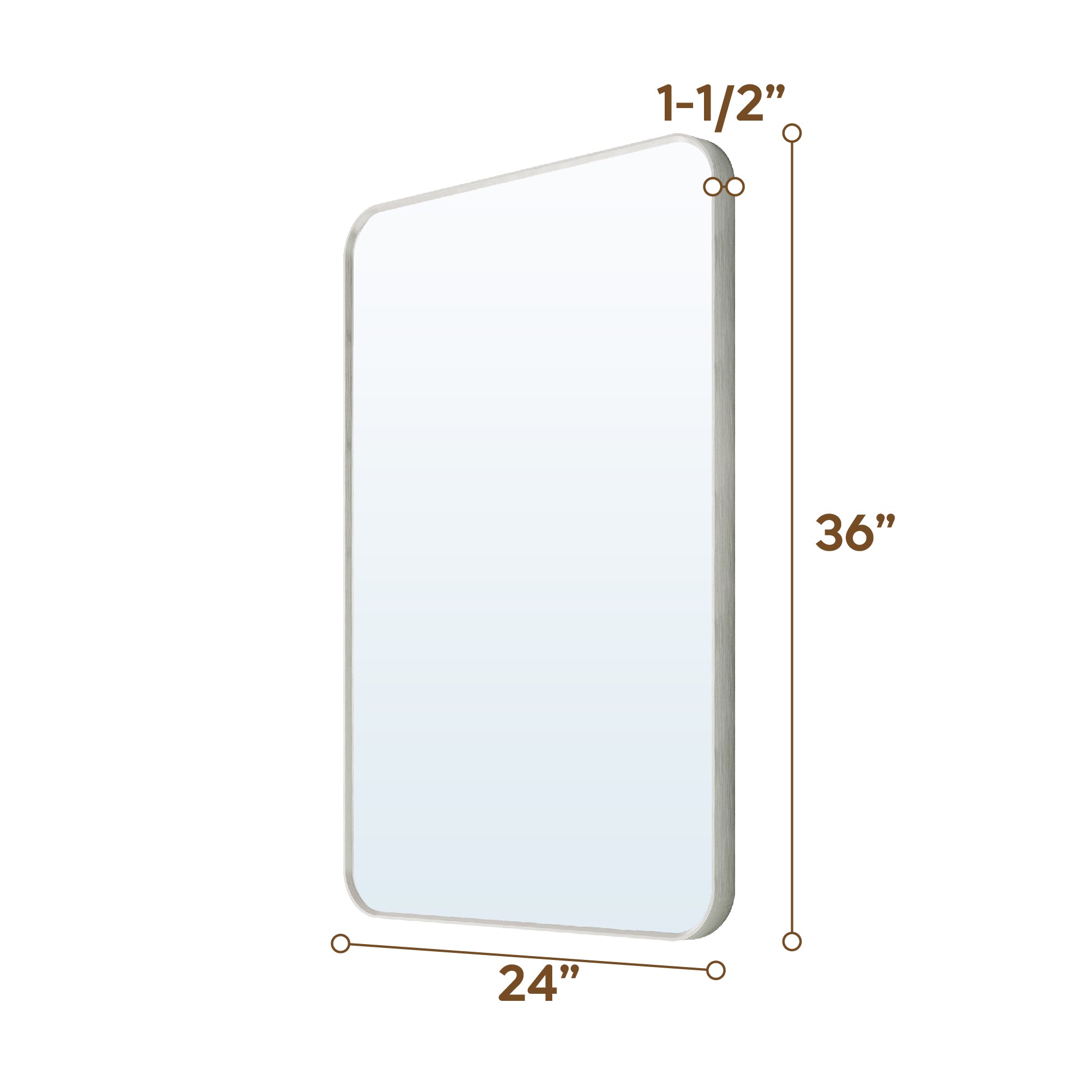
If you share your preferred mirror dimensions (for example, 24 x 36 inches, 30 x 40 inches, or 36 x 48 inches) and whether you want a framed or frameless look, I can outline a checklist for brightness, dimming, color temperature range, defog timer, and mounting approach to fit your remodel goals.










Leave a comment
This site is protected by hCaptcha and the hCaptcha Privacy Policy and Terms of Service apply.