














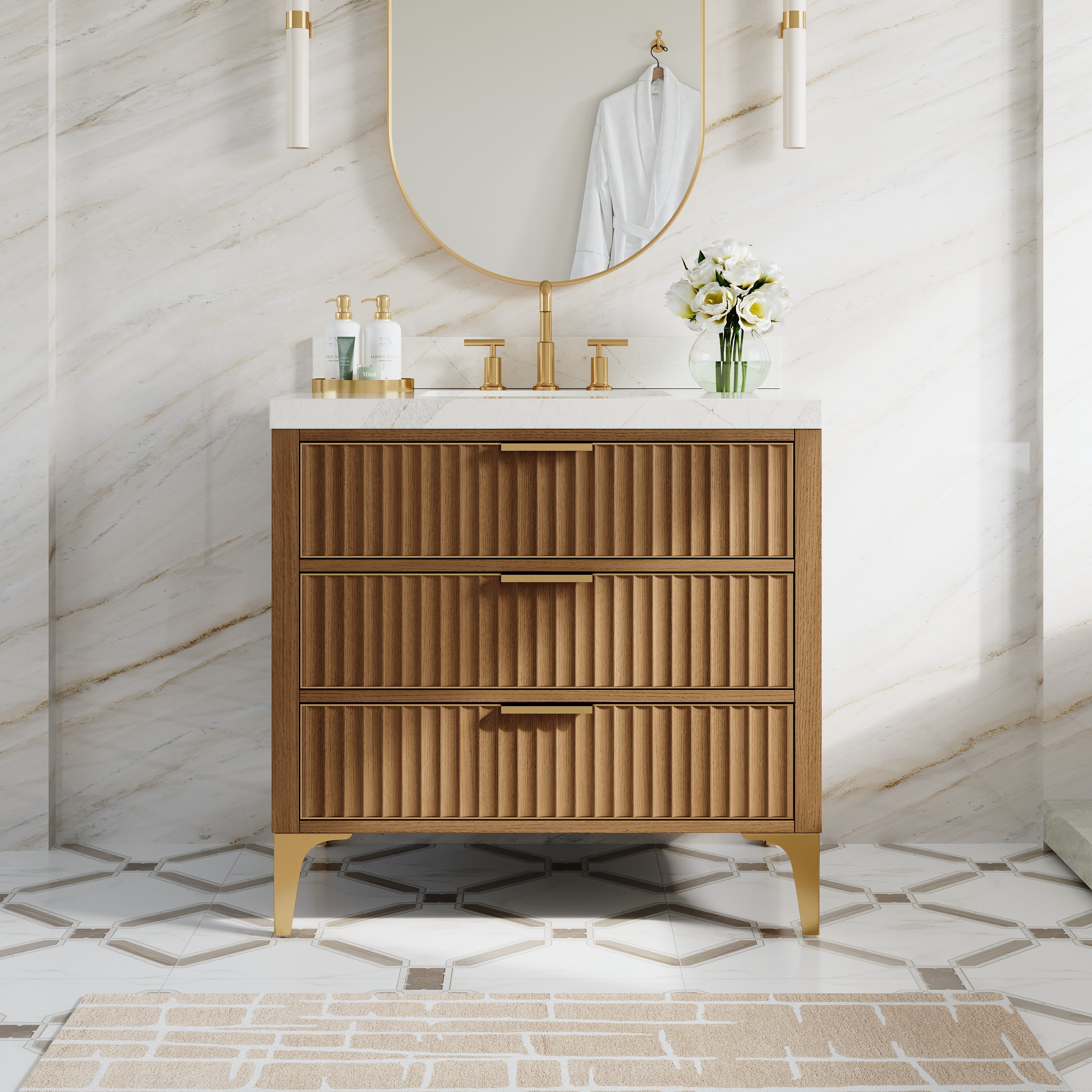
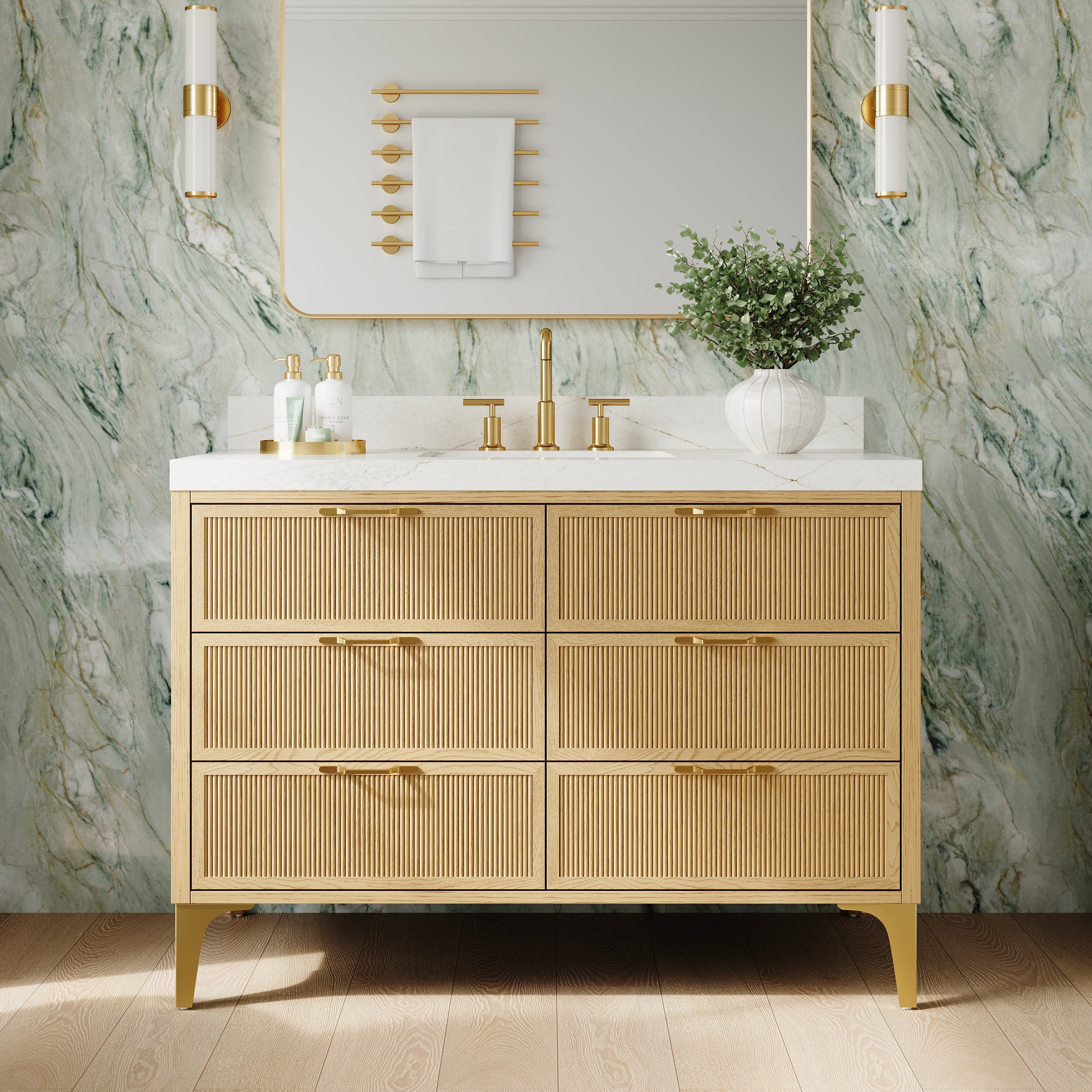


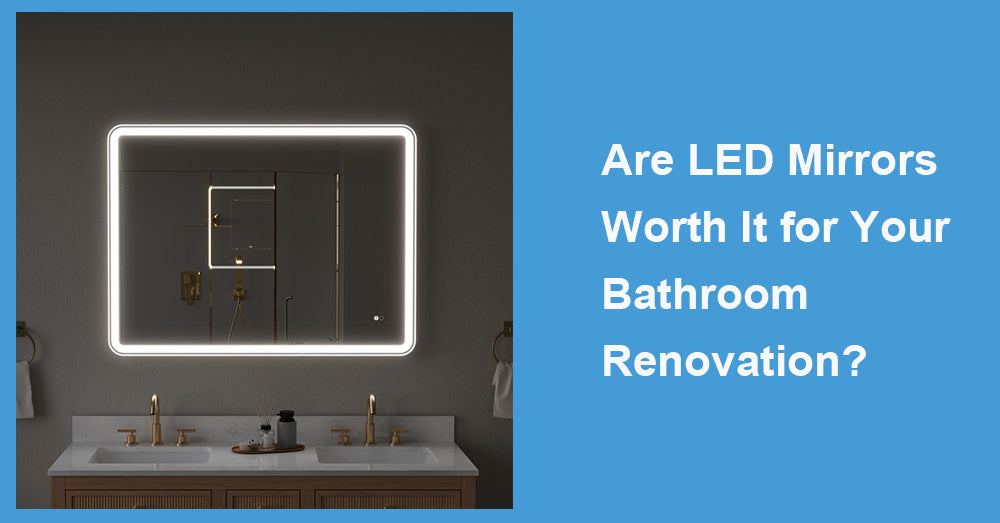
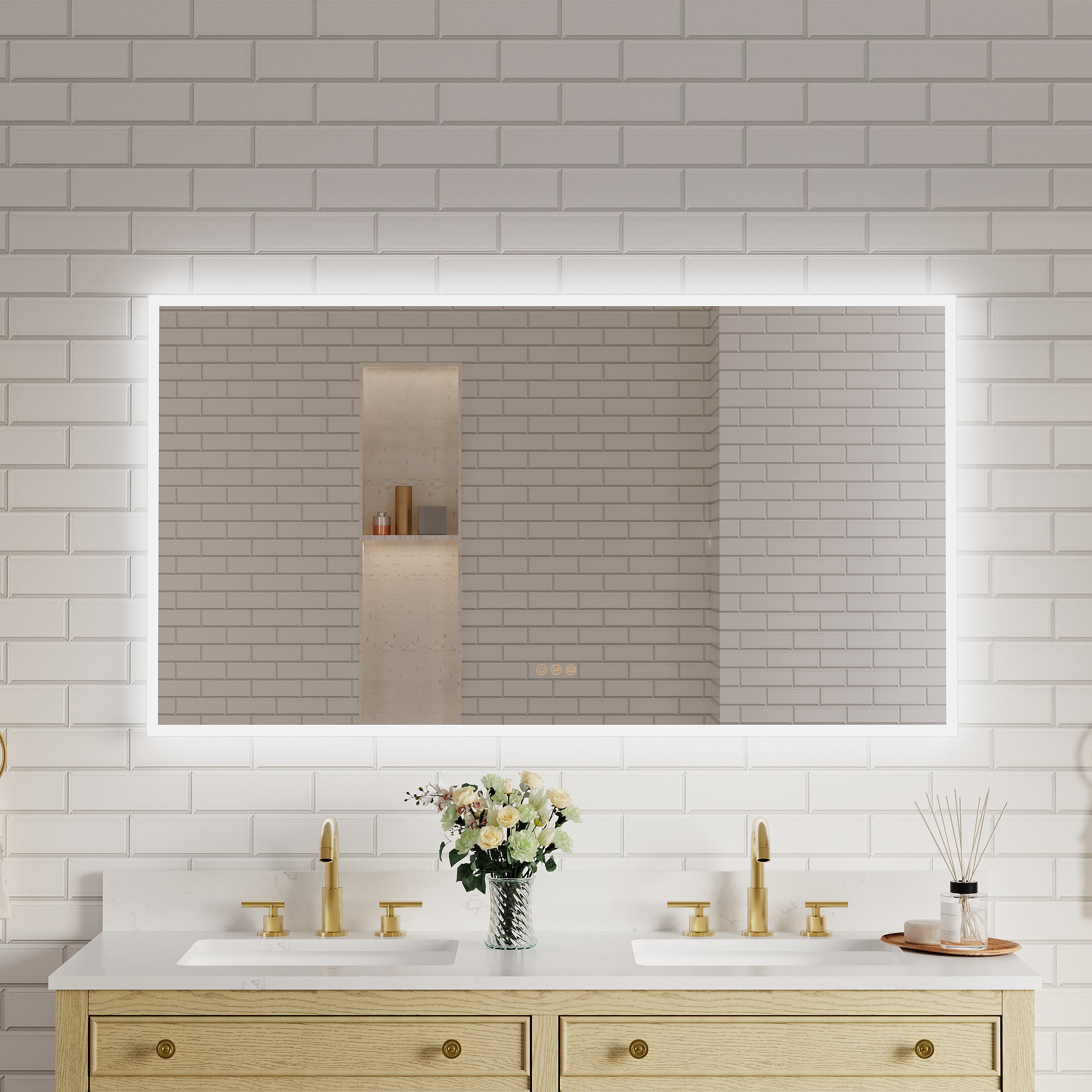
In this round of bathroom renovation, the reason LED mirrors are becoming increasingly common is not that they are more like "technological products", but that they combine mirrors, lighting, and everyday efficiency. Houzz's bathroom renovation study shows that 59% of projects will upgrade mirrors. At the same time, one of the most frequently upgraded bathroom hardware items is lighting, which will account for 82% by 2025. This indicates that mirrors and lighting are no longer separate decisions in actual renovation, but are part of the same system.
1. To truly determine whether an LED mirror is worth it, don't just look at whether it lights up or not, but rather what you do in front of the mirror every day.
Washing, skincare, shaving, makeup, and styling are all close-range, high-frequency actions that require much more even lighting than ordinary ceiling lights. NKBA bathroom planning guidelines suggest that the mirror should provide effective reflection at eye level whenever possible. If the mirror is installed above the washbasin, keep the bottom edge of the reflective surface within a reasonable height above the washbasin. This means that a good mirror is not just about "making it big", but about keeping your gaze, face, and shoulders within a reasonable range when you stand in front of it.
2. From a trend perspective, LED mirrors are no longer a novelty configuration for a few people.
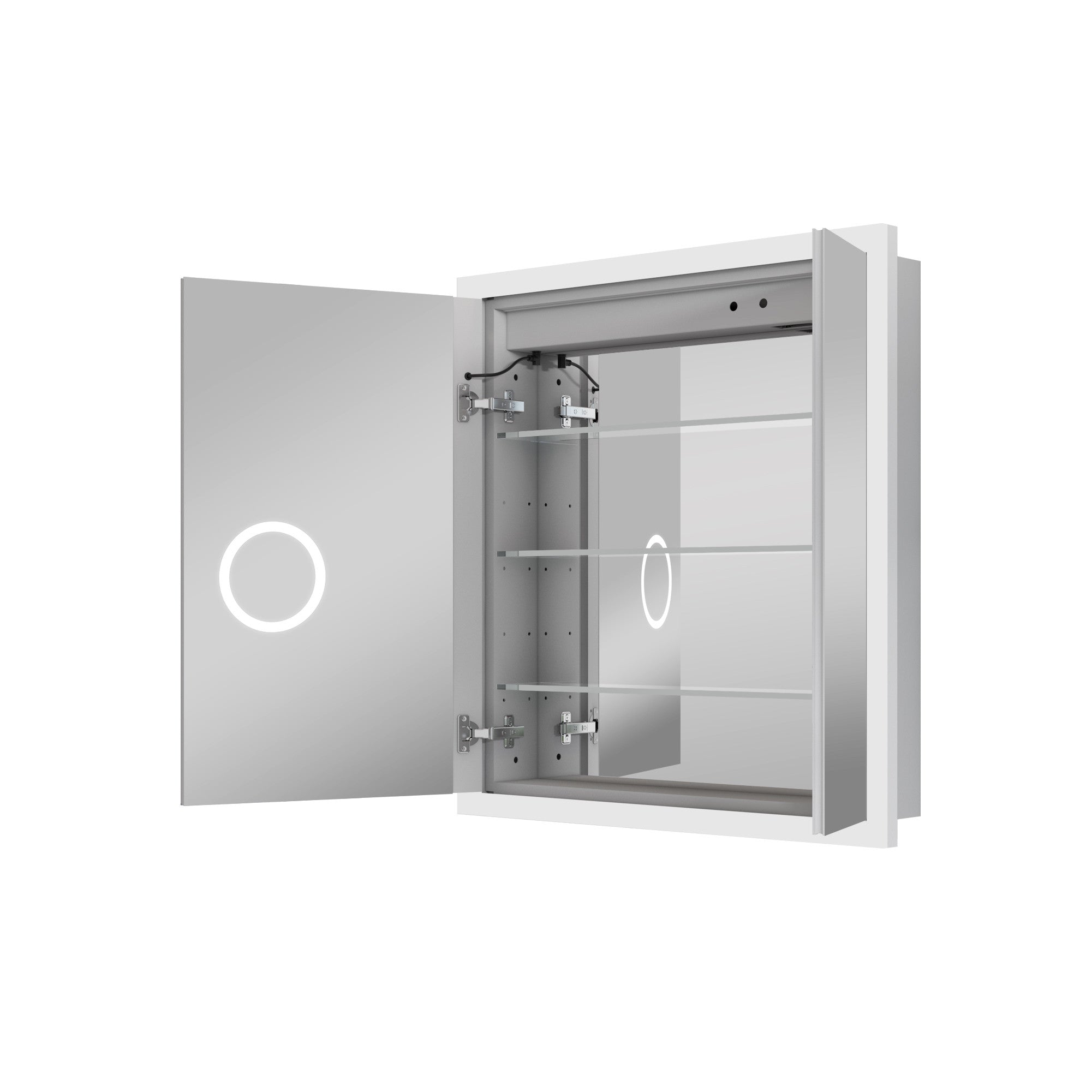
Houzz 2025 research shows that 34% of renovation projects will choose mirrors with specialized functions, with LED lighting accounting for 24% and anti-fog accounting for 22%. Looking back at 2024, LED lighting has become the most common mirror upgrade function, accounting for 21%, followed closely by anti-fog at 20%. This indicates that when people buy mirrors now, they are no longer just buying a reflective surface, but choosing a more complete mirror experience.
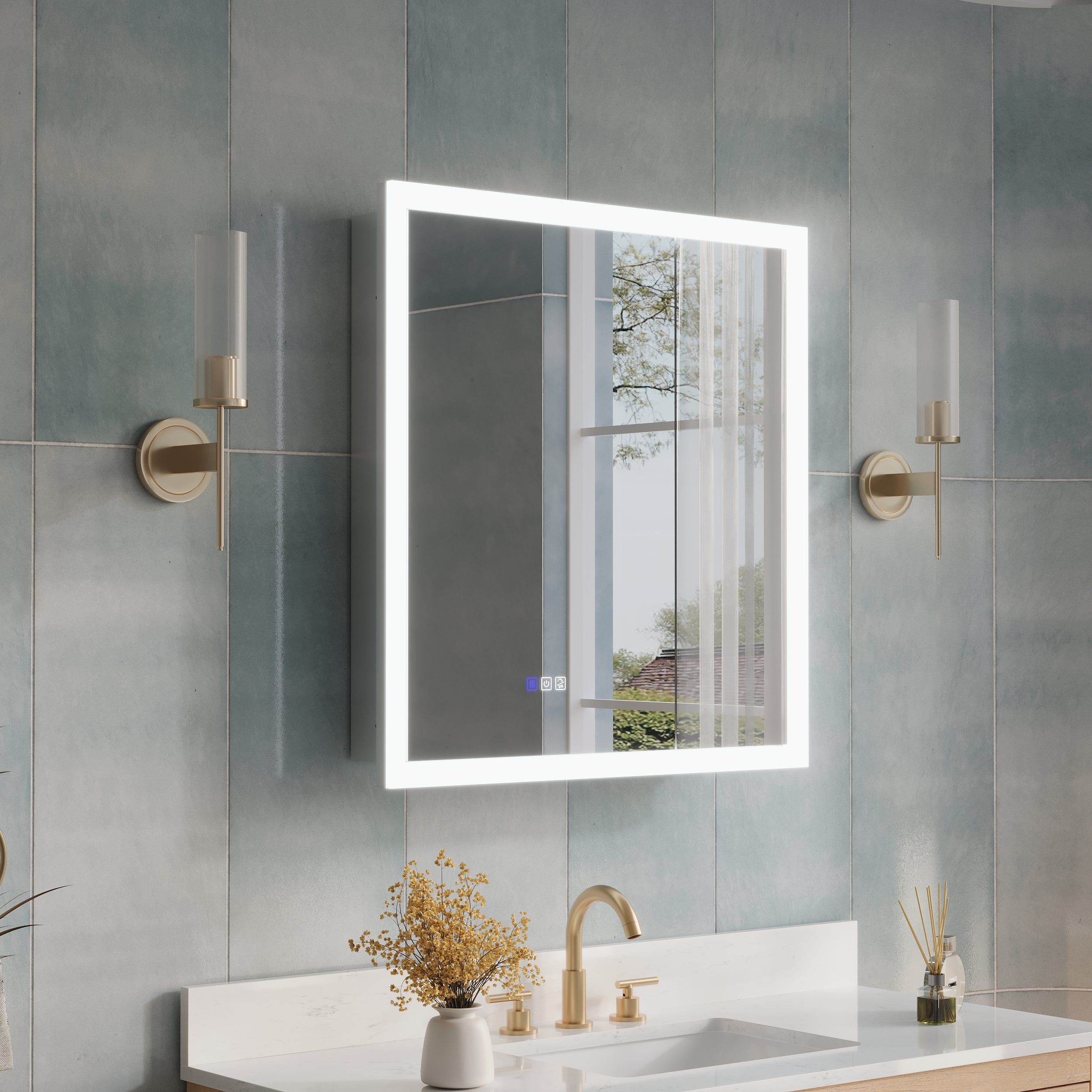
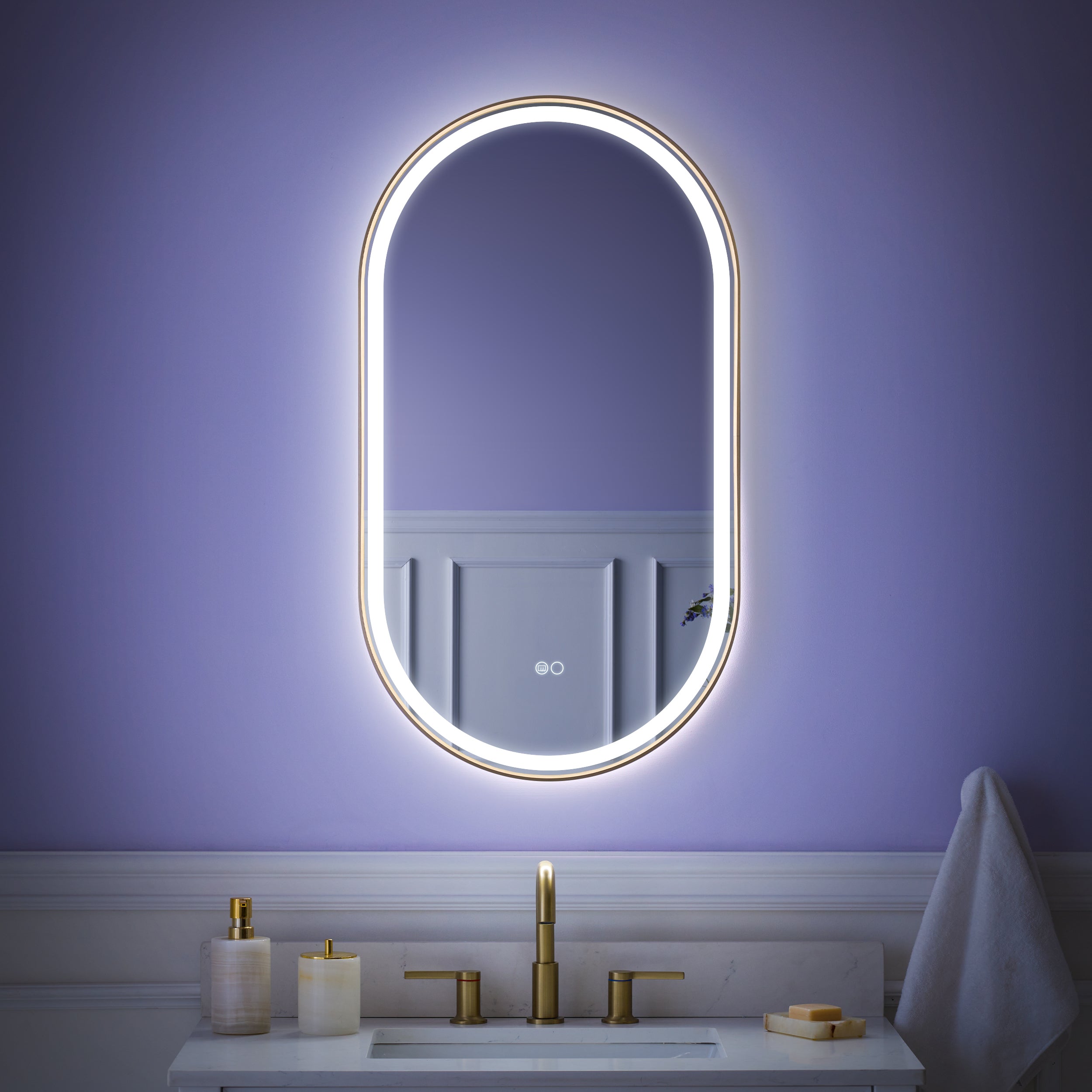
3. The most direct benefit of LED mirrors is that they make it easier to see the face clearly.
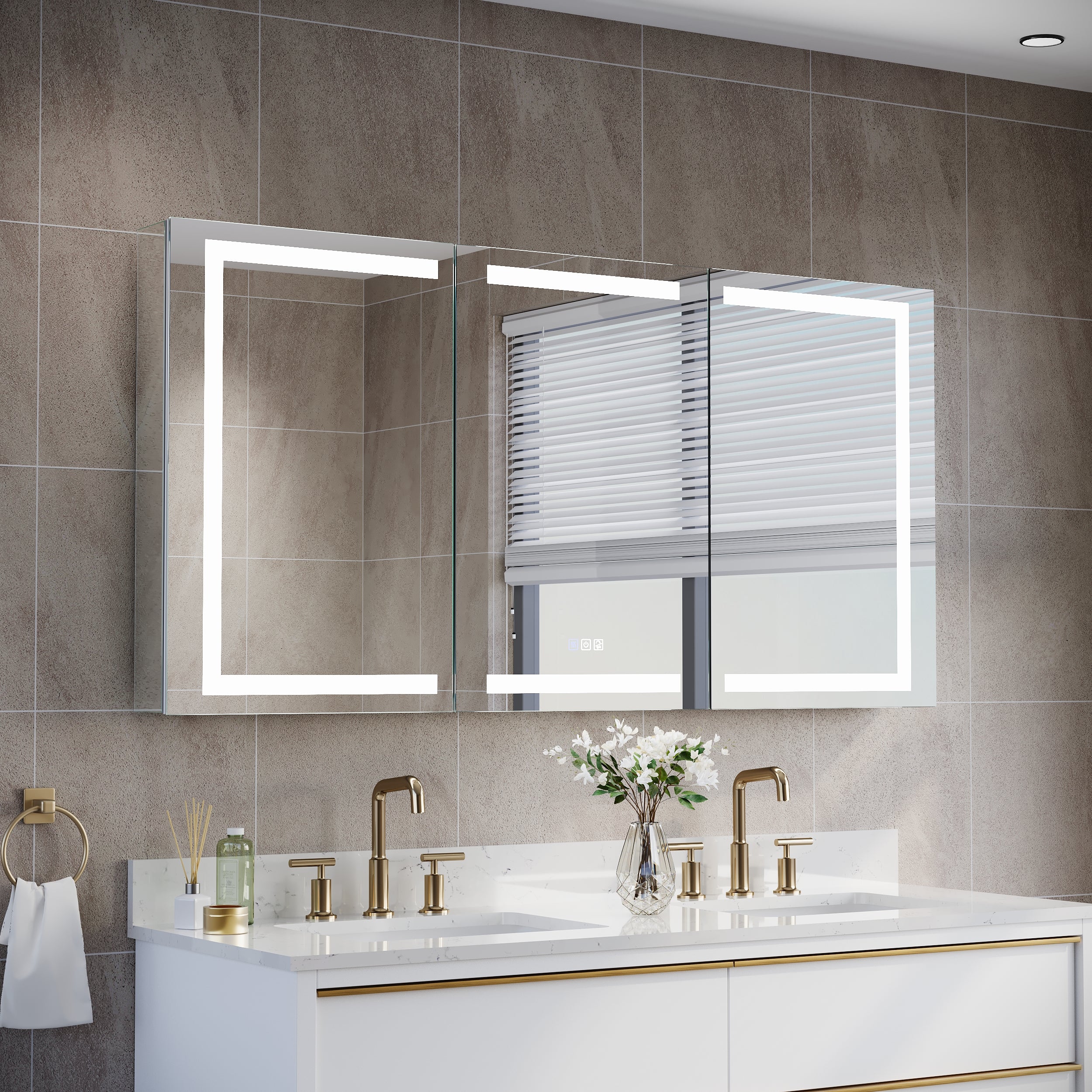
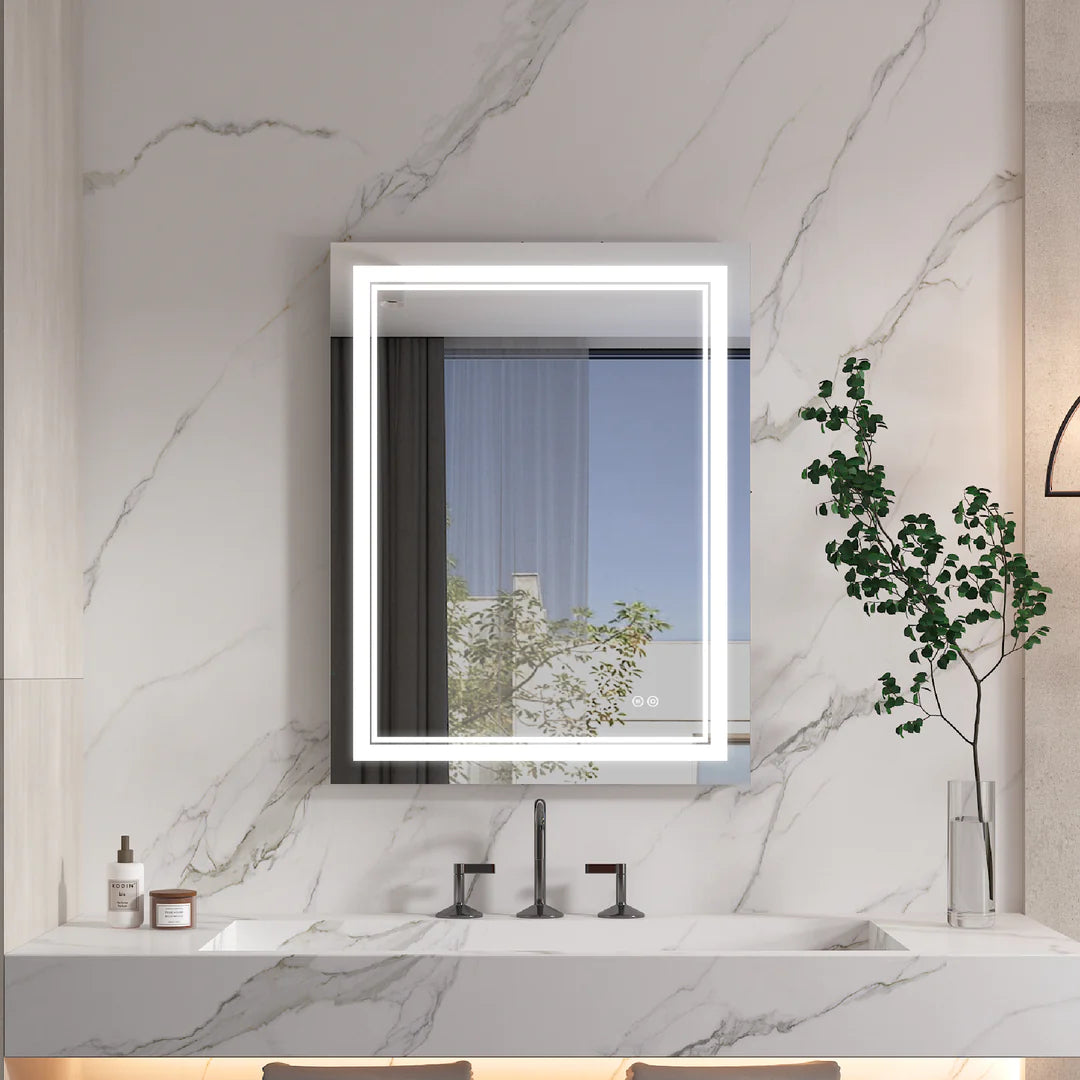
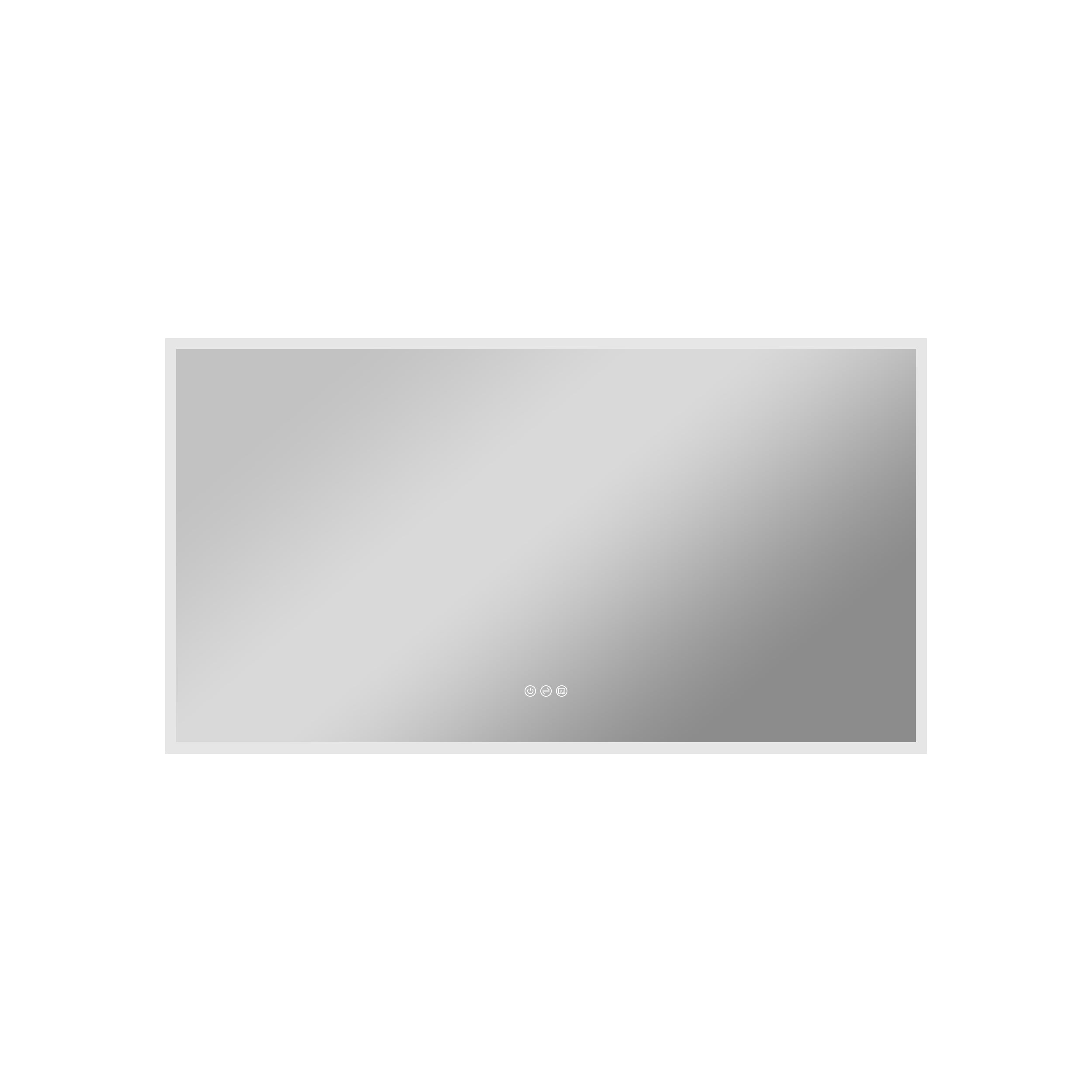
The traditional approach often involves adding an overhead light and a regular mirror, resulting in heavy shadows on the face, especially in the eye sockets, sides of the nose, and chin. Illuminated mirrors have a light source closer to the user, making it easier to produce even front lighting. For the high-frequency space of the main bathroom, this is not an "atmosphere upgrade" but a real upgrade in usage efficiency. Especially when rushing in the morning and evening, the difference in experience will be very obvious, with fewer shadows and less need for extra lighting. This judgment is based on NKBA's mirror installation logic and Houzz's mirror function selection trend.
4. Another practical value is that LEDs themselves are more energy-efficient and durable.
The official statement from the US Department of Energy states that residential LEDs, especially those that meet the ENERGY STAR standard, typically consume at least 75% less energy than incandescent bulbs and can last up to 25 times longer. This means that the value of LED mirrors is not only reflected in their "higher quality when first installed", but also in their reduced light replacement, lower power consumption, and lower maintenance frequency over the years. For bathrooms intended for long-term daily use, this return is more tangible than simply upgrading the decoration.
5. However, not all projects require LED mirrors to be fully equipped.
If your bathroom already has good side wall lights, uniform light in front of the mirror, and is only a low-frequency guest bathroom, then ordinary mirrors with reasonable light positions may not be much worse than LED mirrors. On the contrary, if it is the main bathroom and you already plan to make it more complete and focused on daily care, the value of LED mirrors will increase significantly. According to a 2025 Houzz study, 25% of people use the main bathroom as a resting and relaxing space, and 24% complete their beauty and bathing routines here. Meanwhile, 36% of renovation projects incorporate wellness-oriented features, of which 30% include upgraded lighting. Mirror lighting is no longer a marginal feature in this scene.
6. It also depends on whether your vanity layout is truly suitable for LED mirrors.
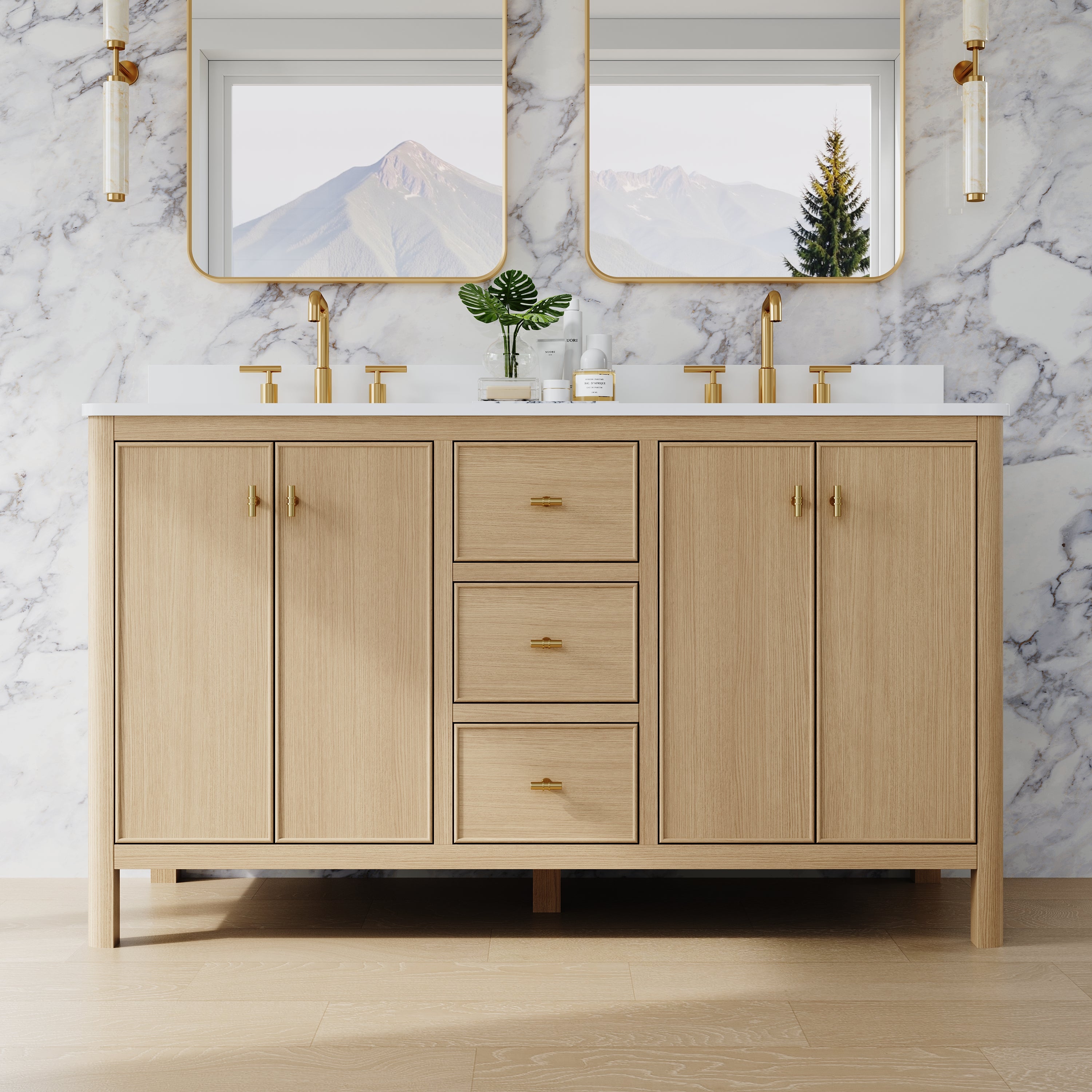
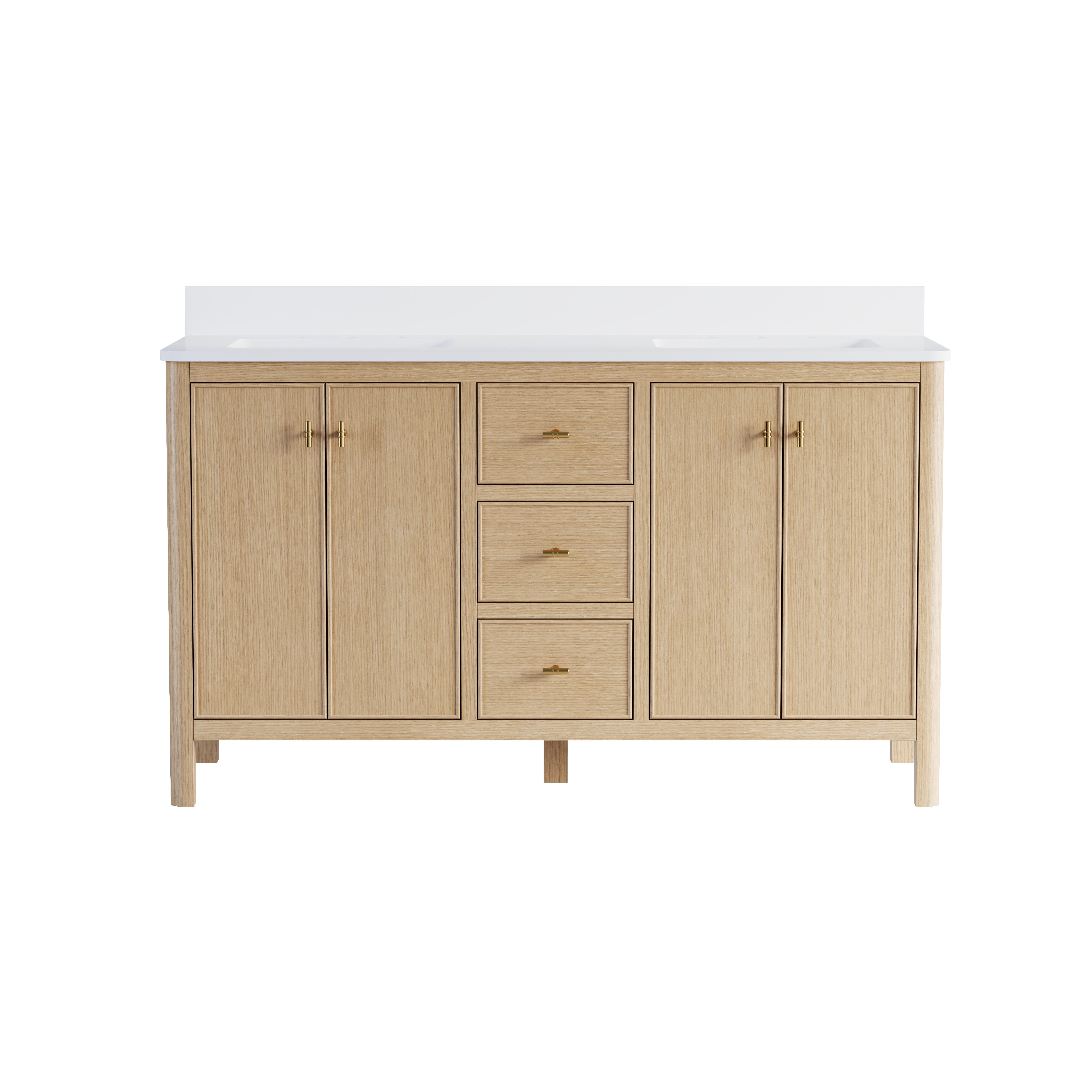
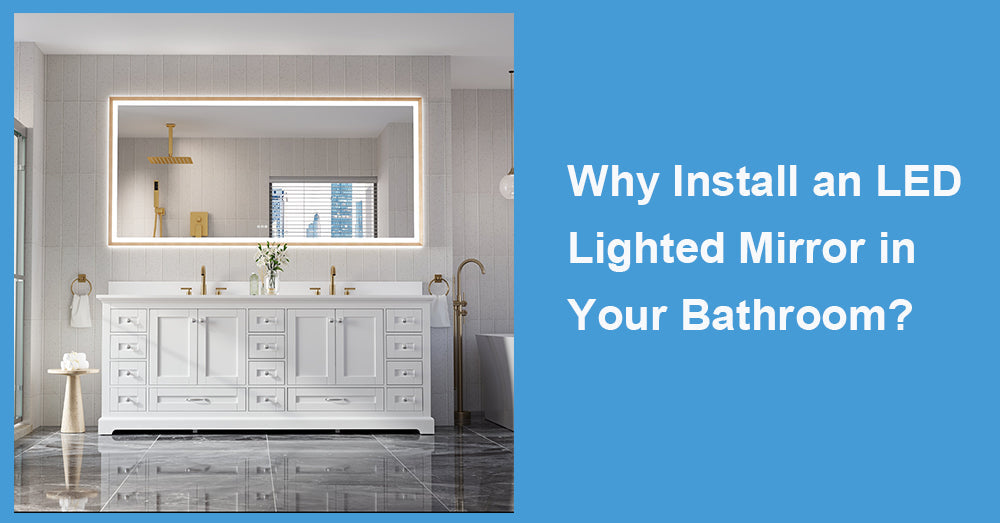
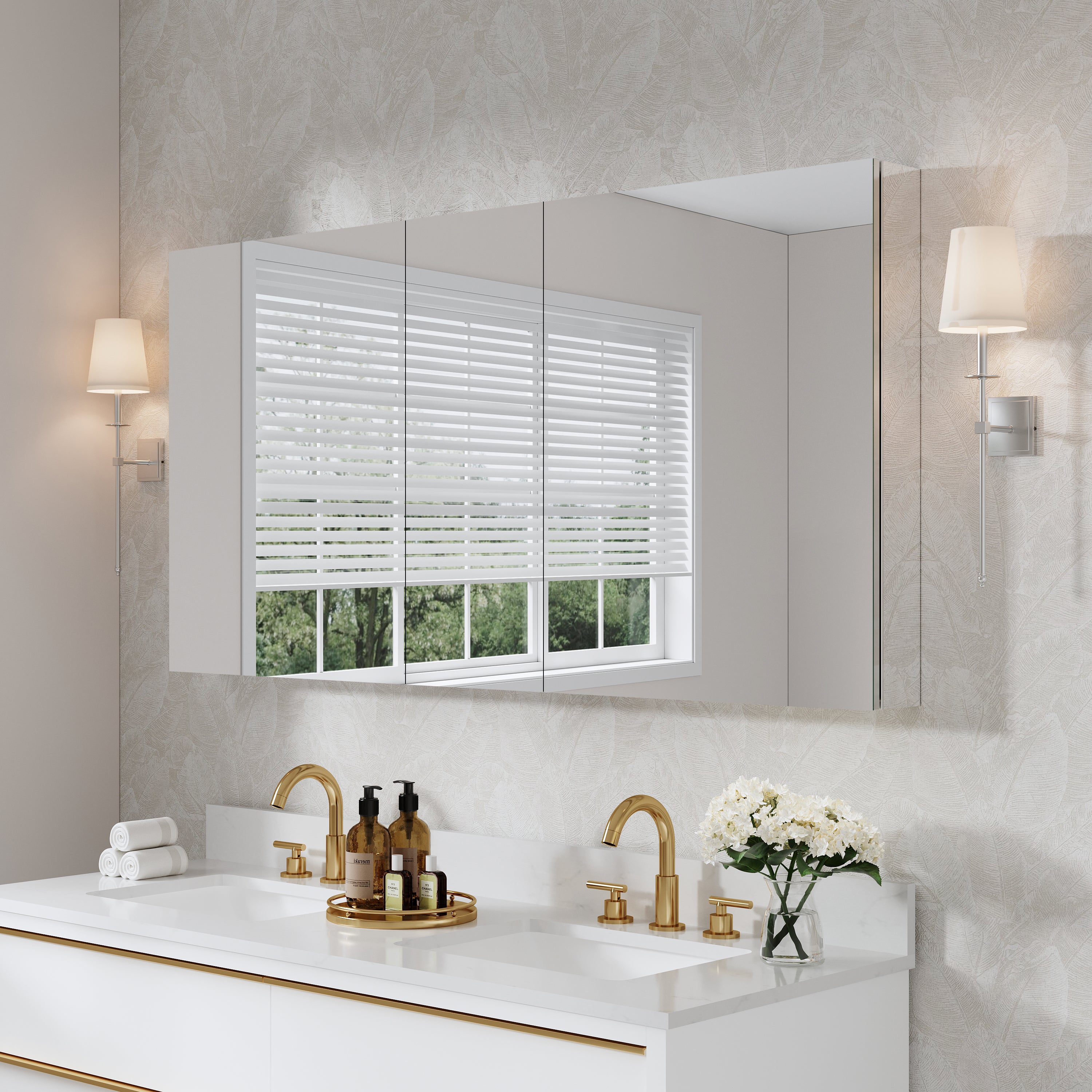
According to Houzz data from 2024, 59% of mirror installations are still single-mirror setups, and 37% are double-mirror setups. This ratio is crucial because it indicates that most projects ultimately return to the simplest judgment: single-person use and a desire for a more unified overall look are more suitable for a complete mirror; a double basin and high-frequency use by two people make two independent mirrors more worth considering. The same goes for LED mirrors: not more, but better; it should be planned together with the sink width, the basin centerline, and the blank space on the wall. When installed correctly, it improves the experience; when installed incorrectly, it becomes just a more expensive illuminated panel.

7. Conclusion
To put it bluntly, whether LED mirrors are worth it does not depend on whether they are popular, but on whether they can solve your real usage problems.
If you want more uniform front light, fewer shadows, lower maintenance frequency, and a more complete main bathroom experience, it is usually worth it; If your bathroom is a low-frequency space, has mature lighting, and your budget should be placed in the storage or shower area, then it may not be the highest return on investment. The real good choice is not blindly chasing the "glowing mirror," but rather judging whether this budget can be used every day after it's put in your bathroom. This judgment is the most important in renovation.












Leave a comment
This site is protected by hCaptcha and the hCaptcha Privacy Policy and Terms of Service apply.