














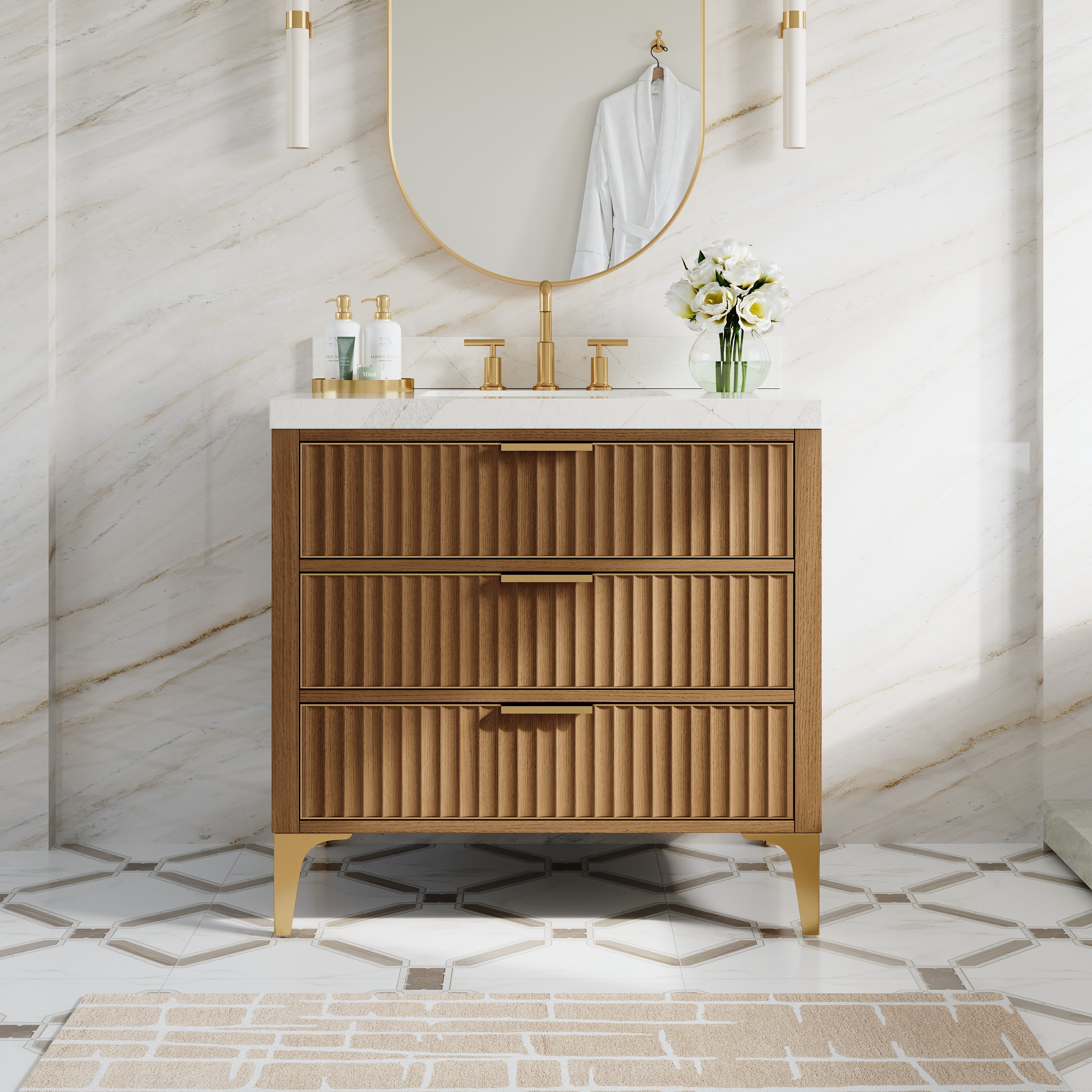
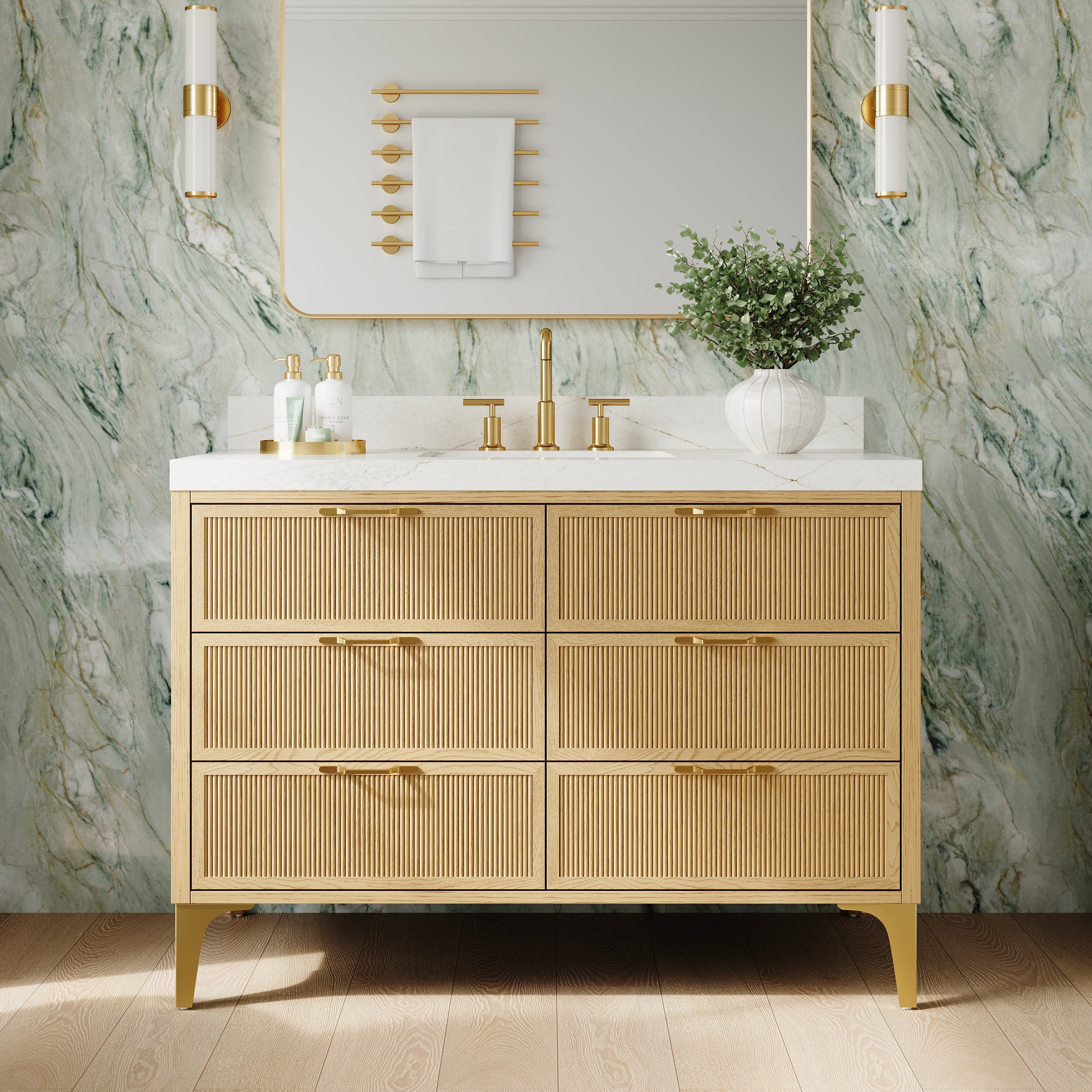


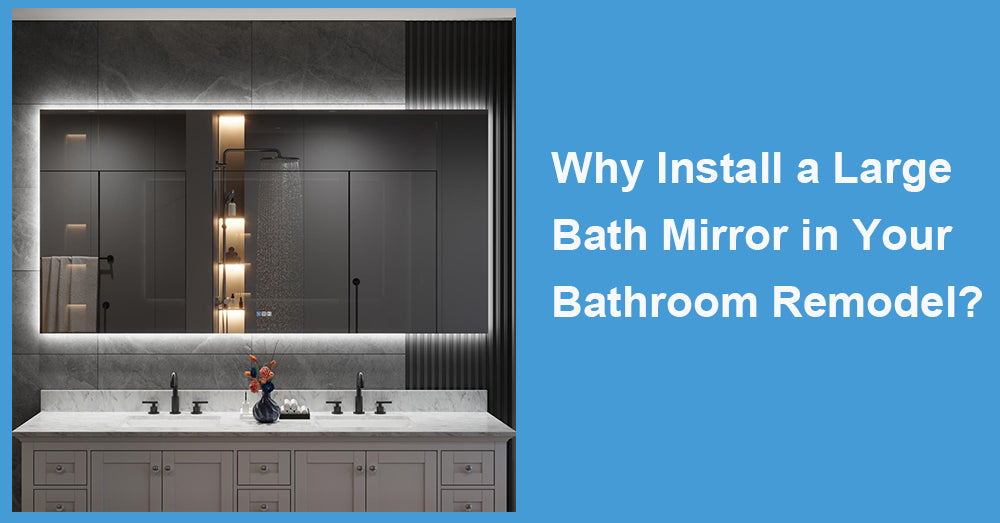
A large bath mirror is one of the simplest upgrades that can make a bathroom remodel feel instantly more polished and more functional. It improves the way the vanity wall looks, brightens the room by reflecting existing light, and makes daily routines like shaving, skincare, makeup, and contact lenses easier. Unlike many design choices that only affect aesthetics, a large mirror changes how the space performs every day, which is why it often delivers an outsized impact for the cost.
1. It Makes the Bathroom Feel Brighter Without Adding New Fixtures
Mirrors do not generate light, but they reflect it. A larger mirror increases the reflective surface available to bounce light back into the room, which can make the vanity zone feel brighter and reduce dim corners. Mirror coatings are highly reflective. Technical guidance notes that aluminum coatings reflect roughly about 90 percent of visible light, while silver coatings can reflect about 95 percent (Source: Photonics.com, “Mirrors: Coating Choice Makes a Difference”). When you scale up the mirror, you scale up the amount of light being redirected.
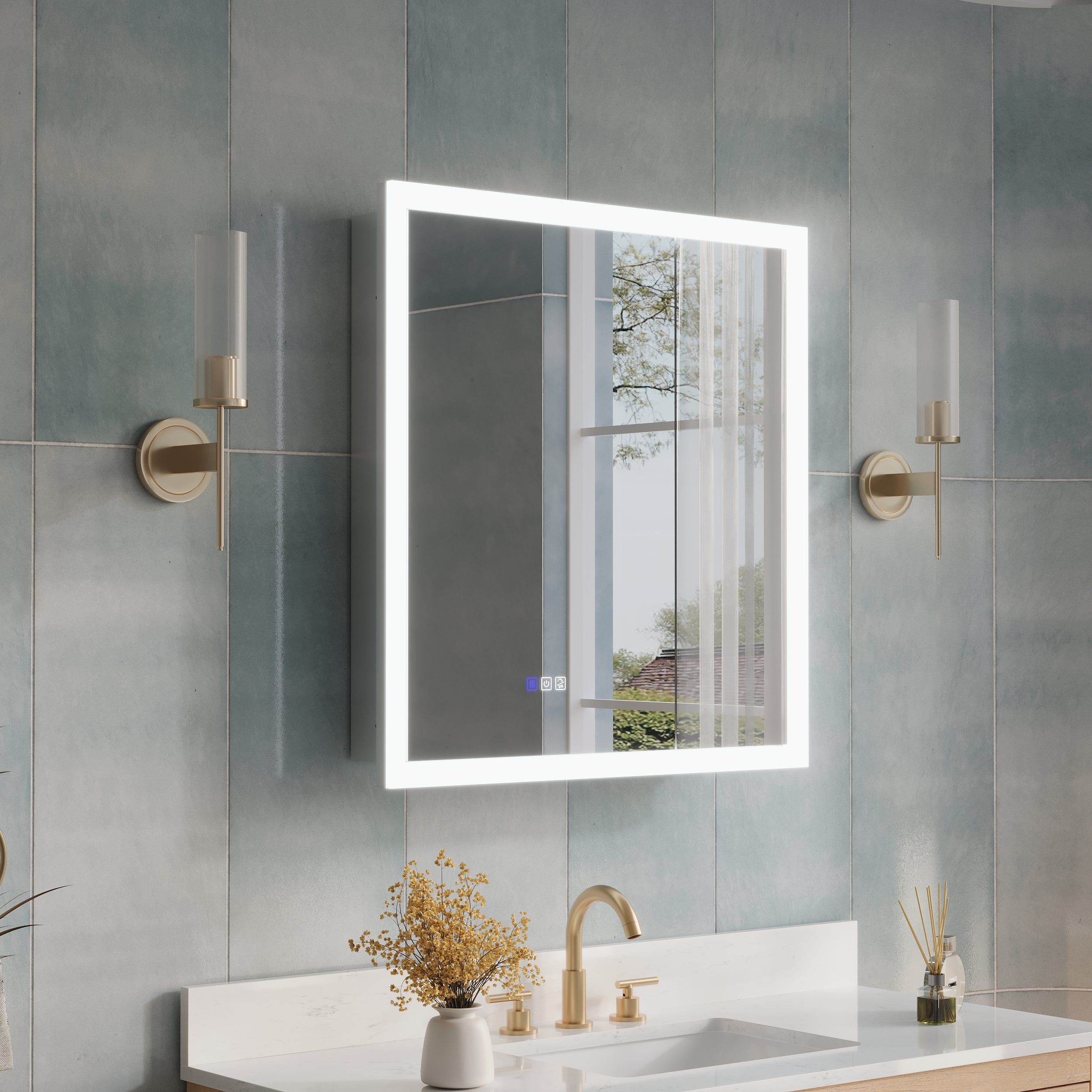
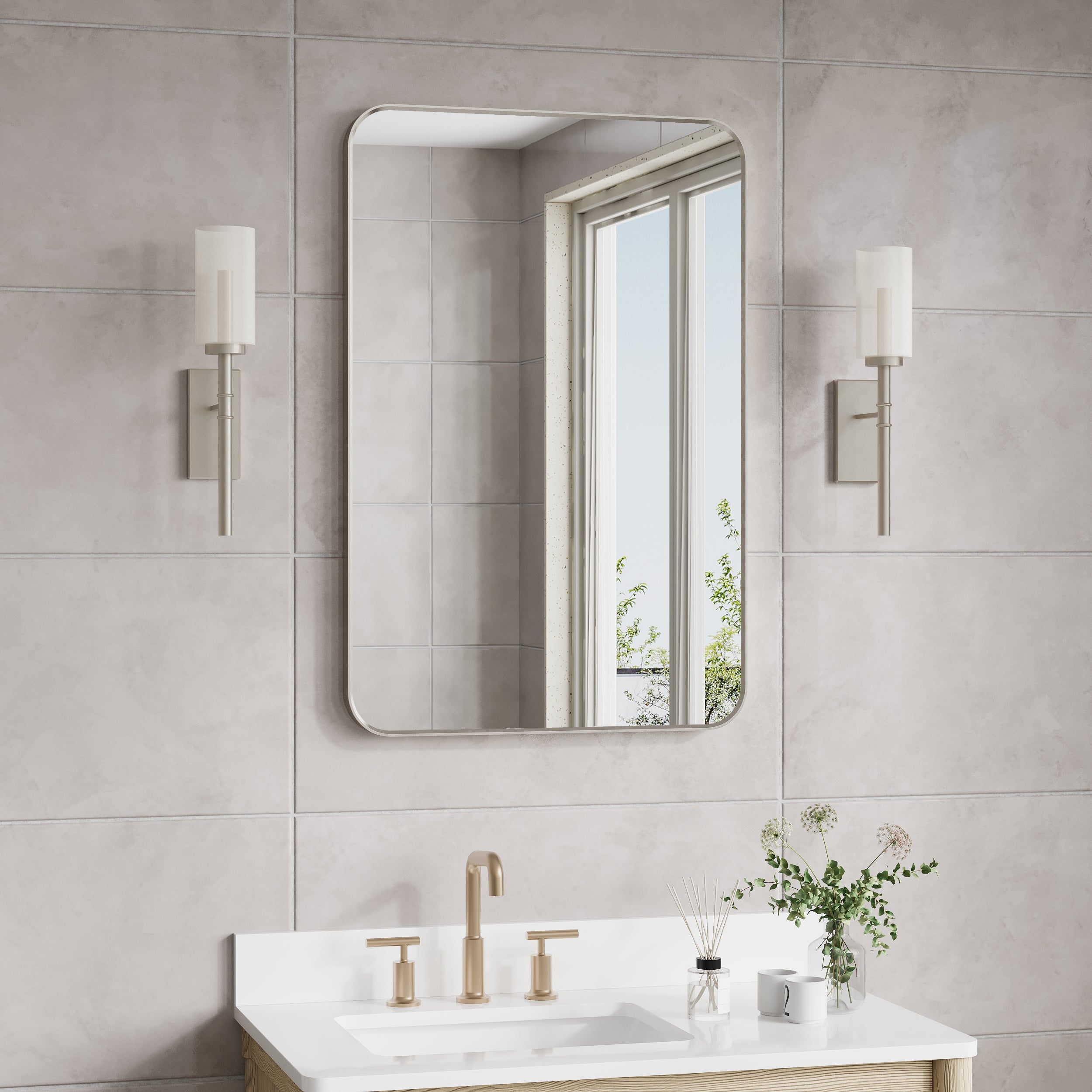
This benefit becomes more obvious when the mirror reflects something bright, such as a well-placed vanity light, a lighter wall, or daylight from a nearby opening. It is also why bathrooms can feel more “complete” once a larger mirror is installed. The wall reads as a clean plane of reflection rather than a smaller decorative object floating above the sink.
2. It Improves Daily Grooming by Increasing Usable Viewing Area
A small mirror can look nice but still feel limiting in daily use, especially in shared bathrooms where users have different heights. A larger mirror gives you more flexibility in viewing angles and more space to see your face and upper body comfortably. That matters for routines that require precision, including shaving edges, applying skincare evenly, blending makeup, and handling contact lenses.
Placement is as important as size. A practical reference from accessibility standards states that for mirrors above lavatories or countertops, the bottom edge of the reflecting surface should be 40 inches maximum above the finished floor, and for mirrors not above a lavatory or countertop it should be 35 inches maximum (Source: 2010 ADA Standards for Accessible Design, Section 603.3). Even if you are not designing for compliance, this guidance works as a comfort guardrail. Mirrors mounted too high force awkward posture and can increase glare, especially if lighting is strong.
A simple remodeling method: stand at the sink, mark your eye level, and aim for your eyes to land around the upper-middle of the mirror. This increases comfort and makes the mirror feel naturally usable rather than purely decorative.
3. It Fixes Proportion and Makes the Vanity Wall Look Custom
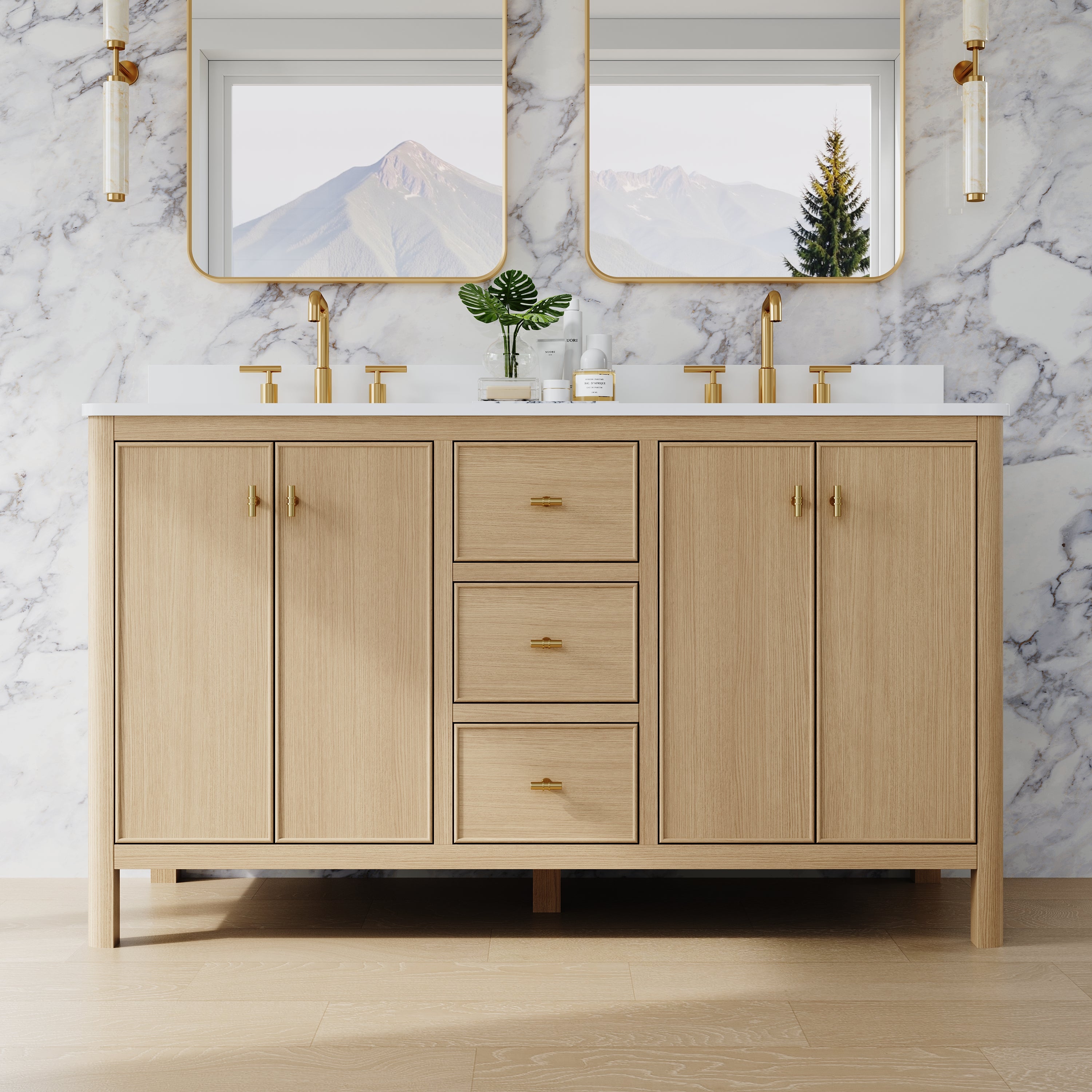
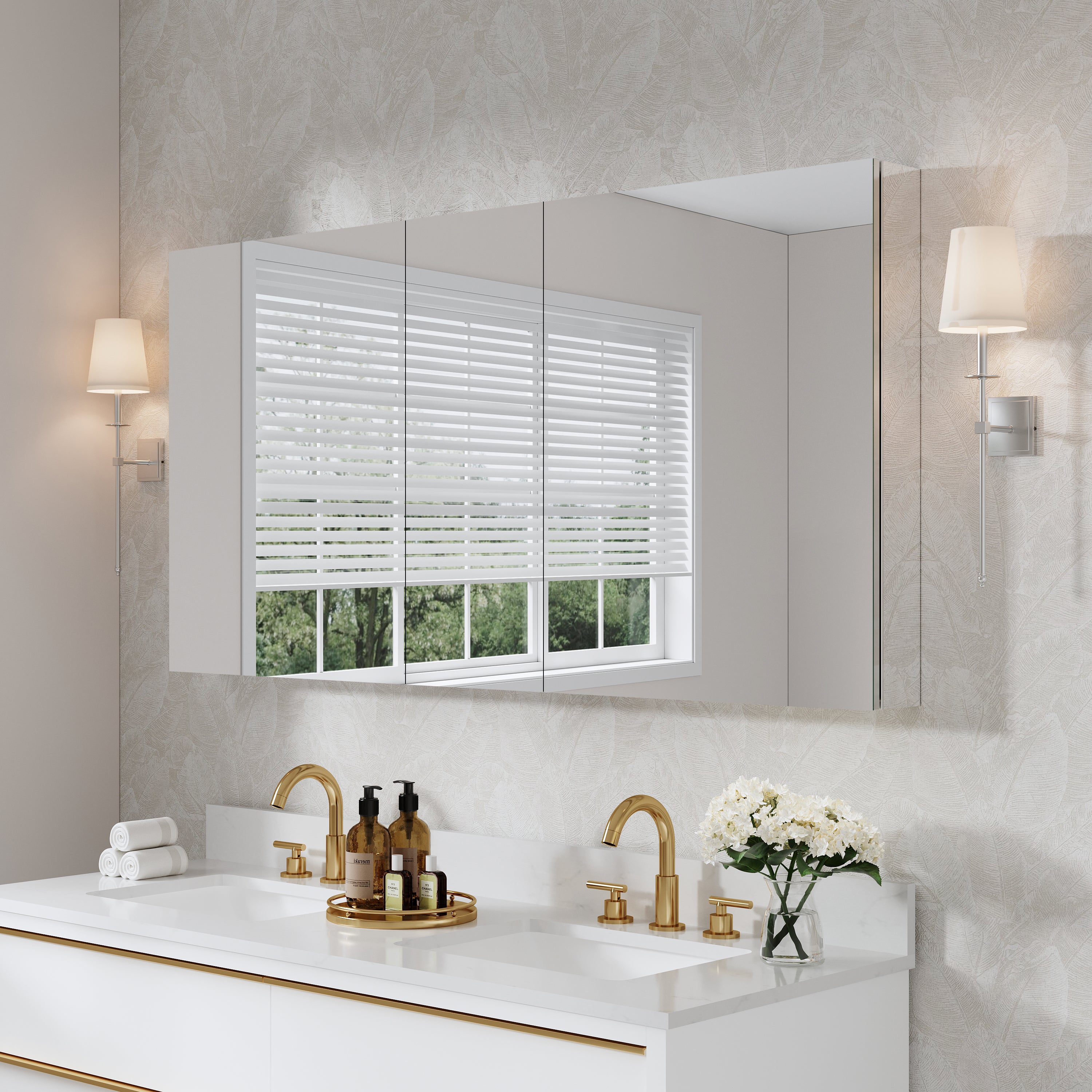
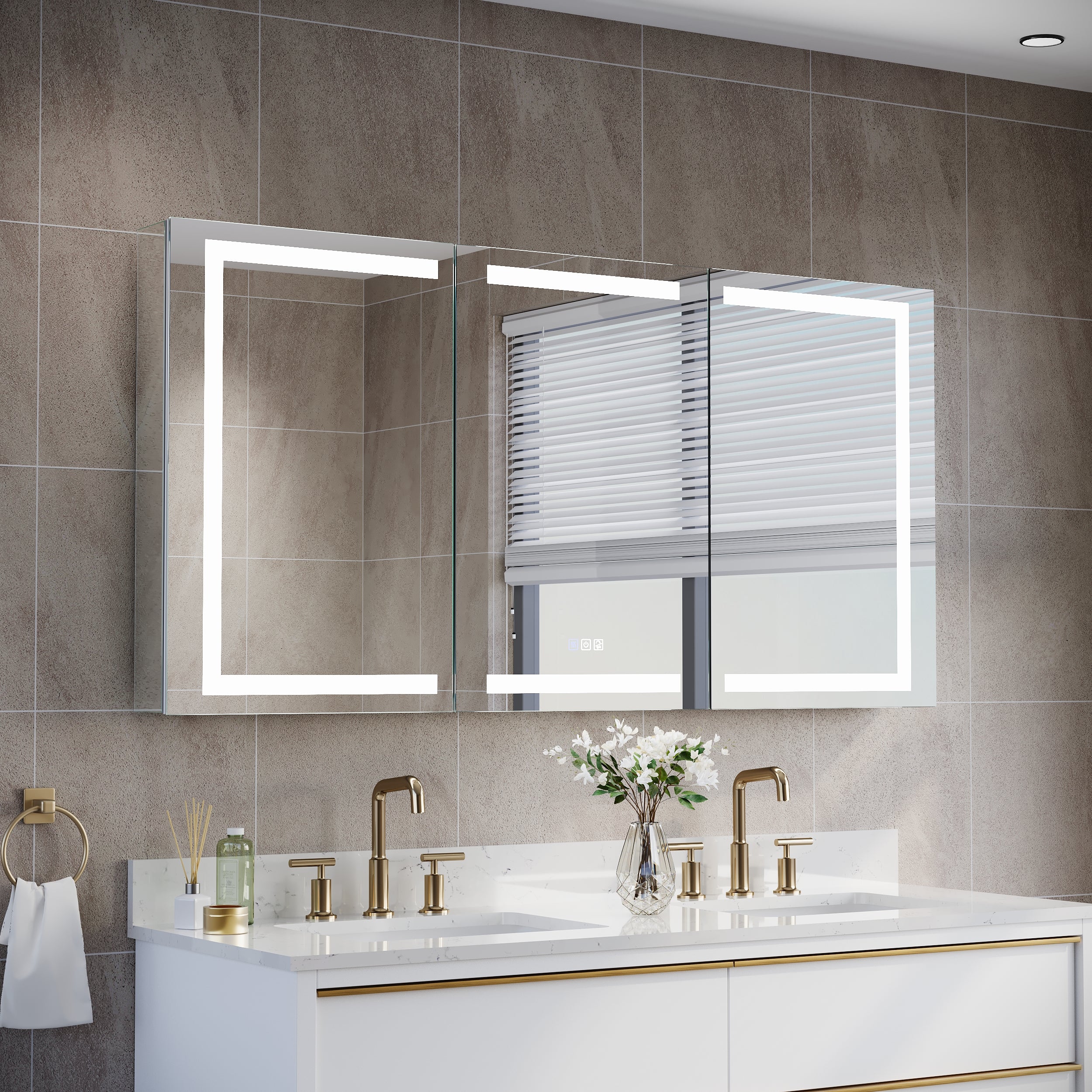
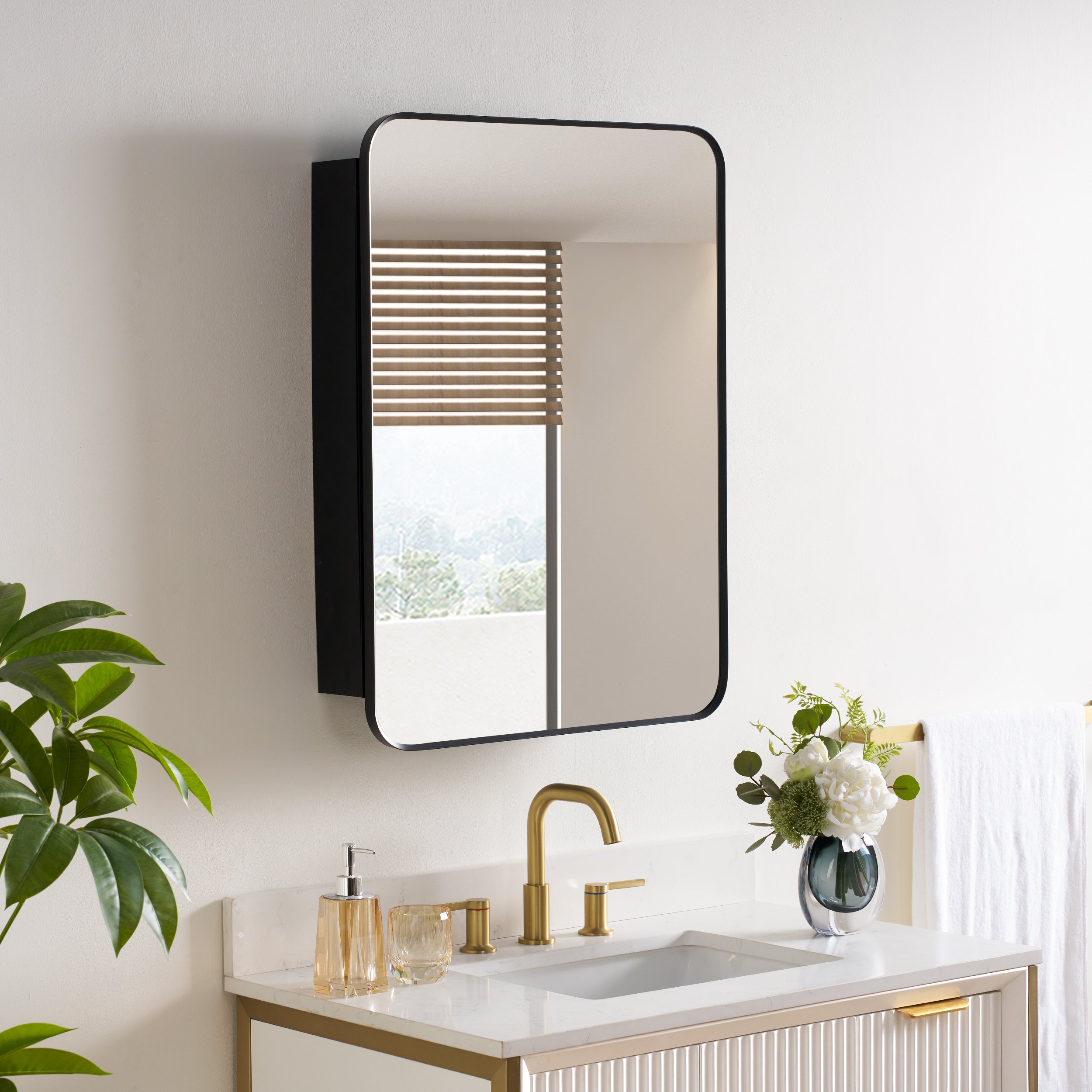
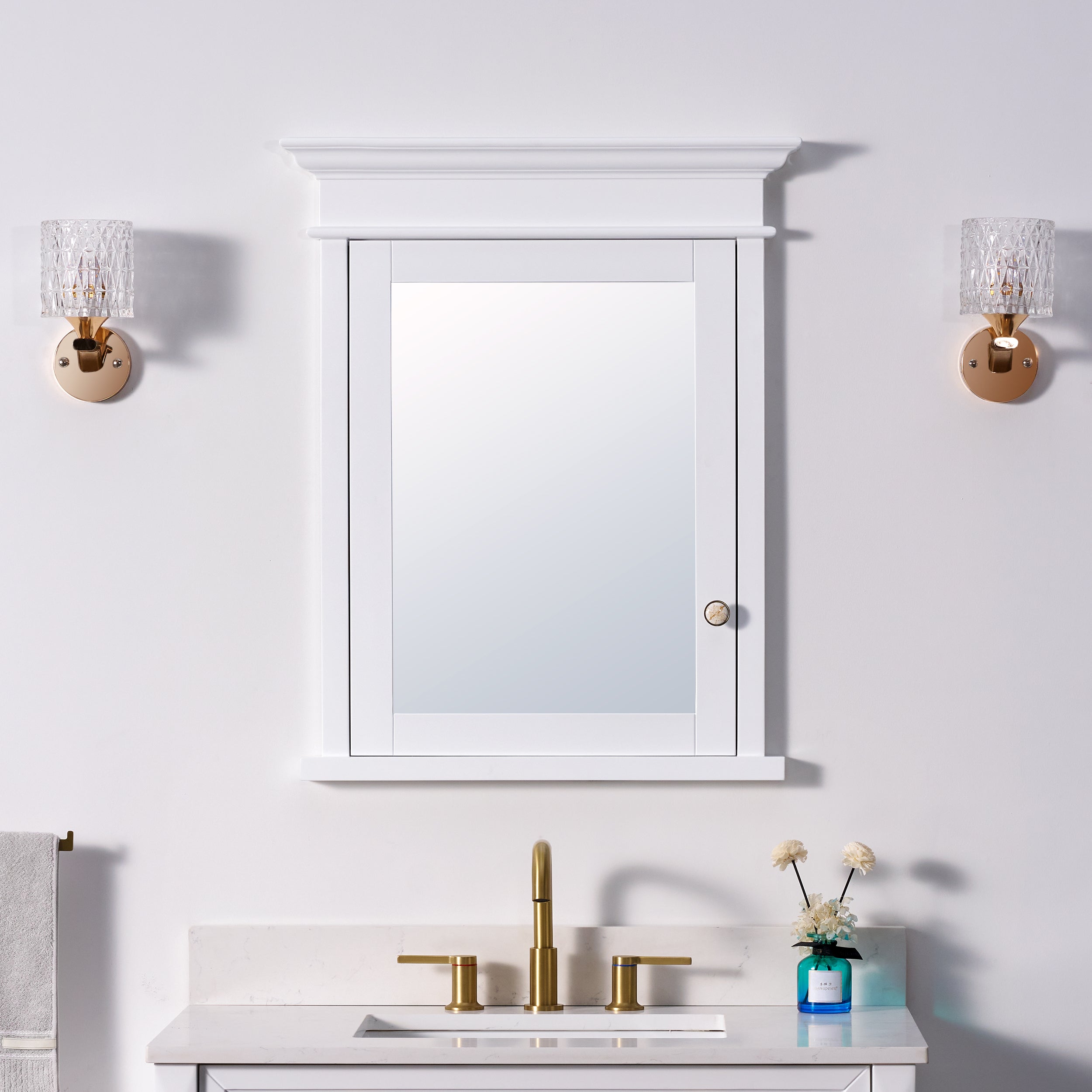
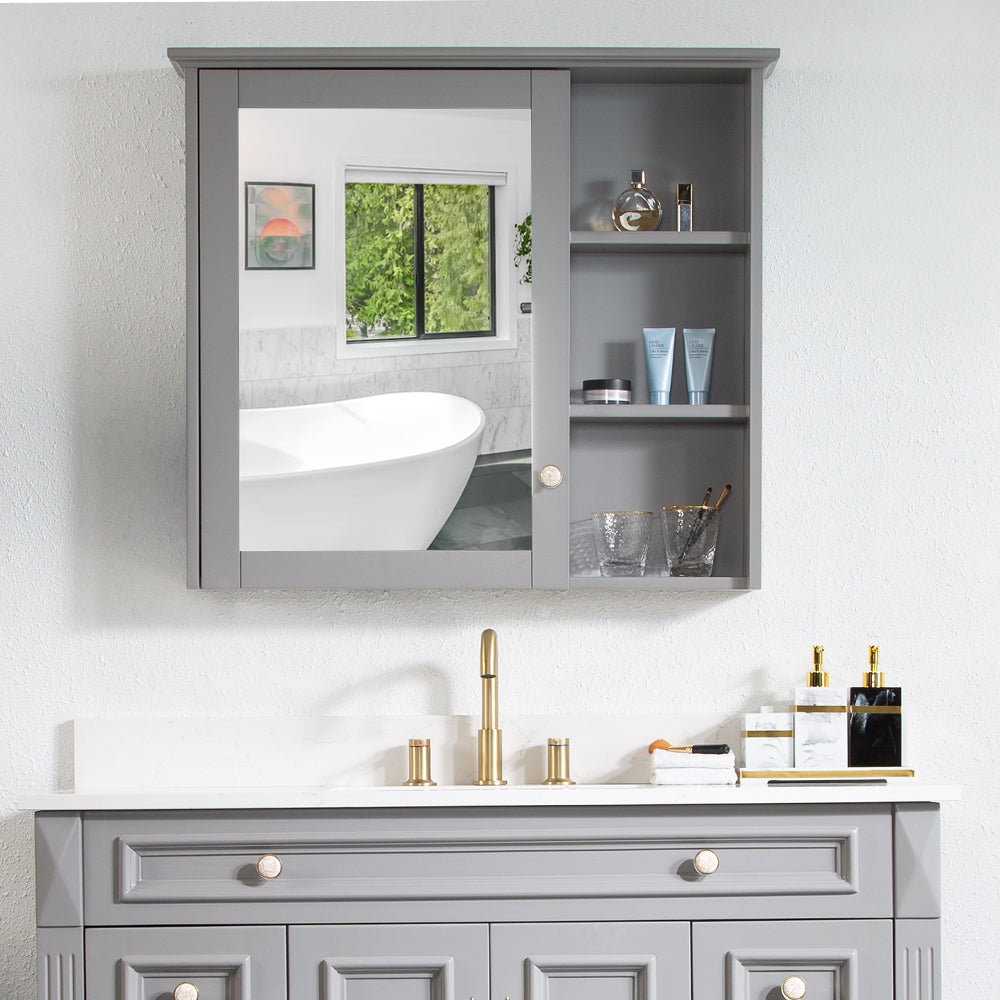
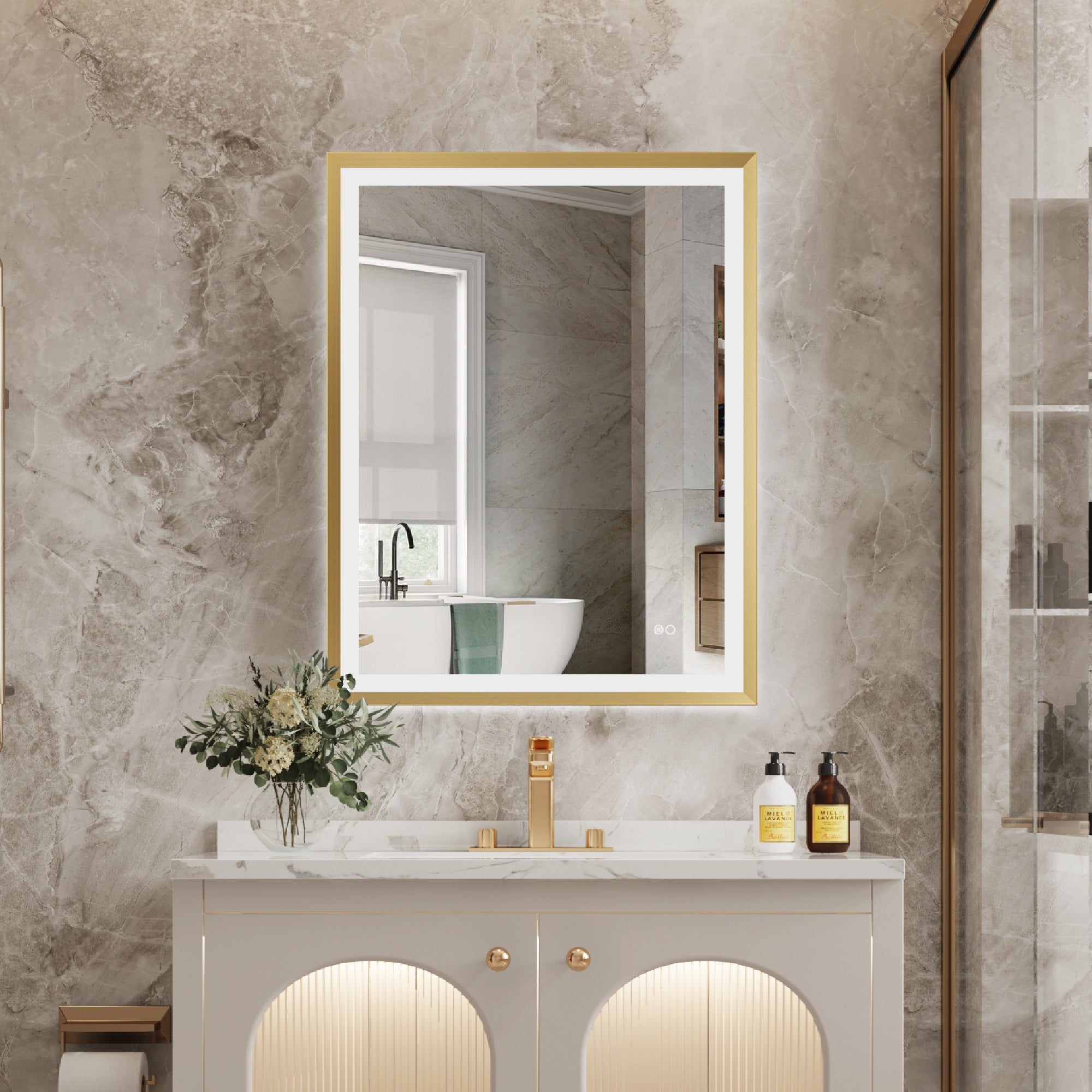
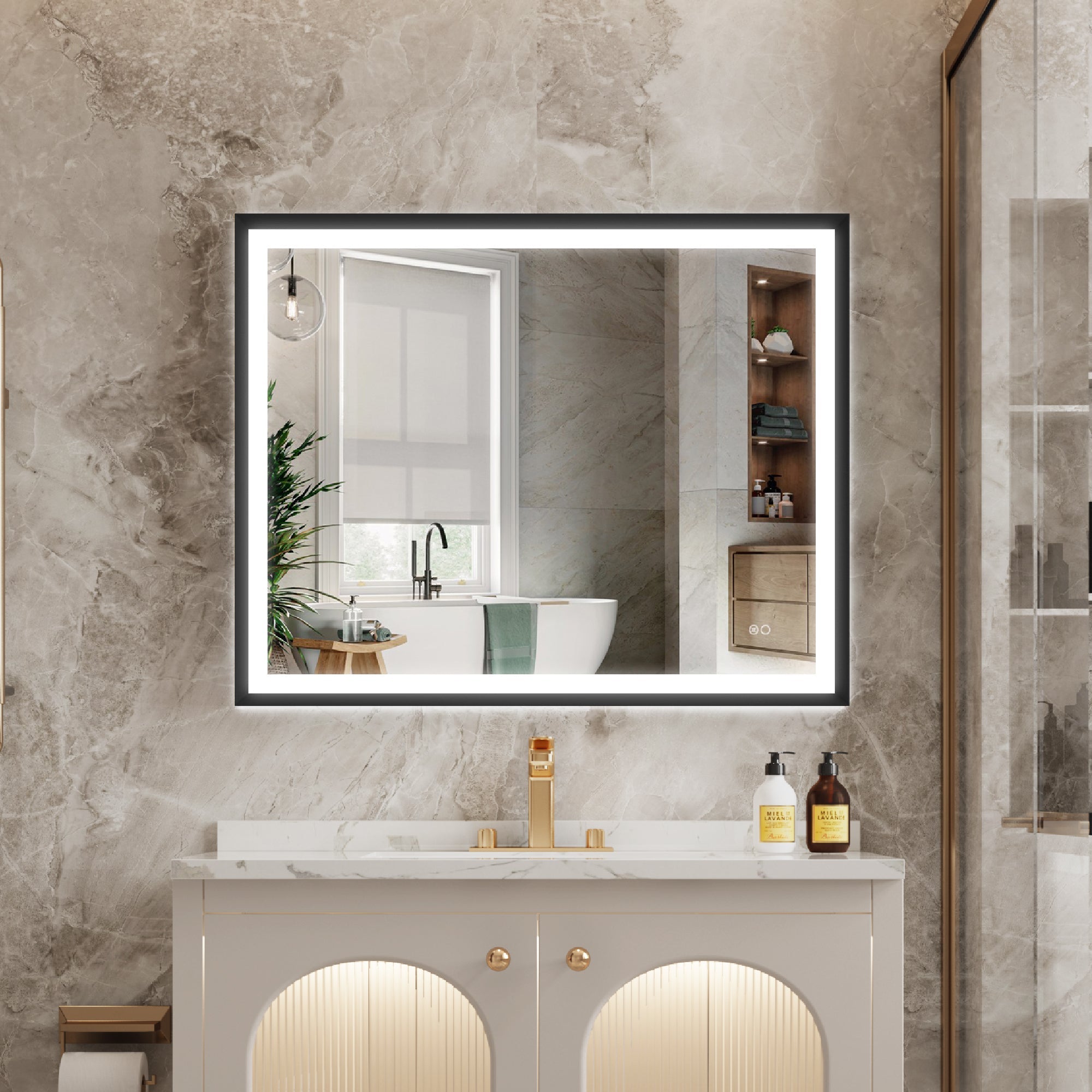
In remodels, proportion is what separates “updated” from “designed.” A vanity can be substantial and well built, but if the mirror is too small, the wall often looks top-heavy and unfinished. A large mirror anchors the vanity visually and makes the sink zone feel intentional.
Two widely used sizing guidelines help you choose confidently:
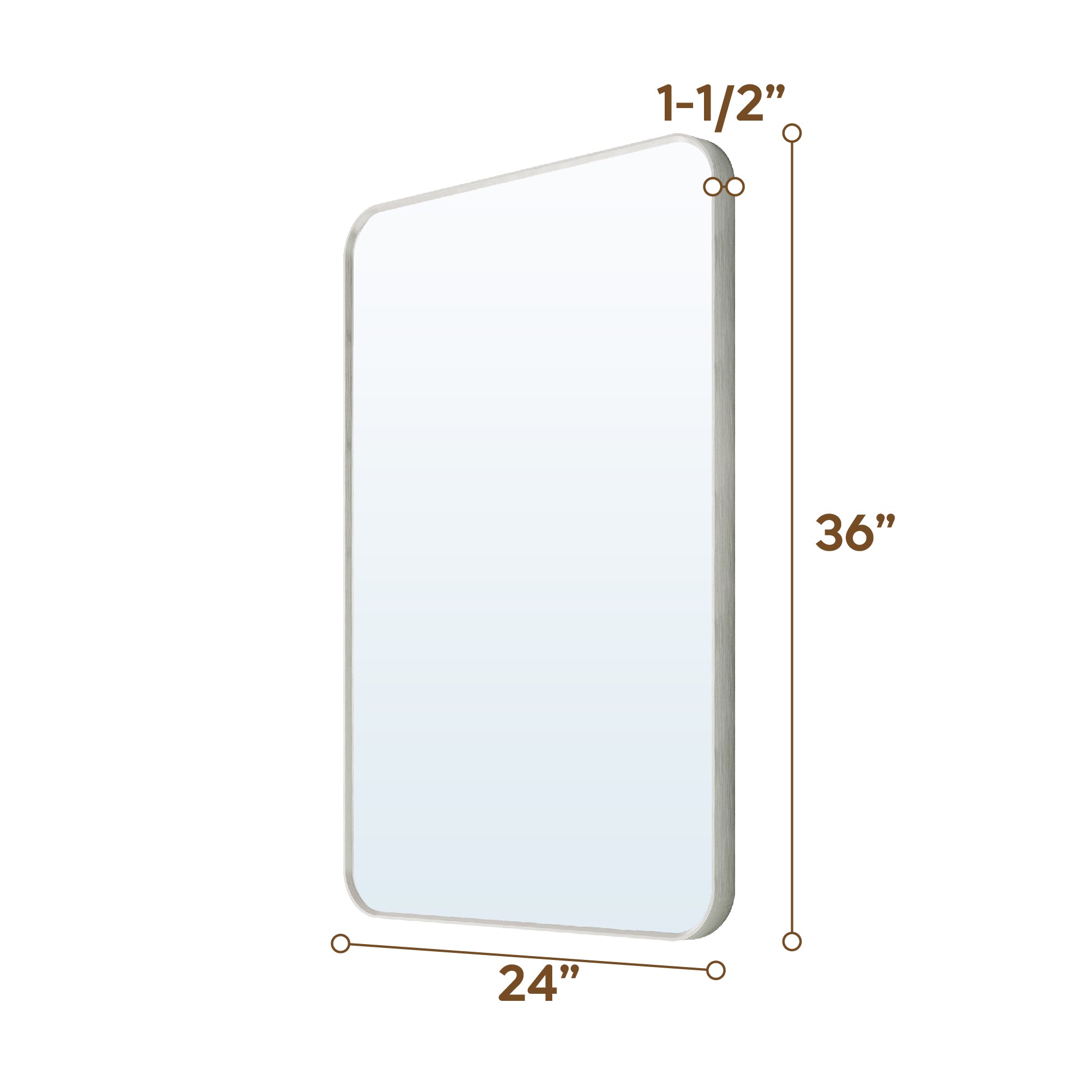
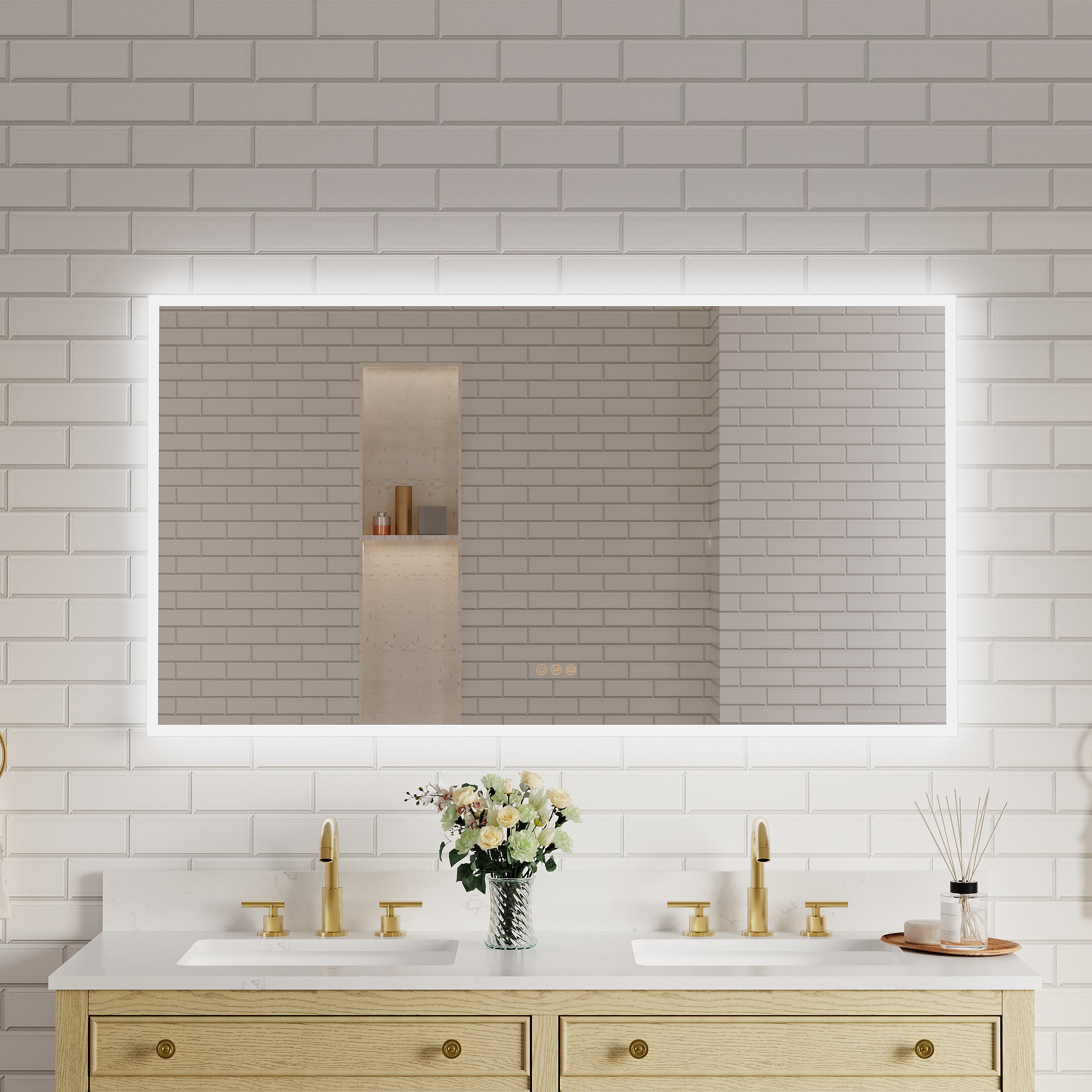
· A mirror spanning about 70 percent to 90 percent of the vanity width usually looks balanced (Source: Edward Martin, vanity mirror sizing guidance).
· Another common rule is selecting a mirror 2 to 4 inches narrower than the vanity to keep clean margins on both sides (Source: Signature Glass and Windows, bathroom mirror size guide).
These guidelines also help avoid conflicts with tile borders, wall trim, or side sconces. If you plan sconces, leaving margin often prevents the wall from feeling crowded. If you want a more architectural look, a wider mirror can still work, but only when the wall and lighting layout support it.
4. It Supports a More Reliable Lighting Plan at the Vanity
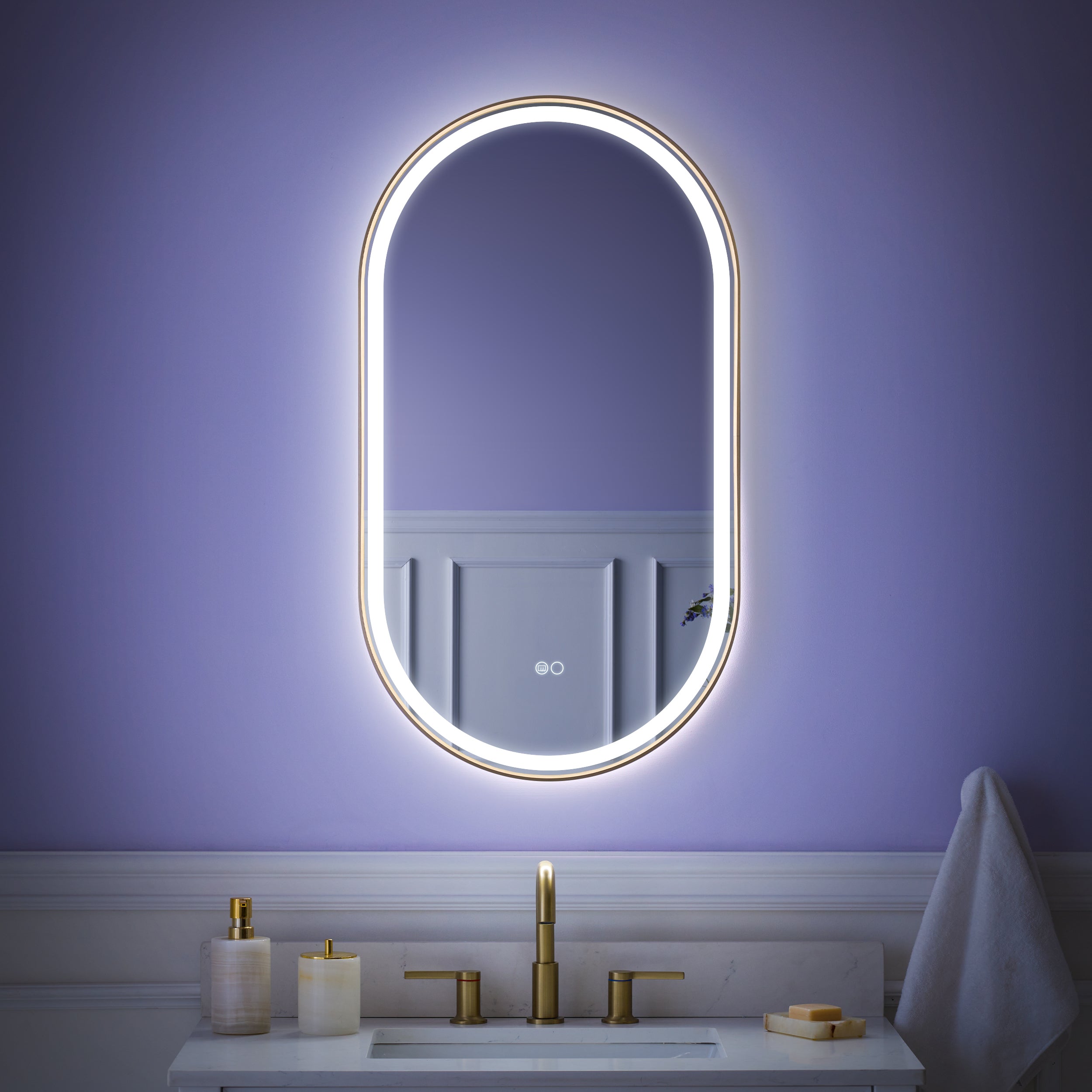
A large mirror can make your lighting feel more effective by expanding the reflective plane in the vanity zone. This can reduce “dead zones” where faces look unevenly lit and can make the bathroom feel brighter without increasing bulb wattage.
A useful lighting concept is illuminance, often measured in foot-candles. Lighting references commonly define 1 foot-candle as 1 lumen per square foot (Source: IES recommended light levels reference). This explains why two bathrooms with similar bulbs can feel different: what matters is how light lands on faces and surfaces, and how reflection redistributes it. A larger mirror helps by reflecting more of the usable light back toward the user and across the space.
If your remodel includes upgrading fixtures, LED lighting can improve long-term practicality. The U.S. Department of Energy notes that residential LEDs, especially ENERGY STAR rated products, use at least 75 percent less energy and can last up to 25 times longer than incandescent lighting (Source: U.S. Department of Energy, “LED Lighting”). Pairing a large mirror with efficient lighting can create a brighter, cleaner routine without making the room feel harsh.
5. It Makes the Bathroom Feel Cleaner and Less Visually Cluttered
Luxury bathrooms often feel luxurious because they feel calm. A large mirror contributes to that calm by simplifying the wall into one cohesive element rather than multiple smaller pieces. It reduces visual fragmentation and helps other finishes, such as tile, hardware, and countertops, feel more deliberate.
There is also an underrated behavioral benefit. When you have better visibility, clutter and residue become harder to ignore. Water spots, toothpaste splatter, and product piles stand out more clearly. Over time, that often leads to quicker wipe-downs and better organization, which reinforces the “high-end” feeling of the remodel.
6. It Can Last Longer When You Plan for Humidity and Installation Quality
Bathrooms are humid environments, and moisture affects mirror edges, backing, and mounting hardware over time. EPA guidance recommends keeping indoor relative humidity below 60 percent, ideally between 30 percent and 50 percent when possible (Source: U.S. EPA, Mold Course, Chapter 2). While showers will spike humidity, the goal is to return to a safer baseline through ventilation.
During a remodel, durability planning is straightforward:
· Run the exhaust fan during showers and for a period after.
· Avoid designs where water can pool against the bottom edge of the mirror.
· Use corrosion-resistant mounting hardware when possible.
These steps matter even more for frameless designs where edges are exposed. A large mirror is a long-term fixture, so protecting it from persistent condensation helps it stay crisp and premium-looking.
7. It Strengthens Value Perception in a Finished Remodel
A large mirror is highly visible and used daily, so it influences how complete the remodel feels. Bathroom remodel benchmarks also show that bathrooms remain meaningful upgrade categories. The 2025 Cost vs. Value report lists a midrange bathroom remodel at about 80 percent cost recouped in its published averages (Source: JLC, 2025 Cost vs. Value Report). A mirror is only one component, but the broader point is that bathrooms are noticed, and a well-proportioned vanity wall can elevate the entire impression of quality.
A Simple Checklist for Choosing the Right Large Mirror
· Choose width using a 70 percent to 90 percent vanity guideline or a 2 to 4 inch side margin guideline (Source: Edward Martin; Source: Signature Glass and Windows).
· Plan height using the 40 inch and 35 inch reflecting-surface references as comfort guardrails (Source: 2010 ADA Standards, Section 603.3).
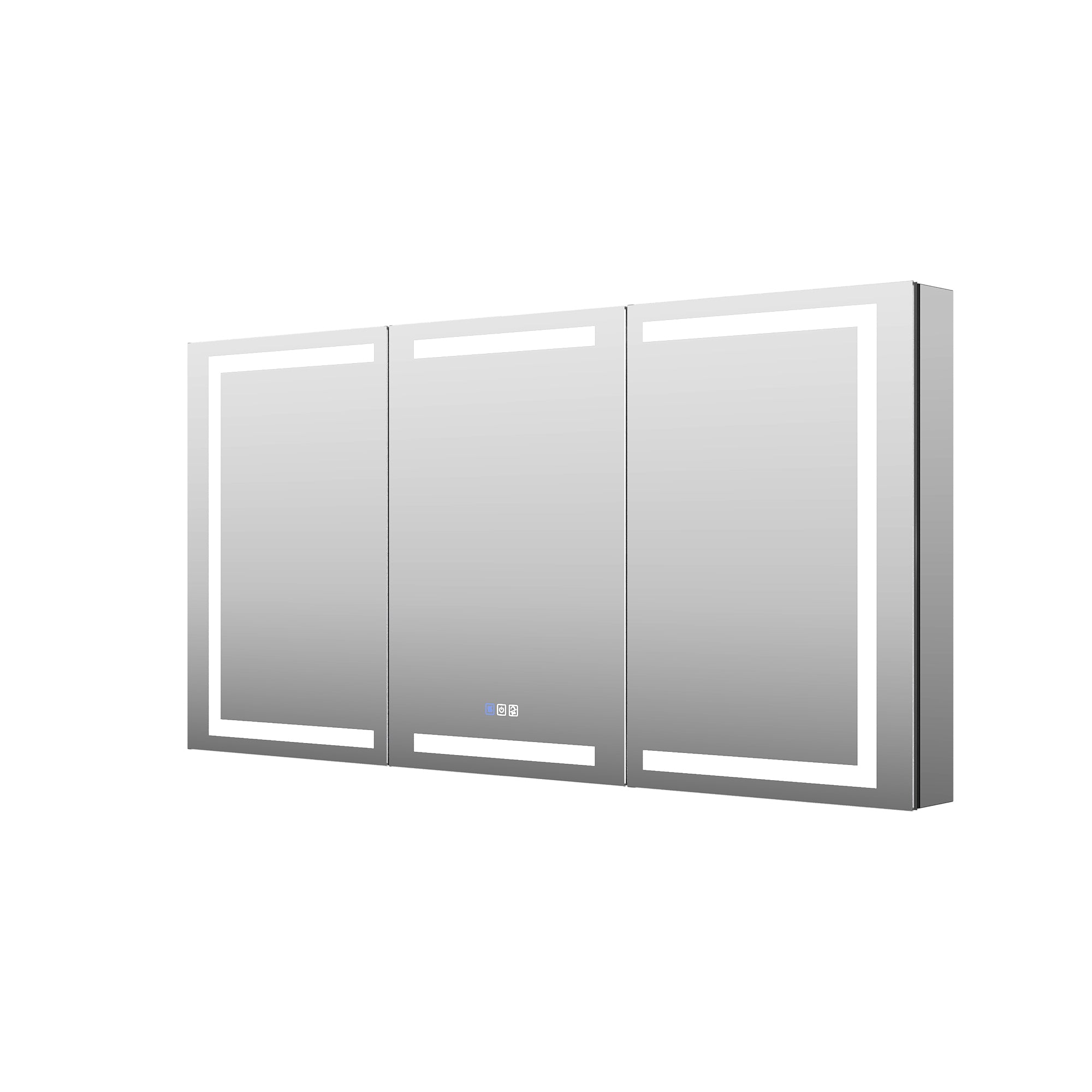
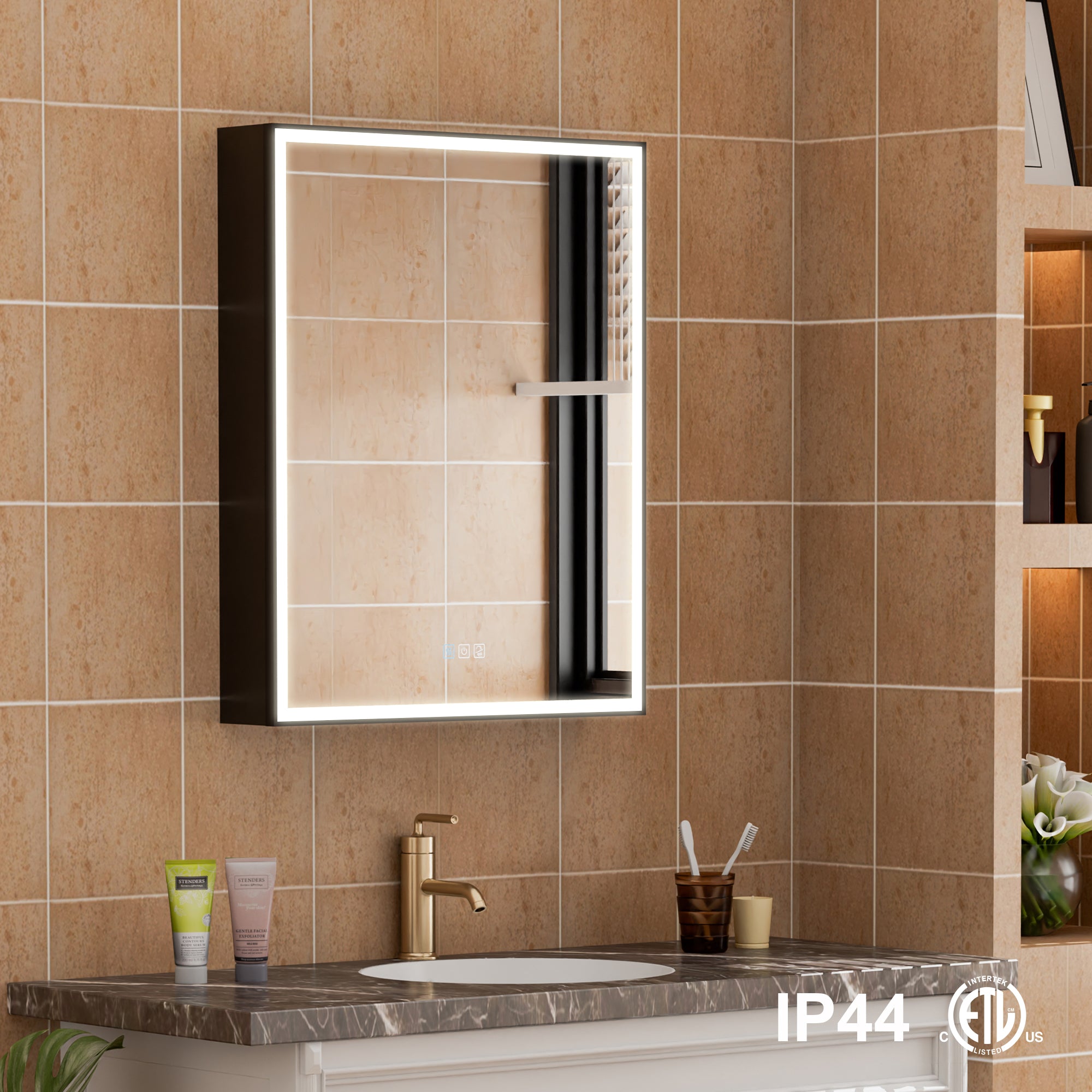
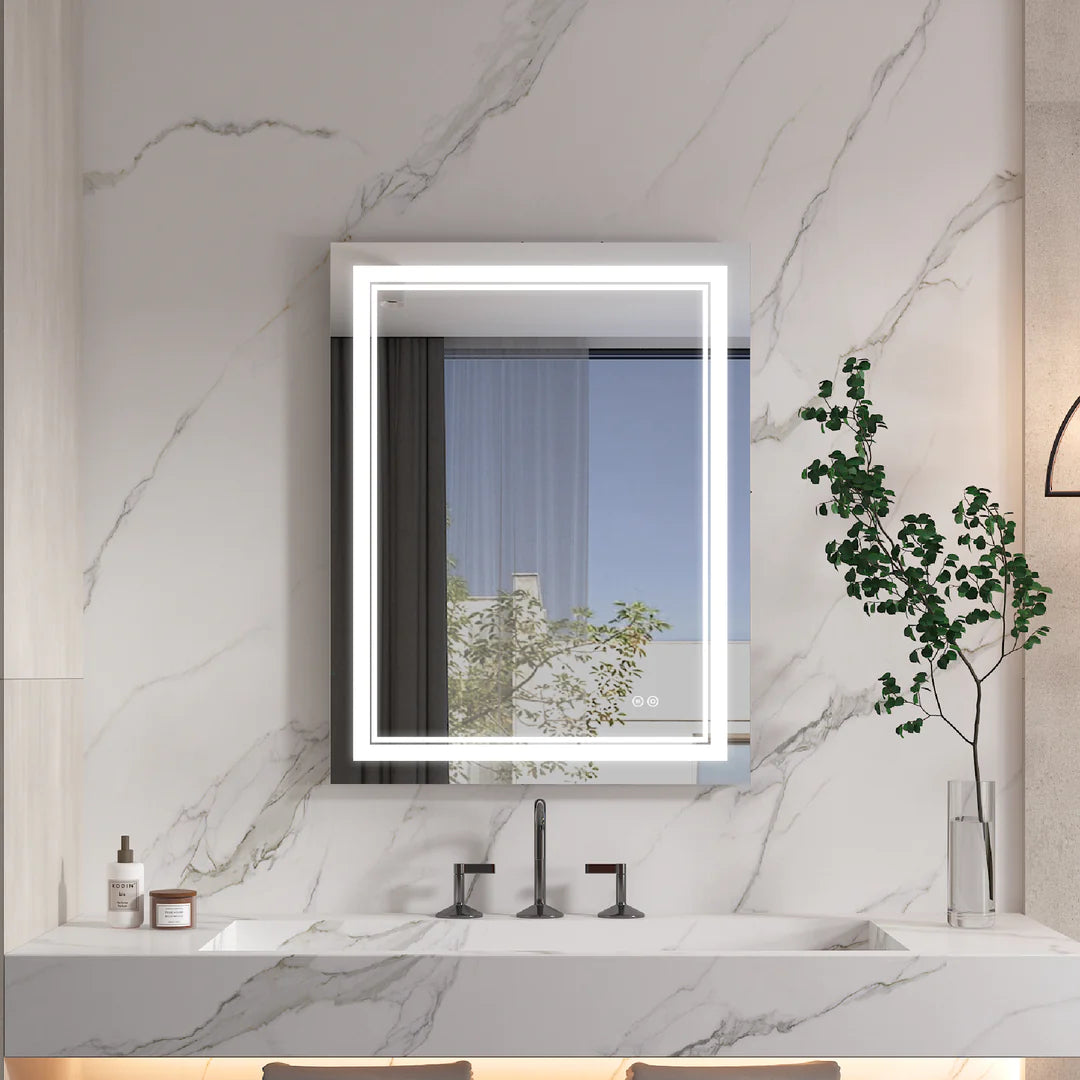
· Coordinate with lighting early, especially if adding sconces or a lighted mirror.
· Protect longevity with humidity control habits aligned to keeping RH below 60 percent when possible (Source: U.S. EPA).

Conclusion
Installing a large bath mirror in a bathroom remodel is worth it because it improves daily usability, increases perceived brightness through high reflectance, and strengthens the proportion of the vanity wall. With mirror reflectance often around 90 percent for aluminum and about 95 percent for silver coatings (Source: Photonics.com), a larger mirror can amplify existing light and make the room feel more open. Combine that with proven sizing rules relative to the vanity (Source: Edward Martin; Source: Signature Glass and Windows), comfort-based placement references (Source: 2010 ADA Standards, Section 603.3), and humidity management below 60 percent when possible (Source: U.S. EPA), and you get an upgrade that feels both practical and genuinely high-end every day.















Leave a comment
This site is protected by hCaptcha and the hCaptcha Privacy Policy and Terms of Service apply.