
















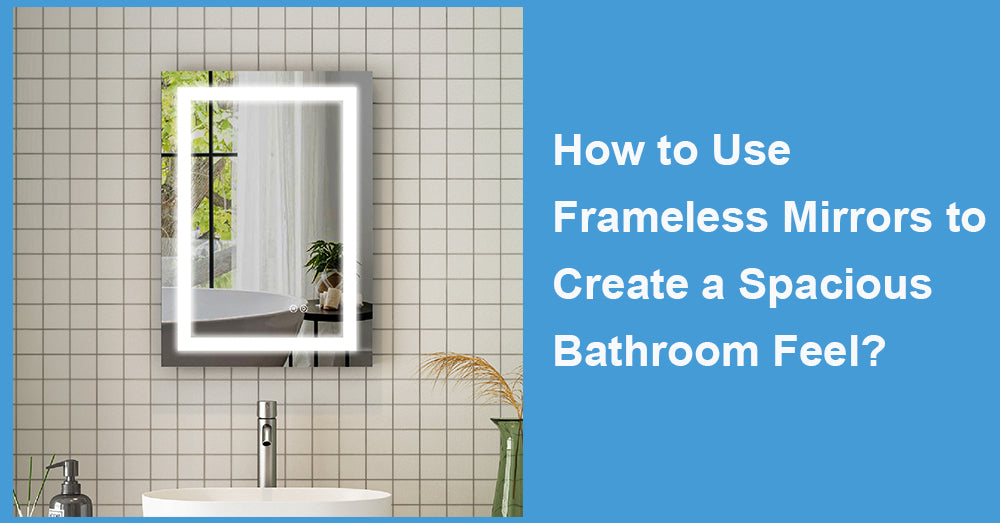
Frameless mirrors have become a go-to move in modern renovations because they make a bathroom feel larger without changing the footprint. That “more space, same layout” payoff is especially attractive while remodeling remains active overall; Harvard’s Joint Center for Housing Studies projects annual homeowner spending on improvements will reach $518 billion by the end of 2026, keeping the focus on upgrades that look and feel meaningful.
Use the “No-Border” Effect to Quiet Visual Clutter
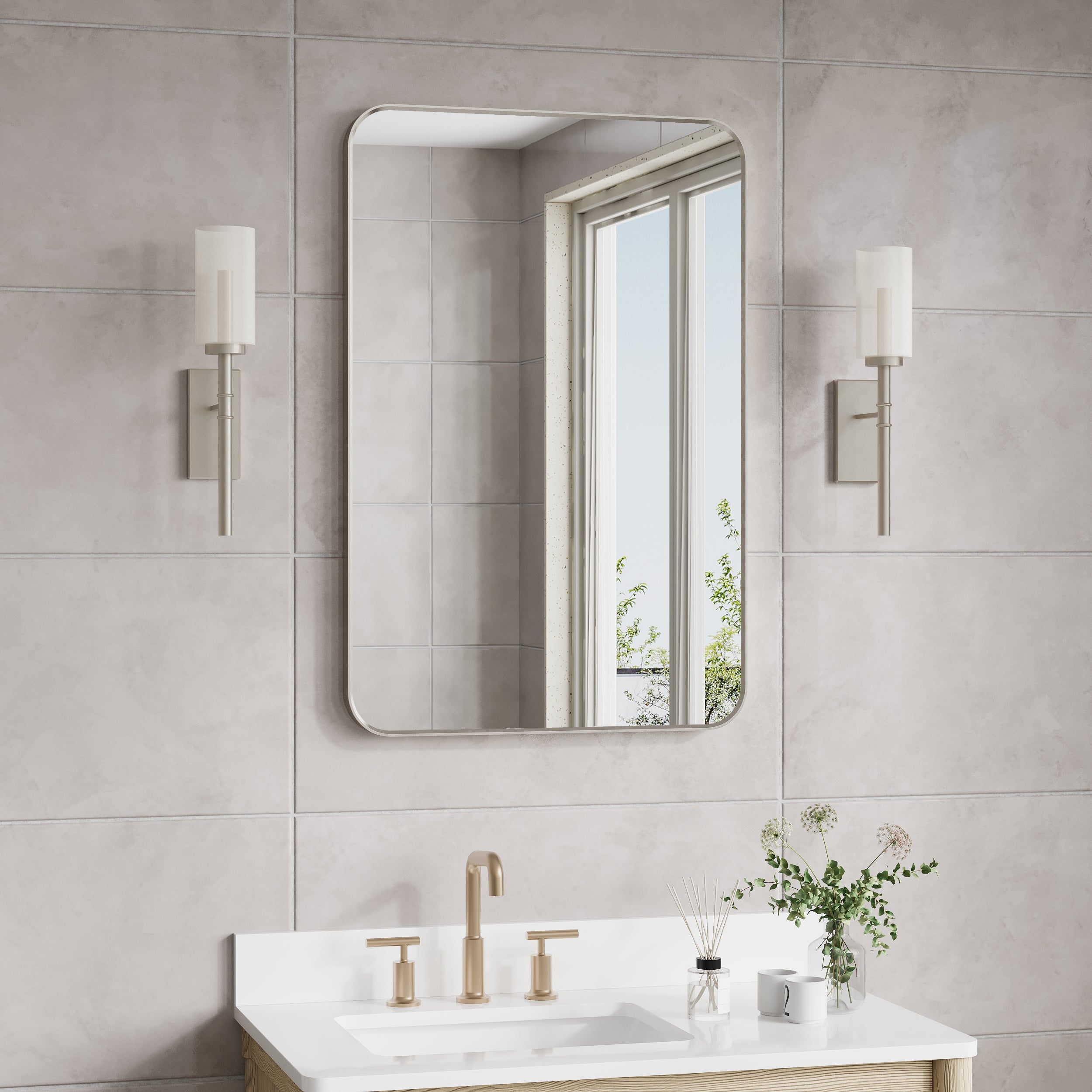
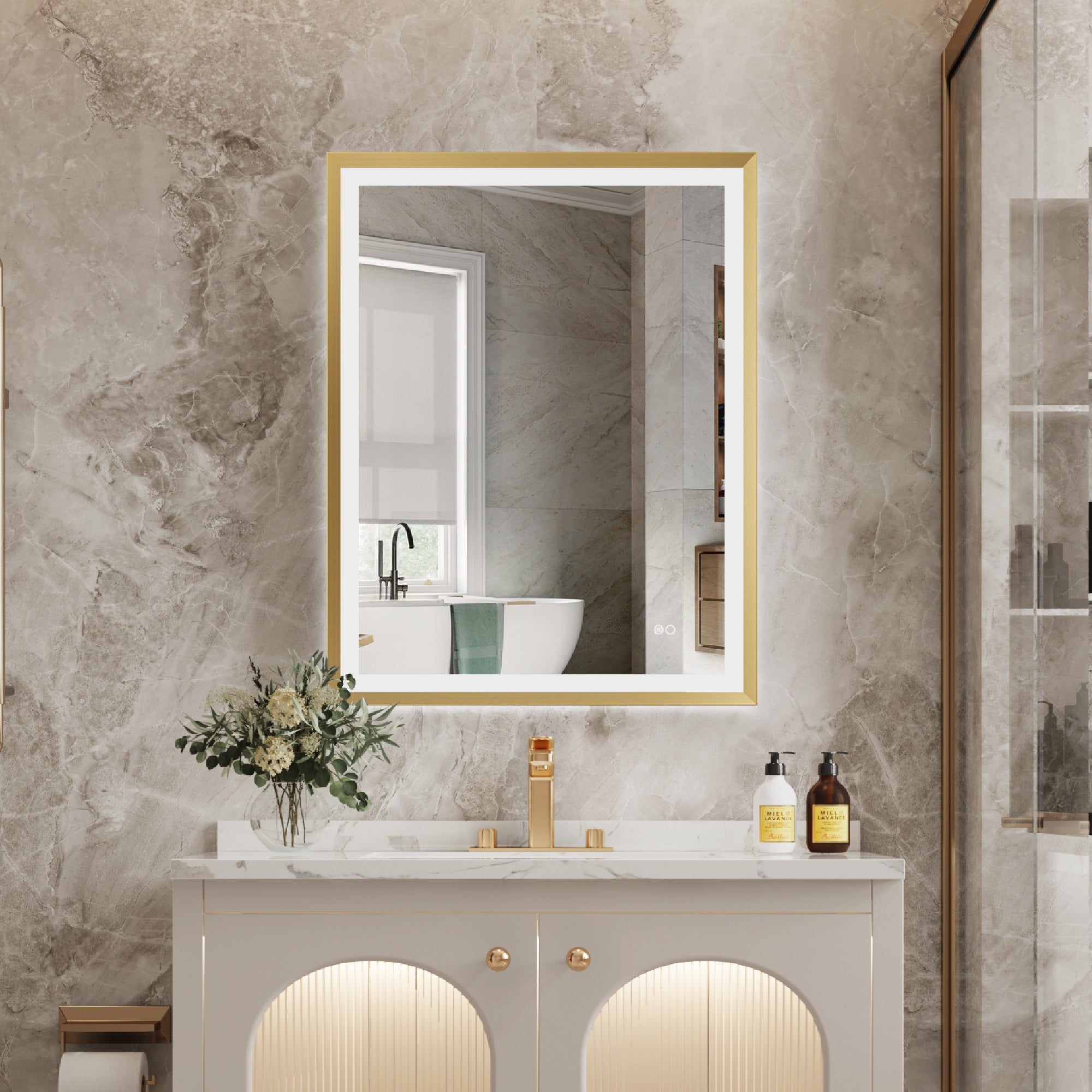
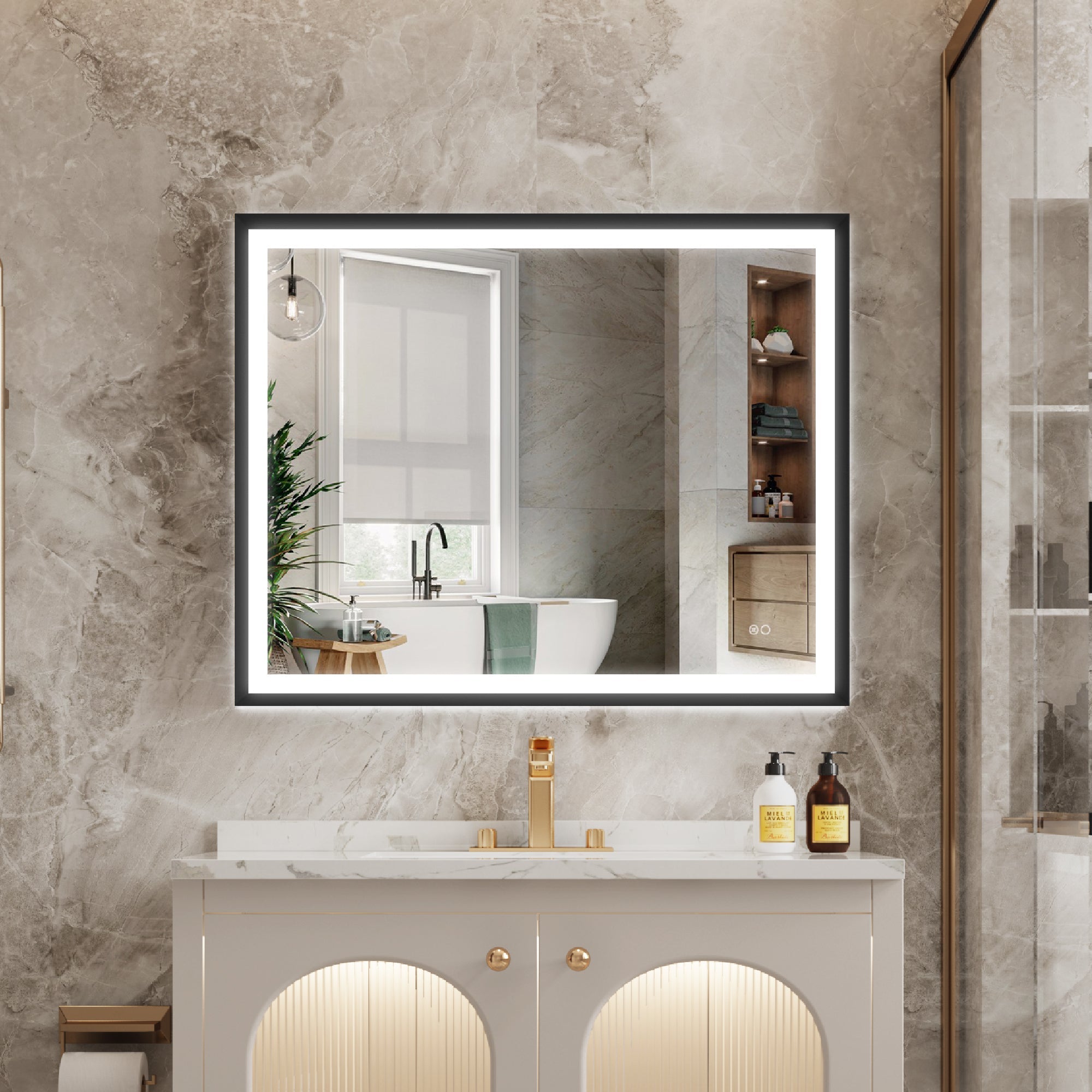
A framed mirror adds an outline, a finish, and another visual break on an already busy wall (tile lines, backsplash edges, outlets, sconces, faucet silhouettes). Frameless mirrors remove that border, so the eye reads more continuous wall surface and more reflection, which is the core trick behind the “bigger room” illusion.
This aligns with the broader direction of bathroom design: fewer lines, cleaner transitions, and greater emphasis on light and calm surfaces. A mirror that disappears at the edge helps the vanity wall feel less crowded, even before you change anything else.
Size Up Aggressively, Because Small Mirrors Shrink a Room
If you want a bathroom to feel bigger, your mirror usually needs to be bigger than your first instinct. A small mirror creates negative space around it, and that blank wall area can make the vanity zone feel narrow.
A practical sizing approach that works in many renovations:
l Single vanity (24-inch W): mirror 20 to 24 inches W
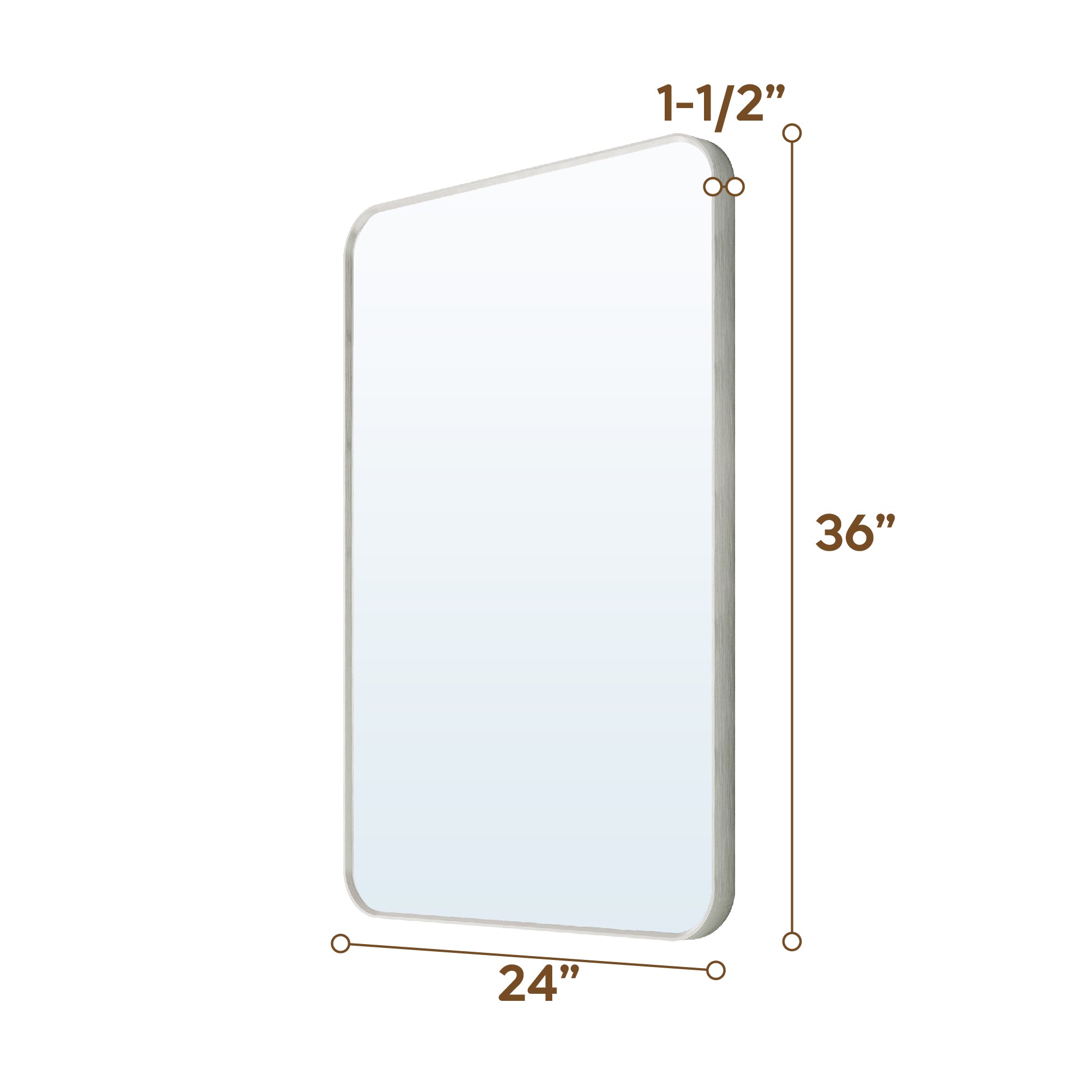
l Single vanity (30-inch W): mirror 24 to 30 inches W
l Single vanity (36-inch W): mirror 30 to 36 inches W
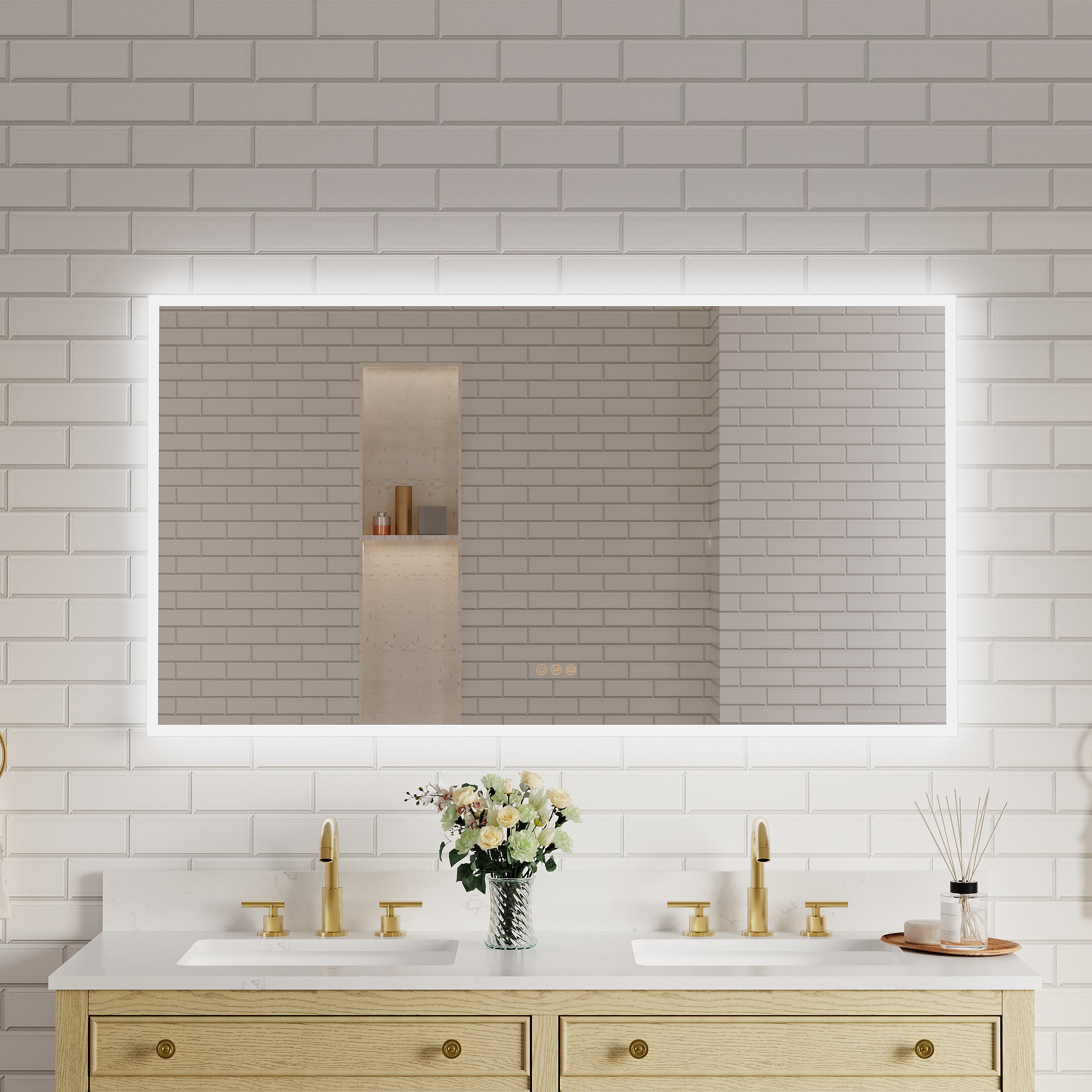
l Double vanity (60-inch W): one mirror 55 to 60 inches W, or two mirrors 24 to 30 inches W each
l Double vanity (72-inch W): one mirror 60 to 72 inches W, or two mirrors 30 to 36 inches W each
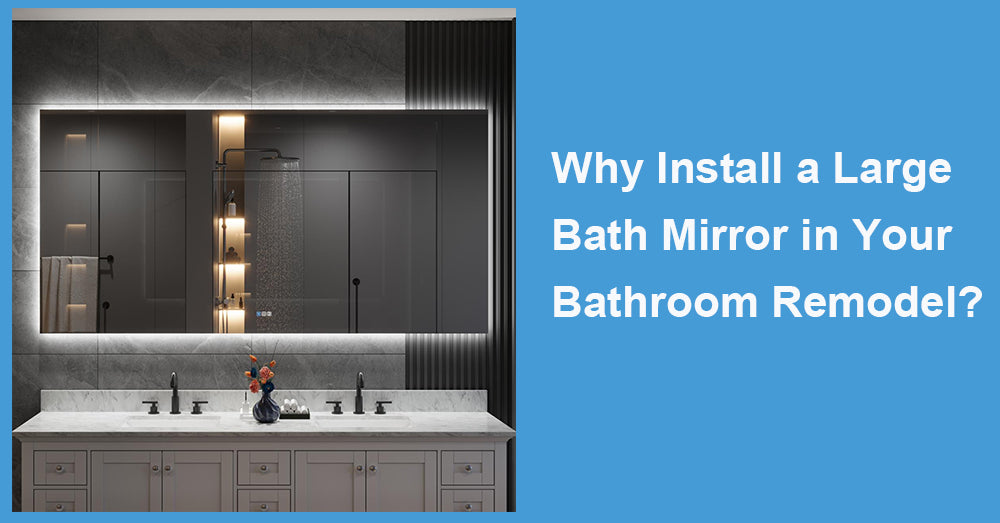
If your goal is maximum spaciousness, consider a wide mirror that spans most of the vanity wall, especially in powder rooms. Designers consistently recommend going oversized in small baths to increase perceived depth and brightness.
Let the Mirror Multiply Light, Not Just Reflection
A mirror only “opens up” a room if it has light to work with. Lighting is also one of the most common renovation upgrades; Houzz reports 82% of renovating homeowners upgrade bathroom lighting.
To get the spacious effect, use frameless mirrors in ways that boost brightness:
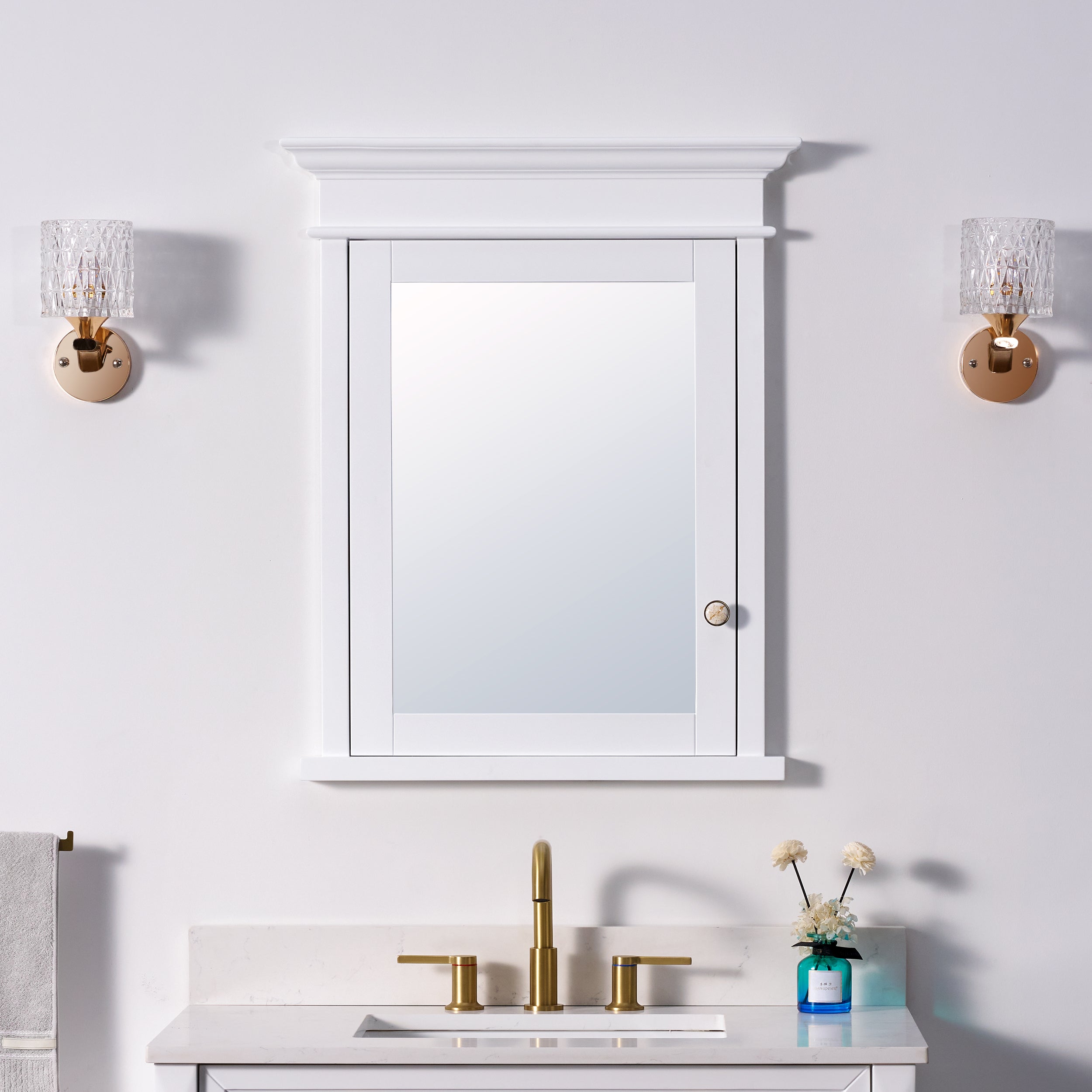
Place sconces at face height (often around 60 to 66 inches from the floor to the center of the light, depending on ceiling and mirror height) to reduce shadows.
Choose a taller mirror (often 30 to 40 inches H) when ceiling height allows, so more of the wall becomes reflective.
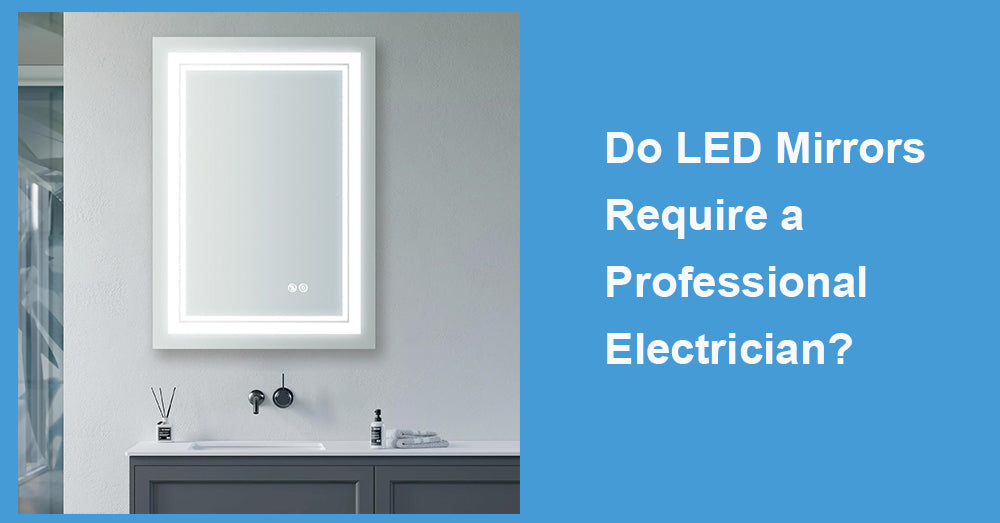
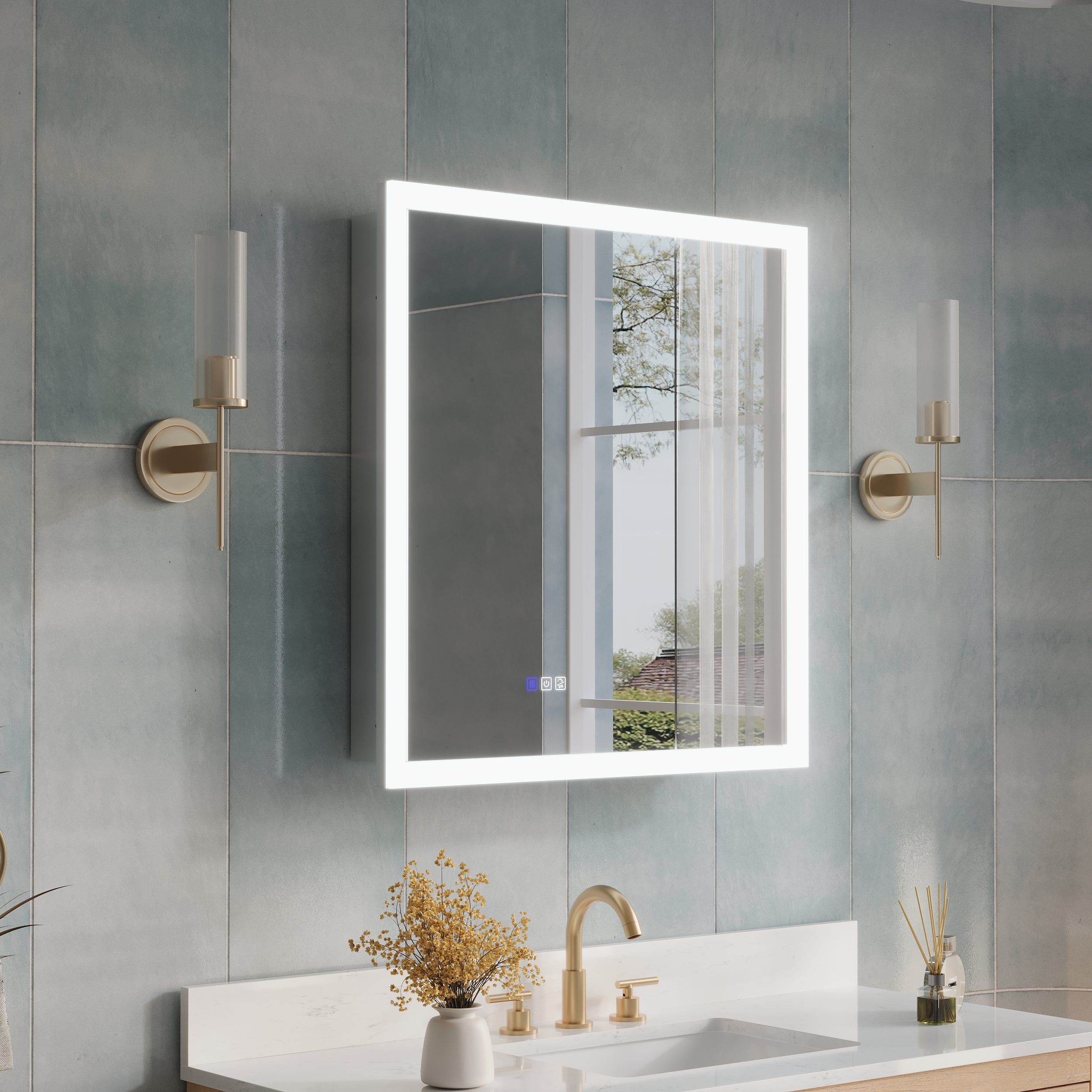
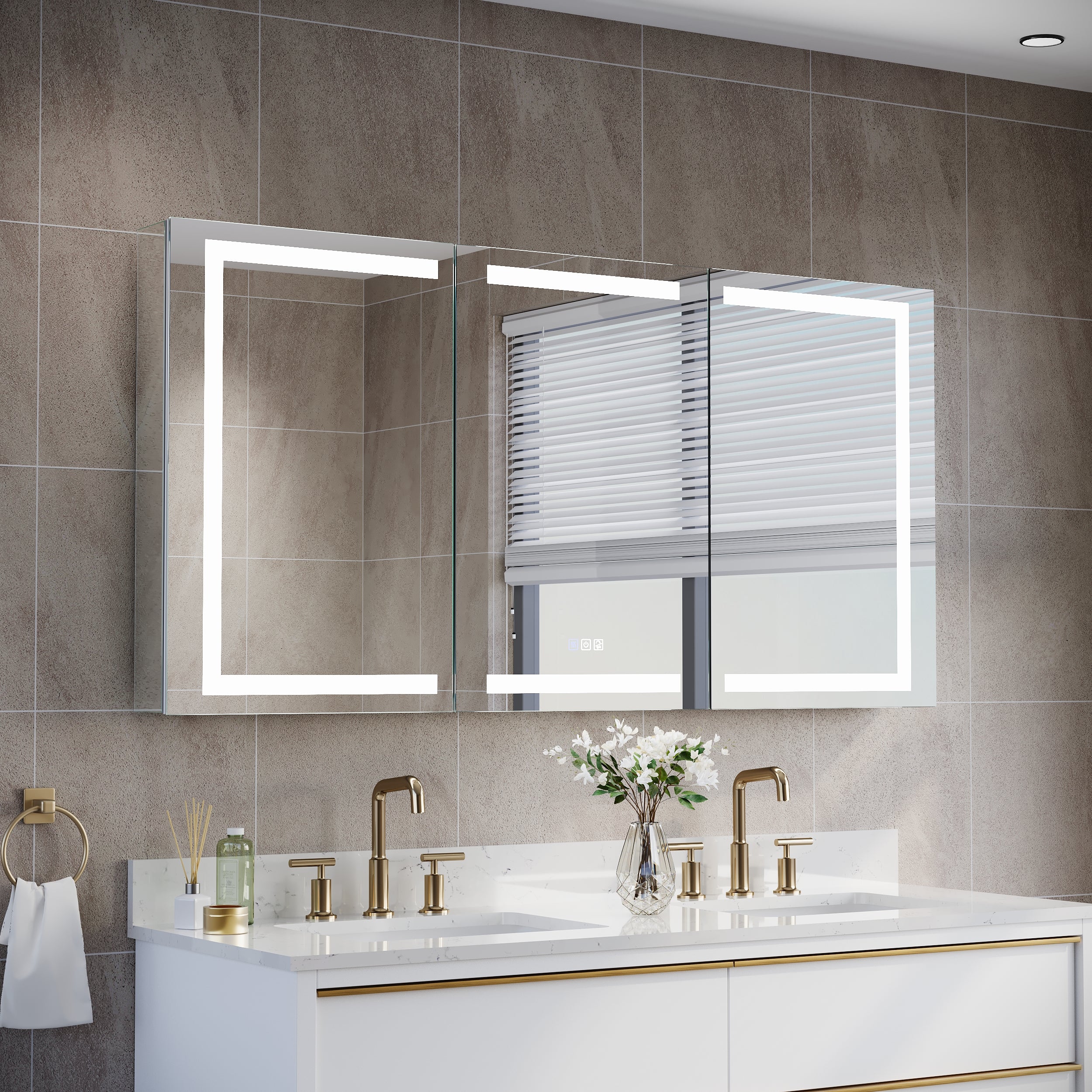
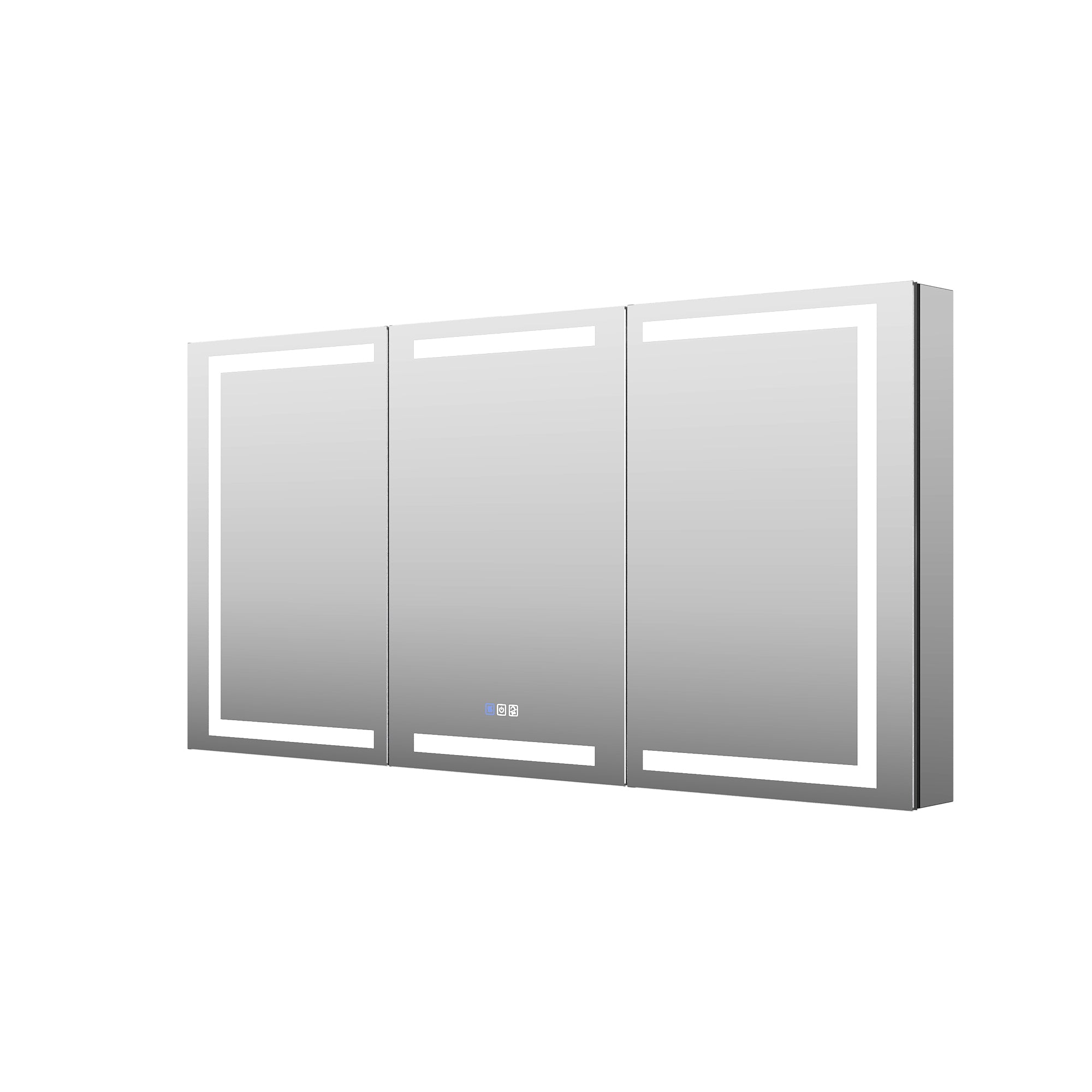
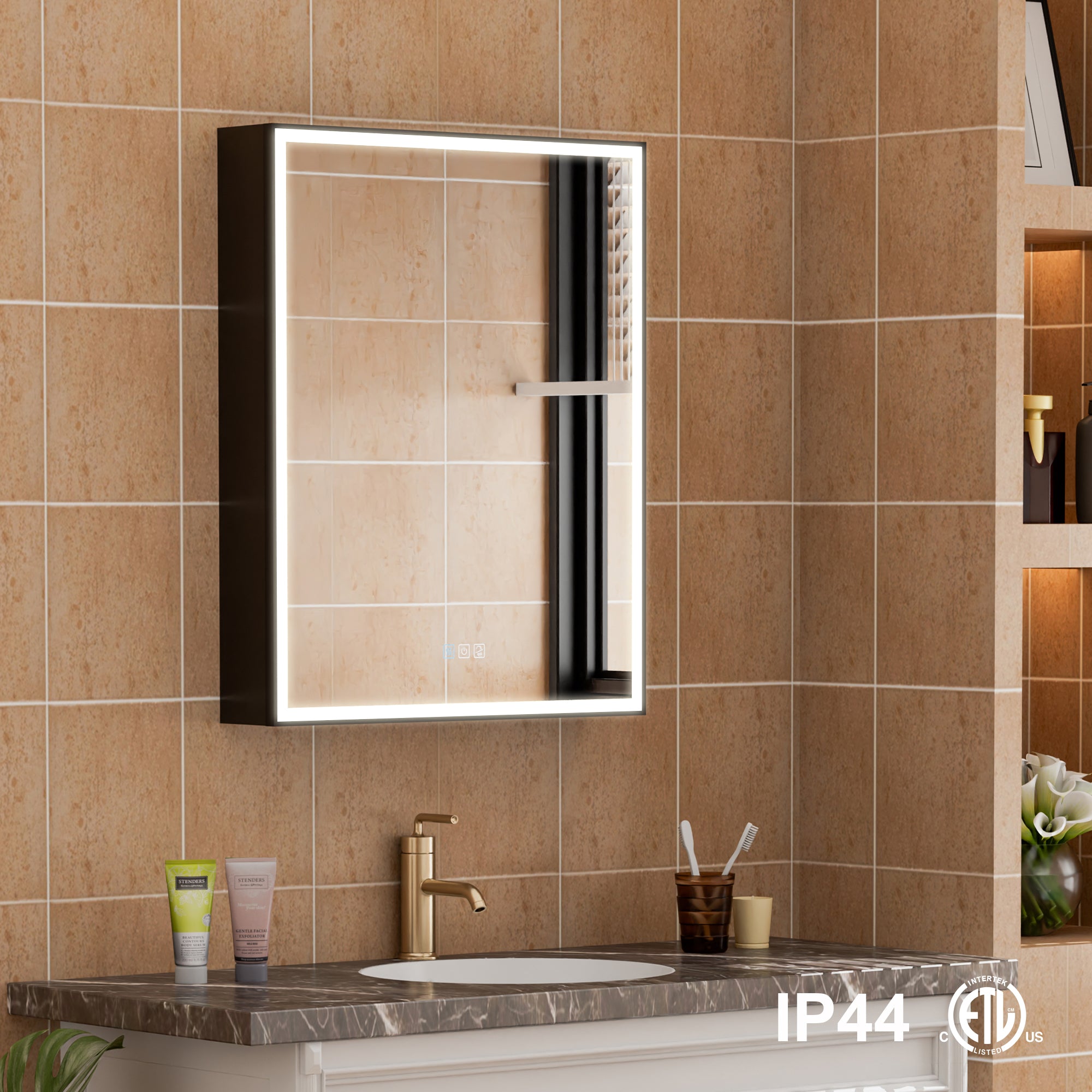
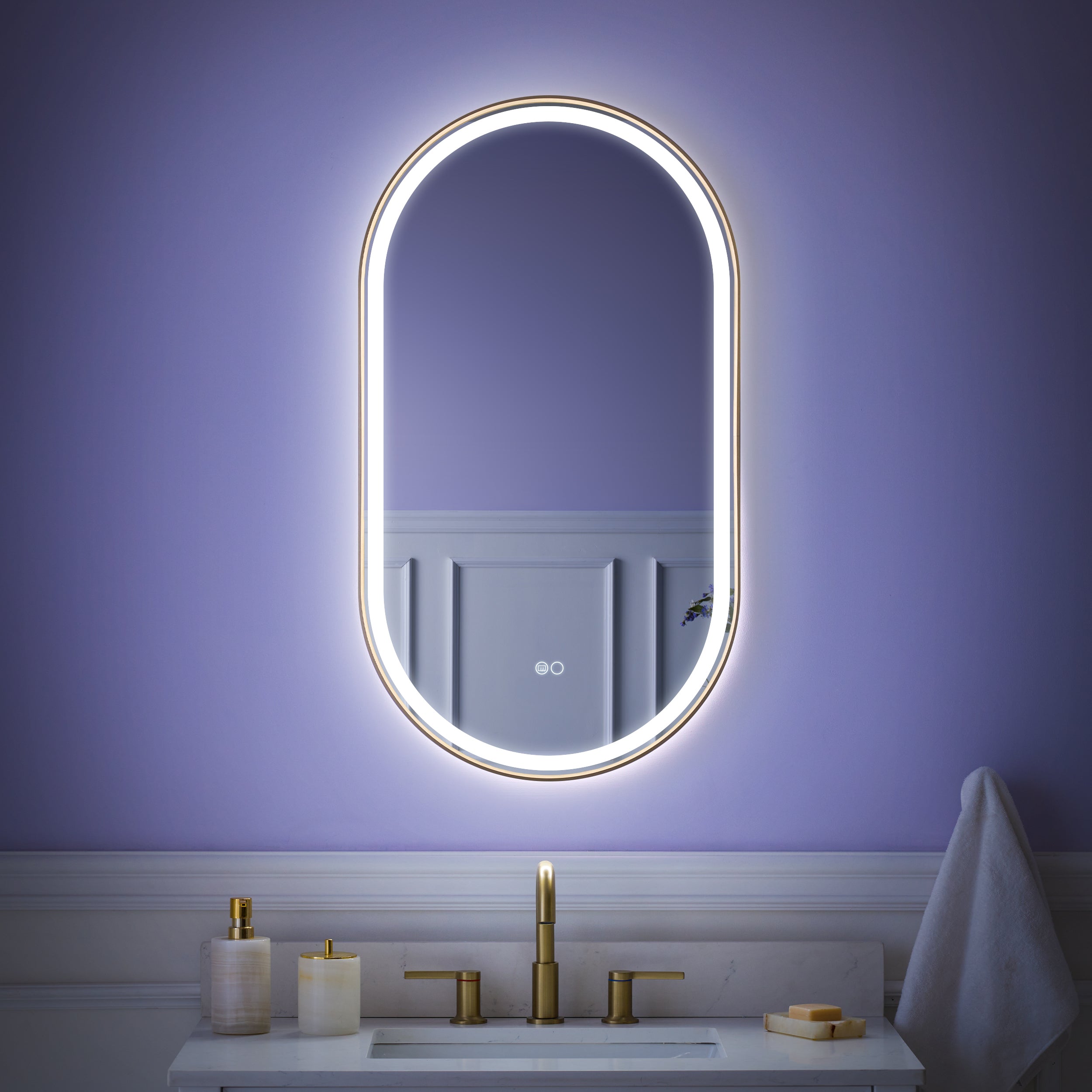
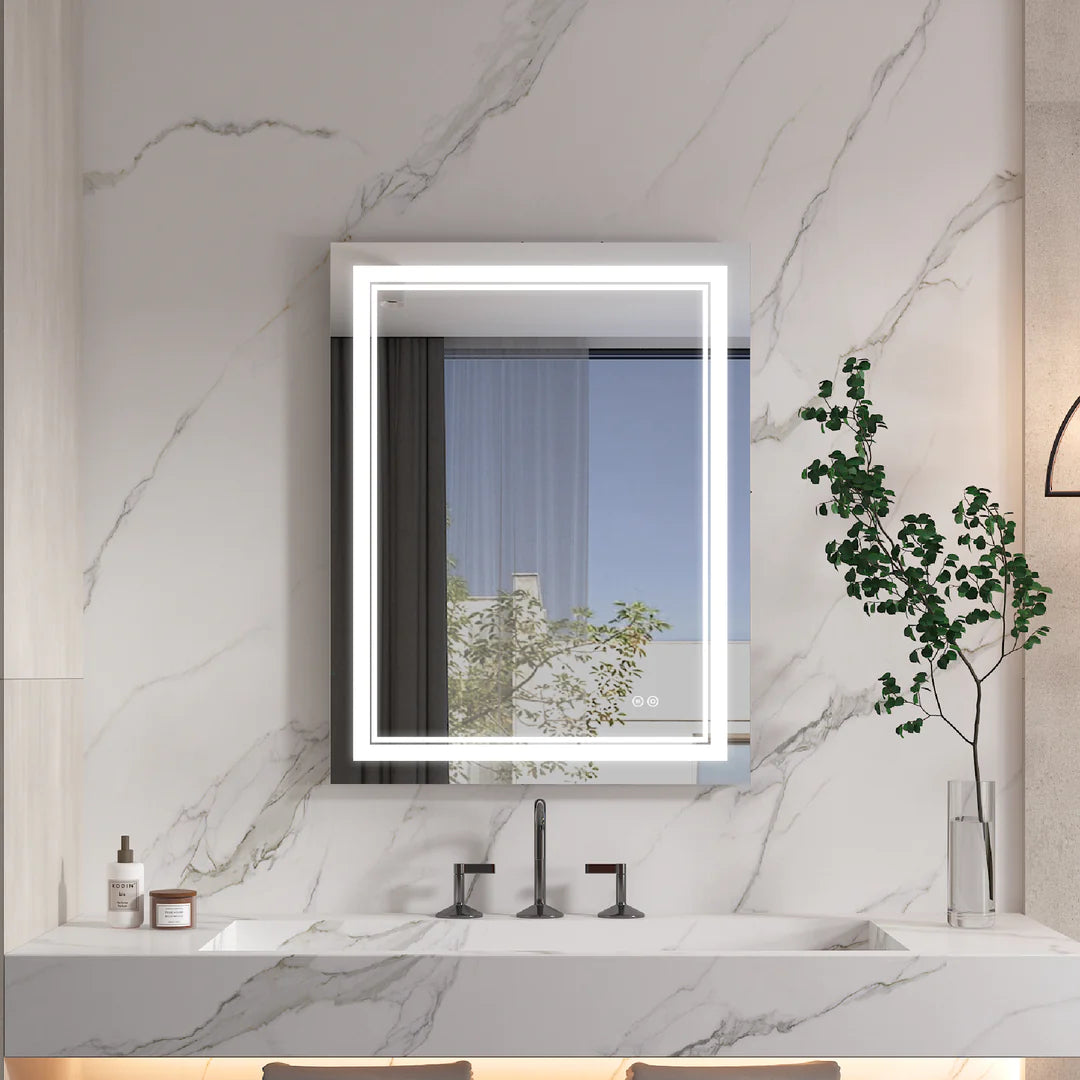
If you’re using an LED-lit mirror, choose even illumination (front-lit or backlit) that doesn’t create harsh hotspots.
Houzz also notes “extra lighting” shows up as a safety-focused renovation choice (31%), which often overlaps with the desire for a brighter, more open-feeling room.
Put the Mirror Where It Reflects Depth, Not Chaos
Mirrors don’t just reflect light; they reflect whatever is in front of them. If the mirror faces a cluttered countertop, a towel pile, or a busy shower niche, it can make the room feel messier, not bigger.
Better placements for a spacious feel:
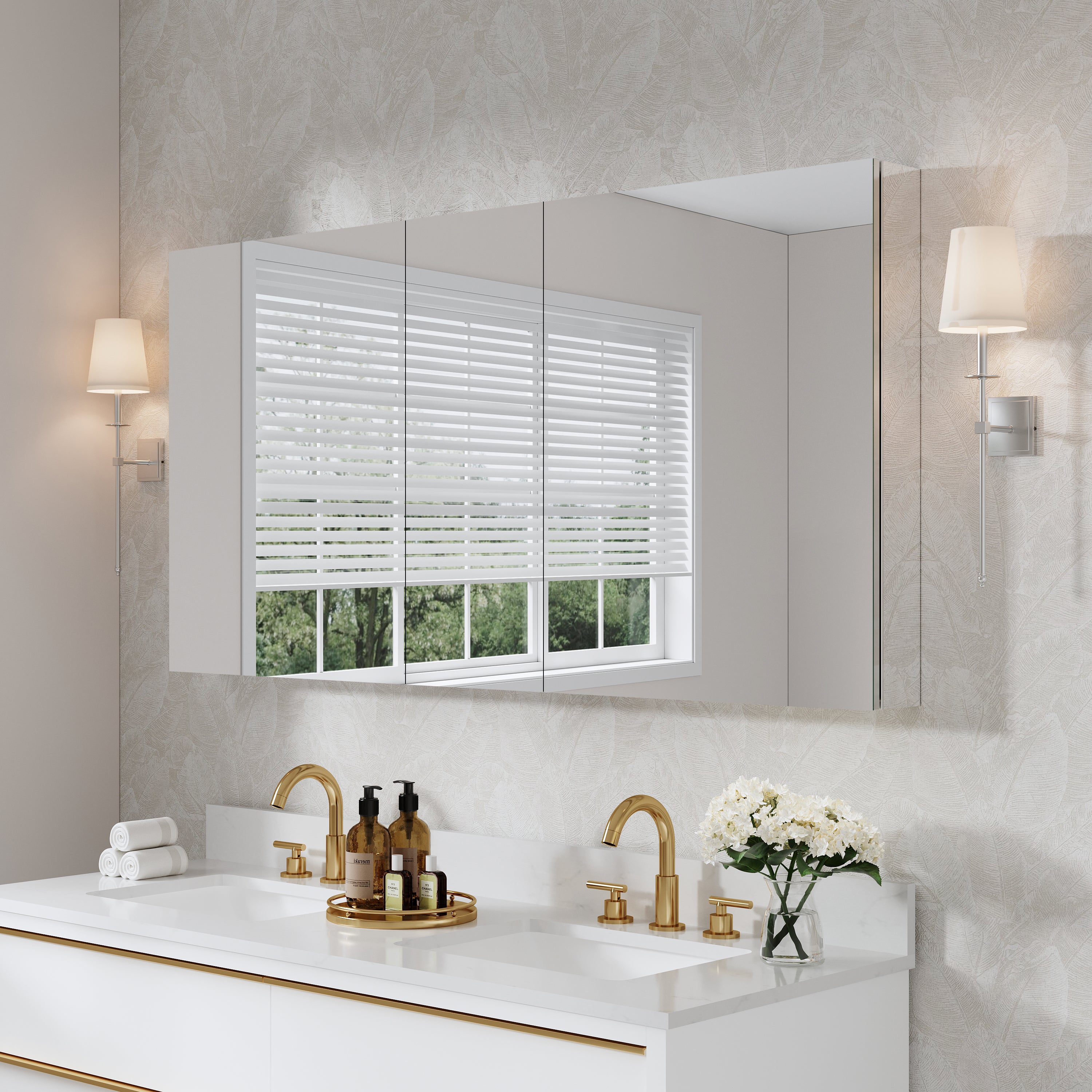
l Across from a window (or angled to catch it) so daylight bounces deeper into the room
l Facing a clean wall surface (tile, paint, or a simple shower glass plane) for a calmer reflection
l Centered on the vanity with a clear zone of counter space below it
Designers also call out this mistake directly: placing mirrors where they reflect clutter undermines the effect you’re trying to create.

Use Shape to “Stretch” the Room in the Direction You Need
Frameless mirrors can change how the room feels proportionally:
l Tall rectangles make ceilings feel higher and pull the eye upward.
l Wide horizontal mirrors make narrow bathrooms feel broader.
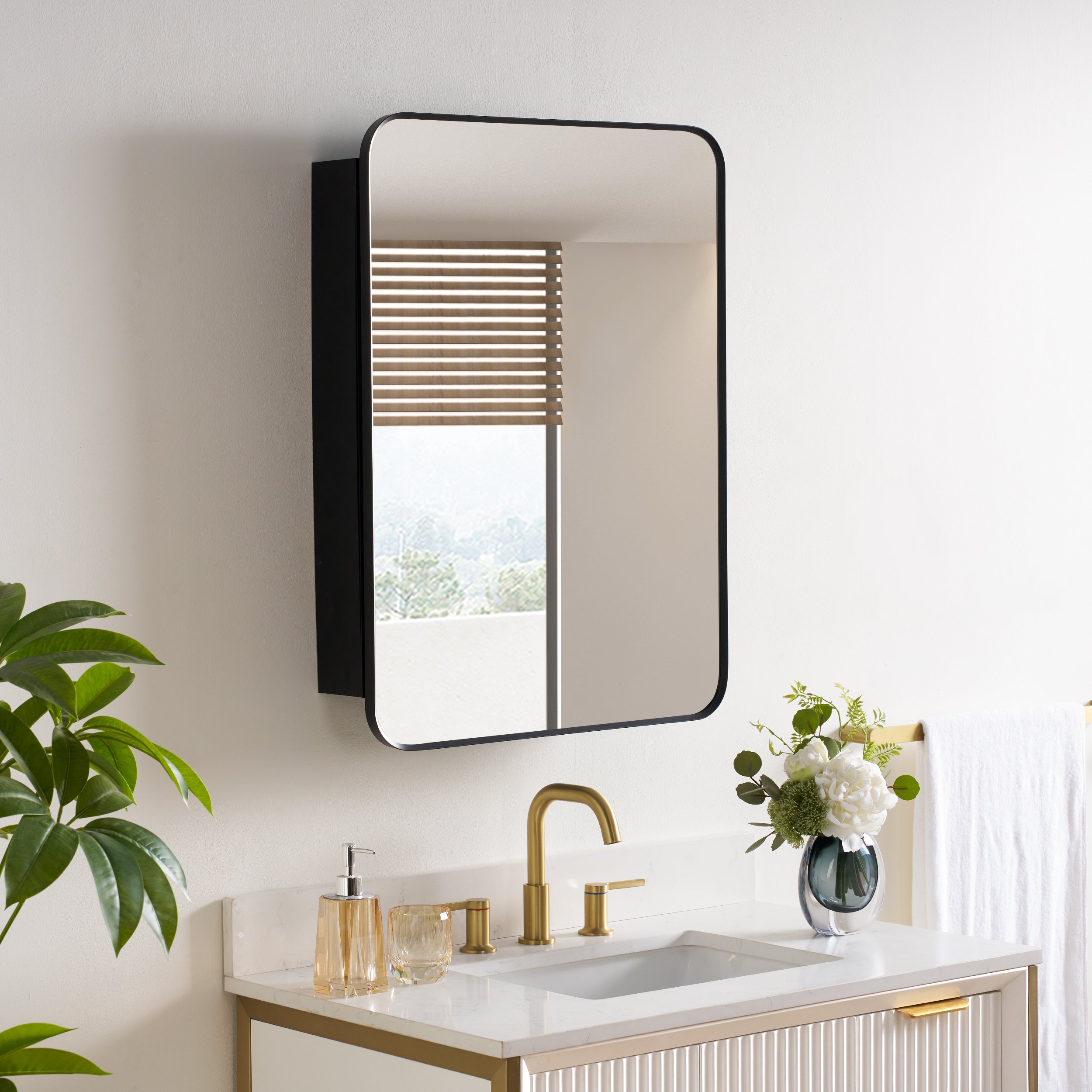
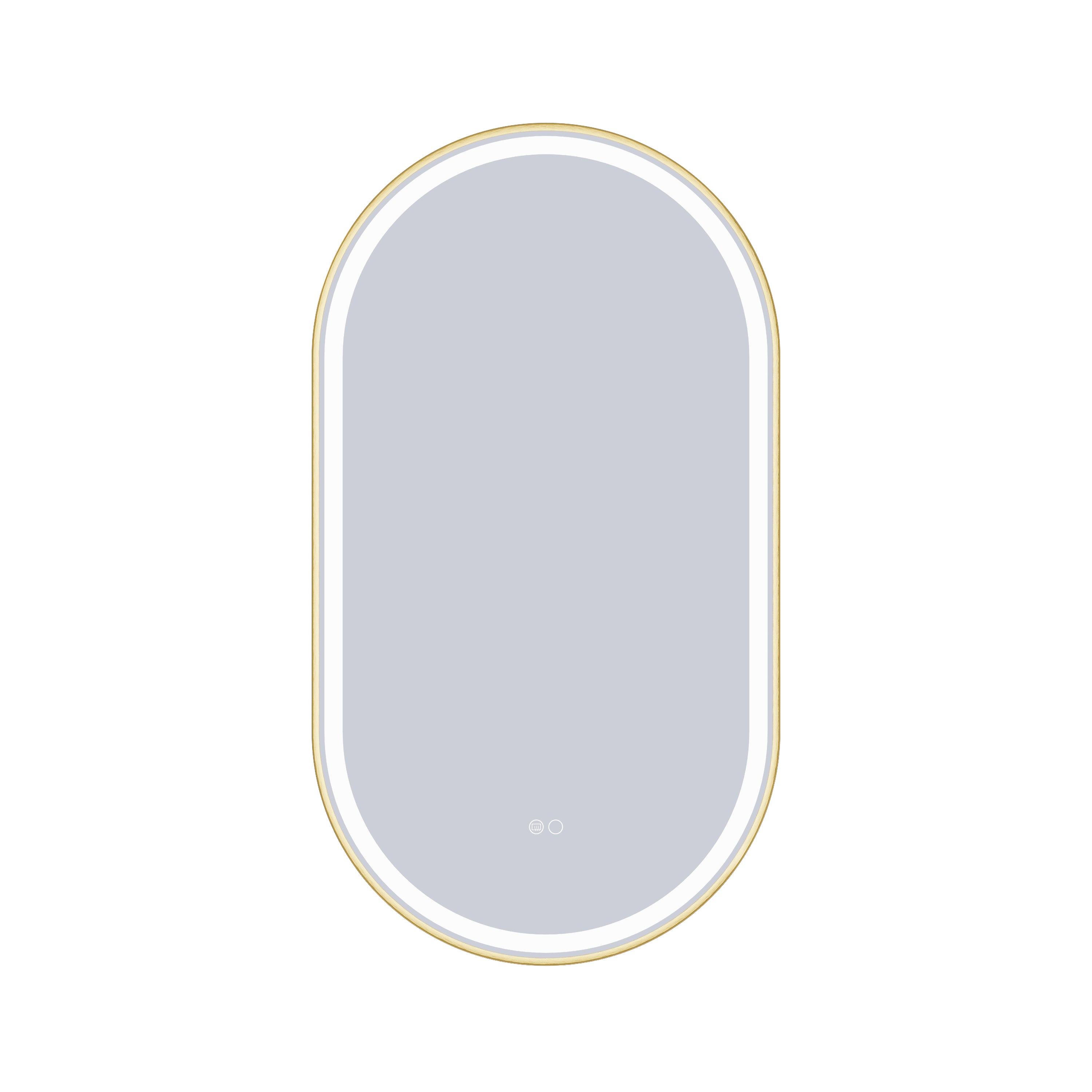
l Rounded corners or ovals soften a tight space and reduce the “boxed-in” feeling without adding a frame.
If you’re working with a low ceiling, a taller mirror (even if it’s slightly narrower) usually helps more than a short, wide one. If the room is narrow, a wide mirror that approaches wall-to-wall can be the bigger win.
Pair Frameless Mirrors With Other “Borderless” Upgrades
Bathrooms feel larger when multiple elements reduce visual boundaries. A big one is shower glass. In the 2025 Houzz Bathroom Trends Study, among homeowners upgrading showers with doors, 75% chose frameless doors.
When you combine a frameless mirror with:
l a frameless shower enclosure (or minimal hardware),
l lighter wall finishes,
l and fewer contrasting trim lines,
The room reads more open because there are fewer “stops” for the eye.
This is also why wet-room concepts keep gaining attention: open, glass-forward layouts prioritize continuity and sightlines. (Houzz trend reporting has noted wet rooms rising, and news coverage has highlighted that momentum as well.)
Use Medicine Cabinets Strategically: Spacious Look, Hidden Storage
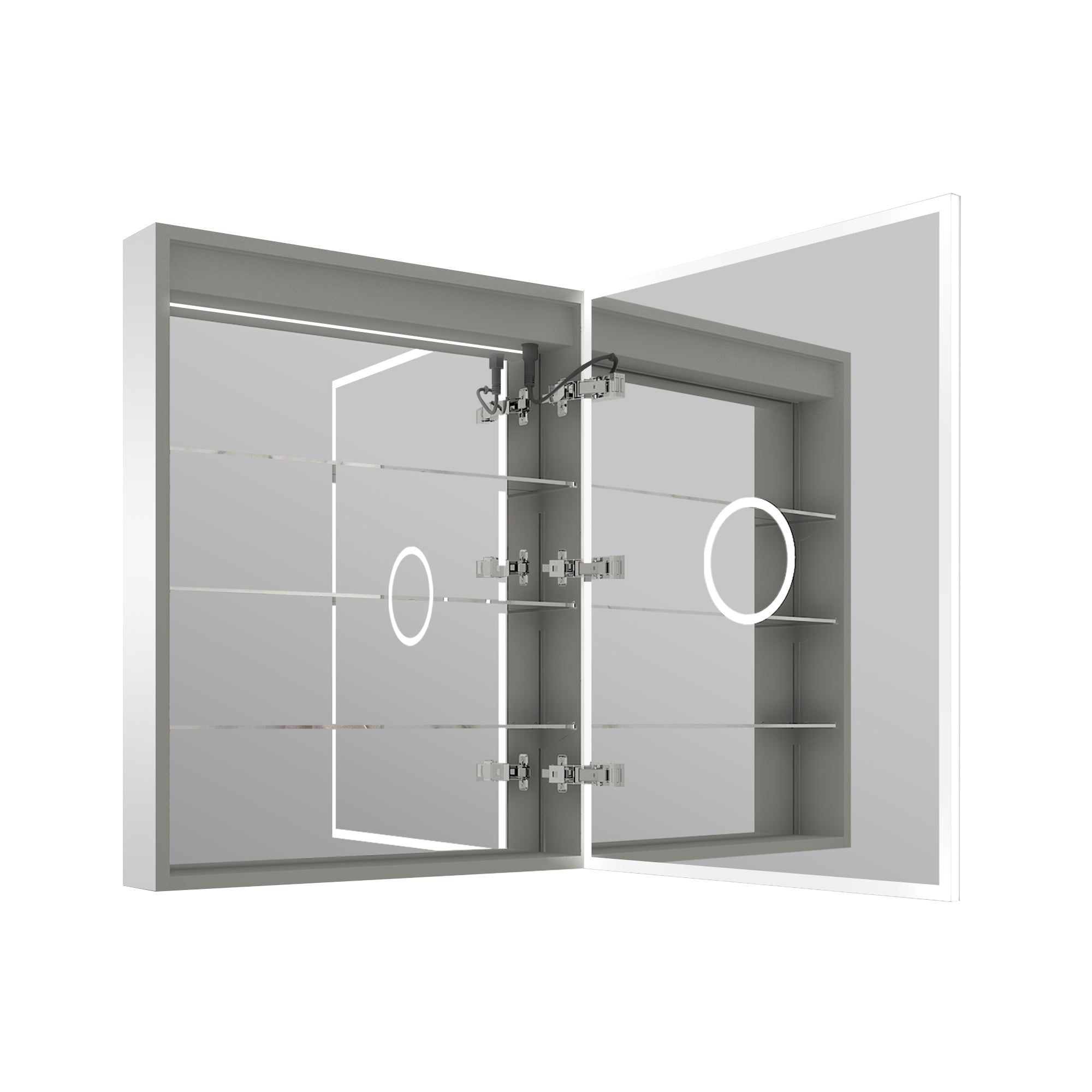
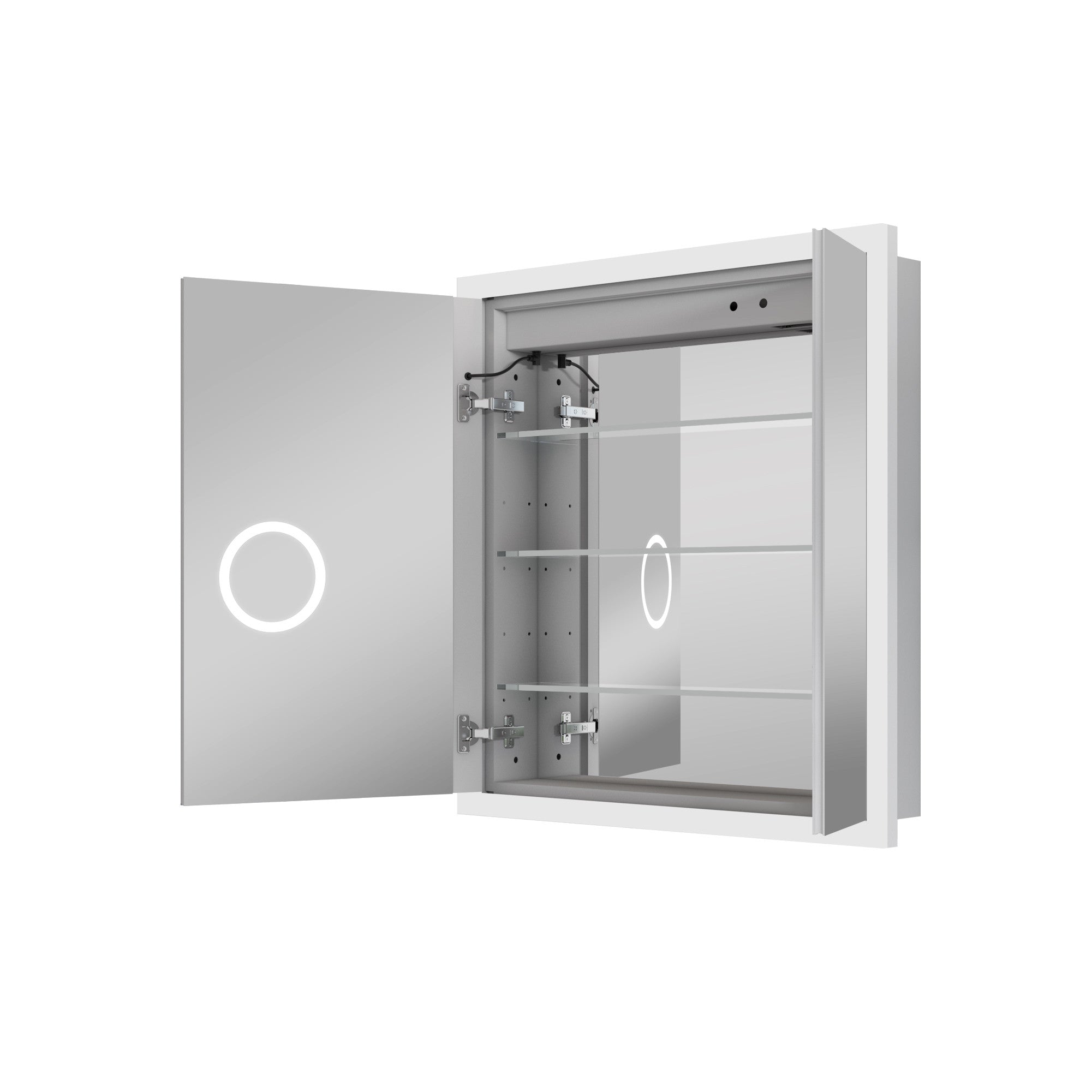
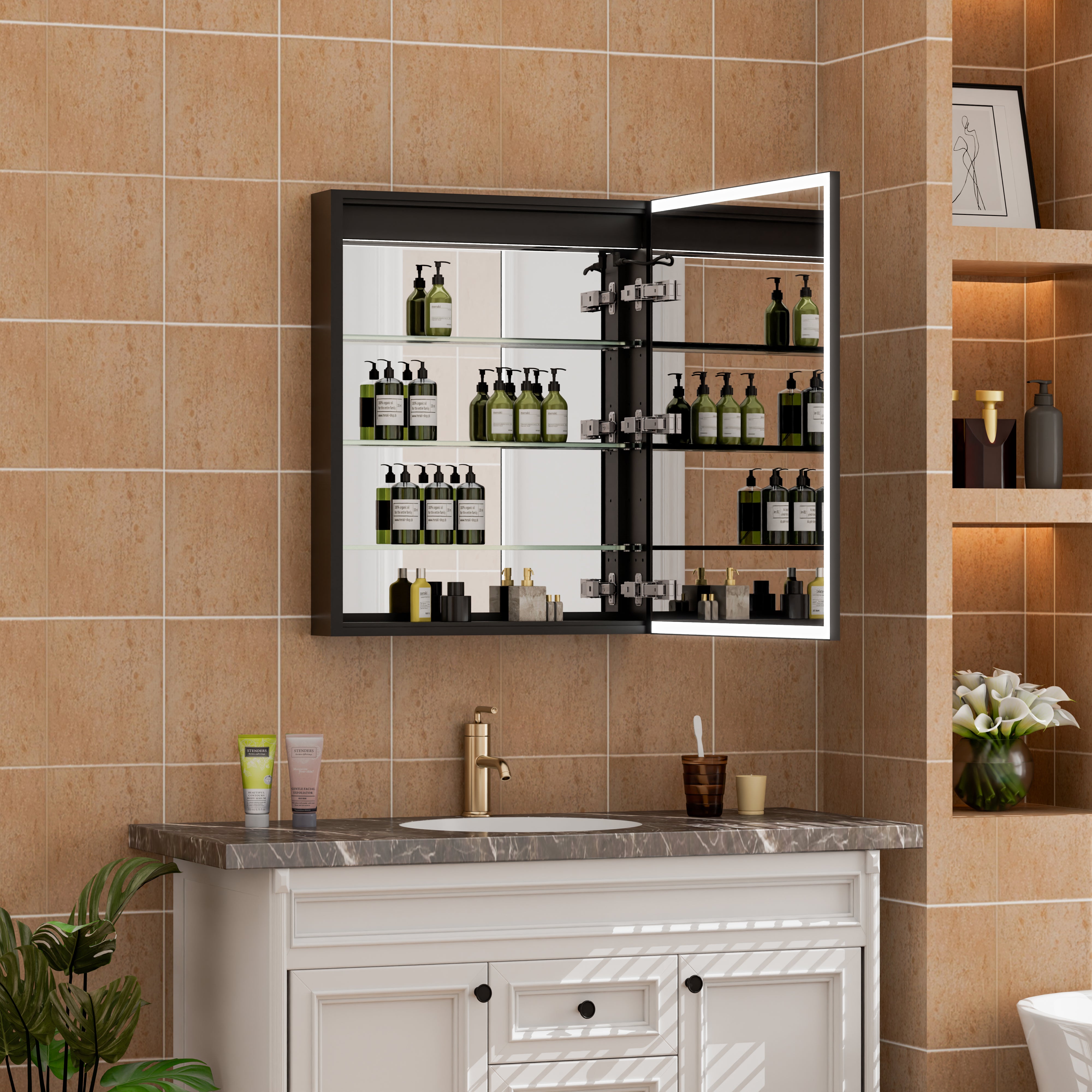
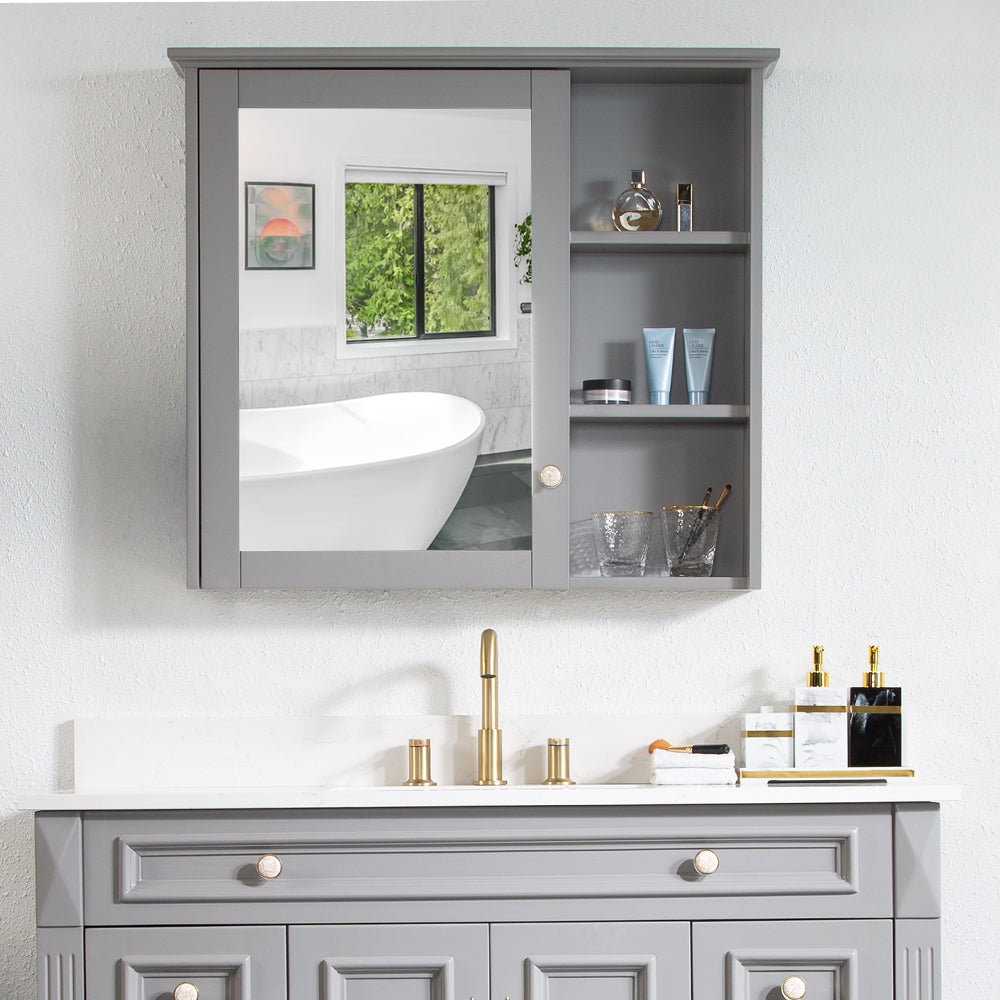
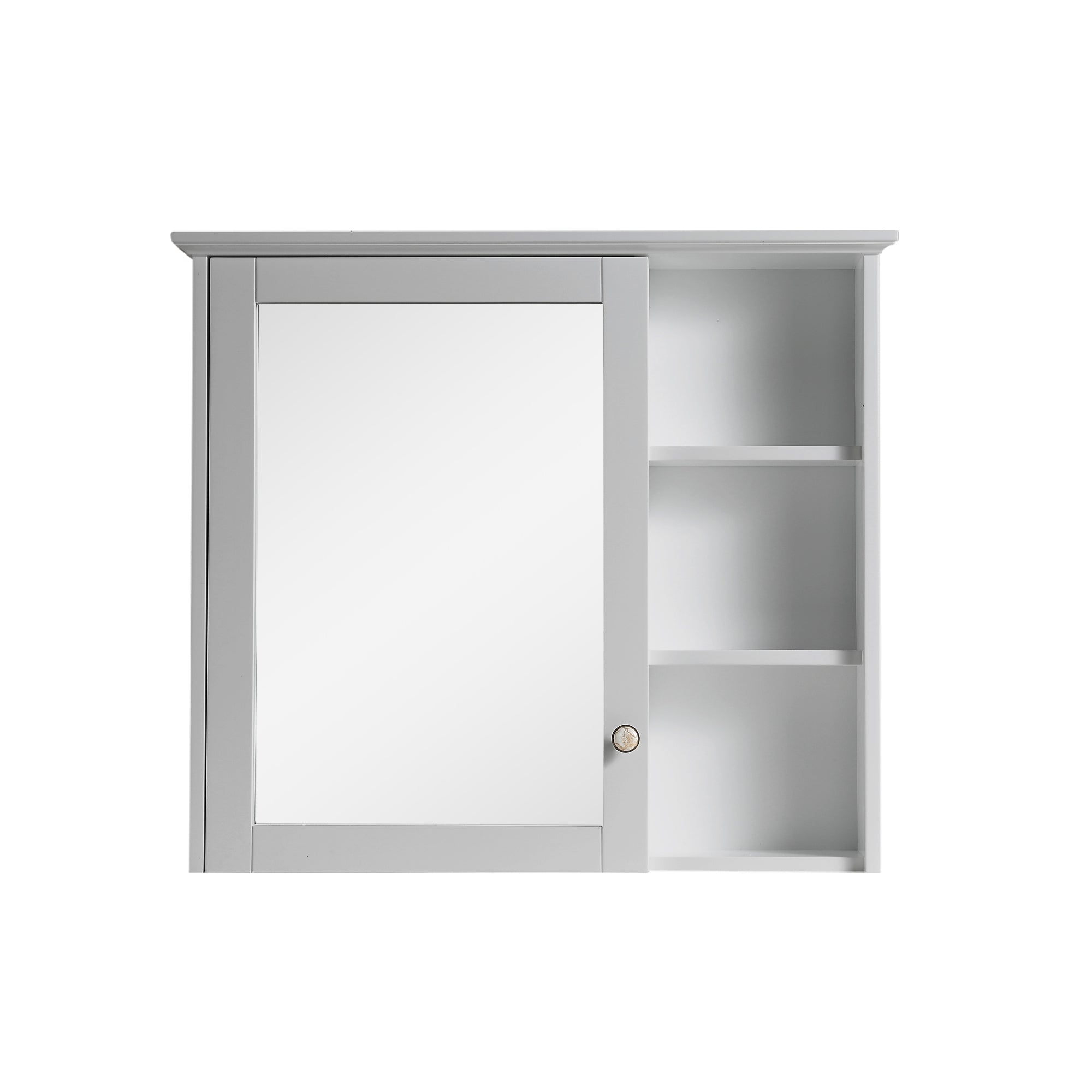
Counter clutter kills the spacious illusion. One of the easiest fixes is shifting storage to the wall, and mirrors can do that invisibly.
Houzz reports 32% of renovating homeowners refresh their medicine cabinets, and newer cabinets increasingly integrate features like hidden outlets and anti-fog systems.
If you want the room to feel bigger:
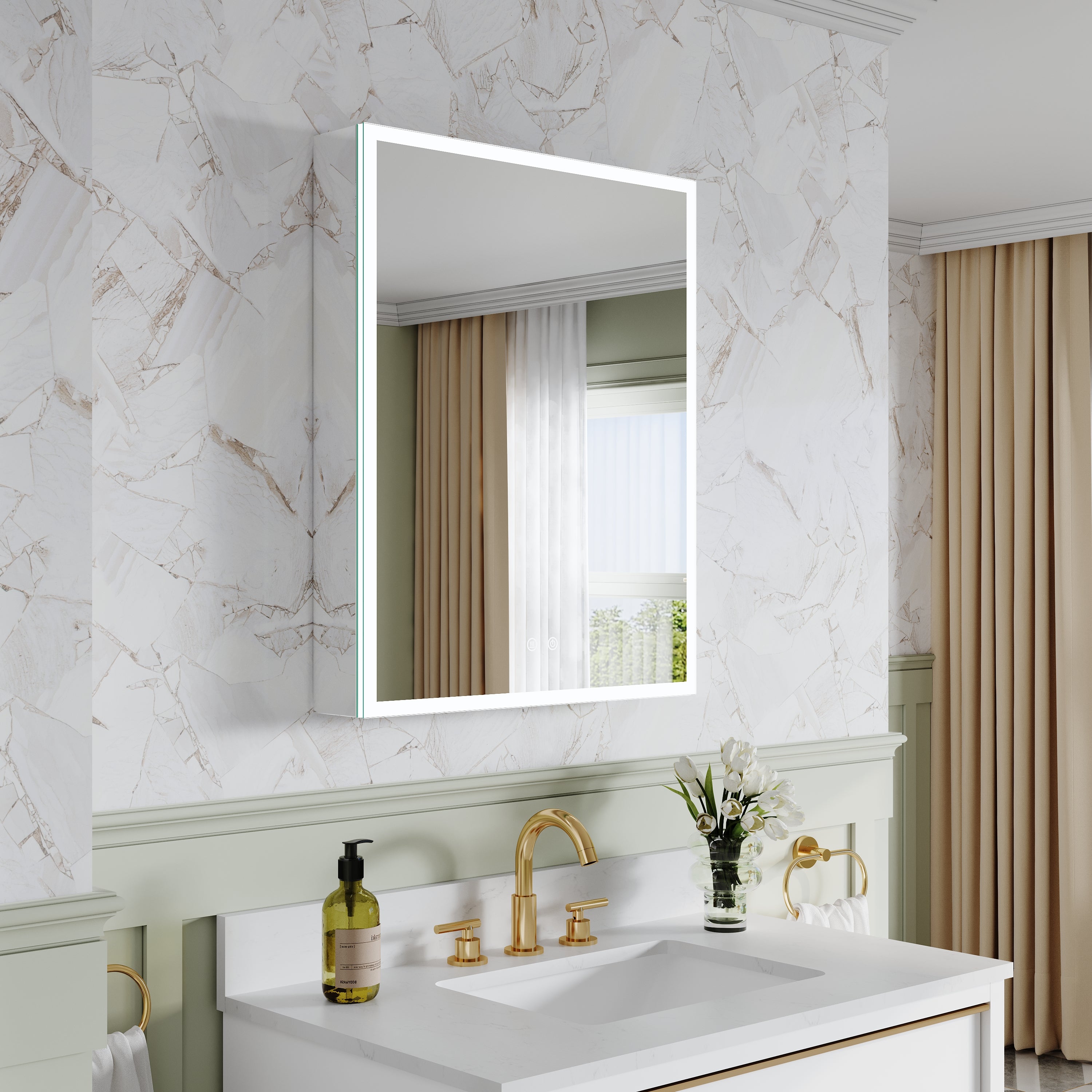
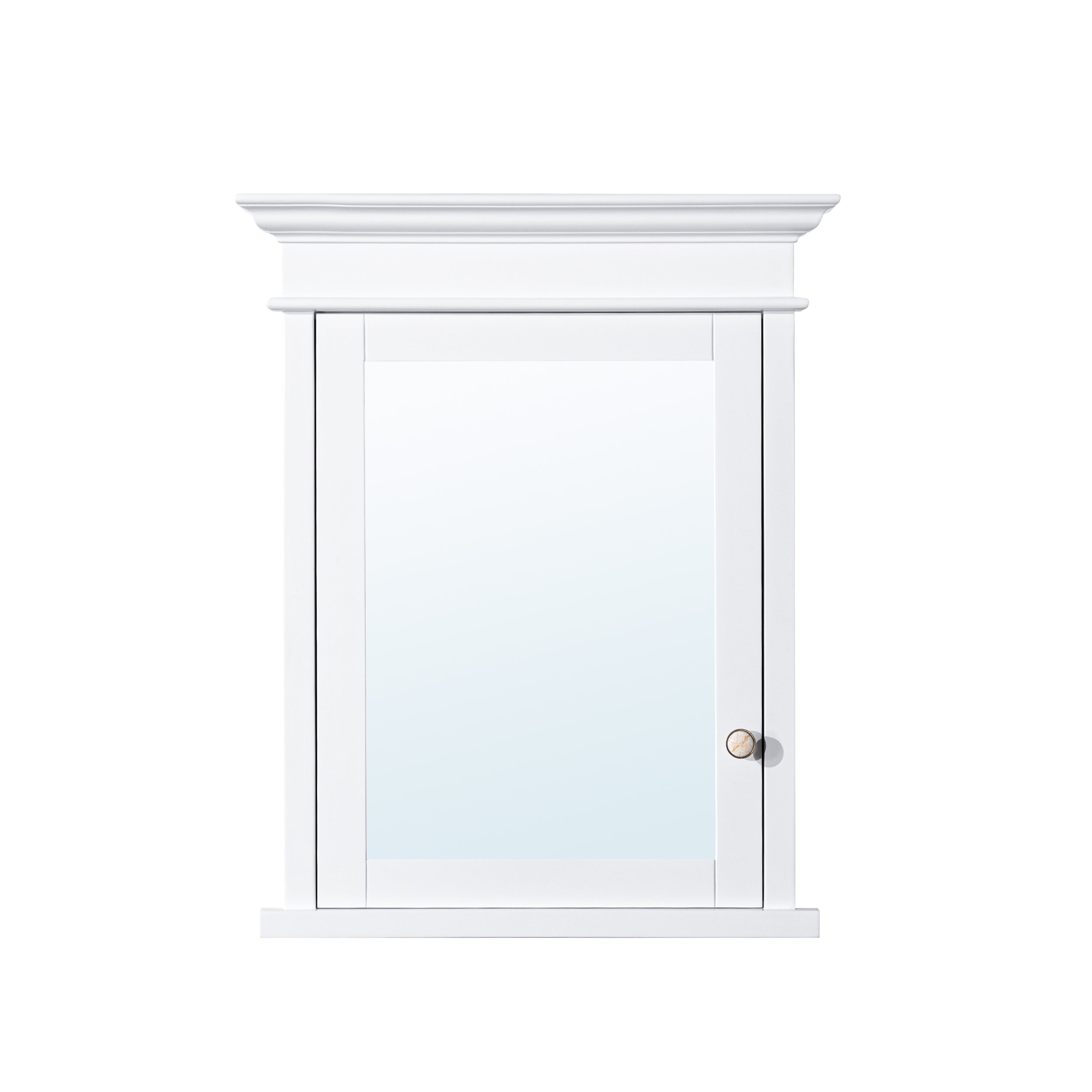
Choose a mirrored cabinet with a clean, frameless face,
keep the mirror large (don’t downsize just because it’s storage),
and use the cabinet to remove countertop items from view.
The result is both visual calm and better function, which is exactly the combination that makes a bathroom feel “larger.”
Don’t Break the Illusion With Bad Spacing and Clearances
Even a perfect mirror won’t help if the room feels physically tight. Good planning protects the “spacious” feeling.
NKBA bathroom planning guidance recommends at least 30 inches of clear floor space in front of fixtures, with common minimums at 21 inches in front of a tub and 24 inches in front of a shower entry.
Mirror-specific execution tips that avoid common pitfalls:
l Hang the mirror so the center lands near eye level for most users (often around 60 to 65 inches from the floor, depending on household height and vanity height).
l Keep the bottom edge high enough to clear the faucet splash zone, but not so high that shorter users lose usability.
If you’re going wall-to-wall, plan outlets and switches early so they don’t “interrupt” the mirror span.










Leave a comment
This site is protected by hCaptcha and the hCaptcha Privacy Policy and Terms of Service apply.